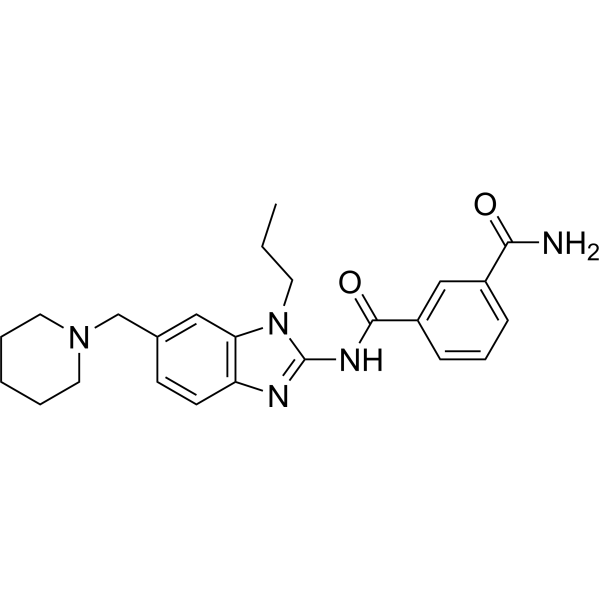
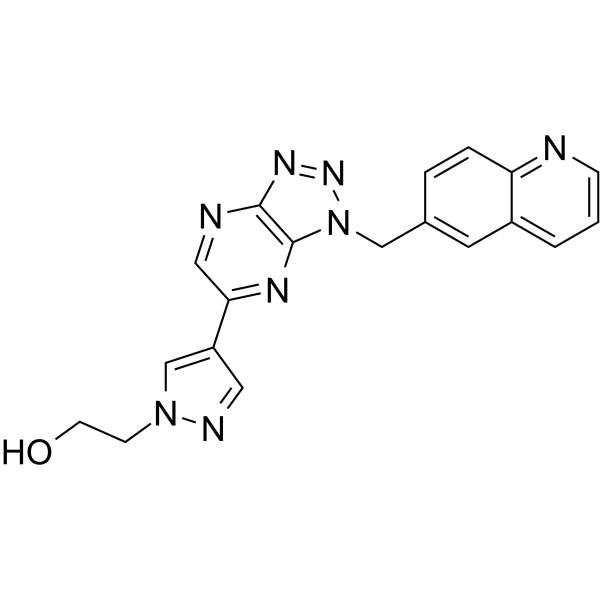
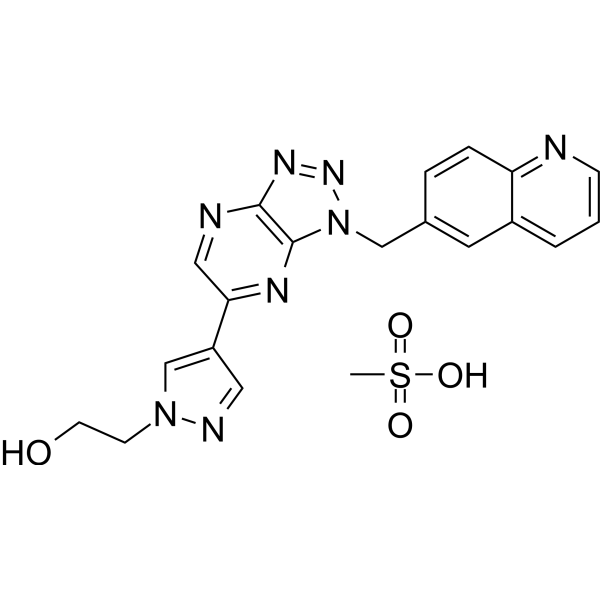
1. Search Result
Search Result
Pathways Recommended: Stem Cell/Wnt Cell Cycle/DNA Damage
Results for "

THP-1 cells

" in MedChemExpress (MCE) Product Catalog:

247

Inhibitors & Agonists

2

Fluorescent Dye

1

Biochemical Assay Reagents

8

Peptides

3

Inhibitory Antibodies

17

Natural
Products

2

Click Chemistry

4

Oligonucleotides

Cat. No. Product Name Target Research Areas Chemical Structure
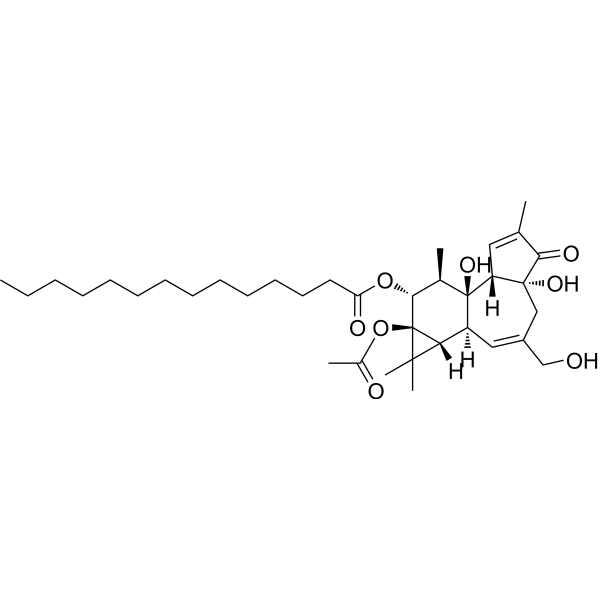
  • HY-18739
    Phorbol 12-myristate 13-acetate
    Maximum Cited Publications
    726 Publications Verification

    PMA; TPA; Phorbol myristate acetate

    PKC SphK NF-κB Neurological Disease Inflammation/Immunology Cancer
    Phorbol 12-myristate 13-acetate (PMA; TPA; Phorbol myristate acetate), a phorbol ester, is a dual SphK and protein kinase C (PKC) activator . Phorbol 12-myristate 13-acetate is a NF-κB activator. Phorbol 12-myristate 13-acetate induces differentiation in THP-1 cells (Validated by MedChemExpress (MCE)) .
    Phorbol 12-myristate 13-acetate
  • HY-N7038
    Phytohemagglutinin
    5+ Cited Publications

    PHA-M

    NF-κB COX Interleukin Related Reactive Oxygen Species (ROS) Neurological Disease Inflammation/Immunology Cancer
    Phytohemagglutinin (PHA-M), the major seed lectin of the common bean, Phaseolus vulgaris, is a T-cell activator. Phytohemagglutinin stimulates human mononuclear leukocytes, inducing the expression of ChAT mRNA and potentiating ACh synthesis. Phytohemagglutinin induces dose- and time-dependent toxicity in THP-1 monocytes/macrophages, alters cellular morphology, causes organelle dysfunction, and increases the expression of NF-κB, COX2, IL-1β .
    Phytohemagglutinin
  • HY-131454
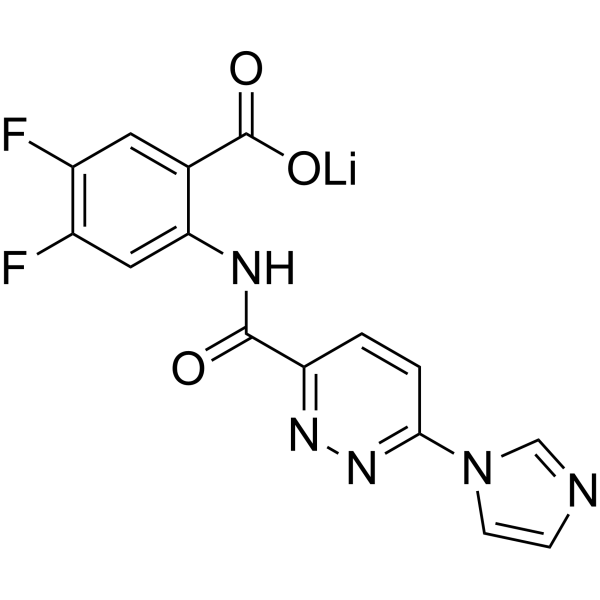
    SR-717
    25+ Cited Publications

    STING Inflammation/Immunology Cancer
    SR-717 is a non-nucleotide STING agonist with EC50s of 2.1 μM and 2.2 μM in ISG-THP1 (WT) and ISG-THP1 cGAS KO (cGAS KO) cell lines, respectively. SR-717 is a stable cyclic guanosine monophosphate-adenosine monophosphate (cGAMP) mimetic. Antitumor activity .
    SR-717
  • HY-123942
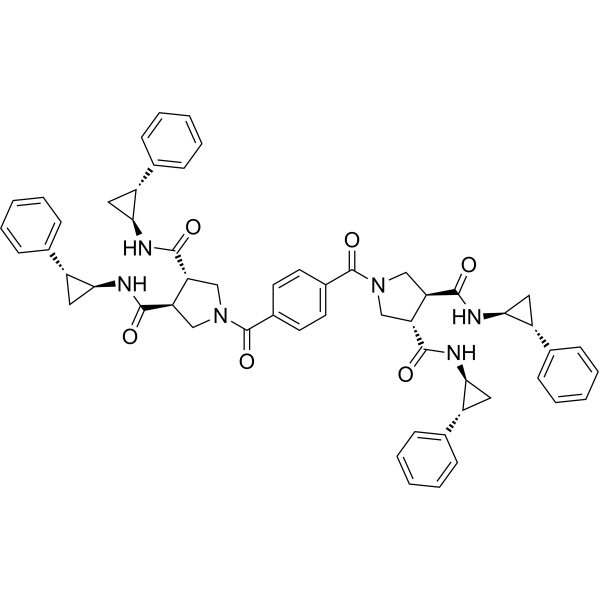
    Diprovocim
    10+ Cited Publications

    Toll-like Receptor (TLR) TNF Receptor p38 MAPK NF-κB Inflammation/Immunology Cancer
    Diprovocim is a potent TLR1/TLR2 agonist. Diprovocim elicits full agonist activity in human THP-1 cells (EC50=110 pM). Diprovocim stimulates the release of TNF-α from mouse macrophages (EC50=1.3 nM). Diprovocim activates downstream MAPK and NF-κB signaling pathway. Diprovocim displays strong adjuvant activity in mice, particularly abetting cellular immune responses .
    Diprovocim
  • HY-P2036A
    FSL-1 TFA
    4 Publications Verification

    Toll-like Receptor (TLR) MMP HSV Antibiotic Infection
    FSL-1 TFA, a bacterial-derived toll-like receptor 2/6 (TLR2/6) agonist, enhances resistance to experimental HSV-2 infection . FSL-1 TFA induces MMP-9 production through TLR2 and NF-κB/AP-1 signaling pathways in monocytic THP-1 cells .
    FSL-1 TFA
  • HY-104073
    CAY10602
    5+ Cited Publications

    Sirtuin Metabolic Disease Inflammation/Immunology
    CAY10602 is a SIRT1 activator. CAY10602 dose-dependently suppresses the NF-κB-dependent induction of TNF-α by lipopolysaccharide in THP-1 cells .
    CAY10602
  • HY-172208

    PROTACs Cyclic GMP-AMP Synthase Inflammation/Immunology
    PROTAC cGAS degrader-1 is a potent and selective cGAS PROTAC degrader, with DC50 values of 0.9 μM and 4.6 μM in THP-1 and RAW 264.7 cells, respectively. PROTAC cGAS degrader-1 induces proteasome-mediated degradation of cGAS, inhibits the cGAS signaling pathway, and attenuates double-stranded DNA-induced activation of cGAS in human and mouse cells. PROTAC cGAS degrader-1 is applicable to research related to ulcerative colitis .
    PROTAC cGAS degrader-1
  • HY-N7493
    N-acetyldopamine
    1 Publications Verification

    NADA

    Endogenous Metabolite TNF Receptor Reactive Oxygen Species (ROS) Others
    N-acetyldopamine is a sepiapterin reductase inhibitor. N-acetyldopamine is a catecholamine that is used by insects as sclerotizing precursors to harden their cuticle. N-acetyldopamine can attenuate LPS-stimulated TNF-α production and superoxide production in THP-1 cells .
    N-acetyldopamine
  • HY-131454A
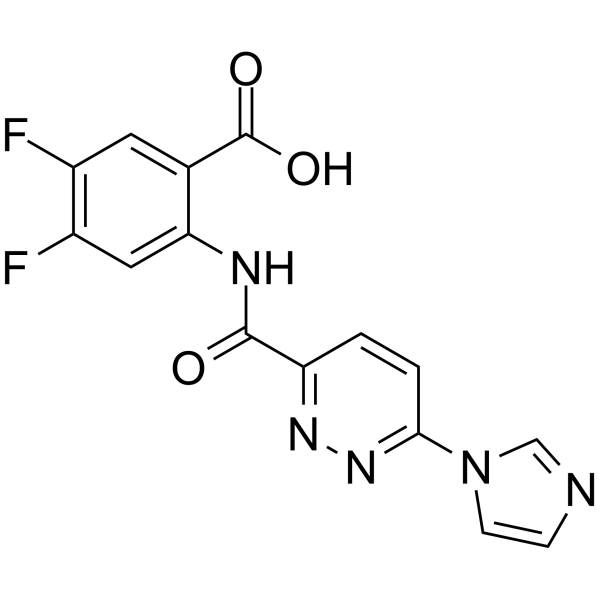
    SR-717 free acid
    25+ Cited Publications

    STING Inflammation/Immunology Cancer
    SR-717 free acid is a non-nucleotide STING agonist with EC50s of 2.1 μM and 2.2 μM in ISG-THP1 (WT) and ISG-THP1 cGAS KO (cGAS KO) cell lines, respectively. SR-717 free acid is a stable cyclic guanosine monophosphate-adenosine monophosphate (cGAMP) mimetic. Antitumor activity .
    SR-717 free acid
  • HY-W014605

    Diphencyprone

    Interleukin Related Apoptosis p38 MAPK IRE1 Inflammation/Immunology Cancer
    Diphenylcyclopropenone (Diphencyprone) is a potent hapten acting as a topical immunomodulatory agent, which induces an allergic contact dermatitis. Diphenylcyclopropenone induces an increase of cell-surface thiols in cells of a human monocytic cell line, THP-1. Diphenylcyclopropenone acts on the autoreactive T-lymphocytes within the follicular milieu to induce Apoptosis. Diphenylcyclopropenone can be used for alopecia areata research .
    Diphenylcyclopropenone
  • HY-163159

    NOD-like Receptor (NLR) Interleukin Related Inflammation/Immunology
    NP3-562 is an orally active NLRP3 Inhibitor. NP3-562 inhibits IL-1β release in the supernatant of Nigericin (HY-127019)-stimulated THP-1 cells (IC50 = 66 nM), human whole blood (IC50 = 214 nM) and a mouse acute peritonitis model. NP3-562 can be used for the study of acute peritonitis .
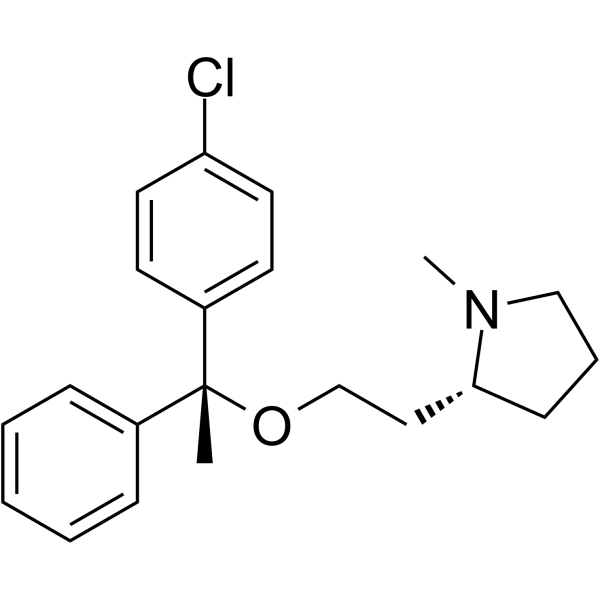
    NP3-562
  • HY-147506

    NOD-like Receptor (NLR) Inflammation/Immunology
    NOD2 antagonist 1 (compound 32) is a potent and selective NOD2 antagonist with an IC50 of 5.23 μM. NOD2 antagonist 1 inhibits Muramyl dipeptide (MDP)-induced IL-8 secretion in THP-1 cells and inhibits MDP-induced IL-6, IL-10, TNF-α release in PBMCs .
    NOD2 antagonist 1
  • HY-131945
    CU-115
    2 Publications Verification

    Toll-like Receptor (TLR) Inflammation/Immunology
    CU-115 is a potent TLR8 antagonist (IC50=1.04 µM), and shows selective for TLR8 over TLR7 (IC50=>50 µM). CU-115 decreases TNF-α and IL-1β production activated by R-848 in THP-1 cells .
    CU-115
  • HY-147017

    GSK286

    Bacterial Infection Inflammation/Immunology
    GSK2556286 (GSK286) is an orally active and cholesterol-dependent Mycobacterium tuberculosis inhibitor. GSK2556286 inhibits Mycobacterium tuberculosis inside infected macrophages (IC50 = 0.07 μM in THP-1 cells), in the presence of cholesterol. GSK2556286 acts via Rv1625c, a membrane-bound adenylyl cyclase in Mycobacterium tuberculosis. GSK2556286 is an Rv1625 agonist leading to increased cAMP and reduced cholesterol metabolism. GSK2556286 can be studied in research for antitubercular purposes .
    GSK2556286
  • HY-175764

    PROTACs IRAK NF-κB p38 MAPK TNF Receptor Interleukin Related Inflammation/Immunology
    FIP22 is a potent and selective IRAK4 PROTAC degrader (HEK293T cells: DC50 = 3.2 nM; THP-1 cells: DC50 = 10.6 nM). FIP22 induces the ubiquitin-proteasome system by forming an IRAK4-FIP22-CRBN ternary complex (EC50 = 12.63 nM), thereby potently blocking IRAK4-mediated NF-κB and MAPK signaling pathways. FIP22 can be used for the study of atopic dermatitis (Pink: IRAK4 ligand (HY-175765); Blue: CRBN ligand (HY-W087383); Black: Linker (HY-46871)) .
    FIP22
  • HY-174455

    PROTACs IRAK Interleukin Related Inflammation/Immunology
    APH02174 is a highly selective and orally active IRAK4 PROTAC degrader with the DC50 of 4.01 nM in THP-1 cells. APH02174 blocks inflammatory signals by inhibiting IL-6 release. APH02174 can be used for research on inflammatory conditions such as psoriasis vulgaris and rheumatoid arthritis .
    APH02174
  • HY-130481

    PROTAC Linkers Cancer
    Propargyl-PEG4-acid is a PEG-based PROTAC linker can be used in the synthesis of BTK-IAP PROTACs Ibrutinib (HY-10997)-based PROTAC 2 and an analogue PROTAC 3. PROTAC 3 causes BTK degradation with a DC50 of 200 nM in THP-1 cells . Propargyl-PEG4-acid is a click chemistry reagent, it contains an Alkyne group and can undergo copper-catalyzed azide-alkyne cycloaddition (CuAAc) with molecules containing Azide groups.
    Propargyl-PEG4-acid
  • HY-156622

    HMC-C-01-A; MBS2320

    Mitochondrial Metabolism Cancer
    Leramistat (HMC-C-01-A; MBS2320) is a mitochondrial complex 1 inhibitor, involving in cell metabolism immune metabolism regulation. Leramistat also inhibits ATP production in Thp1 human monocytes (IC50: 0.63 μM). Leramistat inhibits atopic dermatitis and other skin diseases autoimmune diseases, inflammatory diseases, cancer; and also inhibits osteoclast mediated disease .
    Leramistat
  • HY-175167

    STING IFNAR Inflammation/Immunology
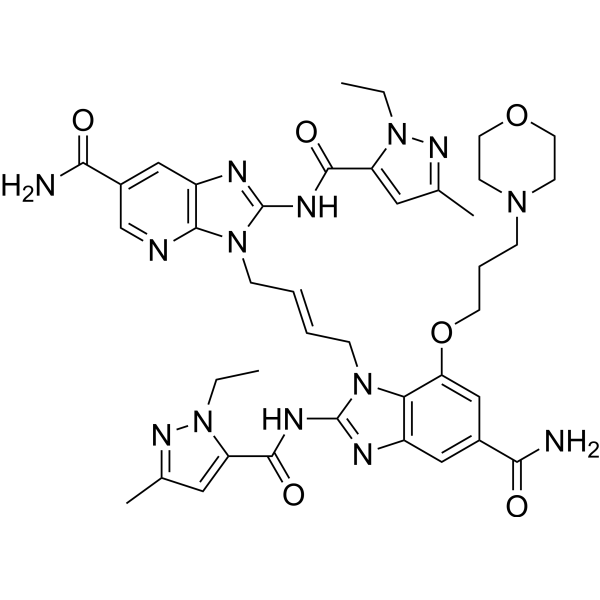
    diABZI-i is an orthogonal STING inhibitor. diABZI-i significantly inhibits cGAMP-induced IFNβ in PBMCs. diABZI-i also activates constitutive signaling of V155M SAVI and exerts potent agonistic effects in the STING V155M THP-1 cell model. diABZI-i can be used for research on monogenic autoinflammatory diseases such as SAVI .
    diABZI-i
  • HY-170362

    Cyclic GMP-AMP Synthase Inflammation/Immunology
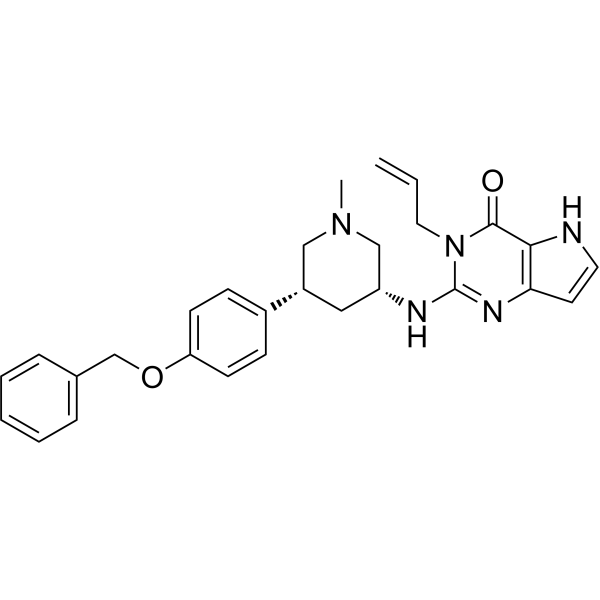
    cGAS-IN-4 (Compound 36) is an orally active inhibitor for cyclic GMP-AMP synthase (cGAS) with IC50 of 32 nM and 5.8 nM for h-cGAS and m-cGAS. cGAS-IN-4 inhibits the cGAMP in THP-1 cell with an IC50 of 60 nM, which improves the cellular potency. cGAS-IN-4 exhibits anti-inflammatory efficacy in Concanavalin A (HY-P2149)-induced acute liver injury in mouse models . orally active, THP-1, C57Bl/6 mouse, orally active
    cGAS-IN-4
  • HY-162588

    NOD-like Receptor (NLR) ATTECs Autophagy Inflammation/Immunology
    MC-ND-18 is an ATTEC degrader that degrades NLRP3 via the Autophagy pathway, with a DC50 of 125.5 nM in THP-1 cells. MC-ND-18 exhibits anti-inflammatory activity in a DSS-induced mouse model of colitis. MC-ND-18 can be used for research on inflammatory bowel disease. MC-ND-18 consists of an NLRP3 inhibitor (HY-156121), a linker (HY-W018745), and an LC3 ligand .
    MC-ND-18
  • HY-122623A

    Apoptosis Cancer
    DB818 dihydrochloride is the dihydrochloride salt form of DB818 (HY-122623). DB818 dihydrochloride is an inhibitor for Homeobox A9 (HOXA9). DB818 dihydrochloride reduces the formation of HOXA9-DNA complexes, inhibits the growth and induces apoptosis in AML cell lines OCI/AML3, MV4-11, and THP-1 .
    DB818 dihydrochloride
  • HY-161671

    nAChR Neurological Disease Inflammation/Immunology
    GAT2711 is a full agonist of α9 nAChR with an EC50 of 230 nM. GAT2711 shows 340-fold selective for α9 over α7 nAChRs. GAT2711 inhibits ATP-induced IL-1β release in THP-1 cells. GAT2711 retains full analgesic activity in α7 nAChR knockout mice .
    GAT2711
  • HY-153673

    IRAK PROTACs Cancer
    PROTAC IRAK4 degrader-8 (Compound 2) is a PROTAC IRAK4 degrader (IC50: 15.5 nM). PROTAC IRAK4 degrader-8 degrades IRAK4 in THP-1 cells (DC50: 1.8 nM)。PROTAC IRAK4 degrader-8 also inhibits L-6 production in human whole blood and LPS-induced human PBMC cells, with IC50s of 246 nM and 2.2 nM respectively .
    PROTAC IRAK4 degrader-8
  • HY-148606

    STING Cancer
    STING modulator-3 is a STING inhibitor. STING modulator-3 inhibits R232 STING with an Ki value of 43.1 nM in scintillation proximity assay. STING modulator-3 has no effect on IRF-3 activation or TNF-β induction in THP-1 cells .
    STING modulator-3
  • HY-155463

    NOD-like Receptor (NLR) Interleukin Related Inflammation/Immunology
    NLRP3-IN-25 (compound 32) is an orally available NLRP3 inhibitor with anti-inflammatory activity. NLRP3-IN-25 attenuates renal injury in doxorubicin-induced glomerulonephritis in mice. NLRP3-IN-25 inhibits IL-1β secretion in THP-1 cells with an IC50 of 21 nM .
    NLRP3-IN-25
  • HY-120048

    NOD-like Receptor (NLR) Inflammation/Immunology
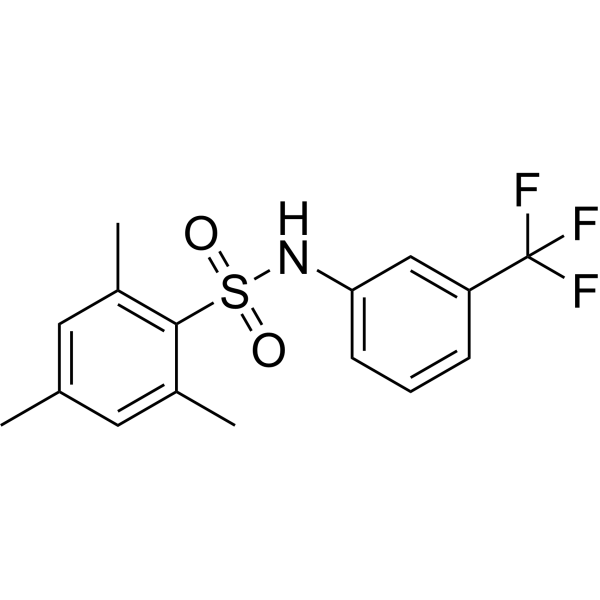
    NBC19 is an NLRP3 inflammasome inhibitor with an IC50 of 60 nM in differentiated THP1 cells. NBC19 inhibits nigericin- and ATP-induced IL-1β release with IC50s of 80 nM and 850 nM, respectively .
    NBC19
  • HY-163280

    NAMPT Neurological Disease
    JGB-1-155 is a positive allosteric modulators (N-PAMs), which enhances the activity of nicotinamide phosphoribosyltransferase NAMPT with EC50 of 3.29 μM. JGB-1-155 counteracts the oxidative stress, through upregulating the NAD + in THP-1 human monocytes. JGB-1-155 attenuates TNFα-induced ROS in HT-22 cells .
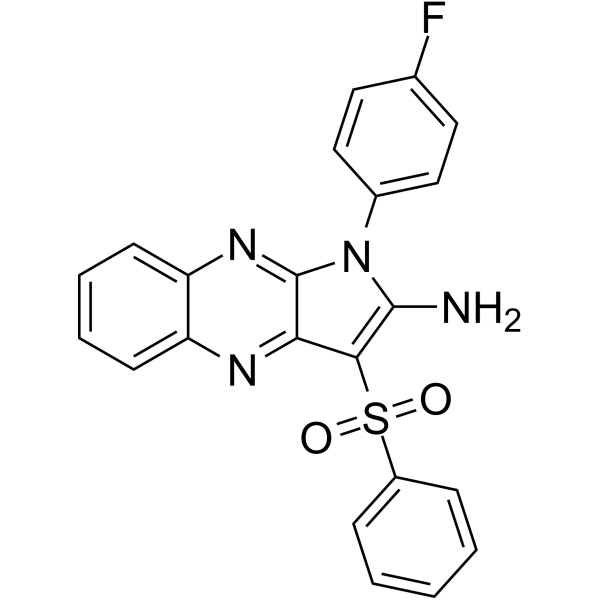
    JGB-1-155
  • HY-178049

    STING IFNAR Interleukin Related Neurological Disease Inflammation/Immunology
    UM-259 is a STING inhibitor, with an EC50 of 1.50 μM in THP1-Dual cells expressing wild-type STING. UM-259 blocks STING oligomerization and inhibits diABZI-induced phosphorylation of TBK1 and IRF3, thereby suppressing the transcription of IFNβ and IL6 and reducing IFNβ secretion. UM-259 can be used for the study of STING-dependent inflammatory and neurological diseases .
    UM-259
  • HY-108670

    P2X Receptor Inflammation/Immunology
    AZ11645373 is a highly selective and potent antagonist at human but not rat P2X7 receptors,AZ11645373 inhibits ATP-evoked IL-1β release from lipopolysaccharide-activated THP-1 cells , with an IC50 value of 90 nM .
    AZ 11645373
  • HY-173422

    PROTACs Histone Methyltransferase Cancer
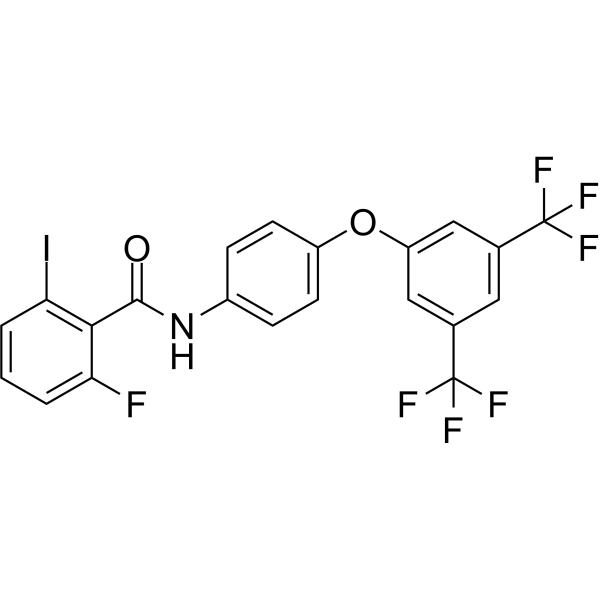
    MS2133 is a DOT1L PROTAC degrader. MS2133 promotes ubiquitination and degradation of DOT1L in THP-1 and MV4-11 cells (DC50: 56 nM and 25 nM, respectively), and reduces H3K79 methylation. MS2133 inhibits the growth of MLL-r leukemia cells and has anticancer activity. (Pink: DOT1L ligand (HY-173423); Blue: E3 ligase VHL ligand (HY-47070); Black: Linker (HY-79577); E3 ligase VHL ligand-linker conjugate (HY-173424)) .
    MS2133
  • HY-134375

    Cyclic Adenosine-Inosine Monophosphate

    NF-κB IFNAR Inflammation/Immunology
    cAIMP (Cyclic Adenosine-Inosine Monophosphate) is an effective synthetic cyclic dinucleotide. cAIMP activates IRF and NF-κB in the THP1 human monocyte reporter cell line (THP1-Dual). cAIMP induces the secretion of IFNs and pro-inflammatory cytokines in vitro in human blood, with an EC50 of 6.4 μmol/L .
    cAIMP
  • HY-N8390

    Others Cancer
    3-Epidehydropachymic acid, a lanostane triterpenoid, shows totoxicity effect against human acute monocytic leukemia cell line THP-1 (IC50=52.51 μM) .
    3-Epidehydropachymic acid
  • HY-W750678

    Apoptosis Caspase Inflammation/Immunology
    9-cis-Canthaxanthin is a carotenoid with pro-apoptotic activity in THP-1 macrophage cells. 9-cis-Canthaxanthin induces cell apoptosis by increasing caspase-3 and caspase-8 activity .
    9-cis-Canthaxanthin
  • HY-132221

    Cyclic GMP-AMP Synthase Inflammation/Immunology
    CU-32 is a potent cGAS inhibitor with an IC50 of 0.45 µM. CU-32 decreases IFN-stimulatory DNA-induced production of IFN-β in THP-1 cells .
    CU-32
  • HY-144168

    STING Inflammation/Immunology
    STING agonist-8 is a potent STING agonist with an EC50 of 27 nM in THP1-Dual KI-hSTING-R232 cells (WO2021239068A1, compound 5-AB) .
    STING agonist-8
  • HY-172529

    Dipeptidyl Peptidase Neurological Disease Metabolic Disease
    DPP9-IN-1 (Compound 42) is a dipeptidyl peptidase 9 (DPP9) inhibitor with IC50 of 3 nM for DPP9 and 0.6 μM for DPP8. DPP9-IN-1 induces concentration-dependent LDH release in THP-1 cells .
    DPP9-IN-1
  • HY-149781

    STING Cancer
    STING agonist-34 (Compound 12L) is a potent STING agonist with an IC50 value of 1.15 μM and an EC50 of 0.38 μM in THP1 cells. STING agonist-34 could be used in cancer research .
    STING agonist-34
  • HY-146581

    Cathepsin Inflammation/Immunology
    Cathepsin C-IN-4 (compound SF27) is a potent Cathepsin C (Cat C) inhibitor, with an IC50 of 65.6 nM. Cathepsin C-IN-4 also inhibits THP-1 and U937 cell, with IC50 values of 203.4 and 177.6 nM, respectively .
    Cathepsin C-IN-4
  • HY-146580

    Cathepsin Inflammation/Immunology
    Cathepsin C-IN-3 (compound SF11) is a potent Cathepsin C (Cat C) inhibitor, with an IC50 of 61.79 nM. Cathepsin C-IN-3 also inhibits THP-1 and U937 cell, with IC50 values of 101.5 and 86.5 nM, respectively .
    Cathepsin C-IN-3
  • HY-175003

    Proton Pump Cancer
    HV1-IN-2 (Compound 14c) is a human voltage-gated proton channel (HV1) inhibitor with an IC50 of 2.14 μM. HV1-IN-2 has a potent anticancer activity with significant antiproliferative effects against THP-1 and MCF-7 cells. HV1-IN-2 can be used for cancers research, such as colorectal tumours, leukaemia, and breast cancer .
    HV1-IN-2
  • HY-144168A

    STING Inflammation/Immunology
    STING agonist-8 dihydrochloride (compound 5-AB) is a potent STING agonist with an EC50 of 27 nM in THP1-Dual KI-hSTING-R232 cells .
    STING agonist-8 dihydrochloride
  • HY-148645

    STING Inflammation/Immunology
    STING modulator-4 (compound AIH05) is a competitive STING modulator with a Ki of 0.0933 μM for R232H STING. STING modulator-4 has an EC50 of >10 μM for p-IRF3 in THP-1 cell .
    STING modulator-4
  • HY-148643

    STING Inflammation/Immunology
    STING modulator-5 (compound 38) is a STING modulator with a pIC50 value of 9.5. STING modulator-5 antagonizes peripheral blood mononuclear cells (PBMC) with a pIC50 value of 8.1. STING modulator-5 is a antagonist of THP-1 cells, it can be used for immunological disease research .
    STING modulator-5
  • HY-168554

    PROTACs STING Inflammation/Immunology
    STING-IN-10 (P8) is a dual STING PROTAC degrader and inhibitor with a DC50 value of 2.58 μM in THP-1 cells. STING-IN-10 has anti-inflammatory activity .(Pink: Target protein ligand (HY-168676); Black: linker (HY-W123015); Blue: E3 ligase ligand (HY-126457))
    STING-IN-10
  • HY-162658

    HDAC Apoptosis Cancer
    Leuxinostat is an inhibitor for HDAC with IC50 of 30 nM for hHDAC6. Leuxinostat inhibits the proliferation of cells THP1, K562, U937 and MEK1, induces apoptosis in leukemia cells NB4 and MOLT-4. Leuxinostat inhibits the expansion of hematopoietic stem cells and exhibits antileukemic activity in zebrafish models .
    Leuxinostat
  • HY-N7489

    Parasite Infection Inflammation/Immunology
    β-Hederin, a saponin isolated from Hedera helix L.(Araliaceae), possesses antileishmanial activity. β-Hederin exhibits IC50 values of 1.5 μM, 68 nM and 4.57 μM in L. Mexicana promastigotes, L. mexicana amastigotes and THP1 cells, respectively .
    β-Hederin
  • HY-178047

    STING IFNAR Interleukin Related Neurological Disease Inflammation/Immunology
    UM-242 is a STING inhibitor, with an EC50 of 1.70 μM in THP1-Dual cells expressing wild-type STING. UM-242 blocks STING oligomerization and inhibits diABZI-induced phosphorylation of TBK1 and IRF3, thereby suppressing the transcription of IFNβ and IL6 and reducing IFNβ secretion. UM-242 can be used for the study of STING-dependent inflammatory and neurological diseases .
    UM-242
  • HY-131040

    NOD-like Receptor (NLR) Inflammation/Immunology
    NLRP3-IN-NBC6 is a potent, selective NLRP3 inflammasome inhibitor (IC50= 574 nM) that acts independently of Ca 2+. NLRP3-IN-NBC6 inhibits Nigericin (HY-127019)-induced inflammasome activation in THP-1 cells and Imiquimod (HY-B0180)-induced IL-1β release from LPS-primed bone marrow-derived macrophages (BMDMs) .
    NLRP3-IN-NBC6
  • HY-176257

    STING Cancer
    STING agonist-44 (Compound 4) is a potent and selective STING agonist with an EC50 value of 5.68 for IRF induction in THP1 cells and 2.212 μM in RAW cells. STING agonist-44 activates the STING pathway, inducing the production of type I interferons and pro-inflammatory cytokines (e.g., CXCL10, TNFα). STING agonist-44 is promising for research of cancers .
    STING agonist-44

Inquiry Online

Your information is safe with us. * Required Fields.

Salutation


Country or Region *

Applicant Name *


Organization Name *

Department *


Email Address *


Product Name *

Cat. No.


Requested quantity *

Phone Number *


Remarks

Inquiry Online

Inquiry Information

Product Name:
Cat. No.:
Quantity:
MCE Japan Authorized Agent:

