Search Result
Results for "
TRAP activity
" in MedChemExpress (MCE) Product Catalog:
2
Biochemical Assay Reagents
1
Isotope-Labeled Compounds
| Cat. No. |
Product Name |
Target |
Research Areas |
Chemical Structure |
-
- HY-A0004
-
Decitabine
Maximum Cited Publications
168 Publications Verification
5-Aza-2'-deoxycytidine; 5-AZA-CdR; NSC 127716
|
DNA Methyltransferase
Apoptosis
Nucleoside Antimetabolite/Analog
|
Cancer
|
|
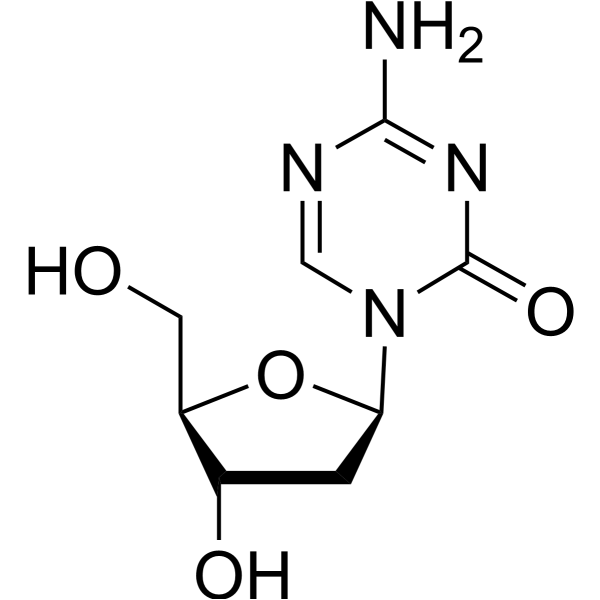
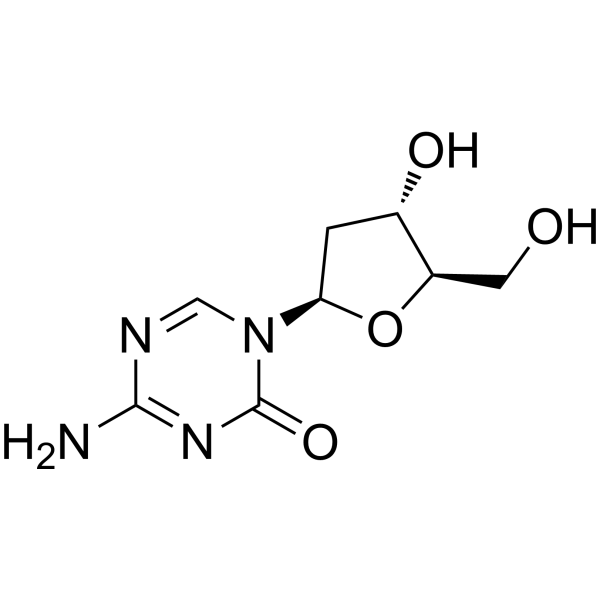
Decitabine (NSC 127716) is an orally active deoxycytidine analogue antimetabolite and a DNA methyltransferase inhibitor. Decitabine incorporates into DNA in place of cytosine can covalently trap DNA methyltransferase to DNA causing irreversible inhibition of the enzyme. Decitabine induces cell G2/M arrest and cell apoptosis. Decitabine has potent anticancer activity .
|
-
-
- HY-P0078
-
|
PAR-1 agonist peptide; Thrombin Receptor Activator Peptide 6
|
Protease Activated Receptor (PAR)
|
Inflammation/Immunology
|
|
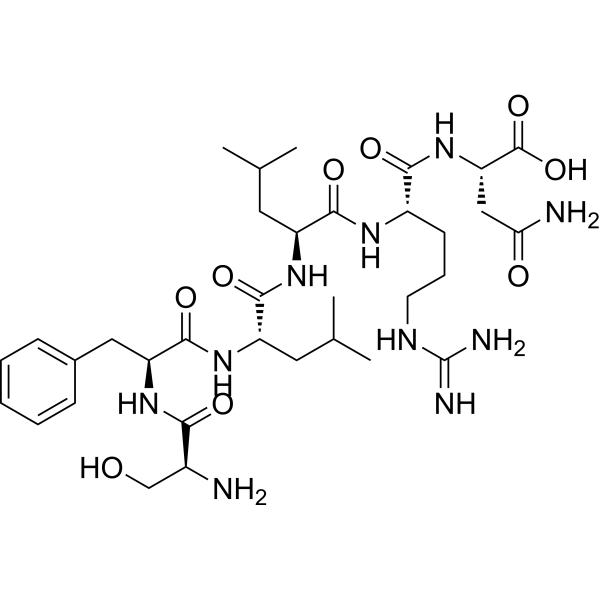
TRAP-6 (PAR-1 agonist peptide), a peptide fragment, is a selective protease activating receptor 1 (PAR1) agonist. TRAP-6 activates human platelets via the thrombin receptor. TRAP-6 shows no activity at PAR4 .
|
-
-
- HY-123606
-
|
|
Protein Arginine Deiminase
MHC
|
Cardiovascular Disease
Inflammation/Immunology
|
|
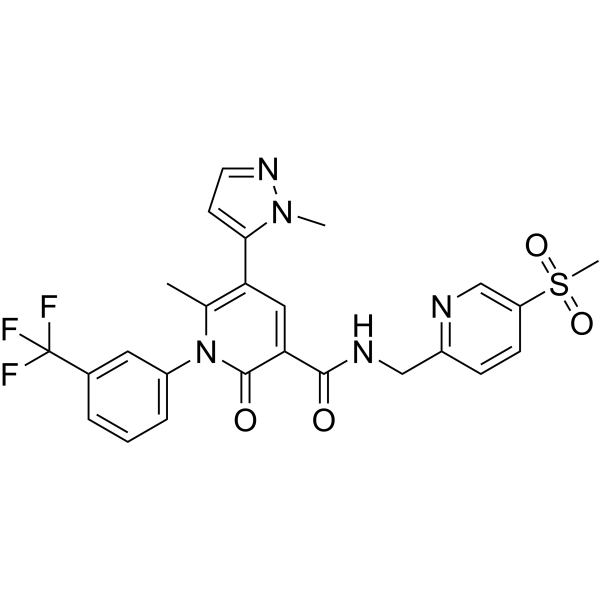
GSK484 is a PAD4 inhibitor that effectively inhibits protein citrullination and the formation of neutrophil extracellular traps (NETs) by blocking the catalytic activity of PAD4. GSK484 suppresses the production of histone H3, MHC-I expression, CD8 + T cell activation, proliferation and inflammatory cytokine release. GSK484 reduces inflammation and bone destruction in collagen-induced rheumatoid arthritis, alleviates pain and mast cell activation in sickle cell disease, and improves myocardial ischemia-reperfusion injury and experimental colitis. In addition, GSK484 restores intestinal microbial homeostasis by reversing ferroptosis-induced dysbiosis. GSK484 can be used to study the disease mechanisms of rheumatoid arthritis, sickle cell disease, thrombosis, myocardial injury, colitis and other conditions .
|
-
-
- HY-135152
-
|
|
Reactive Oxygen Species (ROS)
|
Cancer
|
|
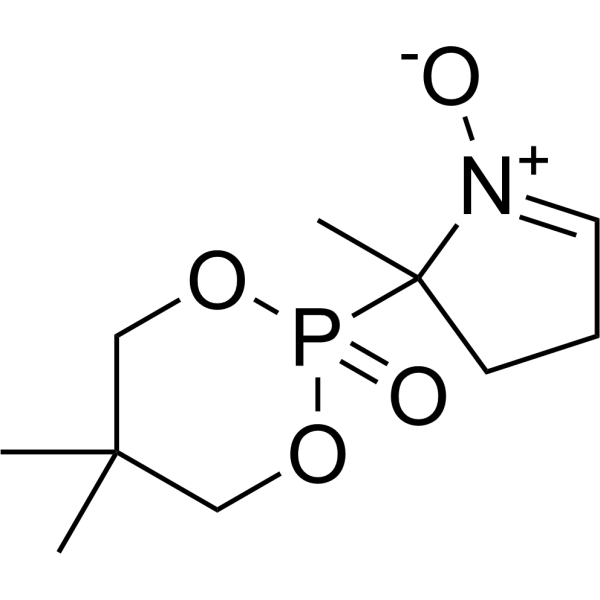
CYPMPO is a spin-trapping reagent. CYPMPO, a cyclic DEPMPO-type nitrone, is evaluated for spin-trapping capabilities toward hydroxyl and superoxide radicals. anti-oxidant and anti-tumor?activity .
|
-
-
- HY-125176
-
G907
1 Publications Verification
|
Bacterial
|
Infection
|
|
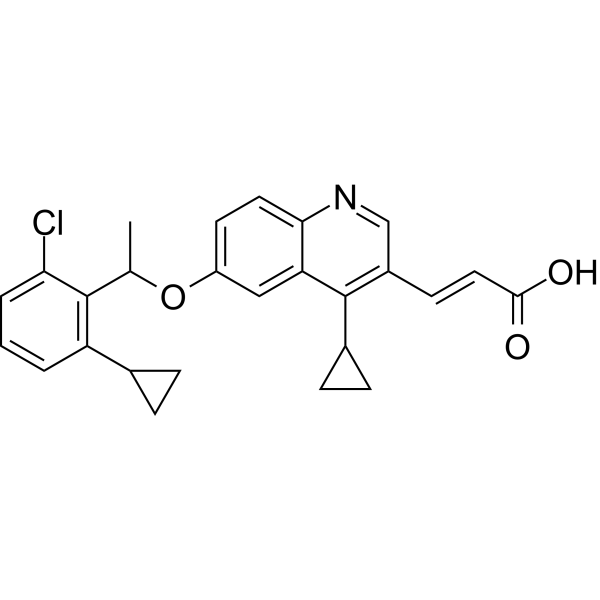
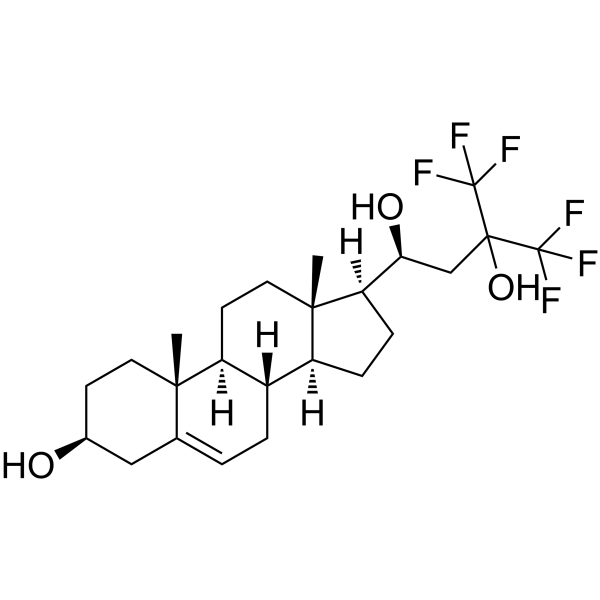
G907 is a selective antagonist of ATP-binding cassette (ABC) transporter MsbA with anti-microbial activity. G907 inhibits E. coli MsbA with an IC50 value of 18 nM. G907 traps MsbA in an inward-facing, lipopolysaccharide-bound conformation by wedging into an architecturally conserved transmembrane pocket .
|
-
-
- HY-141466
-
|
|
Endogenous Metabolite
Histone Acetyltransferase
|
Infection
Metabolic Disease
Inflammation/Immunology
|
|
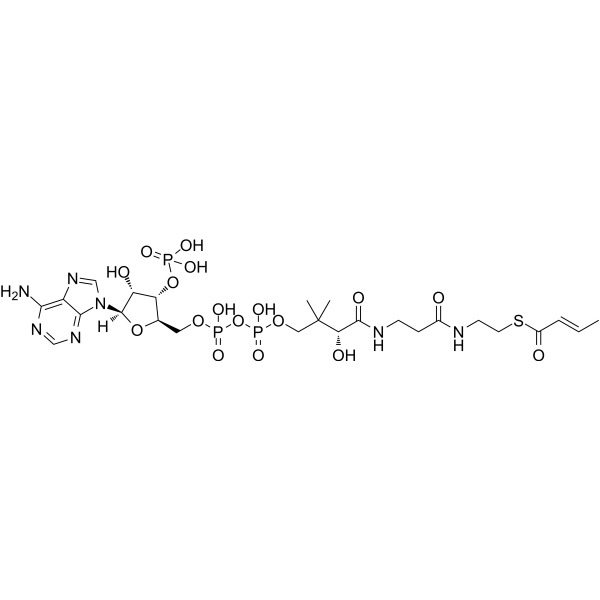
Crotonyl-CoA, a high-energy acyl donor, is an intermediate in the fermentation of butyric acid, and in the metabolism of lysine and tryptophan. Crotonyl-CoA is important in the metabolism of fatty acids and amino acids. Crotonyl-CoA acts as a substrate for p300’s histone crotonyltransferase activity, competing with acetyl-CoA for p300-mediated histone acylation reactions. Crotonyl-CoA regulates global and gene-specific histone crotonylation levels in cells, with cellular concentration changes altering histone crotonylation at regulatory elements of activated genes. Crotonyl-CoA serves as the substrate for crotonyl-CoA reductase/carboxylase (CCRC)-catalyzed NADPH-mediated reduction and carbon dioxide trapping to form unusual alkylmalonyl-CoA polyketide synthase extender units. Crotonyl-CoA can be used for the research of LPS-induced inflammatory response .
|
-
-
- HY-141466A
-
|
|
Endogenous Metabolite
Histone Acetyltransferase
|
Infection
Metabolic Disease
Inflammation/Immunology
|
|
Crotonyl-CoA tetrasodium, a high-energy acyl donor, is an intermediate in the fermentation of butyric acid, and in the metabolism of lysine and tryptophan. Crotonyl-CoA tetrasodium is important in the metabolism of fatty acids and amino acids. Crotonyl-CoA tetrasodium acts as a substrate for p300’s histone crotonyltransferase activity, competing with acetyl-CoA for p300-mediated histone acylation reactions. Crotonyl-CoA tetrasodium regulates global and gene-specific histone crotonylation levels in cells, with cellular concentration changes altering histone crotonylation at regulatory elements of activated genes. Crotonyl-CoA tetrasodium serves as the substrate for crotonyl-CoA reductase/carboxylase (CCRC)-catalyzed NADPH-mediated reduction and carbon dioxide trapping to form unusual alkylmalonyl-CoA polyketide synthase extender units. Crotonyl-CoA tetrasodium can be used for the research of LPS-induced inflammatory response .
|
-
-
- HY-15595A
-
|
360 A iodide
|
G-quadruplex
Telomerase
|
Cancer
|
|
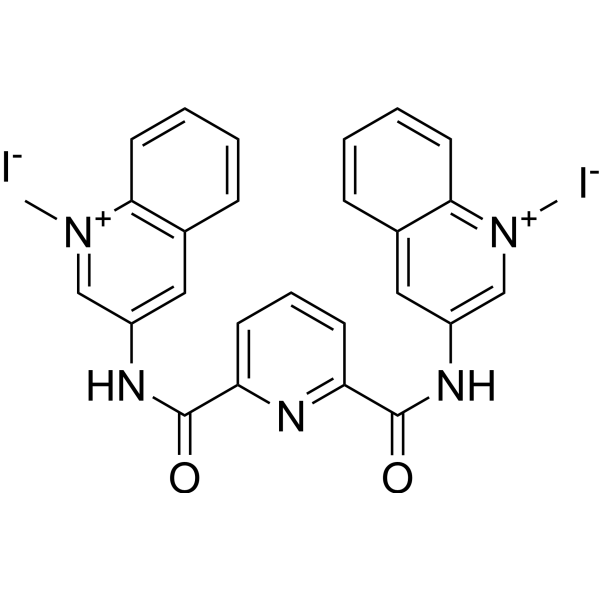
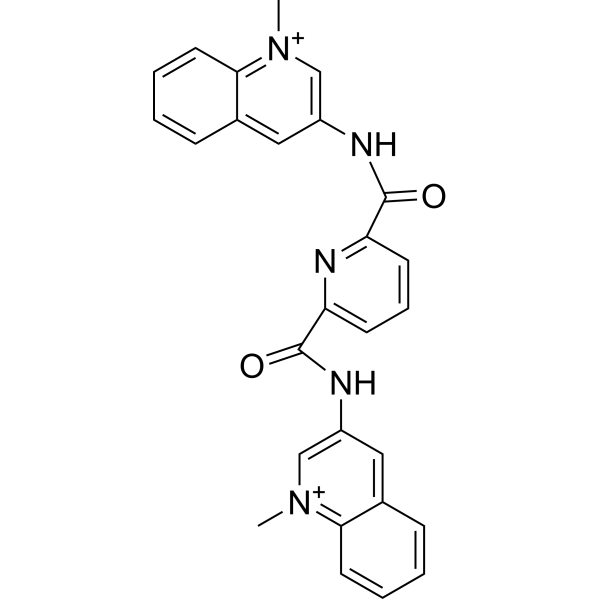
360A iodide is a selective stabilizer of G-quadruplex, and also inhibits telomerase activity with an IC50 of 300 nM for telomerase in TRAP-G4 assay.
|
-
-
- HY-115691
-
|
Styrene-BODIPY; Styrene-Conjugated BODIPY
|
Fluorescent Dye
|
Others
|
|
STY-BODIPY (Styrene-BODIPY; Styrene-Conjugated BODIPY) is a styrene-conjugated fluorescent probe used to measure the activity of radical-trapping antioxidants (RTAs)> .
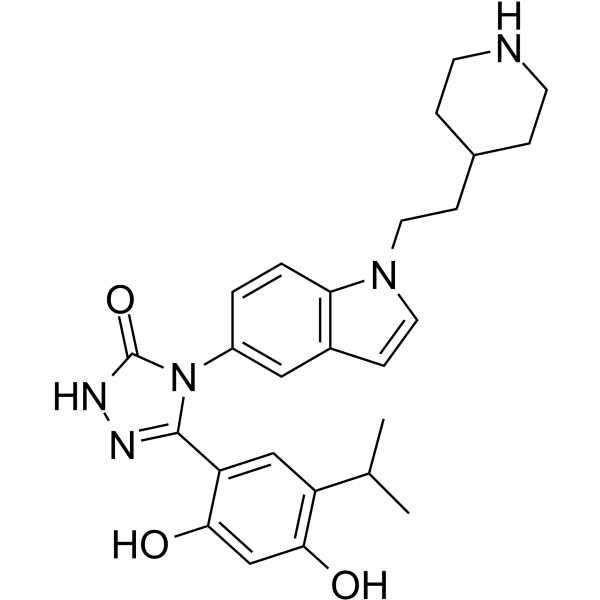
|
-
-
- HY-130644
-
|
|
PROTACs
PARP
|
Cancer
|
|
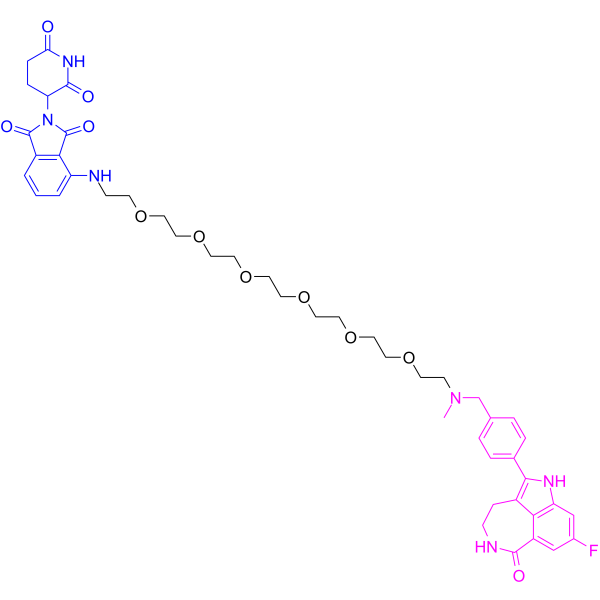
iRucaparib-AP6 is a highly efficient and specific PROTAC PARP1 degrader. iRucaparib-AP6, a non-trapping PARP1 degrader, blocks both the catalytic activity and scaffolding effects of PARP1 .
|
-
-
- HY-107194
-
|
|
FGFR
c-Myc
DNA/RNA Synthesis
Caspase
Reactive Oxygen Species (ROS)
|
Cancer
|
|
NSC12 is an orally active pan-FGF trap. NSC12 inhibits the interaction between FGF2/FGFR. NSC12 suppresses the phosphorylation of FGFR3. NSC12 reduces c-Myc levels, induces DNA damage, triggers the cleavage of Caspase 3, and promotes ROS production. NSC12 exhibits anticancer activity against lung cancer and multiple myeloma .
|
-
-
- HY-D1491A
-
|
|
Fluorescent Dye
|
Others
|
|
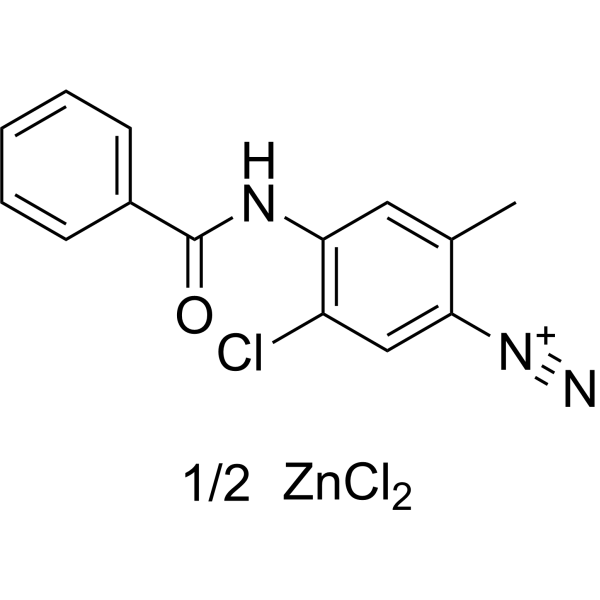
Fast Red Violet LB Zinc chloride is a stain that stains tartrate-resistant acid phosphatase (TRAP) and Fast Red Violet LB Zinc chloride can be used to stain alkaline phosphatase (ALP) activity .
|
-
-
- HY-A0004R
-
|
5-Aza-2'-deoxycytidine (Standard); 5-AZA-CdR (Standard); NSC 127716 (Standard)
|
Reference Standards
DNA Methyltransferase
Apoptosis
Nucleoside Antimetabolite/Analog
|
Cancer
|
|
Decitabine (Standard) is the analytical standard of Decitabine. This product is intended for research and analytical applications. Decitabine (NSC 127716) is an orally active deoxycytidine analogue antimetabolite and a DNA methyltransferase inhibitor. Decitabine incorporates into DNA in place of cytosine can covalently trap DNA methyltransferase to DNA causing irreversible inhibition of the enzyme. Decitabine induces cell G2/M arrest and cell apoptosis. Decitabine has potent anticancer activity .
|
-
-
- HY-170620
-
|
|
PROTACs
PARP
|
Cancer
|
|
PARP1 PROTAC 180055 (Compound 180055) is a selective PARP1 PROTAC degrader (DC50 in T47D and MDA-MB-231 cell lines is 180 nM and 240 nM, respectively). PARP1 PROTAC 180055 promotes ubiquitination and degradation of PARP1 as well as inhibits PARP1 enzyme activity without a noticeable DNA trapping effect. PARP1 PROTAC 180055 inhibits tumors carrying BRCA mutations with a minor impact on the growth of normal cells (Pink: PARP1 ligand (HY-10617A); Blue: E3 ligase VHL ligand (HY-125845); Black: linker (HY-W014787)) .
|
-
-
- HY-138869
-
|
|
Endogenous Metabolite
|
Cancer
|
|
AubipyOMe serves as a potent inhibitor of tartrate-resistant acid phosphatase (TRAP/ACP5), a metalloenzyme found in activated osteoclasts and macrophages, demonstrating IC50 values of 1.3 μM for TRAP5a and 1.8 μM for TRAP5b, while effectively inhibiting TRAP activity in extracts from murine macrophages and human lung tissue.
|
-
-
- HY-115781
-
DN401
1 Publications Verification
Panvotinib-401; Pan-401
|
HSP
|
Cancer
|
|
DN401 is a potent TRAP1 inhibitor with an IC50 of 79 nM. DN401 shows a weak inhibition of Hsp90 (IC50 of 698 nM). DN401 inactivates mitochondrial TRAP1 and has potent anticancer activities .
|
-
-
- HY-15595
-
|
|
G-quadruplex
Telomerase
|
Cancer
|
|
360A is a selective stabilizer of G-quadruplex, and also inhibits telomerase activity with an IC50 of 300 nM for telomerase in TRAP-G4 assay.
|
-
-
- HY-132995
-
|
|
Drug Metabolite
|
Others
|
|
DP-1, a degradation product of SDC-TRAP-0063, is a fragment of Ganetespib. Ganetespib is a heat shock protein 90 (HSP90) inhibitor with anti-tumor activity .
|
-
-
- HY-W002438
-
|
|
Biochemical Assay Reagents
Endogenous Metabolite
OAT
Ferroptosis
|
Neurological Disease
Metabolic Disease
|
|
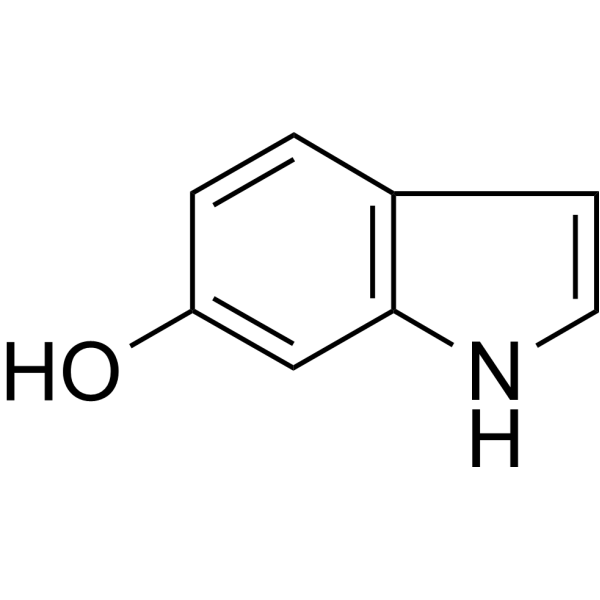
6-Hydroxyindole is an orally active, endogenous long-acting OATP1B1 inhibitor. 6-Hydroxyindole does not alter the cell surface expression or subcellular localization of OATP1B1. 6-Hydroxyindole protects cells against Ferroptosis. 6-Hydroxyindole possesses intrinsic radical-trapping antioxidant activity. 6-Hydroxyindole serves as a component of oxidative hair dyes. 6-Hydroxyindole can be used in research related to renal failure and neurodegenerative diseases .
|
-
-
- HY-W996116
-
|
|
Glutathione Peroxidase
|
Cardiovascular Disease
Neurological Disease
Inflammation/Immunology
|
AZM198 is an orally active myeloperoxidase (MPO) inhibitor. AZM198 irreversibly inactivates MPO (IC50=0.015 μM) via covalent binding to the heme prosthetic group, preferentially targets extracellular MPO activity, and reduces neutrophil extracellular trap formation, reactive oxygen species production and degranulation. AZM198 increases the fibrous cap thickness of atherosclerotic plaques, reduces lesion area, ameliorates hepatic steatosis and fibrosis in non-alcoholic steatohepatitis, and alleviates proteinuria and inflammatory infiltration associated with glomerulonephritis. AZM198 also decreases circulating levels of high-sensitivity Cardiac Troponin I and IL-1β, and mitigates endothelial cell injury. Therefore, AZM198 is suitable for research on various MPO-related diseases, including atherosclerotic cardiovascular disease, myocardial infarction, ischemic stroke, non-alcoholic steatohepatitis and crescentic glomerulonephritis .
|
-
-
- HY-N7646
-
|
|
Others
|
Others
|
|
Curculigoside B, a phenolic glycoside isolated from Curculigo orchioides, enhances the osteoblast proliferation, decreases the area of bone resorption pit, osteoclastic formation and TRAP activity. Antiosteoporotic and antioxidative activities .
|
-
-
- HY-W008820R
-
|
|
Reference Standards
Endogenous Metabolite
|
Metabolic Disease
|
|
Glutaric acid (Standard) is the analytical standard of Glutaric acid. This product is intended for research and analytical applications. Glutaric acid, C5 dicarboxylic acid, is an intermediate during the catabolic pathways of lysine and tryptophan. Glutaric acid affects pericyte contractility and migration. Glutaric acid is an indicator of glutaric aciduria type I .
In Vitro: Glutaric acid (GA) at concentrations of 1 and 2 mM is able to reduce TRAP measurement by up to 28% in a dose-dependent manner (β=0.77; P<0.001). Furthermore, a significantly inverse correlation is also verified between chemiluminescence and TRAP (β=0.81; P<0.001). Glutaric acid does not alter the activities of Cat and SOD, but strongly inhibits (up to 46%) the activity of GPx even at the lower concentration used (0.5 mM). It is observed that the metabolite inhibits this activity in a dose-dependent manner at concentrations as low as 0.05 mM .
|
-
-
- HY-147696
-
|
|
HSP
AMPK
Reactive Oxygen Species (ROS)
|
Cancer
|
|
SMTIN-T140 (compound 6a) is a potent TRAP1 (tumor-necrosis-factor-receptor associated protein 1) inhibitor, with an IC50 of 1.646 μM. SMTIN-T140 shows anticancer activity. SMTIN-T140 leads to mitochondrial dysfunction, increases mitochondrial ROS production and activates AMPK. SMTIN-T140 potently suppressed tumor growth without any noticeable in vivo toxicity in a mouse model xenografted with PC3 prostate cancer cells .
|
-
-
- HY-D1491
-
|
|
Fluorescent Dye
|
Others
|
|
Fast Red Violet LB is a dye for staining tartrate resistant acid phosphatase (TRAP). Fast Red Violet LB can be used for alkaline phosphatase (ALP) activity staining .
|
-
-
- HY-166309
-
|
|
Endogenous Metabolite
Histone Acetyltransferase
|
Infection
Metabolic Disease
Inflammation/Immunology
|
|
Crotonyl-CoA tetralithium, a high-energy acyl donor, is an intermediate in the fermentation of butyric acid, and in the metabolism of lysine and tryptophan. Crotonyl-CoA tetralithium is important in the metabolism of fatty acids and amino acids. Crotonyl-CoA tetralithium acts as a substrate for p300’s histone crotonyltransferase activity, competing with acetyl-CoA for p300-mediated histone acylation reactions. Crotonyl-CoA tetralithium regulates global and gene-specific histone crotonylation levels in cells, with cellular concentration changes altering histone crotonylation at regulatory elements of activated genes. Crotonyl-CoA tetralithium serves as the substrate for crotonyl-CoA reductase/carboxylase (CCRC)-catalyzed NADPH-mediated reduction and carbon dioxide trapping to form unusual alkylmalonyl-CoA polyketide synthase extender units. Crotonyl-CoA tetralithium can be used for the research of LPS-induced inflammatory response .
|
-
-
- HY-N7314
-
|
|
Syk
|
Inflammation/Immunology
|
|
Asebogenin has antimalarial activity in vitro . Asebogenin can inhibit the phosphorylation of Syk, thereby effectively suppressing platelet activation and the formation of neutrophil extracellular traps .
|
-
-
- HY-121282B
-
|
Pecazine acetate
|
Apoptosis
MALT1
|
Others
|
|
Mepazine acetate (Pecazine acetate) is a drug that has the activity to inhibit the protease activity of MALT1. Mepazine acetate is often used to study the role of MALT1 in biology. Treatment of mouse bone marrow precursor cells with mepazine acetate strongly inhibited RANK ligand (RANKL)-induced osteoclast formation. Mepazine acetate also inhibited the expression of multiple osteoclast markers such as TRAP, feline hepsin K, and calcitonin. The protective effect of mepazine acetate was not affected by MALT1 deficiency. The mechanism of action of mepazine acetate may involve MALT1-independent mechanisms, and this aspect needs to be considered in future studies .
|
-
-
- HY-N8789
-
|
|
Phosphatase
|
Others
|
|
2-Hydroxymethyl-3-hydroxyanthraquinone is an antiosteoporotic compound that inhibits osteoclastic tartrate-resistant acid phosphatase (TRAP) activity .
|
-
-
- HY-132995A
-
|
|
Drug Metabolite
|
Cancer
|
|
DP-1 hydrochloride, a degradation product of SDC-TRAP-0063, is a fragment of Ganetespib. Ganetespib is a heat shock protein 90 (HSP90) inhibitor with anti-tumor activity .
|
-
-
- HY-144830
-
|
|
HSP
|
Cancer
|
|
6BrCaQ is a potent mitochondrial heat shock protein TRAP1 inhibitor, with antiproliferative activity. 6BrCaQ can be used in the synthesis of 6BrCaQ-TPP conjugates .
|
-
-
- HY-138241
-
|
|
Fluorescent Dye
|
Others
|
|
PBD-BODIPY is a probe for the spectrophotometric measurement of autoxidation reactions. Co-autoxidation of the PBD-BODIPY signal carrier and a hydrocarbon co-substrate can be quantified by monitoring loss of absorbance at 591 nm. PBD-BODIPY has been used to measure the activity of radical-trapping antioxidants in cell-free assays. It has also been used as a fluorescent probe for the detection of epoxidation activity.
|
-
-
- HY-168002
-
|
|
Glutathione Peroxidase
|
Inflammation/Immunology
|
MPO-IN-8 is an orally active myeloperoxidase (MPO) inhibitor. MPO-IN-8 can inhibit the generation of hypochlorous acid in neutrophils and the release of extracellular traps (NETosis). In mice with gouty arthritis, MPO-IN-8 can reduce swelling, lower peroxidase activity, and decrease IL-1β levels .
|
-
-
- HY-151999
-
|
|
Ras
|
Cancer
|
|
KRAS G12C inhibitor 65 is a potent and covalent KRAS G12C inhibitor that traps KRAS G12C in the GDP-bound state. KRASG12C IN-1 exhibits potent antitumor activity against KRAS-mutant non-small cell lung cancer .
|
-
-
- HY-144831
-
|
|
HSP
|
Cancer
|
|
6BrCaQ-C10-TPP is a potent mitochondrial heat shock protein TRAP1 inhibitor, with antiproliferative activity in various human cancer cells (IC50=0.008-0.30 μM). 6BrCaQ-C10-TPP can also induces mitochondrial membrane disturbance .
|
-
-
- HY-157157
-
|
|
Protein Arginine Deiminase
|
Cancer
|
|
PAD4-IN-3 (compound 4B) is a PAD4 inhibitor with antitumor activity in vitro and in vivo. PAD4-IN-3 was covalently linked to RGD sequence peptide-modified chitosan (K-CRGDV), resulting in an enhanced oxidative stress-responsive nanoagent. K-CRGDV-PAD4-IN-3 can actively target tumors, inhibit PAD4 activity, block the formation of neutrophil extracellular traps (NETs), and improve the tumor immune microenvironment in response to the tumor microenvironment .
|
-
-
- HY-A0004S
-
|
5-Aza-2'-deoxycytidine-13C5; 5-AZA-CdR-13C5; NSC 127716-13C5
|
Isotope-Labeled Compounds
DNA Methyltransferase
Nucleoside Antimetabolite/Analog
Apoptosis
|
Cancer
|
|
Decitabine- 13C5 (5-Aza-2'-deoxycytidine- 13C5) is 13C labeled Decitabine. Decitabine (NSC 127716) is an orally active deoxycytidine analogue antimetabolite and a DNA methyltransferase inhibitor. Decitabine incorporates into DNA in place of cytosine can covalently trap DNA methyltransferase to DNA causing irreversible inhibition of the enzyme. Decitabine induces cell G2/M arrest and cell apoptosis. Decitabine has potent anticancer activity .
|
-
-
- HY-170959
-
|
|
Ferroptosis
|
Neurological Disease
Metabolic Disease
|
|
NYY-6a is a Ferroptosis inhibitor. NYY-6a shows significant inhibitory activity against RSL3-induced ferroptosis across 786-O and HT-1080 cells with EC50s of 52 and 50 nM, respectively. NYY-6a functions as a radical trapping antioxidant (RTA) with efficacy of diminishing lipid peroxidation comparable to ferrostatin-1 and liproxtatin-1. NYY-6a is potential for ferroptosis related pathologies reasearch .
|
-
-
- HY-114159
-
|
|
GGTase
|
Metabolic Disease
|
|
GGTI-2166 is a geranylgeranyltransferase I (GGTase I) inhibitor. GGTI-2166 blocks geranylgeranylation modification of target proteins. GGTI-2166 inhibits RANKL- or TNF-α-induced pre-osteoclast formation and TRAP activity. GGTI-2166 is applicable to research on osteoclast differentiation .
|
-
-
- HY-181014
-
|
|
Glucocorticoid Receptor
NF-κB
AP-1
|
Inflammation/Immunology
|
|
Glucocorticoid receptor modulator 5 (Compound D8) is a selective, orally active Glucocorticoid receptor modulator. Glucocorticoid receptor modulator 5 shows extremely high transrepression activity (TRNF-κB IC50 = 0.0009 μM, TRAP-1 IC50 = 0.0005 μM). Glucocorticoid receptor modulator 5 exerts its anti-inflammatory activity by interacting directly with the Glucocorticoid receptor signaling pathway. Glucocorticoid receptor modulator 5 significantly alleviates dermatitis and autoimmune hepatitis .
|
-
-
- HY-N11884
-
|
|
Endogenous Metabolite
|
Inflammation/Immunology
|
|
Ubiquinone Q3 is an isoprenoid-chain ubiquinone homologue found in Saccharomyces cerevisiae, Escherichia coli, and Rhodospirillum rubrum. Ubiquinone Q3 has antioxidant activity and traps lipid peroxyl radicals .
|
-
-
- HY-182302
-
|
|
Drug Derivative
HSP
|
Cancer
|
|
SMTIN-P01 is a TRAP1 inhibitor that is selective for cytosolic Hsp90 and accumulates in mitochondria. SMTIN-P01 binds to the ATP-binding site of TRAP1 as an ATP mimic, thereby inhibiting ATPase and foldase activities. SMTIN-P01 induces mitochondrial membrane depolarization and proteolytic degradation in cancer cells. SMTIN-P01 exhibits significant cytotoxicity, but shows extremely low toxicity to primary mouse hepatocytes, and does not interfere with SIRT3-related functions or the levels of cytosolic Hsp90 substrates. SMTIN-P01 has important application value in cancer-related research .
|
-
-
- HY-NP216
-
|
LecB
|
Integrin
Endogenous Metabolite
Bacterial
|
Infection
|
|
PA-IIL (LecB) is a lectin produced by Pseudomonas aeruginosa. PA-IIL binds to glycosylated β1-integrin, fucose-containing glycosphingolipids, fucosylated/mannosylated neutrophil glycoconjugates, and pre-formed neutrophil extracellular traps. PA-IIL disrupts host defenses: it creates favorable conditions for Pseudomonas aeruginosa infection and dissemination by modulating the bactericidal activity of neutrophils, impairing the trafficking and recruitment of immune cells, and compromising the repair capacity of epithelial barriers. PA-IIL can be used in studies related to Pseudomonas aeruginosa infection .
|
-
-
- HY-182757
-
|
|
RANKL/RANK
Nuclear Factor of activated T Cells (NFAT)
Cathepsin
|
Metabolic Disease
Inflammation/Immunology
|
|
Y1693 is an orally active RANKL inhibitor with a Kd of 5.03 μM for hRANKL. Y1693 inhibits the activation of the downstream c-fos/NFATc1 signaling pathway by blocking its interaction with RANK. Y1693 significantly inhibits RANKL-induced osteoclast differentiation, F-actin ring formation and bone resorptive activity, while downregulating the mRNA and protein expressions of TRAP, cathepsin K, c-fos and NFATc1. Y1693 shows no obvious cytotoxicity to bone marrow-derived macrophages and osteoclast precursor cells, and exhibits favorable ADME properties. Y1693 improves ovariectomy-induced osteoporosis in mice and reverses ligation-induced periodontal alveolar bone loss. Y1693 is applicable to research related to osteoporosis and periodontal diseases .
|
-
| Cat. No. |
Product Name |
Type |
-
- HY-115691
-
|
Styrene-BODIPY; Styrene-Conjugated BODIPY
|
Fluorescent Dyes
|
|
STY-BODIPY (Styrene-BODIPY; Styrene-Conjugated BODIPY) is a styrene-conjugated fluorescent probe used to measure the activity of radical-trapping antioxidants (RTAs)> .
|
-
- HY-D1491
-
|
|
Fluorescent Dyes
|
|
Fast Red Violet LB is a dye for staining tartrate resistant acid phosphatase (TRAP). Fast Red Violet LB can be used for alkaline phosphatase (ALP) activity staining .
|
| Cat. No. |
Product Name |
Type |
-
- HY-W002438
-
|
|
Biochemical Assay Reagents
|
|
6-Hydroxyindole is an orally active, endogenous long-acting OATP1B1 inhibitor. 6-Hydroxyindole does not alter the cell surface expression or subcellular localization of OATP1B1. 6-Hydroxyindole protects cells against Ferroptosis. 6-Hydroxyindole possesses intrinsic radical-trapping antioxidant activity. 6-Hydroxyindole serves as a component of oxidative hair dyes. 6-Hydroxyindole can be used in research related to renal failure and neurodegenerative diseases .
|
-
- HY-NP216
-
|
LecB
|
Biochemical Assay Reagents
|
|
PA-IIL (LecB) is a lectin produced by Pseudomonas aeruginosa. PA-IIL binds to glycosylated β1-integrin, fucose-containing glycosphingolipids, fucosylated/mannosylated neutrophil glycoconjugates, and pre-formed neutrophil extracellular traps. PA-IIL disrupts host defenses: it creates favorable conditions for Pseudomonas aeruginosa infection and dissemination by modulating the bactericidal activity of neutrophils, impairing the trafficking and recruitment of immune cells, and compromising the repair capacity of epithelial barriers. PA-IIL can be used in studies related to Pseudomonas aeruginosa infection .
|
| Cat. No. |
Product Name |
Target |
Research Area |
-
- HY-P0078
-
|
PAR-1 agonist peptide; Thrombin Receptor Activator Peptide 6
|
Protease Activated Receptor (PAR)
|
Inflammation/Immunology
|
|
TRAP-6 (PAR-1 agonist peptide), a peptide fragment, is a selective protease activating receptor 1 (PAR1) agonist. TRAP-6 activates human platelets via the thrombin receptor. TRAP-6 shows no activity at PAR4 .
|
| Cat. No. |
Product Name |
Category |
Target |
Chemical Structure |
-
- HY-141466
-
|
|
Structural Classification
Natural Products
Classification of Application Fields
Metabolic Disease
Endogenous metabolite
Disease Research Fields
Source Classification
|
Endogenous Metabolite
Histone Acetyltransferase
|
|
Crotonyl-CoA, a high-energy acyl donor, is an intermediate in the fermentation of butyric acid, and in the metabolism of lysine and tryptophan. Crotonyl-CoA is important in the metabolism of fatty acids and amino acids. Crotonyl-CoA acts as a substrate for p300’s histone crotonyltransferase activity, competing with acetyl-CoA for p300-mediated histone acylation reactions. Crotonyl-CoA regulates global and gene-specific histone crotonylation levels in cells, with cellular concentration changes altering histone crotonylation at regulatory elements of activated genes. Crotonyl-CoA serves as the substrate for crotonyl-CoA reductase/carboxylase (CCRC)-catalyzed NADPH-mediated reduction and carbon dioxide trapping to form unusual alkylmalonyl-CoA polyketide synthase extender units. Crotonyl-CoA can be used for the research of LPS-induced inflammatory response .
|
-
-
- HY-W002438
-
-
-
- HY-N7646
-
-
-
- HY-W008820R
-
|
|
Structural Classification
Microorganisms
Ketones, Aldehydes, Acids
Disease markers
Endocrine diseases
Nervous System Disorder
Endogenous metabolite
Source Classification
|
Reference Standards
Endogenous Metabolite
|
|
Glutaric acid (Standard) is the analytical standard of Glutaric acid. This product is intended for research and analytical applications. Glutaric acid, C5 dicarboxylic acid, is an intermediate during the catabolic pathways of lysine and tryptophan. Glutaric acid affects pericyte contractility and migration. Glutaric acid is an indicator of glutaric aciduria type I .
In Vitro: Glutaric acid (GA) at concentrations of 1 and 2 mM is able to reduce TRAP measurement by up to 28% in a dose-dependent manner (β=0.77; P<0.001). Furthermore, a significantly inverse correlation is also verified between chemiluminescence and TRAP (β=0.81; P<0.001). Glutaric acid does not alter the activities of Cat and SOD, but strongly inhibits (up to 46%) the activity of GPx even at the lower concentration used (0.5 mM). It is observed that the metabolite inhibits this activity in a dose-dependent manner at concentrations as low as 0.05 mM .
|
-
-
- HY-N7314
-
-
-
- HY-N8789
-
-
-
- HY-N11884
-
-
| Cat. No. |
Product Name |
Chemical Structure |
-
- HY-A0004S
-
|
|
|
Decitabine- 13C5 (5-Aza-2'-deoxycytidine- 13C5) is 13C labeled Decitabine. Decitabine (NSC 127716) is an orally active deoxycytidine analogue antimetabolite and a DNA methyltransferase inhibitor. Decitabine incorporates into DNA in place of cytosine can covalently trap DNA methyltransferase to DNA causing irreversible inhibition of the enzyme. Decitabine induces cell G2/M arrest and cell apoptosis. Decitabine has potent anticancer activity .
|
-
Your information is safe with us. * Required Fields.
Inquiry Information
- Product Name:
- Cat. No.:
- Quantity:
- MCE Japan Authorized Agent:

