1. Search Result
Search Result
Results for "

UGT1A1

" in MedChemExpress (MCE) Product Catalog:

29

Inhibitors & Agonists

8

Natural
Products

1

Isotope-Labeled Compounds

8

Oligonucleotides

Targets Recommended:
Cat. No. Product Name Target Research Areas Chemical Structure
  • HY-N0372
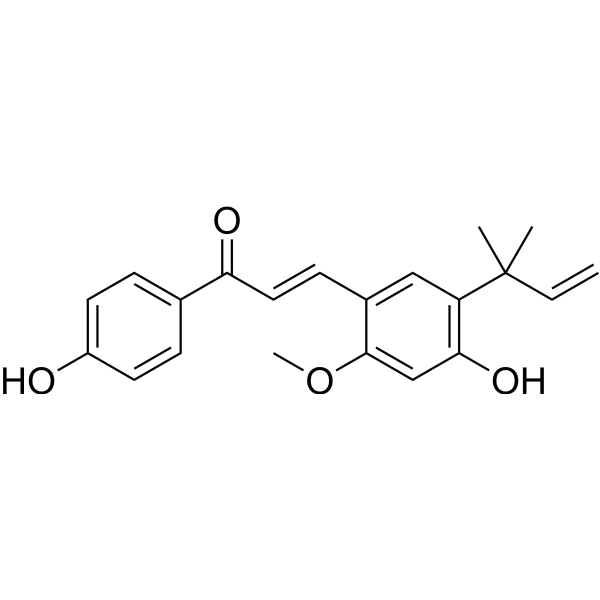
    Licochalcone A
    15+ Cited Publications

    Autophagy Cancer
    Licochalcone A (LCA), a flavonoid isolated, presents obvious anti-cancer effects, displays broad-spectrum inhibition against UDP-glucuronosyltransferases (UGTs) . Licochalcone A (LCA) exhibits strong inhibitory effects against UGT1A1, 1A3, 1A4, 1A6, 1A7, 1A9, and 2B7 (both IC50 and Ki values lower than 5 μM) .
    Licochalcone A
  • HY-111832

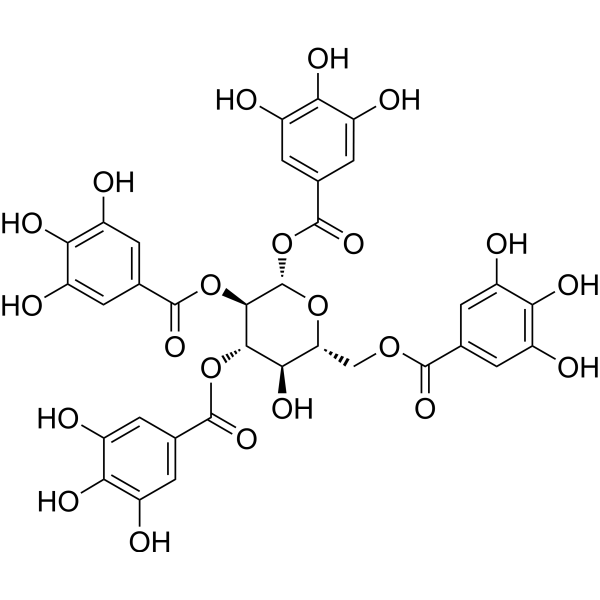
    TeGG

    UGT Infection Metabolic Disease
    1,2,3,6-Tetragalloylglucose (TEgG) is a competitive inhibitor of UDP-glucuronyltransferase UGT1A1, targeting the competitive substrate binding site of UGT1A1. 1,2,3,6-Tetragalloylglucose inhibits UGT1A1-mediated β-estradiol 3-glucuronidation and SN-38 glucuronidation with IC50 of 6.01 μM and 4.31 μM, respectively, and binds to UGT1A1 with Ki of 3.55 μM. 1,2,3,6-Tetragalloylglucose also induces tumor cell apoptosis, inhibit cell proliferation, activates caspase-3 and induces DNA fragmentation in HL-60 cells. 1,2,3,6-Tetragalloylglucose also inhibits HIV integrase and reverse transcriptase, and inhibits HCV protease .
    1,2,3,6-Tetragalloylglucose
  • HY-15592
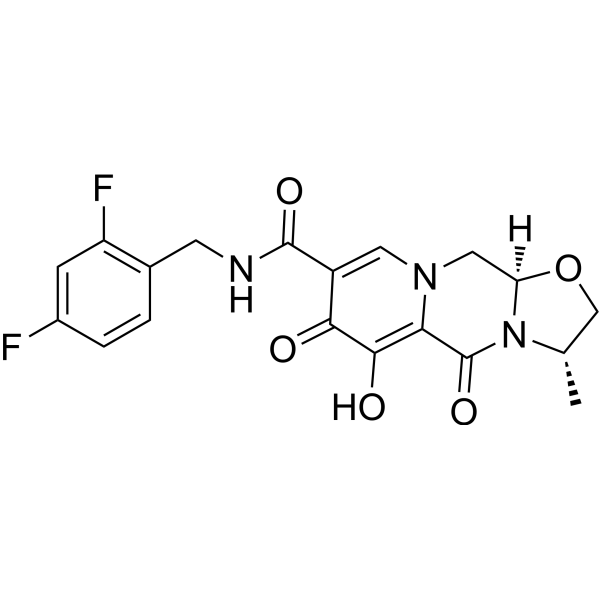
    Cabotegravir
    10+ Cited Publications

    GSK-1265744; S/GSK1265744

    OAT HIV HIV Integrase Infection
    Cabotegravir (GSK-1265744) is a orally active and long-acting HIV integrase strand transfer inhibitor and organic anion transporter 1/3 (OAT1/OAT3) inhibitor with IC50 values of 2.5 nM, 0.41 μM and 0.81 μM for HIVADA, OAT3 and OAT1, respectively. Cabotegravir is primarily metabolized by uridine diphosphate glucuronosyltransferase (UGT) 1A1, with low potential to interact with other antiretroviral agents (ARVs). Cabotegravir can be used to research AIDS .
    Cabotegravir
  • HY-107850

    NSC 1612; NSC 47462

    Drug Metabolite UGT Cardiovascular Disease Metabolic Disease
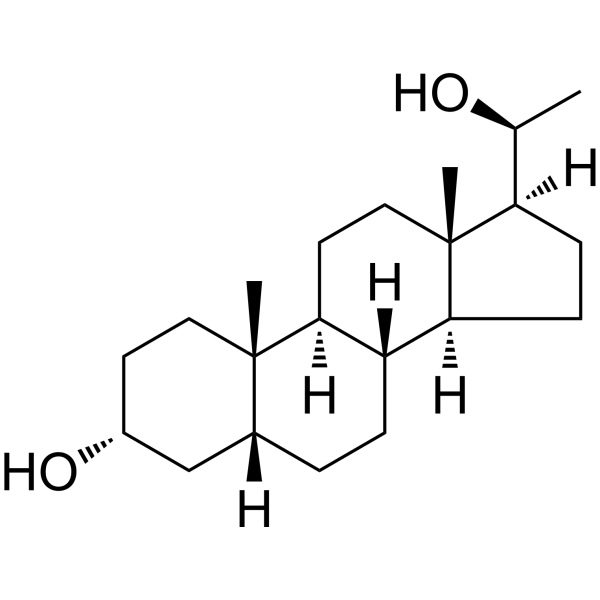
    Pregnanediol (NSC 1612) is a Progesterone (HY-N0437) metabolite. Pregnanediol does not affect the transcriptional activity of UGT1A1 enhancer-promoter complex of WT and variant type. pregnanediol inhibits glucuronidation activity of G71R-UGT1A1. Pregnanediol is a cause of breast milk jaundice in carriers of G71R .
    Pregnanediol
  • HY-160250

    Fluorescent Dye UGT Metabolic Disease
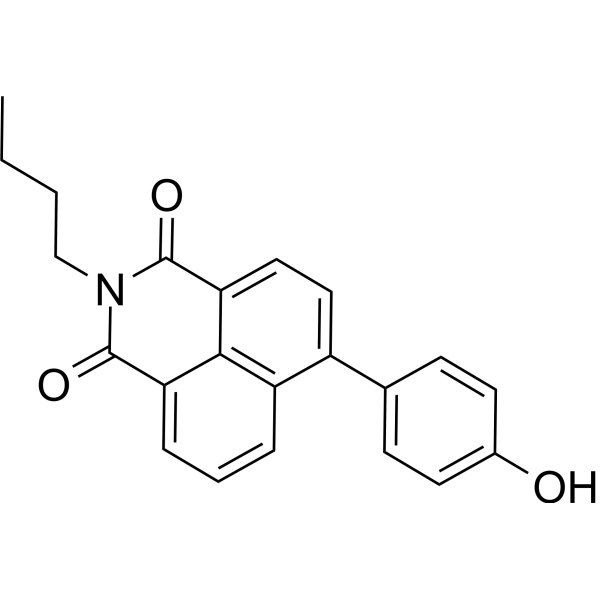
    UGT1A1-IN-1 is a UGT1A1 inhibitor and fluorescent probe (Ex=370 nm, Em=520 nm), with an IC50 of 1.33 μM and a Ki of 5.02 μM. UGT1A1-IN-1 is selectively glucuronidated by UGT1A1 at the bilirubin homologous binding site, and its PET effect is blocked along with this reaction, triggering fluorescence changes. UGT1A1-IN-1 can serve as a substitute for bilirubin to detect UGT1A1 activity and perform high-throughput screening of UGT1A1 modulators .
    UGT1A1-IN-1
  • HY-N0762
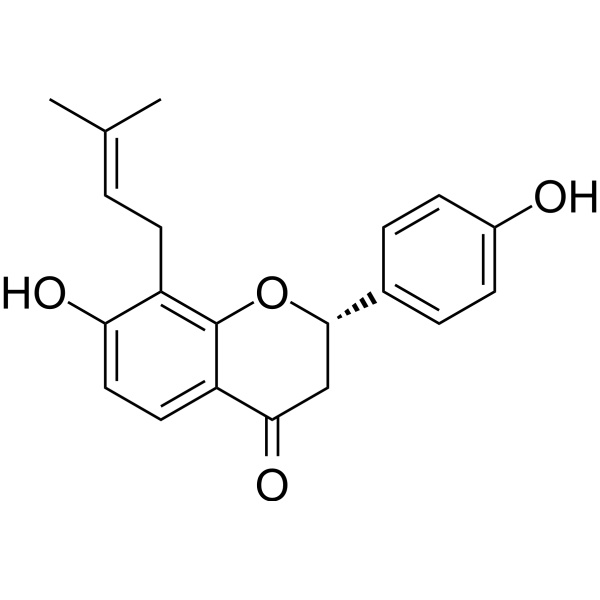
    Isobavachin
    5 Publications Verification

    Cytochrome P450 UGT p38 MAPK NF-κB NO Synthase COX Fc Receptor (FcR) RANKL/RANK Keap1-Nrf2 Reactive Oxygen Species (ROS) Apoptosis Autophagy Neurological Disease Metabolic Disease Inflammation/Immunology Cancer
    Isobavachin is an orally active, blood-brain barrier-penetrating prenylated flavonoid present in Psoralea corylifolia. Isobavachin inhibits human CYP2B6, CYP2C9, CYP2C19, UGT1A1, UGT1A9, and UGT2B7. Isobavachin suppresses MAPK activation, NF-κB nuclear translocation, overexpression of iNOS/COX-2, FcεRI-mediated signaling pathways, and RANKL-induced osteoclastogenesis. Isobavachin induces autophagy, cytotoxicity, neuronal differentiation, and NRF2 activation; it alleviates oxidative damage, inflammatory responses, apoptosis, iron accumulation, mitochondrial biogenesis, and mast cell degranulation. Isobavachin is applicable to research related to liver injury, inflammatory diseases, osteoporosis, liver cancer, prostate cancer, glioma, periodontitis-induced bone loss, and Alzheimer's disease .
    Isobavachin
  • HY-15592A
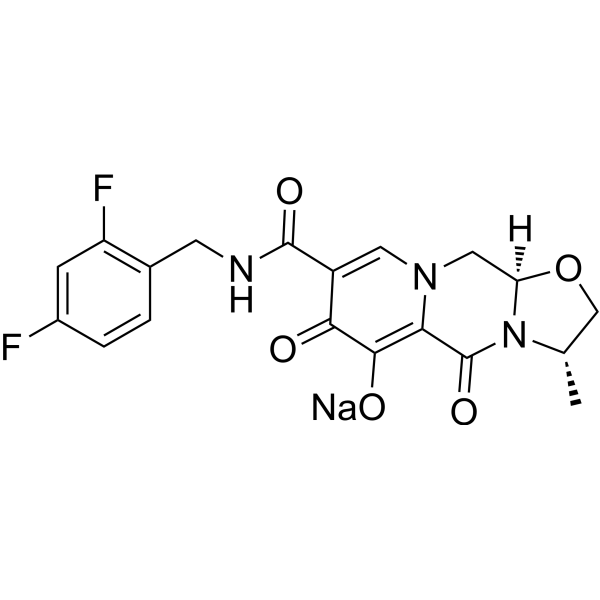
    Cabotegravir sodium
    10+ Cited Publications

    GSK-1265744 sodium; S/GSK1265744 sodium

    OAT HIV HIV Integrase Infection
    Cabotegravir (GSK-1265744) sodium is a orally active and long-acting HIV integrase strand transfer inhibitor and organic anion transporter 1/3 (OAT1/OAT3) inhibitor with IC50 values of 2.5 nM, 0.41 μM and 0.81 μM for HIVADA, OAT3 and OAT1, respectively. Cabotegravir sodium is primarily metabolized by uridine diphosphate glucuronosyltransferase (UGT) 1A1, with low potential to interact with other antiretroviral agents (ARVs). Cabotegravir sodium can be used to research AIDS .
    Cabotegravir sodium
  • HY-N4267

    Calcium Channel Platelet-activating Factor Receptor (PAFR) UGT Leukotriene Receptor TNF Receptor PGE synthase Interleukin Related Cardiovascular Disease Infection Inflammation/Immunology
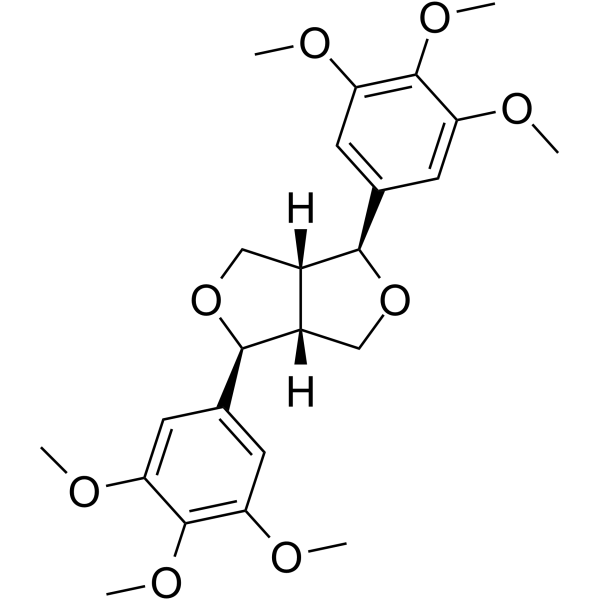
    Yangambin is a PAF receptor antagonist and UGT1A1/UGT1A3 inhibitor, with an IC50 of 29.7 μM and a Ki of 17.1 μM against human UGT1A1, and an IC50 of 56.5 μM and a Ki of 66.8 μM against human UGT1A3. Yangambin blocks PAF-mediated responses, inhibits LTB4-mediated neutrophil infiltration, and suppresses inflammatory events and anaphylactic contraction. Yangambin acts as a central nervous system inhibitor to reduce spontaneous activity, and also exhibits analgesic, anticonvulsant, antileishmanial, vasodilatory and hypotensive effects. Yangambin blocks voltage-gated Ca 2+ channels, reduces the production of NO, TNF-α, IL-6 and PGE2 in cells, increases the production of IL-10, and exerts a protective effect against cardiovascular injury. Yangambin can be used in research related to allergies, cutaneous leishmaniasis, central nervous system diseases and cardiovascular diseases .
    Yangambin
  • HY-111539

    Prostaglandin Receptor Inflammation/Immunology Endocrinology
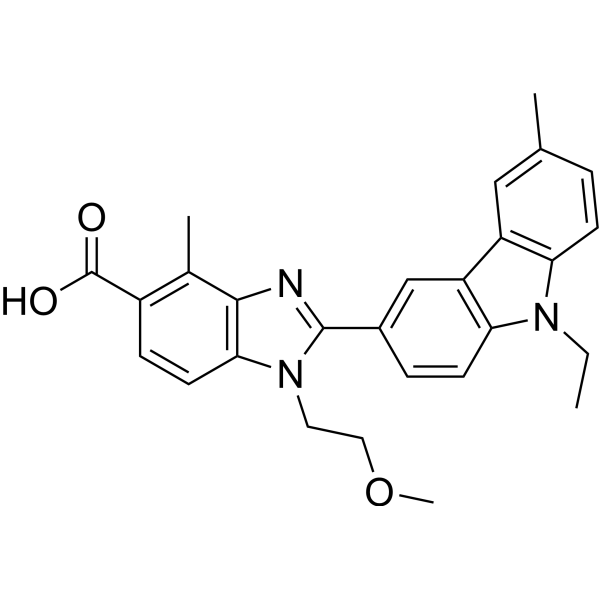
    BAY-1316957 is a potent, selective and orally active prostaglandin E2 receptor subtype 4 (EP4-R) antagonist with an IC50 of 15.3 nM for human EP4-R. BAY-1316957 has excellent agent metabolism and pharmacokinetics properties, and can be used for endometriosis research .
    BAY-1316957
  • HY-RS15426

    Small Interfering RNA (siRNA) Others

    UGT1A1 Human Pre-designed siRNA Set A contains three designed siRNAs for UGT1A1 gene (Human), as well as a negative control, a positive control, and a FAM-labeled negative control.

    UGT1A1 Human Pre-designed siRNA Set A
    UGT1A1 Human Pre-designed siRNA Set A
  • HY-RS16797

    Small Interfering RNA (siRNA) Others

    Ugt1a1 Mouse Pre-designed siRNA Set A contains three designed siRNAs for Ugt1a1 gene (Mouse), as well as a negative control, a positive control, and a FAM-labeled negative control.

    Ugt1a1 Mouse Pre-designed siRNA Set A
    Ugt1a1 Mouse Pre-designed siRNA Set A
  • HY-N1902R

    Reference Standards Keap1-Nrf2 Endogenous Metabolite Metabolic Disease
    4-Hydroxyphenylacetic acid (Standard) is the analytical standard of 4-Hydroxyphenylacetic acid. This product is intended for research and analytical applications. 4-hydroxyphenylacetic acid, a major microbiota-derived metabolite of polyphenols, is involved in the antioxidative action. 4-hydroxyphenylacetic acid induces expression of Nrf2 . IC50 & Target:Nrf2 In Vivo: 4-Hydroxyphenylacetic acid (6, 12, or 25 mg/kg) increases Nrf2 translocation to the nucleus and enhances the activity of phase II and antioxidant enzymes. The protein levels of nuclear Nrf2 are increased by 170% and 230% in pre-treated 12 and 25 mg/kg 4-Hydroxyphenylacetic acid groups, respectively, compared with the control group.The 4-Hydroxyphenylacetic acid pretreatment at a final dose of 25 mg/kg markedly and selectively up-regulated the target genes of phase II enzymes and resulted in higher up-regulation than that of the control group by 270%, 400%, and 500% or UGT1A1, UGT1A9, and SULT2A1, respectively. 4-Hydroxyphenylacetic acid also suppresses the expression of CYP2E1 .
    4-Hydroxyphenylacetic acid (Standard)
  • HY-100319

    UGT Metabolic Disease
    UK-157147 is a substrate for UDP-glucuronosyltransferases (UGT1A1) with a Km value of 105 μM.
    UK-157147
  • HY-130046

    16-epi-Estriol; 16β,17β-Estriol

    UGT Bacterial Infection Inflammation/Immunology
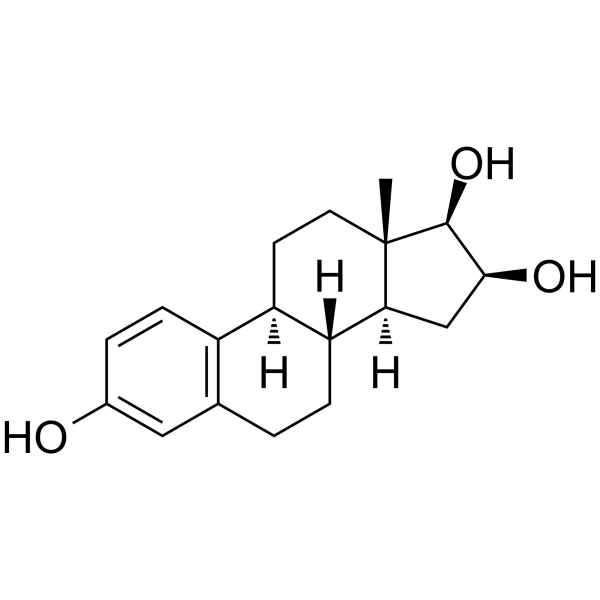
    16-Epiestriol (16-epi-Estriol; 16β,17β-Estriol) is a natural stereoisomer of estriol and an anti-inflammatory agent that targets UGT. The Ki values of 16-Epiestriol against human UGT1A10 and UGT2B7 are 98.1 μM and 162 μM, respectively. As a glucuronidation substrate, 16-Epiestriol can be modified at the 3-OH, 16-OH and 17-OH sites by various UGT enzymes; in liver microsomes, the modification mainly occurs at the 16-OH and 17-OH sites, while reactions take place at all three sites in intestinal microsomes. 16-Epiestriol acts on the phase II inflammatory process by blocking edema mediated by prostaglandins and leukocyte infiltration. It lacks glycogenic activity or any effect on blood glucose levels, and serves as an important candidate molecule in the research of inflammatory diseases .
    16-Epiestriol
  • HY-RS23238

    Small Interfering RNA (siRNA) Others

    Ugt1a1 Rat Pre-designed siRNA Set A contains three designed siRNAs for Ugt1a1 gene (Rat), as well as a negative control, a positive control, and a FAM-labeled negative control.

    Ugt1a1 Rat Pre-designed siRNA Set A
    Ugt1a1 Rat Pre-designed siRNA Set A
  • HY-N0372R

    Reference Standards Autophagy Cancer
    Licochalcone A (Standard) is the analytical standard of Licochalcone A. This product is intended for research and analytical applications. Licochalcone A (LCA), a flavonoid isolated, presents obvious anti-cancer effects, displays broad-spectrum inhibition against UDP-glucuronosyltransferases (UGTs) . Licochalcone A (LCA) exhibits strong inhibitory effects against UGT1A1, 1A3, 1A4, 1A6, 1A7, 1A9, and 2B7 (both IC50 and Ki values lower than 5 μM) .
    Licochalcone A (Standard)
  • HY-124364

    HBV Cytochrome P450 Infection Metabolic Disease
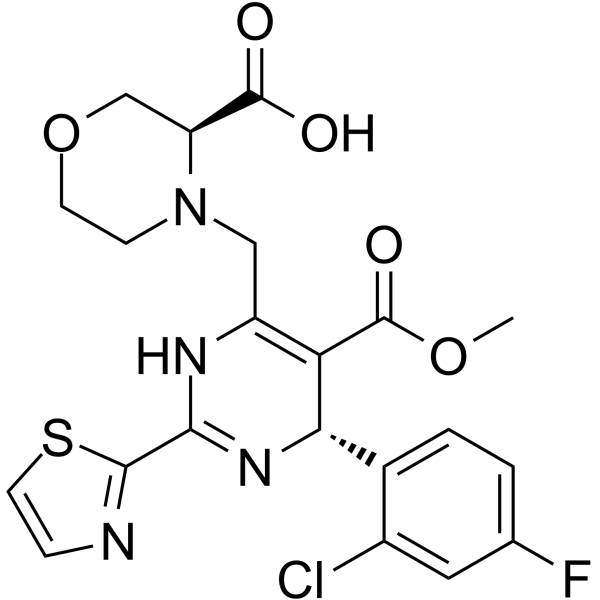
    RO6889678 is a highly potent HBV capsid formation inhibitor with a complex absorption, distribution, metabolism, and excretion (ADME) profile. RO6889678 is a potent inducer of CYP3A4 and coregulated proteins in human hepatocytes. RO6889678 is metabolized by a combination of CYP3A4-mediated oxidation and UDP-glucuronosyltransferase UGT1A3- and UGT1A1-mediated direct glucuronidation .
    RO6889678
  • HY-135581

    Estrogen Receptor/ERR Endocrinology
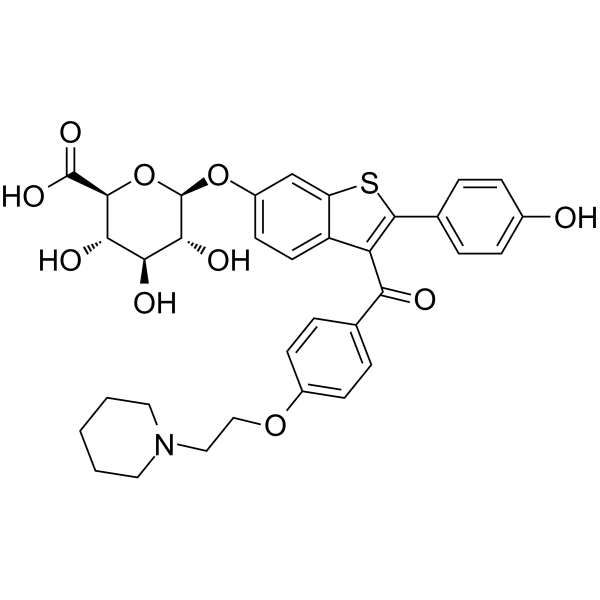
    Raloxifene 6-glucuronide is a primary metabolite of Raloxifene. Raloxifene 6-glucuronide is mediated mostly by UGT1A1 and UGT1A8. Raloxifene 6-glucuronide binds to estrogen receptor with an IC50 of 290 μM. Raloxifene is a selective and nonsteroidal estrogen receptor modulator. Raloxifene activates TGFβ3 promoter as a full agonist at nanomolar concentrations, and inhibits the estrogen response element-containing vitellogenin promoter expression .
    Raloxifene 6-glucuronide
  • HY-15592R

    GSK-1265744 (Standard); S/GSK1265744 (Standard)

    OAT Reference Standards HIV HIV Integrase Infection
    Cabotegravir (Standard) is the analytical standard of Cabotegravir. This product is intended for research and analytical applications. Cabotegravir (GSK-1265744) is a orally active and long-acting HIV integrase strand transfer inhibitor and organic anion transporter 1/3 (OAT1/OAT3) inhibitor with IC50 values of 2.5 nM, 0.41 μM and 0.81 μM for HIVADA, OAT3 and OAT1, respectively. Cabotegravir is primarily metabolized by uridine diphosphate glucuronosyltransferase (UGT) 1A1, with low potential to interact with other antiretroviral agents (ARVs). Cabotegravir can be used to research AIDS .
    Cabotegravir (Standard)
  • HY-170503

    Methionine Adenosyltransferase (MAT) Cancer
    MAT2A-IN-20 (Compound A49) is an inhibitor for methionine adenosyltransferase 2A (MAT2A) with an IC50 ≤50 nM. MAT2A-IN-20 inhibits human UGT1A1 with an IC50 of 28.45 μM. MAT2A-IN-20 exhibits antitumor in mouse models .
    MAT2A-IN-20
  • HY-135581S1

    Isotope-Labeled Compounds Estrogen Receptor/ERR Endocrinology
    Raloxifene 6-glucuronide-d4 (lithium) is deuterium labeled Raloxifene 6-glucuronide. Raloxifene 6-glucuronide is a primary metabolite of Raloxifene. Raloxifene 6-glucuronide is mediated mostly by UGT1A1 and UGT1A8. Raloxifene 6-glucuronide binds to estrogen receptor with an IC50 of 290 μM. Raloxifene is a selective and nonsteroidal estrogen receptor modulator. Raloxifene activates TGFβ3 promoter as a full agonist at nanomolar concentrations, and inhibits the estrogen response element-containing vitellogenin promoter expression .
    Raloxifene 6-glucuronide-d4 lithium
  • HY-122163

    P2X Receptor UGT Cytochrome P450 Pregnane X Receptor (PXR) Neurological Disease
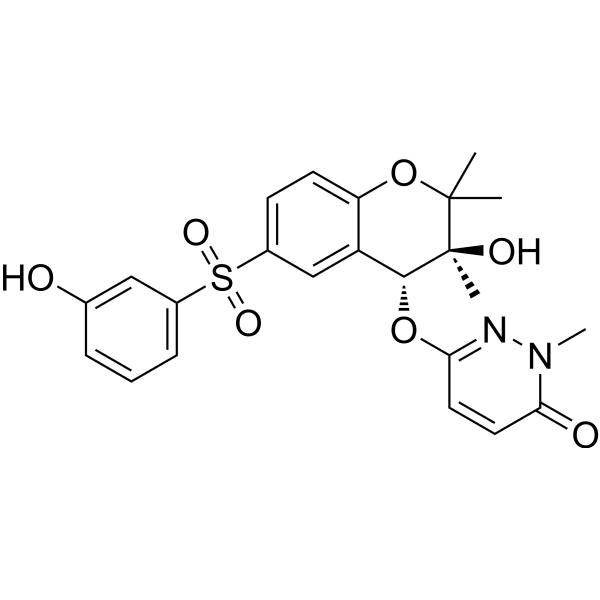
    MK-3901 is a selective P2X3 receptor antagonist with an IC50 of 24 nM. MK-3901 inhibits UGT1A1 (with an IC50 of 1 μM) and CYP2C9 (with an IC50 of 5.7 μM). MK-3901 activates PXR. MK-3901 induces hyperbilirubinemia. MK-3901 can be used for the research of inflammatory pain .
    MK-3901
  • HY-N19800

    Drug Metabolite Metabolic Disease
    Anhydroicaritin-3,7-di-O-glucuronide is a diglucuronide metabolite of icaritin. Anhydroicaritin-3,7-di-O-glucuronide is also a conjugated metabolite derived from prenylated flavonoids of the genus *Epimedium* in rats. In an in vitro microsomal system, Anhydroicaritin-3,7-di-O-glucuronide is mainly catalyzed by UGT1A1 and UGT1A8. Anhydroicaritin-3,7-di-O-glucuronide is generated via sequential glucuronidation at the 3-OH and 7-OH sites of icaritin, or via further conversion from monoglucuronides of icaritin .
    Anhydroicaritin-3,7-di-O-glucuronide
  • HY-179622

    Methionine Adenosyltransferase (MAT) Cancer
    ZS34 is a potent, orally active, and selective MAT2A inhibitor with an IC50 of 13.7 nM, displaying minimal hERG and UGT1A1 liabilities. ZS34 selectively suppresses the growth of methylthioadenosine phosphorylase (MTAP)-deficient cancer cells by inhibiting SAM synthesis, reducing SDMA levels, and inducing DNA damage. ZS34 exhibits antitumor efficacy in a HCT116 MTAP -/- xenograft mouse model. ZS34 can be used for the research of MTAP-deficient cancer .
    ZS34
  • HY-RS15427

    Small Interfering RNA (siRNA) Others

    UGT1A10 Human Pre-designed siRNA Set A contains three designed siRNAs for UGT1A10 gene (Human), as well as a negative control, a positive control, and a FAM-labeled negative control.

    UGT1A10 Human Pre-designed siRNA Set A
    UGT1A10 Human Pre-designed siRNA Set A
  • HY-RS15431

    Small Interfering RNA (siRNA) Others

    UGT1A7 Human Pre-designed siRNA Set A contains three designed siRNAs for UGT1A7 gene (Human), as well as a negative control, a positive control, and a FAM-labeled negative control.

    UGT1A7 Human Pre-designed siRNA Set A
    UGT1A7 Human Pre-designed siRNA Set A
  • HY-RS15432

    Small Interfering RNA (siRNA) Others

    UGT1A8 Human Pre-designed siRNA Set A contains three designed siRNAs for UGT1A8 gene (Human), as well as a negative control, a positive control, and a FAM-labeled negative control.

    UGT1A8 Human Pre-designed siRNA Set A
    UGT1A8 Human Pre-designed siRNA Set A
  • HY-RS15429

    Small Interfering RNA (siRNA) Others

    UGT1A4 Human Pre-designed siRNA Set A contains three designed siRNAs for UGT1A4 gene (Human), as well as a negative control, a positive control, and a FAM-labeled negative control.

    UGT1A4 Human Pre-designed siRNA Set A
    UGT1A4 Human Pre-designed siRNA Set A
  • HY-RS15430

    Small Interfering RNA (siRNA) Others

    UGT1A6 Human Pre-designed siRNA Set A contains three designed siRNAs for UGT1A6 gene (Human), as well as a negative control, a positive control, and a FAM-labeled negative control.

    UGT1A6 Human Pre-designed siRNA Set A
    UGT1A6 Human Pre-designed siRNA Set A

Inquiry Online

Your information is safe with us. * Required Fields.

Salutation


Country or Region *

Applicant Name *


Organization Name *

Department *


Email Address *


Product Name *

Cat. No.


Requested quantity *

Phone Number *


Remarks

Inquiry Online

Inquiry Information

Product Name:
Cat. No.:
Quantity:
MCE Japan Authorized Agent:

