
From 11:00 pm to 12:00 pm EST ( 8:00 pm to 9:00 pm PST ) on January 6th, the website will be under maintenance. We are sorry for the inconvenience. Please arrange your schedule properly.
Proteinase K (Protease K) is a nonspecific serine protease that is useful for general digestion of proteins. Proteinase K is active in the presence of SDS or urea and over a wide range of pH (4-12), salt concentrations, and temperatures. Proteinase K can be use for promoting methods of viral nucleic acid extraction, and detection .
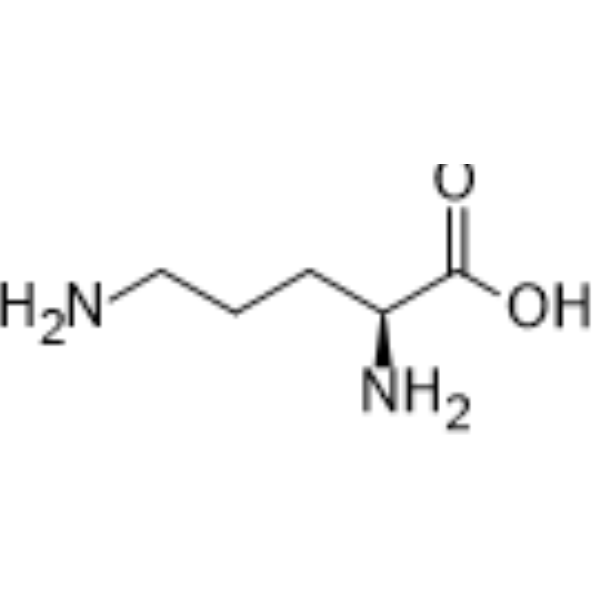
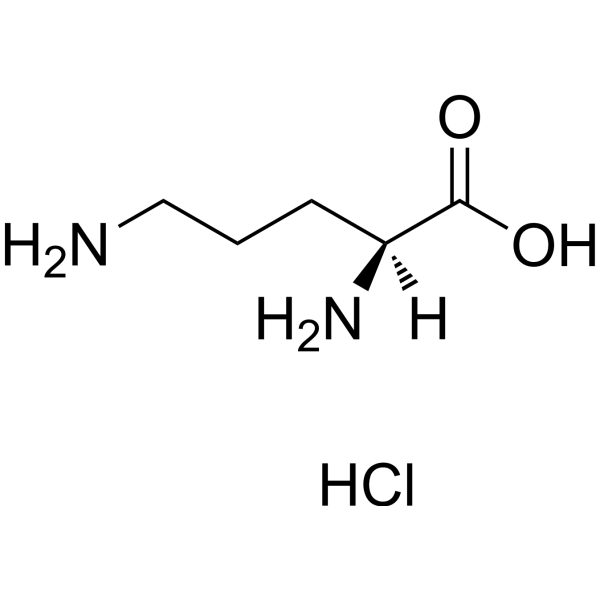
L-Ornithine ((S)-2,5-Diaminopentanoic acid) is a non-proteinogenic amino acid, is mainly used in urea cycle removing excess nitrogen in vivo. L-Ornithine shows nephroprotective .
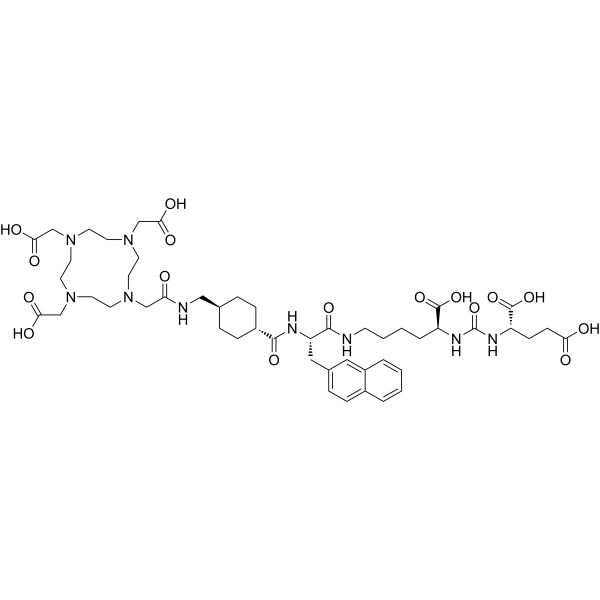
Vipivotide tetraxetan (PSMA-617) is a high potent prostate-specific membrane antigen (PSMA) inhibitor, with a Ki of 0.37 nM. Vipivotide tetraxetan (PSMA-617) is designed consisting of three components: the pharmacophore Glutamate-urea-Lysine, the chelator DOTA able to complex both 68Ga or 177Lu, and a linker connecting these two entities. Glutamate-urea-Lysine is the selective pharmacophore to bind to prostate specific membrane antigen.
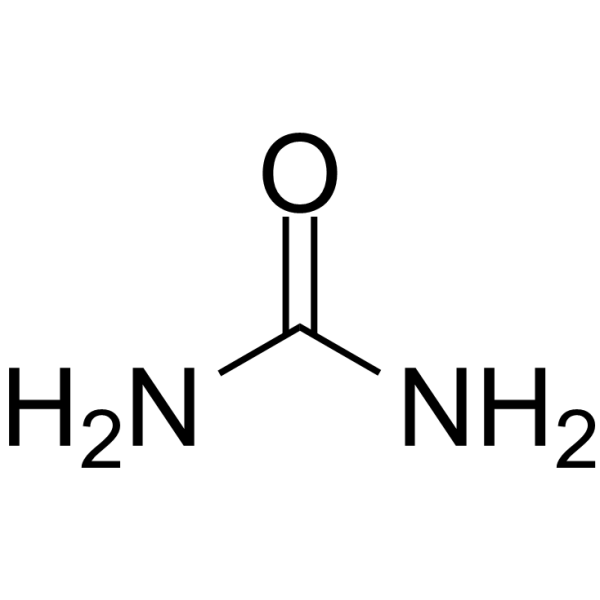
Urea is a powerful protein denaturant via both direct and indirect mechanisms . A potent emollient and keratolytic agent . Used as a diuretic agent. Blood urea nitrogen (BUN) has been utilized to evaluate renal function . Widely used in fertilizers as a source of nitrogen and is an important raw material for the chemical industry.
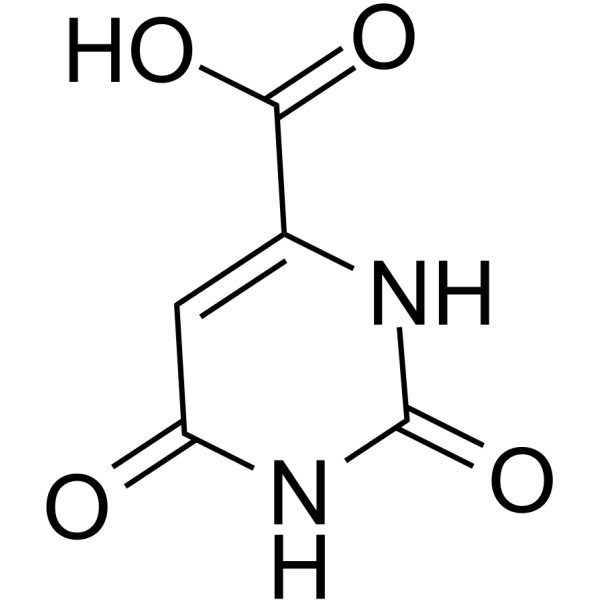
Orotic acid (6-Carboxyuracil), a precursor in biosynthesis of pyrimidine nucleotides and RNA, is released from the mitochondrial dihydroorotate dehydrogenase (DHODH) for conversion to UMP by the cytoplasmic UMP synthase enzyme. Orotic acid is a marker for measurement in routine newborn screening for urea cycle disorders. Orotic acid can induce hepatic steatosis and hepatomegaly in rats .
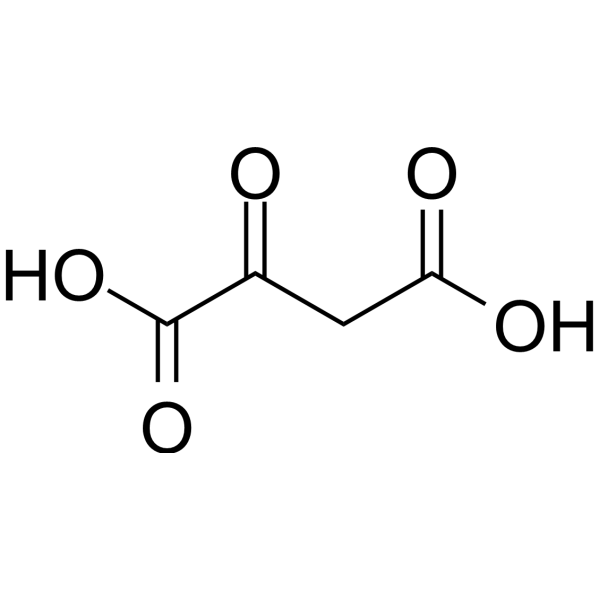
Oxaloacetic acid (2-Oxosuccinic acid) is a metabolic intermediate involved in several ways, such as citric acid cycle, gluconeogenesis, the urea cycle, the glyoxylate cycle, amino acid synthesis, and fatty acid synthesis, whereby Oxaloacetic acid facilitates the clearance of reactive oxygen species (ROS) and improves mitochondrial function .
L-Ornithine hydrochloride is a non-proteinogenic amino acid, is mainly used in urea cycle removing excess nitrogen in vivo. L-Ornithine hydrochloride shows nephroprotective .
Vipivotide tetraxetan Ligand-Linker Conjugate (PSMA-617 Ligand-Linker Conjugate) is a complex composed of pharmacophore group Glutamate-urea-Lysine peptide coupling linker, which can be used to synthesize Vipivotide tetraxetan (PSMA-617). Glutamate-urea-Lysine selectively binds to prostate-specific membrane antigen (PSMA) .
Urea- 15N2 is the 15N-labeled Urea. Urea is a powerful protein denaturant via both direct and indirect mechanisms . A potent emollient and keratolytic agent . Used as a diuretic agent. Blood urea nitrogen (BUN) has been utilized to evaluate renal function . Widely used in fertilizers as a source of nitrogen and is an important raw material for the chemical industry.
Urease, Jack bean is derived from jack bean and Catalyzes hydrolysis of urea to carbon dioxide and ammonia. Urease, Jack bean is useful in the determination of urea in body fluids.
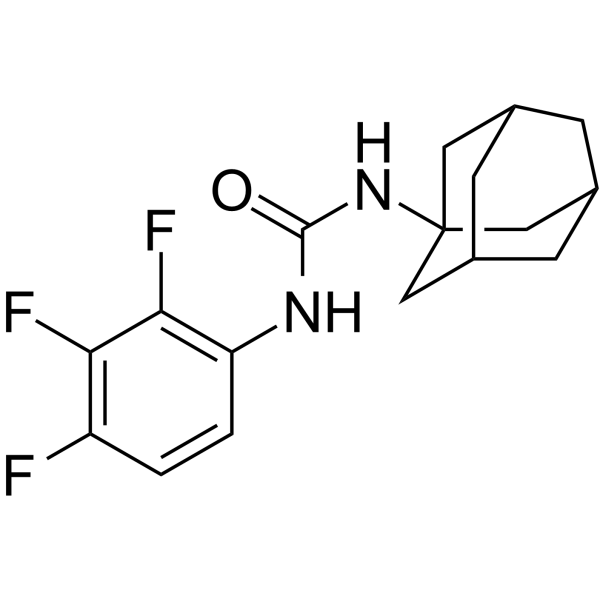
AU1235, an adamantyl urea, is a potent MmpL3 inhibitor. The Mycobacterium tuberculosis protein MmpL3 performs an essential role in cell wall synthesis, since it effects the transport of trehalose monomycolates across the inner membrane .
Imidazolidinyl urea is a commonly used antibacterial preservative in cosmetics and pharmaceuticals that releases formaldehyde through decomposition. Imidazolidinyl urea can also be used in the preparation of multifunctional hydrogels for the care of infectious wounds. Imidazolidinyl urea has broad-spectrum antibacterial activity, which mainly inhibits the reproduction of gram-negative bacteria and gram-positive bacteria, and restricts the growth of yeast and mold to a certain extent. Imidazolidinyl urea can induce non-histaminergic allergy by MRGPRX2 activation of mast cells .
Urea- 13C, 15N2 is the 13C and 15N labeled Urea . Urea is a powerful protein denaturant via both direct and indirect mechanisms . A potent emollient and keratolytic agent . Used as a diuretic agent. Blood urea nitrogen (BUN) has been utilized to evaluate renal function . Widely used in fertilizers as a source of nitrogen and is an important raw material for the chemical industry.
DUPA, belongs to a class of glutamate ureas, is used as the targeting moiety in agent conjugate to selectively deliver cytotoxic agents to prostate cancer cells .
N-Butylthiophosphoric triamide (NBPT) is a potent urease inhibitor. Butylthiophosphoric triamide inhibits nitrification and reduces the conversion of urea to NH3 gas .
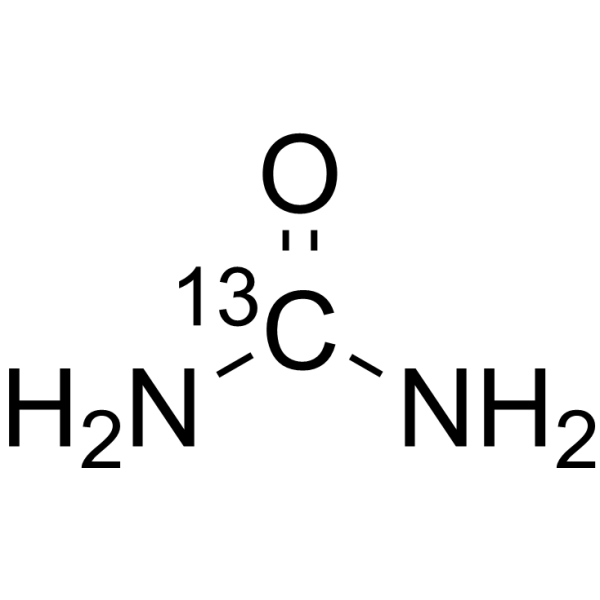
Urea- 13C is the 13C labelled urea. The Urea- 13C breath test ( 13C-UBT) is one of the best methods for the diagnosis of Helicobacter pylori infection .
Semicarbazide hydrochloride is an orally active urea derivative. Semicarbazide hydrochloride binds to copper or iron in cells. Semicarbazide hydrochloride inhibits the activity of soluble semicarbazide sensitive amine oxidase (SSAO). Semicarbazide hydrochloride damages cartilage, blood vessels, ovaries, testicles, and thyroid follicles .
Creatininase, Microorganism (Creatinine amidohydrolase; CAH), namely creatinine amidohydrolase, from Pseudomonas putida, is a homohexameric enzyme commonly used in biochemical research. Creatininase acts on carbon-nitrogen bonds other than peptide bonds, and can catalyze the hydrolysis of creatinine to creatine, which can then be metabolized by creatinase to urea and sarcosine .
Glu-urea-Glu-NHS ester is an activated N-hydroxysuccinamide (NHS) ester of Glu-urea-Glu. Glu-urea-Glu-NHS ester can be used for synthesis of small-molecule prostate-specific membrane antigen (PSMA) inhibitors, imaging agents (such as PSMAi-PEG conjugates), and targeted drug delivery vehicles .
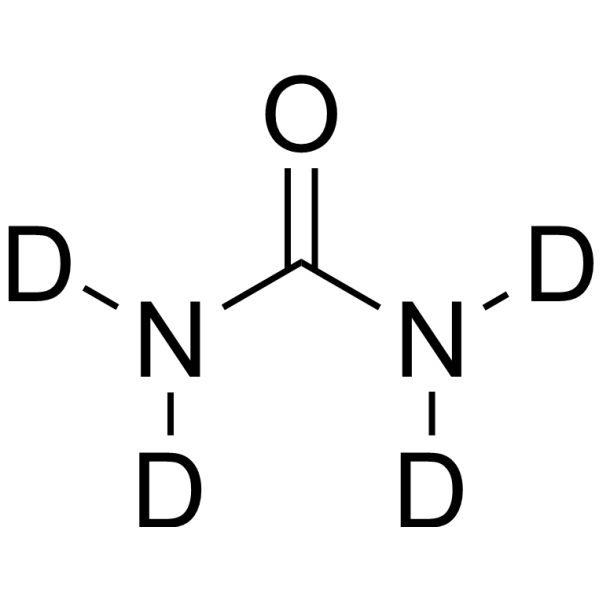
Urea-d4 is the deuterium labeled Urea . Urea is a powerful protein denaturant via both direct and indirect mechanisms . A potent emollient and keratolytic agent . Used as a diuretic agent. Blood urea nitrogen (BUN) has been utilized to evaluate renal function . Widely used in fertilizers as a source of nitrogen and is an important raw material for the chemical industry.
SR7826 is a class of bis-aryl urea derived potent, selective and orally active LIM kinase (LIMK) inhibitor with an IC50 of 43 nM for LIMK1. SR7826 is >100-fold more selective for LIMK1 than ROCK and JNK kinases .
Creatinase, Actinobacteria (Creatine amidohydrolase) is a hydrolase that catalyzes the hydrolysis of creatine into sarcosine and urea, and plays an important role in the enzymatic determination of creatinine concentration .
Creatine amidinohydrolase, microorganism is a hydrolytic enzyme that catalyzes the hydrolysis of creatine into creatinine and urea, playing a crucial role in the measurement of creatinine concentration. Creatine amidinohydrolase, microorganism can be used in the development of biosensors for measuring serum creatinine levels .
L-Ornithine-1,2,3,4,5- 13C5 (hydrochloride) is the 13C-labeled L-Ornithine hydrochloride. L-Ornithine hydrochloride is a free amino acid that plays a central role in the urea cycle and is also important for the disposal of excess nitrogen.
Glutamate dehydrogenase NAD(P) (GLDH) can be found in hepatocytes, renal tissue, brain, muscle, and intestinal cells. Glutamate dehydrogenase NAD(P) is often used in biochemical studies. Glutamate dehydrogenase is a mitochondrial enzyme, it catalyzes the reversible oxidative deamination of glutamate to α-ketoglutarate (α-KG) as part of the urea cycle .
HYNIC-PSMA is a ligand for molecular imaging of tumors. Hynic-psma consists of two components: HYNIC (6-hydrazinonicotinamide) and PSMA (Prostate-Specific Membrane Antigen). HYNIC is a compound used to attach radioactive isotopes to targeted molecules, such as 188Re-HYNIC-PSMA. PSMA is a membrane antigen that is specifically expressed on the surface of prostate cancer cells. HYNIC-PSMA can be used in prostate cancer research . HYNIC-PSMA can be used for the synthesis/research of Radionuclide-Drug Conjugates (RDCs).
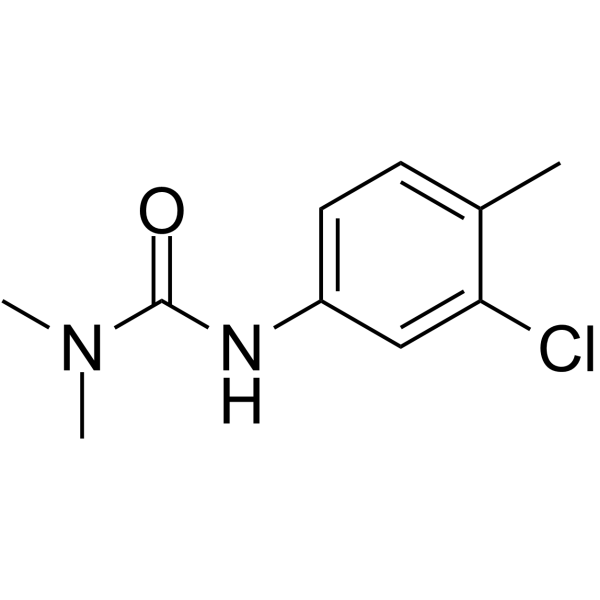
Chlorotoluron (Chlortoluron) is a ureaherbicide. Chlorotoluron serves as a degradation substrate that undergoes dissipation in soil and produces demethylated chlorotoluron metabolites via N-dealkylation. Chlorotoluron is used for pre-emergence and post-emergence weed control in cereals and various other crops .
DL-Ornithine (DL-(±)-Ornithine) hydrochloride is an amino acid and also a urea cycle promoter. DL-Ornithine hydrochloride has the characteristics of low metabolic rate and rapid excretion, and only the L-enantiomer undergoes decarboxylation. In mice inoculated with L-1210 leukemia cells, DL-Ornithine hydrochloride is excreted in urine in its original form, and its conversion to carbon dioxide within 24 h is negligible. DL-Ornithine hydrochloride is mainly used in the urea cycle to eliminate excess nitrogen in the body and protect the kidneys .
L-Ornithine-d6 (hydrochloride) is the deuterium labeled L-Ornithine hydrochloride. L-Ornithine hydrochloride is a free amino acid that plays a central role in the urea cycle and is also important for the disposal of excess nitrogen.
L-Ornithine-d7 (hydrochloride) is the deuterium labeled L-Ornithine hydrochloride. L-Ornithine hydrochloride is a free amino acid that plays a central role in the urea cycle and is also important for the disposal of excess nitrogen.
L-Ornithine monohydrochloride, suitable for cell culture is a non-proteinogenic amino acid that is mainly used in the urea cycle to remove excess nitrogen from the body and can be used for cell culture .
Oxaloacetic acid- 13C4 is the 13C-labeled Oxaloacetic acid. Oxaloacetic acid (2-Oxosuccinic acid) is a metabolic intermediate involved in several ways, such as citric acid cycle, gluconeogenesis, the urea cycle, the glyoxylate cycle, amino acid synthesis, and fatty acid synthesis .
S-(2-Carboxyethyl)-L-cysteine (S-Carboxyethylcysteine) is a non-protein (modified) sulfur amino acid. S-(2-Carboxyethyl)-L-cysteine is present in Acacia seed. S-(2-Carboxyethyl)-L-cysteine can affect the seed’s protein use in rats. S-(2-Carboxyethyl)-L-cysteine suppresses the methionine-induced growth rate, and has a negative effect on the plasma amino acid levels in rats .
Diazolidinyl urea is a broad-spectrum preservative commonly used in cosmetics. Diazolidinyl urea exerts antibacterial effects by decomposing and releasing formaldehyde. Diazolidinyl urea is effective against most contaminating microorganisms, especially Pseudomonas .
Urea (Standard) is the analytical standard of Urea. This product is intended for research and analytical applications. Urea is a powerful protein denaturant via both direct and indirect mechanisms . A potent emollient and keratolytic agent . Used as a diuretic agent. Blood urea nitrogen (BUN) has been utilized to evaluate renal function . Widely used in fertilizers as a source of nitrogen and is an important raw material for the chemical industry.
UT-B-IN-1 (UTBINH-14) is a reversible, competitive and selective urea transporter-B (UT-B) inhibitor with IC50 values of 10 and 25 nM for human and mouse UT-B, respectively. UT-B-IN-1 shows low toxicity and high selectivity for UT-B over UT-A isoforms. UT-B-IN-1 increases urine output and reduces urine osmolality of mice. UT-B-IN-1 can be used for diuretic mechanism research .
Oxaloacetic acid (Standard) is the analytical standard of Oxaloacetic acid. This product is intended for research and analytical applications. Oxaloacetic acid (2-Oxosuccinic acid) is a metabolic intermediate involved in several ways, such as citric acid cycle, gluconeogenesis, the urea cycle, the glyoxylate cycle, amino acid synthesis, and fatty acid synthesis, whereby Oxaloacetic acid facilitates the clearance of reactive oxygen species (ROS) and improves mitochondrial function .
Arginase, Microorganism immobilized (L-Arginine amidinase) is an enzyme of the urea cycle. Arginase catalyzes the hydrolysis of L-arginine to L-ornithine and urea .
L-Ornithine- 15N2 (hydrochloride) is the 15N-labeled L-Ornithine hydrochloride. L-Ornithine hydrochloride is a free amino acid that plays a central role in the urea cycle and is also important for the disposal of excess nitrogen.
Carbamoyl phosphate dilithium salt is an antisickling agent and plays a significant role in the urea cycle. Carbamoyl phosphate dilithium salt carbamylates the amino-terminal valine residues of hemoglobin S in erythrocytes, which interferes with the sickling phenomenon. Carbamoyl phosphate dilithium salt exhibits toxicity due to the lithium cation .
PU-48 is a potent urea transporters A (UT-A) inhibitor (IC50=0.32 μM). PU-48 has a good diuretic effect in mouse models, and shows little or no cytotoxicity. PU-48 has the potential to be developed as a diuretic .
HYNIC-iPSMA TFA is a ligand for molecular imaging of tumors. Hynic-ipsma consists of two components: HYNIC (6-hydrazinonicotinamide) and iPSMA (Inhibitor of Prostate-Specific Membrane Antigen). HYNIC is a compound used to attach radioactive isotopes to targeted molecules. iPSMA is a specific inhibitor used to inhibit prostate-specific membrane antigen (PSMA). 68GA-labeled iPSMA has been used to detect prostate cancer by PET imaging. The further 99mTc-EDDA/HYNIC-iPSMA TFA has excellent specificity and sensitivity . HYNIC-iPSMA TFA can be used for the synthesis/research of Radionuclide-Drug Conjugates (RDCs).
Mefruside is an orally active diuretic and has a mild hypotensive effect. Mefruside inhibits the synthesis of urea in an isolated rat liver perfusion model. Mefruside can be used in studies of oedema and hypertension .
L-Ornithine (hydrochloride) (Standard) is the analytical standard of L-Ornithine (hydrochloride). This product is intended for research and analytical applications. L-Ornithine hydrochloride is a non-proteinogenic amino acid, is mainly used in urea cycle removing excess nitrogen in vivo. L-Ornithine hydrochloride shows nephroprotective .
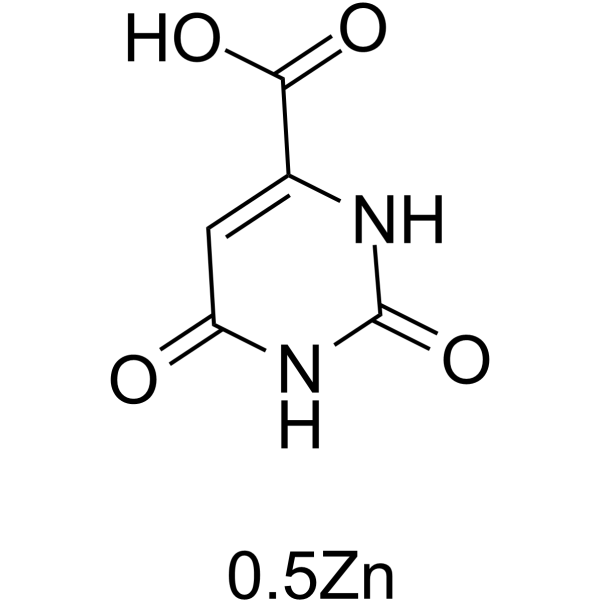
Orotic acid (zinc), a precursor in biosynthesis of pyrimidine nucleotides and RNA, is released from the mitochondrial dihydroorotate dehydrogenase (DHODH) for conversion to UMP by the cytoplasmic UMP synthase enzyme. Orotic acid (zinc) is a marker for measurement in routine newborn screening for urea cycle disorders. Orotic acid (zinc) can induce hepatic steatosis and hepatomegaly in rats .
STING agonist-11 (Compound 92) is a potent small molecule cyclic urea activator of STING with EC50 of 18 nM. Activation of STING is a highly promising approach in immunotherapy .
L-Homocitrulline-d3 is the deuterium labeled L-Homocitrulline. L-Homocitrulline is metabolized to homoarginine through homoargininosuccinate via the urea cycle pathway and its metabolic abnormality could lead to Lysinuric Protein Intolerance (LPI).
Imidacloprid-urea is a metabolite of Imidacloprid (HY-B0838). Imidacloprid is an effective and widely used neonicotinoid pesticide to control pests of cereals, vegetables, tea and cotton. Imidacloprid-urea can occupy or block adsorption sites of imidacloprid on soil, potentially affecting the fate, transport, and bioavailability of imidacloprid in the environment .
HYNIC-iPSMA is a ligand for molecular imaging of tumors. Hynic-ipsma consists of two components: HYNIC (6-hydrazinonicotinamide) and iPSMA (Inhibitor of Prostate-Specific Membrane Antigen). HYNIC is a compound used to attach radioactive isotopes to targeted molecules. iPSMA is a specific inhibitor used to inhibit prostate-specific membrane antigen (PSMA). 68GA-labeled iPSMA has been used to detect prostate cancer by PET imaging. The further 99mTc-EDDA/HYNIC-iPSMA has excellent specificity and sensitivity . HYNIC-iPSMA can be used for the synthesis/research of Radionuclide-Drug Conjugates (RDCs).
TCO-PEG2-Sulfo-NHS ester-EDC Urea is a click chemistry reagent containing an azide group. TCO-PEG2-Sulfo-NHS ester is a PEG linker containing a TCO moiety and a sulfo-NHS ester moiety. The sulfo group makes this molecule soluble in waqueous buffer. This reagent can be used to label antibodies, proteins and other primary amine-containing macromolecules with TCO moiety. Reagent grade, for research use only . TCO-PEG2-Sulfo-NHS ester-EDC Urea is a click chemistry reagent, it contains a TCO group that can undergo an inverse electron demand Diels-Alder reaction (iEDDA) with molecules containing Tetrazine groups.
L-Homocitrulline is metabolized to homoarginine through homoargininosuccinate via the urea cycle pathway and its metabolic abnormality could lead to Lysinuric Protein Intolerance (LPI).
L-Ornithine-d2 (hydrochloride) is the deuterium labeled L-Ornithine hydrochloride. L-Ornithine hydrochloride is a free amino acid that plays a central role in the urea cycle and is also important for the disposal of excess nitrogen.
C6 Urea Ceramide (Cer(d18:1/6:0) Urea) is an inhibitor of neutral ceramidase. C6 Urea Ceramide increases total ceramide levels in wild-type mouse embryonic fibroblasts (MEFs) and HT-29 colon cancer cells. C6 Urea Ceramide (5-10 μM) inhibits proliferation of HT-29 cells and induces apoptosis and autophagy, but is not toxic to non-cancerous cells. C6 Urea Ceramide decreases total and phosphorylated β-catenin levels in HT-29 and HCT116 cells, and induces colocalization of β-catenin with the 20S proteasome. C6 Urea Ceramide (1.25, 2.5, and 5 mg/kg) reduced tumor growth and increased C16, C18, C20, and C24 ceramide levels in tumor tissues in the HT-29 mouse xenograft model.
L-Ornithine (hydrochloride) (Standard) is the analytical standard of L-Ornithine (hydrochloride). This product is intended for research and analytical applications. L-Ornithine hydrochloride is a non-proteinogenic amino acid, is mainly used in urea cycle removing excess nitrogen in vivo. L-Ornithine hydrochloride shows nephroprotective .
Imidazolidinyl urea (Standard) is the analytical standard of Imidazolidinyl urea. This product is intended for research and analytical applications. Imidazolidinyl urea is a commonly used antibacterial preservative in cosmetics and pharmaceuticals that releases formaldehyde through decomposition. Imidazolidinyl urea can also be used in the preparation of multifunctional hydrogels for the care of infectious wounds. Imidazolidinyl urea has broad-spectrum antibacterial activity, which mainly inhibits the reproduction of gram-negative bacteria and gram-positive bacteria, and restricts the growth of yeast and mold to a certain extent. Imidazolidinyl urea can induce non-histaminergic allergy by MRGPRX2 activation of mast cells .
Propargyl-PEG2-urea-C3-triethoxysilane is a PEG-based PROTAC linker that can be used in the synthesis of PROTACs . Propargyl-PEG2-urea-C3-triethoxysilane is a click chemistry reagent, it contains an Alkyne group and can undergo copper-catalyzed azide-alkyne cycloaddition (CuAAc) with molecules containing Azide groups.
22-((4-Methoxyphenyl)urea-1-yl)-22-deoxypleuromutilin (compound 6n) is an antibacterial pleuromutilin derivative against Gram-positive pathogens (GPPs) and Mycoplasma pneumoniae .
STING agonist-10 (Compound 91) is a potent small molecule cyclic urea activator of STING with the EC50 of 2600 nM. Activation of STING is a highly promising approach in immunotherapy .
Sodium ethylparaben (Standard) is the analytical standard of Sodium ethylparaben. This product is intended for research and analytical applications. Sodium ethylparaben (Sodium ethyl 4-hydroxybenzoate) acts as a water soluble antiseptic usually employed as safe for cosmetics .
sEH inhibitor-14 (compound 33) is a benzoxazolone-5-urea analogue. In addition, sEH inhibitor-14 is a soluble Epoxide Hydrolase (sEH) inhibitor (IC50=0.39 nM) .
Lufenuron, (-)- is an active isomer form of Lufenuron. Lufenuron is a lipophilic benzoyl urea insecticide and chitin synthesis inhibitor that can be used for flea and fish lice control. Lufenuron inhibits the molting of arthropods .
L-Ornithine-1,2- 13C2 (hydrochloride) is the 13C-labeled L-Ornithine hydrochloride. L-Ornithine hydrochloride is a free amino acid that plays a central role in the urea cycle and is also important for the disposal of excess nitrogen.
LC kinetic stabilizer-1 (compound 21) is a potent and selective amyloidogenic immunoglobulin light chain kinetic stabilizer with EC50s of 140 and 74.1 nM for WIL-FL * and WIL-FL * T46L/F49Y, respectively. WIL-FL is an amyloidogenic FL LC dimer .
SHP2-IN-34 (compound A8) is a phenyl ureaSHP2 inhibitor with anti-cancer activity. SHP2-IN-34 significantly suppresses tumor growth in CT26 mouse model .
Boc-C2-Urea-bis(Boc)-C4-Urea-4-phenylacetic acid (Standard) is the analytical standard of Boc-C2-Urea-bis(Boc)-C4-Urea-4-phenylacetic acid (HY-108379). This product is intended for research and analytical applications. Boc-C2-Urea-bis(Boc)-C4-Urea-4-phenylacetic acid is a cleavable ADC linker used in the synthesis of antibody-drug conjugates (ADCs) .
1,3-Bis(2-chloroethyl)urea (Standard) is the analytical standard of 1,3-Bis(2-chloroethyl)urea. This product is intended for research and analytical applications.
N,N-Dimethylamidino Urea (N-Carbonylguanidine) is an intermediate in the electrochemical oxidation of Metformin (HY-B0627). Metformin can be used in the study of type 2 diabetes. N,N-Dimethylamidino Urea can be used as a marker to study the metabolic pathway of metformin in vivo .
Urea, N-(aminoiminomethyl)-, sulfate (2:1) (Standard) is the analytical standard of Urea, N-(aminoiminomethyl)-, sulfate (2:1). This product is intended for research and analytical applications.
1,3-Bis[3,5-bis(trifluoromethyl)phenyl]urea is a potent activator of eIF2α kinase heme regulated inhibitor. 1,3-Bis[3,5-bis(trifluoromethyl)phenyl]urea reduces the abundance of eIF2·GTP·tRNAiMet ternary complex. 1,3-Bis[3,5-bis(trifluoromethyl)phenyl]urea inhibits cancer cell proliferation .
Urea- 13C, 15N is the 13C- and 15N-labeled Urea (HY-Y0271). Urea is a powerful protein denaturant via both direct and indirect mechanisms. A potent emollient and keratolytic agent. Used as a diuretic agent. Blood urea nitrogen (BUN) has been utilized to evaluate renal function. Widely used in fertilizers as a source of nitrogen and is an important raw material for the chemical industry .
UTA1inh-A1 is a urea transporter (UT) inhibitor. UTA1inh-A1 has IC50 values of 3.3 μM and 16 μM for UT-A1 and UT-B. UTA1inh-A1 can be used in research related to urearetics .
UTA1inh-D1 is a selective UT-A1 and UT-B urea transporter inhibitor with IC50 values of 3.8 μM and 15 μM, respectively. UTA1inh-D1 is promising for research of refractory edema, such as congestive heart failure and cirrhosis .
Orotic acid (zinc) (Standard) is the analytical standard of Orotic acid (zinc). This product is intended for research and analytical applications. Orotic acid (zinc), a precursor in biosynthesis of pyrimidine nucleotides and RNA, is released from the mitochondrial dihydroorotate dehydrogenase (DHODH) for conversion to UMP by the cytoplasmic UMP synthase enzyme. Orotic acid (zinc) is a marker for measurement in routine newborn screening for urea cycle disorders. Orotic acid (zinc) can induce hepatic steatosis and hepatomegaly in rats .
TEI-6122 is a 7-thiaprostaglandin E1 derivative. TEI-6122 can reduce urinary protein and suppressthe increase of blood urea nitrogen. TEI-6122 can inhibit monocyte chemoattractant protein-1 induced chemotaxis. TEI-6122 can be used for the research of inflammation, such as nephritis .
Arginase, Human (EC 3.5.3.1) is a manganese-containing enzyme, the last enzyme in the urea cycle, catalyzing the conversion of arginine to ornithine and urea.
Arginase, Rat (EC 3.5.3.1) is a manganese-containing enzyme and the last enzyme in the urea cycle. Arginase catalyzes the conversion of arginine to ornithine and urea.
Pyrazinoylguanidine (PZG) is an analogue of the potassium sparing diuretic, Amiloride (HY-B0285). Pyrazinoylguanidine can lower the systolic and diastolic blood pressure of patients with primary hypertension, has a certain effect on reducing heart rate, and does not affect the concentrations of electrolytes such as sodium, potassium, and chloride in the blood serum. Pyrazinoylguanidine can reduce the hyperglycemia and hyperinsulinemia in type 2 diabetes, reduce the levels of triglycerides, cholesterol, and free fatty acids, and reverse the hyperglycemia and hyperlipidemia induced by thiazide diuretics, such as Hydrochlorothiazide (HY-B0252). Pyrazinoylguanidine ican nhibit the reabsorption of urea by the renal tubules, thereby increasing the clearance rate and excretion volume of urea, reducing the serum urea concentration, and minimizing its toxic accumulation .
Ornithine ((±)-Ornithine) is a non-essential amino acid. Ornithine is an intermediate in urea cycle and acts as a substrate for these rate limiting enzymes ornithine transcarbomylase, ornithine aminotransferase and ornithine decarboxylase producing citrulline, proline and polyamines, respectively. Ornithine can be used in the research of hyperornithinemia, hyperammonemia, and cancer .
N-Butylthiophosphoric triamide (Standard) (NBPT (Standard)) is the analytical standard of N-Butylthiophosphoric triamide (HY-107199). This product is intended for research and analytical applications. N-Butylthiophosphoric triamide (NBPT) is a potent urease inhibitor. Butylthiophosphoric triamide inhibits nitrification and reduces the conversion of urea to NH3 gas .
E822-1968 is an UT-A2 inhibitor with a human IC50 of 0.44 μM. E822-1968 blocks urea transport mediated by UT-A2. E822-1968 can be used for the study of hyponatremia and edema associated with congestive heart failure, nephrotic syndrome, and cirrhosis .
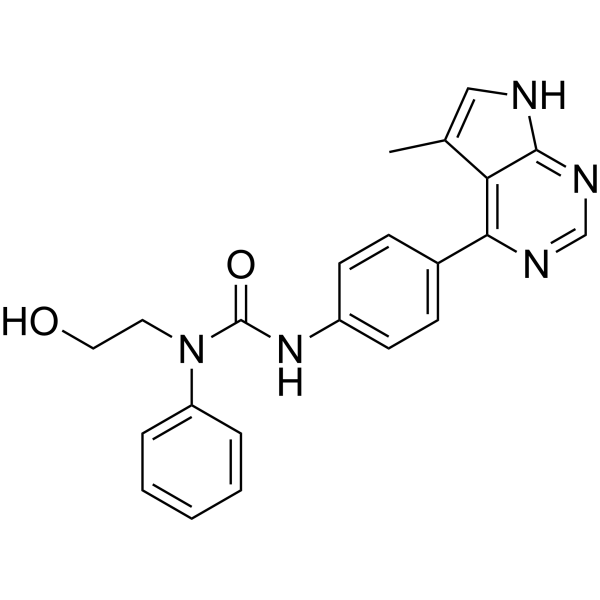
III-31-C is a (hydroxyethyl)ureaγ-secretase inhibitor. III-31-C inhibits Aऔ production with an IC50 of 10 nM in the cell-free γ-secretase assay and 200 nM in APP-transfected cells. III-31-C can be used in Alzheimer's disease research .
AU1235 (Standard) is the analytical standard of AU1235 (HY-101867). This product is intended for research and analytical applications. AU1235, an adamantyl urea, is a potent MmpL3 inhibitor. The Mycobacterium tuberculosis protein MmpL3 performs an essential role in cell wall synthesis, since it effects the transport of trehalose monomycolates across the inner membrane .
DMP-851 is a cyclic ureaHIV protease inhibitor, with a Ki of 0.021 nM. DMP-851 shows antiviral activity against laboratory strains of HIV-l and HIV-2 as well as against primary clinical isolates derived from Zidovudine (HY-17413)-resistant samples (A018C, E, WR 10983) .
Creatinase, Flavobacterium sp. (EC 3.5.3.3) belongs to the hydrolase family and acts on carbon-nitrogen bonds other than peptide bonds, especially in linear amidine compounds. Creatinase, Flavobacterium sp. (EC 3.5.3.3) accelerates the conversion of creatine and water molecules into sarcosine and urea. Creatinase, Flavobacterium sp. (EC 3.5.3.3) functions as a homodimer.
Oxaloacetic acid (Standard) is the analytical standard of Oxaloacetic acid. This product is intended for research and analytical applications. Oxaloacetic acid (2-Oxosuccinic acid) is a metabolic intermediate involved in several ways, such as citric acid cycle, gluconeogenesis, the urea cycle, the glyoxylate cycle, amino acid synthesis, and fatty acid synthesis, whereby Oxaloacetic acid facilitates the clearance of reactive oxygen species (ROS) and improves mitochondrial function .
M353-0039 is a selective UT-A2 inhibitor with a human IC50 of 0.35 μM. M353-0039 blocks urea transport mediated by UT-A2. M353-0039 can be used for the study of hyponatremia and edema associated with congestive heart failure, nephrotic syndrome, and cirrhosis .
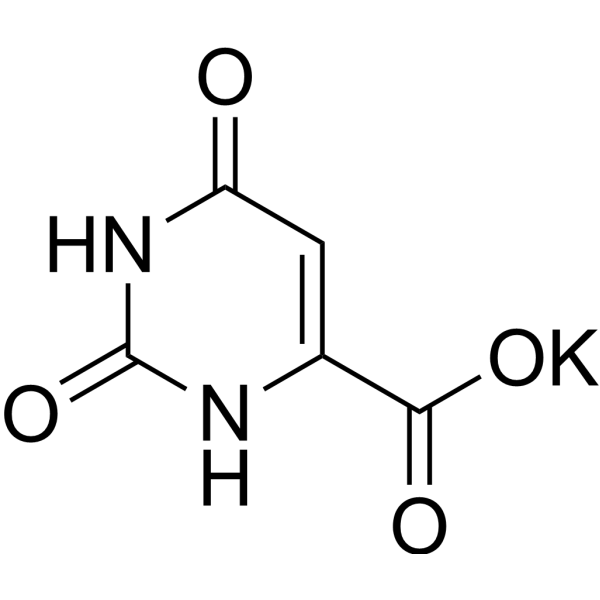
Orotic acid potassium (Vitamin B13 potassium) is a precursor of pyrimidine bases and is involved in the synthesis of DNA and RNA. Orotic acid potassium stimulates the growth of animals, plants and microorganisms, participates in carbohydrate metabolism, and is necessary for the growth and life activities of organisms. Orotic acid potassium is a measurement indicator in routine newborn screening for urea cycle abnormalities. Orotic acid potassium can cause hepatic steatosis and hepatomegaly in rats .
GSTA4-IN-1 (Compound 3a) is a potent and competitive inhibitor of glutathione S-transferase A4 (GSTA4), with an IC50 of 3.12 μM and a Ki of 2.38 μM. GSTA4-IN-1 is cytotoxic to colorectal cancer cells. GSTA4-IN-1 can be used for research on colorectal cancer .
Tyrosinase-IN-13 (compound 3c), a derivative of Flurbiprofen (HY-10582), is a potent, non-competitive tyrosinase inhibitor (IC50=68 μM; Ki=36.3 μM). Tyrosinase-IN-13 is cytotoxic against hepatocellular carcinoma (HepG2), colorectal cancer (HT-29), and melanoma (B16F10) .
Semicarbazide (hydrochloride) (Standard) is the analytical standard of Semicarbazide (hydrochloride). This product is intended for research and analytical applications. Semicarbazide hydrochloride is an orally active urea derivative. Semicarbazide hydrochloride binds to copper or iron in cells. Semicarbazide hydrochloride inhibits the activity of soluble semicarbazide sensitive amine oxidase (SSAO). Semicarbazide hydrochloride damages cartilage, blood vessels, ovaries, testicles, and thyroid follicles .
Dioctyl phthalate (DNOP) is a plasticizer. Dioctyl phthalate increases the activities of alanine aminotransferase (ALT) and alkaline phosphatase (ALP) in the liver, as well as the levels of creatinine and urea in the kidney. Exposure to Dioctyl phthalate disrupts the homeostasis of the intestinal microbial community, increases the abundance of pathogenic bacteria, and reduces the abundance of beneficial bacteria such as Lactobacillus. Dioctyl phthalate induces significant and dose-dependent inflammatory responses in the liver, spleen and kidney of mice .
Proteinase K (Protease K) (NGS grade) is a nonspecific serine protease that is useful for general digestion of proteins. Proteinase K (NGS grade) is active in the presence of SDS or urea and over a wide range of pH (4-12), salt concentrations, and temperatures. Proteinase K (NGS grade) can be use for promoting methods of viral nucleic acid extraction, and detection. This product is NGS grade, no Nickase residue, and nucleic acid residue ≤5 pg/mg .
Orotic acid (Standard) is the analytical standard of Orotic acid. This product is intended for research and analytical applications. Orotic acid (6-Carboxyuracil), a precursor in biosynthesis of pyrimidine nucleotides and RNA, is released from the mitochondrial dihydroorotate dehydrogenase (DHODH) for conversion to UMP by the cytoplasmic UMP synthase enzyme. Orotic acid is a marker for measurement in routine newborn screening for urea cycle disorders. Orotic acid can induce hepatic steatosis and hepatomegaly in rats .
Orotic acid- 13C, 15N2 (monohydrate) is the 13C and 15N labeled Orotic acid . Orotic acid (6-Carboxyuracil), a precursor in biosynthesis of pyrimidine nucleotides and RNA, is released from the mitochondrial dihydroorotate dehydrogenase (DHODH) for conversion to UMP by the cytoplasmic UMP synthase enzyme. Orotic acid is a marker for measurement in routine newborn screening for urea cycle disorders. Orotic acid can induce hepatic steatosis and hepatomegaly in rats .
Argininosuccinic acid is an intermediate metabolite in the urea cycle, and its level is associated with argininosuccinic aciduria. Argininosuccinic acid can induce oxidative stress, leading to lipid and protein oxidation, reduction of glutathione, and decrease in antioxidant enzyme activity. Argininosuccinic acid can be converted into guanidinosuccinic acid, a nitric oxide mimic, under the action of nitric oxide-derived free radicals. Argininosuccinic acid can be used in the research of metabolic diseases, renal failure, nervous system diseases, etc .
Thiosemicarbazide is a vitamin B6 antagonist with anti-acne activity. Thiosemicarbazide is also a well-known source in the synthesis of heterocycles, and its derivatives have potential anticancer activity. Thiosemicarbazide (TSC: HL1) reacts with metal salts, urea (U), to prepare Co(II) and Cu(I) metal complexes. Thiosemicarbazide is also used in the fields of media communications and optical storage, and in the spectrophotometric detection of metals .
Serrumab is a human monoclonal antibody that counteracts the biochemical and immunological effects of Tityus serrulatus venom. Serrumab inhibits the TsV-induced increase in the production of IL-6, TNFα and IL-10. Serrumab also prevents TsV-induced elevations in plasma urea, creatinine, aspartate transaminase and glucose levels, as well as the TsV-induced increase in neutrophil recruitment. Serrumab can be used in research related to envenoming by the Brazilian yellow scorpion .
Thiosemicarbazide is a vitamin B6 antagonist with anti-acne activity. Thiosemicarbazide is also a well-known source in the synthesis of heterocycles, and its derivatives have potential anticancer activity. Thiosemicarbazide (TSC: HL1) reacts with metal salts, urea (U), to prepare Co(II) and Cu(I) metal complexes. Thiosemicarbazide is also used in the fields of media communications and optical storage, and in the spectrophotometric detection of metals .
PSMA ligand 2 is a prostate specific membrane antigen (PSMA) ligand with a glutamate-urea-lysine (GUL) moiety. PSMA ligand 2 can be efficiently labeled with radioactive nuclides such as 68Ga and 177Lu and specifically binds to PSMA-positive tumor cells. PSMA ligand 2 can be used for imaging of PSMA-expressing tumors or cells via PET or SPECT imaging. PSMA ligand 2 can be used for the research of prostate cancer .
YM 13650 is an orally active anti-nephritic agent. YM 13650 exhibits dose-dependent preventive and therapeutic effects in both the rat immune complex nephritis model and the mouse spontaneous lupus nephritis model. YM 13650 can inhibit the increase in urinary protein, improve serum cholesterol and urea nitrogen levels, alleviate renal pathological damage, and prolong the survival time of mice. YM 13650 can be used in the research of nephritic diseases .
THP-1/MV-4-11 against-1 (compound 12k) is an anticancer agent with potency inhibitory against THP-1/MV/4 cells (IC50=29 nM and 98 nM, respectively). THP-1/MV-4-11 against-1 is one of 5-substituted thiazolyl urea derivatives, can be used in leukemic diseases research .
Argininosuccinic acid disodium is an intermediate metabolite in the urea cycle, and its level is associated with argininosuccinic aciduria. Argininosuccinic acid disodium can induce oxidative stress, leading to lipid and protein oxidation, reduction of glutathione, and decrease in antioxidant enzyme activity. Argininosuccinic acid disodium can be converted into guanidinosuccinic acid, a nitric oxide mimic, under the action of nitric oxide-derived free radicals. Argininosuccinic acid disodium can be used in the research of metabolic diseases, renal failure, nervous system diseases, etc .
MX-68 is an orally active antifolate agent. MX-68 can prolong the lifespan of MRL/lpr mice, delay the onset of proteinuria, and inhibit the elevation of serum blood urea nitrogen and cholesterol levels. MX-68 is also an anti-rheumatic agent, which exerts potent antiproliferative effects on rheumatoid arthritis-related cells and can inhibit arthritis in rats. MX-68 can be used in the research of autoimmune diseases such as autoimmune kidney disease and rheumatoid arthritis .
SPR7 (compound 7) is a potent and selective rhodesain inhibitor, with a Ki of 0.51 nM. SPR7 shows antiparasitic activity against T. b. brucei, with an EC50 of 1.65 μM .
Farabursen (RGLS8429; RG1015) is a blood-brain barrier-permeable miR-17 inhibitor. Farabursen derepresses Pkd1 and Pkd2, the target genes of miR-17, increases the levels of PC1 and PC2, and reduces cyst growth. Farabursen decreases renal cyst growth, kidney weight-to-body weight ratio, cyst index, proliferation index, and blood urea nitrogen levels in mouse models. Farabursen is applicable to research related to autosomal dominant polycystic kidney disease .
(±)-Carnitine (DL-Carnitine) is an orally effective racemic mixture of L-Carnitine (HY-B0399) and D-Carnitine. (±)-Carnitine elevates the mitochondrial NAD +/NADH ratio in the presence of 1,3-butanediol (HY-77490A). (±)-Carnitine does not increase glucose and urea production from L-glutamine, but stimulates propionate gluconeogenesis in rat renal cortical slices, and significantly reduces hepatic ketone body levels in rats fed a diet containing 30% high fat plus 20% 1,3-butanediol .
Creatinase (Recombinant) is a hydrolase responsible for catalyzing the hydrolysis of creatine (HY-W010388) into sarcosine (HY-101037) and urea (HY-Y0271). Creatinase (Recombinant) can be used in conjunction with creatinine deiminase (HY-P2838) and sarcosine oxidase (HY-P2861) in an enzyme cascade reaction to measure creatinine (HY-B0504) levels in blood and urine. Creatinase (Recombinant) is the rate-limiting enzyme in this enzymatic cascade, and the enzymatic quantification of creatinine is an important method for evaluating kidney function .
Recombinant Proteinase K (Protease K) (DNase & RNase free, animal free) is a nonspecific serine protease that is useful for general digestion of proteins. Proteinase K (DNase & RNase free, animal free) is active in the presence of SDS or urea and over a wide range of pH (4-12), salt concentrations, and temperatures. Proteinase K (DNase & RNase free, animal free) can be use for promoting methods of viral nucleic acid extraction, and detection. This product is of molecular biology grade, free of animal-derived ingredients, and is recombinantly purified from yeast .
MMP-2/9-IN-2 (Compound 6k) is a MMP-2 and MMP-9 inhibitor, with IC50 values of 29.27 and 24.87 μM respectively. MMP-2/9-IN-2 exhibits good selective toxicity against multiple human hepatoma cell lines. MMP-2/9-IN-2 induces cell cycle arrest and apoptosis, significantly inhibits cell migration and invasion. MMP-2/9-IN-2 inhibits the phosphorylation of the STAT3 signaling pathway. MMP-2/9-IN-2 shows strong anti-tumor activity in a nude mouse xenograft model of HepG2 liver cancer cells .
NH2-NODAGA hydrochloride is a NODAGA-type metal chelator that can bind to radionuclides to prepare radionuclide conjugates (RDCs). NH2-NODAGA hydrochloride can react with diethyl squarate in 0.5M phosphate buffer to obtain NODAGA.SA. NODAGA.SA can target L-lysine urea-L-glutamate (KuE), which is a key structure of prostate-specific membrane antigen (PSMA). NODAGA.SA.KuE can bind [68]Ga and can be used for PET examination of NMRInu/nu nude mice bearing LNCaP tumors.
NH2-NODAGA is a NODAGA-type metal chelator that can bind to radionuclides to prepare radionuclide conjugates (RDCs). NH2-NODAGA can react with diethyl squarate in 0.5M phosphate buffer to obtain NODAGA.SA. NODAGA.SA can target L-lysine urea-L-glutamate (KuE), which is a key structure of prostate-specific membrane antigen (PSMA). NODAGA.SA.KuE can bind [68]Ga and can be used for PET examination of NMRInu/nu nude mice bearing LNCaP tumors.
NH2-NODAGA TFA is a NODAGA-type metal chelator that can bind to radionuclides to prepare radionuclide conjugates (RDCs). NH2-NODAGA TFA can react with diethyl squarate in 0.5M phosphate buffer to obtain NODAGA.SA. NODAGA.SA can target L-lysine urea-L-glutamate (KuE), which is a key structure of prostate-specific membrane antigen (PSMA). NODAGA.SA.KuE can bind [68]Ga and can be used for PET examination of NMRInu/nu nude mice bearing LNCaP tumors.
1,4-Dichlorobenzene is a non-genotoxic, orally active mitogenic/tumor-promoting carcinogen that is also widely used as a dye, resin intermediate, and deodorant, moth repellent/insecticide. 1,4-Dichlorobenzene induces liver tumors in mice and promotes the growth of spontaneous precancerous lesions, but shows no liver tumor-inducing activity in F344 rats. Exposure to 1,4-dichlorobenzene leads to elevated leukocyte counts, serum alanine aminotransferase, and blood urea nitrogen levels. Due to the hepatotoxic characteristics, 1,4-Dichlorobenzene is applicable to liver cancer-related research .
NAD synthetase is responsible for the final step in the synthesis of nicotinamide adenine dinucleotide (NAD). The Km values for NAD, ATP, and ammonia of NAD synthetase from Escherichia coli are 200 μM, 11 μM, and 0.65 μM, respectively, while the Km values for NAD, ATP, and ammonia of NAD synthetase from yeast are 170 μM, 190 μM, and 64 μM, respectively. NAD synthetase can be used for enzymatic assays to determine ATP, ammonia, urea, or creatinine, and is also suitable for enzymatic cycling methods. Additionally, NAD synthetase holds potential for research into metabolic diseases, cancer, aging, and neurodegenerative diseases .
SLC6A19-IN-1 is a potent and highly selective inhibitor and transport corrector of human SLC6A19 (IC50=47 nM). Furthermore, at a concentration of 35 μM, SLC6A19-IN-1 exhibits no activity against SLC1A5, SLC7A5, or SLC6A8. SLC6A19-IN-1 is applicable to research on phenylketonuria (PKU) and hyperphenylalaninemia. SLC6A19-IN-1 is also suitable for studies related to various metabolic disorders, including tyrosinemia, maple syrup urine disease, urea cycle disorders, and hyperammonemia .
AMPKα1 activator 1 is a selective and orally active AMPKα1 activator with an EC50 of 35.1 nM. AMPKα1 activator 1 shows 176-fold selectivity over AMPKα2. AMPKα1 activator 1 can be used as a cell protectant and a kidney protectant. AMPKα1 activator 1 attenuates elevation of serum creatinine and blood urea nitrogen levels, alleviates kidney damage, and reduces cellular infiltration in renal ischemia-reperfusion injury contexts. AMPKα1 activator 1 can be associated with renal ischemia-reperfusion injury research .
2-Hydroxy-3-methylbutanoic acid (α-Hydroxyisovaleric acid) is an α-hydroxy analogue of valine and a valine precursor that reduces urea excretion. 2-Hydroxy-3-methylbutanoic acid can promote the growth of chickens and rats, and is converted into valine in the body, participating in protein synthesis and maintaining nitrogen balance, thereby supporting animal growth and development. 2-Hydroxy-3-methylbutanoic acid has a more significant effect on the valine-deficient dietary model. 2-Hydroxy-3-methylbutanoic acid is mainly used in animal nutrition research to evaluate its potential application as a nitrogen source substitute in feed .
Poricoic acid A can be isolated from Poria cocos. Poricoic acid A is an orally active anti-tumor agent. Poricoic acid A enhances melatonin inhibition of AKI-to-CKD transition by regulating Gas6/AxlNFκB/Nrf2 axis. Poricoic acid A also attenuatea fibroblast activation and abnormal extracellular matrix remodeling in renal fibrosis by activating AMPK and inhibiting Smad3. Poricoic acid A significantly reduces the magnitude of rise in serum creatinine and urea levels in rat model when combined with Melatonin. Poricoic acid A ameliorates renal fibrosis and podocyte injury by attenuating oxidative stress and inflammation through regulating NF-κB and Nrf2 in IRI rodent model in combination with Melatonin .
ATX inhibitor 12 (compound 20) is an orally active and potent ATX (autotaxin) inhibitor, with an IC50 of 1.72 nM. ATX inhibitor 12 effectively alleviates lung structural damage with fewer fibrotic lesions at an oral dose of 60 mg/kg in C57Bl/6J mice. ATX inhibitor 12 can be uesd for idiopathic pulmonary fibrosis (IPF) research .
Aspartate aminotransferase (EC 2.6.1.1), Human liver is a metabolic regulator with the highest activity in the heart, liver and skeletal muscle. Aspartate aminotransferase, Human liver comprises two isozymes: the cytoplasmic form (AST1) and the mitochondrial form (AST2). By catalyzing reversible transamination reactions between oxaloacetate, L-glutamate and other substances, it is deeply involved in key physiological processes such as amino acid metabolism, the tricarboxylic acid cycle and neurotransmitter synthesis. Aspartate aminotransferase, Human liver also provides substrate support for the synthesis of urea and purines/pyrimidines. Aspartate aminotransferase, Human liver is a serum marker reflecting cardiac and hepatic injury, and its abnormal levels are also closely associated with myocardial infarction, cardiovascular diseases and various cancers .
Aspartate aminotransferase (EC 2.6.1.1), porcine heart is a metabolic regulator with the highest activity in the heart, liver and skeletal muscle. Aspartate aminotransferase, porcine heart comprises two isozymes: the cytoplasmic form (AST1) and the mitochondrial form (AST2). By catalyzing reversible transamination reactions between oxaloacetate, L-glutamate and other substances, it is deeply involved in key physiological processes such as amino acid metabolism, the tricarboxylic acid cycle and neurotransmitter synthesis. Aspartate aminotransferase, porcine heart also provides substrate support for the synthesis of urea and purines/pyrimidines. Aspartate aminotransferase, porcine heart is a serum marker reflecting cardiac and hepatic injury, and its abnormal levels are also closely associated with myocardial infarction, cardiovascular diseases and various cancers .
Aspartate aminotransferase (EC 2.6.1.1), Human (HEK293) is a metabolic regulator with the highest activity in the heart, liver and skeletal muscle. Aspartate aminotransferase, Human (HEK293) comprises two isozymes: the cytoplasmic form (AST1) and the mitochondrial form (AST2). By catalyzing reversible transamination reactions between oxaloacetate, L-glutamate and other substances, it is deeply involved in key physiological processes such as amino acid metabolism, the tricarboxylic acid cycle and neurotransmitter synthesis. Aspartate aminotransferase, Human (HEK293) also provides substrate support for the synthesis of urea and purines/pyrimidines. Aspartate aminotransferase, Human (HEK293) is a serum marker reflecting cardiac and hepatic injury, and its abnormal levels are also closely associated with myocardial infarction, cardiovascular diseases and various cancers .
Aspartate aminotransferase (EC 2.6.1.1), Genetically engineered bacteria is a metabolic regulator with the highest activity in the heart, liver and skeletal muscle. Aspartate aminotransferase, Genetically engineered bacteria comprises two isozymes: the cytoplasmic form (AST1) and the mitochondrial form (AST2). By catalyzing reversible transamination reactions between oxaloacetate, L-glutamate and other substances, it is deeply involved in key physiological processes such as amino acid metabolism, the tricarboxylic acid cycle and neurotransmitter synthesis. Aspartate aminotransferase, Genetically engineered bacteria also provides substrate support for the synthesis of urea and purines/pyrimidines. Aspartate aminotransferase, Genetically engineered bacteria is a serum marker reflecting cardiac and hepatic injury, and its abnormal levels are also closely associated with myocardial infarction, cardiovascular diseases and various cancers .
DMP 323 is a potent, nonpeptide cyclic urea inhibitor of HIV protease, effective against both HIV type 1 and type 2. Designed using structural information and database searching, it competitively inhibits the cleavage of both peptide and HIV-1 gag polyprotein substrates. DMP 323 shows comparable potency to other highly effective HIV protease inhibitors like A-80987 and Ro-31-8959. Importantly, its efficacy against HIV protease remains unaffected by human plasma or serum, suggesting low affinity for plasma proteins. Furthermore, DMP 323 demonstrates minimal inhibition of various mammalian proteases at concentrations much higher than those needed for HIV protease inhibition, highlighting its specificity for viral targets .
(S)-NH2-NODAGA hydrochloride is the S isomer of NH2-NODAGA hydrochloride (HY-164575B). NH2-NODAGA hydrochloride is a NODAGA-type metal chelator that can bind to radioactive nuclides to prepare nuclide conjugates (RDC). NH2-NODAGA hydrochloride can react with diethyl fumarate in 0.5M phosphoric acid buffer to obtain NODAGA.SA. NODAGA.SA can target L-lysine urea-L-glutamic acid (KuE), and KuE is a key structure of prostate-specific membrane antigen (PSMA). NODAGA.SA.KuE can bind [68]Ga and can be used for PET examination in NMRInu/nu nude mice carrying LNCaP tumors.
1,4-Dichlorobenzene-d4 is the deuterium labeled 1,4-Dichlorobenzene. 1,4-Dichlorobenzene is a non-genotoxic, orally active mitogenic/tumor-promoting carcinogen that is also widely used as a dye, resin intermediate, and deodorant, moth repellent/insecticide. 1,4-Dichlorobenzene induces liver tumors in mice and promotes the growth of spontaneous precancerous lesions, but shows no liver tumor-inducing activity in F344 rats. 1,4-Dichlorobenzene increases the levels of white blood cell count, serum alanine aminotransferase and blood urea nitrogen in occupationally exposed populations. 1,4-Dichlorobenzene is metabolized to 2,5-dichlorophenol and excreted in urine, and this metabolite can serve as a biomarker for 1,4-Dichlorobenzene exposure. Due to its specific hepatotoxic characteristics, 1,4-Dichlorobenzene is applicable to liver cancer-related research .
2-Hydroxy-3-methylbutanoic acid (α-Hydroxyisovaleric acid) (Standard) is the analytical standard of 2-Hydroxy-3-methylbutanoic acid (HY-W008150). This product is intended for research and analytical applications. 2-Hydroxy-3-methylbutanoic acid is an α-hydroxy analogue of valine and a valine precursor that reduces urea excretion. 2-Hydroxy-3-methylbutanoic acid can promote the growth of chickens and rats, and is converted into valine in the body, participating in protein synthesis and maintaining nitrogen balance, thereby supporting animal growth and development. 2-Hydroxy-3-methylbutanoic acid has a more significant effect on the valine-deficient dietary model. 2-Hydroxy-3-methylbutanoic acid is mainly used in animal nutrition research to evaluate its potential application as a nitrogen source substitute in feed.
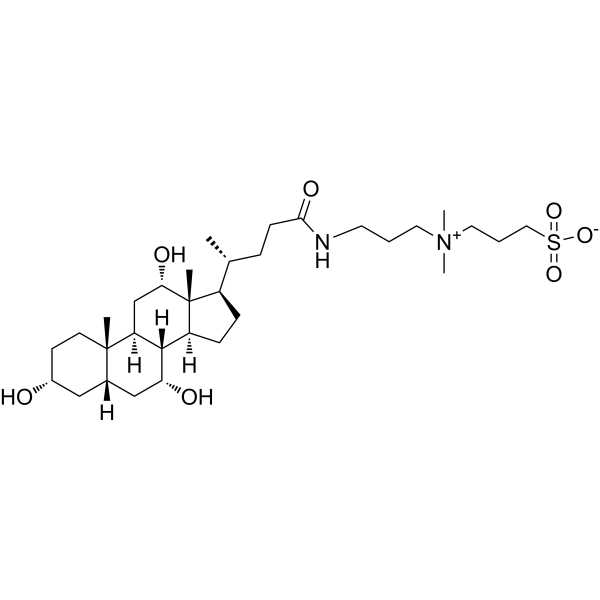
CHAPS is a cholic acid-derived, sulfobetaine-type zwitterionic detergent and micelle-forming agent. CHAPS exhibits properties of weak cationic or nonionic surfactants in different solution systems, undergoes micellization, and forms small, loose hydrophilic aggregates that are temperature-dependent. CHAPS stabilizes mononucleosomes under different ionic strengths, reduces nucleosome sequence specificity, promotes sliding of histone cores along DNA, solubilizes Tamm-Horsfall protein to reduce its interference with urinary exosome isolation, and maintains vesicle structure and the activity of related proteins at the same time. CHAPS is used to recover native folded fusion proteins, enhance the binding capacity of GST fusion proteins, and restore GST enzyme activity. However, CHAPS cannot refold proteins denatured by urea, guanidine hydrochloride or heat, nor can it construct the structure of intrinsically disordered proteins. CHAPS is commonly used in research on the separation and purification of membrane proteins .
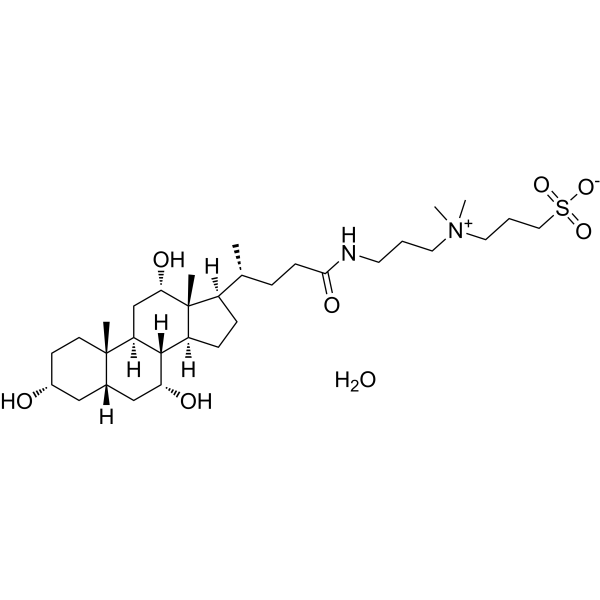
CHAPS hydrate is a cholic acid-derived, sulfobetaine-type zwitterionic detergent and micelle-forming agent. CHAPS hydrate exhibits properties of weak cationic or nonionic surfactants in different solution systems, undergoes micellization, and forms small, loose hydrophilic aggregates that are temperature-dependent. CHAPS hydrate stabilizes mononucleosomes under different ionic strengths, reduces nucleosome sequence specificity, promotes sliding of histone cores along DNA, solubilizes Tamm‑Horsfall protein to reduce its interference with urinary exosome isolation, and maintains vesicle structure and the activity of related proteins at the same time. CHAPS hydrate is used to recover native folded fusion proteins, enhance the binding capacity of GST fusion proteins, and restore GST enzyme activity. However, CHAPS hydrate cannot refold proteins denatured by urea, guanidine hydrochloride or heat, nor can it construct the structure of intrinsically disordered proteins. CHAPS hydrate is commonly used in research on the separation and purification of membrane proteins .
2-Hydroxy-3-methylbutanoic acid-d7 is the deuterium labeled 2-Hydroxy-3-methylbutanoic acid (HY-W008150). 2-Hydroxy-3-methylbutanoic acid is an α-hydroxy analogue of valine and a valine precursor that reduces urea excretion. 2-Hydroxy-3-methylbutanoic acid can promote the growth of chickens and rats, and is converted into valine in the body, participating in protein synthesis and maintaining nitrogen balance, thereby supporting animal growth and development. 2-Hydroxy-3-methylbutanoic acid has a more significant effect on the valine-deficient dietary model. 2-Hydroxy-3-methylbutanoic acid is mainly used in animal nutrition research to evaluate its potential application as a nitrogen source substitute in feed .
1,4-Dichlorobenzene (Standard) is the analytical standard of 1,4-Dichlorobenzene. This product is intended for research and analytical applications. 1,4-Dichlorobenzene is a non-genotoxic, orally active mitogenic/tumor-promoting carcinogen that is also widely used as a dye, resin intermediate, and deodorant, moth repellent/insecticide. 1,4-Dichlorobenzene induces liver tumors in mice and promotes the growth of spontaneous precancerous lesions, but shows no liver tumor-inducing activity in F344 rats. 1,4-Dichlorobenzene increases the levels of white blood cell count, serum alanine aminotransferase and blood urea nitrogen in occupationally exposed populations. 1,4-Dichlorobenzene is metabolized to 2,5-dichlorophenol and excreted in urine, and this metabolite can serve as a biomarker for 1,4-Dichlorobenzene exposure. Due to its specific hepatotoxic characteristics, 1,4-Dichlorobenzene is applicable to liver cancer-related research .
I-A09 and its derivatives, specifically 1,2,3-triazole-adamantylacetamide hybrids (5a–u), exhibit significant antitubercular activity. These hybrids were synthesized using copper-catalyzed click chemistry, combining bioactive fragments from antitubercular I-A09 and substituted adamantyl urea. The compound N-(1-adamantyl)-2-azido acetamide was reacted with various alkyl/aryl acetylenes to produce new analogues. Among them, N-(1-adamantan-1-yl)-2-(4-(phenanthren-2-yl)-1H-1,2,3-triazol-1-yl)acetamide (5t) showed the most promise with a minimum inhibitory concentration (MIC) of 3.12 μg/mL against Mycobacterium tuberculosis H37Rv, and a selectivity index greater than 15 .
CHAPS hydrate is a cholic acid-derived, sulfobetaine-type zwitterionic detergent and micelle-forming agent. CHAPS hydrate exhibits properties of weak cationic or nonionic surfactants in different solution systems, undergoes micellization, and forms small, loose hydrophilic aggregates that are temperature-dependent. CHAPS hydrate stabilizes mononucleosomes under different ionic strengths, reduces nucleosome sequence specificity, promotes sliding of histone cores along DNA, solubilizes Tamm‑Horsfall protein to reduce its interference with urinary exosome isolation, and maintains vesicle structure and the activity of related proteins at the same time. CHAPS hydrate is used to recover native folded fusion proteins, enhance the binding capacity of GST fusion proteins, and restore GST enzyme activity. However, CHAPS hydrate cannot refold proteins denatured by urea, guanidine hydrochloride or heat, nor can it construct the structure of intrinsically disordered proteins. CHAPS hydrate is commonly used in research on the separation and purification of membrane proteins .
DL-Ornithine (DL-(±)-Ornithine) hydrochloride is an amino acid and also a urea cycle promoter. DL-Ornithine hydrochloride has the characteristics of low metabolic rate and rapid excretion, and only the L-enantiomer undergoes decarboxylation. In mice inoculated with L-1210 leukemia cells, DL-Ornithine hydrochloride is excreted in urine in its original form, and its conversion to carbon dioxide within 24 h is negligible. DL-Ornithine hydrochloride is mainly used in the urea cycle to eliminate excess nitrogen in the body and protect the kidneys .
L-Ornithine monohydrochloride, suitable for cell culture is a non-proteinogenic amino acid that is mainly used in the urea cycle to remove excess nitrogen from the body and can be used for cell culture .
Orotic acid potassium (Vitamin B13 potassium) is a precursor of pyrimidine bases and is involved in the synthesis of DNA and RNA. Orotic acid potassium stimulates the growth of animals, plants and microorganisms, participates in carbohydrate metabolism, and is necessary for the growth and life activities of organisms. Orotic acid potassium is a measurement indicator in routine newborn screening for urea cycle abnormalities. Orotic acid potassium can cause hepatic steatosis and hepatomegaly in rats .
HYNIC-PSMA is a ligand for molecular imaging of tumors. Hynic-psma consists of two components: HYNIC (6-hydrazinonicotinamide) and PSMA (Prostate-Specific Membrane Antigen). HYNIC is a compound used to attach radioactive isotopes to targeted molecules, such as 188Re-HYNIC-PSMA. PSMA is a membrane antigen that is specifically expressed on the surface of prostate cancer cells. HYNIC-PSMA can be used in prostate cancer research . HYNIC-PSMA can be used for the synthesis/research of Radionuclide-Drug Conjugates (RDCs).
S-(2-Carboxyethyl)-L-cysteine (S-Carboxyethylcysteine) is a non-protein (modified) sulfur amino acid. S-(2-Carboxyethyl)-L-cysteine is present in Acacia seed. S-(2-Carboxyethyl)-L-cysteine can affect the seed’s protein use in rats. S-(2-Carboxyethyl)-L-cysteine suppresses the methionine-induced growth rate, and has a negative effect on the plasma amino acid levels in rats .
HYNIC-iPSMA TFA is a ligand for molecular imaging of tumors. Hynic-ipsma consists of two components: HYNIC (6-hydrazinonicotinamide) and iPSMA (Inhibitor of Prostate-Specific Membrane Antigen). HYNIC is a compound used to attach radioactive isotopes to targeted molecules. iPSMA is a specific inhibitor used to inhibit prostate-specific membrane antigen (PSMA). 68GA-labeled iPSMA has been used to detect prostate cancer by PET imaging. The further 99mTc-EDDA/HYNIC-iPSMA TFA has excellent specificity and sensitivity . HYNIC-iPSMA TFA can be used for the synthesis/research of Radionuclide-Drug Conjugates (RDCs).
HYNIC-iPSMA is a ligand for molecular imaging of tumors. Hynic-ipsma consists of two components: HYNIC (6-hydrazinonicotinamide) and iPSMA (Inhibitor of Prostate-Specific Membrane Antigen). HYNIC is a compound used to attach radioactive isotopes to targeted molecules. iPSMA is a specific inhibitor used to inhibit prostate-specific membrane antigen (PSMA). 68GA-labeled iPSMA has been used to detect prostate cancer by PET imaging. The further 99mTc-EDDA/HYNIC-iPSMA has excellent specificity and sensitivity . HYNIC-iPSMA can be used for the synthesis/research of Radionuclide-Drug Conjugates (RDCs).
Serrumab is a human monoclonal antibody that counteracts the biochemical and immunological effects of Tityus serrulatus venom. Serrumab inhibits the TsV-induced increase in the production of IL-6, TNFα and IL-10. Serrumab also prevents TsV-induced elevations in plasma urea, creatinine, aspartate transaminase and glucose levels, as well as the TsV-induced increase in neutrophil recruitment. Serrumab can be used in research related to envenoming by the Brazilian yellow scorpion .
L-Ornithine ((S)-2,5-Diaminopentanoic acid) is a non-proteinogenic amino acid, is mainly used in urea cycle removing excess nitrogen in vivo. L-Ornithine shows nephroprotective .
Urea is a powerful protein denaturant via both direct and indirect mechanisms . A potent emollient and keratolytic agent . Used as a diuretic agent. Blood urea nitrogen (BUN) has been utilized to evaluate renal function . Widely used in fertilizers as a source of nitrogen and is an important raw material for the chemical industry.
Orotic acid (6-Carboxyuracil), a precursor in biosynthesis of pyrimidine nucleotides and RNA, is released from the mitochondrial dihydroorotate dehydrogenase (DHODH) for conversion to UMP by the cytoplasmic UMP synthase enzyme. Orotic acid is a marker for measurement in routine newborn screening for urea cycle disorders. Orotic acid can induce hepatic steatosis and hepatomegaly in rats .
Oxaloacetic acid (2-Oxosuccinic acid) is a metabolic intermediate involved in several ways, such as citric acid cycle, gluconeogenesis, the urea cycle, the glyoxylate cycle, amino acid synthesis, and fatty acid synthesis, whereby Oxaloacetic acid facilitates the clearance of reactive oxygen species (ROS) and improves mitochondrial function .
L-Ornithine hydrochloride is a non-proteinogenic amino acid, is mainly used in urea cycle removing excess nitrogen in vivo. L-Ornithine hydrochloride shows nephroprotective .
Argininosuccinic acid disodium is an intermediate metabolite in the urea cycle, and its level is associated with argininosuccinic aciduria. Argininosuccinic acid disodium can induce oxidative stress, leading to lipid and protein oxidation, reduction of glutathione, and decrease in antioxidant enzyme activity. Argininosuccinic acid disodium can be converted into guanidinosuccinic acid, a nitric oxide mimic, under the action of nitric oxide-derived free radicals. Argininosuccinic acid disodium can be used in the research of metabolic diseases, renal failure, nervous system diseases, etc .
Poricoic acid A can be isolated from Poria cocos. Poricoic acid A is an orally active anti-tumor agent. Poricoic acid A enhances melatonin inhibition of AKI-to-CKD transition by regulating Gas6/AxlNFκB/Nrf2 axis. Poricoic acid A also attenuatea fibroblast activation and abnormal extracellular matrix remodeling in renal fibrosis by activating AMPK and inhibiting Smad3. Poricoic acid A significantly reduces the magnitude of rise in serum creatinine and urea levels in rat model when combined with Melatonin. Poricoic acid A ameliorates renal fibrosis and podocyte injury by attenuating oxidative stress and inflammation through regulating NF-κB and Nrf2 in IRI rodent model in combination with Melatonin .
2-Hydroxy-3-methylbutanoic acid (α-Hydroxyisovaleric acid) is an α-hydroxy analogue of valine and a valine precursor that reduces urea excretion. 2-Hydroxy-3-methylbutanoic acid can promote the growth of chickens and rats, and is converted into valine in the body, participating in protein synthesis and maintaining nitrogen balance, thereby supporting animal growth and development. 2-Hydroxy-3-methylbutanoic acid has a more significant effect on the valine-deficient dietary model. 2-Hydroxy-3-methylbutanoic acid is mainly used in animal nutrition research to evaluate its potential application as a nitrogen source substitute in feed .
Argininosuccinic acid is an intermediate metabolite in the urea cycle, and its level is associated with argininosuccinic aciduria. Argininosuccinic acid can induce oxidative stress, leading to lipid and protein oxidation, reduction of glutathione, and decrease in antioxidant enzyme activity. Argininosuccinic acid can be converted into guanidinosuccinic acid, a nitric oxide mimic, under the action of nitric oxide-derived free radicals. Argininosuccinic acid can be used in the research of metabolic diseases, renal failure, nervous system diseases, etc .
Orotic acid (Standard) is the analytical standard of Orotic acid. This product is intended for research and analytical applications. Orotic acid (6-Carboxyuracil), a precursor in biosynthesis of pyrimidine nucleotides and RNA, is released from the mitochondrial dihydroorotate dehydrogenase (DHODH) for conversion to UMP by the cytoplasmic UMP synthase enzyme. Orotic acid is a marker for measurement in routine newborn screening for urea cycle disorders. Orotic acid can induce hepatic steatosis and hepatomegaly in rats .
Urea (Standard) is the analytical standard of Urea. This product is intended for research and analytical applications. Urea is a powerful protein denaturant via both direct and indirect mechanisms . A potent emollient and keratolytic agent . Used as a diuretic agent. Blood urea nitrogen (BUN) has been utilized to evaluate renal function . Widely used in fertilizers as a source of nitrogen and is an important raw material for the chemical industry.
Oxaloacetic acid (Standard) is the analytical standard of Oxaloacetic acid. This product is intended for research and analytical applications. Oxaloacetic acid (2-Oxosuccinic acid) is a metabolic intermediate involved in several ways, such as citric acid cycle, gluconeogenesis, the urea cycle, the glyoxylate cycle, amino acid synthesis, and fatty acid synthesis, whereby Oxaloacetic acid facilitates the clearance of reactive oxygen species (ROS) and improves mitochondrial function .
L-Ornithine (hydrochloride) (Standard) is the analytical standard of L-Ornithine (hydrochloride). This product is intended for research and analytical applications. L-Ornithine hydrochloride is a non-proteinogenic amino acid, is mainly used in urea cycle removing excess nitrogen in vivo. L-Ornithine hydrochloride shows nephroprotective .
Orotic acid (zinc), a precursor in biosynthesis of pyrimidine nucleotides and RNA, is released from the mitochondrial dihydroorotate dehydrogenase (DHODH) for conversion to UMP by the cytoplasmic UMP synthase enzyme. Orotic acid (zinc) is a marker for measurement in routine newborn screening for urea cycle disorders. Orotic acid (zinc) can induce hepatic steatosis and hepatomegaly in rats .
L-Homocitrulline is metabolized to homoarginine through homoargininosuccinate via the urea cycle pathway and its metabolic abnormality could lead to Lysinuric Protein Intolerance (LPI).
(±)-Carnitine (DL-Carnitine) is an orally effective racemic mixture of L-Carnitine (HY-B0399) and D-Carnitine. (±)-Carnitine elevates the mitochondrial NAD +/NADH ratio in the presence of 1,3-butanediol (HY-77490A). (±)-Carnitine does not increase glucose and urea production from L-glutamine, but stimulates propionate gluconeogenesis in rat renal cortical slices, and significantly reduces hepatic ketone body levels in rats fed a diet containing 30% high fat plus 20% 1,3-butanediol .
2-Hydroxy-3-methylbutanoic acid (α-Hydroxyisovaleric acid) (Standard) is the analytical standard of 2-Hydroxy-3-methylbutanoic acid (HY-W008150). This product is intended for research and analytical applications. 2-Hydroxy-3-methylbutanoic acid is an α-hydroxy analogue of valine and a valine precursor that reduces urea excretion. 2-Hydroxy-3-methylbutanoic acid can promote the growth of chickens and rats, and is converted into valine in the body, participating in protein synthesis and maintaining nitrogen balance, thereby supporting animal growth and development. 2-Hydroxy-3-methylbutanoic acid has a more significant effect on the valine-deficient dietary model. 2-Hydroxy-3-methylbutanoic acid is mainly used in animal nutrition research to evaluate its potential application as a nitrogen source substitute in feed.
L-Ornithine (hydrochloride) (Standard) is the analytical standard of L-Ornithine (hydrochloride). This product is intended for research and analytical applications. L-Ornithine hydrochloride is a non-proteinogenic amino acid, is mainly used in urea cycle removing excess nitrogen in vivo. L-Ornithine hydrochloride shows nephroprotective .
Orotic acid (zinc) (Standard) is the analytical standard of Orotic acid (zinc). This product is intended for research and analytical applications. Orotic acid (zinc), a precursor in biosynthesis of pyrimidine nucleotides and RNA, is released from the mitochondrial dihydroorotate dehydrogenase (DHODH) for conversion to UMP by the cytoplasmic UMP synthase enzyme. Orotic acid (zinc) is a marker for measurement in routine newborn screening for urea cycle disorders. Orotic acid (zinc) can induce hepatic steatosis and hepatomegaly in rats .
Ornithine ((±)-Ornithine) is a non-essential amino acid. Ornithine is an intermediate in urea cycle and acts as a substrate for these rate limiting enzymes ornithine transcarbomylase, ornithine aminotransferase and ornithine decarboxylase producing citrulline, proline and polyamines, respectively. Ornithine can be used in the research of hyperornithinemia, hyperammonemia, and cancer .
SLC14A1 Protein plays a pivotal role in cellular processes, mediating urea transport across erythrocyte and renal inner medullary collecting duct membranes. It is crucial for the urinary concentrating mechanism and regulates water transport in erythrocytes. With a dual role in urea transport, SLC14A1 maintains cellular osmotic balance and contributes to physiological processes associated with urinary concentration, highlighting its significance. SLC14A1 Protein, Human (sf9, His, MBP, FLAG) is the recombinant human-derived SLC14A1 protein, expressed by sf9 insect cells , with N-MBP, C-Flag, N-8*His labeled tag.
Urea- 15N2 is the 15N-labeled Urea. Urea is a powerful protein denaturant via both direct and indirect mechanisms . A potent emollient and keratolytic agent . Used as a diuretic agent. Blood urea nitrogen (BUN) has been utilized to evaluate renal function . Widely used in fertilizers as a source of nitrogen and is an important raw material for the chemical industry.
Urea- 13C, 15N2 is the 13C and 15N labeled Urea . Urea is a powerful protein denaturant via both direct and indirect mechanisms . A potent emollient and keratolytic agent . Used as a diuretic agent. Blood urea nitrogen (BUN) has been utilized to evaluate renal function . Widely used in fertilizers as a source of nitrogen and is an important raw material for the chemical industry.
Urea- 13C is the 13C labelled urea. The Urea- 13C breath test ( 13C-UBT) is one of the best methods for the diagnosis of Helicobacter pylori infection .
Urea-d4 is the deuterium labeled Urea . Urea is a powerful protein denaturant via both direct and indirect mechanisms . A potent emollient and keratolytic agent . Used as a diuretic agent. Blood urea nitrogen (BUN) has been utilized to evaluate renal function . Widely used in fertilizers as a source of nitrogen and is an important raw material for the chemical industry.
L-Ornithine-1,2,3,4,5- 13C5 (hydrochloride) is the 13C-labeled L-Ornithine hydrochloride. L-Ornithine hydrochloride is a free amino acid that plays a central role in the urea cycle and is also important for the disposal of excess nitrogen.
L-Ornithine-d6 (hydrochloride) is the deuterium labeled L-Ornithine hydrochloride. L-Ornithine hydrochloride is a free amino acid that plays a central role in the urea cycle and is also important for the disposal of excess nitrogen.
L-Ornithine-d7 (hydrochloride) is the deuterium labeled L-Ornithine hydrochloride. L-Ornithine hydrochloride is a free amino acid that plays a central role in the urea cycle and is also important for the disposal of excess nitrogen.
Oxaloacetic acid- 13C4 is the 13C-labeled Oxaloacetic acid. Oxaloacetic acid (2-Oxosuccinic acid) is a metabolic intermediate involved in several ways, such as citric acid cycle, gluconeogenesis, the urea cycle, the glyoxylate cycle, amino acid synthesis, and fatty acid synthesis .
L-Ornithine- 15N2 (hydrochloride) is the 15N-labeled L-Ornithine hydrochloride. L-Ornithine hydrochloride is a free amino acid that plays a central role in the urea cycle and is also important for the disposal of excess nitrogen.
L-Homocitrulline-d3 is the deuterium labeled L-Homocitrulline. L-Homocitrulline is metabolized to homoarginine through homoargininosuccinate via the urea cycle pathway and its metabolic abnormality could lead to Lysinuric Protein Intolerance (LPI).
L-Ornithine-d2 (hydrochloride) is the deuterium labeled L-Ornithine hydrochloride. L-Ornithine hydrochloride is a free amino acid that plays a central role in the urea cycle and is also important for the disposal of excess nitrogen.
Orotic acid- 13C, 15N2 (monohydrate) is the 13C and 15N labeled Orotic acid . Orotic acid (6-Carboxyuracil), a precursor in biosynthesis of pyrimidine nucleotides and RNA, is released from the mitochondrial dihydroorotate dehydrogenase (DHODH) for conversion to UMP by the cytoplasmic UMP synthase enzyme. Orotic acid is a marker for measurement in routine newborn screening for urea cycle disorders. Orotic acid can induce hepatic steatosis and hepatomegaly in rats .
1,4-Dichlorobenzene-d4 is the deuterium labeled 1,4-Dichlorobenzene. 1,4-Dichlorobenzene is a non-genotoxic, orally active mitogenic/tumor-promoting carcinogen that is also widely used as a dye, resin intermediate, and deodorant, moth repellent/insecticide. 1,4-Dichlorobenzene induces liver tumors in mice and promotes the growth of spontaneous precancerous lesions, but shows no liver tumor-inducing activity in F344 rats. 1,4-Dichlorobenzene increases the levels of white blood cell count, serum alanine aminotransferase and blood urea nitrogen in occupationally exposed populations. 1,4-Dichlorobenzene is metabolized to 2,5-dichlorophenol and excreted in urine, and this metabolite can serve as a biomarker for 1,4-Dichlorobenzene exposure. Due to its specific hepatotoxic characteristics, 1,4-Dichlorobenzene is applicable to liver cancer-related research .
L-Ornithine-1,2- 13C2 (hydrochloride) is the 13C-labeled L-Ornithine hydrochloride. L-Ornithine hydrochloride is a free amino acid that plays a central role in the urea cycle and is also important for the disposal of excess nitrogen.
2-Hydroxy-3-methylbutanoic acid-d7 is the deuterium labeled 2-Hydroxy-3-methylbutanoic acid (HY-W008150). 2-Hydroxy-3-methylbutanoic acid is an α-hydroxy analogue of valine and a valine precursor that reduces urea excretion. 2-Hydroxy-3-methylbutanoic acid can promote the growth of chickens and rats, and is converted into valine in the body, participating in protein synthesis and maintaining nitrogen balance, thereby supporting animal growth and development. 2-Hydroxy-3-methylbutanoic acid has a more significant effect on the valine-deficient dietary model. 2-Hydroxy-3-methylbutanoic acid is mainly used in animal nutrition research to evaluate its potential application as a nitrogen source substitute in feed .
Urea- 13C, 15N is the 13C- and 15N-labeled Urea (HY-Y0271). Urea is a powerful protein denaturant via both direct and indirect mechanisms. A potent emollient and keratolytic agent. Used as a diuretic agent. Blood urea nitrogen (BUN) has been utilized to evaluate renal function. Widely used in fertilizers as a source of nitrogen and is an important raw material for the chemical industry .
TCO-PEG2-Sulfo-NHS ester-EDC Urea is a click chemistry reagent containing an azide group. TCO-PEG2-Sulfo-NHS ester is a PEG linker containing a TCO moiety and a sulfo-NHS ester moiety. The sulfo group makes this molecule soluble in waqueous buffer. This reagent can be used to label antibodies, proteins and other primary amine-containing macromolecules with TCO moiety. Reagent grade, for research use only . TCO-PEG2-Sulfo-NHS ester-EDC Urea is a click chemistry reagent, it contains a TCO group that can undergo an inverse electron demand Diels-Alder reaction (iEDDA) with molecules containing Tetrazine groups.
Propargyl-PEG2-urea-C3-triethoxysilane is a PEG-based PROTAC linker that can be used in the synthesis of PROTACs . Propargyl-PEG2-urea-C3-triethoxysilane is a click chemistry reagent, it contains an Alkyne group and can undergo copper-catalyzed azide-alkyne cycloaddition (CuAAc) with molecules containing Azide groups.
Farabursen (RGLS8429; RG1015) is a blood-brain barrier-permeable miR-17 inhibitor. Farabursen derepresses Pkd1 and Pkd2, the target genes of miR-17, increases the levels of PC1 and PC2, and reduces cyst growth. Farabursen decreases renal cyst growth, kidney weight-to-body weight ratio, cyst index, proliferation index, and blood urea nitrogen levels in mouse models. Farabursen is applicable to research related to autosomal dominant polycystic kidney disease .
Inquiry Online
Your information is safe with us. * Required Fields.
Western blot analysis of extracts from THP-1(lane 2(20μg), Jurkat (lane 3(20μg) and NIH3T3(lane 4(20μg) using FOXO1A (HY-P80132) Rabbit mAb. Proteins were transferred
to a PVDF membrane and blocked with 5% non-fat milk in TBST for 2 hour at room temperature. The primary antibody (1/1000) and Loading control antibody (Beta Actin, HY-P80438, 1/10000) was
used in 5% non-fat milk in TBST at 4°C overnight. Goat Anti-Mouse/Rabbit IgG-HRP Secondary Antibody (1/10000) was used for 1 hour at room temperature.
Western blot analysis of extracts from THP-1(lane 2(20μg), Jurkat (lane 3(20μg) and NIH3T3(lane 4(20μg) using FOXO1A (HY-P80132) Rabbit mAb. Proteins were transferred
to a PVDF membrane and blocked with 5% non-fat milk in TBST for 2 hour at room temperature. The primary antibody (1/1000) and Loading control antibody (Beta Actin, HY-P80438, 1/10000) was
used in 5% non-fat milk in TBST at 4°C overnight. Goat Anti-Mouse/Rabbit IgG-HRP Secondary Antibody (1/10000) was used for 1 hour at room temperature.
Western blot analysis of extracts from THP-1(lane 2(20μg), Jurkat (lane 3(20μg) and NIH3T3(lane 4(20μg) using FOXO1A (HY-P80132) Rabbit mAb. Proteins were transferred
to a PVDF membrane and blocked with 5% non-fat milk in TBST for 2 hour at room temperature. The primary antibody (1/1000) and Loading control antibody (Beta Actin, HY-P80438, 1/10000) was
used in 5% non-fat milk in TBST at 4°C overnight. Goat Anti-Mouse/Rabbit IgG-HRP Secondary Antibody (1/10000) was used for 1 hour at room temperature.
Western blot analysis of extracts from THP-1(lane 2(20μg), Jurkat (lane 3(20μg) and NIH3T3(lane 4(20μg) using FOXO1A (HY-P80132) Rabbit mAb. Proteins were transferred
to a PVDF membrane and blocked with 5% non-fat milk in TBST for 2 hour at room temperature. The primary antibody (1/1000) and Loading control antibody (Beta Actin, HY-P80438, 1/10000) was
MedchemExpress Validation 03
Western blot analysis of extracts from THP-1(lane 2(20μg), Jurkat (lane 3(20μg) and NIH3T3(lane 4(20μg) using FOXO1A (HY-P80132) Rabbit mAb. Proteins were transferred
MedchemExpress Validation 04
Western blot analysis of extracts from THP-1(lane 2(20μg), Jurkat (lane 3(20μg) and NIH3T3(lane 4(20μg) using FOXO1A (HY-P80132) Rabbit mAb. Proteins were transferred
to a PVDF membrane and blocked with 5% non-fat milk in TBST for 2 hour at room temperature. The primary antibody (1/1000) and Loading control antibody (Beta Actin, HY-P80438, 1/10000) was
used in 5% non-fat milk in TBST at 4°C overnight. Goat Anti-Mouse/Rabbit IgG-HRP Secondary Antibody (1/10000) was used for 1 hour at room temperature.
MedchemExpress Validation
Western blot analysis of extracts from THP-1(lane 2(20μg), Jurkat (lane 3(20μg) and NIH3T3(lane 4(20μg) using FOXO1A (HY-P80132) Rabbit mAb. Proteins were transferred
to a PVDF membrane and blocked with 5% non-fat milk in TBST for 2 hour at room temperature. The primary antibody (1/1000) and Loading control antibody (Beta Actin, HY-P80438, 1/10000) was
used in 5% non-fat milk in TBST at 4°C overnight. Goat Anti-Mouse/Rabbit IgG-HRP Secondary Antibody (1/10000) was used for 1 hour at room temperature.
Western blot analysis of extracts from THP-1(lane 2(20μg), Jurkat (lane 3(20μg) and NIH3T3(lane 4(20μg) using FOXO1A (HY-P80132) Rabbit mAb. Proteins were transferred
to a PVDF membrane and blocked with 5% non-fat milk in TBST for 2 hour at room temperature. The primary antibody (1/1000) and Loading control antibody (Beta Actin, HY-P80438, 1/10000) was
used in 5% non-fat milk in TBST at 4°C overnight. Goat Anti-Mouse/Rabbit IgG-HRP Secondary Antibody (1/10000) was used for 1 hour at room temperature.
MedchemExpress Validation
Western blot analysis of extracts from THP-1(lane 2(20μg), Jurkat (lane 3(20μg) and NIH3T3(lane 4(20μg) using FOXO1A (HY-P80132) Rabbit mAb. Proteins were transferred
to a PVDF membrane and blocked with 5% non-fat milk in TBST for 2 hour at room temperature. The primary antibody (1/1000) and Loading control antibody (Beta Actin, HY-P80438, 1/10000) was
used in 5% non-fat milk in TBST at 4°C overnight. Goat Anti-Mouse/Rabbit IgG-HRP Secondary Antibody (1/10000) was used for 1 hour at room temperature.
MedchemExpress Validation
Western blot analysis of extracts from THP-1(lane 2(20μg), Jurkat (lane 3(20μg) and NIH3T3(lane 4(20μg) using FOXO1A (HY-P80132) Rabbit mAb. Proteins were transferred
to a PVDF membrane and blocked with 5% non-fat milk in TBST for 2 hour at room temperature. The primary antibody (1/1000) and Loading control antibody (Beta Actin, HY-P80438, 1/10000) was
used in 5% non-fat milk in TBST at 4°C overnight. Goat Anti-Mouse/Rabbit IgG-HRP Secondary Antibody (1/10000) was used for 1 hour at room temperature.
MedchemExpress Validation
Western blot analysis of extracts from THP-1(lane 2(20μg), Jurkat (lane 3(20μg) and NIH3T3(lane 4(20μg) using FOXO1A (HY-P80132) Rabbit mAb. Proteins were transferred
to a PVDF membrane and blocked with 5% non-fat milk in TBST for 2 hour at room temperature. The primary antibody (1/1000) and Loading control antibody (Beta Actin, HY-P80438, 1/10000) was
used in 5% non-fat milk in TBST at 4°C overnight. Goat Anti-Mouse/Rabbit IgG-HRP Secondary Antibody (1/10000) was used for 1 hour at room temperature.
MedchemExpress Validation
Western blot analysis of extracts from THP-1(lane 2(20μg), Jurkat (lane 3(20μg) and NIH3T3(lane 4(20μg) using FOXO1A (HY-P80132) Rabbit mAb. Proteins were transferred
to a PVDF membrane and blocked with 5% non-fat milk in TBST for 2 hour at room temperature. The primary antibody (1/1000) and Loading control antibody (Beta Actin, HY-P80438, 1/10000) was
used in 5% non-fat milk in TBST at 4°C overnight. Goat Anti-Mouse/Rabbit IgG-HRP Secondary Antibody (1/10000) was used for 1 hour at room temperature.
MedchemExpress Validation
Western blot analysis of extracts from THP-1(lane 2(20μg), Jurkat (lane 3(20μg) and NIH3T3(lane 4(20μg) using FOXO1A (HY-P80132) Rabbit mAb. Proteins were transferred
to a PVDF membrane and blocked with 5% non-fat milk in TBST for 2 hour at room temperature. The primary antibody (1/1000) and Loading control antibody (Beta Actin, HY-P80438, 1/10000) was
used in 5% non-fat milk in TBST at 4°C overnight. Goat Anti-Mouse/Rabbit IgG-HRP Secondary Antibody (1/10000) was used for 1 hour at room temperature.
MedchemExpress Validation
Western blot analysis of extracts from THP-1(lane 2(20μg), Jurkat (lane 3(20μg) and NIH3T3(lane 4(20μg) using FOXO1A (HY-P80132) Rabbit mAb. Proteins were transferred
to a PVDF membrane and blocked with 5% non-fat milk in TBST for 2 hour at room temperature. The primary antibody (1/1000) and Loading control antibody (Beta Actin, HY-P80438, 1/10000) was
used in 5% non-fat milk in TBST at 4°C overnight. Goat Anti-Mouse/Rabbit IgG-HRP Secondary Antibody (1/10000) was used for 1 hour at room temperature.
MedChemExpress values your privacy and your trust is important to us. We use cookies to enhance your website experience. Some cookies are necessary to run the website.
Privacy and Cookie Policy

