Search Result
Results for "
Vasoconstriction
" in MedChemExpress (MCE) Product Catalog:
11
Isotope-Labeled Compounds
| Cat. No. |
Product Name |
Target |
Research Areas |
Chemical Structure |
-
- HY-B1462
-
-
-
- HY-Y0078
-
-
-
- HY-B0197A
-
|
GR-85548A hydrochloride
|
5-HT Receptor
|
Cardiovascular Disease
Neurological Disease
Inflammation/Immunology
|
|
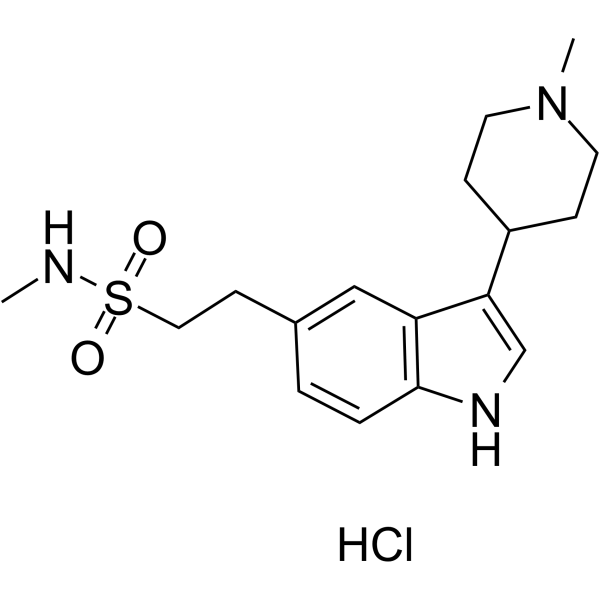
Naratriptan (GR-85548A) hydrochloride is a selective 5-HT1B/1D receptor agonist. Naratriptan hydrochloride is peripherally active and has good oral bioavailability, inducing cranial artery vasoconstriction by activating 5-HT1B/1D receptors (EC50=0.11 μM for dog basilar artery). Naratriptan hydrochloride also inhibits trigeminal nerve-mediated dural neurogenic plasma extravasation and reduces sterile inflammation. Naratriptan hydrochloride is mainly used in the research of acute migraine, targeting cranial vascular and neuroinflammatory mechanisms .
|
-
-
- HY-41982
-
|
D-Glucurono-6,3-lactone; D-Glucurono-γ-lactone; D-Glucuronolactone; Dicurone; Glucoxy; Glucurolactone; Glucurone
|
Environmental Pollutants
Endogenous Metabolite
Drug Derivative
|
Cardiovascular Disease
Metabolic Disease
|
|
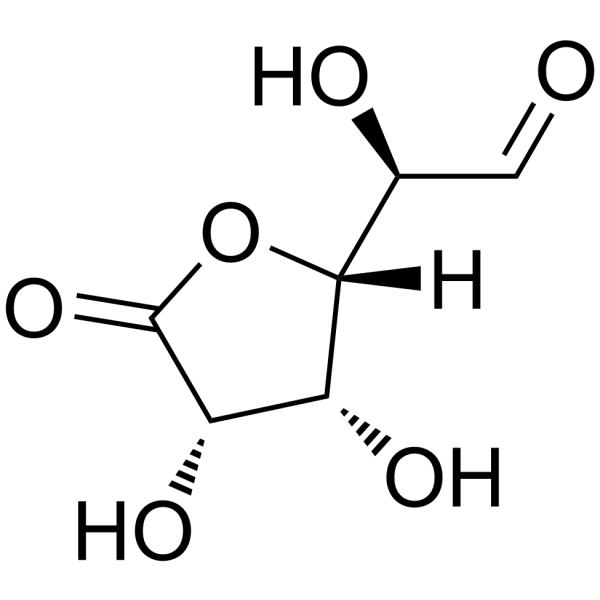
D-Glucuronic acid lactone (D-Glucurono-6,3-lactone; D-Glucurono-γ-lactone; D-Glucuronolactone; Dicurone; Glucoxy; Glucurolactone; Glucurone) is an endogenous metabolite and a glucuronic acid derivative. D-Glucuronic acid lactone serves as a starting reagent for the synthesis of 2,3,4-tris (tert-butyldimethylsilyl) glucuronic acid trichloroethyl ester, which is used to prepare 1-O-acyl glucuronic acids for the anti-inflammatory agent mL-3000 (HY-B1452), synthesize optically active glucuronic acids, and produce long-chain alkyl glucuronides. D-Glucuronic acid lactone shows potential for use in studies of reversible cerebral vasoconstriction syndrome (RCVS) .
|
-
-
- HY-B1546A
-
|
Benzylamiloride hydrochloride
|
Na+/Ca2+ Exchanger
Sodium Channel
|
Neurological Disease
|
|
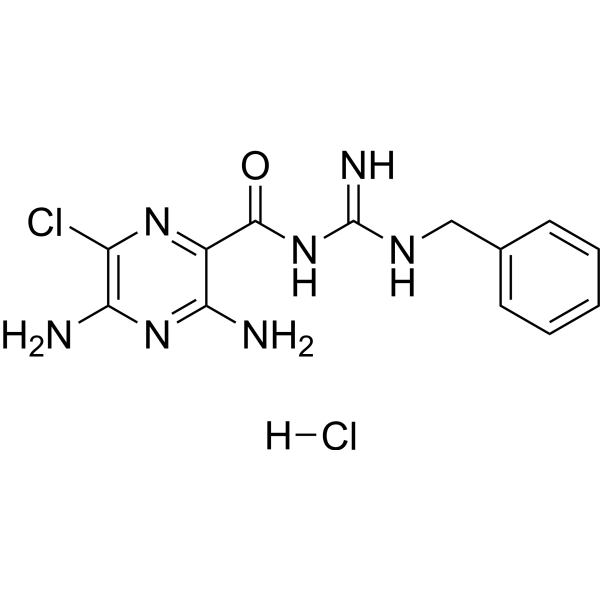
Benzamil hydrochloride (Benzylamiloride hydrochloride), an Amiloride analogue, is a Na +/Ca 2+ exchanger (NCX) inhibitor (IC50~100 nM). Benzamil hydrochloride also is a non-selective Deg/epithelial sodium channels (ENaC) blocker, and can potentiate myogenic vasoconstriction. Benzamil hydrochloride inhibits TRPP3-mediated Ca 2+-activated currents, with an IC50 of 1.1 μM .
|
-
-
- HY-17034
-
|
|
Adrenergic Receptor
|
Neurological Disease
Endocrinology
|
|
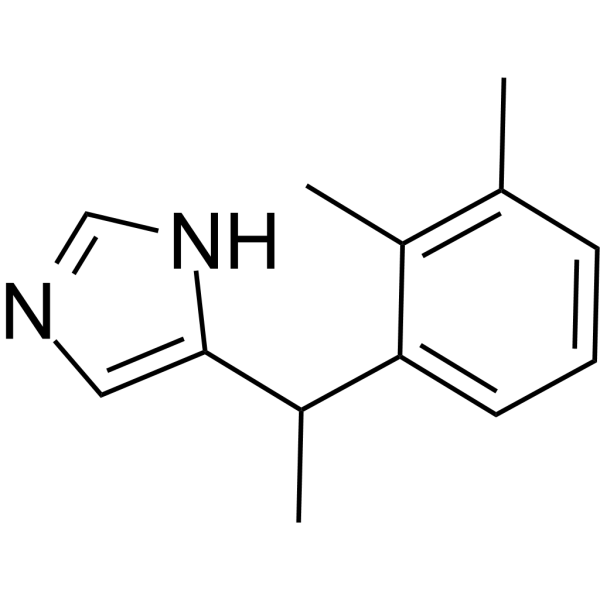
Medetomidine is an orally active α2-adrenoceptor agonist (Ki: 1.08 nM). Medetomidine has sedative and analgesic effects. Medetomidine can cause peripheral vasoconstriction through the activation of α2 adrenoceptors on blood vessels .
|
-
-
- HY-N0126
-
|
|
Environmental Pollutants
Calcium Channel
Monoamine Oxidase
|
Cardiovascular Disease
Neurological Disease
|
|
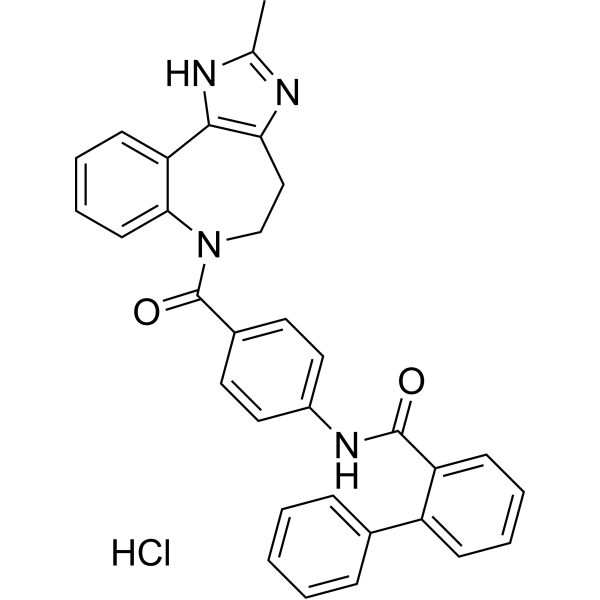
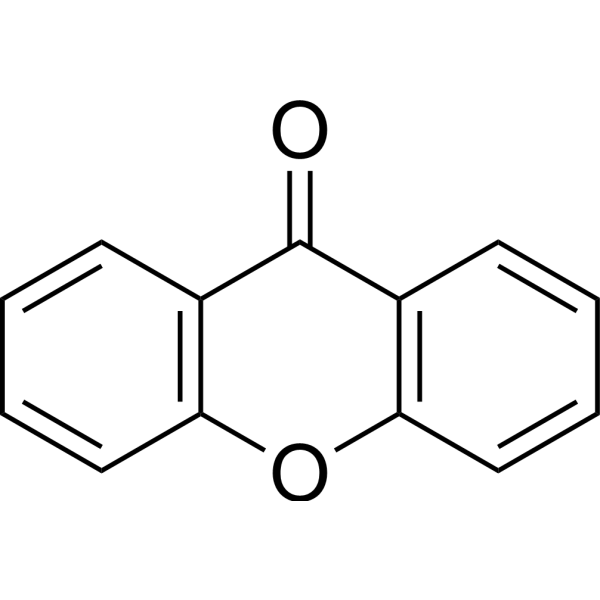
Xanthone is a monoamine oxidase A (MAO-A) inhibitor with an IC50 of 0.84 µM. Xanthon inhibits Norepinephrine (HY-13715) and high-K +-induced vasoconstriction with IC50 values of 60.26 μM and 82.9 μM, respectively. Xanthon increases intracellular cyclic adenosine 3′,5′-monophosphate (cAMP) content and blocks Ca 2+ channels. Xanthone is the scaffold of several pharmacologically active compounds .
|
-
-
- HY-109163
-
|
INS-1009
|
Prostaglandin Receptor
|
Inflammation/Immunology
Endocrinology
|
|
Treprostinil palmitil is a long-acting inhaled pulmonary vasodilator prodrug of Treprostinil (HY-100441), formulated in a lipid nanoparticle (LNP). Treprostinil palmitil can inhibit pulmonary vascular remodeling induced by Su/Hx challenge in rats. Treprostinil palmitil can induce cough. Treprostinil palmitil demonstrates a sustained presence in the lungs with reduced systemic exposure and prolonged inhibition of hypoxia-induced pulmonary vasoconstriction in vivo. Treprostinil palmitil can be studied in research for pulmonary arterial hypertension and interstitial lung disease .
|
-
-
- HY-17352
-
|
Ro 61-1790; VML 588; AXV-034343
|
Endothelin Receptor
|
Cardiovascular Disease
|
|
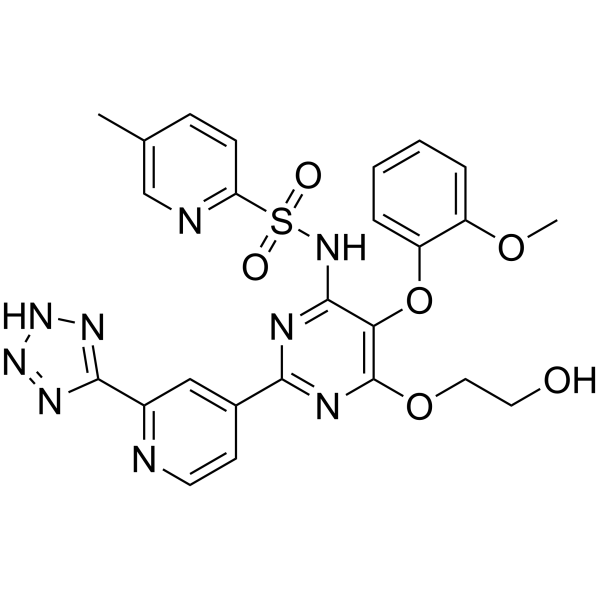
Clazosentan (Ro 61-1790) is a selective endothelin A (ETA) receptor antagonist. Clazosentan inhibits ET-1-mediated vasoconstriction. Clazosentan prevents cerebral vasospasm, vasospasm-related cerebral infarction .
|
-
-
- HY-17034B
-
|
MPV785
|
Adrenergic Receptor
|
Neurological Disease
Endocrinology
|
|
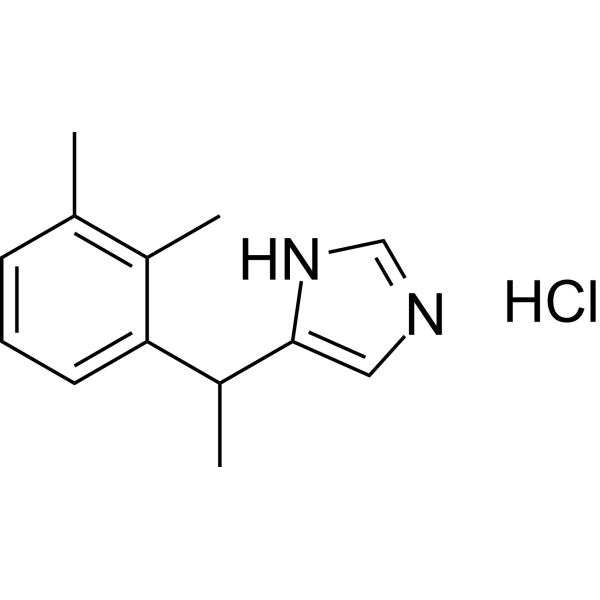
Medetomidine hydrochloride is an orally active α2-adrenoceptor agonist (Ki: 1.08 nM). Medetomidine hydrochloride has sedative and analgesic effects. Medetomidine hydrochloride can cause peripheral vasoconstriction through the activation of α2 adrenoceptors on blood vessels .
|
-
-
- HY-A0158
-
-
-
- HY-B0556A
-
|
Tetryzoline hydrochloride
|
Adrenergic Receptor
|
Cardiovascular Disease
Endocrinology
|
|
Tetrahydrozoline hydrochloride (Tetryzoline hydrochloride), a derivative of imidazoline, is an α-adrenergic agonist that causes vasoconstriction. Tetrahydrozoline hydrochloride is widely used for the research of nasal congestion and conjunctival congestion .
|
-
-
- HY-B0983
-
|
Cortisol 17-butyrate; Hydrocortisone butyrate
|
Adrenergic Receptor
|
Inflammation/Immunology
Endocrinology
|
|
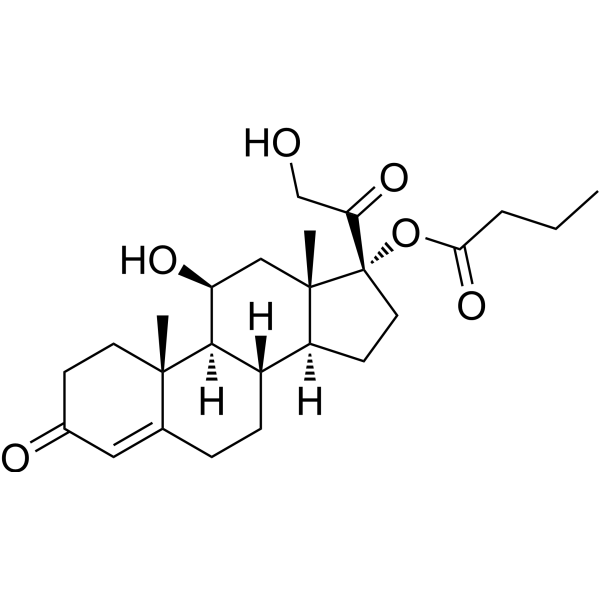
Hydrocortisone 17-butyrate is a non-fluorinated topical corticosteroid for use in psoriasis, eczema, and other inflammatory dermatoses. Hydrocortisone 17-butyrate inhibits granuloma formation in rats. Hydrocortisone 17-butyrate can induce vasoconstriction .
|
-
-
- HY-12554
-
|
|
Vasopressin Receptor
|
Cardiovascular Disease
Inflammation/Immunology
Endocrinology
|
|
Terlipressin is a vasopressin analogue with potent vasoactive properties. Terlipressin is a highly selective vasopressin V1 receptor agonist that reduces the splanchnic blood flow and portal pressure and controls acute variceal bleeding. Terlipressin exerts anti-inflammatory and anti-oxidative effects. Terlipressin has the potential for hepatorenal syndrome and norepinephrine-resistant septic shock research .
|
-
-
- HY-111326
-
-
-
- HY-B0446
-
|
Naphthazoline hydrochloride
|
Adrenergic Receptor
TNF Receptor
Interleukin Related
VEGFR
|
Cardiovascular Disease
Inflammation/Immunology
Cancer
|
|
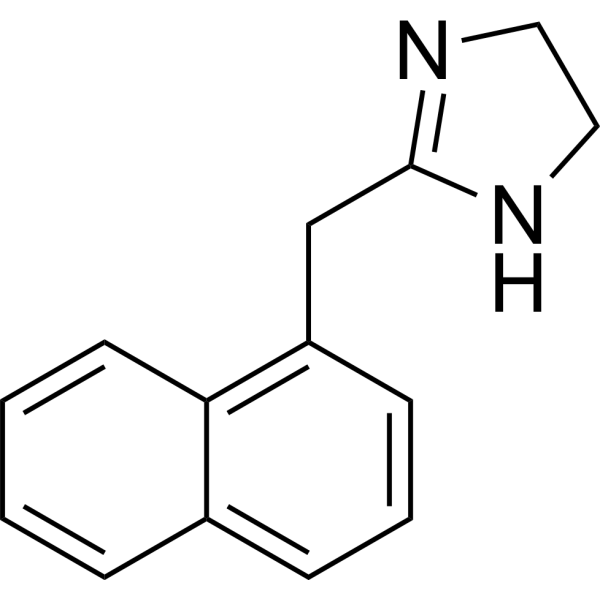
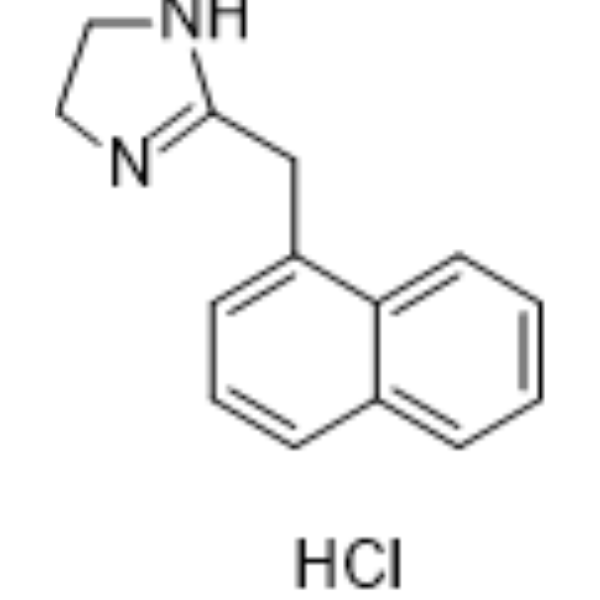
Naphazoline (Naphthazoline) hydrochloride is a potent α-adrenergic receptor agonist. Naphazoline hydrochloride reduces vascular hyperpermeability and promotes vasoconstriction. Naphazoline hydrochloride reduces the levels of inflammatory factors (TNF-α, IL-1β and IL-6), cytokines (IFN-γ and IL-4), IgE, GMCSF, and NGF. Naphazoline hydrochloride can be used for non-bacterial conjunctivitis research .
|
-
-
- HY-B1237
-
|
|
Calcium Channel
Fungal
|
Cardiovascular Disease
Infection
|
|
Suloctidil is an orally active calcium channel blocker and antifungal agent. Suloctidil antagonizes vasoconstriction induced by norepinephrine, angiotensin and serotonin. Suloctidil inhibits platelet function and exhibits neuroprotective effects. Suloctidil exerts inhibitory effects on Candida albicans biofilm and virulence. Suloctidil can be used in research on vasospasm relief, antithrombosis and superficial candidiasis .
|
-
-
- HY-12554A
-
|
|
Vasopressin Receptor
|
Cardiovascular Disease
Inflammation/Immunology
Endocrinology
|
|
Terlipressin diacetate is a vasopressin analogue with potent vasoactive properties. Terlipressin diacetate is a highly selective vasopressin V1 receptor agonist that reduces the splanchnic blood flow and portal pressure and controls acute variceal bleeding. Terlipressin diacetate exerts anti-inflammatory and anti-oxidative effects. Terlipressin diacetate has the potential for hepatorenal syndrome and norepinephrine-resistant septic shock research .
|
-
-
- HY-B1298
-
|
|
Adrenergic Receptor
|
Neurological Disease
Endocrinology
|
|
Methoxamine hydrochloride is a selective alpha1-adrenergic receptor agonist. Methoxamine hydrochloride causes vasoconstriction and increased peripheral vascular resistance . Methoxamine hydrochloride significantly increased the overflow of ATP, ADP and AMP, but not adenosine, by a prazosin-sensitive mechanism in the rabbit pulmonary artery .
|
-
-
- HY-Z6449
-
|
|
Adrenergic Receptor
|
Neurological Disease
|
|
Phenylephrine hydrochlorid is an α1-adrenergic receptor agonist. As a sympathomimetic agent, Phenylephrine hydrochlorid exerts similar effects to epinephrine and ephedrine. Phenylephrine hydrochlorid induces vasoconstriction and increases perfusion pressure .
|
-
-
- HY-111326A
-
-
-
- HY-160099
-
-
-
- HY-B0197
-
|
GR-85548A
|
5-HT Receptor
|
Cardiovascular Disease
Neurological Disease
Inflammation/Immunology
|
|
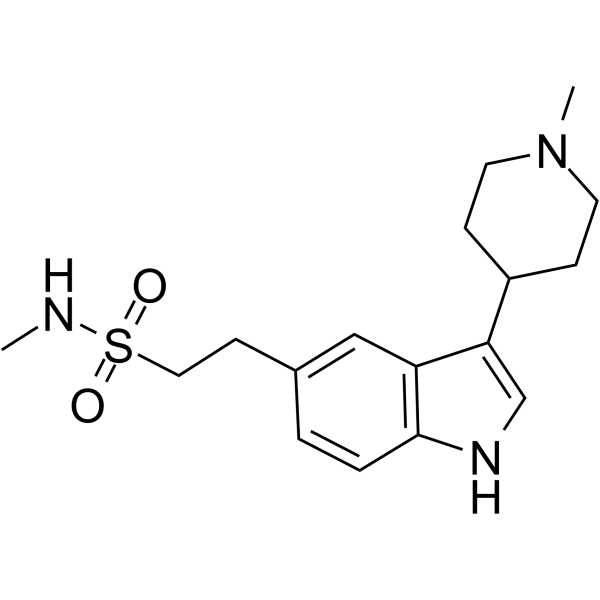
Naratriptan is an orally active and selective 5-HT1B/1D receptor agonist. Naratriptan is peripherally active and has good oral bioavailability, inducing cranial artery vasoconstriction by activating 5-HT1B/1D receptors (EC50=0.11 μM for dog basilar artery). Naratriptan also inhibits trigeminal nerve-mediated dural neurogenic plasma extravasation and reduces sterile inflammation. Naratriptan is mainly used in the research of acute migraine, targeting cranial vascular and neuroinflammatory mechanisms .
|
-
-
- HY-113654
-
|
|
TRP Channel
|
Others
|
|
AMG 7905 is a hypothermia-inducing transient receptor potential vanilloid type 1 (TRPV1) antagonist. AMG 7905 potentiates TRPV1 channels activation by protons and drives the reflectory inhibition of thermogenesis and tail-skin vasoconstriction, while potently blocking channel activation by capsaicin .
|
-
-
- HY-102029
-
|
SRTX-c
|
Endothelin Receptor
|
Cardiovascular Disease
|
|
Sarafotoxin S6c (SRTX-c) is a potent endothelin-B receptor agonist. Sarafotoxin S6c can cause vasoconstriction in both endothelium-intact and endothelium-denuded vessels .
|
-
-
- HY-N8251
-
-
-
- HY-13527
-
-
-
- HY-17034BS1
-
|
MPV785-13C,d3
|
Isotope-Labeled Compounds
Adrenergic Receptor
|
Endocrinology
|
|
Medetomidine-13C,d3 (hydrochloride) is a deuterated labeled Medetomidine (hydrochloride) . Medetomidine hydrochloride is an orally active α2-adrenoceptor agonist (Ki: 1.08 nM). Medetomidine hydrochloride has sedative and analgesic effects. Medetomidine hydrochloride can cause peripheral vasoconstriction through the activation of α2 adrenoceptors on blood vessels .
|
-
-
- HY-W414915
-
|
CGP 48933 methyl ester
|
Drug Derivative
Angiotensin Receptor
|
Cardiovascular Disease
Cancer
|
|
Valsartan (CGP 48933) methyl ester is the methyl ester derivative of Valsartan (HY-18204). Valsartan is a selective and orally active angiotensin II type 1 (AT1) receptor blocker (ARB) with potent antihypertensive and cardioprotective effects. Valsartan competitively binds to AT1 receptors, inhibiting the binding of angiotensin II to AT1 receptors, thereby blocking angiotensin II-mediated vasoconstriction, sodium retention, and myocardial hypertrophy signaling pathways. Valsartan reduces systolic blood pressure in L-NAME-induced hypertensive rats. Valsartan can be used for the study and treatment of arterial hypertension, hypertensive heart disease, and heart failure .
|
-
-
- HY-B1298A
-
|
|
Adrenergic Receptor
|
Cardiovascular Disease
|
|
Methoxamine is a selective alpha1-adrenergic receptor agonist. Methoxamine causes vasoconstriction and increased peripheral vascular resistance . Methoxamine hydrochloride significantly increased the overflow of ATP, ADP and AMP, but not adenosine, by a prazosin-sensitive mechanism in the rabbit pulmonary artery .
|
-
-
- HY-112824
-
|
|
Angiotensin Receptor
|
Cardiovascular Disease
|
|
L-162313 is a non-peptide angiotensin II AT1 and AT2 receptor agonist, with IC50 values of 1.1 and 2.0 nM for AT1 and AT2 receptor, respectively. L-162313 can be used for the research of vasoconstriction, aldosterone release, and cardiovascular growth .
|
-
-
- HY-130304
-
|
iPE2-III
|
Prostaglandin Receptor
|
Cardiovascular Disease
|
|
8-Isoprostaglandin E2 (iPE2-III) is a member of the isoprostane class of prostanoids. 8-Isoprostaglandin E2 acts at the receptor for thromboxane A2 (the TP) in vivo to induce vasoconstriction and platelet aggregation. 8-Isoprostaglandin E2 enhances receptor-activated NFkappa B ligand (RANKL)-dependent osteoclastic potential of marrow hematopoietic precursors via the cAMP pathway .
|
-
-
- HY-P1016B
-
|
|
Endothelin Receptor
|
Cardiovascular Disease
|
|
BQ-3020 ammonium is a selective endothelin receptor (ETB receptor) agonist. BQ-3020 ammonium inhibits [ 125I] ET-1 binding to ETB receptors, with an IC50 value of 0.2 nM. BQ-3020 ammonium elicits vasoconstriction in the rabbit pulmonary artery. BQ-3020 ammonium makes relaxation of the pig urinary bladder neck and can be used for cardiovascular disease research . .
|
-
-
- HY-113042
-
|
|
Endogenous Metabolite
|
Cardiovascular Disease
Endocrinology
|
|
Prostaglandin B2 is a prostaglandin. Prostaglandin B2 is the main substance in cord blood mesenchymal stem cells, to inhibit DC-T Cell proliferation. Prostaglandin B2 also induces cutaneous vasoconstriction of the canine hind paw .
|
-
-
- HY-P1016
-
|
|
Endothelin Receptor
|
Cardiovascular Disease
|
|
BQ-3020 is a selective endothelin receptor (ETB receptor) agonist that displaces [ 125I] ET-1 binding to ETB receptors, with an IC50 value of 0.2 nM. BQ-3020 elicits vasoconstriction in the rabbit pulmonary artery. BQ-3020 makes relaxation of the pig urinary bladder neck and can be used for cardiovascular disease research 1 2.
|
-
-
- HY-160431
-
|
|
PPAR
NF-κB
COX
Drug Metabolite
|
Metabolic Disease
|
|
8(9)-EET is one of the main metabolites produced by the metabolism of arachidonic acid (HY-109590) through the cytochrome P450 epoxide pathway. 8(9)-EET is an effective substrate for COX-1 and COX-2. 8(9)-EET activates PPARα in HEK293 cells and inhibits the activity of NF-κB induced by IL-1β in a PPARα-dependent and -independent manner. The (8S,9R)-isomer of 8(9)-EET ([(8S,9R)-EET]) causes vasoconstriction, thereby reducing renal plasma flow and glomerular filtration rate .
|
-
-
- HY-160210
-
|
|
Adrenergic Receptor
|
Cardiovascular Disease
|
|
BAY-6096, a chemical probe, is a potent, selective, and highly water-soluble adrenergic receptor α2B antagonist with an IC50 of 14 nM. BAY-6096 can effectively reduceα 2B receptor agonist-induced rat vascular contraction .
|
-
-
- HY-105408A
-
|
|
Endothelin Receptor
Cytochrome P450
|
Cardiovascular Disease
|
|
Fandosentan potassium is a potent endothelin A receptor (ETAR) antagonist. Fandosentan potassium inhibits CYP2C9 and CYP3A4 activities with IC50 values of 39.6 and 21.6 μM, respectively. Fandosentan potassium reverses the hypoxic pulmonary vasoconstriction in the perinatal lamb. Fandosentan potassium can be used for pulmonary hypertension research [1][2].
|
-
-
- HY-P1019
-
|
|
Endothelin Receptor
|
Cardiovascular Disease
Endocrinology
|
|
[Ala1,3,11,15]-Endothelin (53-63) is an ETB agonist. [Ala1,3,11,15]-Endothelin (53-63) has selectivity for ET B with IC50 values range from 0.33 nM to 0.61 nM. [Ala1,3,11,15]-Endothelin (53-63) can be used for the research of vasoconstriction
|
-
-
- HY-17352A
-
|
Ro 61-1790 disodium; VML 588 disodium; AXV-034343 disodium
|
Endothelin Receptor
|
Cardiovascular Disease
|
|
Clazosentan disodium (Ro 61-1790) is a selective endothelin A (ETA) receptor antagonist. Clazosentan disodium inhibits ET-1-mediated vasoconstriction. Clazosentan disodium prevents cerebral vasospasm, vasospasm-related cerebral infarction .
|
-
-
- HY-17352R
-
|
Ro 61-1790 (Standard); VML 588 (Standard); AXV-034343 (Standard)
|
Endothelin Receptor
Reference Standards
|
Cardiovascular Disease
|
|
Clazosentan (Standard) is the analytical standard of Clazosentan. This product is intended for research and analytical applications. Clazosentan (Ro 61-1790) is a selective endothelin A (ETA) receptor antagonist. Clazosentan inhibits ET-1-mediated vasoconstriction. Clazosentan prevents cerebral vasospasm, vasospasm-related cerebral infarction .
|
-
-
- HY-B1546
-
|
Benzylamiloride
|
Na+/Ca2+ Exchanger
Sodium Channel
|
Neurological Disease
|
|
Benzamil (Benzylamiloride), an Amiloride analogue, is a Na +/Ca 2+ exchanger (NCX) inhibitor (IC50~100 nM). Benzamil also is a non-selective Deg/epithelial sodium channels (ENaC) blocker, and can potentiate myogenic vasoconstriction. Benzamil inhibits TRPP3-mediated Ca 2+-activated currents, with an IC50 of 1.1 μM .
|
-
-
- HY-17034BR
-
|
MPV785 (Standard)
|
Adrenergic Receptor
Reference Standards
|
Neurological Disease
Endocrinology
|
|
Medetomidine (hydrochloride) (Standard) is the analytical standard of Medetomidine (hydrochloride). This product is intended for research and analytical applications. Medetomidine hydrochloride is an orally active α2-adrenoceptor agonist (Ki: 1.08 nM). Medetomidine hydrochloride has sedative and analgesic effects. Medetomidine hydrochloride can cause peripheral vasoconstriction through the activation of α2 adrenoceptors on blood vessels .
|
-
-
- HY-116680
-
|
|
5-HT Receptor
|
Cardiovascular Disease
Neurological Disease
|
|
LY53857 is a potent antagonist of vasoconstriction and serotonin-mediated 5-HT2 receptors. LY53857 did not reduce mean arterial blood pressure in spontaneously hypertensive rats (SHR) at doses that blocked the depressor response to serotonin and blocked central serotonin receptors. In addition, LY53857 was able to enhance neurotransmitter release in rat vas deferens and guinea pig ileal nerves .
|
-
-
- HY-B0556
-
|
Tetryzoline
|
Adrenergic Receptor
|
Cardiovascular Disease
|
|
Tetrahydrozoline (Tetryzoline), a derivative of imidazoline, is an α-adrenergic agonist that causes vasoconstriction. Tetrahydrozoline is widely used for the research of nasal congestion and conjunctival congestion .
|
-
-
- HY-B0556AS
-
|
Tetryzoline-d4 hydrochloride
|
Isotope-Labeled Compounds
Adrenergic Receptor
|
Cardiovascular Disease
Endocrinology
|
|
Tetrahydrozoline-d4 (hydrochloride) is the deuterium labeled Tetrahydrozoline hydrochloride. Tetrahydrozoline hydrochloride (Tetryzoline hydrochloride), a derivative of imidazoline, is an α-adrenergic agonist that causes vasoconstriction. Tetrahydrozoline hydrochloride is widely used for the research of nasal congestion and conjunctival congestion .
|
-
-
- HY-131545
-
|
NT-702 free base; NT-702 free base
|
Phosphodiesterase (PDE)
|
Others
|
|
Parogrelil (NT-702 free base) is a compound with intermittent claudication inhibitory activity that inhibits PDE3, inhibits platelet aggregation and vasoconstriction, and improves walking distance and plantar surface temperature in a rat experimental model.
|
-
-
- HY-101704
-
-
-
- HY-B0670
-
-
-
- HY-13711
-
|
|
Endothelin Receptor
|
Cardiovascular Disease
|
|
S-1255 is an orally active and highly selective endothelin ETA receptor antagonist (Kd=0.39 nM). S-1255 blocks vasoconstriction and sustains hypotensive effects in hypertensive rats. S-1255 is promising for research of hypertension and cardiovascular disorders .
|
-
- HY-135283
-
|
A-216546
|
Endothelin Receptor
|
Cardiovascular Disease
Endocrinology
|
|
ABT-546 (A-216546), a chemical probe, is a potent, highly selective and active endothelin ETA receptor antagonist with a Ki of 0.46 nM for [ 125I]endothelin-1 binding to cloned human endothelin ETA. ABT-546 is >25,000-fold more selective for the ETA receptor than for the ETB receptor. ABT-546 blocks endothelin-1-induced arachidonic acid release and phosphatidylinositol hydrolysis with IC50 of 0.59 nM and 3 nM, respectively .
|
-
- HY-108120
-
|
|
Angiotensin Receptor
|
Cardiovascular Disease
|
|
L-162537 is a competitive human angiotensin II receptor 1 (AT1) and receptor 2 (AT2) antagonist with an IC50=1.7 nM for AT1. L-162537 inhibits Ang II-mediated vasoconstriction, blood pressure elevation and related pathological signaling pathways. L-162537 is promising for research of angiotensin II-related cardiovascular diseases such as hypertension .
|
-
- HY-121311
-
|
|
Serotonin Transporter
Adrenergic Receptor
|
Cardiovascular Disease
|
|
Metrenperone is an inhibitor for 5-HT2 receptor. Metrenperone exhibits α1 and α2 antagonist activity as well as anti-H1 and anti-dopaminergic efficacy. Metrenperone can lower the blood pressure, enhances bradycardia in peripheral ischemia, inhibits serotonin-induced platelet aggregation, and antagonizes serotonin-mediated vasoconstriction. Metrenperone promotes the repair of acutely damaged collagen tissue .
|
-
- HY-12554B
-
|
|
Vasopressin Receptor
|
Cardiovascular Disease
Inflammation/Immunology
Endocrinology
|
|
Terlipressin acetate is a vasopressin analogue with potent vasoactive properties. Terlipressin acetate is a highly selective vasopressin V1 receptor agonist that reduces the splanchnic blood flow and portal pressure and controls acute variceal bleeding. Terlipressin acetate exerts anti-inflammatory and anti-oxidative effects. Terlipressin acetate has the potential for hepatorenal syndrome and norepinephrine-resistant septic shock research .
|
-
- HY-N0126R
-
|
|
Reference Standards
Monoamine Oxidase
Calcium Channel
|
Cardiovascular Disease
Neurological Disease
|
|
Xanthone (Standard) is the analytical standard of Xanthone (HY-N0126). This product is intended for research and analytical applications. Xanthone is a monoamine oxidase A (MAO-A) inhibitor with an IC50 of 0.84 µM. Xanthon inhibits Norepinephrine (HY-13715) and high-K +-induced vasoconstriction with IC50 values of 60.26 μM and 82.9 μM, respectively. Xanthon increases intracellular cyclic adenosine 3′,5′-monophosphate (cAMP) content and blocks Ca 2+ channels. Xanthone is the scaffold of several pharmacologically active compounds .
|
-
- HY-173618
-
-
- HY-D1501
-
|
|
Fluorescent Dye
|
Others
|
|
Fura PE-3 potassium is a Ca 2+sensitive fluorophore. Fura PE-3 potassium loads in IPA (intrapulmonary arteries) and MA (mesenteric resistance arteries) for the research of vasoconstriction .
|
-
- HY-134370
-
|
|
P2X Receptor
|
Cardiovascular Disease
|
|
Ap4G is a dinucleoside polyphosphate compound with vasoconstrictor activity. Ap4G regulates vasoconstriction through P2 receptors, especially P2X receptors, and is an important tool for studying vascular physiology and pathology .
|
-
- HY-106418A
-
|
|
Adrenergic Receptor
5-HT Receptor
|
Cardiovascular Disease
|
|
SGB-1534 hydrochloride is an orally active, selective and competitive antagonist of the alpha 1-adrenoceptor and the 5-HT2 receptor. SGB-1534 hydrochloride can inhibit vasoconstriction and lower blood pressure. SGB-1534 hydrochloride can be used for the research of cardiovascular disease, such as hypertension .
|
-
- HY-106123
-
|
|
Angiotensin Receptor
|
Cardiovascular Disease
|
|
Pomisartan is an orally active angiotensin II receptor type AT1 antagonist (IC50=0.26 μM). Pomisartan works by inhibiting the binding of angiotensin II to the AT1 receptor, thereby blocking the vasoconstriction and aldosterone release caused by this interaction. Pomisartan results in a blood pressure-lowering effect .
|
-
- HY-B1546AR
-
|
Benzylamiloride hydrochloride (Standard)
|
Na+/Ca2+ Exchanger
Sodium Channel
Reference Standards
|
Neurological Disease
|
|
Benzamil (hydrochloride) (Standard) is the analytical standard of Benzamil (hydrochloride). This product is intended for research and analytical applications. Benzamil hydrochloride (Benzylamiloride hydrochloride), an Amiloride analogue, is a Na+/Ca2+ exchanger (NCX) inhibitor (IC50~100 nM). Benzamil hydrochloride also is a non-selective Deg/epithelial sodium channels (ENaC) blocker, and can potentiate myogenic vasoconstriction. Benzamil hydrochloride inhibits TRPP3-mediated Ca2+-activated currents, with an IC50 of 1.1 μM .
|
-
- HY-17034R
-
|
|
Adrenergic Receptor
Reference Standards
|
Neurological Disease
Endocrinology
|
|
Medetomidine (Standard) is the analytical standard of Medetomidine. This product is intended for research and analytical applications. Medetomidine is an orally active α2-adrenoceptor agonist (Ki: 1.08 nM). Medetomidine has sedative and analgesic effects. Medetomidine can cause peripheral vasoconstriction through the activation of α2 adrenoceptors on blood vessels .
|
-
- HY-113654A
-
|
|
TRP Channel
|
Cardiovascular Disease
|
|
AMG 7905 TFA is a hypothermia-inducing transient receptor potential vanilloid type 1 (TRPV1) antagonist. AMG 7905 TFA potentiates TRPV1 channels activation by protons and drives the reflectory inhibition of thermogenesis and tail-skin vasoconstriction, while potently blocking channel activation by capsaicin .
|
-
- HY-111326AR
-
|
Naphthazoline nitrate (Standard)
|
Reference Standards
Adrenergic Receptor
TNF Receptor
Interleukin Related
VEGFR
|
Cardiovascular Disease
Inflammation/Immunology
|
|
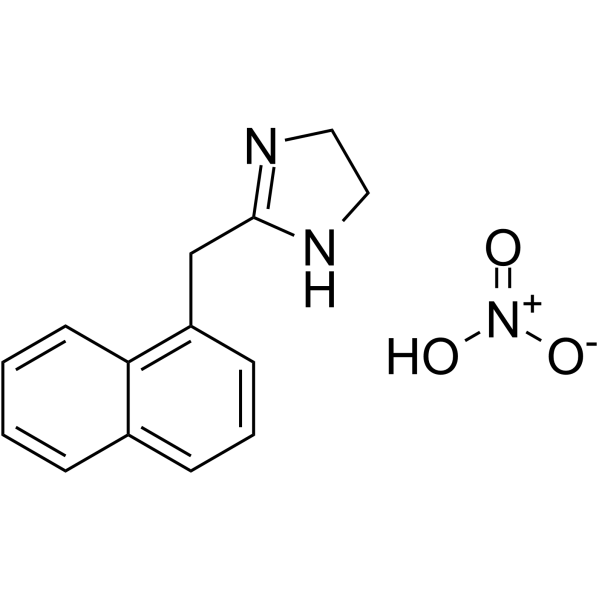
Naphazoline (nitrate) (Standard) is the analytical standard of Naphazoline (nitrate). This product is intended for research and analytical applications. Naphazoline (Naphthazoline) nitrate is an α-adrenergic receptor agonist. Naphazoline nitrate reduces vascular hyperpermeability and promotes vasoconstriction. Naphazoline nitrate reduces the levels of inflammatory factors (TNF-α, IL-1β and IL-6), cytokines (IFN-γ and IL-4), IgE, GMCSF, and NGF. Naphazoline nitrate can be used for non-bacterial conjunctivitis research .
|
-
- HY-B0446R
-
|
Naphthazoline hydrochloride (Standard)
|
Reference Standards
Adrenergic Receptor
TNF Receptor
Interleukin Related
VEGFR
|
Cardiovascular Disease
Inflammation/Immunology
|
|
Naphazoline (hydrochloride) (Standard) is the analytical standard of Naphazoline (hydrochloride). This product is intended for research and analytical applications. Naphazoline (Naphthazoline) hydrochloride is a potent α-adrenergic receptor agonist. Naphazoline hydrochloride reduces vascular hyperpermeability and promotes vasoconstriction. Naphazoline hydrochloride reduces the levels of inflammatory factors (TNF-α, IL-1β and IL-6), cytokines (IFN-γ and IL-4), IgE, GMCSF, and NGF。Naphazoline hydrochloride can be used for non-bacterial conjunctivitis research .
|
-
- HY-103114
-
-
- HY-B0556B
-
|
Tetryzoline nitrate
|
Adrenergic Receptor
|
Cardiovascular Disease
Metabolic Disease
|
|
Tetrahydrozoline (Tetryzoline) nitrate , a derivative of imidazoline, is an α-adrenergic agonist that causes vasoconstriction. Tetrahydrozoline is widely used for the research of nasal congestion and conjunctival congestion .
|
-
- HY-12749B
-
|
|
Adrenergic Receptor
|
Cardiovascular Disease
|
|
(R)-Midodrine hydrochloride is a vasopressor used as an antihypertensive agent for the treatment of symptomatic postural hypotension, exhibiting peripheral alpha(1)-adrenoreceptor agonistic activity that induces venous and arterial vasoconstriction.
|
-
- HY-P10291
-
-
- HY-101704A
-
-
- HY-B0556R
-
|
Tetryzoline (Standard)
|
Reference Standards
Adrenergic Receptor
|
Cardiovascular Disease
|
|
Tetrahydrozoline (Standard) is the analytical standard of Tetrahydrozoline. This product is intended for research and analytical applications. Tetrahydrozoline (Tetryzoline), a derivative of imidazoline, is an α-adrenergic agonist that causes vasoconstriction. Tetrahydrozoline is widely used for the research of nasal congestion and conjunctival congestion .
|
-
- HY-114666
-
|
NDR-5523A
|
Endogenous Metabolite
|
Cardiovascular Disease
|
|
Trimoxamine hydrochloride (NDR-5523A) is an antihypertensive drug with hypotensive activity. Trimoxamine hydrochloride can be used to inhibit hypertension-related diseases. Trimoxamine hydrochloride lowers blood pressure by inhibiting vasoconstriction. Trimoxamine hydrochloride plays an important role in the management of cardiovascular diseases .
|
-
- HY-B0556AR
-
|
Tetryzoline hydrochloride (Standard)
|
Reference Standards
Adrenergic Receptor
|
Cardiovascular Disease
Endocrinology
|
|
Tetrahydrozoline (hydrochloride) (Standard) is the analytical standard of Tetrahydrozoline (hydrochloride). This product is intended for research and analytical applications. Tetrahydrozoline hydrochloride (Tetryzoline hydrochloride), a derivative of imidazoline, is an α-adrenergic agonist that causes vasoconstriction. Tetrahydrozoline hydrochloride is widely used for the research of nasal congestion and conjunctival congestion .
|
-
- HY-124150
-
|
|
Prostaglandin Receptor
|
Cardiovascular Disease
|
|
BM567 is a sulfonylurea compound (compound 1), which exhibits antithrombogenic efficacy as thromboxane A2 receptor (TXR) antagonists and thromboxane A2 synthase (TXS) inhibitors, with IC50s of 1.1 and 12 nM, respectively .
|
-
- HY-120535
-
-
- HY-B0983R
-
|
Cortisol 17-butyrate (Standard); Hydrocortisone butyrate (Standard)
|
Reference Standards
Adrenergic Receptor
|
Inflammation/Immunology
Endocrinology
|
|
Hydrocortisone 17-butyrate (Standard) is the analytical standard of Hydrocortisone 17-butyrate. This product is intended for research and analytical applications. Hydrocortisone 17-butyrate is a non-fluorinated topical corticosteroid for use in psoriasis, eczema, and other inflammatory dermatoses. Hydrocortisone 17-butyrate inhibits granuloma formation in rats. Hydrocortisone 17-butyrate can induce vasoconstriction .
|
-
- HY-131395
-
|
N-Acetyl-LTE4
|
Endogenous Metabolite
|
Cardiovascular Disease
|
|
N-Acetyl-Leukotriene E4 (N-Acetyl-LTE4) is a metabolite of Leukotriene E4 (LTE4) (HY-113465), which is detected in bile and urine . N-Acetyl-Leukotriene E4 produces a vasoconstriction in the mesenteric vessels which led to reduction of blood flow to the gut .
|
-
- HY-132184S
-
|
5,6-EET-d11; (±)5,6-EpETrE-d11
|
Isotope-Labeled Compounds
Adrenergic Receptor
|
Cardiovascular Disease
Neurological Disease
|
|
5,6-Epoxyeicosatrienoic acid-d11 (5,6-EET-d11) is deuterium labeled 5,6-Epoxyeicosatrienoic acid. 5,6-Epoxyeicosatrienoic acid is one of the four major epoxyeicosatrienoic acid (EET) isomers metabolized from Arachidonic acid (HY-109590). 5,6-Epoxyeicosatrienoic acid induces peripheral vasodilation and lowers blood pressure by inhibiting T-type calcium channels (Cav3.2: IC50 = 0.54 μM). 5,6-Epoxyeicosatrienoic acid causes vasoconstriction in hypoxic pulmonary blood vessels via activating Rho kinase in a membrane depolarization-dependent manner. 5,6-Epoxyeicosatrienoic acid induces mechanical pain by activating TRPA1. 5,6-Epoxyeicosatrienoic acid can be used in studies related to hypoxic pulmonary vasoconstriction, mechanical hyperalgesia and hypertension.
|
-
- HY-B1237A
-
|
|
Calcium Channel
Fungal
|
Cardiovascular Disease
Infection
|
|
Suloctidil hydrochloride is an orally active calcium channel blocker and antifungal agent. Suloctidil hydrochloride antagonizes vasoconstriction induced by norepinephrine, angiotensin and serotonin. Suloctidil hydrochloride inhibits platelet function and exhibits neuroprotective effects. Suloctidil hydrochloride exerts inhibitory effects on Candida albicans biofilm and virulence. Suloctidil hydrochloride can be used in research on vasospasm relief, antithrombosis and superficial candidiasis .
|
-
- HY-137606
-
|
UP4A
|
P2X Receptor
|
Cardiovascular Disease
|
|
Uridine adenosine tetraphosphate (UP4A) is an endothelium-derived vasoconstrictor that primarily acts through the P2X1 receptor and possibly through the P2Y2 and P2Y4 receptors. Uridine adenosine tetraphosphate can be used in the study of cardiovascular diseases .
|
-
- HY-19078
-
|
|
Prostaglandin Receptor
|
Cardiovascular Disease
|
|
SQ-30741 is a thromboxane A2 receptor antagonist. SQ-30741 reduces vasoconstriction in a feline pulmonary vascular bed model. SQ-30741 increases relaxation of aortic endothelium and vascular smooth muscle in adult rats in a spontaneously hypertensive rat model. SQ-30741 can be used in research on cardiovascular diseases such as hypertension .
|
-
- HY-105504
-
|
|
COX
Lipoxygenase
|
Cardiovascular Disease
Inflammation/Immunology
|
|
CI-986 is a dual inhibitor of COX and 5-LOX. CI-986 can prevent the coronary vasoconstriction and the increased production of LTB(4) and LTC(4). CI-986 also has anti-inflammatory and analgesic effects. CI-986 can be used for the researches of inflammation and cardiovascular disease, such as arthritis .
|
-
- HY-W717221
-
|
|
Isotope-Labeled Compounds
Adrenergic Receptor
|
Neurological Disease
|
|
Medetomidine-d5 (d5-Major) is the deuterium labeled Medetomidine (HY-17034). Medetomidine is an orally active α2-adrenoceptor agonist (Ki: 1.08 nM). Medetomidine has sedative and analgesic effects. Medetomidine can cause peripheral vasoconstriction through the activation of α2 adrenoceptors on blood vessels .
|
-
- HY-P1019A
-
|
|
Endothelin Receptor
|
Cardiovascular Disease
Endocrinology
|
|
[Ala1,3,11,15]-Endothelin (53-63) (TFA) is an ETB agonist. [Ala1,3,11,15]-Endothelin (53-63) (TFA) has selectivity for ET B with IC50 values range from 0.33 nM to 0.61 nM. [Ala1,3,11,15]-Endothelin (53-63) (TFA) can be used for the research of vasoconstriction .
|
-
- HY-B0130R
-
|
S-9490 (Standard)
|
Angiotensin-converting Enzyme (ACE)
NF-κB
STAT
Sirtuin
Reference Standards
|
Cardiovascular Disease
Neurological Disease
Cancer
|
|
Perindopril (Standard) is the analytical standard of Perindopril. This product is intended for research and analytical applications. Perindopril (S-9490) is an orally available, long-acting angiotensin-converting enzyme (ACE) inhibitor. Perindopril inhibits inflammatory cell influx and intimal thickening, preserving elastin on the inside of the aorta. Perindopril effectively inhibits experimental abdominal aortic aneurysm (AAA) formation in a rat model and reduces pulmonary vasoconstriction in rats with pulmonary hypertension .
|
-
- HY-B0130S1
-
-
- HY-P11259
-
|
|
Urotensin Receptor
|
Cardiovascular Disease
Metabolic Disease
Inflammation/Immunology
Cancer
|
UPG-111 is a peptide compound that acts as a negative allosteric modulator of the Urotensin II receptor (UTR). UPG-111 exhibits a dual inhibitory effect on the vasoconstriction induced by UTR agonists - it reduces both the maximum response intensity and the sensitivity of the agonist. UPG-111 does not induce calcium release or cause contraction of the endothelium-deprived rat aortic rings. UPG-111 can be used for the study of various diseases related to the angiotensinergic system .
|
-
- HY-101607A
-
|
|
Calcium Channel
|
Cardiovascular Disease
|
|
KT-362 free acid is an intracellular calcium antagonist with antiarrhythmic and vasodilatory effects. KT-362 free acid shows an antagonistic effect against norepinephrine (NE) induced vasoconstriction response, achieved by reducing inositol phospholipid hydrolysis, thereby reducing intracellular calcium mobilization. KT-362 free acid can be used to study the contraction and relaxation mechanisms of vascular smooth muscle, especially in exploring the role of intracellular calcium mobilization and inositol phospholipid hydrolysis in vascular contraction .
|
-
- HY-P3565
-
|
STX-b
|
Calcium Channel
|
Cardiovascular Disease
|
|
Sarafotoxin S6d (STX-b) is a polypeptide toxin isolated from the venom of the Israeli sand boa constrictor. Sarafotoxin S6d induces multiple electrocardiogram (ECG) changes including myocardial ischemia and hyperkalemia. Sarafotoxin S6d induces strong extracellular calcium-dependent vasoconstriction in rat aorta and exhibits positive inotropic effects in rat atria. Sarafotoxin S6d can be used in the study of cardiovascular diseases .
|
-
- HY-12554AR
-
|
|
Vasopressin Receptor
Reference Standards
|
Cardiovascular Disease
Inflammation/Immunology
Endocrinology
|
|
Terlipressin (diacetate) (Standard) is the analytical standard of Terlipressin (diacetate). This product is intended for research and analytical applications. Terlipressin diacetate is a vasopressin analogue with potent vasoactive properties. Terlipressin diacetate is a highly selective vasopressin V1 receptor agonist that reduces the splanchnic blood flow and portal pressure and controls acute variceal bleeding. Terlipressin diacetate exerts anti-inflammatory and anti-oxidative effects. Terlipressin diacetate has the potential for hepatorenal syndrome and norepinephrine-resistant septic shock research .
|
-
- HY-137355
-
|
15(S)-15-Methyl PGD2
|
Prostaglandin Receptor
|
Cardiovascular Disease
Metabolic Disease
|
|
15(S)-15-methyl Prostaglandin D2 (15(S)-15-methyl PGD2) is a metabolically stable synthetic analog of PGD2. In contrast to PGD2, 15(S)-15-methyl PGD2 induces vasoconstriction and increases systemic blood pressure with much reduced inhibitory activity on ADP-induced platelet aggregation. It also exhibits strong antifertility activity in hamsters (200-fold more potent than PGD2).
|
-
- HY-130304S
-
|
iPE2-III-d4
|
Isotope-Labeled Compounds
Prostaglandin Receptor
|
Cardiovascular Disease
|
|
8-Isoprostaglandin E2-d4 (iPE2-III-d4) is deuterium labeled 8-Isoprostaglandin E2. 8-Isoprostaglandin E2 (iPE2-III) is a member of the isoprostane class of prostanoids. 8-Isoprostaglandin E2 acts at the receptor for thromboxane A2 (the TP) in vivo to induce vasoconstriction and platelet aggregation. 8-Isoprostaglandin E2 enhances receptor-activated NFkappa B ligand (RANKL)-dependent osteoclastic potential of marrow hematopoietic precursors via the cAMP pathway .
|
-
- HY-116295
-
|
|
P2Y Receptor
p38 MAPK
Calcium Channel
|
Cardiovascular Disease
|
|
MRS2690 is a selective P2Y14 receptor agonist. MRS2690 inhibits adenylyl cyclase activity, thereby reducing intracellular cAMP levels and mediating concentration-dependent vasoconstriction of porcine coronary arteries. MRS2690 induces intracellular calcium mobilization, activates P38 and stimulates [ 35S]GTPγS binding to RBL-2H3 cell membranes. MRS2690 enhances antigen (NP-BSA)-, C3a-induced β-hexosaminidase (β-Hex) release. MRS2690can be used for ischemic heart disease .
|
-
- HY-116295A
-
|
|
P2Y Receptor
p38 MAPK
Calcium Channel
|
Cardiovascular Disease
|
|
MRS2690 disodium is a selective P2Y14 receptor agonist. MRS2690 disodium inhibits adenylyl cyclase activity, thereby reducing intracellular cAMP levels and mediating concentration-dependent vasoconstriction of porcine coronary arteries. MRS2690 disodium induces intracellular calcium mobilization, activates P38 and stimulates [ 35S]GTPγS binding to RBL-2H3 cell membranes. MRS2690 enhances antigen (NP-BSA)-, C3a-induced β-hexosaminidase (β-Hex) release. MRS2690 disodium can be used for ischemic heart disease .
|
-
- HY-172569
-
|
|
Drug Metabolite
|
Metabolic Disease
|
|
(±)8(9)-EET Ethanolamide is a CYP450 metabolite of Arachidonic acid (HY-109590). (±)8(9)-EET Ethanolamide induces preglomerular vasoconstriction .
|
-
- HY-183177
-
|
|
Adrenergic Receptor
|
Cardiovascular Disease
|
|
Zolertine is an α-adrenergic receptor antagonist, with a pKi of 6.35 for rabbit α1A-adrenergic receptor and a pKi of 6.81 for rat α1B-adrenergic receptor. Zolertine competitively blocks α1D-adrenergic receptor-mediated vasoconstriction and α1A-adrenergic receptor-mediated vasoconstriction in arteries. Zolertine can be used in the research of hypertension .
|
-
- HY-182561
-
|
|
Endothelin Receptor
|
Cardiovascular Disease
|
|
Cgs 27830 is an endothelin receptor antagonist with 20-fold higher selectivity for ET-A receptors over ET-B receptors. Cgs 27830 blocks activity of ET-A and ET-B receptors. Cgs 27830 does not alter basal vascular tone in the ovine fetal pulmonary circulation. Cgs 27830 prevents big-endothelin-1-induced pulmonary vasoconstriction in late gestation fetal lambs .
|
-
- HY-N17738
-
|
|
Calcium Channel
|
Cardiovascular Disease
Inflammation/Immunology
|
|
Acetyljujuboside B is a saponin. Acetyljujuboside B can be isolated from seeds of Zizyphus jujuba Mill. var. spinosa. Acetyljujuboside B inhibits Ca 2+ influx. Acetyljujuboside B shows only sustained vasorelaxant effects, with no transient effect on NE-induced vasoconstrictions. Acetyljujuboside B inhibits histamine release from rat peritoneal exudate cells induced by the antigen-antibody reaction .
|
-
- HY-W040167
-
|
|
LPL Receptor
|
Cardiovascular Disease
|
|
VPC 23153 is a S1P4 receptor agonist and vasoconstrictor. VPC 23153 activates the S1P4 receptor, thereby triggering vasoconstriction. VPC 23153 induces pulmonary artery contraction. VPC 23153 can be used in studies related to pulmonary arterial hypertension .
|
-
- HY-165594A
-
|
|
5-HT Receptor
|
Cardiovascular Disease
|
|
AT-1015 is a selective and orally active 5-HT2A serotonin receptor antagonist. AT-1015 exhibits antithrombotic effect. AT-1015 prolongs the time needed to occlusion of the artery with thrombus. AT-1015 impairs platelet aggregation and vasoconstriction .
|
-
- HY-P2141
-
|
TRV027
|
Angiotensin Receptor
Arrestin
|
Cardiovascular Disease
|
|
TRV120027, a β-arrestin-1-biased agonist of the angiotensin II receptor type 1 (AT1R), engages β-arrestins while blocking G-protein signaling . TRV120027 induces acute catecholamine secretion through cation channel subfamily C3 (TRPC3) coupling, promotes the formation of a macromolecular complex composed of AT1R-β-arrestin-1-TRPC3-PLCγ at the plasma membrane. TRV120027 inhibits angiotensin II-mediated vasoconstriction and increases cardiomyocyte contractility. TRV120027 has the potential for the acute decompensated heart failure (ADHF) treatment .
|
-
- HY-179488
-
|
|
PPAR
NF-κB
COX
Drug Metabolite
|
Metabolic Disease
|
|
(±)8(9)-EET is one of the main metabolites produced by the metabolism of arachidonic acid (HY-109590) through the cytochrome P450 epoxide pathway. (±)8(9)-EET is an effective substrate for COX-1 and COX-2. (±)8(9)-EET activates PPARα in HEK293 cells and inhibits the activity of NF-κB induced by IL-1β in a PPARα-dependent and -independent manner. The (8S,9R)-isomer of (±)8(9)-EET ([(8S,9R)-EET]) causes vasoconstriction, thereby reducing renal plasma flow and glomerular filtration rate .
|
-
- HY-W335976
-
|
|
5-HT Receptor
|
Neurological Disease
|
|
Almotriptan (PNU180638) hydrochloride is an orally active, highly selective agonist of the 5-HT1B/1D receptor (5-HT1B/1D receptor), with EC50 values of 1.6 nM and 3.1 nM, respectively. Almotriptan hydrochloride shows moderate affinity for the 5-HT1F receptor, and weak affinity for the 5-HT1A, 5-HT6 and 5-HT7 receptors. Almotriptan hydrochloride induces intracranial vasoconstriction, inhibits nociceptive neurotransmission in the trigeminocervical complex, and suppresses the release of vasoactive peptides from trigeminal nerve endings. Almotriptan hydrochloride can be used in research related to migraine.
|
-
- HY-W414915R
-
|
CGP 48933 methyl ester (Standard)
|
Reference Standards
Drug Derivative
Angiotensin Receptor
|
Cardiovascular Disease
|
|
Valsartan (CGP 48933) methyl ester (Standard) is the analytical standard of Valsartan methyl ester (HY-W414915). This product is intended for research and analytical applications. Valsartan methyl ester is the methyl ester derivative of Valsartan (HY-18204). Valsartan is a selective angiotensin II type 1 (AT1) receptor blocker (ARB) with potent antihypertensive and cardioprotective effects. Valsartan competitively binds to AT1 receptors, inhibiting the binding of angiotensin II to AT1 receptors, thereby blocking angiotensin II-mediated vasoconstriction, sodium retention, and myocardial hypertrophy signaling pathways. Valsartan reduces systolic blood pressure in L-NAME-induced hypertensive rats. Valsartan can be used for the study and treatment of arterial hypertension, hypertensive heart disease, and heart failure .
|
-
- HY-B0197S
-
|
GR-85548A-d3-1
|
5-HT Receptor
|
Cardiovascular Disease
Neurological Disease
Inflammation/Immunology
|
|
Naratriptan-d3 (GR-85548A-d3) is the deuterium labeled Naratriptan (HY-B0197). Naratriptan is a selective 5-HT1B/1D receptor agonist. Naratriptan is peripherally active and has good oral bioavailability, inducing cranial artery vasoconstriction by activating 5-HT1B/1D receptors (EC50=0.11 μM for dog basilar artery). Naratriptan also inhibits trigeminal nerve-mediated dural neurogenic plasma extravasation and reduces sterile inflammation. Naratriptan is mainly used in the research of acute migraine, targeting cranial vascular and neuroinflammatory mechanisms .
|
-
- HY-136500
-
|
PGH2
|
Endogenous Metabolite
Amyloid-β
|
Neurological Disease
Inflammation/Immunology
|
|
Prostaglandin H2 (PGH2) is an endothelium-derived contracting factor. Prostaglandin H2 can cause vasoconstriction. Prostaglandin H2 is the common precursor of all PGs and is produced by several cells that express cyclooxygen-ases. Prostaglandin H2 can activate PGD2 receptors CRTH2 and DP via interacting directly with the receptors and/or by giving rise to PGD2 after catalytic conversion by plasma proteins. Prostaglandin H2 can induce eosinophils migration and inhibit platelet aggregation. Prostaglandin H2 can accelerate the formation of dimers and higher oligomers of amyloid β1-42. Prostaglandin H2 can be used for the researches of inflammation and neurological disease, such as Alzheimer disease .
|
-
- HY-P2141A
-
|
|
Angiotensin Receptor
Arrestin
|
Cardiovascular Disease
|
|
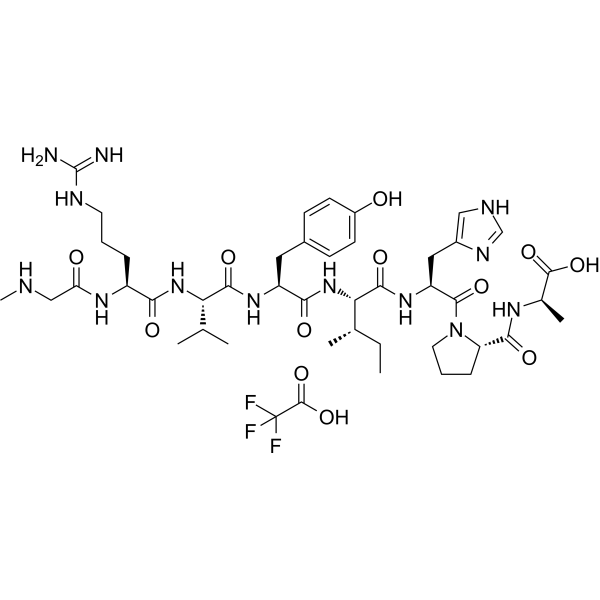
TRV120027 TFA, a β-arrestin-1-biased agonist of the angiotensin II receptor type 1 (AT1R), engages ?-arrestins while blocking G-protein signaling . TRV120027?TFA induces?acute?catecholamine?secretion?through cation channel subfamily C3 (TRPC3) coupling, promotes the formation of a macromolecular complex composed of AT1R–β-arrestin-1–TRPC3–PLCγ at the plasma membrane. TRV120027 TFA inhibits angiotensin II–mediated vasoconstriction and increases cardiomyocyte contractility. TRV120027 TFA has the potential for the?acute decompensated heart failure (ADHF) treatment .
|
-
- HY-B0197AR
-
|
GR-85548A hydrochloride (Standard)
|
Reference Standards
5-HT Receptor
|
Cardiovascular Disease
Neurological Disease
Inflammation/Immunology
|
|
Naratriptan (GR-85548A) hydrochloride (Standard) is the analytical standard of Naratriptan hydrochloride (HY-B0197A). This product is intended for research and analytical applications. Naratriptan is a selective 5-HT1B/1D receptor agonist. Naratriptan is peripherally active and has good oral bioavailability, inducing cranial artery vasoconstriction by activating 5-HT1B/1D receptors (EC50=0.11 μM for dog basilar artery). Naratriptan also inhibits trigeminal nerve-mediated dural neurogenic plasma extravasation and reduces sterile inflammation. Naratriptan is mainly used in the research of acute migraine, targeting cranial vascular and neuroinflammatory mechanisms .
|
-
- HY-B0197AS
-
|
GR-85548A d3
|
5-HT Receptor
|
Cardiovascular Disease
Neurological Disease
Inflammation/Immunology
|
|
Naratriptan-d3 (GR-85548A-d3) is the deuterium labeled Naratriptan hydrochloride (HY-B0197A). Naratriptan hydrochloride is a selective 5-HT1B/1D receptor agonist. Naratriptan hydrochloride is peripherally active and has good oral bioavailability, inducing cranial artery vasoconstriction by activating 5-HT1B/1D receptors (EC50=0.11 μM for dog basilar artery). Naratriptan hydrochloride also inhibits trigeminal nerve-mediated dural neurogenic plasma extravasation and reduces sterile inflammation. Naratriptan hydrochloride is mainly used in the research of acute migraine, targeting cranial vascular and neuroinflammatory mechanisms .
|
-
- HY-B0383A
-
|
PNU180638 free base
|
5-HT Receptor
|
Neurological Disease
|
|
Almotriptan (PNU180638 free base) is an orally active, highly selective agonist of the 5-HT1B/1D receptor (5-HT1B/1D receptor), with EC50 values of 1.6 nM and 3.1 nM, respectively. Almotriptan shows moderate affinity for the 5-HT1F receptor, and weak affinity for the 5-HT1A, 5-HT6 and 5-HT7 receptors. Almotriptan induces intracranial vasoconstriction, inhibits nociceptive neurotransmission in the trigeminocervical complex, and suppresses the release of vasoactive peptides from trigeminal nerve endings. Almotriptan can be used in research related to migraine .
|
-
- HY-B1035A
-
|
l-Bunolol
|
Adrenergic Receptor
Casein Kinase
Calcium Channel
|
Others
|
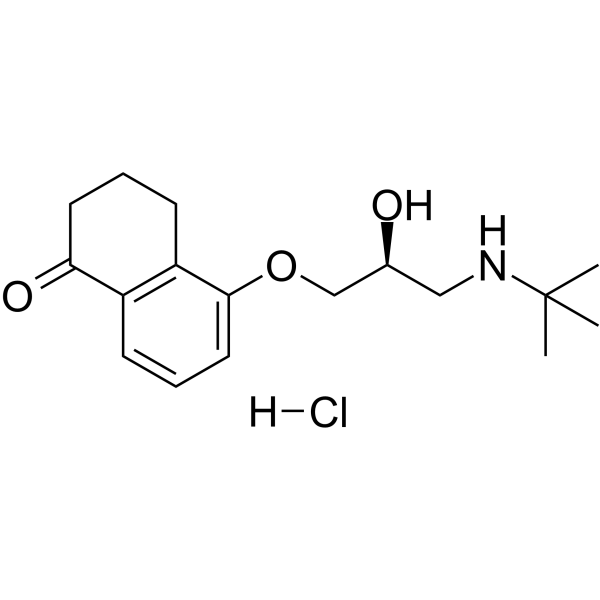
Levobunolol (l-Bunolol) is a non-selective β-adrenergic antagonist and vasodilator. By blocking calcium ion influx and reducing the sensitivity of vascular smooth muscle to calcium, Levobunolol effectively dilates the ciliary arteries and increases ocular blood flow, so it is widely used in research on glaucoma and ocular hypertension. Levobunolol inhibits the β-receptor signaling pathway and the expression of related proliferation markers (such as CK3, CK14, CK19, Ki67) in corneal cells. In rabbit models, Levobunolol not only does not inhibit corneal epithelial regeneration, but also accelerates the healing of mechanical injury without adverse effects. Levobunolol also inhibits histamine-induced vasoconstriction and intracellular calcium elevation, exhibiting unique vascular regulatory activity. Levobunolol protects ocular blood flow and promotes corneal repair .
|
-
- HY-B1035
-
|
l-Bunolol hydrochloride
|
Adrenergic Receptor
Calcium Channel
Casein Kinase
|
Cardiovascular Disease
|
Levobunolol (l-Bunolol) hydrochloride is a non-selective β-adrenergic antagonist and vasodilator. By blocking calcium ion influx and reducing the sensitivity of vascular smooth muscle to calcium, Levobunolol hydrochloride effectively dilates the ciliary arteries and increases ocular blood flow, so it is widely used in research on glaucoma and ocular hypertension. Levobunolol hydrochloride inhibits the β-receptor signaling pathway and the expression of related proliferation markers (such as CK3, CK14, CK19, Ki67) in corneal cells. In rabbit models, Levobunolol hydrochloride not only does not inhibit corneal epithelial regeneration, but also accelerates the healing of mechanical injury without adverse effects. Levobunolol hydrochloride also inhibits histamine-induced vasoconstriction and intracellular calcium elevation, exhibiting unique vascular regulatory activity. Levobunolol hydrochloride protects ocular blood flow and promotes corneal repair .
|
-
- HY-B0383
-
|
PNU180638
|
5-HT Receptor
|
Neurological Disease
|
|
Almotriptan malate (PNU180638) is an orally active, highly selective agonist of the 5-HT1B/1D receptor (5-HT1B/1D receptor), with EC50 values of 1.6 nM and 3.1 nM, respectively. Almotriptan malate shows moderate affinity for the 5-HT1F receptor, and weak affinity for the 5-HT1A, 5-HT6 and 5-HT7 receptors. Almotriptan malate induces intracranial vasoconstriction, inhibits nociceptive neurotransmission in the trigeminocervical complex, and suppresses the release of vasoactive peptides from trigeminal nerve endings. Almotriptan malate can be used in research related to migraine .
|
-
- HY-B0383AS2
-
|
PNU180638 free base-d3 benzoate
|
Isotope-Labeled Compounds
5-HT Receptor
|
Neurological Disease
|
|
Almotriptan-d3 benzoate (PNU180638 free base-d3) is deuterated labeled Almotriptan benzoate. Almotriptan benzoate is an orally active, highly selective agonist of the 5-HT1B/1D receptor (5-HT1B/1D receptor), with EC50 values of 1.6 nM and 3.1 nM, respectively. Almotriptan benzoate shows moderate affinity for the 5-HT1F receptor, and weak affinity for the 5-HT1A, 5-HT6 and 5-HT7 receptors. Almotriptan benzoate induces intracranial vasoconstriction, inhibits nociceptive neurotransmission in the trigeminocervical complex, and suppresses the release of vasoactive peptides from trigeminal nerve endings. Almotriptan benzoate can be used in research related to migraine.
|
-
- HY-B0383AS
-
|
PNU180638 hydrochloride-d6
|
Isotope-Labeled Compounds
5-HT Receptor
|
Neurological Disease
|
|
Almotriptan-d6 (PNU180638-d6) hydrochloride is the deuterium labeled Almotriptan hydrochloride. Almotriptan hydrochloride is an orally active, highly selective agonist of the 5-HT1B/1D receptor (5-HT1B/1D receptor), with EC50 values of 1.6 nM and 3.1 nM, respectively. Almotriptan hydrochloride shows moderate affinity for the 5-HT1F receptor, and weak affinity for the 5-HT1A, 5-HT6 and 5-HT7 receptors. Almotriptan hydrochloride induces intracranial vasoconstriction, inhibits nociceptive neurotransmission in the trigeminocervical complex, and suppresses the release of vasoactive peptides from trigeminal nerve endings. Almotriptan hydrochloride can be used in research related to migraine.
|
-
- HY-143797S
-
|
|
Isotope-Labeled Compounds
5-HT Receptor
|
Neurological Disease
|
|
Almotriptan-d6 (PNU180638-d6) maleate is the deuterium labeled Almotriptan maleate. Almotriptan malate is an orally active, highly selective agonist of the 5-HT1B/1D receptor (5-HT1B/1D receptor), with EC50 values of 1.6 nM and 3.1 nM, respectively. Almotriptan malate shows moderate affinity for the 5-HT1F receptor, and weak affinity for the 5-HT1A, 5-HT6 and 5-HT7 receptors. Almotriptan malate induces intracranial vasoconstriction, inhibits nociceptive neurotransmission in the trigeminocervical complex, and suppresses the release of vasoactive peptides from trigeminal nerve endings. Almotriptan malate can be used in research related to migraine.
|
-
- HY-132184
-
|
5,6-EET; (±)5,6-EpETrE
|
Adrenergic Receptor
Calcium Channel
|
Endocrinology
|
|
5,6-Epoxyeicosatrienoic acid (5,6-EET; (±)5,6-EpETrE) is a fully racemic version of the enantiomeric forms biosynthesized from arachidonic acid by cytochrome P450 enzymes. In solution, 5,6-Epoxyeicosatrienoic acid degrades into 5,6-DiHET and 5,6-δ-lactone, which can be converted to 5,6-DiHET and quantified by GC-MS. In neuroendocrine cells, such as the anterior pituitary and pancreatic islets, 5,6-Epoxyeicosatrienoic acid has been implicated in the mobilization of calcium and hormone secretion. 5,6-Epoxyeicosatrienoic acid is an inhibitor of T-type voltage-gated calcium channels (Cav3) that inhibits isoforms Cav3.1, Cav3.2 (IC50=0.54 μM), and Cav3. and decreases nifedipine-resistant phenylephrine-induced vasoconstriction in isolated mouse mesenteric arteries via Cav3.2 blockade when used at a concentration of 3 μM. In addition, it is a substrate of COX-1 and COX-2.
|
-
| Cat. No. |
Product Name |
Target |
Research Area |
-
- HY-P2141
-
|
TRV027
|
Angiotensin Receptor
Arrestin
|
Cardiovascular Disease
|
|
TRV120027, a β-arrestin-1-biased agonist of the angiotensin II receptor type 1 (AT1R), engages β-arrestins while blocking G-protein signaling . TRV120027 induces acute catecholamine secretion through cation channel subfamily C3 (TRPC3) coupling, promotes the formation of a macromolecular complex composed of AT1R-β-arrestin-1-TRPC3-PLCγ at the plasma membrane. TRV120027 inhibits angiotensin II-mediated vasoconstriction and increases cardiomyocyte contractility. TRV120027 has the potential for the acute decompensated heart failure (ADHF) treatment .
|
-
- HY-12554A
-
|
|
Vasopressin Receptor
|
Cardiovascular Disease
Inflammation/Immunology
Endocrinology
|
|
Terlipressin diacetate is a vasopressin analogue with potent vasoactive properties. Terlipressin diacetate is a highly selective vasopressin V1 receptor agonist that reduces the splanchnic blood flow and portal pressure and controls acute variceal bleeding. Terlipressin diacetate exerts anti-inflammatory and anti-oxidative effects. Terlipressin diacetate has the potential for hepatorenal syndrome and norepinephrine-resistant septic shock research .
|
-
- HY-102029
-
|
SRTX-c
|
Endothelin Receptor
|
Cardiovascular Disease
|
|
Sarafotoxin S6c (SRTX-c) is a potent endothelin-B receptor agonist. Sarafotoxin S6c can cause vasoconstriction in both endothelium-intact and endothelium-denuded vessels .
|
-
- HY-P1016B
-
|
|
Endothelin Receptor
|
Cardiovascular Disease
|
|
BQ-3020 ammonium is a selective endothelin receptor (ETB receptor) agonist. BQ-3020 ammonium inhibits [ 125I] ET-1 binding to ETB receptors, with an IC50 value of 0.2 nM. BQ-3020 ammonium elicits vasoconstriction in the rabbit pulmonary artery. BQ-3020 ammonium makes relaxation of the pig urinary bladder neck and can be used for cardiovascular disease research . .
|
-
- HY-P2141A
-
|
|
Angiotensin Receptor
Arrestin
|
Cardiovascular Disease
|
|
TRV120027 TFA, a β-arrestin-1-biased agonist of the angiotensin II receptor type 1 (AT1R), engages ?-arrestins while blocking G-protein signaling . TRV120027?TFA induces?acute?catecholamine?secretion?through cation channel subfamily C3 (TRPC3) coupling, promotes the formation of a macromolecular complex composed of AT1R–β-arrestin-1–TRPC3–PLCγ at the plasma membrane. TRV120027 TFA inhibits angiotensin II–mediated vasoconstriction and increases cardiomyocyte contractility. TRV120027 TFA has the potential for the?acute decompensated heart failure (ADHF) treatment .
|
-
- HY-P3765
-
|
|
Peptides
|
Cardiovascular Disease
|
|
Auriculin A is a synthetic atrial natriuretic factor (ANF) with hemodynamic effect. Auriculin A antagonizes renal vasoconstriction in the dog, and influences on arterial baroreflex control of heart rate, systemic blood pressure, and perfusion pressure in the hind limb (perfused at constant flow) in rabbits .
|
-
- HY-P1016
-
|
|
Endothelin Receptor
|
Cardiovascular Disease
|
|
BQ-3020 is a selective endothelin receptor (ETB receptor) agonist that displaces [ 125I] ET-1 binding to ETB receptors, with an IC50 value of 0.2 nM. BQ-3020 elicits vasoconstriction in the rabbit pulmonary artery. BQ-3020 makes relaxation of the pig urinary bladder neck and can be used for cardiovascular disease research 1 2.
|
-
- HY-P1019
-
|
|
Endothelin Receptor
|
Cardiovascular Disease
Endocrinology
|
|
[Ala1,3,11,15]-Endothelin (53-63) is an ETB agonist. [Ala1,3,11,15]-Endothelin (53-63) has selectivity for ET B with IC50 values range from 0.33 nM to 0.61 nM. [Ala1,3,11,15]-Endothelin (53-63) can be used for the research of vasoconstriction
|
-
- HY-12554B
-
|
|
Vasopressin Receptor
|
Cardiovascular Disease
Inflammation/Immunology
Endocrinology
|
|
Terlipressin acetate is a vasopressin analogue with potent vasoactive properties. Terlipressin acetate is a highly selective vasopressin V1 receptor agonist that reduces the splanchnic blood flow and portal pressure and controls acute variceal bleeding. Terlipressin acetate exerts anti-inflammatory and anti-oxidative effects. Terlipressin acetate has the potential for hepatorenal syndrome and norepinephrine-resistant septic shock research .
|
-
- HY-P10291
-
-
- HY-P1019A
-
|
|
Endothelin Receptor
|
Cardiovascular Disease
Endocrinology
|
|
[Ala1,3,11,15]-Endothelin (53-63) (TFA) is an ETB agonist. [Ala1,3,11,15]-Endothelin (53-63) (TFA) has selectivity for ET B with IC50 values range from 0.33 nM to 0.61 nM. [Ala1,3,11,15]-Endothelin (53-63) (TFA) can be used for the research of vasoconstriction .
|
-
- HY-P11259
-
|
|
Urotensin Receptor
|
Cardiovascular Disease
Metabolic Disease
Inflammation/Immunology
Cancer
|
UPG-111 is a peptide compound that acts as a negative allosteric modulator of the Urotensin II receptor (UTR). UPG-111 exhibits a dual inhibitory effect on the vasoconstriction induced by UTR agonists - it reduces both the maximum response intensity and the sensitivity of the agonist. UPG-111 does not induce calcium release or cause contraction of the endothelium-deprived rat aortic rings. UPG-111 can be used for the study of various diseases related to the angiotensinergic system .
|
-
- HY-P3565
-
|
STX-b
|
Calcium Channel
|
Cardiovascular Disease
|
|
Sarafotoxin S6d (STX-b) is a polypeptide toxin isolated from the venom of the Israeli sand boa constrictor. Sarafotoxin S6d induces multiple electrocardiogram (ECG) changes including myocardial ischemia and hyperkalemia. Sarafotoxin S6d induces strong extracellular calcium-dependent vasoconstriction in rat aorta and exhibits positive inotropic effects in rat atria. Sarafotoxin S6d can be used in the study of cardiovascular diseases .
|
-
- HY-12554AR
-
|
|
Vasopressin Receptor
Reference Standards
|
Cardiovascular Disease
Inflammation/Immunology
Endocrinology
|
|
Terlipressin (diacetate) (Standard) is the analytical standard of Terlipressin (diacetate). This product is intended for research and analytical applications. Terlipressin diacetate is a vasopressin analogue with potent vasoactive properties. Terlipressin diacetate is a highly selective vasopressin V1 receptor agonist that reduces the splanchnic blood flow and portal pressure and controls acute variceal bleeding. Terlipressin diacetate exerts anti-inflammatory and anti-oxidative effects. Terlipressin diacetate has the potential for hepatorenal syndrome and norepinephrine-resistant septic shock research .
|
| Cat. No. |
Product Name |
Category |
Target |
Chemical Structure |
| Cat. No. |
Product Name |
Chemical Structure |
-
- HY-17034BS1
-
|
|
|
Medetomidine-13C,d3 (hydrochloride) is a deuterated labeled Medetomidine (hydrochloride) . Medetomidine hydrochloride is an orally active α2-adrenoceptor agonist (Ki: 1.08 nM). Medetomidine hydrochloride has sedative and analgesic effects. Medetomidine hydrochloride can cause peripheral vasoconstriction through the activation of α2 adrenoceptors on blood vessels .
|
-
-
- HY-B0556AS
-
|
|
|
Tetrahydrozoline-d4 (hydrochloride) is the deuterium labeled Tetrahydrozoline hydrochloride. Tetrahydrozoline hydrochloride (Tetryzoline hydrochloride), a derivative of imidazoline, is an α-adrenergic agonist that causes vasoconstriction. Tetrahydrozoline hydrochloride is widely used for the research of nasal congestion and conjunctival congestion .
|
-
-
- HY-B0197AS
-
|
|
|
Naratriptan-d3 (GR-85548A-d3) is the deuterium labeled Naratriptan hydrochloride (HY-B0197A). Naratriptan hydrochloride is a selective 5-HT1B/1D receptor agonist. Naratriptan hydrochloride is peripherally active and has good oral bioavailability, inducing cranial artery vasoconstriction by activating 5-HT1B/1D receptors (EC50=0.11 μM for dog basilar artery). Naratriptan hydrochloride also inhibits trigeminal nerve-mediated dural neurogenic plasma extravasation and reduces sterile inflammation. Naratriptan hydrochloride is mainly used in the research of acute migraine, targeting cranial vascular and neuroinflammatory mechanisms .
|
-
-
- HY-132184S
-
|
|
|
5,6-Epoxyeicosatrienoic acid-d11 (5,6-EET-d11) is deuterium labeled 5,6-Epoxyeicosatrienoic acid. 5,6-Epoxyeicosatrienoic acid is one of the four major epoxyeicosatrienoic acid (EET) isomers metabolized from Arachidonic acid (HY-109590). 5,6-Epoxyeicosatrienoic acid induces peripheral vasodilation and lowers blood pressure by inhibiting T-type calcium channels (Cav3.2: IC50 = 0.54 μM). 5,6-Epoxyeicosatrienoic acid causes vasoconstriction in hypoxic pulmonary blood vessels via activating Rho kinase in a membrane depolarization-dependent manner. 5,6-Epoxyeicosatrienoic acid induces mechanical pain by activating TRPA1. 5,6-Epoxyeicosatrienoic acid can be used in studies related to hypoxic pulmonary vasoconstriction, mechanical hyperalgesia and hypertension.
|
-
-
- HY-W717221
-
|
|
|
Medetomidine-d5 (d5-Major) is the deuterium labeled Medetomidine (HY-17034). Medetomidine is an orally active α2-adrenoceptor agonist (Ki: 1.08 nM). Medetomidine has sedative and analgesic effects. Medetomidine can cause peripheral vasoconstriction through the activation of α2 adrenoceptors on blood vessels .
|
-
-
- HY-B0130S1
-
|
|
|
Perindopril-d5 (S-9490-d5) is deuterium labeled Perindopril. Perindopril (S-9490) is an orally available, long-acting angiotensin-converting enzyme (ACE) inhibitor. Perindopril inhibits inflammatory cell influx and intimal thickening, preserving elastin on the inside of the aorta. Perindopril effectively inhibits experimental abdominal aortic aneurysm (AAA) formation in a rat model and reduces pulmonary vasoconstriction in rats with pulmonary hypertension .
|
-
-
- HY-130304S
-
|
|
|
8-Isoprostaglandin E2-d4 (iPE2-III-d4) is deuterium labeled 8-Isoprostaglandin E2. 8-Isoprostaglandin E2 (iPE2-III) is a member of the isoprostane class of prostanoids. 8-Isoprostaglandin E2 acts at the receptor for thromboxane A2 (the TP) in vivo to induce vasoconstriction and platelet aggregation. 8-Isoprostaglandin E2 enhances receptor-activated NFkappa B ligand (RANKL)-dependent osteoclastic potential of marrow hematopoietic precursors via the cAMP pathway .
|
-
-
- HY-B0197S
-
|
|
|
Naratriptan-d3 (GR-85548A-d3) is the deuterium labeled Naratriptan (HY-B0197). Naratriptan is a selective 5-HT1B/1D receptor agonist. Naratriptan is peripherally active and has good oral bioavailability, inducing cranial artery vasoconstriction by activating 5-HT1B/1D receptors (EC50=0.11 μM for dog basilar artery). Naratriptan also inhibits trigeminal nerve-mediated dural neurogenic plasma extravasation and reduces sterile inflammation. Naratriptan is mainly used in the research of acute migraine, targeting cranial vascular and neuroinflammatory mechanisms .
|
-
-
- HY-B0383AS
-
|
|
|
Almotriptan-d6 (PNU180638-d6) hydrochloride is the deuterium labeled Almotriptan hydrochloride. Almotriptan hydrochloride is an orally active, highly selective agonist of the 5-HT1B/1D receptor (5-HT1B/1D receptor), with EC50 values of 1.6 nM and 3.1 nM, respectively. Almotriptan hydrochloride shows moderate affinity for the 5-HT1F receptor, and weak affinity for the 5-HT1A, 5-HT6 and 5-HT7 receptors. Almotriptan hydrochloride induces intracranial vasoconstriction, inhibits nociceptive neurotransmission in the trigeminocervical complex, and suppresses the release of vasoactive peptides from trigeminal nerve endings. Almotriptan hydrochloride can be used in research related to migraine.
|
-
-
- HY-B0383AS2
-
|
|
|
Almotriptan-d3 benzoate (PNU180638 free base-d3) is deuterated labeled Almotriptan benzoate. Almotriptan benzoate is an orally active, highly selective agonist of the 5-HT1B/1D receptor (5-HT1B/1D receptor), with EC50 values of 1.6 nM and 3.1 nM, respectively. Almotriptan benzoate shows moderate affinity for the 5-HT1F receptor, and weak affinity for the 5-HT1A, 5-HT6 and 5-HT7 receptors. Almotriptan benzoate induces intracranial vasoconstriction, inhibits nociceptive neurotransmission in the trigeminocervical complex, and suppresses the release of vasoactive peptides from trigeminal nerve endings. Almotriptan benzoate can be used in research related to migraine.
|
-
-
- HY-143797S
-
|
|
|
Almotriptan-d6 (PNU180638-d6) maleate is the deuterium labeled Almotriptan maleate. Almotriptan malate is an orally active, highly selective agonist of the 5-HT1B/1D receptor (5-HT1B/1D receptor), with EC50 values of 1.6 nM and 3.1 nM, respectively. Almotriptan malate shows moderate affinity for the 5-HT1F receptor, and weak affinity for the 5-HT1A, 5-HT6 and 5-HT7 receptors. Almotriptan malate induces intracranial vasoconstriction, inhibits nociceptive neurotransmission in the trigeminocervical complex, and suppresses the release of vasoactive peptides from trigeminal nerve endings. Almotriptan malate can be used in research related to migraine.
|
-
Your information is safe with us. * Required Fields.
Inquiry Information
- Product Name:
- Cat. No.:
- Quantity:
- MCE Japan Authorized Agent:

