1. Search Result
Search Result
Results for "

Vesicular

" in MedChemExpress (MCE) Product Catalog:

65

Inhibitors & Agonists

1

Screening Libraries

2

Fluorescent Dyes

1

Biochemical Assay Reagents

2

Peptides

1

Inhibitory Antibodies

9

Natural
Products

2

Recombinant Proteins

2

Isotope-Labeled Compounds

5

Antibodies

Targets Recommended:
Cat. No. Product Name Target Research Areas Chemical Structure
  • HY-N0480
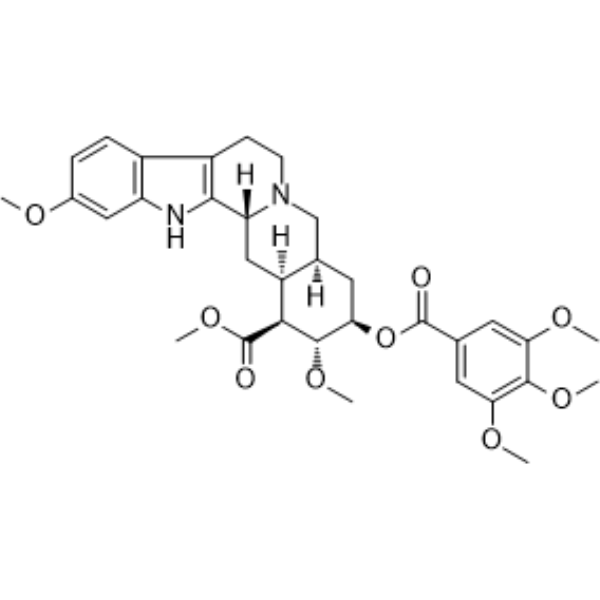
    Reserpine
    Maximum Cited Publications
    6 Publications Verification

    Environmental Pollutants Autophagy Monoamine Transporter Neurological Disease Cancer
    Reserpine is an inhibitor of the vesicular monoamine transporter 2 (VMAT2).
    Reserpine
  • HY-16771
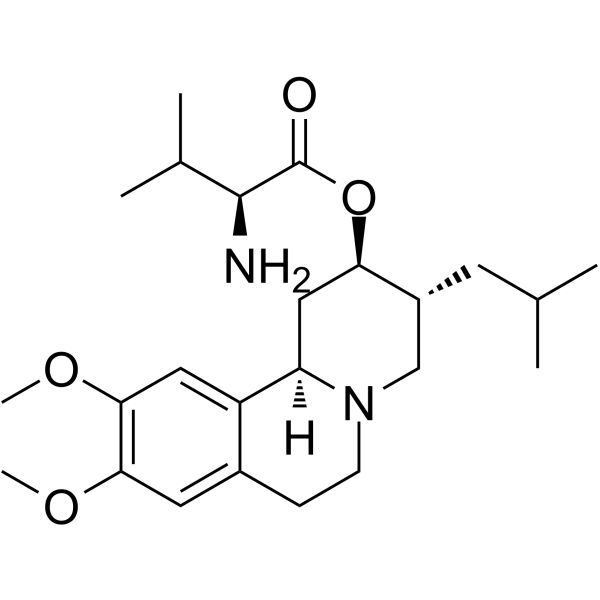
    Valbenazine
    4 Publications Verification

    NBI-98854

    Monoamine Transporter Neurological Disease
    Valbenazine (NBI-98854) is a vesicular monoamine transporter 2 (VMAT2) inhibitor with the Ki of 110-190 nM .
    Valbenazine
  • HY-15273
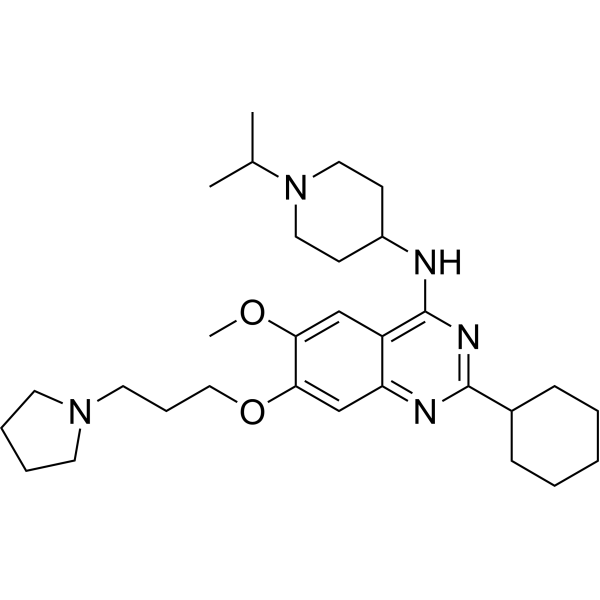
    UNC0638
    Maximum Cited Publications
    11 Publications Verification

    VSV Histone Methyltransferase Autophagy Influenza Virus Infection Cancer
    UNC0638, a chemical probe, selectively inhibits G9a and GLP histone methyltransferases with IC50 of 15 nM and 19 nM, respectively. UNC0638 inhibits TNBC cell invasion and migration in vitro. UNC0638 is also an inhibitor of EHMT1/2 and induces fetal hemoglobin (HbF) expression in human erythroid progenitor cell culture. In addition, UNC0638 has anti-FMDV (foot-and-mouth disease virus) and anti-VSV (vesicular stomatitis virus) activities, with excellent potency and selectivity against multiple epigenetic and non-epigenetic targets .
    UNC0638
  • HY-D1612

    Fluorescent Dye Others
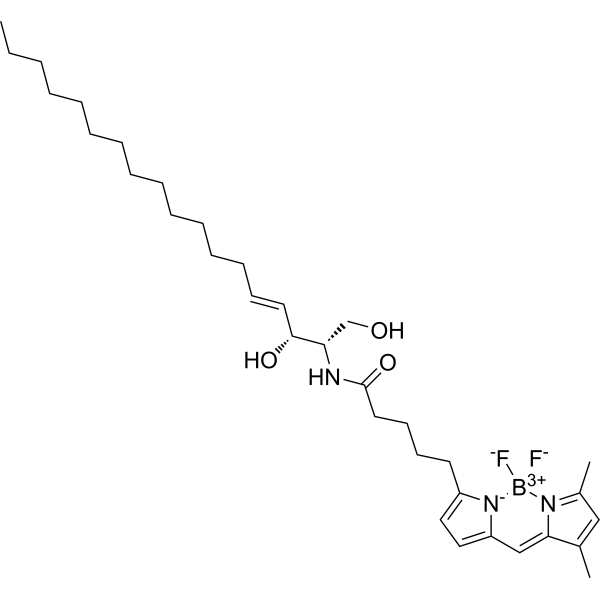
    The Golgi apparatus is composed of flattened vesicles superimposed on each other by unit membranes. The flattened vesicles are round with expanded and perforated edges. The Golgi fluorescent probe is a BODIPY-labeled ceramide derivative, the synthesis of which occurs in the endoplasmic reticulum and can then be transported to the Golgi via ceramide transport protein (CERT) or vesicular translocation, allowing specific labeling of the dye . BODIPY Fl C5-Ceramide is a Golgi-specific green fluorescent dye, which can visualise individual cells . Ex/Em= 505 nm/512 nm.
    BODIPY FL C5-Ceramide
  • HY-107794
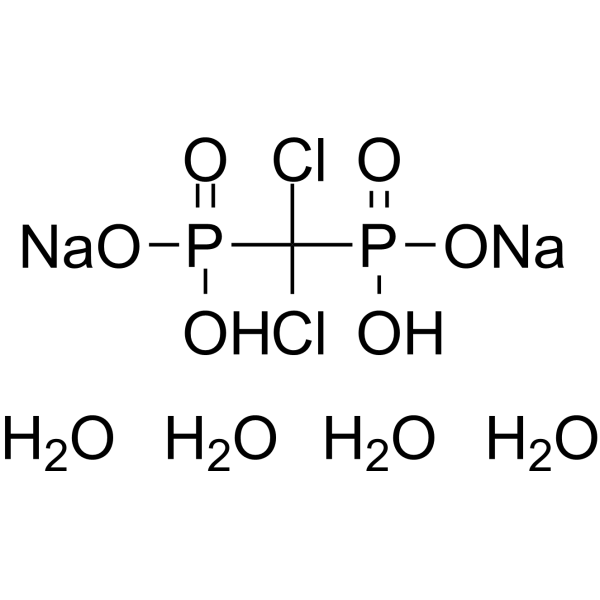
    Clodronate disodium tetrahydrate
    4 Publications Verification

    Disodium clodronate tetrahydrate

    Apoptosis Neurological Disease Inflammation/Immunology Cancer
    Clodronate disodium tetrahydrate (Disodium clodronate tetrahydrate) is first-generation bisphosphonate, with anti-osteoporotic, anti-inflammatory and analgesic effects. Clodronate disodium tetrahydrate is a selective, potent, reversible and Cl - competitive vesicular nucleotide transporter (VNUT) inhibitor, with an IC50 of 15.6 nM. Clodronate disodium tetrahydrate inhibits vesicular ATP release from neurons and reduces chronic neuropathic and inflammatory pain .
    Clodronate disodium tetrahydrate
  • HY-N2011
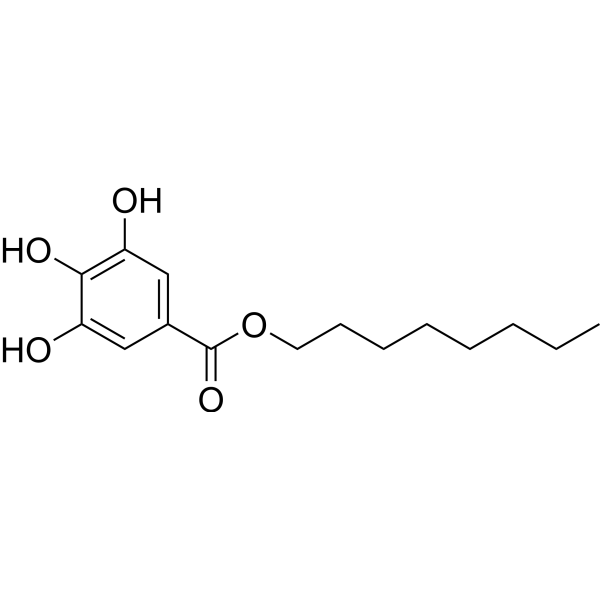
    Octyl gallate
    3 Publications Verification

    n-Octyl gallate; Stabilizer GA 8

    VSV Bacterial HSV Influenza Virus Reactive Oxygen Species (ROS) Infection
    Octyl gallate (Progallin O) is widely used as a food additive, with antimicrobial and antioxidant activity . Octyl gallate (Progallin O) shows selective and sensitive fluorescent property . Octyl gallate shows a marked antiviral effect against HSV-1, vesicular stomatitis virus (VSV) and poliovirus .
    Octyl gallate
  • HY-15793
    NBI-98782
    1 Publications Verification

    (+)-DTBZ; (+)-α-Dihydrotetrabenazine; (+)-α-DHTBZ

    Monoamine Transporter Neurological Disease
    NBI-98782 is a high affinity and selectivity vesicular monoamine transporter 2 (VMAT2) inhibitor with a Ki of 3 nM. NBI-98782 has antipsychotic activity .
    NBI-98782
  • HY-169798

    Fluorescent Dye VSV Infection
    1,9-Dimethylmethylene blue is a photosensitizer, virus inactivator and hemoglobin oxidant derived from methylene blue. When activated, 1,9-Dimethylmethylene blue generates reactive oxygen species including singlet oxygen, and acts as a metachromatic dye. When activated in monomeric or dimeric form, 1,9-Dimethylmethylene blue induces photoinactivation of R17 phage and vesicular stomatitis virus and oxidizes hemoglobin via non-singlet oxygen reactive oxygen species or singlet oxygen-mediated pathways, respectively. The monomeric form, with higher nucleic acid affinity, achieves virus inactivation under specific conditions without forming methemoglobin. 1,9-Dimethylmethylene blue binds to substances such as glycosaminoglycans to produce color changes. Although it is susceptible to interference from non-glycosaminoglycan components in urine, it is still applicable to spectrophotometric analysis for glycosaminoglycan quantification. With these unique photochemical and binding properties, 1,9-Dimethylmethylene blue is widely used in studies of viral infections and related biochemical analyses .
    1,9-Dimethylmethylene blue
  • HY-109009
    Padsevonil
    2 Publications Verification

    UCB-0942

    GABA Receptor Neurological Disease
    Padsevonil (UCB0942) is a potent antiepileptic agent that selectively acts on presynaptic and postsynaptic targets. Padsevonil binds to synaptic vesicular protein 2 (SV2) with high affinity. Padsevonil is also a positive allosteric modulator and partial agonist of GABAAR, with high potency against α1 and α5 receptors. Padsevonil has antiepileptic effects in a variety of rodent models .
    Padsevonil
  • HY-139533

    Biochemical Assay Reagents Others
    Phosphatidylinositols, soya, sodium salts is a mixture of phosphatidylinositols. Phosphoinositides are lipids involved in the vesicular transport of proteins and lipids between the different compartments of eukaryotic cells. They act by recruiting and/or activating effector proteins and thus are involved in regulating various cellular functions, such as vesicular budding, membrane fusion and cytoskeleton dynamics .
    Phosphatidylinositols, soya, sodium salts
  • HY-B1813A
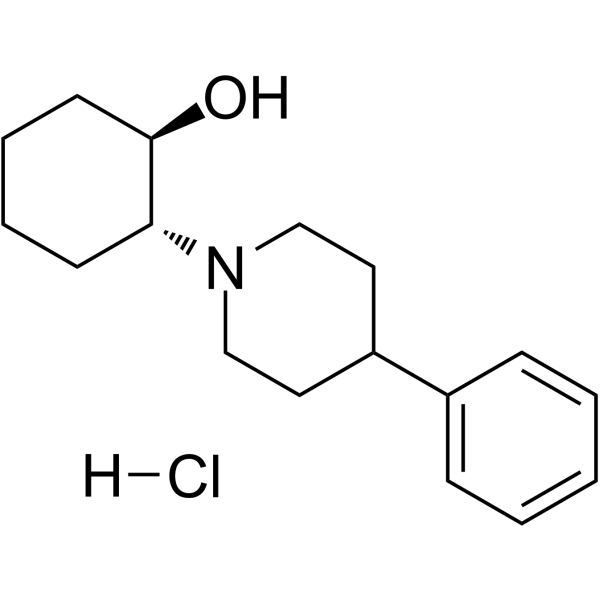
    (±)-Vesamicol hydrochloride
    1 Publications Verification

    (±)-AH5183 hydrochloride

    Sigma Receptor Neurological Disease
    (±)-Vesamicol hydrochloride ((±)-AH5183 hydrochloride) is a potent vesicular acetylcholine transport inhibitor with a Ki of 2 nM. (±)-Vesamicol hydrochloride also displays high affinity for σ1 and σ2 receptors with Kis of 26 nM and 34 nM, respectively .
    (±)-Vesamicol hydrochloride
  • HY-P990680

    Transmembrane Glycoprotein TNF Receptor Infection Inflammation/Immunology Cancer
    Anti-Mouse CD40 Antibody (FGK4.5/FGK45) is an agonistic rat-derived IgG2a monoclonal antibody targeting mouse CD40. Anti-Mouse CD40 Antibody (FGK4.5/FGK45) enhances T cells responses, dendritic cells maturation and NK cells activation. Anti-Mouse CD40 Antibody (FGK4.5/FGK45) can be used for the researches of cancer, infection, inflammation and immunology, such as CT26 tumor, vesicular stomatitis virus (VSV) infection and transplantation .
    Anti-Mouse CD40 Antibody (FGK4.5/FGK45)
  • HY-N0480A
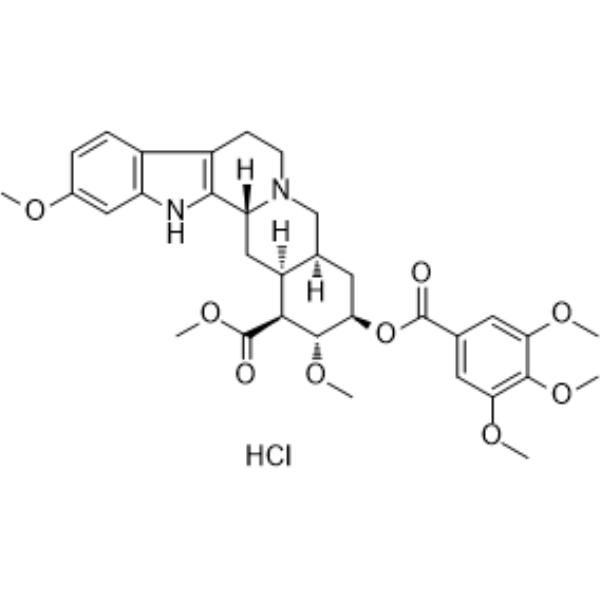
    Reserpine hydrochloride
    Maximum Cited Publications
    6 Publications Verification

    Monoamine Transporter Neurological Disease Cancer
    Reserpine hydrochloride is an inhibitor of the vesicular monoamine transporter 2 (VMAT2).
    Reserpine hydrochloride
  • HY-D0194
    5(6)-Carboxy-2',7'-dichlorofluorescein
    1 Publications Verification

    P-glycoprotein Fluorescent Dye Others
    5(6)-Carboxy-2',7'-dichlorofluorescein is an ideal substrate for MRP2 vesicular transport assay, with excellent detection and transport properties .
    5(6)-Carboxy-2',7'-dichlorofluorescein
  • HY-149170

    5-HT Receptor Monoamine Transporter Neurological Disease
    FFN246 is a fluorescent, dual substrate of serotonin transporter (SERT) probe and vesicular monoamine transporter 2 (VMAT2) with excitation and emission spectra 392/427 nm. FFN246 can be used for labeling serotonergic neurons in mouse brain tissue through SERT-dependent accumulation .
    FFN246
  • HY-D1735

    Golgi-Red Tracke

    Fluorescent Dye Others
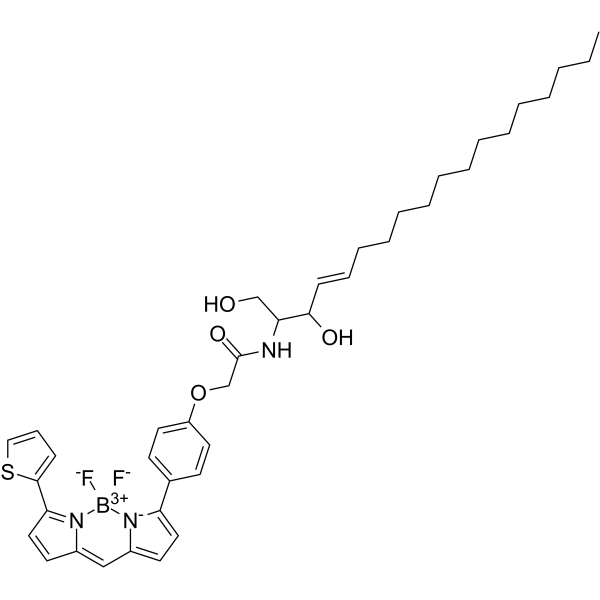
    The Golgi apparatus is composed of flattened vesicles superimposed on each other by unit membranes. The flattened vesicles are round with expanded and perforated edges. The Golgi fluorescent probe is a BODIPY-labeled ceramide derivative, the synthesis of which occurs in the endoplasmic reticulum and can then be transported to the Golgi via ceramide transport protein (CERT) or vesicular translocation, allowing specific labeling of the dye. BODIPY TR Ceramide (Golgi-Red Tracke) is a Golgi-specific fluorescent dye, which can visualise individual cells . Ex/Em=589 nm/616 nm.
    BODIPY TR Ceramide
  • HY-173679

    PROTACs PARP Interleukin Related STAT Integrin HSV VSV Infection Cancer
    RBN012811 is a highly selective PROTAC-based PARP14 degrader. RBN012811 forms a ternary complex with cereblon by binding to the NAD + site of PARP14, and mediates the specific degradation of PARP14 via the ubiquitin-proteasome pathway (IC50=10 nM). RBN012811 effectively depletes endogenous PARP14 in various cell lines and primary human macrophages, thereby downregulating IL-10 production and IFN-β mRNA levels, increasing phosphorylated STAT1 levels to enhance inflammatory signaling, and inhibiting interferon-induced ADPr condensate formation. RBN012811 also modulates viral replication, exhibiting increased HSV1 replication while reducing VSV replication. RBN012811 has important application value in research related to cancer and viral infections .
    RBN012811
  • HY-113995
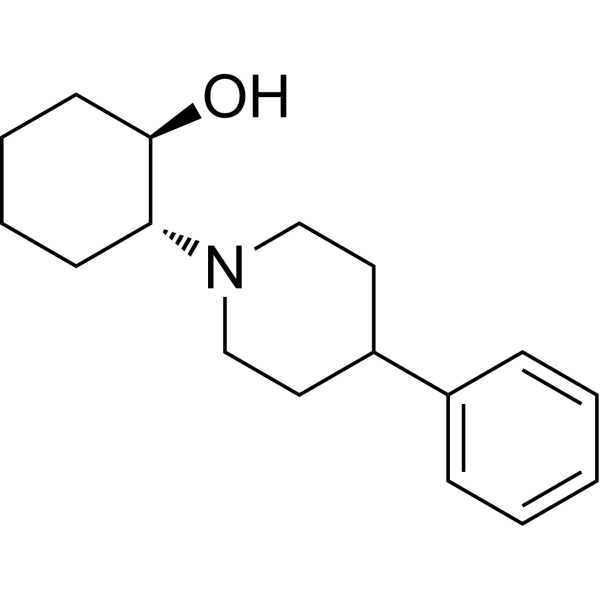
    (-)-Vesamicol
    1 Publications Verification

    (-)-AH5183

    mAChR Neurological Disease
    (-)-Vesamicol (AH5183) is a vesicular acetylcholine transporter inhibitor. (-)-Vesamicol reversibly and non-competitively inhibits the transport of acetylcholine into circulating synaptic vesicles and blocks the activity of vesicular acetylcholine transporters in medial amygdala neurons. (-)-Vesamicol is applicable to research related to central precocious puberty .
    (-)-Vesamicol
  • HY-21045

    L-5-Fluorotryptophan

    EAAT Neurological Disease
    5-Fluoro-L-tryptophan is a competitive vesicular glutamate transporter (VGLUT) inhibitor. 5-Fluoro-L-tryptophan is promising for research of diseases associated with the neurotransmitter systems .
    5-Fluoro-L-tryptophan
  • HY-P0328
    VSV-G tag Peptide
    1 Publications Verification

    VSV Infection
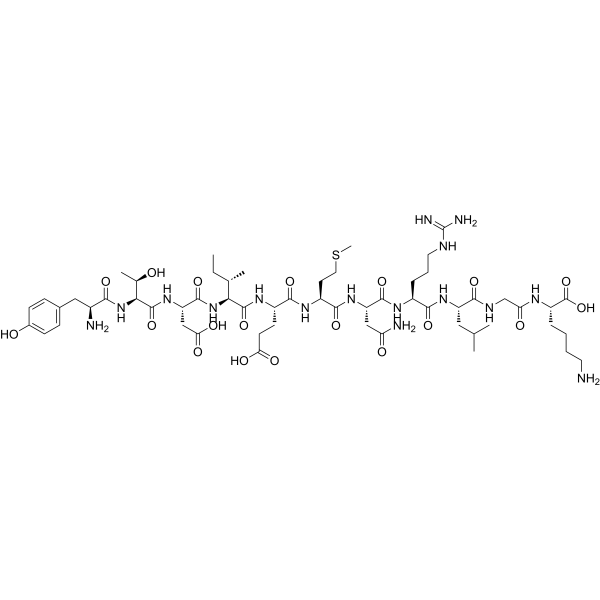
    VSV-G tag Peptide is a 11 amino acid peptide derived from the Vesicular Stomatitis viral glycoprotein. VSV-G tag Peptide can integrate into the cell membranes of animal cells, induce cell fusion, and significantly enhance the efficiency of DNA transfection into animal cells. VSV-G tag Peptide can be used for research on drug delivery .
    VSV-G tag Peptide
  • HY-W677684

    Nuclear Hormone Receptor 4A/NR4A Others
    Nurr1 agonist 2 (Compound 7) is a Nurr1 agonist (EC50: 0.07 μM). Nurr1 agonist 2 binds to the recombinant Nurr1 ligand binding domain (LBD) with a Kd value of 0.14 μM. Nurr1 agonist 2 increases the Nurr1-regulated genes tyrosine hydroxylase (TH) and vesicular amino acid transporter 2 (VMAT2) mRNA expression .
    Nurr1 agonist 2
  • HY-16771A
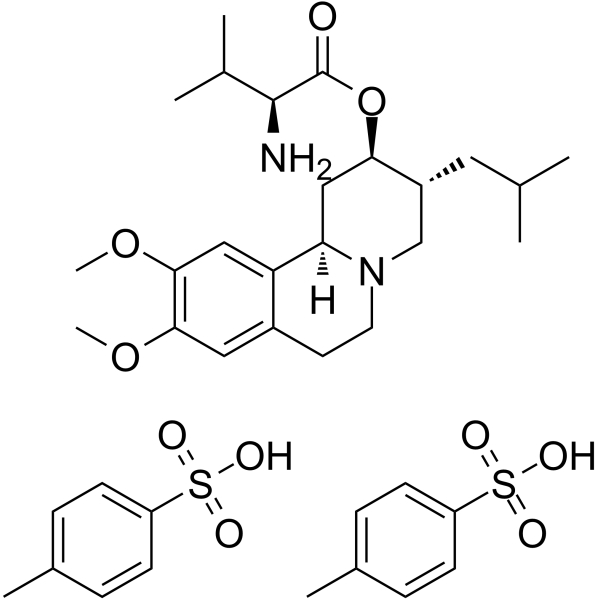
    Valbenazine tosylate
    4 Publications Verification

    NBI-98854 tosylate

    Monoamine Transporter Neurological Disease
    Valbenazine tosylate (NBI-98854 tosylate) is a vesicular monoamine transporter 2 (VMAT2) inhibitor with the Ki of 110-190 nM .
    Valbenazine tosylate
  • HY-110334

    Fluorescent Dye Others
    FFN 206 dihydrochloride, a fluorescent probe, is used as an excellent Vesicular Monoamine Transporter 2 (VMAT2) substrate with an apparent Km of 1.16 μM. FFN 206 dihydrochloride is capable of detecting VMAT2 activity in intact cells using fluorescence microscopy, with subcellular localization to VMAT2-expressing acidic compartments without apparent labeling of other organelles .
    FFN 206 dihydrochloride
  • HY-N0480S

    Isotope-Labeled Compounds Monoamine Transporter Autophagy Neurological Disease Cancer
    Reserpine-d9 is the deuterium labeled Reserpine. Reserpine is an inhibitor of the vesicular monoamine transporter 2 (VMAT2).
    Reserpine-d9
  • HY-N0480R

    Reference Standards Monoamine Transporter Autophagy Neurological Disease Cancer
    Reserpine (Standard) is the analytical standard of Reserpine. This product is intended for research and analytical applications. Reserpine is an inhibitor of the vesicular monoamine transporter 2 (VMAT2).
    Reserpine (Standard)
  • HY-B0590B

    (+)-TBZ; (3R,11bR)-TBZ; (3R,11bR)-Tetrabenazine

    Monoamine Transporter Cancer
    (+)-Tetrabenazine ((+)-TBZ; (3R,11bR)-TBZ; (3R,11bR)-Tetrabenazine) is a reversible inhibitor of vesicular monoamine transporter 2 (VMAT-2), inhibits transport by VMAT2 with 10-fold greater potency than transport by VMAT1.
    (+)-Tetrabenazine
  • HY-103465

    Monoamine Transporter Others
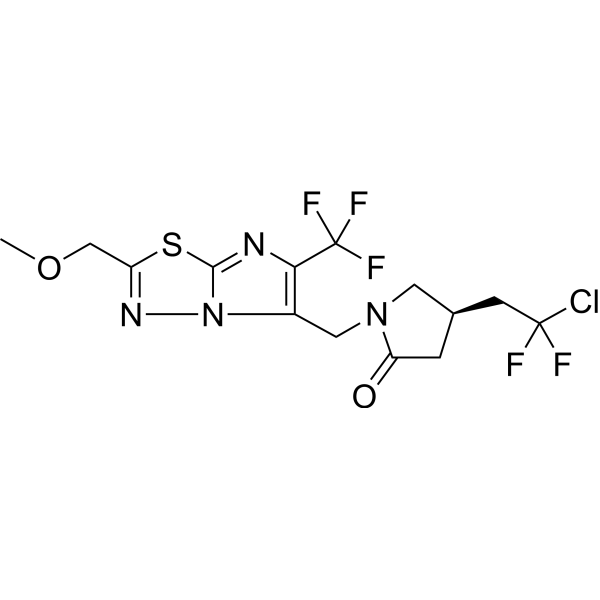
    FFN511 is a potent fluorescent false neurotransmitters (FFNs) that targets neuronal vesicular monoamine transporter 2 (VMA T2). FFN511 inhibits serotonin binding to VMA T2-containing membranes with an IC50 of 1 µM. FFN511 directly images the dynamics of release during exocytosis, can be used to label dopamine terminals in live cortical-striatalacute slices .
    FFN511
  • HY-N2011R

    n-Octyl gallate (Standard); Stabilizer GA 8 (Standard)

    VSV Reference Standards Bacterial HSV Influenza Virus Reactive Oxygen Species (ROS) Infection
    Octyl gallate (Standard) is the analytical standard of Octyl gallate. This product is intended for research and analytical applications. Octyl gallate (Progallin O) is widely used as a food additive, with antimicrobial and antioxidant activity . Octyl gallate (Progallin O) shows selective and sensitive fluorescent property . Octyl gallate shows a marked antiviral effect against HSV-1, vesicular stomatitis virus (VSV) and poliovirus .
    Octyl gallate (Standard)
  • HY-134090

    Antibiotic TS 885; NSC 248958

    Bacterial VSV Infection
    9-Methylstreptimidone is a microbial metabolite originally isolated from Streptomyces sp. S-885 that has antifungal and antiviral activities. It is active against several fungi, including S. sake, S. fragilis, R. rubra, T. rubra, and C. albidus (MICs=4-20 μg/mL) and has antiviral activity against poliovirus, vesicular stomatitis virus (VSV), and Newcastle disease virus (NDV) in vitro (MIC=0.02 μg/mL for all). 9-Methylstreptimidone increases survival in mouse models of infection with influenza A2 (H2N2) or C. albicans when administered prior to infection.
    9-Methylstreptimidone
  • HY-161844

    SARS-CoV Dengue Virus Infection
    Virapinib is a macropinocytosis inhibitor with antiviral activity. Virapinib exhibits broad-spectrum antiviral activity against SARS-CoV-2, monkeypox virus, tick-borne encephalitis virus, and Ebola pseudotyped vesicular stomatitis virus, and it enhances Dengue Virus infection. Virapinib blocks viral entry by inhibiting macropinocytosis, reduces syncytium formation in SARS-CoV-2-infected cells, and impairs cellular entry of SARS-CoV-2 variants. Virapinib upregulates the expression of genes related to sterol biosynthesis. Virapinib can be used in studies related to COVID-19, monkeypox, tick-borne encephalitis, and Ebola virus infection .
    Virapinib
  • HY-G0025

    (-)-β-Dihydrotetrabenazine; (-)-β-HTBZ

    Monoamine Transporter Drug Metabolite Neurological Disease
    Tetrabenazine Metabolite is an active metabolite of Tetrabenazine. Tetrabenazine Metabolite is a vesicular monoamine transporter 2 (VMAT2) inhibitor with a high affinity (Ki=13.4 nM) . Tetrabenazine Metabolite is be developed for the treatment of chorea associated with Huntington’s disease and other hyperkinetic disorders .
    Tetrabenazine Metabolite
  • HY-131007

    Adrenergic Receptor Metabolic Disease
    FFN270 hydrochloride, a fluorescent tracer of norepinephrine, is a fluorescent substrate of the norepinephrine and vesicular monoamine transporters. FFN270 hydrochloride exhibits two resolved absorption/excitation maxima depending on solvent pH (FFN270 ex: 320 nm or 365 nm, em: 475 nm) and can function as ratiometric fluorescent pH-sensors .
    FFN270 hydrochloride
  • HY-B0590D

    (-)-TBZ; (3S,11bS)-TBZ; (3S,11bS)-Tetrabenazine

    Monoamine Transporter Neurological Disease
    (-)-Tetrabenazine ((-)-TBZ; compound 13) is an enantiomer of Tetrabenazine (HY-B0590). (+)-Tetrabenazine proves 3-fold more active than (-)-Tetrabenazine in inhibiting vesicular monoamine transporter 2 (VMAT2) .
    (-)-Tetrabenazine
  • HY-141554

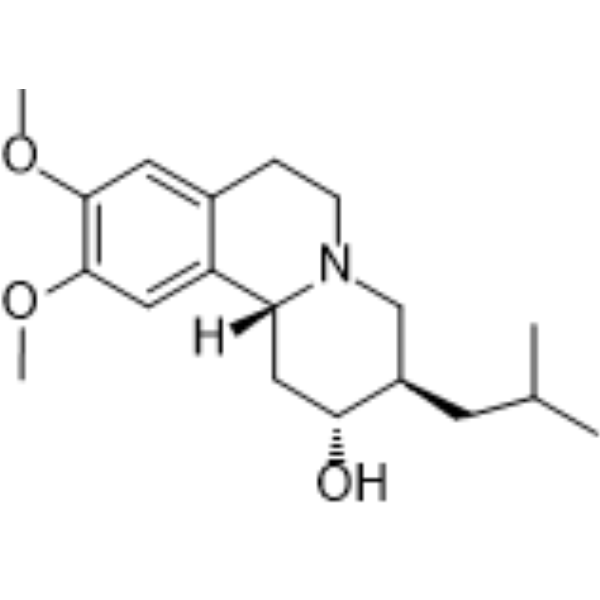
    DHTBZ

    Monoamine Transporter Neurological Disease
    Dihydrotetrabenazine (DHTBZ) is the active metabolite of Tetrabenazine (HY-B0590). Dihydrotetrabenazine is the inhibitor for human vesicular monoamine transporter 2 (VMAT2), that reduces monoamine content in presynaptic neurons, and can be used in movement disorder research .
    Dihydrotetrabenazine
  • HY-109009A

    (S)-UCB-0942

    GABA Receptor Neurological Disease
    (S)-Padsevonil is the S-enantiomer of Padsevonil (HY-109009).Padsevonil (UCB0942) is a potent antiepileptic agent that selectively acts on presynaptic and postsynaptic targets. Padsevonil binds to synaptic vesicular protein 2 (SV2) with high affinity. Padsevonil is also a positive allosteric modulator and partial agonist of GABAAR, with high potency against α1 and α5 receptors. Padsevonil has antiepileptic effects in a variety of rodent models .
    (S)-Padsevonil
  • HY-N11056

    Antibiotic VSV Infection
    Justicidin C is an antiviral lignan. Justicidin C shows strong antiviral activity against vesicular stomatitis virus and low cytotoxicity against rabbit lung cells (RL-33) .
    Justicidin C
  • HY-175769

    VSV Infection
    SMU-V18 is a vesicular stomatitis virus (VSV) inhibitor, with an EC50 of 6.2 μM. SMU-V18 inhibits VSV-GFP fluorescence intensity, viral mRNA/protein expression, and progeny virus replication. SMU-V18 interferes with early viral infection stages, also effective against wild-type VSV (VSV-WT). SMU-V18 inhibits VSV-GFP in mouse tissues and prolongs survival. SMU-V18 can be used for the study of vesicular stomatitis virus (VSV) infection .
    SMU-V18
  • HY-15793A

    (2R,3R,11bR)-rel-Dihydrotetrabenazine; (2R,3R,11bR)-rel-DHTBZ

    Drug Metabolite Monoamine Transporter Neurological Disease
    Trans (2,3)-Dihydrotetrabenazine ((2R,3R,11bR)-rel-Dihydrotetrabenazine), a metabolite of Tetrabenazine, shows remarkable inhibition activity on vesicular monoamine transporter (VMAT2) .
    Trans (2,3)-Dihydrotetrabenazine
  • HY-W073074
    Mesoporphyrin IX dihydrochloride
    1 Publications Verification

    VSV Infection
    Mesoporphyrin IX (dihydrochloride) is a photosensitizer that can be used to modify liposomes. Mesoporphyrin IX (dihydrochloride) can insert into lipid vesicles and disrupt the viral membrane structure in vesicular stomatitis virus (VSV), inducing cross-linking of VSV glycoproteins, thereby inhibiting viral activity .
    Mesoporphyrin IX dihydrochloride
  • HY-112543

    Influenza Virus Infection
    S119-8 is a broad spectrum inhibitor of influenza A and B viruses, showing activity against multiple influenza B viruses and an oseltamivir-resistant influenza A virus, but does not inhibit a non-influenza virus, vesicular stomatitis nirus (VSV) .
    S119-8
  • HY-169233

    Parasite Infection
    MED6-189, a kalihinol analog, disrupts apicoplast function and vesicular trafficking in P. falciparum malaria (IC50 < 50 nM). MED6-189 targets the apicoplast, a nonphotosynthetic plastid found in most Apicomplexa parasites that is crucial for the synthesis of isoprenoids .
    MED6-189
  • HY-156242

    Paraptosis Cancer
    BQZ-485 is a a potent GDI2 inhibitor through the interaction with Tyr245. BQZ-485 disrupts the intrinsic GDI2-Rab1A interaction, thereby abolishing vesicular transport from the endoplasmic reticulum (ER) to the Golgi apparatus and initiating subsequent paraptosis events .
    BQZ-485
  • HY-117883

    Monoamine Transporter Neurological Disease
    GZ-793A is an orally active and selective vesicular monoamine transporter-2 (VMAT2) inhibitor, with an Ki of 0.029 µM. GZ-793A inhibits the neurochemical effects of methamphetamine (METH)-induced dopamine release. GZ-793A can be used for research of METH addiction .
    GZ-793A
  • HY-16771R

    NBI-98854 (Standard)

    Monoamine Transporter Reference Standards Neurological Disease
    Valbenazine (Standard) is the analytical standard of Valbenazine. This product is intended for research and analytical applications. Valbenazine (NBI-98854) is a vesicular monoamine transporter 2 (VMAT2) inhibitor with the Ki of 110-190 nM .
    Valbenazine (Standard)
  • HY-141554A

    (2S,3S,11bR)-DHTBZ

    Monoamine Transporter Neurological Disease
    (2S,3S,11bR)-Dihydrotetrabenazine ((2S,3S,11bR)-DHTBZ) is a highly selective inhibitor of vesicular monoamine transporter 2 (VMAT2) with a Ki value of 593 nM. (2S,3S,11bR)-Dihydrotetrabenazine inhibits vesicular transport of monoamine neurotransmitters like dopamine and serotonin, reducing their synaptic release. (2S,3S,11bR)-Dihydrotetrabenazine is promising for research of Huntington's chorea and other hyperkinetic disorders .
    (2S,3S,11bR)-Dihydrotetrabenazine
  • HY-161433

    Monoamine Transporter Neurological Disease
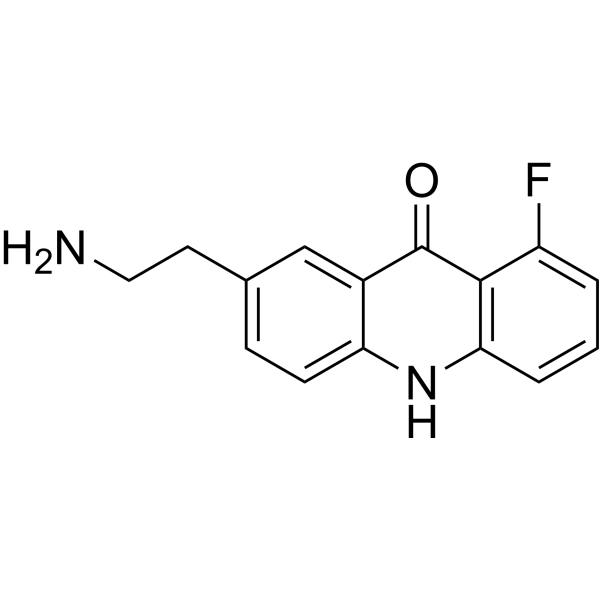
    VMAT2-IN-3 (compound 10) is a potent vesicular monoamine transporter-2 (VMAT2) inhibitor with a Ki of 0.71 nM. VMAT2-IN-3 has the potential for neurological or psychiatric disease research .
    VMAT2-IN-3
  • HY-107794R

    Disodium clodronate tetrahydrate (Standard)

    Others Reference Standards Neurological Disease Inflammation/Immunology Cancer
    Clodronate (disodium tetrahydrate) (Standard) is the analytical standard of Clodronate (disodium tetrahydrate). This product is intended for research and analytical applications. Clodronate disodium tetrahydrate (Disodium clodronate tetrahydrate) is first-generation bisphosphonate, with anti-osteoporotic, anti-inflammatory and analgesic effects. Clodronate disodium tetrahydrate is a selective, potent, reversible and Cl-competitive vesicular nucleotide transporter (VNUT) inhibitor, with an IC50 of 15.6 nM. Clodronate disodium tetrahydrate inhibits vesicular ATP release from neurons and reduces chronic neuropathic and inflammatory pain .
    Clodronate disodium tetrahydrate (Standard)
  • HY-152171

    Monoamine Transporter Neurological Disease
    GZ-11608 is a potent and selective vesicular monoamine transporter-2 (VMAT2) inhibitor with high affinity (Ki = 25 nM). GZ-11608 decreases methamphetamine-induced dopamine release from isolated synaptic vesicles from brain dopaminergic neurons. GZ-11608 exhibits rapid brain penetration and without neurotoxicity. GZ-11608 can be used for the research of methamphetamine use disorder .
    GZ-11608
  • HY-N12414

    Bacterial Cancer
    Apicularen A is a macrolide isolated from the mucoid bacterium Chondrosporium spp. Apicularen A is also a highly selective inhibitor of vesicular ATPase .
    Apicularen A
  • HY-B0590S1

    Monoamine Transporter Neurological Disease
    (+)-Tetrabenazine-d6 is the deuterium labeled (+)-Tetrabenazine. (+)-Tetrabenazine is a reversible inhibitor of vesicular monoamine transporter 2 (VMAT-2).
    (+)-Tetrabenazine D6

Inquiry Online

Your information is safe with us. * Required Fields.

Salutation


Country or Region *

Applicant Name *


Organization Name *

Department *


Email Address *


Product Name *

Cat. No.


Requested quantity *

Phone Number *


Remarks

Inquiry Online

Inquiry Information

Product Name:
Cat. No.:
Quantity:
MCE Japan Authorized Agent:

