1. Search Result
Search Result
Pathways Recommended: Stem Cell/Wnt Cell Cycle/DNA Damage
Results for "

WI-38 cells

" in MedChemExpress (MCE) Product Catalog:

28

Inhibitors & Agonists

1

Fluorescent Dye

4

Natural
Products

Cat. No. Product Name Target Research Areas Chemical Structure
  • HY-N2217

    Akt mTOR p38 MAPK Apoptosis Phosphatase Interleukin Related NF-κB PI3K Keap1-Nrf2 Heme Oxygenase (HO) Toll-like Receptor (TLR) Reactive Oxygen Species (ROS) Metabolic Disease Inflammation/Immunology Cancer
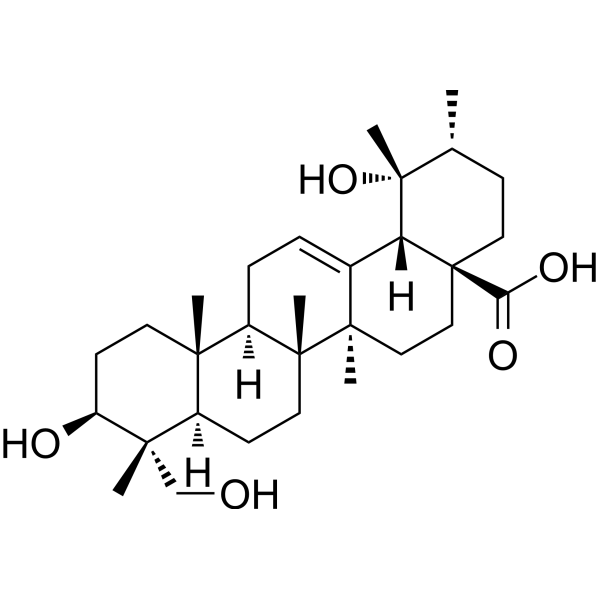
    Rotundic acid is an orally effective triterpenoid with a Kd value of 51.3 µM for PTP1B. Rotundic acid downregulates the AKT/mTOR pro-survival pathway and modulates the MAPK pathway. Rotundic acid induces cell cycle S-phase arrest, DNA damage and apoptosis; it inhibits migration, invasion, angiogenesis and proliferation of cancer cells. Rotundic acid improves leptin sensitivity, regulates gut microbiota and reduces cellular senescence. Rotundic acid can be used in research related to hepatocellular carcinoma, obesity, aging, acute lung injury and type 2 diabetes .
    Rotundic acid
  • HY-U00447

    MDM-2/p53 DNA Alkylator/Crosslinker Cancer
    PK11000 is an alkylating agent, and stabilizes the DNA-binding domain of both WT and mutant p53 proteins by covalent cysteine modification without compromising DNA binding. PK11000 has anti-tumor activities .
    PK11000
  • HY-147785
    Pim-1 kinase inhibitor 2
    1 Publications Verification

    Pim Caspase Bcl-2 Family Apoptosis Cancer
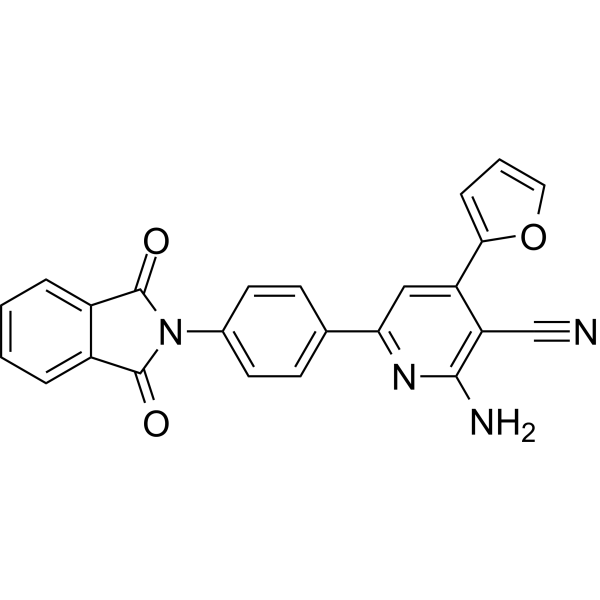
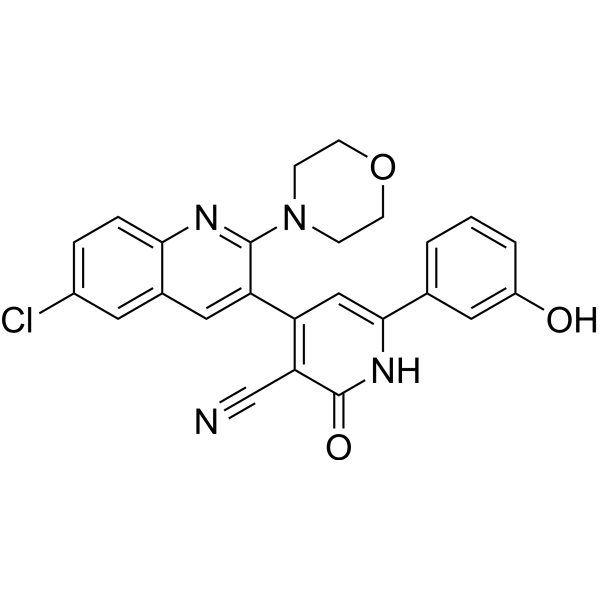
    Pim-1 kinase inhibitor 2 is a PIM-1 kinase inhibitor with a human IC50 of 0.63 μM. Pim-1 kinase inhibitor 2 exhibits high selectivity for cancer cells over normal cells. Pim-1 kinase inhibitor 2 induces apoptosis, increases active caspase-3 levels, upregulates BAX, downregulates Bcl-2, and elevates the Bax/Bcl-2 ratio. Pim-1 kinase inhibitor 2 suppresses cancer cell proliferation and induces cell cycle arrest. Pim-1 kinase inhibitor 2 can be used for the research of prostate carcinoma, hepatocellular carcinoma, and breast adenocarcinoma .
    Pim-1 kinase inhibitor 2
  • HY-136093B
    Lixumistat
    1 Publications Verification

    IM156 free base; HL156A free base; HL271 free base

    Mitochondrial Metabolism AMPK Neurological Disease Inflammation/Immunology
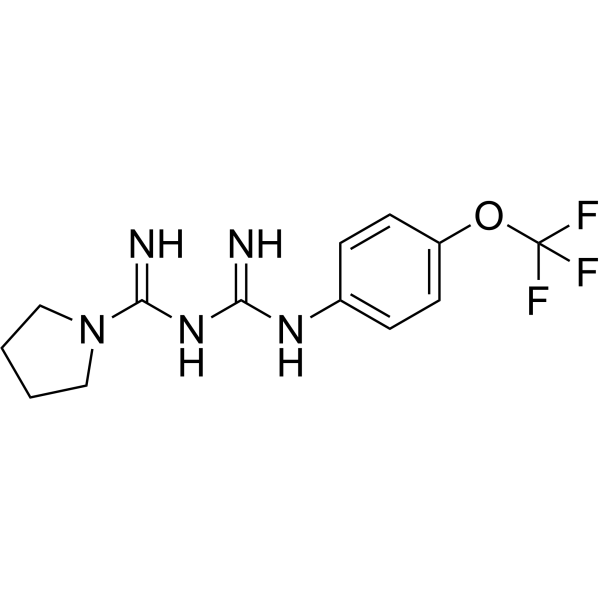
    Lixumistat (IM156 free base) is a potent and orally active AMPK activator and OXPHOS inhibitor. Lixumistat strongly activates AMPK, while it lacks the systemic metabolic regulatory effects of classic metformin, such as hypoglycemic and weight-lowering activities. Lixumistat exhibits significant therapeutic effects on cognitive decline associated with brain aging and pulmonary fibrosis .
    Lixumistat
  • HY-N12792

    Others Cancer
    5,8-Dihydroxy-3',4',6,7-tetramethoxyflavone (Compound 8) is a flavonoid with anticancer activity. 5,8-Dihydroxy-3',4',6,7-tetramethoxyflavone can be isolated from Euryops arabicus .
    5,8-Dihydroxy-3',4',6,7-tetramethoxyflavone
  • HY-157404

    Pim Cancer
    Pim-1/2 kinase inhibitor 2 (compound 5b) is a competitive PIM-1 and PIM-2 kinase inhibitor with IC50s of 1.31 μM and 0.67 μM, respectively. Pim-1/2 kinase inhibitor 2 shows in-vitro low cytotoxicity against normal human lung fibroblast Wi-38 cell line and potent in-vitro anticancer activity against myeloid leukaemia (NFS-60), liver (HepG-2), prostate (PC-3), and colon (Caco-2) cancer cell lines .
    Pim-1/2 kinase inhibitor 2
  • HY-N11128

    Kinesin Cancer
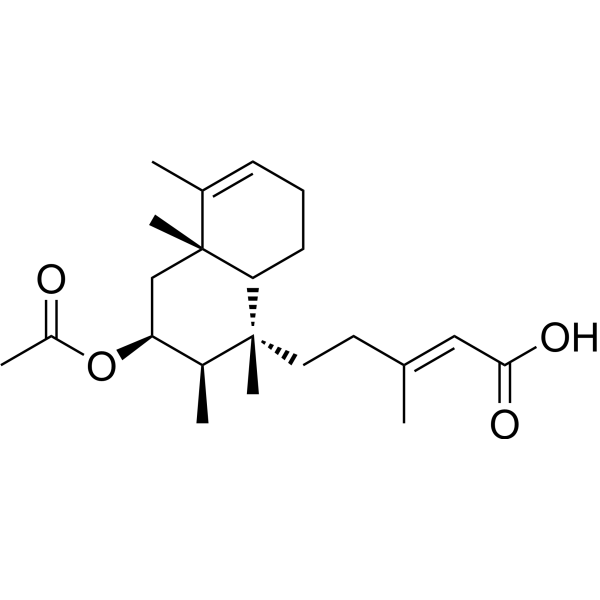
    Solidagonic acid is an acidic bitter principle that can be found in the root and rhizomes of Solidago altissima L. Solidagonic acid binds HSET/KIFC1, restores growth in HSET-overproducing fission yeast cells and reverts mitotic spindles from monopolar to bipolar morphology. Solidagonic acid can be used for the research of breast adenocarcinoma .
    Solidagonic acid
  • HY-147802

    EGFR Apoptosis Cancer
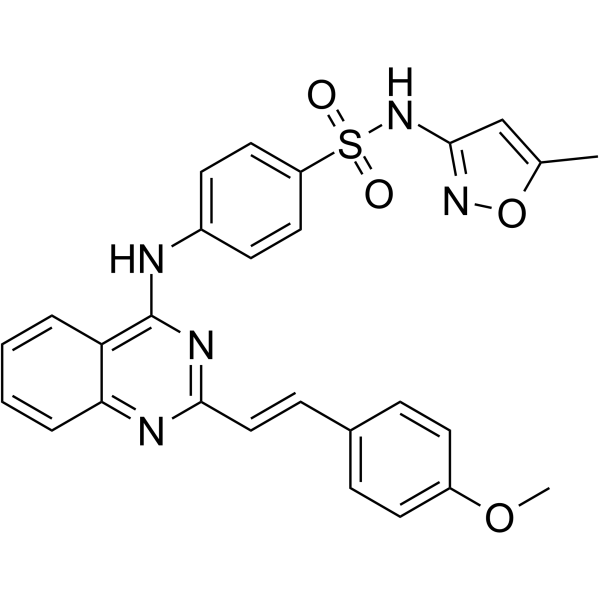
    EGFR-IN-59 (Compound 8c) is a EGFR inhibitor (IC50=190 nM) and apoptosis inducer. EGFR-IN-59 exhibits cytotoxicity against non-small lung cancer cell lines (A549) and normal lung fibroblasts (WI38) with IC50s of 8.62 and 52.6 µM, respectively. EGFR-IN-59 can be used for the research of various cancers such as non-small cell lung cancer (NSCLC), head and neck cancer, breast cancer and colorectal cancer .
    EGFR-IN-59
  • HY-174320

    SARS-CoV Infection
    SARS-CoV-2-IN-112 (Compound 6f) is an orally active and non-peptidic SARS-CoV-2 main protease inhibitor with an IC50 of 6.48 μM. SARS-CoV-2-IN-11 has potent antiviral activity with low cytotoxicity against WI-38 cells (IC50: 53.81 μM). SARS-CoV-2-IN-112 can be used for coronaviruses COVID-19 research .
    SARS-CoV-2-IN-112
  • HY-126311

    3,4,5,4'-Tetrahydroxystibene

    MDM-2/p53 Bcl-2 Family Apoptosis Cancer
    4-Hydroxyresveratrol (3,4,5,4'-Tetrahydroxystibene), a Resveratrol (HY-16561) analog, differentially induces pro-apoptotic p53/Bax gene expression. 4-Hydroxyresveratrol induces apoptosis in SV40 virally transformed WI38 cells (WI38VA) cells, but not in WI38 cells. 4-Hydroxyresveratrol significantly induces the expression of p53, GADD45 and Bax genes and concomitantly suppresses the expression of bcl-2 gene in WI38VA .
    4-Hydroxyresveratrol
  • HY-169688

    MDM-2/p53 Apoptosis Cancer
    NA-17 is a naphthalimide compound with anti-tumor activity and lower toxicity to normal cells like HL-7702 and WI-38. NA-17 exhibits a p53-dependent selective inhibition in various NSCLC cells, inducing the accumulation of active p53 in the mitochondria and nuclei of NSCLC cells. NA-17 can cause cell cycle arrest in the G1 phase, leading to apoptosis and cell death .
    NA-17
  • HY-170483

    HSV HIV Infection Cancer
    Antitumor agent-191 (Compound 7) exhibits antiviral activity against HSV-1 and HIV with EC50 of 0.03 μM and 0.81 μM. Antitumor agent-191 exhibits potential antitumor efficacy, that inhibits cancer cell HepG2, WI-38, Vero and MCF-7, with IC50s of 19.6, 39.3, 18.3 and 28 μM, respectively .
    Antitumor agent-191
  • HY-173367

    EGFR PI3K mTOR Cancer
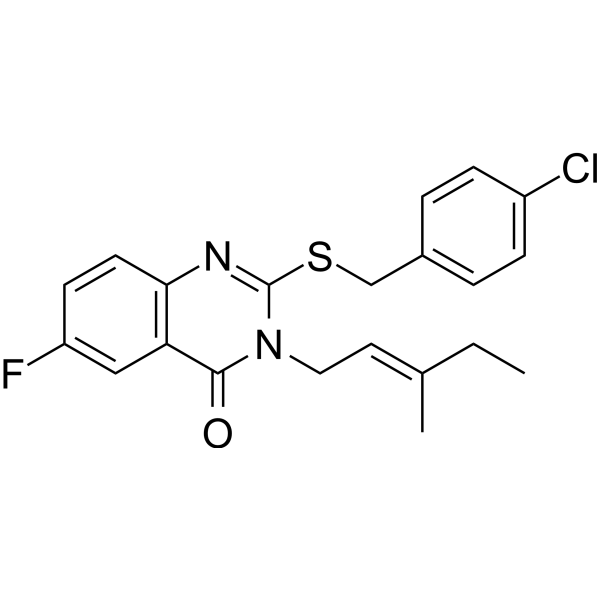
    Anticancer agent 271 (compound 5C) has antiproliferative activity against lung (A549), colon (Caco-2) cancer cell lines, and human lung fibroblast (WI38) with an IC50 value of 9.18 μM on A549 cells. Anticancer agent 271 downregulates PI3K and mTOR gene expression that can be used for cancer research .
    Anticancer agent 271
  • HY-149407

    VEGFR CDK EGFR Necroptosis Apoptosis Cancer
    Multi-kinase-IN-4 (compound 5d) is multi-targeted kinase inhibitor, including VEGFR2, EGFR, HER2, and CDK2, with IC50 values of 0.33, 0.22, 0.18 and 2.09 μM, respectively. Multi-kinase-IN-4 shows broad-spectrum anti-cancer activities against HepG2, MCF-7, MDA-231, and HeLa cell lines (IC50 = 1.94–7.1 µM), but exhibits lower toxicity in the WI-38 cells (IC50 = 40.85 µM). Multi-kinase-IN-4 induces apoptosis and arrests cell cycle at S phase in HepG2 cells. Multi-kinase-IN-4 has the potential for the research of cancer .
    Multi-kinase-IN-4
  • HY-175174

    Glutaminase Cancer
    Antiproliferative agent-73 (Compound 7) is an antiproliferative agent. Antiproliferative agent-73 significantly inhibits proliferation of human cancer cells with excellent cytotoxicity. Antiproliferative agent-73 has potent anticancer activity with IC50s of 15.20, 18.18, 20.20 and 13.23  μM for HepG2, MCF-7, HCT-116 and WI38 cells, respectively. Antiproliferative agent-73 can be used for cancers research, such as breast, colorectal and liver cancer .
    Antiproliferative agent-73
  • HY-158726

    Fluorescent Dye Apoptosis Cancer
    Complex 3 is a fluorescent dithiocarbazate-copper complex with anticancer activity, which localizes to mitochondria. Complex 3 displays excitation/emission maxima of 455-495/535 nm, respectively. Complex 3 inhibits the growth of BxPC-3, AsPC-1, PANC-1, and WI38 pancreatic cancer cells with IC50 values of 0.74, 0.41, 0.62, and 2.06 µM, respectively. Complex 3 induces lipid peroxidation and mitochondrial rupture and shrinkage in AsPC-1 cells. Complex 3 also induces mitochondrial apoptosis and cytokine-cytokine receptor interaction dysfunction in AsPC-1 cells. Complex 3 reduces tumor volume in an AsPC-1 mouse xenograft model .
    Complex 3
  • HY-118945

    Prostaglandin Receptor Bradykinin Receptor Cardiovascular Disease Metabolic Disease Inflammation/Immunology
    FR191413 is a selective bradykinin B2 receptor agonist that stimulates prostaglandin E2 production in WI-38 cells and activates BK B2 receptor-mediated pathways such as vasodilation and organ protection. FR191413 competitively binds to [ 3H]-BK in guinea pig ileum (GPI) membranes and CHO cells transfected with the human BK B2 receptor, with IC50 values ​​of 20.0 nM and 2.60 nM, respectively. FR191413 can be used in research related to cardiovascular diseases and diabetes, including hypertension, myocardial hypertrophy, myocardial infarction, arrhythmias, and diabetic nephropathy .
    FR191413
  • HY-144810

    CDK Cancer
    CDK2-IN-8 is a potent CDK2 inhibitor with an IC50 of 1.74 µM. CDK2-IN-8 shows antiproliferative activity. CDK2-IN-8 has the potential for the research of melanoma .
    CDK2-IN-8
  • HY-180546

    CDK Cancer
    CDK2-IN-53 (compound 9) is a CDK2 inhibitor with anticancer activity. CDK2-IN-53 selectively inhibits the proliferation of HCT-116 and MCF-7cells with IC50 values of 13.89 and 7.65 μM, respectively, while showing lower cytotoxicity toward normal lung fibroblast (WI-38) cells (IC50 = 71.24 μM). CDK2-IN-53 can be used for cancer research, such as colon and breast cancer .
    CDK2-IN-53
  • HY-170311

    YAP Cancer
    YAP/TEAD-IN-1 (compound 4) is a potent YAP and TEAD inhibitor. YAP/TEAD-IN-1 shows antioxidant activity. YAP/TEAD-IN-1 shows antiproliferation activity for tumor cells. YAP/TEAD-IN-1 shows little cytotoxic activity for human normal cells .
    YAP/TEAD-IN-1
  • HY-174855

    PI3K mTOR Apoptosis Bcl-2 Family MDM-2/p53 Caspase Cancer
    PI3K/mTOR-IN-17 is a dual PI3K and mTOR inhibitor with IC50 values of 1.21 μM (PI3K), and 0.21 μM (mTOR). PI3K/mTOR-IN-17 induces cells caspase-mediated apoptosis by arresting their growth in the G1-phase. PI3K/mTOR-IN-17 upregulates the levels of caspases-3, 7, 8, and 9, p53 expression and Bax/Bcl-2 ratio. PI3K/mTOR-IN-17 suppresses the PI3K/mTOR signaling pathway. PI3K/mTOR-IN-17 can be used for research of cancer, such as non-small cell lung cancer (NSCLC) .
    PI3K/mTOR-IN-17
  • HY-180169

    Photosensitizer Drug Derivative Cancer
    Photosensitizer-8 (Compound 4), 2-anthrol derivative, is an alkaline phosphatase (ALP)-activatable photosensitizer. Photosensitizer-8 undergoes a phosphate ester hydrolysis reaction in the presence of ALP, rapidly converting into the active photosensitizer 2-anthrol. Photosensitizer-8 exhibits cytotoxicity against ALP-overexpressing cancer cells (HeLa, A549, HCT116) after light exposure, with IC50 values of 14.3 μM, 21.6 μM and 17.5 μM, respectively, while showing no significant cytotoxicity against normal lung fibroblasts (WI-38) (IC50 ≥ 30 μM). Photosensitizer-8 can be used in photodynamic therapy research for ALP-overexpression-related cancers .
    Photosensitizer-8
  • HY-181726

    PERK P-glycoprotein Apoptosis Cancer
    BRAFV600E/ABL2-IN-2 is a dual BRAFV 600E and ABL2 kinase inhibitor, with an IC50 of 0.088 μM against human BRAFV 600E and an IC50 of 0.3 μM against human ABL2. BRAFV600E/ABL2-IN-2 reduces the phosphorylation levels of downstream ERK1/2 and CrkL in melanoma cells. BRAFV600E/ABL2-IN-2 decreases the expression of P-glycoprotein (P-glycoprotein) in melanoma cells. BRAFV600E/ABL2-IN-2 induces G1 cell cycle arrest and apoptosis (Apoptosis) in melanoma cells. BRAFV600E/ABL2-IN-2 is applicable to relevant research on melanoma .
    BRAFV600E/ABL2-IN-2
  • HY-N18168

    Others Cancer
    Esculentoside L is a triterpene saponin present in the roots of Phytolacca americana. Esculentoside L increases the intracellular accumulation of calcein in multidrug-resistant human ovarian cancer cells. Esculentoside L exerts no significant cytotoxic activity against non-cancerous cells and hepatocytes. Esculentoside L can be used in studies related to multidrug-resistant human ovarian cancer .
    Esculentoside L
  • HY-183108

    Thymidylate Synthase Cancer
    Anticancer agent 315 is an antitumor agent. Anticancer agent 315 binds to the active pocket of thymidylate synthase via forming strong hydrogen bonds with Lys487 and Ala498, stabilizing the arrangement of the ligand within the pocket. Anticancer agent 315 inhibits the proliferation of tumor cells. Anticancer agent 315 can be used for the research of liver cancer and breast cancer .
    Anticancer agent 315
  • HY-182785

    Photosensitizer Cancer
    Photosensitizer-10 is a glutathione (GSH)-activatable photosensitizer. Photosensitizer-10 shows minimal photoactivity in the absence of glutathione, and generates a highly active species upon reaction with glutathione to induce photo-cytotoxicity. Photosensitizer-10 exhibits selective photo-cytotoxicity toward cancer cells with elevated intracellular glutathione levels while sparing normal cells. Photosensitizer-10 can be used for the research of cancer, such as lung carcinoma and skin carcinoma .
    Photosensitizer-10
  • HY-181820

    Topoisomerase DNA Glycosylase Bacterial Infection
    Topoisomerase IV-IN-3 is a Staphylococcus aureus Topoisomerase IV inhibitor, DNA gyrase inhibitor and antibacterial agent. Topoisomerase IV-IN-3 has IC50 values of 1.32 μM and 0.48 μM against topoisomerase IV, and 0.88 μM and 0.54 μM against DNA gyrase. Topoisomerase IV-IN-3 inhibits decatenation, ATPase, and supercoiling activities of its target enzymes. Topoisomerase IV-IN-3 exerts antibacterial activity against Gram-positive and Gram-negative bacterial strains. Topoisomerase IV-IN-3 exhibits low cytotoxicity toward human fibroblast cells. Topoisomerase IV-IN-3 can be used for the research of bacterial infections .
    Topoisomerase IV-IN-3
  • HY-181819

    Bacterial Topoisomerase Infection
    Antibacterial agent 327 (Compound 6f) is an Antibacterial agent. Antibacterial agent 327 potently inhibits the supercoiling activity of Staphylococcus aureus DNA gyrase with an IC50 of 0.28 μM. It also inhibits the ATPase activities of DNA gyrase and Topoisomerase IV, as well as the decatenation activity of Topoisomerase IV (IC50: 0.43 μM, 0.73 μM, and 2.31 μM, respectively). Antibacterial agent 327 potently inhibits Clostridioides difficile and methicillin-resistant Staphylococcus aureus (HY-121544), with an MIC of 0.78 μg/mL for both. Antibacterial agent 327 inhibits Escherichia coli with an MIC50 of 0.78 μg/mL .
    Antibacterial agent 327

Inquiry Online

Your information is safe with us. * Required Fields.

Salutation


Country or Region *

Applicant Name *


Organization Name *

Department *


Email Address *


Product Name *

Cat. No.


Requested quantity *

Phone Number *


Remarks

Inquiry Online

Inquiry Information

Product Name:
Cat. No.:
Quantity:
MCE Japan Authorized Agent:

