
1. Search Result
Search Result
Results for "

Zn2

" in MedChemExpress (MCE) Product Catalog:

68

Inhibitors & Agonists

14

Fluorescent Dye

10

Biochemical Assay Reagents

1

Peptides

2

MCE Kits

3

Natural
Products

2

Isotope-Labeled Compounds

Cat. No. Product Name Target Research Areas Chemical Structure
  • HY-10528
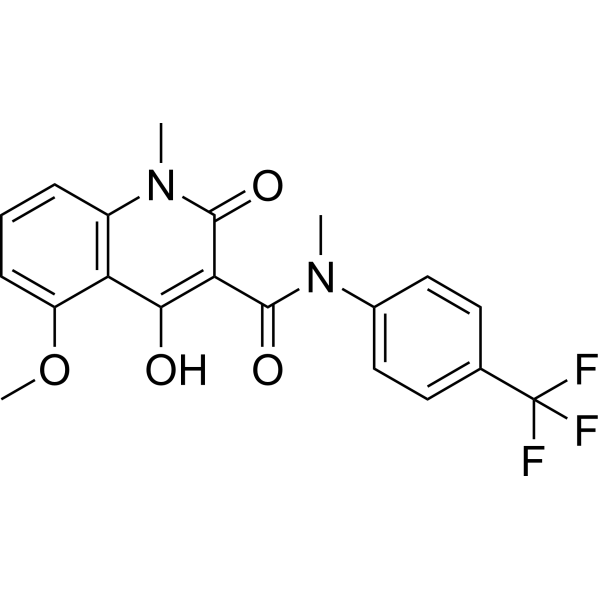
    Tasquinimod
    15+ Cited Publications

    ABR-215050

    HDAC Cancer
    Tasquinimod is an oral antiangiogenic agent, which has the potential for castration-resistant prostate cancer treatment. Tasquinimod binds to the regulatory Zn 2+ binding domain of HDAC4 with Kd of 10-30 nM. Tasquinimod also is a S100A9 inhibitor [2] .
    Tasquinimod
  • HY-101200

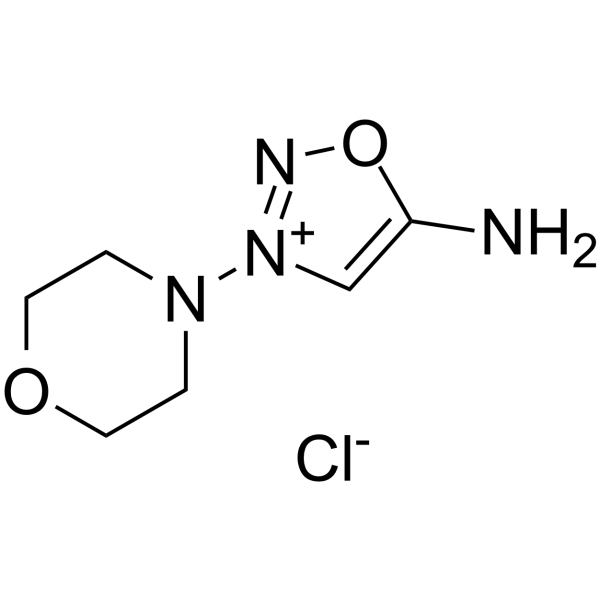
    SIN-1 chloride

    Apoptosis Autophagy Reactive Oxygen Species (ROS) Annexin A NF-κB Cardiovascular Disease Neurological Disease Inflammation/Immunology Cancer
    Linsidomine hydrochloride (SIN-1 chloride) is a spontaneous ROS/RNS generator and peroxynitrite donor. Linsidomine hydrochloride is a vasodilator and platelet aggregation inhibitor. Linsidomine hydrochloride induces oxidative stress-induced chondrocyte apoptosis and necrosis. Linsidomine hydrochloride inhibits the migration, proliferation and neointima formation of vascular smooth muscle cells by inhibiting the expression of annexin A2. In addition, low doses of Linsidomine hydrochloride shows protective effects on Zn 2+ treated nerve cells [2] .
    Linsidomine hydrochloride
  • HY-100202
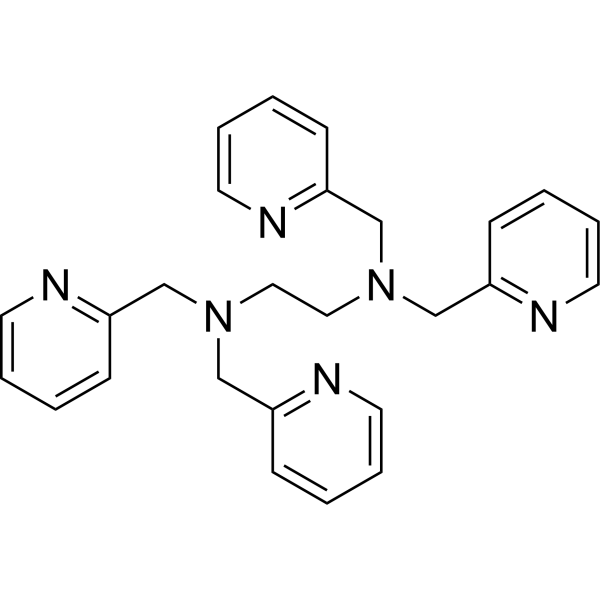
    TPEN
    Maximum Cited Publications
    22 Publications Verification

    TPEDA

    MOFs Reactive Oxygen Species (ROS) Apoptosis Autophagy Cancer
    TPEN (TPEDA) is a specific cell-permeable heavy metal chelator. TPEN has a higher affinity for Zn 2+, but a lower affinity for Mg 2+ and Ca 2+. TPEN induces DNA damage and increases intracellular ROS production. TPEN also inhibits cell proliferation and induces apoptosis [2] .
    TPEN
  • HY-14603
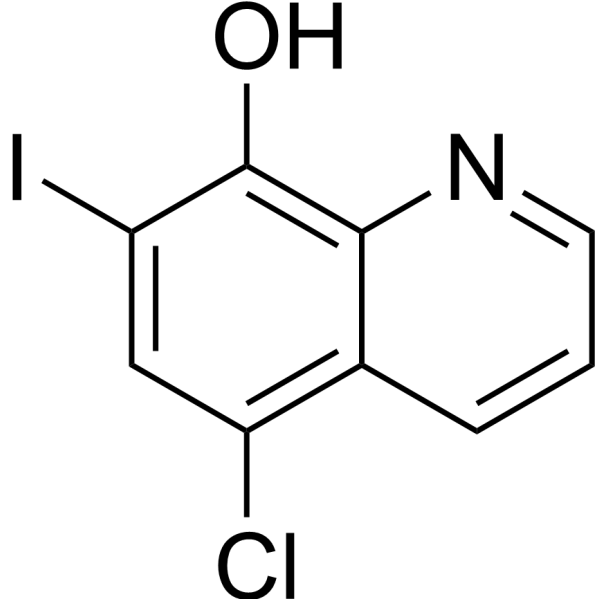
    Clioquinol
    5+ Cited Publications

    Iodochlorohydroxyquinoline

    Environmental Pollutants Antibiotic Autophagy Parasite Fungal Mitophagy Infection Neurological Disease Inflammation/Immunology Cancer
    Clioquinol (Iodochlorhydroxyquin) is a topical antifungal agent with anticancer activity. Clioquinol acts as an oral antimicrobial agent for the research of diarrhea and skin infections. Antibiotic . Clioquinol is a chelator that binds to Zn 2+ and Cu 2+ with a greater affinity than it binds to Ca 2+ and Mg 2+. Clioquinol freely crosses the blood-brain barrier. Clioquinol can be used for the study of Alzheimer's disease [2].
    Clioquinol
  • HY-137255

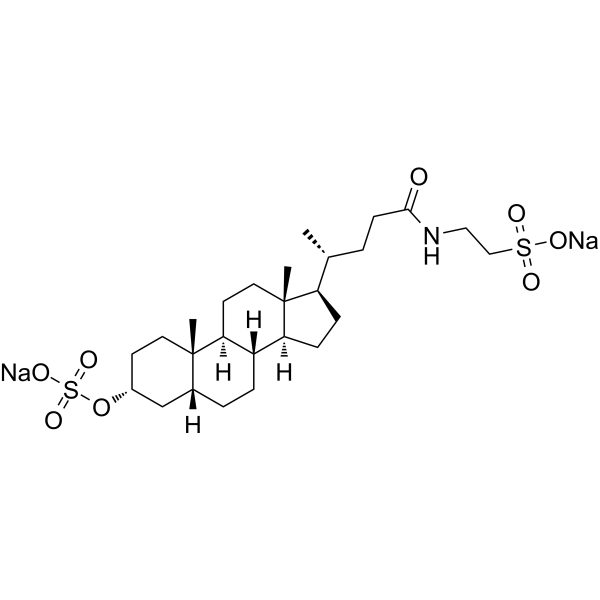
    3-Sulfotaurolithocholic acid disodium

    GPR39 Inflammation/Immunology
    Taurolithocholic acid 3-sulfate disodium is a GPR39 agonist with EC50s of 71.6  and 69.4 (absence of Zn 2+) and 9 and 9.6 μM (presence of Zn 2+) in M39-20 and hGPR39-2 cells, respectively. Taurolithocholic acid 3-sulfate disodium stimulates GPR39 receptors to initiate intracellular calcium signaling, independent of Zn 2+ binding sites H17 and H19. Taurolithocholic acid 3-sulfate disodium can be used for the research of gallbladder disease .
    Taurolithocholic acid 3-sulfate disodium
  • HY-16074
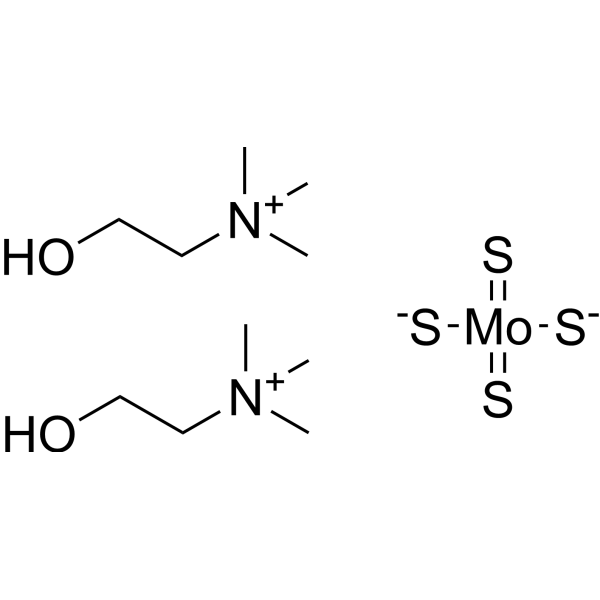
    ATN-224
    4 Publications Verification

    Bischolinetetrathiomolybdate

    SOD Cancer
    ATN-224 is an orally active Cu 2+/Zn 2+-superoxide dismutase 1 (SOD1) inhibitor. ATN-224 inhibits SOD1 activity in endothelial cells, an effect that is dose dependent with an IC50 of 17.5 nM.
    ATN-224
  • HY-119287
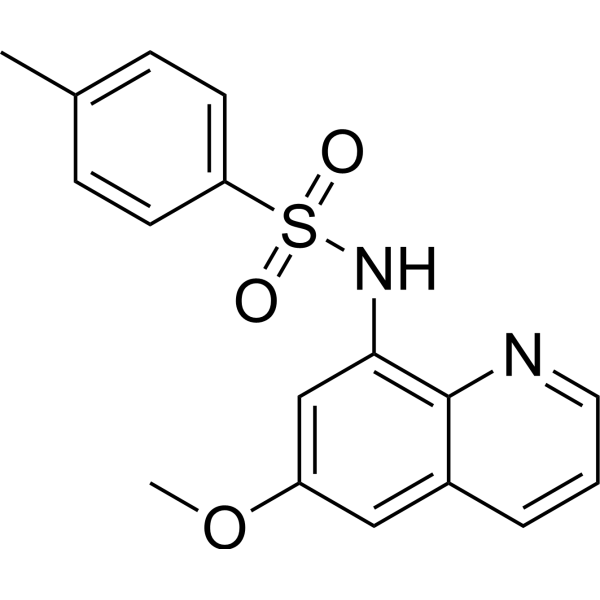
    TSQ
    5 Publications Verification

    Fluorescent Dye Others
    TSQ is a cytosolic zinc ion fluorescence probe that is membrane permeable and can be used for intracellular imaging of zinc proteins (λmax ~470 nm). TSQ can combine with Zn 2+ in the presence of Ca 2+ and Mg 2+ to produce blue fluorescence (Ex/Em = 334/495 nm) .
    TSQ
  • HY-W127776

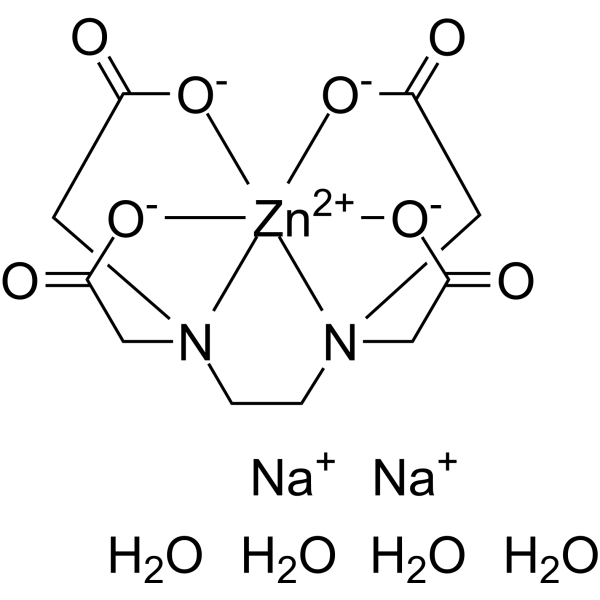
    Ethylenediaminetetraacetic acid zinc disodium tetrahydrate

    Biochemical Assay Reagents Others
    Zn(II)-EDTA (Ethylenediaminetetraacetic acid zinc) disodium tetrahydrate is a coordinating agent. Zn(II)-EDTA disodium tetrahydrate coordinates with Zn 2+ to modify its solvated structure, provides pre-synthesized EDTA-Zn complexes that release Zn 2+ to repair zinc anode defects under interfacial electric field, adsorbs onto zinc anode surface to block oxygen and water molecules, inhibits corrosion and hydrogen evolution reactions, promotes uniform Zn 2+ deposition, suppresses zinc dendrite formation, and modulates the hydrogen bonding network within the electrolyte. Zn(II)-EDTA disodium tetrahydrate acts as an electrolyte additive to enhance reversibility and stability of zinc anodes in aqueous zinc-ion batteries .
    Zn(Ⅱ)-EDTA disodium tetrahydrate
  • HY-113238A

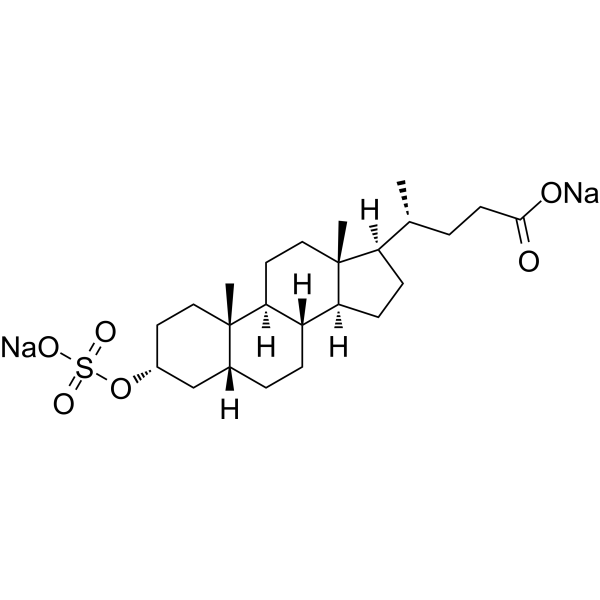
    Sulfolithocholic acid disodium; LCAS disodium

    GPR39 ROR Metabolic Disease Inflammation/Immunology
    Lithocholic acid 3-sulfate disodium is a GPR39 agonist, with EC50 values of 41 μM and 42.4 μM in M39-20 and hGPR39-2 cells, respectively, in the absence of Zn 2+, and 0.88 μM and 0.97 μM in the presence of Zn 2+. Lithocholic acid 3-sulfate disodium acts as a RORγt ligand. Lithocholic acid 3-sulfate disodium stimulates the GPR39 receptor to initiate intracellular calcium signaling, independent of the Zn 2+-binding sites H17 and H19. LCA-3-S selectively inhibits Th17 cell differentiation by targeting RORγt. Lithocholic acid 3-sulfate disodium can be used in the research of cholestatic liver diseases [2].
    Lithocholic acid 3-sulfate disodium
  • HY-NP009

    Bacterial Infection Neurological Disease
    α-Lactalbumin is a globular whey protein that exists in milk. α-Lactalbumin binds Ca 2+, Mg 2+, Mn 2+, Na +, K + and Zn 2+ ions; among these, Ca 2+ binding enhances protein stability, while Zn 2+ binding reduces stability and induces aggregation. α-Lactalbumin forms amyloid fibrils, amorphous aggregates, nanoparticles and nanotubes depending on external conditions. α-Lactalbumin exhibits bactericidal and antiviral activities. α-Lactalbumin has anxiolytic and antidepressant activities, and its effects are enhanced under stress conditions [2] .
    α-Lactalbumin
  • HY-124171
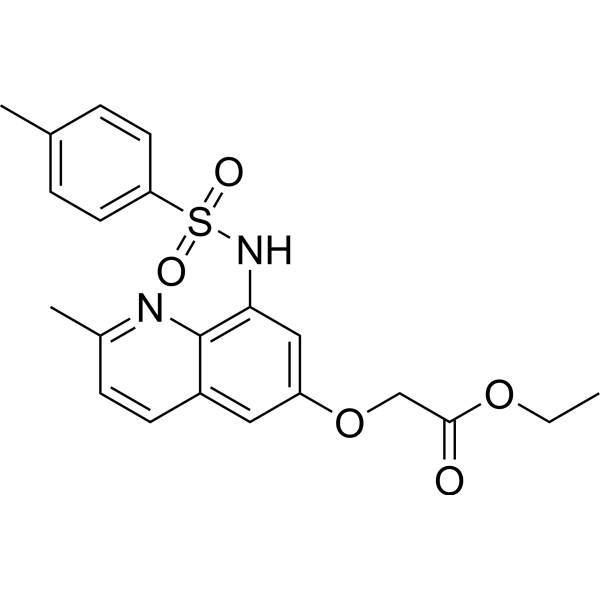
    Zinquin ethyl ester
    1 Publications Verification

    Fluorescent Dye Drug Derivative Others
    Zinquin ethyl ester is a cell-permeable and lipophilic fluorescent derivative of Zinquin (HY-D0982). Zinquin ethyl ester reacts with protein-bound Zn 2+ in cells and forms fluorescent ternary adducts. Zinquin ethyl ester undergoes hydrolysis by intracellular esterases impeding its efflux across the plasma membrane (Ex/Em = 370/470 nm) .
    Zinquin ethyl ester
  • HY-126823

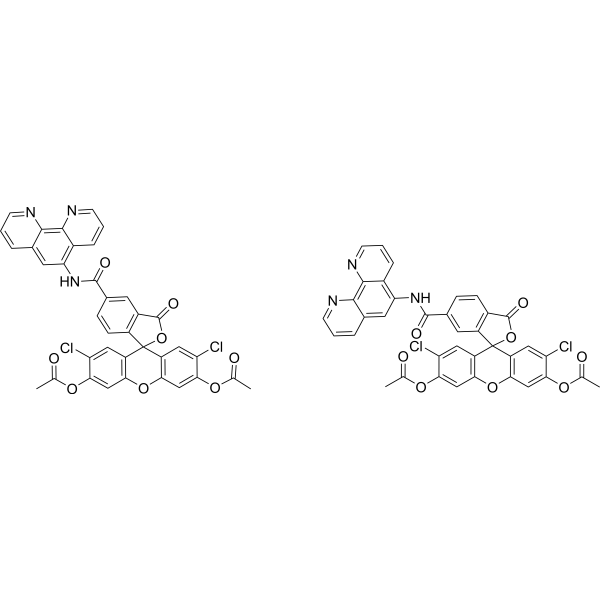
    PGSK diacetate (5/6-mixture)

    Fluorescent Dye Others
    Phen green SK (PGSK) diacetate (PGSK diacetate (5/6-mixture)) is a metal ion-sensitive fluorescent probe that can penetrate cell membranes. Phen green SK (PGSK) diacetate can react with a variety of metal ions, including Fe 2+, Cd 2+, Co 2+, Ni 2+, Zn 2+, etc. Phen green SK (PGSK) diacetate chelates Fe 2+, resulting in fluorescence quenching, which can be restored when a membrane-permeable chelator is added, thereby reflecting the changes in the intracellular chelatable iron pool. The excitation/emission maxima of Phen green SK diacetate are 507/532 nm, respectively [2] .
    Phen Green SK diacetate (5/6-mixture)
  • HY-108699

    GPR39 Neurological Disease Endocrinology
    TM-N1324 is an agonist of G-Protein-Coupled Receptor 39 (GPR39) with EC50s of 9 nM/5 nM in the presence of Zn 2+, and 280 nM/180 nM in the absence of Zn 2+ for human/murine GPR39.
    TM-N1324
  • HY-B0600

    AFP-168; MK2452

    Prostaglandin Receptor Cardiovascular Disease Others
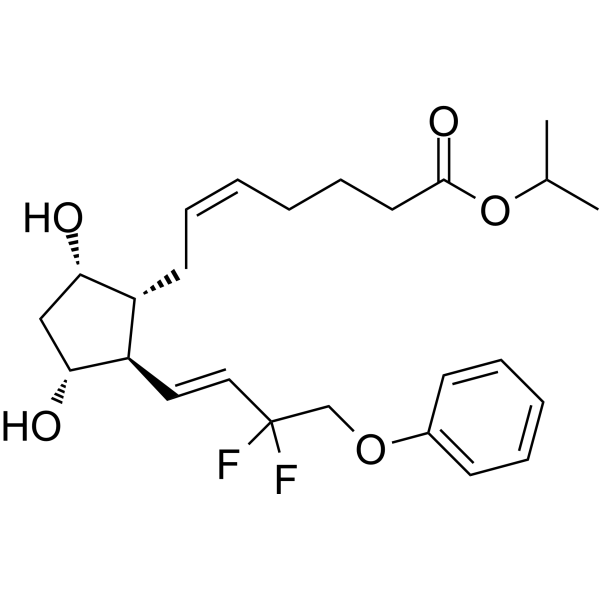
    Tafluprost (AFP-168) is an anti-glaucoma prostaglandin (PG) analog. Tafluprost can inhibit the apoptosis of retinal ganglion cells (RGCs) and rat RGCs cells. Tafluprost promotes axon regeneration by regulating Zn 2+-mTORpathway, inhibits intracellular lipid accumulation in human preorbital adipocytes. Tafluprost can be used in the study of optic nerve injury in glaucoma [2] .
    Tafluprost
  • HY-W011060

    4,7,13,16,21,24-Hexaoxa-1,10-diazabicyclo[8.8.8]hexacosane

    Biochemical Assay Reagents Others
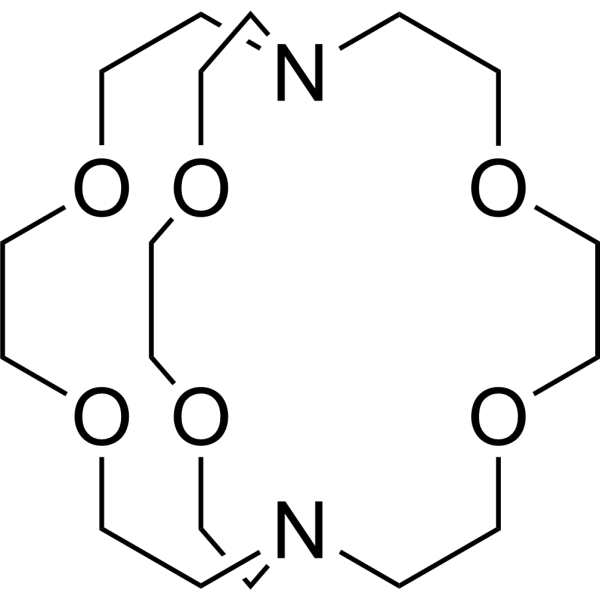
    Cryptand 2.2.2 (4,7,13,16,21,24-Hexaoxa-1,10-diazabicyclo[8.8.8]hexacosane) is a metal ion chelator. Cryptand 2.2.2 forms stable mononuclear, protonated and dinuclear complexes with copper (II) ions; forms protonated complexes with hydrogen ions; and also forms stable complexes with Zn 2+, Co 2+, Ni 2+, Cd 2+, Hg 2+ and Pb 2+ ions. Cryptand 2.2.2 can be used for the preparation of nanoparticles, transition metal compounds, etc.
    Cryptand 2.2.2
  • HY-D0156

    Fluorescent Dye Others
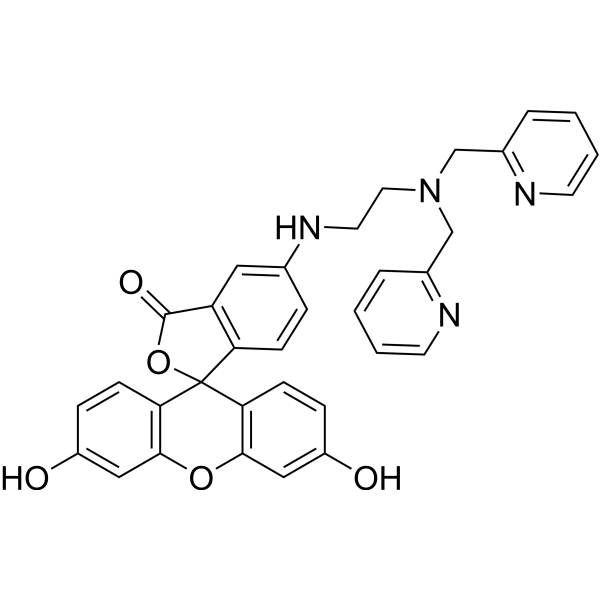
    ZnAF-1, a fluorescein-based zinc sensor containing the N,N-bis(2-pyridylmethyl)ethylenediamine chelating unit, can be used for Zn2+ detection . ZnAF-1 can bind Zn(II) with a 1 : 1 stoichiometry .
    ZnAF-1
  • HY-E70199

    APN/CD13

    Aminopeptidase Cardiovascular Disease
    Aminopeptidase N (rat) (APN/CD13) is a Zn 2+-dependent membrane-bound exopeptidase that preferentially degrades proteins and peptides with N-terminal neutral amino acids. Aminopeptidase N (rat) is inhibited by angiotensin IV and participates in the regulation of angiotensin IV half-life in the rat striatum [2] .
    Aminopeptidase N (rat)
  • HY-D0982

    Fluorescent Dye Others
    Zinquin is a cell-impermeant fluorescent sensor and used to observe reactive Zn 2+. λex/λem=368/490 nm.
    Zinquin
  • HY-W587430

    Glycolithocholate sulfate disodium; Sulfolithocholylglycine disodium; SLCG disodium

    HIV GPR39 Infection Inflammation/Immunology
    Glycolithocholic acid 3-sulfate disodium is a GPR39 agonist with EC50s of 47.9  and 66.8 μM (absence of Zn 2+) and 8 and 8.7 μM (presence of Zn 2+) in M39-20 and hGPR39-2 cells, respectively. Glycolithocholic acid 3-sulfate disodium stimulates GPR39 receptors to initiate intracellular calcium signaling, independent of Zn 2+ binding sites H17 and H19. Glycolithocholic acid 3-sulfate disodium also inhibits replication of HIV-1 in vitro. Glycolithocholic acid 3-sulfate disodium can be used for the research of HIV infection and gallbladder disease [2] .
    Glycolithocholic acid 3-sulfate disodium
  • HY-158779

    SSP4

    Fluorescent Dye Others
    Sulfane sulfur probe 4 (SSP4) is a fluorescent probe used to detect sulfane sulfur species (Ex/Em=494/515 nm). Sulfane sulfur probe 4 exhibits high sensitivity in detecting sulfane sulfur, even in the presence of other substances such as homocysteine, methionine, cysteine, glutathione, N-acetyl-L-cysteine, glycine, tyrosine, tryptophan, arginine, and metal ions (Fe 2+, Fe 3+, Mg 2+, Ca 2+, and Zn 2+) .
    Sulfane sulfur probe 4
  • HY-Y1422E

    Biochemical Assay Reagents Lipase Others
    Lipase, Aspergillus niger (Immobilized) is an immobilized triacylglycerol acyl hydrolase and biocatalyst. Lipase, Aspergillus niger (Immobilized) broadly catalyzes the hydrolysis of glycerol-long-chain fatty acid esters, exhibits positional selectivity for the 1,3-positions of glycerol, but shows low hydrolysis efficiency for castor oil. Lipase, Aspergillus niger (Immobilized) displays optimal activity at 45°C and pH 7.0, and remains stable at temperatures up to 60°C and over a broad pH range of 2.0-9.0. Lipase, Aspergillus niger (Immobilized) is activated by Ca 2+ and Mg 2+, but inhibited by Mn 2+, Fe 2+ and Zn 2+ [2] .
    Lipase,Aspergillusniger (Immobilized)
  • HY-Y1890B

    Biochemical Assay Reagents Others
    Cremophor EL-10 is a nonionic polyoxyethylene castor oil surfactant with multiple functions including organic solubilizer, mixed zinc anode corrosion inhibitor and dendrite growth inhibitor. By forming a physical barrier to block electrolyte contact and constructing oriented hydration channels to reduce the desolvation energy barrier of Zn 2+ , Cremophor EL-10 achieves a corrosion inhibition efficiency of over 99%. Cremophor EL-10 exerts no significant effects on the mitochondrial activity and cell viability of epithelial cells, making it suitable for in vitro drug delivery and biopharmaceutical research at concentrations ≤10% v/v. However, Cremophor EL-10 may induce sustained non-endothelium-dependent contraction in rat aortic rings and exert concentration-dependent inhibitory effects on acetylcholine-induced endothelium-dependent relaxation responses [2] .
    Cremophor EL-10
  • HY-Y0850U5

    Polyvinyl alcohol (Mw 27000, 98-99% hydrolyzed, ~600 polymerization); Poly(Ethenol) (Mw 27000, 98-99% hydrolyzed, ~600 polymerization)

    Biochemical Assay Reagents Fungal Infection
    PVA (Polyvinyl alcohol) (Mw 27000, 98-99% hydrolyzed, ~600 polymerization) is a nonionic ethanol homopolymer with hydrophilicity, water solubility and biodegradability. PVA (Mw 27000, 98-99% hydrolyzed, ~600 polymerization) exhibits biocompatibility, non-toxicity and non-carcinogenicity, as well as antibacterial activity against Gram-positive bacteria, Gram-negative bacteria and fungal strains. PVA (Mw 27000, 98-99% hydrolyzed, ~600 polymerization) can serve as a solubilizer, stabilizer, mucoadhesive agent and sustained-release agent, and has a synergistic solubilizing effect on voriconazole/sulfobutyl ether β-cyclodextrin complexes. By stabilizing such complexes, PVA (Mw 27000, 98-99% hydrolyzed, ~600 polymerization) forms freeze-thaw hydrogels with high mucoadhesion, sustained drug release and ex vivo corneal permeability. When compounded with hyaluronic acid hydrogels, PVA (Mw 27000, 98-99% hydrolyzed, ~600 polymerization) supports chondrocyte growth in vitro, and also forms complexes with Cu 2+, Co 2+, Ni 2+ and Zn 2+ ions. PVA (Mw 27000, 98-99% hydrolyzed, ~600 polymerization) can be used in studies related to fungal keratitis, bacterial infections and fungal infections [2] .
    PVA (Mw 27000, 98-99% hydrolyzed, ~600 polymerization)
  • HY-137159

    Aminopeptidase Ligands for Target Protein for PROTAC IAP Cancer
    Bestatin methyl ester is a cell permeable Zn2+-binding aminopeptidases inhibitor. Bestatin methyl ester inhibits spore cell differentiation .
    Bestatin methyl ester
  • HY-21170E

    Zinc(II) Triflate

    Biochemical Assay Reagents Others
    Zinc trifluoromethanesulfonate (Zinc (II) Triflate) is a Zn 2+ salt commonly used in potentiometric titration to determine the stability constants of Zn 2+-quinoline sulfonamide complexes. Aqueous solutions of Zinc trifluoromethanesulfonate form micellar structures, which result in poor desolvation kinetics of Zn 2+ and induce dendrite growth on zinc anodes, failing to support long-term cycling of zinc anodes [2] .
    Zinc trifluoromethanesulfonate
  • HY-E70565

    Endonuclease Inflammation/Immunology
    O-Glycoprotease is an O-glycoprotein-specific endoprotease that catalyzes the hydrolysis of peptide bonds directly adjacent to the O-polymer in native mucin-type O-glycosylated proteins. O-Glycoprotease sequence is from Akkermansia muciniphila, recombinantly expressed in E.coli, with a 6×His tag at the C-terminus.
    The enzyme maintains high activity between pH 5.5-7.5 and is resistant to 1M NaCl, but is highly sensitive to EDTA (0.5 mM EDTA) and can be inhibited by Zn 2+.
    O-Glycoprotease
  • HY-D0157

    Biochemical Assay Reagents Others
    ZnAF-2, 6-iso- is a cell-impermeable compound that acts as a high-affinity Zn2 -specific fluorescent probe (Kd = 2.7 nM). It exhibits low basal fluorescence with an approximately 51-fold increase in fluorescence intensity upon stoichiometric (1:1) binding to Zn2 . Little affinity for Ca2 , Mg2 , Na or K .
    ZnAF-2
  • HY-D0158

    Biochemical Assay Reagents Others
    ZnAF-2DAavailable for testing Zn(2+)fluorescence, as Zn(2+)Probe (after esterase hydrolysis).
    ZnAF-2 DA
  • HY-D1894

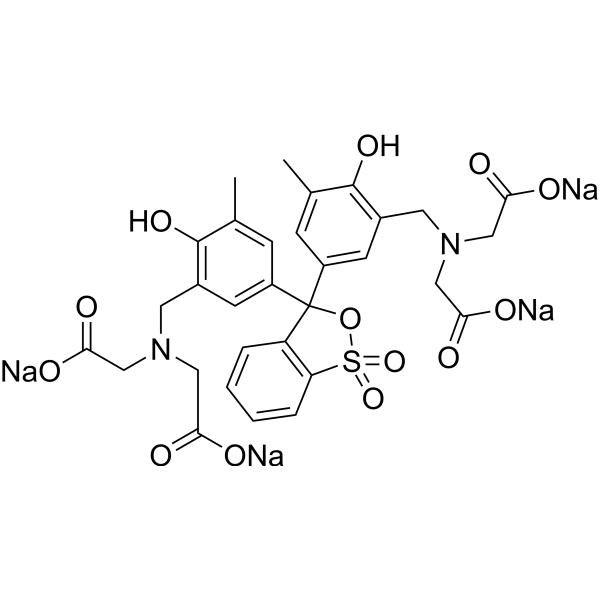
    Fluorescent Dye Others
    5-Br-PAPS is a highly specific Zn 2+ metallochromic indicator. 5-Br-PAPS is used in assays for measuring free Zn 2+ by forming a deeply colored red Zn 2+ complex .
    5-Br-PAPS
  • HY-D0159

    Fluorescent Dye Others
    ZnAF-1F is a potent fluorophore for with an Kd value of 2.2 nM. ZnAF-1F can be used as fluorescent probes for Zn 2+ in cells. ZnAF-1F shows λ excitation of 489 nm and λ emission of 514 nm [2] .
    ZnAF-1F
  • HY-DY1055

    Fluorescent Dye Others
    TSQ (solution) is a cytosolic zinc ion fluorescence probe that is membrane permeable and can be used for intracellular imaging of zinc proteins (λmax ~470 nm). TSQ can combine with Zn 2+ in the presence of Ca 2+ and Mg 2+ to produce blue fluorescence (Ex/Em = 334/495 nm) .
    Solvent and concentration: DMSO: 10 mM
    TSQ (solution)
  • HY-D0159A

    Fluorescent Dye Others
    ZnAF-1F tetraTFA is a potent fluorophore for with an Kd value of 2.2 nM. ZnAF-1F tetraTFA can be used as fluorescent probes for Zn 2+ in cells. ZnAF-1F tetraTFA shows λ excitation of 489 nm and λ emission of 514 nm [2] .
    ZnAF-1F tetraTFA
  • HY-W1113135

    Biochemical Assay Reagents Others
    Carboxymethyl-β-cyclodextrin sodium salt is a negatively charged β-cyclodextrin derivative, as well as a metal ion chelator and solubilizing reagent. Carboxymethyl-β-cyclodextrin sodium salt forms stable aqueous complexes with Ba 2+, Ca 2+, Cd 2+, Ni 2+, Pb 2+, Sr 2+, and Zn 2+ ions. Carboxymethyl-β-cyclodextrin sodium salt derived hydrogel carriers support oral insulin delivery via paracellular permeation across Caco-2 monolayers and produce sustained hypoglycemic effects in diabetic mice. Carboxymethyl-β-cyclodextrin sodium salt can be conjugated onto folate-modified BSA nanoparticles to boost folate receptor-mediated endocytosis, elevate intracellular anticancer drug uptake and trigger cell apoptosis. Carboxymethyl-β-cyclodextrin sodium salt can be utilized for chiral separation in capillary electrophoresis, development of nanoscale drug carriers and nucleic acid transfection research [2] .
    Carboxymethyl-β-cyclodextrin sodium salt
  • HY-129200

    Endogenous Metabolite Others
    Aspergillomarasmine A is a natural aminopolycarboxylic acid with potent inhibitory activity against class B metallo-β-lactamases (MBLs). Aspergillomarasmine A inactivates MBLs by removing a catalytic Zn2+ cofactor. Aspergillomarasmine A acts as a selective Zn2+ scavenger, promoting the dissociation of the metal cofactor, thereby indirectly inactivating NDM-1. Aspergillomarasmine A causes the loss of Zn2+ ions from the low-affinity binding site of NDM-1. The action of Aspergillomarasmine A results in the rapid degradation of Zn2+-deficient NDM-1, thereby enhancing its potency as a β-lactam enhancer. The mechanism of Aspergillomarasmine A has broad applicability among different Zn2+ chelators .
    Aspergillomarasmine A
  • HY-W856393

    MOFs Others
    Zn2(oxo)(mtz)2 is a metal-organic framework (MOF).
    Zn2(oxo)(mtz)2
  • HY-10528R

    ABR-215050 (Standard)

    Reference Standards HDAC Cancer
    Tasquinimod (Standard) is the analytical standard of Tasquinimod. This product is intended for research and analytical applications. Tasquinimod is an oral antiangiogenic agent, which has the potential for castration-resistant prostate cancer treatment. Tasquinimod binds to the regulatory Zn2+ binding domain of HDAC4 with Kd of 10-30 nM. Tasquinimod also is a S100A9 inhibitor [2] .
    Tasquinimod (Standard)
  • HY-D1264

    Zn-green

    Fluorescent Dye Others
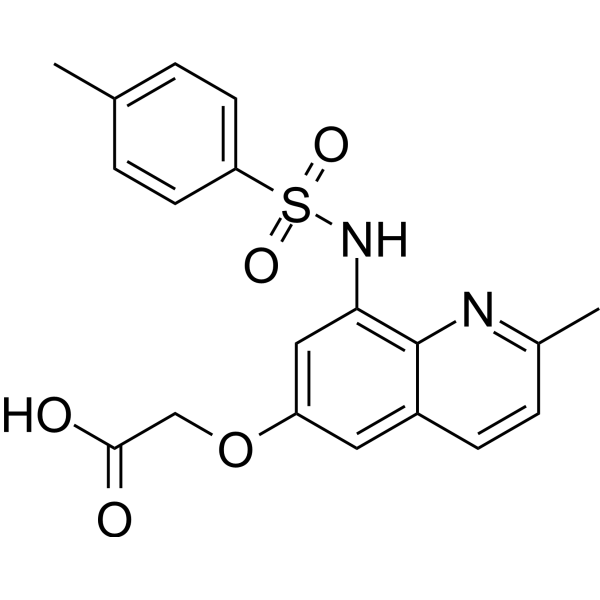
    PMQA (Zn-green), an 8-aminoquinoline-based ratiometric fluorescent sensor, demonstrates the Zn 2+-induced redshift of emission (85 nm). PMQA (Zn-green) is a cell membrane-permeable probe and suitable for imaging Zn 2+ in living cells .
    PMQA
  • HY-B0600R

    AFP-168 (Standard); MK2452 (Standard)

    Prostaglandin Receptor Reference Standards Cardiovascular Disease Others
    Tafluprost (Standard) is the analytical standard of Tafluprost. This product is intended for research and analytical applications. Tafluprost (AFP-168) is an anti-glaucoma prostaglandin (PG) analog. Tafluprost can inhibit the apoptosis of retinal ganglion cells (RGCs) and rat RGCs cells. Tafluprost promotes axon regeneration by regulating Zn2+-mTORpathway, inhibits intracellular lipid accumulation in human preorbital adipocytes. Tafluprost can be used in the study of optic nerve injury in glaucoma [2] [4] .
    Tafluprost (Standard)
  • HY-D1441

    Fluorescent Dye Others
    Zinquin AM ester is an AM ester form of Zinquin. Zinquin, a fluorescent dye, is a commonly used sensor for cellular Zn 2+ status .
    Zinquin AM ester
  • HY-B1159S

    8-Hydroxy-5-nitroquinoline-d4; 5-Nitro-8-quinolinol-d4

    Bacterial Autophagy Antibiotic Infection Cancer
    Nitroxoline-d4 is the deuterium labeled Nitroxoline. Nitroxoline is an antibiotic that has proven to be very effective at combating biofilm infections. Nitroxoline functions by chelating Fe 2+ and Zn 2+ ions from the biofilm matrix [2].
    Nitroxoline-d4
  • HY-W585934

    Fru-Phe

    Angiotensin-converting Enzyme (ACE) Cardiovascular Disease
    Fructose-phenylalanine (Fru-Phe) is a non-competitive angiotensin-converting enzyme (ACE) inhibitor (IC50 =0.19 mM) with antioxidant activities. Fructose-phenylalanine forms a stable complex with Zn 2+ ions at the ACE active site, blocking the conversion of angiotensin I to II and thereby lowering blood pressure. Fructose-phenylalanine is promising for research of cardiovascular diseases [2].
    Fructose-phenylalanine
  • HY-10528S

    ABR-215050-d3

    HDAC Isotope-Labeled Compounds Cancer
    Tasquinimod-d3 (ABR-215050-d3) is the deuterium labeled Tasquinimod (HY-10528). Tasquinimod is an oral antiangiogenic agent, which plays an important role in castration-resistant prostate cancer. Tasquinimod binds to the regulatory Zn 2+ binding domain of HDAC4 with Kd of 10-30 nM. Tasquinimod also is a S100A9 inhibitor [2] .
    Tasquinimod-d3
  • HY-136894

    Fluorescent Dye Others
    Rhod-5N is a cell-impermeant calcium-binding fluorescent dye composed of a BAPTA chelating group and a rhodamine fluorophore. Rhod-5N is often added to MOPS buffer to complex and indicate cation content. The selectivity of Rhod-5N for Cd 2+ is higher than other interfering cations ((Na+, K+, Mg 2+, Ca 2+, Zn 2+) except Pb 2+), and the detection limit is 3.1 μg/L [2].
    Rhod-5N
  • HY-108699R

    Reference Standards GPR39 Neurological Disease Endocrinology
    TM-N1324 (Standard) is the analytical standard of TM-N1324 (HY-108699). This product is intended for research and analytical applications. TM-N1324 is an agonist of G-Protein-Coupled Receptor 39 (GPR39) with EC50s of 9 nM/5 nM in the presence of Zn2+, and 280 nM/180 nM in the absence of Zn2+ for human/murine GPR39.
    TM-N1324 (Standard)
  • HY-E70991

    Biochemical Assay Reagents Metabolic Disease
    D-Ribulose-5-phosphate 3-Epimerase, Baker's yeast (S. cerevisiae) (EC 5.1.3.1) is a metalloenzyme that primarily utilizes divalent zinc ions (Zn2+) for catalysis.
    D-Ribulose-5-phosphate 3-Epimerase, Baker's yeast (S. cerevisiae)
  • HY-E71172

    Biochemical Assay Reagents Others
    1,8-Cineole synthase (EC 4.2.3.108) requires either Mn2+ or Zn2+. 1,8-Cineole is the major product of 1,8-Cineole synthase (EC 4.2.3.108).
    1,8-Cineole synthase
  • HY-W002356

    Drug Intermediate Others
    2-Pyridinecarbothioamide is a building block, that can be used for synthesis of Zn 2+ responsive fluorescent probe .
    2-Pyridinecarbothioamide
  • HY-171029

    Amino Acid Derivatives Others
    C902 is a cysteine residue in the RAG1 protein, that binds to Zn 2+ ion and contributes to the DNA cleavage .
    C902
  • HY-162158

    Fluorescent Dye Others
    DA ZP1 is a fluorogenic Zn(II) sensor (Kd Zn 2+ = 0.6 nM) . Ex / Em = 490 / 522 nm
    DA ZP1
  • HY-100202R

    TPEDA (Standard)

    Reactive Oxygen Species (ROS) Reference Standards Apoptosis Autophagy Cancer
    TPEN (Standard) is the analytical standard of TPEN (HY-100202). This product is intended for research and analytical applications. TPEN (TPEDA) is a specific cell-permeable heavy metal chelator. TPEN has a higher affinity for Zn2+, but a lower affinity for Mg2+ and Ca2+. TPEN induces DNA damage and increases intracellular ROS production. TPEN also inhibits cell proliferation and induces apoptosis [2] .
    TPEN (Standard)

Inquiry Online

Your information is safe with us. * Required Fields.

Salutation


Country or Region *

Applicant Name *


Organization Name *

Department *


Email Address *


Product Name *

Cat. No.


Requested quantity *

Phone Number *


Remarks

Inquiry Online

Inquiry Information

Product Name:
Cat. No.:
Quantity:
MCE Japan Authorized Agent:

