1. Search Result
Search Result
Results for "

acetylate

" in MedChemExpress (MCE) Product Catalog:

117

Inhibitors & Agonists

2

Fluorescent Dye

3

Biochemical Assay Reagents

17

Peptides

1

Inhibitory Antibodies

23

Natural
Products

6

Isotope-Labeled Compounds

2

Click Chemistry

4

Oligonucleotides

Cat. No. Product Name Target Research Areas Chemical Structure
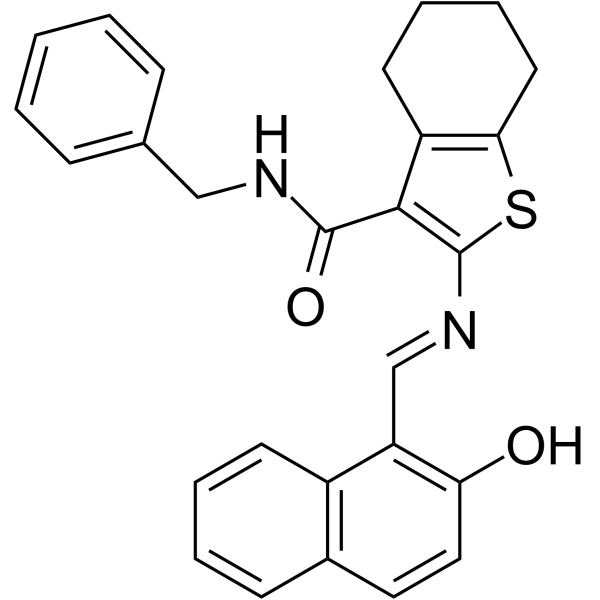
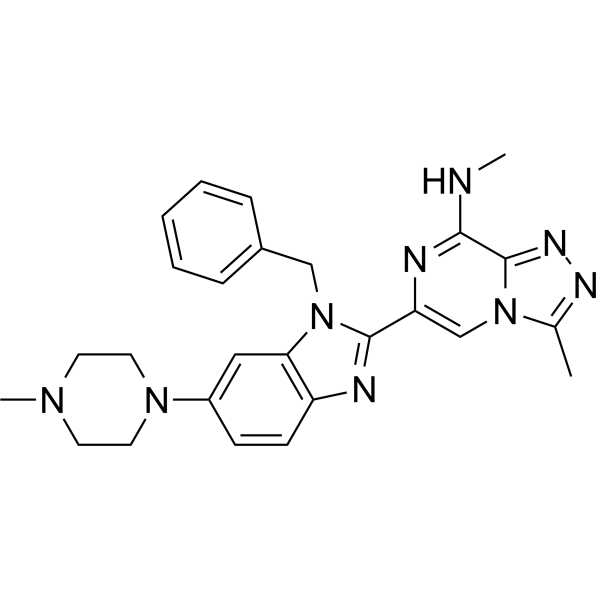
  • HY-W015239
    KAT8-IN-1
    3 Publications Verification

    Acyltransferase Inflammation/Immunology Cancer
    KAT8-IN-1 is a lysine (K) acetyltransferase 8 (KAT8) inhibitor, with IC50s of 141 μM (KAT8), 221 μM (KAT2B), 106 μM (KAT3B), respectively. KAT8 inhibits histone acetyltransferases (HATs), and could result in disease states, such as cancer or inflammatory diseases .
    KAT8-IN-1
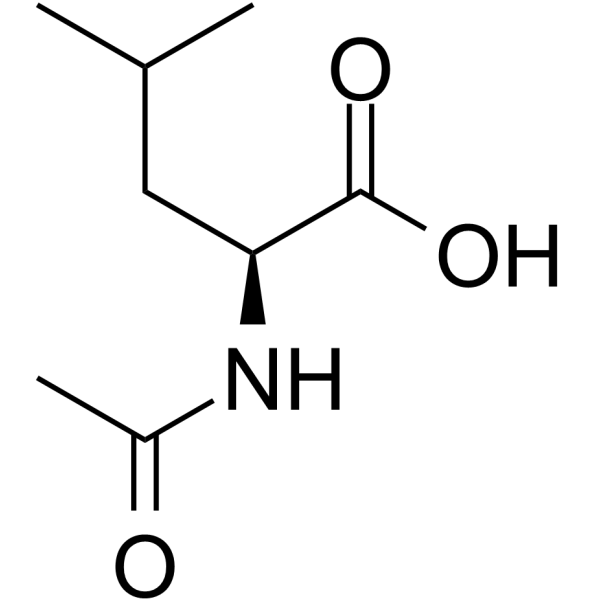
  • HY-59291

    N-Acetyl-L-leucine

    Amino Acid Derivatives Neurological Disease Metabolic Disease Inflammation/Immunology
    Levacetylleucine (N-acetyl-L-leucine), an orally bioavailable and brain-penetrant compound, is an acetylated derivative of amino acid Leucine. Levacetylleucine is the active form of N-acetyl-leucine (NAL). Levacetylleucine attenuates neuronal death and neuroinflammation in the cortical tissue of mice. Levacetylleucine also potentially improves ameliorates lysosomal and metabolic dysfunction. Levacetylleucine improves compensation of postural symptoms after unilateral chemical labyrinthectomy (UL) in rats. Levacetylleucine is promising for research of neurological manifestations of Niemann-Pick disease type C, traumatic brain injury and neurodegeneration prevention .
    Levacetylleucine
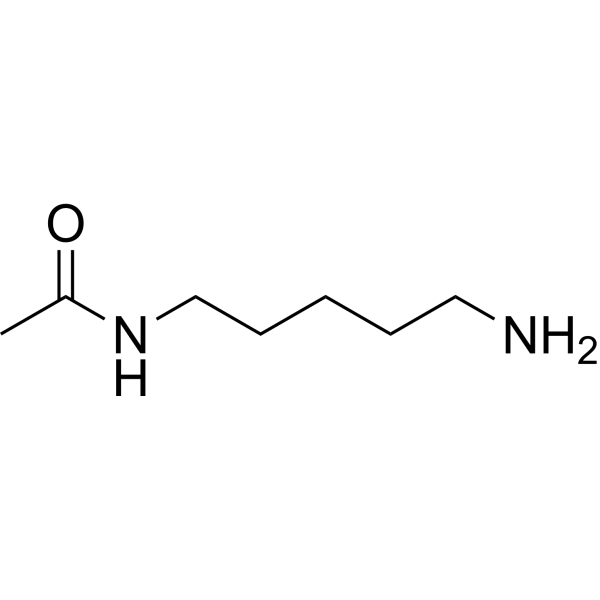
  • HY-101403

    Monoacetylcadaverine

    Endogenous Metabolite Cancer
    N-(5-Aminopentyl)acetamide is the acetylated form of the polyamine cadaverine.
    N-(5-Aminopentyl)acetamide
  • HY-145550

    BI894999

    Epigenetic Reader Domain Cancer
    Amredobresib (BI894999) is an orally active BET inhibitor. Amredobresib inhibits the binding of BRD4-BD1 and BRD4-BD2 bromodomains to acetylated histones with IC50 values of 5 nM and 41 nM, respectively. Amredobresib exhibits anticancer activity against acute myeloid leukemia (AML) and NUT cancer .
    Amredobresib
  • HY-13032B
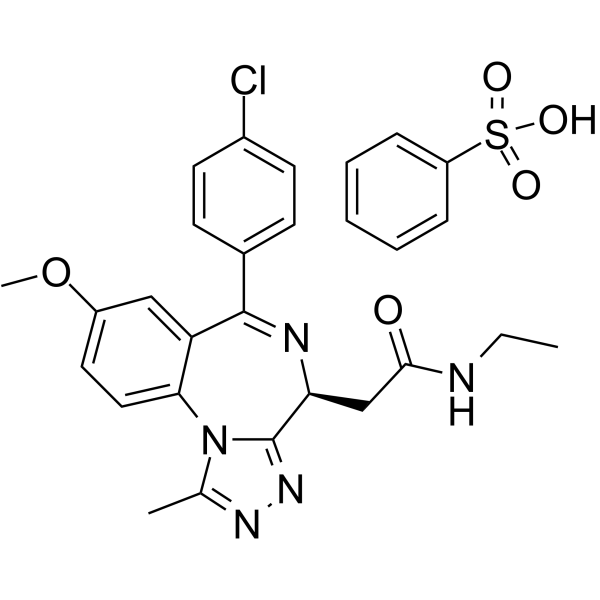
    Molibresib besylate
    Maximum Cited Publications
    21 Publications Verification

    GSK 525762C; I-BET 762 besylate

    Epigenetic Reader Domain ERK Cancer
    Molibresib besylate (GSK 525762C; I-BET 762 besylate) is an orally active pan-BET inhibitor that targets and binds to BRD2, BRD3, BRD4 and BRDT. By competitively occupying acetylated lysine binding sites, Molibresib besylate disrupts the interaction between BET proteins and chromatin, thereby effectively inhibiting MYC expression and target gene transcription. Molibresib besylate exhibits broad antiproliferative activity, which not only inhibits cancer cell growth and induces growth arrest, but also downregulates mitosis-related genes and upregulates the level of p-ERK1/2. When combined with MEK inhibitors, Molibresib besylate shows a significant synergistic effect, reduces tumor burden in mouse models of leukemia, modulates the immune microenvironment and prolongs survival. Molibresib besylate is widely applicable to research related to acute myeloid leukemia, multiple myeloma, triple-negative breast cancer, small-cell lung cancer and various advanced refractory solid tumors .
    Molibresib besylate
  • HY-16531
    YF-2
    2 Publications Verification

    Histone Acetyltransferase Neurological Disease Cancer
    YF-2 is a highly selective, blood-brain-barrier permeable histone acetyltransferase activator, acetylates H3 in the hippocampus, with EC50s of 2.75 μM, 29.04 μM and 49.31 μM for CBP, PCAF, and GCN5, respectively, shows no effect on HDAC. Anti-cancer and anti-Alzheimer's disease .
    YF-2
  • HY-D2869

    Fluorescent Dye Drug Intermediate Others
    Ac-H-FluNox is an acetylated cell-compatible prodrug of H-FluNox (HY-D2339). Ac-H-FluNox undergoes intracellular hydrolysis of its acetyl group by esterases to generate H-FluNox, which then undergoes a deoxygenation reaction with labile heme to form a fluorescent product. Ac-H-FluNox detects fluctuations of labile heme in living cells, acute labile heme release upon nitric oxide stimulation, and accumulation of labile heme following inhibition of heme export proteins .
    Ac-H-FluNox
  • HY-W048838
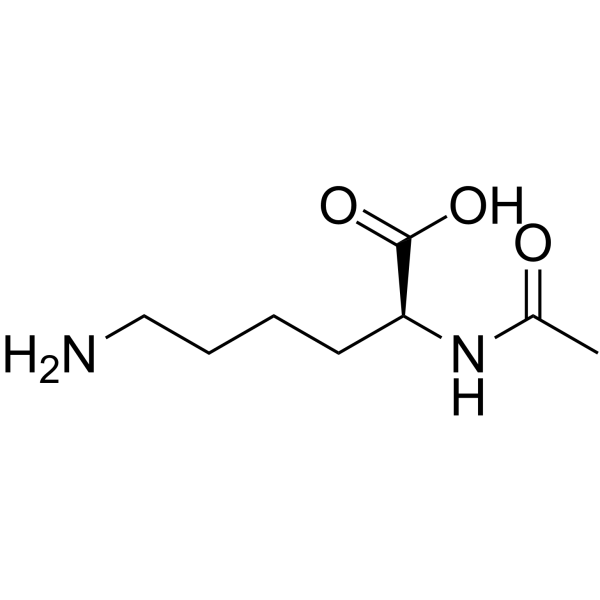
    Acetyl-L-lysine
    1 Publications Verification

    Endogenous Metabolite Metabolic Disease
    Acetyl-L-lysine is an acetylated form of the amino acid L-lysine. Acetyl-L-lysine can participate in protein acylation processes, affecting protein functions such as stability and enzyme activity .
    Acetyl-L-lysine
  • HY-113426
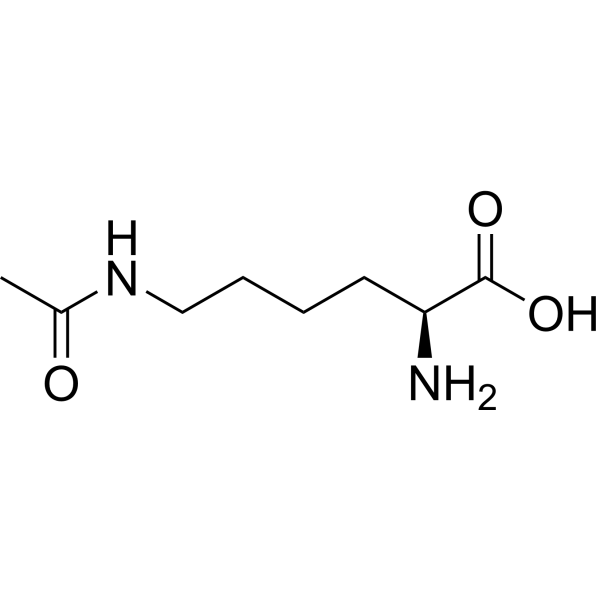
    Nepsilon-Acetyl-L-lysine
    1 Publications Verification

    Endogenous Metabolite Metabolic Disease
    Nepsilon-Acetyl-L-lysine, an endogenous metabolite, is an R-chain N-acetylated α amino acid .
    Nepsilon-Acetyl-L-lysine
  • HY-W039953

    N-azidoacetylglucosamine-tetraacylated

    Biochemical Assay Reagents Others
    Ac4GlcNAz (N-azidoacetylglucosamine-tetraacylated) is an azido-tagged analogue of N-acetylglucosamine (GlcNAC). It features azide functionality on the N-acyl side chain and is acetylated to aid in cell membrane permeation. Once in the cell, the acetylated compound is deprotected and takes part in the hexosamine biosynthetic pathway by action of GlcNAc kinase. The resulting modified proteins are detected by the addition of fluorescent tags under Cu(I)-catalyzed azide-alkyne cycloaddition conditions.
    Ac4GlcNAz
  • HY-N0912
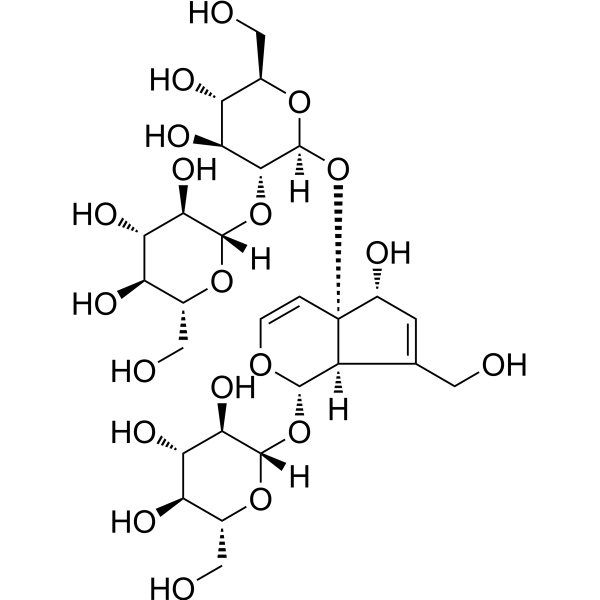
    Rehmannioside D
    1 Publications Verification

    Sirtuin Apoptosis MDM-2/p53 Reactive Oxygen Species (ROS) Bcl-2 Family Caspase Metabolic Disease Inflammation/Immunology
    Rehmannioside D is an orally active Sirt7 modulator. Rehmannioside D upregulates Sirt7 expression, inhibits the level of acetylated p53, and blocks the activation of the p53 signaling pathway. Rehmannioside D alleviates liver injury, inflammatory response, collagen deposition and hepatocyte apoptosis. Rehmannioside D is applicable to research related to liver fibrosis .
    Rehmannioside D
  • HY-P2161B
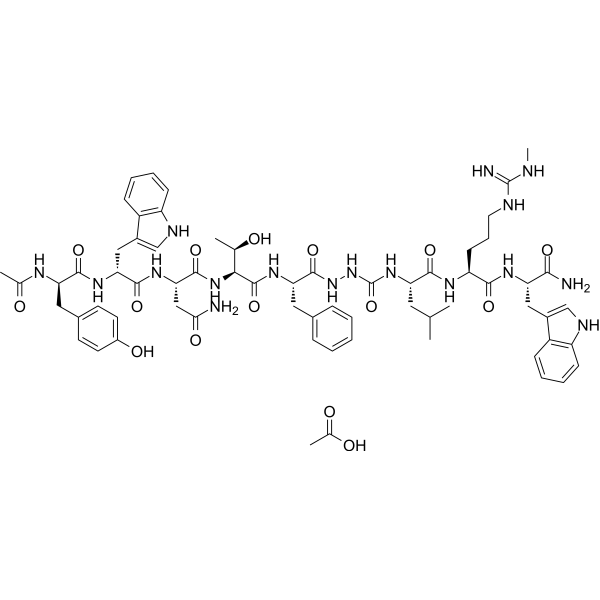
    TAK-683 acetate
    4 Publications Verification

    Kisspeptin Receptor Cancer
    TAK-683 acetate is a potent full KISS1 receptor (KISS1R) agonist (IC50=170 pM) with improved metabolic stability. TAK-683 acetate is a nonapeptide metastin analog, exhibits agonistic activities to KISS1R with EC50 values of 0.96 nM and 1.6 nM for human and rat, respectively . TAK-683 acetate depletes GnRH in the hypothalamus and reduces plasma FSH, LH, and testosterone levels in vivo, it has the potential for the study of hormone-dependent prostate cancer .
    TAK-683 acetate
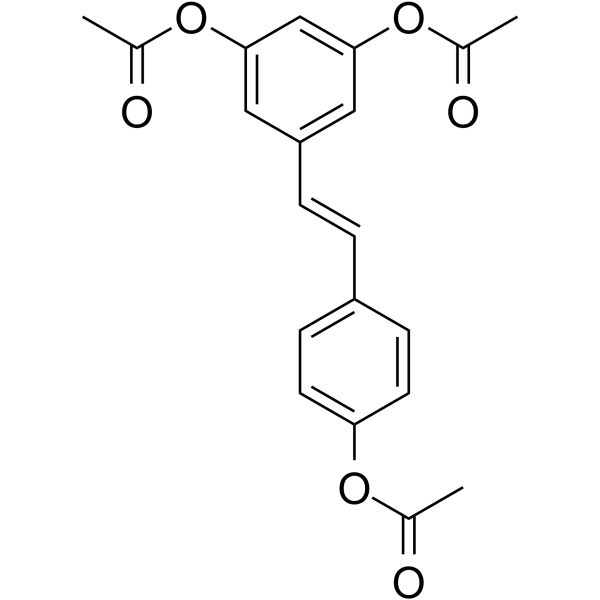
  • HY-N1410

    STAT NF-κB Cancer
    Triacetylresveratrol, an acetylated analog of Resveratrol. Triacetylresveratrol decreases the phosphorylation of STAT3 and NF-κB in a dose- and time- dependent manner in PANC-1 and BxPC-3 cells. Anticancer effects .
    Triacetylresveratrol
  • HY-W250120

    Environmental Pollutants Biochemical Assay Reagents Others
    Konjac glucomannan (Viscosity≥15000mPa.s) is an acetylated (1-4)-beta-D-glucomannan extracted from the tuber of konjac or konjac root. In Japan, it is a dietary supplement intended to reduce calorie intake because it swells in water.
    Konjac glucomannan (Viscosity≥15000mPa.s)
  • HY-16531A
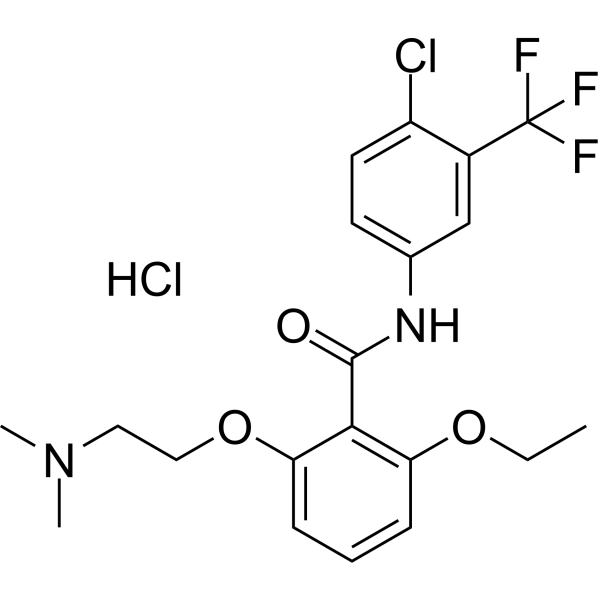
    YF-2 hydrochloride
    2 Publications Verification

    Histone Acetyltransferase Neurological Disease Cancer
    YF-2 hydrochloride is a highly selective, blood-brain-barrier permeable histone acetyltransferase activator, acetylates H3 in the hippocampus, with EC50s of 2.75 μM, 29.04 μM and 49.31 μM for CBP, PCAF, and GCN5, respectively, shows no effect on HDAC. Anti-cancer and anti-Alzheimer's disease .
    YF-2 hydrochloride
  • HY-111329
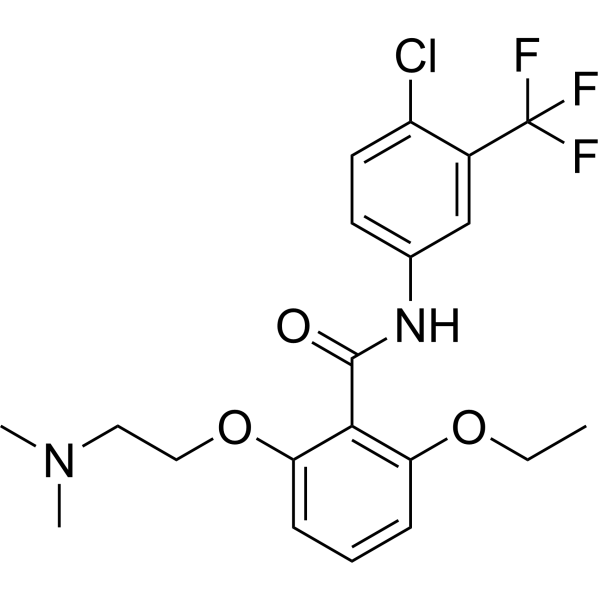
    JGB1741
    1 Publications Verification

    ILS-JGB-1741

    Sirtuin Apoptosis Cancer
    JGB1741 (ILS-JGB-1741) is a potent and specific SIRT1 activity inhibitor with an IC50 of ∼15 μM. JGB1741 is a weak SIRT2 and SIRT3 inhibitor with an all IC50>100 μM. JGB1741 increases the acetylated p53 levels leading to p53-mediated apoptosis with modulation of Bax/Bcl2 ratio, cytochrome c release and PARP cleavage. JGB1741 has the potential for breast cancer research .
    JGB1741
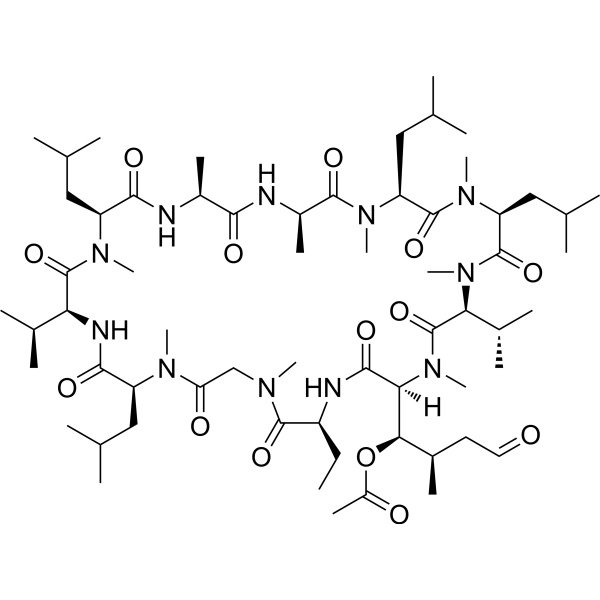
  • HY-W039943

    Molecular Glues Cancer
    Acetyl-cyclosporin A aldehyde is an acetylated Cyclosporin A (HY-B0579) derivative with a reducing aldehyde group. Cyclosporin A is a potent calmodulin inhibitor and cyclophilin binder that can target the nuclear translocation of NF-AT and cause mitochondrial damage.
    Acetyl-cyclosporin A aldehyde
  • HY-W015466

    Endogenous Metabolite Metabolic Disease
    Acetylvaline is an amino acid derivative belonging to the N-acetylated amino acid family. Acetylvaline can be detected in small quantities in the urine of healthy individuals but shows significantly abnormal excretion in the urine of patients with maple syrup urine disease (MSUD). Acetylvaline can be used to detect MSUD .
    Acetylvaline
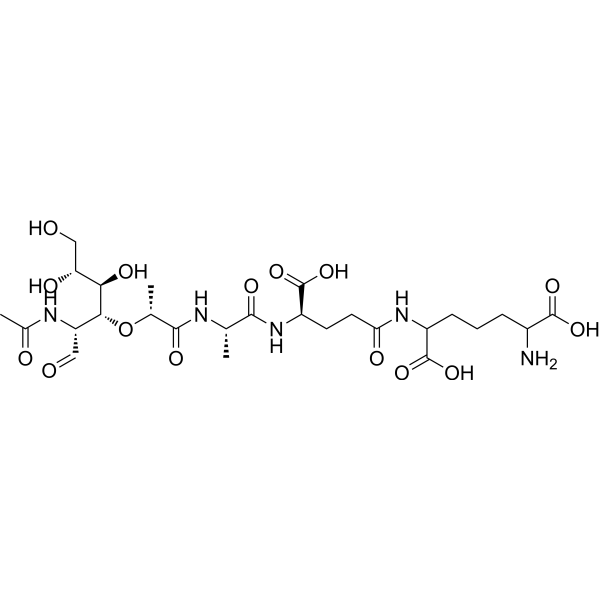
  • HY-P5544

    N-Acetylmuramyl-L-Ala-γ-D-Glu-meso-diaminopimelic acid

    NOD-like Receptor (NLR) Others
    M-TriDAP (N-Acetylmuramyl-L-Ala-γ-D-Glu-meso-diaminopimelic acid) is a NOD1/2 agoist and biological active peptide .
    M-TriDAP
  • HY-15286

    Biochemical Assay Reagents Others
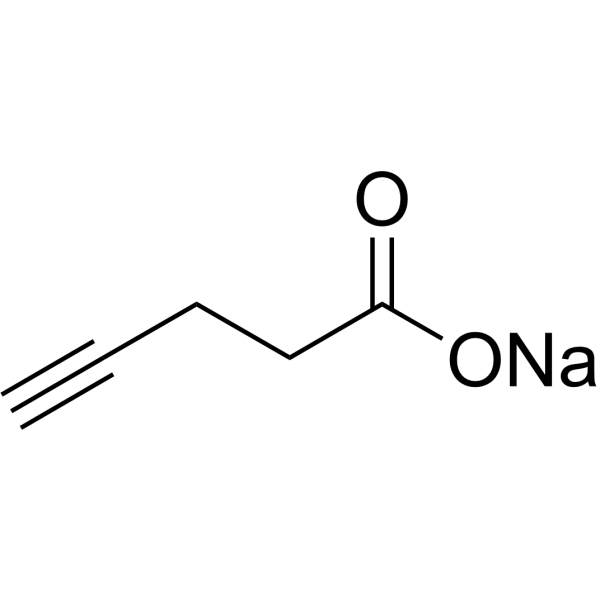
    Sodium 4-pentynoate is a alkynylacetate analogue, can be metabolically incorporated onto cellular proteins through biosynthetic mechanisms for profiling of acetylated proteins in diverse cell types . Sodium 4-pentynoate is a click chemistry reagent, it contains an Alkyne group and can undergo copper-catalyzed azide-alkyne cycloaddition (CuAAc) with molecules containing Azide groups.
    Sodium 4-pentynoate
  • HY-119309

    Environmental Pollutants Biochemical Assay Reagents Others
    Sucrose octaacetate is an acetylated derivative of sucrose with an intensely bitter tasting and can be used as bitter tasting surrogate. Sucrose octaacetate can be used as food additive and also used as an adhesive and plasticizer. Sucrose octaacetate also used in many pesticides, insecticides, and other toxic products as a deterrent to accidental poisoning. Sucrose octaacetate can also be used as an in situ seed and a soft template to synthesize polyaniline (PANI) nanofibers .
    Sucrose octaacetate
  • HY-W1116287

    Drug Derivative Drug Intermediate Others
    N-Acetyl-Sar24 is an acetylated derivative of Sarcosine (HY-101037) .
    N-Acetyl-Sar24
  • HY-116227

    Epigenetic Reader Domain Inflammation/Immunology
    (2S,3R)-LP99 is a potent and selective BRD7 and BRD9 inhibitor with an KD of 99 nM for BRD9. (2S,3R)-LP99 inhibits the association of BRD7 and BRD9 to acetylated histones in vitro and in cells. (2S,3R)-LP99 demonstrates that BRD7/9 plays a role in regulating pro-inflammatory cytokine secretion .
    (2S,3R)-LP99
  • HY-W013266

    Acetylsulfamethoxazole

    Drug Metabolite Infection Metabolic Disease
    N4-Acetylsulfamethoxazole (Acetylsulfamethoxazole) is the N4-acetylated metabolite of Sulfamethoxazole (HY-B0322) .
    N4-Acetylsulfamethoxazole
  • HY-P1170

    Ac-L-Tyr-Gly-Gly-L-Phe-D-Leu-COOH

    Opioid Receptor Neurological Disease
    N-terminally acetylated Leu-enkephalin is the N-terminally acetylated form of Leu-enkephalin. Leu-enkephalin is a five amino acid endogenous peptide that acts as an agonist at opioid receptors.
    N-terminally acetylated Leu-enkephalin
  • HY-P1884

    Bacterial Infection
    LL-37, acetylated, amidated is a cathelicidin peptide LL-37 acetylated on the N-terminus and amidated on the C-terminus. The single human cathelicidin peptide LL-37 has antimicrobial and anti-biofilm activity against multiple Gram-positive and Gram-negative human pathogens, and has wound-healing effects on the host .
    LL-37, acetylated,amidated
  • HY-N7138

    Drug Derivative Neurological Disease Inflammation/Immunology
    2-(Phosphonooxy)benzoic acid is a non-acetylated salicylic acid derivative which has the potential for inflammatory disease as well as in analgesic therapy .
    2-(Phosphonooxy)benzoic acid
  • HY-138875

    p38 MAPK Apoptosis Cardiovascular Disease Cancer
    Tetraacetylphytosphingosine is a sphingolipid metabolite produced by phytosphingosine acetylation. Tetraacetylphytosphingosine exerts its inhibitory action on angiogenesis through the inhibition of MAPK activation and intracellular calcium increase . Tetraacetylphytosphingosine induces apoptosis in HaCaT cells .
    Tetraacetylphytosphingosine
  • HY-125236

    Epigenetic Reader Domain Cancer
    BET-IN-19 (Compound 146) is a BET inhibitor. BET-IN-19 inhibits hlL-6 mRNA transcription (IC50 ≤0.3 uM), and c-myc activity in human AML MV4-11 cell (IC50 ≤0.3 uM)。BET-IN-19 inhibits tetra-acetylated histone H4 binding to BRD4 bromodomain 1 (IC50 ≤0.3 uM) .
    BET-IN-19
  • HY-176540

    Microtubule/Tubulin Neurological Disease
    Microtubule stabilizer-1 (compound 69) is a brain-penetrant microtubule (MT) stabilizer. Microtubule stabilizer-1 increases acetylated α-tubulin (AcTub) levels and prevents the characteristic loss of neuronal MTs that is observed after incubation with Okadaic acid (HY-N6785). Microtubule stabilizer-1 can be used for the study of Alzheimer’s disease (AD) and related neurodegenerative tauopathies .
    Microtubule stabilizer-1
  • HY-154818

    Ac-BSA

    Biochemical Assay Reagents Others
    Bovine Serum Albumin, Acetylated (Ac-BSA) is a polypeptide of known structure with strong antigenicity. Bovine Serum Albumin, Acetylated produced a significant immune response, validating the accuracy and reliability of the experimental method. Bovine Serum Albumin, Acetylated can be used as a positive control substance in ELISA or WB experiments, and can be used in experiments with acetylated lysine monoclonal or polyclonal antibodies. Bovine Serum Albumin, Acetylated also improves encapsulation efficiency at low concentrations of PLGA, a polymer for biopharmaceutical delivery with biocompatibility, degradability, and controlled release properties .
    Bovine Serum Albumin, Acetylated
  • HY-164066

    Biochemical Assay Reagents Others
    Sodium Acetylated Hyaluronate is an acetylated hyaluronic acid derivative with anti-wrinkle and deep skin penetration properties, which can be used in skin aging research and cosmetic development .
    Sodium Acetylated Hyaluronate
  • HY-P2859

    Endogenous Metabolite Metabolic Disease
    Chitosanase is a glycosyl hydrolase that catalyzes the endo hydrolysis of β-1,4-glycosidic bonds of partially acetylated chitosan to release chitosan oligosaccharides (COS). Chitosanases can convert high molecular weight chitosan into functional chitooligosaccharides with low molecular weight .
    Chitosanase
  • HY-164248

    N-Acetylguanosine

    DNA/RNA Synthesis Others
    Ac-rG (N-Acetylguanosine is an acetylated guanosine ribonucleotide.
    Ac-rG
  • HY-W013266S

    Acetylsulfamethoxazole-d4

    Isotope-Labeled Compounds Drug Metabolite Infection Metabolic Disease
    N4-Acetylsulfamethoxazole-d4 (Acetylsulfamethoxazole-d4) is the deuterium labeled N4-Acetylsulfamethoxazole (HY-W013266). N4-Acetylsulfamethoxazole (Acetylsulfamethoxazole) is the N4-acetylated metabolite of Sulfamethoxazole (HY-B0322) .
    N4-Acetylsulfamethoxazole-d4
  • HY-145013

    LYTACs Others
    tri-GalNAc-COOH acetylation is the acetylated and modified form of tri-GalNAc-COOH. tri-GalNAc-COOH acetylation can be used for the synthesis of LYTAC.
    tri-GalNAc-COOH (acetylation)
  • HY-W001095

    Biochemical Assay Reagents Drug Intermediate Others
    N-Methoxy-N-methylacetamide can efficiently acetylate polycarbonyl compounds. As an important intermediate, N-Methoxy-N-methylacetamide can be used for the synthesis of other active compounds .
    N-Methoxy-N-methylacetamide
  • HY-101403R

    Monoacetylcadaverine (Standard)

    Reference Standards Endogenous Metabolite Cancer
    N-(5-Aminopentyl)acetamide (Standard) is the analytical standard of N-(5-Aminopentyl)acetamide. This product is intended for research and analytical applications. N-(5-Aminopentyl)acetamide is the acetylated form of the polyamine cadaverine.
    N-(5-Aminopentyl)acetamide (Standard)
  • HY-N6685

    3-AcDON; 3-ADON

    Endogenous Metabolite Interleukin Related Infection Inflammation/Immunology
    3-Acetyldeoxynivalenol (3-AcDON; 3ADON), a trichothecene mycotoxin deoxynivalenol (DON) acetylated derivative, is a brain-penetrant Fusarium mycotoxin. 3-Acetyldeoxynivalenol induces mRNA expression and production of inflammatory chemokine IL-8 in intestinal cells .
    3-Acetyldeoxynivalenol
  • HY-W128159

    Hemoglobin Cancer
    N-Acetyl-2-pyrrolidone (No.20) is an N-acetylated amide. N-Acetyl-2-pyrrolidone can induce the differentiation of mouse erythroleukemia cells and has the activity of stimulating proliferation. N-Acetyl-2-pyrrolidone can be used in the research of leukemia differentiation therapy .
    N-Acetyl-2-pyrrolidone
  • HY-P3940

    PKC Others
    Ac-MBP (4-14) Peptide is an acetylated MBP (4-14) peptide. MBP (4-14) Peptide is a very selective (protein kinase C) PKC substrate. Ac-MBP (4-14) Peptide can be used for PKC assay in extracts without prior purification to eliminate interfering protein kinases or phosphatases .
    Ac-MBP (4-14) Peptide
  • HY-P2161

    Kisspeptin Receptor Cancer
    TAK-683 is a potent full KISS1 receptor (KISS1R) agonist (IC50=170 pM) with improved metabolic stability. TAK-683 is a nonapeptide metastin analog, exhibits agonistic activities to KISS1R with EC50 values of 0.96 nM and 1.6 nM for human and rat, respectively . TAK-683 depletes GnRH in the hypothalamus and reduces plasma FSH, LH, and testosterone levels in vivo, it has the potential for the study of hormone-dependent prostate cancer .
    TAK-683
  • HY-W095697

    Endogenous Metabolite Others
    N-Acetylhistidine is a histidine derivative that is the acetylated enzyme intermediate in the N-acetyltransferase reaction .
    N-Acetylhistidine
  • HY-146160

    PARP HDAC Cancer
    PARP-1/HDAC-IN-1 is a PARP-1/HDAC6 dual targeting inhibitor with IC50s of 68.90 nM and 510 nM, respectively. PARP-1/HDAC-IN-1 displays remarkable anticancer, anti-migration and anti-angiogenesis activities .
    PARP-1/HDAC-IN-1
  • HY-176733

    HDAC Free Fatty Acid Receptor Microtubule/Tubulin ERK Neurological Disease
    HDAC6-IN-61 (Compound 4e) is a HDAC6 inhibitor (IC50: 73 nM) with selectivity over other HDAC isoforms. HDAC6-IN-61 is also a GPR40 activator. HDAC6-IN-61 increases acetylated tubulin and ERK phosphorylation levels. HDAC6-IN-61 can be used for research of neuroinflammation such as Alzheimer's disease .
    HDAC6-IN-61
  • HY-178110

    HDAC Microtubule/Tubulin Histone Methyltransferase Cancer
    HDAC6-IN-65 is a selective HDAC6 inhibitor (IC50 = 0.9 nM) and also exhibits a certain suppressive effect on HDAC3 (IC50 = 39.4 nM). HDAC6-IN-65 can induce the accumulation of α-tubulin (ac-tubulin) and acetylated histone H3 (ac-histone H3, a class I HDAC inhibition marker) in Neuro-2a cells. HDAC6-IN-65 can be used for the study of melanoma .
    HDAC6-IN-65
  • HY-P10181

    Drug Derivative Others
    Acetyl angiotensinogen (1-14), human is a synthetic peptide and N-terminal acetylated form of Angiotensinogen (1-14), human (HY-P1486) .
    Acetyl angiotensinogen (1-14), human
  • HY-135405

    HMG-CoA Reductase (HMGCR) Cardiovascular Disease Cancer
    4-Acetylsimvastatin is an acetylated simvastatin. Simvastatin is a competitive inhibitor of HMG-CoA reductase with a Ki of 0.2 nM .
    4-Acetylsimvastatin
  • HY-135405R

    HMG-CoA Reductase (HMGCR) Reference Standards Cardiovascular Disease Cancer
    4-Acetylsimvastatin (Standard) is the analytical standard of 4-Acetylsimvastatin. This product is intended for research and analytical applications. 4-Acetylsimvastatin is an acetylated simvastatin. Simvastatin is a competitive inhibitor of HMG-CoA reductase with a Ki of 0.2 nM .
    4-Acetylsimvastatin (Standard)
  • HY-W048838R

    Reference Standards Endogenous Metabolite Metabolic Disease
    Acetyl-L-lysine is an acetylated form of the amino acid L-lysine. Acetyl-L-lysine can participate in protein acylation processes, affecting protein functions such as stability and enzyme activity .
    Acetyl-L-lysine (Standard)

Inquiry Online

Your information is safe with us. * Required Fields.

Salutation


Country or Region *

Applicant Name *


Organization Name *

Department *


Email Address *


Product Name *

Cat. No.


Requested quantity *

Phone Number *


Remarks

Inquiry Online

Inquiry Information

Product Name:
Cat. No.:
Quantity:
MCE Japan Authorized Agent:

