

1. Search Result
Search Result
Results for "

adhesion receptor

" in MedChemExpress (MCE) Product Catalog:

60

Inhibitors & Agonists

1

Screening Libraries

5

Biochemical Assay Reagents

21

Peptides

3

Inhibitory Antibodies

7

Natural
Products

21

Recombinant Proteins

2

Isotope-Labeled Compounds

40

Antibodies

Cat. No. Product Name Target Research Areas Chemical Structure
  • HY-106950

    Diphosphofructose; Esafosfan; FDP

    Toll-like Receptor (TLR) COX Cardiovascular Disease Neurological Disease Metabolic Disease
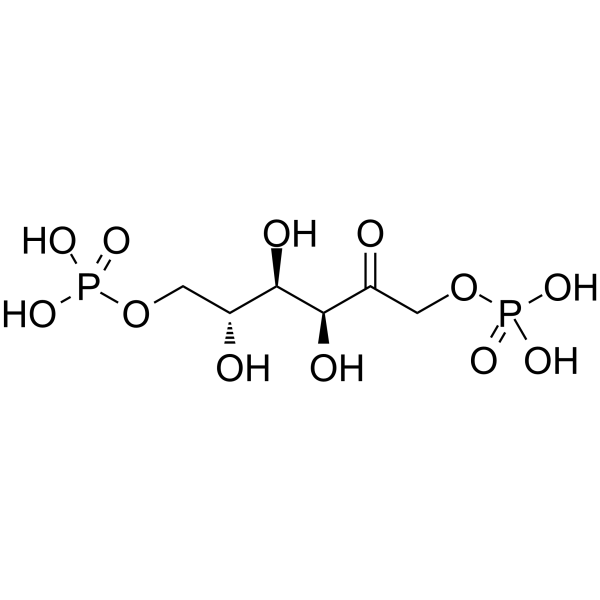
    Fosfructose is an orally active cyclooxygenase-2 inhibitor and Toll-like receptor 4 modulator. Fosfructose reduces the expression of cyclooxygenase-2, thereby decreasing prostaglandin production. By inhibiting the Toll-like receptor 4 signaling pathway, Fosfructose downregulates LPS-induced adhesion molecule expression. Fosfructose is applicable to research related to ischemic stroke, epilepsy, sepsis, myocardial injury, osteoporosis, and ultraviolet B-induced skin damage .
    Fosfructose
  • HY-101483
    Dihydromunduletone
    2 Publications Verification

    Drug Derivative Neurological Disease Cancer
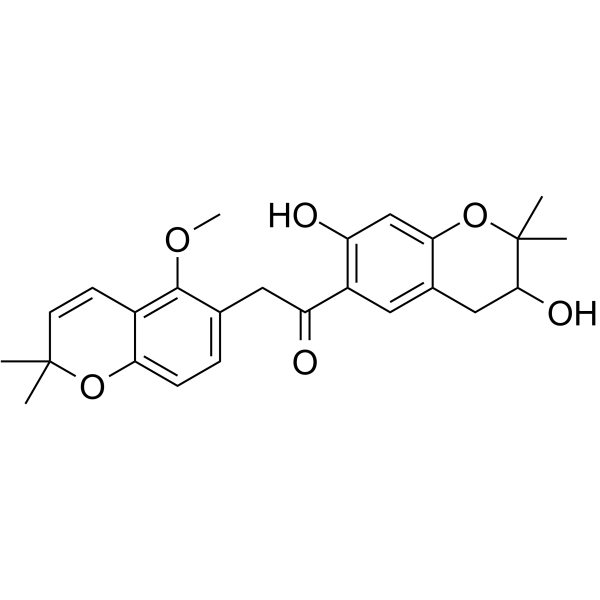
    Dihydromunduletone (DHM) is a rotenoid derivative and a selective, potent adhesion G protein-coupled receptor (aGPCR) (GPR56 and GPR114/ADGRG5) antagonist with an IC 50 of 20.9 μM for GPR56, but not inhibit GPR110 or class A GPCRs .
    Dihydromunduletone
  • HY-B0633D

    CD44 Endogenous Metabolite Bacterial Akt PI3K Neurological Disease Metabolic Disease Inflammation/Immunology Cancer
    Hyaluronic acid sodium (MW 200-1560) is a biopolymer composed of repeating disaccharide units, with a molecular weight of 200-1560. Hyaluronic acid sodium is a major component of the extracellular matrix (ECM). It is synthesized on the plasma membrane. Hyaluronic acid sodium exerts its effects by binding to receptors CD44 and RHAMM. Hyaluronic acid sodium activates PI3K-Akt signaling. Hyaluronic acid sodium also enhances cell invasion and angiogenesis by promoting or stimulating the binding of proteolytic MMP-9 to the cell surface. Elevated hyaluronic acid levels are associated with tumor cell growth, adhesion, migration, invasion, and angiogenesis in digestive system cancers. Hyaluronic acid sodium is involved in tissue remodeling and rapid cell proliferation in several physiological processes, including embryonic morphogenesis and wound healing. Hyaluronic acid sodium can be used as a regulator of cancer-associated lymphangiogenesis. Hyaluronic acid sodium can be used as a drug delivery carrier for sodium butyrate, enhancing its anti-proliferative activity against breast cancer cell lines. Hyaluronic acid sodium can lubricate the corneal endothelium. Hyaluronic acid sodium can improve tissue hydration and enhance the resistance of cells to mechanical damage. Hyaluronic acid sodium has been conjugated with antibodies to ensure that the active compound continues to exert its effects at the site of inflammation. Hyaluronic acid sodium can be used in research in the fields of osteoarthritis, ophthalmology, cosmetic dermatology, oncology, and liver diseases .
    Hyaluronic acid sodium (MW 200-1560)
  • HY-B0633E

    Hyaluronan, low endotoxin; Hyaluronate, low endotoxin

    Endogenous Metabolite CD44 Bacterial Akt PI3K Neurological Disease Metabolic Disease Inflammation/Immunology Cancer
    Hyaluronic acid, low endotoxin (Hyaluronan, low endotoxin) is a biopolymer composed of repeating disaccharide units containing low levels of endotoxin. Hyaluronic acid is a major component of the extracellular matrix (ECM). It is synthesized on the plasma membrane. Hyaluronic acid exerts its effects by binding to receptors CD44 and RHAMM. Hyaluronic acid activates PI3K-Akt signaling. Hyaluronic acid also enhances cell invasion and angiogenesis by promoting or stimulating the binding of proteolytic MMP-9 to the cell surface. Elevated hyaluronic acid levels are associated with tumor cell growth, adhesion, migration, invasion, and angiogenesis in digestive system cancers. Hyaluronic acid is involved in tissue remodeling and rapid cell proliferation in several physiological processes, including embryonic morphogenesis and wound healing. Hyaluronic acid can be used as a regulator of cancer-associated lymphangiogenesis. Hyaluronic acid can be used as a drug delivery carrier for sodium butyrate, enhancing its anti-proliferative activity against breast cancer cell lines. Hyaluronic acid can lubricate the corneal endothelium. Hyaluronic acid can improve tissue hydration and enhance the resistance of cells to mechanical damage. Hyaluronic acid has been conjugated with antibodies to ensure that the active compound continues to exert its effects at the site of inflammation. Hyaluronic acid can be used in research in the fields of osteoarthritis, ophthalmology, cosmetic dermatology, oncology, and liver diseases .
    Hyaluronic acid, low endotoxin
  • HY-100197
    Synaptamide
    1 Publications Verification

    N-Docosahexaenoyl ethanolamine (DHEA); Docosahexaenoyl ethanolamide

    Cannabinoid Receptor Neurological Disease
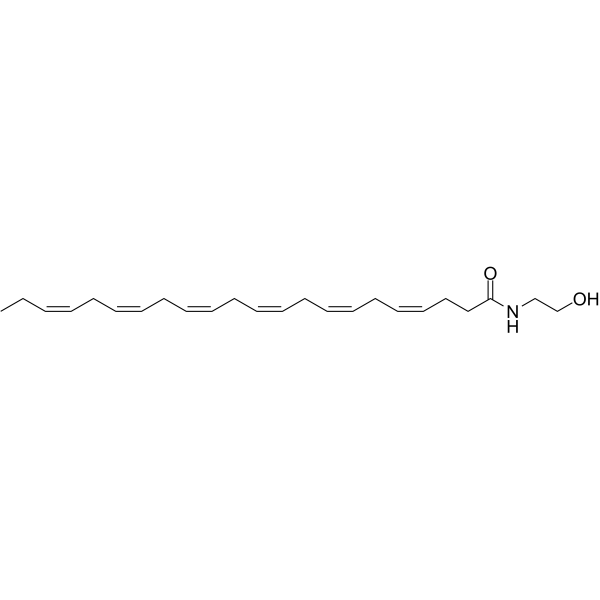
    Synaptamide (Dehydroepiandrosteron; DHEA) is an endogenous metabolite and structural analogue of Anandamide. Synaptamide binds to both the cannabinoid-1 and 2 (CB1 and CB2) cannabinoid receptors and has anti-inflammatory properties. Synaptamide is the first small-molecule endogenous ligand of an adhesion G protein-coupled receptor (aGPCR) .
    Synaptamide
  • HY-P9934
    Abciximab
    2 Publications Verification

    C7E3

    Integrin Cardiovascular Disease
    Abciximab (C7E3), a chimeric mouse/human monoclonal antibody fragment, is a glycoprotein (GP) IIb/IIIa inhibitor. Abciximab inhibits platelet aggregation and leucocyte adhesion by binding to the glycoprotein IIb/IIIa, vitronectin and Mac-1 receptors .
    Abciximab
  • HY-18282

    LXR Cardiovascular Disease Metabolic Disease Cancer
    AZ876 is a selective, orally active agonist of liver X receptor (LXRα/β) (Ki=0.007 μM [LXRα, human], 0.011 μM [LXRβ, human]. AZ876 induces the expression of target genes such as ABCA1 and ABCG1, promotes reverse cholesterol transport (RCT) and regulates lipid metabolism and anti-inflammatory effects. AZ876 increases cardiac polyunsaturated fatty acid levels, reduces myocardial fibrosis, and reduces lesion area and monocyte adhesion in atherosclerosis models. AZ876 can be used in cardiovascular disease research, such as preventing and treating β-adrenergic-induced cardiac diastolic dysfunction and inhibiting the progression of atherosclerosis .
    AZ876
  • HY-P0204A

    Endothelin 3 (Rat,Human) TFA

    Endothelin Receptor Integrin Neurological Disease
    Endothelin-3, human, mouse, rabbit, rat TFA (Endothelin 3 (Rat,Human) TFA) is an adhesion stimulant. Endothelin-3, human, mouse, rabbit, rat TFA stimulates the adhesion of enteric neural crest cells to various ECM components. Endothelin-3, human, mouse, rabbit, rat TFA plays an important role in the maintenance and self-renewal of intestinal progenitor cells, participates in the migration of enteric neural crest cells, and helps maintain a suitable environment for the colonization of enteric neural crest cells. Endothelin-3, human, mouse, rabbit, rat TFA acts synergistically with the β1-integrin signaling pathway during enteric nervous system development. Endothelin-3, human, mouse, rabbit, rat TFA can be used in studies related to distal aganglionosis .
    Endothelin-3, human, mouse, rabbit, rat TFA
  • HY-P2975

    Mouse laminin (Engelbreth-Holm-Swarm murine sarcoma basement membrane)

    Endogenous Metabolite Biochemical Assay Reagents Neurological Disease
    Laminin (Engelbreth-Holm-Swarm murine sarcoma basement membrane) is a crucial structural element in animal tissues, forming part of the scaffolding that supports tissue architecture. It interacts with type IV collagen through entactin and perlecan, connects to cell membranes via integrin receptors, dystroglycan complexes, and Lutheran blood group glycoproteins, and contains functional domains that facilitate collagen binding, cell adhesion, heparin interaction, and promote neurite outgrowth.
    Laminin (Engelbreth-Holm-Swarm murine sarcoma basement membrane)
  • HY-148385

    Endogenous Metabolite Integrin FAK Src ERK p38 MAPK Neurological Disease Cancer
    Ganglioside GM2 is a human tumor antigen predominantly found in human tumor cells and fetal brain tissue. As a sialylated glycosphingolipid, Ganglioside GM2 is involved in processes such as cell signaling, adhesion, and motility. Ganglioside GM2 abnormal expression and accumulation are associated with tumors and neurodegenerative disorders. Ganglioside GM2 promotes tumor cell migration and invasion by directly binding to the integrin β1 receptor, activating the FAK/Src/Erk-MAPK signaling pathway, and inducing actin cytoskeleton remodeling .
    Ganglioside GM2
  • HY-P5098

    Integrin Neurological Disease Cancer
    E (c (RGDfK)) 2 is a αvβ3 integrin ligand and tumor-targeting agent. E (c (RGDfK)) 2 binds to αvβ3 integrin, mediates receptor-mediated endocytosis of conjugated payloads, and inhibits integrin-dependent cell adhesion to fibrinogen. E (c (RGDfK)) 2 inhibits the proliferation of cancer cells and endothelial cells. E (c (RGDfK)) 2 preferentially accumulates in orthotopic mouse breast tumors and human ovarian cancer xenograft tumors. E (c (RGDfK)) 2 can be used in research related to glioblastoma, lung cancer, breast adenocarcinoma and ovarian cancer .
    E(c(RGDfK))2
  • HY-105028

    CP-66248

    COX Lipoxygenase Potassium Channel MMP Inflammation/Immunology
    Tenidap (CP-66248) is an orally active dual inhibitor of 5-LOX and COX with anti-inflammatory and immunomodulatory properties. Tenidap downregulates the expression of IL-1 receptors in chondrocytes, reduces the release of pro-inflammatory cytokines such as IL-1, IL-6 and TNF-α, and inhibits MMP production and cartilage degradation. Tenidap also blocks bone resorption and leukocyte adhesion to vascular endothelium, interferes with ion and pH changes associated with mouse sperm capacitation, and selectively enhances the activity of hKir2.3 channels (EC50=1.3 μM). Tenidap is applicable to research related to rheumatoid arthritis .
    Tenidap
  • HY-P11328

    Integrin Others
    GFOGER peptide is an artificially synthesized collagen-mimetic sequence. GFOGER peptide acts as a ligand for α2β1, α11β1 and α1β1 integrins, thereby supporting integrin-mediated cell adhesion to collagen. GFOGER peptide triggers signaling pathways mediated by the α2β1 integrin receptor and upregulates osteoblast differentiation. GFOGER peptide accelerates and enhances bone formation at sites of refractory femoral defects. GFOGER peptide can be passively adsorbed onto polymer scaffolds for cell-free/growth factor-free bone formation. GFOGER peptide is used in biomaterials such as hydrogels and 3D bioinks for tissue engineering research including bone formation .
    GFOGER peptide
  • HY-N2110

    Akt Sirtuin Integrin STAT PI3K Apoptosis ERK PPAR PKC Toll-like Receptor (TLR) HIV Inflammation/Immunology
    Phellopterin, an orally active furocoumarin with multiple biological activities. Phellopterin is a partial agonist of the central benzodiazepine receptors. Phellopterin exerts anti-inflammatory effects by upregulating SIRT1, downregulating ICAM-1 (reducing chronic inflammation, aiding diabetic ulcer healing), inhibiting STAT3 phosphorylation (easing atopic dermatitis inflammation), regulating Akt/PKC pathways (lowering TNF-α-induced VCAM-1 to block monocyte adhesion), and inhibiting TLR4/NF-κB pathway and macrophage M2 polarization (alleviating colitis-related cancers). Phellopterin suppresses ovarian cancer progression via inhibiting the PU.1/CLEC5A/PI3K-AKT loop (inducing cell cycle arrest, apoptosis, DNA damage). Phellopterin alleviates murine diabetes by promoting adipocyte differentiation and increasing PPARγ. Phellopterin also has anti-HSV-1 activity. Phellopterin can be used for studying anti-inflammation, anti-cancer (e.g., ovarian cancer, colitis cancer), blood glucose lowering, anti-diabetes, and anti-virus .
    Phellopterin
  • HY-P1741
    Fibrinogen-Binding Peptide
    1 Publications Verification

    Thrombin Cardiovascular Disease
    Fibrinogen-Binding Peptide (designed by anticomplementarity hypothesis) is a presumptive peptide mimic of the vitronectin binding site on the fibrinogen receptor. Fibrinogen-Binding Peptide binds fibrinogen and inhibits both the adhesion of platelets to fibrinogen and platelet aggregation, and also inhibits the adhesion of platelets to vitronectin .
    Fibrinogen-Binding Peptide
  • HY-P4651

    TGF-β Receptor Others
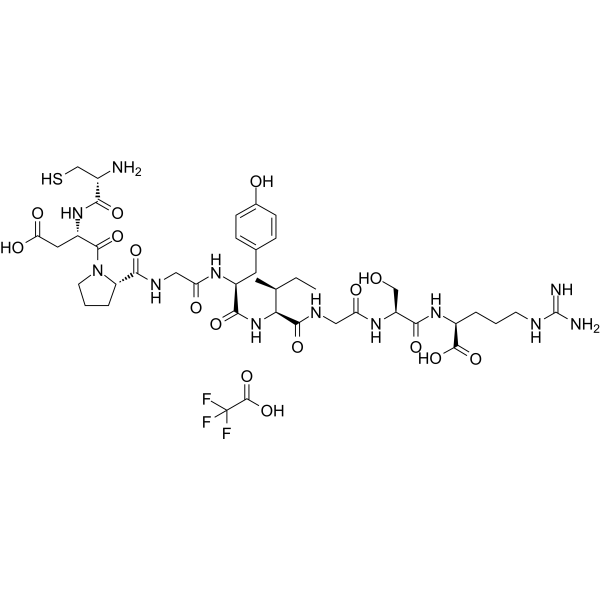
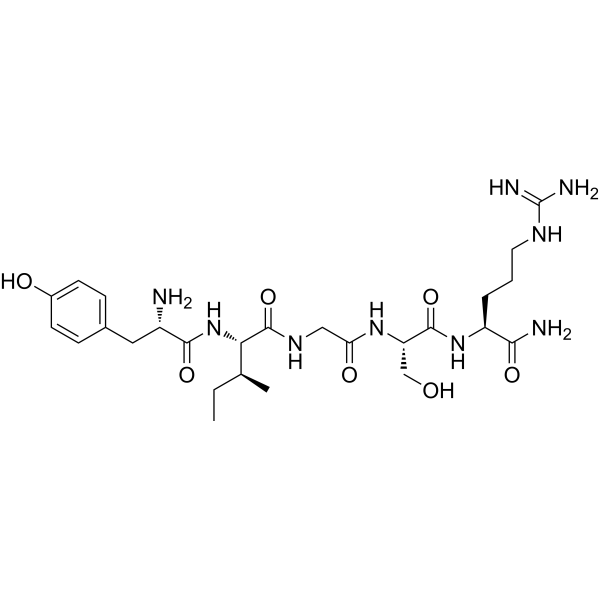
    H-Tyr-Ile-Gly-Ser-Arg-NH2 is a hexapeptide that is an essential fragment of laminin responsible for efficient cell adhesion and receptor binding. H-Tyr-Ile-Gly-Ser-Arg-NH2 promotes various epithelial cell adhesion activities .
    H-Tyr-Ile-Gly-Ser-Arg-NH2
  • HY-P5832

    TGF-beta/Smad RUNX Metabolic Disease
    BMP2-derived peptide is an osteogenic inducer and BMP receptor ligand. BMP2-derived peptide binds to BMP receptors on the cell surface to form a complex, activates the downstream Smad signaling pathway, and regulates the expression of osteogenic transcription factors. BMP2-derived peptide effectively promotes the adhesion, proliferation, osteogenic differentiation and mineralization of bone marrow mesenchymal stem cells, significantly up-regulates the mRNA levels of OCN, Runx2 and type I collagen, and increases alkaline phosphatase activity and calcium deposition. BMP2-derived peptide induces osteoblast differentiation and ectopic bone regeneration, and improves cranial bone defect repair. Meanwhile, BMP2-derived peptide enhances the cytocompatibility of mesoporous silica nanoparticles, synergistically increases osteogenic activity with Dexamethasone (HY-14648), serving as an important tool for bone defect repair research .
    BMP2-derived peptide
  • HY-P10580

    Tie PI3K Akt Cadherin Claudin Cardiovascular Disease Infection Inflammation/Immunology
    Vasculotide is a blood-brain barrier (BBB)-penetrant Tie2 agonist. Vasculotide binds to a unique domain of Tie2, induces receptor clustering to drive phosphorylation, activates downstream PI3K/Akt and eNOS pathways, enhances inter-endothelial cell junctions (such as VE-cadherin and claudin-5), and inhibits inflammatory adhesion molecules, ultimately stabilizing the vascular endothelial barrier and reducing its permeability . Vasculotide alleviates pulmonary microvascular leakage and microcirculatory dysfunction caused by cardiopulmonary bypass, acts as an adjuvant radioprotective agent to reduce acute radiation dermatitis, and promotes BBB recovery after focused ultrasound (FUS). Combination of Vasculotide with antibiotics reduces lung injury .
    Vasculotide
  • HY-139201H

    PDLHB (MW ≥300000)

    CaSR Others
    Poly-D-lysine hydrobromide (MW ≥300000) (PDLHB (MW ≥300000)) is a cationic polymer and cell adhesion promoter. Poly-D-lysine hydrobromide (MW ≥300000) serves as a substrate coating to support the adhesion and proliferation of rat dorsal root ganglion satellite glial cells in vitro. Poly-D-lysine hydrobromide (MW ≥300000) promotes the adhesion and immobilization of cells on plastic culture dishes. Poly-D-lysine hydrobromide is also known as a calcium-sensing receptor (CaSR) agonist peptide .
    Poly-D-lysine hydrobromide (MW ≥300000)
  • HY-10656

    Urotensin Receptor Inflammation/Immunology
    SB-657510 is a selective urotensin II (UII) receptor (UT) antagonist. The Ki values are 61, 17, 30, 65 and 56 nM for human, monkey, cat, rat and mouse receptors, respectively. SB-657510 exerts anti-inflammatory effects by inhibiting UII-induced upregulation of inflammatory mediators such as adhesion molecules, cytokines, and tissue factor in human vascular endothelial cells .
    SB-657510
  • HY-P1110
    AF12198
    4 Publications Verification

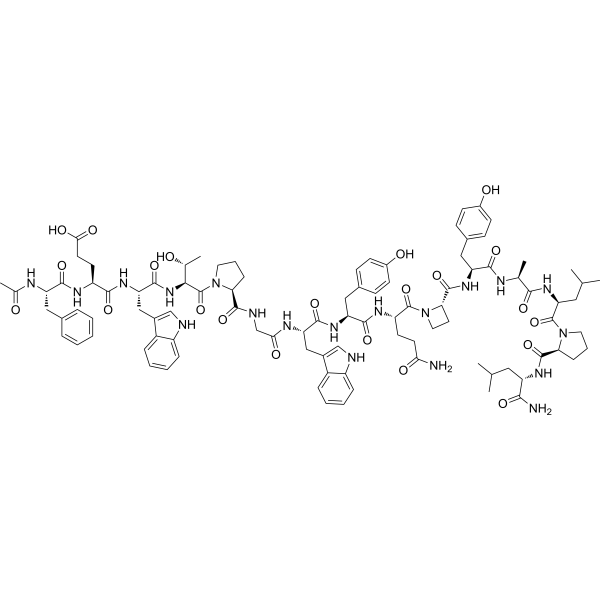
    Interleukin Related Inflammation/Immunology
    AF12198 is a potent, selective and specific peptide antagonist for human type I interleukin-1 receptor (IL1-R1) (IC50=8 nM) but not the human type II receptor (IC50=6.7 µM) or the murine type I receptor (IC50>200 µM). AF12198 inhibits IL-1-induced IL-8 production (IC50=25 nM) and IL-1-induced intercellular adhesion molecule-1 (ICAM-1) expression (IC50=9 nM) in vitro. AF12198 has anti-inflammatory activities and blocks responses to IL-1 in vivo .
    AF12198
  • HY-114457

    L-alpha-Phosphatidylinositol-4,5-bisphosphate; (PtdIns)-(4,5)-P2

    Phospholipase Inflammation/Immunology
    Phosphatidylinositol 4,5-bisphosphate (L-alpha-Phosphatidylinositol-4,5-bisphosphate) is a plasma membrane lipid that is enriched in the cytoplasmic leaflet of the plasma membrane. Phosphatidylinositol 4,5-bisphosphate serves as a substrate for phospholipase C and class I PI3K, generating diacylglycerol, inositol (1,4,5)-trisphosphate, and phosphatidylinositol (3,4,5)-trisphosphate. Phosphatidylinositol 4,5-bisphosphate contributes to lamellipodial protrusion, directional cell migration, focal adhesion lipid generation, and trafficking of the GABAA receptor. Phosphatidylinositol 4,5-bisphosphate can be used in research related to acute lung injury and pulmonary edema .
    Phosphatidylinositol 4,5-bisphosphate
  • HY-N10534

    Lewis X

    Parasite Infection Inflammation/Immunology Cancer
    Lewis X trisaccharide (Lewis X, Le x) is a potent TH2 regulator, antagonizes LPS-induced IL-12 immune expression. Lewis X trisaccharide is a human histo-blood group antigen, plays an key role in cell-cell adhesion, and servers as a tumor marker. Lewis X trisaccharide is highly expressed in the outer membrane of the parasite, can be used for the immunology research of schistosomiasis .
    Lewis X trisaccharide
  • HY-P10586A

    MALP-2 TFA

    Toll-like Receptor (TLR) NO Synthase Cardiovascular Disease Metabolic Disease
    Macrophage-activating lipopeptide 2 TFA is an agonist of Toll like receptors TLR-2/TLR-6. Macrophage-activating lipopeptide-2 enhances endothelial nitric oxide synthase (eNOS) phosphorylation and endothelial cell release of NO, thereby improving vasodilation. Macrophage-activating lipopeptide-2 enhances endothelial adhesion of white blood cells and improve perfusion recovery and collateral growth in the hind limbs of hypercholesterolemic Apoe deficient mice undergoing experimental femoral artery ligation (FAL) .
    Macrophage-activating lipopeptide 2 TFA
  • HY-139201C

    PDLHB (MW 1000-5000)

    CaSR Others
    Poly-D-lysine hydrobromide (MW 1000-5000) (PDLHB (MW 1000-5000)) is a synthetic cationic polypeptide polymer commonly used as a cell adhesion promoter and surface coating molecule. Poly-D-lysine hydrobromide is also known as a calcium-sensing receptor (CaSR) agonist peptide .
    Poly-D-lysine hydrobromide (MW 1000-5000)
  • HY-W159303

    C-type Lectin-like Receptors (CTLRs) Others
    7-Hydroxy-2,2-dimethyl-4-chromanone (compound 41) is an inhibitor of DC-SIGN (Dendritic Cell-Specific Intercellular Adhesion Molecule 3 grabbing non-integrin), with an IC50 of 4.66 mM . DC-SIGN is the C-type lectin receptor presenting on the surface of both macrophages and dendritic cells .
    7-Hydroxy-2,2-dimethyl-4-chromanone
  • HY-117971

    CXCR Formyl Peptide Receptor (FPR) Others
    BVT173187 is a selective inhibitor of the neutrophil formyl peptide receptor FPR1, with activity that inhibits FPR1 activation. BVT173187 inhibits FPR1 agonist-induced activation in neutrophils, reduces adhesion molecule mobilization and superoxide anion production, and has inhibitory activity on FPR1 similar to that of earlier described peptide antagonists, but also has effects on C5aR and CXCR signaling.
    BVT173187
  • HY-161633

    PROTACs EGFR FAK Cancer
    PROTAC EGFR degrader 11 (Compound B71) is a PROTAC degrader for epidermal growth factor receptor (EGFR), with DC50 <100 nM. PROTAC EGFR degrader 11 binds CRBN-DDB1 with a Ki of 36 nM. PROTAC EGFR degrader 11 degrades EGFR, focal adhesion kinase (FAK), and RSK1, inhibits the proliferation of BaF3 wild type and EGFR mutants, with IC50 <100 nM.
    PROTAC EGFR degrader 11
  • HY-139201E

    PDLHB (MW 150000-300000)

    CaSR 5-HT Receptor Metabolic Disease
    Poly-D-lysine hydrobromide (MW 150000-300000) is a synthetic polymer composed of D-lysine residues and is one of the most widely used matrices in neural cell culture applications. Poly-D-lysine hydrobromide (MW 150000-300000) can be used as a non-specific cell adhesion enhancer. Poly-D-lysine hydrobromide (MW 30000-70000) is an orally active CaSR agonist peptide that indirectly activates the 5-HT₃ receptor signaling pathway, delaying gastric emptying and thereby slowing the rate at which glucose enters the small intestine and is absorbed .
    Poly-D-lysine hydrobromide (MW 150000-300000)
  • HY-P10323

    Tumstatin (74-98), human

    Integrin FAK mTOR Apoptosis Cancer
    T7 Peptide is a protein synthesis inhibitor and anti-angiogenic agent, with a Kd of 10 nM for human transferrin receptor. T7 Peptide inhibits the phosphorylation of focal adhesion kinase, the activation of phosphatidylinositol 3-kinase and Akt, the kinase activity of mTOR, as well as the phosphorylation of 4E-BP1 in endothelial cells. T7 Peptide induces G0/G1 cell cycle arrest, apoptosis and protective autophagy in hepatocellular carcinoma cells, and suppresses tumor growth in mouse models. T7 Peptide is applicable to research related to cancer, glioblastoma, hepatocellular carcinoma and glioma .
    T7 Peptide
  • HY-P10323A

    Tumstatin (74-98), human TFA

    Integrin FAK mTOR Apoptosis Cancer
    T7 Peptide TFA is a protein synthesis inhibitor and anti-angiogenic agent, with a Kd of 10 nM for human transferrin receptor. T7 Peptide TFA inhibits the phosphorylation of focal adhesion kinase, the activation of phosphatidylinositol 3-kinase and Akt, the kinase activity of mTOR, as well as the phosphorylation of 4E-BP1 in endothelial cells. T7 Peptide TFA induces G0/G1 cell cycle arrest, apoptosis and protective autophagy in hepatocellular carcinoma cells, and suppresses tumor growth in mouse models. T7 Peptide TFA is applicable to research related to cancer, glioblastoma, hepatocellular carcinoma and glioma .
    T7 Peptide TFA
  • HY-P10580A

    Cadherin Tie Claudin PI3K Akt Cardiovascular Disease Infection Inflammation/Immunology
    Vasculotide TFA is a blood-brain barrier (BBB)-penetrant Tie2 agonist. Vasculotide TFA binds to a unique domain of Tie2, induces receptor clustering to drive phosphorylation, activates downstream PI3K/Akt and eNOS pathways, enhances inter-endothelial cell junctions (such as VE-cadherin and claudin-5), and inhibits inflammatory adhesion molecules, ultimately stabilizing the vascular endothelial barrier and reducing its permeability . Vasculotide TFA alleviates pulmonary microvascular leakage and microcirculatory dysfunction caused by cardiopulmonary bypass, acts as an adjuvant radioprotective agent to reduce acute radiation dermatitis, and promotes BBB recovery after focused ultrasound (FUS). Combination of Vasculotide TFA with antibiotics reduces lung injury .
    Vasculotide TFA
  • HY-P10365

    Adhesion G Protein-coupled Receptors (AGPCRs) Others
    Vmm-p15 is a peptide agonist optimized for the adhesion G protein-coupled receptor GPR64 (also known as ADGRG2 or HE6). The affinity of VPM-p15 with GPR64 is significantly higher than that of the original p15 peptide. The cAMP level induced by VMM-P15 increased significantly, activated GPR64, and triggered downstream Gs, Gq, and G12/13 signaling. VPM-p15 can be used to study the activation mechanism of adherent GPCR family members .
    VPM-p15
  • HY-P10586

    MALP-2

    Toll-like Receptor (TLR) NO Synthase Cardiovascular Disease
    Macrophage-activating lipopeptide 2 (MALP-2) is an agonist of Toll like receptors TLR-2/TLR-6. Macrophage-activating lipopeptide-2 can enhance endothelial nitric oxide synthase (eNOS) phosphorylation and endothelial cell release of NO, thereby improving vasodilation. Macrophage-activating lipopeptide-2 can enhance endothelial adhesion of white blood cells and improve perfusion recovery and collateral growth in the hind limbs of hypercholesterolemic Apoe deficient mice undergoing experimental femoral artery ligation (FAL) .
    Macrophage-activating lipopeptide 2
  • HY-P1741A
    Fibrinogen-Binding Peptide TFA
    1 Publications Verification

    Integrin Cardiovascular Disease
    Fibrinogen-Binding Peptide TFA (designed by anticomplementarity hypothesis) is a presumptive peptide mimic of the vitronectin binding site on the fibrinogen receptor. Fibrinogen-Binding Peptide TFA binds fibrinogen and inhibits both the adhesion of platelets to fibrinogen and platelet aggregation, and also inhibits the adhesion of platelets to vitronectin .
    Fibrinogen-Binding Peptide TFA
  • HY-147086

    Leukotriene Receptor G protein-coupled Bile Acid Receptor 1 TNF Receptor Metabolic Disease Inflammation/Immunology
    CAY10789 is a potent CysLT1R (cysteinyl leukotriene receptor 1) antagonist (IC50=2.80 μM) and GPBAR1 (G-protein-coupled bile acid receptor 1) agonist (EC50=3 μM). CAY10789 significantly reduces the adhesion of U937 cells to HAEC, reduces the expression of TNF-α. CAY10789 shows very promising metabolic stability and excellent pharmacokinetics. CAY10789 can be used for the research of colitis, metabolic syndromes, and other GPBAR1/CysLT1R-related diseases .
    CAY10789
  • HY-P3444

    PECAM-1

    SHP2 Bacterial Metabolic Disease Inflammation/Immunology
    CD31 (PECAM-1) is platelet endothelial cell adhesion molecule-1, serves as the endothelial cell-specific receptor of clostridium perfringens b-Toxin (CPB). CD31 is also an ER-MP12 antigen, acts as a linker between mechanical stress, metabolism and inflammation. CD31 peptide is able to sustain phosphorylation of the CD31 ITIM686 and of SHP2 and to inhibit TCR-induced T-cell activation - .
    CD31
  • HY-164527

    Src FAK EGFR Cancer
    Si306 is a Src inhibitor with antitumor activity. Si306 reduces the phosphorylation of focal adhesion kinase (FAK) and the expression of epidermal growth factor receptor (EGFR), and inhibits the invasion of human glioblastoma (GBM) .
    Si306
  • HY-120694

    RUC-2

    Integrin Cardiovascular Disease
    ML165 (RUC-2) is an aIIbb3 receptor antagonist. ML165 has orthosteric inhibition effect at the RGD binding domain. ML165 inhibits platelet adhesion to fibrinogen, and inhibits platelet aggregation (IC50: 96 nM) .
    ML165
  • HY-159179

    Integrin Inflammation/Immunology
    α4 integrin receptor antagonist 3 (Compound 11) is an orally active α4integrin receptor antagonist. α4 integrin receptor antagonist 3 can inhibit the adhesion of K562 cells mediated by the interaction between α4β1/VCAM-1 and α4β7/MAdCAM-1, with IC50 values of 130 nM and 2 nM, respectively. α4 integrin receptor antagonist 3 has the potential to be used in the study of dextran sulfate sodium (DSS) colitis mouse model .
    α4 integrin receptor antagonist 3
  • HY-161632

    PROTACs EGFR FAK Cancer
    PROTAC EGFR degrader 10 (Compound B56) is a PROTAC degrader for epidermal growth factor receptor (EGFR), with DC50 <100 nM. PROTAC EGFR degrader 10 binds CRBN-DDB1 with a Ki of 37 nM. PROTAC EGFR degrader 10 degrades EGFR, focal adhesion kinase (FAK), and RSK1, inhibits the proliferation of BaF3 wild type and EGFR mutants, with IC50 <150 nM .
    PROTAC EGFR degrader 10
  • HY-120200

    VEGFR Cardiovascular Disease Cancer
    YF-452 is a potent inhibitor of vascular endothelial growth factor receptor 2 (VEGFR2). YF-452 remarkably inhibits the migration, invasion and tube-like structure formation of human umbilical vein endothelial cells (HUVECs) with little toxicity. YF-452 inhibits VEGF-induced phosphorylation of VEGFR2 kinase and the downstream protein kinases including extracellular signal regulated kinase (ERK), focal adhesion kinase (FAK) and Src. YF-452 is a potential antiangiogenic agent candidate for cancer research .
    YF-452
  • HY-W653841

    Endogenous Metabolite Parasite Infection Inflammation/Immunology Cancer
    Chondroitin sulfate A disodium is a mucopolysaccharide extracted from animal cartilages such as porcine nasal cartilage, and serves as a major structural component of cartilage. Chondroitin sulfate A disodium is one of the specific receptors for the adhesion of Plasmodium falciparum-infected red blood cells in the microcirculation. Chondroitin sulfate A disodium can be used together with selenium to prepare nanoparticles for protecting cartilage against T‑2 toxin-induced damage. Chondroitin sulfate A disodium is abnormally highly expressed in ameloblastoma, and is particularly enriched in stellate reticulum-like tumor cells. Chondroitin sulfate A disodium can be applied to studies on Plasmodium infection mechanisms, cartilage protection and oral tumors .
    Chondroitin sulfate A disodium
  • HY-18282R

    LXR Cardiovascular Disease Metabolic Disease Cancer
    AZ876 (Standard) is the analytical standard of AZ876. This product is intended for research and analytical applications. AZ876 is a selective, orally active agonist of liver X receptor (LXRα/β) (Ki=0.007 μM [LXRα, human], 0.011 μM [LXRβ, human]. AZ876 induces the expression of target genes such as ABCA1 and ABCG1, promotes reverse cholesterol transport (RCT) and regulates lipid metabolism and anti-inflammatory effects. AZ876 increases cardiac polyunsaturated fatty acid levels, reduces myocardial fibrosis, and reduces lesion area and monocyte adhesion in atherosclerosis models. AZ876 can be used in cardiovascular disease research, such as preventing and treating β-adrenergic-induced cardiac diastolic dysfunction and inhibiting the progression of atherosclerosis .
    AZ876 (Standard)
  • HY-N2110R

    Reference Standards Akt Sirtuin Integrin STAT PI3K Apoptosis ERK PPAR PKC Toll-like Receptor (TLR) HIV Infection Cardiovascular Disease Neurological Disease Metabolic Disease Inflammation/Immunology Cancer
    Phellopterin (Standard) is the analytical standard of Phellopterin. Phellopterin, an orally active furocoumarin with multiple biological activities. Phellopterin is a partial agonist of the central benzodiazepine receptors. Phellopterin exerts anti-inflammatory effects by upregulating SIRT1, downregulating ICAM-1 (reducing chronic inflammation, aiding diabetic ulcer healing), inhibiting STAT3 phosphorylation (easing atopic dermatitis inflammation), regulating Akt/PKC pathways (lowering TNF-α-induced VCAM-1 to block monocyte adhesion), and inhibiting TLR4/NF-κB pathway and macrophage M2 polarization (alleviating colitis-related cancers). Phellopterin suppresses ovarian cancer progression via inhibiting the PU.1/CLEC5A/PI3K-AKT loop (inducing cell cycle arrest, apoptosis, DNA damage). Phellopterin alleviates murine diabetes by promoting adipocyte differentiation and increasing PPARγ. Phellopterin also has anti-HSV-1 activity. Phellopterin can be used for studying anti-inflammation, anti-cancer (e.g., ovarian cancer, colitis cancer), blood glucose lowering, anti-diabetes, and anti-virus.
    Phellopterin (Standard)
  • HY-P3530

    Integrin Others
    G-{d-Arg}-GDSP is an RGD peptide analogue that binds to the adhesion receptor of integrins and inhibits cellular fibronectin attachment as well as osteoclast resorption .
    G-{d-Arg}-GDSP
  • HY-N1990R

    Reference Standards PPAR Cardiovascular Disease Inflammation/Immunology
    Gypenoside XLIX (Standard) is the analytical standard of Gypenoside XLIX. This product is intended for research and analytical applications. Gypenoside XLIX, a dammarane-type glycoside, is a prominent component of G. pentaphyllum. Gypenoside XLIX is a selective peroxisome proliferator-activated receptor (PPAR)-alpha activator and inhibits cytokine-induced vascular cell adhesion molecule-1 (VCAM-1) overexpression and hyperactivity in human endothelial cells .
    Gypenoside XLIX (Standard)
  • HY-W027751R

    Drug Intermediate Reference Standards Others
    Gypenoside XLIX (Standard) is the analytical standard of Gypenoside XLIX. This product is intended for research and analytical applications. Gypenoside XLIX, a dammarane-type glycoside, is a prominent component of G. pentaphyllum. Gypenoside XLIX is a selective peroxisome proliferator-activated receptor (PPAR)-alpha activator and inhibits cytokine-induced vascular cell adhesion molecule-1 (VCAM-1) overexpression and hyperactivity in human endothelial cells .
    2-Methylanisole (Standard)
  • HY-167686

    Homopisatin

    Integrin Cardiovascular Disease
    Variabilin (Homopisatin) is a potent RGD-containing antagonist of glycoprotein IIb-IIIa and platelet aggregation inhibitor from the hard tick Dermacentor variabilis. Variabilin potently inhibits platelet aggregation induced by the platelet agonists ADP, collagen, and thrombin receptor peptide SFLLRNP. Variabilin also blocks platelet adhesion to immobilized Fg. In addition, Variabilin inhibits binding of purified human GPIIb-IIIa to immobilized Fg .
    Variabilin
  • HY-163712

    Estrogen Receptor/ERR Endocrinology
    17-Epiestriol is an estrogen metabolite and a selective estrogen receptor (ER) β agonist. 17-epiestriol inhibits the mRNA and protein expression of the vascular cell adhesion molecule VCAM-1 induced by tumor necrosis factor α (TNFα). 17-epiestriol also inhibits TNFα-induced VCAM-1 expression and prevents NF-κB migration to the nucleus. 17-Epiestriol also induces the mRNA and protein expression of endothelial nitric oxide synthase .
    17-Epiestriol

Inquiry Online

Your information is safe with us. * Required Fields.

Salutation


Country or Region *

Applicant Name *


Organization Name *

Department *


Email Address *


Product Name *

Cat. No.


Requested quantity *

Phone Number *


Remarks

Inquiry Online

Inquiry Information

Product Name:
Cat. No.:
Quantity:
MCE Japan Authorized Agent:

