Search Result
Results for "
adrenals
" in MedChemExpress (MCE) Product Catalog:
3
Biochemical Assay Reagents
27
Isotope-Labeled Compounds
| Cat. No. |
Product Name |
Target |
Research Areas |
Chemical Structure |
-
- HY-N0583
-
-
-
- HY-113313
-
|
|
Endogenous Metabolite
|
Cardiovascular Disease
|
|
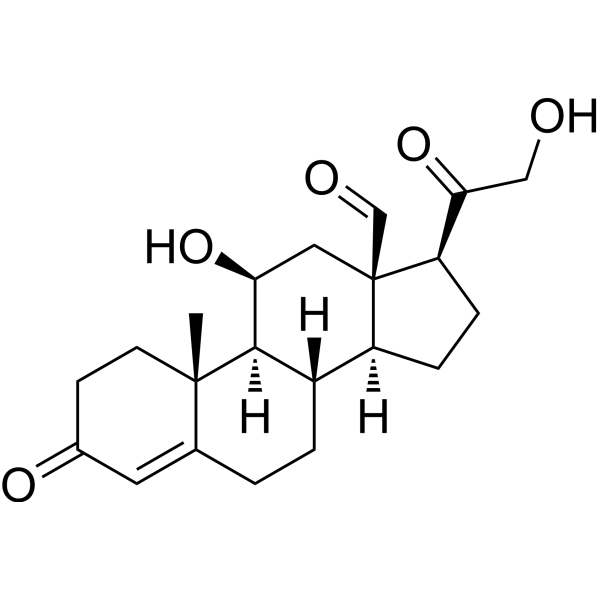
Aldosterone is the primary mineralocorticoid. Aldosterone is a steroid hormone, and it is synthesized and secreted in response to renin-angiotensin system activation (RAS) or high dietary potassium by the zona glomerulosa (ZG) of the adrenal cortex. Aldosterone activity is dependent by the binding and activation of the cytoplasmic/nuclear mineralocorticoid receptor (MR) at cellular level .
|
-
-
- HY-B1811
-
Vasopressin
Maximum Cited Publications
6 Publications Verification
Arginine vasopressin; Antidiuretic hormone
|
Endogenous Metabolite
|
Neurological Disease
|
|
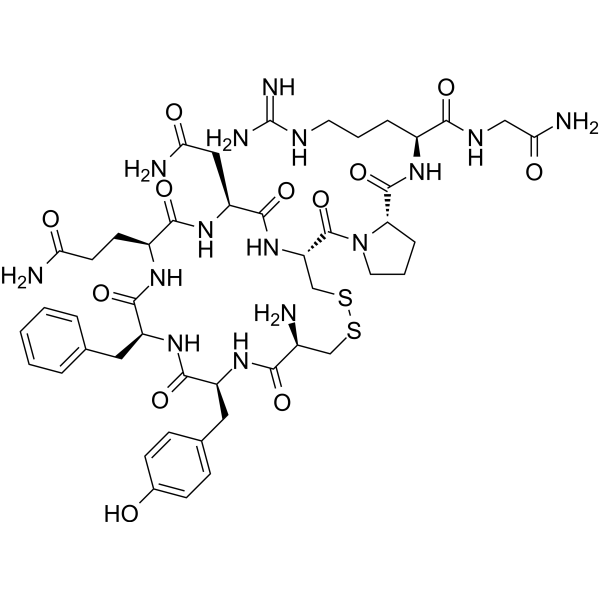
Vasopressin is a cyclic nonapeptide that is synthesized centrally in the hypothalamus. Vasopressin participates in the hypothalamic-pituitary-adrenal axis, and regulates pituitary corticotropin secretion by potentiating the stimulatory effects of corticotropin releasing factor. Vasopressin also can act as a neurotransmitter, exerting its action by binding to specific G protein-coupled receptors .
|
-
-
- HY-113414
-
|
|
Endogenous Metabolite
Mineralocorticoid Receptor
|
Others
Inflammation/Immunology
|
|
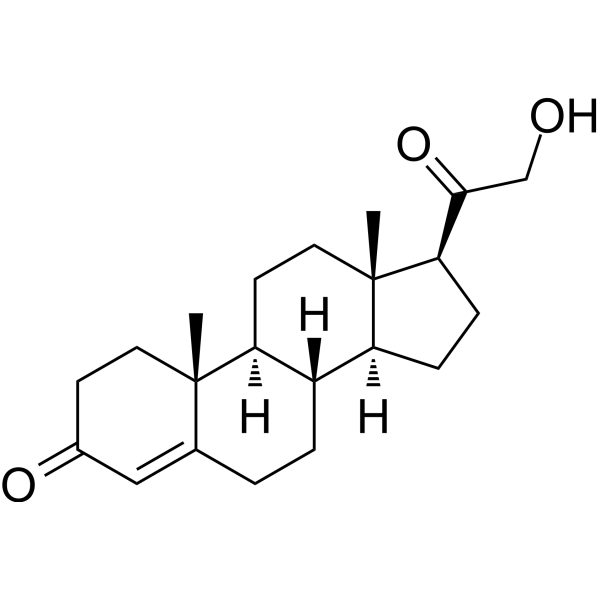
Deoxycorticosterone is a steroid hormone produced by the adrenal gland that possesses mineralocorticoid activity and acts as an aldosterone precursor. Deoxycorticosterone is an agonist for O. mykiss mineralocorticoid receptor (rtMR) transcription with EC50 of 0.16 nM . Deoxycorticosterone could acts as an immune stimulator in fish .
|
-
-
- HY-106203
-
|
SSR-125543
|
CFTR
|
Metabolic Disease
|
|
Crinecerfont (SSR-125543) is an orally effective corticotropin-releasing factor receptor type-1 (CRF1 receptor) antagonist. Crinecerfont blocks CRF1 receptor signaling to reduce adrenocorticotropic hormone secretion. Crinecerfont improves hypothalamic-pituitary-adrenal axis negative feedback sensitivity in chronically stressed mice. Crinecerfont can be used for the research of chronic stress conditions and classic congenital adrenal hyperplasia due to 21-hydroxylase deficiency . Crinecerfont is a click chemistry reagent, it contains an Alkyne group and can undergo copper-catalyzed azide-alkyne cycloaddition (CuAAc) with molecules containing Azide groups.
|
-
-
- HY-N0583R
-
-
-
- HY-B1203
-
|
9α-Fludrocortisone; 9α-Fluorcortisol
|
Mineralocorticoid Receptor
Glucocorticoid Receptor
Apoptosis
|
Neurological Disease
Metabolic Disease
Inflammation/Immunology
Cancer
|
|
Fludrocortisone (9α-Fludrocortisone) is an orally active mineralocorticoid and glucocorticoid receptor agonist. Fludrocortisone suppresses pro-inflammatory cytokine expression, reduces CCL2, IL-6, IL-8 levels, upregulates mineralocorticoid receptor (MR) expression, induces PI3K/Akt, GSK-3β, CREB, ERK1/2, mTOR phosphorylation, blocks Tau hyperphosphorylation, prevents apoptosis, promotes survival and proliferation, enhances renal sodium and water transport, increases plasma volume and blood pressure, reduces plasma potassium and renin activity, stimulates erythropoietin expression, modulates uterine receptivity genes, and reverses PP242-induced MUC1 upregulation. Fludrocortisone can be used for the research of congenital adrenal hyperplasia, postural hypotension, and adrenal insufficiency .
|
-
-
- HY-P3419
-
|
|
Mas-related G-protein-coupled Receptor (MRGPR)
PERK
Calcium Channel
|
Cardiovascular Disease
Inflammation/Immunology
|
|
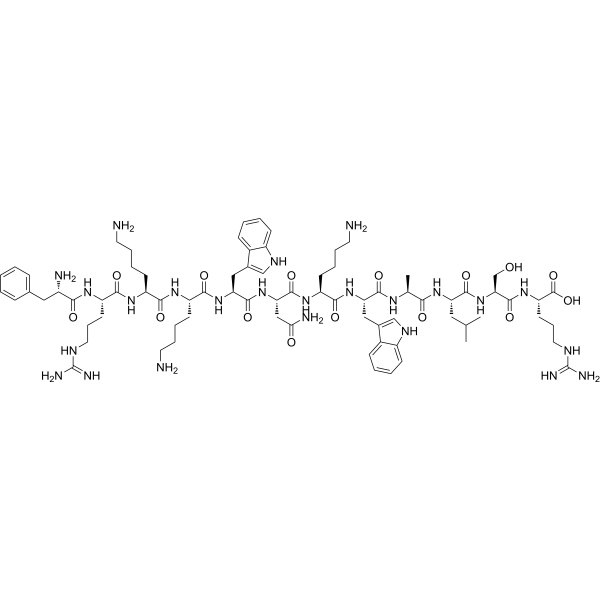
PAMP-12 (unmodified) is an endogenous peptide and is a MrgX2 agonist. PAMP-12 (unmodified) can reduce cAMP accumulation, increase Ca 2+ levels, enhance beta-arrestin recruitment, decrease IP-1, and increases phosphoERK. PAMP-12 (unmodified) can elicit hypotension through inhibiting catecholamine secretion from sympathetic nerve endings and adrenal chromaffin cells. PAMP-12 (unmodified) can be used for the research of hypotension and ulcerative colitis .
|
-
-
- HY-W013215
-
|
cis-7,10,13,16-Docosatetraenoic acid
|
Endogenous Metabolite
|
Metabolic Disease
Inflammation/Immunology
|
|
Adrenic Acid (cis-7,10,13,16-Docosatetraenoic acid) is a naturally polyunsaturated fatty acid in the adrenal gland, brain, kidney, and vasculature. Adrenic Acid can regulate the vascular tone in arteries of the adrenal cortex. Adrenic Acid also is an inflammation enhancer in non-alcoholic fatty liver disease .
|
-
-
- HY-B1203A
-
|
9α-Fludrocortisone acetate; 9α-Fluorcortisol acetate
|
Mineralocorticoid Receptor
|
Cardiovascular Disease
Metabolic Disease
|
|
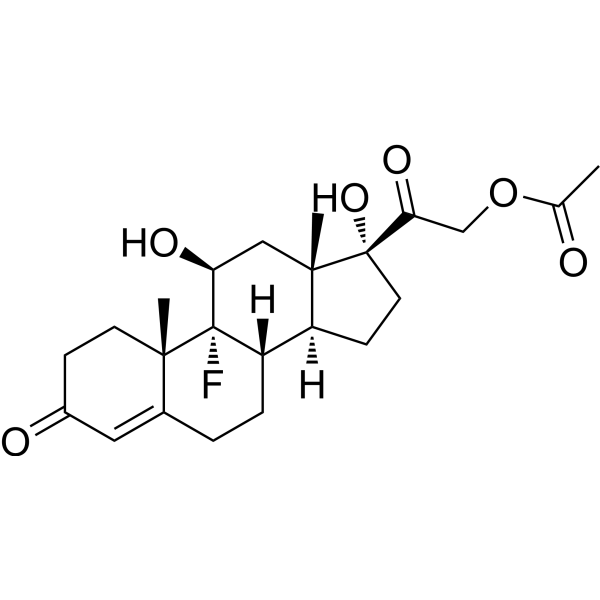
Fludrocortisone acetate (9α-Fludrocortisone acetate) is an orally active synthetic mineralocorticoid. Fludrocortisone acetate can effectively control sodium retention. Fludrocortisone acetate is used in studies of cardiac injury, adrenal insufficiency and orthostatic hypotension .
|
-
-
- HY-113422
-
|
|
Endogenous Metabolite
Glucocorticoid Receptor
|
Inflammation/Immunology
|
|
Tetrahydrocorticosterone is a glucocorticoid. One of its active forms, 5α-Tetrahydrocorticosterone (HY-113364), exerts its effects by binding to the GC receptor and inhibiting inflammatory processes. Tetrahydrocorticosterone is naturally synthesized by the adrenal glands and plays a key role in regulating the metabolism of carbohydrates, proteins and fats .
|
-
-
- HY-117743
-
|
SKF-108566J free base
|
Angiotensin Receptor
|
Cardiovascular Disease
|
|
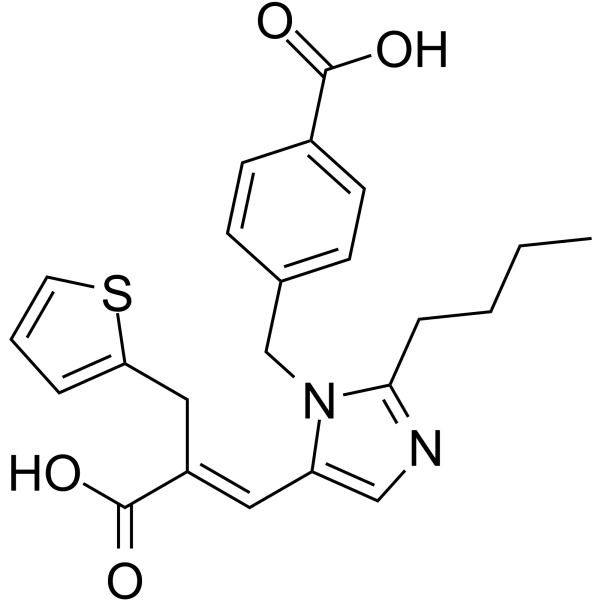
Eprosartan (SKF-108566J free base) is a selective, competitive, nonpeptid and orally active angiotensin II receptor antagonist, used as an antihypertensive. Eprosartan binds angiotensin II receptor with IC50s of 9.2 nM and 3.9 nM in rat and human adrenal cortical membranes, respectively .
|
-
-
- HY-114464
-
|
4-Androsten-11β-ol-3,17-dione
|
Endogenous Metabolite
11β-HSD
|
Endocrinology
|
|
11-Beta-hydroxyandrostenedione (4-Androsten-11β-ol-3,17-dione) is a steroid mainly found in the the adrenal origin (11β-hydroxylase is present in adrenal tissue, but absent in ovarian tissue). 11-Beta-hydroxyandrostenedione is a 11β-hydroxysteroid dehydrogenase (11βHSD) isozymes inhibitor. As 4-androstenedione increases, measuring plasma 11-Beta-hydroxyandrostenedione can distinguish the adrenal or ovarian origin of hyperandrogenism .
|
-
-
- HY-N0583S2
-
-
-
- HY-113151
-
-
-
- HY-15834A
-
|
SKF-108566J
|
Angiotensin Receptor
|
Cardiovascular Disease
Endocrinology
|
|
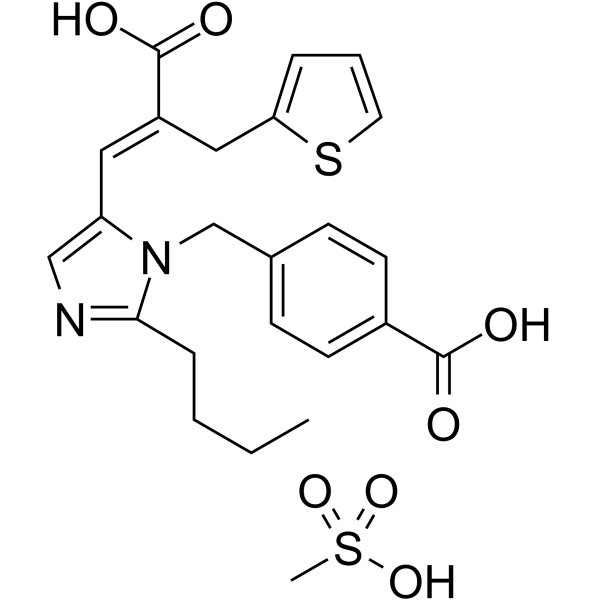
Eprosartan mesylate (SKF-108566J) is a selective, competitive, nonpeptid and orally active angiotensin II receptor antagonist, used as an antihypertensive. Eprosartan mesylate binds angiotensin II receptor with IC50s of 9.2 nM and 3.9 nM in rat and human adrenal cortical membranes, respectively .
|
-
-
- HY-107339
-
-
-
- HY-106373
-
|
ACTH; Adrenocorticotrophic hormone
|
Androgen Receptor
Reactive Oxygen Species (ROS)
Mitochondrial Metabolism
Interleukin Related
TNF Receptor
|
Metabolic Disease
Inflammation/Immunology
|
|
Adrenocorticotropic hormone (ACTH; Adrenocorticotrophic hormone) is a polypeptide tropic hormone produced by the anterior pituitary gland. Adrenocorticotropic hormone stimulates cortisol secretion from the adrenal cortex via the hypothalamic-pituitary-adrenal (HPA) axis. Adrenocorticotropic hormone regulates cortisol and androgen production. Adrenocorticotropic hormone can promote the development of spermatogenesis. Adrenocorticotropic hormone can relieve acute inflammation in gout models by inhibiting the polarization of macrophages to M1 type, inhibiting ROS and proinflammatory factor production and protecting mitochondrial function. Adrenocorticotropic hormone can be used for the researches of inflammation, endocrinology, metabolic disease, such as gout and nephrotic syndrome .
|
-
-
- HY-14281
-
|
Win 24540
|
3β-HSD
|
Endocrinology
Cancer
|
|
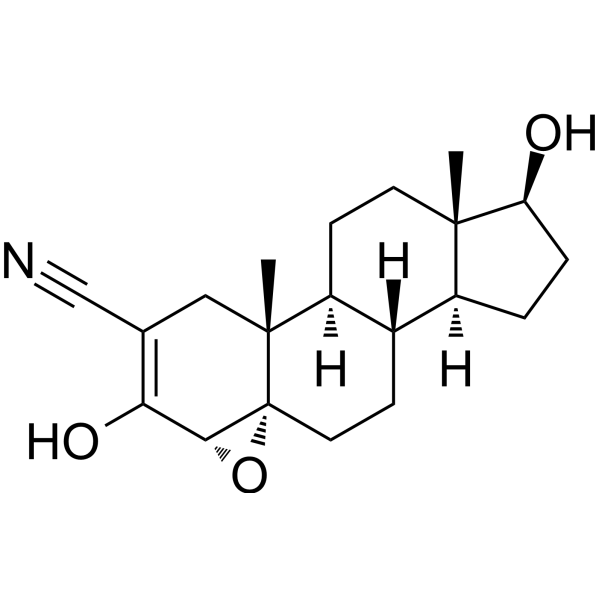
Trilostane (Win 24540) is a competitive and orally active 3-β-hydroxysteroiddehydrogenase (3β-HSD) inhibitor. Trilostane is a synthetic nonhormonal steroid. Trilostane can be used for the research of breast cancer and prostate cancer .
|
-
-
- HY-106203A
-
|
SSR-125543 hydrochloride
|
CFTR
|
Metabolic Disease
|
|
Crinecerfont (SSR-125543) hydrochloride is an orally effective corticotropin-releasing factor receptor type-1 (CRF1 receptor) antagonist. Crinecerfont hydrochloride blocks CRF1 receptor signaling to reduce adrenocorticotropic hormone secretion. Crinecerfont hydrochloride improves hypothalamic-pituitary-adrenal axis negative feedback sensitivity in chronically stressed mice. Crinecerfont hydrochloride can be used for the research of chronic stress conditions and classic congenital adrenal hyperplasia due to 21-hydroxylase deficiency . Crinecerfont hydrochloride is a click chemistry reagent, it contains an Alkyne group and can undergo copper-catalyzed azide-alkyne cycloaddition (CuAAc) with molecules containing Azide groups.
|
-
-
- HY-137243
-
|
|
Endogenous Metabolite
Nucleoside Antimetabolite/Analog
|
Others
|
|
Adenosine 3',5'-diphosphate disodium is an endogenous purine nucleotide. Adenosine 3',5'-diphosphate disodium acts as an inhibitor of bovine adrenal estrogen sulfotransferase (EST) with a Ki value of 7.0 μM. It also serves as an indispensable specific cofactor for the pregnenolone-binding protein (PBP) steroid-binding complex, with an EC50 value of 1.5 μM in guinea pigs .
|
-
-
- HY-P0060A
-
|
Tetracosactrin acetate; ACTH(1–24) acetate
|
CRFR
Melanocortin Receptor
|
Neurological Disease
Inflammation/Immunology
|
|
Tetracosactide acetate (Tetracosactrin acetate ) is the acetate salt form of Tetracosactide (HY-P0060). Tetracosactide acetate is an analogue of adrenocorticotrophic hormone (ACTH). Tetracosactide acetate is the agonist for melanocortin-4 receptor (MC4R) that activates human MC4R with an EC50 of 0.65 nM. Tetracosactide acetate can stimulate the release of corticosteroids such as cortisol from the adrenal gland. Tetracosactide acetate is currently used for the research of ulcerative colitis and Crohn's disease, juvenile/adult rheumatoid arthritis and osteoarthrosis .
|
-
-
- HY-N0583S1
-
-
-
- HY-108059
-
|
(3R)-β-Cryptoxanthin
|
Drug Derivative
|
Neurological Disease
Metabolic Disease
Inflammation/Immunology
Cancer
|
|
β-Cryptoxanthin ((3R)-β-Cryptoxanthin) is an orally active carotenoid found in fruits and vegetables such as angerines, red peppers, and pumpkin. β-Cryptoxanthin inhibits prevents osteoclast formation and inhibits bone resorption. β-Cryptoxanthin maintains retinol status in vivo. β-cryptoxanthin shows anti-inflammation and anticancer activity. β-Cryptoxanthin can be used for the researches of osteoporosis and bladder carcer .
|
-
-
- HY-W014728
-
|
|
Dopamine Receptor
|
Cardiovascular Disease
Neurological Disease
|
|
N-Methyldopamine hydrochloride is a precursor of adrenaline in the adrenal medulla. N-Methyldopamine hydrochloride is a modification of the dopamine (DA), and retains agonist activity at the DA1 receptor. N-Methyldopamine hydrochloride remains capable of universal surface coating and secondary reactions using the surface catechols. N-Methyldopamine hydrochloride can be used for heart failure research .
|
-
-
- HY-113313S1
-
|
|
Endogenous Metabolite
|
Cardiovascular Disease
|
|
Aldosterone-d7 is the deuterium labeled Aldosterone. Aldosterone is the primary mineralocorticoid. Aldosterone is a steroid hormone, and it is synthesized and secreted in response to renin-angiotensin system activation (RAS) or high dietary potassium by the zona glomerulosa (ZG) of the adrenal cortex. Aldosterone activity is dependent by the binding and activation of the cytoplasmic/nuclear mineralocorticoid receptor (MR) at cellular level .
|
-
-
- HY-P0060
-
|
Tetracosactrin; ACTH(1–24)
|
CRFR
Melanocortin Receptor
|
Neurological Disease
Inflammation/Immunology
|
|
Tetracosactide (Tetracosactrin) is an analogue of adrenocorticotrophic hormone (ACTH). Tetracosactide is the agonist for melanocortin-4 receptor (MC4R) that activates human MC4R with an EC50 of 0.65 nM. Tetracosactide can stimulate the release of corticosteroids such as cortisol from the adrenal gland. Tetracosactide is currently used for the research of ulcerative colitis and Crohn's disease, juvenile/adult rheumatoid arthritis and osteoarthrosis .
|
-
-
- HY-113313S
-
-
-
- HY-N0583S5
-
-
-
- HY-114464S1
-
|
4-Androsten-11β-ol-3,17-dione-d7
|
Endogenous Metabolite
11β-HSD
|
Others
|
|
11-Beta-hydroxyandrostenedione-d7 is the deuterium labeled 11-Beta-hydroxyandrostenedione. 11-Beta-hydroxyandrostenedione (4-Androsten-11β-ol-3,17-dione) is a steroid mainly found in the the adrenal origin (11β-hydroxylase is present in adrenal tissue, but absent in ovarian tissue). 11-Beta-hydroxyandrostenedione is a 11β-hydroxysteroid dehydrogenase (11βHSD) isozymes inhibitor
|
-
-
- HY-17657
-
|
5-Androstenediol 3-sulfate sodium
|
Drug Intermediate
|
Metabolic Disease
|
|
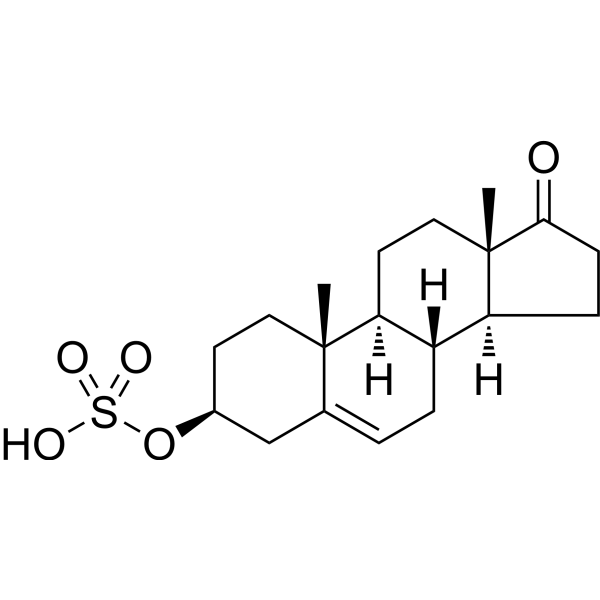
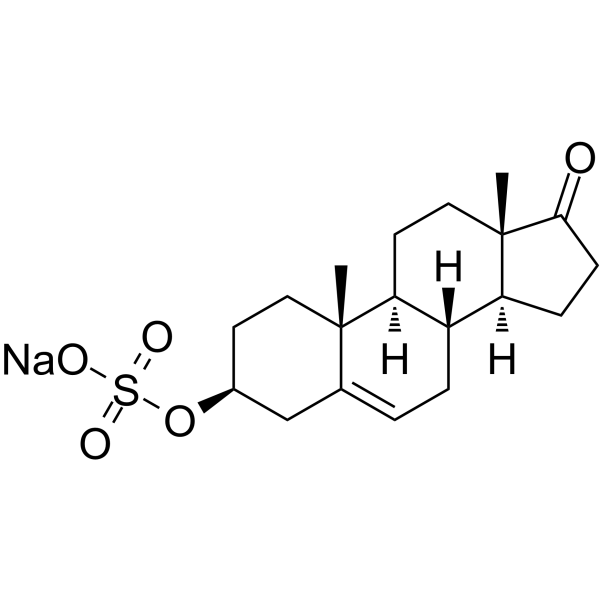
Androst-5-enediol sulfate (5-Androstenediol 3-sulfate) sodium salt is an adrenal Δ5-steroid sulfate that synthesized by zona reticularis of adrenal depending on the lyase and Cytochrome b5 type A (CYB5A) activity. Androst-5-enediol sulfate sodium salt is a precursor hormone and can be desulfated to produce more potent androgens, including testosterone, in peripheral tissues like skin and liver. The serum level of Androst-5-enediol sulfate sodium salt has an age-related increase .
|
-
-
- HY-113405
-
-
-
- HY-107935
-
|
Fluprednisolone
|
Biochemical Assay Reagents
|
Inflammation/Immunology
|
|
6α-Fluoroprednisolone (Fluprednisolone) is an internal standard for methylprednisolone, prednisolone and prednisone. 6α-Fluoroprednisolone is an anti-inflammatory agent. 6α-Fluoroprednisolone can be used for congenital adrenal virilism and Addison's disease research .
|
-
-
- HY-113603
-
|
SPR001; LY2371712
|
CRFR
|
Metabolic Disease
|
|
Tildacerfont (SPR001; LY2371712) is an orally active, blood-brain barrier-penetrant selective corticotropin-releasing factor type 1 (CRF1) receptor antagonist. Tildacerfont selectively blocks CRF1 receptors, thereby inhibiting the release of pituitary adrenocorticotropic hormone (ACTH). Tildacerfont can be used in research related to congenital adrenal hyperplasia .
|
-
-
- HY-113414S
-
|
|
Endogenous Metabolite
|
Others
|
|
Deoxycorticosterone-d8 is the deuterium labeled Deoxycorticosterone. Deoxycorticosterone is a steroid hormone produced by the adrenal gland that possesses mineralocorticoid activity and acts as an aldosterone precursor .
|
-
-
- HY-113414R
-
|
|
Reference Standards
Endogenous Metabolite
|
Others
|
|
Deoxycorticosterone (Standard) is the analytical standard of Deoxycorticosterone. This product is intended for research and analytical applications. Deoxycorticosterone is a steroid hormone produced by the adrenal gland that possesses mineralocorticoid activity and acts as an aldosterone precursor.
|
-
-
- HY-N0583S3
-
-
-
- HY-113215
-
|
5a-Tetrahydrocortisol
|
Endogenous Metabolite
|
Others
|
|
Allotetrahydrocortisol (5a-Tetrahydrocortisol) is a metabolite of Cortisol. Cortisol is the main glucocorticoid in human. It is produced in adrenal cortex and plays a crucial role in many physiological processes .
|
-
-
- HY-W741510
-
|
21-Desoxycortisone; NSC 38722
|
Endogenous Metabolite
|
Cardiovascular Disease
|
|
21-Deoxy Cortisone (21-Desoxycortisone; NSC 38722) is a corticosteroid metabolite of 11-ketoprogesterone. It is formed from 11-ketoprogesterone by the cytochrome P450 (CYP) isozyme CYP17A1, but can also be produced by oxidation of 21-deoxycortisone (HY-113405) by 11β-hydroxysteroid dehydrogenase type 2 (11β-HSD2). Congenital adrenal hyperplasia is an inborn error of metabolism characterized by a deficiency of 21-hydroxylase, and 21-Deoxy Cortisone levels are elevated in patients with congenital adrenal hyperplasia.
|
-
-
- HY-106373A
-
|
ACTH TFA; Adrenocorticotrophic hormone TFA
|
Androgen Receptor
Reactive Oxygen Species (ROS)
Mitochondrial Metabolism
Interleukin Related
TNF Receptor
|
Metabolic Disease
Inflammation/Immunology
|
|
Adrenocorticotropic hormone (ACTH; Adrenocorticotrophic hormone) TFA is a polypeptide tropic hormone produced by the anterior pituitary gland. Adrenocorticotropic hormone TFA stimulates cortisol secretion from the adrenal cortex via the hypothalamic-pituitary-adrenal (HPA) axis. Adrenocorticotropic hormone TFA regulates cortisol and androgen production. Adrenocorticotropic hormone TFA can promote the development of spermatogenesis. Adrenocorticotropic hormone TFA can relieve acute inflammation in gout models by inhibiting the polarization of macrophages to M1 type, inhibiting ROS and proinflammatory factor production and protecting mitochondrial function. Adrenocorticotropic hormone TFA can be used for the researches of inflammation, endocrinology, metabolic disease, such as gout and nephrotic syndrome .
|
-
-
- HY-P1298A
-
|
|
CRFR
|
Cardiovascular Disease
Neurological Disease
|
|
Sauvagine TFA is a corticotropin-releasing factor receptor (CRFR) agonist. Sauvagine TFA activates HM-CRF receptors to stimulate intracellular cAMP accumulation, activates PC-CRF receptors to trigger associated signaling pathways, and stimulates the hypothalamic-pituitary-adrenal axis. Sauvagine TFA can be used for research on central nervous system and blood diseases .
|
-
-
- HY-113155A
-
|
|
Drug Intermediate
|
Neurological Disease
|
|
17-Hydroxypregnenolone sulfate sodium is a key intermediate in adrenal and gonadal steroidogenesis. 17-Hydroxypregnenolone sulfate sodium acts as a precursor in the biosynthesis of steroid hormones (e.g., glucocorticoids, sex hormones). 17-Hydroxypregnenolone sulfate sodium is promising for research of adrenal function development and neurosteroid-related diseases (e.g., cognitive impairment, neurodegenerative diseases) .
|
-
-
- HY-113448
-
|
20:3 (8Z,11Z,14Z) CE; 20:3 n-6 CE; 20:3 (8Z,11Z,14Z) Cholesterol Ester
|
Endogenous Metabolite
|
Cardiovascular Disease
|
|
Cholesteryl homo-γ-linolenate is a cholesterol ester. It accumulates in the adrenal gland of rabbits fed a diet high in linolenic acid.1 Levels of cholesteryl homo-γ-linolenate are decreased and positively correlate with cognitive decline in HIV-infected humans.
|
-
-
- HY-P3979
-
|
HNP 4
|
Bacterial
Melanocortin Receptor
|
Infection
|
|
Defensin HNP 4 (HNP 4) is a host-defense peptide that has antimicrobial activity against Gram-negative bacteria. Defensin HNP 4 inhibits ACTH stimulated synthesis of Corticosterone (HY-B1618) in rat adrenal cell suspensions .
|
-
-
- HY-P3069
-
|
|
Neurokinin Receptor
|
Neurological Disease
Endocrinology
|
|
γ-Neuropeptide (rabbit) can be isolated from rabbit intestine. γ-Neuropeptide is an endogenous neurokinin peptide that acts as a neurokinin 2 (NK2) receptor agonist. γ-Neuropeptide mediates hypothalamic-pituitary-adrenal (HPA) axis, as well as reproductive hormone release .
|
-
-
- HY-P1298
-
|
|
CRFR
|
Cardiovascular Disease
Neurological Disease
|
|
Sauvagine is a corticotropin-releasing factor receptor (CRFR) agonist. Sauvagine activates HM-CRF receptors to stimulate intracellular cAMP accumulation, activates PC-CRF receptors to trigger associated signaling pathways, and stimulates the hypothalamic-pituitary-adrenal axis. Sauvagine can be used for research on central nervous system and blood diseases .
|
-
-
- HY-113313R
-
|
|
Reference Standards
Endogenous Metabolite
|
Cardiovascular Disease
|
|
Aldosterone (Standard) is the analytical standard of Aldosterone. This product is intended for research and analytical applications. Aldosterone is the primary mineralocorticoid. Aldosterone is a steroid hormone, and it is synthesized and secreted in response to renin-angiotensin system activation (RAS) or high dietary potassium by the zona glomerulosa (ZG) of the adrenal cortex. Aldosterone activity is dependent by the binding and activation of the cytoplasmic/nuclear mineralocorticoid receptor (MR) at cellular level .
|
-
-
- HY-P2867
-
|
3′-Exonuclease
|
Phosphodiesterase (PDE)
|
Neurological Disease
|
|
Phosphodiesterase II (EC 3.1.16.1), namely phosphodiesterase 2, is mainly involved in the hydrolysis of the important second messengers cyclic adenosine monophosphate (cAMP) and cyclic guanosine monophosphate (cGMP), and is often used in biochemical research. Phosphodiesterase II is expressed in a variety of tissues, such as the adrenal medulla, brain, heart, platelets, macrophages and endothelial cells, and is involved in the regulation of many different intracellular processes .
|
-
-
- HY-W741441
-
|
|
Angiotensin Receptor
|
Others
|
|
Tetrahydro Aldosterone is a steroid which can inhibit adrenal angiotensin II receptors with an IC50 of 10 μM .
|
-
-
- HY-P3117
-
|
Pituitary adenylate cyclase-activating peptide (6-27)
|
Adenylate Cyclase
|
Neurological Disease
|
|
PACAP (6-27) (human, ovine, rat) is a PACAP receptor antagonist that blocks the canine adrenal catecholamine response to exogenous vasoactive intestinal peptide (VIP). PACAP (6-27) (human, ovine, rat) has the potential to study cardiovascular and neurological diseases .
|
-
- HY-129344
-
|
|
Acyltransferase
|
Metabolic Disease
|
|
CL 277082 is a potent and selective acyl CoA:cholesterol acyltransferase (ACAT) inhibitor in microsomes. CL 277082 inhibits ACAT with IC50 values of 0.14 μM for intestinal mucosal microsomes, 0.74 μM for liver, and 1.18 μM for rat adrenal. CL 277082 is a ACAT-catalyzed cholesterol esterification and cholesterol absorption inhibitor .
|
-
- HY-156522
-
|
|
CFTR
|
Endocrinology
|
|
CRF1 receptor antagonist-1 (Compound 2) is a CRF1 receptor antagonist. CRF1 receptor antagonist-1 can be used for research of congenital adrenal hyperplasia (CAH) .
|
-
- HY-113405R
-
|
|
Reference Standards
Endogenous Metabolite
|
Endocrinology
|
|
21-Deoxycortisol (Standard) is the analytical standard of 21-Deoxycortisol. This product is intended for research and analytical applications. 21-Deoxycortisol is an endogenous metabolite. 21-Deoxycortisol is a sign of congenital adrenal hyperplasia .
|
-
- HY-117965
-
-
- HY-P11389
-
|
|
Angiotensin Receptor
|
Neurological Disease
|
|
(Sar1,Gly8)-Angiotensin II is an AT1 angiotensin II receptor subtype selective antagonist (Ki: 52 nM for AT2 receptor in rat adrenal). (Sar1,Gly8)-Angiotensin II potently antagonizes dipsogenic responses to intracerebroventricularly administered Ang II .
|
-
- HY-B1811R
-
|
Arginine vasopressin (Standard); Antidiuretic hormone (Standard)
|
Endogenous Metabolite
Reference Standards
|
Neurological Disease
|
|
Vasopressin (Standard) is the analytical standard of Vasopressin. This product is intended for research and analytical applications. Vasopressin is a cyclic nonapeptide that is synthesized centrally in the hypothalamus. Vasopressin participates in the hypothalamic-pituitary-adrenal axis, and regulates pituitary corticotropin secretion by potentiating the stimulatory effects of corticotropin releasing factor. Vasopressin also can act as a neurotransmitter, exerting its action by binding to specific G protein-coupled receptors .
|
-
- HY-114464S
-
|
4-Androsten-11β-ol-3,17-dione-d4
|
Isotope-Labeled Compounds
Endogenous Metabolite
11β-HSD
|
Endocrinology
|
|
11-Beta-hydroxyandrostenedione-d4 is the deuterium labeled 11-Beta-hydroxyandrostenedione. 11-Beta-hydroxyandrostenedione (4-Androsten-11β-ol-3,17-dione) is a steroid mainly found in the the adrenal origin (11β-hydroxylase is present in adrenal tissue, but absent in ovarian tissue). 11-Beta-hydroxyandrostenedione is a 11β-hydroxysteroid dehydrogenase (11βHSD) isozymes inhibitor .
|
-
- HY-123181
-
|
|
11β-HSD
|
Cardiovascular Disease
Metabolic Disease
|
|
MK-0916 is a HSD1 inhibitor. MK-0916 produces mechanism-based activation of the hypothalamic-pituitary-adrenal axis. MK-0916 can be used in the research of type 2 diabetes and metabolic syndromes .
|
-
- HY-128234
-
-
- HY-172299
-
|
|
Melanocortin Receptor
|
Endocrinology
|
|
Delmadinone acetate is an orally active compound that can control estrus and ovulation in female and male pets. Delmadinone acetate causes adrenal suppression from inhibition of release of ACTH from the pituitary gland .
|
-
- HY-120776
-
|
|
Angiotensin Receptor
|
Cardiovascular Disease
|
|
SC-51316 is an oral active angiotensin II receptor antagonist with the IC50 values of 3.6 and 5.1 nM in rat adrenal cortical and rat uterine membrane, respectively. SC-51316 shows antihypertensive activity in vivo and in vitro .
|
-
- HY-157528
-
|
|
Endogenous Metabolite
|
Cancer
|
|
CJ28 is a cortisol biosynthesis inhibitor that significantly inhibits basal and stimulated cortisol production in human adrenal carcinoma cell lines. CJ28 exhibits inhibitory effects by reducing steroidogenesis and de novo cholesterol biosynthesis .
|
-
- HY-107339A
-
|
Harmonyl hydrochloride
|
Angiotensin-converting Enzyme (ACE)
|
Cardiovascular Disease
|
|
Deserpidine hydrochloride (Harmonyl hydrochloride) is an antihypertensive compound that competitively inhibits the activity of angiotensin converting enzyme (ACE). Deserpidine hydrochloride competes with angiotensin I for ACE, preventing the conversion of angiotensin I to angiotensin II, thereby lowering blood pressure. Deserpidine hydrochloride can also reduce angiotensin II-induced aldosterone secretion from the adrenal cortex .
|
-
- HY-107339R
-
|
Harmonyl (Standard)
|
Reference Standards
Angiotensin-converting Enzyme (ACE)
|
Neurological Disease
Metabolic Disease
|
|
Deserpidine (Standard) is the analytical standard of Deserpidine. This product is intended for research and analytical applications. Deserpidine (Harmonyl) is an alkaloid isolated from the root of Rauwolfia canescens related to Reserpine. Deserpidine is used as an antihypertensive agent and a tranquilizer. Deserpidine is a competitive angiotensin converting enzyme (ACE) inhibitor. Deserpidine also decreases angiotensin II-induced aldosterone secretion by the adrenal cortex .
|
-
- HY-P10046
-
|
|
Vasopressin Receptor
|
Metabolic Disease
|
|
[Deamino-Pen1,Val4,D-Arg8]-vasopressin (AVP-A) is an arginine-vasopressin (AVP) antagonist. AVP-A can significantly lower plasma aldosterone concentration in rats. AVP-A can be used for the research of the growth and steroidogenic capacity of rat adrenal zona glomerulosa .
|
-
- HY-106203B
-
|
(R)-SSR-125543
|
CFTR
|
Metabolic Disease
|
|
(R)-Crinecerfont is the R-enantiomer of Crinecerfont (HY-106203). Crinecerfont (SSR-125543) is an orally effective corticotropin-releasing factor receptor type-1 (CRF1 receptor) antagonist. Crinecerfont blocks CRF1 receptor signaling to reduce adrenocorticotropic hormone secretion. Crinecerfont improves hypothalamic-pituitary-adrenal axis negative feedback sensitivity in chronically stressed mice. Crinecerfont can be used for the research of chronic stress conditions and classic congenital adrenal hyperplasia due to 21-hydroxylase deficiency . Crinecerfont is a click chemistry reagent, it contains an Alkyne group and can undergo copper-catalyzed azide-alkyne cycloaddition (CuAAc) with molecules containing Azide groups.
|
-
- HY-106203C
-
|
SSR-125543 tosylate
|
CFTR
|
Metabolic Disease
|
|
Crinecerfont (SSR-125543) tosylate is an orally effective corticotropin-releasing factor receptor type-1 (CRF1 receptor) antagonist. Crinecerfont tosylate blocks CRF1 receptor signaling to reduce adrenocorticotropic hormone secretion. Crinecerfont tosylate improves hypothalamic-pituitary-adrenal axis negative feedback sensitivity in chronically stressed mice. Crinecerfont tosylate can be used for the research of chronic stress conditions and classic congenital adrenal hyperplasia due to 21-hydroxylase deficiency . Crinecerfont tosylate is a click chemistry reagent, it contains an Alkyne group and can undergo copper-catalyzed azide-alkyne cycloaddition (CuAAc) with molecules containing Azide groups.
|
-
- HY-123013
-
|
|
Biochemical Assay Reagents
|
Inflammation/Immunology
|
|
Y 9000 is an orally active antiallergic and anti-inflammatory compound. Y 9000 targets mast cells, inhibits the release of allergic mediators, stimulates the adrenal glands, exhibits glucocorticoid-like activity, and reduces adrenal ascorbic acid content. Y 9000 inhibits IgE-mediated and IgG-mediated allergic reactions as well as active systemic anaphylaxis in mice. Y 9000 inhibits allergic wheezing in passively sensitized guinea pigs and protects against active systemic anaphylactic shock in mice. Y 9000 inhibits non-immune responses in rats, including dextran-induced histamine release, anaphylactoid reactions and paw swelling. Y 9000 can be used in the research of allergic diseases (asthma, allergic rhinitis, urticaria, etc.) .
|
-
- HY-121349
-
|
|
Bacterial
Fungal
Antibiotic
|
Infection
Cancer
|
|
Aerothionin is an antibiotic with potent antimicrobial efficacy against bacteria and fungi. Aerothionin exhibits antitumor efficacy against adrenal pheochromocytomas and extra-adrenal paragangliomas (PPGLs) .
|
-
- HY-N14205
-
|
|
Angiotensin Receptor
|
Others
|
|
Cytosporin A is a hexahydrobenzopyran derivative and an angiotensin II receptor antagonist. Cytosporin A has IC50 values of 25-30 μM and 1.5-3 μM for AT1 and AT2, respectively .
|
-
- HY-N12529
-
-
- HY-P1558B
-
|
Adrenocorticotropic Hormone (11-24) hexaacetate
|
Endogenous Metabolite
|
Others
|
ACTH (11-24) (hexaacetate) is a type of adrenocorticotropic hormone that can trigger cortisol secretion in bovine adrenal cortex cells .
|
-
- HY-W701984
-
|
|
Glucocorticoid Receptor
|
Endocrinology
|
|
11β-Hydroxyetiocholanolone is a metabolite of Hydrocortisone (HY-N0583). Hydrocortisone is a steroid hormone or glucocorticoid secreted by the adrenal cortex.
|
-
- HY-NP0209
-
-
- HY-N8550
-
|
α-Cortolone
|
Glucocorticoid Receptor
|
Endocrinology
|
|
Cortolone (α-Cortolone) is a metabolite of the glucocorticoid cortisol (Hydrocortisone (HY-N0583)). Hydrocortisone is a steroid hormone or glucocorticoid secreted by the adrenal cortex.
|
-
- HY-117127
-
|
AY-11440
|
Progesterone Receptor
|
Others
|
|
Clogestone acetate (AY-11440) is an orally active progesterone receptor agonist. Clogestone acetate reduces adrenal and ovarian weight, as well as serum and adrenocortical ketone levels in rats .
|
-
- HY-B1214S
-
-
- HY-113405S1
-
-
- HY-113215S
-
|
|
Isotope-Labeled Compounds
Endogenous Metabolite
|
Others
|
|
Allotetrahydrocortisol-d5 is the deuterium labeled Allotetrahydrocortisol. Allotetrahydrocortisol (5a-Tetrahydrocortisol) is a metabolite of Cortisol. Cortisol is the main glucocorticoid in human. It is produced in adrenal cortex and plays a crucial role in many physiological processes .
|
-
- HY-P4703
-
|
|
Oxytocin Receptor
|
Others
|
|
Hydrin 1′ is found in the neurohypophysis of Xenopus. Hydrin 1′ possesses a considerable steroid-releasing activity in Xenopus adrenal gland in vitro. Hydrin 1′ targets oxytocin receptor and derives a fluorescent probe of the oxytocin receptor .
|
-
- HY-103560
-
|
|
mGluR
|
Neurological Disease
|
|
(S)-HexylHIBO is the S-enantiomer of HexylHIBO. HexylHIBO is a group I mGluR antagonist. HexylHIBO elevates the hypothalamus-pituitary-adrenal axis response to restraint in rats. HexylHIBO is promising for research of central nervous system-related diseases .
|
-
- HY-114284
-
|
|
Angiotensin Receptor
|
Cardiovascular Disease
|
|
L-163958 is an efficient, orally active, balanced angiotensin II receptor (AII receptor) antagonist. L-163958 has balanced high affinity for AT1 and AT2, with its IC50 values being 0.16, 0.12, 0.50, and 0.64 nM in rabbit aorta (AT1), rat midbrain (AT2), human adrenal gland (AT1), and human adrenal gland (AT2), respectively. L-163958 has a strong inhibitory effect on the pressor activity in rats. L-163958 can be used for the study of hypertension and related cardiovascular diseases .
|
-
- HY-P4985
-
-
- HY-167664
-
|
|
Acyltransferase
|
Metabolic Disease
|
|
KY-455 is a novel inhibitor of acyl-CoA:cholesterol acyltransferase (ACAT). KY-455 inhibita rabbit intestinal, hepatic, macrophage and adrenal ACAT with IC50 values of 0.4, 0.9, 2.9 and 4.1 μmol/L, respectively.
|
-
- HY-120134
-
|
|
Angiotensin Receptor
|
Cardiovascular Disease
|
|
BMS 183920 is a diacidic and potent angiotensin II receptor antagonist, with a Ki value of 2.9 nM in the rat adrenal cortex binding assay and a KB value of 0.061 nM in the rabbit aorta functional assay. BMS 183920 can be used for research of antihypertensive .
|
-
- HY-P3685
-
|
|
CRFR
|
Endocrinology
|
|
[Met(O)21] Corticotropin Releasing Factor, ovine is a corticotropin releasing factor isolated from ovine hypothalamic extracts. Corticotropin releasing factor (CRF) is a hypothalamic hormone, which stimulates the secretion of adrenocorticotrophic hormone (ACTH) .
|
-
- HY-171460
-
|
|
Glucocorticoid Receptor
|
Neurological Disease
Inflammation/Immunology
|
|
Win 45164 is an orally active glucocorticoid receptor (Glucocorticoid Receptor) ligand with the activity of inhibiting the pituitary - adrenal axis. It can promote liver glycogen deposition and thymus involution in adrenalectomized male rats. Meanwhile, Win 45164 has anti - inflammatory effects. It can be used in the research of inflammatory and neurological diseases .
|
-
- HY-14281R
-
|
Win 24540 (Standard)
|
Reference Standards
Others
|
Endocrinology
Cancer
|
|
Trilostane (Standard) is the analytical standard of Trilostane. This product is intended for research and analytical applications. Trilostane (Win 24540) is a competitive and orally active 3-β-hydroxysteroiddehydrogenase (3β-HSD) inhibitor. Trilostane is a synthetic nonhormonal steroid. Trilostane can be used for the research of breast cancer and prostate cancer .
|
-
- HY-14281S
-
|
Win 24540-d3
|
Isotope-Labeled Compounds
|
Others
|
|
Trilostane-d3 is the deuterium-labeled Trilostane (HY-14281). Trilostane-d3 (Win 24540) is a competitive and orally active 3-β-hydroxysteroiddehydrogenase (3β-HSD) inhibitor. Trilostane-d3 is a synthetic nonhormonal steroid. Trilostane-d3 can be used for the research of breast cancer and prostate cancer .
|
-
- HY-117743S
-
|
|
Isotope-Labeled Compounds
Angiotensin Receptor
|
Cardiovascular Disease
|
|
Eprosartan-d3 is the deuterium labeled Eprosartan. Eprosartan (SKF-108566J free base) is a selective, competitive, nonpeptid and orally active angiotensin II receptor antagonist, used as an antihypertensive. Eprosartan binds angiotensin II receptor with IC50s of 9.2 nM and 3.9 nM in rat and human adrenal cortical membranes, respectively .
|
-
- HY-W699238
-
|
|
Biochemical Assay Reagents
|
|
|
S-(-)-Aminoglutethimide D-tartrate is an aromatase inhibitor with activity that blocks adrenal steroidogenesis. S-(-)-Aminoglutethimide D-tartrate can be used to inhibit steroid-related diseases. S-(-)-Aminoglutethimide D-tartrate is often used clinically to control certain types of cancer. S-(-)-Aminoglutethimide D-tartrate effectively reduces testosterone and estrogen levels through an enzyme inhibition mechanism.
|
-
- HY-120067
-
|
|
Cytochrome P450
|
Endocrinology
|
|
YM116 is an orally active and competitive CYP17A1 (17,20-lyase) inhibitor (Ki: 0.38 nM). YM116 reduces the synthesis of adrenal androgens by preferentially inhibiting C17-20 lyase activity. YM116 decreases the serum testosterone concentration, reduces dehydroepiandrosterone sulfate levels and decreases prostatic weights .
|
-
- HY-15834AR
-
|
SKF-108566J (Standard)
|
Reference Standards
Angiotensin Receptor
|
Cardiovascular Disease
Endocrinology
|
|
Eprosartan (mesylate) (Standard) is the analytical standard of Eprosartan (mesylate). This product is intended for research and analytical applications. Eprosartan mesylate (SKF-108566J) is a selective, competitive, nonpeptid and orally active angiotensin II receptor antagonist, used as an antihypertensive. Eprosartan mesylate binds angiotensin II receptor with IC50s of 9.2 nM and 3.9 nM in rat and human adrenal cortical membranes, respectively .
|
-
- HY-116666
-
|
|
Drug Derivative
|
Metabolic Disease
|
|
Etomidate acid is an Etomidate analog. Etomidate acid inhibits the binding of metyrapone (Metyrapol) and 4-iodometomidate to rat adrenal membrane sites .
|
-
- HY-106203R
-
|
SSR-125543 (Standard)
|
Reference Standards
CFTR
|
Metabolic Disease
|
|
Crinecerfont (Standard) is the analytical standard of Crinecerfont (HY-106203). This product is intended for research and analytical applications. Crinecerfont (SSR-125543) is an orally effective corticotropin-releasing factor receptor type-1 (CRF1 receptor) antagonist. Crinecerfont blocks CRF1 receptor signaling to reduce adrenocorticotropic hormone secretion. Crinecerfont improves hypothalamic-pituitary-adrenal axis negative feedback sensitivity in chronically stressed mice. Crinecerfont can be used for the research of chronic stress conditions and classic congenital adrenal hyperplasia due to 21-hydroxylase deficiency. Crinecerfont is a click chemistry reagent, it contains an Alkyne group and can undergo copper-catalyzed azide-alkyne cycloaddition (CuAAc) with molecules containing Azide groups.
|
-
- HY-123273
-
|
|
11β-HSD
|
Metabolic Disease
|
|
Metyrapol is a steroid 11β-hydroxylase inhibitor. Metyrapol blocks the conversion of deoxycorticosterone to corticosterone in rat adrenal homogenates. Metyrapol can be used in the study of metabolic diseases .
|
-
- HY-182578
-
|
|
Tryptophan Hydroxylase
|
Cardiovascular Disease
|
|
Mimosinamine is a hydroxylase inhibitor with Fe 2+ chelating activity. Mimosinamine inhibits bovine adrenal tyrosine hydroxylase, rat liver phenylalanine hydroxylase, and rat brainstem tryptophan hydroxylase. Mimosinamine can be used in the research of hypertension .
|
-
- HY-112071A
-
|
|
Adrenergic Receptor
|
Endocrinology
|
|
Prenalterol hydrochloride is a partial adrenal agonist with functional β1-receptor specificity and positive inotropic effects. Prenalterol hydrochloride is effective in suppressing acute heart failure, low output syndrome after myocardial infarction, shock, and reducing orthostatic hypotension in Shy-Drager syndrome .
|
-
- HY-W102352
-
|
|
Drug Derivative
|
Endocrinology
|
|
Triethylene glycol diacetate is an orally active Triethylene glycol (HY-W017440) derivative with reproduction toxicity. Triethylene glycol diacetate reduces body weights of nursing mouse pups during lactation, with effects reversing by young adulthood, and increases combined kidney/adrenal weight in adult. Triethylene glycol diacetate can be used for the research of reproductive and developmental toxicity .
|
-
- HY-W683409
-
|
1064 Th
|
Adrenergic Receptor
|
Cardiovascular Disease
Neurological Disease
|
|
Dimorpholamine (1064 Th) is a central nervous system stimulant. Dimorpholamine can increase the excitatory and inhibitory junction potentials at the neuromuscular junctions of crayfish. Dimorpholamine can also exert epinephrine-like pressor effects by promoting the release of catecholamines (mainly epinephrine) from the adrenal medulla. Dimorpholamine can be used in the research of respiratory failure as well as neurological and cardiovascular system diseases .
|
-
- HY-B1811S1
-
|
Arginine vasopressin-d5; Antidiuretic hormone-d5
|
Isotope-Labeled Compounds
|
Others
|
|
Vasopressin-d5 is anIsotope-labeled compound of Vasopressin. Vasopressin is a cyclic nonapeptide that is synthesized centrally in the hypothalamus. Vasopressin participates in the hypothalamic-pituitary-adrenal axis and regulates pituitary corticotropin secretion by potentiating the stimulatory effects of the corticotropin-releasing factor. Vasopressin also can act as a neurotransmitter, exerting its action by binding to specific G protein-coupled receptors .
|
-
- HY-D1056A3
-
|
LPS, from Escherichia coli (O26:B6)
|
Toll-like Receptor (TLR)
|
Inflammation/Immunology
|
Lipopolysaccharides, from E. coli (Escherichia coli) O26:B6 are lipopolysaccharide endotoxins and TLR-4 activators derived from E. coli, classified as S-type LPS, which can activate pathogen-associated molecular patterns (PAMP) of the immune system and induce cellular secretion of migrasomes. Lipopolysaccharides, from E. coli O26:B6 exhibit a typical three-part structure: O-antigen, core oligosaccharide, and lipid A, and can be recognized by the core-specific monoclonal antibody MAb J8-4C10. Lipopolysaccharides, from E. coli O26:B6 can promote an increase in pro-inflammatory cytokines in plasma, thereby triggering hypothalamic-pituitary-adrenal (HPA) activation and leading to adrenal oxidative damage. The pathogenic effects of Lipopolysaccharides, from E. coli O26:B6 can be used to construct various models, such as cellular inflammation models, sepsis, acute lung injury models, adrenal dysfunction models, and bladder infection models, etc .
It is recommended to prepare a solution with concentration ≥2 mg/mL. Vortex thoroughly for more than 10 minutes. Due to the adsorption characteristics of LPS, silanized container or low adsorption centrifuge tubes should be used for aliquoting and storage, and mix thoroughly before use.
|
-
- HY-106166
-
|
16α-Bromoepiandrosterone
|
Drug Derivative
NO Synthase
|
Infection
Inflammation/Immunology
|
|
α-Epibromide (16α-Bromoepiandrosterone) is an adrenal steroid derivative. α-Epibromide decreases nitric oxide production. α-Epibromide restores T helper cell type 1 activity and accelerates chemotherapy-induced bacterial clearance in a model of progressive pulmonary tuberculosis. α-Epibromide reduces mortality related to excessive inflammation and opportunistic lung infections .
|
-
- HY-137975
-
|
|
Bacterial
|
Endocrinology
|
|
Exo2 is a secretion inhibitor. Exo2 perturbs trafficking of Shiga toxin between endosomes and the trans-Golgi network. Exo2 blocks secretory cargo exit from the ER (endoplasmic reticulum) and disrupts the Golgi apparatus, but does not affect the morphology of the TGN (trans-Golgi network) Exo2 can stimulate calcium-dependent exocytosis in permeabilized adrenal chromaff in cells .
|
-
- HY-117743S1
-
|
SKF-108566J free base-d6
|
Angiotensin Receptor
Isotope-Labeled Compounds
|
Cardiovascular Disease
|
|
Eprosartan-d6 is deuterated labeled Eprosartan (HY-117743). Eprosartan (SKF-108566J free base) is a selective, competitive, nonpeptid and orally active angiotensin II receptor antagonist, used as an antihypertensive. Eprosartan binds angiotensin II receptor with IC50s of 9.2 nM and 3.9 nM in rat and human adrenal cortical membranes, respectively .
|
-
- HY-117743R
-
|
SKF-108566J free base (Standard)
|
Reference Standards
Angiotensin Receptor
|
Cardiovascular Disease
|
|
Eprosartan (Standard) is the analytical standard of Eprosartan. This product is intended for research and analytical applications. Eprosartan (SKF-108566J free base) is a selective, competitive, nonpeptid and orally active angiotensin II receptor antagonist, used as an antihypertensive. Eprosartan binds angiotensin II receptor with IC50s of 9.2 nM and 3.9 nM in rat and human adrenal cortical membranes, respectively .
|
-
- HY-B1203S
-
|
9α-Fludrocortisone-d5; 9α-Fluorcortisol-d5
|
Isotope-Labeled Compounds
Mineralocorticoid Receptor
Glucocorticoid Receptor
Apoptosis
|
Metabolic Disease
Inflammation/Immunology
Cancer
|
|
Fludrocortisone-d5 (9α-Fludrocortisone-d5) is the deuterium labeled Fludrocortisone (HY-B1203). Fludrocortisone is an orally active mineralocorticoid and glucocorticoid receptor agonist. Fludrocortisone suppresses pro-inflammatory cytokine expression, reduces CCL2, IL-6, IL-8 levels, upregulates mineralocorticoid receptor (MR) expression, induces PI3K/Akt, GSK-3β, CREB, ERK1/2, mTOR phosphorylation, blocks Tau hyperphosphorylation, prevents apoptosis, promotes survival and proliferation, enhances renal sodium and water transport, increases plasma volume and blood pressure, reduces plasma potassium and renin activity, stimulates erythropoietin expression, modulates uterine receptivity genes, and reverses PP242-induced MUC1 upregulation. Fludrocortisone can be used for the research of congenital adrenal hyperplasia, postural hypotension, and adrenal insufficiency.
|
-
- HY-B1203S1
-
|
9α-Fludrocortisone-d2; 9α-Fluorcortisol-d2
|
Isotope-Labeled Compounds
Mineralocorticoid Receptor
Glucocorticoid Receptor
Apoptosis
|
Metabolic Disease
Inflammation/Immunology
Cancer
|
|
Fludrocortisone-d2 (9α-Fludrocortisone-d2) is the deuterium labeled Fludrocortisone (HY-B1203). Fludrocortisone is an orally active mineralocorticoid and glucocorticoid receptor agonist. Fludrocortisone suppresses pro-inflammatory cytokine expression, reduces CCL2, IL-6, IL-8 levels, upregulates mineralocorticoid receptor (MR) expression, induces PI3K/Akt, GSK-3β, CREB, ERK1/2, mTOR phosphorylation, blocks Tau hyperphosphorylation, prevents apoptosis, promotes survival and proliferation, enhances renal sodium and water transport, increases plasma volume and blood pressure, reduces plasma potassium and renin activity, stimulates erythropoietin expression, modulates uterine receptivity genes, and reverses PP242-induced MUC1 upregulation. Fludrocortisone can be used for the research of congenital adrenal hyperplasia, postural hypotension, and adrenal insufficiency.
|
-
- HY-B1203R
-
|
9α-Fludrocortisone (Standard); 9α-Fluorcortisol (Standard)
|
Reference Standards
Mineralocorticoid Receptor
Glucocorticoid Receptor
Apoptosis
|
Metabolic Disease
Inflammation/Immunology
Cancer
|
|
Fludrocortisone (Standard) (9α-Fludrocortisone (Standard)) is the analytical standard of Fludrocortisone (HY-B1203). This product is intended for research and analytical applications. Fludrocortisone is an orally active mineralocorticoid and glucocorticoid receptor agonist. Fludrocortisone suppresses pro-inflammatory cytokine expression, reduces CCL2, IL-6, IL-8 levels, upregulates mineralocorticoid receptor (MR) expression, induces PI3K/Akt, GSK-3β, CREB, ERK1/2, mTOR phosphorylation, blocks Tau hyperphosphorylation, prevents apoptosis, promotes survival and proliferation, enhances renal sodium and water transport, increases plasma volume and blood pressure, reduces plasma potassium and renin activity, stimulates erythropoietin expression, modulates uterine receptivity genes, and reverses PP242-induced MUC1 upregulation. Fludrocortisone can be used for the research of congenital adrenal hyperplasia, postural hypotension, and adrenal insufficiency.
|
-
- HY-113422S2
-
|
|
Isotope-Labeled Compounds
Endogenous Metabolite
|
Inflammation/Immunology
|
|
Tetrahydrocorticosterone-d3-1 is the deuterium labeled Tetrahydrocorticosterone (HY-113422). Tetrahydrocorticosterone is a type of glucocorticoid with notable anti-inflammatory properties. One of its active forms, 5α-Tetrahydrocorticosterone (HY-113364), acts by binding to the GC receptor and inhibiting inflammatory processes. Tetrahydrocorticosterone is naturally synthesized by the adrenal glands and plays a role in regulating the metabolism of carbohydrates, proteins, and fats .
|
-
- HY-B0507
-
|
|
Environmental Pollutants
Antibiotic
Bacterial
|
Endocrinology
Cancer
|
|
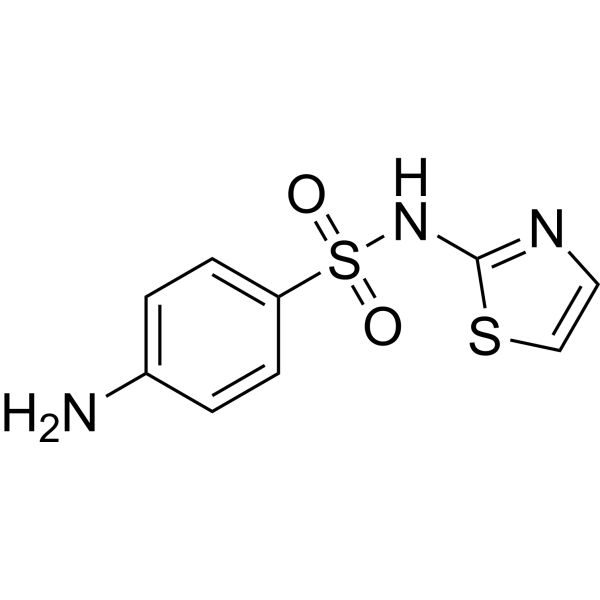
Sulfathiazole is an orally active, endocrine disruptor targeting the steroidogenic pathway, specifically enhancing the activity of CYP19 in human adrenal cancer cells (H295R) and upregulating the mRN expression of CYP17, CYP19, and 3β-HSD. Sulfathiazole increases the production of 17-estradiol (E2) and has endocrine disrupting effects on aquatic organisms such as the Japanese medaka fish .
|
-
- HY-B1618
-
|
17-Deoxycortisol; 11β,21-Dihydroxyprogesterone; Kendall's compound B
|
Glucocorticoid Receptor
Endogenous Metabolite
iGluR
|
Neurological Disease
Inflammation/Immunology
Endocrinology
|
|
Corticosterone (17-Deoxycortisol) is an orally active and adrenal cortex-produced glucocorticoid, which plays an important role in regulating neuronal functions of the limbic system (including hippocampus, prefrontal cortex, and amygdala). Corticosterone increases the Rab-mediated AMPAR membrane traffic via SGK-induced phosphorylation of GDI. Corticosterone also interferes with the maturation of dendritic cells and shows a good immunosuppressive effect .
|
-
- HY-B1095
-
|
|
Progesterone Receptor
Androgen Receptor
Glucocorticoid Receptor
GABA Receptor
|
Neurological Disease
Metabolic Disease
|
|
Chlormadinone acetate is a progestogen with potent progestogenic activity and antiandrogenic effects. Chlormadinone acetate acts on glucocorticoid receptor, progesterone receptor, androgen receptor, and GABAA receptor. Chlormadinone acetate induces endometrial proliferation in estrogen-pretreated rabbits, inhibits testosterone-stimulated growth of the prostate and seminal vesicles in castrated rats, and reduces the thymus and adrenal weights in juvenile rats. Chlormadinone acetate is applicable to research related to diseases such as depression and reproductive metabolic disorders .
|
-
- HY-P11643
-
|
|
Angiotensin Receptor
Aminopeptidase
DNA/RNA Synthesis
|
Neurological Disease
|
|
LVV-hemorphin-7 is an Angiotensin IV receptor ligand and IRAP inhibitor (IC50s: 17.6 nM for sheep adrenal IRAP; 5.0 nM for sheep cerebellum IRAP). LVV-hemorphin-7 inhibits the catalytic activity of IRAP. LVV-hemorphin-7 stimulates DNA synthesis. LVV-hemorphin-7 elicits a number of physiological effects, including cellular proliferation and memory enhancement .
|
-
- HY-Z0478
-
|
(S)-(-)-Limonene
|
Bacterial
Antibiotic
CaMK
|
Infection
Cardiovascular Disease
Metabolic Disease
|
|
(-)-Limonene ((S)-(-)-Limonene) is orally active and can cause mild bronchoconstriction. (-)-Limonene alleviates cytosolic and mitochondrial oxidative stress by inhibiting the increase of calcium ions (Ca 2+) and Ca 2+/calmodulin-dependent protein kinase II (CaMKII). It also exerts anti-stress effects by inhibiting the activity of the hypothalamic-pituitary-adrenal (HPA) axis. Additionally, (-)-Limonene can be used as an antibacterial agent in aquaculture .
|
-
- HY-P991221
-
|
|
Melanocortin Receptor
|
Metabolic Disease
|
|
ALD1613 is a potent neutralizing monoclonal antibody against adrenocorticotropic hormone (ACTH). ALD1613 neutralizes ACTH-induced signaling and inhibits ACTH-induced cyclic AMP accumulation in a mouse adrenal cell line (Y1) via all five melanocortin receptors. ALD1613 significantly reduces plasma corticosterone levels in wild-type rats. ALD1613 can be used in the study of diseases associated with elevated ACTH levels .
|
-
- HY-W012734
-
|
H-HoPro-OH
|
Endogenous Metabolite
|
Metabolic Disease
|
|
L-Pipecolic acid (H-HoPro-OH) is an oral active metabolite of Lysine and can accumulate in the bodily fluids of infants with autosomal inherited diseases, such as Zellweger syndrome and neonatal adrenal insufficiency. L-Pipecolic acid can promote muscle cell health and growth by enhancing protein synthesis, and plays a role in promoting gut health. L-Pipecolic acid holds promise for research in the fields of metabolic disorders, muscle growth disorders, and intestinal diseases .
|
-
- HY-123389
-
|
(R)-UM-1071
|
Opioid Receptor
|
Endocrinology
|
|
MR2034 ((R)-UM-1071) is a κ-opioid receptor agonist with activity that stimulates the hypothalamic-pituitary-adrenal axis. MR2034 has shown the potential to promote mood and inhibit addictive behaviors in animal models and can be used to study inhibitory approaches related to mood and addictive disorders. MR2034 is selective for κ-opioid receptors and can effectively modulate biological processes related to stress and mood .
|
-
- HY-P10289A
-
|
NPW30, rat acetate
|
Neuropeptide B/W Receptor
|
Neurological Disease
|
|
Neuropeptide W-30 (rat) is an important stress mediator in the central nervous system that modulates the hypothalamus-pituitary-adrenal (HPA) axis and sympathetic outflow. Neuropeptide W-30 (rat) is an endogenous ligand for the two structurally related orphan G-protein-coupled receptors (GPCRs) GPR7 and GPR8. NPW-30 activates and binds to both GPR7 and GPR8 at similar effective doses .
|
-
- HY-P10289
-
|
NPW30, rat
|
Neuropeptide B/W Receptor
|
Neurological Disease
|
|
Neuropeptide W-30 (rat) is an important stress mediator in the central nervous system that modulates the hypothalamus-pituitary-adrenal (HPA) axis and sympathetic outflow. Neuropeptide W-30 (rat) is an endogenous ligand for the two structurally related orphan G-protein-coupled receptors (GPCRs) GPR7 and GPR8. NPW-30 activates and binds to both GPR7 and GPR8 at similar effective doses .
|
-
- HY-P0097A
-
|
Melanostatine-5 acetate salt
|
Melanocortin Receptor
|
Metabolic Disease
Endocrinology
Cancer
|
|
Nonapeptide-1 (Melanostatine-5) acetate salt, a peptide hormone, is a selective antagonist of MC1R (Ki: 40 nM). Nonapeptide-1 acetate salt is a competitive α-MSH antagonist that potently inhibits intracellular cAMP and melanosome dispersion induced by α-MSH in melanocytes (IC50: 2.5 nM and 11 nM, respectively). Nonapeptide-1 acetate salt inhibits melanin synthesis, and can be used in the research of skin pigmentation and regulation of steroid production in the adrenal gland, skin cancer .
|
-
- HY-P0097
-
|
Melanostatine-5
|
Melanocortin Receptor
|
Metabolic Disease
Endocrinology
Cancer
|
|
Nonapeptide-1 (Melanostatine-5), a peptide hormone, is a selective antagonist of MC1R (Ki: 40 nM). Nonapeptide-1 is a competitive α-MSH antagonist that potently inhibits intracellular cAMP and melanosome dispersion induced by α-MSH in melanocytes (IC50: 2.5 nM and 11 nM, respectively). Nonapeptide-1 inhibits melanin synthesis, and can be used in the research of skin pigmentation and regulation of steroid production in the adrenal gland, skin cancer .
|
-
- HY-123037
-
|
|
Environmental Pollutants
AMPK
Akt
PERK
Fungal
|
Infection
Neurological Disease
Metabolic Disease
Endocrinology
|
|
Triadimefon is an orally active fungicide. Triadimefon significantly reduces the phosphorylation of AKT1 and ERK1/2. Triadimefon significantly increases pAMPK levels, but does not affect total AMPK levels. Triadimefon inhibits the growth of Saccharomyces cerevisiae, disrupts hormone homeostasis (affecting the synthesis of testosterone, etc.), inhibits fetal adrenal development in rats, induces metabolic shifts in hepatocytes, and impairs spatial learning and memory .
|
-
- HY-P3539
-
|
|
GCGR
|
Neurological Disease
Endocrinology
|
|
Exendin-4 (3-39) is a peptide. Exendin-4 (3-39) is a truncated form of Exendin-4 (HY-13443) that lacks the first two amino acids. Exendin-4 is a potent Glucagon-like peptide-1 receptor (GLP-1r) agonist. Exendin-4 (3-39) and Exendin-4 can be used for the research of diabetic and hypothalamic-pituitary-adrenal (HPA) axis .
|
-
- HY-B0507S
-
|
|
Isotope-Labeled Compounds
Antibiotic
Bacterial
|
Endocrinology
Cancer
|
|
Sulfathiazole-d4 is a deuterium labeled Sulfathiazole. Sulfathiazole is an orally active, endocrine disruptor targeting the steroidogenic pathway, specifically enhancing the activity of CYP19 in human adrenal cancer cells (H295R) and upregulating the mRN expression of CYP17, CYP19, and 3β-HSD. Sulfathiazole increases the production of 17-estradiol (E2) and has endocrine disrupting effects on aquatic organisms such as the Japanese medaka fish .
|
-
- HY-P10287
-
|
NPW30, human
|
Neuropeptide B/W Receptor
|
Neurological Disease
|
|
Neuropeptide W-30 (human) is an important stress mediator in the central nervous system that modulates the hypothalamus-pituitary-adrenal (HPA) axis and sympathetic outflow. Neuropeptide W-30 (human) is an endogenous ligand for the two structurally related orphan G-protein-coupled receptors (GPCRs) GPR7 and GPR8. Neuropeptide W-30 (human) activates and binds to both GPR7 and GPR8 at similar effective doses .
|
-
- HY-W015882
-
|
Isocaproic acid
|
Drug Metabolite
|
Neurological Disease
Metabolic Disease
|
4-Methylpentanoic acid (Isocaproic Acid) is a short-chain fatty acid and a metabolite of 20 α-hydroxycholesterol (HY-12316) that can be detected in feces. The concentration of 4-Methylpentanoic acid is closely associated with several diseases, such as depression. 4-Methylpentanoic acid is also applicable to studies on cholesterol metabolism .
|
-
- HY-B0265A
-
|
(R)-BAY-e 9736
|
Calcium Channel
|
Cardiovascular Disease
Neurological Disease
|
|
(R)-Nimodipine ((R)-BAY-e 9736) is an orally active, blood-brain barrier-permeable L-type calcium channel blocker with an IC50 of 5 nM. (R)-Nimodipine inhibits corticosterone release by blocking calcium channels on the hypothalamic-pituitary-adrenal axis, thereby reversing immobilization stress-induced memory impairment and behavioral abnormalities. (R)-Nimodipine is widely used in studies related to aneurysmal subarachnoid hemorrhage, cerebral ischemia, epilepsy, age-related degenerative neurological diseases, and alcohol intoxication .
|
-
- HY-B1095R
-
|
|
Reference Standards
Progesterone Receptor
|
Neurological Disease
Metabolic Disease
|
|
Chlormadinone acetate (Standard) is the analytical standard of Chlormadinone acetate (HY-B1095). This product is intended for research and analytical applications. Chlormadinone acetate is a progestogen with potent progestogenic activity and antiandrogenic effects. Chlormadinone acetate acts on glucocorticoid receptor, progesterone receptor, androgen receptor, and GABAA receptor. Chlormadinone acetate induces endometrial proliferation in estrogen-pretreated rabbits, inhibits testosterone-stimulated growth of the prostate and seminal vesicles in castrated rats, and reduces the thymus and adrenal weights in juvenile rats. Chlormadinone acetate is applicable to research related to diseases such as depression and reproductive metabolic disorders.
|
-
- HY-B1618R
-
|
17-Deoxycortisol(Standard); 11β,21-Dihydroxyprogesterone(Standard); Kendall's compound B (Standard)
|
Reference Standards
Glucocorticoid Receptor
Endogenous Metabolite
iGluR
|
Neurological Disease
Inflammation/Immunology
Endocrinology
|
|
Corticosterone (Standard) is the analytical standard of Corticosterone. This product is intended for research and analytical applications. Corticosterone (17-Deoxycortisol) is an orally active and adrenal cortex-produced glucocorticoid, which plays an important role in regulating neuronal functions of the limbic system (including hippocampus, prefrontal cortex, and amygdala). Corticosterone increases the Rab-mediated AMPAR membrane traffic via SGK-induced phosphorylation of GDI. Corticosterone also interferes with the maturation of dendritic cells and shows a good immunosuppressive effect .
|
-
- HY-B1095S2
-
|
|
Isotope-Labeled Compounds
Progesterone Receptor
|
Neurological Disease
Metabolic Disease
|
|
Chlormadinone acetate-d3 is the deuterium labeled Chlormadinone acetate (HY-B1095). Chlormadinone acetate is a progestogen with potent progestogenic activity and antiandrogenic effects. Chlormadinone acetate acts on glucocorticoid receptor, progesterone receptor, androgen receptor, and GABAA receptor. Chlormadinone acetate induces endometrial proliferation in estrogen-pretreated rabbits, inhibits testosterone-stimulated growth of the prostate and seminal vesicles in castrated rats, and reduces the thymus and adrenal weights in juvenile rats. Chlormadinone acetate is applicable to research related to diseases such as depression and reproductive metabolic disorders .
|
-
- HY-P3641
-
|
|
GnRH Receptor
|
Neurological Disease
Metabolic Disease
|
|
Kisspeptin 13 inhibits glucose-induced insulin secretion with an IC50 of 1.2 nM. Kisspeptin 13 activates the hypothalamic-pituitary-adrenal (HPA) axis, causes hyperthermia, motor behavior and anxiety in rats. Kisspeptin 13 interacts with α2-adrenergic and 5-HT2 serotonin receptors, exhibits antidepressant efficacy. Kisspeptin 13 is an activator for GPR54 and GnRH receptor, which enhances memory and can be used in Alzheimer's disease research .
|
-
- HY-B1232
-
|
Su-4885
|
Endogenous Metabolite
Cytochrome P450
Autophagy
|
Neurological Disease
Metabolic Disease
Endocrinology
Cancer
|
|
Metyrapone (Su-4885) is a potent and orally active 11β-hydroxylase inhibitor and an autophagy activator, also inhibits the production of aldosterone. Metyrapone inhibits synthesis of endogenous adrenal corticosteroid, decreases glucocorticoid levels, and also affects behavior and emotion. In addition, Metyrapone increases the efficiency of autophagic process via downregulation of mTOR pathway, and interacts with Pseudomonas putida cytochrome P-450. Metyrapone can be used for researching Cushing's syndrome and depression .
|
-
- HY-B1095S1
-
|
|
Isotope-Labeled Compounds
Progesterone Receptor
|
Neurological Disease
Metabolic Disease
|
|
Chlormadinone acetate-d6-1 is deuterium labeled Chlormadinone acetate (HY-B1095). Chlormadinone acetate is a progestogen with potent progestogenic activity and antiandrogenic effects. Chlormadinone acetate acts on glucocorticoid receptor, progesterone receptor, androgen receptor, and GABAA receptor. Chlormadinone acetate induces endometrial proliferation in estrogen-pretreated rabbits, inhibits testosterone-stimulated growth of the prostate and seminal vesicles in castrated rats, and reduces the thymus and adrenal weights in juvenile rats. Chlormadinone acetate is applicable to research related to diseases such as depression and reproductive metabolic disorders .
|
-
- HY-P3419A
-
|
|
Mas-related G-protein-coupled Receptor (MRGPR)
PERK
Calcium Channel
|
Cardiovascular Disease
Inflammation/Immunology
|
|
PAMP-12 (unmodified) TFA is an endogenous peptide and is a MrgX2 agonist. PAMP-12 (unmodified) TFA can reduce cAMP accumulation, increase Ca 2+ levels, enhance beta-arrestin recruitment, decrease IP-1, and increases phosphoERK. PAMP-12 (unmodified) TFA can elicit hypotension through inhibiting catecholamine secretion from sympathetic nerve endings and adrenal chromaffin cells. PAMP-12 (unmodified) TFA can be used for the research of hypotension and ulcerative colitis .
|
-
- HY-B0507R
-
|
|
Reference Standards
Antibiotic
Bacterial
|
Endocrinology
Cancer
|
|
Sulfathiazole (Standard) is the analytical standard of Sulfathiazole (HY-B0507). This product is intended for research and analytical applications. Sulfathiazole is an orally active, endocrine disruptor targeting the steroidogenic pathway, specifically enhancing the activity of CYP19 in human adrenal cancer cells (H295R) and upregulating the mRN expression of CYP17, CYP19, and 3β-HSD. Sulfathiazole increases the production of 17-estradiol (E2) and has endocrine disrupting effects on aquatic organisms such as the Japanese medaka fish .
|
-
- HY-B1232A
-
|
Su-4885 Tartrate
|
Endogenous Metabolite
Cytochrome P450
Autophagy
mTOR
|
Neurological Disease
Endocrinology
|
|
Metyrapone (Su-4885) Tartrate is a potent and orally active 11β-hydroxylase inhibitor and an autophagy activator, also inhibits the production of aldosterone. Metyrapone Tartrate inhibits synthesis of endogenous adrenal corticosteroid, decreases glucocorticoid levels, and also affects behavior and emotion. In addition, Metyrapone Tartrate increases the efficiency of autophagic process via downregulation of mTOR pathway, and interacts with Pseudomonas putida cytochrome P-450. Metyrapone Tartrate can be used for researching Cushing's syndrome and depression .
|
-
- HY-W012734R
-
|
H-HoPro-OH (Standard)
|
Reference Standards
Endogenous Metabolite
|
Metabolic Disease
|
|
L-Pipecolic acid (Standard) is an analytical standard of L-Pipecolic acid. This product is used for research and analytical applications. L-Pipecolic acid (H-HoPro-OH) is an oral active metabolite of Lysine and can accumulate in the bodily fluids of infants with autosomal inherited diseases, such as Zellweger syndrome and neonatal adrenal insufficiency. L-Pipecolic acid can promote muscle cell health and growth by enhancing protein synthesis, and plays a role in promoting gut health. L-Pipecolic acid holds promise for research in the fields of metabolic disorders, muscle growth disorders, and intestinal diseases .
|
-
- HY-P1210
-
|
|
Melanocortin Receptor
|
Endocrinology
|
|
Lys-γ3-MSH(human) is a melanocortin peptide derived from the C-terminal of the fragment of pro-opiomelanocortin (POMC). Lys-γ3-MSH(human) potentiates the steroidogenic response of the rat adrenal to adrenocorticotrophin (ACTH). Lys-γ3-MSH(human) is a potent stimulator of lipolysis with an apparent EC50 of 3.56 nM. Lys-γ3-MSH(human) can activate hormone sensitive lipase (HSL) and Perilipin A resulting in lipolysis .
|
-
- HY-113603S
-
|
SPR001-d8; LY2371712-d8
|
Isotope-Labeled Compounds
CRFR
|
Cancer
|
|
Tildacerfont-d8 (SPR001-d8; LY2371712-d8) is a deuterium labeled Tildacerfont (HY-113603). Tildacerfont (SPR001; LY2371712) is an orally active, blood-brain barrier-penetrant selective corticotropin-releasing factor type 1 (CRF1) receptor antagonist. Tildacerfont selectively blocks CRF1 receptors, thereby inhibiting the release of pituitary adrenocorticotropic hormone (ACTH). Tildacerfont can be used in research related to congenital adrenal hyperplasia .
|
-
- HY-P1210A
-
|
|
Melanocortin Receptor
|
Endocrinology
|
|
Lys-γ3-MSH(human) TFA is a melanocortin peptide derived from the C-terminal of the fragment of pro-opiomelanocortin (POMC). Lys-γ3-MSH(human) TFA potentiates the steroidogenic response of the rat adrenal to adrenocorticotrophin (ACTH). Lys-γ3-MSH(human) TFA is a potent stimulator of lipolysis with an apparent EC50 of 3.56 nM. Lys-γ3-MSH(human) TFA can activate hormone sensitive lipase (HSL) and Perilipin A resulting in lipolysis .
|
-
- HY-123037R
-
|
|
Reference Standards
Fungal
Akt
PERK
AMPK
|
Infection
Neurological Disease
Metabolic Disease
Endocrinology
|
|
Triadimefon (Standard) is the analytical standard of Triadimefon (HY-123037). This product is intended for research and analytical applications. Triadimefon is an orally active fungicide. Triadimefon significantly reduces the phosphorylation of AKT1 and ERK1/2. Triadimefon significantly increases pAMPK levels, but does not affect total AMPK levels. Triadimefon inhibits the growth of Saccharomyces cerevisiae, disrupts hormone homeostasis (affecting the synthesis of testosterone, etc.), inhibits fetal adrenal development in rats, induces metabolic shifts in hepatocytes, and impairs spatial learning and memory .
|
-
- HY-B1232R
-
|
Su-4885 (Standard)
|
Reference Standards
Endogenous Metabolite
Cytochrome P450
Autophagy
|
Neurological Disease
Metabolic Disease
Endocrinology
Cancer
|
|
Metyrapone (Standard) is the analytical standard of Metyrapone. This product is intended for research and analytical applications. Metyrapone (Su-4885) is a potent and orally active 11β-hydroxylase inhibitor and an autophagy activator, also inhibits the production of aldosterone. Metyrapone inhibits synthesis of endogenous adrenal corticosteroid, decreases glucocorticoid levels, and also affects behavior and emotion. In addition, Metyrapone increases the efficiency of autophagic process via downregulation of mTOR pathway, and interacts with Pseudomonas putida cytochrome P-450. Metyrapone can be used for researching Cushing's syndrome and depression .
|
-
- HY-B1811AS1
-
|
Arginine vasopressin-d5 TFA; Antidiuretic hormone-d5 TFA
|
Isotope-Labeled Compounds
|
Neurological Disease
|
|
Vasopressin-d5 TFA is the TFA salt form of Vasopressin-d5 (HY-B1811S1). Vasopressin-d5 TFA is an isotope-labeled compound of Vasopressin (HY-B1811). Vasopressin is a cyclic nonapeptide that is synthesized centrally in the hypothalamus. Vasopressin participates in the hypothalamic-pituitary-adrenal axis and regulates pituitary corticotropin secretion by potentiating the stimulatory effects of the corticotropin-releasing factor. Vasopressin also can act as a neurotransmitter, exerting its action by binding to specific G protein-coupled receptors .
|
-
- HY-B0507A
-
|
|
Antibiotic
Bacterial
|
Endocrinology
Cancer
|
|
Sulfathiazole sodium is an orally active, endocrine disruptor targeting the steroidogenic pathway, specifically enhancing the activity of CYP19 in human adrenal cancer cells (H295R) and upregulating the mRN expression of CYP17, CYP19, and 3β-HSD. Sulfathiazole sodium increases the production of 17-estradiol (E2) and has endocrine disrupting effects on aquatic organisms such as the Japanese medaka fish. Sulfathiazole sodium is also a cathodic corrosion inhibitor. It inhibits the corrosion of copper by chloride ions through chemical and physical adsorption on the copper surface, reduces the corrosion current density and shifts the corrosion potential negatively .
|
-
- HY-W073128
-
|
PFTeDA
|
PPAR
Apoptosis
PGC-1α
AMPK
Akt
mTOR
Reactive Oxygen Species (ROS)
|
Endocrinology
|
|
Perfluorotetradecanoic acid (PFTeDA) is an orally active perfluoroalkyl substance. Perfluorotetradecanoic acid directly binds to the ligand-binding domain of purified hPPARγ, with a Kd value of 157.8 μM. Perfluorotetradecanoic acid significantly reduces the activity of the SIRT1/PGC1α and AMPK signaling pathways while stimulating the activity of the AKT1/mTOR signaling pathway. Perfluorotetradecanoic acid significantly upregulates the expression of corticosterone biosynthesis genes. Perfluorotetradecanoic acid increases ROS levels and promotes Apoptosis. Perfluorotetradecanoic acid impairs Leydig cell function and male reproductive endocrine function in adult male rats .
|
-
- HY-P3641A
-
|
|
GnRH Receptor
|
Neurological Disease
Metabolic Disease
|
|
Kisspeptin 13 TFA is the TFA salt form of Kisspeptin 13 (HY-P3641). Kisspeptin-13 TFA inhibits glucose-induced insulin secretion with an IC50 of 1.2 nM. Kisspeptin 13 TFA activates the hypothalamic-pituitary-adrenal (HPA) axis, causes hyperthermia, motor behavior and anxiety in rats. Kisspeptin 13 TFA interacts with α2-adrenergic and 5-HT2 serotonin receptors, exhibits antidepressant efficacy. Kisspeptin 13 TFA is an activator for GPR54 and GnRH receptor, which enhances memory and can be used in Alzheimer's disease research .
|
-
- HY-B0507B
-
|
|
Antibiotic
Bacterial
|
Endocrinology
Cancer
|
|
Sulfathiazole (100 μg/mL in acetonitrile) is an orally active, endocrine disruptor targeting the steroidogenic pathway, specifically enhancing the activity of CYP19 in human adrenal cancer cells (H295R) and upregulating the mRN expression of CYP17, CYP19, and 3β-HSD. Sulfathiazole (100 μg/mL in acetonitrile) increases the production of 17-estradiol (E2) and has endocrine disrupting effects on aquatic organisms such as the Japanese medaka fish. Sulfathiazole (100 μg/mL in acetonitrile) is also a cathodic corrosion inhibitor. Sulfathiazole (100 μg/mL in acetonitrile) inhibits the corrosion of copper by chloride ions through chemical and physical adsorption on the copper surface, reduces the corrosion current density and shifts the corrosion potential negatively .
|
-
- HY-145751
-
|
7α-Hydroxydehydroepiandrosterone; 3β,7α-Dihydroxy-Δ5-androsten-17-one
|
Cytochrome P450
Mitochondrial Metabolism
|
Metabolic Disease
Cancer
|
|
7α-Hydroxy-DHEA (7α-Hydroxydehydroepiandrosterone) is a 7α-hydroxylated metabolite of DHEA (HY-14650), catalyzed by intracellular steroid 7α-hydroxylases such as P450 2A1. 7α-Hydroxy-DHEA exhibits biological activity comparable to DHEA but does not convert into compounds with androgenic or estrogenic activity. It induces the activity of thermogenic enzymes such as mitochondrial sn-glycerol-3-phosphate dehydrogenase and cytosolic malic enzyme, enhancing heat production and reducing food utilization efficiency. As a more efficient and safer metabolite compared to DHEA, 7α-Hydroxy-DHEA holds potential for studies in the fields of obesity, metabolic diseases, and adrenal carcinoma .
|
-
- HY-19682A
-
|
|
5-HT Receptor
Adrenergic Receptor
|
Neurological Disease
|
|
Enciprazine dihydrochloride is an orally active non-benzodiazepine anxiolytic. Enciprazine dihydrochloride acts as an agonist of 5-HT1A receptor (5-HT1AR) and an antagonist of α1-adrenergic receptor (α1-adrenergic receptor) . Enciprazine dihydrochloride induces drug-related electroencephalogram changes by reducing the average power of δ waves and θ waves, and increasing the average power of α waves and fast β waves. Enciprazine dihydrochloride exhibits anti-aggressive activity, with only weak sedative and ataxic effects. Enciprazine dihydrochloride regulates plasma corticosterone levels and activates the hypothalamic-pituitary-adrenal axis. Enciprazine dihydrochloride can be used in research related to anxiety disorders, generalized anxiety syndrome and psychosis .
|
-
- HY-B0561
-
|
SC9420
|
Mineralocorticoid Receptor
Androgen Receptor
Autophagy
Calcium Channel
|
Cardiovascular Disease
Metabolic Disease
Endocrinology
Cancer
|
|
Spironolactone is an aldosterone antagonist that acts on the aldosterone mineralocorticoid receptor (IC50=24 nM) and androgen receptor (IC50=77 nM), promotes podocyte autophagy and regulates pain. Spironolactone improves hypertension-related vascular hypertrophy and remodeling by reducing angiotensin II (Ang II)-induced inflammation, reduces aldosterone-induced vascular and soft tissue calcification through PIT1-dependent signaling, and alleviates vascular dysfunction in type II diabetic mice by reducing oxidative stress and restoring NO/GC signaling; at low concentrations, it and its metabolites can interfere with aldosterone biosynthesis in the adrenal cortex and inhibit voltage-dependent Ca 2+ channels to exert antihypertensive effects .
|
-
- HY-B0507AR
-
|
|
Reference Standards
Antibiotic
Bacterial
|
Endocrinology
Cancer
|
|
Sulfathiazole sodium (Standard) is the analytical standard of Berberine sodium (HY-B0507A). This product is intended for research and analytical applications. Sulfathiazole sodium is an orally active, endocrine disruptor targeting the steroidogenic pathway, specifically enhancing the activity of CYP19 in human adrenal cancer cells (H295R) and upregulating the mRN expression of CYP17, CYP19, and 3β-HSD. Sulfathiazole sodium increases the production of 17-estradiol (E2) and has endocrine disrupting effects on aquatic organisms such as the Japanese medaka fish. Sulfathiazole sodium is also a cathodic corrosion inhibitor. Sulfathiazole sodium inhibits the corrosion of copper by chloride ions through chemical and physical adsorption on the copper surface, reduces the corrosion current density and shifts the corrosion potential negatively .
|
-
- HY-19682
-
|
|
5-HT Receptor
Adrenergic Receptor
|
Neurological Disease
|
|
Enciprazine is an orally active non-benzodiazepine anxiolytic. Enciprazine acts as an agonist of 5-HT1A receptor (5-HT1AR) and an antagonist of α1-adrenergic receptor (α1-adrenergic receptor) . Enciprazine induces drug-related electroencephalogram changes by reducing the average power of δ waves and θ waves, and increasing the average power of α waves and fast β waves. Enciprazine exhibits anti-aggressive activity, with only weak sedative and ataxic effects. Enciprazine regulates plasma corticosterone levels and activates the hypothalamic-pituitary-adrenal axis. Enciprazine can be used in research related to anxiety disorders, generalized anxiety syndrome and psychosis .
|
-
- HY-W014610
-
|
Ethyl methylphenylglycidate
|
Biochemical Assay Reagents
|
Inflammation/Immunology
|
|
Strawberry aldehyde is an orally active synthetic flavor compound widely used in the food and cosmetics industries. Its presence in small cigar smoke shows a significant positive correlation with free radical levels, thereby increasing the toxicity of the smoke. Strawberry aldehyde has demonstrated long-term safety in rats .
|
-
- HY-182485
-
|
|
Dopamine β-hydroxylase
|
Others
|
|
U-11634 is an orally active dopamine β-hydroxylase noncompetitive inhibitor, with rat LD50 values of 1197 mg/kg (subcutaneous) and 524 mg/kg (oral). U-11634 blocks conversion of dopamine to norepinephrine and reduces norepinephrine levels in brain. U-11634 decreases food intake and spontaneous motor activity via dietary inclusion. U-11634 induces thyroid toxicity and inhibits pregnancy. U-11634 inhibits deciduomata formation in intact and steroid-treated rats, with no reversal by progesterone or oestradiol. U-11634 can be used for pregnancy .
|
-
- HY-107648
-
|
|
mAChR
|
Neurological Disease
Inflammation/Immunology
|
|
McN-A-343 is a selective M1 muscarinic agonist that stimulates muscarinic transmission in sympathetic ganglia. McN-A-343 produces a significant inhibitory effect on Muscarine (HY-121404)-evoked catecholamine secretion from the isolated perfused rat adrenal gland. McN-A-343 is involved in the regulation of neuronal firing and activates enteroendocrine L cells to release glucagon-like peptide 1 (GLP-1) and modulates the secretion of α-melanocyte stimulating hormone (α-MSH) from the pituitary gland in the central nervous system. McN-A-343 reduces colonic inflammation and oxidative stress in Acetic acid (HY-Y0319)-induced ulcerative colitis (UC) mice. McN-A-343 can be used for the study of ulcerative colitis .
|
-
- HY-B0765
-
|
DHEA sulfate sodium; Prasterone sulfate sodium
|
GABA Receptor
Sigma Receptor
iGluR
PPAR
NF-κB
|
Neurological Disease
Metabolic Disease
Inflammation/Immunology
|
|
Dehydroepiandrosterone sulfate (DHEA sulfate; Prasterone sulfate) sodium salt is a neurosteroid and the main secretion product of the adrenal gland. Dehydroepiandrosterone sulfate sodium salt has both non-competitive antagonist activity of GABAA receptor and agonist activity of σ1 receptor. Dehydroepiandrosterone sulfate sodium salt can partially penetrate the blood-brain barrier, inhibit GABAA receptor-mediated chloride influx, enhance NMDA receptor activity through σ1 receptors, exert anti-inflammatory, anti-glucocorticoid and antidepressant effects, and increase convulsive sensitivity. Dehydroepiandrosterone sulfate sodium salt participates in neuroprotection, neurite growth regulation and catecholamine secretion regulation, and can be used in the study of depression, post-traumatic stress disorder (PTSD), Alzheimer's disease, etc. Dehydroepiandrosterone sulfate sodium salt may also be a biomarker for cardiovascular disease mortality, and its concentration is independently and negatively correlated with mortality .
|
-
- HY-113416
-
|
DHEA sulfate; Prasterone sulfate
|
GABA Receptor
Sigma Receptor
iGluR
PPAR
NF-κB
|
Neurological Disease
Metabolic Disease
Inflammation/Immunology
|
|
Dehydroepiandrosterone sulfate (DHEA sulfate; Prasterone sulfate) is a neurosteroid and the main secretion product of the adrenal gland. Dehydroepiandrosterone sulfate has both non-competitive antagonist activity of GABAA receptor and agonist activity of σ1 receptor. Dehydroepiandrosterone sulfate can partially penetrate the blood-brain barrier, inhibit GABAA receptor-mediated chloride influx, enhance NMDA receptor activity through σ1 receptors, exert anti-inflammatory, anti-glucocorticoid and antidepressant effects, and increase convulsive sensitivity. Dehydroepiandrosterone sulfate participates in neuroprotection, neurite growth regulation and catecholamine secretion regulation, and can be used in the study of depression, post-traumatic stress disorder (PTSD), Alzheimer's disease, etc. Dehydroepiandrosterone sulfate may also be a biomarker for cardiovascular disease mortality, and its concentration is independently and negatively correlated with mortality .
|
-
- HY-12502B
-
|
NZ-105 hydrochloride; (±)-Efonidipine hydrochloride
|
Calcium Channel
SARS-CoV
|
Cardiovascular Disease
Cancer
|
|
Efonidipine (NZ-105) hydrochloride is an orally active dual L-type and T-type calcium channel blocker (CCB) with IC50 values of 1.8 and 350 nM, respectively. Efonidipine hydrochloride inhibits SARS-CoV-2 main protease. Efonidipine hydrochloride modulates adrenal steroidogenesis by increasing the expression of steroidogenic acute regulatory protein (StAR), dbcAMP-or angiotensin II-induced StAR mRNA expression and DHEA-S production, while suppressing the biosynthesis of aldosterone and cortisol. Efonidipine hydrochloride reduces plasma aldosterone levels in vivo. Efonidipine hydrochloride improves cardiac function in heart failure models by inhibiting T-type calcium channels (via both tonic and use-dependent blockade), independently of blood pressure reduction. Efonidipine hydrochloride can be used for research in hypertension, heart failure, and disorders involving dysregulated steroid hormone synthesis .
|
-
- HY-12502
-
|
NZ-105; (±)-Efonidipine
|
Calcium Channel
SARS-CoV
|
Cardiovascular Disease
Neurological Disease
Cancer
|
|
Efonidipine (NZ-105) is an orally active dual L-type and T-type calcium channel blocker (CCB) with IC50 values of 1.8 and 350 nM, respectively. Efonidipine inhibits SARS-CoV-2 main protease. Efonidipine modulates adrenal steroidogenesis by increasing the expression of steroidogenic acute regulatory protein (StAR), dbcAMP-or angiotensin II-induced StAR mRNA expression and DHEA-S production, while suppressing the biosynthesis of aldosterone and cortisol. Efonidipine reduces plasma aldosterone levels in vivo. Efonidipine improves cardiac function in heart failure models by inhibiting T-type calcium channels (via both tonic and use-dependent blockade), independently of blood pressure reduction. Efonidipine can be used for research in hypertension, heart failure, and disorders involving dysregulated steroid hormone synthesis .
|
-
- HY-B0561S4
-
|
|
Isotope-Labeled Compounds
Mineralocorticoid Receptor
Androgen Receptor
Autophagy
Calcium Channel
|
Cardiovascular Disease
Metabolic Disease
Cancer
|
|
Spironolactone-d6-1 is the deuterium labeled Spironolactone (HY-B0561). Spironolactone is an aldosterone antagonist that acts on the aldosterone mineralocorticoid receptor (IC50=24 nM) and androgen receptor (IC50=77 nM), promotes podocyte autophagy and regulates pain. Spironolactone improves hypertension-related vascular hypertrophy and remodeling by reducing angiotensin II (Ang II)-induced inflammation, reduces aldosterone-induced vascular and soft tissue calcification through PIT1-dependent signaling, and alleviates vascular dysfunction in type II diabetic mice by reducing oxidative stress and restoring NO/GC signaling; at low concentrations, it and its metabolites can interfere with aldosterone biosynthesis in the adrenal cortex and inhibit voltage-dependent Ca 2+ channels to exert antihypertensive effects .
|
-
- HY-128483
-
|
|
TGF-beta/Smad
PI3K
NF-κB
Akt
Apoptosis
Dopamine β-hydroxylase
mTOR
Adrenergic Receptor
|
Cardiovascular Disease
Endocrinology
Cancer
|
|
Fusaric acid is an orally active multi-pathway inhibitor with the activity of inducing oxidative stress and apoptosis. Fusaric acid can chelate divalent metal cations, damage mitochondrial membrane structure, and activate apoptosis-related proteases such as Caspase-3/7, -8, and -9. Fusaric acid also regulates Bax/Bcl-2 protein, inhibits fibrosis-related signaling pathways such as NF-κB, TGF-β1/SMADs, and PI3K/AKT/mTOR, and reduces collagen deposition. Fusaric acid is also a dopamine β-hydroxylase inhibitor, which reduces endogenous levels of norepinephrine and epinephrine in the brain, heart, spleen, and adrenal glands. Fusaric acid can play a role in myocardial fibrosis and improve cardiac hypertrophy in heart disease, and can also be used in the study of esophageal cancer and liver cancer .
|
-
- HY-12502A
-
|
NZ-105 hydrochloride monoethanolate; (±)-Efonidipine hydrochloride monoethanolate
|
Calcium Channel
SARS-CoV
|
Cardiovascular Disease
Neurological Disease
Cancer
|
|
Efonidipine (NZ-105) hydrochloride monoethanolate is an orally active dual L-type and T-type calcium channel blocker (CCB) with IC50 values of 1.8 and 350 nM, respectively. Efonidipine hydrochloride monoethanolate inhibits SARS-CoV-2 main protease. Efonidipine hydrochloride monoethanolate modulates adrenal steroidogenesis by increasing the expression of steroidogenic acute regulatory protein (StAR), dbcAMP-or angiotensin II-induced StAR mRNA expression and DHEA-S production, while suppressing the biosynthesis of aldosterone and cortisol. Efonidipine hydrochloride monoethanolate reduces plasma aldosterone levels in vivo. Efonidipine hydrochloride monoethanolate improves cardiac function in heart failure models by inhibiting T-type calcium channels (via both tonic and use-dependent blockade), independently of blood pressure reduction. Efonidipine hydrochloride monoethanolate can be used for research in hypertension, heart failure, and disorders involving dysregulated steroid hormone synthesis .
|
-
- HY-180401
-
|
|
Angiotensin Receptor
|
Cardiovascular Disease
|
|
DMP 811 is a potent, orally active and selective angiotensin II subtype receptor AT1 antagonist. DMP 811 exhibits selectivity for AT1 (IC50 = 6 nM) over AT2 (IC50 >10 μM). DMP 811 exhibits potent antihypertensive activity in rats and dogs. DMP 811 can be used for the research of hypertension .
|
-
- HY-180420
-
|
|
Cytochrome P450
|
Cancer
|
|
Tan-931 is a non-competitive and selective inhibitor of aromatase , with an IC50 is 17.2 μM and a Ki of 40 μM for human aromatase, and an IC50 of 162 μM for rat aromatase. Tan-931 reduces plasma estradiol-17β level and weight of ovaries and uterus in PMSG (HY-N12634)-treated female rats. Tan-931 can be used for the research of estrogen-dependent metastatic breast cancer .
|
-
- HY-136642
-
|
|
Glucocorticoid Receptor
|
Inflammation/Immunology
|
|
Fluocinolone is a potent steroid with highly selective glucocorticoid receptor agonist activity. Fluocinolone stabilizes the blood-retinal barrier by enhancing endothelial tight junctions, inhibiting the VEGF pathway and inflammatory factors. Fluocinolone has high lipophilicity, enabling long-term sustained release in the vitreous. Fluocinolone is used in research related to dermatological diseases, diabetic macular edema, uveitis and oral lichen planus .
|
-
- HY-B0237
-
|
DL-Aminoglutethimide
|
Cytochrome P450
|
Neurological Disease
Endocrinology
Cancer
|
|
Aminoglutethimide (DL-Aminoglutethimide) is an orally active anticonvulsant with various endocrine-related side effects. Aminoglutethimide blocks multiple steroid hormone synthesis pathways by inhibiting several cytochrome P-450-dependent hydroxylases, such as aromatase, cholesterol side-chain cleavage enzyme, 11-hydroxylase, and 18-hydroxylase, with IC50 values of 0.3, 3.5, 120, and 20 μM, respectively. Aminoglutethimide reduces cortisol levels. Aminoglutethimide can be used in research on Cushing's syndrome, breast cancer, and other conditions .
|
-
- HY-113416R
-
|
DHEA sulfate (Standard); Prasterone sulfate (Standard)
|
Reference Standards
GABA Receptor
Sigma Receptor
iGluR
PPAR
NF-κB
|
Neurological Disease
Metabolic Disease
Inflammation/Immunology
|
|
Dehydroepiandrosterone sulfate (DHEA sulfate; Prasterone sulfate) (Standard) is the analytical standard of Dehydroepiandrosterone sulfate (HY-113416). This product is intended for research and analytical applications. Dehydroepiandrosterone sulfate (DHEA sulfate; Prasterone sulfate) is a neurosteroid and the main secretion product of the adrenal gland. Dehydroepiandrosterone sulfate has both non-competitive antagonist activity of GABAA receptor and agonist activity of σ1 receptor. Dehydroepiandrosterone sulfate can partially penetrate the blood-brain barrier, inhibit GABAA receptor-mediated chloride influx, enhance NMDA receptor activity through σ1 receptors, exert anti-inflammatory, anti-glucocorticoid and antidepressant effects, and increase convulsive sensitivity. Dehydroepiandrosterone sulfate participates in neuroprotection, neurite growth regulation and catecholamine secretion regulation, and can be used in the study of depression, post-traumatic stress disorder (PTSD), Alzheimer's disease, etc. Dehydroepiandrosterone sulfate may also be a biomarker for cardiovascular disease mortality, and its concentration is independently and negatively correlated with mortality .
|
-
- HY-113416AS
-
|
DHEA sulfate-d6 sodium dihydrate; Prasterone sulfate-d6 sodium dihydrate
|
Isotope-Labeled Compounds
GABA Receptor
Sigma Receptor
iGluR
PPAR
NF-κB
|
Neurological Disease
Metabolic Disease
Inflammation/Immunology
|
|
Dehydroepiandrosterone sulfate sodium dihydrate-d6 sodium dihydrate is the deuterium labeled Dehydroepiandrosterone sulfate sodium dihydrate. Dehydroepiandrosterone sulfate (DHEA sulfate; Prasterone sulfate) sodium dihydrate is a neurosteroid and the main secretion product of the adrenal gland. Dehydroepiandrosterone sulfate sodium dihydrate has both non-competitive antagonist activity of GABAA receptor and agonist activity of σ1 receptor. Dehydroepiandrosterone sulfate sodium dihydrate can partially penetrate the blood-brain barrier, inhibit GABAA receptor-mediated chloride influx, enhance NMDA receptor activity through σ1 receptors, exert anti-inflammatory, anti-glucocorticoid and antidepressant effects, and increase convulsive sensitivity. Dehydroepiandrosterone sulfate sodium dihydrate participates in neuroprotection, neurite growth regulation and catecholamine secretion regulation, and can be used in the study of depression, post-traumatic stress disorder (PTSD), Alzheimer's disease, etc. Dehydroepiandrosterone sulfate sodium dihydrate may also be a biomarker for cardiovascular disease mortality, and its concentration is independently and negatively correlated with mortality .
|
-
- HY-128483R
-
|
|
TGF-beta/Smad
PI3K
NF-κB
Akt
Apoptosis
Dopamine β-hydroxylase
mTOR
Adrenergic Receptor
Reference Standards
|
Cardiovascular Disease
Endocrinology
Cancer
|
|
Fusaric acid (Standard) is the analytical standard of Fusaric acid (HY-128483). This product is intended for research and analytical applications. Fusaric acid is an orally active multi-pathway inhibitor with the activity of inducing oxidative stress and apoptosis. Fusaric acid can chelate divalent metal cations, damage mitochondrial membrane structure, and activate apoptosis-related proteases such as Caspase-3/7, -8, and -9. Fusaric acid also regulates Bax/Bcl-2 protein, inhibits fibrosis-related signaling pathways such as NF-κB, TGF-β1/SMADs, and PI3K/AKT/mTOR, and reduces collagen deposition. Fusaric acid is also a dopamine β-hydroxylase inhibitor, which reduces endogenous levels of norepinephrine and epinephrine in the brain, heart, spleen, and adrenal glands. Fusaric acid can play a role in myocardial fibrosis and improve cardiac hypertrophy in heart disease, and can also be used in the study of esophageal cancer and liver cancer .
|
-
- HY-108623
-
|
CP-80,633
|
Phosphodiesterase (PDE)
|
Inflammation/Immunology
|
|
Atizoram (CP-80,633) is an orally active phosphodiesterase type 4 (PDE4) inhibitor. Atizoram blocks cAMP degradation, thereby increasing intracellular and plasma cAMP levels. Atizoram inhibits TNFα release. Atizoram can be used in research related to acute respiratory distress syndrome .
|
-
- HY-12502AR
-
|
NZ-105 hydrochloride monoethanolate (Standard); (±)-Efonidipine hydrochloride monoethanolate (Standard)
|
Reference Standards
Calcium Channel
SARS-CoV
|
Cardiovascular Disease
|
|
Efonidipine (NZ-105) hydrochloride monoethanolate (Standard) is the analytical standard of Efonidipine hydrochloride monoethanolate (HY-12502AR). This product is intended for research and analytical applications. Efonidipine (NZ-105) hydrochloride monoethanolate is an orally active dual L-type and T-type calcium channel blocker (CCB) with IC50 values of 1.8 and 350 nM, respectively. Efonidipine hydrochloride monoethanolate inhibits SARS-CoV-2 main protease. Efonidipine hydrochloride monoethanolate modulates adrenal steroidogenesis by increasing the expression of steroidogenic acute regulatory protein (StAR), dbcAMP-or angiotensin II-induced StAR mRNA expression and DHEA-S production, while suppressing the biosynthesis of aldosterone and cortisol. Efonidipine hydrochloride monoethanolate reduces plasma aldosterone levels in vivo. Efonidipine hydrochloride monoethanolate improves cardiac function in heart failure models by inhibiting T-type calcium channels (via both tonic and use-dependent blockade), independently of blood pressure reduction. Efonidipine hydrochloride monoethanolate can be used for research in hypertension, heart failure, and disorders involving dysregulated steroid hormone synthesis .
|
-
- HY-141921S
-
|
DHEA sulfate sodium-d6; Prasterone sulfate sodium-d6
|
Isotope-Labeled Compounds
GABA Receptor
Sigma Receptor
iGluR
PPAR
NF-κB
|
Neurological Disease
Metabolic Disease
Inflammation/Immunology
|
|
Dehydroepiandrosterone sulfate sodium salt-d6 (DHEA sulfate sodium salt-d6; Prasterone sulfate sodium salt-d6) is the deuterium labeled Dehydroepiandrosterone sulfate sodium salt (HY-B0765). Dehydroepiandrosterone sulfate (DHEA sulfate; Prasterone sulfate) sodium salt is a neurosteroid and the main secretion product of the adrenal gland. Dehydroepiandrosterone sulfate sodium salt has both non-competitive antagonist activity of GABAA receptor and agonist activity of σ1 receptor. Dehydroepiandrosterone sulfate sodium salt can partially penetrate the blood-brain barrier, inhibit GABAA receptor-mediated chloride influx, enhance NMDA receptor activity through σ1 receptors, exert anti-inflammatory, anti-glucocorticoid and antidepressant effects, and increase convulsive sensitivity. Dehydroepiandrosterone sulfate sodium salt participates in neuroprotection, neurite growth regulation and catecholamine secretion regulation, and can be used in the study of depression, post-traumatic stress disorder (PTSD), Alzheimer's disease, etc. Dehydroepiandrosterone sulfate sodium salt may also be a biomarker for cardiovascular disease mortality, and its concentration is independently and negatively correlated with mortality .
|
-
- HY-B0765R
-
|
DHEA sulfate sodium (Standard); Prasterone sulfate sodium (Standard)
|
Reference Standards
GABA Receptor
Sigma Receptor
iGluR
PPAR
NF-κB
|
Neurological Disease
Metabolic Disease
Inflammation/Immunology
|
|
Dehydroepiandrosterone sulfate (DHEA sulfate; Prasterone sulfate) sodium salt (Standard) is the analytical standard of Dehydroepiandrosterone sulfate sodium salt (HY-B0765). This product is intended for research and analytical applications. Dehydroepiandrosterone sulfate (DHEA sulfate; Prasterone sulfate) is a neurosteroid and the main secretion product of the adrenal gland. Dehydroepiandrosterone sulfate has both non-competitive antagonist activity of GABAA receptor and agonist activity of σ1 receptor. Dehydroepiandrosterone sulfate can partially penetrate the blood-brain barrier, inhibit GABAA receptor-mediated chloride influx, enhance NMDA receptor activity through σ1 receptors, exert anti-inflammatory, anti-glucocorticoid and antidepressant effects, and increase convulsive sensitivity. Dehydroepiandrosterone sulfate participates in neuroprotection, neurite growth regulation and catecholamine secretion regulation, and can be used in the study of depression, post-traumatic stress disorder (PTSD), Alzheimer's disease, etc. Dehydroepiandrosterone sulfate may also be a biomarker for cardiovascular disease mortality, and its concentration is independently and negatively correlated with mortality .
|
-
- HY-103322
-
|
|
PKA
Potassium Channel
|
Metabolic Disease
Cancer
|
|
6-Bnz-cAMP sodium, a derivative of cyclic adenosine monophosphate (cAMP), is a selective PKA activator with inhibitory activity against the bTREK-1 K + channel. 6-Bnz-cAMP sodium does not activate the Epac signaling pathway. It inhibits the bTREK-1 K + channel via a voltage-independent, ATP-dependent mechanism that is independent of the PKA/Epac/calmodulin kinase/MAP kinase pathway. 6-Bnz-cAMP sodium activates CREB phosphorylation to regulate osteoblast-specific gene expression, induces osteoblast differentiation, promotes extracellular matrix mineralization, supports osteoblast proliferation, and shows no cytotoxicity toward osteoblasts. It can be used in studies related to bone tissue repair and regeneration .
|
-
- HY-W040176
-
|
N-Palmitoyl-tyrosine phosphoric acid ammonium
|
LPL Receptor
|
Cardiovascular Disease
Neurological Disease
Inflammation/Immunology
|
|
N-PTyrosine PA (N-Palmitoyl-tyrosine phosphoric acid) ammonium is a lysophosphatidic acid (LPA) receptor modulator, which exhibits weak inhibitory activity against LPA1 and partial agonist properties towards LPA5. N-PTyrosine PA ammonium inhibits the activation of LPA receptors and downstream responses by competing with agonists for binding sites. N-PTyrosine PA ammonium can induce morphological changes and aggregation, and also inhibit LPA-induced morphological changes through receptor desensitization caused by pre-incubation. N-PTyrosine PA ammonium can be used in the research of related diseases such as atherosclerosis and acute ischemic syndromes (e.g., unstable angina, myocardial infarction, stroke) .
|
-
- HY-19732
-
|
|
Angiotensin Receptor
|
Cardiovascular Disease
|
|
BIBS 39 is a non-peptide angiotensin II receptor antagonist with antihypertensive activity, with higher affinity for the AT1 receptor than for the AT2 receptor. BIBS 39 competitively blocks AT1-mediated vasoconstriction and pressor responses, and effectively inhibits the activity of the renin-angiotensin-aldosterone system. BIBS 39 reduces diastolic blood pressure and induces mild, transient reflex tachycardia, with no off-target functional activity on the norepinephrine, K +/Cl − or vasopressin pathways. BIBS 39 can be used in research related to hypertension and renal hypertension [1][2 ][3].
|
-
| Cat. No. |
Product Name |
Type |
-
- HY-D1056A3
-
|
LPS, from Escherichia coli (O26:B6)
|
Biochemical Assay Reagents
|
Lipopolysaccharides, from E. coli (Escherichia coli) O26:B6 are lipopolysaccharide endotoxins and TLR-4 activators derived from E. coli, classified as S-type LPS, which can activate pathogen-associated molecular patterns (PAMP) of the immune system and induce cellular secretion of migrasomes. Lipopolysaccharides, from E. coli O26:B6 exhibit a typical three-part structure: O-antigen, core oligosaccharide, and lipid A, and can be recognized by the core-specific monoclonal antibody MAb J8-4C10. Lipopolysaccharides, from E. coli O26:B6 can promote an increase in pro-inflammatory cytokines in plasma, thereby triggering hypothalamic-pituitary-adrenal (HPA) activation and leading to adrenal oxidative damage. The pathogenic effects of Lipopolysaccharides, from E. coli O26:B6 can be used to construct various models, such as cellular inflammation models, sepsis, acute lung injury models, adrenal dysfunction models, and bladder infection models, etc .
It is recommended to prepare a solution with concentration ≥2 mg/mL. Vortex thoroughly for more than 10 minutes. Due to the adsorption characteristics of LPS, silanized container or low adsorption centrifuge tubes should be used for aliquoting and storage, and mix thoroughly before use.
|
-
- HY-NP0209
-
|
|
Biochemical Assay Reagents
|
|
Hydrocortisone-OVA is a conjugate of Hydrocortisone (HY-N0583) and OVA peptide. Hydrocortisone (Cortisol) is a steroid hormone or glucocorticoid secreted by the adrenal cortex .
|
-
- HY-W699238
-
|
|
Biochemical Assay Reagents
|
|
S-(-)-Aminoglutethimide D-tartrate is an aromatase inhibitor with activity that blocks adrenal steroidogenesis. S-(-)-Aminoglutethimide D-tartrate can be used to inhibit steroid-related diseases. S-(-)-Aminoglutethimide D-tartrate is often used clinically to control certain types of cancer. S-(-)-Aminoglutethimide D-tartrate effectively reduces testosterone and estrogen levels through an enzyme inhibition mechanism.
|
| Cat. No. |
Product Name |
Target |
Research Area |
-
- HY-B1811
-
Vasopressin
Maximum Cited Publications
6 Publications Verification
Arginine vasopressin; Antidiuretic hormone
|
Endogenous Metabolite
|
Neurological Disease
|
|
Vasopressin is a cyclic nonapeptide that is synthesized centrally in the hypothalamus. Vasopressin participates in the hypothalamic-pituitary-adrenal axis, and regulates pituitary corticotropin secretion by potentiating the stimulatory effects of corticotropin releasing factor. Vasopressin also can act as a neurotransmitter, exerting its action by binding to specific G protein-coupled receptors .
|
-
- HY-P3419
-
|
|
Mas-related G-protein-coupled Receptor (MRGPR)
PERK
Calcium Channel
|
Cardiovascular Disease
Inflammation/Immunology
|
|
PAMP-12 (unmodified) is an endogenous peptide and is a MrgX2 agonist. PAMP-12 (unmodified) can reduce cAMP accumulation, increase Ca 2+ levels, enhance beta-arrestin recruitment, decrease IP-1, and increases phosphoERK. PAMP-12 (unmodified) can elicit hypotension through inhibiting catecholamine secretion from sympathetic nerve endings and adrenal chromaffin cells. PAMP-12 (unmodified) can be used for the research of hypotension and ulcerative colitis .
|
-
- HY-P0097
-
|
Melanostatine-5
|
Melanocortin Receptor
|
Metabolic Disease
Endocrinology
Cancer
|
|
Nonapeptide-1 (Melanostatine-5), a peptide hormone, is a selective antagonist of MC1R (Ki: 40 nM). Nonapeptide-1 is a competitive α-MSH antagonist that potently inhibits intracellular cAMP and melanosome dispersion induced by α-MSH in melanocytes (IC50: 2.5 nM and 11 nM, respectively). Nonapeptide-1 inhibits melanin synthesis, and can be used in the research of skin pigmentation and regulation of steroid production in the adrenal gland, skin cancer .
|
-
- HY-106373
-
|
ACTH; Adrenocorticotrophic hormone
|
Androgen Receptor
Reactive Oxygen Species (ROS)
Mitochondrial Metabolism
Interleukin Related
TNF Receptor
|
Metabolic Disease
Inflammation/Immunology
|
|
Adrenocorticotropic hormone (ACTH; Adrenocorticotrophic hormone) is a polypeptide tropic hormone produced by the anterior pituitary gland. Adrenocorticotropic hormone stimulates cortisol secretion from the adrenal cortex via the hypothalamic-pituitary-adrenal (HPA) axis. Adrenocorticotropic hormone regulates cortisol and androgen production. Adrenocorticotropic hormone can promote the development of spermatogenesis. Adrenocorticotropic hormone can relieve acute inflammation in gout models by inhibiting the polarization of macrophages to M1 type, inhibiting ROS and proinflammatory factor production and protecting mitochondrial function. Adrenocorticotropic hormone can be used for the researches of inflammation, endocrinology, metabolic disease, such as gout and nephrotic syndrome .
|
-
- HY-P0060A
-
|
Tetracosactrin acetate; ACTH(1–24) acetate
|
CRFR
Melanocortin Receptor
|
Neurological Disease
Inflammation/Immunology
|
|
Tetracosactide acetate (Tetracosactrin acetate ) is the acetate salt form of Tetracosactide (HY-P0060). Tetracosactide acetate is an analogue of adrenocorticotrophic hormone (ACTH). Tetracosactide acetate is the agonist for melanocortin-4 receptor (MC4R) that activates human MC4R with an EC50 of 0.65 nM. Tetracosactide acetate can stimulate the release of corticosteroids such as cortisol from the adrenal gland. Tetracosactide acetate is currently used for the research of ulcerative colitis and Crohn's disease, juvenile/adult rheumatoid arthritis and osteoarthrosis .
|
-
- HY-P0060
-
|
Tetracosactrin; ACTH(1–24)
|
CRFR
Melanocortin Receptor
|
Neurological Disease
Inflammation/Immunology
|
|
Tetracosactide (Tetracosactrin) is an analogue of adrenocorticotrophic hormone (ACTH). Tetracosactide is the agonist for melanocortin-4 receptor (MC4R) that activates human MC4R with an EC50 of 0.65 nM. Tetracosactide can stimulate the release of corticosteroids such as cortisol from the adrenal gland. Tetracosactide is currently used for the research of ulcerative colitis and Crohn's disease, juvenile/adult rheumatoid arthritis and osteoarthrosis .
|
-
- HY-P0097A
-
|
Melanostatine-5 acetate salt
|
Melanocortin Receptor
|
Metabolic Disease
Endocrinology
Cancer
|
|
Nonapeptide-1 (Melanostatine-5) acetate salt, a peptide hormone, is a selective antagonist of MC1R (Ki: 40 nM). Nonapeptide-1 acetate salt is a competitive α-MSH antagonist that potently inhibits intracellular cAMP and melanosome dispersion induced by α-MSH in melanocytes (IC50: 2.5 nM and 11 nM, respectively). Nonapeptide-1 acetate salt inhibits melanin synthesis, and can be used in the research of skin pigmentation and regulation of steroid production in the adrenal gland, skin cancer .
|
-
- HY-106373A
-
|
ACTH TFA; Adrenocorticotrophic hormone TFA
|
Androgen Receptor
Reactive Oxygen Species (ROS)
Mitochondrial Metabolism
Interleukin Related
TNF Receptor
|
Metabolic Disease
Inflammation/Immunology
|
|
Adrenocorticotropic hormone (ACTH; Adrenocorticotrophic hormone) TFA is a polypeptide tropic hormone produced by the anterior pituitary gland. Adrenocorticotropic hormone TFA stimulates cortisol secretion from the adrenal cortex via the hypothalamic-pituitary-adrenal (HPA) axis. Adrenocorticotropic hormone TFA regulates cortisol and androgen production. Adrenocorticotropic hormone TFA can promote the development of spermatogenesis. Adrenocorticotropic hormone TFA can relieve acute inflammation in gout models by inhibiting the polarization of macrophages to M1 type, inhibiting ROS and proinflammatory factor production and protecting mitochondrial function. Adrenocorticotropic hormone TFA can be used for the researches of inflammation, endocrinology, metabolic disease, such as gout and nephrotic syndrome .
|
-
- HY-P1298A
-
|
|
CRFR
|
Cardiovascular Disease
Neurological Disease
|
|
Sauvagine TFA is a corticotropin-releasing factor receptor (CRFR) agonist. Sauvagine TFA activates HM-CRF receptors to stimulate intracellular cAMP accumulation, activates PC-CRF receptors to trigger associated signaling pathways, and stimulates the hypothalamic-pituitary-adrenal axis. Sauvagine TFA can be used for research on central nervous system and blood diseases .
|
-
- HY-P3641A
-
|
|
GnRH Receptor
|
Neurological Disease
Metabolic Disease
|
|
Kisspeptin 13 TFA is the TFA salt form of Kisspeptin 13 (HY-P3641). Kisspeptin-13 TFA inhibits glucose-induced insulin secretion with an IC50 of 1.2 nM. Kisspeptin 13 TFA activates the hypothalamic-pituitary-adrenal (HPA) axis, causes hyperthermia, motor behavior and anxiety in rats. Kisspeptin 13 TFA interacts with α2-adrenergic and 5-HT2 serotonin receptors, exhibits antidepressant efficacy. Kisspeptin 13 TFA is an activator for GPR54 and GnRH receptor, which enhances memory and can be used in Alzheimer's disease research .
|
-
- HY-P3979
-
|
HNP 4
|
Bacterial
Melanocortin Receptor
|
Infection
|
|
Defensin HNP 4 (HNP 4) is a host-defense peptide that has antimicrobial activity against Gram-negative bacteria. Defensin HNP 4 inhibits ACTH stimulated synthesis of Corticosterone (HY-B1618) in rat adrenal cell suspensions .
|
-
- HY-P3069
-
|
|
Neurokinin Receptor
|
Neurological Disease
Endocrinology
|
|
γ-Neuropeptide (rabbit) can be isolated from rabbit intestine. γ-Neuropeptide is an endogenous neurokinin peptide that acts as a neurokinin 2 (NK2) receptor agonist. γ-Neuropeptide mediates hypothalamic-pituitary-adrenal (HPA) axis, as well as reproductive hormone release .
|
-
- HY-P1298
-
|
|
CRFR
|
Cardiovascular Disease
Neurological Disease
|
|
Sauvagine is a corticotropin-releasing factor receptor (CRFR) agonist. Sauvagine activates HM-CRF receptors to stimulate intracellular cAMP accumulation, activates PC-CRF receptors to trigger associated signaling pathways, and stimulates the hypothalamic-pituitary-adrenal axis. Sauvagine can be used for research on central nervous system and blood diseases .
|
-
- HY-P3871
-
|
|
Peptides
|
Neurological Disease
|
|
Peptide F, bovine is a proenkephalin peptide F from in bovine brain and adrenal medulla. Enkephalinergic system involves in pain transmission .
|
-
- HY-P10278
-
|
|
Peptides
|
Endocrinology
|
|
Anantin binds competitively to the receptor of atrial natriuretic factor (ANF) from bovine adrenal cortex (Kd = 0.6 μM) and acts as natriuretic peptide receptor A antagonist .
|
-
- HY-P3117
-
|
Pituitary adenylate cyclase-activating peptide (6-27)
|
Adenylate Cyclase
|
Neurological Disease
|
|
PACAP (6-27) (human, ovine, rat) is a PACAP receptor antagonist that blocks the canine adrenal catecholamine response to exogenous vasoactive intestinal peptide (VIP). PACAP (6-27) (human, ovine, rat) has the potential to study cardiovascular and neurological diseases .
|
-
- HY-P3539
-
|
|
GCGR
|
Neurological Disease
Endocrinology
|
|
Exendin-4 (3-39) is a peptide. Exendin-4 (3-39) is a truncated form of Exendin-4 (HY-13443) that lacks the first two amino acids. Exendin-4 is a potent Glucagon-like peptide-1 receptor (GLP-1r) agonist. Exendin-4 (3-39) and Exendin-4 can be used for the research of diabetic and hypothalamic-pituitary-adrenal (HPA) axis .
|
-
- HY-P3641
-
|
|
GnRH Receptor
|
Neurological Disease
Metabolic Disease
|
|
Kisspeptin 13 inhibits glucose-induced insulin secretion with an IC50 of 1.2 nM. Kisspeptin 13 activates the hypothalamic-pituitary-adrenal (HPA) axis, causes hyperthermia, motor behavior and anxiety in rats. Kisspeptin 13 interacts with α2-adrenergic and 5-HT2 serotonin receptors, exhibits antidepressant efficacy. Kisspeptin 13 is an activator for GPR54 and GnRH receptor, which enhances memory and can be used in Alzheimer's disease research .
|
-
- HY-P11389
-
|
|
Angiotensin Receptor
|
Neurological Disease
|
|
(Sar1,Gly8)-Angiotensin II is an AT1 angiotensin II receptor subtype selective antagonist (Ki: 52 nM for AT2 receptor in rat adrenal). (Sar1,Gly8)-Angiotensin II potently antagonizes dipsogenic responses to intracerebroventricularly administered Ang II .
|
-
- HY-B1811R
-
|
Arginine vasopressin (Standard); Antidiuretic hormone (Standard)
|
Endogenous Metabolite
Reference Standards
|
Neurological Disease
|
|
Vasopressin (Standard) is the analytical standard of Vasopressin. This product is intended for research and analytical applications. Vasopressin is a cyclic nonapeptide that is synthesized centrally in the hypothalamus. Vasopressin participates in the hypothalamic-pituitary-adrenal axis, and regulates pituitary corticotropin secretion by potentiating the stimulatory effects of corticotropin releasing factor. Vasopressin also can act as a neurotransmitter, exerting its action by binding to specific G protein-coupled receptors .
|
-
- HY-P10289A
-
|
NPW30, rat acetate
|
Neuropeptide B/W Receptor
|
Neurological Disease
|
|
Neuropeptide W-30 (rat) is an important stress mediator in the central nervous system that modulates the hypothalamus-pituitary-adrenal (HPA) axis and sympathetic outflow. Neuropeptide W-30 (rat) is an endogenous ligand for the two structurally related orphan G-protein-coupled receptors (GPCRs) GPR7 and GPR8. NPW-30 activates and binds to both GPR7 and GPR8 at similar effective doses .
|
-
- HY-P10287
-
|
NPW30, human
|
Neuropeptide B/W Receptor
|
Neurological Disease
|
|
Neuropeptide W-30 (human) is an important stress mediator in the central nervous system that modulates the hypothalamus-pituitary-adrenal (HPA) axis and sympathetic outflow. Neuropeptide W-30 (human) is an endogenous ligand for the two structurally related orphan G-protein-coupled receptors (GPCRs) GPR7 and GPR8. Neuropeptide W-30 (human) activates and binds to both GPR7 and GPR8 at similar effective doses .
|
-
- HY-P10046
-
|
|
Vasopressin Receptor
|
Metabolic Disease
|
|
[Deamino-Pen1,Val4,D-Arg8]-vasopressin (AVP-A) is an arginine-vasopressin (AVP) antagonist. AVP-A can significantly lower plasma aldosterone concentration in rats. AVP-A can be used for the research of the growth and steroidogenic capacity of rat adrenal zona glomerulosa .
|
-
- HY-P1558B
-
|
Adrenocorticotropic Hormone (11-24) hexaacetate
|
Endogenous Metabolite
|
Others
|
ACTH (11-24) (hexaacetate) is a type of adrenocorticotropic hormone that can trigger cortisol secretion in bovine adrenal cortex cells .
|
-
- HY-P4703
-
|
|
Oxytocin Receptor
|
Others
|
|
Hydrin 1′ is found in the neurohypophysis of Xenopus. Hydrin 1′ possesses a considerable steroid-releasing activity in Xenopus adrenal gland in vitro. Hydrin 1′ targets oxytocin receptor and derives a fluorescent probe of the oxytocin receptor .
|
-
- HY-P4985
-
-
- HY-P3685
-
|
|
CRFR
|
Endocrinology
|
|
[Met(O)21] Corticotropin Releasing Factor, ovine is a corticotropin releasing factor isolated from ovine hypothalamic extracts. Corticotropin releasing factor (CRF) is a hypothalamic hormone, which stimulates the secretion of adrenocorticotrophic hormone (ACTH) .
|
-
- HY-P10289
-
|
NPW30, rat
|
Neuropeptide B/W Receptor
|
Neurological Disease
|
|
Neuropeptide W-30 (rat) is an important stress mediator in the central nervous system that modulates the hypothalamus-pituitary-adrenal (HPA) axis and sympathetic outflow. Neuropeptide W-30 (rat) is an endogenous ligand for the two structurally related orphan G-protein-coupled receptors (GPCRs) GPR7 and GPR8. NPW-30 activates and binds to both GPR7 and GPR8 at similar effective doses .
|
-
- HY-P3419A
-
|
|
Mas-related G-protein-coupled Receptor (MRGPR)
PERK
Calcium Channel
|
Cardiovascular Disease
Inflammation/Immunology
|
|
PAMP-12 (unmodified) TFA is an endogenous peptide and is a MrgX2 agonist. PAMP-12 (unmodified) TFA can reduce cAMP accumulation, increase Ca 2+ levels, enhance beta-arrestin recruitment, decrease IP-1, and increases phosphoERK. PAMP-12 (unmodified) TFA can elicit hypotension through inhibiting catecholamine secretion from sympathetic nerve endings and adrenal chromaffin cells. PAMP-12 (unmodified) TFA can be used for the research of hypotension and ulcerative colitis .
|
-
- HY-P1210
-
|
|
Melanocortin Receptor
|
Endocrinology
|
|
Lys-γ3-MSH(human) is a melanocortin peptide derived from the C-terminal of the fragment of pro-opiomelanocortin (POMC). Lys-γ3-MSH(human) potentiates the steroidogenic response of the rat adrenal to adrenocorticotrophin (ACTH). Lys-γ3-MSH(human) is a potent stimulator of lipolysis with an apparent EC50 of 3.56 nM. Lys-γ3-MSH(human) can activate hormone sensitive lipase (HSL) and Perilipin A resulting in lipolysis .
|
-
- HY-P1210A
-
|
|
Melanocortin Receptor
|
Endocrinology
|
|
Lys-γ3-MSH(human) TFA is a melanocortin peptide derived from the C-terminal of the fragment of pro-opiomelanocortin (POMC). Lys-γ3-MSH(human) TFA potentiates the steroidogenic response of the rat adrenal to adrenocorticotrophin (ACTH). Lys-γ3-MSH(human) TFA is a potent stimulator of lipolysis with an apparent EC50 of 3.56 nM. Lys-γ3-MSH(human) TFA can activate hormone sensitive lipase (HSL) and Perilipin A resulting in lipolysis .
|
-
- HY-P11643
-
|
|
Angiotensin Receptor
Aminopeptidase
DNA/RNA Synthesis
|
Neurological Disease
|
|
LVV-hemorphin-7 is an Angiotensin IV receptor ligand and IRAP inhibitor (IC50s: 17.6 nM for sheep adrenal IRAP; 5.0 nM for sheep cerebellum IRAP). LVV-hemorphin-7 inhibits the catalytic activity of IRAP. LVV-hemorphin-7 stimulates DNA synthesis. LVV-hemorphin-7 elicits a number of physiological effects, including cellular proliferation and memory enhancement .
|
| Cat. No. |
Product Name |
Target |
Research Area |
Image |
-
- HY-P991221
-
|
|
Melanocortin Receptor
|
Metabolic Disease
|
|
ALD1613 is a potent neutralizing monoclonal antibody against adrenocorticotropic hormone (ACTH). ALD1613 neutralizes ACTH-induced signaling and inhibits ACTH-induced cyclic AMP accumulation in a mouse adrenal cell line (Y1) via all five melanocortin receptors. ALD1613 significantly reduces plasma corticosterone levels in wild-type rats. ALD1613 can be used in the study of diseases associated with elevated ACTH levels .
|
-
(5)
| Cat. No. |
Product Name |
Category |
Target |
Chemical Structure |
-
- HY-N0583
-
-
-
- HY-B1618
-
-
-
- HY-113313
-
-
-
- HY-B1811
-
-
-
- HY-B1232
-
-
-
- HY-113414
-
-
-
- HY-113416
-
|
DHEA sulfate; Prasterone sulfate
|
Human Gut Microbiota Metabolites
Microorganisms
Disease markers
Endocrine diseases
Nervous System Disorder
Endogenous metabolite
Source Classification
|
GABA Receptor
Sigma Receptor
iGluR
PPAR
NF-κB
|
|
Dehydroepiandrosterone sulfate (DHEA sulfate; Prasterone sulfate) is a neurosteroid and the main secretion product of the adrenal gland. Dehydroepiandrosterone sulfate has both non-competitive antagonist activity of GABAA receptor and agonist activity of σ1 receptor. Dehydroepiandrosterone sulfate can partially penetrate the blood-brain barrier, inhibit GABAA receptor-mediated chloride influx, enhance NMDA receptor activity through σ1 receptors, exert anti-inflammatory, anti-glucocorticoid and antidepressant effects, and increase convulsive sensitivity. Dehydroepiandrosterone sulfate participates in neuroprotection, neurite growth regulation and catecholamine secretion regulation, and can be used in the study of depression, post-traumatic stress disorder (PTSD), Alzheimer's disease, etc. Dehydroepiandrosterone sulfate may also be a biomarker for cardiovascular disease mortality, and its concentration is independently and negatively correlated with mortality .
|
-
-
- HY-N0583R
-
-
-
- HY-W013215
-
|
cis-7,10,13,16-Docosatetraenoic acid
|
Classification of Application Fields
Ketones, Aldehydes, Acids
Endogenous metabolite
Inflammation/Immunology
Disease Research Fields
Source Classification
|
Endogenous Metabolite
|
|
Adrenic Acid (cis-7,10,13,16-Docosatetraenoic acid) is a naturally polyunsaturated fatty acid in the adrenal gland, brain, kidney, and vasculature. Adrenic Acid can regulate the vascular tone in arteries of the adrenal cortex. Adrenic Acid also is an inflammation enhancer in non-alcoholic fatty liver disease .
|
-
-
- HY-Z0478
-
-
-
- HY-B0765
-
|
DHEA sulfate sodium; Prasterone sulfate sodium
|
Classification of Application Fields
Metabolic Disease
Endogenous metabolite
Disease Research Fields
Steroids
Source Classification
|
GABA Receptor
Sigma Receptor
iGluR
PPAR
NF-κB
|
|
Dehydroepiandrosterone sulfate (DHEA sulfate; Prasterone sulfate) sodium salt is a neurosteroid and the main secretion product of the adrenal gland. Dehydroepiandrosterone sulfate sodium salt has both non-competitive antagonist activity of GABAA receptor and agonist activity of σ1 receptor. Dehydroepiandrosterone sulfate sodium salt can partially penetrate the blood-brain barrier, inhibit GABAA receptor-mediated chloride influx, enhance NMDA receptor activity through σ1 receptors, exert anti-inflammatory, anti-glucocorticoid and antidepressant effects, and increase convulsive sensitivity. Dehydroepiandrosterone sulfate sodium salt participates in neuroprotection, neurite growth regulation and catecholamine secretion regulation, and can be used in the study of depression, post-traumatic stress disorder (PTSD), Alzheimer's disease, etc. Dehydroepiandrosterone sulfate sodium salt may also be a biomarker for cardiovascular disease mortality, and its concentration is independently and negatively correlated with mortality .
|
-
-
- HY-113422
-
-
-
- HY-W012734
-
-
-
- HY-128483
-
|
|
Infection
Microorganisms
Classification of Application Fields
Ketones, Aldehydes, Acids
Disease Research Fields
Source Classification
|
TGF-beta/Smad
PI3K
NF-κB
Akt
Apoptosis
Dopamine β-hydroxylase
mTOR
Adrenergic Receptor
|
|
Fusaric acid is an orally active multi-pathway inhibitor with the activity of inducing oxidative stress and apoptosis. Fusaric acid can chelate divalent metal cations, damage mitochondrial membrane structure, and activate apoptosis-related proteases such as Caspase-3/7, -8, and -9. Fusaric acid also regulates Bax/Bcl-2 protein, inhibits fibrosis-related signaling pathways such as NF-κB, TGF-β1/SMADs, and PI3K/AKT/mTOR, and reduces collagen deposition. Fusaric acid is also a dopamine β-hydroxylase inhibitor, which reduces endogenous levels of norepinephrine and epinephrine in the brain, heart, spleen, and adrenal glands. Fusaric acid can play a role in myocardial fibrosis and improve cardiac hypertrophy in heart disease, and can also be used in the study of esophageal cancer and liver cancer .
|
-
-
- HY-114464
-
|
4-Androsten-11β-ol-3,17-dione
|
Endogenous metabolite
Disease Research Fields
Endocrinology
Steroids
Source Classification
|
Endogenous Metabolite
11β-HSD
|
|
11-Beta-hydroxyandrostenedione (4-Androsten-11β-ol-3,17-dione) is a steroid mainly found in the the adrenal origin (11β-hydroxylase is present in adrenal tissue, but absent in ovarian tissue). 11-Beta-hydroxyandrostenedione is a 11β-hydroxysteroid dehydrogenase (11βHSD) isozymes inhibitor. As 4-androstenedione increases, measuring plasma 11-Beta-hydroxyandrostenedione can distinguish the adrenal or ovarian origin of hyperandrogenism .
|
-
-
- HY-113151
-
-
-
- HY-107339
-
-
-
- HY-108059
-
-
-
- HY-W015882
-
-
-
- HY-B1618R
-
-
-
- HY-17657
-
|
5-Androstenediol 3-sulfate sodium
|
Structural Classification
Endogenous metabolite
Steroids
Source Classification
|
Drug Intermediate
|
|
Androst-5-enediol sulfate (5-Androstenediol 3-sulfate) sodium salt is an adrenal Δ5-steroid sulfate that synthesized by zona reticularis of adrenal depending on the lyase and Cytochrome b5 type A (CYB5A) activity. Androst-5-enediol sulfate sodium salt is a precursor hormone and can be desulfated to produce more potent androgens, including testosterone, in peripheral tissues like skin and liver. The serum level of Androst-5-enediol sulfate sodium salt has an age-related increase .
|
-
-
- HY-113405
-
-
-
- HY-113414R
-
-
-
- HY-113215
-
-
-
- HY-113313R
-
-
-
- HY-W012734R
-
-
-
- HY-113416R
-
|
DHEA sulfate (Standard); Prasterone sulfate (Standard)
|
Human Gut Microbiota Metabolites
Microorganisms
Disease markers
Endocrine diseases
Nervous System Disorder
Endogenous metabolite
Source Classification
|
Reference Standards
GABA Receptor
Sigma Receptor
iGluR
PPAR
NF-κB
|
|
Dehydroepiandrosterone sulfate (DHEA sulfate; Prasterone sulfate) (Standard) is the analytical standard of Dehydroepiandrosterone sulfate (HY-113416). This product is intended for research and analytical applications. Dehydroepiandrosterone sulfate (DHEA sulfate; Prasterone sulfate) is a neurosteroid and the main secretion product of the adrenal gland. Dehydroepiandrosterone sulfate has both non-competitive antagonist activity of GABAA receptor and agonist activity of σ1 receptor. Dehydroepiandrosterone sulfate can partially penetrate the blood-brain barrier, inhibit GABAA receptor-mediated chloride influx, enhance NMDA receptor activity through σ1 receptors, exert anti-inflammatory, anti-glucocorticoid and antidepressant effects, and increase convulsive sensitivity. Dehydroepiandrosterone sulfate participates in neuroprotection, neurite growth regulation and catecholamine secretion regulation, and can be used in the study of depression, post-traumatic stress disorder (PTSD), Alzheimer's disease, etc. Dehydroepiandrosterone sulfate may also be a biomarker for cardiovascular disease mortality, and its concentration is independently and negatively correlated with mortality .
|
-
-
- HY-113405R
-
-
-
- HY-B1811R
-
|
Arginine vasopressin (Standard); Antidiuretic hormone (Standard)
|
Structural Classification
Cyclopeptides
Endogenous metabolite
Source Classification
|
Endogenous Metabolite
Reference Standards
|
|
Vasopressin (Standard) is the analytical standard of Vasopressin. This product is intended for research and analytical applications. Vasopressin is a cyclic nonapeptide that is synthesized centrally in the hypothalamus. Vasopressin participates in the hypothalamic-pituitary-adrenal axis, and regulates pituitary corticotropin secretion by potentiating the stimulatory effects of corticotropin releasing factor. Vasopressin also can act as a neurotransmitter, exerting its action by binding to specific G protein-coupled receptors .
|
-
-
- HY-145751
-
|
7α-Hydroxydehydroepiandrosterone; 3β,7α-Dihydroxy-Δ5-androsten-17-one
|
Endogenous metabolite
Steroids
Source Classification
|
Cytochrome P450
Mitochondrial Metabolism
|
|
7α-Hydroxy-DHEA (7α-Hydroxydehydroepiandrosterone) is a 7α-hydroxylated metabolite of DHEA (HY-14650), catalyzed by intracellular steroid 7α-hydroxylases such as P450 2A1. 7α-Hydroxy-DHEA exhibits biological activity comparable to DHEA but does not convert into compounds with androgenic or estrogenic activity. It induces the activity of thermogenic enzymes such as mitochondrial sn-glycerol-3-phosphate dehydrogenase and cytosolic malic enzyme, enhancing heat production and reducing food utilization efficiency. As a more efficient and safer metabolite compared to DHEA, 7α-Hydroxy-DHEA holds potential for studies in the fields of obesity, metabolic diseases, and adrenal carcinoma .
|
-
-
- HY-157528
-
-
-
- HY-107339R
-
-
-
- HY-121349
-
-
-
- HY-N14205
-
-
-
- HY-N12529
-
-
-
- HY-N8550
-
-
-
- HY-B1232A
-
-
-
- HY-B1232R
-
|
Su-4885 (Standard)
|
Structural Classification
Alkaloids
Pyridine Alkaloids
Endogenous metabolite
Source Classification
|
Reference Standards
Endogenous Metabolite
Cytochrome P450
Autophagy
|
|
Metyrapone (Standard) is the analytical standard of Metyrapone. This product is intended for research and analytical applications. Metyrapone (Su-4885) is a potent and orally active 11β-hydroxylase inhibitor and an autophagy activator, also inhibits the production of aldosterone. Metyrapone inhibits synthesis of endogenous adrenal corticosteroid, decreases glucocorticoid levels, and also affects behavior and emotion. In addition, Metyrapone increases the efficiency of autophagic process via downregulation of mTOR pathway, and interacts with Pseudomonas putida cytochrome P-450. Metyrapone can be used for researching Cushing's syndrome and depression .
|
-
-
- HY-128483R
-
|
|
Structural Classification
Microorganisms
Ketones, Aldehydes, Acids
Source Classification
|
TGF-beta/Smad
PI3K
NF-κB
Akt
Apoptosis
Dopamine β-hydroxylase
mTOR
Adrenergic Receptor
Reference Standards
|
|
Fusaric acid (Standard) is the analytical standard of Fusaric acid (HY-128483). This product is intended for research and analytical applications. Fusaric acid is an orally active multi-pathway inhibitor with the activity of inducing oxidative stress and apoptosis. Fusaric acid can chelate divalent metal cations, damage mitochondrial membrane structure, and activate apoptosis-related proteases such as Caspase-3/7, -8, and -9. Fusaric acid also regulates Bax/Bcl-2 protein, inhibits fibrosis-related signaling pathways such as NF-κB, TGF-β1/SMADs, and PI3K/AKT/mTOR, and reduces collagen deposition. Fusaric acid is also a dopamine β-hydroxylase inhibitor, which reduces endogenous levels of norepinephrine and epinephrine in the brain, heart, spleen, and adrenal glands. Fusaric acid can play a role in myocardial fibrosis and improve cardiac hypertrophy in heart disease, and can also be used in the study of esophageal cancer and liver cancer .
|
-
-
- HY-B0765R
-
|
DHEA sulfate sodium (Standard); Prasterone sulfate sodium (Standard)
|
Structural Classification
Endogenous metabolite
Steroids
Source Classification
|
Reference Standards
GABA Receptor
Sigma Receptor
iGluR
PPAR
NF-κB
|
|
Dehydroepiandrosterone sulfate (DHEA sulfate; Prasterone sulfate) sodium salt (Standard) is the analytical standard of Dehydroepiandrosterone sulfate sodium salt (HY-B0765). This product is intended for research and analytical applications. Dehydroepiandrosterone sulfate (DHEA sulfate; Prasterone sulfate) is a neurosteroid and the main secretion product of the adrenal gland. Dehydroepiandrosterone sulfate has both non-competitive antagonist activity of GABAA receptor and agonist activity of σ1 receptor. Dehydroepiandrosterone sulfate can partially penetrate the blood-brain barrier, inhibit GABAA receptor-mediated chloride influx, enhance NMDA receptor activity through σ1 receptors, exert anti-inflammatory, anti-glucocorticoid and antidepressant effects, and increase convulsive sensitivity. Dehydroepiandrosterone sulfate participates in neuroprotection, neurite growth regulation and catecholamine secretion regulation, and can be used in the study of depression, post-traumatic stress disorder (PTSD), Alzheimer's disease, etc. Dehydroepiandrosterone sulfate may also be a biomarker for cardiovascular disease mortality, and its concentration is independently and negatively correlated with mortality .
|
-
-
- HY-182578
-
-
-
- HY-W014610
-
-
-
- HY-180420
-
-
| Cat. No. |
Product Name |
Chemical Structure |
-
- HY-N0583S2
-
|
|
|
Hydrocortisone-d4 is the deuterium labeled Hydrocortisone. Hydrocortisone (Cortisol) is a steroid hormone or glucocorticoid secreted by the adrenal cortex .
|
-
-
- HY-N0583S1
-
|
|
|
Hydrocortisone-d7 is the deuterium labeled Hydrocortisone. Hydrocortisone (Cortisol) is a steroid hormone or glucocorticoid secreted by the adrenal cortex .
|
-
-
- HY-113313S1
-
|
|
|
Aldosterone-d7 is the deuterium labeled Aldosterone. Aldosterone is the primary mineralocorticoid. Aldosterone is a steroid hormone, and it is synthesized and secreted in response to renin-angiotensin system activation (RAS) or high dietary potassium by the zona glomerulosa (ZG) of the adrenal cortex. Aldosterone activity is dependent by the binding and activation of the cytoplasmic/nuclear mineralocorticoid receptor (MR) at cellular level .
|
-
-
- HY-113313S
-
|
|
|
Aldosterone-d8 is a deuterium labeled Aldosterone. Aldosterone, produced in the adrenal zona glomerulosa, regulates blood pressure .
|
-
-
- HY-N0583S5
-
|
|
|
Hydrocortisone-d2 is the deuterium labeled Hydrocortisone. Hydrocortisone (Cortisol) is a steroid hormone or glucocorticoid secreted by the adrenal cortex .
|
-
-
- HY-114464S1
-
|
|
|
11-Beta-hydroxyandrostenedione-d7 is the deuterium labeled 11-Beta-hydroxyandrostenedione. 11-Beta-hydroxyandrostenedione (4-Androsten-11β-ol-3,17-dione) is a steroid mainly found in the the adrenal origin (11β-hydroxylase is present in adrenal tissue, but absent in ovarian tissue). 11-Beta-hydroxyandrostenedione is a 11β-hydroxysteroid dehydrogenase (11βHSD) isozymes inhibitor
|
-
-
- HY-113414S
-
|
|
|
Deoxycorticosterone-d8 is the deuterium labeled Deoxycorticosterone. Deoxycorticosterone is a steroid hormone produced by the adrenal gland that possesses mineralocorticoid activity and acts as an aldosterone precursor .
|
-
-
- HY-141921S
-
|
|
|
Dehydroepiandrosterone sulfate sodium salt-d6 (DHEA sulfate sodium salt-d6; Prasterone sulfate sodium salt-d6) is the deuterium labeled Dehydroepiandrosterone sulfate sodium salt (HY-B0765). Dehydroepiandrosterone sulfate (DHEA sulfate; Prasterone sulfate) sodium salt is a neurosteroid and the main secretion product of the adrenal gland. Dehydroepiandrosterone sulfate sodium salt has both non-competitive antagonist activity of GABAA receptor and agonist activity of σ1 receptor. Dehydroepiandrosterone sulfate sodium salt can partially penetrate the blood-brain barrier, inhibit GABAA receptor-mediated chloride influx, enhance NMDA receptor activity through σ1 receptors, exert anti-inflammatory, anti-glucocorticoid and antidepressant effects, and increase convulsive sensitivity. Dehydroepiandrosterone sulfate sodium salt participates in neuroprotection, neurite growth regulation and catecholamine secretion regulation, and can be used in the study of depression, post-traumatic stress disorder (PTSD), Alzheimer's disease, etc. Dehydroepiandrosterone sulfate sodium salt may also be a biomarker for cardiovascular disease mortality, and its concentration is independently and negatively correlated with mortality .
|
-
-
- HY-N0583S3
-
|
|
|
Hydrocortisone-d3 is the deuterium labeled Hydrocortisone. Hydrocortisone (Cortisol) is a steroid hormone or glucocorticoid secreted by the adrenal cortex .
|
-
-
- HY-B1811AS1
-
|
|
|
Vasopressin-d5 TFA is the TFA salt form of Vasopressin-d5 (HY-B1811S1). Vasopressin-d5 TFA is an isotope-labeled compound of Vasopressin (HY-B1811). Vasopressin is a cyclic nonapeptide that is synthesized centrally in the hypothalamus. Vasopressin participates in the hypothalamic-pituitary-adrenal axis and regulates pituitary corticotropin secretion by potentiating the stimulatory effects of the corticotropin-releasing factor. Vasopressin also can act as a neurotransmitter, exerting its action by binding to specific G protein-coupled receptors .
|
-
-
- HY-B0507S
-
|
|
|
Sulfathiazole-d4 is a deuterium labeled Sulfathiazole. Sulfathiazole is an orally active, endocrine disruptor targeting the steroidogenic pathway, specifically enhancing the activity of CYP19 in human adrenal cancer cells (H295R) and upregulating the mRN expression of CYP17, CYP19, and 3β-HSD. Sulfathiazole increases the production of 17-estradiol (E2) and has endocrine disrupting effects on aquatic organisms such as the Japanese medaka fish .
|
-
-
- HY-113603S
-
|
|
|
Tildacerfont-d8 (SPR001-d8; LY2371712-d8) is a deuterium labeled Tildacerfont (HY-113603). Tildacerfont (SPR001; LY2371712) is an orally active, blood-brain barrier-penetrant selective corticotropin-releasing factor type 1 (CRF1) receptor antagonist. Tildacerfont selectively blocks CRF1 receptors, thereby inhibiting the release of pituitary adrenocorticotropic hormone (ACTH). Tildacerfont can be used in research related to congenital adrenal hyperplasia .
|
-
-
- HY-113416AS
-
|
|
|
Dehydroepiandrosterone sulfate sodium dihydrate-d6 sodium dihydrate is the deuterium labeled Dehydroepiandrosterone sulfate sodium dihydrate. Dehydroepiandrosterone sulfate (DHEA sulfate; Prasterone sulfate) sodium dihydrate is a neurosteroid and the main secretion product of the adrenal gland. Dehydroepiandrosterone sulfate sodium dihydrate has both non-competitive antagonist activity of GABAA receptor and agonist activity of σ1 receptor. Dehydroepiandrosterone sulfate sodium dihydrate can partially penetrate the blood-brain barrier, inhibit GABAA receptor-mediated chloride influx, enhance NMDA receptor activity through σ1 receptors, exert anti-inflammatory, anti-glucocorticoid and antidepressant effects, and increase convulsive sensitivity. Dehydroepiandrosterone sulfate sodium dihydrate participates in neuroprotection, neurite growth regulation and catecholamine secretion regulation, and can be used in the study of depression, post-traumatic stress disorder (PTSD), Alzheimer's disease, etc. Dehydroepiandrosterone sulfate sodium dihydrate may also be a biomarker for cardiovascular disease mortality, and its concentration is independently and negatively correlated with mortality .
|
-
-
- HY-114464S
-
|
|
|
11-Beta-hydroxyandrostenedione-d4 is the deuterium labeled 11-Beta-hydroxyandrostenedione. 11-Beta-hydroxyandrostenedione (4-Androsten-11β-ol-3,17-dione) is a steroid mainly found in the the adrenal origin (11β-hydroxylase is present in adrenal tissue, but absent in ovarian tissue). 11-Beta-hydroxyandrostenedione is a 11β-hydroxysteroid dehydrogenase (11βHSD) isozymes inhibitor .
|
-
-
- HY-B0561S4
-
|
|
|
Spironolactone-d6-1 is the deuterium labeled Spironolactone (HY-B0561). Spironolactone is an aldosterone antagonist that acts on the aldosterone mineralocorticoid receptor (IC50=24 nM) and androgen receptor (IC50=77 nM), promotes podocyte autophagy and regulates pain. Spironolactone improves hypertension-related vascular hypertrophy and remodeling by reducing angiotensin II (Ang II)-induced inflammation, reduces aldosterone-induced vascular and soft tissue calcification through PIT1-dependent signaling, and alleviates vascular dysfunction in type II diabetic mice by reducing oxidative stress and restoring NO/GC signaling; at low concentrations, it and its metabolites can interfere with aldosterone biosynthesis in the adrenal cortex and inhibit voltage-dependent Ca 2+ channels to exert antihypertensive effects .
|
-
-
- HY-B1214S
-
|
|
|
Prednisolone acetate-d8 is the deuterium labeled Prednisolone acetate. Prednisolone acetate (Prednisolone 21-acetate) is an adrenal cortico hormones, with anti-inflammatory, anti-allergic and immune suppressive effects.
|
-
-
- HY-113405S1
-
|
|
|
21-Deoxycortisol-d8 is the deuterium labeled 21-Deoxycortisol. 21-Deoxycortisol is an endogenous metabolite. 21-Deoxycortisol is a sign of congenital adrenal hyperplasia .
|
-
-
- HY-113215S
-
|
|
|
Allotetrahydrocortisol-d5 is the deuterium labeled Allotetrahydrocortisol. Allotetrahydrocortisol (5a-Tetrahydrocortisol) is a metabolite of Cortisol. Cortisol is the main glucocorticoid in human. It is produced in adrenal cortex and plays a crucial role in many physiological processes .
|
-
-
- HY-14281S
-
|
|
|
Trilostane-d3 is the deuterium-labeled Trilostane (HY-14281). Trilostane-d3 (Win 24540) is a competitive and orally active 3-β-hydroxysteroiddehydrogenase (3β-HSD) inhibitor. Trilostane-d3 is a synthetic nonhormonal steroid. Trilostane-d3 can be used for the research of breast cancer and prostate cancer .
|
-
-
- HY-117743S
-
|
|
|
Eprosartan-d3 is the deuterium labeled Eprosartan. Eprosartan (SKF-108566J free base) is a selective, competitive, nonpeptid and orally active angiotensin II receptor antagonist, used as an antihypertensive. Eprosartan binds angiotensin II receptor with IC50s of 9.2 nM and 3.9 nM in rat and human adrenal cortical membranes, respectively .
|
-
-
- HY-B1811S1
-
|
|
|
Vasopressin-d5 is anIsotope-labeled compound of Vasopressin. Vasopressin is a cyclic nonapeptide that is synthesized centrally in the hypothalamus. Vasopressin participates in the hypothalamic-pituitary-adrenal axis and regulates pituitary corticotropin secretion by potentiating the stimulatory effects of the corticotropin-releasing factor. Vasopressin also can act as a neurotransmitter, exerting its action by binding to specific G protein-coupled receptors .
|
-
-
- HY-117743S1
-
|
|
|
Eprosartan-d6 is deuterated labeled Eprosartan (HY-117743). Eprosartan (SKF-108566J free base) is a selective, competitive, nonpeptid and orally active angiotensin II receptor antagonist, used as an antihypertensive. Eprosartan binds angiotensin II receptor with IC50s of 9.2 nM and 3.9 nM in rat and human adrenal cortical membranes, respectively .
|
-
-
- HY-B1203S
-
|
|
|
Fludrocortisone-d5 (9α-Fludrocortisone-d5) is the deuterium labeled Fludrocortisone (HY-B1203). Fludrocortisone is an orally active mineralocorticoid and glucocorticoid receptor agonist. Fludrocortisone suppresses pro-inflammatory cytokine expression, reduces CCL2, IL-6, IL-8 levels, upregulates mineralocorticoid receptor (MR) expression, induces PI3K/Akt, GSK-3β, CREB, ERK1/2, mTOR phosphorylation, blocks Tau hyperphosphorylation, prevents apoptosis, promotes survival and proliferation, enhances renal sodium and water transport, increases plasma volume and blood pressure, reduces plasma potassium and renin activity, stimulates erythropoietin expression, modulates uterine receptivity genes, and reverses PP242-induced MUC1 upregulation. Fludrocortisone can be used for the research of congenital adrenal hyperplasia, postural hypotension, and adrenal insufficiency.
|
-
-
- HY-B1203S1
-
|
|
|
Fludrocortisone-d2 (9α-Fludrocortisone-d2) is the deuterium labeled Fludrocortisone (HY-B1203). Fludrocortisone is an orally active mineralocorticoid and glucocorticoid receptor agonist. Fludrocortisone suppresses pro-inflammatory cytokine expression, reduces CCL2, IL-6, IL-8 levels, upregulates mineralocorticoid receptor (MR) expression, induces PI3K/Akt, GSK-3β, CREB, ERK1/2, mTOR phosphorylation, blocks Tau hyperphosphorylation, prevents apoptosis, promotes survival and proliferation, enhances renal sodium and water transport, increases plasma volume and blood pressure, reduces plasma potassium and renin activity, stimulates erythropoietin expression, modulates uterine receptivity genes, and reverses PP242-induced MUC1 upregulation. Fludrocortisone can be used for the research of congenital adrenal hyperplasia, postural hypotension, and adrenal insufficiency.
|
-
-
- HY-B1095S1
-
|
|
|
Chlormadinone acetate-d6-1 is deuterium labeled Chlormadinone acetate (HY-B1095). Chlormadinone acetate is a progestogen with potent progestogenic activity and antiandrogenic effects. Chlormadinone acetate acts on glucocorticoid receptor, progesterone receptor, androgen receptor, and GABAA receptor. Chlormadinone acetate induces endometrial proliferation in estrogen-pretreated rabbits, inhibits testosterone-stimulated growth of the prostate and seminal vesicles in castrated rats, and reduces the thymus and adrenal weights in juvenile rats. Chlormadinone acetate is applicable to research related to diseases such as depression and reproductive metabolic disorders .
|
-
-
- HY-B1095S2
-
|
|
|
Chlormadinone acetate-d3 is the deuterium labeled Chlormadinone acetate (HY-B1095). Chlormadinone acetate is a progestogen with potent progestogenic activity and antiandrogenic effects. Chlormadinone acetate acts on glucocorticoid receptor, progesterone receptor, androgen receptor, and GABAA receptor. Chlormadinone acetate induces endometrial proliferation in estrogen-pretreated rabbits, inhibits testosterone-stimulated growth of the prostate and seminal vesicles in castrated rats, and reduces the thymus and adrenal weights in juvenile rats. Chlormadinone acetate is applicable to research related to diseases such as depression and reproductive metabolic disorders .
|
-
-
- HY-113422S2
-
|
|
|
Tetrahydrocorticosterone-d3-1 is the deuterium labeled Tetrahydrocorticosterone (HY-113422). Tetrahydrocorticosterone is a type of glucocorticoid with notable anti-inflammatory properties. One of its active forms, 5α-Tetrahydrocorticosterone (HY-113364), acts by binding to the GC receptor and inhibiting inflammatory processes. Tetrahydrocorticosterone is naturally synthesized by the adrenal glands and plays a role in regulating the metabolism of carbohydrates, proteins, and fats .
|
-
| Cat. No. |
Product Name |
|
Classification |
-
- HY-106203
-
|
SSR-125543
|
|
Alkynes
|
|
Crinecerfont (SSR-125543) is an orally effective corticotropin-releasing factor receptor type-1 (CRF1 receptor) antagonist. Crinecerfont blocks CRF1 receptor signaling to reduce adrenocorticotropic hormone secretion. Crinecerfont improves hypothalamic-pituitary-adrenal axis negative feedback sensitivity in chronically stressed mice. Crinecerfont can be used for the research of chronic stress conditions and classic congenital adrenal hyperplasia due to 21-hydroxylase deficiency . Crinecerfont is a click chemistry reagent, it contains an Alkyne group and can undergo copper-catalyzed azide-alkyne cycloaddition (CuAAc) with molecules containing Azide groups.
|
-
- HY-106203A
-
|
SSR-125543 hydrochloride
|
|
Alkynes
|
|
Crinecerfont (SSR-125543) hydrochloride is an orally effective corticotropin-releasing factor receptor type-1 (CRF1 receptor) antagonist. Crinecerfont hydrochloride blocks CRF1 receptor signaling to reduce adrenocorticotropic hormone secretion. Crinecerfont hydrochloride improves hypothalamic-pituitary-adrenal axis negative feedback sensitivity in chronically stressed mice. Crinecerfont hydrochloride can be used for the research of chronic stress conditions and classic congenital adrenal hyperplasia due to 21-hydroxylase deficiency . Crinecerfont hydrochloride is a click chemistry reagent, it contains an Alkyne group and can undergo copper-catalyzed azide-alkyne cycloaddition (CuAAc) with molecules containing Azide groups.
|
-
- HY-106203B
-
|
(R)-SSR-125543
|
|
Alkynes
|
|
(R)-Crinecerfont is the R-enantiomer of Crinecerfont (HY-106203). Crinecerfont (SSR-125543) is an orally effective corticotropin-releasing factor receptor type-1 (CRF1 receptor) antagonist. Crinecerfont blocks CRF1 receptor signaling to reduce adrenocorticotropic hormone secretion. Crinecerfont improves hypothalamic-pituitary-adrenal axis negative feedback sensitivity in chronically stressed mice. Crinecerfont can be used for the research of chronic stress conditions and classic congenital adrenal hyperplasia due to 21-hydroxylase deficiency . Crinecerfont is a click chemistry reagent, it contains an Alkyne group and can undergo copper-catalyzed azide-alkyne cycloaddition (CuAAc) with molecules containing Azide groups.
|
| Cat. No. |
Product Name |
|
Classification |
-
- HY-137243
-
|
|
|
Nucleotide Analogs
Adenine Nucleotide
|
|
Adenosine 3',5'-diphosphate disodium is an endogenous purine nucleotide. Adenosine 3',5'-diphosphate disodium acts as an inhibitor of bovine adrenal estrogen sulfotransferase (EST) with a Ki value of 7.0 μM. It also serves as an indispensable specific cofactor for the pregnenolone-binding protein (PBP) steroid-binding complex, with an EC50 value of 1.5 μM in guinea pigs .
|
Your information is safe with us. * Required Fields.
Inquiry Information
- Product Name:
- Cat. No.:
- Quantity:
- MCE Japan Authorized Agent:

