Search Result
Results for "
antituberculosis activity
" in MedChemExpress (MCE) Product Catalog:
5
Biochemical Assay Reagents
4
Isotope-Labeled Compounds
| Cat. No. |
Product Name |
Target |
Research Areas |
Chemical Structure |
-
- HY-D0837
-
|
Glyoxaline; 1,3-Diaza-2,4-cyclopentadiene
|
MOFs
Ser/Thr Protease
Thrombopoietin Receptor
|
Neurological Disease
Inflammation/Immunology
|
|
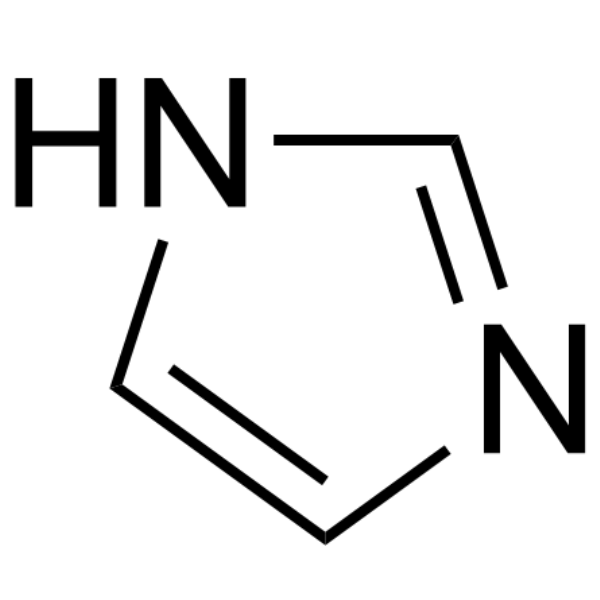
Imidazole (Glyoxaline; 1,3-Diaza-2,4-cyclopentadiene) is a heterocyclic aromatic compound. Imidazole bearing molecules have been used as corrosion, acetylcholinesterase (AChEI) and xanthine oxidase (XO) inhibitors, performing biological activities such as antifungal, antituberculosis, anti-inflammatory, antioxidant, and analgesic, amongst many others. Imidazole inhibits the enzymatic conversion of the endoperoxides (PGG2 and PGH2) to thromboxane A2 by platelet microsomes. Imidazole derivatives exhibits inhibition on SARS-CoV-2 3CL Pro enzyme, which is promising for research in the field of Alzheimer’s disease, gout, COVID-19 and thrombo-embolic disease .
|
-
-
- HY-B0276
-
|
2-Ethylthioisonicotinamide
|
Bacterial
Antibiotic
|
Infection
|
|
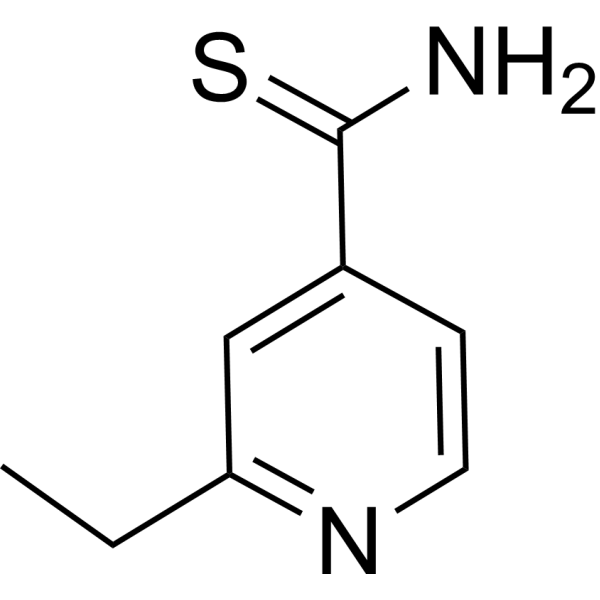
Ethionamide (2-ethylthioisonicotinamide) is a second-line anti-tuberculosis antibiotic with antibacterial effect and oral activity .
|
-
-
- HY-177105
-
|
|
Bacterial
|
Infection
|
|
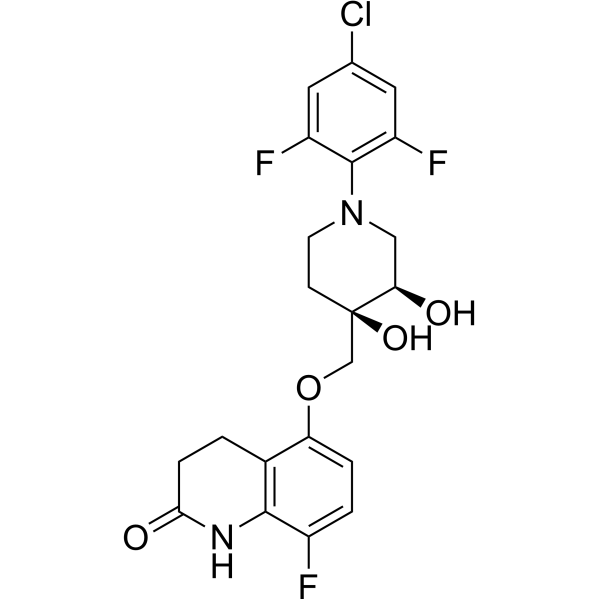
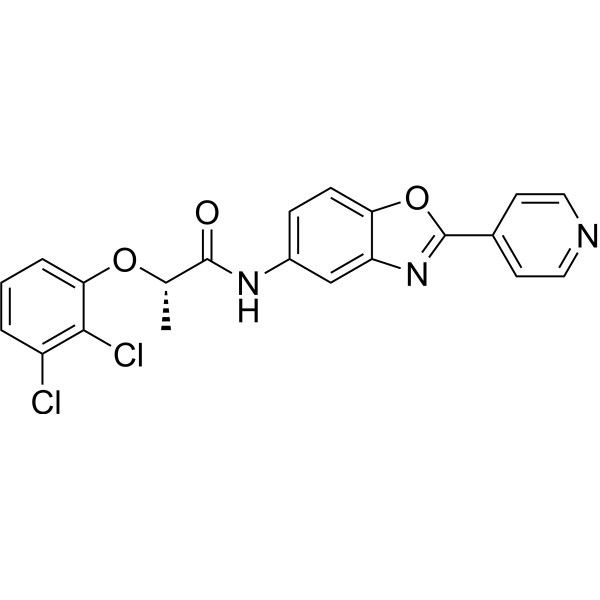
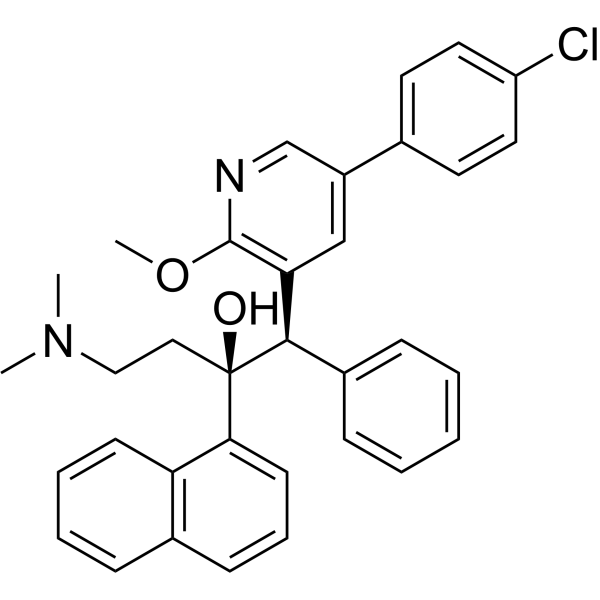
JNJ-6640 is an inhibitor targeting mycobacterial PurF (the first enzyme in the de novo purine biosynthesis pathway) with potent anti-tuberculosis activity. JNJ-6640 exhibits bactericidal activity against Mycobacterium tuberculosis in vitro, with an MIC90 of 8.6 nM. JNJ-6640 disrupts de novo purine biosynthesis, inhibits M. tuberculosis DNA replication in vivo. JNJ-6640 exhibits anti-tuberculosis efficacy in acutely infected mice. JNJ-6640 can be used for the study of tuberculosis .
|
-
-
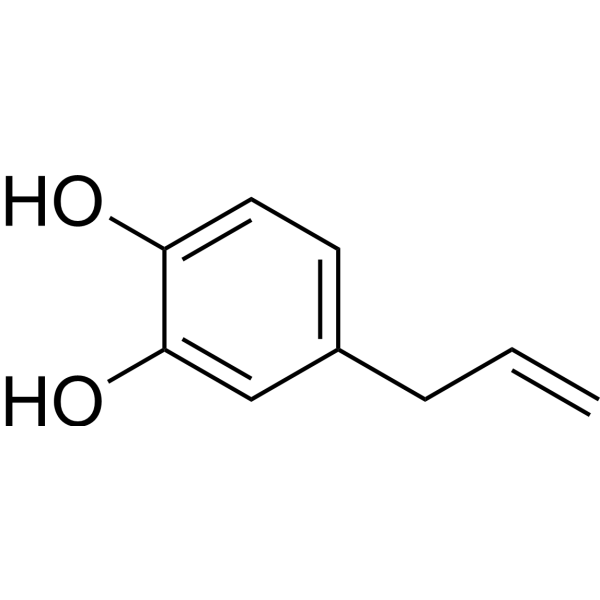
- HY-N1887
-
-
-
- HY-134940
-
|
OPC-167832
|
Bacterial
|
Infection
Inflammation/Immunology
|
|
Quabodepistat (OPC-167832) is a potent and orally active dprE1 inhibitor with an IC50 of 0.258 μM. Quabodepistat has antituberculosis activity and can be used for the research of tuberculosis caused by Mycobacterium tuberculosis .
|
-
-
- HY-Y0030A
-
|
3-HPA
|
Biochemical Assay Reagents
Drug Intermediate
|
Infection
|
|
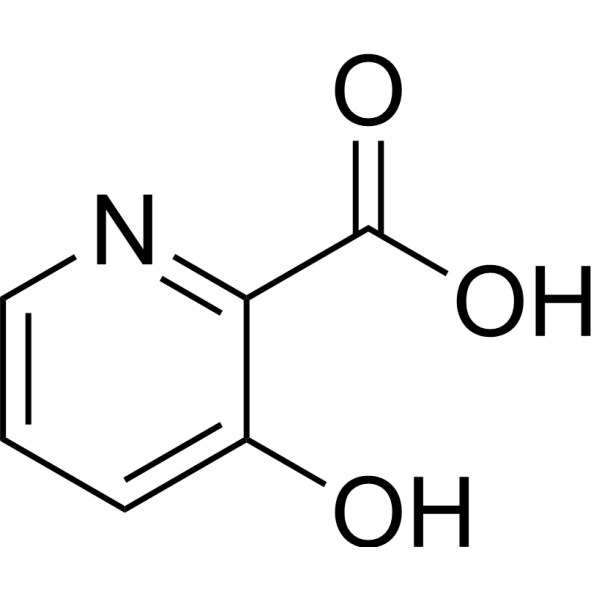
3-Hydroxypicolinic acid, matrix substance for MALDI-MS is a matrix. 3-Hydroxypicolinic acid, matrix substance for MALDI-MS coordinates with metal ions such as copper to form complexes with cytotoxic and antimycobacterial activity. 3-Hydroxypicolinic acid, matrix substance for MALDI-MS is used for the analysis of oligodeoxynucleotides in matrix-assisted laser desorption ionization time-of-flight mass spectrometry (MALDI-TOF MS). 3-Hydroxypicolinic acid, matrix substance for MALDI-MS is useful for nucleic acid analysis and anti-tuberculosis compound development .
|
-
-
- HY-N2208
-
|
|
p38 MAPK
Apoptosis
Reactive Oxygen Species (ROS)
|
Infection
Metabolic Disease
Inflammation/Immunology
Cancer
|
|
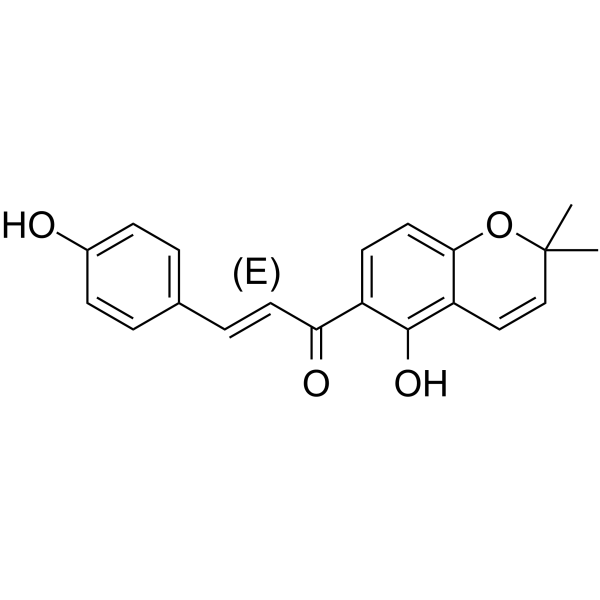
4-Hydroxylonchocarpin is a chalcone compound. 4-Hydroxylonchocarpin enhances the phosphorylation of p38 MAPK, JNK and ERK. 4-Hydroxylonchocarpin induces reactive oxygen species (ROS) and apoptosis in liver cancer cells. 4-Hydroxylonchocarpin has various pharmacological activities, including antibacterial, anticancer, anti-retroviral, anti-tuberculosis, anti-malarial and anti-inflammatory activities .
|
-
-
- HY-145286
-
|
|
Bacterial
|
Infection
Cancer
|
|
IMPDH2-IN-2 is a potent inhibitor of inosine 5’-monophosphate dehydrogenase (IMPDH) with a Ki,app value of 14 μM, respectively. IMPDH2-IN-2 displays moderate antibacterial activity (MIC = 6.3 and 11 μM in minimal GAST/Fe and rich 7H9/ADC/Tween media, respectively). IMPDH2-IN-2 is a potential anti-tuberculosis agent .
|
-
-
- HY-W010649
-
|
|
HSP
Epigenetic Reader Domain
ATP-binding cassette (ABC) transporters
Bacterial
Fungal
Antibiotic
|
Infection
Metabolic Disease
Inflammation/Immunology
Cancer
|
|
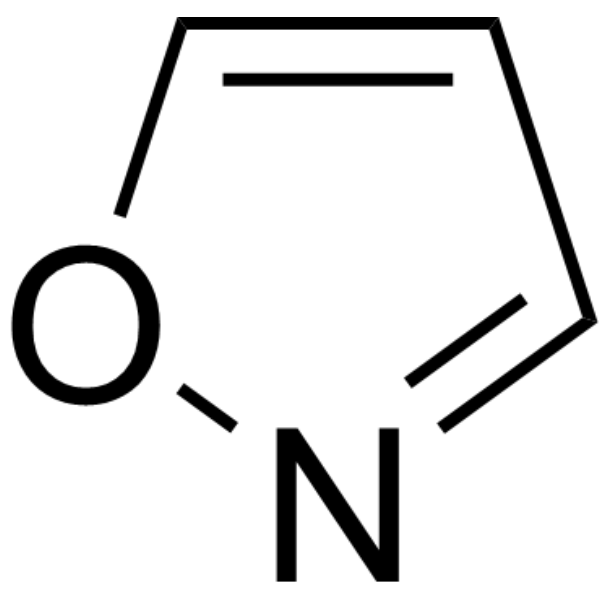
Isoxazole is a member of the five-membered heterocycle drug scaffold. Isoxazole has been used as a BET bromodomain inhibitor and can improve β-cell function in a diabetic mouse model. Isoxazole and its derivatives exhibit broad biological activities (such as antimicrobial, antibacterial, antifungal, antiviral, anticancer, anti-inflammatory, immunomodulatory, analgesic, anti-tuberculosis, and anti-diabetic effects). For example, the bicyclic Isoxazole can act as an HSP90 inhibitor, and the tricyclic Isoxazole is promising as a selective multidrug resistance protein (MRP1) inhibitor .
|
-
-
- HY-N11722
-
|
|
Apoptosis
NF-κB
Keap1-Nrf2
AMPK
Autophagy
SARS-CoV
DNA Methyltransferase
|
Infection
Inflammation/Immunology
Endocrinology
|
|
Panduratin A is an orally active natural compound with multiple pharmacological activities. By specifically inhibiting the NF-κB signaling pathway, Panduratin A exerts potent anti-inflammatory and antioxidant effects in intestinal and vascular inflammation models. Panduratin A exerts a definite protective effect against Colistin (HY-113678)-induced nephrotoxicity by alleviating oxidative stress, improving mitochondrial dysfunction and inhibiting cell apoptosis. Panduratin A activates autophagy via an AMPK-dependent pathway and exhibits anti-tuberculosis activity. Panduratin A exerts antiviral effects by inhibiting the methyltransferase (DNA Methyltransferase) of SARS-CoV-2 .
|
-
-
- HY-148478
-
|
(R)-GSK1729177A
|
DNA/RNA Synthesis
|
Infection
|
|
MMV688845 is a nontuberculous mycobacteria (NTM) RNA polymerase inhibitor with bactericidal activity against Mycobacterium abscessus and anti-tuberculosis efficacy .
|
-
-
- HY-117145
-
|
|
Bacterial
|
Infection
|
|
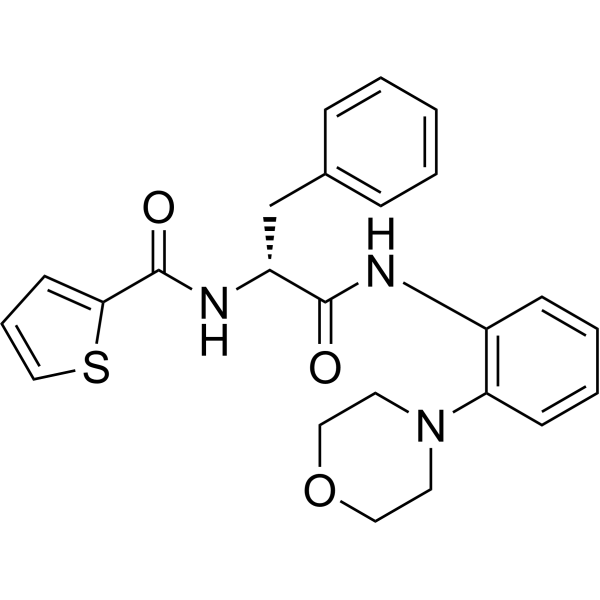
Thiophene-2 (TP2) is a specific polyketide synthase 13 (Pks13) inhibitor. Thiophene-2 inhibits mycolic acid biosynthesis and rapidly leads to mycobacterial cell death. Thiophene-2 is active against Mycobacterium tuberculosis with a MIC value of 1 μM, and has potent anti-tuberculosis activity .
|
-
-
- HY-W013677
-
|
|
Drug Intermediate
|
Infection
|
|
4-Fluorobenzoic acid is a drug intermediate that can be used to synthesize a series of hydrazone derivatives with antituberculosis activity and Schiff bases with DPPH radical scavenging activity .
|
-
-
- HY-W128705
-
|
3-Phenyl-1H-indole
|
Bacterial
|
Infection
|
|
3-Phenylindole (3-phenyl-1H-indole) is an indole compound. 3-Phenylindole exhibits weak anti-tuberculosis activity with an MIC of 129.4 μM. 3-Phenylindole can be utilized in anti-tuberculosis research .
|
-
-
- HY-12485
-
|
|
Bacterial
Antibiotic
|
Infection
|
|
TBA-354 is a potent anti-tuberculosis compound; maintains activity against Mycobacterium tuberculosis H37Rv isogenic monoresistant strains.
|
-
-
- HY-14743B
-
|
SCV 07 hydrochloride; Gamma-D-glutamyl-L-tryptophan hydrochloride
|
Bacterial
STAT
|
Infection
Inflammation/Immunology
Cancer
|
|
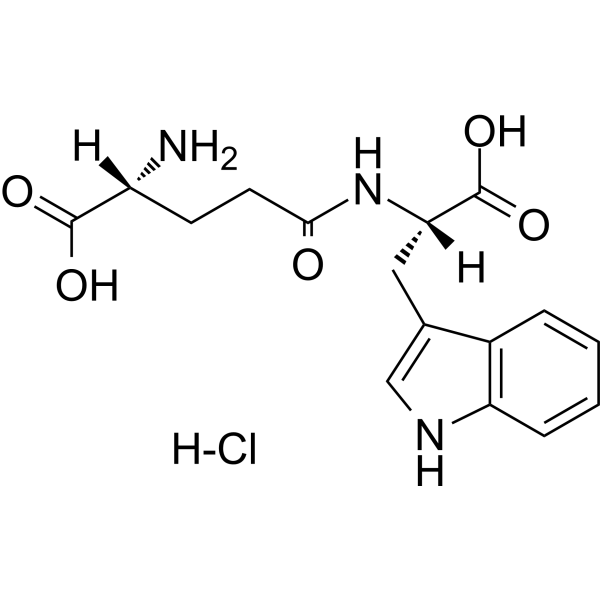
Golotimod hydrochloride (SCV 07 hydrochloride), an immunomodulating peptide with antimicrobial activity, significantly increases the efficacy of antituberculosis therapy, stimulates thymic and splenic cell proliferation, and improves macrophage function. Golotimod hydrochloride (SCV 07 hydrochloride) inhibits STAT3 signaling and modulates the duration and severity of oral mucositis in animal models that received radiation or a combination of radiation and Cisplatin. Golotimod hydrochloride (SCV 07 hydrochloride) is also a potential therapeutic for recurrent genital herpes simplex virus type 2 (HSV-2) .
|
-
-
- HY-W716673
-
-
-
- HY-126597
-
|
|
Bacterial
|
Infection
|
|
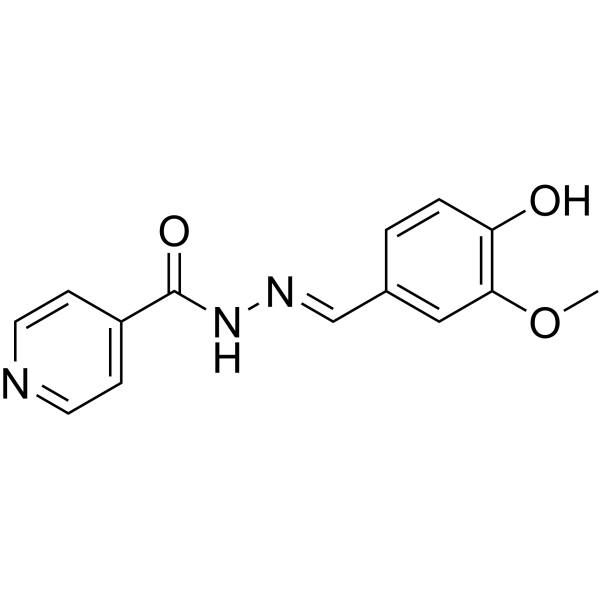
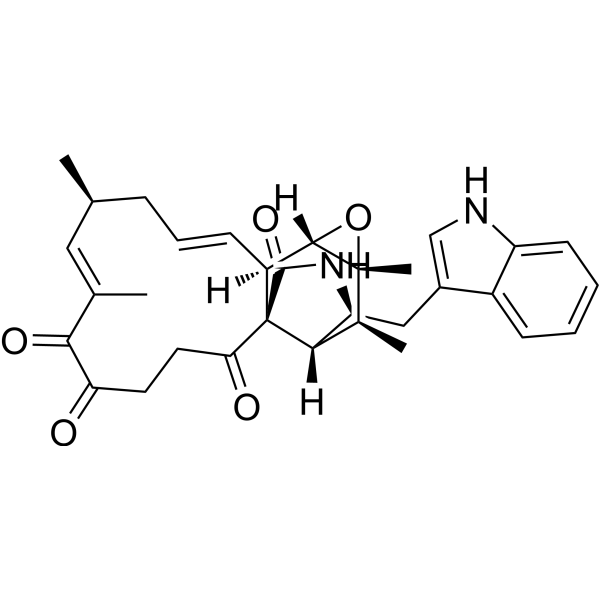
Chaetoglobosin C (Compound 4) is a anthraquinone-chromone compound derived from the fungus Chaetomium globosum KMITL-N0802. Chaetoglobosin C has anti-tuberculosis activity .
|
-
-
- HY-146158
-
|
WX-081
|
Bacterial
Potassium Channel
Antibiotic
|
Infection
|
|
Fudapirine, an anti-tuberculosis agent, displays excellent anti-mycobacterial activity against M. tuberculosis H37Rv and low cytotoxicity. Fudapirine exhibits potent activity with MIC50s of 0.083 and 0.11 μg/mL for agent susceptible tuberculosis (DS-TB) and multidrug resistant tuberculosis (MDR-TB) strains. Fudapirine also inhibits hERG channel with the IC50 of 1.89 μM.
|
-
-
- HY-W064918
-
|
|
Bacterial
|
Infection
|
|
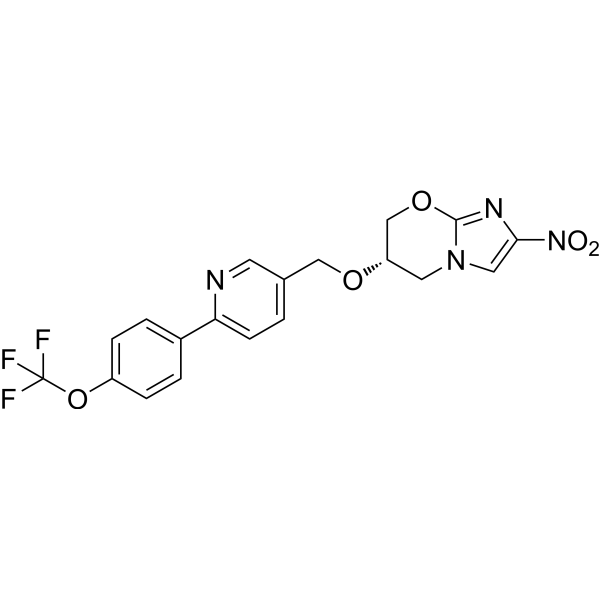
NITD-304 is an orally active anti-tuberculosis agent. NITD-304 exerts inhibitory and bactericidal activities gainst Mycobacterium tuberculosis and multidrug-resistant Mycobacterium tuberculosis. NITD-304 inhibits mycobacterial cell wall biosynthesis and demonstrates synergistic or additive growth inhibitory activity with select antibacterial agents. NITD-304 shows low risk of cardiotoxicity and drug-drug interactions, with no inhibition of major cytochrome P-450 enzymes or hERG channel. NITD-304 can be used for the research of tuberculosis and multidrug-resistant tuberculosis .
|
-
-
- HY-14743
-
|
SCV 07; Gamma-D-glutamyl-L-tryptophan
|
Bacterial
STAT
|
Infection
Inflammation/Immunology
Cancer
|
|
Golotimod (SCV-07), an immunomodulating peptide with antimicrobial activity, significantly increases the efficacy of antituberculosis therapy, stimulates thymic and splenic cell proliferation, and improves macrophage function. Golotimod (SCV-07) inhibits STAT3 signaling and modulates the duration and severity of oral mucositis in animal models that received radiation or a combination of radiation and Cisplatin. Golotimod (SCV-07) is also a potential therapeutic for recurrent genital herpes simplex virus type 2 (HSV-2) .
|
-
-
- HY-178436
-
|
|
Bacterial
|
Infection
|
|
Antituberculosis agent-16 is an orally active antituberculosis agent. Antituberculosis agent-16 exhibits stable antituberculosis activity with a MIC of 0.48 μg/mL against Mycobacterium tuberculosis H37Rv sensitive strain and 0.49 μg/mL against multidrug-resistant strain 14862. Antituberculosis agent-16 shows high Caco-2 permeability. Antituberculosis agent-16 can be used for the research of infection .
|
-
-
- HY-151514
-
|
|
Bacterial
|
Infection
|
|
Antituberculosis agent-5 (compound 52) is a nitrofuranylamide derivative, inhibits M. tuberculosis UDP-Gal mutase. Antituberculosis agent-5 inhibits Glf activity with an IC50 value of 99 μM/mL and resists tuberculosis (TB) with a MIC value of 1.6 μg/mL .
|
-
-
- HY-W129661
-
|
|
Bacterial
|
Infection
|
|
Pyrazine-2-carbothioamide is an effective antituberculosis agent with inhibitory activity against mycobacterium in vitro .
|
-
-
- HY-152138
-
|
|
Bacterial
Fungal
|
Infection
|
|
Antituberculosis agent-8 (Compound 9i) is an antitubercular agent with an MIC of 3.53 μM (1.6 μg/mL) against M. tuberculosis H37Rv. Antituberculosis agent-8 also shows good antifungal activity against A. niger with an MIC of 62.50 μM .
|
-
-
- HY-32806
-
|
|
Drug Intermediate
|
Infection
|
|
2-Chloro-4-methyl-3-nitropyridine is a pyridine derivative that can be used to synthesize 2-methoxypyridine derivatives with antibacterial and antituberculosis activities .
|
-
-
- HY-151956
-
|
|
Bacterial
|
Infection
|
|
Mtb-cyt-bd oxidase-IN-7 is a cytochrome bd terminal oxidase (Cyt-bd) inhibitor with a Kd value of 4.17 μM. Mtb-cyt-bd oxidase-IN-7 shows anti-tuberculosis activities .
|
-
-
- HY-N11259
-
|
|
Bacterial
|
Infection
|
|
Sophoradiol is a triterpenoid compound that can be extracted from Abrus Precatorius. Sophoradiol is an orally effective anti-tuberculosis agent. Sophoradiol has inhibitory activity against various strains of Mycobacterium tuberculosis. Sophoradiol has good biocompatibility. Sophoradiol can be used in the research of tuberculosis .
|
-
-
- HY-Y0030R
-
|
|
Reference Standards
Biochemical Assay Reagents
Drug Intermediate
|
Infection
|
|
3-Hydroxypicolinic acid is a matrix. 3-Hydroxypicolinic acid coordinates with metal ions such as copper to form complexes with cytotoxic and antimycobacterial activity. 3-Hydroxypicolinic acid is used for the analysis of oligodeoxynucleotides in matrix-assisted laser desorption ionization time-of-flight mass spectrometry (MALDI-TOF MS). 3-Hydroxypicolinic acid is useful for nucleic acid analysis and anti-tuberculosis compound development .
|
-
-
- HY-D0837R
-
|
Glyoxaline (Standard); 1,3-Diaza-2,4-cyclopentadiene (Standard)
|
Xanthine Oxidase
Reference Standards
Ser/Thr Protease
Thrombopoietin Receptor
|
Neurological Disease
Inflammation/Immunology
|
|
Imidazole (Standard) is the analytical standard of Imidazole. This product is intended for research and analytical applications. Imidazole (Glyoxaline; 1,3-Diaza-2,4-cyclopentadiene) is a heterocyclic aromatic compound. Imidazole bearing molecules have been used as corrosion, acetylcholinesterase (AChEI) and xanthine oxidase (XO) inhibitors, performing biological activities such as antifungal, antituberculosis, anti-inflammatory, antioxidant, and analgesic, amongst many others. Imidazole inhibits the enzymatic conversion of the endoperoxides (PGG2 and PGH2) to thromboxane A2 by platelet microsomes. Imidazole derivatives exhibits inhibition on SARS-CoV-2 3CLPro enzyme, which is promising for research in the field of Alzheimer’s disease, gout, COVID-19 and thrombo-embolic disease .
|
-
-
- HY-168946
-
|
|
Bacterial
|
Infection
|
|
InhA-IN-9 (compound 7h) is a Mycobacterium tuberculosis InhA (an enoyl ACP-reductase) inhibitor. InhA-IN-9 could bind to InhA. InhA-IN-9 shows a antituberculosis activity at MIC value of 2 μg/mL .
|
-
-
- HY-152136
-
|
|
Bacterial
Fungal
|
Infection
|
|
Antituberculosis agent-6 (compound 9g) is a potent antimycobacterial agent. Antituberculosis agent-6 shows significant activity against M. tuberculosis, with a MIC of 3.49 μM. Antituberculosis agent-6 also shows good antifungal activity against A. niger, with a MIC of 62.50 μM. Antituberculosis agent-6 shows high GI absorption .
|
-
-
- HY-151205
-
|
|
Bacterial
|
Infection
Inflammation/Immunology
|
|
Antituberculosis agent-3 (Compound 2) is an antituberculosis agent. Antituberculosis agent-3 shows anti-mycobacterial activity, and can inhibit M. tuberculosis H37Rv strain growth (MIC=12.5 μg/mL) .
|
-
-
- HY-146057
-
|
|
Bacterial
|
Infection
|
|
Antituberculosis agent-2 (Compound 8d) is an antituberculosis agent against agent-sensitive and multidrug-resistant tuberculosis. Antituberculosis agent-2 shows anti-tuberculosis activity with MIC values of 0.454, 1.757 and 1.644 μg/mL against M. tuberculosis H37Rv, 13946 and 14862, respectively. Antituberculosis agent-2 displays favorable mouse and human microsomal stability, low cytotoxicity, and acceptable oral bioavailability .
|
-
-
- HY-152137
-
|
|
Bacterial
Fungal
Antibiotic
|
Infection
Inflammation/Immunology
|
|
Antituberculosis agent-7, an oxetanyl-quinoline derivative, has shown good antibacterial activity against P. mirabilis with a MIC of 31.25 μM. Antituberculosis agent-7 shows good antifungal activity against A. niger with a MIC of 62.5 μM. Antituberculosis agent-7 shows excellent antimycobacterial activity with MIC 3.41 μM for M. tuberculosis H37Rv .
|
-
-
- HY-163486
-
|
|
Bacterial
|
Infection
|
|
Antituberculosis agent-10 (Compound 9) has excellent antibacterial activity against Mycobacterium tuberculosis (MIC = 0.3 μM). Antituberculosis agent-10 inhibits protein synthesis by targeting the 50S ribosomal subunit of the bacterium, thus exerting its antibacterial effect. Antituberculosis agent-10 is orally active .
|
-
-
- HY-113834
-
|
|
Bacterial
|
Infection
|
|
(R,R)-Ethambutol is an antituberculosis compound with tuberculosis inhibitory activity. (R,R)-Ethambutol is often used in combination with other antituberculosis compounds to enhance the efficacy. (R,R)-Ethambutol can also be used to inhibit Mycobacterium avium complex infection and Mycobacterium kansasii infection .
|
-
-
- HY-168860
-
|
|
Bacterial
|
Infection
Cancer
|
|
Antituberculosis agent-13 (Compound 11) inhibits Mycobacterium tuberculosis, that inhibits Mtb wildtype and mutated strains with IC50 of 4-62.5 nM. Antituberculosis agent-13 exhibits anti-leukemia activity that inhibits MOLM-13 with IC50 of 3.8 μM .
|
-
-
- HY-W716673R
-
|
Phthivazide (Standard)
|
Reference Standards
Bacterial
|
Infection
|
|
Ftivazide (Standard) is the analytical standard of Ftivazide. This product is intended for research and analytical applications. Ftivazide has anti-tuberculosis activity .
|
-
-
- HY-113095R
-
-
-
- HY-175183
-
|
|
Bacterial
|
Infection
|
|
Antituberculosis agent-15 (Compound 18c) is a selective antimycobacterial agent with MICs of 0.45 and 0.28 μM for M. tuberculosis H37Rv (ATCC 27294) and its wild-type H37Rv-LP (ATCC 25618), respectively. Antituberculosis agent-15 has potent intracellular inhibitory activities in macrophage infection models with IC50s of 0.16 μM. Antituberculosis agent-15 can be used for tuberculosis research .
|
-
-
- HY-171151
-
|
|
Bacterial
|
Infection
|
|
CPZEN-45 is a bacterial translocase I inhibitor with potent anti-tuberculosis activity. CPZEN-45 is promising for research of tuberculosis .
|
-
-
- HY-139863
-
|
|
Bacterial
|
Infection
|
|
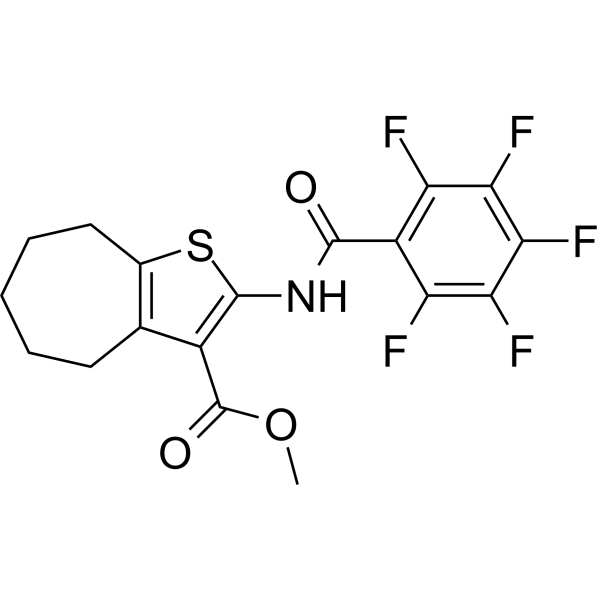
Antibacterial agent 62 is a novel redox cycling antituberculosis chemotype with potent bactericidal activity against growing and nutrient-starved phenotypically drug-resistant nongrowing bacteria.
|
-
-
- HY-117126
-
|
|
Bacterial
|
Infection
|
|
BTZ-N3 is a potent reversible and noncovalent inhibitor of decaprenylphosphoryl-β-d-ribose 2′ oxidase (DprE1) that shows anti-tuberculosis activity .
|
-
-
- HY-122448A
-
|
|
Bacterial
Fungal
|
Infection
|
|
(Rac)-Sativan is an isoflavanoid with a broad spectrum of antimicrobial activity against bacteria and phytopathogenic fungi. (Rac)-Sativan exhibits antituberculosis activity against Mycobacterium tuberculosis H37Rv, with MIC values of 50 µg/mL .
|
-
-
- HY-155067
-
|
|
Bacterial
|
Infection
|
|
Antitubercular agent-38 is an orally active Benzothiazinones (BTZs) derivate, with potent antituberculosis activity. Antitubercular agent-38 exhibits low cardiac toxicity, low cell cytotoxicity .
|
-
-
- HY-162028
-
|
|
Bacterial
|
Infection
|
|
GaMF1.39 is an antimycobacterial compound, targeting the F-ATP synthase subunit γ. GaMF1.39 displays enhanced anti-tuberculosis activity in combination with ETC inhibitors .
|
-
-
- HY-119166
-
|
|
Bacterial
|
Others
|
|
3,5,4'-Tribromosalicylanilide is a compound with antituberculosis and anti-Mycobacterium abscessus activities, which was found to inhibit the growth of Mycobacterium tuberculosis and Mycobacterium abscessus and affect gene expression by computational compound repositioning approach.
|
-
-
- HY-169108
-
|
|
Bacterial
|
Infection
|
|
DprE1-IN-11 (compound 3) is an orally active DprE1 inhibitor with antituberculosis activity against MTB H37Rv and MDR-MTB strains (MIC <0.029-0.095 μM) .
|
-
-
- HY-W013677S
-
|
|
Isotope-Labeled Compounds
Drug Intermediate
|
Infection
|
|
4-Fluorobenzoic acid- 13C6 is the 13C6 labeled 4-Fluorobenzoic acid (HY-W013677). 4-Fluorobenzoic acid is a drug intermediate that can be used to synthesize a series of hydrazone derivatives with antituberculosis activity and Schiff bases with DPPH radical scavenging activity.
|
-
- HY-N13197
-
-
- HY-116943
-
|
|
Bacterial
|
Infection
|
|
MTC420 (compound 42a) is a heterocyclic quinolone compound that targets the respiratory chain of Mycobacterium tuberculosis and exhibits antituberculosis activity (Rep Mtb: IC50=525 nM, Wayne Mtb: IC50=76 nM, MDR Mtb: IC50=140 nM) .
|
-
- HY-114604
-
|
|
Bacterial
|
Others
|
|
Propioxatin B is a tricyclic sesquiterpenoid compound isolated from the root of vetiver grass. It has anti-tuberculosis activity and inhibitory effects on a variety of drug-resistant mutants of Mycobacterium tuberculosis. In computer simulation docking studies, it showed binding affinity with bacterial DNA gyrase and has a certain safety in vivo.
|
-
- HY-W026339
-
|
|
Bacterial
|
Infection
|
|
IMB-XMA0038 is a MtASADH inhibitor with an IC50 value of 0.59 μg/mL. IMB-XMA0038 inhibits various agent-resistant Mycobacteria tuberculosis potently with MICs of 0.25-0.5 μg/mL. IMB-XMA0038 shows anti-tuberculosis activity .
|
-
- HY-162527
-
|
|
Bacterial
|
Infection
|
|
Antibacterial agent 216 (Compound 2a) is an antibacterial agent that exhibits significant bactericidal effects when combined with INH and RIF. Antibacterial agent 216 has demonstrated remarkable in vitro anti-tuberculosis activity against Mtb H37Rv and MDR clinical isolates and can be used for tuberculosis research .
|
-
- HY-150967
-
|
|
Bacterial
|
Infection
|
|
MmpL3-IN-1 (compound 32) is a potent Mycobacterial membrane protein large 3 (MmpL3) inhibitor. MmpL3-IN-1 has anti-tuberculosis activity with the MIC<0.016 μg/mL in M. tuberculosis and can be used in studies of drug-resistant tuberculosis .
|
-
- HY-172462
-
|
|
Bacterial
|
Infection
|
|
Mtb-IN-11 (Compound 1e) is an inhibitor of Mycobacterium tuberculosis salicylate synthase (MbtI), with an IC50 of 11.2 μM. Mtb-IN-11 exhibits good in vitro anti-tuberculosis activity, with a MIC99 of 32 μM against M. bovis BCG. Mtb-IN-11 can be used for the research of tuberculosis .
|
-
- HY-177322
-
|
|
Bacterial
|
Infection
|
|
sCNH240 (Compound P1) is an oral active and selective Rv1625c/Cya activator. sCNH240 has significant anti-tuberculosis activity with a MIC90 of 1.24 μM for Mycobacterium tuberculosis (Mtb) H37Rv strain on cholesterol. sCNH240 can be used for tuberculosis research .
|
-
- HY-173355
-
|
|
Bacterial
|
Infection
|
|
RCB18350 is an antituberculosis agent that belongs to the class of isoxazole derivatives. RCB18350 has bacteriostatic activity and inhibits the growth of Mycobacterium tuberculosis with an MIC of 1.25 μg/mL. RCB18350 is effective against multidrug-resistant Mycobacterium tuberculosis (MDR-TB) clinical isolates, slow-growing mycobacteria such as Mycobacterium bovis BCG and Mycobacterium avium .
|
-
- HY-134940S
-
|
OPC-167832-d7
|
Isotope-Labeled Compounds
Bacterial
|
Infection
Inflammation/Immunology
|
|
Quabodepistat-d7 (OPC-167832-d7) is deuterium labeled Quabodepistat. Quabodepistat (OPC-167832) is a potent and orally active dprE1 inhibitor with?an IC50 of 0.258 μM. Quabodepistat has antituberculosis activity and can be used for the research of tuberculosis?caused by?Mycobacterium tuberculosis .
|
-
- HY-137604A
-
|
|
Biochemical Assay Reagents
|
Infection
|
|
(γ-AmNS)UTP (trisodium) is a fluorescent derivative of UTP and enables the detection of RNA polymerase activity. Incorporation of UMP in RNA results in the release of γ-AmNS-PPi, which has higher intrinsic fluorescence than (γ-AmNS) UTP. (γ-AmNS)UTP (trisodium) can be used for antibacterial and antituberculosis agents study .
|
-
- HY-159565
-
|
|
Bacterial
VEGFR
|
Infection
|
|
VEGFR-2/InhA-IN-1 is a pyrazole-based dual inhibitor of InhA-VEGFR with anti-tuberculosis and anti-angiogenic activities. VEGFR-2/InhA-IN-1 has good antibacterial activity against Mycobacterium tuberculosis H37Rv strain (MIC=6.25 μg/mL) and significantly inhibits VEGFR-2 (IC50=15.27 nM) .
|
-
- HY-N12232
-
|
|
Parasite
Bacterial
|
Infection
Cancer
|
|
Carbazomycin D exhibits antituberculosis and antimalarial activities, that inhibits Plasmodium falciparum with an IC50 > 10 μg/mL, inhibits Mycobacterium tuberculosis with MIC of 25 μg/mL. Carbazomycin D exhibits cytotoxicity in cell MCF-7, KB, NCI-H187 and Vero, with IC50s of 21.3, 33.2, 12.9, and 34.3 μg/mL, respectively .
|
-
- HY-B0276A
-
|
2-Ethylthioisonicotinamide hydrochloride
|
Bacterial
|
Infection
|
|
Ethionamide hydrochloride (2-Ethylthioisonicotinamide hydrochloride) is an antituberculosis drug with mycobacterial activity. Ethionamide hydrochloride interferes with the bacterial cell wall synthesis process by inhibiting the synthesis of fatty acids in the bacterial cell wall. Ethionamide hydrochloride may have bacteriostatic or bactericidal effects, depending on the concentration of the drug at the site of infection and the susceptibility of the associated microorganisms. Ethionamide hydrochloride combines with NAD+ to form an adduct, thereby exerting its antibacterial effect .
|
-
- HY-158380
-
|
|
Bacterial
|
Infection
|
|
UH-NIP-16 exhibits antimicrobial activity against Mycobacterium tuberculosis, with MIC50 of 1.86 and 3.05 μM, for pathogenic mycobacterial strains H37Rv and CDC1551. UH-NIP-16 synergizes with Streptomycin (HY-B1906), Isoniazid (HY-B0329), Ethambutol (HY-B0535) and Bedaquiline (HY-14881), potentiates their anti-tuberculosis activities .
|
-
- HY-155558
-
|
|
Antibiotic
|
Infection
|
|
MptpB-IN-2 (compound 20) is a selective mycobacterium tuberculosis protein tyrosine phosphatase B (MptpB) inhibitor with IC50s of 0.64 μM, 4.06 μM and 4.14 μM for MptpB, MptpA and PTP1B, respectively. MptpB-IN-2 shows weak antituberculosis activity with a MIC of 64.9 μM for Mtb H37Rv .
|
-
- HY-138958
-
|
|
Bacterial
Virus Protease
|
Infection
|
|
HT1171 is a potent and selective inhibitor of mycobacterium tuberculosis proteasome. HT1171 shows strong anti-tuberculosis activity against Mycobacterium tuberculosis H37Rv with an MIC90 of 2 μg/mL and an MIC of 4 μg/mL. When HT1171 concentration is 100 μM, the inhibition rate of human normal hepatocytes L02 is 53.8%. HT1171 can be used in the research of antitubercular agent .
|
-
- HY-162508
-
|
|
Bacterial
|
Infection
|
|
KSK-104 has potent antibacterial activity against Mycobacterium tuberculosis (MIC=0.78 μM). The role of KSK-104 is mainly involved in the synthesis and recovery pathways of pyridoxal 5'-phosphate (PLP), PLP-dependent enzymes and oxidative stress networks. KSK-104, as a candidate molecule for novel anti-tuberculosis drugs, can be used to develop research against drug-resistant mycobacterium tuberculosis .
|
-
- HY-175262
-
|
|
Bacterial
Cytochrome P450
|
Infection
|
|
Mtb-IN-12 (Compound 5m) is a dual-target inhibitor that can target the CYP125 (KD: 40 nM; KI: 0.1 μM) and CYP142 (KD: 160 nM; KI: 0.05 μM) enzymes of Mycobacterium tuberculosis. Mtb-IN-12 exhibits good inhibitory activity against both drug-sensitive strains and multidrug-resistant tuberculosis strains, with low toxicity to macrophages. Mtb-IN-12 can be used in the research of anti-tuberculosis drugs .
|
-
- HY-162521
-
|
|
Bacterial
Fungal
|
Infection
|
|
Antibacterial agent 215 (Compound 3b) is an inhibitor for carbonic anhydrase (CA), with Ki of 17.61, 5.14 and 43.74 nM, for hCA I, hCA II and AChE, respectively. Antibacterial agent 215 exhibits anti-tuberculosis, with MIC of 62.5 µg/ml against M. tuberculosis. Antibacterial agent 215 exhibits antifungal activities against Candida spp. strains ATCC 14053, ATCC 1369, and ATCC 15126, with MICs of 125 µg/ml .
|
-
- HY-14743A
-
|
SCV 07 TFA; Gamma-D-glutamyl-L-tryptophan TFA
|
Bacterial
STAT
|
Infection
Inflammation/Immunology
Cancer
|
|
Golotimod TFA (SCV 07 TFA), an immunomodulating peptide with antimicrobial activity, significantly increases the efficacy of antituberculosis therapy, stimulates thymic and splenic cell proliferation, and improves macrophage function. Golotimod TFA (SCV 07 TFA) inhibits STAT3 signaling and modulates the duration and severity of oral mucositis in animal models that received radiation or a combination of radiation and Cisplatin. Golotimod TFA (SCV 07 TFA) is also a potential therapeutic for recurrent genital herpes simplex virus type 2 (HSV-2) .
|
-
- HY-151599
-
|
|
Bacterial
|
Infection
|
|
Pks13-TE inhibitor 3 (compound 23) is a 13-Thioesterase (Pks13-TE) inhibitor (IC50=1.55 μM). Pks13-TE inhibitor 3 shows good anti-tuberculosis activity against both agent-sensitive and drug-resistant Mtb strains (MIC=0.0625-0.25 μg/mL). Pks13-TE inhibitor 3 can be used in studies of multidrug-resistant TB and extensively drug-resistant TB .
|
-
- HY-14743R
-
|
SCV 07 (Standard); Gamma-D-glutamyl-L-tryptophan (Standard)
|
Bacterial
STAT
Reference Standards
|
Infection
Inflammation/Immunology
Cancer
|
|
Golotimod (Standard) is the analytical standard of Golotimod. This product is intended for research and analytical applications. Golotimod (SCV-07), an immunomodulating peptide with antimicrobial activity, significantly increases the efficacy of antituberculosis therapy, stimulates thymic and splenic cell proliferation, and improves macrophage function. Golotimod (SCV-07) inhibits STAT3 signaling and modulates the duration and severity of oral mucositis in animal models that received radiation or a combination of radiation and Cisplatin. Golotimod (SCV-07) is also a potential therapeutic for recurrent genital herpes simplex virus type 2 (HSV-2) .
|
-
- HY-151598
-
|
|
Bacterial
|
Infection
|
|
Pks13-TE inhibitor 2 (compound 32) is a 13-Thioesterase (Pks13-TE) inhibitor (IC50=1.30 μM). Pks13-TE inhibitor 2 shows good anti-tuberculosis activity against both agent-sensitive and drug-resistant Mtb strains (MIC=0.0039-0.0078 μg/mL). Pks13-TE inhibitor 2 can be used in studies of multidrug-resistant TB and extensively drug-resistant TB .
|
-
- HY-W699983
-
|
Glyoxaline-15N2; 1,3-Diaza-2,4-cyclopentadiene-15N2
|
Isotope-Labeled Compounds
Thrombopoietin Receptor
Ser/Thr Protease
Xanthine Oxidase
|
Neurological Disease
Inflammation/Immunology
|
|
Imidazole- 15N2 (Glyoxaline- 15N2) is 15N labeled Imidazole. Imidazole (Glyoxaline; 1,3-Diaza-2,4-cyclopentadiene) is a heterocyclic aromatic compound. Imidazole bearing molecules have been used as corrosion, acetylcholinesterase (AChEI) and xanthine oxidase (XO) inhibitors, performing biological activities such as antifungal, antituberculosis, anti-inflammatory, antioxidant, and analgesic, amongst many others. Imidazole inhibits the enzymatic conversion of the endoperoxides (PGG2 and PGH2) to thromboxane A2 by platelet microsomes. Imidazole derivatives exhibits inhibition on SARS-CoV-2 3CL Pro enzyme, which is promising for research in the field of Alzheimer’s disease, gout, COVID-19 and thrombo-embolic disease .
|
-
- HY-179444
-
|
|
Bacterial
|
Inflammation/Immunology
|
|
Antituberculosis agent-17 (compound 21) is a potent and selective antituberculosis agent. Antituberculosis agent-17 displays excellent anti-Tuberculosis (TB) activity against H37Rv, MDR and XDR strains of TB (MIC = 0.2-0.78 μM). Antituberculosis agent-17 exhibits selectivity for Mycobacterium tuberculosis over selected non-TB forming mycobacteria and bacteria. Antituberculosis agent-17 can be used for TB research .
|
-
- HY-181771
-
|
|
Bacterial
|
Infection
|
|
IDD-AN-A1 is a potent Mycobacterium tuberculosis (Mtb) isocitrate lyase (ICL) inhibitor with an IC50 of 7 μg/mL. IDD-AN-A1 shows additive and synergistic activity with anti-tuberculosis agents. , respectively.IDD-AN-A1 exhibits potent anti-tuberculosis activity. IDD-AN-A1 can be used for the research of tuberculosis .
|
-
- HY-179383
-
|
|
Bacterial
|
Infection
|
|
DprE1-IN-14 (Compound 77) is a DprE1 inhibitor, with an IC50 value of 2.5 nM for M. tb. DprE1-IN-14 exhibits anti-tuberculosis activity, with an MIC₉₀ of 0.3 μM for the M. tb mc26230 strain. DprE1-IN-14 mainly shows bacteriostatic activity, demonstrating a time-dependent bactericidal effect at 10-fold MIC concentrations. DprE1-IN-14 can be used in anti-tuberculosis research .
|
-
- HY-N9229
-
|
|
NO Synthase
Bacterial
|
Infection
Inflammation/Immunology
|
|
Myricadenin A is an iNOS inhibitor, capable of effectively inhibiting the production of NO (EC₅₀ = 18.1 μM). Myricadenin A has moderate ABTS free radical scavenging activity (SC₅₀ = 175.4 μM) and relatively weak anti-tuberculosis activity (MIC = 80.0 μg/mL). Myricadenin A can be used in inflammation-related research .
|
-
- HY-W013677S1
-
|
|
Isotope-Labeled Compounds
Drug Intermediate
|
Infection
|
|
4-Fluorobenzoic acid- 13C,d4 is the 13C- and deuterium labeled 4-Fluorobenzoic acid (HY-W013677). 4-Fluorobenzoic acid is a drug intermediate that can be used to synthesize a series of hydrazone derivatives with antituberculosis activity and Schiff bases with DPPH radical scavenging activity .
|
-
- HY-173205
-
|
|
Bacterial
|
Infection
|
|
Antimycobacterial agent - 11 (Compound QM7) is a bacteriostatic agent with anti-tuberculosis activity. Its minimum inhibitory concentration (MIC) against Mycobacterium tuberculosis (Mtb) is 5.58 μg/mL. Antimycobacterial agent - 11 can be used in the research of the anti - infection field, especially in the field of tuberculosis .
|
-
- HY-129819
-
|
|
Bacterial
|
Infection
|
|
(Rac)-DNDI-8219 is an antituberculosis compound with potent anti-leishmanial activity. (Rac)-DNDI-8219 demonstrated superior efficacy in the Leishmania donovani mouse model. (Rac)-DNDI-8219 showed promising activity in the Leishmania infantum hamster model. (Rac)-DNDI-8219 candidate compound R-6 provided excellent oral efficacy in the same hamster model .
|
-
- HY-183688
-
|
|
Bacterial
Phosphatase
p38 MAPK
ERK
|
Infection
|
|
MptpB-IN-3 is a selective inhibitor of Mycobacterium tuberculosis protein tyrosine phosphatase B (MptpB) with an IC50 of 0.19 μM. MptpB-IN-3 blocks MptpB-mediated inhibition of the macrophage MAPK pathway and restores the phosphorylation levels of Erk1/2 and p38. MptpB-IN-3 exhibits direct anti-tuberculosis activity against Mycobacterium tuberculosis and reduces the Mycobacterium tuberculosis load in mouse macrophages. MptpB-IN-3 can be used for tuberculosis research .
|
-
- HY-201256
-
|
|
Bacterial
MDM-2/p53
|
Infection
|
|
UCI-14 is a gltA1/lprQ modulator with in vitro anti-tuberculosis activity against drug-sensitive and multidrug-resistant mycobacteria. UCI-14 upregulates the expression of genes encoding citrate synthase I, downregulates the expression of genes encoding conserved mycobacterial lipoprotein, and alters the carbon metabolism of mycobacteria. UCI-14 reactivates the expression of wild-type p53 target genes in p53-mutated cells. UCI-14 can be used in the research of tuberculosis and cancer .
|
-
- HY-179529
-
|
|
EGFR
Bacterial
|
Infection
Cancer
|
|
EGFR/InhA-IN-1 (Compound 15) is an inhibitor of the anti-cancer target EGFR tyrosine kinase (1M17) (Ki = 0.05 μM) and the anti-tuberculosis target InhA enzyme (1OUZ) (Ki = 0.02 μM). EGFR/InhA-IN-1 exhibits anti-proliferative activity against A549 cells, with an IC50 of 10.38 μM. EGFR/InhA-IN-1 has inhibitory activity against Mycobacterium tuberculosis H37Rv, with a MIC of 6.25 μM. EGFR/InhA-IN-1 can be used for research on non-small cell lung cancer and Mycobacterium tuberculosis infection .
|
-
-
-
HY-L142
-
|
|
148 compounds
|
|
Tuberculosis (TB), usually caused by bacteria (Mycobacterium tuberculosis), is an infectious disease that mainly affects the lungs. According to the statistics of the World Health Organization (WHO), 10 million people suffer from tuberculosis every year, and 1.5 million people die of tuberculosis every year, which makes tuberculosis the number one killer of infectious diseases.
Tuberculosis can be cured through the standard 6-month course of treatment of four kinds of antibiotics. Common drugs include rifampicin and isoniazid. In some cases, TB bacteria do not respond to standard drugs, that is, patients with drug-resistant tuberculosis. The treatment of drug-resistant tuberculosis takes longer and is more complex. In the face of the resurgence of tuberculosis in the world and the rapid emergence of multi drug resistant tuberculosis, it is very important to develop new anti-tuberculosis drugs or new clinical treatment schemes for existing anti mycobacterium drugs.
MCE supplies a unique collection of 148 compounds with clear anti-tuberculosis activity. MCE Anti-tuberculosis Compound Library is a useful tool for anti-tuberculosis related research and anti-tuberculosis drug development p>
|
| Cat. No. |
Product Name |
Type |
-
- HY-D0837
-
|
Glyoxaline; 1,3-Diaza-2,4-cyclopentadiene
|
Biochemical Assay Reagents
|
|
Imidazole (Glyoxaline; 1,3-Diaza-2,4-cyclopentadiene) is a heterocyclic aromatic compound. Imidazole bearing molecules have been used as corrosion, acetylcholinesterase (AChEI) and xanthine oxidase (XO) inhibitors, performing biological activities such as antifungal, antituberculosis, anti-inflammatory, antioxidant, and analgesic, amongst many others. Imidazole inhibits the enzymatic conversion of the endoperoxides (PGG2 and PGH2) to thromboxane A2 by platelet microsomes. Imidazole derivatives exhibits inhibition on SARS-CoV-2 3CL Pro enzyme, which is promising for research in the field of Alzheimer’s disease, gout, COVID-19 and thrombo-embolic disease .
|
-
- HY-Y0030A
-
|
3-HPA
|
Biochemical Assay Reagents
|
|
3-Hydroxypicolinic acid, matrix substance for MALDI-MS is a matrix. 3-Hydroxypicolinic acid, matrix substance for MALDI-MS coordinates with metal ions such as copper to form complexes with cytotoxic and antimycobacterial activity. 3-Hydroxypicolinic acid, matrix substance for MALDI-MS is used for the analysis of oligodeoxynucleotides in matrix-assisted laser desorption ionization time-of-flight mass spectrometry (MALDI-TOF MS). 3-Hydroxypicolinic acid, matrix substance for MALDI-MS is useful for nucleic acid analysis and anti-tuberculosis compound development .
|
-
- HY-W013677
-
|
|
Biochemical Assay Reagents
|
|
4-Fluorobenzoic acid is a drug intermediate that can be used to synthesize a series of hydrazone derivatives with antituberculosis activity and Schiff bases with DPPH radical scavenging activity .
|
-
- HY-32806
-
|
|
Biochemical Assay Reagents
|
|
2-Chloro-4-methyl-3-nitropyridine is a pyridine derivative that can be used to synthesize 2-methoxypyridine derivatives with antibacterial and antituberculosis activities .
|
-
- HY-D0837R
-
|
Glyoxaline (Standard); 1,3-Diaza-2,4-cyclopentadiene (Standard)
|
Biochemical Assay Reagents
|
|
Imidazole (Standard) is the analytical standard of Imidazole. This product is intended for research and analytical applications. Imidazole (Glyoxaline; 1,3-Diaza-2,4-cyclopentadiene) is a heterocyclic aromatic compound. Imidazole bearing molecules have been used as corrosion, acetylcholinesterase (AChEI) and xanthine oxidase (XO) inhibitors, performing biological activities such as antifungal, antituberculosis, anti-inflammatory, antioxidant, and analgesic, amongst many others. Imidazole inhibits the enzymatic conversion of the endoperoxides (PGG2 and PGH2) to thromboxane A2 by platelet microsomes. Imidazole derivatives exhibits inhibition on SARS-CoV-2 3CLPro enzyme, which is promising for research in the field of Alzheimer’s disease, gout, COVID-19 and thrombo-embolic disease .
|
| Cat. No. |
Product Name |
Target |
Research Area |
-
- HY-14743
-
|
SCV 07; Gamma-D-glutamyl-L-tryptophan
|
Bacterial
STAT
|
Infection
Inflammation/Immunology
Cancer
|
|
Golotimod (SCV-07), an immunomodulating peptide with antimicrobial activity, significantly increases the efficacy of antituberculosis therapy, stimulates thymic and splenic cell proliferation, and improves macrophage function. Golotimod (SCV-07) inhibits STAT3 signaling and modulates the duration and severity of oral mucositis in animal models that received radiation or a combination of radiation and Cisplatin. Golotimod (SCV-07) is also a potential therapeutic for recurrent genital herpes simplex virus type 2 (HSV-2) .
|
-
- HY-14743R
-
|
SCV 07 (Standard); Gamma-D-glutamyl-L-tryptophan (Standard)
|
Bacterial
STAT
Reference Standards
|
Infection
Inflammation/Immunology
Cancer
|
|
Golotimod (Standard) is the analytical standard of Golotimod. This product is intended for research and analytical applications. Golotimod (SCV-07), an immunomodulating peptide with antimicrobial activity, significantly increases the efficacy of antituberculosis therapy, stimulates thymic and splenic cell proliferation, and improves macrophage function. Golotimod (SCV-07) inhibits STAT3 signaling and modulates the duration and severity of oral mucositis in animal models that received radiation or a combination of radiation and Cisplatin. Golotimod (SCV-07) is also a potential therapeutic for recurrent genital herpes simplex virus type 2 (HSV-2) .
|
| Cat. No. |
Product Name |
Category |
Target |
Chemical Structure |
| Cat. No. |
Product Name |
Chemical Structure |
-
- HY-W013677S
-
|
|
|
4-Fluorobenzoic acid- 13C6 is the 13C6 labeled 4-Fluorobenzoic acid (HY-W013677). 4-Fluorobenzoic acid is a drug intermediate that can be used to synthesize a series of hydrazone derivatives with antituberculosis activity and Schiff bases with DPPH radical scavenging activity.
|
-
-
- HY-134940S
-
|
|
|
Quabodepistat-d7 (OPC-167832-d7) is deuterium labeled Quabodepistat. Quabodepistat (OPC-167832) is a potent and orally active dprE1 inhibitor with?an IC50 of 0.258 μM. Quabodepistat has antituberculosis activity and can be used for the research of tuberculosis?caused by?Mycobacterium tuberculosis .
|
-
-
- HY-W699983
-
|
|
|
Imidazole- 15N2 (Glyoxaline- 15N2) is 15N labeled Imidazole. Imidazole (Glyoxaline; 1,3-Diaza-2,4-cyclopentadiene) is a heterocyclic aromatic compound. Imidazole bearing molecules have been used as corrosion, acetylcholinesterase (AChEI) and xanthine oxidase (XO) inhibitors, performing biological activities such as antifungal, antituberculosis, anti-inflammatory, antioxidant, and analgesic, amongst many others. Imidazole inhibits the enzymatic conversion of the endoperoxides (PGG2 and PGH2) to thromboxane A2 by platelet microsomes. Imidazole derivatives exhibits inhibition on SARS-CoV-2 3CL Pro enzyme, which is promising for research in the field of Alzheimer’s disease, gout, COVID-19 and thrombo-embolic disease .
|
-
-
- HY-W013677S1
-
|
|
|
4-Fluorobenzoic acid- 13C,d4 is the 13C- and deuterium labeled 4-Fluorobenzoic acid (HY-W013677). 4-Fluorobenzoic acid is a drug intermediate that can be used to synthesize a series of hydrazone derivatives with antituberculosis activity and Schiff bases with DPPH radical scavenging activity .
|
-
Your information is safe with us. * Required Fields.
Inquiry Information
- Product Name:
- Cat. No.:
- Quantity:
- MCE Japan Authorized Agent:

