
From 11:00 pm to 12:00 pm EST ( 8:00 pm to 9:00 pm PST ) on January 6th, the website will be under maintenance. We are sorry for the inconvenience. Please arrange your schedule properly.
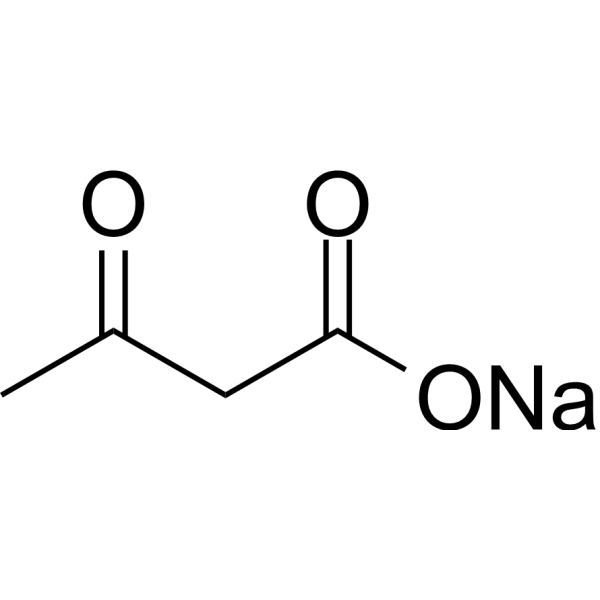
Acetoacetic acid sodium is an oxidative stress inducer that affects the antioxidant enzyme system and lipoprotein metabolism. Acetoacetic acid sodium induces oxidative stress by decreasing the mRNA expression and activity of superoxide dismutase (SOD), catalase (CAT), and glutathione peroxidase (GSH-Px), increasing MDA content, and inhibiting very low density lipoprotein (VLDL) assembly by downregulating apolipoprotein ApoB100, ApoE, and low density lipoprotein receptor (LDLR), leading to triglyceride (TG) accumulation in hepatocytes. Acetoacetic acid sodium can be used to study metabolic diseases .
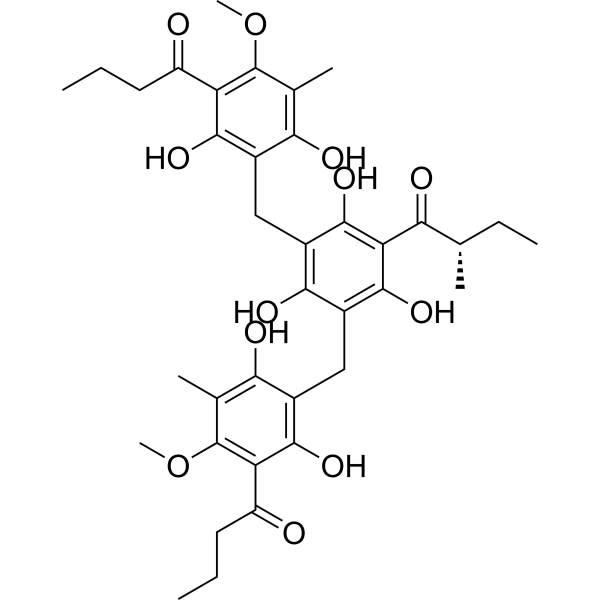
Agrimol B, a polyphenol, is an orally active and potent SIRT1 activator. Agrimol B shows anti-adipogenic and anticancer activity. Agrimol B shows antibacterial activity against plant pathogens. Agrimol B dramatically inhibits 3T3-L1 adipocyte differentiation by reducing PPARγ, C/EBPα, FAS, UCP-1, and apoE expression. The action of Agrimol B on the cancer cells is likely derived from its effect on c-MYC, SKP2 and p27 .
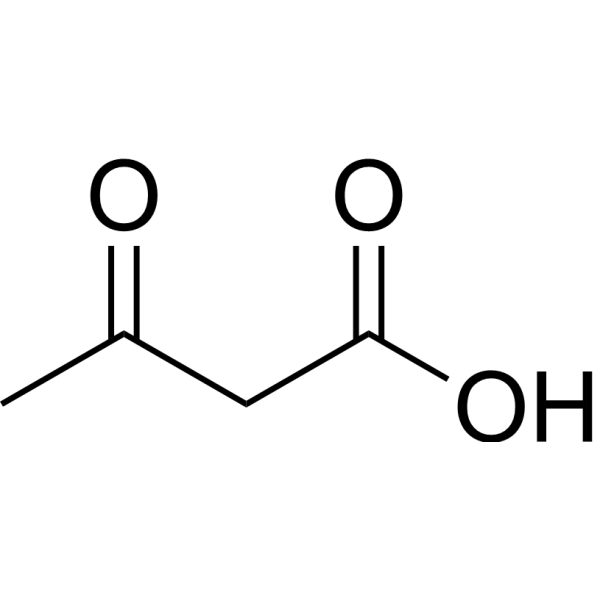
Acetoacetic acid is an oxidative stress inducer that affects the antioxidant enzyme system and lipoprotein metabolism. Acetoacetic acid induces oxidative stress by decreasing the mRNA expression and activity of superoxide dismutase (SOD), catalase (CAT), and glutathione peroxidase (GSH-Px), increasing MDA content, and inhibiting very low density lipoprotein (VLDL) assembly by downregulating apolipoprotein ApoB100, ApoE, and low density lipoprotein receptor (LDLR), leading to triglyceride (TG) accumulation in hepatocytes. Acetoacetic acid can be used to study metabolic diseases .
AL002 is a humanized monoclonal IgG1 antibody and a blood-brain barrier-permeable TREM2 modulator. AL002 binds to TREM2 on the surface of microglia, promotes TREM2 clustering and the formation of the TREM2-DAP12 complex, activates the TREM2 signaling pathway and PI3K cascade, and induces TREM2 internalization and degradation. AL002 is applicable to research related to Alzheimer's disease .
RGX-104 is an orally bioavailable and potent liver-X nuclear hormone receptor (LXR) agonist that modulates innate immunity via transcriptional activation of the ApoE gene.
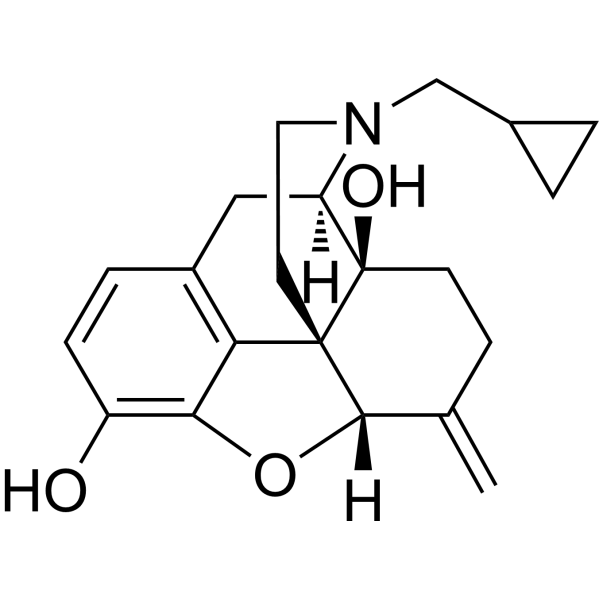
Nalmefene is a BBB-penetrable opioid receptor modulator. Nalmefene is an antagonist of MOR and DOR, and a partial agonist of KOR. Nalmefene has anti-inflammatory and neuroprotective activities. Nalmefene can be used in the research of reducing alcohol-dependent disorders .
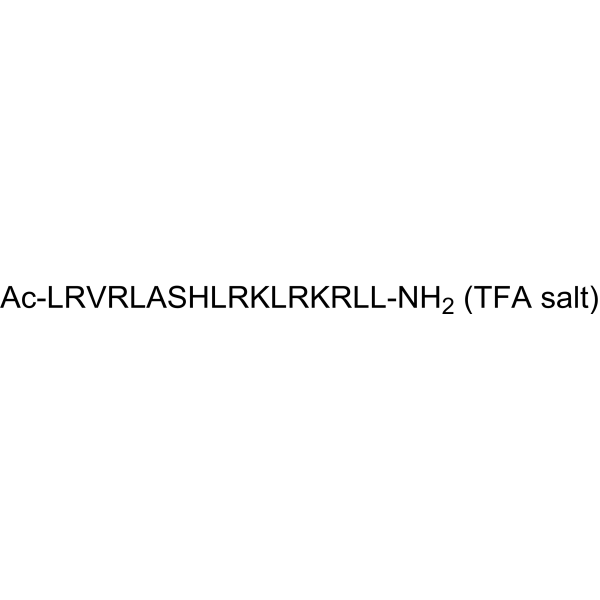
COG 133 is a fragment of Apolipoprotein E (APOE) peptide. COG 133 competes with the ApoE holoprotein for binding the LDL receptor, with potent anti-inflammatory and neuroprotective effects. COG 133 is also a nAChR antagonist with an IC50 of 445 nM .
EZ-482, a novel ligand of apolipoprotein (apoE), binds to sites on apoE in the C-terminal domain with Kds of 5-10 μM for apoE3 and apoE4. EZ-482 binds to apoE4 by a unique N-terminal allosteric effect. EZ482 has the potential for Alzheimer’s diseas .
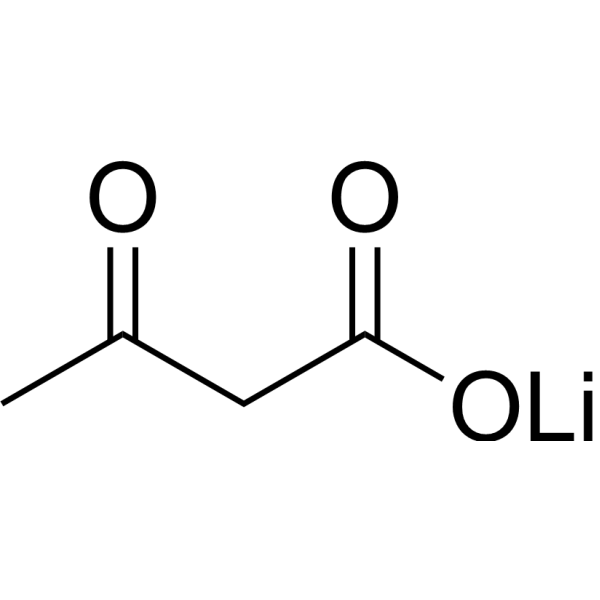
Acetoacetic acid lithium is an oxidative stress inducer that affects the antioxidant enzyme system and lipoprotein metabolism. Acetoacetic acid lithium induces oxidative stress by decreasing the mRNA expression and activity of superoxide dismutase (SOD), catalase (CAT), and glutathione peroxidase (GSH-Px), increasing MDA content, and inhibiting very low density lipoprotein (VLDL) assembly by downregulating apolipoprotein ApoB100, ApoE, and low density lipoprotein receptor (LDLR), leading to triglyceride (TG) accumulation in hepatocytes. Acetoacetic acid lithium can be used to study metabolic diseases .
COG 133 TFA is a fragment of Apolipoprotein E (APOE) peptide. COG 133 TFA competes with the ApoE holoprotein for binding the LDL receptor, with potent anti-inflammatory and neuroprotective effects. COG 133 TFA is also a nAChR antagonist with an IC50 of 445 nM .
E1231 is an orally active activator of Sirtuin 1 (SIRT1) (EC50=0.83 μM), to modulate cholesterol and lipid metabolism. E1231 interactes with SIRT1 (KD=9.61 μM) and deacetylated liver X receptor-alpha (LXRα), and increases ATP-binding cassette transporter A1 (ABCA1) expression. E1231 also reduces atherosclerotic plaque development in ApoE-/- mice model. E1231 can be used for research in cholesterol and lipid disorder-related diseases .
DDL-218 is an orally active and potent SirT1 inhibitor. DDL-218 enhances SirT1 in ApoE4-expressing neurons and a murine AD model. DDL-218 can be used in the study of Alzheimer's disease .
Macrophage-activating lipopeptide 2 TFA is an agonist of Toll like receptors TLR-2/TLR-6. Macrophage-activating lipopeptide-2 enhances endothelial nitric oxide synthase (eNOS) phosphorylation and endothelial cell release of NO, thereby improving vasodilation. Macrophage-activating lipopeptide-2 enhances endothelial adhesion of white blood cells and improve perfusion recovery and collateral growth in the hind limbs of hypercholesterolemic Apoe deficient mice undergoing experimental femoral artery ligation (FAL) .
APOE Human Pre-designed siRNA Set A contains three designed siRNAs for APOE gene (Human), as well as a negative control, a positive control, and a FAM-labeled negative control.
CE(16:1(9Z)) (16:1(9Z) CE) is a cholesterol ester. Plasma levels of cholesteryl palmitoleate are increased in ApoE-/- mice exposed to cigarette smoke and in pediatric patients with biliary atresia. Cholesteryl palmitoleate has been used as a standard for the identification of cholesterol esters in human meibomian gland secretions.
Macrophage-activating lipopeptide 2 (MALP-2) is an agonist of Toll like receptors TLR-2/TLR-6. Macrophage-activating lipopeptide-2 can enhance endothelial nitric oxide synthase (eNOS) phosphorylation and endothelial cell release of NO, thereby improving vasodilation. Macrophage-activating lipopeptide-2 can enhance endothelial adhesion of white blood cells and improve perfusion recovery and collateral growth in the hind limbs of hypercholesterolemic Apoe deficient mice undergoing experimental femoral artery ligation (FAL) .
Apoe Mouse Pre-designed siRNA Set A contains three designed siRNAs for Apoe gene (Mouse), as well as a negative control, a positive control, and a FAM-labeled negative control.
BND-35 is a human monoclonal antibody (mAb) targeting LILRB4/ILT3/CD85k. BND-35 blocks the interaction of ILT3 with APOE and fibronectin, enhances the pro-inflammatory activity of various myeloid cells, and reverses ILT3-mediated immunosuppression of T cells by various suppressive myeloid cells. BND-35 has anti-tumor activity in the hILT3 transgenic mouse tumor model .
LXR agonist 4 is a selective LXR inverse agonist with IC50 values of 7.6 (LXRα) and 2.9 μM (LXRβ), respectively. LXR agonist 4 exhibits selectivity over RORα and FXR. LXR agonist 4 robustly suppresses SREBP1c expression without altering ABCA1 or APOE. LXR agonist 4 displays antilipogenic properties and resolves fatty acid-induced steatosis. LXR agonist 4 can be used for the research of atherosclerosis and metabolic dysfunction-associated steatotic liver disease (MASLD) .
TBTC is a selective agonist with the activity of improving behavioral deficits in Alzheimer's disease model mice. TBTC can effectively activate the heterodimerization of RXRα with LXRα or PPARγ. TBTC stimulates the expression of apoE, ABCA1, and ABCG1 genes and reduces Aβ content in cells and animal models .
GFAP/NF-κB/APOE/NLRP3-IN-1 (Compound 11a) is an orally active, blood-brain barrier-permeable multi-target inhibitor with an IC50 of 3.50 nM against Acetylcholinesterase. GFAP/NF-κB/APOE/NLRP3-IN-1 inhibits BACE-1 with an IC50 of 14.61 nM. GFAP/NF-κB/APOE/NLRP3-IN-1 inhibits Aβ1-42 aggregation with an IC50 of 8.63 μM. GFAP/NF-κB/APOE/NLRP3-IN-1 reduces the levels of GFAP, NLRP3 inflammasome, NF-κB and APOE. GFAP/NF-κB/APOE/NLRP3-IN-1 is applicable for the research of Alzheimer's disease and neuroblastoma .
Probucol dithiobisphenol (DTBP) is the derivative of Probucol (HY-B0388). Probucol dithiobisphenol induces the production of heme oxygenase 1 (HO-1), and exhibits antioxidant activity. Probucol dithiobisphenol inhibits atherosclerotic lesions in Apoe−/− mice aorta, promotes re-endothelialization of aorta and inhibits restenosis in rabbit arterial injury models. Probucol dithiobisphenol is orally active .
COG112 is an antennapedia-linked apoE-mimetic peptide. COG112 attenuates induction of NO production, inhibits CXC chemokines KC and MIP-2. COG112 reduces nuclear translocation of NF-κB. COG112 inhibits phosphorylation of IκB-α and prevents the degradation of IκB-α. COG112 inhibits the inflammatory response to Citrobacter rodentium .
4010B-30 is a upregulator of apolipoprotein A-I (ApoA-I). 4010B-30 regulates ApoA-I gene expression through activation of PPARγ. 4010B-30 promotes cholesterol efflux and ABCA1 expression. 4010B-30 protects against atherosclerotic lesion development in ApoE-/- mice .
Acetoacetic acid (lithium) (Standard) is the analytical standard of Acetoacetic acid (lithium). This product is intended for research and analytical applications. Acetoacetic acid lithium is an oxidative stress inducer that affects the antioxidant enzyme system and lipoprotein metabolism. Acetoacetic acid lithium induces oxidative stress by decreasing the mRNA expression and activity of superoxide dismutase (SOD), catalase (CAT), and glutathione peroxidase (GSH-Px), increasing MDA content, and inhibiting very low density lipoprotein (VLDL) assembly by downregulating apolipoprotein ApoB100, ApoE, and low density lipoprotein receptor (LDLR), leading to triglyceride (TG) accumulation in hepatocytes. Acetoacetic acid lithium can be used to study metabolic diseases .
Nalmefene (Standard) is the analytical standard of Nalmefene. This product is intended for research and analytical applications. Nalmefene is a long acting opioid (MOR and DOR antagonist), and a partial KOR agonist. Nalmefene is used for opioid overdose and alcohol dependence .
Apoe Rat Pre-designed siRNA Set A contains three designed siRNAs for Apoe gene (Rat), as well as a negative control, a positive control, and a FAM-labeled negative control.
EZ-482 (Standard) is the analytical standard of EZ-482 (HY-103076). This product is intended for research and analytical applications. EZ-482, a novel ligand of apolipoprotein (apoE), binds to sites on apoE in the C-terminal domain with Kds of 5-10 μM for apoE3 and apoE4. EZ-482 binds to apoE4 by a unique N-terminal allosteric effect. EZ482 has the potential for Alzheimer’s diseas .
Lipid C16-C is an ionizable cationic lipid that can be used to prepare lipid nanoparticles (LNPs) for mRNA delivery. Lipid C16-C mediates ApoE-independent macropinocytosis-based mRNA delivery to macrophages, with endosomal acidification enabling endosomal escape and release of mRNA cargo into the cytosol.
CPO_Aβ17-21P is a apoE/Aβ interaction inhibitor with an IC50 of 1.02 nM. CPO_Aβ17-21P significantly inhibits ApoE4-mediated aggregation of Aβ40 and Aβ42. CPO_Aβ17-21P significantly improves cognitive function and comprehensively alleviates Alzheimer's disease (AD)-related pathologies in mouse models. CPO_Aβ17-21P is applicable to the research of AD .
ELB041 (AFS98) is a rat monoclonal anti-murine c-fms antibody (IgG2a). AFS98 inhibits M-CSF–dependent colony formation and cell growth by blocking the binding of M-CSF to its receptor. AFS98 prevents development of fatty streaks in ApoE-deficient mice. ELB041 can be used for the research of atherosclerosis .
Esculeogenin A is the sapogenol of tomato saponin Esculeoside A (HY-N18067). Esculeogenin A is an orally active hepatoprotective, hypolipidemic, and antioxidant agent. Esculeogenin A regulates molecular targets like PPARα, SREBP1, Nrf2, NF-κB, ACAT1/ACAT2 to promote hepatic fatty acid oxidation, suppress de novo lipogenesis, enhance antioxidant defense, and inhibit inflammation. Esculeogenin A improves liver function, alleviates hyperlipidemia, and inhibits hepatic steatosis and foam cell formation, preventing nonalcoholic fatty liver disease in high-fat-diet-fed rats and reducing atherosclerotic lesions in apoE-deficient mice. Esculeogenin A can be used for the research of nonalcoholic fatty liver disease, atherosclerosis, and hyperlipidemia .
CDg16 is a selective fluorescent dye targeting SLC18B1 (λabs/λem=458/544 nm) that is actively transported into lysosomal vesicles of activated macrophages independent of the endocytic pathway. CDg16 enables highly specific vesicle localization in live cells. CDg16 exhibits no cytotoxicity and accurately distinguishes activated M1 and M2 subsets from different origins. CDg16 shows low background staining in non-activated cells and normal organs, making it suitable for time-lapse imaging. In preclinical animal models of inflammatory sites, atherosclerotic plaques and liver inflammation, CDg16 allows visualization of activated macrophages. CDg16 can be used to study inflammation-related diseases and atherosclerosis .
COG 133 TFA is a fragment of Apolipoprotein E (APOE) peptide. COG 133 TFA competes with the ApoE holoprotein for binding the LDL receptor, with potent anti-inflammatory and neuroprotective effects. COG 133 TFA is also a nAChR antagonist with an IC50 of 445 nM .
Macrophage-activating lipopeptide 2 TFA is an agonist of Toll like receptors TLR-2/TLR-6. Macrophage-activating lipopeptide-2 enhances endothelial nitric oxide synthase (eNOS) phosphorylation and endothelial cell release of NO, thereby improving vasodilation. Macrophage-activating lipopeptide-2 enhances endothelial adhesion of white blood cells and improve perfusion recovery and collateral growth in the hind limbs of hypercholesterolemic Apoe deficient mice undergoing experimental femoral artery ligation (FAL) .
Macrophage-activating lipopeptide 2 (MALP-2) is an agonist of Toll like receptors TLR-2/TLR-6. Macrophage-activating lipopeptide-2 can enhance endothelial nitric oxide synthase (eNOS) phosphorylation and endothelial cell release of NO, thereby improving vasodilation. Macrophage-activating lipopeptide-2 can enhance endothelial adhesion of white blood cells and improve perfusion recovery and collateral growth in the hind limbs of hypercholesterolemic Apoe deficient mice undergoing experimental femoral artery ligation (FAL) .
COG112 is an antennapedia-linked apoE-mimetic peptide. COG112 attenuates induction of NO production, inhibits CXC chemokines KC and MIP-2. COG112 reduces nuclear translocation of NF-κB. COG112 inhibits phosphorylation of IκB-α and prevents the degradation of IκB-α. COG112 inhibits the inflammatory response to Citrobacter rodentium .
CPO_Aβ17-21P is a apoE/Aβ interaction inhibitor with an IC50 of 1.02 nM. CPO_Aβ17-21P significantly inhibits ApoE4-mediated aggregation of Aβ40 and Aβ42. CPO_Aβ17-21P significantly improves cognitive function and comprehensively alleviates Alzheimer's disease (AD)-related pathologies in mouse models. CPO_Aβ17-21P is applicable to the research of AD .
AL002 is a humanized monoclonal IgG1 antibody and a blood-brain barrier-permeable TREM2 modulator. AL002 binds to TREM2 on the surface of microglia, promotes TREM2 clustering and the formation of the TREM2-DAP12 complex, activates the TREM2 signaling pathway and PI3K cascade, and induces TREM2 internalization and degradation. AL002 is applicable to research related to Alzheimer's disease .
BND-35 is a human monoclonal antibody (mAb) targeting LILRB4/ILT3/CD85k. BND-35 blocks the interaction of ILT3 with APOE and fibronectin, enhances the pro-inflammatory activity of various myeloid cells, and reverses ILT3-mediated immunosuppression of T cells by various suppressive myeloid cells. BND-35 has anti-tumor activity in the hILT3 transgenic mouse tumor model .
ELB041 (AFS98) is a rat monoclonal anti-murine c-fms antibody (IgG2a). AFS98 inhibits M-CSF–dependent colony formation and cell growth by blocking the binding of M-CSF to its receptor. AFS98 prevents development of fatty streaks in ApoE-deficient mice. ELB041 can be used for the research of atherosclerosis .
Acetoacetic acid sodium is an oxidative stress inducer that affects the antioxidant enzyme system and lipoprotein metabolism. Acetoacetic acid sodium induces oxidative stress by decreasing the mRNA expression and activity of superoxide dismutase (SOD), catalase (CAT), and glutathione peroxidase (GSH-Px), increasing MDA content, and inhibiting very low density lipoprotein (VLDL) assembly by downregulating apolipoprotein ApoB100, ApoE, and low density lipoprotein receptor (LDLR), leading to triglyceride (TG) accumulation in hepatocytes. Acetoacetic acid sodium can be used to study metabolic diseases .
Agrimol B, a polyphenol, is an orally active and potent SIRT1 activator. Agrimol B shows anti-adipogenic and anticancer activity. Agrimol B shows antibacterial activity against plant pathogens. Agrimol B dramatically inhibits 3T3-L1 adipocyte differentiation by reducing PPARγ, C/EBPα, FAS, UCP-1, and apoE expression. The action of Agrimol B on the cancer cells is likely derived from its effect on c-MYC, SKP2 and p27 .
Acetoacetic acid is an oxidative stress inducer that affects the antioxidant enzyme system and lipoprotein metabolism. Acetoacetic acid induces oxidative stress by decreasing the mRNA expression and activity of superoxide dismutase (SOD), catalase (CAT), and glutathione peroxidase (GSH-Px), increasing MDA content, and inhibiting very low density lipoprotein (VLDL) assembly by downregulating apolipoprotein ApoB100, ApoE, and low density lipoprotein receptor (LDLR), leading to triglyceride (TG) accumulation in hepatocytes. Acetoacetic acid can be used to study metabolic diseases .
Acetoacetic acid lithium is an oxidative stress inducer that affects the antioxidant enzyme system and lipoprotein metabolism. Acetoacetic acid lithium induces oxidative stress by decreasing the mRNA expression and activity of superoxide dismutase (SOD), catalase (CAT), and glutathione peroxidase (GSH-Px), increasing MDA content, and inhibiting very low density lipoprotein (VLDL) assembly by downregulating apolipoprotein ApoB100, ApoE, and low density lipoprotein receptor (LDLR), leading to triglyceride (TG) accumulation in hepatocytes. Acetoacetic acid lithium can be used to study metabolic diseases .
Acetoacetic acid (lithium) (Standard) is the analytical standard of Acetoacetic acid (lithium). This product is intended for research and analytical applications. Acetoacetic acid lithium is an oxidative stress inducer that affects the antioxidant enzyme system and lipoprotein metabolism. Acetoacetic acid lithium induces oxidative stress by decreasing the mRNA expression and activity of superoxide dismutase (SOD), catalase (CAT), and glutathione peroxidase (GSH-Px), increasing MDA content, and inhibiting very low density lipoprotein (VLDL) assembly by downregulating apolipoprotein ApoB100, ApoE, and low density lipoprotein receptor (LDLR), leading to triglyceride (TG) accumulation in hepatocytes. Acetoacetic acid lithium can be used to study metabolic diseases .
Esculeogenin A is the sapogenol of tomato saponin Esculeoside A (HY-N18067). Esculeogenin A is an orally active hepatoprotective, hypolipidemic, and antioxidant agent. Esculeogenin A regulates molecular targets like PPARα, SREBP1, Nrf2, NF-κB, ACAT1/ACAT2 to promote hepatic fatty acid oxidation, suppress de novo lipogenesis, enhance antioxidant defense, and inhibit inflammation. Esculeogenin A improves liver function, alleviates hyperlipidemia, and inhibits hepatic steatosis and foam cell formation, preventing nonalcoholic fatty liver disease in high-fat-diet-fed rats and reducing atherosclerotic lesions in apoE-deficient mice. Esculeogenin A can be used for the research of nonalcoholic fatty liver disease, atherosclerosis, and hyperlipidemia .
Apolipoprotein E (APOE) plays a key role in lipoprotein-mediated lipid transport and is a core component in the production, transformation, and clearance of plasma lipoproteins. As an amphipathic molecule, APOE binds to various lipoprotein particles, including chylomicrons, chylomicron remnants, VLDL, and IDL, favoring HDL. Apolipoprotein E/APOE2 Protein, Human (HEK293) is the recombinant human-derived Apolipoprotein E/APOE2 protein, expressed by HEK293, with tag free.
Apolipoprotein E/APOE is crucial in lipid transport and participates in the production, transformation and clearance of plasma lipoproteins. It interacts with various particles, including chylomicrons and high-density lipoproteins, and binds to cellular receptors such as LDLR and VLDLR, promoting uptake. Apolipoprotein E/APOE Protein, Mouse (HEK293, Fc) is the recombinant mouse-derived Apolipoprotein E/APOE protein, expressed by HEK293 , with C-hFc labeled tag.
Apolipoprotein E (APOE) plays a key role in lipoprotein-mediated lipid transport and is a core component in the production, transformation, and clearance of plasma lipoproteins. As an amphipathic molecule, APOE binds to various lipoprotein particles, including chylomicrons, chylomicron remnants, VLDL, and IDL, favoring HDL. Apolipoprotein E/APOE Protein, Human (Biotinylated, HEK293, His) is the recombinant human-derived Apolipoprotein E/APOE protein, expressed by HEK293 , with N-His labeled tag.
Apolipoprotein E (APOE) plays a key role in lipoprotein-mediated lipid transport and is a core component in the production, transformation, and clearance of plasma lipoproteins. As an amphipathic molecule, APOE binds to various lipoprotein particles, including chylomicrons, chylomicron remnants, VLDL, and IDL, favoring HDL. Apolipoprotein E/APOE3 Protein, Human (HEK293, hFc) is the recombinant human-derived Apolipoprotein E/APOE3 protein, expressed by HEK293 , with N-hFc labeled tag.
Apolipoprotein E (APOE) plays a key role in lipoprotein-mediated lipid transport and is a core component in the production, transformation, and clearance of plasma lipoproteins. As an amphipathic molecule, APOE binds to various lipoprotein particles, including chylomicrons, chylomicron remnants, VLDL, and IDL, favoring HDL. Apolipoprotein E/APOE Protein, Human (C130R, HEK293, Fc) is the recombinant human-derived Apolipoprotein E/APOE protein, expressed by HEK293 , with N-hFc labeled tag and C130R mutation.
Apolipoprotein E (APOE) plays a key role in lipoprotein-mediated lipid transport and is a core component in the production, transformation, and clearance of plasma lipoproteins. As an amphipathic molecule, APOE binds to various lipoprotein particles, including chylomicrons, chylomicron remnants, VLDL, and IDL, favoring HDL. Apolipoprotein E/APOE2 Protein, Human (R176C, HEK293, His) is the recombinant human-derived Apolipoprotein E/APOE2 protein, expressed by HEK293, with C-His labeled tag.
Apolipoprotein E (APOE) plays a key role in lipoprotein-mediated lipid transport and is a core component in the production, transformation, and clearance of plasma lipoproteins. As an amphipathic molecule, APOE binds to various lipoprotein particles, including chylomicrons, chylomicron remnants, VLDL, and IDL, favoring HDL. Apolipoprotein E/APOE2 Protein, Human (C130R, HEK293) is the recombinant human-derived Apolipoprotein E/APOE2 protein, expressed by HEK293, with tag free.
Apolipoprotein E/APOE4 Protein, Human (HEK293, His) is the recombinant human-derived Apolipoprotein E/APOE4 protein, expressed by HEK293, with N-His labeled tag.
Apolipoprotein E (APOE) plays a key role in lipoprotein-mediated lipid transport and is a core component in the production, transformation, and clearance of plasma lipoproteins. As an amphipathic molecule, APOE binds to various lipoprotein particles, including chylomicrons, chylomicron remnants, VLDL, and IDL, favoring HDL. Apolipoprotein E/APOE Protein, Human (R154S, R176C, HEK293, C-His) is the recombinant human-derived Apolipoprotein E/APOE protein, expressed by HEK293 , with C-6*His labeled tag and R154S, R176C mutation.
Apolipoprotein E/ApoE3 is an apolipoprotein isoform that mediates lipid transport and plays a crucial role in lipid homeostasis in both plasma and the central nervous system by binding to LDL receptors (LDLR), LDL receptor-related proteins (LRP1, LRP2, LRP8), Very Low-Density Lipoprotein Receptor (VLDLR), and Heparin. The Apolipoprotein E/ApoE3 Protein, Human (HEK293, His) is a recombinant protein with a His tag at the N-terminus, consisting of 299 amino acids (K19-H317), and is expressed in HEK293 cells.
Apolipoprotein E (APOE) plays a key role in lipoprotein-mediated lipid transport and is a core component in the production, transformation, and clearance of plasma lipoproteins. As an amphipathic molecule, APOE binds to various lipoprotein particles, including chylomicrons, chylomicron remnants, VLDL, and IDL, favoring HDL. Apolipoprotein E/APOE Protein, Human (C130R, HEK293, Fc) is the recombinant human-derived Apolipoprotein E/APOE protein, expressed by HEK293 , with N-hFc labeled tag and C130R mutation.
Apolipoprotein E/APOE is a key molecule linking lipid metabolism and neurological function. Apolipoprotein E/APOE gene polymorphisms are closely associated with diseases such as Alzheimer’s disease and atherosclerosis by influencing protein structure and function. Apolipoprotein E/APOE Protein, Mouse (HEK293, His) is a recombinant APOE protein expressed in HEK293 cells, with a C-6*His tag.
Apolipoprotein E/APOE is essential for lipid transport between organs and is a key component of lipoproteins such as chylomicrons and high-density lipoprotein. It binds to cell receptors such as LDLR and VLDLR to promote lipoprotein uptake, and has heparin-binding activity to interact with cell surface proteoglycans. Apolipoprotein E/APOE Protein, Rabbit (His-SUMO) is the recombinant Rabbit-derived Apolipoprotein E/APOE protein, expressed by E. coli , with N-10*His, N-SUMO labeled tag.
Apolipoprotein E/APOE is essential for lipid transport between organs and is a key component of lipoproteins such as chylomicrons and high-density lipoprotein. It binds to cell receptors such as LDLR and VLDLR to promote lipoprotein uptake, and has heparin-binding activity to interact with cell surface proteoglycans. Apolipoprotein E/APOE Protein, Rabbit (His-B2M, Myc) is the recombinant Rabbit-derived Apolipoprotein E/APOE protein, expressed by E. coli , with N-10*His, C-Myc, N-B2M labeled tag.
Apolipoprotein E/APOE is essential for lipid transport and is integral to the production, transformation and clearance of plasma lipoproteins.It interacts with various particles to favor HDL and binds to receptors such as LDLR and VLDLR to promote cellular uptake.Apolipoprotein E/APOE Protein, Rat (His) is the recombinant rat-derived Apolipoprotein E/APOE protein, expressed by E.coli , with N-6*His labeled tag.
APOE Human Pre-designed siRNA Set A contains three designed siRNAs for APOE gene (Human), as well as a negative control, a positive control, and a FAM-labeled negative control.
CE(16:1(9Z)) (16:1(9Z) CE) is a cholesterol ester. Plasma levels of cholesteryl palmitoleate are increased in ApoE-/- mice exposed to cigarette smoke and in pediatric patients with biliary atresia. Cholesteryl palmitoleate has been used as a standard for the identification of cholesterol esters in human meibomian gland secretions.
Apoe Mouse Pre-designed siRNA Set A contains three designed siRNAs for Apoe gene (Mouse), as well as a negative control, a positive control, and a FAM-labeled negative control.
Apoe Rat Pre-designed siRNA Set A contains three designed siRNAs for Apoe gene (Rat), as well as a negative control, a positive control, and a FAM-labeled negative control.
Inquiry Online
Your information is safe with us. * Required Fields.
Western blot analysis of extracts from THP-1(lane 2(20μg), Jurkat (lane 3(20μg) and NIH3T3(lane 4(20μg) using FOXO1A (HY-P80132) Rabbit mAb. Proteins were transferred
to a PVDF membrane and blocked with 5% non-fat milk in TBST for 2 hour at room temperature. The primary antibody (1/1000) and Loading control antibody (Beta Actin, HY-P80438, 1/10000) was
used in 5% non-fat milk in TBST at 4°C overnight. Goat Anti-Mouse/Rabbit IgG-HRP Secondary Antibody (1/10000) was used for 1 hour at room temperature.
Western blot analysis of extracts from THP-1(lane 2(20μg), Jurkat (lane 3(20μg) and NIH3T3(lane 4(20μg) using FOXO1A (HY-P80132) Rabbit mAb. Proteins were transferred
to a PVDF membrane and blocked with 5% non-fat milk in TBST for 2 hour at room temperature. The primary antibody (1/1000) and Loading control antibody (Beta Actin, HY-P80438, 1/10000) was
used in 5% non-fat milk in TBST at 4°C overnight. Goat Anti-Mouse/Rabbit IgG-HRP Secondary Antibody (1/10000) was used for 1 hour at room temperature.
Western blot analysis of extracts from THP-1(lane 2(20μg), Jurkat (lane 3(20μg) and NIH3T3(lane 4(20μg) using FOXO1A (HY-P80132) Rabbit mAb. Proteins were transferred
to a PVDF membrane and blocked with 5% non-fat milk in TBST for 2 hour at room temperature. The primary antibody (1/1000) and Loading control antibody (Beta Actin, HY-P80438, 1/10000) was
used in 5% non-fat milk in TBST at 4°C overnight. Goat Anti-Mouse/Rabbit IgG-HRP Secondary Antibody (1/10000) was used for 1 hour at room temperature.
Western blot analysis of extracts from THP-1(lane 2(20μg), Jurkat (lane 3(20μg) and NIH3T3(lane 4(20μg) using FOXO1A (HY-P80132) Rabbit mAb. Proteins were transferred
to a PVDF membrane and blocked with 5% non-fat milk in TBST for 2 hour at room temperature. The primary antibody (1/1000) and Loading control antibody (Beta Actin, HY-P80438, 1/10000) was
MedchemExpress Validation 03
Western blot analysis of extracts from THP-1(lane 2(20μg), Jurkat (lane 3(20μg) and NIH3T3(lane 4(20μg) using FOXO1A (HY-P80132) Rabbit mAb. Proteins were transferred
MedchemExpress Validation 04
Western blot analysis of extracts from THP-1(lane 2(20μg), Jurkat (lane 3(20μg) and NIH3T3(lane 4(20μg) using FOXO1A (HY-P80132) Rabbit mAb. Proteins were transferred
to a PVDF membrane and blocked with 5% non-fat milk in TBST for 2 hour at room temperature. The primary antibody (1/1000) and Loading control antibody (Beta Actin, HY-P80438, 1/10000) was
used in 5% non-fat milk in TBST at 4°C overnight. Goat Anti-Mouse/Rabbit IgG-HRP Secondary Antibody (1/10000) was used for 1 hour at room temperature.
MedchemExpress Validation
Western blot analysis of extracts from THP-1(lane 2(20μg), Jurkat (lane 3(20μg) and NIH3T3(lane 4(20μg) using FOXO1A (HY-P80132) Rabbit mAb. Proteins were transferred
to a PVDF membrane and blocked with 5% non-fat milk in TBST for 2 hour at room temperature. The primary antibody (1/1000) and Loading control antibody (Beta Actin, HY-P80438, 1/10000) was
used in 5% non-fat milk in TBST at 4°C overnight. Goat Anti-Mouse/Rabbit IgG-HRP Secondary Antibody (1/10000) was used for 1 hour at room temperature.
Western blot analysis of extracts from THP-1(lane 2(20μg), Jurkat (lane 3(20μg) and NIH3T3(lane 4(20μg) using FOXO1A (HY-P80132) Rabbit mAb. Proteins were transferred
to a PVDF membrane and blocked with 5% non-fat milk in TBST for 2 hour at room temperature. The primary antibody (1/1000) and Loading control antibody (Beta Actin, HY-P80438, 1/10000) was
used in 5% non-fat milk in TBST at 4°C overnight. Goat Anti-Mouse/Rabbit IgG-HRP Secondary Antibody (1/10000) was used for 1 hour at room temperature.
MedchemExpress Validation
Western blot analysis of extracts from THP-1(lane 2(20μg), Jurkat (lane 3(20μg) and NIH3T3(lane 4(20μg) using FOXO1A (HY-P80132) Rabbit mAb. Proteins were transferred
to a PVDF membrane and blocked with 5% non-fat milk in TBST for 2 hour at room temperature. The primary antibody (1/1000) and Loading control antibody (Beta Actin, HY-P80438, 1/10000) was
used in 5% non-fat milk in TBST at 4°C overnight. Goat Anti-Mouse/Rabbit IgG-HRP Secondary Antibody (1/10000) was used for 1 hour at room temperature.
MedchemExpress Validation
Western blot analysis of extracts from THP-1(lane 2(20μg), Jurkat (lane 3(20μg) and NIH3T3(lane 4(20μg) using FOXO1A (HY-P80132) Rabbit mAb. Proteins were transferred
to a PVDF membrane and blocked with 5% non-fat milk in TBST for 2 hour at room temperature. The primary antibody (1/1000) and Loading control antibody (Beta Actin, HY-P80438, 1/10000) was
used in 5% non-fat milk in TBST at 4°C overnight. Goat Anti-Mouse/Rabbit IgG-HRP Secondary Antibody (1/10000) was used for 1 hour at room temperature.
MedchemExpress Validation
Western blot analysis of extracts from THP-1(lane 2(20μg), Jurkat (lane 3(20μg) and NIH3T3(lane 4(20μg) using FOXO1A (HY-P80132) Rabbit mAb. Proteins were transferred
to a PVDF membrane and blocked with 5% non-fat milk in TBST for 2 hour at room temperature. The primary antibody (1/1000) and Loading control antibody (Beta Actin, HY-P80438, 1/10000) was
used in 5% non-fat milk in TBST at 4°C overnight. Goat Anti-Mouse/Rabbit IgG-HRP Secondary Antibody (1/10000) was used for 1 hour at room temperature.
MedchemExpress Validation
Western blot analysis of extracts from THP-1(lane 2(20μg), Jurkat (lane 3(20μg) and NIH3T3(lane 4(20μg) using FOXO1A (HY-P80132) Rabbit mAb. Proteins were transferred
to a PVDF membrane and blocked with 5% non-fat milk in TBST for 2 hour at room temperature. The primary antibody (1/1000) and Loading control antibody (Beta Actin, HY-P80438, 1/10000) was
used in 5% non-fat milk in TBST at 4°C overnight. Goat Anti-Mouse/Rabbit IgG-HRP Secondary Antibody (1/10000) was used for 1 hour at room temperature.
MedchemExpress Validation
Western blot analysis of extracts from THP-1(lane 2(20μg), Jurkat (lane 3(20μg) and NIH3T3(lane 4(20μg) using FOXO1A (HY-P80132) Rabbit mAb. Proteins were transferred
to a PVDF membrane and blocked with 5% non-fat milk in TBST for 2 hour at room temperature. The primary antibody (1/1000) and Loading control antibody (Beta Actin, HY-P80438, 1/10000) was
used in 5% non-fat milk in TBST at 4°C overnight. Goat Anti-Mouse/Rabbit IgG-HRP Secondary Antibody (1/10000) was used for 1 hour at room temperature.
MedchemExpress Validation
Western blot analysis of extracts from THP-1(lane 2(20μg), Jurkat (lane 3(20μg) and NIH3T3(lane 4(20μg) using FOXO1A (HY-P80132) Rabbit mAb. Proteins were transferred
to a PVDF membrane and blocked with 5% non-fat milk in TBST for 2 hour at room temperature. The primary antibody (1/1000) and Loading control antibody (Beta Actin, HY-P80438, 1/10000) was
used in 5% non-fat milk in TBST at 4°C overnight. Goat Anti-Mouse/Rabbit IgG-HRP Secondary Antibody (1/10000) was used for 1 hour at room temperature.
MedChemExpress values your privacy and your trust is important to us. We use cookies to enhance your website experience. Some cookies are necessary to run the website.
Privacy and Cookie Policy

