

1. Search Result
Search Result
Results for "

autophosphorylation activity

" in MedChemExpress (MCE) Product Catalog:

49

Inhibitors & Agonists

2

Peptides

1

Inhibitory Antibodies

2

Natural
Products

3

Isotope-Labeled Compounds

Cat. No. Product Name Target Research Areas Chemical Structure
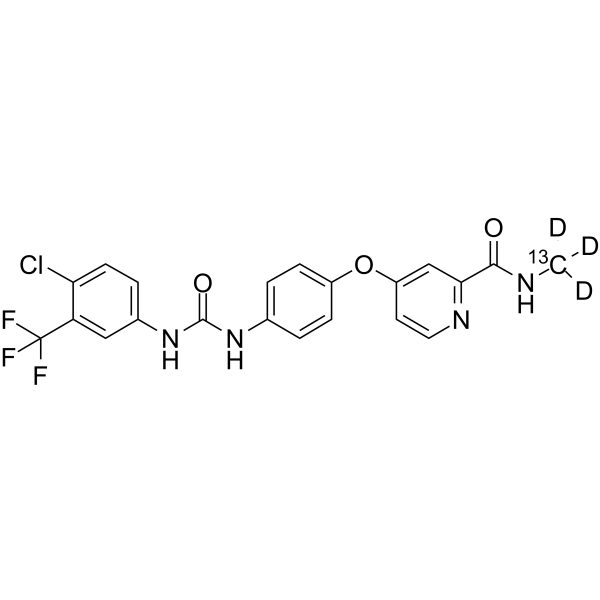
  • HY-10201
    Sorafenib
    Maximum Cited Publications
    283 Publications Verification

    Bay 43-9006

    Raf VEGFR FLT3 Autophagy Apoptosis STAT Akt MMP Cadherin p38 MAPK ERK MEK PI3K PARP Bcl-2 Family Infection Neurological Disease Metabolic Disease Inflammation/Immunology Cancer
    Sorafenib (Bay 43-9006) is a potent oral active multikinase inhibitor. Sorafenib blocks autophosphorylation and activity of receptor tyrosine kinases (VEGFR-2, VEGFR-3) and RAF family kinases, thereby suppressing the RAF/MEK/ERK and PI3K/Akt pathways, inhibiting STAT3 phosphorylation, and selectively inhibiting the MAPK pathway in cancer cells. Sorafenib induces cell cycle arrest, autophagy, apoptosis, and PARP cleavage, reduces Bcl-2, Bcl-XL, cyclin D1 levels, and activates Bak and Bax. Sorafenib inhibits tumor growth and metastasis in mouse and rat models. Sorafenib can be used for cancer research, such as colon, breast, non-small-cell lung cancer (NSCLC), ovarian, pancreatic, melanoma, colorectal and hepatocellular carcinoma .
    Sorafenib
  • HY-13001
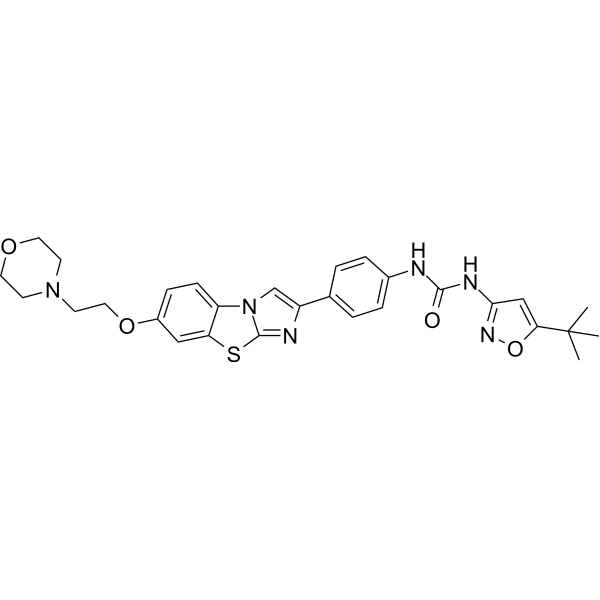
    Quizartinib
    40+ Cited Publications

    AC220

    FLT3 Apoptosis PDGFR c-Kit Cancer
    Quizartinib (AC220) is an orally active, potent and selective FLT3 inhibitor. Quizartinib inhibits kinase activity of mutant-FLT3, -PDGFRA and -KIT isoforms and inhibits autophosphorylation. Quizartinib inhibits cellular proliferation, induces apoptosis in cancer cells. Quizartinib can be used for the research of cancer .
    Quizartinib
  • HY-12444
    Y15
    25+ Cited Publications

    FAK Inhibitor 14

    FAK Cancer
    Y15 is a potent and specific inhibitor of focal adhesion kinase (FAK) that inhibits its autophosphorylation activity, decreases the viability of cancer cells, and blocks tumor growth.
    Y15
  • HY-10201A
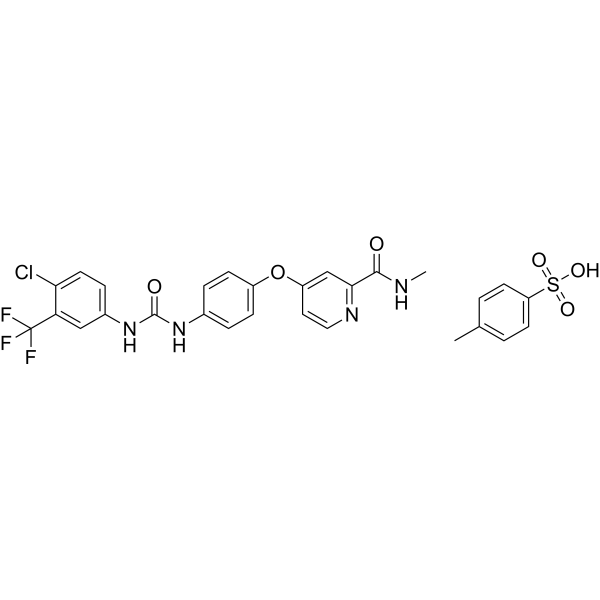
    Sorafenib tosylate
    Maximum Cited Publications
    283 Publications Verification

    Bay 43-9006 tosylate

    Raf VEGFR FLT3 Autophagy Apoptosis STAT Akt MMP Cadherin p38 MAPK ERK MEK PI3K PARP Bcl-2 Family Infection Neurological Disease Metabolic Disease Inflammation/Immunology Cancer
    Sorafenib (Bay 43-9006) tosylate is a potent oral active multikinase inhibitor. Sorafenib blocks autophosphorylation and activity of receptor tyrosine kinases (VEGFR-2, VEGFR-3) and RAF family kinases, thereby suppressing the RAF/MEK/ERK and PI3K/Akt pathways, inhibiting STAT3 phosphorylation, and selectively inhibiting the MAPK pathway in cancer cells. Sorafenib tosylate induces cell cycle arrest, autophagy, apoptosis, and PARP cleavage, reduces Bcl-2, Bcl-XL, cyclin D1 levels, and activates Bak and Bax. Sorafenib tosylate inhibits tumor growth and metastasis in mouse and rat models. Sorafenib tosylate can be used for cancer research, such as colon, breast, non-small-cell lung cancer (NSCLC), ovarian, pancreatic, melanoma, colorectal and hepatocellular carcinoma .
    Sorafenib tosylate
  • HY-50895A
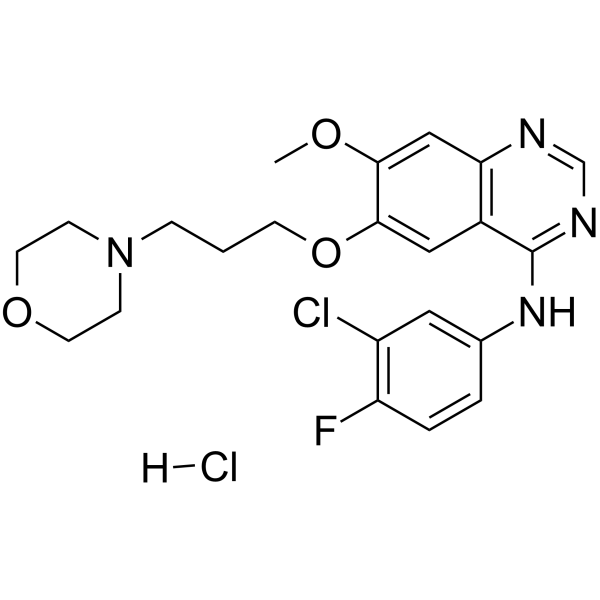
    Gefitinib hydrochloride
    195+ Cited Publications

    ZD-1839 hydrochloride

    EGFR Cancer
    Gefitinib hydrochloride (ZD1839 hydrochloride) is a potent, selective and orally active EGFR tyrosine kinase inhibitor with an IC50 of 33 nM. Gefitinib hydrochloride selectively inhibits EGF-stimulated tumor cell growth (IC50 of 54 nM) and that blocks EGF-stimulated EGFR autophosphorylation in tumor cells. Gefitinib hydrochloride also induces autophagy. Gefitinib hydrochloride has antitumour activity .
    Gefitinib hydrochloride
  • HY-116624
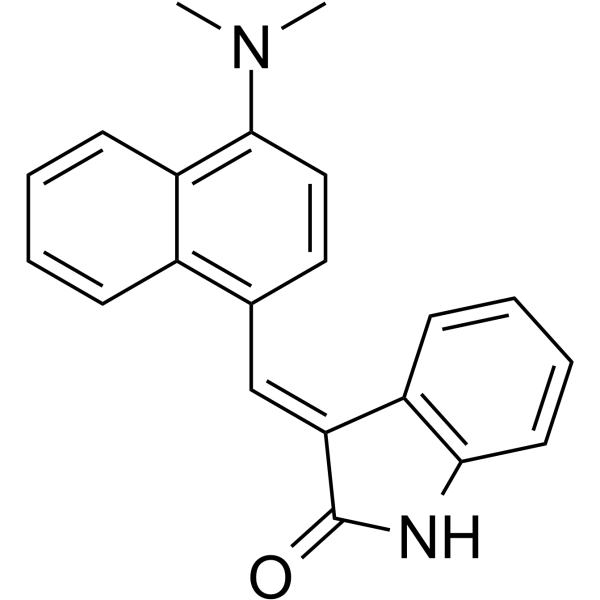
    MAZ51
    5+ Cited Publications

    VEGFR Apoptosis Cancer
    MAZ51 is a selective inhibitor of VEGFR-3 (Flt-4) tyrosine kinase. MAZ51 inhibits VEGF-C-induced activation of VEGFR-3 without blocking VEGF-C-mediated stimulation of VEGFR2. MAZ51 had no effect on ligand-induced autophosphorylation of EGFR, IGF-1R and PDGFRβ. MAZ51 blocks proliferation and induces apoptosis in a wide variety of tumor cells. Antitumor activity .
    MAZ51
  • HY-15841

    Anaplastic lymphoma kinase (ALK) FAK Cancer
    CEP-37440 is a potent, orally active dual FAK/ALK inhibitor with IC50 values of 2.3 nM and 3.5 nM for FAK and ALK, respectively. CEP-37440 decreases the cell proliferation by blocking the autophosphorylation kinase activity of FAK1 (Tyr 397) .
    CEP-37440
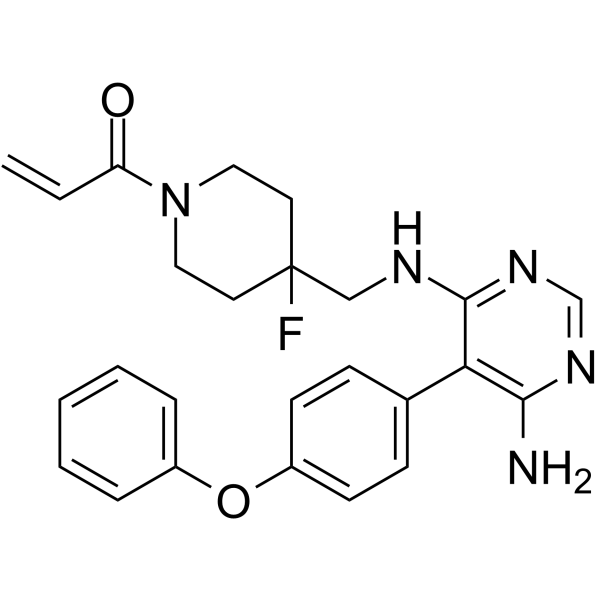
  • HY-156618

    ABSK011

    FGFR Cancer
    Irpagratinib (ABSK011) is an orally active FGFR4 inhibitor (IC50<10 nM). Irpagratinib inhibits FGFR4 autophosphorylation and blocks signaling from FGFR4 to downstream pathway activation. Irpagratinib has shown high exposure in PK studies in mice, rats, and dogs, and also demonstrated antitumor activity in a subcutaneous xenograft tumor model .
    Irpagratinib
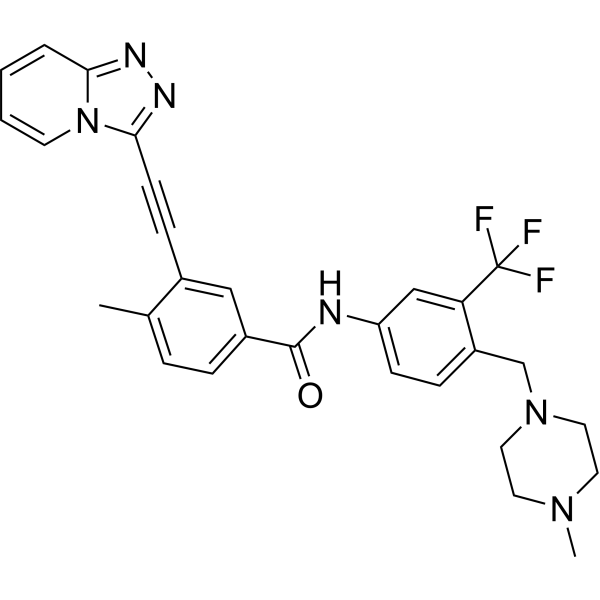
  • HY-147414

    PF-114

    Bcr-Abl Cancer
    Vamotinib (PF-114) is a potent, selective and orally active tyrosine kinase inhibitor. Vamotinib inhibits the autophosphorylation of BCR/ABL and BCR/ABL-T315I. Vamotinib induces apoptosis. Vamotinib shows anti-proliferative and anti-tumor activity. Vamotinib has the potential for the research of resistant philadelphia chromosome-positive (Ph+) leukemia. Vamotinib inhibits ABL series kinases with IC50s of 0.49 nM (ABL), 0.78 nM (ABL T315I), 9.5 nM (ABL E255K), 2.0 nM (ABL F317I), 7.4 nM (ABL G250E), 1.0 nM (ABL H396P), 2.8 nM (ABL M351T), 12 nM (ABL Q252H), and 4.1 nM (ABL Y253F), respectively . Vamotinib is a click chemistry reagent, it contains an Alkyne group and can undergo copper-catalyzed azide-alkyne cycloaddition (CuAAc) with molecules containing Azide groups.
    Vamotinib
  • HY-15480
    NSC 42834
    3 Publications Verification

    JAK2 Inhibitor V; Z3

    JAK Cancer
    NSC 42834 (JAK2 Inhibitor V), a novel specific inhibitor of Jak2, inhibits Jak2-V617F and Jak2-WT autophosphorylation in a dose-dependent manner but was not cytotoxic to cells at concentrations that inhibited kinase activity.
    NSC 42834
  • HY-W062835

    Src Cancer
    CGP77675 is an orally active and potent inhibitor of Src family kinases. CGP77675 inhibits phosphorylation of peptide substrates and autophosphorylation of purified Src (IC50s of 5-20 and 40 nM, respectively), and also inhibits Src, EGFR, KDR, v-Abl, and Lck with IC50s of 5-20, 40, 20, 150, 1000, 310, and 290 nM, respectively. Anticancer activity .
    CGP77675
  • HY-14217
    Quizartinib dihydrochloride
    40+ Cited Publications

    AC220 dihydrochloride

    FLT3 Apoptosis PDGFR c-Kit Cancer
    Quizartinib (AC220) dihydrochloride is an orally active, potent and selective FLT3 inhibitor. Quizartinib dihydrochloride inhibits kinase activity of mutant-FLT3, -PDGFRA and -KIT isoforms and inhibits autophosphorylation. Quizartinib dihydrochloride inhibits cellular proliferation, induces apoptosis in cancer cells. Quizartinib dihydrochloride can be used for the research of cancer .
    Quizartinib dihydrochloride
  • HY-N4322
    Decursinol angelate
    1 Publications Verification

    PKC Inflammation/Immunology Cancer
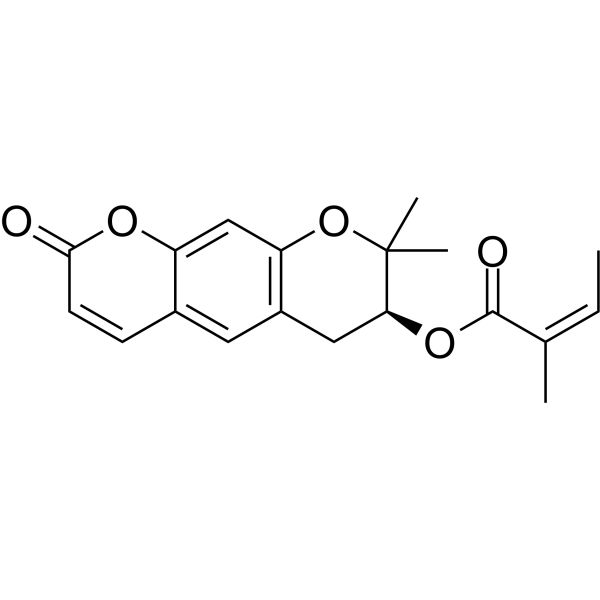
    Decursinol angelate acts as a PKC activator and GDH inhibitor, with an IC50 of 1.432 μM against human GDH. Decursinol angelate activates PKC, downregulates PKCα and PKCβII isoforms, and exerts cytotoxic activity against cancer cells. Decursinol angelate binds to GDH and inhibits its enzymatic activity. Decursinol angelate inhibits VEGF-induced autophosphorylation of VEGFR2, downstream p42/44 ERK and JNK-MAPK signaling pathways, as well as the angiogenesis process. Decursinol angelate is applicable to research related to cancer and leukemia .
    Decursinol angelate
  • HY-P99284
    Dalotuzumab
    1 Publications Verification

    MK-0646; h7C10

    IGF-1R Apoptosis Cancer
    Dalotuzumab (MK-0646) is a recombinant humanized monoclonal antibody (IgG1 type) targeting IGF-1R. Dalotuzumab acts by inhibiting IGF-1- and IGF-2-mediated tumor cell proliferation, IGF-1R autophosphorylation, and Akt phosphorylation. Dalotuzumab also induces apoptosis and cycle arrest. Dalotuzumab in combination with other anticancer agents such as statins can enhance the antitumor activity of Dalotuzumab in vitro and in vivo .
    Dalotuzumab
  • HY-144448
    FAK-IN-2
    1 Publications Verification

    FAK Apoptosis Cancer
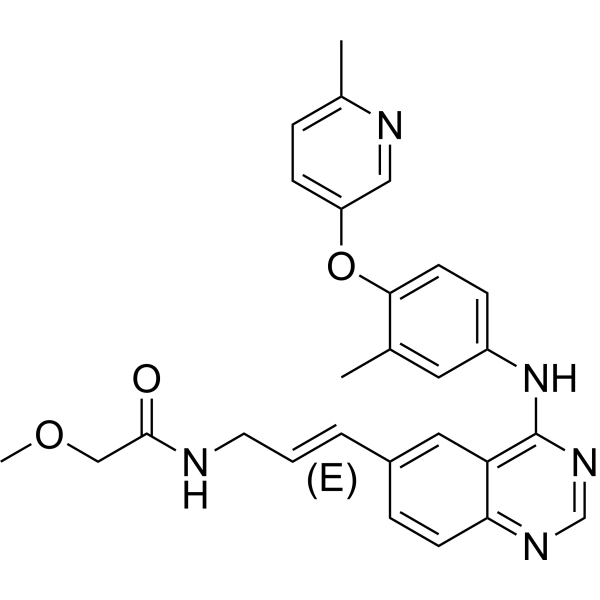
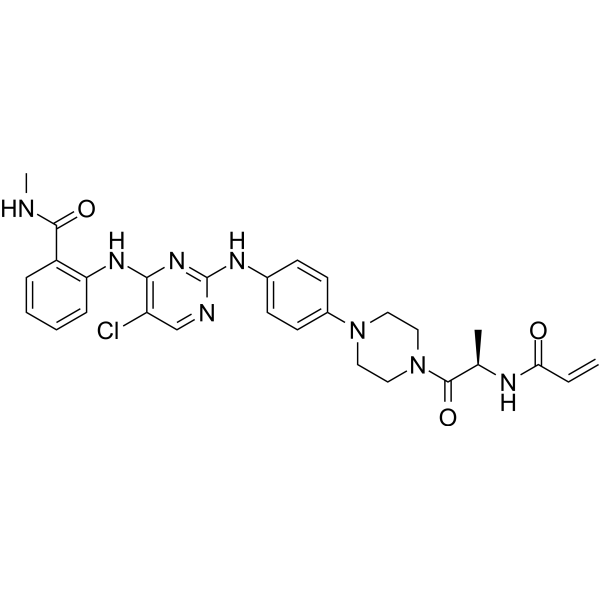
    FAK-IN-2 is a potent and orally active focal adhesion kinase (FAK) inhibitor, with anticancer activity (FAK IC50= 35 nM). FAK-IN-2 covalently inhibits the autophosphorylation of FAK in a dose-dependent manner, and inhibits the clone formation and migration of tumor cells, inducing apoptosis .
    FAK-IN-2
  • HY-108485

    Src Apoptosis Fungal Infection Inflammation/Immunology Cancer
    Damnacanthal is an anthraquinone isolated from the root of Morinda citrifolia. Damnacanthal is a highly potent, selective inhibitor of p56 lck tyrosine kinase activity. Natural Damnacanthal inhibits p56 lck autophosphorylation and phosphorylation of exogenous substrates with IC50s of 46 nM and 220 nM, respectively. Damnacanthal is a potent inducer of apoptosis with anticancer activity. Damnacanthal also has antinociceptive, anti-inflammatory effects in mice and anti-fungal activity against Candida albicans .
    Damnacanthal
  • HY-14674
    CP-724714
    4 Publications Verification

    EGFR Apoptosis Cancer
    CP-724714 is a potent, selective and orally active ErbB2 (HER2) tyrosine kinase inhibitor, with an IC50 of 10 nM. CP-724714 displays a marked selectivity against EGFR kinase (IC50=6400 nM). CP-724714 potently inhibits ErbB2 receptor autophosphorylation in intact cells. Antitumor activities .
    CP-724714
  • HY-136735

    IRE1 Neurological Disease Cancer
    IRE1α kinase-IN-1 is a highly selective IRE1α (ERN1) inhibitor, with an IC50 of 77 nM. IRE1α kinase-IN-1 displays 100-fold selectivity for IRE1α over the IRE1β isoform. IRE1α kinase-IN-1 inhibits ER stress-induced IRE1α oligomerization and autophosphorylation, and also inhibits IRE1α RNase activity (IC50=80 nM) .
    IRE1α kinase-IN-1
  • HY-133669

    Discoidin Domain Receptor Cancer
    DDR1-IN-5 is a selective Discoidin Domain Receptor family, member 1 (DDR1) inhibitor with an IC50 of 7.36 nM. DDR1-IN-5 inhibits auto-phosphorylation DDR1b (Y513) with an IC50 of 4.1 nM. DDR1-IN-5 has anti-cancer activity . DDR1-IN-5 is a click chemistry reagent, it contains an Alkyne group and can undergo copper-catalyzed azide-alkyne cycloaddition (CuAAc) with molecules containing Azide groups.
    DDR1-IN-5
  • HY-133670

    Discoidin Domain Receptor Cancer
    DDR1-IN-6 is a selective Discoidin Domain Receptor family, member 1 (DDR1) inhibitor with an IC50 of 9.72 nM. DDR1-IN-6 inhibits auto-phosphorylation DDR1b (Y513) with an IC50 of 9.7 nM. DDR1-IN-6 has anti-cancer activity . DDR1-IN-6 is a click chemistry reagent, it contains an Alkyne group and can undergo copper-catalyzed azide-alkyne cycloaddition (CuAAc) with molecules containing Azide groups.
    DDR1-IN-6
  • HY-139481
    TL-895
    1 Publications Verification

    Btk BMX Kinase Interleukin Related TNF Receptor Neurological Disease Inflammation/Immunology Cancer
    TL-895 is a potent, orally active, ATP-competitive, and highly selective irreversible BTK inhibitor. TL-895 is active against recombinant BTK (average IC50: 1.5 nM) and inhibits only three additional kinases BLK, BMX (IC50 = 1.6 nM) and TXK with IC50 within tenfold of BTK activity. TL-895 inhibits BTK auto-phosphorylation at the Y223 phosphorylation site (IC50: 1-10 nM). The TL-895 effectively inhibits the production of inflammatory factors such as IL-8, IL-1β, MCP-1 and TNF-α by monocytes or macrophages, and reduces the chemotactic migration of MF cells towards SDF-1. TL-895 is used be for studies of chronic lymphocytic leukemia (CLL), myelofibrosis (MF), and B-cell malignancies .
    TL-895
  • HY-112411

    EGFR ERK PDGFR FGFR Neurological Disease Inflammation/Immunology
    PD 174265 is a highly selective, reversible EGFR/ErbB2 tyrosine kinase inhibitor (IC50=0.45 nM) and cell differentiation inducer. By blocking receptor autophosphorylation and the downstream ERK signaling pathway (with an IC50 of 0.45 μM for full-length ERK), PD 174265 effectively inhibits tumor growth and exhibits antitumor activity without obvious toxicity in in vivo models. PD 174265 drives oligodendrocyte precursor cells to switch from a proliferative state to a differentiated state, significantly upregulates the expression of myelin proteins such as CNP, PLP and MBP, and induces neurite branching. PD 174265 shows no inhibitory effect on other kinases including insulin, PDGF and basic FGF receptors, and serves as a crucial tool molecule for investigating the treatment of human epidermoid carcinoma and the mechanism of myelin repair in multiple sclerosis .
    PD 174265
  • HY-123779

    Bacterial Fungal Infection
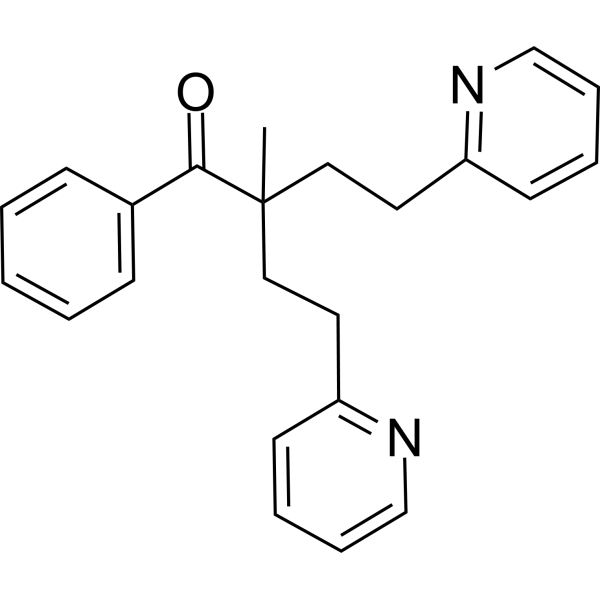
    RWJ-49815 is a histidine kinase inhibitor. RWJ-49815 inhibits the autokinase activity of purified GST-Sln1 and the autophosphorylation of KinA in vitro. RWJ-49815 acts as a fungal growth inhibitor . RWJ-49815 serves as a bactericide against Gram-positive pathogenic bacteria. RWJ-49815 is applicable to research related to fungal infections and Gram-positive bacterial infections .
    RWJ-49815
  • HY-112345

    FGFR PDGFR EGFR Src Cancer
    PD-089828 is an ATP competitive inhibitor of FGFR-1, PDGFR-β and EGFR (IC50s=0.15, 1.76, and 5.47 µM, respectively) and a noncompetitive inhibitor of c-Src tyrosine kinase (IC50=0.18 µM). PD-089828 also inhibits MAPK with an IC50 of 7.1 µM. PD-089828 inhibits PDGF-, EGF- and bFGF-mediated tyrosine kinase receptor autophosphorylation in vitro. PD-089828 has a long-lasting cellular activity .
    PD-089828
  • HY-133779

    Drug Metabolite Cancer
    Gefitinib impurity 5 is the impurity of Gefitinib (HY-133779). Gefitinib (ZD1839) is a potent, selective and orally active EGFR tyrosine kinase inhibitor with an IC50 of 33 nM. Gefitinib selectively inhibits EGF-stimulated tumor cell growth (IC50 of 54 nM) and that blocks EGF-stimulated EGFR autophosphorylation in tumor cells. Gefitinib also induces Autophagy. Gefitinib has antitumour activity .
    Gefitinib impurity 5
  • HY-50895S2

    Isotope-Labeled Compounds EGFR Autophagy Cancer
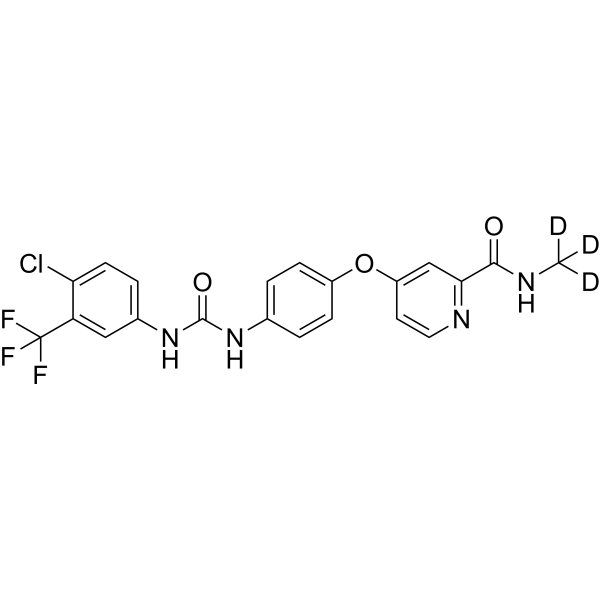
    Gefitinib-d3 (ZD1839-d3) is the deuterium labeled Gefitinib. Gefitinib (ZD1839) is a potent, selective and orally active EGFR tyrosine kinase inhibitor with an IC50 of 33 nM. Gefitinib selectively inhibits EGF-stimulated tumor cell growth (IC50 of 54 nM) and that blocks EGF-stimulated EGFR autophosphorylation in tumor cells. Gefitinib also induces autophagy. Gefitinib has antitumour activity .
    Gefitinib-d3
  • HY-176556

    EGFR Cancer
    EGFR-IN-1671 is a selective EGFR inhibitor with an IC50 of 0.19 nM. EGFR-IN-167 exhibits good potency against various EGFR mutants (IC50 = 0.109 nM, 0.75 nM and <0.05 nM against EGFR (L858R), EGFR (C797S) and EGFR (del19), respectively). EGFR-IN-1671 covalently engages the catalytically conserved lysine of EGFR in live mammalian cells. EGFR-IN-1671 demonstrates excellent anti-proliferative activity by inhibiting EGFR autophosphorylation. EGFR-IN-1671 can be used for the study of non-small-cell lung carcinomas (NSCLC), glioblastoma and many solid tumors .
    EGFR-IN-167
  • HY-18899

    RIP kinase Cancer
    Nec-3a is a Necrostatin-3 analogue. Nec-3a is a RIP1 inhibitor (IC50: 0.44 μM). Nec-3a inhibits the autophosphorylation activity of the RIP1 kinase domain .
    Nec-3a
  • HY-13312A

    IGF-1R Insulin Receptor Akt Apoptosis Cancer
    GTx-134 is a dual insulin-like growth factor 1 receptor/insulin receptor (IGF-1R/IR) inhibitor with an IC50 values for IGF-1R and IR of 97 and 187 nM respectively. GTx-134 inhibits the autophosphorylation of IGF-1R and its downstream signaling pathway (Akt), thereby blocking the proliferation and survival signals of tumor cells. GTx-134 has broad-spectrum inhibitory activity against multiple myeloma cell lines and can induce apoptosis in sensitive cells. GTx-134 significantly inhibits tumor growth in mice with MM1.S cell transplantation. GTx-134 works in synergy with existing therapies (such as protease preparations, immunomodulators). GTx-134 can be used in high-risk myeloma research .
    GTx-134
  • HY-101962

    Insulin Receptor Metabolic Disease
    HNMPA is a membrane impermeable insulin receptor tyrosine kinase inhibitor. HNMPA inhibits serine and tyrosine autophosphorylation by the human insulin receptor. HNMPA has no effect on protein kinase C or cyclic AMP-dependent protein kinase activities
    HNMPA
  • HY-50895S1

    ZD1839-d6

    EGFR Autophagy Cancer
    Gefitinib-d6 is the deuterium labeled Gefitinib. Gefitinib (ZD1839) is a potent, selective and orally active EGFR tyrosine kinase inhibitor with an IC50 of 33 nM. Gefitinib selectively inhibits EGF-stimulated tumor cell growth (IC50 of 54 nM) and that blocks EGF-stimulated EGFR autophosphorylation in tumor cells. Gefitinib also induces autophagy. Gefitinib has antitumour activity .
    Gefitinib-d6
  • HY-122844B

    BI-853520 tosylate; IN-10018 tosylate

    FAK Cancer
    Ifebemtinib (tosylate) (BI-853520 (tosylate); IN-10018 (tosylate)) is a highly selective PTK2 kinase inhibitor. Ifebemtinib (tosylate) demonstrates anti-tumor activity. Ifebemtinib (tosylate) inhibits FAK autophosphorylation in prostate carcinoma cells. Ifebemtinib (tosylate) can inhibit spheroid formation and orthotopic tumor growth in vivo. Ifebemtinib (tosylate) can be studied in anticancer research such as solid tumors, breast cancer, and malignant pleural mesothelioma .
    Ifebemtinib tosylate
  • HY-13001R

    AC220 (Standard)

    Reference Standards FLT3 Apoptosis PDGFR c-Kit Cancer
    Quizartinib (AC220) (Standard) is the analytical standard of Quizartinib (HY-13001). This product is intended for research and analytical applications. Quizartinib is an orally active, potent and selective FLT3 inhibitor. Quizartinib inhibits kinase activity of mutant-FLT3, -PDGFRA and -KIT isoforms and inhibits autophosphorylation. Quizartinib inhibits cellular proliferation, induces apoptosis in cancer cells. Quizartinib can be used for the research of cancer .
    Quizartinib (Standard)
  • HY-50895AR

    ZD-1839 hydrochloride (Standard)

    EGFR Reference Standards Cancer
    Gefitinib (hydrochloride) (Standard) is the analytical standard of Gefitinib (hydrochloride). This product is intended for research and analytical applications. Gefitinib hydrochloride (ZD1839 hydrochloride) is a potent, selective and orally active EGFR tyrosine kinase inhibitor with an IC50 of 33 nM. Gefitinib hydrochloride selectively inhibits EGF-stimulated tumor cell growth (IC50 of 54 nM) and that blocks EGF-stimulated EGFR autophosphorylation in tumor cells. Gefitinib hydrochloride also induces autophagy. Gefitinib hydrochloride has antitumour activity .
    Gefitinib hydrochloride (Standard)
  • HY-144437

    TGF-β Receptor Cancer
    ALK5-IN-9 (Compound 8h) is a potent and orally active inhibitor of TGFβRI (ALK5). ALK5-IN-9 inhibits ALK5 autophosphorylation and NIH3T3 cell activity with IC50 values of 25 nM and 74.6 nM, respectively. ALK5-IN-9 also shows favorable pharmacokinetic profile and ameliorated hERG inhibition. ALK5-IN-9 has the potential for the research of cancer disease .
    ALK5-IN-9
  • HY-P10609

    Btk Others
    Btk substrate peptide is a peptide substrate corresponding to residues 217-229 of human Bruton’s tyrosine kinase (Btk), of which the tyrosine at residue 223 is the major autophosphorylation site of Btk. Btk substrate peptide is used as a substrate in in vitro kinase assays to evaluate the activity of Btk or other tyrosine kinases .
    Btk substrate peptide
  • HY-P10840

    JAK MHC Inflammation/Immunology
    Tkip is a JAK2 specific inhibitor. Tkip can bind the JAK2 autophosphorylation site, inhibit the JAK2 autophosphorylation and the phosphorylation of the IFN-γ receptor subunit IFNGR-1. Tkip inhibits the antiviral activity of IFN-γ and the expression of MHC Class I molecules. Tkip can be used to study the IFN-γ signaling pathway .
    Tkip
  • HY-131257

    Drug Metabolite Others Cancer
    Gefitinib impurity 1 is the impurity of Gefitinib. Gefitinib (ZD1839) is a potent, selective and orally active EGFR tyrosine kinase inhibitor with an IC50 of 33 nM. Gefitinib selectively inhibits EGF-stimulated tumor cell growth (IC50 of 54 nM) and that blocks EGF-stimulated EGFR autophosphorylation in tumor cells. Gefitinib also induces autophagy. Gefitinib has antitumour activity .
    Gefitinib impurity 1
  • HY-100663

    EGFR Others Cancer
    Gefitinib impurity 2 is the impurity of Gefitinib. Gefitinib (ZD1839; HY-50895) is a potent, selective and orally active EGFR tyrosine kinase inhibitor with an IC50 of 33 nM. Gefitinib selectively inhibits EGF-stimulated tumor cell growth (IC50 of 54 nM) and that blocks EGF-stimulated EGFR autophosphorylation in tumor cells. Gefitinib also induces autophagy. Gefitinib has antitumour activity .
    Gefitinib impurity 2
  • HY-W062835A

    Src Cancer
    CGP77675 hydrate is an orally active and potent inhibitor of Src family kinases. CGP77675 hydrate inhibits phosphorylation of peptide substrates and autophosphorylation of purified Src (IC50s of 5-20 and 40 nM, respectively),and also inhibits Src, EGFR, KDR, v-Abl, and Lck with IC50s of 0.02, 0.15, 1.0, 0.31, and 0.29 μM, respectively. Anticancer activity .
    CGP77675 hydrate
  • HY-13001S

    AC220-d8

    Isotope-Labeled Compounds Apoptosis FLT3 PDGFR c-Kit Cancer
    Quizartinib (AC220)-d8 is deuterium labeled Quizartinib (HY-13001). Quizartinib is an orally active, potent and selective FLT3 inhibitor. Quizartinib inhibits kinase activity of mutant-FLT3, -PDGFRA and -KIT isoforms and inhibits autophosphorylation. Quizartinib inhibits cellular proliferation, induces apoptosis in cancer cells. Quizartinib can be used for the research of cancer .
    Quizartinib-d8
  • HY-133779R

    Drug Metabolite Reference Standards Others Cancer
    Gefitinib impurity 5 (Standard) is the analytical standard of Gefitinib impurity 5. This product is intended for research and analytical applications. Gefitinib impurity 5 is the impurity of Gefitinib. Gefitinib (ZD1839) is a potent, selective and orally active EGFR tyrosine kinase inhibitor with an IC50 of 33 nM. Gefitinib selectively inhibits EGF-stimulated tumor cell growth (IC50 of 54 nM) and that blocks EGF-stimulated EGFR autophosphorylation in tumor cells. Gefitinib also induces autophagy. Gefitinib has antitumour activity .
    Gefitinib impurity 5 (Standard)
  • HY-135167

    CaMK Neurological Disease
    HOCPCA is a compound with neuroprotective activity that improves sensorimotor function in mice after experimental stroke. HOCPCA selectively binds to the CaMKIIα hub domain, modulates signaling of different CaMKII pools, and alleviates abnormal CaMKII signaling after cerebral ischemia. HOCPCA promotes hippocampal neuronal activity and enhances working memory. HOCPCA also normalizes Thr286 autophosphorylation in the cytoplasm after ischemia and downregulates ischemia-specific expression of active CaMKII enzymatic cleavage fragments. HOCPCA binds to the GHB binding site with 27-fold higher affinity than GHB and has good blood-brain barrier penetration ability .
    HOCPCA
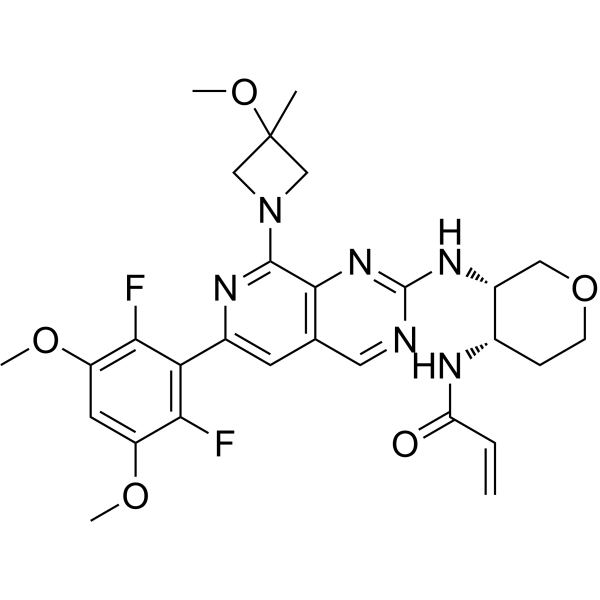
  • HY-181754

    Discoidin Domain Receptor Others
    TPKI-39 is a DDR1, DDR2, and FLT1 inhibitor, with a human DDR1 IC50 of 380 nM, human DDR1 Ka of 24 nM, human DDR2 IC50 of 120 nM, human FLT1 IC50 of 65 nM, and human FLT1 Ka of 91 nM.TPKI-39 inhibits DDR1 enzymatic activity and autophosphorylation, DDR2 enzymatic activity, and FLT1 enzymatic activity in cells.TPKI-39 inhibits collagen-induced DDR1 autophosphorylation in cells .
    TPKI-39
  • HY-181835

    Bacterial Infection
    AgrC-IN-1 is an AgrC inhibitor with an IC50 of 3.5 μM against Staphylococcus aureus AgrC. AgrC-IN-1 competitively binds to AgrC, inhibiting its autophosphorylation activity in Staphylococcus aureus. AgrC-IN-1 inhibits quorum sensing in Staphylococcus aureus, blocking virulence factor production. AgrC-IN-1 can be used for the research of Staphylococcus aureus infections .
    AgrC-IN-1
  • HY-112334

    EGFR Cancer
    EGFR-IN-198 is a selective EGFR inhibitor with subnanomolar irreversible inhibitory activity against EGFR. EGFR-IN-198 covalently binds to the kinase domain of EGFR and inhibits its autophosphorylation .
    EGFR-IN-198
  • HY-168165

    Endogenous Metabolite Cancer
    Adefovir diphosphate is an antiviral compound with activity against hepatitis B virus (HBV). Adefovir diphosphate blocks the replication of HBV by inhibiting reverse transcriptase. Adefovir diphosphate has also shown activity against other viruses such as herpes viruses and human immunodeficiency virus. Adefovir diphosphate is used as an effective inhibitory option in the suppression of chronic hepatitis B. The mechanism of action of Adefovir diphosphate involves blocking the autophosphorylation of growth factor receptors, thereby potentially reducing the risk of hepatocellular carcinoma (HCC) in patients with chronic hepatitis B .
    Adefovir diphosphate
  • HY-182004

    FLT3 Cancer
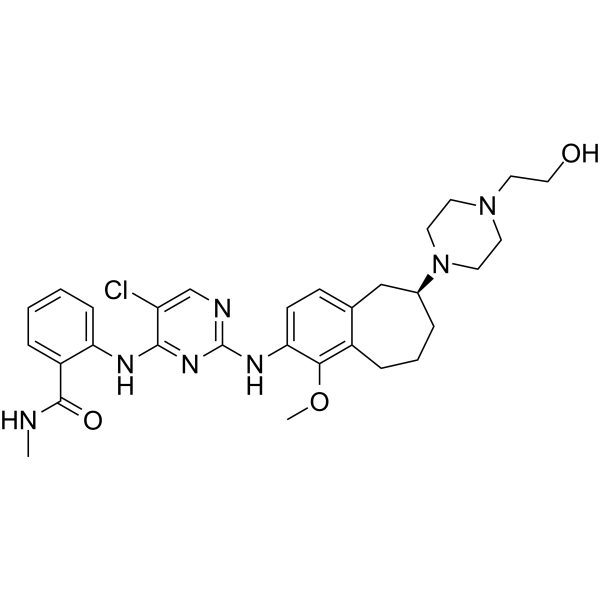
    FLT3-IN-40 (compound 1) is a type I ATP-competitive FLT3 inhibitor with an IC50 of 16.26 nM. FLT3-IN-40 reduces the autophosphorylation level of FLT3 and the phosphorylation level of downstream ERK. FLT3-IN-40 exhibits antiproliferative, cell cycle regulatory and apoptosis-inducing activities. FLT3-IN-40 can be used in research related to acute myeloid leukemia .
    FLT3-IN-40
  • HY-182937

    FLT3 STAT Akt ERK Caspase PARP Bcl-2 Family Apoptosis Cancer
    FLC-8 is an orally active FLT3 inhibitor with IC50 values of 10.2 nM, 11.6 nM and 24.10 nM against human FLT3-WT, FLT3-G697R and FLT3-N676D, respectively. FLC-8 inhibits FLT3 autophosphorylation and downstream STAT5, AKT and ERK signaling pathways, and induces apoptosis in acute myeloid leukemia (AML) cells. FLC-8 exhibits potent antitumor activity in the MV4-11 xenograft model. FLC-8 can be used for the research of acute myeloid leukemia .
    FLC-8

Inquiry Online

Your information is safe with us. * Required Fields.

Salutation


Country or Region *

Applicant Name *


Organization Name *

Department *


Email Address *


Product Name *

Cat. No.


Requested quantity *

Phone Number *


Remarks

Inquiry Online

Inquiry Information

Product Name:
Cat. No.:
Quantity:
MCE Japan Authorized Agent:

