

1. Search Result
Search Result
Results for "

axons

" in MedChemExpress (MCE) Product Catalog:

37

Inhibitors & Agonists

3

Biochemical Assay Reagents

7

Peptides

4

Natural
Products

1

Oligonucleotides

Cat. No. Product Name Target Research Areas Chemical Structure
  • HY-113498
    Sphingomyelin
    1 Publications Verification

    Endogenous Metabolite Neurological Disease Metabolic Disease Inflammation/Immunology
    Sphingomyelin is a eukaryotic sphingolipid and one of the major constituents of cell membranes and particularly abundant in the myelin sheath that surrounds neuronal axons. Sphingomyelin plays an important role in cell processes, the regulation of inflammatory responses, and signal transduction. Sphingomyelin metabolism is associated with various central nervous system diseases and Niemann–Pick disease .
    Sphingomyelin
  • HY-W021879
    DSRM-3716
    Maximum Cited Publications
    9 Publications Verification

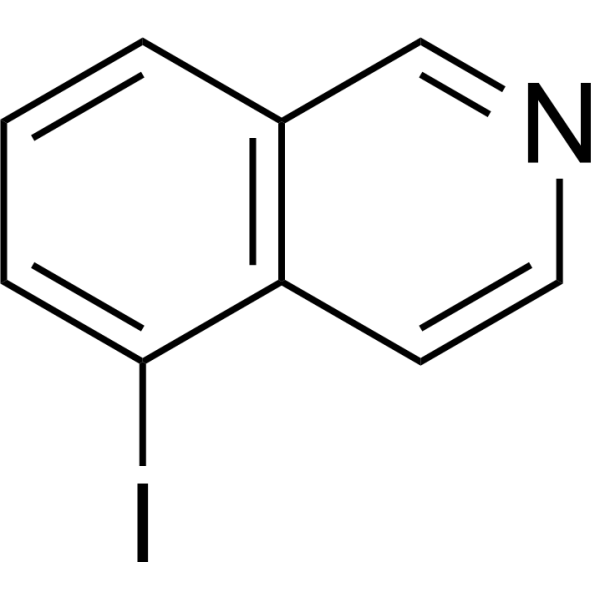
    5-Iodoisoquinoline

    Toll-like Receptor (TLR) Neurological Disease
    DSRM-3716 (5-Iodoisoquinoline) is a potent and selective SARM1 NADase inhibitor with an IC50 of 75 nM. DSRM-3716 is selective against other NAD +-processing enzymes, receptors, and transporters. DSRM-3716 provides robust axon protection .
    DSRM-3716
  • HY-128700
    Nicotinic acid mononucleotide
    1 Publications Verification

    Endogenous Metabolite Sirtuin Neurological Disease Inflammation/Immunology Cancer
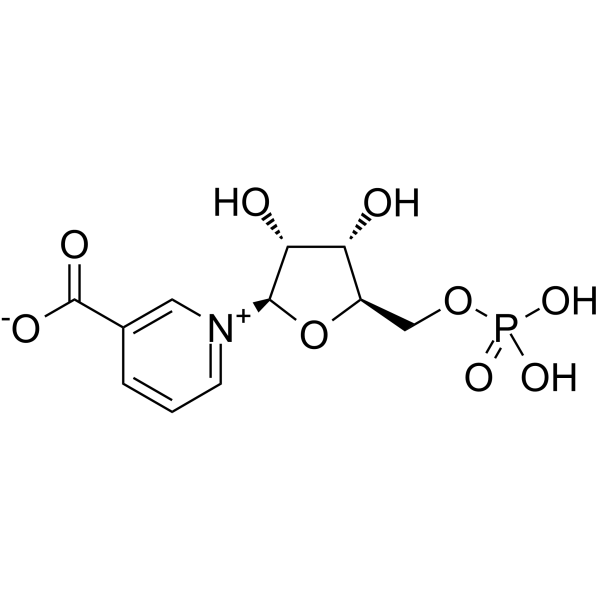
    Nicotinic acid mononucleotide acts as a SARM1 inhibitor and a NAD + biosynthesis intermediate, with an IC50 value of 93.3 μM against SARM1. Nicotinic acid mononucleotide exerts axon-protective effects, delays axonal degeneration, elevates NAD + levels, enhances Sirt1 activity, improves myocardial capillary density and alleviates myocardial fibrosis. Nicotinic acid mononucleotide reverses diabetic cardiomyopathy in diabetic mice by increasing myocardial NAD + levels. Nicotinic acid mononucleotide is applicable to research related to cancer, multiple sclerosis, diabetic cardiomyopathy, neurodegenerative diseases and Huntington's disease .
    Nicotinic acid mononucleotide
  • HY-N10889

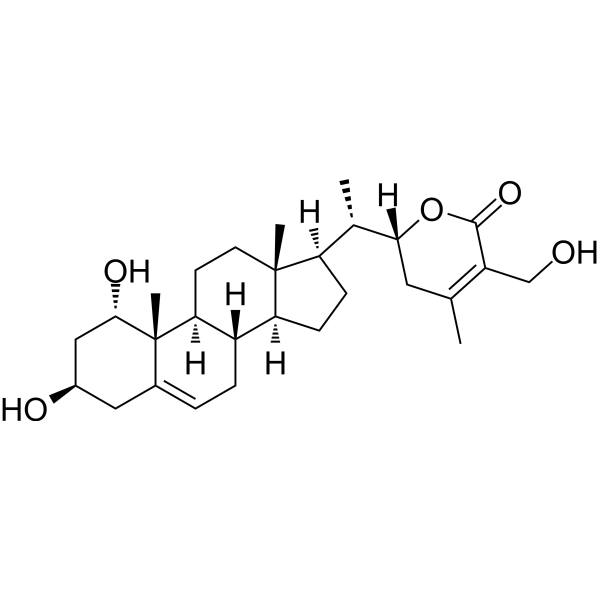
    Drug Metabolite RET Neurological Disease
    Sominone is the active metabolite of Withanoside IV (HY-N8693). Sominone enhances neuronal morphological plasticity by activating the RET pathway. Sominone can also induce axon/dendrite regeneration and synaptic reconstruction, thereby improving spatial memory. Sominone can be used in the research of neurodegenerative diseases such as Alzheimer's disease .
    Sominone
  • HY-112624I

    Dextran 3; Dextran D3; Dextran T3(MW 2400-3600)

    Bacterial Others
    Dextran T3 (Dextran 3; Dextran T3(MW 2400-3600)) is a neural tracer and intestinal permeability probe that can move anterogradely and retrogradely in neuronal axons by passive diffusion. Dextran T3 (MW 3,000) is able to permeate across the intestinal epithelial cell membrane in the presence of cholera toxin-induced cytoskeletal disturbance. Dextran T3 (MW 3,000) is used as a fluorescent marker to rapidly label developing neurons (such as Xenopus retinal ganglion cells) and to assess intestinal barrier function. It can be used to study axonal transport in neuroanatomy and permeability changes in intestinal pathophysiology. The Dextran series of compounds are also natural polysaccharide drug carriers that can be connected to drugs through covalent bonding methods such as ester bonds, amide bonds or click chemistry, or self-assembled to form carriers such as nanoparticles and hydrogels. Dextran is biodegradable and biocompatible, and can achieve targeted delivery and controlled release of drugs. Dextran derivatives can prolong the half-life of drugs, increase local concentrations, and reduce the activity of immune clearance .
    Dextran T3 (MW 3,000)
  • HY-114332

    MAP3K JNK Neurological Disease Metabolic Disease
    GNE-8505 is an orally active, blood-brain barrier-permeable selective dual leucine zipper kinase (DLK) inhibitor. GNE-8505 has an IC50 of 0.144 μM for pJNK, and EC50 of 0.457 μM for DRG. GNE-8505 inhibits the DLK/JNK pathway, reduces stress-induced c-Jun phosphorylation levels, decreases neuronal death and suppresses axonal degeneration. GNE-8505 reduces phosphorylated c-Jun levels in the retina, spinal cord and brain tissues of mice. GNE-8505 is applicable to research related to Alzheimer's disease and amyotrophic lateral sclerosis (ALS) .
    GNE-8505
  • HY-151527
    PI3K/Akt/CREB activator 1
    4 Publications Verification

    Akt PI3K Epigenetic Reader Domain Neurological Disease
    PI3K/Akt/CREB activator 1 (compound AE-18) is a potent, orally active PI3K/Akt/CREB activator. PI3K/Akt/CREB activator 1 promotes neuronal proliferation, induced differentiation of Neuro-2a cells into a neuron-like morphology, and accelerated the establishment of axon-dendrite polarization of primary hippocampal neurons through upregulating brain-derived neurotrophic factor via the PI3K/Akt/CREB pathway. PI3K/Akt/CREB activator 1 can be used in research of vascular dementia (VaD) .
    PI3K/Akt/CREB activator 1
  • HY-113273A

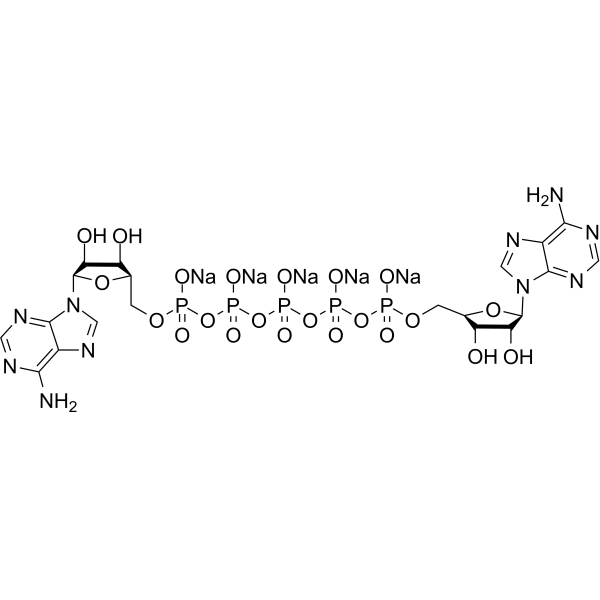
    P2X Receptor Neurological Disease
    Diadenosine pentaphosphate pentasodium is an agonist and negative modulator of the P2X1 receptor, an endogenous vasoactive purine dinucleotide that can be isolated from platelets. Diadenosine pentaphosphate pentasodium mediates negative regulation of dendrite growth and number by activating homologous and heterologous P2X1 receptors, which triggers a transient and moderate increase in intracellular calcium levels within dendritic growth cones. Diadenosine pentaphosphate pentasodium is widely present in secretory vesicles such as platelets, chromaffin cells and brain synaptosomes, and exhibits selective activity on dendrite growth of cultured hippocampal neurons, inhibiting only dendrite growth without affecting axon growth. Diadenosine pentaphosphate pentasodium has a weaker ability to compete with RcCHAD for binding to polyP than short-chain polyPs .
    Diadenosine pentaphosphate pentasodium
  • HY-145917

    Toll-like Receptor (TLR) Neurological Disease
    SARM1-IN-2 (Example 82) is a SARM1 inhibitor (IC50 <1 μM) that inhibits axon regeneration. Axon regeneration refers to the process by which neuronal axons attempt to restore their structure and function after axonal degeneration. SARM1-IN-2 inhibits axon regeneration by reducing or inhibiting the binding of SARM1 to NAD+. SARM1-IN-2 can be used to study axonal degeneration .
    SARM1-IN-2
  • HY-NP077

    PHA-L

    Biochemical Assay Reagents Neurological Disease
    Phaseolus vulgaris leucoagglutinin (PHA-L) is a lectin, that can be extracted from red kidney beans (Phaseolus vulgaris). Phaseolus vulgaris leucoagglutinin can be used as an anterograde axonal tracer in neuroanatomical research to study the morphology of neurons, axons, and terminal structures in the nervous system .
    Phaseolus vulgaris leucoagglutinin
  • HY-B0600

    AFP-168; MK2452

    Prostaglandin Receptor Cardiovascular Disease Others
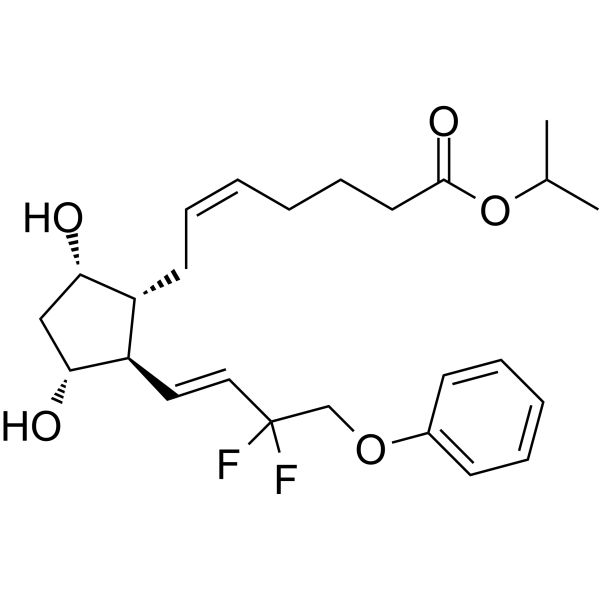
    Tafluprost (AFP-168) is an anti-glaucoma prostaglandin (PG) analog. Tafluprost can inhibit the apoptosis of retinal ganglion cells (RGCs) and rat RGCs cells. Tafluprost promotes axon regeneration by regulating Zn 2+-mTORpathway, inhibits intracellular lipid accumulation in human preorbital adipocytes. Tafluprost can be used in the study of optic nerve injury in glaucoma .
    Tafluprost
  • HY-135749

    IGF-1R Neurological Disease Inflammation/Immunology
    BN201 promotes neuronal differentiation, the differentiation of precursor cells to mature oligodendrocytes (EC50 of 6.3 μM) in vitro, and the myelination of new axons (EC50 of 16.6 μM). BN201 is able to cross the blood-brain barrier by active transport and activate pathways (IGF-1 pathway) associated with the response to stress and neuron survival. BN201 has potently neuroprotective effects .
    BN201
  • HY-Z0816
    Dehydronitrosonisoldipine
    3 Publications Verification

    Calcium Channel Others
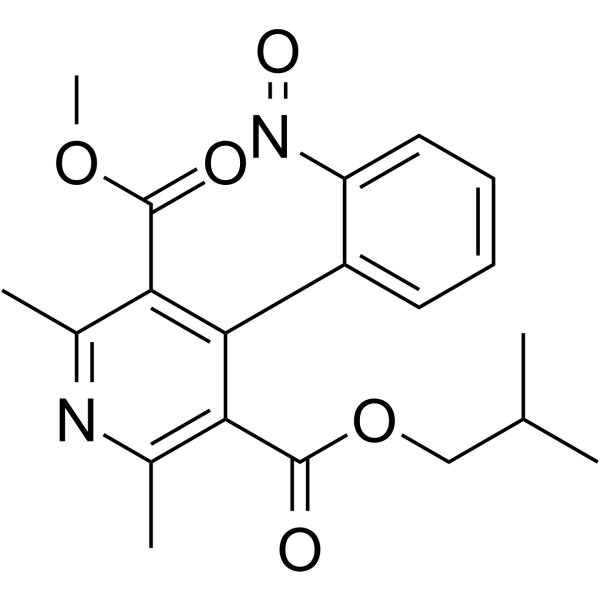
    Dehydronitrosonisoldipine, a derivative of Nisoldipine (HY-17402), is an irreversible and cell-permeant sterile alpha and TIR motif-containing 1 (SARM1) inhibitor. Dehydronitrosonisoldipine acts mainly by blocking SARM1 activation but not its enzymatic activities. Dehydronitrosonisoldipine inhibits SARM1 and axon degenration (AxD) by covalently modifying cysteines, also inhibits the Vincristine-activated cADPR production in neurons. Dehydronitrosonisoldipine can be used for researching neurodegenerative disorders .
    Dehydronitrosonisoldipine
  • HY-43515

    Endogenous Metabolite Metabolic Disease
    ESI1 is a small molecule epigenetic silencing inhibitor. ESI1 can trigger the formation of nuclear condensates of key lipid metabolism regulators SREBP1/2, concentrating transcriptional co-activators to drive lipid/cholesterol biosynthesis. ESI1 can promote myelin regeneration in demyelinated animal models and facilitate de novo myelination on regenerating CNS axons, reversing age-related declines in cognitive abilities .
    ESI1
  • HY-P10227

    ONL-1204

    Fatty Acid Synthase (FASN) Apoptosis Interleukin Related Toll-like Receptor (TLR) NOD-like Receptor (NLR) Caspase Neurological Disease
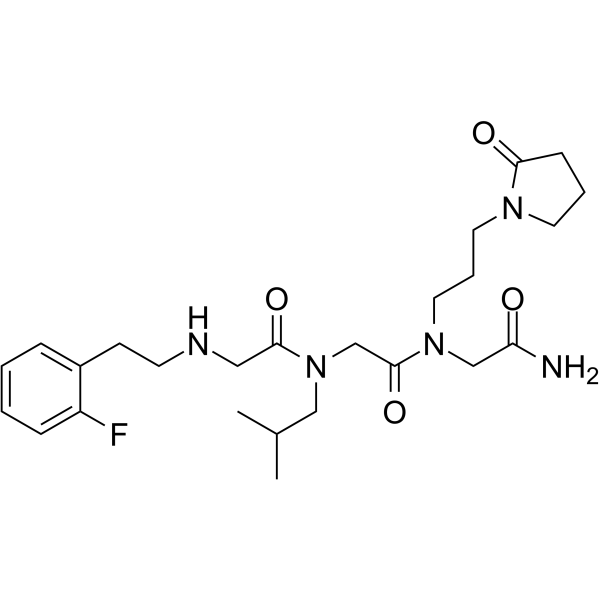
    Xelafaslatide (ONL-1204) is a Fas receptor antagonist. Xelafaslatide blocks the Fas receptor signaling pathway and inhibits downstream apoptosis and inflammatory pathways. Xelafaslatide suppresses neuroinflammation and microglial activation in glaucoma models, protects retinal ganglion cells and prevents axonal degeneration. Xelafaslatide is applicable to relevant research on glaucoma .
    Xelafaslatide
  • HY-P10108

    Hxk2VBD peptide, cell-permeable

    Hexokinase Neurological Disease
    Hexokinase II VDAC binding domain peptide (Hxk2VBD peptide) is a cell-permeable hexokinase II VDAC binding domain. Hexokinase II VDAC binding domain peptide inhibits mitochondrial localization of hexokinase 2 (HXK2). Hexokinase II VDAC binding domain peptide inhibits neurotrophic factor-directed axon outgrowth .
    Hexokinase II VDAC binding domain peptide, cell-permeable
  • HY-Y0315

    2,5-HD

    Drug Metabolite Neurological Disease
    Hexane-2,5-dione (2,5-HD) is a cytotoxic agent. Hexane-2,5-dione causes an accumulation of neurofilaments within axons in rats that may lead to their degeneration. Hexane-2,5-dione is promising for research of neurodegenerative diseases (e.g., Alzheimer's, Parkinson's) .
    Hexane-2,5-dione
  • HY-116392E

    Glucosylceramide Synthase (GCS) Apoptosis Neurological Disease Metabolic Disease Cancer
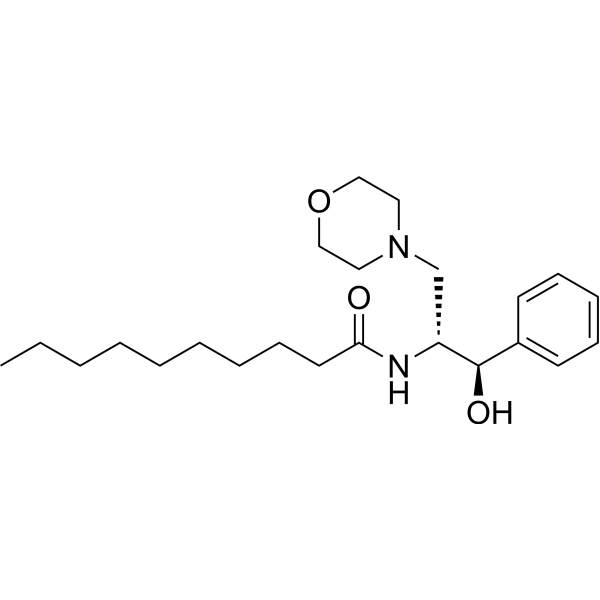
    D-threo-PDMP is a potent glucoceramide synthase (GCS) inhibitor, which reduces the glycosphingolipids (such as GM3 and GD3) on the cell surface by inhibiting glycosylation, reduces the total length of the axon plexus and the number of axon branch points, and inhibits neurite growth. D-threo-PDMP inhibits the synthesis of GM3, thereby reducing the adhesion ability of B16 melanoma cells and mimicking the pathological effects of hyperglycemia/TGF-β1. D-threo-PDMP inhibits the synthesis of GD3, thereby protecting liver cells from apoptosis induced by TNF-α. D-threo-PDMP can be used to study diseases related to targeted glycosphingolipid metabolism .
    D-threo-PDMP
  • HY-116392F

    Glucosylceramide Synthase (GCS) Neurological Disease Metabolic Disease Cancer
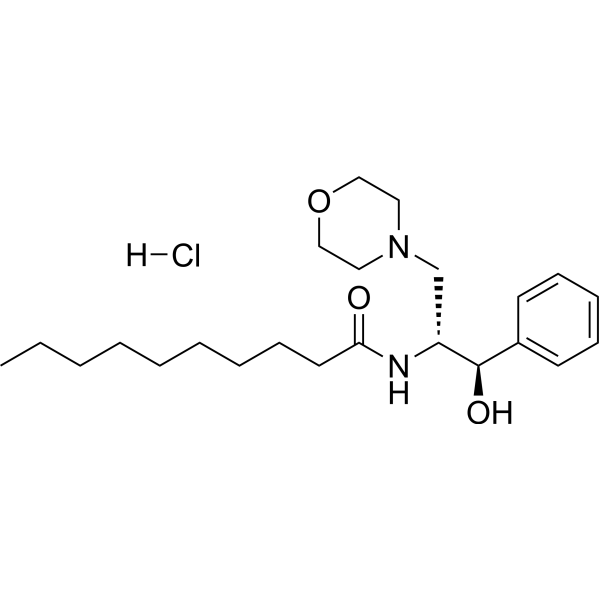
    D-threo-PDMP hydrochloride is a potent glucoceramide synthase (GCS) inhibitor, which reduces the glycosphingolipids (such as GM3 and GD3) on the cell surface by inhibiting glycosylation, reduces the total length of the axon plexus and the number of axon branch points, and inhibits neurite growth. D-threo-PDMP hydrochloride inhibits the synthesis of GM3, thereby reducing the adhesion ability of B16 melanoma cells and mimicking the pathological effects of hyperglycemia/TGF-β1. D-threo-PDMP hydrochloride inhibits the synthesis of GD3, thereby protecting liver cells from apoptosis induced by TNF-α. D-threo-PDMP hydrochloride can be used to study diseases related to targeted glycosphingolipid metabolism .
    D-threo-PDMP hydrochloride
  • HY-164495

    FAAH Thyroid Hormone Receptor Inflammation/Immunology Endocrinology
    Sob-AM2 is a potent substrate (Km=1.3 μM) targeting fatty acid amide hydrolase (FAAH) expressed in the brain and has blood-brain barrier permeability. Sob-AM2 delivers high concentrations of Sobetirome (HY-14823) to the central nervous system with minimal peripheral systemic dose, thereby stimulating central thyroid hormone receptor β (TRβ). In addition, Sob-AM2 can prevent myelin and axon degeneration in experimental autoimmune encephalomyelitis (EAE) mice .
    Sob-AM2
  • HY-148629

    JNK Neurological Disease
    GDC-0134 (RG6000) is a modulator targeting dual leucine zipper kinase (DLK) that can cross the blood-brain barrier. By inhibiting the kinase activity of DLK, GDC-0134 blocks the activation of the downstream JNK signaling pathway, suppresses DLK-dependent retrograde signal transduction of axon-to-soma degeneration, and exerts neuroprotective activity. GDC-0134 reduces TDP-43 protein aggregation and decreases the degree of neuromuscular junction denervation in motor neurons. GDC-0134 can be used in the research of amyotrophic lateral sclerosis (ALS), Alzheimer's disease and other DLK-related neurodegenerative diseases .
    GDC-0134
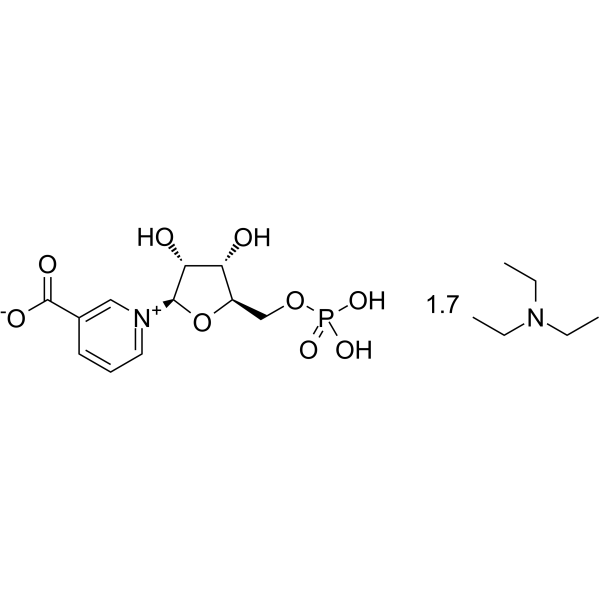
  • HY-128700A

    Endogenous Metabolite Sirtuin Metabolic Disease
    Nicotinic acid mononucleotide triethylamine acts as a SARM1 inhibitor and a NAD + biosynthesis intermediate, with an IC50 value of 93.3 μM against SARM1. Nicotinic acid mononucleotide triethylamine exerts axon-protective effects, delays axonal degeneration, elevates NAD + levels, enhances Sirt1 activity, improves myocardial capillary density and alleviates myocardial fibrosis. Nicotinic acid mononucleotide triethylamine reverses diabetic cardiomyopathy in diabetic mice by increasing myocardial NAD + levels. Nicotinic acid mononucleotide triethylamine is applicable to research related to cancer, multiple sclerosis, diabetic cardiomyopathy, neurodegenerative diseases and Huntington's disease .
    Nicotinic acid mononucleotide triethylamine
  • HY-P2898

    Biochemical Assay Reagents Neurological Disease
    Chondroitinase C degrades chondroitin sulfate glycosaminoglycans that inhibit axonal growth within the endoneurium of peripheral nerve. Chondroitinase C selectively enhances the axon growth-promoting properties of the endoneurial basal lamina .
    Chondroitinase C
  • HY-134269A

    7-deaza-8-bromo-cADPR disodium; 7-deaza-8-bromo-cyclic ADP ribose disodium

    Calcium Channel Neurological Disease
    8-Br-7-CH-cADPR disodium (7-Deaza-8-bromo-cADPR) is a potent cADPR antagonist. 8-Br-7-CH-cADPR disodium shows partial inhibition of calcium elevation caused by sTIR dimerization. 8-Br-7-CH-cADPR disodium significantly decreases Paclitaxel (HY-B0015)-induced axon degeneration .
    8-Br-7-CH-cADPR disodium
  • HY-176783

    Toll-like Receptor (TLR) Neurological Disease
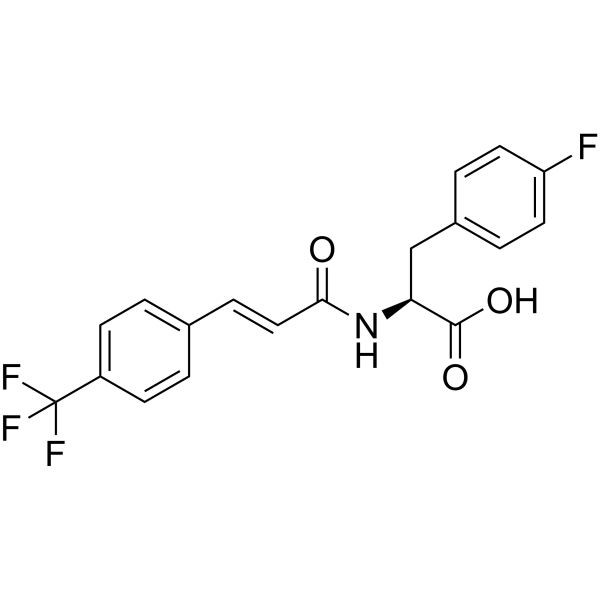
    GNE-5152 is an orthosteric SARM1 base-exchange (BE) inhibitor. GNE-5152 sustainably activates SARM1 at subinhibitory concentrations under mildly activating conditions, and this synergistic adverse effect increases NAD consumption, induces axon degradation and neurodegeneration and releases neurofilament-light (NfL) in cortical neurons. GNE-5152 can be used for neurodegenerative diseases research .
    GNE-5152
  • HY-P11272

    FTX-101

    VEGFR Neurological Disease
    Tasronetide (FTX-101) is a highly selective inhibitor toward the NRP1/Plexin-A1 receptor system, and displays no significant activity on other targets. Tasronetide intercalates within the transmembrane domains of Plexin-A1 and NRP1 of oligodendrocytes, interferes with the heterodimerization of the co-receptor system, effectively disrupts the NRP1/Plexin-A1 receptor complex and mitigates the inhibitory influence of Sema3A on oligodendrocyte migration and differentiation, thereby facilitating increased myelin sheathing around axons. Tasronetide is designed to enhance the recruitment and maturation of oligodendrocyte precursors and can be used for Chronic Op c Neuropathy research .
    Tasronetide
  • HY-W008341

    Toll-like Receptor (TLR) Neurological Disease
    5-Chloroisoquinoline (compound 42) is an inhibitor of SARM1 (Sterile alpha and toll/interleukin receptor (TIR) motif containing protein 1), an enzyme involved in axon degeneration that catalyzes multiple activities through a ternary complex mechanism. 5-Chloroisoquinoline can be used in the study of neurodegenerative diseases or axon degeneration .
    5-Chloroisoquinoline
  • HY-N8693

    COX Amyloid-β Sirtuin Reactive Oxygen Species (ROS) Apoptosis SARS-CoV Infection Neurological Disease
    Withanoside IV is an orally active, blood-brain barrier-permeable withanolide derivative. Withanoside IV specifically binds to the Sudlow I site of HSA, induces secondary structural changes in HSA, and forms stable HSA complexes. Withanoside IV inhibits the enzymatic activity of COX-2. Withanoside IV induces axonal regeneration, peripheral nervous system myelination and increased axonal density in spinal cord tissue, reduces reactive gliosis-related changes, and improves hindlimb motor function. Withanoside IV binds to amyloid-β 1-42 to inhibit its aggregation, induces neurite outgrowth and synapse reconstruction, repairs damaged axons and dendrites, enhances mitochondrial biogenesis, exerts neuroprotective effects via the BDNF and SIRT1 signaling pathways, reduces ROS production and neuronal apoptosis, and ameliorates memory deficits. Withanoside IV inhibits the activity of the SARS-CoV-2 main protease. Withanoside IV can be used in research related to spinal cord injury, Alzheimer's disease, and coronavirus disease 2019 (COVID-19) .
    Withanoside IV
  • HY-134269

    7-Deaza-8-bromo-cADPR; 7-Deaza-8-bromo-cyclic ADP ribose

    Calcium Channel Neurological Disease
    8-Br-7-CH-cADPR (7-Deaza-8-bromo-cADPR) is a potent cADPR antagonist. 8-Br-7-CH-cADPR shows partial inhibition of calcium elevation caused by sTIR dimerization. 8-Br-7-CH-cADPR significantly decreases Paclitaxel (HY-B0015)-induced axon degeneration .
    8-Br-7-CH-cADPR
  • HY-129097

    Fluorescent Dye Others
    FFN-102 trifluoroacetate is an analogue of biogenic neurotransmitters. FFN-102 trifluoroacetate is a pH-dependent fluorescent probe that labels dopamine cell bodies, axons, and presynaptic terminals .
    FFN-102 trifluoroacetate
  • HY-B0600R

    AFP-168 (Standard); MK2452 (Standard)

    Prostaglandin Receptor Reference Standards Cardiovascular Disease Others
    Tafluprost (Standard) is the analytical standard of Tafluprost. This product is intended for research and analytical applications. Tafluprost (AFP-168) is an anti-glaucoma prostaglandin (PG) analog. Tafluprost can inhibit the apoptosis of retinal ganglion cells (RGCs) and rat RGCs cells. Tafluprost promotes axon regeneration by regulating Zn2+-mTORpathway, inhibits intracellular lipid accumulation in human preorbital adipocytes. Tafluprost can be used in the study of optic nerve injury in glaucoma [4] .
    Tafluprost (Standard)
  • HY-172166B

    Fluorescent Dye Neurological Disease
    TRITC-lysine-dextran (MW 70kDa) is a fluorescent label prepared by the conjugation of TRITC (HY-D0791), lysine and dextran. TRITC-lysine-dextran (MW 70kDa) serves multiple functions as an axonal tracer, non-viral nanocarrier and fixable fluorescent clonal marker. TRITC-lysine-dextran (MW 70kDa) undergoes anterograde and retrograde transport within axons of sensory neurons, and acts as a non-viral delivery system to precisely deliver biomolecules to neurons. TRITC-lysine-dextran (MW 70kDa) remains stably retained during histological preparation, thereby supporting continuous observation in live or fixed samples .
    TRITC-lysine-dextran (MW 70kDa)
  • HY-181662

    MAP3K Neurological Disease
    DLK-IN-2 is a selective inhibitor of DLK and neuroprotective agent. DLK-IN-2 shows no significant inhibition against CYPs 3A4, 2D6 and 2C9. DLK-IN-2 inhibits acute axonal palmitoylation of DLK, blocks DLK-dependent pro-degenerative axon-to-soma retrograde signaling and suppresses c-Jun phosphorylation. DLK-IN-2 can be used for the mechanistic study of neurodegenerative diseases .
    DLK-IN-2
  • HY-182500

    Toll-like Receptor (TLR) Neurological Disease
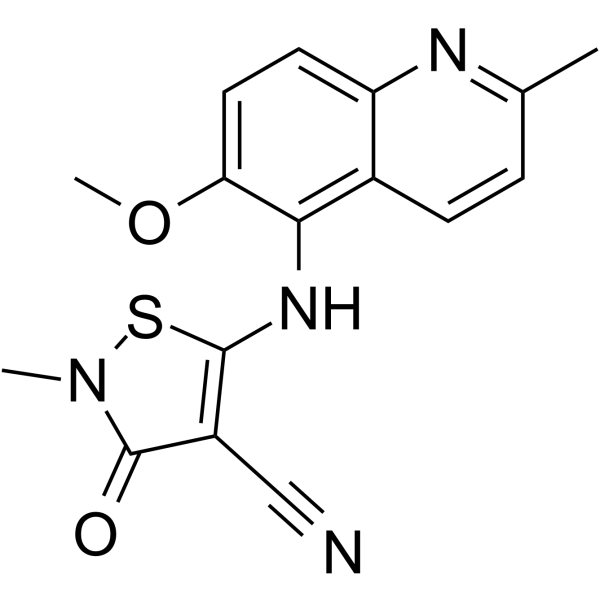
    SARM1-IN-9 (Compound MY-13B) is a stereoselective SARM1 inhibitor. SARM1-IN-9 is applicable to research related to axon degeneration-dependent neurological diseases .
    SARM1-IN-9
  • HY-182500A

    Toll-like Receptor (TLR) Neurological Disease
    (S,S)-SARM1-IN-9 (Compound MY-13A) is a stereoselective SARM1 inhibitor with covalent binding properties. (S,S)-SARM1-IN-9 covalently modifies Cys311 in the autoregulatory ARM domain of wild-type SARM1, thereby blocking NADase activity, without inhibiting the SARM1 C311A or SARM1 C311S mutants. (S,S)-SARM1-IN-9 blocks vacor- and vincristine-induced axon degeneration in primary rodent dorsal root ganglion neurons. (S,S)-SARM1-IN-9 can be used for research on axon degeneration-dependent neurological disorders, including chemotherapy-induced peripheral neuropathy .
    (S,S)-SARM1-IN-9
  • HY-182940

    Toll-like Receptor (TLR) Neurological Disease
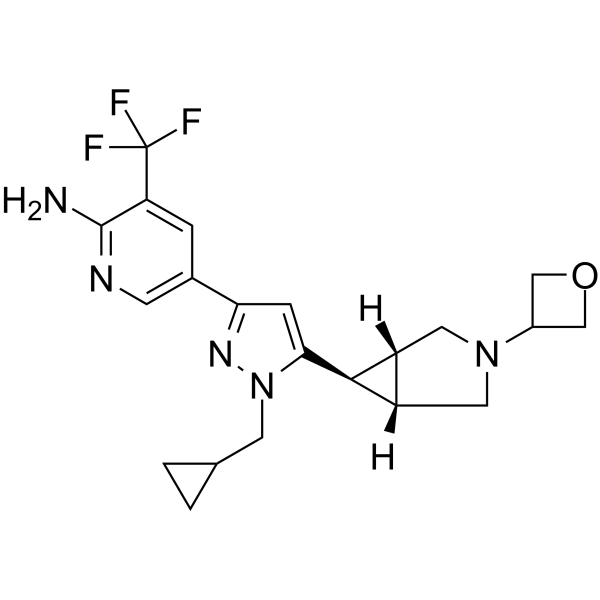
    SARM1-IN-10 is an orally active SARM1 inhibitor with a pIC50 of 7.1 and a pKd of 8.3. As a base-exchange inhibitor, SARM1-IN-10 forms a NAD + adduct at the active site of the TIR domain of SARM1, blocks enzymatic function, and induces a unique rotameric state of W662 at the catalytic site of SARM1. SARM1-IN-10 acts as a paradoxical neurodegeneration inducer at low doses and an inhibitor at high doses, and it can exacerbate or protect against SARM1-mediated neurodegeneration depending on concentration. SARM1-IN-10 can be used in studies of peripheral neurodegeneration .
    SARM1-IN-10
  • HY-112500

    SPL-B

    Microtubule/Tubulin SNIPERs Neurological Disease
    Spindlactone B (SPL-B) is a TACC3 inhibitor. Spindlactone B reduces the level of acetylated Microtubules. Spindlactone B can be used in the research of neurological diseases .
    Spindlactone B

Inquiry Online

Your information is safe with us. * Required Fields.

Salutation


Country or Region *

Applicant Name *


Organization Name *

Department *


Email Address *


Product Name *

Cat. No.


Requested quantity *

Phone Number *


Remarks

Inquiry Online

Inquiry Information

Product Name:
Cat. No.:
Quantity:
MCE Japan Authorized Agent:

