

1. Search Result
Search Result
Results for "

bacterial peptides

" in MedChemExpress (MCE) Product Catalog:

185

Inhibitors & Agonists

4

Fluorescent Dyes

3

Biochemical Assay Reagents

137

Peptides

20

Natural
Products

4

Isotope-Labeled Compounds

1

Click Chemistry

Targets Recommended:
Cat. No. Product Name Target Research Areas Chemical Structure
  • HY-Z0275

    Biochemical Assay Reagents Bacterial Infection
    HOAT is a peptide bond-forming reagent. HOAT is utilized to affect formation of peptide bonds by coupling carboxylic acids with amines. HOAt is not mutagenic in the bacterial reverse mutation test .
    HOAT
  • HY-W133898

    Environmental Pollutants Biochemical Assay Reagents Others
    Tryptone is a peptide-rich bacterial culture medium component that can regulate bacterial cell surface proteins and biofilm-related genes. Tryptone promotes the expression and assembly of bacterial adhesion proteins (such as LapA and LapF) by providing peptide substances as structural factors, enhancing cell surface hydrophobicity and intercellular adhesion, thereby stabilizing the biofilm matrix and supporting the maturation and maintenance of bacterial biofilms. The peptide mixture contained in Tryptone can specifically regulate the transcription of bacterial adhesion-related genes (such as activating LapA and inhibiting LapF), affecting the synthesis and localization of biofilm structural proteins .
    Tryptone
  • HY-W012669

    Phthaldialdehyde

    Environmental Pollutants Biochemical Assay Reagents Infection
    Phthalaldehyde (Phthaldialdehyde) reacts with proteins containing primary amines and blocked amino-terminal peptides of amino acids. Phthalaldehyde stabilizes bacterial outer membranes and cell walls, increases the optical density of bacterial cell suspensions, and inhibits bacterial lysis induced by ethylenediaminetetraacetic acid and sodium dodecyl sulfate. Phthalaldehyde exhibits bactericidal activity against Gram-negative vegetative bacteria .
    Phthalaldehyde
  • HY-A0162
    Quinupristin
    1 Publications Verification

    Bacterial Infection
    Quinupristin is a streptogramin antibiotic. Quinupristin blocks peptide bond synthesis to prevent the extension of polypeptide chains and promote the detachment of incomplete protein chains in the bacterial ribosomal subunits .
    Quinupristin
  • HY-P2661

    Biochemical Assay Reagents Bacterial Infection
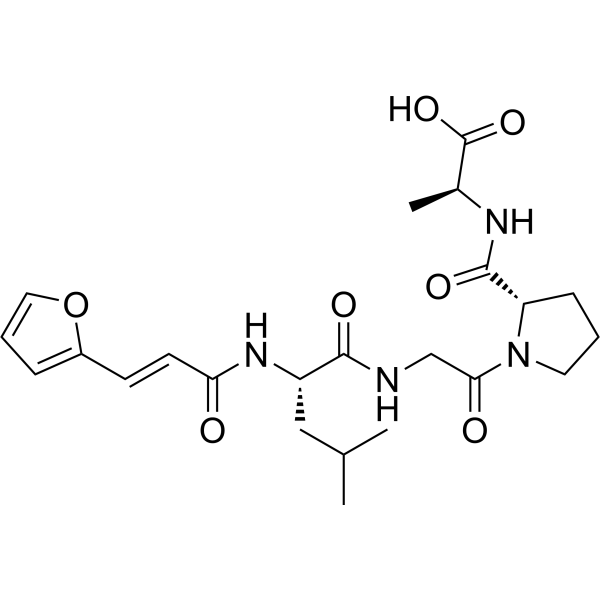
    FA-Leu-Gly-Pro-Ala-OH is a furylacryloyl-terminal tetrapeptide that serves as a substrate for bacterial collagenase and spirochete metalloendopeptidase. FA-Leu-Gly-Pro-Ala-OH is specifically hydrolyzed by spirochete collagenase only at the Leu-Gly bond. FA-Leu-Gly-Pro-Ala-OH can be used to determine the equilibrium constant of peptide bond hydrolysis, and also to detect collagenase-mediated cleavage reactions via turbidimetry based on absorbance reduction .
    FA-Leu-Gly-Pro-Ala-OH
  • HY-P0311

    Bacterial Infection
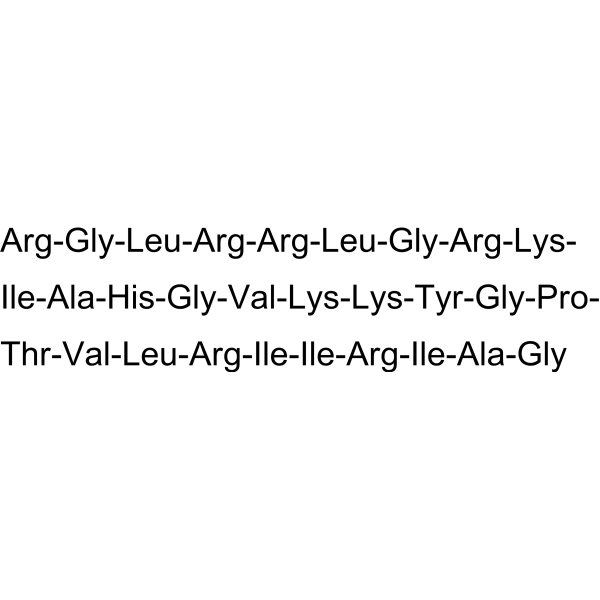
    LAH4, an alpha-helix of the designed amphipathic peptide antibiotic, exhibits potent antimicrobial, nucleic acid transfection and cell penetration activities. LAH4 possesses high plasmid DNA delivery capacities. LAH4 has a strong affinity for anionic lipids found in the outer membrane of bacterial membranes .
    LAH4
  • HY-105088

    MSI 78 free base

    Bacterial Infection Cancer
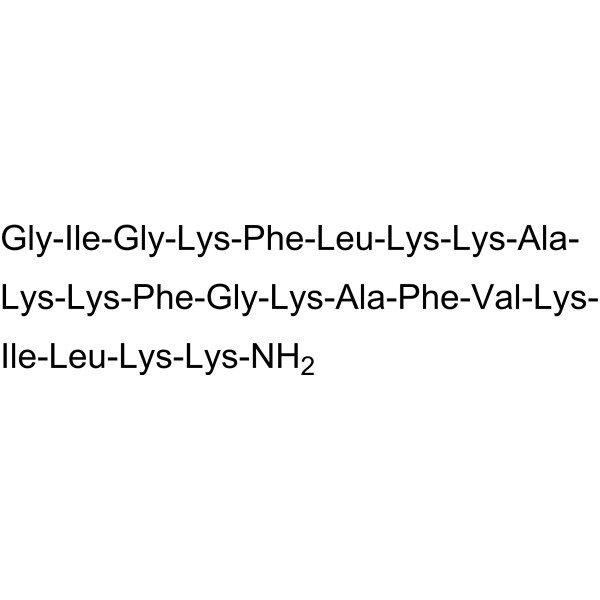
    Pexiganan (MSI 78) is an orally active antimicrobial peptide with broad-spectrum bactericidal. Pexiganan disrupts bacterial cell membranes, induces peptidoglycan damage and cell lysis. Pexiganan TFA can be used for the research of bacterial infection .
    Pexiganan
  • HY-P1883A

    Fluorescent Dye Infection
    Bacterial Sortase Substrate III, Abz/DNP TFA is a fluorescent peptide substrate. Bacterial Sortase Substrate III, Abz/DNP TFA undergoes cleavage catalyzed by Staphylococcus aureus sortase A (SrtAΔN24) and Streptococcus pyogenes sortase A (SrtAΔN81), and catalyzes the formation of an amide bond between the carboxyl group of threonine and the amino group of the cell wall cross-bridge. Cleavage of this substrate can be detected at Ex/Em=320 nm/420 nm .
    Bacterial Sortase Substrate III, Abz/DNP TFA
  • HY-P5255

    Bacterial Infection Inflammation/Immunology
    Oligopeptide-10 is a bioactive peptide with antimicrobial activity. Oligopeptide-10 exhibits broad-spectrum bactericidal effects against Gram-positive bacteria including Propionibacterium acnes and Staphylococcus aureus. Oligopeptide-10 targets lipoteichoic acid (LTA) on the surface of bacterial cell membranes, induces bacterial osmotic imbalance by disrupting the integrity of bacterial membranes, and reduces the release of pro-inflammatory cytokines induced by bacteria. Oligopeptide-10 possesses skin-protective activity. Oligopeptide-10 can be applied in research related to acne vulgaris, dandruff, seborrheic dermatitis, and tinea pedis .
    Oligopeptide-10
  • HY-P10724

    Formyl Peptide Receptor (FPR) Bacterial Infection
    fMIFL is a formyl tetrapeptide derived from Staphylococcus aureus, and also an agonist of mouse formyl peptide receptor 1 (mFPR1). It exhibits nanomolar activity against mFPR1 and micromolar activity against mFPR2. fMIFL is applicable to studies related to bacterial infections .
    fMIFL
  • HY-P4809

    Bacterial Fungal Infection Cancer
    Polybia-MP1 is an antimicrobial peptide with antibacterial, antifungal and anticancer activities. Polybia-MP1 selectively targets cancer cells by interacting with PS and PE in the outer leaflet of cell membranes, and induces necrosis via pore formation. Polybia-MP1 exhibits antibacterial activity against Pseudomonas aeruginosa. Polybia-MP1 can be used in research related to bacterial infections, fungal infections and cancers .
    Polybia-MP1
  • HY-P2522

    Bacterial Infection
    Competence-Stimulating Peptide-2 (CSP-2) is a 17-amino acid signal peptide produced by Streptococcus pneumoniae, with an EC50 of 50.7 nM for its compatible receptor ComD2. Competence-Stimulating Peptide-2 (CSP-2) can regulate bacterial phenotypes such as competence development, virulence, and biofilm formation through quorum sensing .
    Competence-Stimulating Peptide-2 (CSP-2)
  • HY-P10233A

    Bacterial Infection
    SAAP 148 TFA is a synthetic antimicrobial peptide (bacteria) that interacts with and disrupts the lipid bilayer of bacterial cytoplasmic membranes, thereby inducing changes in membrane permeability and bacterial death. SAAP 148 TFA kills drug-resistant, multidrug-resistant and persister bacterial strains, inhibits biofilm formation, eliminates established biofilms, and blocks bacterial colonization on implant surfaces. SAAP 148 TFA retains its activity after modification or immobilization, exhibits variable cytotoxicity in different human cell models, and shows reduced efficacy in protein-rich environments. SAAP 148 TFA can be used in infection-related research .
    SAAP 148 TFA
  • HY-N6680
    Virginiamycin S1
    1 Publications Verification

    Bacterial Antibiotic Infection
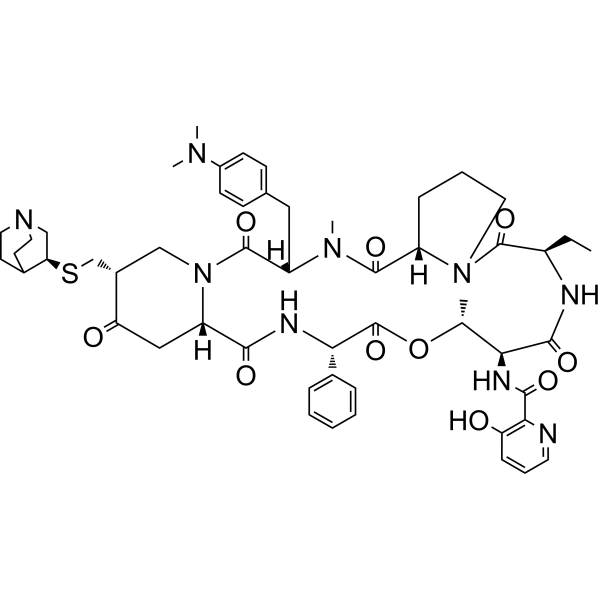
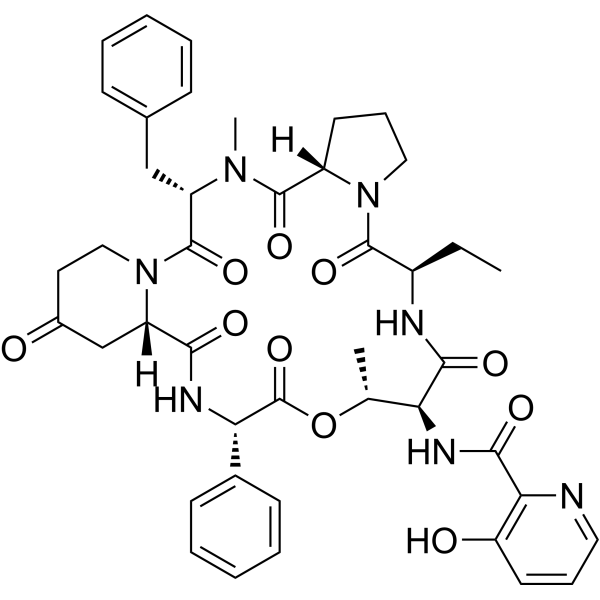
    Virginiamycin S1 is a cyclic hexadepsipeptide antibiotic, inhibits bacterial protein synthesis at the level of aminoacyl-tRNA binding and peptide bond formation. Virginiamycin S1 belongs to the type B compounds in the streptogramin family and is produced by Streptomyces virginiae, shows a strong bactericidal activity against a wide range of Gram-positive bacteria. Virginiamycin S1 together with virginiamycin M1 is more effective in treat multidrug-resistant bacterial infections [1][2].
    Virginiamycin S1
  • HY-W012572

    Mitochondrial Metabolism Bacterial Infection Metabolic Disease
    D-Histidine is an anti-biofilm agent that targets bacterial quorum sensing systems (such as RhlI/RhlR pathway) and has antibacterial activity. D-Histidine works by non-covalently binding to bacterial regulatory factors or copper ion complexes, selectively inhibiting bacterial biofilm formation and motility. D-Histidine downregulates quorum sensing-related gene expression, reduces the synthesis of virulence factors (such as alginate and proteases), and interferes with bacterial membrane stability, inhibiting biofilm formation, promoting the disintegration of mature biofilms, and enhancing antibiotic sensitivity. D-Histidine is also an efficient catalyst for the salt-induced peptide formation (SIPF) reaction, which promotes the condensation of amino acids to form dipeptides (such as dialanine and dilysine) by forming a complex with copper ions (Cu 2+) .
    D-Histidine
  • HY-W141916

    Tetraglycylglycine; Gly-Gly-Gly-Gly-Gly; NSC 96353

    Amino Acid Derivatives Bacterial Infection
    Pentaglycine (Tetraglycylglycine; NSC 96353) is a bridging structure composed of five glycine residues. Pentaglycine serves as a characteristic peptidoglycan cross-bridge component of staphylococci and a specific substrate for lysostaphin. Pentaglycine maintains the integrity of the peptidoglycan cell wall of Staphylococcus aureus via peptide chain cross-linking and regulates bacterial growth. Pentaglycine expression is downregulated in high-glucose environments, inhibiting bacterial proliferation. Pentaglycine can be applied to studies related to Staphylococcus aureus infection .
    Pentaglycine
  • HY-P0311A

    Bacterial Infection
    LAH4 TFA, an alpha-helix of the designed amphipathic peptide antibiotic, exhibits potent antimicrobial, nucleic acid transfection and cell penetration activities. LAH4 TFA possesses high plasmid DNA delivery capacities. LAH4 TFA has a strong affinity for anionic lipids found in the outer membrane of bacterial membranes .
    LAH4 TFA
  • HY-P1674A
    Murepavadin TFA
    3 Publications Verification

    POL7080 TFA

    Bacterial Antibiotic Infection
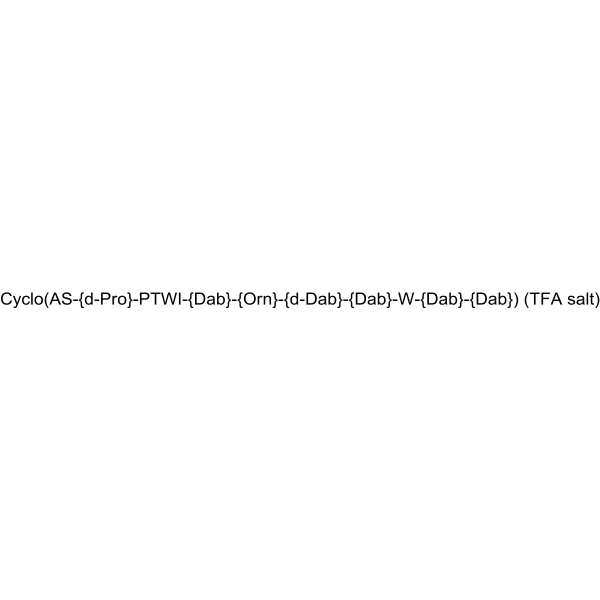
    Murepavadin (POL7080) (TFA), a 14-amino-acid cyclic peptide, is a highly potent, specific antibiotic. Murepavadin exhibits a potent antimicrobial activity for P. aeruginosa with MIC50 and MIC90 values both of 0.12 mg/L. Murepavadin also can target the lipopolysaccharide transport portin D. Murepavadin can be used for the research of bacterial resistance .
    Murepavadin TFA
  • HY-W006886

    Amino Acid Derivatives Others
    Fmoc-(R)-2-(7-octenyl) Ala-OH is an unnatural Fmoc-protected amino acid and modification module. Fmoc-(R)-2-(7-octenyl) Ala-OH serves as a key building block for all-hydrocarbon cross-linking modification of antimicrobial peptides, and facilitates the generation of stapled peptide derivatives. When introduced into specific sites of the parent peptide, Fmoc-(R)-2-(7-octenyl) Ala-OH effectively increases the α-helix content of the peptide chain, thereby significantly enhancing its antimicrobial activity and proteolytic stability. Fmoc-(R)-2-(7-octenyl) Ala-OH is widely used in research on bacterial infections and the development of related antimicrobial agents . Stapled peptide is a specially chemically modified polypeptide. It locks the peptide chain into a stable α-helical structure by introducing a "staple"-like chemical bridge (usually an all-carbon backbone) at specific positions of the peptide chain.
    Fmoc-(R)-2-(7-octenyl)Ala-OH
  • HY-W012908

    Biochemical Assay Reagents Infection Cancer
    DL-Proline is a racemic mixture of D-Proline and L-Prolin. DL-Proline is a cyclic imino acid with a five-membered ring structure. DL-Proline is a key structural unit in peptide synthesis. DL-Proline can stabilize the β-turn conformation and affect the secondary structure of the peptide. DL-Proline has biological activities such as regulating peptide conformation and enhancing the stability of cyclic peptides. DL-Proline can be used to study diseases related to peptide structure and function, such as cancer and bacterial infection .
    DL-Proline
  • HY-P10738

    Formyl Peptide Receptor (FPR) Infection
    N-Formyl-MMYALF is a potent mitochondrial N-formyl peptide (mtFP) that has the activity of depleting calcium ions in the endoplasmic reticulum. N-Formyl-MMYALF can inhibit the FPR-1-mediated chemotactic response of polymorphonuclear leukocytes (PMNs) to bacterial peptides .
    N-Formyl-MMYALF
  • HY-P1674

    POL7080

    Bacterial Antibiotic Infection
    Murepavadin (POL7080), a 14-amino-acid cyclic peptide, is a highly potent, specific antibiotic. Murepavadin exhibits a potent antimicrobial activity for P. aeruginosa with both MIC50 and MIC90 values of 0.12 mg/L. Murepavadin also can target the lipopolysaccharide transport portin D. Murepavadin can be used for the research of bacterial resistance .
    Murepavadin
  • HY-W001959

    Endogenous Metabolite Metabolic Disease
    D-Allothreonine is the D stereoisomer of Allothreonine. D-Allallreonine is a peptide lipid derived from bacteria. D-Allothreonine can be specifically oxidized by D-amino acid oxidase, while the L configuration has no reaction. D-Allallreonine is also a component of bacterial polysaccharides. D-Allallreonine can be used for researching bacterial pathogenicity, antigenic diversity and drug resistance .
    D-Allothreonine
  • HY-N14257

    Bacterial Antibiotic Acetyl-CoA Carboxylase Infection
    Andrimid is a peptide Antibiotic and acetyl-CoA carboxylase inhibitor. Andrimid is produced by symbiotic bacteria of the genus *Enterobacter* residing in the brown planthopper Nilaparvata lugens. Andrimid exhibits strong specific activity against Xanthomonas campestris pv. oryzae. Andrimid shows no or only weak activity against Gram-positive and Gram-negative bacteria, including most plant pathogenic bacteria. Andrimid can be used in studies related to bacterial infections and rice bacterial blight .
    Andrimid
  • HY-P5681

    Bacterial Infection Inflammation/Immunology
    Human α-Defensin 6, a 32-residue cysteine-rich peptide, can inhibit bacterial invasion and contribute to the mucosal immunity. Human α-Defensin 6 forms ordered self-assembly fibrils and nanonets that surround and entangle bacteria after stochastic binding to bacterial surface proteins. Human α-Defensin 6 also inhibits C. albicans biofilm formation .
    Human α-Defensin 6
  • HY-P10696

    Bacterial Infection
    C16G2 is a specific targeted antimicrobial peptide (STAMP) that targets the cariogenic oral pathogen Streptococcus mutans. C16G2 specifically recognizes and disrupts the bacterial cell membrane, causing small molecule leakage and loss of membrane potential, leading to bacterial killing. C16G2 exhibits higher selectivity and efficacy against Streptococcus mutans, unlike broad-spectrum antimicrobial peptides .
    C16G2
  • HY-P10233

    Bacterial Infection
    SAAP 148 is a synthetic antimicrobial peptide (bacteria) that interacts with and disrupts the lipid bilayer of bacterial cytoplasmic membranes, thereby inducing changes in membrane permeability and bacterial death. SAAP 148 kills drug-resistant, multidrug-resistant and persister bacterial strains, inhibits biofilm formation, eliminates established biofilms, and blocks bacterial colonization on implant surfaces. SAAP 148 retains its activity after modification or immobilization, exhibits variable cytotoxicity in different human cell models, and shows reduced efficacy in protein-rich environments. SAAP 148 can be used in infection-related research .
    SAAP 148
  • HY-P5723A

    Bacterial Infection
    Api137 TFA is an antimicrobial peptide that interferes with bacterial growth by inhibiting translation. Api137 TFA inhibits protein synthesis by trapping of release factors on the 70S ribosome following hydrolysis of the nascent polypeptide chain .
    Api137 TFA
  • HY-108988

    Antibiotic Bacterial Topoisomerase DNA/RNA Synthesis Infection
    Albicidin is a peptide antibiotic with phytotoxic activity. Albicidin potently inhibits bacterial and plant DNA gyrase at nanomolar concentrations, blocks DNA replication, and exhibits excellent antibacterial efficacy against multidrug-resistant bacteria. Albicidin possesses bactericidal activity against Gram-positive and Gram-negative microorganisms, and acts as a virulence factor for the systemic plant infection by Xanthomonas albilineans. Albicidin can be used in studies related to bacterial infections and sugarcane leaf blight .
    Albicidin
  • HY-P5641
    Pleurocidin
    1 Publications Verification

    Bacterial p38 MAPK NF-κB NADH Dehydrogenase Antibiotic Infection Inflammation/Immunology
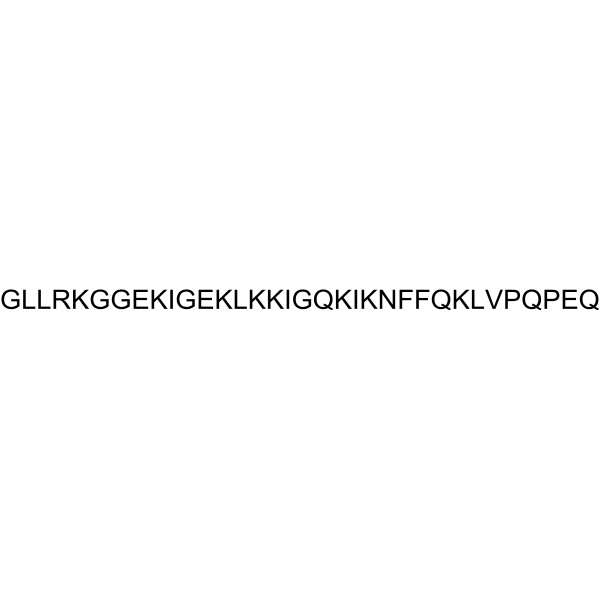
    Pleurocidin is an Antimicrobial peptide. Pleurocidin is derived from the skin mucosa or intestinal secretions of Pseudopleuronectes americanus. Pleurocidin inhibits the expression of key proteins in the MAPK and NF-κB inflammatory signaling pathways. Pleurocidin alters serum inflammatory and immune cytokine levels, regulates the down-regulation of tight junction proteins, and modulates the intestinal flora. Pleurocidin exerts antibacterial activity by inducing bacterial membrane damage, hydroxyl radical formation, and NADH depletion, and also produces a synergistic effect with Antibiotics. Pleurocidin alleviates DSS-induced ulcerative colitis. Pleurocidin can be used for research on ulcerative colitis, bacterial infections, and bacterial biofilm-related infections .
    Pleurocidin
  • HY-P3326A

    Bacterial Infection
    Targeting the bacterial sliding clamp peptide 46 TFA is a short peptide targeting the bacterial sliding clamp(SC), inhibiting SC-dependent DNA synthesis .
    Targeting the bacterial sliding clamp peptide 46 TFA
  • HY-P11324

    Bacterial Infection
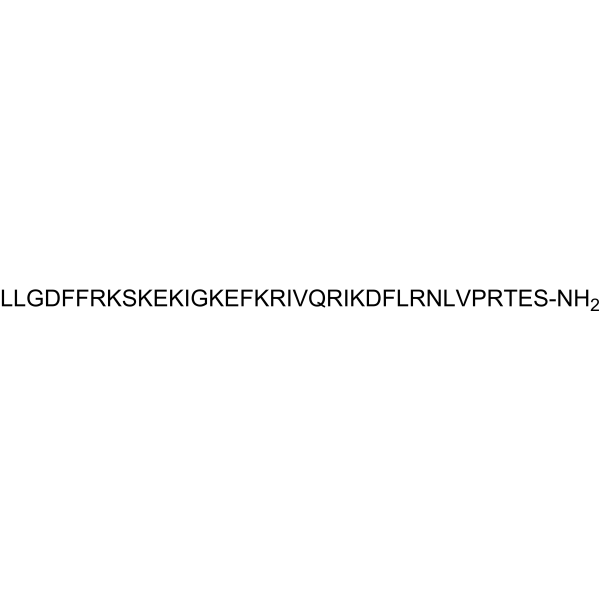
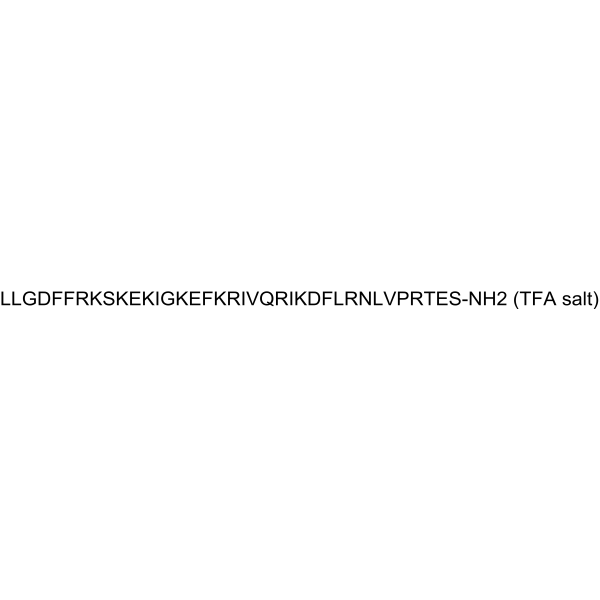
    XIPSth peptide is an agonist for the streptococcal competence regulator ComR. XIPSth peptide is promising for research of bacterial infection .
    XIPSth peptide
  • HY-P10559

    Bacterial Infection
    (RXR)4XB is a cell-penetrating peptide, that binds the phosphorodiamidate morpholino oligomers (PMOs), forms peptide-conjugated PMOs (PPMOs), and improves the delivery of PMO into bacterial cells. (RXR)4XB-PMO conjugate prevents the formation of biofilms, inhibits Pseudomonas aeruginosa with MIC50 of 0.5 to 16 μM, and reduces the bacterial burden in mouse acute pneumonia models .
    (RXR)4XB
  • HY-P10519

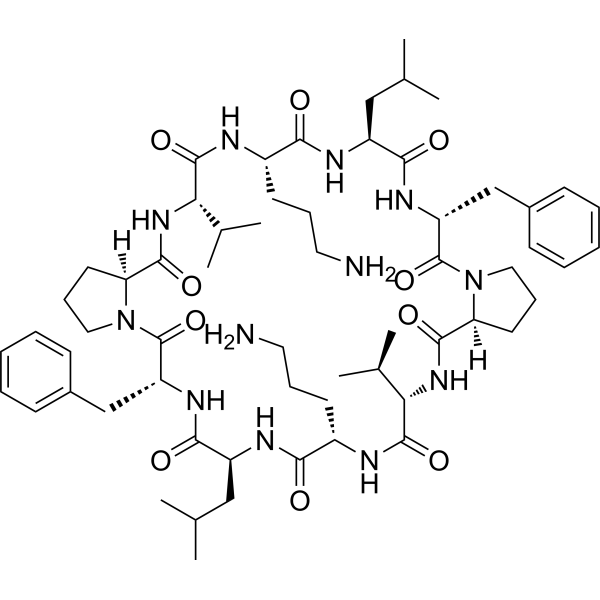
    Bacterial Reactive Oxygen Species (ROS) Infection
    Brevicidine is an antimicrobial peptide with selective bactericidal activity against Gram-negative pathogens. Brevicidine disrupts bacterial morphology by binding to lipopolysaccharide (LPS) on the bacterial cell membrane to form pores. Brevicidine causes dissipation of intracellular proton motive force, outer membrane damage, inhibition of ATP biosynthesis and reactive oxygen species accumulation in bacterial cells. As a sensitizer, Brevicidine exerts synergistic activity when combined with a variety of conventional antibiotics .
    Brevicidine
  • HY-P5545

    Bacterial Infection
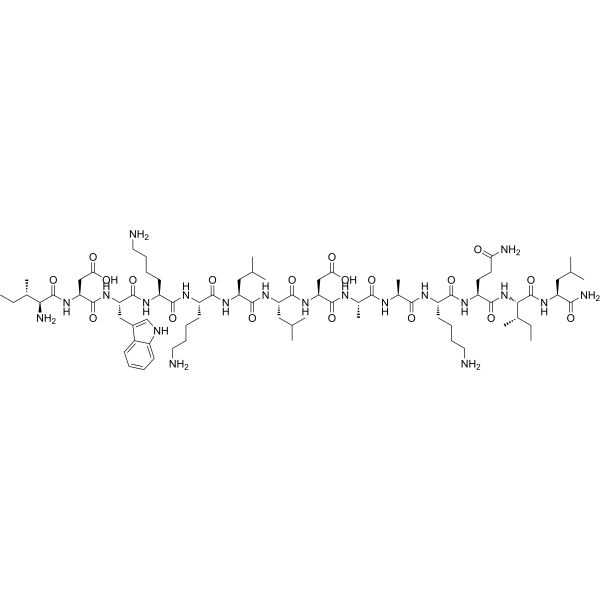
    Lynronne-1 is an antimicrobial peptide. Lynronne-1 is active against Gram-positive bacterials, including MDR strains (MIC: 8-32 μg/mL for methicillin-resistant MRSA strains). Lynronne-1 reduces the bacterial load in MRSA infected wound murine model. Lynronne-1 is also effective against P. aeruginosa infection .
    Lynronne-1
  • HY-P1883

    Fluorescent Dye Infection
    Bacterial Sortase Substrate III, Abz/DNP is a fluorescent peptide substrate. Bacterial Sortase Substrate III, Abz/DNP undergoes cleavage catalyzed by Staphylococcus aureus sortase A (SrtAΔN24) and Streptococcus pyogenes sortase A (SrtAΔN81), and catalyzes the formation of an amide bond between the carboxyl group of threonine and the amino group of the cell wall cross-bridge. Cleavage of this substrate can be detected at Ex/Em=320 nm/420 nm .
    Bacterial Sortase Substrate III, Abz/DNP
  • HY-W012572A

    Mitochondrial Metabolism Bacterial Infection Metabolic Disease
    D-Histidine hydrochloride hydrate is an anti-biofilm agent that targets bacterial quorum sensing systems (such as RhlI/RhlR pathway) and has antibacterial activity. D-Histidine hydrochloride hydrate works by non-covalently binding to bacterial regulatory factors or copper ion complexes, selectively inhibiting bacterial biofilm formation and motility. D-Histidine hydrochloride hydrate downregulates quorum sensing-related gene expression, reduces the synthesis of virulence factors (such as alginate and proteases), and interferes with bacterial membrane stability, inhibiting biofilm formation, promoting the disintegration of mature biofilms, and enhancing antibiotic sensitivity. D-Histidine hydrochloride hydrate is also an efficient catalyst for the salt-induced peptide formation (SIPF) reaction, which promotes the condensation of amino acids to form dipeptides (such as dialanine and dilysine) by forming a complex with copper ions (Cu 2+) .
    D-Histidine hydrochloride hydrate
  • HY-P11027

    Bacterial Antibiotic Infection
    Thiazoplanomicin (Compound 1) is a thiazolyl peptide antibiotic. Thiazoplanomicin can be isolated from the leaf-litter actinomycete Actinoplanes sp. MM794L-181F6. Thiazoplanomicin has potent antimicrobial activities against gonococcal strains (especially drug-resistant strains) and Gram-positive bacterium with MICs of 31.2-125 and 0.5-15.6 ng/mL, respectively. Thiazoplanomicin has no antibacterial activity against E.coli. Thiazoplanomicin can be used for bacterial infections research .
    Thiazoplanomicin
  • HY-P3326

    Bacterial Infection
    Targeting the bacterial sliding clamp peptide 46 is a short peptide targeting the bacterial sliding clamp(SC), inhibiting SC-dependent DNA synthesis.
    Targeting the bacterial sliding clamp peptide 46
  • HY-105088A

    MSI 78

    Bacterial Infection
    Pexiganan (MSI 78) acetate is an orally active antimicrobial peptide with broad-spectrum bactericidal. Pexiganan TFA disrupts bacterial cell membranes, induces peptidoglycan damage and cell lysis. Pexiganan acetate can be used for the research of bacterial infection .
    Pexiganan acetate
  • HY-P11126

    Bacterial Infection
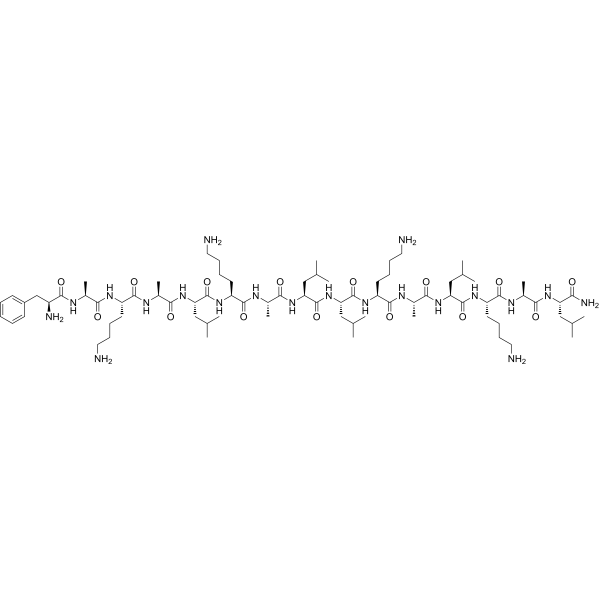
    Mel4 is an antimicrobial peptide, exhibiting broad-spectrum antimicrobial activity. Mel4 can neutralize bacterial lipopolysaccharide in a dose-dependent manner. Mel4 can be used in the research and prevention of related bacterial infectious diseases (such as ocular infections) .
    Mel4
  • HY-P5737

    Bacterial Infection
    ASP-1 is a strong antistaphylococcal peptide with minimum inhibitory concentrations (MICs) of the purified peptide against S. aureus and methicillin-resistant S. aureus (MRSA) ranged from 2 μg/mL to 64 μg/mL .
    ASP-1
  • HY-P10559A

    Bacterial Infection
    (RXR)4XB TFA is a cell-penetrating peptide, that binds the phosphorodiamidate morpholino oligomers (PMOs), forms peptide-conjugated PMOs (PPMOs), and improves the delivery of PMO into bacterial cells. (RXR)4XB TFA-PMO conjugate prevents the formation of biofilms, inhibits Pseudomonas aeruginosa with MIC50 of 0.5 to 16 μM, and reduces the bacterial burden in mouse acute pneumonia models .
    (RXR)4XB TFA
  • HY-P10696A

    Bacterial Infection
    C16G2 TFA is a specific targeted antimicrobial peptide (STAMP) that targets the cariogenic oral pathogen Streptococcus mutans. C16G2 TFA specifically recognizes and disrupts the bacterial cell membrane, causing small molecule leakage and loss of membrane potential, leading to bacterial killing. C16G2 TFA exhibits higher selectivity and efficacy against Streptococcus mutans, unlike broad-spectrum antimicrobial peptides .
    C16G2 TFA
  • HY-120659

    Fluorescent Dye Others
    Gly-Gly-AMC is a fluorogenic peptide substrate. Gly-Gly-AMC can be used to assess bacterial protease activity of P. aeruginosa and S. aureus .
    Gly-Gly-AMC
  • HY-B0239S3

    Isotope-Labeled Compounds Bacterial Antibiotic Infection
    Chloramphenicol-d4 is deuterium labeled Chloramphenicol. Chloramphenicol, a broad-spectrum antibiotic, acts as a potent inhibitor of bacterial protein biosynthesis . Chloramphenicol acts primarily on the 50S subunit of bacterial 70S rihosomes and inhibits peptide bond formation by suppressing peptidyl transferase activity .
    Chloramphenicol-d4
  • HY-130337

    Antibiotic Bacterial Infection
    Teicoplanin A2-2 is a glycopeptide antibiotic. Teicoplanin A2-2 exhibits antibacterial activity, particularly against coagulase-negative staphylococci (CNS). Teicoplanin A2-2 inhibits bacterial cell wall synthesis by competitively binding to the terminal D-Ala-D-Ala peptide bonds in the cell wall synthesis process, leading to bacterial death. Teicoplanin A2-2 can be used for research into bacterial resistance mechanisms and the development of new antibiotics .
    Teicoplanin A2-2
  • HY-P5723

    Bacterial Infection
    Api137 is an antimicrobial peptide that interferes with bacterial growth by inhibiting translation. Api137 inhibits protein synthesis by trapping of release factors on the 70S ribosome following hydrolysis of the nascent polypeptide chain .
    Api137
  • HY-P11442

    Lycotoxin-Pa2a; TBIU041425

    Bacterial Toll-like Receptor (TLR) Inflammation/Immunology
    Lytx-Pa2a (Lycotoxin-Pa2a) is a peptide inhibitor against bacterial membranes and TLR4 receptor. Lytx-Pa2a exerts antimicrobial effects via non-competitive disruption of outer/cytoplasmic membranes and suppression of LPS-induced TLR4/NF-κB signaling. Lytx-Pa2a is promising for research of bacterial infection and inflammation-related disease (e.g., sepsis) .
    Lytx-Pa2a
  • HY-P5547

    Bacterial Infection
    Lynronne-3 is an antimicrobial peptide. Lynronne-1 is active against Gram-positive bacterials, including MDR strains (MIC: 32-128 μg/mL for methicillin-resistant MRSA strains). Lynronne-3 is also effective against P. aeruginosa infection
    Lynronne-3

Inquiry Online

Your information is safe with us. * Required Fields.

Salutation


Country or Region *

Applicant Name *


Organization Name *

Department *


Email Address *


Product Name *

Cat. No.


Requested quantity *

Phone Number *


Remarks

Inquiry Online

Inquiry Information

Product Name:
Cat. No.:
Quantity:
MCE Japan Authorized Agent:

