Search Result
Results for "
blue fluorescence
" in MedChemExpress (MCE) Product Catalog:
4
Biochemical Assay Reagents
| Cat. No. |
Product Name |
Target |
Research Areas |
Chemical Structure |
-
- HY-15559
-
|
bisBenzimide H 33342; HOE 33342
|
Autophagy
|
Others
|
|
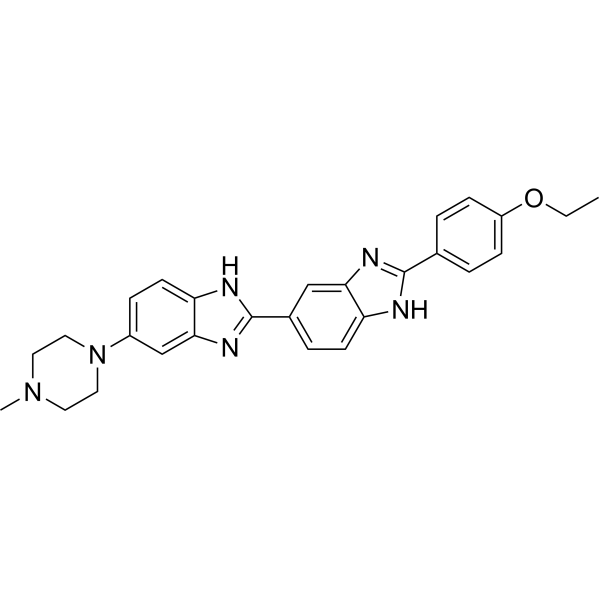
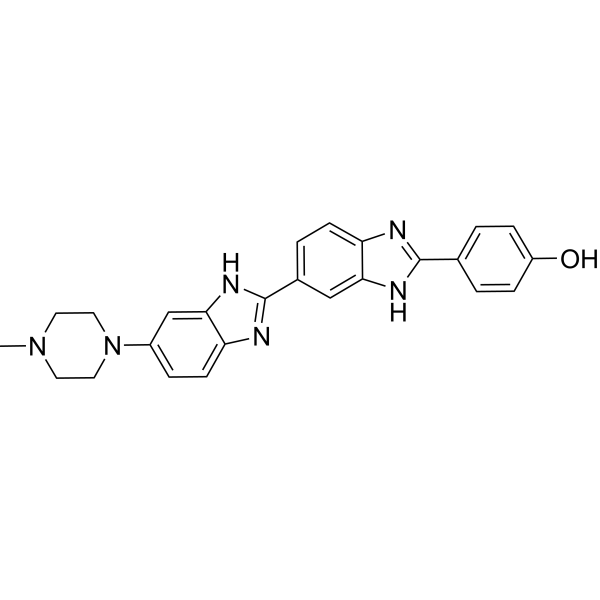
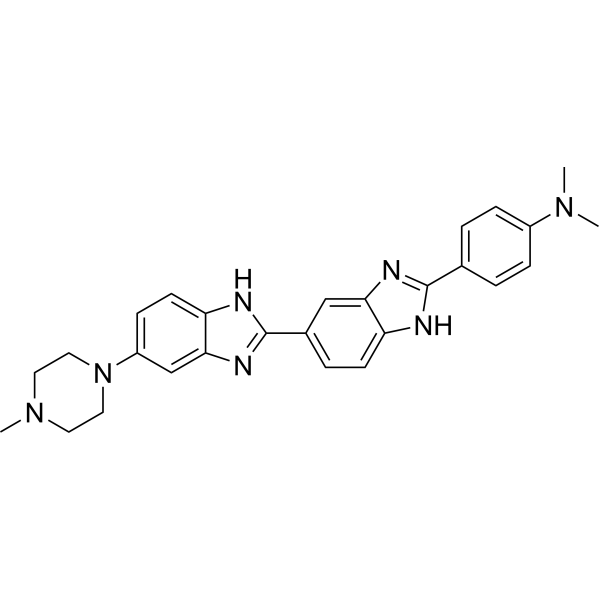
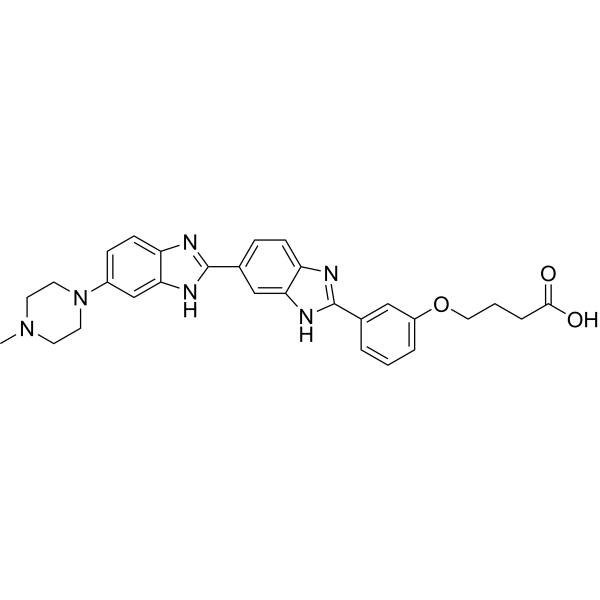
Hoechst 33342 is a marker dye in Hoechst series. Hoechst is A live nuclear marker dye. Hoechst binds to the grooves in the DNA double strand, which tends to be A/ T-rich DNA strand. Although it binds to all nucleic acids, the A/ T-rich double strand DNA significantly enhances fluorescence intensity Therefore,Hoechst dye can be used for living cell labeling. The fluorescence intensity of Hoechst dye increases with the increase of pH of solution .
|
-
-
- HY-D0718
-
|
Nile blue A oxazone; Phenoxazone 9
|
Fluorescent Dye
|
Others
|
|
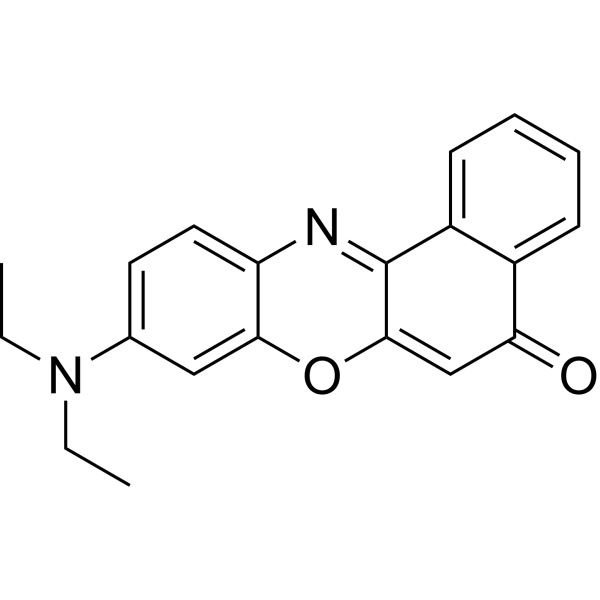
Nile red (Nile blue oxazone) is a lipophilic stain. Nile red has environment-sensitive fluorescence. Nile red is intensely fluorescent in a lipid-rich environment while it has minimal fluorescence in aqueous media. Nile red is an excellent vital stain for the detection of intracellular lipid droplets by fluorescence microscopy and flow cytof uorometry. Nile red stains intracellular lipid droplets red. The fluorescence wavelength is 559/635 nm .
|
-
-
- HY-D0079
-
|
Hydroethidine; PD-MY 003
|
Fluorescent Dye
|
Others
|
|
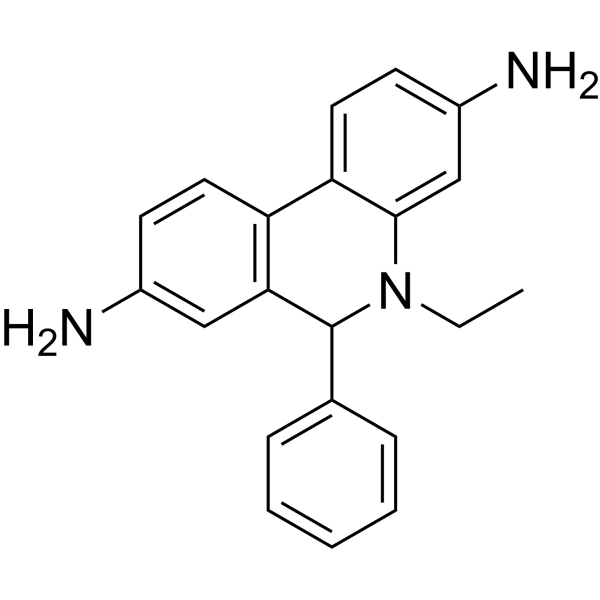
Dihydroethidium, also known as DHE, is a peroxide indicator. Dihydroethidium penetrates cell membranes to form a fluorescent protein complex with blue fluoresces. After entering the cells, Dihydroethidium is mainly localized in the cell membrane, cytoplasm and nucleus, and the staining effect is the strongest in the nucleus. Dihydroethidium produces inherent blue fluorescence with a maximum excitation wavelength of 370 nm and a maximum emission wavelength of 420 nm; after dehydrogenation, Dihydroethidium combines with RNA or DNA to produce red fluorescence with a maximum excitation wavelength of 300 nm and a maximum emission wavelength of 610 nm. 535 nm can also be used as the excitation wavelength for actual observation .
|
-
-
- HY-D1462
-
|
|
Fluorescent Dye
|
Others
|
|
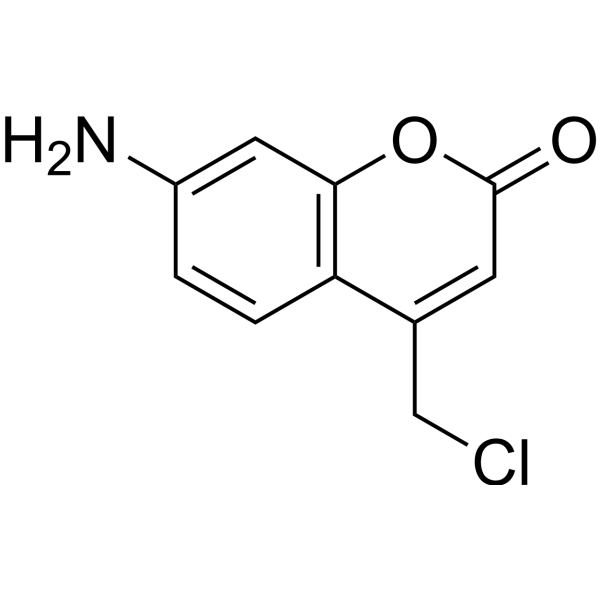
CellTracker Blue CMAC is a non-fluorescent cell membrane permeable dye. The chloromethyl groups of CellTracker Blue CMAC are enzymatically cleaved by intracellular glutathione (GSH) to generate a fluorescent product (blue fluorescence, Ex/Em: 360/460 nm). CellTracker Blue CMAC is suitable for long-term cell tracking (up to 72 hours) and cell proliferation studies, and can also quantify GSH levels .
|
-
-
- HY-15559A
-
|
bisBenzimide H 33342 trihydrochloride; HOE 33342 trihydrochloride
|
Autophagy
|
Others
|
|
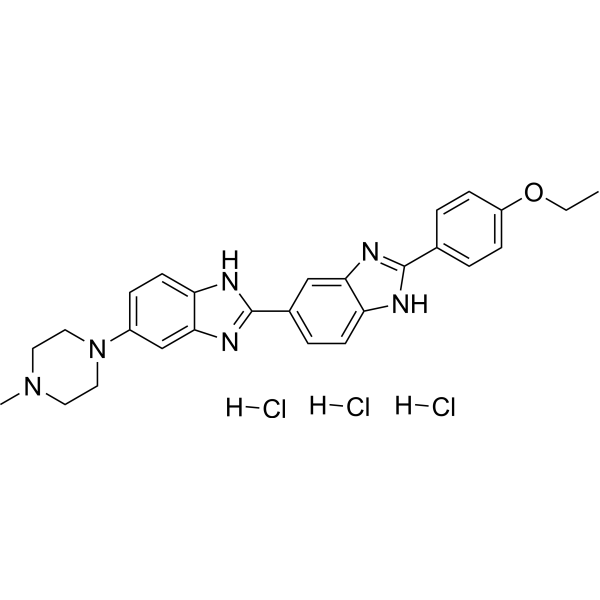
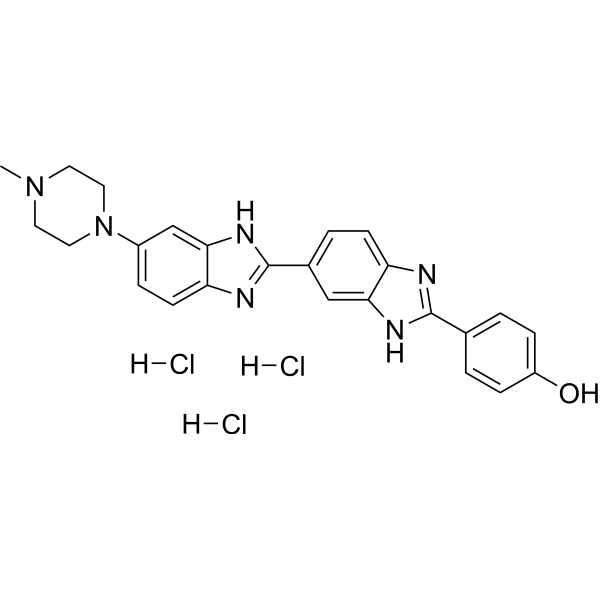
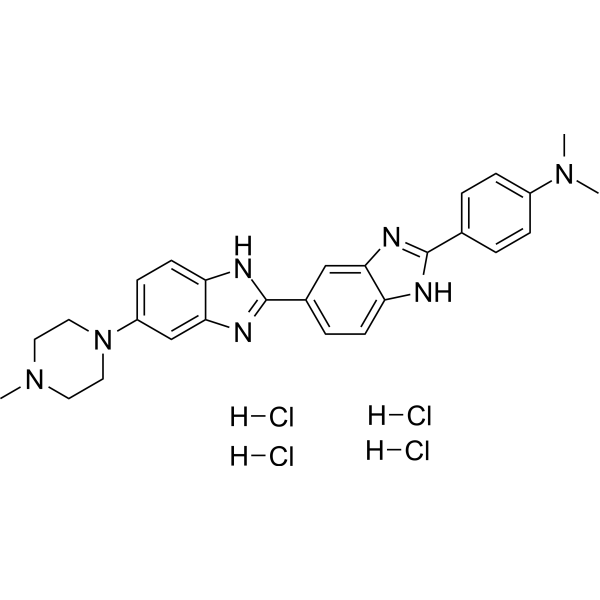
Hoechst 33342 trihydrochloride is a marker dye in Hoechst series. Hoechst is A live nuclear marker dye. Hoechst binds to the grooves in the DNA double strand, which tends to be A/ T-rich DNA strand. Although it binds to all nucleic acids, the A/ T-rich double strand DNA significantly enhances fluorescence intensity Therefore,Hoechst dye can be used for living cell labeling. The fluorescence intensity of Hoechst dye increases with the increase of pH of solution .
|
-
-
- HY-W751238
-
|
DMMB
|
Fluorescent Dye
|
Others
|
|
Dimethyl methylene blue zinc chloride double salt (DMMB) is a cationic dye. Dimethyl methylene blue zinc chloride double salt competitively binds to the active site of the PANI-Benz-Ag nanocomposite with endotoxin, releasing DMMB and increasing the fluorescence intensity. Dimethyl methylene blue zinc chloride double salt can be used as a fluorescent probe for the detection of bacteria (such as E. Coli) endotoxin . Dimethyl methylene blue zinc chloride double salt can be used for the quantification of sulfated glycosaminoglycans .
|
-
-
- HY-D0150
-
|
|
Fluorescent Dye
|
Others
|
|
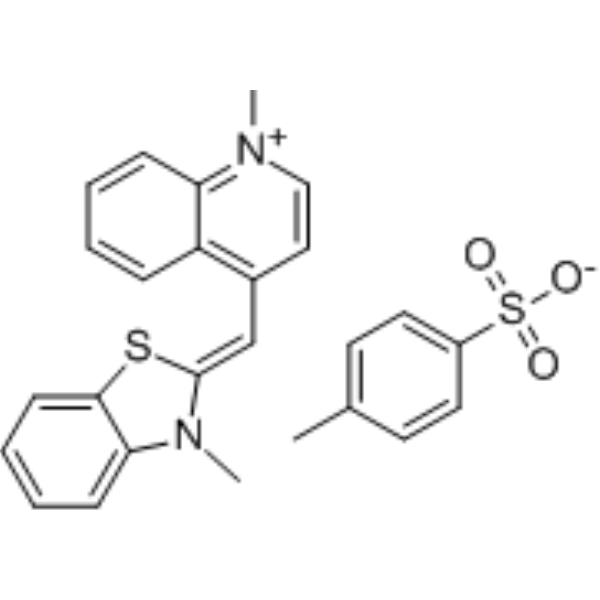
Thiazole Orange is an asymmetric anthocyanin dye that can be coupled with oligonucleotides (ONs) to prepare fluorescent hybridization probes. Thiazole Orange has been widely used in biomolecular detection and staining of DNA/ RNA in gels and can be used for reticulocyte analysis. Thiazole orange generates a significant fluorescence enhancement and high quantum yield when it binds with nucleic acids, especially RNA. Thiazole orange can permeate living cell membranes. Thiazole orange can use UV light for detection, but can also be detected with blue light. The excitation and emission of Thiazole orange are λex = 510 nm (488 nm and 470 nm also show strong excitation) and λem = 527 nm, respectively .
|
-
-
- HY-15558
-
|
bisBenzimide H 33258; H 33258
|
Fluorescent Dye
DNA Stain
DNA Alkylator/Crosslinker
|
Others
|
|
Hoechst 33258 is a blue to blue-green fluorescent live cell dye that can label DNA. Hoechst 33258 can specifically bind to the minor groove of DNA (and tends to bind to A/T-rich DNA), resulting in a significant increase in fluorescence intensity. Hoechst 33258 can cross the cell membrane and cause changes in DNA structure, such as G2/M phase arrest. Hoechst 33258 can bind to live or fixed cells, and the fluorescence intensity increases with increasing solution pH. As a DNA-specific probe, Hoechst 33258 can be used to detect DNA content, analyze cell cycle, etc. The excitation wavelength of Hoechst 33258 is 350-365 nm, and the emission wavelength is 460-490 nm .
|
-
-
- HY-15558A
-
|
bisBenzimide H 33258 trihydrochloride; H 33258 trihydrochloride
|
Fluorescent Dye
|
Cancer
|
|
Hoechst 33258 trihydrochloride is a marker dye in Hoechst series. Hoechst is A live nuclear marker dye. Hoechst binds to the grooves in the DNA double strand, which tends to be A/ T-rich DNA strand. Although it binds to all nucleic acids, the A/ T-rich double strand DNA significantly enhances fluorescence intensity Therefore,Hoechst dye can be used for living cell labeling. The fluorescence intensity of Hoechst dye increases with the increase of pH of solution .
|
-
-
- HY-119287
-
TSQ
5 Publications Verification
|
Fluorescent Dye
|
Others
|
|
TSQ is a cytosolic zinc ion fluorescence probe that is membrane permeable and can be used for intracellular imaging of zinc proteins (λmax ~470 nm). TSQ can combine with Zn 2+ in the presence of Ca 2+ and Mg 2+ to produce blue fluorescence (Ex/Em = 334/495 nm) .
|
-
-
- HY-D1247
-
|
|
Biochemical Assay Reagents
|
Others
|
|
Hydroxynaphthol Blue is an azo dye and serves as a metal indicator. Hydroxynaphthol Blue binds to specific metal ions to form stable complexes with distinct color and fluorescence properties. Hydroxynaphthol Blue is used for the visual monitoring of isothermal nucleic acid amplification results. A visible color difference appears between positive and negative nucleic acid amplification reactions, allowing result discrimination by the naked eye without opening the reaction tube .
|
-
-
- HY-D1416
-
HMBR
1 Publications Verification
|
Fluorescent Dye
|
Others
|
|
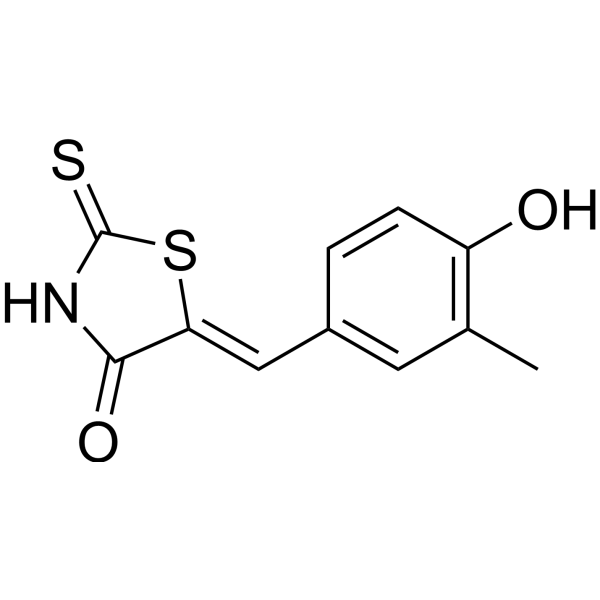
HMBR is an analogue with an additional methyl group on the aromatic ring and is non-fluorescent. HMBR conjugated with Y-FAST emits yellow fluorescence under blue light excitation (Ex= 419 nm; Em= 525–539 nm). HMBR is non-toxic to zebrafish embryos. HMBR has high cell permeability .
|
-
-
- HY-W127703
-
|
|
Fluorescent Dye
Biochemical Assay Reagents
|
Others
|
|
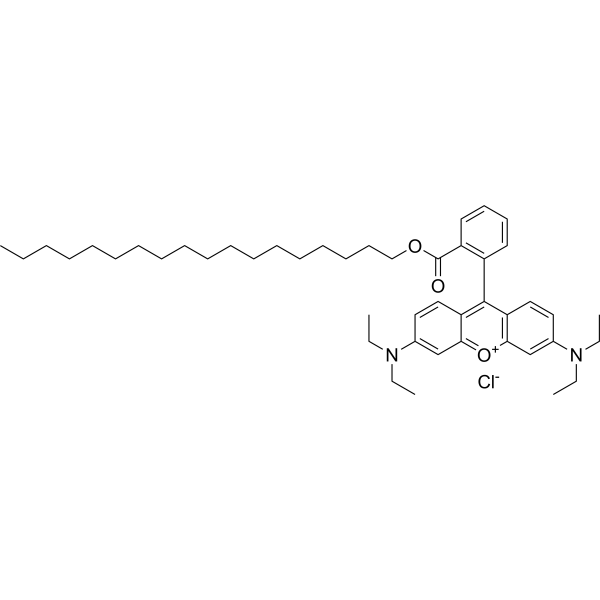
Octadecyl Rhodamine B chloride is an amphiphilic fluorescent probe with both membrane-binding ability and fluorescent properties, which easily forms aggregates in aqueous phase leading to self-quenching. Octadecyl Rhodamine B chloride can be used for cell membrane staining and further applied in membrane biology research. The maximum absorption/emission wavelengths of Octadecyl Rhodamine B chloride monomer in Triton X-100 are 565 nm/585 nm; the absorption peaks of aggregates in water are blue-shifted to 524 nm and 574 nm, with significantly quenched fluorescence .
|
-
-
- HY-DY1005
-
|
|
Autophagy
|
Others
|
Hoechst 33342 trihydrochloride (solution) is a marker dye in Hoechst series. Hoechst is A live nuclear marker dye. Hoechst binds to the grooves in the DNA double strand, which tends to be A/ T-rich DNA strand. Although it binds to all nucleic acids, the A/ T-rich double strand DNA significantly enhances fluorescence intensity Therefore,Hoechst dye can be used for living cell labeling. The fluorescence intensity of Hoechst dye increases with the increase of pH of solution . Solvent and Concentration: Sterile water: 10 mg/mL
|
-
-
- HY-103609
-
Pyrene
1 Publications Verification
Benzo[def]phenanthrene
|
Environmental Pollutants
Biochemical Assay Reagents
|
Others
|
|
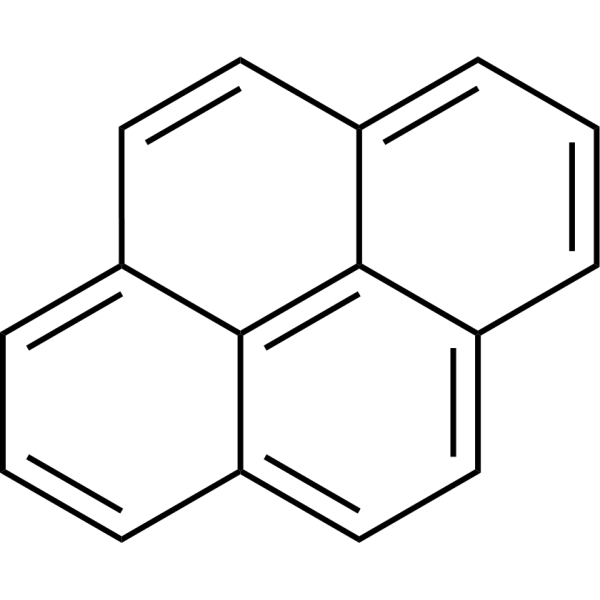
Pyrene is a polycyclic aromatic hydrocarbon (PAH) composed of four fused benzene rings. It has a distinct aromatic odor, produced by incomplete combustion of organic matter. Pyrene exhibits strong fluorescence, emitting in the blue region of the spectrum, making it useful as a probe for studying molecular interactions in solution and on surfaces. Pyrene is also used as a model compound for the study of PAHs in various environments and biological systems because of its ubiquity in these environments. However, long-term exposure to pyrene has been associated with potential health risks, including carcinogenicity and mutagenicity.
|
-
-
- HY-D1445
-
|
|
Fluorescent Dye
|
Metabolic Disease
|
|
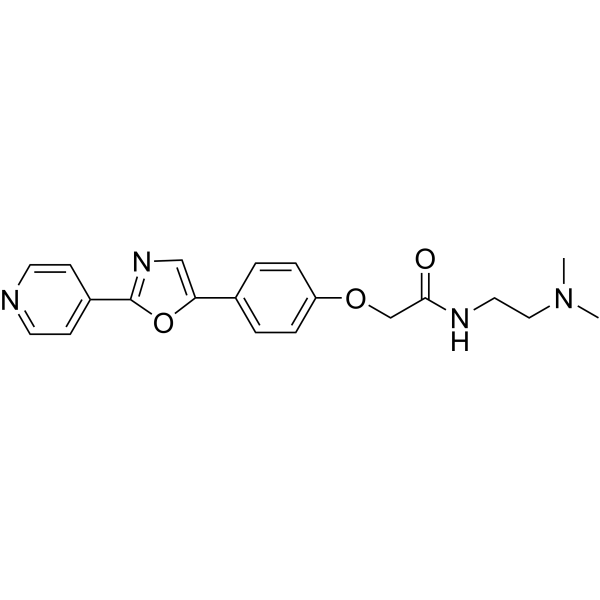
PDMPO, a lysosome pH indicator, is an excellent fluorescent acidotropic reagent for fluorescence imaging. PDMPO is a potent tool with which to study acidic organelles of live cells. PDMPO exhibits pH-dependent dual-excitation and dual-emission spectral peaks. PDMPO produces a blue fluorescence in weakly acidic organelles and shifts to yellow in more acidic lysosomes. (Abs=329 nm; Em=440/540 nm) .
|
-
-
- HY-15560
-
|
HOE 34580
|
Amyloid-β
|
Neurological Disease
|
|
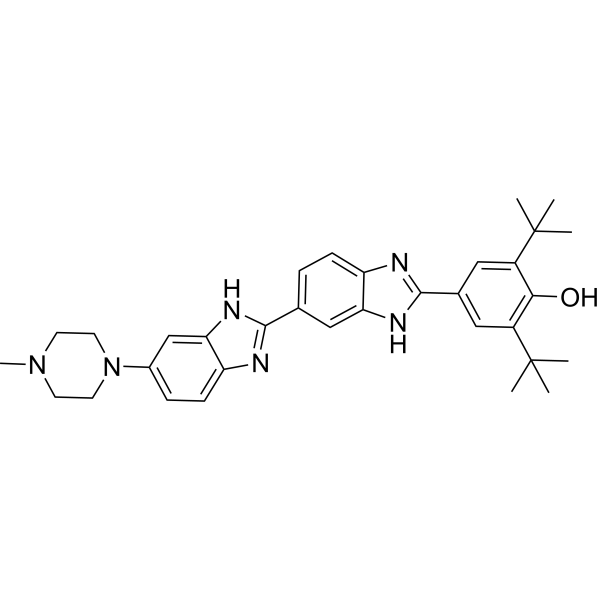
Hoechst 34580 is a marker dye in Hoechst series. Hoechst is A live nuclear marker dye. Hoechst binds to the grooves in the DNA double strand, which tends to be A/ T-rich DNA strand. Although it binds to all nucleic acids, the A/ T-rich double strand DNA significantly enhances fluorescence intensity Therefore,Hoechst dye can be used for living cell labeling. The fluorescence intensity of Hoechst dye increases with the increase of pH of solution .
|
-
-
- HY-15560B
-
|
HOE 34580 tetrahydrochloride
|
Amyloid-β
|
Neurological Disease
|
|
Hoechst 34580 tetrahydrochloride is a marker dye in Hoechst series. Hoechst is A live nuclear marker dye. Hoechst binds to the grooves in the DNA double strand, which tends to be A/ T-rich DNA strand. Although it binds to all nucleic acids, the A/ T-rich double strand DNA significantly enhances fluorescence intensity Therefore,Hoechst dye can be used for living cell labeling. The fluorescence intensity of Hoechst dye increases with the increase of pH of solution .
|
-
-
- HY-15627
-
|
|
Fluorescent Dye
|
Others
|
|
Hoechst 33342 analog is a marker dye in Hoechst series. Hoechst is A live nuclear marker dye. Hoechst binds to the grooves in the DNA double strand, which tends to be A/ T-rich DNA strand. Although it binds to all nucleic acids, the A/ T-rich double strand DNA significantly enhances fluorescence intensity Therefore,Hoechst dye can be used for living cell labeling. The fluorescence intensity of Hoechst dye increases with the increase of pH of solution .
|
-
-
- HY-15623
-
|
|
DNA Stain
|
Others
|
|
Hoechst 33258 analog is a marker dye in Hoechst series. Hoechst is A live nuclear marker dye. Hoechst binds to the grooves in the DNA double strand, which tends to be A/ T-rich DNA strand. Although it binds to all nucleic acids, the A/ T-rich double strand DNA significantly enhances fluorescence intensity Therefore,Hoechst dye can be used for living cell labeling. The fluorescence intensity of Hoechst dye increases with the increase of pH of solution .
|
-
-
- HY-15619
-
|
Nuclear yellow
|
Fluorescent Dye
|
Others
|
|
Hoechst S 769121 is a marker dye in Hoechst series. Hoechst is A live nuclear marker dye. Hoechst binds to the grooves in the DNA double strand, which tends to be A/ T-rich DNA strand. Although it binds to all nucleic acids, the A/ T-rich double strand DNA significantly enhances fluorescence intensity Therefore,Hoechst dye can be used for living cell labeling. The fluorescence intensity of Hoechst dye increases with the increase of pH of solution .
|
-
-
- HY-D1085
-
|
|
Fluorescent Dye
|
Others
|
|
AMCA-X-SE is a coumarin derivative that generates fixed blue fluorescence and an NHS-activated ester that forms stable amide bonds with primary amine groups. It is used as a reactive dye for labeling amino groups of peptides, proteins, and oligonucleotides. Maximum excitation/emission wavelength: 354/442 nm .
|
-
-
- HY-15631
-
|
|
Fluorescent Dye
|
Others
|
|
Hoechst 33258 analog 6 is a marker dye in Hoechst series. Hoechst is A live nuclear marker dye. Hoechst binds to the grooves in the DNA double strand, which tends to be A/ T-rich DNA strand. Although it binds to all nucleic acids, the A/ T-rich double strand DNA significantly enhances fluorescence intensity Therefore,Hoechst dye can be used for living cell labeling. The fluorescence intensity of Hoechst dye increases with the increase of pH of solution (Ex/Em = 356/451 nm) .
|
-
-
- HY-W011618
-
|
|
Fluorescent Dye
|
Others
|
|
N-(9-Acridinyl)maleimide is a maleimide type fluorescent thiol reagent. N-(9-Acridinyl)maleimide shows no substantial fluorescence but its coupling products with thiol compounds exhibit strong blue fluorescence. N-(9-Acridinyl)maleimide is used for fluorometrical analysis of cysteine and glutathione .
|
-
-
- HY-111956B
-
|
|
Fluorescent Dye
|
Cancer
|
|
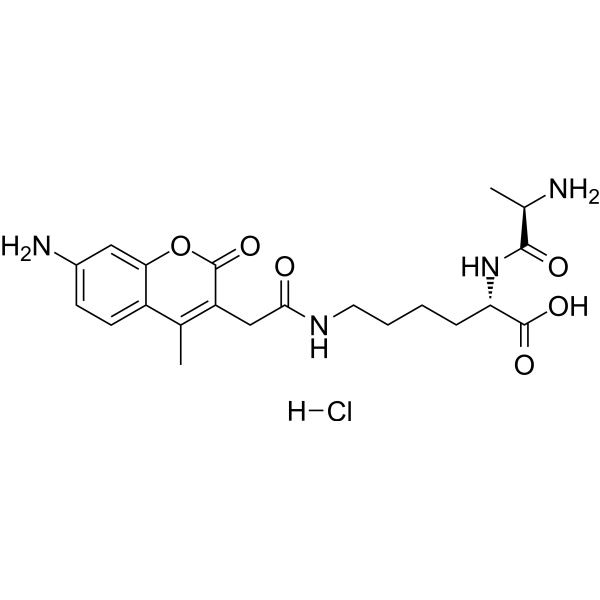
D-Ala-Lys-AMCA hydrochloride is a known proton-coupled oligopeptide transporter 1 (PEPT1) substrate that emits blue fluorescence. D-Ala-Lys-AMCA hydrochloride may be transported into liver cancer cells and Caco-2 cells based on fluorescence analysis. D-Ala-Lys-AMCA hydrochloride can be used for characterizing PEPT1-specific substrates or inhibitors (Ex/Em = 390/480 nm) .
|
-
-
- HY-D1256
-
|
|
Fluorescent Dye
|
Neurological Disease
Metabolic Disease
|
|
Msr-blue is a first turn-on fluorescent probe for methionine sulfoxide reductase with a more than 100-fold fluorescence increment. Msr-blue is used for monitoring the enzyme activity in live cells (λex=340 nm, λem=440 nm) .
|
-
-
- HY-15630A
-
|
|
Fluorescent Dye
|
Others
|
|
Hoechst 33342 analog 2 trihydrochloride is a marker dye in Hoechst series. Hoechst is A live nuclear marker dye. Hoechst binds to the grooves in the DNA double strand, which tends to be A/ T-rich DNA strand. Although it binds to all nucleic acids, the A/ T-rich double strand DNA significantly enhances fluorescence intensity Therefore,Hoechst dye can be used for living cell labeling. The fluorescence intensity of Hoechst dye increases with the increase of pH of solution .
|
-
-
- HY-D0929
-
|
α-Naphthol Orange
|
Fluorescent Dye
|
Others
|
|
Orange I (α-Naphthol Orange) is an anionic azo dye that can form a complex with Methylene blue (HY-14536) and cause fluorescence quenching. The equilibrium constant of the complex of Orange I and Methylene blue is 79900 mol -1·dm 3. Orange I can change the absorption spectrum of itself and Methylene blue .
|
-
-
- HY-DY1041
-
|
|
Fluorescent Dye
|
Others
|
CellTracker Blue CMAC (solution) is a non-fluorescent cell membrane permeable dye. The chloromethyl groups of CellTracker Blue CMAC are enzymatically cleaved by intracellular glutathione (GSH) to generate a fluorescent product (blue fluorescence, Ex/Em: 360/460 nm). CellTracker Blue CMAC is suitable for long-term cell tracking (up to 72 hours) and cell proliferation studies, and can also quantify GSH levels . Solvent and concentration: DMSO: 10 mM
|
-
-
- HY-20899
-
|
6BrW
|
Bacterial
|
Others
|
|
6-Bromo-L-tryptophan (6BrW) is a compound that can be incorporated into recombinant proteins by a specific system in bacterial cells, causing a blue shift in fluorescence emission and absorption maxima.
|
-
-
- HY-DY1015
-
|
|
Fluorescent Dye
|
Others
|
Dihydroethidium (solution) , also known as DHE, is a peroxide indicator. Dihydroethidium penetrates cell membranes to form a fluorescent protein complex with blue fluoresces. After entering the cells, Dihydroethidium is mainly localized in the cell membrane, cytoplasm and nucleus, and the staining effect is the strongest in the nucleus. Dihydroethidium produces inherent blue fluorescence with a maximum excitation wavelength of 370 nm and a maximum emission wavelength of 420 nm; after dehydrogenation, Dihydroethidium combines with RNA or DNA to produce red fluorescence with a maximum excitation wavelength of 300 nm and a maximum emission wavelength of 610 nm. 535 nm can also be used as the excitation wavelength for actual observation . Solvent and concentration: DMSO: 5 mM
|
-
-
- HY-D1190
-
|
|
RAR/RXR
|
Others
|
|
DC271 is a RAR agonist and synthetic retinoid that binds to the retinoid-binding site of cellular retinoic acid-binding protein II (CRBP-II). DC271 exhibits solvatochromic fluorescence properties: it produces intense blue-shifted emission in nonpolar environments and weak red-shifted emission in polar environments, and its severe fluorescence quenching in aqueous solutions can be reversed by embedding in the hydrophobic retinoid-binding protein pocket. DC271 enables direct detection of the binding between unlabeled compounds and related retinoid-binding proteins via fluorescence competition assays (Ex/Em = 355 nm/460 nm) .
|
-
-
- HY-168929
-
|
|
SHP1
Fluorescent Dye
Phosphatase
STAT
Apoptosis
|
Cancer
|
|
SHP1 activator 1 (Compound 3n) is an activator for src homology-2 domain-containing protein tyrosine phosphatase 1(SHP1) with an EC50 of 17.66 μM. SHP1 activator 1 inhibits the proliferation of ABC-DLBCL cells, induces apoptosis by inhibiting STAT3 signaling pathway. SHP1 activator 1 emitts blue and green fluorescence signalis in MDA-MB-231 cell, and can be used as a cell imaging agent .
|
-
-
- HY-15562
-
|
|
Fluorescent Dye
|
Others
|
|
HOE 32021 is a marker dye in Hoechst series. Hoechst is A live nuclear marker dye. Hoechst binds to the grooves in the DNA double strand, which tends to be A/ T-rich DNA strand. Although it binds to all nucleic acids, the A/ T-rich double strand DNA significantly enhances fluorescence intensity Therefore,Hoechst dye can be used for living cell labeling. The fluorescence intensity of Hoechst dye increases with the increase of pH of solution .
|
-
-
- HY-15561B
-
|
meta-Hoechst trihydrochloride
|
Fluorescent Dye
|
Others
|
|
HOE-S 785026 trihydrochloride is a marker dye in Hoechst series. Hoechst is A live nuclear marker dye. Hoechst binds to the grooves in the DNA double strand, which tends to be A/ T-rich DNA strand. Although it binds to all nucleic acids, the A/ T-rich double strand DNA significantly enhances fluorescence intensity Therefore,Hoechst dye can be used for living cell labeling. The fluorescence intensity of Hoechst dye increases with the increase of pH of solution .
|
-
-
- HY-111956
-
|
|
Fluorescent Dye
|
Cancer
|
|
D-Ala-Lys-AMCA is a known proton-coupled oligopeptide transporter 1 (PEPT1) substrate that emits blue fluorescence. D-Ala-Lys-AMCA may be transported into liver cancer cells and Caco-2 cells based on fluorescence analysis. D-Ala-Lys-AMCA can be used for characterizing PEPT1-specific substrates or inhibitors (Ex/Em = 390/480 nm) .
|
-
-
- HY-D1463
-
|
|
Fluorescent Dye
|
Others
|
|
Nile Blue Methacrylamide is a pH-responsive probe. Nile Blue Methacrylamide exhibits pH-sensitive absorption and fluorescence emission in the physiological pH range, with spectral shifts occurring between acidic and near-physiological pH conditions . (Ex/Em = 590/670-700 nm)
|
-
-
- HY-15629
-
|
|
DNA Stain
|
Others
|
|
HOE 32020 is a marker dye in Hoechst series. Hoechst is A live nuclear marker dye. Hoechst binds to the grooves in the DNA double strand, which tends to be A/ T-rich DNA strand. Although it binds to all nucleic acids, the A/ T-rich double strand DNA significantly enhances fluorescence intensity Therefore,Hoechst dye can be used for living cell labeling. The fluorescence intensity of Hoechst dye increases with the increase of pH of solution .
|
-
-
- HY-15628
-
|
|
DNA Stain
|
Others
|
|
Hoechst 33258 analog 5 is a marker dye in Hoechst series. Hoechst is A live nuclear marker dye. Hoechst binds to the grooves in the DNA double strand, which tends to be A/ T-rich DNA strand. Although it binds to all nucleic acids, the A/ T-rich double strand DNA significantly enhances fluorescence intensity Therefore,Hoechst dye can be used for living cell labeling. The fluorescence intensity of Hoechst dye increases with the increase of pH of solution .
|
-
-
- HY-15630
-
|
|
Fluorescent Dye
|
Cancer
|
|
Hoechst 33342 analog 2 is a marker dye in Hoechst series. Hoechst is A live nuclear marker dye. Hoechst binds to the grooves in the DNA double strand, which tends to be A/ T-rich DNA strand. Although it binds to all nucleic acids, the A/ T-rich double strand DNA significantly enhances fluorescence intensity Therefore,Hoechst dye can be used for living cell labeling. The fluorescence intensity of Hoechst dye increases with the increase of pH of solution .
|
-
-
- HY-DY1055
-
|
|
Fluorescent Dye
|
Others
|
TSQ (solution) is a cytosolic zinc ion fluorescence probe that is membrane permeable and can be used for intracellular imaging of zinc proteins (λmax ~470 nm). TSQ can combine with Zn 2+ in the presence of Ca 2+ and Mg 2+ to produce blue fluorescence (Ex/Em = 334/495 nm) . Solvent and concentration: DMSO: 10 mM
|
-
-
- HY-153349
-
|
|
Fluorescent Dye
|
Others
|
|
2,3-Di(furan-2-yl)quinoxaline (Compound 5) is a quinoxaline exhibiting blue fluorescence. 2,3-Di(furan-2-yl)quinoxaline is cell permeable and sufficiently bright at a micromolar concentration (1.5 μM) .
|
-
-
- HY-W040291
-
|
|
Fluorescent Dye
|
Cancer
|
|
7-Hydroxy-4-methylcoumarin-3-acetic acid, SE is a blue fluorophore that has pH-dependent and environment-sensitive fluorescence. It is widely used for preparing bioconjugates of blue fluorescence.
|
-
-
- HY-15626
-
|
|
Fluorescent Dye
|
Others
|
|
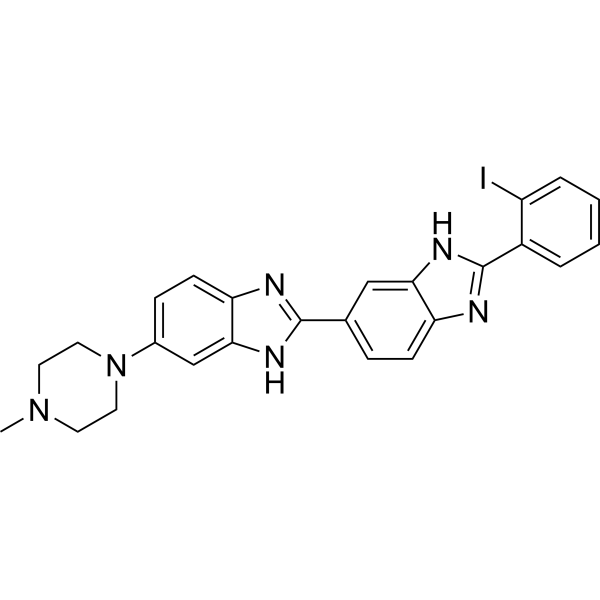
ortho-iodoHoechst 33258 is a marker dye in Hoechst series. Hoechst is A live nuclear marker dye. Hoechst binds to the grooves in the DNA double strand, which tends to be A/ T-rich DNA strand. Although it binds to all nucleic acids, the A/ T-rich double strand DNA significantly enhances fluorescence intensity Therefore,Hoechst dye can be used for living cell labeling. The fluorescence intensity of Hoechst dye increases with the increase of pH of solution .
|
-
-
- HY-15625
-
|
|
DNA Stain
|
Others
|
|
Hoechst 33258 analog 3 is a marker dye in Hoechst series. Hoechst is A live nuclear marker dye. Hoechst binds to the grooves in the DNA double strand, which tends to be A/ T-rich DNA strand. Although it binds to all nucleic acids, the A/ T-rich double strand DNA significantly enhances fluorescence intensity Therefore,Hoechst dye can be used for living cell labeling. The fluorescence intensity of Hoechst dye increases with the increase of pH of solution .
|
-
-
- HY-15622
-
|
|
DNA Stain
|
Cancer
|
|
meta-iodoHoechst 33258 is a marker dye in Hoechst series. Hoechst is A live nuclear marker dye. Hoechst binds to the grooves in the DNA double strand, which tends to be A/ T-rich DNA strand. Although it binds to all nucleic acids, the A/ T-rich double strand DNA significantly enhances fluorescence intensity Therefore,Hoechst dye can be used for living cell labeling. The fluorescence intensity of Hoechst dye increases with the increase of pH of solution .
|
-
-
- HY-15561
-
|
meta-Hoechst
|
Fluorescent Dye
|
Cancer
|
|
HOE-S 785026 is a marker dye in Hoechst series. Hoechst is A live nuclear marker dye. Hoechst binds to the grooves in the DNA double strand, which tends to be A/ T-rich DNA strand. Although it binds to all nucleic acids, the A/ T-rich double strand DNA significantly enhances fluorescence intensity Therefore,Hoechst dye can be used for living cell labeling. The fluorescence intensity of Hoechst dye increases with the increase of pH of solution .
|
-
-
- HY-15624
-
|
|
DNA Stain
|
Cancer
|
|
Hoechst 33258 analog 2 is a marker dye in Hoechst series. Hoechst is A live nuclear marker dye. Hoechst binds to the grooves in the DNA double strand, which tends to be A/ T-rich DNA strand. Although it binds to all nucleic acids, the A/ T-rich double strand DNA significantly enhances fluorescence intensity Therefore,Hoechst dye can be used for living cell labeling. The fluorescence intensity of Hoechst dye increases with the increase of pH of solution .
|
-
-
- HY-15632
-
|
|
Fluorescent Dye
|
Others
|
|
para-iodoHoechst 33258 is a marker dye in Hoechst series. Hoechst is A live nuclear marker dye. Hoechst binds to the grooves in the DNA double strand, which tends to be A/ T-rich DNA strand. Although it binds to all nucleic acids, the A/ T-rich double strand DNA significantly enhances fluorescence intensity Therefore,Hoechst dye can be used for living cell labeling. The fluorescence intensity of Hoechst dye increases with the increase of pH of solution .
|
-
-
- HY-D1660
-
|
NSC 219743
|
DNA Stain
|
Others
|
|
Acridine homodimer (NSC 219743), acridine dimer, is a fluorescence dye. Acridine homodimer emits a blue-green fluorescence when bound to DNA. Acridine homodimer has extremely high affinity for AT-rich regions of nucleic acids, can be used for chromosome banding .
|
-
- HY-151750
-
-
- HY-W275616
-
|
|
Fluorescent Dye
|
Others
|
|
4-Methylumbelliferyl nonanoate is a fluorogenic substrate of esterases. 4-Methylumbelliferyl nonanoate can be hydrolyzed to 4-methylumbelliferone with bright blue fluorescence .
|
-
- HY-D1419
-
|
|
Fluorescent Dye
|
Others
|
|
mCP-BP-SFAC is a luminogenic molecule. mCP-BP-SFAC exhibits strong sky-blue delayed fluorescence in neat films, with photoluminescence (PL) peaks at ~483 nm and delayed fluorescence lifetimes of 5.4 to 5.7 μs .
|
-
- HY-D1420
-
|
|
Fluorescent Dye
|
Others
|
|
TCP-BP-SFAC is a luminogenic molecule. TCP-BP-SFAC exhibits strong sky-blue delayed fluorescence in neat films, with photoluminescence (PL) peaks at ~483 nm and delayed fluorescence lifetimes of 5.4 to 5.7 μs .
|
-
- HY-D1418
-
|
|
Fluorescent Dye
|
Others
|
|
CP-BP-SFAC is a luminogenic molecule. CP-BP-SFAC exhibits strong sky-blue delayed fluorescence in neat films .
|
-
- HY-15563
-
|
|
Fluorescent Dye
|
Others
|
|
HOE 33187 is a marker dye in Hoechst series. Hoechst is A live nuclear marker dye. Hoechst binds to the grooves in the DNA double strand, which tends to be A/ T-rich DNA strand. Although it binds to all nucleic acids, the A/ T-rich double strand DNA significantly enhances fluorescence intensity Therefore,Hoechst dye can be used for living cell labeling. The fluorescence intensity of Hoechst dye increases with the increase of pH of solution .
|
-
- HY-158219A
-
|
GelMA, 60% methacrylation, blue fluorescent
|
Biochemical Assay Reagents
|
Others
|
Gelatin Methacryloyl (GelMA), 60% methacrylation, blue fluorescent is methacrylated gelatin (GelMA) with blue fluorescence, which is obtained by "grafting" fluorescent molecules on GelMA. Gelatin Methacryloyl, 60% methacrylation, blue fluorescent has a scaffolding effect and can be used to design tissue analogs from vasculature to cartilage and bone, allowing cell proliferation and spreading. Gelatin Methacryloyl, 30% methacrylation, blue fluorescent needs to be self-assembled into fibrous hydrogels under the action of the photoinitiator LAP (HY-44076), and target bioactive adhesion sites, exert inherent support for tissue cells and biodegradation activity. Application direction: cell culture, biological 3D printing, tissue engineering, etc.
|
-
- HY-158219
-
|
GelMA, 30% methacrylation, blue fluorescent
|
Biochemical Assay Reagents
|
Others
|
Gelatin Methacryloyl (GelMA), 30% methacrylation, blue fluorescent is methacrylated gelatin (GelMA) with blue fluorescence, which is obtained by "grafting" fluorescent molecules on GelMA. Gelatin Methacryloyl, 30% methacrylation, blue fluorescent has a scaffolding effect and can be used to design tissue analogs from vasculature to cartilage and bone, allowing cell proliferation and spreading. Gelatin Methacryloyl, 30% methacrylation, blue fluorescent needs to be self-assembled into fibrous hydrogels under the action of the photoinitiator LAP (HY-44076), and target bioactive adhesion sites, exert inherent support for tissue cells and biodegradation activity. Application direction: cell culture, biological 3D printing, tissue engineering, etc.
|
-
- HY-158219B
-
|
GelMA, 90% methacrylation, blue fluorescent
|
Biochemical Assay Reagents
|
Others
|
Gelatin Methacryloyl (GelMA), 90% methacrylation, blue fluorescent is methacrylated gelatin (GelMA) with blue fluorescence, which is obtained by "grafting" fluorescent molecules on GelMA. Gelatin Methacryloyl, 90% methacrylation, blue fluorescent has a scaffolding effect and can be used to design tissue analogs from vasculature to cartilage and bone, allowing cell proliferation and spreading. Gelatin Methacryloyl, 30% methacrylation, blue fluorescent needs to be self-assembled into fibrous hydrogels under the action of the photoinitiator LAP (HY-44076), and target bioactive adhesion sites, exert inherent support for tissue cells and biodegradation activity. Application direction: cell culture, biological 3D printing, tissue engineering, etc.
|
-
- HY-D2336
-
|
|
PROTACs
|
Cancer
|
|
PROTAC Aster-A degrader-1 (compound NGF3) is a degrader of the sterol transport protein Aster-A. PROTAC Aster-A degrader-1 can be used as a fluorescence probe. (Red: Aster-A inhibitor, black: linker, Blue: E3 ligase ligand) .
|
-
- HY-111956A
-
|
|
Fluorescent Dye
|
Cancer
|
|
D-Ala-Lys-AMCA TFA is a known proton-coupled oligopeptide transporter 1 (PEPT1) substrate that emits blue fluorescence. D-Ala-Lys-AMCA TFA may be transported into liver cancer cells and Caco-2 cells based on fluorescence analysis. D-Ala-Lys-AMCA TFA can be used for characterizing PEPT1-specific substrates or inhibitors (Ex/Em = 390/480 nm) .
|
-
- HY-103609R
-
|
Benzo[def]phenanthrene (Standard)
|
Biochemical Assay Reagents
Reference Standards
|
Others
|
|
Pyrene (Standard) is the analytical standard of Pyrene. This product is intended for research and analytical applications. Pyrene is a polycyclic aromatic hydrocarbon (PAH) composed of four fused benzene rings. It has a distinct aromatic odor, produced by incomplete combustion of organic matter. Pyrene exhibits strong fluorescence, emitting in the blue region of the spectrum, making it useful as a probe for studying molecular interactions in solution and on surfaces. Pyrene is also used as a model compound for the study of PAHs in various environments and biological systems because of its ubiquity in these environments. However, long-term exposure to pyrene has been associated with potential health risks, including carcinogenicity and mutagenicity.
|
-
- HY-113621B
-
|
|
Fluorescent Dye
MMP
|
Cancer
|
|
Ageladine A dihydrochloride is an inhibitor of matrix metalloproteinase (MMP) isolated from the marine sponge Agelas nakamurai, possessing anti-angiogenic activity. Ageladine A dihydrochloride not only inhibits MMP-2 but also MMP-1, MMP-8, MMP-9, MMP-12, and MMP-13, with IC50 values of 4.65 μM, 2.79 μM, 907.12 nM, 1.83 μM, 767.57 nM, and 1.09 μM, respectively. Additionally, Ageladine A dihydrochloride is a pH-sensitive membrane-permeable dye that emits fluorescence in the blue-green range upon UV excitation, featuring a maximum absorption peak at 370 nm. Furthermore, Ageladine A dihydrochloride serves as a reliable and stable fluorescent pH sensor for detecting changes in intracellular pH values .
|
-
- HY-D3226
-
|
|
Fluorescent Dye
|
Neurological Disease
|
|
Zinc (II) probe-1 (Compound DNP) is a dual-color Fluorescent probe that can simultaneously monitor Zn 2+ and H +. Upon interaction with Zn 2+, Zinc (II) probe-1 produces bright blue fluorescence (excitation wavelength: 405 nm; blue channel wavelength: 420-500 nm). Upon interaction with H +, Zinc (II) probe-1 exhibits red fluorescence (excitation wavelength: 561 nm; red channel emission wavelength: 630-730 nm). Zinc (II) probe-1 can be used in studies related to depression .
|
-
- HY-D3251
-
|
|
Fluorescent Dye
|
Cancer
|
|
LCP is a fluorescent probe applicable for subcellular localization. LCP responds to polarity changes in the cellular microenvironment via fluorescence resonance energy transfer, emitting blue fluorescence in low-polarity environments and red fluorescence in high-polarity environments. LCP enables dual-color visualization of dynamic changes in lysosomes and cytoplasmic membranes during drug-induced cell apoptosis, and monitors cell viability through localization and emission color changes. LCP can be used in cancer research .
|
-
- HY-D3140
-
|
|
Fluorescent Dye
Tyrosinase
|
Cancer
|
|
MB-m-borate is a double-locked near-infrared fluorescence-activated probe (Ex/Em ≈ 647 nm/684 nm). MB-m-borate undergoes cascade activation by hydrogen peroxide and tyrosinase to release the fluorophore methylene blue, thereby generating a fluorescence activation response. MB-m-borate enables precise detection of melanoma in melanoma cells and mouse models. MB-m-borate can be used for melanoma research .
|
-
- HY-D3275
-
|
|
Fluorescent Dye
|
Others
|
|
PE-Cy5.5 is a far-red emitting tandem dye designed based on the principle of fluorescence resonance energy transfer (FRET), and is widely used in multicolor flow cytometry. PE-Cy5.5 consists of phycoerythrin (PE) as the energy donor and the cyanine dye Cy5.5 as the energy acceptor. Upon excitation by blue or green laser light, PE absorbs energy and transfers it to Cy5.5 via FRET, ultimately resulting in Cy5.5 emitting characteristic far-red fluorescence (Ex/Em = 450-500 nm/698 nm) .
|
-
- HY-P4948
-
|
|
Biochemical Assay Reagents
|
Others
|
|
Coumarin-phalloidin is a kind of phalloidin labeled with Coumarin (HY-N0709). Coumarin-phalloidin is a new type of actin probe that can be used for triple immunofluorescence microscopic observation of the cell skeleton .
|
-
- HY-D3235
-
|
|
Fluorescent Dye
|
Endocrinology
|
|
FDOCl-22 is a HOCl-responsive probe. FDOCl-22 reacts with hypochlorous acid to significantly enhance near-infrared emission and absorption signals, enabling the detection of HOCl levels associated with reagent-induced acute kidney injury. FDOCl-22 can be used in studies related to reagent-induced acute kidney injury .
|
-
- HY-DY1097
-
|
|
Fluorescent Dye
|
Others
|
Thiazole Orange (solution) is an asymmetric anthocyanin dye that can be coupled with oligonucleotides (ONs) to prepare fluorescent hybridization probes. Thiazole Orange has been widely used in biomolecular detection and staining of DNA/ RNA in gels and can be used for reticulocyte analysis. Thiazole orange generates a significant fluorescence enhancement and high quantum yield when it binds with nucleic acids, especially RNA. Thiazole orange can permeate living cell membranes. Thiazole orange can use UV light for detection, but can also be detected with blue light. The excitation and emission of Thiazole orange are λex = 510 nm (488 nm and 470 nm also show strong excitation) and λem = 527 nm, respectively . Solvent and concentration: DMSO: 10 mM The 1 mL volume is defined as the base specification. All larger sizes correspond to incremental volumes of this base.
|
-
| Cat. No. |
Product Name |
Type |
-
- HY-15559
-
|
bisBenzimide H 33342; HOE 33342
|
Fluorescent Dyes
|
|
Hoechst 33342 is a marker dye in Hoechst series. Hoechst is A live nuclear marker dye. Hoechst binds to the grooves in the DNA double strand, which tends to be A/ T-rich DNA strand. Although it binds to all nucleic acids, the A/ T-rich double strand DNA significantly enhances fluorescence intensity Therefore,Hoechst dye can be used for living cell labeling. The fluorescence intensity of Hoechst dye increases with the increase of pH of solution .
|
-
- HY-D0718
-
|
Nile blue A oxazone; Phenoxazone 9
|
Fluorescent Dyes
|
|
Nile red (Nile blue oxazone) is a lipophilic stain. Nile red has environment-sensitive fluorescence. Nile red is intensely fluorescent in a lipid-rich environment while it has minimal fluorescence in aqueous media. Nile red is an excellent vital stain for the detection of intracellular lipid droplets by fluorescence microscopy and flow cytof uorometry. Nile red stains intracellular lipid droplets red. The fluorescence wavelength is 559/635 nm .
|
-
- HY-D0079
-
|
Hydroethidine; PD-MY 003
|
Fluorescent Dyes
|
|
Dihydroethidium, also known as DHE, is a peroxide indicator. Dihydroethidium penetrates cell membranes to form a fluorescent protein complex with blue fluoresces. After entering the cells, Dihydroethidium is mainly localized in the cell membrane, cytoplasm and nucleus, and the staining effect is the strongest in the nucleus. Dihydroethidium produces inherent blue fluorescence with a maximum excitation wavelength of 370 nm and a maximum emission wavelength of 420 nm; after dehydrogenation, Dihydroethidium combines with RNA or DNA to produce red fluorescence with a maximum excitation wavelength of 300 nm and a maximum emission wavelength of 610 nm. 535 nm can also be used as the excitation wavelength for actual observation .
|
-
- HY-D1462
-
|
|
Fluorescent Dyes
|
|
CellTracker Blue CMAC is a non-fluorescent cell membrane permeable dye. The chloromethyl groups of CellTracker Blue CMAC are enzymatically cleaved by intracellular glutathione (GSH) to generate a fluorescent product (blue fluorescence, Ex/Em: 360/460 nm). CellTracker Blue CMAC is suitable for long-term cell tracking (up to 72 hours) and cell proliferation studies, and can also quantify GSH levels .
|
-
- HY-15559A
-
|
bisBenzimide H 33342 trihydrochloride; HOE 33342 trihydrochloride
|
Fluorescent Dyes
|
|
Hoechst 33342 trihydrochloride is a marker dye in Hoechst series. Hoechst is A live nuclear marker dye. Hoechst binds to the grooves in the DNA double strand, which tends to be A/ T-rich DNA strand. Although it binds to all nucleic acids, the A/ T-rich double strand DNA significantly enhances fluorescence intensity Therefore,Hoechst dye can be used for living cell labeling. The fluorescence intensity of Hoechst dye increases with the increase of pH of solution .
|
-
- HY-W751238
-
|
DMMB
|
Fluorescent Dyes
|
|
Dimethyl methylene blue zinc chloride double salt (DMMB) is a cationic dye. Dimethyl methylene blue zinc chloride double salt competitively binds to the active site of the PANI-Benz-Ag nanocomposite with endotoxin, releasing DMMB and increasing the fluorescence intensity. Dimethyl methylene blue zinc chloride double salt can be used as a fluorescent probe for the detection of bacteria (such as E. Coli) endotoxin . Dimethyl methylene blue zinc chloride double salt can be used for the quantification of sulfated glycosaminoglycans .
|
-
- HY-D0150
-
|
|
Fluorescent Dyes
|
|
Thiazole Orange is an asymmetric anthocyanin dye that can be coupled with oligonucleotides (ONs) to prepare fluorescent hybridization probes. Thiazole Orange has been widely used in biomolecular detection and staining of DNA/ RNA in gels and can be used for reticulocyte analysis. Thiazole orange generates a significant fluorescence enhancement and high quantum yield when it binds with nucleic acids, especially RNA. Thiazole orange can permeate living cell membranes. Thiazole orange can use UV light for detection, but can also be detected with blue light. The excitation and emission of Thiazole orange are λex = 510 nm (488 nm and 470 nm also show strong excitation) and λem = 527 nm, respectively .
|
-
- HY-15558
-
|
bisBenzimide H 33258; H 33258
|
Fluorescent Dyes
|
|
Hoechst 33258 is a blue to blue-green fluorescent live cell dye that can label DNA. Hoechst 33258 can specifically bind to the minor groove of DNA (and tends to bind to A/T-rich DNA), resulting in a significant increase in fluorescence intensity. Hoechst 33258 can cross the cell membrane and cause changes in DNA structure, such as G2/M phase arrest. Hoechst 33258 can bind to live or fixed cells, and the fluorescence intensity increases with increasing solution pH. As a DNA-specific probe, Hoechst 33258 can be used to detect DNA content, analyze cell cycle, etc. The excitation wavelength of Hoechst 33258 is 350-365 nm, and the emission wavelength is 460-490 nm .
|
-
- HY-15558A
-
|
bisBenzimide H 33258 trihydrochloride; H 33258 trihydrochloride
|
Fluorescent Dyes
|
|
Hoechst 33258 trihydrochloride is a marker dye in Hoechst series. Hoechst is A live nuclear marker dye. Hoechst binds to the grooves in the DNA double strand, which tends to be A/ T-rich DNA strand. Although it binds to all nucleic acids, the A/ T-rich double strand DNA significantly enhances fluorescence intensity Therefore,Hoechst dye can be used for living cell labeling. The fluorescence intensity of Hoechst dye increases with the increase of pH of solution .
|
-
- HY-119287
-
TSQ
5 Publications Verification
|
Fluorescent Dyes
|
|
TSQ is a cytosolic zinc ion fluorescence probe that is membrane permeable and can be used for intracellular imaging of zinc proteins (λmax ~470 nm). TSQ can combine with Zn 2+ in the presence of Ca 2+ and Mg 2+ to produce blue fluorescence (Ex/Em = 334/495 nm) .
|
-
- HY-D1416
-
HMBR
1 Publications Verification
|
Fluorescent Dyes
|
|
HMBR is an analogue with an additional methyl group on the aromatic ring and is non-fluorescent. HMBR conjugated with Y-FAST emits yellow fluorescence under blue light excitation (Ex= 419 nm; Em= 525–539 nm). HMBR is non-toxic to zebrafish embryos. HMBR has high cell permeability .
|
-
- HY-W127703
-
|
|
Fluorescent Dyes
|
|
Octadecyl Rhodamine B chloride is an amphiphilic fluorescent probe with both membrane-binding ability and fluorescent properties, which easily forms aggregates in aqueous phase leading to self-quenching. Octadecyl Rhodamine B chloride can be used for cell membrane staining and further applied in membrane biology research. The maximum absorption/emission wavelengths of Octadecyl Rhodamine B chloride monomer in Triton X-100 are 565 nm/585 nm; the absorption peaks of aggregates in water are blue-shifted to 524 nm and 574 nm, with significantly quenched fluorescence .
|
-
- HY-DY1005
-
|
|
Fluorescent Dyes
|
Hoechst 33342 trihydrochloride (solution) is a marker dye in Hoechst series. Hoechst is A live nuclear marker dye. Hoechst binds to the grooves in the DNA double strand, which tends to be A/ T-rich DNA strand. Although it binds to all nucleic acids, the A/ T-rich double strand DNA significantly enhances fluorescence intensity Therefore,Hoechst dye can be used for living cell labeling. The fluorescence intensity of Hoechst dye increases with the increase of pH of solution . Solvent and Concentration: Sterile water: 10 mg/mL
|
-
- HY-103609
-
Pyrene
1 Publications Verification
Benzo[def]phenanthrene
|
Fluorescent Dyes
|
|
Pyrene is a polycyclic aromatic hydrocarbon (PAH) composed of four fused benzene rings. It has a distinct aromatic odor, produced by incomplete combustion of organic matter. Pyrene exhibits strong fluorescence, emitting in the blue region of the spectrum, making it useful as a probe for studying molecular interactions in solution and on surfaces. Pyrene is also used as a model compound for the study of PAHs in various environments and biological systems because of its ubiquity in these environments. However, long-term exposure to pyrene has been associated with potential health risks, including carcinogenicity and mutagenicity.
|
-
- HY-D1445
-
|
|
Fluorescent Dyes
|
|
PDMPO, a lysosome pH indicator, is an excellent fluorescent acidotropic reagent for fluorescence imaging. PDMPO is a potent tool with which to study acidic organelles of live cells. PDMPO exhibits pH-dependent dual-excitation and dual-emission spectral peaks. PDMPO produces a blue fluorescence in weakly acidic organelles and shifts to yellow in more acidic lysosomes. (Abs=329 nm; Em=440/540 nm) .
|
-
- HY-15560
-
|
HOE 34580
|
Fluorescent Dyes
|
|
Hoechst 34580 is a marker dye in Hoechst series. Hoechst is A live nuclear marker dye. Hoechst binds to the grooves in the DNA double strand, which tends to be A/ T-rich DNA strand. Although it binds to all nucleic acids, the A/ T-rich double strand DNA significantly enhances fluorescence intensity Therefore,Hoechst dye can be used for living cell labeling. The fluorescence intensity of Hoechst dye increases with the increase of pH of solution .
|
-
- HY-15560B
-
|
HOE 34580 tetrahydrochloride
|
Fluorescent Dyes
|
|
Hoechst 34580 tetrahydrochloride is a marker dye in Hoechst series. Hoechst is A live nuclear marker dye. Hoechst binds to the grooves in the DNA double strand, which tends to be A/ T-rich DNA strand. Although it binds to all nucleic acids, the A/ T-rich double strand DNA significantly enhances fluorescence intensity Therefore,Hoechst dye can be used for living cell labeling. The fluorescence intensity of Hoechst dye increases with the increase of pH of solution .
|
-
- HY-15627
-
|
|
Fluorescent Dyes
|
|
Hoechst 33342 analog is a marker dye in Hoechst series. Hoechst is A live nuclear marker dye. Hoechst binds to the grooves in the DNA double strand, which tends to be A/ T-rich DNA strand. Although it binds to all nucleic acids, the A/ T-rich double strand DNA significantly enhances fluorescence intensity Therefore,Hoechst dye can be used for living cell labeling. The fluorescence intensity of Hoechst dye increases with the increase of pH of solution .
|
-
- HY-15623
-
|
|
Fluorescent Dyes
|
|
Hoechst 33258 analog is a marker dye in Hoechst series. Hoechst is A live nuclear marker dye. Hoechst binds to the grooves in the DNA double strand, which tends to be A/ T-rich DNA strand. Although it binds to all nucleic acids, the A/ T-rich double strand DNA significantly enhances fluorescence intensity Therefore,Hoechst dye can be used for living cell labeling. The fluorescence intensity of Hoechst dye increases with the increase of pH of solution .
|
-
- HY-15619
-
|
Nuclear yellow
|
Fluorescent Dyes
|
|
Hoechst S 769121 is a marker dye in Hoechst series. Hoechst is A live nuclear marker dye. Hoechst binds to the grooves in the DNA double strand, which tends to be A/ T-rich DNA strand. Although it binds to all nucleic acids, the A/ T-rich double strand DNA significantly enhances fluorescence intensity Therefore,Hoechst dye can be used for living cell labeling. The fluorescence intensity of Hoechst dye increases with the increase of pH of solution .
|
-
- HY-D1085
-
|
|
Fluorescent Dyes
|
|
AMCA-X-SE is a coumarin derivative that generates fixed blue fluorescence and an NHS-activated ester that forms stable amide bonds with primary amine groups. It is used as a reactive dye for labeling amino groups of peptides, proteins, and oligonucleotides. Maximum excitation/emission wavelength: 354/442 nm .
|
-
- HY-15631
-
|
|
Fluorescent Dyes
|
|
Hoechst 33258 analog 6 is a marker dye in Hoechst series. Hoechst is A live nuclear marker dye. Hoechst binds to the grooves in the DNA double strand, which tends to be A/ T-rich DNA strand. Although it binds to all nucleic acids, the A/ T-rich double strand DNA significantly enhances fluorescence intensity Therefore,Hoechst dye can be used for living cell labeling. The fluorescence intensity of Hoechst dye increases with the increase of pH of solution (Ex/Em = 356/451 nm) .
|
-
- HY-W011618
-
|
|
Fluorescent Dyes
|
|
N-(9-Acridinyl)maleimide is a maleimide type fluorescent thiol reagent. N-(9-Acridinyl)maleimide shows no substantial fluorescence but its coupling products with thiol compounds exhibit strong blue fluorescence. N-(9-Acridinyl)maleimide is used for fluorometrical analysis of cysteine and glutathione .
|
-
- HY-111956B
-
|
|
Fluorescent Dyes
|
|
D-Ala-Lys-AMCA hydrochloride is a known proton-coupled oligopeptide transporter 1 (PEPT1) substrate that emits blue fluorescence. D-Ala-Lys-AMCA hydrochloride may be transported into liver cancer cells and Caco-2 cells based on fluorescence analysis. D-Ala-Lys-AMCA hydrochloride can be used for characterizing PEPT1-specific substrates or inhibitors (Ex/Em = 390/480 nm) .
|
-
- HY-D1256
-
|
|
Fluorescent Dyes
|
|
Msr-blue is a first turn-on fluorescent probe for methionine sulfoxide reductase with a more than 100-fold fluorescence increment. Msr-blue is used for monitoring the enzyme activity in live cells (λex=340 nm, λem=440 nm) .
|
-
- HY-15630A
-
|
|
Fluorescent Dyes
|
|
Hoechst 33342 analog 2 trihydrochloride is a marker dye in Hoechst series. Hoechst is A live nuclear marker dye. Hoechst binds to the grooves in the DNA double strand, which tends to be A/ T-rich DNA strand. Although it binds to all nucleic acids, the A/ T-rich double strand DNA significantly enhances fluorescence intensity Therefore,Hoechst dye can be used for living cell labeling. The fluorescence intensity of Hoechst dye increases with the increase of pH of solution .
|
-
- HY-DY1041
-
|
|
Fluorescent Dyes
|
CellTracker Blue CMAC (solution) is a non-fluorescent cell membrane permeable dye. The chloromethyl groups of CellTracker Blue CMAC are enzymatically cleaved by intracellular glutathione (GSH) to generate a fluorescent product (blue fluorescence, Ex/Em: 360/460 nm). CellTracker Blue CMAC is suitable for long-term cell tracking (up to 72 hours) and cell proliferation studies, and can also quantify GSH levels . Solvent and concentration: DMSO: 10 mM
|
-
- HY-DY1015
-
|
|
Fluorescent Dyes
|
Dihydroethidium (solution) , also known as DHE, is a peroxide indicator. Dihydroethidium penetrates cell membranes to form a fluorescent protein complex with blue fluoresces. After entering the cells, Dihydroethidium is mainly localized in the cell membrane, cytoplasm and nucleus, and the staining effect is the strongest in the nucleus. Dihydroethidium produces inherent blue fluorescence with a maximum excitation wavelength of 370 nm and a maximum emission wavelength of 420 nm; after dehydrogenation, Dihydroethidium combines with RNA or DNA to produce red fluorescence with a maximum excitation wavelength of 300 nm and a maximum emission wavelength of 610 nm. 535 nm can also be used as the excitation wavelength for actual observation . Solvent and concentration: DMSO: 5 mM
|
-
- HY-D1190
-
|
|
Fluorescent Dyes
|
|
DC271 is a RAR agonist and synthetic retinoid that binds to the retinoid-binding site of cellular retinoic acid-binding protein II (CRBP-II). DC271 exhibits solvatochromic fluorescence properties: it produces intense blue-shifted emission in nonpolar environments and weak red-shifted emission in polar environments, and its severe fluorescence quenching in aqueous solutions can be reversed by embedding in the hydrophobic retinoid-binding protein pocket. DC271 enables direct detection of the binding between unlabeled compounds and related retinoid-binding proteins via fluorescence competition assays (Ex/Em = 355 nm/460 nm) .
|
-
- HY-15562
-
|
|
Fluorescent Dyes
|
|
HOE 32021 is a marker dye in Hoechst series. Hoechst is A live nuclear marker dye. Hoechst binds to the grooves in the DNA double strand, which tends to be A/ T-rich DNA strand. Although it binds to all nucleic acids, the A/ T-rich double strand DNA significantly enhances fluorescence intensity Therefore,Hoechst dye can be used for living cell labeling. The fluorescence intensity of Hoechst dye increases with the increase of pH of solution .
|
-
- HY-15561B
-
|
meta-Hoechst trihydrochloride
|
Fluorescent Dyes
|
|
HOE-S 785026 trihydrochloride is a marker dye in Hoechst series. Hoechst is A live nuclear marker dye. Hoechst binds to the grooves in the DNA double strand, which tends to be A/ T-rich DNA strand. Although it binds to all nucleic acids, the A/ T-rich double strand DNA significantly enhances fluorescence intensity Therefore,Hoechst dye can be used for living cell labeling. The fluorescence intensity of Hoechst dye increases with the increase of pH of solution .
|
-
- HY-111956
-
|
|
Fluorescent Dyes
|
|
D-Ala-Lys-AMCA is a known proton-coupled oligopeptide transporter 1 (PEPT1) substrate that emits blue fluorescence. D-Ala-Lys-AMCA may be transported into liver cancer cells and Caco-2 cells based on fluorescence analysis. D-Ala-Lys-AMCA can be used for characterizing PEPT1-specific substrates or inhibitors (Ex/Em = 390/480 nm) .
|
-
- HY-D1463
-
|
|
Fluorescent Dyes
|
|
Nile Blue Methacrylamide is a pH-responsive probe. Nile Blue Methacrylamide exhibits pH-sensitive absorption and fluorescence emission in the physiological pH range, with spectral shifts occurring between acidic and near-physiological pH conditions . (Ex/Em = 590/670-700 nm)
|
-
- HY-15629
-
|
|
Fluorescent Dyes
|
|
HOE 32020 is a marker dye in Hoechst series. Hoechst is A live nuclear marker dye. Hoechst binds to the grooves in the DNA double strand, which tends to be A/ T-rich DNA strand. Although it binds to all nucleic acids, the A/ T-rich double strand DNA significantly enhances fluorescence intensity Therefore,Hoechst dye can be used for living cell labeling. The fluorescence intensity of Hoechst dye increases with the increase of pH of solution .
|
-
- HY-15628
-
|
|
Fluorescent Dyes
|
|
Hoechst 33258 analog 5 is a marker dye in Hoechst series. Hoechst is A live nuclear marker dye. Hoechst binds to the grooves in the DNA double strand, which tends to be A/ T-rich DNA strand. Although it binds to all nucleic acids, the A/ T-rich double strand DNA significantly enhances fluorescence intensity Therefore,Hoechst dye can be used for living cell labeling. The fluorescence intensity of Hoechst dye increases with the increase of pH of solution .
|
-
- HY-15630
-
|
|
Fluorescent Dyes
|
|
Hoechst 33342 analog 2 is a marker dye in Hoechst series. Hoechst is A live nuclear marker dye. Hoechst binds to the grooves in the DNA double strand, which tends to be A/ T-rich DNA strand. Although it binds to all nucleic acids, the A/ T-rich double strand DNA significantly enhances fluorescence intensity Therefore,Hoechst dye can be used for living cell labeling. The fluorescence intensity of Hoechst dye increases with the increase of pH of solution .
|
-
- HY-DY1055
-
|
|
Fluorescent Dyes
|
TSQ (solution) is a cytosolic zinc ion fluorescence probe that is membrane permeable and can be used for intracellular imaging of zinc proteins (λmax ~470 nm). TSQ can combine with Zn 2+ in the presence of Ca 2+ and Mg 2+ to produce blue fluorescence (Ex/Em = 334/495 nm) . Solvent and concentration: DMSO: 10 mM
|
-
- HY-W040291
-
|
|
Fluorescent Dyes
|
|
7-Hydroxy-4-methylcoumarin-3-acetic acid, SE is a blue fluorophore that has pH-dependent and environment-sensitive fluorescence. It is widely used for preparing bioconjugates of blue fluorescence.
|
-
- HY-15626
-
|
|
Fluorescent Dyes
|
|
ortho-iodoHoechst 33258 is a marker dye in Hoechst series. Hoechst is A live nuclear marker dye. Hoechst binds to the grooves in the DNA double strand, which tends to be A/ T-rich DNA strand. Although it binds to all nucleic acids, the A/ T-rich double strand DNA significantly enhances fluorescence intensity Therefore,Hoechst dye can be used for living cell labeling. The fluorescence intensity of Hoechst dye increases with the increase of pH of solution .
|
-
- HY-15625
-
|
|
Fluorescent Dyes
|
|
Hoechst 33258 analog 3 is a marker dye in Hoechst series. Hoechst is A live nuclear marker dye. Hoechst binds to the grooves in the DNA double strand, which tends to be A/ T-rich DNA strand. Although it binds to all nucleic acids, the A/ T-rich double strand DNA significantly enhances fluorescence intensity Therefore,Hoechst dye can be used for living cell labeling. The fluorescence intensity of Hoechst dye increases with the increase of pH of solution .
|
-
- HY-15622
-
|
|
Fluorescent Dyes
|
|
meta-iodoHoechst 33258 is a marker dye in Hoechst series. Hoechst is A live nuclear marker dye. Hoechst binds to the grooves in the DNA double strand, which tends to be A/ T-rich DNA strand. Although it binds to all nucleic acids, the A/ T-rich double strand DNA significantly enhances fluorescence intensity Therefore,Hoechst dye can be used for living cell labeling. The fluorescence intensity of Hoechst dye increases with the increase of pH of solution .
|
-
- HY-15561
-
|
meta-Hoechst
|
Fluorescent Dyes
|
|
HOE-S 785026 is a marker dye in Hoechst series. Hoechst is A live nuclear marker dye. Hoechst binds to the grooves in the DNA double strand, which tends to be A/ T-rich DNA strand. Although it binds to all nucleic acids, the A/ T-rich double strand DNA significantly enhances fluorescence intensity Therefore,Hoechst dye can be used for living cell labeling. The fluorescence intensity of Hoechst dye increases with the increase of pH of solution .
|
-
- HY-15624
-
|
|
Fluorescent Dyes
|
|
Hoechst 33258 analog 2 is a marker dye in Hoechst series. Hoechst is A live nuclear marker dye. Hoechst binds to the grooves in the DNA double strand, which tends to be A/ T-rich DNA strand. Although it binds to all nucleic acids, the A/ T-rich double strand DNA significantly enhances fluorescence intensity Therefore,Hoechst dye can be used for living cell labeling. The fluorescence intensity of Hoechst dye increases with the increase of pH of solution .
|
-
- HY-15632
-
|
|
Fluorescent Dyes
|
|
para-iodoHoechst 33258 is a marker dye in Hoechst series. Hoechst is A live nuclear marker dye. Hoechst binds to the grooves in the DNA double strand, which tends to be A/ T-rich DNA strand. Although it binds to all nucleic acids, the A/ T-rich double strand DNA significantly enhances fluorescence intensity Therefore,Hoechst dye can be used for living cell labeling. The fluorescence intensity of Hoechst dye increases with the increase of pH of solution .
|
-
- HY-151750
-
|
|
Fluorescent Dyes
|
|
Pyrene phosphoramidite Du is a click chemistry reagent containing pyrene groups. The pyrene group in Pyrene phosphoramidite Du can be inserted into DNA with strong blue fluorescence.
|
-
- HY-D1418
-
|
|
Fluorescent Dyes
|
|
CP-BP-SFAC is a luminogenic molecule. CP-BP-SFAC exhibits strong sky-blue delayed fluorescence in neat films .
|
-
- HY-15563
-
|
|
Fluorescent Dyes
|
|
HOE 33187 is a marker dye in Hoechst series. Hoechst is A live nuclear marker dye. Hoechst binds to the grooves in the DNA double strand, which tends to be A/ T-rich DNA strand. Although it binds to all nucleic acids, the A/ T-rich double strand DNA significantly enhances fluorescence intensity Therefore,Hoechst dye can be used for living cell labeling. The fluorescence intensity of Hoechst dye increases with the increase of pH of solution .
|
-
- HY-D2336
-
|
|
Fluorescent Dyes
|
|
PROTAC Aster-A degrader-1 (compound NGF3) is a degrader of the sterol transport protein Aster-A. PROTAC Aster-A degrader-1 can be used as a fluorescence probe. (Red: Aster-A inhibitor, black: linker, Blue: E3 ligase ligand) .
|
-
- HY-111956A
-
|
|
Fluorescent Dyes
|
|
D-Ala-Lys-AMCA TFA is a known proton-coupled oligopeptide transporter 1 (PEPT1) substrate that emits blue fluorescence. D-Ala-Lys-AMCA TFA may be transported into liver cancer cells and Caco-2 cells based on fluorescence analysis. D-Ala-Lys-AMCA TFA can be used for characterizing PEPT1-specific substrates or inhibitors (Ex/Em = 390/480 nm) .
|
-
- HY-103609R
-
|
Benzo[def]phenanthrene (Standard)
|
Fluorescent Dyes
|
|
Pyrene (Standard) is the analytical standard of Pyrene. This product is intended for research and analytical applications. Pyrene is a polycyclic aromatic hydrocarbon (PAH) composed of four fused benzene rings. It has a distinct aromatic odor, produced by incomplete combustion of organic matter. Pyrene exhibits strong fluorescence, emitting in the blue region of the spectrum, making it useful as a probe for studying molecular interactions in solution and on surfaces. Pyrene is also used as a model compound for the study of PAHs in various environments and biological systems because of its ubiquity in these environments. However, long-term exposure to pyrene has been associated with potential health risks, including carcinogenicity and mutagenicity.
|
- HY-D3226
-
|
|
Fluorescent Dyes
|
|
Zinc (II) probe-1 (Compound DNP) is a dual-color Fluorescent probe that can simultaneously monitor Zn 2+ and H +. Upon interaction with Zn 2+, Zinc (II) probe-1 produces bright blue fluorescence (excitation wavelength: 405 nm; blue channel wavelength: 420-500 nm). Upon interaction with H +, Zinc (II) probe-1 exhibits red fluorescence (excitation wavelength: 561 nm; red channel emission wavelength: 630-730 nm). Zinc (II) probe-1 can be used in studies related to depression .
|
- HY-D3251
-
|
|
Fluorescent Dyes
|
|
LCP is a fluorescent probe applicable for subcellular localization. LCP responds to polarity changes in the cellular microenvironment via fluorescence resonance energy transfer, emitting blue fluorescence in low-polarity environments and red fluorescence in high-polarity environments. LCP enables dual-color visualization of dynamic changes in lysosomes and cytoplasmic membranes during drug-induced cell apoptosis, and monitors cell viability through localization and emission color changes. LCP can be used in cancer research .
|
- HY-D3140
-
|
|
Fluorescent Dyes
|
|
MB-m-borate is a double-locked near-infrared fluorescence-activated probe (Ex/Em ≈ 647 nm/684 nm). MB-m-borate undergoes cascade activation by hydrogen peroxide and tyrosinase to release the fluorophore methylene blue, thereby generating a fluorescence activation response. MB-m-borate enables precise detection of melanoma in melanoma cells and mouse models. MB-m-borate can be used for melanoma research .
|
- HY-D3275
-
|
|
Fluorescent Dyes
|
|
PE-Cy5.5 is a far-red emitting tandem dye designed based on the principle of fluorescence resonance energy transfer (FRET), and is widely used in multicolor flow cytometry. PE-Cy5.5 consists of phycoerythrin (PE) as the energy donor and the cyanine dye Cy5.5 as the energy acceptor. Upon excitation by blue or green laser light, PE absorbs energy and transfers it to Cy5.5 via FRET, ultimately resulting in Cy5.5 emitting characteristic far-red fluorescence (Ex/Em = 450-500 nm/698 nm) .
|
- HY-D3235
-
|
|
Fluorescent Dyes
|
|
FDOCl-22 is a HOCl-responsive probe. FDOCl-22 reacts with hypochlorous acid to significantly enhance near-infrared emission and absorption signals, enabling the detection of HOCl levels associated with reagent-induced acute kidney injury. FDOCl-22 can be used in studies related to reagent-induced acute kidney injury .
|
- HY-DY1097
-
|
|
Fluorescent Dyes
|
Thiazole Orange (solution) is an asymmetric anthocyanin dye that can be coupled with oligonucleotides (ONs) to prepare fluorescent hybridization probes. Thiazole Orange has been widely used in biomolecular detection and staining of DNA/ RNA in gels and can be used for reticulocyte analysis. Thiazole orange generates a significant fluorescence enhancement and high quantum yield when it binds with nucleic acids, especially RNA. Thiazole orange can permeate living cell membranes. Thiazole orange can use UV light for detection, but can also be detected with blue light. The excitation and emission of Thiazole orange are λex = 510 nm (488 nm and 470 nm also show strong excitation) and λem = 527 nm, respectively . Solvent and concentration: DMSO: 10 mM The 1 mL volume is defined as the base specification. All larger sizes correspond to incremental volumes of this base.
|
| Cat. No. |
Product Name |
Type |
-
- HY-D1247
-
|
|
Biochemical Assay Reagents
|
|
Hydroxynaphthol Blue is an azo dye and serves as a metal indicator. Hydroxynaphthol Blue binds to specific metal ions to form stable complexes with distinct color and fluorescence properties. Hydroxynaphthol Blue is used for the visual monitoring of isothermal nucleic acid amplification results. A visible color difference appears between positive and negative nucleic acid amplification reactions, allowing result discrimination by the naked eye without opening the reaction tube .
|
-
- HY-158219A
-
|
GelMA, 60% methacrylation, blue fluorescent
|
Biochemical Assay Reagents
|
Gelatin Methacryloyl (GelMA), 60% methacrylation, blue fluorescent is methacrylated gelatin (GelMA) with blue fluorescence, which is obtained by "grafting" fluorescent molecules on GelMA. Gelatin Methacryloyl, 60% methacrylation, blue fluorescent has a scaffolding effect and can be used to design tissue analogs from vasculature to cartilage and bone, allowing cell proliferation and spreading. Gelatin Methacryloyl, 30% methacrylation, blue fluorescent needs to be self-assembled into fibrous hydrogels under the action of the photoinitiator LAP (HY-44076), and target bioactive adhesion sites, exert inherent support for tissue cells and biodegradation activity. Application direction: cell culture, biological 3D printing, tissue engineering, etc.
|
-
- HY-158219
-
|
GelMA, 30% methacrylation, blue fluorescent
|
Biochemical Assay Reagents
|
Gelatin Methacryloyl (GelMA), 30% methacrylation, blue fluorescent is methacrylated gelatin (GelMA) with blue fluorescence, which is obtained by "grafting" fluorescent molecules on GelMA. Gelatin Methacryloyl, 30% methacrylation, blue fluorescent has a scaffolding effect and can be used to design tissue analogs from vasculature to cartilage and bone, allowing cell proliferation and spreading. Gelatin Methacryloyl, 30% methacrylation, blue fluorescent needs to be self-assembled into fibrous hydrogels under the action of the photoinitiator LAP (HY-44076), and target bioactive adhesion sites, exert inherent support for tissue cells and biodegradation activity. Application direction: cell culture, biological 3D printing, tissue engineering, etc.
|
-
- HY-158219B
-
|
GelMA, 90% methacrylation, blue fluorescent
|
Biochemical Assay Reagents
|
Gelatin Methacryloyl (GelMA), 90% methacrylation, blue fluorescent is methacrylated gelatin (GelMA) with blue fluorescence, which is obtained by "grafting" fluorescent molecules on GelMA. Gelatin Methacryloyl, 90% methacrylation, blue fluorescent has a scaffolding effect and can be used to design tissue analogs from vasculature to cartilage and bone, allowing cell proliferation and spreading. Gelatin Methacryloyl, 30% methacrylation, blue fluorescent needs to be self-assembled into fibrous hydrogels under the action of the photoinitiator LAP (HY-44076), and target bioactive adhesion sites, exert inherent support for tissue cells and biodegradation activity. Application direction: cell culture, biological 3D printing, tissue engineering, etc.
|
| Cat. No. |
Product Name |
Target |
Research Area |
-
- HY-111956B
-
|
|
Fluorescent Dye
|
Cancer
|
|
D-Ala-Lys-AMCA hydrochloride is a known proton-coupled oligopeptide transporter 1 (PEPT1) substrate that emits blue fluorescence. D-Ala-Lys-AMCA hydrochloride may be transported into liver cancer cells and Caco-2 cells based on fluorescence analysis. D-Ala-Lys-AMCA hydrochloride can be used for characterizing PEPT1-specific substrates or inhibitors (Ex/Em = 390/480 nm) .
|
-
- HY-111956
-
|
|
Fluorescent Dye
|
Cancer
|
|
D-Ala-Lys-AMCA is a known proton-coupled oligopeptide transporter 1 (PEPT1) substrate that emits blue fluorescence. D-Ala-Lys-AMCA may be transported into liver cancer cells and Caco-2 cells based on fluorescence analysis. D-Ala-Lys-AMCA can be used for characterizing PEPT1-specific substrates or inhibitors (Ex/Em = 390/480 nm) .
|
-
- HY-111956A
-
|
|
Fluorescent Dye
|
Cancer
|
|
D-Ala-Lys-AMCA TFA is a known proton-coupled oligopeptide transporter 1 (PEPT1) substrate that emits blue fluorescence. D-Ala-Lys-AMCA TFA may be transported into liver cancer cells and Caco-2 cells based on fluorescence analysis. D-Ala-Lys-AMCA TFA can be used for characterizing PEPT1-specific substrates or inhibitors (Ex/Em = 390/480 nm) .
|
-
- HY-P4948
-
|
|
Biochemical Assay Reagents
|
Others
|
|
Coumarin-phalloidin is a kind of phalloidin labeled with Coumarin (HY-N0709). Coumarin-phalloidin is a new type of actin probe that can be used for triple immunofluorescence microscopic observation of the cell skeleton .
|
-
- HY-K0901
-
|
|
|
MCE AMCA Phalloidin is Phalloidin conjugated to the fluorescent dye AMCA. Phalloidin binds F-actins with high selectivity while AMCA provides stable and bright blue fluorescence.
|
| Cat. No. |
Product Name |
|
Classification |
-
- HY-151750
-
|
|
|
Phosphoramidites
Uracil
|
|
Pyrene phosphoramidite Du is a click chemistry reagent containing pyrene groups. The pyrene group in Pyrene phosphoramidite Du can be inserted into DNA with strong blue fluorescence.
|
Your information is safe with us. * Required Fields.
Inquiry Information
- Product Name:
- Cat. No.:
- Quantity:
- MCE Japan Authorized Agent:

