

1. Search Result
Search Result
Results for "

capillaries

" in MedChemExpress (MCE) Product Catalog:

88

Inhibitors & Agonists

2

Screening Libraries

4

Fluorescent Dyes

10

Biochemical Assay Reagents

4

Peptides

1

MCE Kits

1

Inhibitory Antibodies

24

Natural
Products

4

Isotope-Labeled Compounds

2

Click Chemistry

2

Oligonucleotides

1

GMP Molecules

Cat. No. Product Name Target Research Areas Chemical Structure
  • HY-13948
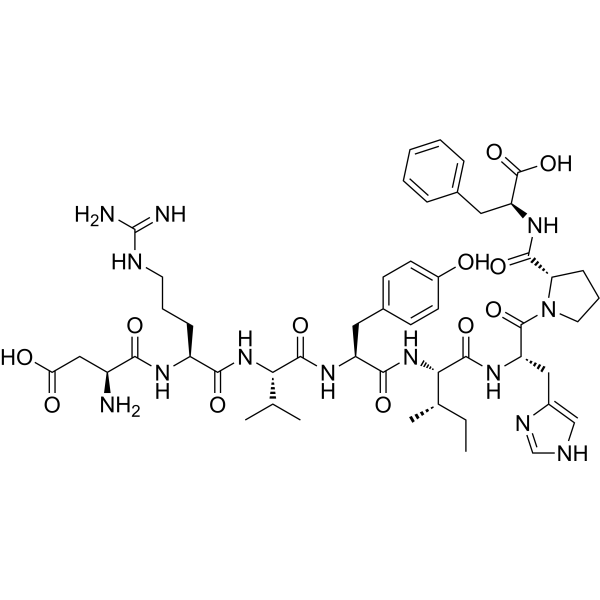
    Angiotensin II human
    Maximum Cited Publications
    222 Publications Verification

    Angiotensin II; Ang II; DRVYIHPF

    Angiotensin Receptor Apoptosis Cardiovascular Disease Infection Metabolic Disease Inflammation/Immunology Cancer
    Angiotensin II (Angiotensin II) is a vasoconstrictor and a major bioactive peptide of the renin/angiotensin system. Angiotensin II human plays a central role in regulating human blood pressure, which is mainly mediated by interactions between Angiotensin II and the G-protein-coupled receptors (GPCRs) Angiotensin II type 1 receptor (AT1R) and Angiotensin II type 2 receptor (AT2R). Angiotensin II human stimulates sympathetic nervous stimulation, increases aldosterone biosynthesis and renal actions. Angiotensin II human induces growth of vascular smooth muscle cells, increases collagen type I and III synthesis in fibroblasts, leading to thickening of the vascular wall and myocardium, and fibrosis. Angiotensin II human also induces apoptosis. Angiotensin II induces capillary formation from endothelial cells via the LOX-1 dependent redox-sensitive pathway .
    Angiotensin II human
  • HY-13948A
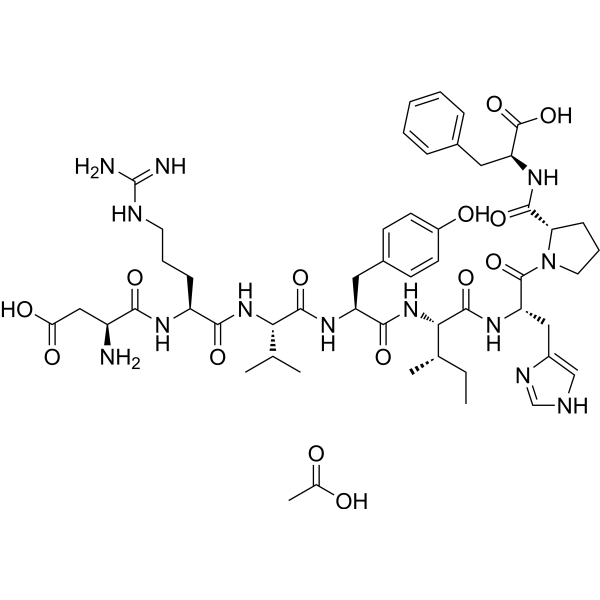
    Angiotensin II human acetate
    Maximum Cited Publications
    222 Publications Verification

    Angiotensin II acetate; Ang II acetate; DRVYIHPF acetate

    Angiotensin Receptor Apoptosis Cardiovascular Disease Infection Metabolic Disease Inflammation/Immunology Cancer
    Angiotensin II human (Angiotensin II) acetate is a vasoconstrictor and a major bioactive peptide of the renin/angiotensin system. Angiotensin II human acetate plays a central role in regulating human blood pressure, which is mainly mediated by interactions between Angiotensin II and the G-protein-coupled receptors (GPCRs) Angiotensin II type 1 receptor (AT1R) and Angiotensin II type 2 receptor (AT2R). Angiotensin II human acetate stimulates sympathetic nervous stimulation, increases aldosterone biosynthesis and renal actions. Angiotensin II human acetate induces growth of vascular smooth muscle cells, increases collagen type I and III synthesis in fibroblasts, leading to thickening of the vascular wall and myocardium, and fibrosis. Angiotensin II human acetate also induces apoptosis. Angiotensin II human acetate induces capillary formation from endothelial cells via the LOX-1 dependent redox-sensitive pathway .
    Angiotensin II human acetate
  • HY-W088070A
    Agarose,Low melting point
    1 Publications Verification

    Biochemical Assay Reagents Others
    Agarose,Low melting point is a kind of agarose, a kind of polysaccharide that can be derived from seaweed. It is commonly used in molecular biology and biochemistry to isolate and purify DNA and RNA fragments. Agarose,Low melting point is a low melting point agarose, which is suitable for the recovery of large DNA fragments and enzymatic reactions in gels and other applications. In addition, it has been used in various techniques, such as pulsed field gel electrophoresis and capillary electrophoresis for analyzing genetic material.
    Agarose,Low melting point
  • HY-N2024
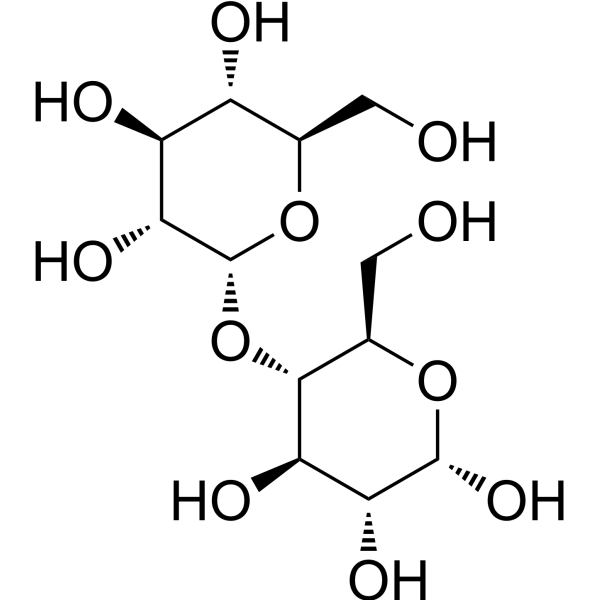
    Maltose
    1 Publications Verification

    Endogenous Metabolite Glycosidase Metabolic Disease
    Maltose is a disaccharide composed of two glucose molecules linked together. Maltose is an endogenous metabolic product in plants, yeast, or bacteria, and it participates in carbon source storage and metabolism. Maltose is a key core metabolite and main transport form in the temporary starch degradation, carbon output, and subsequent sucrose synthesis metabolism of the night chloroplast. In X. dendrorhous, maltose can act as a sugar donor and is converted into isomaltulose by α-glucosidase). Maltose can act as a osmotic agent, supporting continuous capillary ultrafiltration and preventing severe metabolic disorders .
    Maltose
  • HY-113456
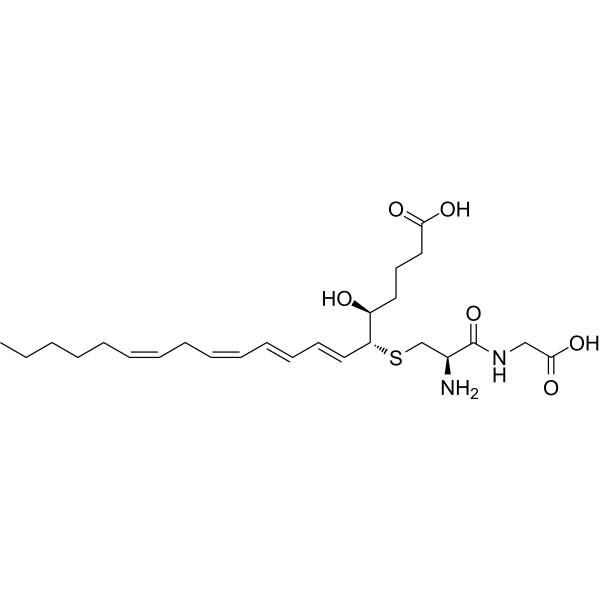
    Leukotriene D4
    3 Publications Verification

    Drug Metabolite Endogenous Metabolite Cardiovascular Disease Inflammation/Immunology
    Leukotriene D4 is a potent bronchoconstrictor. Leukotriene D4 has the potential for the research of asthma. Leukotriene D4 induces edema and increases capillary permeability .
    Leukotriene D4
  • HY-N0794
    Proanthocyanidins
    4 Publications Verification

    Bacterial Fungal Infection Cardiovascular Disease Inflammation/Immunology Cancer
    Proanthocyanidin (Procyanidin) are a class of polyphenolic that are widely distributed in higher plants, consisted of an electrophilic flavanyl unit. Proanthocyanidin can be used as antioxidant and anti-cancers agent. Proanthocyanidin also exhibit anti-inflammatory, cardioprotective, antibacterial and antifungal properties, which can be used in the treatment of chronic venous insufficiency, capillary fragility, sunburn and retinopathy. .
    Proanthocyanidins
  • HY-Y0669
    Pipecolic acid
    2 Publications Verification

    Endogenous Metabolite YAP Glutathione Peroxidase Ferroptosis Neurological Disease Metabolic Disease Inflammation/Immunology
    Pipecolic acid is an orally bioavailable, blood-brain barrier-permeable metabolite of lysine with antioxidant, inhibitor, and inducer activity. Pipecolic acid modulates the YAP-GPX4 signaling pathway, reduces retinal vascular tube formation, and mitigates ferroptosis. Pipecolic acid potentiates voltage-sensitive Ca 2+ channel currents and induces neuronal apoptosis. Pipecolic acid can be used for the research of diabetic retinopathy .
    Pipecolic acid
  • HY-112624A

    Dextran 1; Dextran D1; Dextran T1(MW 800-1200)

    Biochemical Assay Reagents Others
    Dextran T1 (Dextran 1; Dextran D1) (with a molecular weight of 1,000) is a dehydrated glucose polymer with an average molecular weight of 1,000. Dextran T1 (MW 1,000) has excellent biodegradability and biocompatibility, and can be used as a nanobody carrier scaffold and a freeze-drying protectant. Dextran T1 (MW 1,000) promotes the retention of circulating tumor cells in the capillary bed .
    Dextran T1 (MW 1,000)
  • HY-171306

    Liposome Others
    MK16 is a lipid material that can be used to construct blood-brain barrier penetrable lipid nanoparticles for mRNA delivery. MK16 facilitates blood-brain barrier crossing via γ-secretase-mediated and caveolae-mediated transcytosis. MK16 can be used for drug delivery research .
    MK16
  • HY-N2024A
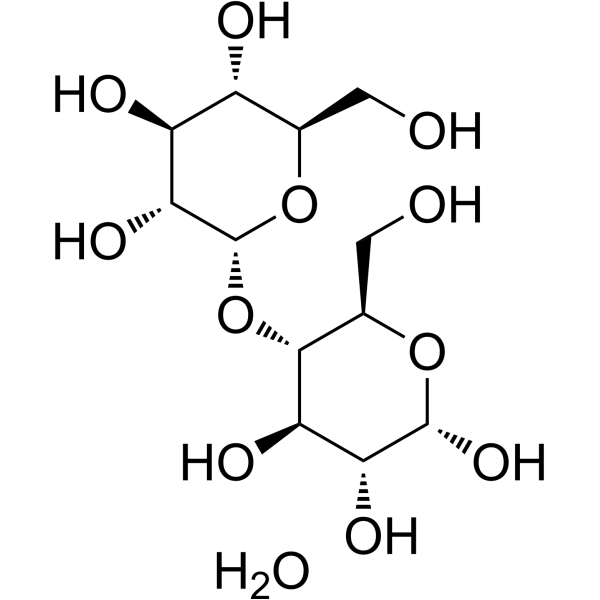
    Maltose monohydrate
    1 Publications Verification

    Endogenous Metabolite Glycosidase Metabolic Disease
    Maltose monohydrate is a disaccharide composed of two glucose molecules linked together. Maltose monohydrate is an endogenous metabolic product in plants, yeast, or bacteria, and it participates in carbon source storage and metabolism. Maltose monohydrate is a key core metabolite and main transport form in the temporary starch degradation, carbon output, and subsequent sucrose synthesis metabolism of the night chloroplast. In X. dendrorhous, maltose can act as a sugar donor and is converted into isomaltulose by α-glucosidase. Maltose monohydrate can act as a osmotic agent, supporting continuous capillary ultrafiltration and preventing severe metabolic disorders .
    Maltose monohydrate
  • HY-128700
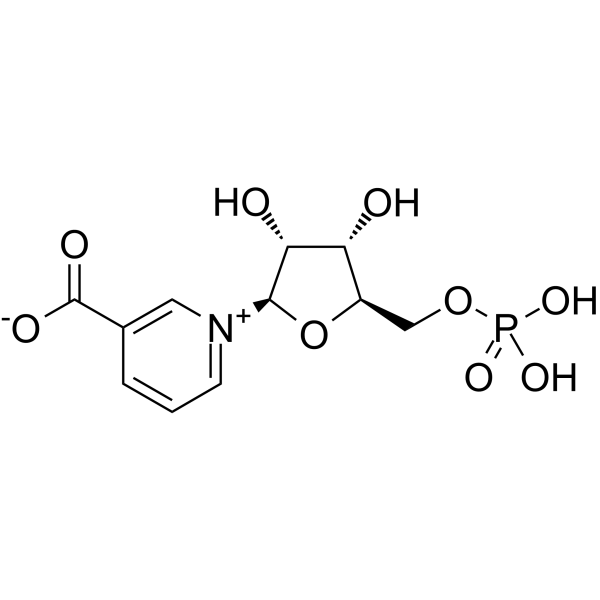
    Nicotinic acid mononucleotide
    1 Publications Verification

    Endogenous Metabolite Sirtuin Neurological Disease Inflammation/Immunology Cancer
    Nicotinic acid mononucleotide acts as a SARM1 inhibitor and a NAD + biosynthesis intermediate, with an IC50 value of 93.3 μM against SARM1. Nicotinic acid mononucleotide exerts axon-protective effects, delays axonal degeneration, elevates NAD + levels, enhances Sirt1 activity, improves myocardial capillary density and alleviates myocardial fibrosis. Nicotinic acid mononucleotide reverses diabetic cardiomyopathy in diabetic mice by increasing myocardial NAD + levels. Nicotinic acid mononucleotide is applicable to research related to cancer, multiple sclerosis, diabetic cardiomyopathy, neurodegenerative diseases and Huntington's disease .
    Nicotinic acid mononucleotide
  • HY-B1074

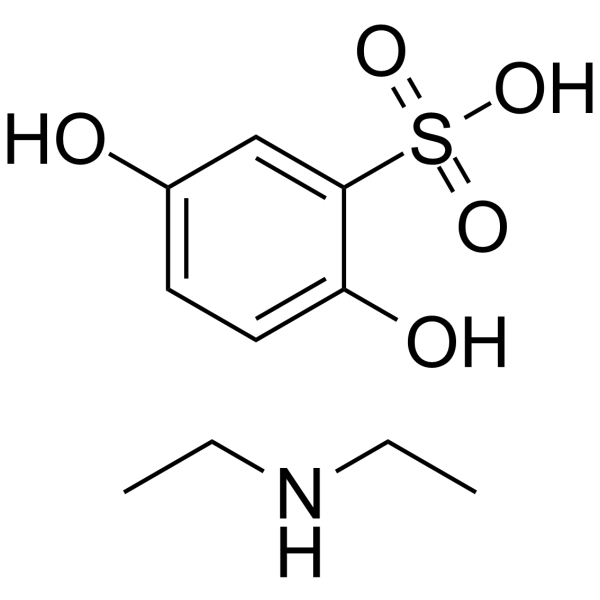
    Etamsylate

    Prostaglandin Receptor Cardiovascular Disease Endocrinology
    Ethamsylate (Etamsylate) is an orally active anti-hemorrhagic compound. Ethamsylate inhibits biosynthesis and action of prostaglandins. Ethamsylate has the potential to maintain early hemostasis as well as restores capillary resistance. Ethamsylate acts as an antiangiogenic factor, inhibiting wound healing and matrigel tubulogenesis. .
    Ethamsylate
  • HY-W129394

    Biochemical Assay Reagents Others
    6-Amino-6-deoxy-β-cyclodextrin is a cyclodextrin derivative that can be used to prepare other cyclodextrin derivatives. 6-Amino-6-deoxy-β-cyclodextrin can also be used as a chiral selector for chiral separation of α-amino acid derivatives by capillary electrophoresis .
    6-Amino-6-deoxy-β-cyclodextrin
  • HY-B0491A

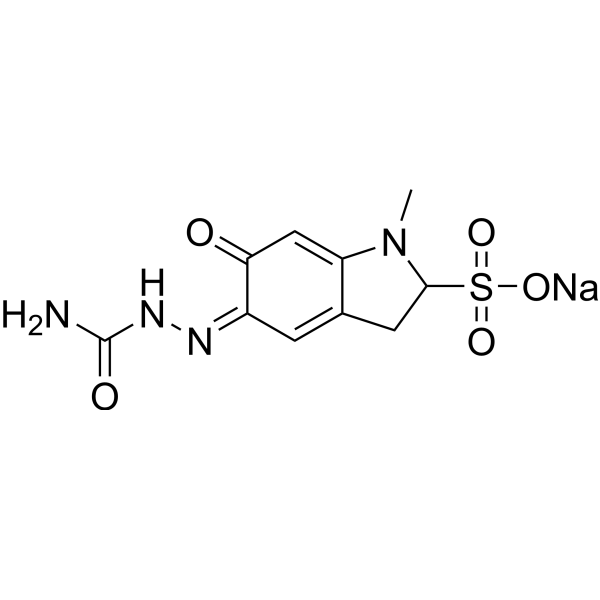
    AC-17

    Adrenergic Receptor Cardiovascular Disease
    Carbazochrome sodium sulfonate (AC-17) is a capillary stabiliser and used for the research of haemorrhage. Carbazochrome sodium sulfonate is an antihemorrhagic agent .
    Carbazochrome sodium sulfonate
  • HY-B1815

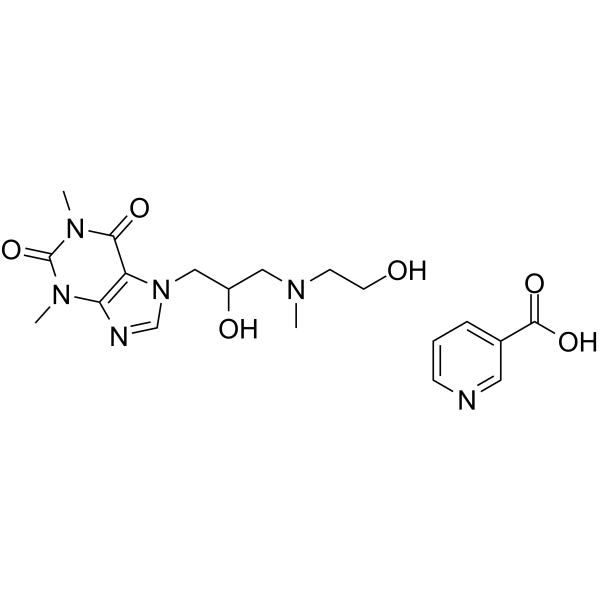
    Xanthinol Niacinate

    PDGFR Cardiovascular Disease
    Xanthinol Nicotinate (Xanthinol Niacinate), a vasodilator, can act directly on the smooth muscle of small arteries and capillaries. Xanthinol Nicotinate expands blood vessels, improves blood rheology and reduces peripheral vascular resistance .
    Xanthinol Nicotinate
  • HY-N0249
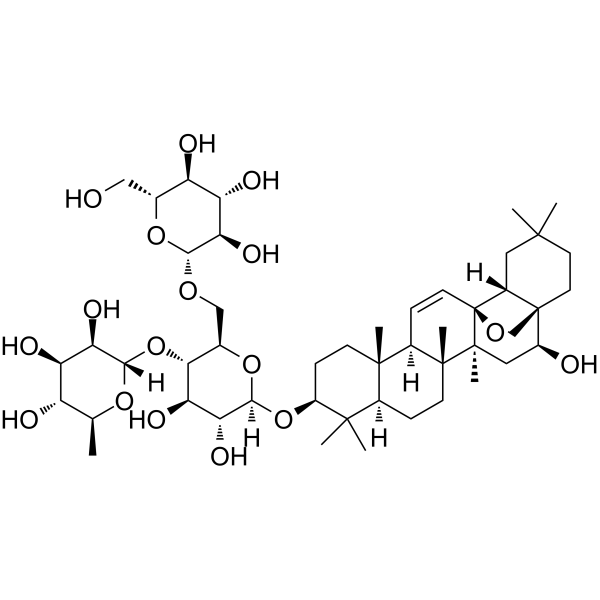
    Saikosaponin C
    2 Publications Verification

    MMP Infection Inflammation/Immunology
    Saikosaponin C is an orally active MMP-2 inducer. Saikosaponin C induces the survival, growth, migration and capillary tube formation of endothelial cells. Saikosaponin C inhibits the early stage of hepatitis C virus infection. Saikosaponin C can be used in research related to ischemic tissue diseases, chronic kidney diseases and hepatitis C virus infection .
    Saikosaponin C
  • HY-N0165

    HIV Reverse Transcriptase Cardiovascular Disease Infection Inflammation/Immunology
    Methyl-Hesperidin is a glycoside compound. Methyl-Hesperidin has hypotensive, coronary dilating, smooth muscle relaxing, capillary stabilizing, choleretic, and anti-ulcer activities. Methyl-Hesperidin act as a competitive substrate to inhibit HIV-1 reverse transcriptase activity. Methyl-Hesperidin potentiates coronary dilating actions of adenine nucleotides and 3'-AMP, enhances depressant action on isolated atria, and prolongs adenosine- and ATP-induced heart block in guinea pigs .
    Methyl-Hesperidin
  • HY-N2024AS1

    Isotope-Labeled Compounds Endogenous Metabolite Glycosidase Metabolic Disease
    Maltose monohydrate- 13C12 is the 13C labeled isotope of Maltose monohydrate. Maltose monohydrate is a disaccharide composed of two glucose molecules linked together. Maltose monohydrate is an endogenous metabolic product in plants, yeast, or bacteria, and it participates in carbon source storage and metabolism. Maltose monohydrate is a key core metabolite and main transport form in the temporary starch degradation, carbon output, and subsequent sucrose synthesis metabolism of the night chloroplast. In X. dendrorhous, maltose can act as a sugar donor and is converted into isomaltulose by α-glucosidase. Maltose monohydrate can act as a osmotic agent, supporting continuous capillary ultrafiltration and preventing severe metabolic disorders.
    Maltose-13C12 monohydrate
  • HY-108011
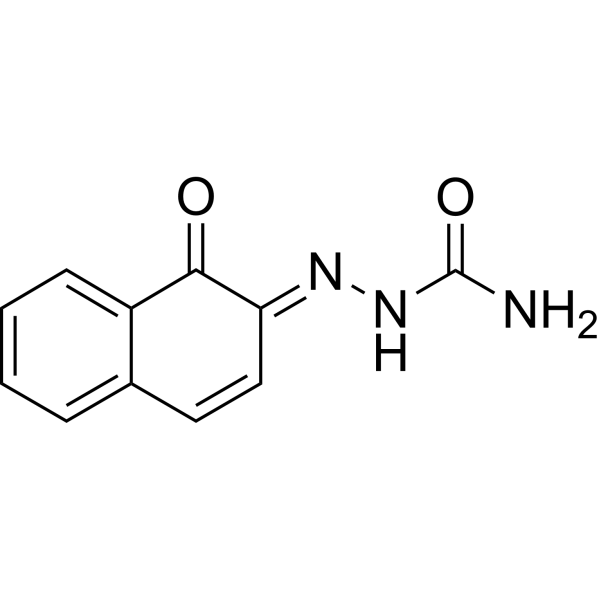
    Naftazone
    1 Publications Verification

    mGluR iGluR Endogenous Metabolite Cardiovascular Disease
    Naftazone is a naphthoquinone derivative, it can be used for the research of venous insufciency. Naftazone protects blood vessels, increases venous tonicity and capillary resistance, and improves lymphatic and venous circulation .
    Naftazone
  • HY-Y1083H

    Salt of lemery, 99%

    Biochemical Assay Reagents Others
    Potassium sulfate, 99% (Salt of lemery, 99%) can be used in biochemical tests for serum proteins, the determination of blood potassium and other potassium salts, and the preparation of protein capillary electrophoresis buffers. Potassium sulfate, 99% is a kind of biological materials or organic compounds that are widely used in life science research .
    Potassium sulfate, 99%
  • HY-119443

    Phosphatase Metabolic Disease
    Neridronate is an aminobisphosphonate. Neridronate induces osteoblast differentiation, enhances alkaline phosphatase activity and mineralized nodule formation. Neridronate inhibits endothelial cell proliferation, fibroblast growth factor-2-induced capillary-like tube formation, and angiogenesis. Neridronate can be used for osteogenesis imperfecta and Paget’s disease of bone .
    Neridronate
  • HY-A0169A
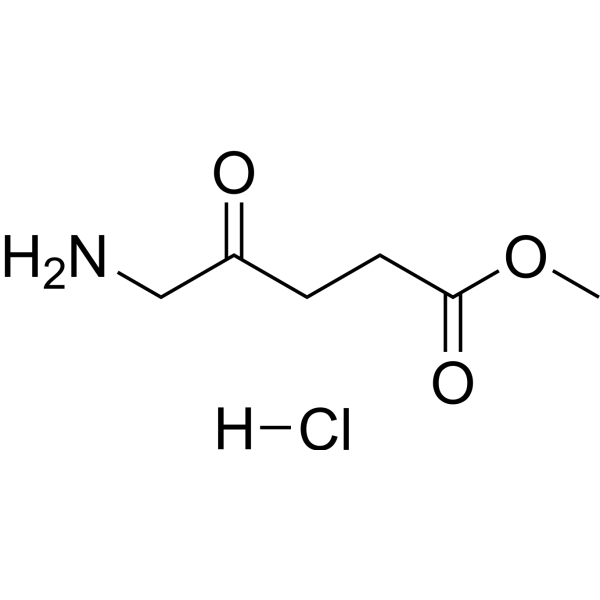
    Methyl aminolevulinate hydrochloride
    1 Publications Verification

    Reactive Oxygen Species (ROS) Photosensitizer Cancer
    Methyl aminolevulinate hydrochloride is a sensitizer used in photodynamic therapy (PDT). Methyl aminolevulinate hydrochloride penetrates the skin and induces the production of photoactive porphyrins including protoporphyrin IX in cells; upon exposure to appropriate light, it generates ROS, which triggers cellular oxidation and cell death. Methyl aminolevulinate hydrochloride acts as a photo-damage reversing agent through epidermal reconstruction, cytokine-mediated activation of dermal fibroblasts, elastin breakdown, new collagen formation, and compression of dilated capillaries. Methyl aminolevulinate hydrochloride reduces the expression of the proliferation marker Ki-67 and the early skin carcinogenesis marker TP53. Methyl aminolevulinate hydrochloride delays the onset of ultraviolet-induced skin tumors and reduces tumor burden in hairless mice. Methyl aminolevulinate hydrochloride is applicable to research related to actinic keratosis and basal cell carcinoma .
    Methyl aminolevulinate hydrochloride
  • HY-13948B
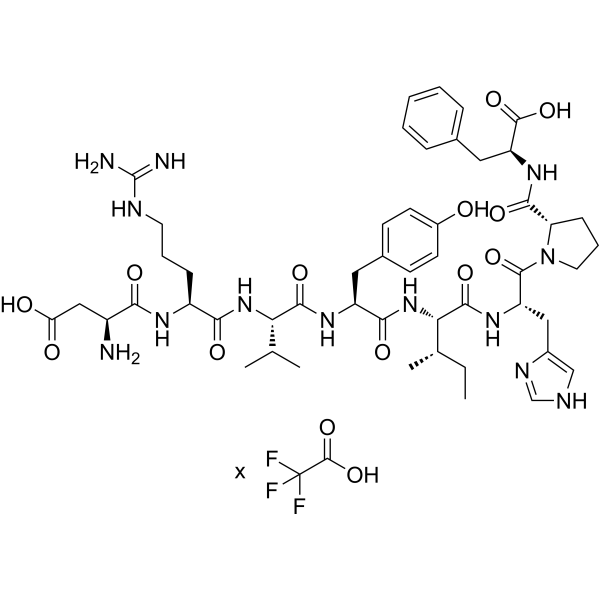
    Angiotensin II human TFA
    Maximum Cited Publications
    222 Publications Verification

    Angiotensin II TFA; Ang II TFA; DRVYIHPF TFA

    Angiotensin Receptor Apoptosis Cardiovascular Disease Metabolic Disease Cancer
    Angiotensin II human (Angiotensin II) TFA is a vasoconstrictor and a major bioactive peptide of the renin/angiotensin system. Angiotensin II human TFA plays a central role in regulating human blood pressure, which is mainly mediated by interactions between Angiotensin II and the G-protein-coupled receptors (GPCRs) Angiotensin II type 1 receptor (AT1R) and Angiotensin II type 2 receptor (AT2R). Angiotensin II human TFA stimulates sympathetic nervous stimulation, increases aldosterone biosynthesis and renal actions. Angiotensin II human TFA induces growth of vascular smooth muscle cells, increases collagen type I and III synthesis in fibroblasts, leading to thickening of the vascular wall and myocardium, and fibrosis. Angiotensin II human TFA also induces apoptosis. Angiotensin II human TFA induces capillary formation from endothelial cells via the LOX-1 dependent redox-sensitive pathway .
    Angiotensin II human TFA
  • HY-B1587

    Adrenergic Receptor Cardiovascular Disease
    Carbazochrome is a capillary stabiliser and used for the research of haemorrhage. Carbazochrome is an antihemorrhagic agent .
    Carbazochrome
  • HY-W284558

    Biochemical Assay Reagents Others
    Sodium hexadecyl sulfate is a long-chain anionic surfactant. Sodium hexadecyl sulfate can act as an interface-regulating substance to form a soft layer on the surface of carbon nanotubes, guide proteins to adsorb in the correct orientation with active sites facing outward through electrostatic interactions, and significantly enhance the activity of immobilized enzymes. Sodium hexadecyl sulfate can replace or supplement SDS (HY-Y0316) in capillary gel electrophoresis (CGE) .
    Sodium hexadecyl sulfate
  • HY-107345

    Ombolan

    Prostaglandin Receptor Inflammation/Immunology
    Droxicam (Ombolan) is a non-steroidal anti-inflammatory agent, with strong analgesic activity. Droxicam acts by inhibiting PGE2 varies, and is characterised by being a pro-drug of Piroxicam (HY-B0253). Droxicam is well tolerated with slight side effects in the said mucosa. Droxicam does not show cardiovascular or respiratory effects in cats, and inhibits peritoneal capillary permeability in mouse .
    Droxicam
  • HY-D1603

    Fluorescent Dye Others
    BODIPY FL-EDA is a widely used fluorescent dye for quantitative analysis of nucleotides. BODIPY FL-EDA is an aliphatic amine analog that can react with aldehydes and ketones. BODIPY FL-EDA can be used to detect both modified and unmodified deoxynucleotides and to determine DNA damage and genomic DNA methylation through capillary electrophoresis with laser-induced fluorescence (CE-LIF). Additionally, it can be used for quantifying intracellular ATP levels. The excitation wavelength is 500 nm, and the emission wavelength is 510 nm .
    BODIPY FL-EDA
  • HY-N2024R

    Reference Standards Endogenous Metabolite Glycosidase Metabolic Disease
    Maltose (Standard) is the analytical standard of Maltose. This product is intended for research and analytical applications. Maltose is a disaccharide composed of two glucose molecules linked together. Maltose is an endogenous metabolic product in plants, yeast, or bacteria, and it participates in carbon source storage and metabolism. Maltose is a key core metabolite and main transport form in the temporary starch degradation, carbon output, and subsequent sucrose synthesis metabolism of the night chloroplast. In X. dendrorhous, maltose can act as a sugar donor and is converted into isomaltulose by α-glucosidase (α-Glucosidase). Maltose can act as a osmotic agent, supporting continuous capillary ultrafiltration and preventing severe metabolic disorders.
    Maltose (Standard)
  • HY-P2758

    DAO

    Biochemical Assay Reagents Metabolic Disease Inflammation/Immunology Cancer
    Diamine oxidase (DAO) is an orally active enzyme. Diamine oxidase catalyzes oxidative deamination of various polyamines. Diamine oxidase degrades histamine and polyamines to maintain the metabolic balance of amines in the body. Diamine oxidase is a key regulatory enzyme in rapidly proliferating tissues such as bone marrow and intestinal mucosa. Diamine oxidase can be used in research related to intestinal diseases, small bowel transplant rejection, histamine intolerance, and other conditions .
    Diamine oxidase
  • HY-116675

    Adenosine Receptor Cardiovascular Disease
    Sulmazole is a cardiotonic agent. Sulmazole has competitive inhibitory for A1 adenosine receptor. Sulmazole can improve cardiac index and reduce pulmonary capillary wedge pressure .
    Sulmazole
  • HY-W014861

    Tetramethyl-ammoniuiodide

    Biochemical Assay Reagents Others
    Tetramethylammonium iodide (Tetramethyl-ammoniuiodide) is a capillary active agent and weakly capillary active quasi-simple salt. Tetramethylammonium iodide decreases aqueous solution surface tension with increasing concentration and exhibits surface accumulation of constituent ions at liquid-vapor interfaces .
    Tetramethylammonium iodide
  • HY-A0075
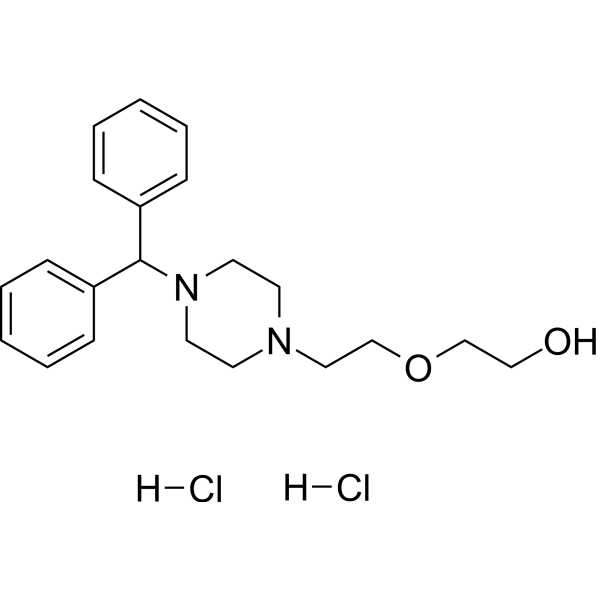
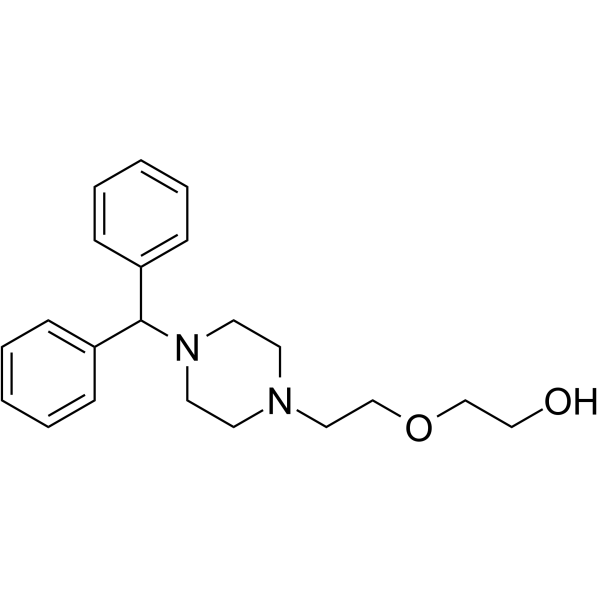
    Decloxizine dihydrochloride
    1 Publications Verification

    UCB 1402 dihydrochloride; NSC289116 dihydrochloride

    Histamine Receptor 5-HT Receptor Inflammation/Immunology
    Decloxizine (UCB-1402; NSC289116) dihydrochloride is an orally active bronchodilator that can penetrate the blood-brain barrier. Decloxizine dihydrochloride is a piperazine-type H1 histamine receptor antagonist. Decloxizine dihydrochloride selectively blocks H1 histamine receptors, inhibiting histamine-induced capillary dilation, edema, and itching. Decloxizine dihydrochloride has some 5-HT2 receptor antagonistic activity. Decloxizine dihydrochloride can be used in studies of urticaria, allergic rhinitis, and bronchial asthma .
    Decloxizine dihydrochloride
  • HY-Y0308D

    Disodium hydrogen phosphate, meets analytical specification of Ph. Eur. BP USP FCC E339

    Biochemical Assay Reagents Endocrinology
    Sodium phosphate dibasic (Disodium hydrogen phosphate), meets analytical specification of Ph. Eur. BP USP FCC E339 is an inorganic dibasic phosphate that functions as an electrolyte supplement, a buffer carrier for injectable drugs, while also exhibiting nephrotoxicity. Sodium phosphate dibasic, meets analytical specification of Ph. Eur. BP USP FCC E339 induces extensive nephrotic syndrome-like changes, including systemic symptoms such as persistent proteinuria, lipemia, hypercholesterolemia, and anemia, and causes severe renal pathological alterations such as renal enlargement, glomerular calcification, podocyte injury, and tubulointerstitial lesions. Sodium phosphate dibasic, meets analytical specification of Ph. Eur. BP USP FCC E339 has the ability to induce phosphate-induced nephropathy and glomerular calcification, and can be widely used in studies on nephrotic syndrome and related renal pathological mechanisms .
    Sodium phosphate dibasic, meets analytical specification of Ph. Eur. BP USP FCC E339
  • HY-N2024AS

    Isotope-Labeled Compounds Endogenous Metabolite Glycosidase Metabolic Disease
    Maltose monohydrate-d14 is the deuterium labeled Maltose monohydrate. Maltose monohydrate is a disaccharide composed of two glucose molecules linked together. Maltose monohydrate is an endogenous metabolic product in plants, yeast, or bacteria, and it participates in carbon source storage and metabolism. Maltose monohydrate is a key core metabolite and main transport form in the temporary starch degradation, carbon output, and subsequent sucrose synthesis metabolism of the night chloroplast. In X. dendrorhous, maltose can act as a sugar donor and is converted into isomaltulose by α-glucosidase. Maltose monohydrate can act as a osmotic agent, supporting continuous capillary ultrafiltration and preventing severe metabolic disorders.
    Maltose monohydrate-d14
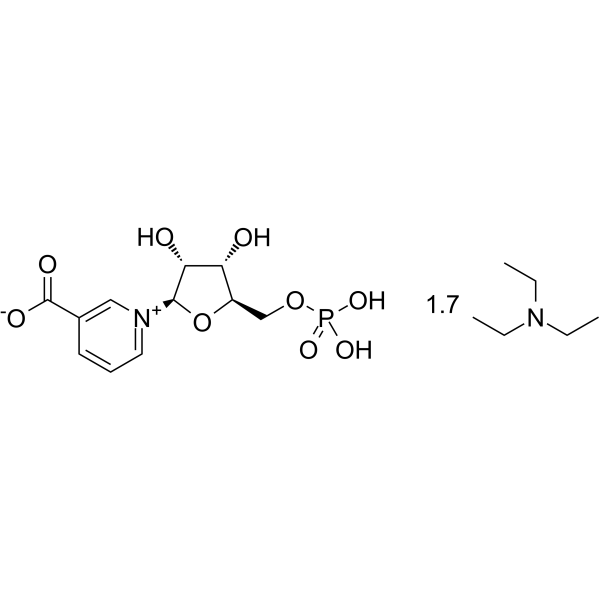
  • HY-128700A

    Endogenous Metabolite Sirtuin Metabolic Disease
    Nicotinic acid mononucleotide triethylamine acts as a SARM1 inhibitor and a NAD + biosynthesis intermediate, with an IC50 value of 93.3 μM against SARM1. Nicotinic acid mononucleotide triethylamine exerts axon-protective effects, delays axonal degeneration, elevates NAD + levels, enhances Sirt1 activity, improves myocardial capillary density and alleviates myocardial fibrosis. Nicotinic acid mononucleotide triethylamine reverses diabetic cardiomyopathy in diabetic mice by increasing myocardial NAD + levels. Nicotinic acid mononucleotide triethylamine is applicable to research related to cancer, multiple sclerosis, diabetic cardiomyopathy, neurodegenerative diseases and Huntington's disease .
    Nicotinic acid mononucleotide triethylamine
  • HY-N2024B

    Endogenous Metabolite Glycosidase Metabolic Disease
    Maltose solution, 20% in H2O is a 20% aqueous maltose solution. Maltose is a disaccharide composed of two glucose molecules linked together. Maltose is an endogenous metabolic product in plants, yeast, or bacteria, and it participates in carbon source storage and metabolism. Maltose is a key core metabolite and main transport form in the temporary starch degradation, carbon output, and subsequent sucrose synthesis metabolism of the night chloroplast. In X. dendrorhous, maltose can act as a sugar donor and is converted into isomaltulose by α-glucosidase. Maltose can act as a osmotic agent, supporting continuous capillary ultrafiltration and preventing severe metabolic disorders .
    Maltose solution, 20% in H2O
  • HY-Y1083C

    Salt of lemery, for cell culture

    Biochemical Assay Reagents Others
    Potassium sulfate, for cell culture (Salt of lemery, for cell culture) can be used in biochemical tests for serum proteins, the determination of blood potassium and other potassium salts, and the preparation of protein capillary electrophoresis buffers. Potassium sulfate, for cell culture is a kind of biological materials or organic compounds that are widely used in life science research .
    Potassium sulfate, for cell culture
  • HY-W1113135

    Biochemical Assay Reagents Others
    Carboxymethyl-β-cyclodextrin sodium salt is a negatively charged β-cyclodextrin derivative, as well as a metal ion chelator and solubilizing reagent. Carboxymethyl-β-cyclodextrin sodium salt forms stable aqueous complexes with Ba 2+, Ca 2+, Cd 2+, Ni 2+, Pb 2+, Sr 2+, and Zn 2+ ions. Carboxymethyl-β-cyclodextrin sodium salt derived hydrogel carriers support oral insulin delivery via paracellular permeation across Caco-2 monolayers and produce sustained hypoglycemic effects in diabetic mice. Carboxymethyl-β-cyclodextrin sodium salt can be conjugated onto folate-modified BSA nanoparticles to boost folate receptor-mediated endocytosis, elevate intracellular anticancer drug uptake and trigger cell apoptosis. Carboxymethyl-β-cyclodextrin sodium salt can be utilized for chiral separation in capillary electrophoresis, development of nanoscale drug carriers and nucleic acid transfection research .
    Carboxymethyl-β-cyclodextrin sodium salt
  • HY-175042

    Ins(1,3,4,5,6)P5 ammonium salt; 1,3,4,5,6-IP5 ammonium salt

    Akt Cancer
    D-myo-Inositol-1,3,4,5,6-pentaphosphate (ammonium salt) (Ins(1,3,4,5,6)P5 (ammonium salt)) is an isomer of inositol phosphate that acts as a small and soluble second messenger in the transmission of cellular signals. D-myo-Inositol-1,3,4,5,6-pentaphosphate (ammonium salt) can bind to the PH domain of Grp1 with a Kd of 590 nM. D-myo-Inositol-1,3,4,5,6-pentaphosphate (ammonium salt) can inhibit the phosphorylation and kinase activity of Akt/PKB, inducing apoptosis in ovarian, lung, and breast cancer cells. D-myo-Inositol-1,3,4,5,6-pentaphosphate (ammonium salt) exhibits antiangiogenic activity in vitro and blocks capillary tube formation of HUVEC. D-myo-Inositol-1,3,4,5,6-pentaphosphate (ammonium salt) exerts antitumor effects against cancer xenografts in nude mice .
    D-myo-Inositol-1,3,4,5,6-pentaphosphate ammonium salt
  • HY-N6685

    3-AcDON; 3-ADON

    Endogenous Metabolite Interleukin Related Infection Inflammation/Immunology
    3-Acetyldeoxynivalenol (3-AcDON; 3ADON), a trichothecene mycotoxin deoxynivalenol (DON) acetylated derivative, is a brain-penetrant Fusarium mycotoxin. 3-Acetyldeoxynivalenol induces mRNA expression and production of inflammatory chemokine IL-8 in intestinal cells .
    3-Acetyldeoxynivalenol
  • HY-A0300

    EMD 270179

    Integrin Cardiovascular Disease
    Cyclopeptide-5 (EMD 270179) is an αvβ3 antagonist that can improve PAF-induced increased adhesion of sickle red blood cells, capillary post-obstruction, and enhance blood flow dynamics. Cyclopeptide-5 also has cytotoxic effects .
    Cyclopeptide-5
  • HY-B1815R

    Xanthinol Niacinate (Standard)

    PDGFR Reference Standards Cardiovascular Disease
    Xanthinol Nicotinate (Standard) is the analytical standard of Xanthinol Nicotinate. This product is intended for research and analytical applications. Xanthinol Nicotinate (Xanthinol Niacinate), a vasodilator, can act directly on the smooth muscle of small arteries and capillaries. Xanthinol Nicotinate expands blood vessels, improves blood rheology and reduces peripheral vascular resistance .
    Xanthinol Nicotinate (Standard)
  • HY-N4145

    Cinnamtannin A3; Cinnamtannin II

    Drug Derivative Bacterial Fungal Infection Cardiovascular Disease Inflammation/Immunology Cancer
    Procyanidin A3 (Cinnamtannin A3; Cinnamtannin II) is a sub class of Proanthocyanidins (HY-N0794). Proanthocyanidin are a class of polyphenolic that are widely distributed in higher plants, consisted of an electrophilic flavanyl unit. Proanthocyanidin can be used as antioxidant and anti-cancer agent. Proanthocyanidin also exhibit anti-inflammatory, cardioprotective, antibacterial and antifungal properties, which can be used in the treatment of chronic venous insufficiency, capillary fragility, sunburn and retinopathy .
    Procyanidin A3
  • HY-145820

    Apoptosis Microtubule/Tubulin Cancer
    Tubulin inhibitor 14 is a potent NQO2 (quinone oxidoreductase 2) inhibitor with an IC50 of 1.0 μM. Tubulin inhibitor 14 also inhibits tubulin polymerization and the formation of endothelial cell capillary-like tubes. Tubulin inhibitor 14 is a microtubule-destabilizing agent with potential tumor-selectivity and antiangiogenic and vascular disrupting features .
    Tubulin inhibitor 14
  • HY-124279

    Biochemical Assay Reagents Others
    14-Pentadecenoic acid is a 15-carbon long-chain fatty acid that contains an olefin functional group on the terminal carbon of its fatty tail. 14-Pentadecenoic acid can be used as a fibrous scaffold biomaterial for tissue engineering applications, as well as a metal-forming side-chain polymer for constructing capillary columns in gas chromatography .
    14-Pentadecenoic acid
  • HY-110169

    Phosphatase Cardiovascular Disease Cancer
    (E/Z)-3PO is a potent PFKFB3 inhibitor. (E/Z)-3PO can inhibit the glycolysis process, reduce the extracellular acidification rate, and inhibit the capillary tube formation, migration of endothelial cells, and the formation of aortic sprouts, thereby suppressing angiogenesis. (E/Z)-3PO is promising for research of diseases such as cancer, acute lung injury, pulmonary fibrosis, and atherosclerosis .
    (E/Z)-3PO
  • HY-17582
    Decloxizine
    1 Publications Verification

    UCB-1402; NSC289116

    Histamine Receptor 5-HT Receptor Inflammation/Immunology
    Decloxizine (UCB-1402; NSC289116) is an orally active bronchodilator that can penetrate the blood-brain barrier. Decloxizine is a piperazine-type H1 histamine receptor antagonist. Decloxizine selectively blocks H1 histamine receptors, inhibiting histamine-induced capillary dilation, edema, and itching. Decloxizine has some 5-HT2 receptor antagonistic activity. Decloxizine can be used in studies of urticaria, allergic rhinitis, and bronchial asthma .
    Decloxizine
  • HY-N2024AR

    Reference Standards Endogenous Metabolite Glycosidase Metabolic Disease
    Maltose monohydrate (Standard) is the analytical standard of Maltose monohydrate. This product is intended for research and analytical applications. Maltose monohydrate is a disaccharide composed of two glucose molecules linked together. Maltose monohydrate is an endogenous metabolic product in plants, yeast, or bacteria, and it participates in carbon source storage and metabolism. Maltose monohydrate is a key core metabolite and main transport form in the temporary starch degradation, carbon output, and subsequent sucrose synthesis metabolism of the night chloroplast. In X. dendrorhous, maltose can act as a sugar donor and is converted into isomaltulose by α-glucosidase. Maltose monohydrate can act as a osmotic agent, supporting continuous capillary ultrafiltration and preventing severe metabolic disorders.
    Maltose monohydrate (Standard)
  • HY-117807

    Ras Farnesyl Transferase VEGFR Cancer
    A-176120 is a selective inhibitor of farnesyl transferase (IC50=1.2 nM) based on a farnesyl pyrophosphate (FPP) analog, with superior selectivity against GGTaseI (IC50=423 nM), GGTaseII (IC50=3000 nM), and SSase (IC50>10 μM). A-176120 inhibits ras processing in H-ras transformed NIH3T3 cells and HCT116 K-ras mutant cells (ED50=1.6 and 0.5 μM, respectively). A-176120 has antiangiogenic and antitumor activities in vivo and reduces capillary structure formation and VEGF secretion .
    A-176120
  • HY-129955

    Adrenergic Receptor Cardiovascular Disease
    Carbazochrome salicylate is a capillary stabiliser and used for the research of haemorrhage. Carbazochrome salicylate is an antihemorrhagic agent .
    Carbazochrome salicylate

Inquiry Online

Your information is safe with us. * Required Fields.

Salutation


Country or Region *

Applicant Name *


Organization Name *

Department *


Email Address *


Product Name *

Cat. No.


Requested quantity *

Phone Number *


Remarks

Inquiry Online

Inquiry Information

Product Name:
Cat. No.:
Quantity:
MCE Japan Authorized Agent:

