Search Result
Results for "
class I HDACs
" in MedChemExpress (MCE) Product Catalog:
1
Biochemical Assay Reagents
2
Isotope-Labeled Compounds
| Cat. No. |
Product Name |
Target |
Research Areas |
Chemical Structure |
-
- HY-15144
-
|
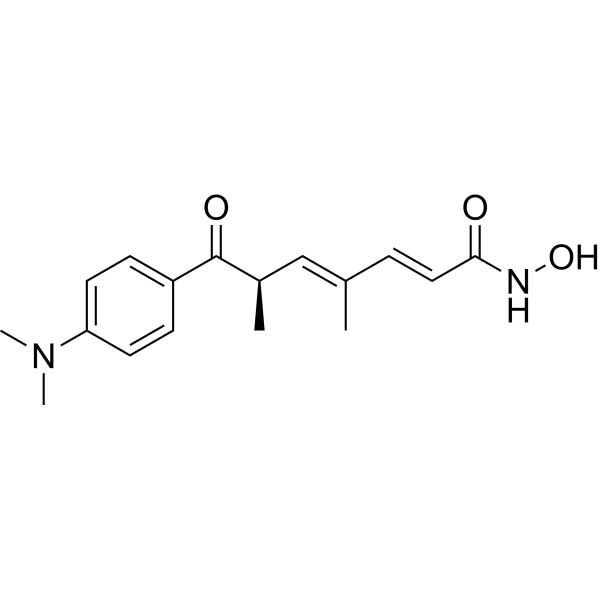
TSA
|
Organoid
HDAC
|
Cancer
|
|
Trichostatin A (TSA) is a potent and specific inhibitor of HDAC class I/II, with an IC50 value of 1.8 nM for HDAC .
|
-
-
- HY-10221
-
|
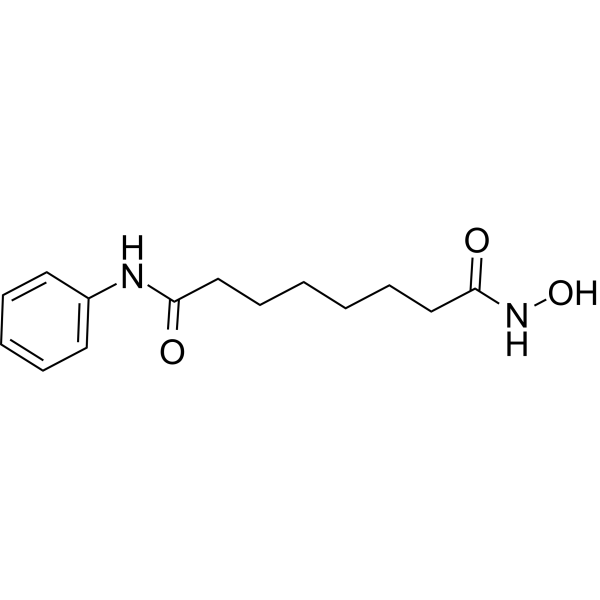
SAHA; Suberoylanilide hydroxamic acid
|
HDAC
Autophagy
Mitophagy
Filovirus
Apoptosis
HPV
|
Infection
Cancer
|
|
Vorinostat (SAHA) is a potent and orally active pan-inhibitor of HDAC1, HDAC2 and HDAC3 (Class I), HDAC6 and HDAC7 (Class II) and HDAC11 (Class IV), with ID50 values of 10 nM and 20 nM for HDAC1 and HDAC3, respectively. Vorinostat induces cell apoptosis . Vorinostat is also an effective inhibitor of human papillomaviruse (HPV)-18 DNA amplification .
|
-
-
- HY-12163
-
|
MS-275; SNDX-275
|
HDAC
Autophagy
Apoptosis
|
Cancer
|
|
Entinostat is an oral and selective class I HDAC inhibitor, with IC50s of 243 nM, 453 nM, and 248 nM for HDAC1, HDAC2, and HDAC3, respectively.
|
-
-
- HY-109015
-
|
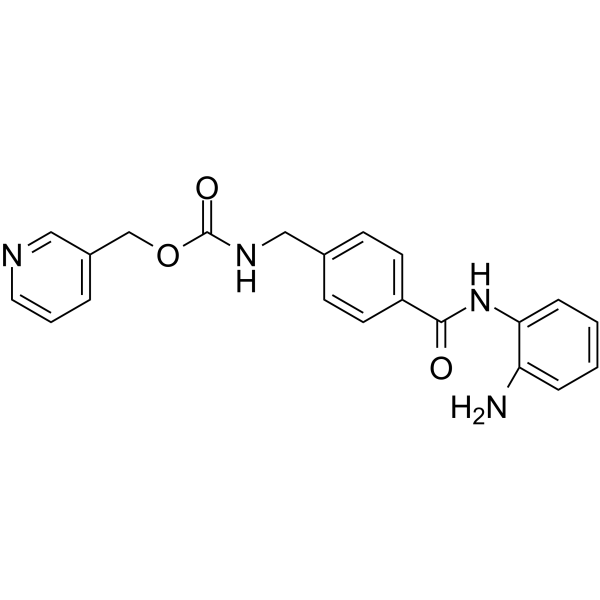
Chidamide; HBI-8000; CS 055
|
HDAC
|
Cancer
|
|
Tucidinostat (Chidamide) is a potent and orally bioavailable HDAC enzymes class I (HDAC1/2/3) and class IIb (HDAC10) inhibitor, with IC50s of 95, 160, 67 and 78 nM, less active on HDAC8 and HDAC11 (IC50s, 733 nM, 432 nM, respectively), and shows no effect on HDAC4/5/6/7/9 .
|
-
-
- HY-N0141
-
|
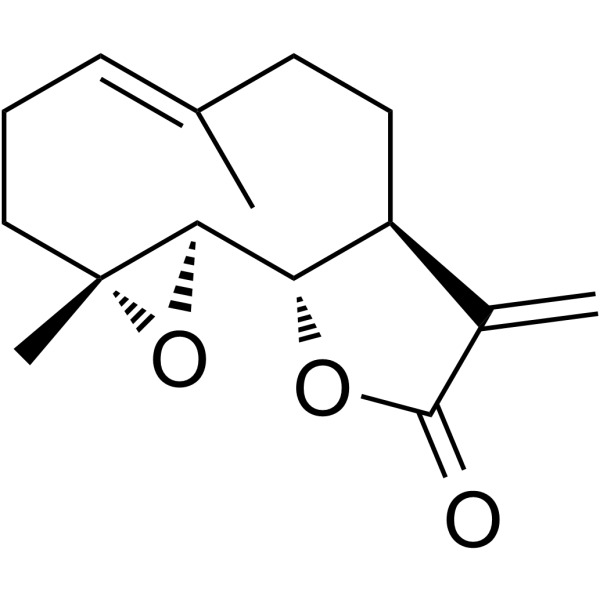
(-)-Parthenolide
|
NF-κB
Autophagy
Mitophagy
Apoptosis
IKK
|
Cancer
|
|
Parthenolide is a sesquiterpene lactone found in the medicinal herb Feverfew. Parthenolide exhibits anti-inflammatory activity by inhibiting NF-κB activation; also inhibits HDAC1 protein without affecting other class I/II HDACs.
|
-
-
- HY-13522
-
|
CUDC-907
|
PI3K
HDAC
Apoptosis
|
Cancer
|
|
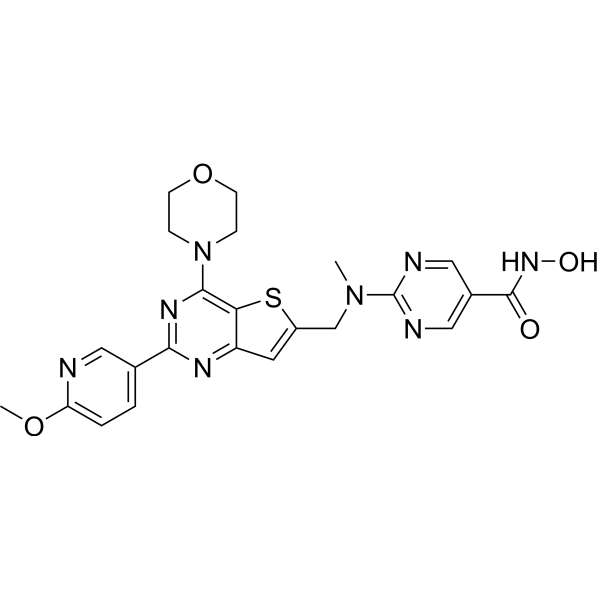
Fimepinostat (CUDC-907) potently inhibits class I PI3Ks as well as classes I and II HDAC enzymes with an IC50 of 19/54/39 nM and 1.7/5.0/1.8/2.8 nM for PI3Kα/PI3Kβ/PI3Kδ and HDAC1/HDAC2/HDAC3/HDAC10 , respectively.
|
-
-
- HY-12164
-
|
MGCD0103
|
HDAC
Autophagy
Apoptosis
|
Cancer
|
|
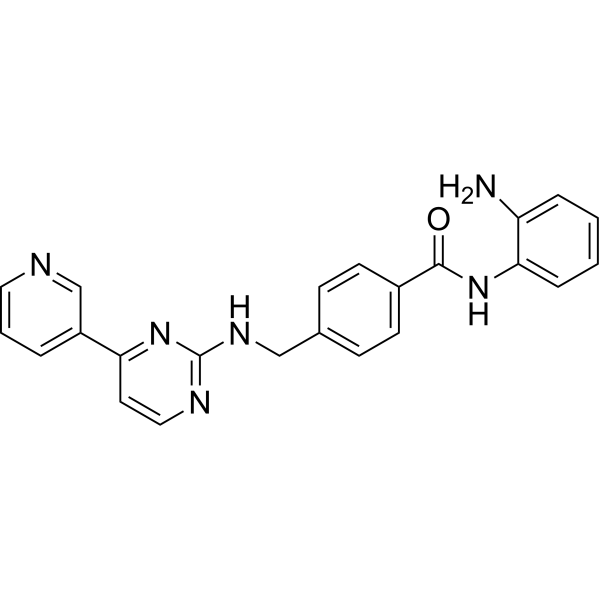
Mocetinostat (MGCD0103) is a potent, orally active and isotype-selective HDAC (Class I/IV) inhibitor with IC50s of 0.15, 0.29, 1.66 and 0.59 μM for HDAC1, HDAC2, HDAC3 and HDAC11, respectively. Mocetinostat shows no inhibition on HDAC4, HDAC5, HDAC6, HDAC7, or HDAC8.
|
-
-
- HY-100719
-
|
|
HDAC
HIV
|
Infection
Cardiovascular Disease
|
|
BRD-6929 is a potent, selective brain-penetrant inhibitor of class I histone deacetylase HDAC1 and HDAC2 inhibitor with IC50 of 1 nM and 8 nM, respectively. BRD-6929 shows high-affinity to HDAC1 and HDAC2 with Ki of 0.2 and 1.5 nM, respectively. BRD-6929 can be used for mood-related behavioral model research .
|
-
-
- HY-16012A
-
|
4SC-202 free base
|
HDAC
Apoptosis
|
Cancer
|
|
Domatinostat (4SC-202 free base) is a selective class I HDAC inhibitor with IC50 of 1.20 μM, 1.12 μM, and 0.57 μM for HDAC1, HDAC2, and HDAC3, respectively. It also displays inhibitory activity against Lysine specific demethylase 1 (LSD1).
|
-
-
- HY-16012
-
|
4SC-202
|
HDAC
Apoptosis
|
Cancer
|
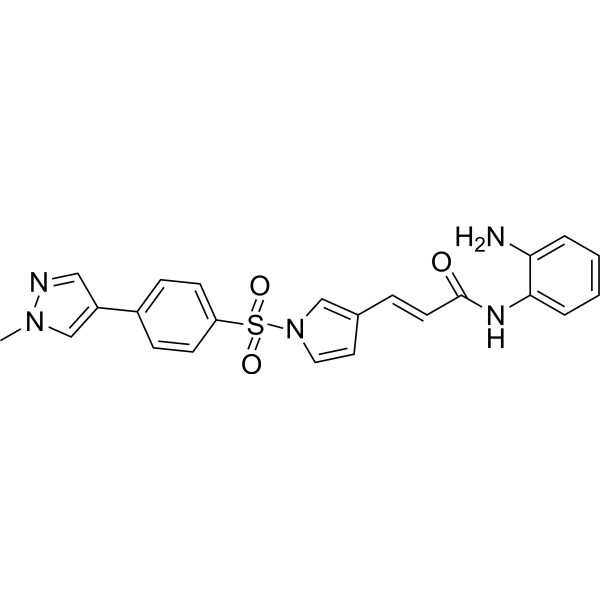
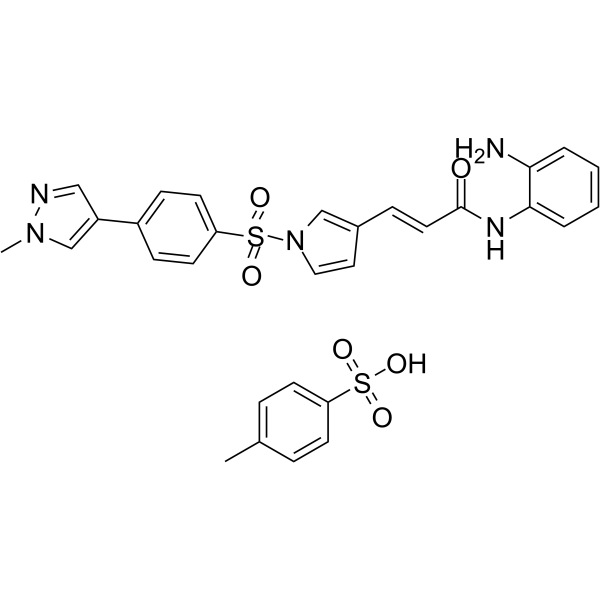
|
Domatinostat tosylate (4SC-202) is a selective class I HDAC inhibitor with IC50 of 1.20 μM, 1.12 μM, and 0.57 μM for HDAC1, HDAC2, and HDAC3, respectively. It also displays inhibitory activity against Lysine specific demethylase 1 (LSD1).
|
-
-
- HY-100748
-
|
CXD101
|
HDAC
|
Cancer
|
|
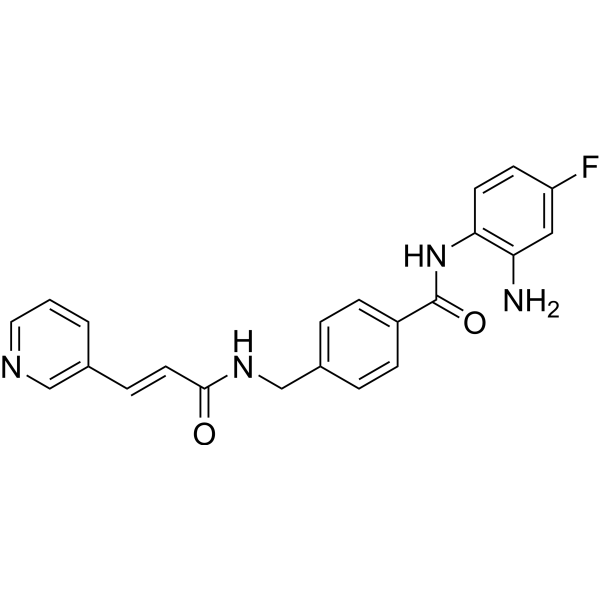
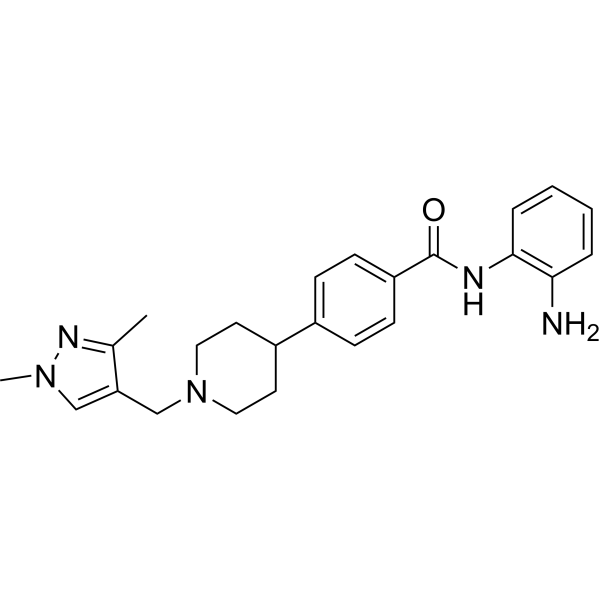
Zabadinostat (CXD101) is a potent, selective and orally active class I HDAC inhibitor with IC50s of 63 nM, 570 nM and 550 nM for HDAC1, HDAC2 and HDAC3, respectively. Zabadinostat has no activity against HDAC class II. Zabadinostat has antitumor activity .
|
-
-
- HY-18976
-
-
-
- HY-119939
-
|
CHDI00390576
|
HDAC
|
Cancer
|
|
CHDI-390576, a potent, cell permeable and CNS penetrant class IIa histone deacetylase (HDAC) inhibitor with IC50s of 54 nM, 60 nM, 31 nM, 50 nM for class IIa HDAC4, HDAC5, HDAC7, HDAC9, respectively, shows >500-fold selectivity over class I HDACs (1, 2, 3) and ~150-fold selectivity over HDAC8 and the class IIb HDAC6 isoform .
|
-
-
- HY-150109
-
|
|
HDAC
Apoptosis
|
Cancer
|
|
Purinostat mesylate is a selective inhibitor of HDAC. Purinostat mesylate inhibits class I and class IIb HDACs with IC50s from 0.81 to 11.5 nM. Purinostat mesylate induces apoptosis and affects cell cycle of LAMA84 and 188 BL-2 cells, and shows potently anti-leukemia effects in vivo. Purinostat mesylate can be used for the research of lymphoblastic leukemia .
|
-
-
- HY-19348
-
|
RGFA-8; TC-H 106; Histone Deacetylase Inhibitor VII
|
HDAC
Monoamine Transporter
|
Neurological Disease
Cancer
|
|
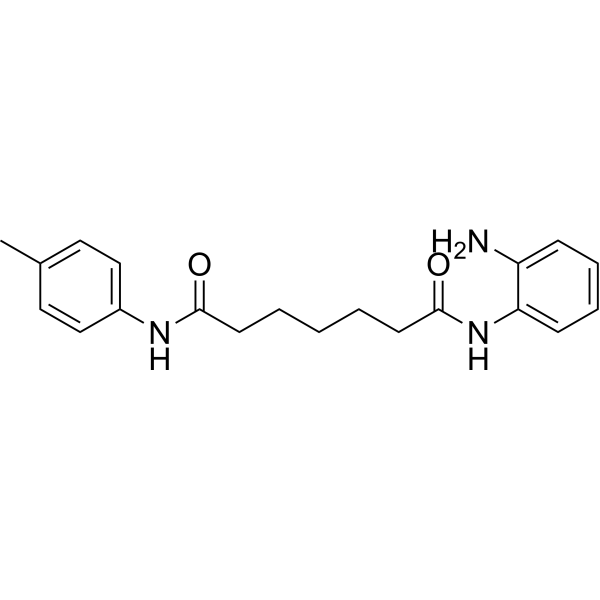
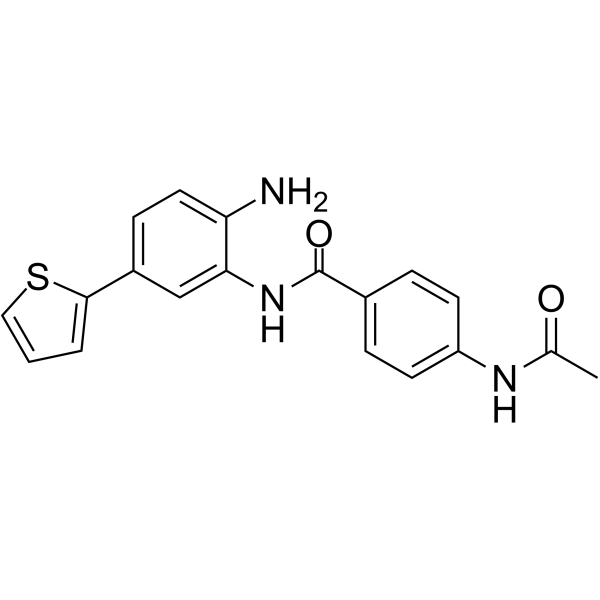
Pimelic Diphenylamide 106 (TC-H 106) is a slow, tight binding class I HDAC inhibitor (inhibits HDAC1, 2, and 3 with IC50 values of 150 nM, 760 nM, and 370 nM, respectively), with no activity against class II HDACs. Pimelic Diphenylamide 106 modulates dopamine concentration and protects dopamine cells by inducing VMAT2 expression. Pimelic Diphenylamide 106 can be used in the study of neuropsychiatric diseases such as attention deficit hyperactivity disorder (ADHD) .
|
-
-
- HY-13432
-
|
CHR-3996
|
HDAC
Apoptosis
|
Cancer
|
|
Nanatinostat (CHR-3996) is a potent, class I selective and orally active HDAC inhibitor with IC50s of 3 nM, 4 nM, and 7 nM for HDAC1, HDAC2, and HDAC3, respectively. Nanatinostat has low activity against HDAC5 (IC50 of 200 nM) and HDAC6 (IC50 of 2100 nM). Nanatinostat induces apoptosis in myeloma cells. Nanatinostat has potent anticancer effects, such as myeloma, advanced solid tumours and colorectal cancer .
|
-
-
- HY-135714
-
|
EKZ-001
|
HDAC
Microtubule/Tubulin
|
Neurological Disease
Cancer
|
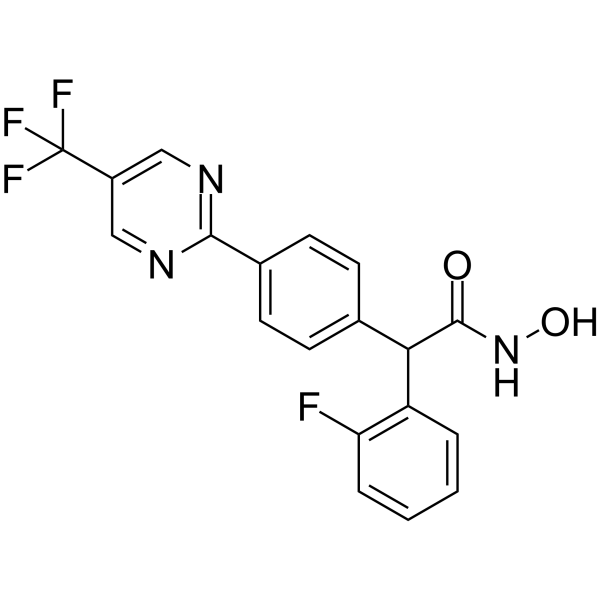
Bavarostat (EKZ-001) is a blood-brain barrier-permeable, potent HDAC6 inhibitor and PET radiotracer, with an IC50 as low as 17 nM against human HDAC6. Bavarostat can be labeled with 18F and used as a probe to map HDAC6 distribution and measure target occupancy in the brains of non-human primates. Bavarostat also selectively modulates tubulin acetylation, but not histone acetylation. Bavarostat is applicable for research on Alzheimer's disease, other neurodegenerative disorders, and cancers .
|
-
-
- HY-10221R
-
|
SAHA (Standard); Suberoylanilide hydroxamic acid (Standard)
|
Reference Standards
HDAC
Autophagy
Mitophagy
Filovirus
Apoptosis
HPV
|
Infection
Cancer
|
|
Vorinostat (Standard) is the analytical standard of Vorinostat. This product is intended for research and analytical applications. Vorinostat (SAHA) is a potent and orally active pan-inhibitor of HDAC1, HDAC2 and HDAC3 (Class I), HDAC6 and HDAC7 (Class II) and HDAC11 (Class IV), with ID50 values of 10 nM and 20 nM for HDAC1 and HDAC3, respectively. Vorinostat induces cell apoptosis . Vorinostat is also an effective inhibitor of human papillomaviruse (HPV)-18 DNA amplification .
|
-
-
- HY-169259
-
|
|
HDAC
DNA/RNA Synthesis
Reactive Oxygen Species (ROS)
Apoptosis
Caspase
p38 MAPK
|
Cancer
|
|
HDAC9-IN-1 is a selective class IIa HDAC inhibitor that binds to HDAC9 with an IC50 of 40 nM. HDAC9-IN-1 potently inhibits HDACs 4 and 7 while showing weak activity against HDAC6 (IC50 values: 180 nM (HDAC4), 190 nM (HDAC7), 970 nM (HDAC6)). HDAC9-IN-1 significantly inhibits several human cancer cells, induces apoptosis and DNA damage in human cancer cells, and modulates caspase-related proteins and p38 in human cancer cells. HDAC9-IN-1 can be used for the research of oral cancer, breast cancer, gastric cancer .
|
-
-
- HY-13592
-
|
Chidamide impurity
|
HDAC
|
Cancer
|
|
HDAC-IN-7 (Chidamide impurity) is an impurity of Chidamide. Chidamide is a potent and orally bioavailable HDAC enzymes class I (HDAC1/2/3) and class IIb (HDAC10) inhibitor.
|
-
-
- HY-130538
-
|
|
HDAC
|
Cancer
|
|
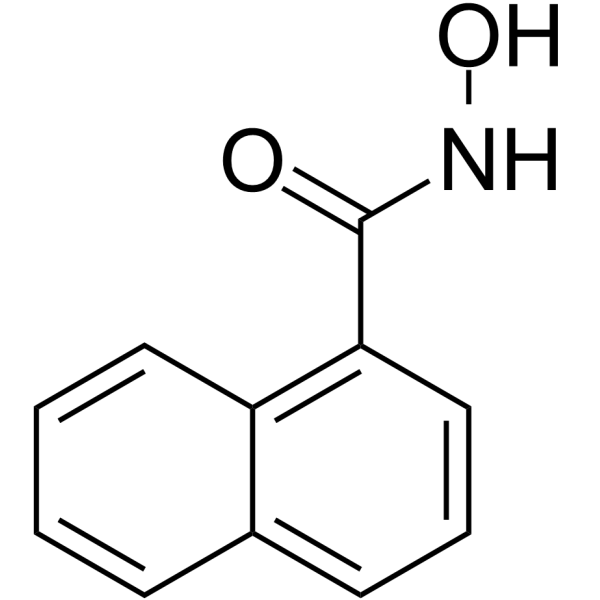
1-Naphthohydroxamic acid (Compound 2) is a potent and selective HDAC8 inhibitor with an IC50 of 14 μM. 1-Naphthohydroxamic acid is more selectively for HDAC8 than class I HDAC1 and class II HDAC6 (IC50 >100 μM). 1-Naphthohydroxamic acid does not increase global histone H4 acetylation and also does not reduce total intracellular HDAC activity .1-Naphthohydroxamic acid can induce tubulin acetylation .
|
-
-
- HY-109109
-
|
CKD-581
|
HDAC
Apoptosis
|
Cancer
|
|
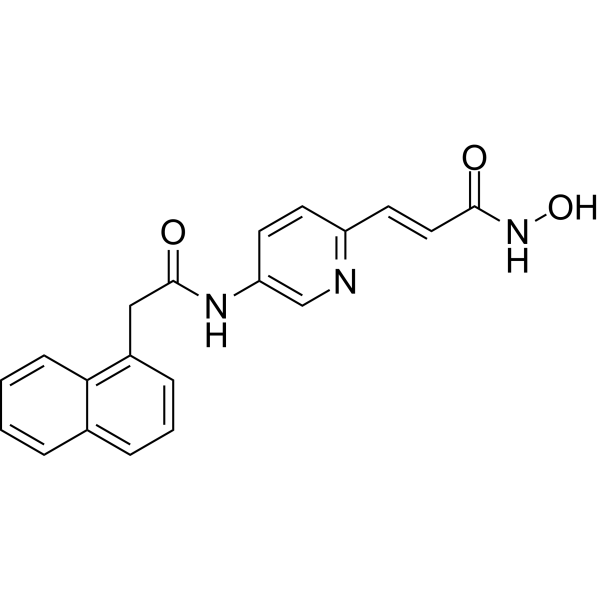
Alteminostat (CKD-581) is a potent HDAC inhibitor. Alteminostat inhibits the class I-II HDAC family via histone H3 and tubulin acetylation. Alteminostat can be used for lymphoma and multiple myeloma research .
|
-
-
- HY-145819
-
|
|
HDAC
PROTACs
|
Cancer
|
|
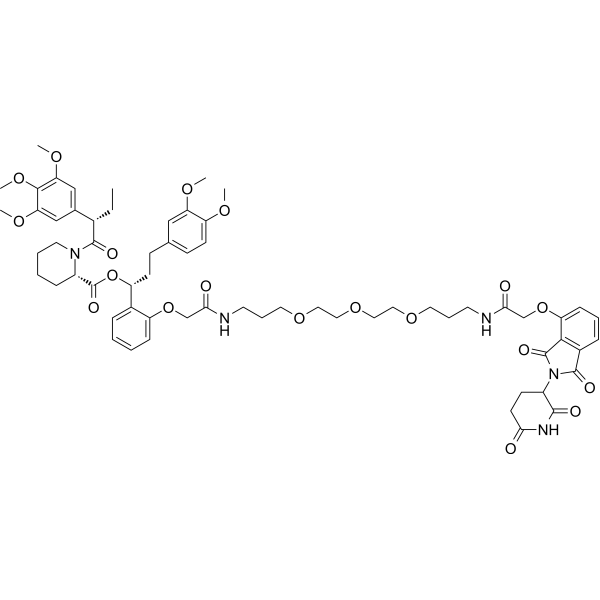
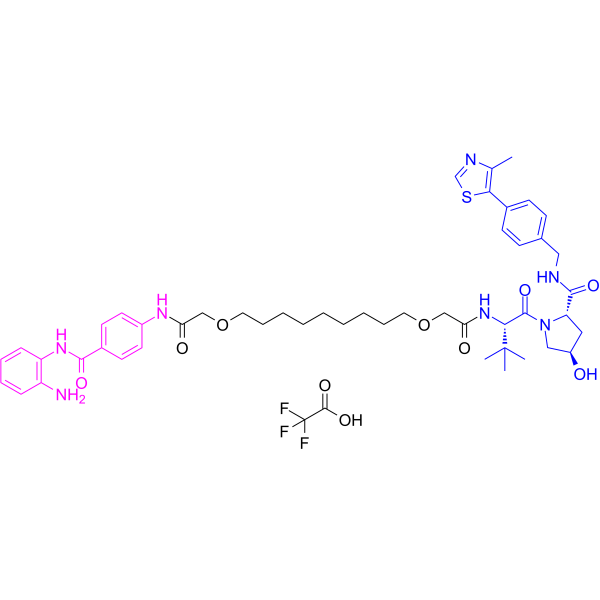
JPS036 is a benzamide-based Von Hippel-Lindau (VHL) E3-ligase proteolysis targeting chimeras (PROTAC). JPS036 degrades class I histone deacetylase (HDAC). JPS036 is potent HDAC1/2 degrader correlated with greater total differentially expressed genes and enhanced apoptosis in HCT116 cells .
|
-
-
- HY-145816A
-
|
|
HDAC
PROTACs
Apoptosis
PINK1/Parkin
Autophagy
Reactive Oxygen Species (ROS)
|
Cancer
|
|
JPS016 TFA is a class I histone deacetylase (HDAC) PROTAC inhibitor. JPS016 TFA recruits the VHL E3 ligase (Ligands for E3 Ligase) to mediate the ubiquitination and proteasomal degradation of HDAC1, HDAC2 and HDAC3. JPS016 TFA reduces the viability of colon cancer cells and induces Apoptosis. JPS016 TFA activates the PINK1/Parkin mitochondrial Autophagy pathway, enhances cardiomyocyte viability, alleviates mitochondrial damage, and reduces mitochondrial ROS production in cells. JPS016 TFA is applicable to research related to colon cancer and sepsis cardiomyopathy .
|
-
-
- HY-N0141R
-
|
(-)-Parthenolide (Standard)
|
Reference Standards
NF-κB
Autophagy
Mitophagy
Apoptosis
|
Cancer
|
|
Parthenolide (Standard) is the analytical standard of Parthenolide. This product is intended for research and analytical applications. Parthenolide is a sesquiterpene lactone found in the medicinal herb Feverfew. Parthenolide exhibits anti-inflammatory activity by inhibiting NF-κB activation; also inhibits HDAC1 protein without affecting other class I/II HDACs.
|
-
-
- HY-145815A
-
|
|
PROTACs
HDAC
Apoptosis
|
Cancer
|
|
JPS014 TFA is a benzamide-based Von Hippel-Lindau (VHL) E3-ligase proteolysis targeting chimeras (PROTAC). JPS014 TFA degrades class I histone deacetylase (HDAC). JPS014 TFA is potent HDAC1/2 degrader correlated with greater total differentially expressed genes and enhanced apoptosis in HCT116 cells .
|
-
-
- HY-142690A
-
|
|
Apoptosis
HDAC
|
Cancer
|
|
HDAC-IN-27 dihydrochloride (Compound 11h) is a potent, orally active class I HDAC-selective inhibitor with IC50 values ranging from 0.43 to 3.01 nM against HDAC1-3. HDAC-IN-27 dihydrochloride exhibits both in vivo and in vitro antitumor activity. HDAC-IN-27 dihydrochloride demonstrates significant anti-proliferative activity against acute myeloid leukemia (AML) cell lines by inducing apoptosis and histone acetylation (AcHH3 and AcHH4). HDAC-IN-27 dihydrochloride can be used for research in acute myeloid leukemia (AML) .
|
-
-
- HY-142690
-
|
|
HDAC
Apoptosis
|
Cancer
|
|
HDAC-IN-27 (Compound 11h) is a potent, orally active class I HDAC-selective inhibitor with IC50 values ranging from 0.43 to 3.01 nM against HDAC1-3. HDAC-IN-27 exhibits both in vivo and in vitro antitumor activity. HDAC-IN-27 demonstrates significant anti-proliferative activity against acute myeloid leukemia (AML) cell lines by inducing apoptosis and histone acetylation (AcHH3 and AcHH4). HDAC-IN-27 can be used for research in acute myeloid leukemia (AML) .
|
-
-
- HY-12163S
-
|
MS-275-d4; SNDX-275-d4
|
Apoptosis
Autophagy
HDAC
|
Cancer
|
|
Entinostat-d4 is the deuterium labeled Entinostat . Entinostat is an oral and selective class I HDAC inhibitor, with IC50s of 243 nM, 453 nM, and 248 nM for HDAC1, HDAC2, and HDAC3, respectively .
|
-
-
- HY-162086
-
|
|
HDAC
|
Cancer
|
|
HDAC-IN-68 (Compound 29) is a potent HDAC inhibitor that disrupts microtubule structure and inhibits tumor growth. HDAC-IN-68 significantly inhibits class I HDACs (HDAC1, HDAC2, HDAC3) with IC50 values of 5.1, 11.5 and 8.8 nM, respectively .
|
-
-
- HY-152226
-
|
|
HDAC
Apoptosis
|
Cancer
|
|
MC2590 is a potent pyridine-containing histone deacetylase (HDAC) inhibitor. MC2590 is a inhibitor of HDAC1-3, -6, -8, and -10 (class I/IIb-selective inhibitor) with IC50s of 0.015 μM-0.156 μM. MC2590 also inhibits HDAC isoforms HDAC4, HDAC5, HDAC7, HDAC9, HDAC11 with IC50s of 1.35 μM-3.98 μM. MC2625 induces G2/M cell cycle arrest and modulates pro- and anti-apoptotic microRNAs towards apoptosis induction .
|
-
-
- HY-109015S
-
|
Chidamide-d4; HBI-8000-d4; CS 055-d4
|
Isotope-Labeled Compounds
HDAC
|
Cancer
|
|
Tucidinostat-d4 is the deuterium labeled Tucidinostat. Tucidinostat is a potent and orally bioavailable HDAC enzymes class I (HDAC1/2/3) and class IIb (HDAC10) inhibitor, with IC50s of 95, 160, 67 and 78 nM, respectively .
|
-
-
- HY-117554
-
|
|
HDAC
|
Cancer
|
|
BRD9757 is a potent, capless and selective HDAC6 inhibitor with an IC50 of 30 nM. BRD9757 shows excellent selectivity toward HDAC6 versus the class I (>20-fold) and class II (>400-fold) HDACs .
|
-
-
- HY-115412
-
|
SAHA-d5; Suberoylanilide hydroxamic acid-d5
|
HDAC
Autophagy
Mitophagy
Filovirus
Apoptosis
HPV
|
Infection
Cancer
|
|
Vorinostat-d5 (SAHA-d5) is the deuterium labeled Vorinostat. Vorinostat (SAHA) is a potent and orally active pan-inhibitor of HDAC1, HDAC2 and HDAC3 (Class I), HDAC7 (Class II) and HDAC11 (Class IV), with ID50 values of 10 nM and 20 nM for HDAC1 and HDAC3, respectively. Vorinostat induces cell apoptosis . Vorinostat is also an effective inhibitor of human papillomaviruse (HPV)-18 DNA amplification .
|
-
-
- HY-155840
-
|
|
HDAC
Apoptosis
|
Cancer
|
|
KH16 is a potent and low nanomolar HDAC inhibitor. KH16 is against class I HDACs HDAC1, HDAC2, and HDAC3, with IC50 values ranging from 6 to 34 nM. KH16 induces cell apoptosis and is against tumor cells with various gene expression patterns .
|
-
-
- HY-176545
-
|
|
HDAC
Sirtuin
|
Others
|
|
Z-MAL is a highly efficient and broad-spectrum HDAC substrate. Z-MAL exhibits high conversion activity for class I, II histone deacetylases, and class III SIRT1. Z-MAL can be used in studies on the structure-activity relationship, subtype selectivity, and inhibitor screening of HDAC .
|
-
-
- HY-145818
-
|
|
HDAC
PROTACs
|
Cancer
|
|
JPS035 is a benzamide-based Von Hippel-Lindau (VHL) E3-ligase proteolysis targeting chimeras (PROTAC). JPS035 degrades class I histone deacetylase (HDAC). JPS035 is potent HDAC1/2 degrader correlated with greater total differentially expressed genes and enhanced apoptosis in HCT116 cells .
|
-
-
- HY-145815
-
|
|
HDAC
PROTACs
|
Cancer
|
|
JPS014 is a benzamide-based Von Hippel-Lindau (VHL) E3-ligase proteolysis targeting chimeras (PROTAC). JPS014 degrades class I histone deacetylase (HDAC). JPS014 is potent HDAC1/2 degrader correlated with greater total differentially expressed genes and enhanced apoptosis in HCT116 cells .
|
-
-
- HY-114303
-
|
|
Phosphodiesterase (PDE)
HDAC
|
Neurological Disease
|
|
CM-675 is a dual phosphodiesterase 5 (PDE5) and class I histone deacetylases-selective inhibitor, with IC50 values of 114 nM and 673 nM for PDE5 and HDAC1, respectively. CM-675 has potential to treat Alzheimer’s disease .
|
-
-
- HY-145816
-
|
|
PROTACs
HDAC
Apoptosis
PINK1/Parkin
Autophagy
Reactive Oxygen Species (ROS)
|
Cardiovascular Disease
Cancer
|
|
JPS016 is a class I histone deacetylase (HDAC) PROTAC inhibitor. JPS016 recruits the VHL E3 ligase (Ligands for E3 Ligase) to mediate the ubiquitination and proteasomal degradation of HDAC1, HDAC2 and HDAC3. JPS016 reduces the viability of colon cancer cells and induces Apoptosis. JPS016 activates the PINK1/Parkin mitochondrial Autophagy pathway, enhances cardiomyocyte viability, alleviates mitochondrial damage, and reduces mitochondrial ROS production in cells. JPS016 is applicable to research related to colon cancer and sepsis cardiomyopathy .
|
-
-
- HY-13906
-
|
(+)-Largazole
|
HDAC
|
Neurological Disease
Cancer
|
|
Largazole ((+)-Largazole) is a potent, selective, orally active and brain-penetrant class I HDAC inhibitor found in marine cyanobacteria. Largazole shows an IC50 of 0.07 nM for HDAC2. Largazole releases its active form Largazole thiol (HY-170890) after hydrolysis. Largazole has a strong inhibitory effect on SF-268, SF-295 and SH-SY5Y cells, with IC50 values of 62, 68 and 102 nM respectively Largazole can upregulate the tumor suppressor gene Pax6 to inhibit the proliferation, invasion and colony formation of glioblastoma cells. Largazole can significantly upregulated brain-derived neurotrophic factor BDNF, neuronal transcription factor Pax6, and μ-opioid receptor gene Oprm1. Largazole exerts antitumor and neuroprotective effects. Largazole can be used for researches of Glioblastoma and Alzheimer’s disease .
|
-
-
- HY-10221G
-
|
SAHA (GMP); Suberoylanilide hydroxamic acid (GMP)
|
HDAC
|
Infection
Cancer
|
|
Vorinostat (GMP) is a GMP grade Vorinosta (HY-10221). GMP-grade small molecules can be used as auxiliary agents in cell therapy. Vorinostat is a potent, orally available HDAC1, HDAC2, HDAC3 (Class I), HDAC6 and Inhibitors of HDAC7 (Class II) and Class IV (HDAC11) .
|
-
-
- HY-147840
-
|
|
HDAC
|
Cancer
|
|
HDAC-IN-41 (Compound 7c) is a selective, orally active class I HDAC inhibitor with IC50 values of 0.62, 1.46 and 0.62 μM against HDAC1, HDAC2 and HDAC3, respectively. HDAC-IN-41 shows NO releasing activity .
|
-
-
- HY-178110
-
|
|
HDAC
Microtubule/Tubulin
Histone Methyltransferase
|
Cancer
|
|
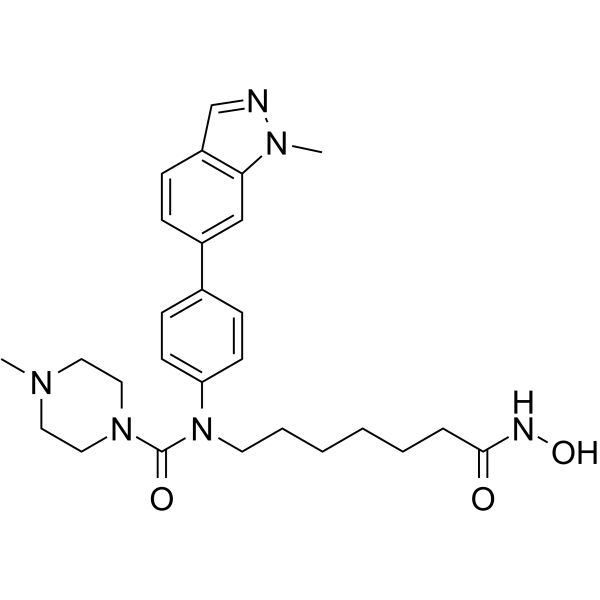
HDAC6-IN-65 is a selective HDAC6 inhibitor (IC50 = 0.9 nM) and also exhibits a certain suppressive effect on HDAC3 (IC50 = 39.4 nM). HDAC6-IN-65 can induce the accumulation of α-tubulin (ac-tubulin) and acetylated histone H3 (ac-histone H3, a class I HDAC inhibition marker) in Neuro-2a cells. HDAC6-IN-65 can be used for the study of melanoma .
|
-
-
- HY-175671
-
|
|
HDAC
Histone Demethylase
|
Neurological Disease
|
|
LSD1/HDAC-IN-3 is a inhibitor targeting class I HDAC and LSD1 enzymes. LSD1/HDAC-IN-3 inhibits HDAC1, HDAC2, HDAC3, and LSD1 with IC50 values of 1702 nM, 842 nM, 358 nM, and 1074 nM, respectively. LSD1/HDAC-IN-3 exhibits antioxidant effects in H2O2-stressed ARPE-19 and 661W retinal cells, increasing levels of acetylated and methylated histone H3. LSD1/HDAC-IN-3 enhances photoreceptor survival in the rd10 mouse model of retinitis pigmentosa. LSD1/HDAC-IN-3 can be used for the study of inherited retinal diseases such as retinitis pigmentosa (RP) .
|
-
-
- HY-124007
-
|
ISAHA
|
HDAC
|
Cancer
|
|
4-Iodo-SAHA (1k) is an orally active class I and class II histone deacetylase (HDAC) inhibitor with EC50s of 1.1, 0.95, 0.12, 0.24, 0.85 and 1.3 μM for Skbr3, HT29, U937, JA16 and HL60 cell lines, respectively. 4-Iodo-SAHA (1k) can be used for the research of cancer .
|
-
-
- HY-155222
-
|
|
Epigenetic Reader Domain
HDAC
|
Cancer
|
|
TW9 is a potent dual inhibitor simultaneously targeting BET and HDAC proteins with KDs of 0.069 μM, 0.231 μM for BRD4(1), BRD4(2), and an IC50 of 0.29 μM for HDAC1, respectively. TW9 is a newly generated adduct of the BET inhibitor (+)-JQ1 (HY-13030) and class I HDAC inhibitor CI994 (HY-50934). TW9 shows high potency in suppressing tumor growth in pancreatic ductal adenocarcinoma (PDAC). TW9 improves the efficacy of the chemotherapeutic agent Gemcitabine (HY-17026) .
|
-
-
- HY-172159
-
|
|
HDAC
Apoptosis
|
Cancer
|
|
FF2039 (compound 1j) is a specific HDAC1, HDAC6, and HDAC isoforms of class I, IIa and IIb PROTAC degrader. FF2039 demonstrates s significant antiproliferative activity against both hematological and solid cancer cell lines, driven by cell cycle arrest and Apoptosis induction. FF2039 inhibits HDAC isoform of HDAC1, HDAC2, HDAC4 and HDAC6 with IC50s of 1.03, 2.15, 12.4 and 0.053 μM, respectively. FF2039 shows antiproliferative activity against different tumor entities of MM.1S, MDA-MB-231 and U-87MG with EC50s of 2.8, 28 and 30 μM, respectively. (Pink: PRMT5 ligand (HY-168864); Blue: E3 ligase ligand HY-W957284); Black: linker (HY-W881439); E3+linker (HY-172185 )) .
|
-
-
- HY-168153
-
|
|
HDAC
|
Cancer
|
|
HDAC-IN-80 (compund 5) is a selective class I HDAC inhibitor .
|
-
-
- HY-145350
-
|
|
HDAC
|
Infection
|
|
HDAC-IN-26 is a highly selective class I HDAC inhibitor with an EC50 value of 4.7 nM.
|
-
- HY-155890
-
|
CUDC-907 mesylate
|
PI3K
HDAC
Apoptosis
|
Cancer
|
|
Fimepinostat mesylate potently inhibits class I PI3Ks as well as classes I and II HDAC enzymes with an IC50 of 19/54/39 nM and 1.7/5.0/1.8/2.8 nM for PI3Kα/PI3Kβ/PI3Kδ and HDAC1/HDAC2/HDAC3/HDAC10 , respectively.
|
-
- HY-109015R
-
|
Chidamide (Standard); HBI-8000 (Standard); CS 055 (Standard)
|
HDAC
Reference Standards
|
Cancer
|
|
Tucidinostat (Standard) is the analytical standard of Tucidinostat. This product is intended for research and analytical applications. Tucidinostat (Chidamide) is a potent and orally bioavailable HDAC enzymes class I (HDAC1/2/3) and class IIb (HDAC10) inhibitor, with IC50s of 95, 160, 67 and 78 nM, less active on HDAC8 and HDAC11 (IC50s, 733 nM, 432 nM, respectively), and shows no effect on HDAC4/5/6/7/9 .
|
-
- HY-12164R
-
|
MGCD0103 (Standard)
|
HDAC
Autophagy
Apoptosis
Reference Standards
|
Cancer
|
|
Mocetinostat (Standard) is the analytical standard of Mocetinostat. This product is intended for research and analytical applications. Mocetinostat (MGCD0103) is a potent, orally active and isotype-selective HDAC (Class I/IV) inhibitor with IC50s of 0.15, 0.29, 1.66 and 0.59 μM for HDAC1, HDAC2, HDAC3 and HDAC11, respectively. Mocetinostat shows no inhibition on HDAC4, HDAC5, HDAC6, HDAC7, or HDAC8.
|
-
- HY-124946
-
|
|
HDAC
Sirtuin
Apoptosis
|
Cancer
|
|
C1A is a class I/II HDACs and sirtuin inhibitor with an IC50 of 479 nM for HDAC6. C1A induces sustained acetylation of HDAC6 substrates, α-tubulin and HSP90. C1A shows srtong anticancer effcts, and induces apoptosis in cancer cells .
|
-
- HY-159112
-
|
|
HDAC
|
Cancer
|
|
AW01178 is a Class I HDAC inhibitor. AW01178 induces the upregulation of E-cadherin at both mRNA and protein levels and inhibits the EMT of breast cancer cells .
|
-
- HY-13432A
-
|
CHR-3996 TFA
|
HDAC
Apoptosis
|
Cancer
|
|
Nanatinostat (CHR-3996) TFA is a potent, class I selective and orally active HDAC inhibitor with IC50s of 3 nM, 4 nM, and 7 nM for HDAC1, HDAC2, and HDAC3, respectively. Nanatinostat TFA has low activity against HDAC5 (IC50 of 200 nM) and HDAC6 (IC50 of 2100 nM). Nanatinostat TFA induces apoptosis in myeloma cells. Nanatinostat TFA has potent anticancer effects, such as myeloma, advanced solid tumours and colorectal cancer .
|
-
- HY-154855
-
|
|
HDAC
|
Cancer
|
|
HDAC-IN-56 ((S)-17b) is an orally active class I histone deacetylase (HDAC) inhibitor with IC50 values of 56.0 ± 6.0, 90.0 ± 5.9, 422.2 ± 105.1, >10000 nM for HDAC1, HDAC2, HDAC3, and HDAC4-11, respectively. HDAC-IN-56 has potent inhibitory activity while strongly increasing intracellular levels of acetylhistone H3 and P21 and effectively inducing G1 cell cycle arrest and apoptosis.HDAC-IN-56 has antitumor activity .
|
-
- HY-146159
-
|
|
PI3K
HDAC
|
Cancer
|
|
PI3K/HDAC-IN-2 is a potent dual PI3K/HDAC inhibitor with IC50s of 226 nM, 279 nM, 467 nM, 29 nM for PI3Kα, PI3Kβ, PI3Kγ, PI3Kδ, respectively, and IC50s of 1.3 nM, 3.4 nM, 972 nM, 17 nM, 12 nM for HDAC1, HDAC2, HDC4, HDAC6, HDAC8, respectively. PI3K/HDAC-IN-2 exhibits PI3Kδ and class I and IIb HDAC selectivity. PI3K/HDAC-IN-2 has remarkable anticancer effects .
|
-
- HY-183320
-
|
|
HDAC
|
Cancer
|
|
HDAC6-IN-81 is a potent selective HDAC6 inhibitor with an IC50 of 1 nM. HDAC6-IN-81 exhibits selectivity over class I HDAC isoforms (HDAC1/2/3/8). HDAC6-IN-81 can be used for the research of cancer .
|
-
- HY-100748R
-
|
CXD101 (Standard)
|
HDAC
Reference Standards
|
Cancer
|
|
Zabadinostat (Standard) is the analytical standard of Zabadinostat (HY-100748). This product is intended for research and analytical applications. Zabadinostat (CXD101) is a potent, selective and orally active class I HDAC inhibitor with IC50s of 63 nM, 570 nM and 550 nM for HDAC1, HDAC2 and HDAC3, respectively. Zabadinostat has no activity against HDAC class II. Zabadinostat has antitumor activity .
|
-
- HY-185584
-
|
|
HDAC
Apoptosis
Drug Intermediate
|
Cancer
|
|
OKI-005 is an orally active inhibitor of Class I HDACs, with primary targeting of HDAC1, HDAC2 and HDAC3. OKI-005 is a prodrug of OKI-006 (HY-144893). OKI-005 increases histone acetylation levels, induces apoptosis and inhibits cancer cell proliferation. OKI-005 can be used in research related to triple-negative breast cancer and colorectal cancer .
|
-
- HY-170890
-
|
|
HDAC
|
Neurological Disease
Cancer
|
|
Largazole thiol, the active form of Largazole (HY-13906), is a potent, selective and brain-penetrant class I HDAC inhibitor. Largazole thiol. Largazole thiol exerts antitumor and neuroprotective effects. Largazole thiol can be used for research of Glioblastoma .
|
-
- HY-100719R
-
|
|
HDAC
Reference Standards
HIV
|
Infection
Cardiovascular Disease
|
|
BRD-6929 (Standard) is the analytical standard of BRD-6929 (HY-100719). This product is intended for research and analytical applications. BRD-6929 is a potent, selective brain-penetrant inhibitor of class I histone deacetylase HDAC1 and HDAC2 inhibitor with IC50 of 1 nM and 8 nM, respectively. BRD-6929 shows high-affinity to HDAC1 and HDAC2 with Ki of 0.2 and 1.5 nM, respectively. BRD-6929 can be used for mood-related behavioral model research .
|
-
- HY-181009
-
|
|
HDAC
Apoptosis
Autophagy
|
Cancer
|
|
HDAC-IN-98 is a HDAC1, HDAC2, HDAC3 inhibitor (one of the most selective class I HDAC inhibitors) with human IC50 values of 41.2 nM, 52.5 nM, and 74.3 nM respectively. HDAC-IN-98 induces H3K9 acetylation, p21 upregulation, G2/M arrest, cell apoptosis, has strong antiproliferative effects in colorectal cancer cells, low toxicity in healthy colon epithelium, modulates short-term in vitro effects via autophagy, and shows strong antitumor efficacy in vivo in the chorioallantoic membrane model (CAM) assay. HDAC-IN-98 can be used for the research of colorectal cancer .
|
-
- HY-181640
-
|
|
HDAC
Apoptosis
|
Neurological Disease
Cancer
|
|
HDAC1/3-IN-1 is a selective HDAC1/3 inhibitor, with IC50 values of 256 nM and 340.3 nM against HDAC1 and HDAC3, respectively. HDAC1/3-IN-1 increases the SubG1 cell population and promotes apoptosis of glioma cells and glioblastoma stem cells. HDAC1/3-IN-1 can be used in studies related to glioblastoma .
|
-
- HY-W555601
-
|
N-Hydroxynicotinamide
|
HCV
HDAC
|
Infection
|
|
Nicoxamat (N-Hydroxynicotinamide) is a HCV inhibitor as well as a selective HDAC6 inhibitor. Nicoxamat is applicable to research related to hepatitis C virus (HCV) infection .
|
-
- HY-116267
-
|
|
HDAC
Apoptosis
PARP
Bcl-2 Family
Androgen Receptor
|
Cancer
|
|
MHY219 is a histone deacetylase (HDAC) inhibitor with an IC50 of 0.276 μM. MHY219 inhibits total HDAC enzyme activity, increases histone H3 and H4 hyperacetylation. MHY219 induces cance cells phase arrest, apoptosis and inhibits proliferationin. MHY219 increases cleavage of PARP, Bax, cytochrome c levels, androgen receptor expression and decreases Bcl-2 expression. MHY219 can be used for the research of prostate cancer .
|
-
- HY-181639
-
|
|
HDAC
Apoptosis
|
Cancer
|
|
HDAC6-IN-75 is a selective HDAC6 inhibitor with an IC50 of 0.17 nM against HDAC6. HDAC6-IN-75 induces the accumulation of acetylated α-tubulin in glioma cells. HDAC6-IN-75 triggers cell cycle changes, increases the SubG1 cell population, and promotes apoptosis in glioma cells and glioblastoma stem cells. HDAC6-IN-75 is applicable for glioma-related research .
|
-
- HY-181877
-
|
|
HDAC
Adenosine Receptor
|
Cancer
|
IHCH-3185 is an orally active class I HDAC inhibitor (HDAC1 IC50 =102.9 nM) and A2AR antagonist (A2AR Ki =7.6 nM). IHCH-3185 reverses immune gene silencing by inducing histone acetylation and blocks the adenosine signaling pathway to relieve T-cell suppression. IHCH-3185 exhibits antiproliferative activity, induces cell cycle arrest, and significantly improves the tumor microenvironment. IHCH-3185 reduces the proportion of regulatory T cells, increases the CD8 +/Treg ratio, and upregulates the expression of key factors such as H2-K1, Cxcl9 and Cxcl10. IHCH-3185 shows significant antitumor potential in CT26 and MC38 mouse tumor models and is suitable for related cancer research .
|
-
- HY-183366
-
|
|
HDAC
Caspase
Akt
|
Inflammation/Immunology
Cancer
|
|
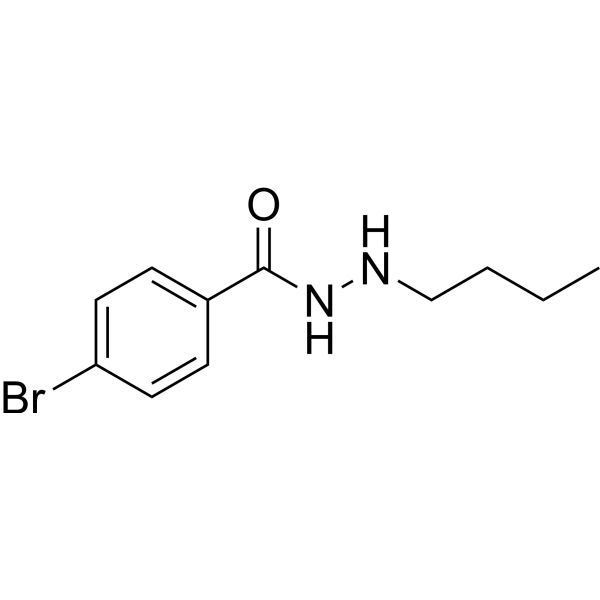
HDAC1-IN-14 is an indole-based benzamide selective HDAC1 inhibitor with an IC50 of 77 nM. HDAC1-IN-14 acts as an antiproliferative agent, with GI50 values ranging from nanomolar to low micromolar levels in various cancer cells. HDAC1-IN-14 induces G0-G1 cell cycle arrest in colon cancer cells. HDAC1-IN-14 upregulates the expression of Caspase-3, Cyto-C and Bax, and downregulates the expression of AKT-1. HDAC1-IN-14 can be used in research related to leukemia, non-small cell lung cancer, colon cancer, central nervous system cancer, melanoma, ovarian cancer, renal cancer, prostate cancer and breast cancer .
|
-
| Cat. No. |
Product Name |
Type |
-
- HY-10221G
-
|
SAHA (GMP); Suberoylanilide hydroxamic acid (GMP)
|
Fluorescent Dyes
|
|
Vorinostat (GMP) is a GMP grade Vorinosta (HY-10221). GMP-grade small molecules can be used as auxiliary agents in cell therapy. Vorinostat is a potent, orally available HDAC1, HDAC2, HDAC3 (Class I), HDAC6 and Inhibitors of HDAC7 (Class II) and Class IV (HDAC11) .
|
| Cat. No. |
Product Name |
Type |
-
- HY-10221G
-
|
SAHA (GMP); Suberoylanilide hydroxamic acid (GMP)
|
Biochemical Assay Reagents
|
|
Vorinostat (GMP) is a GMP grade Vorinosta (HY-10221). GMP-grade small molecules can be used as auxiliary agents in cell therapy. Vorinostat is a potent, orally available HDAC1, HDAC2, HDAC3 (Class I), HDAC6 and Inhibitors of HDAC7 (Class II) and Class IV (HDAC11) .
|
| Cat. No. |
Product Name |
Category |
Target |
Chemical Structure |
| Cat. No. |
Product Name |
Chemical Structure |
-
- HY-12163S
-
|
|
|
Entinostat-d4 is the deuterium labeled Entinostat . Entinostat is an oral and selective class I HDAC inhibitor, with IC50s of 243 nM, 453 nM, and 248 nM for HDAC1, HDAC2, and HDAC3, respectively .
|
-
-
- HY-109015S
-
|
|
|
Tucidinostat-d4 is the deuterium labeled Tucidinostat. Tucidinostat is a potent and orally bioavailable HDAC enzymes class I (HDAC1/2/3) and class IIb (HDAC10) inhibitor, with IC50s of 95, 160, 67 and 78 nM, respectively .
|
-
| Cat. No. |
Product Name |
|
Classification |
-
- HY-159112
-
|
|
|
Azide
|
|
AW01178 is a Class I HDAC inhibitor. AW01178 induces the upregulation of E-cadherin at both mRNA and protein levels and inhibits the EMT of breast cancer cells .
|
Your information is safe with us. * Required Fields.
Inquiry Information
- Product Name:
- Cat. No.:
- Quantity:
- MCE Japan Authorized Agent:

