


Search Result
Results for "
cleavable site
" in MedChemExpress (MCE) Product Catalog:
2
Biochemical Assay Reagents
| Cat. No. |
Product Name |
Target |
Research Areas |
Chemical Structure |
-
- HY-D2449
-
|
|
Fluorescent Dye
|
Others
|
|
DQ-BSA-Red is a bovine serum albumin labeled with a red fluorescent dye that can be used to detect lysosomal activity. The excitation wavelength and emission wavelength of DQ-BSA-Red are 590 nm and 620 nm, respectively. The BSA molecule in DQ-BSA-Red is labeled with high concentration of red fluorescent dye in multiple sites, which shows high fluorescence self-inhibition. Once DQ-BSA-RED enters the lysosome, DQ-BSA is cleaved by lysosomal proteases, resulting in unquenched and released fluorescent fragments, emitting bright fluorescence. Inactivated lysosomes are unable to degrade the BSA protein and thus have a lower or even no fluorescent signal .
|
-
-
- HY-13240
-
|
|
Beta-secretase
|
Neurological Disease
|
|
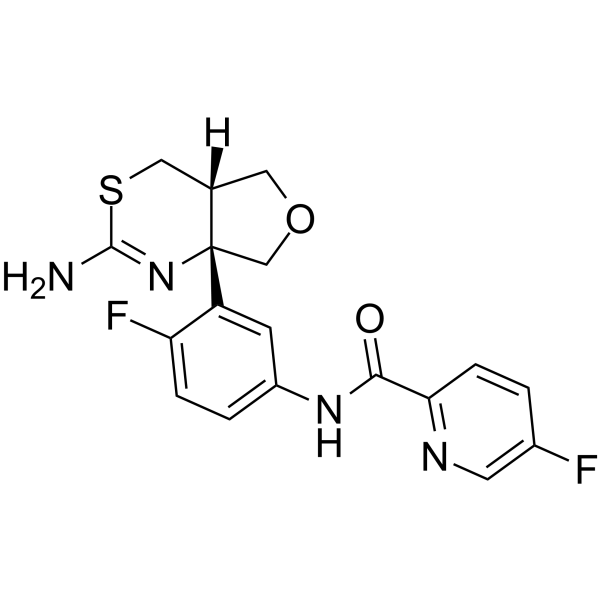
LY2886721 is a potent, selective and orally active beta-site amyloid precursor protein cleaving enzyme 1 (BACE1) inhibitor with an IC50 of 20.3 nM for recombinant human BACE1. LY2886721 is selectivity against cathepsin D, pepsin, and renin, but lacking selectivity against BACE2 (IC50 of 10.2 nM). LY2886721 can across blood-brain barrier and has the potential for Alzheimer's disease treatment .
|
-
-
- HY-15908
-
|
Disodium bicinchoninate
|
Beta-secretase
|
Neurological Disease
Cancer
|
|
BCA (Disodium bicinchoninate) is an orally active and non-competitive Beta-site amyloid precursor protein cleaving enzyme 1 (BACE1) inhibitor with an IC50 value of 28 µM, a Ki value of 43 µM. BCA shows anticancer activity. BCA has the potential for the research of Alzheimer's disease (AD) .
|
-
-
- HY-123740
-
|
DSSO
|
Biochemical Assay Reagents
|
Others
|
|
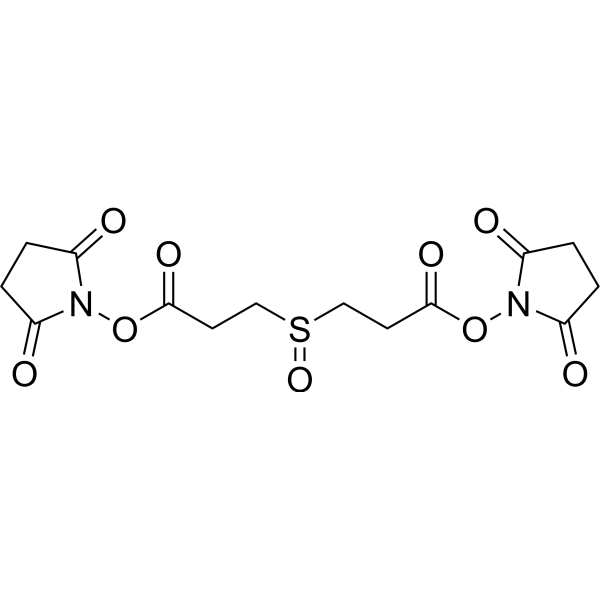
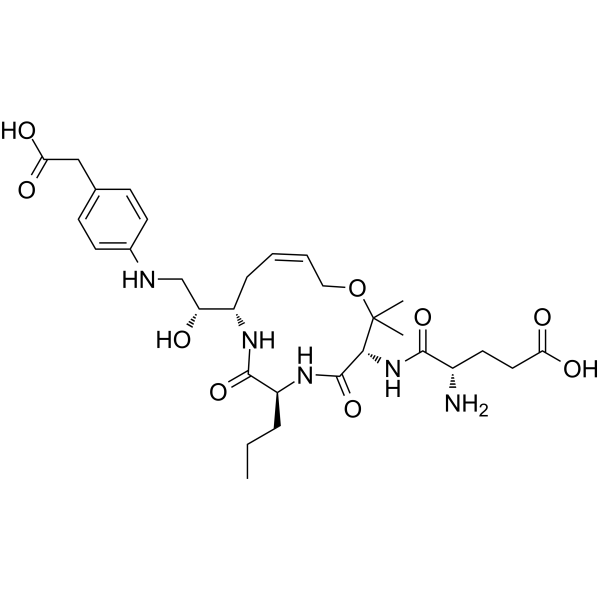
Disuccinimidyl sulfoxide (DSSO) is a sulfoxide-containing crosslinker targeting amino groups that can be cleaved by MS, and it is suitable for model peptides, proteins, and multisubunit protein complexes. Disuccinimidyl sulfoxide contains two symmetric collision-induced dissociation (CID)-cleavable sites, enabling the identification of DSSO-crosslinked peptides based on different fragmentation patterns .
|
-
-
- HY-119689
-
|
CNP520
|
Beta-secretase
|
Neurological Disease
|
|
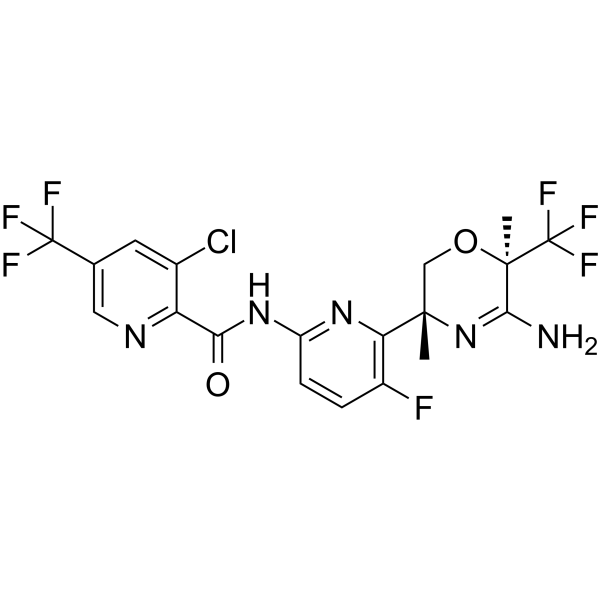
Umibecestat (CNP520) is a beta-site amyloid precursor protein cleaving enzyme-1 (BACE-1) inhibitor with IC50s of 11 nM and 10 nM for human BACE-1 and mouse BACE-1, respectively . Umibecestat can be used for the research of alzheimer's disease.
|
-
-
- HY-109052
-
|
JNJ-54861911
|
Beta-secretase
|
Neurological Disease
|
|
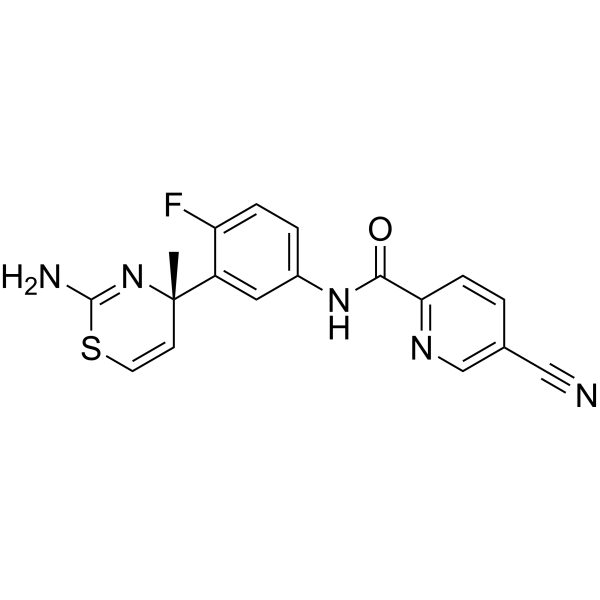
Atabecestat (JNJ-54861911) is a potent brain-penetrant and orally active β-site amyloid precursor protein cleaving enzyme 1 (BACE1) inhibitor, achieves robust and high CSF Aβ reduction. Atabecestat s tolerated and displays a sustained pharmacokinetic (PK) and pharmacodynamic (PD) characteristics. Atabecestat has the potential for Alzheimer's Disease treatment .
|
-
-
- HY-13438
-
|
|
Beta-secretase
|
Neurological Disease
|
|
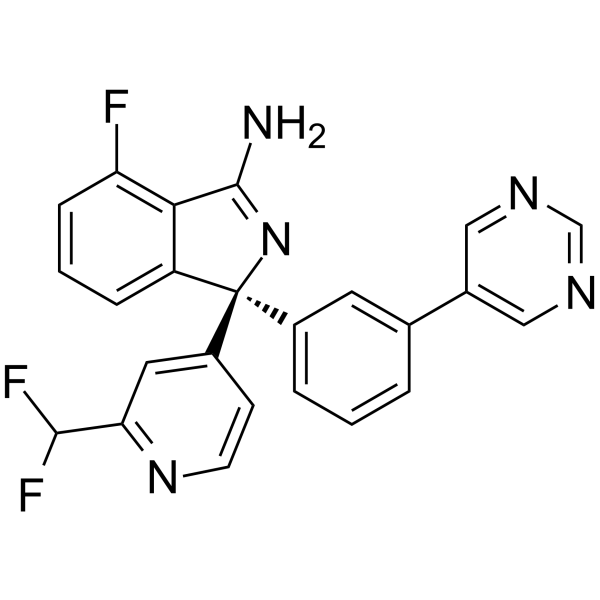
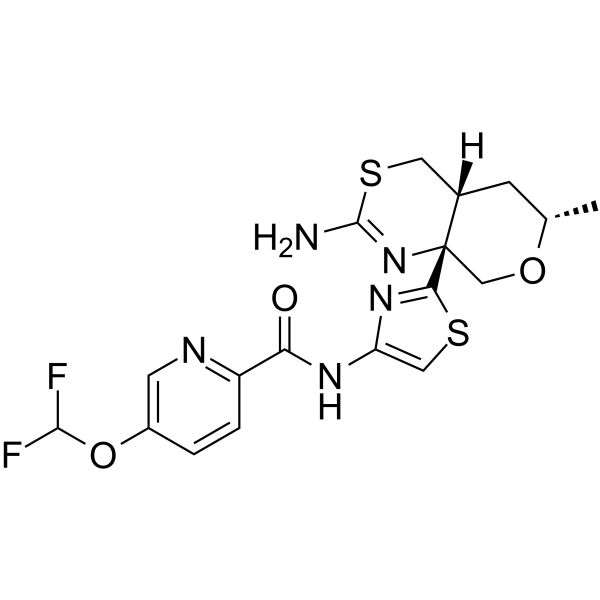
AZD3839 is an orally available, selective, reversible inhibitor of the β-site amyloid precursor protein cleaving enzyme BACE1 that can cross the blood-brain barrier. AZD3839 inhibits recombinant human BACE1 with a Ki=26.1 nM. AZD3839 inhibits A40 production in SH-SY5Y cells with an IC50 of 4.8 nM. AZD3839 binds to BACE1 and reduces the Aβ amyloid produced by the cleavage of amyloid precursor protein (APP) by BACE1 and γ-secretase. AZD3839 can be used in the field of Alzheimer's disease research .
|
-
-
- HY-P3208B
-
|
|
Biochemical Assay Reagents
|
Others
|
|
Endoproteinase Lys-C (MS grade) is a hydrolase that cleaves peptide bonds at the carboxyl side of lysine residues. Endoproteinase Lys-C (MS grade) causes non-specific hydrolysis of peptide bonds linked to the carboxyl groups of non-lysine residues, resulting in partial cleavage at these sites .
|
-
-
- HY-D1078
-
|
|
Fluorescent Dye
Reactive Oxygen Species (ROS)
P-glycoprotein
|
Others
|
|
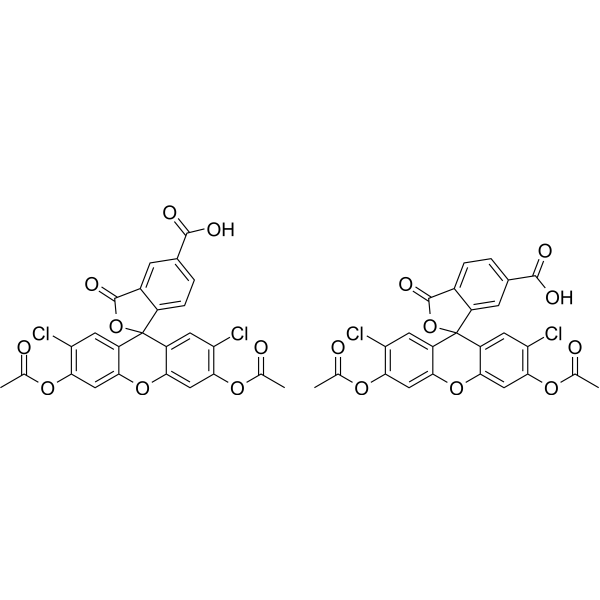
5 (6)-Carboxy-2',7'-dichlorofluorescein diacetate is a fluorescein-based reactive oxygen species (ROS) probe and also a MRP2 substrate. 5 (6)-Carboxy-2',7'-dichlorofluorescein diacetate serves as a substrate for intracellular esterases, which cleave its acetate groups to generate a fluorescent product capable of detecting intracellular ROS. 5 (6)-Carboxy-2',7'-dichlorofluorescein diacetate is ATP-dependent and is transported via a single MRP2 binding site; it competes with LTC4 for MRP2 binding sites and inhibits MRP2-mediated LTC4 transport (Ex/Em = 496/525 nm) .
|
-
-
- HY-163944
-
|
|
DNA/RNA Synthesis
Molecular Glues
CDK
Apoptosis
RAD51
ATM/ATR
PARP
|
Cancer
|
LL-K12-18 is a CDK12 kinase inhibitor and a dual-site molecular glue. LL-K12-18 inhibits human CDK12 with an IC50 value of 283.9 nM, and selectively degrades cyclin K via the ubiquitin-proteasome system by stabilizing the CDK12-DDB1 complex. LL-K12-18 downregulates DNA damage response genes, reduces the phosphorylation level of CTD Ser2 in RNA polymerase II, and modulates biomarkers such as ATM, RAD51, γ-H2AX and cleaved PARP, thereby effectively inducing apoptosis and inhibiting proliferation of breast cancer cells. LL-K12-18 exhibits high target selectivity and serves as a research tool for studies on triple-negative breast cancer .
|
-
-
- HY-130426
-
|
Mal-PEG3-acid
|
ADC Linker
PROTAC Linkers
|
Cancer
|
|
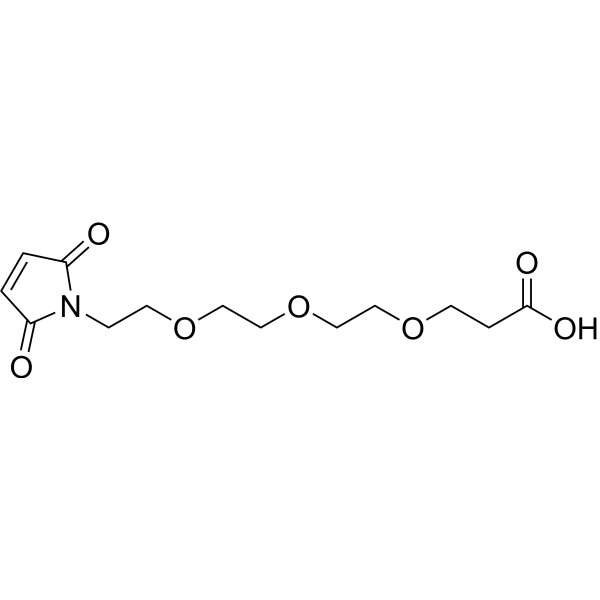
Maleimido-tri(ethylene glycol)-propionic acid is a cleavable ADC linker used in the synthesis of antibody-drug conjugates (ADCs). Maleimido-tri(ethylene glycol)-propionic acid is used for the preparation of neolymphostin-based ADC precursors for site-specific cysteine mutant trastuzumab-A114C conjugation . Maleimido-tri(ethylene glycol)-propionic acid also can be used as a PEG-based PROTAC linker that can be used in the synthesis of PROTACs.
|
-
-
- HY-112157
-
|
|
Beta-secretase
|
Neurological Disease
|
|
PF-06751979 is a potent, brain penetrant, β-site amyloid precursor protein cleaving enzyme 1 (BACE1) inhibitor with an IC50 of 7.3 nM in BACE1 binding assay.
|
-
-
- HY-P99238
-
|
|
ADC Antibody
|
Inflammation/Immunology
Cancer
|
|
Rolinsatamab is a IgG1κ type chimeric antibody targeting to PRLR (prolactin receptor). Rolinsatamab can be conjugated with pyrrolobenzodiazepine (PDB) dimer SGD-1882 (HY-101127) via a cleavable maleimidocaproyl type linker, to form an antibody-drug conjugate, Rolinsatamab talirine. One Rolinsatamab talirine has an average of 2 site-specific drug attachment engineered cysteines (S239C). The linker equips the valine-alanine dipeptide, as cathepsine B cleavage site. on an average of 2 site-specific drug attachment engineered cysteines (S239C) .
|
-
-
- HY-145657
-
|
BQQ
|
Biochemical Assay Reagents
|
Others
|
|
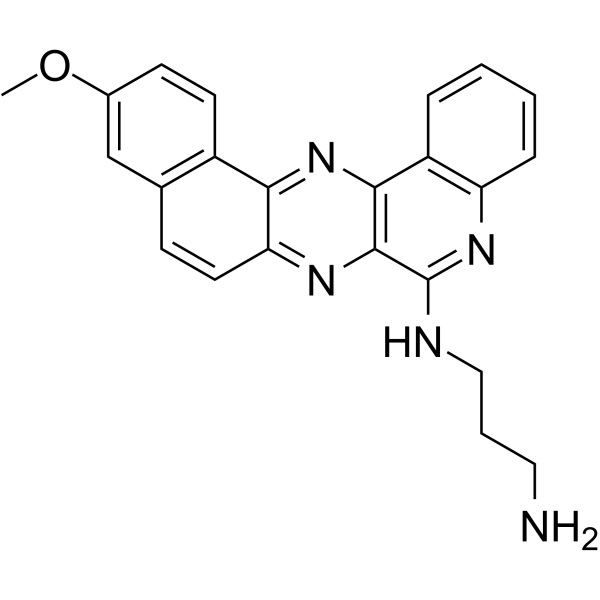
Benzoquinoquinoxaline (BQQ) is a heterocyclic compound with an aminoalkyl side chain. Benzoquinoquinoxaline preferentially binds to DNA triplex structures, intercalates between the bases, thus, stabilising the triplex conformation. Conjugation of Benzoquinoquinoxaline to 1,10-phenanthroline specifically binds and cleaves double strand DNA at the site of formation of a triplex structure .
|
-
-
- HY-108966
-
|
|
Beta-secretase
|
Inflammation/Immunology
|
|
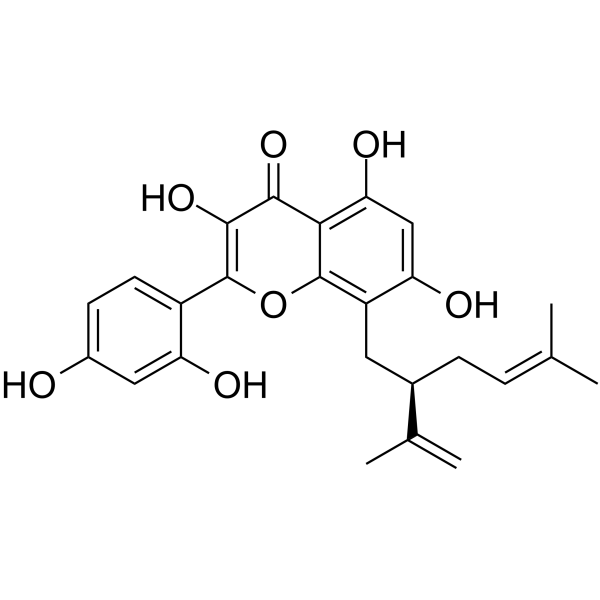
Kushenol C, isolated from the roots of Sophora flavescens, shows anti-Inflammatory and anti-oxidative stress activities. Kushenol C inhibits BACE1 (β-site APP cleaving enzyme 1) with an IC50 of 5.45 µM .
|
-
-
- HY-P2929C
-
|
|
Glycosidase
|
Cancer
|
|
PNGase F (Lyophilized) is a glycosidase expressed by recombinant E. coli. PNGase F (Lyophilized) can selectively hydrolyze all N-glycans linked to Asn in proteins except those containing α1-3 fucosidic bonds. The cleavage site is the glycosidic bond between Asn and the innermost GIcNAc, which releases sugar molecules linked to asparagine from glycoproteins and converts asparagine to aspartic acid. The cleaved glycoforms include high mannose, hybrid and complex oligosaccharides .
|
-
-
- HY-P5272
-
|
|
Bacterial
|
Inflammation/Immunology
|
|
Histatin-3 TFA, a 32 amino acid peptide, possesses powerful antimicrobial properties. Histatin-3 TFA behaves as a substrate for proprotein convertase 1 (PC1), being cleaved by this endoprotease primarily at a site carboxy terminal to the single Arg25 residue (HRGYR decrease SN). Histatin-3 TFA is a moderately potent, reversible and competitive inhibitor of the furin-mediated cleavage of the pentapeptide pGlu-Arg-Thr-Lys-Arg-MCA fluorogenic substrate, with an estimated inhibition constant Ki of 1.98 μM .
|
-
-
- HY-144741
-
-
-
- HY-175466
-
|
|
PARP
DNA/RNA Synthesis
Apoptosis
|
Cancer
|
|
BER-IN-1 is a base excision repair (BER) inhibtor, targeting DNA abasic sites. BER-IN-1 cleaves abasic sites via β- and β,δ-elimination mechanisms, disrupts the base excision repair (BER) pathway and leads to DNA double-strand breaks (DSBs). BER-IN-1 can enhance the effectiveness of the PARP inhibitor Olaparib (HY-10162) in homologous recombination (HR)-proficient cancer cells (MDA-MB-231, HeLa, and SKOV3). BER-IN-1 induces an S-phase arrest and apoptosis companied with Olaparib (HY-10162). BER-IN-1 can be used for the research of cancer, such as breast, cervical and ovarian cancer .
|
-
-
- HY-13438A
-
|
|
Beta-secretase
|
Cancer
|
|
AZD3839 fumarate is an orally available, selective, reversible inhibitor of the β-site amyloid precursor protein cleaving enzyme BACE1 that can cross the blood-brain barrier. AZD3839 fumarate inhibits recombinant human BACE1 with a Ki=26.1 nM. AZD3839 fumarate inhibits A40 production in SH-SY5Y cells with an IC50 of 4.8 nM. AZD3839 fumarate binds to BACE1 and reduces the Aβ amyloid produced by the cleavage of amyloid precursor protein (APP) by BACE1 and γ-secretase. AZD3839 fumarate can be used in the field of Alzheimer's disease research .
|
-
-
- HY-146125
-
|
|
Endonuclease
|
Metabolic Disease
|
|
CGCG/CGG ligand 1 (compound 10), an anthracenone derivative, is a CGCG or CGG short spacer-ligand. CGCG/CGG ligand 1 can protect cleavable sites of DNA with the multiple CGCG or continuous CGG sites from the restriction enzyme .
|
-
-
- HY-P2610
-
|
|
Caspase
|
Others
|
|
Ac-VEID-pNA is an artificially synthesized peptide. Ac-VEID-pNA is utilized as substrate for caspase 6, that cleaves the lamin A at the cleavage site of VEID .
|
-
-
- HY-E70566
-
|
|
Ser/Thr Protease
|
Others
|
|
Protease (Fab Cleaving) is a serine protease expressed recombinantly in E.coli with a 6×His tag at the C-terminus. Protease (Fab Cleaving) specifically digests human IgG1 at a single site above the hinge, generating intact Fab and Fc fragments within two hours without reducing conditions.
|
-
-
- HY-144739
-
-
-
- HY-E70568
-
|
|
Ser/Thr Protease
|
Others
|
|
Protease (O-glycan Cleaving) is recombinantly expressed from E.coli and contains a His tag. Protease (O-glycan Cleaving) is an O-glycan-dependent protease that digests proteins carrying mucin-type O-glycans, including sialylated substrates, glycosylated Ser and Thr residues at the N terminus. Protease (O-glycan Cleaving) digests a variety of O-glycan structures, including sialylated glycosylated core 1 and core 2 structures and Tn antigen. Protease (O-glycan Cleaving) does not digest terminally modified serine or threonine residues, nor does it digest N-glycosylation sites on glycoproteins.
|
-
-
- HY-E70393J
-
|
|
Factor XI
|
Others
|
|
Bovine Factor XIa is an enzyme, which is involved in the intrinsic pathway of blood coagulation. Bovine Factor XIa is highly selective and exhibits a minimal extended substrate recognition site of at least five residues long. Bovine Factor XIa is reactive as Bovine Factor IXa (HY-E70393I) does, that it cleaves all the peptides bearing factor IX activation site sequences .
|
-
-
- HY-E70128
-
|
|
Others
|
Others
|
|
Leucyl aminopeptidase, Porcine is a metallopeptidase that cleave N-terminal residues from proteins and peptides. Leucyl aminopeptidase serves as transcriptional repressors to control pyrimidine, alginate and cholera toxin biosynthesis, as well as mediate site-specific recombination events in plasmids and phages .
|
-
-
- HY-P5274
-
|
|
Beta-secretase
|
Others
|
|
BACE1 (485-501) is the carboxyl terminal of BACE1 (Beta-site APP cleaving enzyme 1). BACE1 (485-501) can be used as antigen to produce anti-BACE1-C antibody .
|
-
-
- HY-U00287
-
|
|
Beta-secretase
|
Neurological Disease
|
|
BACE-IN-1 (Compound 13) is a substituted lmidazo[1 ,2-a]pyridine derivative which can inhibit β-site amyloid precursor protein-cleaving enzyme (BACE) and that may be useful in the treatment of diseases in which BACE is involved, such as Alzheimer's disease.
|
-
-
- HY-E70365A
-
|
|
Biochemical Assay Reagents
|
Inflammation/Immunology
|
|
IdeS (Immobilized, Microspin) is a resin that covalently couples IdeS protease to agarose beads and cleaves IgG at specific sites to generate F(ab')2 and Fc fragments. After IdeS (Immobilized, Microspin) digestion, F(ab')2 and Fc fragments are obtained in the solution without IdeS enzyme.
|
-
-
- HY-130244
-
|
|
Beta-secretase
|
Neurological Disease
|
|
BACE1-IN-5 (Compound 15) is a β-site amyloid precursor protein cleaving enzyme 1 (BACE1) inhibitor with an IC50 of 9.1 nM, and also inhibits cellular amyloid-β (Aβ) with an IC50 of 0.82 nM. BACE1-IN-5 has a medicinal chemistry that improves hERG inhibition and P-gp efflux .
|
-
-
- HY-P10668
-
|
|
Dengue Virus
Flavivirus
|
Infection
|
|
Ac-EVKKQR-pNA is a competitive chromogenic para-nitroanilide substrate corresponding to the P6-P1 segment amino-terminal to the NS2B-NS3 cleavage site but with a more reactive, hydrolytically cleavable, para-nitroanilide at the P1’ position. Ac-EVKKQR-pNA is promising for research of dengue 2 virus and flavivirus virus infection .
|
-
-
- HY-173226
-
|
|
Beta-secretase
|
Neurological Disease
|
|
BACE1-IN-15 (Compound 72) is a selective inhibitor of beta-site amyloid precursor protein cleaving enzyme 1 (BACE-1) with oral activity and the ability to penetrate the blood-brain barrier. Its IC50 value is 121.65 nM (the IC50 value for BACE-2 is 480.92 nM). BACE1-IN-15 can be used in the research of the Alzheimer's disease field
|
-
-
- HY-13240A
-
|
|
Beta-secretase
|
Neurological Disease
|
|
LY2886721 hydrochloride is a potent, selective and orally active beta-site amyloid precursor protein cleaving enzyme 1 (BACE1) inhibitor with an IC50 of 20.3 nM for recombinant human BACE1. LY2886721 hydrochloride is selectivity against cathepsin D, pepsin, and renin, but lacking selectivity against BACE2 (IC50 of 10.2 nM). LY2886721 hydrochloride can across blood-brain barrier and has the potential for Alzheimer's disease treatment .
|
-
-
- HY-128774
-
|
|
Beta-secretase
|
Neurological Disease
|
|
AM-6494 is a potent and orally active BACE1 (efficacious β-site amyloid precursor protein cleaving enzyme 1) inhibitor (IC50=0.4 nM) with in vivo selectivity over BACE2 (IC50=18.6 nM) . AM-6494 is a click chemistry reagent, it contains an Alkyne group and can undergo copper-catalyzed azide-alkyne cycloaddition (CuAAc) with molecules containing Azide groups.
|
-
-
- HY-P5415
-
|
|
HIV
|
Others
|
|
DABCYL-GABA-Ser-Gln-Asn-Tyr-Pro-Ile-Val-Gln-EDANS is a biological active peptide. (DABCYL-GABA-Ser-Gln-Asn-Tyr-Pro-Ile-Val-Gln-EDANS is also called HIV protease substrate I in some literature. It is widely used for the continuous assay for HIV protease activity. The 11-Kd protease (PR) encoded by the human immunodeficiency virus 1 (HIV-1) is essential for the correct processing of viral polyproteins and the maturation of infectious virus, and is therefore a target for the design of selective acquired immunodeficiency syndrome (AIDS) therapeutics. The FRET-based fluorogenic substrate is derived from a natural processing site for HIV-1 PR. Incubation of recombinant HIV-1 PR with the fluorogenic substrate resulted in specific cleavage at the Tyr-Pro bond and a time-dependent increase in fluorescence intensity that is linearly related to the extent of substrate hydrolysis. The fluorescence quantum yields of the HIV-1 PR substrate in the FRET assay increased by 40.0- and 34.4-fold, respectively, per mole of substrate cleaved. Because of its simplicity and precision in the determination of reaction rates required for kinetic analysis, this substrate offers many advantages over the commonly used HPLC or electrophoresis-based assays for peptide substrate hydrolysis by retroviral PRs. Abs/Em = 340nm/490nm.)
|
-
-
- HY-182039
-
|
|
Microtubule/Tubulin
Caspase
Apoptosis
|
Cancer
|
|
Tubulin polymerization-IN-89 is a tubulin polymerization inhibitor. Tubulin polymerization-IN-89 binds to the colchicine-binding site on tubulin heterodimers, disrupting tubulin polymerization and microtubule formation. Tubulin polymerization-IN-89 induces apoptosis in melanoma cells and arrests the cell cycle at the G2/M phase. Tubulin polymerization-IN-89 can be used in studies related to metastatic melanoma .
|
-
-
- HY-181673
-
|
|
Microtubule/Tubulin
Apoptosis
Bcl-2 Family
Caspase
PARP
|
Cancer
|
|
ICD inducer-2 is a immunogenic cell death inducer. ICD inducer-2 binds to the colchicine binding site on tubulin to inhibit tubulin polymerization. ICD inducer-2 exhibits broad-spectrum antiproliferative activity across multiple cancer cell lines. ICD inducer-2 inhibits cells migration, causes G2/M phase and induces apoptosis. ICD inducer-2 promotes infiltration of CD4+ and CD8+ T cells into the tumor microenvironment. ICD inducer-2 downregulates antiapoptotic protein Bcl-2, upregulates proapoptotic proteins Bax and Bim-1, and increases cleaved caspase 3, cleaved caspase 9, and cleaved PARP levels. ICD inducer-2 overcomes paclitaxel resistance in xenograft models and achieves tumor growth inhibition. ICD inducer-2 can be used for the research of cancer, such as lung carcinoma .
|
-
| Cat. No. |
Product Name |
Type |
-
- HY-D2449
-
|
|
Fluorescent Dyes
|
|
DQ-BSA-Red is a bovine serum albumin labeled with a red fluorescent dye that can be used to detect lysosomal activity. The excitation wavelength and emission wavelength of DQ-BSA-Red are 590 nm and 620 nm, respectively. The BSA molecule in DQ-BSA-Red is labeled with high concentration of red fluorescent dye in multiple sites, which shows high fluorescence self-inhibition. Once DQ-BSA-RED enters the lysosome, DQ-BSA is cleaved by lysosomal proteases, resulting in unquenched and released fluorescent fragments, emitting bright fluorescence. Inactivated lysosomes are unable to degrade the BSA protein and thus have a lower or even no fluorescent signal .
|
-
- HY-D1078
-
|
|
Fluorescent Dyes
|
|
5 (6)-Carboxy-2',7'-dichlorofluorescein diacetate is a fluorescein-based reactive oxygen species (ROS) probe and also a MRP2 substrate. 5 (6)-Carboxy-2',7'-dichlorofluorescein diacetate serves as a substrate for intracellular esterases, which cleave its acetate groups to generate a fluorescent product capable of detecting intracellular ROS. 5 (6)-Carboxy-2',7'-dichlorofluorescein diacetate is ATP-dependent and is transported via a single MRP2 binding site; it competes with LTC4 for MRP2 binding sites and inhibits MRP2-mediated LTC4 transport (Ex/Em = 496/525 nm) .
|
| Cat. No. |
Product Name |
Type |
-
- HY-15908
-
|
Disodium bicinchoninate
|
Biochemical Assay Reagents
|
|
BCA (Disodium bicinchoninate) is an orally active and non-competitive Beta-site amyloid precursor protein cleaving enzyme 1 (BACE1) inhibitor with an IC50 value of 28 µM, a Ki value of 43 µM. BCA shows anticancer activity. BCA has the potential for the research of Alzheimer's disease (AD) .
|
-
- HY-D1078
-
|
|
Biochemical Assay Reagents
|
|
5 (6)-Carboxy-2',7'-dichlorofluorescein diacetate is a fluorescein-based reactive oxygen species (ROS) probe and also a MRP2 substrate. 5 (6)-Carboxy-2',7'-dichlorofluorescein diacetate serves as a substrate for intracellular esterases, which cleave its acetate groups to generate a fluorescent product capable of detecting intracellular ROS. 5 (6)-Carboxy-2',7'-dichlorofluorescein diacetate is ATP-dependent and is transported via a single MRP2 binding site; it competes with LTC4 for MRP2 binding sites and inhibits MRP2-mediated LTC4 transport (Ex/Em = 496/525 nm) .
|
| Cat. No. |
Product Name |
Target |
Research Area |
-
- HY-P5272
-
|
|
Bacterial
|
Inflammation/Immunology
|
|
Histatin-3 TFA, a 32 amino acid peptide, possesses powerful antimicrobial properties. Histatin-3 TFA behaves as a substrate for proprotein convertase 1 (PC1), being cleaved by this endoprotease primarily at a site carboxy terminal to the single Arg25 residue (HRGYR decrease SN). Histatin-3 TFA is a moderately potent, reversible and competitive inhibitor of the furin-mediated cleavage of the pentapeptide pGlu-Arg-Thr-Lys-Arg-MCA fluorogenic substrate, with an estimated inhibition constant Ki of 1.98 μM .
|
-
- HY-P2610
-
|
|
Caspase
|
Others
|
|
Ac-VEID-pNA is an artificially synthesized peptide. Ac-VEID-pNA is utilized as substrate for caspase 6, that cleaves the lamin A at the cleavage site of VEID .
|
-
- HY-P5274
-
|
|
Beta-secretase
|
Others
|
|
BACE1 (485-501) is the carboxyl terminal of BACE1 (Beta-site APP cleaving enzyme 1). BACE1 (485-501) can be used as antigen to produce anti-BACE1-C antibody .
|
-
- HY-P10668
-
|
|
Dengue Virus
Flavivirus
|
Infection
|
|
Ac-EVKKQR-pNA is a competitive chromogenic para-nitroanilide substrate corresponding to the P6-P1 segment amino-terminal to the NS2B-NS3 cleavage site but with a more reactive, hydrolytically cleavable, para-nitroanilide at the P1’ position. Ac-EVKKQR-pNA is promising for research of dengue 2 virus and flavivirus virus infection .
|
-
- HY-P5415
-
|
|
HIV
|
Others
|
|
DABCYL-GABA-Ser-Gln-Asn-Tyr-Pro-Ile-Val-Gln-EDANS is a biological active peptide. (DABCYL-GABA-Ser-Gln-Asn-Tyr-Pro-Ile-Val-Gln-EDANS is also called HIV protease substrate I in some literature. It is widely used for the continuous assay for HIV protease activity. The 11-Kd protease (PR) encoded by the human immunodeficiency virus 1 (HIV-1) is essential for the correct processing of viral polyproteins and the maturation of infectious virus, and is therefore a target for the design of selective acquired immunodeficiency syndrome (AIDS) therapeutics. The FRET-based fluorogenic substrate is derived from a natural processing site for HIV-1 PR. Incubation of recombinant HIV-1 PR with the fluorogenic substrate resulted in specific cleavage at the Tyr-Pro bond and a time-dependent increase in fluorescence intensity that is linearly related to the extent of substrate hydrolysis. The fluorescence quantum yields of the HIV-1 PR substrate in the FRET assay increased by 40.0- and 34.4-fold, respectively, per mole of substrate cleaved. Because of its simplicity and precision in the determination of reaction rates required for kinetic analysis, this substrate offers many advantages over the commonly used HPLC or electrophoresis-based assays for peptide substrate hydrolysis by retroviral PRs. Abs/Em = 340nm/490nm.)
|
| Cat. No. |
Product Name |
Target |
Research Area |
Image |
-
- HY-P99238
-
|
|
ADC Antibody
|
Inflammation/Immunology
Cancer
|
|
Rolinsatamab is a IgG1κ type chimeric antibody targeting to PRLR (prolactin receptor). Rolinsatamab can be conjugated with pyrrolobenzodiazepine (PDB) dimer SGD-1882 (HY-101127) via a cleavable maleimidocaproyl type linker, to form an antibody-drug conjugate, Rolinsatamab talirine. One Rolinsatamab talirine has an average of 2 site-specific drug attachment engineered cysteines (S239C). The linker equips the valine-alanine dipeptide, as cathepsine B cleavage site. on an average of 2 site-specific drug attachment engineered cysteines (S239C) .
|
-
(5)
| Cat. No. |
Product Name |
Category |
Target |
Chemical Structure |
| Cat. No. |
Product Name |
|
Classification |
-
- HY-128774
-
|
|
|
Alkynes
|
|
AM-6494 is a potent and orally active BACE1 (efficacious β-site amyloid precursor protein cleaving enzyme 1) inhibitor (IC50=0.4 nM) with in vivo selectivity over BACE2 (IC50=18.6 nM) . AM-6494 is a click chemistry reagent, it contains an Alkyne group and can undergo copper-catalyzed azide-alkyne cycloaddition (CuAAc) with molecules containing Azide groups.
|
Your information is safe with us. * Required Fields.
Inquiry Information
- Product Name:
- Cat. No.:
- Quantity:
- MCE Japan Authorized Agent:

