1. Search Result
Search Result
Results for "

developmental

" in MedChemExpress (MCE) Product Catalog:

142

Inhibitors & Agonists

6

Screening Libraries

2

Fluorescent Dye

6

Biochemical Assay Reagents

3

Peptides

1

MCE Kits

19

Natural
Products

1

Recombinant Proteins

20

Isotope-Labeled Compounds

2

Antibodies

2

Click Chemistry

3

Oligonucleotides

1

GMP Molecules

Cat. No. Product Name Target Research Areas Chemical Structure
  • HY-18260
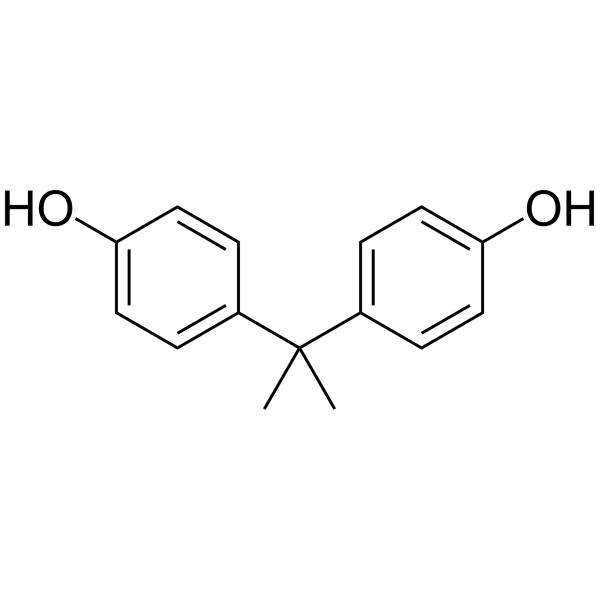
    Bisphenol A
    Maximum Cited Publications
    15 Publications Verification

    Environmental Pollutants Endogenous Metabolite Apoptosis Reactive Oxygen Species (ROS) p38 MAPK Akt Cardiovascular Disease Metabolic Disease Endocrinology Cancer
    Bisphenol A is a phenolic, organic synthetic compound widely used in the production of polycarbonate plastics and epoxy resins. Bisphenol A is a reproductive, developmental, and systemic toxicant, often classified as an endocrine-disrupting compound (EDC). Bisphenol A is associated with many diseases, including cancers, cardiovascular diseases, respiratory diseases, diabetes, kidney diseases, obesity, and reproductivedisorders .
    Bisphenol A
  • HY-108913
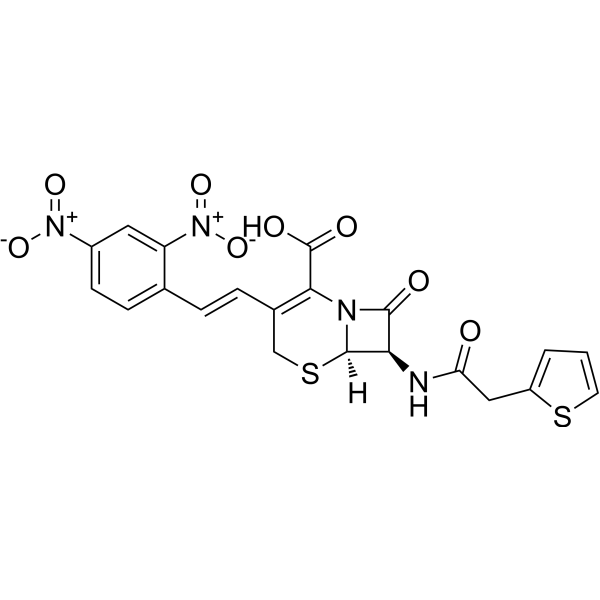
    Nitrocefin
    2 Publications Verification

    Beta-lactamase Antibiotic Bacterial Infection
    Nitrocefin is a highly activated, chromogenic cephalosporin derivative. Nitrocefin is a chromogenic β-lactamase substrate. Nitrocefin undergoes a distinctive color change from yellow to red as the amide bond in the β-lactam ring is hydrolyzed by β-lactamase. Nitrocefin is used in competitive inhibition studies in developmental work on β-lactamase-resistant antibiotics .
    Nitrocefin
  • HY-B0263
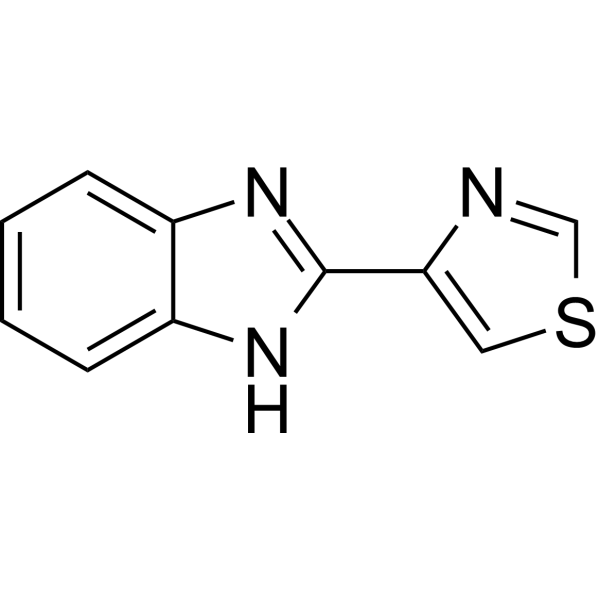
    Thiabendazole
    4 Publications Verification

    Tiabendazole; 2-(4-Thiazolyl)benzimidazole

    Environmental Pollutants Mitochondrial Metabolism Parasite Caspase VEGFR MDM-2/p53 CDK Interleukin Related Infection Cardiovascular Disease Inflammation/Immunology Cancer
    Thiabendazole is an orally available benzimidazole fungicide with repellent and anticancer activities. Thiabendazole can result in developmental malformations. Thiabendazole can be used for modeling .
    Thiabendazole
  • HY-B1268
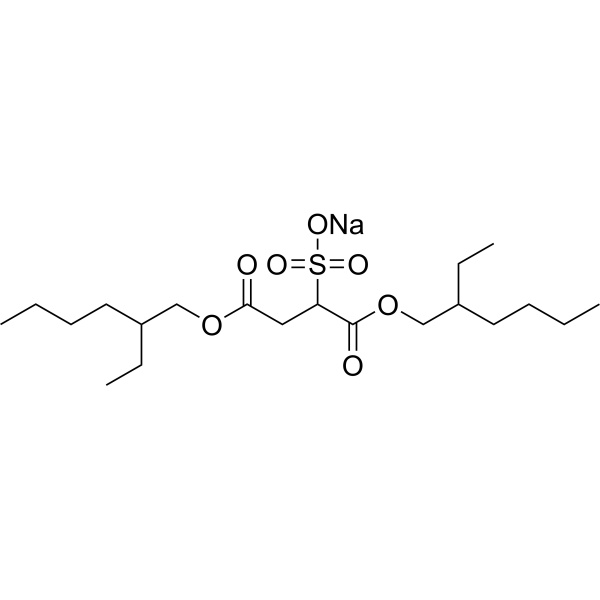
    Docusate Sodium
    2 Publications Verification

    Dioctyl sulfosuccinate sodium salt

    Environmental Pollutants HSV Others
    Docusate Sodium (Dioctyl sulfosuccinate sodium salt) is one of the main components in stool softeners. Docusate Sodium is a sulfated surfactant and may inactivate viral pathogens by disrupting viral envelopes and/or denaturing/disassociating proteins. Docusate Sodium is effective in vitro against wild type and drug-resistant strains of HSV type 1 and 2. Docusate Sodium is an obesogen. Docusate Sodium with developmental exposure leads to increased adult adiposity, inflammation, metabolic disorder and dyslipidemia in offspring fed a standard diet in mice .
    Docusate Sodium
  • HY-W008091
    5-Methylcytosine
    2 Publications Verification

    DNA/RNA Synthesis Endogenous Metabolite Cancer
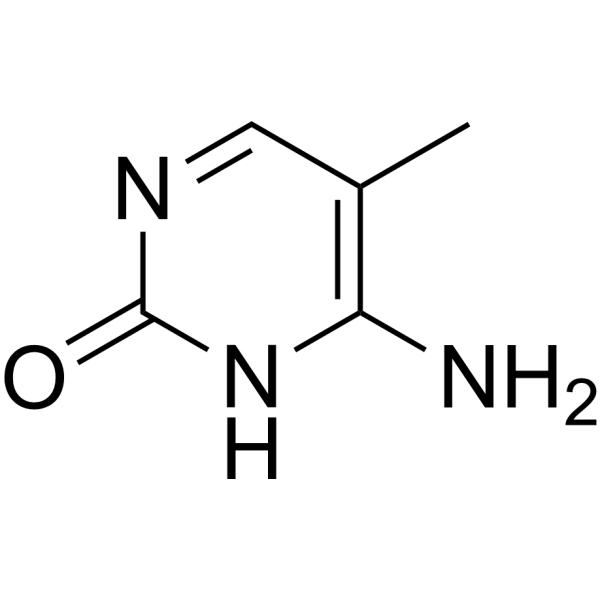
    5-Methylcytosine is a well-characterized DNA modification in prokaryotes and eukaryotes. 5-Methylcytosine forms symmetrical methylation on CpG dinucleotides in DNA, stabilizes tRNA/rRNA structure in RNA, and affects mRNA translation. 5-Methylcytosine can be oxidized to generate 5hmC, 5fC, and 5caC. 5-Methylcytosine can be used in epigenetics, developmental biology, and the study of diseases such as colorectal cancer and hepatocellular carcinoma .
    5-Methylcytosine
  • HY-B1986
    p,p'-DDE
    2 Publications Verification

    4,4'-DDE; p,p'-Dichlorodiphenyldichloroethylene

    Environmental Pollutants Drug Metabolite Androgen Receptor Metabolic Disease Endocrinology
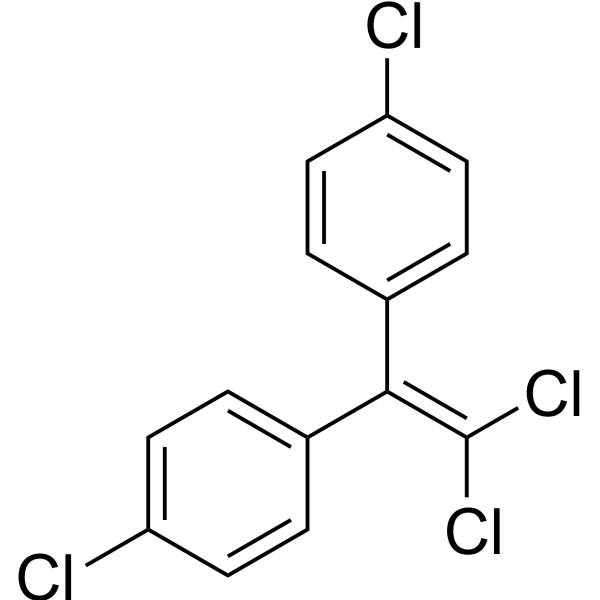
    p,p'-DDE (4,4'-DDE) is the major and persistent metabolite of DDT. p,p'-DDE is a orally active androgen receptor antagonist with an IC50 of 5 μM and a Ki of 3.5 μM. p,p'-DDE can affect the development and function of the male reproductive system. Additionally, high serum concentrations of p,p'-DDE may be a risk factor for type 2 diabetes in women .
    p,p'-DDE
  • HY-B0973

    DBT; Diphenylene sulfide

    Cytochrome P450 Aryl Hydrocarbon Receptor Metabolic Disease
    Dibenzothiophene is an orally active and a noncompetitive CYP1A inhibitor. Dibenzothiophene inhibits CYP1A-mediated EROD activity with a Km of 0.592 μM. Dibenzothiophene interacts with the AHR pathway. Dibenzothiophene enhances the embryotoxicity of β-naphthoflavone (HY-114740). Dibenzothiophene shows acute toxicity in mice. Dibenzothiophene is mainly used for the study of the mechanism of developmental toxicity in organisms .
    Dibenzothiophene
  • HY-18260S2

    Isotope-Labeled Compounds Reactive Oxygen Species (ROS) p38 MAPK Apoptosis Akt Endogenous Metabolite Metabolic Disease
    Bisphenol A- 13C12 is the 13C-labeled Bisphenol A (HY-18260). Bisphenol A is a phenolic, organic synthetic compound widely used in the production of polycarbonate plastics and epoxy resins. Bisphenol A is a reproductive, developmental, and systemic toxicant, often classified as an endocrine-disrupting compound (EDC). Bisphenol A is associated with many diseases, including cancers, cardiovascular diseases, respiratory diseases, diabetes, kidney diseases, obesity, and reproductivedisorders .
    Bisphenol A-13C12
  • HY-N0179
    Ecdysone
    1 Publications Verification

    α-Ecdysone

    Endogenous Metabolite Apoptosis Metabolic Disease
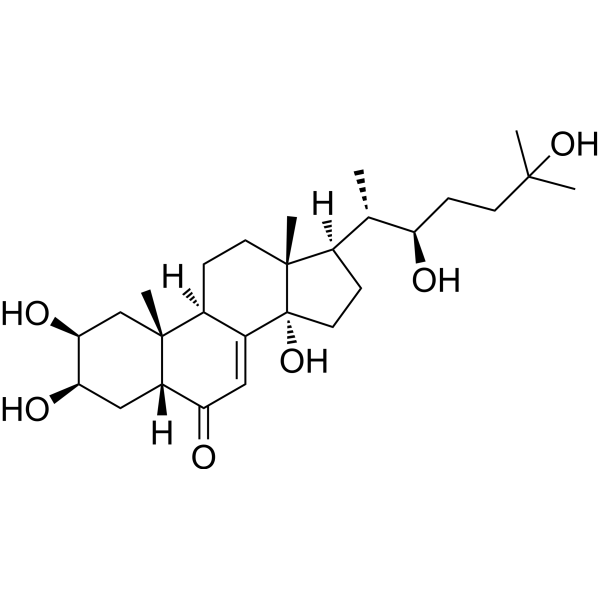
    Ecdysone (α-Ecdysone), a major steroid hormone in insects and herbs, triggers mineralocorticoid receptor (MR) activation and induces cellular apoptosis. Ecdysone plays essential roles in coordinating developmental transitions and homeostatic sleep regulation through its active metabolite 20-hydroxyecdysone (Crustecdysone; 20E; HY-N6979) .
    Ecdysone
  • HY-B0847
    Propiconazole
    2 Publications Verification

    Environmental Pollutants Reactive Oxygen Species (ROS) Fungal Infection
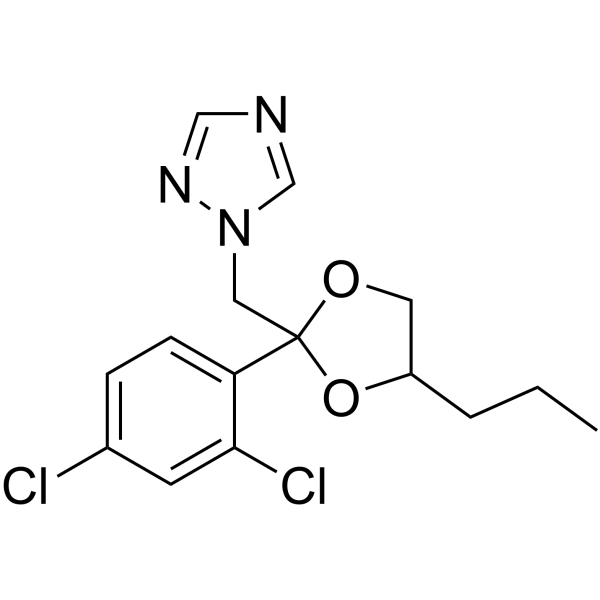
    Propiconazole is an orally active N-substituted triazole used as a fungicide. Propiconazole is a mouse liver hepatotoxicant and a hepatocarcinogen that has adverse reproductive and developmental toxicities in experimental animals .
    Propiconazole
  • HY-B1024
    DL-Panthenol
    1 Publications Verification

    DL-Pantothenol; DL-Pantothenyl alcohol

    Biochemical Assay Reagents Inflammation/Immunology
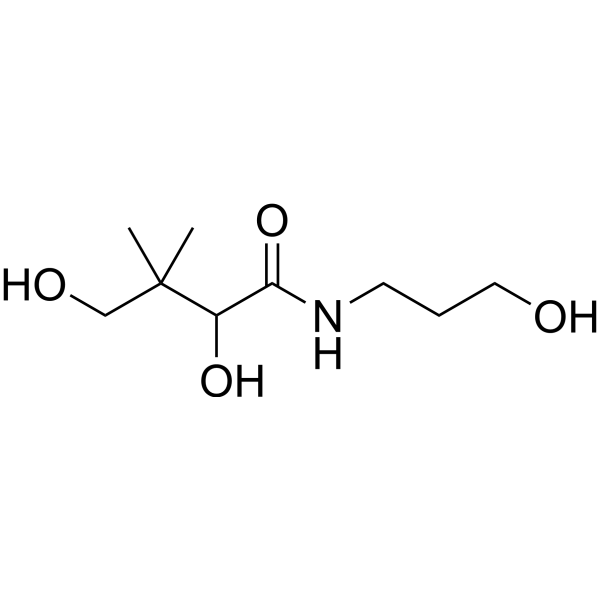
    DL-Panthenol (DL-Pantothenol) is a precursor of pantothenic acid. DL-Panthenol easily penetrates the skin and has effects of deep moisturizing, promoting wound healing and anti-inflammation. DL-Panthenol can also be used as a hair conditioner in cosmetics. DL-Panthenol has low acute toxicity, non-sensitizing property, and no significant genotoxicity or reproductive and developmental toxicity. DL-Panthenol can be applied to the research of cosmetics .
    DL-Panthenol
  • HY-15825
    IWP L6
    4 Publications Verification

    Porcn Inhibitor III

    Porcupine Cancer
    IWP L6 (Porcn Inhibitor III) is a Porcupine (Porcn) inhibitor with an EC50 of 0.5 nM. IWP L6 disrupts well-established Wnt-dependent developmental processes of embryonic and juvenile zebrafish .
    IWP L6
  • HY-B0835

    Environmental Pollutants Reactive Oxygen Species (ROS) Cholinesterase (ChE) Caspase Apoptosis Cardiovascular Disease Neurological Disease Inflammation/Immunology
    Fenobucarb is a carbamate insecticide. Fenobucarb induces zebrafish developmental neurotoxicity through pathways involved in inflammation, oxidative stress, degeneration and apoptosis. Fenobucarb is a possible risk factor to cardiovascular and cerebrovascular systems in animals .
    Fenobucarb
  • HY-B1111

    BTS-27419

    Environmental Pollutants Adrenergic Receptor Parasite Monoamine Oxidase Infection Endocrinology
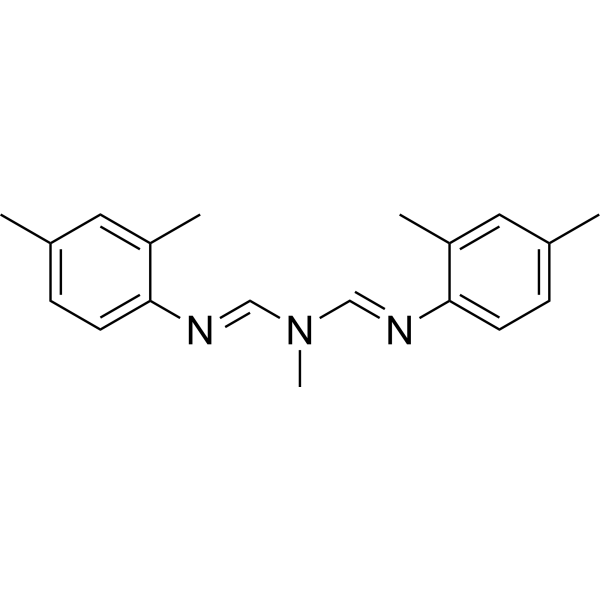
    Amitraz is a non-systemic acaricide and insecticide with alpha-adrenergic agonist activity that interacts with octopamine receptors in the central nervous system and inhibits monoamine oxidase and prostaglandin synthesis .
    Amitraz
  • HY-W007330

    Aldehyde Dehydrogenase (ALDH) Microtubule/Tubulin Metabolic Disease
    2-Bromoacetamide is a disinfection byproduct. 2-Bromoacetamide can inactivate liver alcohol dehydrogenase and interfere with microtubule and actin cytoskeletal function. 2-Bromoacetamide is a potent developmental toxicant in animals .
    2-Bromoacetamide
  • HY-W762011

    Apoptosis Reactive Oxygen Species (ROS) JNK Oxidative Phosphorylation Neurological Disease Cancer
    BDE 47 targets mitochondria, inhibits mitochondrial oxidative phosphorylation (OXPHOS), decreases mitochondrial membrane potential (MMP) and induces apoptosis in embryonic cell. BDE 47 induces the generation of ROS, and activates the JNK signaling pathway. BDE 47 exhibits embryonic developmental toxicity in zebrafish .
    BDE 47
  • HY-B1134
    Imazalil
    1 Publications Verification

    Enilconazole

    Environmental Pollutants Fungal Pregnane X Receptor (PXR) Infection
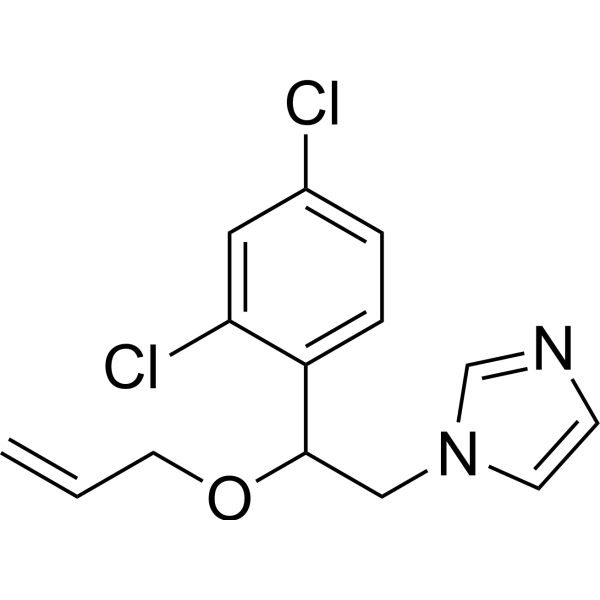
    Imazalil (Enilconazole) is a fungicide. Imazalil has oral activity and strongly activates mPXR but not mCAR in mouse liver. Imazalil is commonly used to protect various agricultural crops against fungal attack. Imazalil induces developmental abnormalities, gut microbiota dysbiosis, and hepatic metabolism disorder .
    Imazalil
  • HY-B0831
    Buprofezin
    2 Publications Verification

    Environmental Pollutants Reactive Oxygen Species (ROS) Oxidative Phosphorylation Others
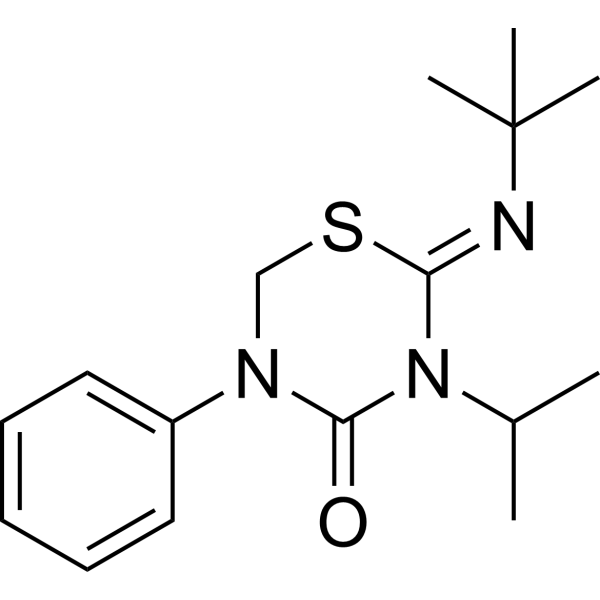
    Buprofezin is a broad-spectrum insecticide and chitin synthesis inhibitor that targets developmental stage coleopteran pests.Buprofezin promotes the conversion of energy metabolism from the aerobic tricarboxylic acid (TCA) cycle and oxidative phosphorylation to anaerobic glycolysis. Buprofezin also promotes the production of reactive oxygen species (ROS) by inhibiting cytochrome c oxidase .
    Buprofezin
  • HY-W099479

    Ethyl butylacetylaminopropionate; IR-3535

    Environmental Pollutants Apoptosis Reactive Oxygen Species (ROS) Parasite SOD Infection Inflammation/Immunology
    Insect repellent M 3535 (Ethyl butylacetylaminopropionate) is a broad-spectrum, mild insect repellent based on the structure of β-alanine. Insect repellent M 3535 exerts repellent effects by interfering with the olfaction of mosquitoes, but it poses risks of developmental and cardiac toxicity to aquatic organisms such as zebrafish embryos in aquatic environments, and can activate oxidative stress responses .
    Insect repellent M 3535
  • HY-18260S

    Endogenous Metabolite Metabolic Disease
    Bisphenol A-d16 is the deuterium labeled Bisphenol A . Bisphenol A is a phenolic, organic synthetic compound widely used in the production of polycarbonate plastics and epoxy resins. Bisphenol A is a reproductive, developmental, and systemic toxicant, often classified as an endocrine-disrupting compound (EDC). Bisphenol A is associated with many diseases, including cardiovascular diseases, respiratory diseases, diabetes, kidney diseases, obesity, and reproductivedisorders .
    Bisphenol A-d16
  • HY-136355

    Environmental Pollutants Reactive Oxygen Species (ROS) Fungal SOD Infection Inflammation/Immunology
    Picoxystrobin is a strobilurin fungicide. Picoxystrobin controls plant diseases by inhibiting mitochondrial respiration. Picoxystrobin is highly toxic to zebrafish embryos, causing developmental abnormalities, oxidative stress, and immunotoxicity .
    Picoxystrobin
  • HY-21191

    PFBS

    Biochemical Assay Reagents PPAR Reactive Oxygen Species (ROS) Metabolic Disease
    Perfluorobutanesulfonic acid (PFBS) is a short-chain perfluoroalkyl substance and the main replacement for perfluorooctanesulfonic acid. Perfluorobutanesulfonic acid induces fat accumulation in human HepG2 hepatoma cells. Perfluorobutanesulfonic acid promotes lipid accumulation by activating PPARγ pathway and triggering oxidative stress, endoplasmic reticulum stress and calcium dyshomeostasis. Perfluorobutanesulfonic acid impairs reproduction and causes developmental disorders in offspring of Caenorhabditis elegans. Perfluorobutanesulfonic acid disrupts pancreatic organogenesis and lipid homeostasis in zebrafish embryos. Perfluorobutanesulfonic acid can be used in environmental toxicology, lipid metabolism and developmental toxicity studies .
    Perfluorobutanesulfonic acid
  • HY-W039454

    Environmental Pollutants Bacterial SARS-CoV Infection
    2,4-Dichlorobenzyl alcohol is an orally active mild antiseptic, with a broad spectrum for bacterial and virus associated with mouth and throat infections. 2,4-Dichlorobenzyl alcohol exhibits prenatal developmental toxicity.2,4-Dichlorobenzyl alcohol can be used in the study of SARS-CoV .
    2,4-Dichlorobenzyl alcohol
  • HY-B2010

    Environmental Pollutants Reactive Oxygen Species (ROS) Herbicide Protoporphyrinogen IX oxidase Apoptosis Neurological Disease Metabolic Disease Cancer
    Fomesafen is an orally active herbicide. Fomesafen inhibits protoporphyrinogen oxidase (PPO). Fomesafen induces Apoptosis and increases ROS. Fomesafen exhibits developmental toxicity, immunotoxicity, and neurotoxicity. It induces precancerous lesions in the liver and hepaturoporphyria in mice. Fomesafen is used to control broadleaf weeds in soybean fields, rubber plantations, and orchards .
    Fomesafen
  • HY-W203683

    PFNA; Heptadecafluorononanoic acid

    PPAR PERK Metabolic Disease
    Perfluorononanoic acid (PFNA) is an orally active PPARα activator. Perfluorononanoic acid activates PPARα-mediated gene expression, including upregulating target genes associated with lipid metabolism and triglyceride storage. Perfluorononanoic acid exhibits certain developmental and reproductive toxicity. Perfluorononanoic acid causes hepatomegaly in pregnant mice, induces high postnatal mortality in neonatal mice, and leads to dose-dependent delays in eye-opening time and puberty onset in mouse offspring .
    Perfluorononanoic acid
  • HY-W040194

    Environmental Pollutants Herbicide Metabolic Disease
    Clomazone is a broad spectrum herbicide, mainly used to control annual broadleaf weeds and grass weeds in various crops such as rice, soybeans, and peanuts. Clomazone inhibits carotenoid biosynthesis, and treated plants show typical "albinism" symptoms due to the destruction of chloroplast membrane structure leading to chlorophyll degradation. Clomazone exhibits multiple toxic effects on non-target organisms, including aquatic lethality, developmental malformations, liver damage, mitochondrial dysfunction, and hematotoxicity .
    Clomazone
  • HY-W011151
    trans-Zeatinriboside
    1 Publications Verification

    Phytohormone Others
    trans-Zeatinriboside is a zeatin-type cytokinin and plant growth regulator. trans-Zeatinriboside is produced by the terrestrial filamentous cyanobacterium Nostoc sp. HK-01 and Agrobacterium tumefaciens (including Ti plasmid-dependent and Ti plasmid-independent strains). trans-Zeatinriboside is detectable as a cytokinin component in growing crown galls, and accumulates in large amounts in CHRK1-silenced transgenic tobacco accompanied by pleiotropic developmental abnormalities. trans-Zeatinriboside can be used in studies related to crown galls .
    trans-Zeatinriboside
  • HY-130221

    Dafachronic acid A; Δ7-Dafachronic acid

    Insecticide Others
    (25S)-Δ7-Dafachronic acid is a ligand and activator of DAF-12 receptor. DAF-12 is a nuclear hormone receptor that regulates larval diapause, developmental age, and adult longevity in Caenorhabditis elegans .
    (25S)-Δ7-Dafachronic acid
  • HY-W013058

    DBDPE; 1,2-Bis(perbromophenyl)ethane

    Biochemical Assay Reagents Neurological Disease Metabolic Disease
    Decabromodiphenyl ethane (DBDPE; 1,2-Bis(perbromophenyl)ethane) is a brominated flame retardant. Decabromodiphenyl ethane can exhibit neurotoxicity, thyroid toxicity, reproductive developmental toxicity, hepatotoxicity, and oxidative stress in living organisms .
    Decabromodiphenyl ethane
  • HY-119896

    Environmental Pollutants Herbicide Neurological Disease
    Clethodim is a postemergence herbicide. Clethodim shows developmental toxicity and neurotoxicity in zebrafish embryos and larvae .
    Clethodim
  • HY-B1853

    Environmental Pollutants Apoptosis ERK Herbicide MEK Cardiovascular Disease
    Simetryn is a triazine herbicide that exerts teratogenicity. Simetryn inhibits photosynthesis by blocking electron transfer in the chloroplast photosystem II and activates the MEK/Erk signaling pathway. Simetryn triggers vascular and developmental abnormalities in zebrafish and tadpoles, suppresses proliferation, enhances apoptosis, and induces malformations. Simetryn serves as a tool to establish a zebrafish model for studying arteriovenous malformations and related pathogenesis. Simetryn controls paddy weeds and can be used for research on developmental and vascular disorders .
    Simetryn
  • HY-131492

    Endogenous Metabolite VD/VDR Metabolic Disease
    Δ4‑Dafachronic acid is an endogenous steroid hormone, an agonist of the DAF‑12 nuclear receptor, and a key ligand for the vitamin D receptor (VDR). Δ4‑Dafachronic acid promotes the active escape developmental trajectory in Austrofundulus limnaeus embryos even under diapause‑inducing conditions. Δ4‑Dafachronic acid is suitable for research on the developmental biology .
    Δ4-Dafachronic acid
  • HY-W011787

    N,N′-Diphenyl-p-phenylenediamine

    Reactive Oxygen Species (ROS) Metabolic Disease
    DPPD (N,N′-Diphenyl-p-phenylenediamine) is an orally active polymerization inhibitor and antioxidant with antioxidative activity. DPPD causes reproductive/developmental toxicity in rats. DPPD is widely used in rubber, oils, and feedstuffs, especially for tires in the rubber industry .
    DPPD
  • HY-18260S1

    Isotope-Labeled Compounds Endogenous Metabolite Endocrinology
    Bisphenol A-d6 is the deuterium labeled Bisphenol A. Bisphenol A is a phenolic, organic synthetic compound widely used in the production of polycarbonate plastics and epoxy resins. Bisphenol A is a reproductive, developmental, and systemic toxicant, often classified as an endocrine-disrupting compound (EDC). Bisphenol A is associated with many diseases, including cardiovascular diseases, respiratory diseases, diabetes, kidney diseases, obesity, and reproductivedisorders .
    Bisphenol A-d6
  • HY-18260R
    Bisphenol A (Standard)
    Maximum Cited Publications
    15 Publications Verification

    Endogenous Metabolite Reference Standards Metabolic Disease
    Bisphenol A (Standard) is the analytical standard of Bisphenol A. This product is intended for research and analytical applications. Bisphenol A is a phenolic, organic synthetic compound widely used in the production of polycarbonate plastics and epoxy resins. Bisphenol A is a reproductive, developmental, and systemic toxicant, often classified as an endocrine-disrupting compound (EDC). Bisphenol A is associated with many diseases, including cardiovascular diseases, respiratory diseases, diabetes, kidney diseases, obesity, and reproductivedisorders .
    Bisphenol A (Standard)
  • HY-B2015

    Environmental Pollutants Insecticide Parasite Cholinesterase (ChE) Infection
    Carbosulfan is an orally active AChE inhibitor that hydrolyzes to Carbofuran in organisms to exert insecticidal effects. Carbosulfan exhibits broad-spectrum insecticidal activity, and it also induces severe oxidative stress by enhancing lipid peroxidation and impairing the antioxidant defense system. Carbosulfan causes reproductive toxicity in male rats and developmental disorders in their offspring. Carbosulfan shows persistence in paddy field environments and potential hazards to non-target organisms, and it is commonly used in studies related to reproductive toxicity and environmental risk assessment .
    Carbosulfan
  • HY-116483

    iGluR Neurological Disease
    MPX-007 is a GluN2A antagonist (IC50: 27 nM). MPX-007 is a tools to probe GluN2A physiology, and to study neuropsychiatric and developmental disorders .
    MPX-007
  • HY-148939

    iGluR Neurological Disease
    MPX-004 is a potent GluN2A antagonist. MPX-004 inhibits GluN2A-containing NMDA receptors expressed in HEK cells with an IC50 of 79 nM. MPX-004 has no inhibitory effect on GluN2B or GluN2D receptor-mediated responses. MPX-004 has the potential for neuropsychiatric and developmental disorders research .
    MPX-004
  • HY-117015

    Parasite Infection
    Purfalcamine is an orally active, selective Plasmodium falciparum calcium-dependent protein kinase 1 (PfCDPK1) inhibitor with an IC50 of 17 nM and an EC50 of 230 nM. Purfalcamine has antimalarial activity and causes malaria parasites developmental arrest at the schizont stage .
    Purfalcamine
  • HY-119442
    Quininib
    1 Publications Verification

    Leukotriene Receptor Cardiovascular Disease
    Quininib is a cysteinyl leukotriene 1 and 2 receptor antagonist with IC50s of 1.2 and 52 μM for CysLT1R and CysLT2R, respectively. Quininib is a potent inhibitor of developmental angiogenesis in the zebrafish eye. Quininib can be used for the research of ocular neovascular pathologies and may complement current anti-VEGF biological agents .
    Quininib
  • HY-18260S6

    Isotope-Labeled Compounds Endogenous Metabolite Metabolic Disease
    Bisphenol A-d14 is a deuterium labeled Bisphenol A (HY-18260). Bisphenol A is a phenolic, organic synthetic compound widely used in the production of polycarbonate plastics and epoxy resins. Bisphenol A is a reproductive, developmental, and systemic toxicant, often classified as an endocrine-disrupting compound (EDC). Bisphenol A is associated with many diseases, including cardiovascular diseases, respiratory diseases, diabetes, kidney diseases, obesity, and reproductivedisorders .
    Bisphenol A-d14
  • HY-B1268R

    Dioctyl sulfosuccinate sodium salt (Standard)

    Reference Standards HSV Others
    Docusate (Sodium) (Standard) is the analytical standard of Docusate (Sodium). This product is intended for research and analytical applications. Docusate Sodium (Dioctyl sulfosuccinate sodium salt) is one of the main components in stool softeners. Docusate Sodium is a sulfated surfactant and may inactivate viral pathogens by disrupting viral envelopes and/or denaturing/disassociating proteins. Docusate Sodium is effective in vitro against wild type and drug-resistant strains of HSV type 1 and 2. Docusate Sodium is an obesogen. Docusate Sodium with developmental exposure leads to increased adult adiposity, inflammation, metabolic disorder and dyslipidemia in offspring fed a standard diet in mice .
    Docusate Sodium (Standard)
  • HY-P2196

    Apelin Receptor (APJ) Cardiovascular Disease
    ELA-32 (human) is a potent critical cardiac developmental peptide that acts through the G-protein–coupled apelin receptor .
    ELA-32(human)
  • HY-101000

    R62690

    Parasite Infection
    Clazuril (R62690) has a coccidiocidal effect on the asexual and sexual developmental stages of both Eimeria species, resulting in a complete interruption of the life cycle .
    Clazuril
  • HY-B0847R

    Reference Standards Fungal Reactive Oxygen Species (ROS) Infection
    Propiconazole (Standard) is the analytical standard of Propiconazole. This product is intended for research and analytical applications. Propiconazole is an orally active N-substituted triazole used as a fungicide. Propiconazole is a mouse liver hepatotoxicant and a hepatocarcinogen that has adverse reproductive and developmental toxicities in experimental animals .
    Propiconazole (Standard)
  • HY-B1134A
    Imazalil sulfate
    1 Publications Verification

    Enilconazolel sulfate

    Environmental Pollutants Fungal Pregnane X Receptor (PXR) Infection
    Imazalil (Enilconazole) sulfate is a fungicide. Imazalil sulfate has oral activity and strongly activates mPXR but not mCAR in mouse liver. Imazalil sulfate is commonly used to protect various agricultural crops against fungal attack. Imazalil sulfate induces developmental abnormalities, gut microbiota dysbiosis, and hepatic metabolism disorder .
    Imazalil sulfate
  • HY-W099479R

    Ethyl butylacetylaminopropionate (Standard); IR-3535 (Standard)

    Reference Standards Reactive Oxygen Species (ROS) Apoptosis Infection Inflammation/Immunology
    Insect repellent M 3535 (Ethyl butylacetylaminopropionate) Standard is the analytical standard of Insect repellent M 3535 (HY-W099479). This product is intended for research and analytical applications. Insect repellent M 3535 (Ethyl butylacetylaminopropionate) is a broad-spectrum, mild insect repellent based on the structure of β-alanine. Insect repellent M 3535 exerts repellent effects by interfering with the olfaction of mosquitoes, but it poses risks of developmental and cardiac toxicity to aquatic organisms such as zebrafish embryos in aquatic environments, and can activate oxidative stress responses.
    Insect repellent M 3535 (Standard)
  • HY-N1738

    Others Others
    2-Methoxystypandroneis a naphthoquinonethat can be found inPolygonum cuspidatum. 2-Methoxystypandrone showsantioxidantactivities. 2-Methoxystypandrone improves developmental competence of bovine embryos .
    2-Methoxystypandrone
  • HY-B1944

    Apoptosis FOXO Others
    Dipropyl phthalate is a plasticizer. Dipropyl phthalate induced activation of the FoxO signaling pathway, leading to abnormal proliferation of pharyngeal arch cartilage and promoting its apoptosis in a zebrafish model. Dipropyl phthalate also induced developmental defects in the craniofacial cartilage of zebrafish embryos in a zebrafish model .
    Dipropyl phthalate
  • HY-B0831S

    Oxidative Phosphorylation Reactive Oxygen Species (ROS) Metabolic Disease
    Buprofezin-d6 is the deuterium labeled Buprofezin. Buprofezin is a broad-spectrum insecticide and chitin synthesis inhibitor that targets developmental stage coleopteran pests.Buprofezin promotes the conversion of energy metabolism from the aerobic tricarboxylic acid (TCA) cycle and oxidative phosphorylation to anaerobic glycolysis. Buprofezin also promotes the production of reactive oxygen species (ROS) by inhibiting cytochrome c oxidase .
    Buprofezin-d6

Inquiry Online

Your information is safe with us. * Required Fields.

Salutation


Country or Region *

Applicant Name *


Organization Name *

Department *


Email Address *


Product Name *

Cat. No.


Requested quantity *

Phone Number *


Remarks

Inquiry Online

Inquiry Information

Product Name:
Cat. No.:
Quantity:
MCE Japan Authorized Agent:

