
1. Search Result
Search Result
Results for "

dopamine levels

" in MedChemExpress (MCE) Product Catalog:

69

Inhibitors & Agonists

1

Biochemical Assay Reagents

5

Peptides

9

Natural
Products

2

Isotope-Labeled Compounds

Cat. No. Product Name Target Research Areas Chemical Structure
  • HY-N1420
    Rhamnose
    1 Publications Verification

    L-Rhamnose

    Environmental Pollutants Endogenous Metabolite PKA MMP Interleukin Related Infection Metabolic Disease Cancer
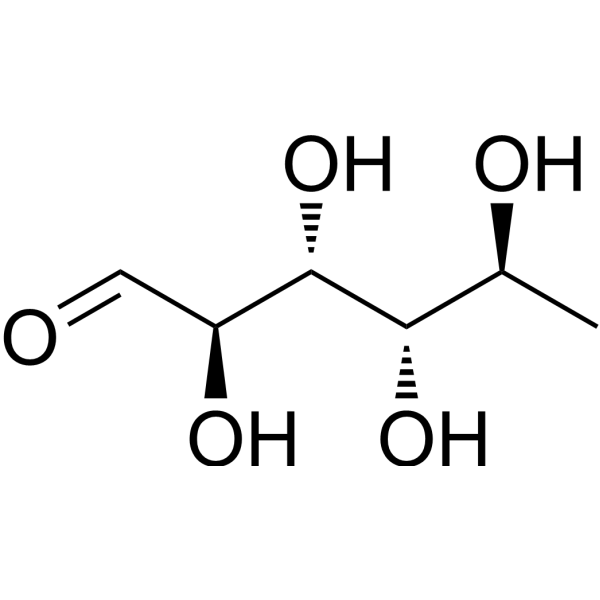
    Rhamnose (L-Rhamnose ) is an orally active deoxysugar. Rhamnose can inhibit levels of pro-inflammatory interleukin and matrix metalloproteinases (MMPs) in skin aging models. Rhamnose can promote the phosphorylation levels of PKA substrates and HSL in SVF-derived adipocytes, stimulating PKA signaling. Rhamnose can act against obesity in mice by stimulating fat dopamine receptors and inducing thermogenesis. Rhamnose shows anti-aging effects. Rhamnose monohydrate can be used in the study of Ehrlich’s solid tumors and sarcomas .
    Rhamnose
  • HY-12723
    Apomorphine
    Maximum Cited Publications
    10 Publications Verification

    (-)-Apomorphine

    Dopamine Receptor Monoamine Oxidase Reactive Oxygen Species (ROS) JNK ERK Amyloid-β Tau Protein MMP Neurological Disease Inflammation/Immunology Endocrinology Cancer
    Apomorphine ((-)-Apomorphine) is a potent dopamine receptor agonist. Apomorphine also inhibit MAO-A and MAO-B. Apomorphine exerts neuroprotective effect and can relax rat corpus cavernosum. Apomorphine can inhibit ROS production, DNA fragmentation and inibit JNK and ERK1/2 phosphorylation. Apomorphine can enhance degradation of intracellular Aβ40 and Aβ42, reduces tau protein levels and inhibit MMP-9 expression. Apomorphine is a highly potent radical scavenger and iron chelator. Apomorphine can be used for the researches of dementia, parkinson's disease, alzheimer disease, breast carcinoma, and erectile dysfunction .
    Apomorphine
  • HY-12713

    Dopamine Receptor Neurological Disease
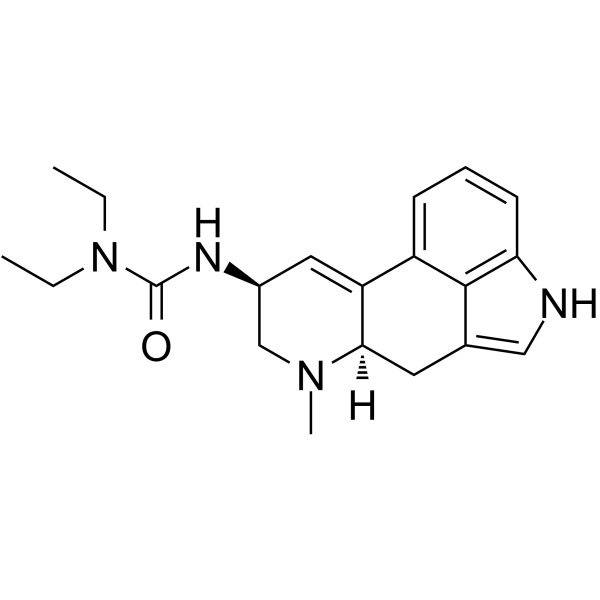
    Lisuride is an orally active dopamine D2 receptors agonist. Lisuride, as an ergot derivative, can be used for the research of Parkinson's disease, migraine, and high prolactin levels .
    Lisuride
  • HY-B1371
    Spiperone
    2 Publications Verification

    Spiroperidol

    Dopamine Receptor 5-HT Receptor Wnt Neurological Disease
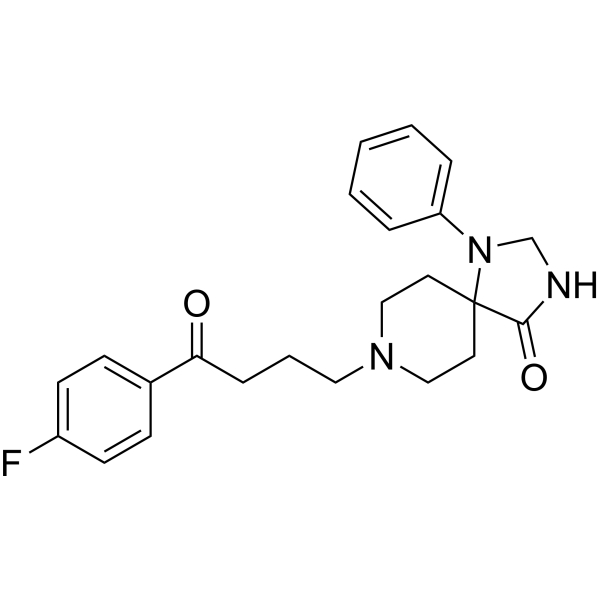
    Spiperone (Spiroperidol) is a potent dopamine D2, serotonin 5-HT1A, and serotonin 5-HT2A antagonist. Spiperone is also a labelled ligand for neuroleptic receptors. Spiperone enhances intracellular calcium level and inhibits the Wnt signaling pathway. Spiperone has the potential for the research of neurology diseases .
    Spiperone
  • HY-128483

    TGF-beta/Smad PI3K NF-κB Akt Apoptosis Dopamine β-hydroxylase mTOR Adrenergic Receptor Cardiovascular Disease Endocrinology Cancer
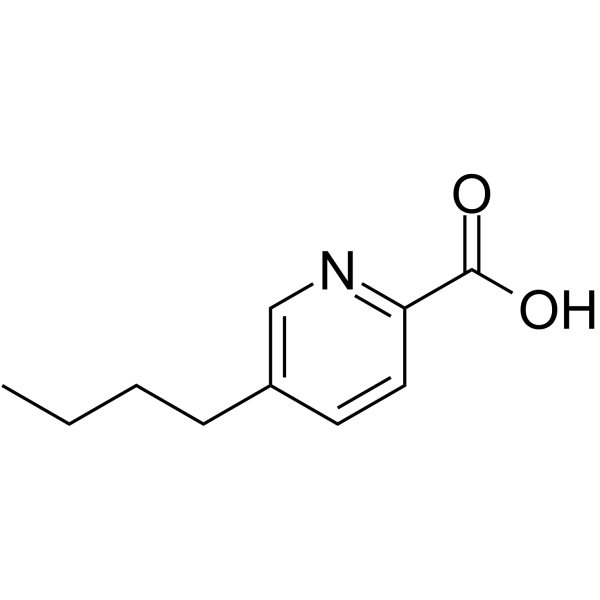
    Fusaric acid is an orally active multi-pathway inhibitor with the activity of inducing oxidative stress and apoptosis. Fusaric acid can chelate divalent metal cations, damage mitochondrial membrane structure, and activate apoptosis-related proteases such as Caspase-3/7, -8, and -9. Fusaric acid also regulates Bax/Bcl-2 protein, inhibits fibrosis-related signaling pathways such as NF-κB, TGF-β1/SMADs, and PI3K/AKT/mTOR, and reduces collagen deposition. Fusaric acid is also a dopamine β-hydroxylase inhibitor, which reduces endogenous levels of norepinephrine and epinephrine in the brain, heart, spleen, and adrenal glands. Fusaric acid can play a role in myocardial fibrosis and improve cardiac hypertrophy in heart disease, and can also be used in the study of esophageal cancer and liver cancer .
    Fusaric acid
  • HY-N1420A
    Rhamnose monohydrate
    1 Publications Verification

    L-Rhamnose monohydrate

    Endogenous Metabolite MMP Interleukin Related PKA Infection Metabolic Disease Cancer
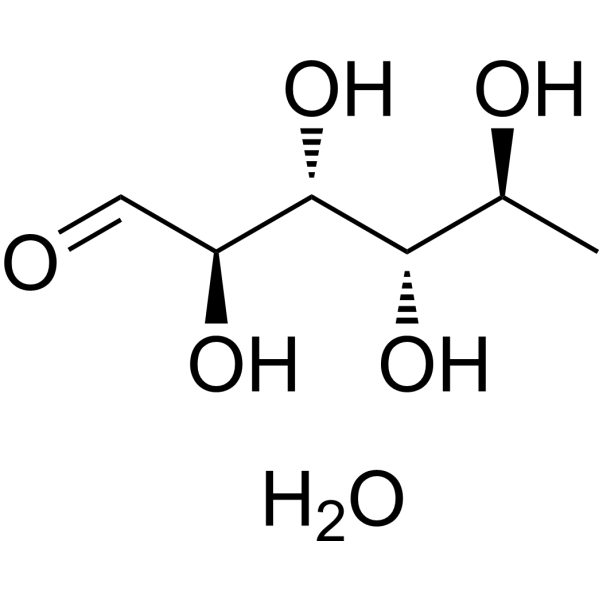
    Rhamnose monohydrate (L-Rhamnose monohydrate) is an orally active deoxysugar. Rhamnose monohydrate can inhibit levels of pro-inflammatory interleukin and matrix metalloproteinases (MMPs) in skin aging models. Rhamnose can promote the phosphorylation levels of PKA substrates and HSL in SVF-derived adipocytes, stimulating PKA signaling. Rhamnose monohydrate can act against obesity in mice by stimulating fat dopamine receptors and inducing thermogenesis. Rhamnose monohydrate shows anti-aging effects. Rhamnose monohydrate can be used in the study of Ehrlich’s solid tumors and sarcomas .
    Rhamnose monohydrate
  • HY-W250174

    3,5-Diiodosalicylic acid lithium salt

    Biochemical Assay Reagents Others
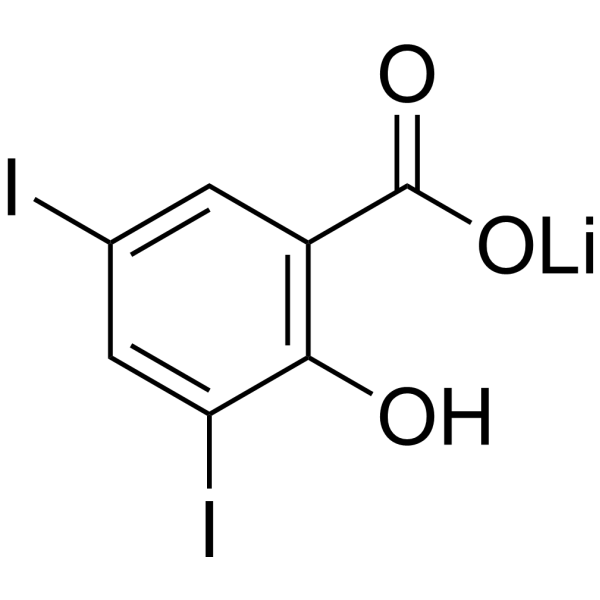
    Lithium 3,5-diiodosalicylate is a compound used in the study of bipolar disorder and other psychiatric disorders. It contains lithium and a salicylate. Lithium 3,5-diiodosalicylate works by affecting the levels of certain neurotransmitters in the brain, including dopamine and serotonin.
    Lithium 3,5-diiodosalicylate
  • HY-12363
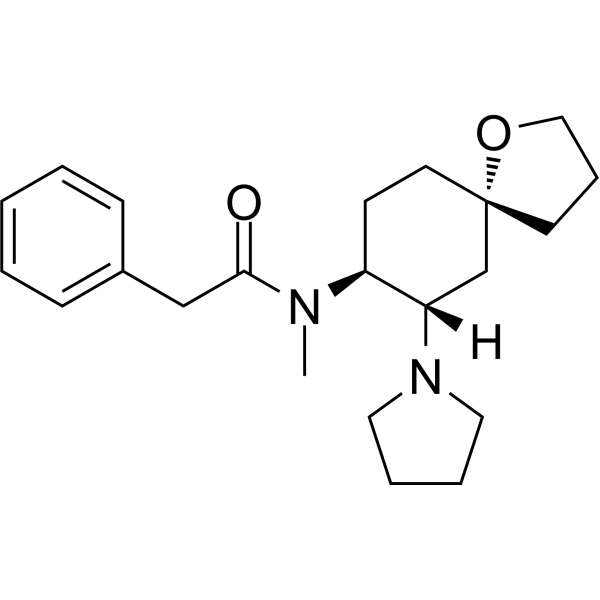
    U-69593
    1 Publications Verification

    Opioid Receptor Neurological Disease
    U-69593 is a potent and selective κ1-opioid receptor agonist . U-69593 attenuates addictive agent-induced behavioral sensitization in the rat . U-69593 reduces anxiety and enhances spontaneous alternation memory in mice . U-69593 reduces calcium-dependent dialysate levels of dopamine and glutamate in the ventral striatum .
    U-69593
  • HY-B1693
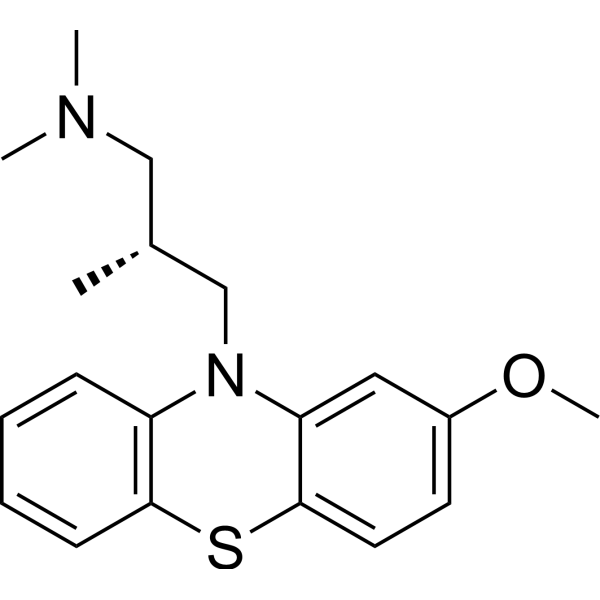
    Levomepromazine
    1 Publications Verification

    Methotrimeprazine

    5-HT Receptor Dopamine Receptor Histamine Receptor Autophagy Enterovirus Calcium Channel Infection Neurological Disease Inflammation/Immunology
    Levomepromazine (Methotrimeprazine) is an orally active antipsychotic compound and Ca 2+ release inducer. Levomepromazine inhibits SERCA pump and induces an increase in cytoplasmic Ca 2+ levels. Levomepromazine has antagonistic effects on a variety of neurotransmitter receptors, including dopamine, cholinergic, serotonin, and histamine receptors. Levomepromazine can induce adaptive ER stress and autophagy. In addition, Levomepromazine has antiviral, anti-inflammatory, neuroprotective and analgesic, sedative and anti-injurious activities. Levomepromazine can be used in the study psychiatric disorders and relieving nausea and vomiting .
    Levomepromazine
  • HY-15446
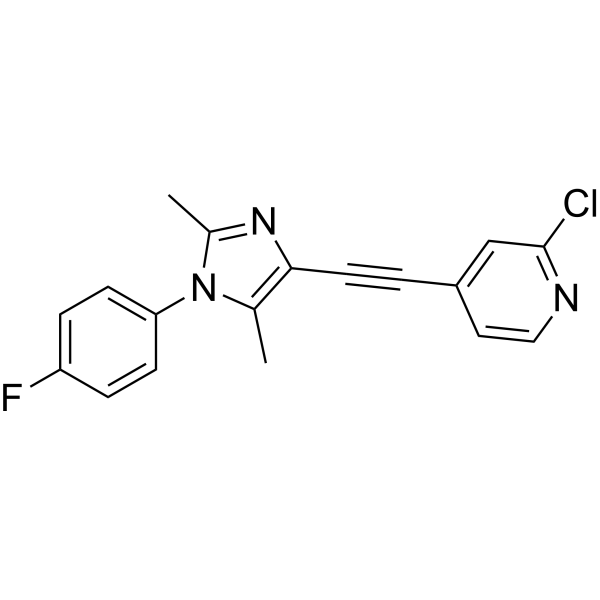
    Basimglurant
    1 Publications Verification

    RG7090; RO4917523

    mGluR Neurological Disease
    Basimglurant (RG7090; RO4917523) is a selective, orally active, blood-brain barrier permeable negative allosteric modulator of metabotropic glutamate receptor 5 (mGluR5), with a Ki of 1.4 nM (against [ 3H]-ABP688 (HY-110141)) and 35.6 nM (against [ 3H]-MPEP (HY-14609A)). Basimglurant inhibits mGlu5-mediated signaling pathways and receptor constitutive activity, regulates dopamine levels in the nucleus accumbens, exerts anxiolytic, antidepressant-like, analgesic and arousal-promoting effects, and alters δ-wave power during non-rapid eye movement sleep. Basimglurant can be used in research on depression, fragile X syndrome, anxiety disorders, etc .
    Basimglurant
  • HY-B1311
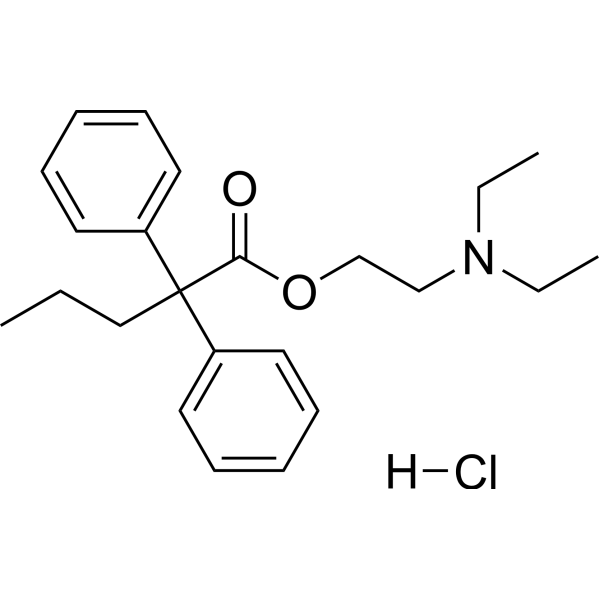
    Proadifen hydrochloride
    1 Publications Verification

    SKF-525A; U-5446; RP-5171

    Cytochrome P450 Monoamine Oxidase Bcl-2 Family Survivin PARP Neurological Disease Inflammation/Immunology Cancer
    Proadifen (SKF-525A) hydrochloride is a non-competitive Cytochrome P450 inhibitor with an IC50 value of 19 μM. Proadifen hydrochloride reduces monoamine oxidase A (MAO-A) activity and reverses the antidepressantlike behavioral effect of Imipramine (HY-B1490A) and Desipramine (HY-B1272A) in rats. Proadifen hydrochloride also reduces N, N-dimethyltryptamine (DMT) metabolism in liver microsomes and inhibits N-demethylationand Acridone (HY-W007771) formation. Proadifen hydrochloride augments Lipopolysaccharide (LPS) (HY-D1056)-induced fever and exacerbates Prostaglandin E2 (PGE2) (HY-101952) levels in the rat. Proadifen hydrochloride is promising for research of metabolism-related deseases, ovarian carcinoma, inflammation and dopamine neurons-related deseases .
    Proadifen hydrochloride
  • HY-145512

    NLT

    Dopamine Receptor Neurological Disease
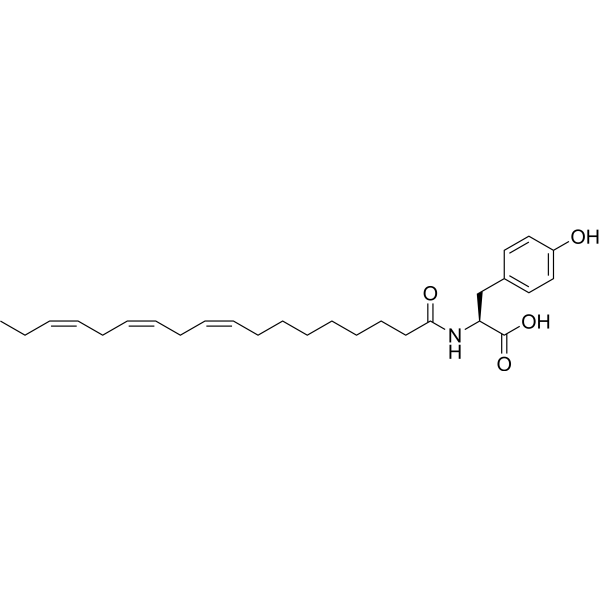
    N-(α-Linolenoyl) tyrosine (NLT) is a dopaminergic agonist capable of crossing the blood-brain barrier. N-(α-Linolenoyl) tyrosine increases the level, turnover rate and release amount of dopamine in the striatum. N-(α-Linolenoyl) tyrosine modulates rotational behavior in a rat model with unilateral striatal injury and alleviates excessive blinking symptoms in models induced by dopamine-depleting agents. N-(α-Linolenoyl) tyrosine can be used for research on Parkinson's disease and idiopathic blepharospasm .
    N-(α-Linolenoyl) tyrosine
  • HY-14604
    Xaliproden hydrochloride
    1 Publications Verification

    SR57746A; SR57746 hydrochloride

    5-HT Receptor Dopamine Receptor Trk Receptor PKC ERK Akt JNK Neurological Disease Metabolic Disease
    Xaliproden (SR57746) hydrochloride (SR57746A) is an orally active, highly selective 5-HT1A receptor agonist. Xaliproden hydrochloride activates pertussis toxin-sensitive G protein-coupled signaling cascades, as well as the PKC, ERK1/ERK2, Akt and p21 Ras/MEK-1 pathways. Xaliproden hydrochloride also downregulates the JNK/p66/c-Jun signaling pathway, induces phosphorylation of the shc adaptor protein, regulates extracellular dopamine and 5-HT levels, and induces [ 35S]GTPγS labeling in rat brain structures rich in 5-HT1A receptors. Xaliproden hydrochloride exerts neurotrophic, neuroprotective, renoprotective, anti-inflammatory, anti-apoptotic, anti-fibrotic and analgesic effects. Xaliproden hydrochloride also enhances NGF-induced neurite outgrowth, promotes motor neuron survival, attenuates renal tubular injury and inhibits chemotherapy-induced mechanical allodynia, without activating or altering NGF-induced TrkA receptor activation. Xaliproden hydrochloride can be used in the research of motor neuron disease, diabetic nephropathy, chemotherapy-induced peripheral neuropathy, amyotrophic lateral sclerosis, Alzheimer's disease, acute tonic nociceptive pain, inflammatory pain, depression and anxiety .
    Xaliproden hydrochloride
  • HY-113257

    DA-4S; dopamine 4-Sulfate

    Drug Metabolite Neurological Disease
    Dopamine 4-sulfate (DA-4S) is an inactive metabolite of the catecholamine dopamine. It is formed from dopamine by the sulfotransferase (SULT) isoform SULT1A3. Dopamine 4-O-sulfate is found at lower levels in the brain and circulation than dopamine 3-O-sulfate.
    Dopamine 4-sulfate
  • HY-120017

    MD-370503

    Monoamine Oxidase Neurological Disease
    Befloxatone (MD-370503) is an orally active, selective and reversible inhibitor of Monoamine Oxidase A (MAO-A) (IC50=4 nM). Befloxatone increases the tissue level of monoamine, striatal dopamine and cortical norepinephrine. Befloxatone has antidepressant potential .
    Befloxatone
  • HY-42849A
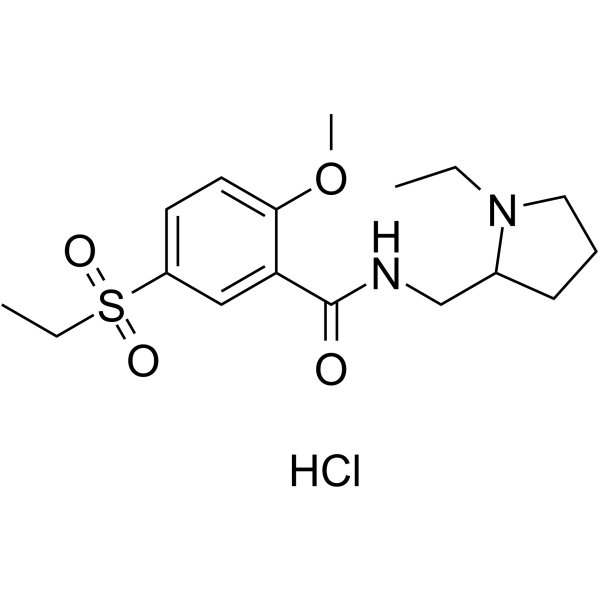
    Sultopride hydrochloride
    1 Publications Verification

    LIN-1418 hydrochloride

    Dopamine Receptor Neurological Disease
    Sultopride hydrochloride (LIN-1418 hydrochloride) is a selective antagonist of dopamine D2 receptor.
    Sultopride hydrochloride
  • HY-B0884A

    Monoamine Oxidase Cholinesterase (ChE) Neurological Disease
    Minaprine dihydrochloride is a brain-penetrant monoamine oxidase inhibitor. Minaprine dihydrochloride also weakly inhibits acetylcholinesterase (AChE) activity. Minaprine dihydrochloride reduces intraneuronal dopamine metabolism, lowers striatal homovanillic acid and dihydroxyphenylacetic acid levels, and raises striatal 3-methoxytyramine and 5-hydroxytryptamine levels. Minaprine dihydrochloride exhibits convulsant, antidepressant properties .
    Minaprine dihydrochloride
  • HY-13736A

    CV205-502 hydrochloride

    Dopamine Receptor Akt Neurological Disease Cancer
    Quinagolide hydrochloride (CV205-502 hydrochloride) is a selective and orally active dopamine D2 receptor agonist. Quinagolide hydrochloride is an inhibitor of prolactin. Quinagolide hydrochloride down-regulates AKT levels and its phosphorylation. Quinagolide hydrochloride shows antitumor effects, it can be used for the research of cancer .
    Quinagolide hydrochloride
  • HY-P1329A
    CTOP TFA
    1 Publications Verification

    Opioid Receptor Neurological Disease
    CTOP TFA is a potent and highly selective μ-opioid receptor antagonist. CTOP TFA antagonizes the acute analgesic effect and hypermotility. CTOP TFA enhances extracellular dopamine levels in the nucleus accumbens. CTOP TFA dose-dependently enhances locomotor activity .
    CTOP TFA
  • HY-13340
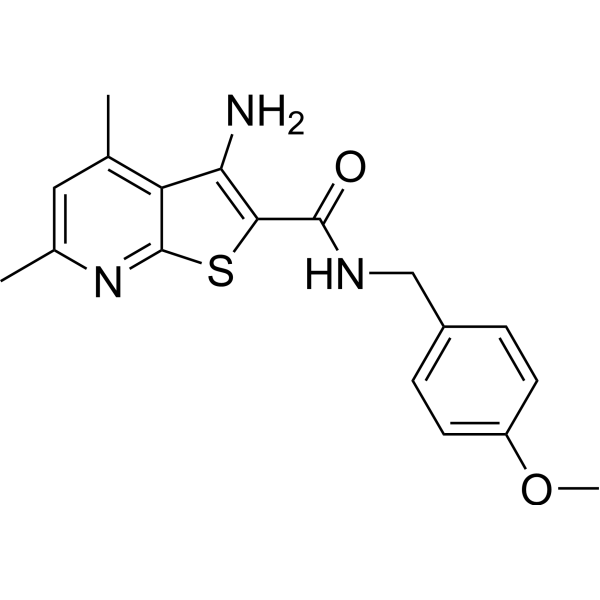
    VU0152100
    1 Publications Verification

    VU152100

    mAChR Neurological Disease
    VU0152100 (VU152100) is a highly selective mAChR positive allosteric modulator (permeable to the blood-brain barrier). VU0152100 reverses Amphetamine-induced hypermotility in rats and increased levels of extracellular dopamine in nucleus accumbens and caudate-putamen. VU0152100 has good research potential in psychosis and cognitive impairment associated with mental disorders such as schizophrenia .
    VU0152100
  • HY-N1420AR

    L-Rhamnose monohydrate (Standard)

    Reference Standards Endogenous Metabolite MMP Interleukin Related PKA Infection Metabolic Disease Cancer
    Rhamnose monohydrate (Standard) is the analytical standard of Rhamnose monohydrate (HY-N1420A). Rhamnose monohydrate (L-Rhamnose monohydrate) is an orally active deoxysugar. Rhamnose monohydrate can inhibit levels of pro-inflammatory interleukin and matrix metalloproteinases (MMPs) in skin aging models. Rhamnose can promote the phosphorylation levels of PKA substrates and HSL in SVF-derived adipocytes, stimulating PKA signaling. Rhamnose monohydrate can act against obesity in mice by stimulating fat dopamine receptors and inducing thermogenesis. Rhamnose monohydrate shows anti-aging effects. Rhamnose monohydrate can be used in the study of Ehrlich’s solid tumors and sarcomas .
    Rhamnose monohydrate (Standard)
  • HY-W049881

    Dopamine Receptor PI3K Monoamine Oxidase Neurological Disease
    9-Methyl-β-carboline is a monoamine oxidase inhibitor and dopaminergic modulator, with an IC50 of 1 μM against human MAO-A and an IC50 of 15.5 μM against human MAO-B. 9-Methyl-β-carboline possesses cognitive enhancement potential and can cross the blood-brain barrier. 9-Methyl-β-carboline increases dopamine levels by inhibiting monoamine oxidase activity and microglial proliferation. 9-Methyl-β-carboline activates PKA/PKC and mitochondrial respiratory chain complex I, promotes neurotrophic factor expression and reduces α-synuclein (α-synuclein) levels, thereby reversing neurotoxin-induced dopaminergic neuron damage. 9-Methyl-β-carboline also regulates the PI3K pathway and exerts an anti-proliferative effect on astrocytes. 9-Methyl-β-carboline is widely used in Parkinson's disease-related studies .
    9-Methyl-β-carboline
  • HY-117902

    Dopamine Transporter Neurological Disease
    SRI-31142 is a putative, brain-penetrant allosteric inhibitor of the dopamine transporter (DAT). In behavioral studies using intracranial self-stimulation (ICSS), SRI-31142 did not produce the abuse-related effects seen with cocaine and GBR-12935, but instead reduced ICSS responses and dopamine levels in the nucleus accumbens (NAc) at effective doses. SRI-31142 also blocked cocaine-induced increases in ICSS and NAc dopamine .
    SRI-31142
  • HY-E70007

    COMT

    Endogenous Metabolite Neurological Disease
    Catechol O-methyltransferase, porcine liver (COMT), the magnesium-dependent transfer of methyl groups from S-adenosyl methionine to a hydroxyl group on dopamine, converting it to 3-methoxytyramine. Catechol O-methyltransferase has two forms in tissues, a soluble form (S-COMT) and a membrane-bound form (MB-COMT). Catechol O-methyltransferase is to regulate epinephrine, norepinephrine, and dopamine levels in the brain .
    Catechol O-methyltransferase, porcine liver
  • HY-W417914

    4-MA hydrochloride

    5-HT Receptor Monoamine Transporter Dopamine Receptor Neurological Disease
    4-Methylamphetamine hydrochloride is a 5-HT1A receptor agonist that induces hypothermia in rats by binding to the 5-HT1A receptor. Additionally, 4-Methylamphetamine hydrochloride acts on norepinephrine (NE), dopamine (DA), and serotonin (5-HT) transporters to increase the extracellular levels of these neurotransmitters. 4-Methylamphetamine hydrochloride can be used in the study of neurological disorders .
    4-Methylamphetamine hydrochloride
  • HY-42849

    LIN-1418

    Dopamine Receptor Neurological Disease
    Sultopride (LIN-1418) is a selective antagonist of dopamine D2 receptor.
    Sultopride
  • HY-W845607

    Monoamine Oxidase Neurological Disease
    Milacemide, a glycinamide derivative, is an orally active MAO-B inhibitor with anticonvulsant activity. Milacemide reduces the levels of dihydroxyphenylacetic acid and homovanilic acid, but increases the levels of dopamine and serotonin in the caudate nucleus. Milacemide is promising for research of Alzheimer's disease .
    Milacemide
  • HY-B0884

    Monoamine Oxidase Cholinesterase (ChE) Neurological Disease
    Minaprine is a brain-penetrant monoamine oxidase inhibitor. Minaprine also weakly inhibits acetylcholinesterase (AChE) activity. Minaprine reduces intraneuronal dopamine metabolism, lowers striatal homovanillic acid and dihydroxyphenylacetic acid levels, and raises striatal 3-methoxytyramine and 5-hydroxytryptamine levels. Minaprine exhibits convulsant, antidepressant properties .
    Minaprine
  • HY-P1329

    Opioid Receptor Neurological Disease
    CTOP is a potent and highly selective μ-opioid receptor antagonist. CTOP antagonizes the acute morphine-induced analgesic effect and hypermotility. CTOP enhances extracellular dopamine levels in the nucleus accumbens. CTOP dose-dependently enhances locomotor activity .
    CTOP
  • HY-115447

    Histamine Receptor Neurological Disease
    Clobenpropit is a potent histamine H3-receptor antagonist. Clobenpropit decreases dopamine release and increases histamine levels in the hypothalamus. Clobenpropit shows antipsychotic-like activities. Clobenpropit causes a resuscitating effect in rats subjected to the hemorrhagic shock .
    Clobenpropit
  • HY-N5126

    Others Neurological Disease
    Juncusol, a phenanthrenoid found in Juncus setchuenensis, possesses anxiolytic effect. Juncusol is associated with metabolic changes in cortical serotonin/dopamine levels in Mice .
    Juncusol
  • HY-N3550

    Others Cancer
    Catalponol is a naphthoquinone derivative. Catalponol enhances dopamine biosynthesis by inducing tyrosine hydroxylase activity. Catalponol also increases the levels of cAMP and tyrosine hydroxylase phosphorylation in PC12 cells .
    Catalponol
  • HY-W423643

    Drug Derivative Neurological Disease
    Benzedrone is a synthetic drug derivative. Benzedrone can increase the levels of neurotransmitters such as dopamine, serotonin and norepinephrine in the brain, thus producing a stimulant effect. Benzedrone can be used in the research of new psychoactive substances (NPS) .
    Benzedrone
  • HY-107055

    Dopamine Transporter Neurological Disease
    RTI 336 is a phenyltropane analog, as well as a potent and selective dopamine transporter (DAT) inhibitor. RTI 336 inhibits addictive agent induced locomotor activity and self-administration in Lewis rats. RTI 336 exhibits inhibitory effects depending on inherent NAc DAT levels .
    RTI 336
  • HY-B1693A

    Methotrimeprazine hydrochloride

    5-HT Receptor Dopamine Receptor Histamine Receptor Autophagy Enterovirus Calcium Channel Infection Neurological Disease Inflammation/Immunology
    Levomepromazine (Methotrimeprazine) hydrochloride is an orally active antipsychotic compound and Ca 2+ release inducer. Levomepromazine inhibits SERCA pump and induces an increase in cytoplasmic Ca 2+ levels. Levomepromazine hydrochloride has antagonistic effects on a variety of neurotransmitter receptors, including dopamine, cholinergic, serotonin, and histamine receptors. Levomepromazine hydrochloride can induce adaptive ER stress and autophagy. In addition, Levomepromazine hydrochloride has antiviral, anti-inflammatory, neuroprotective and analgesic, sedative and anti-injurious activities. Levomepromazine hydrochloride can be used in the study psychiatric disorders and relieving nausea and vomiting .
    Levomepromazine hydrochloride
  • HY-B1693R

    Methotrimeprazine (Standard)

    Reference Standards 5-HT Receptor Dopamine Receptor Autophagy Histamine Receptor Enterovirus Calcium Channel Infection Neurological Disease Inflammation/Immunology
    Levomepromazine (Standard) is the analytical standard of Levomepromazine. This product is intended for research and analytical applications. Levomepromazine (Methotrimeprazine) is an orally active antipsychotic compound and Ca 2+ release inducer. Levomepromazine inhibits SERCA pump and induces an increase in cytoplasmic Ca 2+ levels. Levomepromazine has antagonistic effects on a variety of neurotransmitter receptors, including dopamine, cholinergic, serotonin, and histamine receptors. Levomepromazine can induce adaptive ER stress and autophagy. In addition, Levomepromazine has antiviral, anti-inflammatory, neuroprotective and analgesic, sedative and anti-injurious activities. Levomepromazine can be used in the study psychiatric disorders and relieving nausea and vomiting .
    Levomepromazine (Standard)
  • HY-W1030828

    Dopamine β-hydroxylase Cardiovascular Disease
    SKF-102698 is a dopamine β-hydroxylase inhibitor. SKF 102698 increases endogenous dopamine levels. SKF-102698 can be used in hypertension research .
    SKF-102698
  • HY-42849AR

    LIN-1418 hydrochloride (Standard)

    Dopamine Receptor Reference Standards Neurological Disease
    Sultopride hydrochloride (Standard) is the analytical standard of Sultopride hydrochloride. This product is intended for research and analytical applications. Sultopride hydrochloride (LIN-1418 hydrochloride) is a selective antagonist of dopamine D2 receptor.
    Sultopride hydrochloride (Standard)
  • HY-115968

    Dopamine Receptor Neurological Disease
    Dopamine D3 receptor ligand-4 (compound 6) is a potent and selective dopamine D3 receptor ligand, with a Ki of 0.5 nM. Dopamine D3 receptor ligand-4 shows high level of selectivity for D3 over D2 (Ki=7.43 nM) .
    Dopamine D3 receptor ligand-4
  • HY-130205

    CP 1552 S

    Monoamine Oxidase Neurological Disease
    Milacemide hydrochloride (CP 1552 S), a glycinamide derivative, is an orally active MAO-B inhibitor with anticonvulsant activity. Milacemide hydrochloride reduces the levels of dihydroxyphenylacetic acid and homovanilic acid, but increases the levels of dopamine and serotonin in the caudate nucleus. Milacemide hydrochloride is promising for research of Alzheimer's disease .
    Milacemide hydrochloride
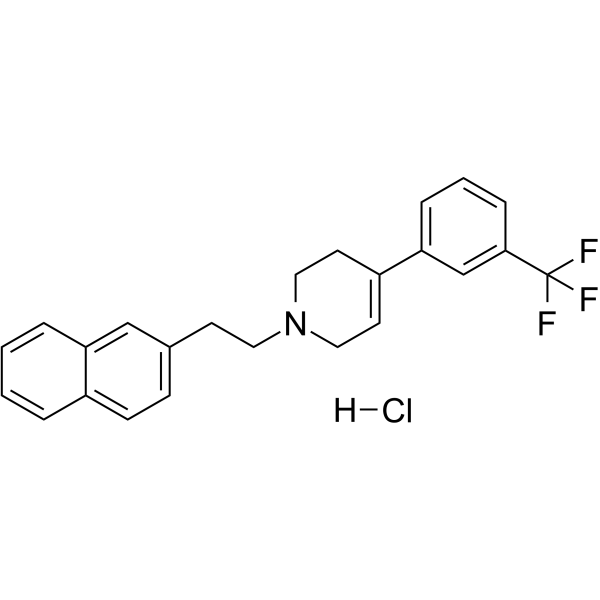
  • HY-151094

    Monoamine Oxidase Neurological Disease
    FTEAA is a 4-styrylpiperidine inhibitor. FTEAA exhibits potent inhibitory effect towards both monoamine oxidase with IC50s of 0.52 μM (MAO-A), 1.02 μM (MAO-B), respectively. MAO inhibitors can be used for cardiovascular, neurological and oncological disorders research .
    FTEAA
  • HY-116507

    nAChR Neurological Disease
    AZD0328 is a selective α7 nAChR partial agonist. AZD0328 selectively enhances midbrain dopaminergic neuronal activity and enhances cortical dopamine levels in rats. AZD0328 improves cognitive performance .
    AZD0328
  • HY-116062

    Monoamine Transporter Dopamine Transporter Adrenergic Receptor Others
    JNJ-7925476 (hydrochloride) is a triple monoamine uptake inhibitor with the ability to regulate neurotransmitter levels and antidepressant activity. JNJ-7925476 (hydrochloride) can be rapidly absorbed into the plasma in rats, with a higher concentration in the brain than in plasma. It can induce an increase in the levels of extracellular serotonin, dopamine, and norepinephrine in the rat cerebral cortex, and exhibits antidepressant activity in the mouse tail suspension test.
    JNJ-7925476 hydrochloride
  • HY-P10435

    Dopamine Receptor Neurological Disease
    KEMPFPKYPVEP is a 12-amino acids neuropeptide, which upregulates levels of dopamine (DA) and norepinephrine (NE) in the prefrontal cortex, exhibits spatial and object recognition memory promoting ability in Scopolamine (HY-N0296)-induced amnesia mouse model .
    KEMPFPKYPVEP
  • HY-W116433

    Dopamine Receptor Neurological Disease
    SK609 is a selective dopamine D3 receptor agonist with activity that improves dopamine and norepinephrine levels in the cerebral cortex. SK609 has been successfully used to suppress dyskinesias in Parkinson's disease models and alleviated muscle twitches induced by L-dopa. SK609 improved performance in sustained attention tasks by significantly reducing misses and false alarms. SK609 may provide an inhibitory option for suppressing movement and cognitive impairment in patients with Parkinson's disease .
    SK609
  • HY-162760

    COMT Monoamine Oxidase Neurological Disease
    COMT-IN-1 (compound C12), a nitrophenolic analogue, is an orally active dopamine metabolic enzyme catechol-O-methyltransferase (COMT) inhibitor with IC50s of 0.37 μM, 95.58 μM and 58.82 μM for COMT, MAO-A and MAO-B, respectively. COMT-IN-1 exhibits chelation with a variety of metal ions. COMT-IN-1 exhibits good BBB permeability. COMT-IN-1 improves dopamine levels and ameliorates MPTP (HY-15608)-induced Parkinson's disease (PD) symptoms in mice .
    COMT-IN-1
  • HY-W704749

    Drug Metabolite Dopamine Receptor Neurological Disease
    7-Hydroxychlorpromazine hydrochloride is the active metabolite of Chlorpromazine (HY-12708). 7-Hydroxychlorpromazine hydrochloride can increase prolactin levels in rats. 7-Hydroxychlorpromazine hydrochloride can increase dopamine turnover and has a sedative effect. In addition, 7-Hydroxychlorpromazine hydrochloride can effectively inhibit amphetamine-induced stereotyped behavior in rats and is used in the study of psychosis .
    7-Hydroxychlorpromazine hydrochloride
  • HY-111066

    Dopamine Receptor Others
    JNJ-37822681 is a fast dissociating D2 antagonist with activity in inhibiting schizophrenia. JNJ-37822681 has high specificity for D2 receptors and is effective in animal models, inducing increased levels of extracellular serotonin, dopamine, and norepinephrine in the rat cerebral cortex, and exhibiting antidepressant activity in the mouse tail suspension test, while having a good brain distribution and lower prolactin release.
    JNJ-37822681
  • HY-P4610

    GLP Receptor Metabolic Disease
    H-Trp-Tyr-OH is an orally active tryptophan-tyrosine dipeptide with blood-brain barrier permeability. H-Trp-Tyr-OH exerts physiological regulatory effects by stimulating enteroendocrine cells to secrete glucagon-like peptide GLP-1. In mouse models of tauopathies, H-Trp-Tyr-OH inhibits tau phosphorylation, reduces the level of neurofibrillary tangles, increases dopamine turnover, upregulates synapsin expression, and elevates cecal short-chain fatty acid levels, thereby improving behavioral deficits and extending lifespan. H-Trp-Tyr-OH can be used in research related to impaired glucose tolerance and tauopathies .
    H-Trp-Tyr-OH
  • HY-124357

    S-Norfluoxetine hydrochloride; LY 215229 hydrochloride

    Dopamine Receptor Neurological Disease
    Seproxetine (S-Norfluoxetine) hydrochloride is a selective serotonin reuptake inhibitor (SSRI) that enhances serotonin levels in the brain by specifically inhibiting the serotonin uptake carrier. Seproxetine hydrochloride exhibits strong charge transfer interactions with π-electron acceptors, forming stable complexes that enhance its binding affinity to multiple receptors, including serotonin and dopamine receptors. Seproxetine hydrochloride demonstrates improved biological activity when interacting with charge transfer complexes, leading to increased stability and efficacy in therapeutic applications.
    Seproxetine hydrochloride

Inquiry Online

Your information is safe with us. * Required Fields.

Salutation


Country or Region *

Applicant Name *


Organization Name *

Department *


Email Address *


Product Name *

Cat. No.


Requested quantity *

Phone Number *


Remarks

Inquiry Online

Inquiry Information

Product Name:
Cat. No.:
Quantity:
MCE Japan Authorized Agent:

