1. Search Result
Search Result
Results for "

eIF2α

" in MedChemExpress (MCE) Product Catalog:

40

Inhibitors & Agonists

4

Natural
Products

1

Recombinant Proteins

10

Antibodies

1

Oligonucleotides

Cat. No. Product Name Target Research Areas Chemical Structure
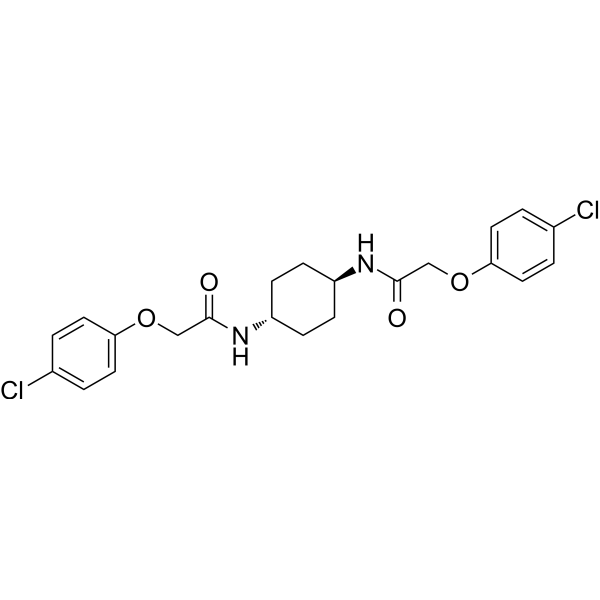
  • HY-12495
    ISRIB (trans-isomer)
    45+ Cited Publications

    PERK Autophagy Apoptosis Neurological Disease
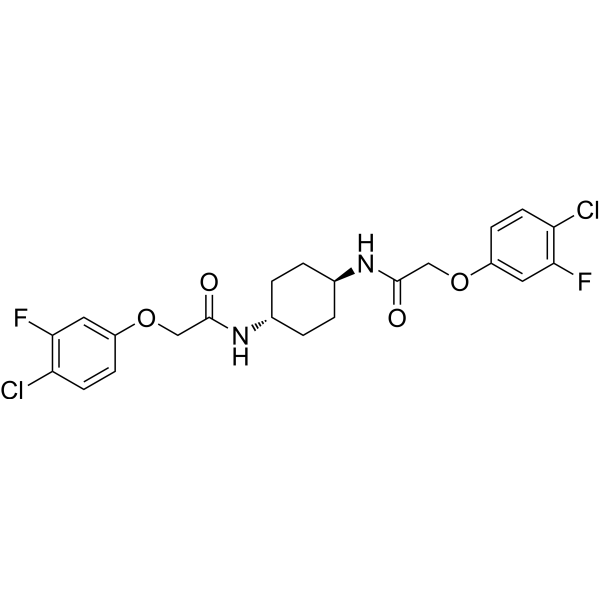
    ISRIB (trans-isomer) is a potent inhibitor of PERK with an IC50 of 5 nM. ISRIB potently reverses the effects of eIF2α phosphorylation (IC50=5 nM).
    ISRIB (trans-isomer)
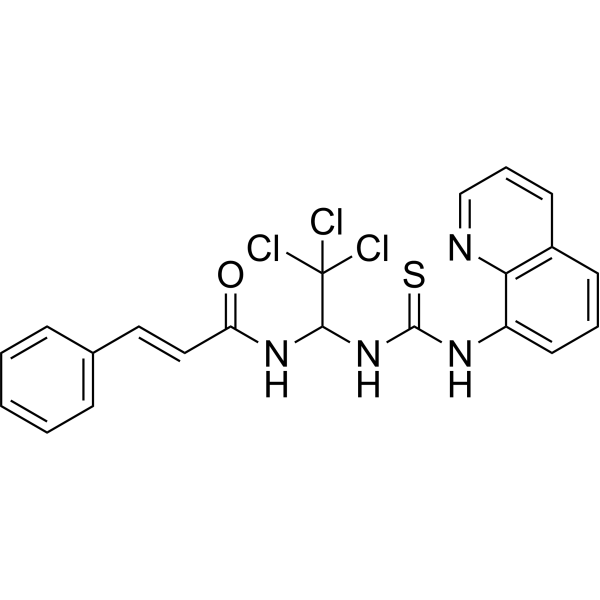
  • HY-15486
    Salubrinal
    35+ Cited Publications

    Phosphatase HSV Autophagy Apoptosis Infection Inflammation/Immunology Cancer
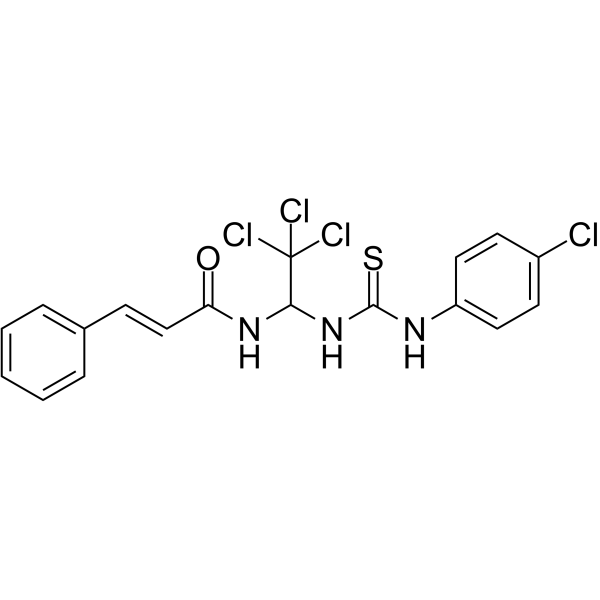
    Salubrinal is a cell-permeable and selective inhibitor of eIF2α dephosphorylation . Salubrinal acts as a dual-specificity phosphatase 2 (Dusp2) inhibitor and suppresses inflammation in anti-collagen antibody-induced arthritis [2]. Salubrinal has antiviral activity against HSV-1 and inhibits dephosphorylation of eIF2α mediated by the HSV-1 protein ICP34.5 .
    Salubrinal
  • HY-112582
    N1-Methylpseudouridine
    1 Publications Verification

    1-Methylpseudouridine; N1-methyl-pseudouridine

    Nucleoside Antimetabolite/Analog DNA/RNA Synthesis Inflammation/Immunology
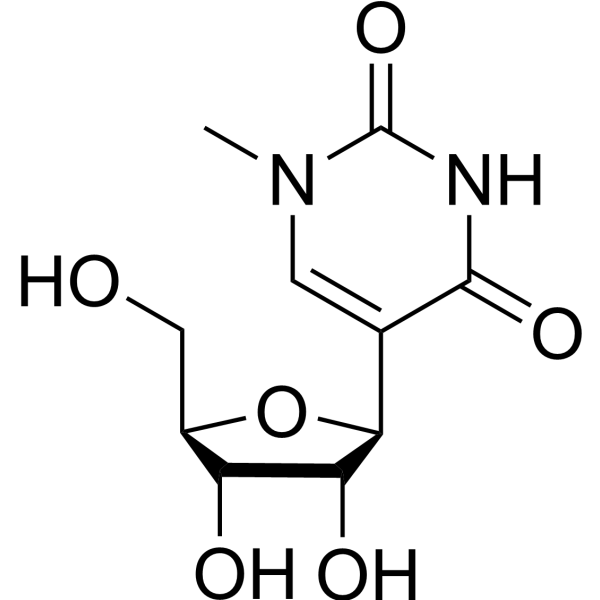
    N1-methyl-pseudouridine (1-Methylpseudouridine), a methylpseudouridine, outperforms 5 mC and 5 mC/N1-methyl-pseudouridine in translation. N1-methyl-pseudouridine in mRNA enhances translation through eIF2α-dependent and independent mechanisms by increasing ribosome density .
    N1-Methylpseudouridine
  • HY-112654
    GCN2iB
    Maximum Cited Publications
    60 Publications Verification

    Eukaryotic Initiation Factor (eIF) Glutathione Peroxidase Cardiovascular Disease Metabolic Disease Cancer
    GCN2iB is an ATP-competitive, selective GCN2 inhibitor with an IC50 of 2.4 nM. GCN2iB inhibits the activation of the GCN2 pathway and upregulates GPX4. GCN2iB enhances the anticancer effect of ASNase against acute lymphoblastic leukemia. GCN2iB increases left ventricular ejection fraction, while reducing fasting blood glucose and myocardial fibrosis. GCN2iB can be used in research related to acute lymphoblastic leukemia, acute myeloid leukemia and diabetic cardiomyopathy [2].
    GCN2iB
  • HY-W050044
    L-Azetidine-2-carboxylic acid
    1 Publications Verification

    Endogenous Metabolite PERK Atg8/LC3 Autophagy Bcl-2 Family Apoptosis Eukaryotic Initiation Factor (eIF) ATF6 Cardiovascular Disease Neurological Disease Metabolic Disease Endocrinology Cancer
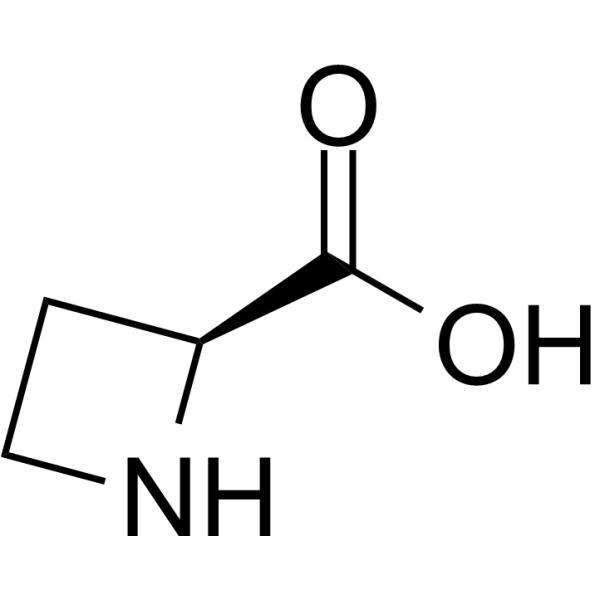
    L-Azetidine-2-carboxylic acid is a proline analog. L-Azetidine-2-carboxylic acid upregulates the lipid autophagy marker LC3-II via activation of the PERK pathway. L-Azetidine-2-carboxylic acid increases pro-apoptotic BAX protein. L-Azetidine-2-carboxylic acid induces ATF6 cleavage and upregulates phosphorylated eIF2α levels. L-Azetidine-2-carboxylic acid induces ER stress, inducing protein misfolding and aggregation. L-Azetidine-2-carboxylic acid shows teratogenic, pro-inflammatory and pro-apoptotic effects [2] .
    L-Azetidine-2-carboxylic acid
  • HY-100548
    GSK621
    5+ Cited Publications

    AMPK Autophagy Apoptosis Cancer
    GSK621 is a specific AMPK activator, with IC50 values of 13-30 μM for AML cells. GSK621 induces autophagy and apoptosis. GSK621 induces eiF2α phosphorylation-a hallmark of UPR activation .
    GSK621
  • HY-147832

    Eukaryotic Initiation Factor (eIF) Cancer
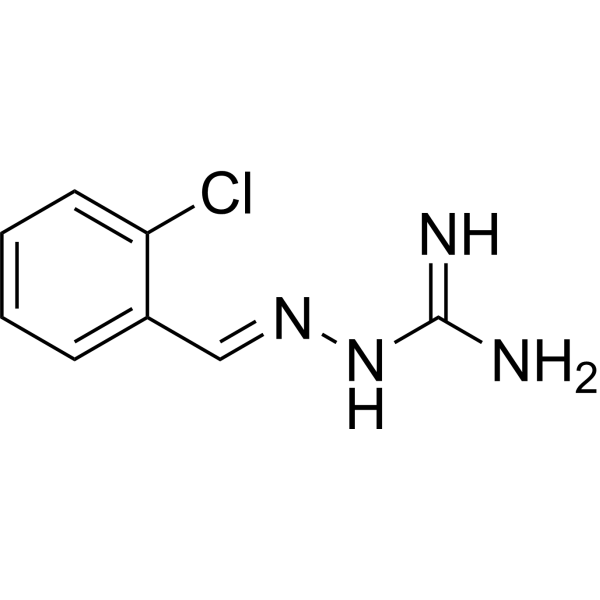
    EIF2α activator 2 (Compound 1) is an activator of eukaryotic initiation factor 2 alpha (eIF2α) phosphorylation. EIF2α activator 2 exhibits high potency in SRB cell proliferation assays (IC50=0.46 μM). EIF2α activator 2 exhibits antiproliferative activity againist K562 and PBMC cells with IC50s of 4.79 and 10.52 μM, respectively .
    EIF2α activator 2
  • HY-111022
    Icerguastat
    3 Publications Verification

    Sephin1; IFB-088

    Phosphatase Infection Inflammation/Immunology
    Icerguastat (Sephin1), a derivative of Guanabenz lacking the α2-adrenergic activity, is a selective inhibitor of the phosphatase regulatory subunit PPP1R15A (R15A). Icerguastat inhibits eIF2α dephosphorylation, thereby prolonging the protective response. Anti-prion effect [2] .
    Icerguastat
  • HY-15969
    Sal003
    4 Publications Verification

    Phosphatase Apoptosis Cancer
    Sal003 is a potent, specific and cell-permeable inhibitor of the eukaryotic translation initiation factor 2α (eIF2α) phosphatase. Sal003 is a derivative of salubrinal .
    Sal003
  • HY-118266
    BTdCPU
    3 Publications Verification

    Phosphatase Apoptosis Cancer
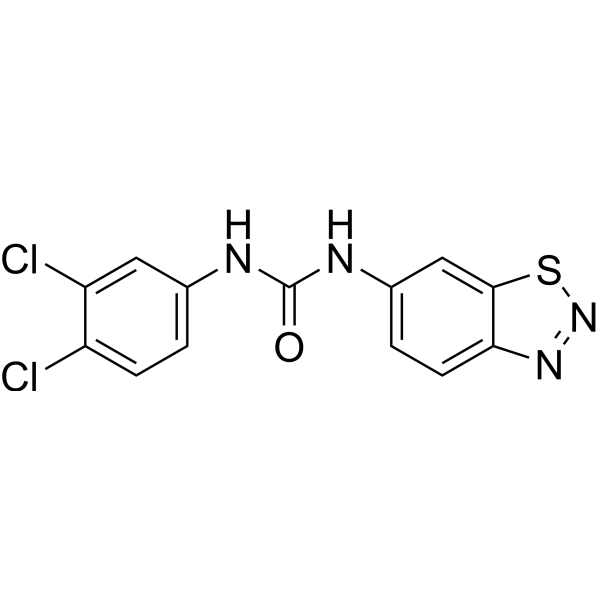
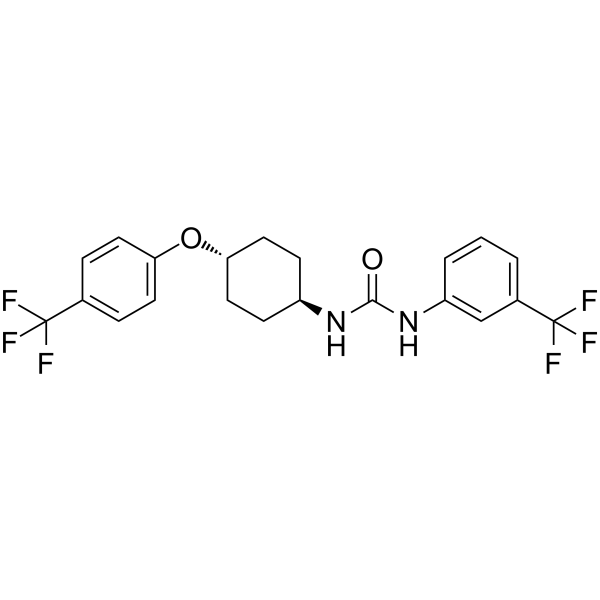
    BTdCPU is a potent heme regulated inhibitor kinase (HRI) activator that promotes eIF2α phosphorylation and induces apoptosis in Dexamethasone (HY-14648) (Dex)-resistant cancer cells. BTdCPU can be used in the study of cancers such as multiple myeloma and Dex-resistant multiple myeloma [2].
    BTdCPU
  • HY-147831

    Eukaryotic Initiation Factor (eIF) Epigenetic Reader Domain Cancer
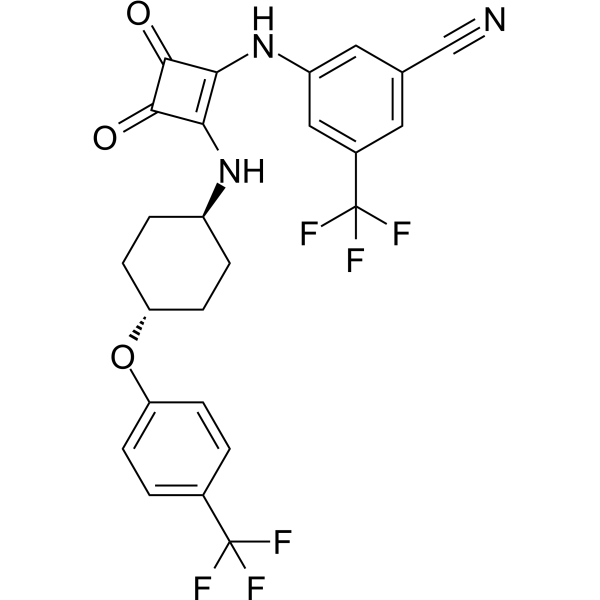
    HR-19011 is an eIF2α phosphorylation activator targeting heme-regulated inhibitor HRI (EIF2AK1). HR-19011 exhibits growth inhibitory activity against K562 cells with an IC50 value of 3.91 µM. HR-19011 inhibits the growth of hematologic malignancies by targeting HRI to activate the integrated stress response via the HRI-eIF2α-ATF4 axis. HR-19011 shows good safety in vivo. HR-19011 can be used for research on hematologic malignancies (leukemia) [2].
    HR-19011
  • HY-101997

    Orthopoxvirus Apoptosis Caspase Bcl-2 Family Akt Infection Cancer
    BEPP hydrochloride is a double-stranded RNA-dependent protein kinase (PKR) modulator. BEPP hydrochloride enhances the phosphorylation levels of PKR and eIF2α, activates caspase-3, upregulates the pro-apoptotic protein BAX, and downregulates the anti-apoptotic protein Bcl-2. BEPP hydrochloride inhibits vaccinia virus replication and exhibits selective cytotoxicity in cells expressing PKR. BEPP hydrochloride can be used in research related to cancer and viral infections .
    BEPP hydrochloride
  • HY-W010451

    Hydroxyhydroquinone

    PERK Eukaryotic Initiation Factor (eIF) Potassium Channel Apoptosis Cardiovascular Disease Cancer
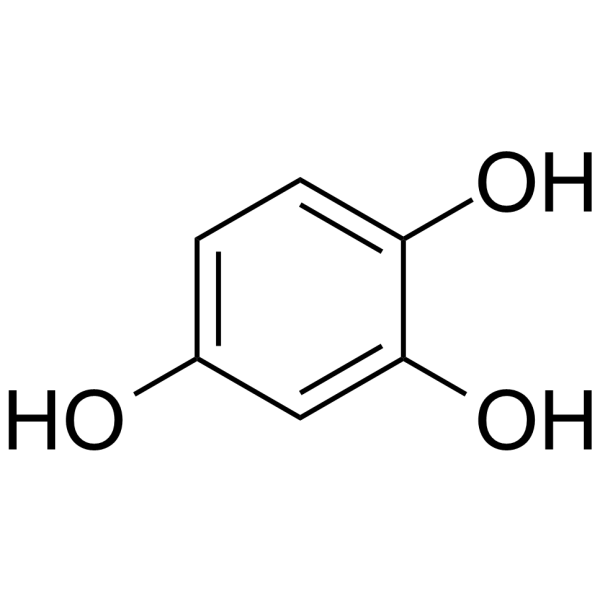
    1,2,4-Trihydroxybenzene (Hydroxyhydroquinone) is an ER stress inducer that targets proteins such as PKR-like ER kinase PERK to induce cytotoxicity. 1,2,4-Trihydroxybenzene selectively activates eIF2α phosphorylation, activates the PERK-eIF2α signaling pathway and induces stress granule formation. 1,2,4-Trihydroxybenzene subsequently exacerbates oxidative stress and causes DNA double-strand breaks, destroying organelles such as mitochondria and ER, and inducing cell death. 1,2,4-Trihydroxybenzene also has the potential to exhibit anti-tumor effect, increase blood pressure, and relieve spasm [2] .
    1,2,4-Trihydroxybenzene
  • HY-130240
    GCN2-IN-6
    3 Publications Verification

    Eukaryotic Initiation Factor (eIF) Cancer
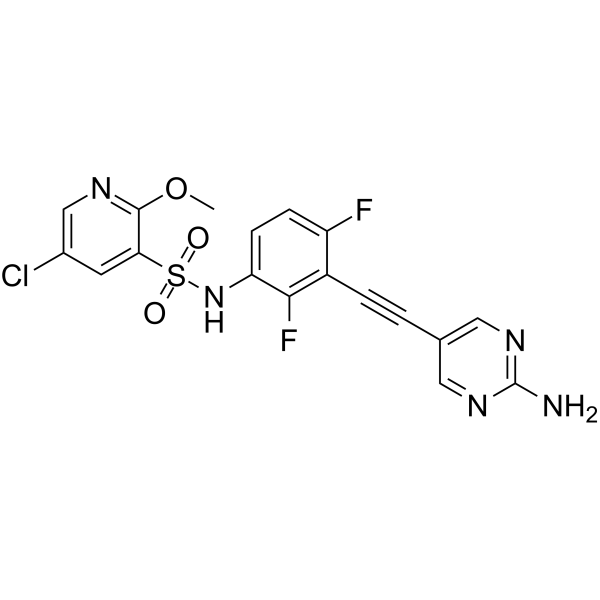
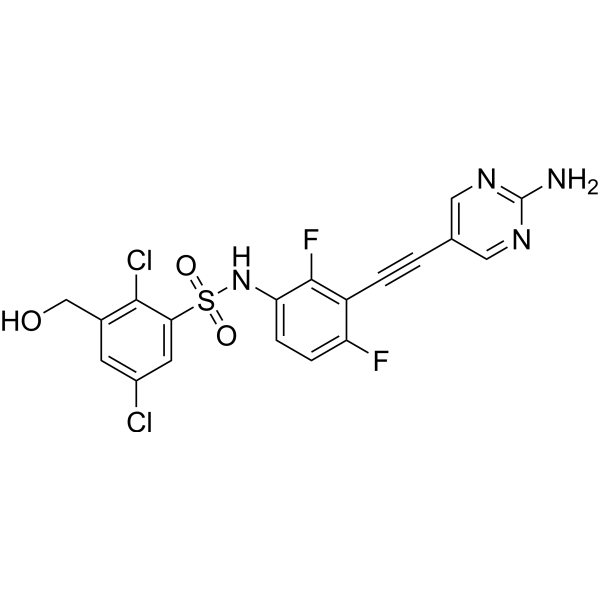
    GCN2-IN-6 (Compound 6d) is a potent, and orally available GCN2 inhibitor confirmed by in-house enzymatic (IC50 of 1.8 nM) and cellular assays (IC50 of 9.3 nM). GCN2-IN-6 is also a eIF2α kinase PERK inhibitor with an IC50 of 0.26 nM (in enzymatic assay) and 230 nM (in cells) . GCN2-IN-6 is a click chemistry reagent, it contains an Alkyne group and can undergo copper-catalyzed azide-alkyne cycloaddition (CuAAc) with molecules containing Azide groups.
    GCN2-IN-6
  • HY-172815

    JNK Eukaryotic Initiation Factor (eIF) p38 MAPK Cancer
    IDB-001 is a human ribosomal peptidyl transferase center (PTC) inhibitor that induces conformational changes and blocks translational elongation in specific sequence contexts through complementary interactions with Asp/Glu residues in nascent polypeptides. IDB-001 preferentially stalls ribosomes at positions containing acidic peptide motifs, thereby inhibiting cancer cell proliferation, and activates the integrated stress response via eIF2α phosphorylation at high concentrations. In addition, IDB-001 mildly triggers ribotoxic stress responses through phosphorylation of JNK and p38. IDB-001 has been applied to mechanistic studies of triple-negative breast cancer .
    IDB-001
  • HY-158196

    PERK Apoptosis Cancer
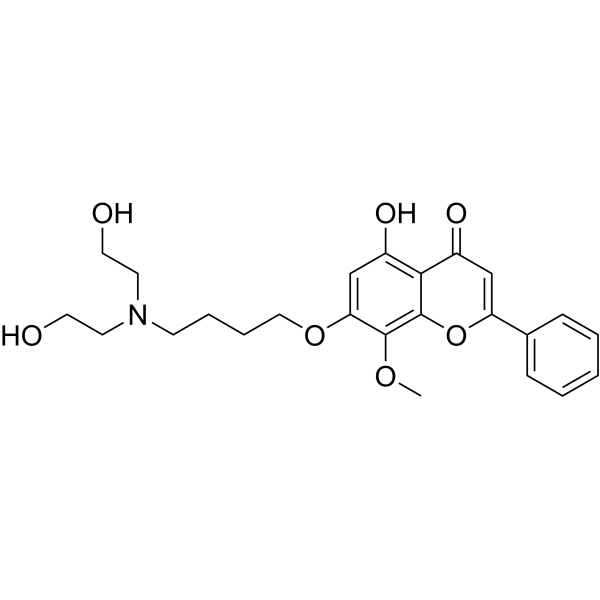
    PERK/eIF2α activator 1 (compound V8) is a flavonoid with an anti-tumor activity. PERK/eIF2α activator 1 induces apoptosis and activates the PERK-eIF2α-ATF4 pathway. PERK/eIF2α activator 1 inhibits HepG2 cell proliferation with an IC50 value of 23 μM .
    PERK/eIF2α activator 1
  • HY-145835

    PERK Cancer
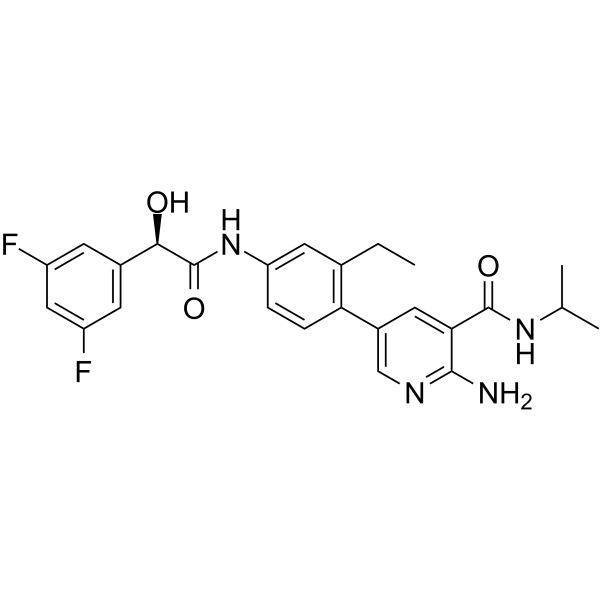
    PERK-IN-5 is a highly potent, selectively and orally bioavailable PERK inhibitor (IC50s of 2 and 9 nM for PERK and p-eIF2α, respectively). PERK-IN-5 can significantly inhibit tumor growth in the 786-O renal cell carcinoma xenograft tumor model .
    PERK-IN-5
  • HY-121337

    R-40244

    Environmental Pollutants Apoptosis Bcl-2 Family Others
    Flurochloridone (R-40244) is a selective preemergence and persistent herbicide. Flurochloridone induces endoplasmic reticulum (ER) stress and activated unfolded protein response (UPR) signaling pathways. Flurochloridone impairs cell viability and induces cytotoxicity and apoptosis mediated by ER stress via activating eIF2α-ATF4/ATF6-CHOP-Bim/Bax signaling pathways in TM4 cells [2].
    Flurochloridone
  • HY-112903A

    Protein Arginine Deiminase MDM-2/p53 PERK mTOR Autophagy Cancer
    YW3-56 (hydrochloride) is a PAD inhibitor. YW3-56 (hydrochloride) activates p53 target genes. YW3-56 (hydrochloride) activates ATF and blocks autophagy flux. YW3-56 induces ER stress through the PERK-eIF2α-ATF4 signaling cascade and inhibits the mTOR signaling. YW3-56 (hydrochloride) inhibits triple-negative breast cancer .
    YW3-56 hydrochloride
  • HY-13559

    Azaspirane ; SKF 106615-12; SKF 106615A12

    STAT Apoptosis Autophagy Reactive Oxygen Species (ROS) Caspase Bcl-2 Family p62 Atg8/LC3 PARP NF-κB PERK JAK Cardiovascular Disease Inflammation/Immunology Cancer
    Atiprimod (Azaspirane) is a STAT3 inhibitor with antitumor, anti-inflammatory, and anti-angiogenic activities. Atiprimod blocks the signaling pathways of IL-6 and VEGF by inhibiting the phosphorylation of signal transducer and activator of STAT3. Atiprimod blocks the JAK-STAT signaling pathway by inhibiting the phosphorylation of JAK2 and JAK3. Atiprimod also inhibits cell proliferation, induces cell cycle arrest, and induces autophagy and apoptosis. Atiprimod triggers persistent ER stress-mediated apoptosis in breast cancer cells by activating the PERK/eIF2α/ATF4/CHOP axis and inhibiting the nuclear translocation of STAT3/NF-κB. Atiprimod shows great anti-tumor activities in tumor xenograft mouse models. Atiprimod can be used for the study of pituitary adenoma, breast cancer, multiple myeloma and acute myeloid leukemia (AML) [2] .
    Atiprimod
  • HY-15486R

    Phosphatase HSV Autophagy Apoptosis Infection Inflammation/Immunology Cancer
    Salubrinal (Standard) is the analytical standard of Salubrinal. This product is intended for research and analytical applications. Salubrinal is a cell-permeable and selective inhibitor of eIF2α dephosphorylation . Salubrinal acts as a dual-specificity phosphatase 2 (Dusp2) inhibitor and suppresses inflammation in anti-collagen antibody-induced arthritis [2]. Salubrinal has antiviral activity against HSV-1 and inhibits dephosphorylation of eIF2α mediated by the HSV-1 protein ICP34.5 .
    Salubrinal (Standard)
  • HY-E70728

    Eukaryotic Initiation Factor (eIF) Inflammation/Immunology
    Heme-regulated inhibitory (HRI) is an eIF2α kinase, which induces a cytosolic unfolded protein response to prevent aggregation of innate immune signalosomes. HRI Recombinant Human Active Protein Kinase is a recombinant HRI protein that can be used to study HRI-related functions .
    HRI Recombinant Human Active Protein Kinase
  • HY-W050044R

    Reference Standards Endogenous Metabolite PERK Atg8/LC3 Autophagy Bcl-2 Family Apoptosis Eukaryotic Initiation Factor (eIF) ATF6 Cardiovascular Disease Neurological Disease Metabolic Disease Endocrinology Cancer
    L-Azetidine-2-carboxylic acid is a proline analog. L-Azetidine-2-carboxylic acid upregulates the lipid autophagy marker LC3-II via activation of the PERK pathway. L-Azetidine-2-carboxylic acid increases pro-apoptotic BAX protein. L-Azetidine-2-carboxylic acid induces ATF6 cleavage and upregulates phosphorylated eIF2α levels. L-Azetidine-2-carboxylic acid induces ER stress, inducing protein misfolding and aggregation. L-Azetidine-2-carboxylic acid shows teratogenic, pro-inflammatory and pro-apoptotic effects [2] .
    L-Azetidine-2-carboxylic acid (Standard)
  • HY-13559A

    Azaspirane dimaleate; SKF 106615-12 dimaleate; SKF 106615A12 dimaleate

    STAT Apoptosis Caspase Interleukin Related Autophagy Reactive Oxygen Species (ROS) Atg8/LC3 p62 JAK Cardiovascular Disease Inflammation/Immunology Cancer
    Atiprimod (Azaspirane) (dimaleate) is a STAT3 inhibitor with antitumor, anti-inflammatory, and anti-angiogenic activities. Atiprimod blocks the signaling pathways of IL-6 and VEGF by inhibiting the phosphorylation of signal transducer and activator of STAT3. Atiprimod blocks the JAK-STAT signaling pathway by inhibiting the phosphorylation of JAK2 and JAK3. Atiprimod also inhibits cell proliferation, induces cell cycle arrest, and induces autophagy and apoptosis. Atiprimod triggers persistent ER stress-mediated apoptosis in breast cancer cells by activating the PERK/eIF2α/ATF4/CHOP axis and inhibiting the nuclear translocation of STAT3/NF-κB. Atiprimod shows great anti-tumor activities in tumor xenograft mouse models. Atiprimod can be used for the study of pituitary adenoma, breast cancer, multiple myeloma and acute myeloid leukemia (AML) [2] .
    Atiprimod dimaleate
  • HY-110102

    Azaspirane hydrochloride; SKF 106615-12 hydrochloride; SKF 106615

    JAK STAT Apoptosis Autophagy Reactive Oxygen Species (ROS) Caspase Atg8/LC3 p62 Cardiovascular Disease Inflammation/Immunology Cancer
    Atiprimod (Azaspirane) hydrochloride is a STAT3 inhibitor with antitumor, anti-inflammatory, and anti-angiogenic activities. Atiprimod blocks the signaling pathways of IL-6 and VEGF by inhibiting the phosphorylation of signal transducer and activator of STAT3. Atiprimod blocks the JAK-STAT signaling pathway by inhibiting the phosphorylation of JAK2 and JAK3. Atiprimod also inhibits cell proliferation, induces cell cycle arrest, and induces autophagy and apoptosis. Atiprimod triggers persistent ER stress-mediated apoptosis in breast cancer cells by activating the PERK/eIF2α/ATF4/CHOP axis and inhibiting the nuclear translocation of STAT3/NF-κB. Atiprimod shows great anti-tumor activities in tumor xenograft mouse models. Atiprimod can be used for the study of pituitary adenoma, breast cancer, multiple myeloma and acute myeloid leukemia (AML) [2] .
    Atiprimod hydrochloride
  • HY-110365

    Sephin1 Carbonate; IFB-088 Carbonate

    Phosphatase Infection
    Icerguastat (Sephin1) Carbonate, a derivative of Guanabenz lacking the α2-adrenergic activity, is a selective inhibitor of the phosphatase regulatory subunit PPP1R15A (R15A). Icerguastat Carbonate inhibits eIF2α dephosphorylation, thereby prolonging the protective response. Anti-prion effect [2] .
    Icerguastat Carbonate
  • HY-114568

    Eukaryotic Initiation Factor (eIF) Apoptosis Inflammation/Immunology
    AMC-01 is a potent chemical probe that regulates eIF2-α activity. AMC-01 induces protein kinase RNA activation (PKR) kinase and nuclear factor κb (NF-κB). AMC-01 inhibits apoptosis .
    AMC-01
  • HY-W010451R

    Hydroxyhydroquinone (Standard)

    Reference Standards PERK Potassium Channel Apoptosis Eukaryotic Initiation Factor (eIF) Cardiovascular Disease Cancer
    1,2,4-Trihydroxybenzene (Hydroxyhydroquinone) (Standard) is the analytical standard of 1,2,4-Trihydroxybenzene (HY-W010451). This product is intended for research and analytical applications. 1,2,4-Trihydroxybenzene (Hydroxyhydroquinone) is an ER stress inducer that targets proteins such as PKR-like ER kinase PERK to induce cytotoxicity. 1,2,4-Trihydroxybenzene selectively activates eIF2α phosphorylation, activates the PERK-eIF2α signaling pathway and induces stress granule formation. 1,2,4-Trihydroxybenzene subsequently exacerbates oxidative stress and causes DNA double-strand breaks, destroying organelles such as mitochondria and ER, and inducing cell death. 1,2,4-Trihydroxybenzene also has the potential to exhibit anti-tumor effect, increase blood pressure, and relieve spasm [2] .
    1,2,4-Trihydroxybenzene (Standard)
  • HY-18956A

    (E/Z)-Sephin1 hydrochloride; (E/Z)-IFB-088 hydrochloride

    Phosphatase Neurological Disease
    (E/Z)-Icerguastat hydrochloride ((E/Z)-Sephin1 hydrochloride) is a selective inhibitor with activity that prolongs the phosphorylation effects of eIF2α. (E/Z)-Icerguastat hydrochloride protects cells from defects in proteostasis. (E/Z)-Icerguastat hydrochloride was shown to significantly extend the survival of infected prion mice in a mouse model. (E/Z)-Icerguastat hydrochloride effectively reduces PrPSc expression and prion sequence activity in various neuronal cell lines persistently infected with different prion strains .
    (E/Z)-Icerguastat hydrochloride
  • HY-121337R

    R-40244 (Standard)

    Reference Standards Apoptosis Bcl-2 Family Others
    Flurochloridone (Standard) is the analytical standard of Flurochloridone. This product is intended for research and analytical applications. Flurochloridone (R-40244) is a selective preemergence and persistent herbicide. Flurochloridone induces endoplasmic reticulum (ER) stress and activated unfolded protein response (UPR) signaling pathways. Flurochloridone impairs cell viability and induces cytotoxicity and apoptosis mediated by ER stress via activating eIF2α-ATF4/ATF6-CHOP-Bim/Bax signaling pathways in TM4 cells [2].
    Flurochloridone (Standard)
  • HY-138844

    Eukaryotic Initiation Factor (eIF) p38 MAPK JNK Apoptosis Cancer
    3-AP-Me is a dimethyl derivative of the nucleotide reductase inhibitor 3-AP (SML0568). 3-AP-Me can activate the endoplasmic reticulum (ER) stress pathway by promoting the phosphorylation of eIF2α and increasing the gene expression of transcription factors ATF4 and ATF6, leading to cell apoptosis. Additionally, 3-AP-Me can activate the stress kinases c-Jun N-terminal kinase (JNK) and p38 mitogen-activated protein kinases. 3-AP-Me also leads to the upregulation of the spliced mRNA variant XBP1, can be used in cancer research .
    3-AP-Me
  • HY-158205

    4-Hydroperoxy-2-decenoic acid ethyl ester

    Reactive Oxygen Species (ROS) HDAC SOD Inflammation/Immunology Cancer
    HPO-DAEE (4-Hydroperoxy-2-decenoic acid ethyl ester) elicits nuclear accumulation of Nrf2 and activated antioxidant response element (ARE). HPO-DAEE induces antioxidant genes upregulation (eg: HO-1) through Nrf2-ARE signaling. HPO-DAEE induces reactive oxygen species generation. HPO-DAEE also inhibits histone deacetylase and upregulate expression of extracellular superoxide dismutase via histone acetylation. HPO-DAEE protects against 6-hydroxydopamine-induced cell death via activation of Nrf2-ARE and eIF2α-ATF4 pathways .
    HPO-DAEE
  • HY-181959

    Eukaryotic Initiation Factor (eIF) Cancer
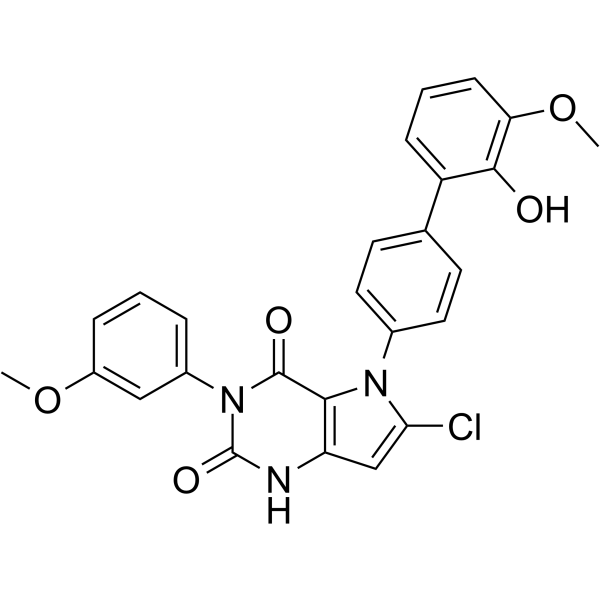
    APL-4098 is an orally active, selective, ATP-competitive GCN2 inhibitor with a Ki of 4.39 nM and a Kd of 2.9 nM. APL-4098 reduces the phosphorylation level of eIF2α and the expression level of ATF4. APL-4098 impairs mitochondrial function and exerts cytotoxic effects on primary acute myeloid leukemia cells. APL-4098 is applicable to research related to acute myeloid leukemia .
    APL-4098
  • HY-183704

    Eukaryotic Initiation Factor (eIF) Mitogen- and Stress-Activated Protein Kinase (MSK) Neurological Disease Metabolic Disease Cancer
    ISR activator-5 is an eIF2B modulator and integrated stress response (ISR) activator. ISR activator-5 stabilises the inactive I-state of eIF2B, inhibits protein synthesis, and activates canonical ISR pathways without inducing eIF2α phosphorylation. ISR activator-5 can be used for the research of cancer, neurologic and metabolic disorders .
    ISR activator-5
  • HY-W046841

    Eukaryotic Initiation Factor (eIF) Cancer
    1,3-Bis[3,5-bis(trifluoromethyl)phenyl]urea is a potent activator of eIF2α kinase heme regulated inhibitor. 1,3-Bis[3,5-bis(trifluoromethyl)phenyl]urea reduces the abundance of eIF2·GTP·tRNAi Met ternary complex. 1,3-Bis[3,5-bis(trifluoromethyl)phenyl]urea inhibits cancer cell proliferation .
    1,3-Bis[3,5-bis(trifluoromethyl)phenyl]urea
  • HY-181087

    PERK Apoptosis Autophagy Reactive Oxygen Species (ROS) Caspase Bcl-2 Family Cancer
    Anticancer agent 296 is a potent anticancer agent that activates the PERK-eIF2α-CHOP signaling pathway to induce endoplasmic reticulum stress, thereby regulating caspase and Bcl-2 family proteins, ultimately leading to apoptosis. Anticancer agent 296 increases intracellular levels of reactive oxygen species (ROS), reduces mitochondrial membrane potential, and promotes Ca 2+ release. Anticancer agent 296 suppresses cell colony formation and S-phase cell proliferation, and induces autophagy. Anticancer agent 296 is applicable for research on non-small cell lung cancer (NSCLC) .
    Anticancer agent 296
  • HY-112654A

    Eukaryotic Initiation Factor (eIF) Glutathione Peroxidase Cardiovascular Disease Metabolic Disease Cancer
    GCN2iB acetate is an ATP-competitive, selective GCN2 inhibitor with an IC50 of 2.4 nM. GCN2iB acetate inhibits the activation of the GCN2 pathway and upregulates GPX4. GCN2iB acetate enhances the anticancer effect of ASNase against acute lymphoblastic leukemia. GCN2iB acetate increases left ventricular ejection fraction, while reducing fasting blood glucose and myocardial fibrosis. GCN2iB acetate can be used in research related to acute lymphoblastic leukemia, acute myeloid leukemia and diabetic cardiomyopathy [2].
    GCN2iB acetate
  • HY-182360

    PERK Eukaryotic Initiation Factor (eIF) Bcl-2 Family Apoptosis Reactive Oxygen Species (ROS) STING DNA/RNA Synthesis PD-1/PD-L1 Cancer
    Cytisine-Platinum(IV) Prodrug-1 is a Pt(IV) prodrug incorporating the natural compound Cytisine (HY-N0175) with antiproliferative activity against tumor cells. Cytisine-Platinum(IV) Prodrug-1 promotes calcium transfer across the IP3R1-GRP75-VDAC1 axis to drive mitochondrial calcium overload. Cytisine-Platinum(IV) Prodrug-1 initiates unfolded protein response via PERK, eIF2α, ATF4, and CHOP to modulate Bcl-2 and Bax, triggering apoptosis. Cytisine-Platinum(IV) Prodrug-1 induces mitochondrial dysfunction, ROS production, reduced ATP synthesis, DNA damage, and S-phase cell cycle arrest. Cytisine-Platinum(IV) Prodrug-1 activates the cGAS-STING pathway, reduces PD-L1 expression, drives immunogenic cell death. Cytisine-Platinum(IV) Prodrug-1 exhibits high physiological stability, efficient cellular accumulation, and enhanced platinum-DNA binding, and inhibits tumor growth in mouse models with reduced systemic toxicity. Cytisine-Platinum(IV) Prodrug-1 can be used for the research of lung cancer .
    Cytisine-platinum(IV) prodrug-1
  • HY-183004

    Aminoacyl-tRNA Synthetase Apoptosis Caspase PARP c-Myc Cancer
    NCP26 is an ATP-competitive ProRS inhibitor (with a KD of 271 nM in the absence of proline, and a KD of 0.35 nM in the presence of 100 μM proline). NCP26 activates AAR, induces G0/G1 phase arrest, Apoptosis, Caspase cleavage, and PARP cleavage. NCP26 downregulates MYC, TCF3, and CCND1. NCP26 inhibits the growth of multiple myeloma cells. NCP26 can be used for the research of multiple myeloma [2].
    NCP26
  • HY-182781

    MetAP Cancer
    Anticancer agent 313 is a MetAP2 inhibitor with an IC50 of 4.11 μM. Anticancer agent 313 activates the transcription factor ATF4 via a non-canonical mTORC1-dependent pathway. Anticancer agent 313 inhibits cancer cell proliferation. Anticancer agent 313 is applicable to the research of breast cancer and pancreatic cancer .
    Anticancer agent 313

Inquiry Online

Your information is safe with us. * Required Fields.

Salutation


Country or Region *

Applicant Name *


Organization Name *

Department *


Email Address *


Product Name *

Cat. No.


Requested quantity *

Phone Number *


Remarks

Inquiry Online

Inquiry Information

Product Name:
Cat. No.:
Quantity:
MCE Japan Authorized Agent:

