1. Search Result
Search Result
Results for "

flavivirus

" in MedChemExpress (MCE) Product Catalog:

26

Inhibitors & Agonists

2

Peptides

2

Natural
Products

1

Recombinant Proteins

1

Isotope-Labeled Compounds

Targets Recommended:
Cat. No. Product Name Target Research Areas Chemical Structure
  • HY-B1030
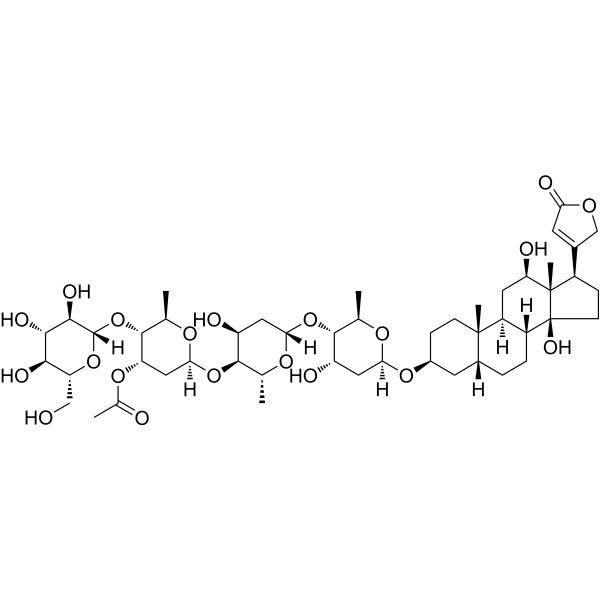
    Lanatoside C
    5+ Cited Publications

    Flavivirus Dengue Virus Autophagy Enterovirus Cardiovascular Disease Cancer
    Lanatoside C is a cardiac glycoside, can be used in the treatment of congestive heart failure and cardiac arrhythmia.Lanatoside C has an IC50 of 0.19 μM for dengue virus infection in HuH-7 cells. Lanatoside C can effectively inhibit all four serotypes of dengue virus, flavivirus Kunjin, alphavirus Chikungunya, Sindbis virus and the human enterovirus 71 .
    Lanatoside C
  • HY-B1201
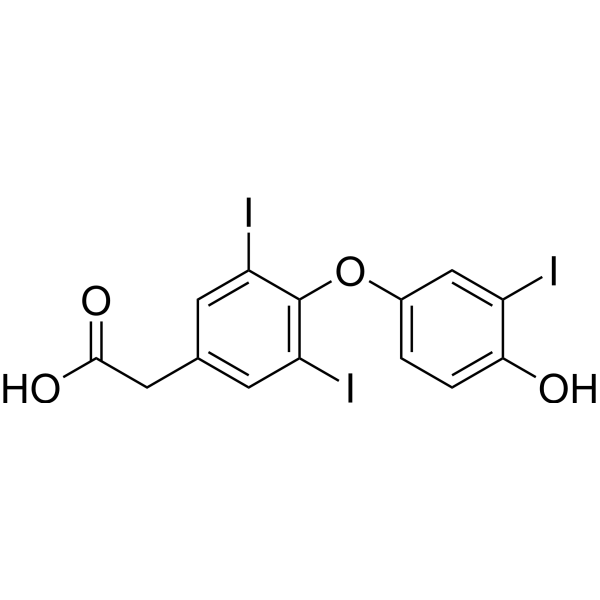
    Tiratricol
    1 Publications Verification

    3,3',5-Triiodothyroacetic acid

    Flavivirus Thyroid Hormone Receptor TNF Receptor Endocrinology
    Tiratricol is an orally available thyroid hormone analog that inhibits pituitary thyroid-stimulating hormone secretion. Tiratricol is an intracellular toxin neutralizer that inhibits LPS and lipid A cytotoxicity with IC50s of 20 μM and 32 μM, respectively. Tiratricol reduces TNF production in lipopolysaccharide-stimulated macrophages. Tiratricol also has antiviral activity and is an inhibitor of yellow fever virus (Flavivirus). It can bind to the RdRp domain of the viral NS5 protein to hinder YFV replication. .
    Tiratricol
  • HY-A0021
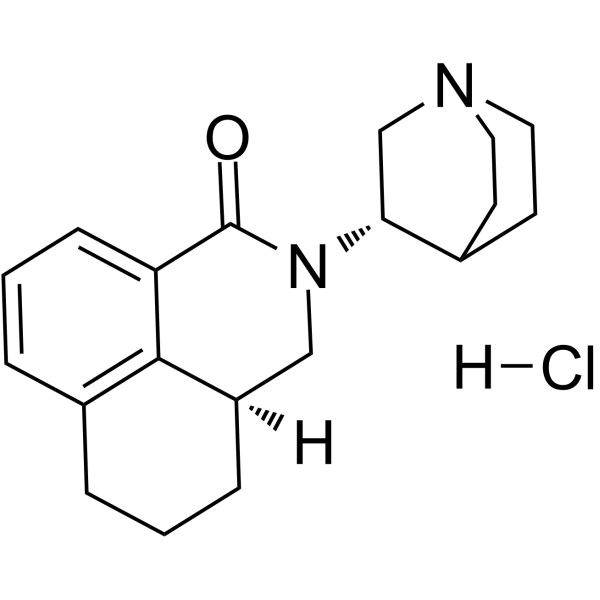
    Palonosetron hydrochloride
    1 Publications Verification

    5-HT Receptor Flavivirus Infection Cardiovascular Disease Neurological Disease
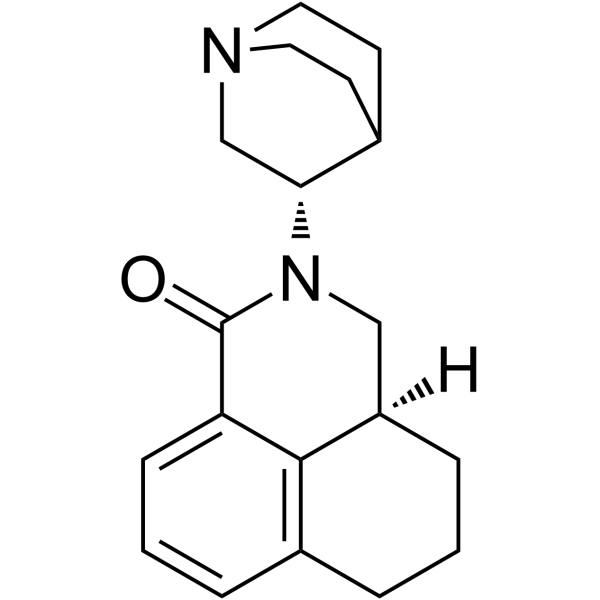
    Palonosetron hydrochloride is a 5-HT3 antagonist primarily used to prevent acute, delayed, and overall chemotherapy-induced nausea and vomiting. In addition, Palonosetron hydrochloride exhibits moderate anti-flavivirus activity and potent anti-Zika virus activity in mammalian cells. Palonosetron hydrochloride also possesses antidepressant activity .
    Palonosetron hydrochloride
  • HY-17403
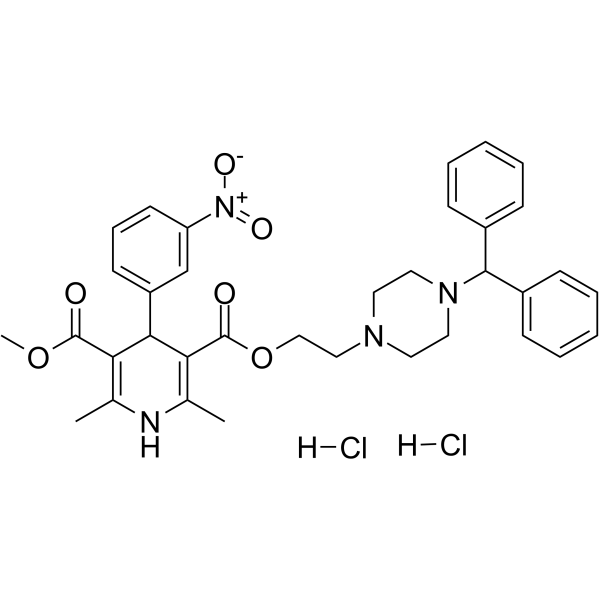
    Manidipine dihydrochloride
    3 Publications Verification

    CV-4093

    Calcium Channel NF-κB Infection Cardiovascular Disease Metabolic Disease Inflammation/Immunology
    Manidipine dihydrochloride is a third-generation, lipophilic, orally active and highly vasoselective calcium channel antagonist (IC50 = 2.6 nM in guinea-pig ventricular cells) and acts as an antihypertensive agent. Manidipine effectively reduces blood pressure as well as improving insulin sensitivity, renal protection, and antiatherosclerotic activity. Manidipine also exerts anti-inflammatory activity mediated by NF-κB and antiviral activity against many flavivirus and negative-strand RNA viruses through the inhibition of calcium channel. Manidipine is widely applied to research of cardiovascular, metabolic disease and infection .
    Manidipine dihydrochloride
  • HY-100604

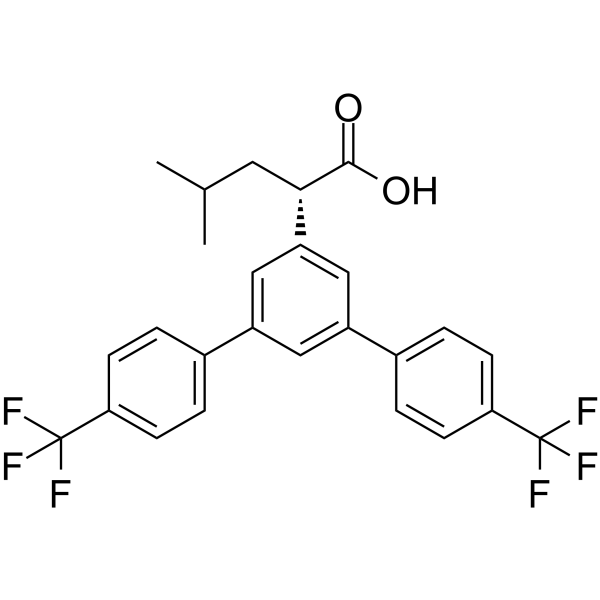
    γ-secretase Amyloid-β Neurological Disease
    JNJ-40418677 is an orally active modulator of γ-secretase, can cross the blood-brain barrier. JNJ-40418677 inhibits Aβ42 and NS2B-NS3 protease, with IC50s of 200 nM and 3.9 μM, respectively. JNJ-40418677 displays good biological tolerance, can be use for Alzheimer’s disease research .
    JNJ-40418677
  • HY-128788

    DNA/RNA Synthesis SARS-CoV Endogenous Metabolite Flavivirus Lactate Dehydrogenase Infection
    ddhCTP is an endogenously produced pyrimidine base analog with a Kd of 17.0 nM for LLDH and an IC50 of 55.8 μM for GAPDH. By inhibiting key metabolic enzymes such as GAPDH, ddhCTP reduces glycolytic flux and shifts metabolic flow toward the pentose phosphate pathway, thereby regulating the redox balance of cells. As a competitive CTP analog, ddhCTP terminates RNA synthesis by flavivirus RdRps and SARS-CoV-2 RdRp, and inhibits Zika virus replication in vivo. ddhCTP can be used in studies related to viral infections, COVID-19 and Zika virus infections.
    ddhCTP
  • HY-144644

    Virus Protease Flavivirus Infection
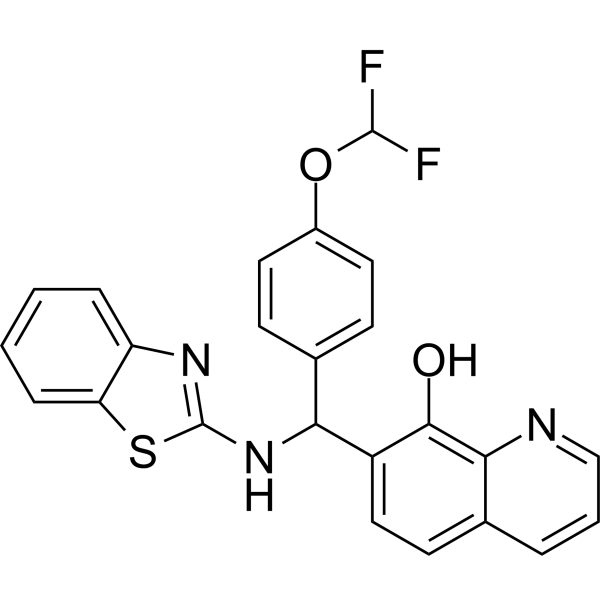
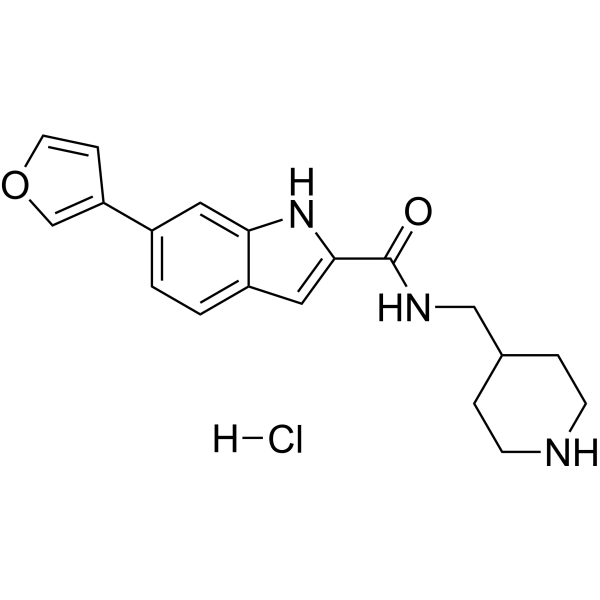
    NS2B/NS3-IN-3 (Compd 66) is an inhibitor of Flavivirus NS2B-NS3 protease .
    NS2B/NS3-IN-3
  • HY-100749
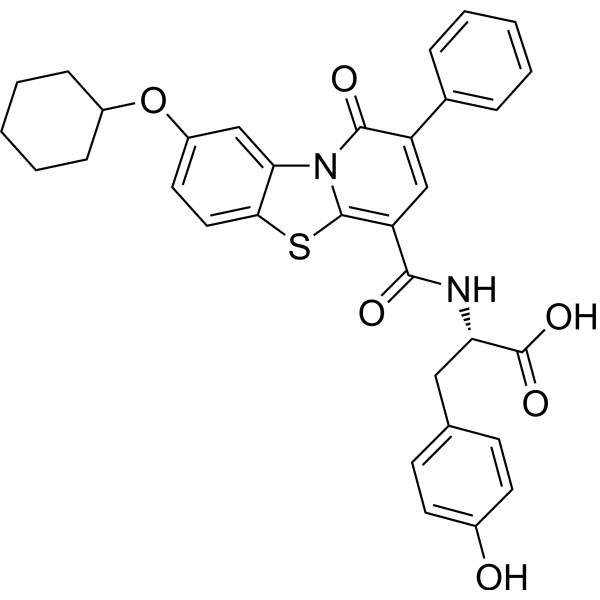
    HeE1-2Tyr
    1 Publications Verification

    Flavivirus Dengue Virus DNA/RNA Synthesis SARS-CoV Infection
    HeE1-2Tyr, a pyridobenzothiazole compound, is a flavivirus RNA dependent RNA polymerases (RdRp) inhibitor. HeE1-2Tyr significantly inhibits West Nile, Dengue and SARS-CoV-2 RdRps (IC50 of 27.6 μM) activity in vitro .
    HeE1-2Tyr
  • HY-123805

    RIG-I-like receptor (RLR) HCV IFNAR Infection
    KIN1400 is a potent IRF3 activator. KIN1400 triggers IRF3-dependent innate immune antiviral genes (RIG-I, MDA5, IFIT1, and Mx1) and IFN-β expression. KIN1400 inhibits WNV and DV, two mosquito-borne members of the Flaviviridae and the genus Flavivirus. KIN1400 also inhibits HCV replication. KIN1400 induces innate antiviral immunity through a MAVS-IRF3 axis .
    KIN1400
  • HY-144644A

    Virus Protease Flavivirus Infection
    NS2B/NS3-IN-3 hydrochlorideis an inhibitor of Flavivirus NS2B-NS3 protease .
    NS2B/NS3-IN-3 hydrochloride
  • HY-A0021S

    Isotope-Labeled Compounds 5-HT Receptor Flavivirus Infection Cardiovascular Disease Neurological Disease
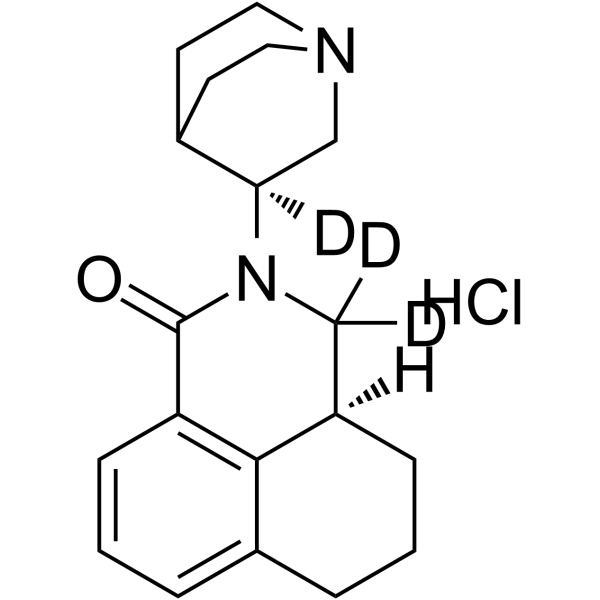
    Palonosetron-d3 hydrochloride is the deuterium labeled Palonosetron hydrochloride (HY-A0021). Palonosetron hydrochloride is a 5-HT3 antagonist primarily used to prevent acute, delayed, and overall chemotherapy-induced nausea and vomiting. In addition, Palonosetron hydrochloride exhibits moderate anti-flavivirus activity and potent anti-Zika virus activity in mammalian cells. Palonosetron hydrochloride also possesses antidepressant activity .
    Palonosetron-d3 hydrochloride
  • HY-148310

    Virus Protease Infection
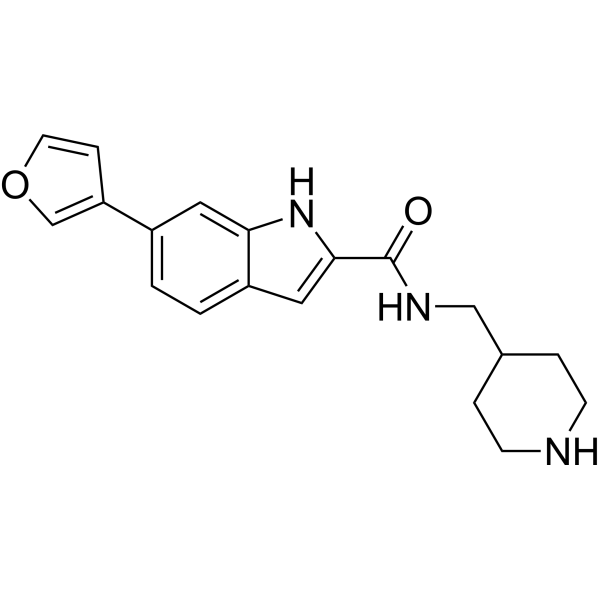
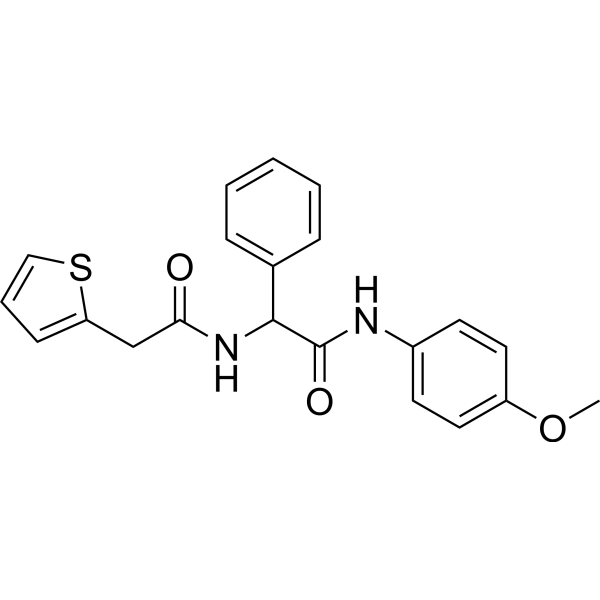
    Flaviviruses-IN-2 (compound 78) is a potent flaviviruses inhibitor. Flaviviruses-IN-2 reduces the WNV (West Nile virus) protease activity, with inhibition of 56% .
    Flaviviruses-IN-2
  • HY-134309

    Virus Protease Infection
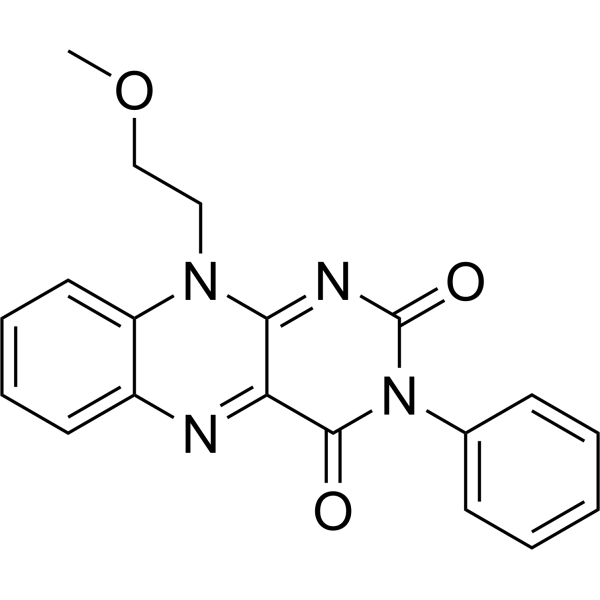
    NSC 288387 is a pan-flavivirus MTase inhibitor. NSC 288387 binds to the SAM-binding pocket. NSC 288387 inhibits ZIKV with an IC50 of 0.2 μM. NSC 288387 also inhibits viral replication in cell culture .
    NSC 288387
  • HY-18649B

    BCX4430 dihydrochloride; Immucillin-A dihydrochloride

    Flavivirus Infection
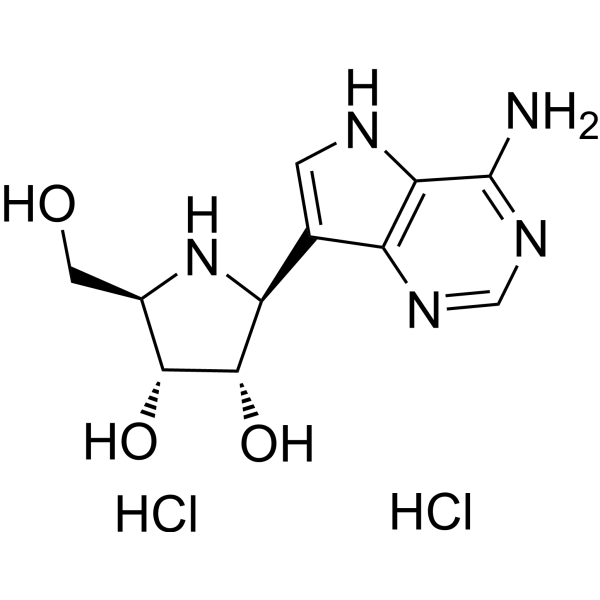
    Galidesivir (BCX4430; Immucillin-A) dihydrochloride is a broad-spectrum RNA virus inhibitor that can inhibit Ebola and yellow fever virus (Flavivirus) infections. Galidesivir has potent antiviral activity against tick-borne encephalitis virus (TBEV) and also inhibits the proliferation of many other medically important flaviviruses .
    Galidesivir dihydrochloride
  • HY-A0018

    5-HT Receptor Flavivirus Infection Cardiovascular Disease Neurological Disease
    Palonosetron is a 5-HT3 antagonist primarily used to prevent acute, delayed, and overall chemotherapy-induced nausea and vomiting. Palonosetron exhibits moderate anti-flavivirus activity and potent anti-Zika virus activity in mammalian cells. Palonosetron also possesses antidepressant activity .
    Palonosetron
  • HY-B1030R

    Dengue Virus Flavivirus Reference Standards CHIKV Autophagy Enterovirus Cardiovascular Disease Cancer
    Lanatoside C (Standard) is the analytical standard of Lanatoside C. This product is intended for research and analytical applications. Lanatoside C is a cardiac glycoside, can be used in the treatment of congestive heart failure and cardiac arrhythmia.Lanatoside C has an IC50 of 0.19 μM for dengue virus infection in HuH-7 cells. Lanatoside C can effectively inhibit all four serotypes of dengue virus, flavivirus Kunjin, alphavirus Chikungunya, Sindbis virus and the human enterovirus 71 .
    Lanatoside C (Standard)
  • HY-B1201R

    3,3',5-Triiodothyroacetic acid (Standard)

    Flavivirus Thyroid Hormone Receptor Reference Standards TNF Receptor Endocrinology
    Tiratricol (Standard) is the analytical standard of Tiratricol. This product is intended for research and analytical applications. Tiratricol is an orally available thyroid hormone analog that inhibits pituitary thyroid-stimulating hormone secretion. Tiratricol is an intracellular toxin neutralizer that inhibits LPS and lipid A cytotoxicity with IC50s of 20 μM and 32 μM, respectively. Tiratricol reduces TNF production in lipopolysaccharide-stimulated macrophages. Tiratricol also has antiviral activity and is an inhibitor of yellow fever virus (Flavivirus). It can bind to the RdRp domain of the viral NS5 protein to hinder YFV replication. .
    Tiratricol (Standard)
  • HY-176433

    Flavivirus Infection
    NSC-323241 is a potent STT3A-mediated mega protein complex assembly inhibitor. NSC-323241 disrupts he endoplasmic reticulum (ER) mega complex nucleated by STT3A during dengue virus (DENV) and Zika virus (ZIKV) infection. NSC-323241 targets the binding of STT3A subcomplex with viral nonstructural proteins (e.g., NS2B, NS3) and host translocon proteins, disrupting the formation of viral replication microenvironment. NSC-323241 is promising for research of flavivirus infection, such as dengue fever and Zika virus .
    NSC-323241
  • HY-P10668

    Dengue Virus Flavivirus Infection
    Ac-EVKKQR-pNA is a competitive chromogenic para-nitroanilide substrate corresponding to the P6-P1 segment amino-terminal to the NS2B-NS3 cleavage site but with a more reactive, hydrolytically cleavable, para-nitroanilide at the P1’ position. Ac-EVKKQR-pNA is promising for research of dengue 2 virus and flavivirus virus infection .
    Ac-EVKKQR-pNA
  • HY-A0021R

    Reference Standards 5-HT Receptor Flavivirus Infection Cardiovascular Disease Neurological Disease
    Palonosetron hydrochloride (Standard) is the analytical standard of Palonosetron hydrochloride (HY-A0021). This product is intended for research and analytical applications. Palonosetron hydrochloride is a 5-HT3 antagonist primarily used to prevent acute, delayed, and overall chemotherapy-induced nausea and vomiting. In addition, Palonosetron hydrochloride exhibits moderate anti-flavivirus activity and potent anti-Zika virus activity in mammalian cells. Palonosetron hydrochloride also possesses antidepressant activity .
    Palonosetron hydrochloride (Standard)
  • HY-100749R

    Flavivirus Dengue Virus SARS-CoV Reference Standards Infection
    HeE1-2Tyr (Standard) is the analytical standard of HeE1-2Tyr (HY-100749). This product is intended for research and analytical applications. HeE1-2Tyr, a pyridobenzothiazole compound, is a flavivirus RNA dependent RNA polymerases (RdRp) inhibitor. HeE1-2Tyr significantly inhibits West Nile, Dengue and SARS-CoV-2 RdRps (IC50 of 27.6 μM) activity in vitro .
    HeE1-2Tyr (Standard)
  • HY-128788A

    DNA/RNA Synthesis SARS-CoV Endogenous Metabolite Flavivirus Lactate Dehydrogenase Infection
    ddhCTP trisodium solution (100 mM) is an endogenously produced pyrimidine base analog with a Kd of 17.0 nM for LLDH and an IC50 of 55.8 μM for GAPDH. By inhibiting key metabolic enzymes such as GAPDH, ddhCTP trisodium reduces glycolytic flux and shifts metabolic flow toward the pentose phosphate pathway, thereby regulating the redox balance of cells. As a competitive CTP analog, ddhCTP trisodium terminates RNA synthesis by flavivirus RdRps and SARS-CoV-2 RdRp, and inhibits Zika virus replication in vivo. ddhCTP trisodium can be used in studies related to viral infections, COVID-19 and Zika virus infections .
    ddhCTP trisodium solution (100 mM)
  • HY-17403R

    CV-4093 (Standard)

    Calcium Channel NF-κB Reference Standards Infection Cardiovascular Disease Metabolic Disease Inflammation/Immunology
    Manidipine (dihydrochloride) (Standard) is the analytical standard of Manidipine (dihydrochloride). This product is intended for research and analytical applications. Manidipine dihydrochloride is a third-generation, lipophilic, orally active and highly vasoselective calcium channel antagonist (IC50 = 2.6 nM in guinea-pig ventricular cells) and acts as an antihypertensive agent. Manidipine effectively reduces blood pressure as well as improving insulin sensitivity, renal protection, and antiatherosclerotic activity. Manidipine also exerts anti-inflammatory activity mediated by NF-κB and antiviral activity against many flavivirus and negative-strand RNA viruses through the inhibition of calcium channel. Manidipine is widely applied to research of cardiovascular, metabolic disease and infection .
    Manidipine dihydrochloride (Standard)
  • HY-156052

    Flavivirus Dengue Virus Virus Protease Infection
    CN-716 dihydrochloride is a reversible covalent flavivirus NS2B·NS3 protease inhibitor with antiviral activity. CN-716 dihydrochloride effectively inhibits the replication of dengue virus (DENV2), West Nile virus (WNV) and Zika virus (ZIKV). The IC50 values of CN-716 dihydrochloride against the proteases of the above three viruses are 0.066 μM, 0.11 μM and 0.25 μM, respectively, while the Ki values against the same proteases are 0.051 μM, 0.082 μM and 0.04 μM, respectively. CN-716 dihydrochloride can be used to study the infection mechanisms of dengue fever, West Nile fever and Zika virus infection .
    CN-716 dihydrochloride
  • HY-182674

    Sec61 HIV Flavivirus Neurotensin Receptor Infection Cancer
    VGD020 is a highly potent and selective Sec61 translocon inhibitor . VGD020 suppresses the expression of cell surface CD4 by inhibiting signal peptide-dependent co-translational ER translocation, interferes with the initiation of ER translocation of dengue virus polyprotein, and reduces the expression of Sortilin in breast cancer cells. VGD020 exhibits broad anti-flavivirus and anti-HIV activities. VGD020 can be used in research related to dengue virus infection, Zika virus infection, yellow fever virus infection, human immunodeficiency virus infection, and breast cancer .
    VGD020
  • HY-181991

    Virus Protease Flavivirus Infection
    IRBM-Z-2 is a non-competitive, orally active Zika virus (ZIKV) NS2B-NS3 protease inhibitor, with IC50 values of 0.04 μM and 3.1 μM against the wild-type and I156T mutant strains, respectively. IRBM-Z-2 exhibits broad-spectrum anti-flavivirus potential, with IC50 values of 2.1 μM and 0.09 μM against the NS2B-NS3 proteases of dengue virus 2 (DENV2) and West Nile virus (WNV), respectively. IRBM-Z-1 inhibits ZIKV replication and alleviates virus-induced cytopathic effects. IRBM-Z-1 can be used in studies related to ZIKV infection .
    IRBM-Z-2

Inquiry Online

Your information is safe with us. * Required Fields.

Salutation


Country or Region *

Applicant Name *


Organization Name *

Department *


Email Address *


Product Name *

Cat. No.


Requested quantity *

Phone Number *


Remarks

Inquiry Online

Inquiry Information

Product Name:
Cat. No.:
Quantity:
MCE Japan Authorized Agent:

