


1. Search Result
Search Result
Results for "

good safety

" in MedChemExpress (MCE) Product Catalog:

98

Inhibitors & Agonists

9

Screening Libraries

2

Biochemical Assay Reagents

4

Peptides

8

Inhibitory Antibodies

13

Natural
Products

2

Isotope-Labeled Compounds

1

Click Chemistry

3

Oligonucleotides

Cat. No. Product Name Target Research Areas Chemical Structure
  • HY-153192
    Nerandomilast
    2 Publications Verification

    BI 1015550

    Phosphodiesterase (PDE) Neurological Disease Inflammation/Immunology Cancer
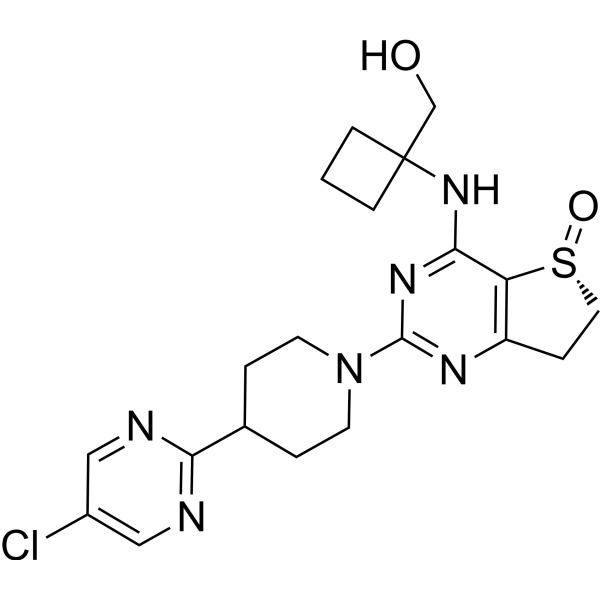
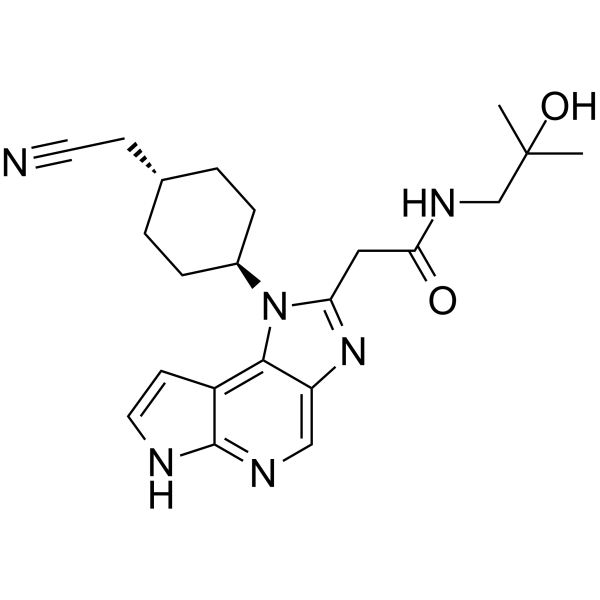
    Nerandomilast (BI 1015550) is an orally active inhibitor of PDE4B with an IC50 value of 7.2 nM. Nerandomilast has good safety and potential applications in inflammation, allergic diseases, pulmonary fibrosis, and chronic obstructive pulmonary disease (COPD) .
    Nerandomilast
  • HY-17552
    sn-Glycero-3-phosphocholine
    3 Publications Verification

    Choline Alfoscerate; Alpha-GPC; L-α-GPC

    Cholinesterase (ChE) Endogenous Metabolite Neurological Disease
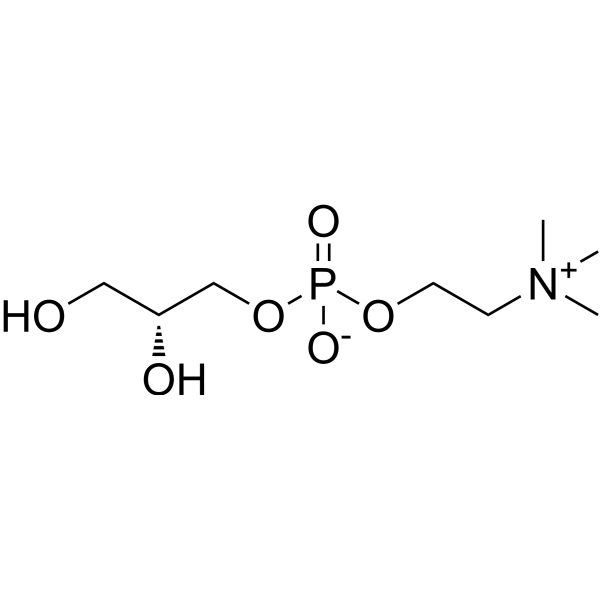
    sn-Glycero-3-phosphocholine (Choline Alfoscerate) is a precursor in the biosynthesis of brain phospholipids and increases the bioavailability of choline in nervous tissue. sn-Glycero-3-phosphocholine (Choline Alfoscerate) has significant effects on cognitive function with a good safety profile and tolerability, and is effective in the treatment of Alzheimer's disease and dementia .
    sn-Glycero-3-phosphocholine
  • HY-107784

    Bacterial Inflammation/Immunology
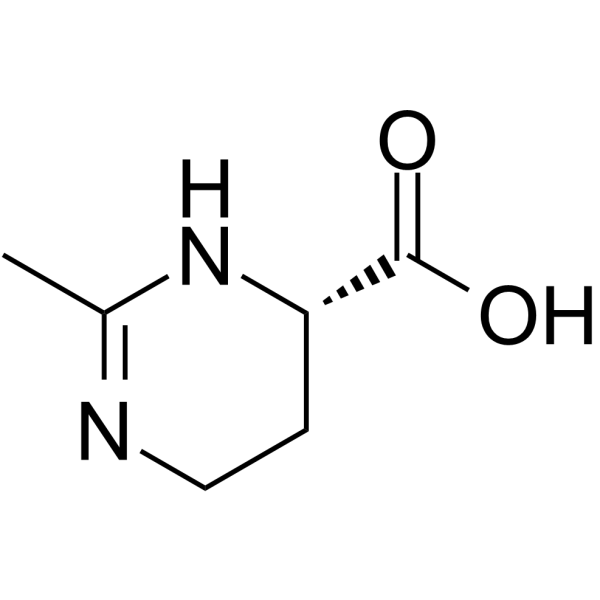
    Ectoine is a natural cell protectant, an amino acid derivate produced by bacteria living under extremely harsh environmental conditions. Ectoine serves as an osmoregulatory compatible solute, increasing the hydration of the skin surface and stabilizing lipid layers, which is useful in skincare. Ectoine demonstrates a good safety profile for the treatment of allergic rhinitis .
    Ectoine
  • HY-N1446C

    Environmental Pollutants Biochemical Assay Reagents Others
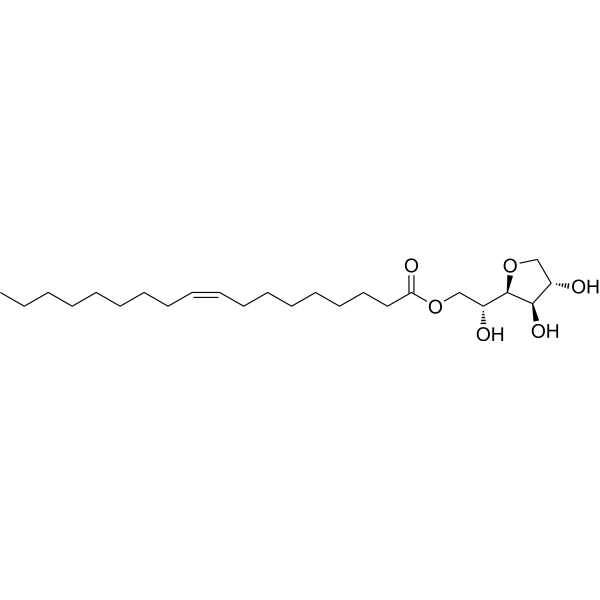
    Sorbitan monooleate is a food emulsifier and can also be used as a pharmaceutical excipient. Sorbitan monooleate has good safety .
    Sorbitan monooleate
  • HY-N2464
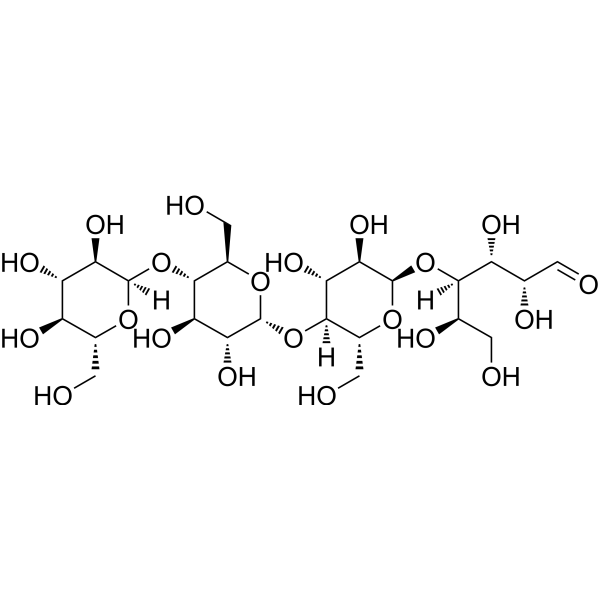
    Maltotetraose
    1 Publications Verification

    Amylotetraose; Fujioligo 450; α-1,4-Tetraglucose

    TNF Receptor Endogenous Metabolite Bacterial Integrin NF-κB Cardiovascular Disease Inflammation/Immunology
    Maltotetraose can serve as a substrate for enzyme-linked assays to measure amylase activity in biological fluids. Maltotetraose has oral active, and reduces TNF-α-induced inflammatory responses by inhibiting NF-κB activity and decreasing ICAM-1 expression. Maltotetraose also inhibits PDGF-induced vascular smooth muscle cell migration and neovascularization. Additionally, Maltotetraose derivatives can function as probes for detecting bacterial infections by targeting the maltodextrin transporter. With good long-term safety, Maltotetraose holds promise for research in atherosclerosis-related diseases .
    Maltotetraose
  • HY-P99116

    RG7716; RO-6867461

    VEGFR Cardiovascular Disease Metabolic Disease Inflammation/Immunology
    Faricimab, an overall good safety and tolerability profile, is a bispecific antibody targeting Angiopoietin-2 (Ang-2) and vascular endothelial growth factor-A (VEGF-A). Faricimab prevents retinal vascular leakage, cell death and inflammation in retinal ischemia/reperfusion (I/R) injury and sCNV mouse models. Faricimab demonstrates statistically superior visual acuity gains versus Ranibizumab (HY-P9951). Faricimab can be used for retinal diseases, such as age-related macular degeneration (w-AMD), diabetic macular edema (DME) and macular edema following retinal vein occlusion (RVO) .
    Faricimab
  • HY-P990774

    ASP-7266; TRAB-1; UPB-101

    Interleukin Related Inflammation/Immunology
    Verekitug (ASP-7266; TRAB-1; UPB-101) is a human monoclonal antibody targeting the thymic stromal lymphopoietin receptor (TSLPR), with a mean half-life of approximately 20 days. At doses of Verekitug ≥100 mg, complete and sustained TSLPR-specific occupancy is achieved, and the antibody does not bind to IL-7Rα. By inhibiting TSLP-driven inflammatory responses, Verekitug blocks TSLP-induced cell proliferation and TARC expression, while reducing fractional exhaled NO levels, blood eosinophil counts, and levels of IL-5 and IgE. Verekitug significantly improves scores for nasal polyps, nasal congestion and olfactory dysfunction, with favorable safety and good tolerability; potential adverse reactions include headache, upper respiratory tract infection, sinusitis and nasopharyngitis. Verekitug is used in relevant studies on asthma, chronic rhinosinusitis with nasal polyps and chronic obstructive pulmonary disease .
    Verekitug
  • HY-W1128879

    SKPer1

    Molecular Glues E1/E2/E3 Enzyme Cancer
    XMU-MP-8 (SKPer1) is a potent molecular glue degrader that targets the oncoprotein SKP2. XMU-MP-8 simultaneously binds to the F-box domain of SKP2 (Kd ≈ 36 μM) and the N-terminal TPR domain of the E3 ligase STUB1 (Kd ≈ 2.5 μM), forming a stable SKP2-SKPer1-STUB1 ternary complex (Kd ≈ 8.9 nM) that induces SKP2 ubiquitination and proteasomal degradation. XMU-MP-8 selectively eliminates SKP2-expressing cancer cells. XMU-MP-8 exhibits substantial tumour suppression with good safety profiles in vivo. XMU-MP-8 can be used for cancer research, such as non-small cell lung adenocarcinoma (NSCLC) and prostatic adenocarcinoma .
    XMU-MP-8
  • HY-W040040

    Environmental Pollutants Endogenous Metabolite Metabolic Disease
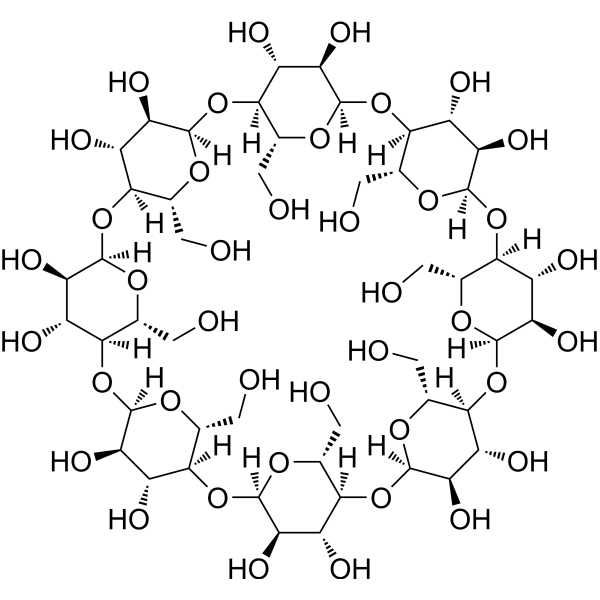
    γ-Cyclodextrin is an orally active cyclic oligosaccharide composed of eight glucose molecules, which can be formed by bacteria digesting starch. γ-Cyclodextrin can form water-soluble inclusion complexes with a variety of poorly soluble compounds and is widely used in fields such as pharmacy and food. In addition, γ-Cyclodextrin has good safety .
    γ-Cyclodextrin
  • HY-N0260
    Epmedin C
    Maximum Cited Publications
    6 Publications Verification

    Epimedin-C; Baohuoside-VI

    Keap1-Nrf2 CDK Caspase Infection Metabolic Disease Inflammation/Immunology Cancer
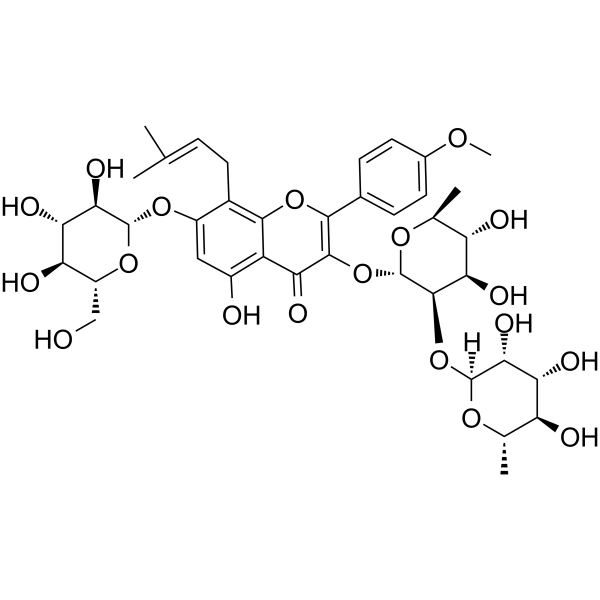
    Epmedin C (Epimedin-C; Baohuoside-VI) is an orally active anti-inflammatory agent and immunomodulator that binds to multiple key proteins including UCP1, Caspase-1, CDK2 and Keap1. Epmedin C inhibits epithelial cell proliferation by disrupting the complex function of CDK2/Cyclin E. Epmedin C also upregulates Nrf2 expression, reduces ROS levels and inhibits pro-inflammatory cytokine secretion, thereby effectively restoring antibody production and alleviating tissue damage. Epmedin C has good safety with no hepatotoxicity or skin sensitization, and it has been used in studies on diseases such as obesity, Deoxynivalenol (HY-N6684)-induced immunotoxicity and mammary hyperplasia .
    Epmedin C
  • HY-P5126
    DOTA-LM3
    2 Publications Verification

    Radionuclide-Drug Conjugates (RDCs) Somatostatin Receptor Cancer
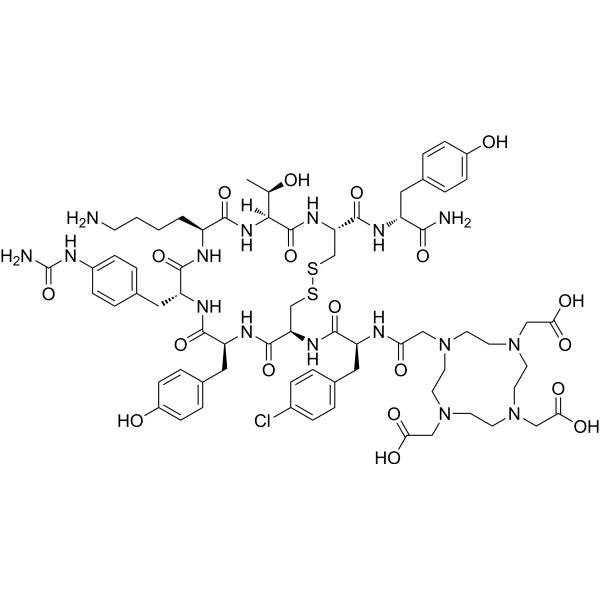
    DOTA-LM3 is a somatostatin receptor (SSTR) antagonist. LM3 refers to p-Cl-Phe- cyclo(D-Cys-Tyr-D-4-amino-Phe(carbamoyl)-Lys-Thr-Cys)D-Tyr- NH2, as well as a somatostatin antagonist. DOTA-LM3 is often isotopically labeled for tracing tumors in vivo, such as 177Lu-DOTA-LM3 and 68 Ga-DOTA-LM3. 68 Ga-DOTA-LM3 shows favorable biodistribution, high tumor uptake, good tumor retention, and few safety concerns. 177Lu-DOTA-LM3 can be used for research in DOTATOC-negative liver metastases, such as pancreatic NET and extensive tumor thrombosis . DOTA-LM3 can be used for the synthesis/research of Radionuclide-Drug Conjugates (RDCs).
    DOTA-LM3
  • HY-153192A
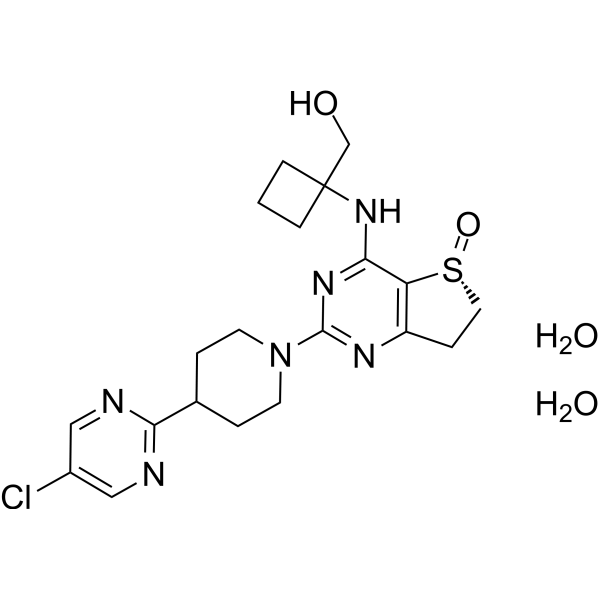
    Nerandomilast dihydrate
    2 Publications Verification

    BI 1015550 dihydrate

    Phosphodiesterase (PDE) Inflammation/Immunology
    Nerandomilast (BI 1015550) dihydrate is an orally active inhibitor of PDE4B with an IC50 value of 7.2 nM. Nerandomilast (dihydrate) has good safety and potential applications in inflammation, allergic diseases, pulmonary fibrosis, and chronic obstructive pulmonary disease (COPD) .
    Nerandomilast dihydrate
  • HY-P99625

    SAR441344; INX-021

    TNF Receptor Metabolic Disease Inflammation/Immunology
    Frexalimab (SAR441344) is a second-generation monoclonal antibody targeting the CD40 ligand (CD40L) with a good safety profile. Frexalimab inhibits the binding between CD40 and CD40L to modulate immune response. Frexalimab is likely to help prevent the process of β-cell destruction. Frexalimab is proming for multiple sclerosis, lupus erythematosus, Sj gren’s syndrome and type I diabetes research .
    Frexalimab
  • HY-159821

    CK-4021586; CK-586

    Myosin Cardiovascular Disease
    Ulacamten (CK-4021586; CK-586) is an orally active cardiac myosin inhibitor and an inhibitor of the double-headed cardiac heavy meromyosin (HMM)ATPase (excluding single-headed myosin subfragment-1), with an EC50 of 2.9 μM. Ulacamten regulates cardiac myosin, reduces excessive myocardial contractility, and alleviates left ventricular outflow tract obstruction. Ulacamten increases the left ventricular short-axis systolic internal diameter, inhibits dobutamine-induced exacerbation of obstruction, and exerts only a mild reducing effect on left ventricular systolic function. Ulacamten also inhibits the fractional shortening of the short axis without altering calcium transients. Ulacamten shows good safety and tolerability in purpose-bred cats with naturally occurring obstructive hypertrophic cardiomyopathy .
    Ulacamten
  • HY-P991149

    YH32367; ABL105

    TNF Receptor Cancer
    Nesfrotamig (YH32367; ABL105) is a bispecific activator targeting HER2 and 4-1BB. The Kd values of Nesfrotamig for human HER2 and human 4-1BB are 0.48 nM and 3.36 nM, respectively. By blocking tumor cell growth signals, activating HER2-dependent local 4-1BB in tumors to maintain T cell survival, and inducing NK cell-mediated antibody-dependent cellular cytotoxicity, Nesfrotamig enhances the cytotoxicity and tumor infiltration ability of immune cells. Nesfrotamig promotes the generation of tumor-specific memory T cells, drives T cell-mediated tumor lysis, exhibits significant anti-tumor efficacy against both HER2-positive and HER2-low-expressing tumors, and shows synergistic activity when combined with anti-PD-1 antibodies. In cynomolgus monkey studies, Nesfrotamig demonstrates good safety and is suitable for research related to HER2-positive and HER2-low-expressing tumors .
    Nesfrotamig
  • HY-147831

    Eukaryotic Initiation Factor (eIF) Epigenetic Reader Domain Cancer
    HR-19011 is an eIF2α phosphorylation activator targeting heme-regulated inhibitor HRI (EIF2AK1). HR-19011 exhibits growth inhibitory activity against K562 cells with an IC50 value of 3.91 µM. HR-19011 inhibits the growth of hematologic malignancies by targeting HRI to activate the integrated stress response via the HRI-eIF2α-ATF4 axis. HR-19011 shows good safety in vivo. HR-19011 can be used for research on hematologic malignancies (leukemia) .
    HR-19011
  • HY-P5126A
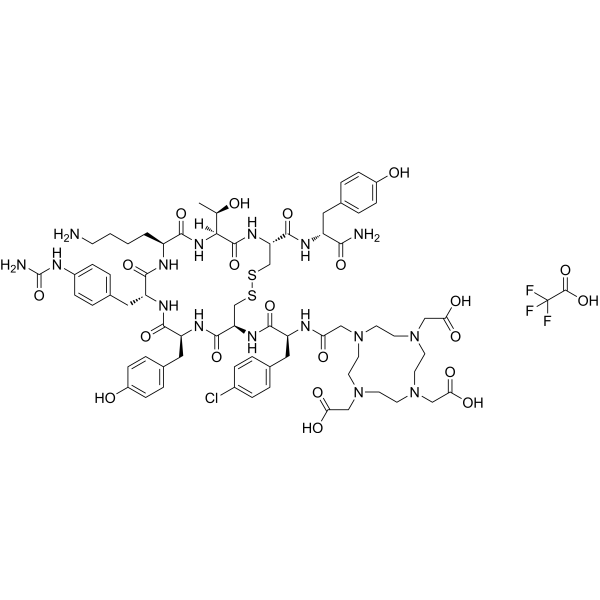
    DOTA-LM3 TFA
    2 Publications Verification

    Radionuclide-Drug Conjugates (RDCs) Somatostatin Receptor Cancer
    DOTA-LM3 TFA is a somatostatin receptor (SSTR) antagonist. LM3 refers to p-Cl-Phe- cyclo(D-Cys-Tyr-D-4-amino-Phe(carbamoyl)-Lys-Thr-Cys)D-Tyr- NH2, as well as a somatostatin antagonist. DOTA-LM3 TFA is often isotopically labeled for tracing tumors in vivo, such as 177Lu-DOTA-LM3 TFA and 68 Ga-DOTA-LM3 TFA. 68 Ga-DOTA-LM3 TFA shows favorable biodistribution, high tumor uptake, good tumor retention, and few safety concerns. 177Lu-DOTA-LM3 TFA can be used for research in DOTATOC-negative liver metastases, such as pancreatic NET and extensive tumor thrombosis . DOTA-LM3 (TFA) can be used for the synthesis/research of Radionuclide-Drug Conjugates (RDCs).
    DOTA-LM3 TFA
  • HY-109182

    JNJ-64251330

    JAK STAT Inflammation/Immunology
    Lorpucitinib (JNJ-64251330) is an orally active pan-JAK inhibitor with good enteric selectivity and safety. Lorpucitinib can inhibit the JAK/STAT pathway and reduce the levels of inflammatory biomarkers in serum. Lorpucitinib can be used in the research of familial adenomatous polyposis and gastrointestinal inflammatory diseases .
    Lorpucitinib
  • HY-154974

    Liposome Cancer
    LNP Lipid-8 (11-A-M) is an ionizable single-tail multi-head lipid that can be used as a lipid nanoparticle (LNP) to deliver siRNA to T cells without targeting ligands. LNP Lipid-8 is more selective for T cells than other cell types such as hepatocytes. LNP Lipid-8 selectively delivers siRNA/sgRNA to T cells (especially CD8+ T cells) through endogenous lipid transport pathways, and can enter cells and release RNA through endocytosis to achieve gene silencing. LNP Lipid-8 loaded with GFP siRNA (siGFP) significantly led to GFP gene silencing in mouse models. LNP Lipid-8 showed good efficacy and safety in both cells and animals, without obvious liver targeting and toxicity. LNP Lipid-8 can be used for RNA delivery research in the fields of tumor immunotherapy and T cell-mediated autoimmune diseases .
    LNP Lipid-8
  • HY-P99242
    Alsevalimab
    1 Publications Verification

    CD276/B7-H3 Cancer
    Alsevalimab is a humanized, afucosylated IgG1 monoclonal antibody against B7-H4. Alsevalimab blocks the binding of the B7-H4 protein to the receptors on the surface of T cells, reversing the immunosuppressive state in the tumor microenvironment, thereby activating the killing effect of T cells on cancer cells. Alsevalimab can be used in combination with Pembrolizumab (HY-P9902), and shows good safety profiles .
    Alsevalimab
  • HY-P991570

    AD5-10; oba-01 Antibody

    TNF Receptor Apoptosis Caspase Atg8/LC3 Akt Beclin1 JNK Cancer
    Zaptuzumab (AD5-10) is a DR5-specific humanized monoclonal antibody that selectively binds to DR5 with high affinity. Zaptuzumab specifically induces cancer cell death by both caspase-apoptosis and autophagic cell death (ACD). Zaptuzumab activates both ADCC and CDC. Zaptuzumab induces ROS generation and GSH level reduction. Zaptuzumab shows a significant suppression of the tumor growth and good safety in various xenografts mice tumor models .
    Zaptuzumab
  • HY-156685

    PI4K Parasite Infection Metabolic Disease Cancer
    EDI048 is an orally active, gut-restricted parasiticidal agent. EDI048 specifically binds to the ATP-binding site of Cryptosporidium phosphatidylinositol 4-kinase (CpPI (4) K), blocks parasite membrane biogenesis, arrests the pathogen at the schizont stage, and thus irreversibly clears the infection. EDI048 is rapidly converted to an inactive carboxylic acid metabolite via hepatic first-pass metabolism, with extremely low systemic exposure, good safety profile, and no cardiotoxicity, genotoxicity or off-target effects. EDI048 is used in studies of intestinal cryptosporidiosis in children .
    EDI048
  • HY-170949

    STING Interleukin Related Inflammation/Immunology
    STING-IN-11 (Compound 42) is an orally active STING inhibitor with an IC50 of 37.8 nM. STING-IN-11 can block the palmitoylation of the STING protein and STING downstream signaling, and inhibit STING-mediated inflammation. STING-IN-11 has good in vivo safety and can be used for the research of STING-related inflammatory and autoimmune diseases .
    STING-IN-11
  • HY-107784R

    Reference Standards Bacterial Inflammation/Immunology
    Ectoine (Standard) is the analytical standard of Ectoine. This product is intended for research and analytical applications. Ectoine is a natural cell protectant, an amino acid derivate produced by bacteria living under extremely harsh environmental conditions. Ectoine serves as an osmoregulatory compatible solute, increasing the hydration of the skin surface and stabilizing lipid layers, which is useful in skincare. Ectoine demonstrates a good safety profile for the treatment of allergic rhinitis .
    Ectoine (Standard)
  • HY-17552R

    Choline Alfoscerate (Standard); Alpha-GPC (Standard); L-α-GPC (Standard)

    Reference Standards Cholinesterase (ChE) Endogenous Metabolite Neurological Disease
    sn-Glycero-3-phosphocholine (Standard) is the analytical standard of sn-Glycero-3-phosphocholine. This product is intended for research and analytical applications. sn-Glycero-3-phosphocholine (Choline Alfoscerate) is a precursor in the biosynthesis of brain phospholipids and increases the bioavailability of choline in nervous tissue. sn-Glycero-3-phosphocholine (Choline Alfoscerate) has significant effects on cognitive function with a good safety profile and tolerability, and is effective in the treatment of Alzheimer's disease and dementia[1][2].
    sn-Glycero-3-phosphocholine (Standard)
  • HY-W040040A

    Endogenous Metabolite Metabolic Disease
    γ-Cyclodextrin hydrate is an orally active cyclic oligosaccharide composed of eight glucose molecules, which can be formed by bacteria digesting starch. γ-Cyclodextrin hydrate can form water-soluble inclusion complexes with a variety of poorly soluble compounds and is widely used in fields such as pharmacy and food. In addition, γ-Cyclodextrin hydrate has good safety .
    γ-Cyclodextrin hydrate
  • HY-161178

    Bacterial Infection
    LK-60 is a potent DprE1 inhibitor. LK-60 effectively inhibits the proliferation of Mycobacterium tuberculosis. LK-60 has good safety profiles to gut microbiota and human cells .
    LK-60
  • HY-123353

    Neladenoson bialanate; BAY-1067197

    Adenosine Receptor Cardiovascular Disease
    Neladenoson dalanate (Neladenoson bialanate; BAY-1067197) is a orally active agonist precursor of partial Adenosine A1 Receptor. Neladenoson dalanate has a good pharmacokinetic and safety profile, can be used for the chronic heart diseases .
    Neladenoson dalanate
  • HY-W010594

    Endogenous Metabolite Drug Intermediate Metabolic Disease
    Tetrahydrothiophen-3-one is an endogenous metabolite. Tetrahydrothiophen-3-one is a pharmaceutical intermediate that can be used to synthesize thiazole compounds. Tetrahydrothiophen-3-one exists in natural food and has good safety .
    Tetrahydrothiophen-3-one
  • HY-172400

    Factor XI Cardiovascular Disease
    FXIa-IN-16 (Compound 43) is an orally active and selective Factor XIa (FXIa) inhibitor with an IC50 of 0.19 nM. FXIa-IN-16 exhibits strong anticoagulant and antithrombotic activities and shows good safety in mice. FXIa-IN-16 can be used in the research related to the treatment of thrombosis .
    FXIa-IN-16
  • HY-178977

    Herbicide Others
    PPO-IN-23 is a potent protoporphyrinogen IX oxidase (PPO) inhibitor with a Ki of 12.4 nM. PPO-IN-23 forms two hydrogen bonds with the Arg98 residue of Nicotiana tabacum PPO (NtPPO). PPO-IN-23 exhibits potent herbicidal activity and good crop safety. PPO-IN-23 can be used for weeds management .
    PPO-IN-23
  • HY-17552S

    Choline Alfoscerate-d9; Alpha-GPC-d9; L-α-GPC-d9

    Isotope-Labeled Compounds Cholinesterase (ChE) Endogenous Metabolite Neurological Disease
    sn-Glycero-3-phosphocholine-d9 is the deuterium labeled sn-Glycero-3-phosphocholine. sn-Glycero-3-phosphocholine (Choline Alfoscerate) is a precursor in the biosynthesis of brain phospholipids and increases the bioavailability of choline in nervous tissue. sn-Glycero-3-phosphocholine (Choline Alfoscerate) has significant effects on cognitive function with a good safety profile and tolerability, and is effective in the treatment of Alzheimer's disease and dementia .
    sn-Glycero-3-phosphocholine-d9
  • HY-W017428

    P-Ethyoxybenzaldehyde

    Interleukin Related Prostaglandin Receptor Inflammation/Immunology
    4-Ethoxybenzaldehyde (P-Ethyoxybenzaldehyde) is a derivative of benzaldehyde. 4-Ethoxybenzaldehyde can significantly inhibit the production of key inflammatory factors such as prostaglandin E2 (PGE2), IL-6, and IL-8 induced by ultraviolet radiation (UVR). 4-Ethoxybenzaldehyde shows significant efficacy and good safety in reducing facial redness when added to an oil-in-water emulsion at a concentration of 1%. 4-Ethoxybenzaldehyde can be used in the study of chronic inflammatory skin diseases .
    4-Ethoxybenzaldehyde
  • HY-105998

    5-HT Receptor Neurological Disease
    AVN-211 (CD-008-0173) is a selective and orally active 5HT6R antagonist with an IC50 of 2.34 nM and a Ki of 1.09 nM. AVN-211 exhibits 5K-fold higher 5HT6R selectivity over other 65 receptors, enzymes, and ion channels. AVN-211 significantly improves cognitive and anxiety behaviors in various AD animal models, and has good safety profiles. AVN-211 can be used for the study of Alzheimer's dementia .
    AVN-211
  • HY-178961

    PROTACs Estrogen Receptor/ERR Apoptosis Cancer
    PROTAC ERα Degrader-13 is an orally active PROTAC molecule that efficiently and selectively degrades ERα (DC50 = 3.78 nM). PROTAC ERα Degrader-13 has the characteristics of strong anti proliferation (IC50 = 0.6 nM), induction of apoptosis, and overcoming drug resistance in MCF-7 cells. PROTAC ERα Degrader-13 has good safety and no significant organ toxicity. PROTAC ERα Degrader-13 can be used for cancer research .
    PROTAC ERα Degrader-13
  • HY-123922

    Bacterial Infection
    NOSO-502 is an inhibitor of bacterial translation. NOSO-502 exhibits inhibitory activity against Enterobacteriaceae. NOSO-502 has good safety and antibacterial properties .
    NOSO-502
  • HY-P991603

    Integrin Inflammation/Immunology
    ASP5094 is a humanized monoclonal antibody against integrin alpha-9. ASP5094 has good safety and tolerability. ASP5094 can be used in the research of diseases such as rheumatoid arthritis .
    ASP5094
  • HY-177099

    GABA Receptor Neurological Disease
    Lorotomidate (Example 16) is a GABAA receptor agonist. Lorotomidate has anaesthetic effects (ED50: i.v., 2 mg/kg in KM mice; LD50: 46.5 mg/kg in KM mice). Lorotomidate has no inhibitory effect on the secretion of corticosteroids in animals, and thus has good safety .
    Lorotomidate
  • HY-174825

    TRP Channel Cannabinoid Receptor Interleukin Related TNF Receptor Inflammation/Immunology
    TRPM8 antagonist 4 is a CB2R partial agonist (EC50=54.2 nM, Ki=3.2 μM) and TRPM8 antagonists (IC50=42.3 nM) with high functional selectivity and good physicochemical properties. TRPM8 antagonist 4 has significant anti-inflammatory and analgesic effects and good safety, reduces the mRNA expression of TNF-α, IL-6, and IL-1β .
    TRPM8 antagonist 4
  • HY-157121

    JAK Inflammation/Immunology
    JAK-IN-34 (compound 11n) is a potent against of JAKs with IC50 values of 0.40, 0.83, 2.10, 1.95 nM target JAK1, JAK2, JAK3, TYK2, respectively. JAK-IN-34 reduces joint swelling with good safety .
    JAK-IN-34
  • HY-163110

    HIV Reverse Transcriptase Infection
    NNRT-IN-2 (compound 7w) is an orally available non-nucleoside reverse transcriptase inhibitor (NNRTI) with broad inhibitory effects on wild-type HIV-1 and mutant strains. NNRT-IN-2 inhibits HIV-1 reverse transcriptase with an EC50 of 22 nM. NNRT-IN-2 is insensitive to CYP and hERG and has good safety and pharmacokinetic characteristics .
    NNRT-IN-2
  • HY-P11216

    PCSK9 Cancer
    Pep2-8 analogue 18 is a high affinity PCSK9 (KD = 6 nM) inhibitory peptide. Pep2-8 analogue 18 restores LDL uptake in HepG2 cells (EC50 = 175 nM). Pep2-8 analogue 18 has good cellular safety. Pep2-8 analogue 18 can be used for research on cardiovascular conditions .
    Pep2-8 analogue 18
  • HY-174417

    Reverse Transcriptase HIV Potassium Channel Cytochrome P450 Infection
    NNRT-IN-10 is a potent, selective and orally active non-nucleoside HIV-1 reverse transcriptase (NNRTI) inhibitor with with an EC50 values ranging from 1.16 to 18.3 nM for HIV and its mutant strains. NNRT-IN-10 exhibits good pharmacokinetic properties and favorable safety profiles. NNRT-IN-10 can be used for the study of AIDS, caused by HIV-1 .
    NNRT-IN-10
  • HY-112072

    SB 7505 hydrochloride; SKF 100168 hydrochloride

    Dopamine Receptor Adrenergic Receptor Cardiovascular Disease
    Ibopamine (SB 7505) hydrochloride is an orally active dopamine derivative. Ibopamine hydrochloride exerts agonistic effects on α, β adrenergic receptors and dopaminergic receptors. Ibopamine hydrochloride can be hydrolyzed to produce the active metabolite Epinine. Ibopamine hydrochloride possesses positive inotropic and vasodilatory effects, which can improve hemodynamics and renal function in heart failure models. Ibopamine hydrochloride has good safety profile and can be used in the research of diseases such as congestive heart failure .
    Ibopamine hydrochloride
  • HY-112740

    Leukotriene Receptor Inflammation/Immunology
    SC-53228 is an orally active human leukotriene B4 receptor (LTB4 receptor) antagonist. SC-53228 exerts its anti-inflammatory effect by specifically blocking the LTB4 receptor and inhibiting neutrophil infiltration. SC-53228 has demonstrated significant efficacy and good safety in various inflammatory models. SC-53228 can be used for a variety of inflammatory diseases, such as psoriasis and ulcerative colitis .
    SC-53228
  • HY-U00244

    P2647; BZQ; Benzoquinamide

    Adrenergic Receptor Dopamine Receptor Metabolic Disease
    Benzquinamide (P2647; BZQ; Benzoquinamide) is an orally active binder of dopamine receptors and adrenergic receptors. Benzquinamide specifically targets dopamine D2, D3, D4 receptors and α-2A, α-2B, α-2C adrenergic receptors. Benzquinamide regulates blood pressure and heart rate, attenuates the pressor effect of adrenaline, and exhibits activities such as antiemesis, anxiolysis, and reduction of histamine-induced bronchoconstriction. Benzquinamide has good safety and does not deplete serotonin or norepinephrine in the brain. Benzquinamide can be used in studies related to nausea/vomiting, mental disorders, anxiety states, neurosis, and psychosis .
    Benzquinamide
  • HY-177963

    DNA Methyltransferase Inflammation/Immunology
    NV914 is an inhibitor of FTSJ1 (tryptophan tRNA-specific 2'-O-methyltransferase) that inhibits the methyltransferase activity of FTSJ1, induces translational readthrough of premature termination codons, and enables genes carrying nonsense mutations to synthesize full-length proteins. NV914 belongs to translational readthrough-inducing compounds (TRIDs). NV914 exhibits translational readthrough activity against nonsense mutations in in vitro systems, does not induce readthrough of natural termination codons, and restores CFTR protein expression. NV914 shows favorable acute oral tolerance in mice, with low health risks and good safety profiles. NV914 is applicable to research related to cystic fibrosis and Shwachman-Diamond syndrome .
    NV914
  • HY-149949

    Apoptosis Cancer
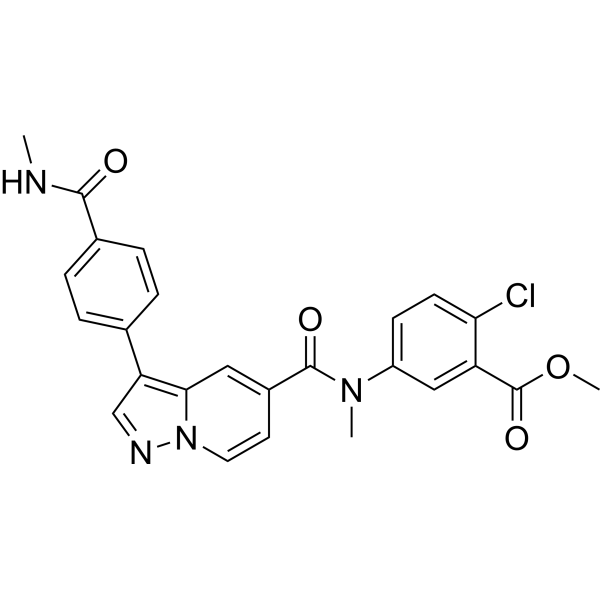
    Anticancer agent 105 is a compound based on thienopyrimidine scaffold, with with good safety and anticancer properties. Anticancer agent 105 shows selective toxicity towards melanoma cancer, and induces apoptosis. And Anticancer agent 105 significantly inhibits the metastatic nodules, even in pulmonary metastatic melanoma mouse model .
    Anticancer agent 105
  • HY-108711

    Free Fatty Acid Receptor Metabolic Disease
    GPR120 Agonist 1 is a potent and selective GPR120 agonist, and possesses promising antidiabetic effect and good safety profile to be a development candidate .
    GPR120 Agonist 1
  • HY-149253

    Others Neurological Disease
    OY-201 is a potential and BBB-penetrated anti-ischemic stroke agent. OY-201 shows the good safety and neuroprotective activity in both in vitro and in vivo models .
    OY-201

Inquiry Online

Your information is safe with us. * Required Fields.

Salutation


Country or Region *

Applicant Name *


Organization Name *

Department *


Email Address *


Product Name *

Cat. No.


Requested quantity *

Phone Number *


Remarks

Inquiry Online

Inquiry Information

Product Name:
Cat. No.:
Quantity:
MCE Japan Authorized Agent:

