
1. Search Result
Search Result
Results for "

heart failure model

" in MedChemExpress (MCE) Product Catalog:

43

Inhibitors & Agonists

1

Screening Libraries

4

Peptides

2

Natural
Products

1

Oligonucleotides

Cat. No. Product Name Target Research Areas Chemical Structure
  • HY-A0119
    Nitroprusside disodium dihydrate
    Maximum Cited Publications
    17 Publications Verification

    Sodium nitroprusside dihydrate; Sodium Nitroferricyanide(III) Dihydrate

    Autophagy Cardiovascular Disease Cancer
    Nitroprusside disodium dehydrate (Sodium nitroprusside dihydrate) is a vasodilator that available for the research of acute hypertension, heart failure. Nitroprusside disodium dehydrate induces autophagy in glutathione-depleted osteoblasts. Nitroprusside disodium dehydrate acts as a nitric oxide (NO) donor in a rat intestinal ischemia reperfusion model .
    Nitroprusside disodium dihydrate
  • HY-158426
    2-APQC
    1 Publications Verification

    Sirtuin Cardiovascular Disease
    2-APQC is an orally active and selective agonist of Sirtuin-3 (SIRT3) (Kd=2.756 μM), antagonizes Isoproterenol/ISO (HY-B0468)-induced cytotoxicity. 2-APQC activates the SIRT3-PYCR1 axis to enhance mitochondrial proline metabolism and inhibit the ROS-p38MAPK pathway by inhibiting signaling pathways such as mTOR-p70S6K, JNK, and TGF-β/Smad3. 2-APQC also activates the AMPK-Parkin axis to alleviate myocardial hypertrophy and fibrosis and protect cardiac function. 2-APQC can be used in the study of heart failure .
    2-APQC
  • HY-N0217
    Benzoylaconine
    1 Publications Verification

    Benzoylaconitine; Isaconitine; Pikraconitin

    Angiotensin-converting Enzyme (ACE) Reactive Oxygen Species (ROS) Toll-like Receptor (TLR) NF-κB COX NO Synthase p38 MAPK P-glycoprotein Cardiovascular Disease Inflammation/Immunology Cancer
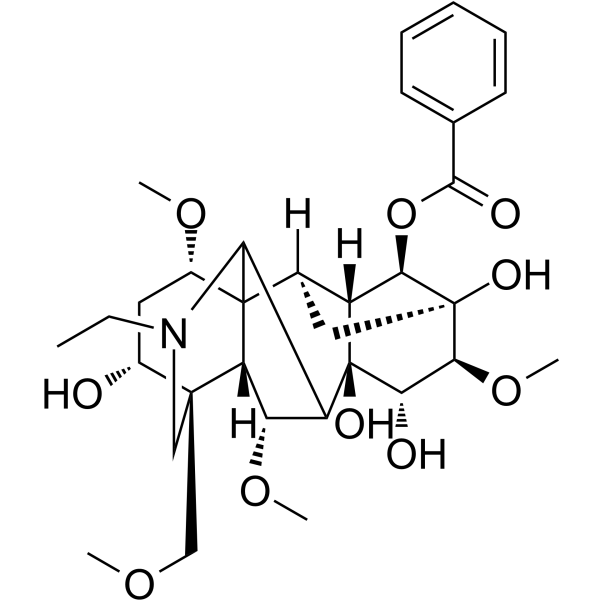
    Benzoylaconine (Benzoylaconitine) is an orally active monoester alkaloid found in the traditional Chinese medicine Aconitum carmichaelii. Benzoylaconine is an ACE2 agonist (EC50: 1.5 μM) with antihypertensive and anti-heart failure effects. Benzoylaconine inhibits TLR-induced MAPK and NF-κB pathways to exert anti-inflammatory effects. Benzoylaconine upregulates the protein levels of P-gp, MRP2, and has anti-tumor effects .
    Benzoylaconine
  • HY-B0592

    RU44570

    Angiotensin-converting Enzyme (ACE) Cardiovascular Disease
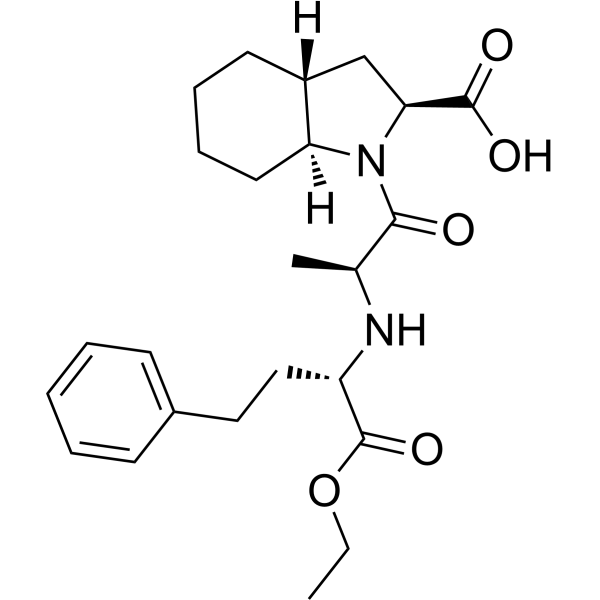
    Trandolapril (RU44570) is a nonsulfhydryl proagent that is hydrolysed to the active diacid Trandolaprilat. Trandolapril is an orally administered angiotensin converting enzyme (ACE) inhibitor that has been used in the treatment of hypertension and congestive heart failure (CHF), and after myocardial infarction (MI) .
    Trandolapril
  • HY-119515

    (R)-(-)-Denopamine; TA-064

    Adrenergic Receptor Cardiovascular Disease Cancer
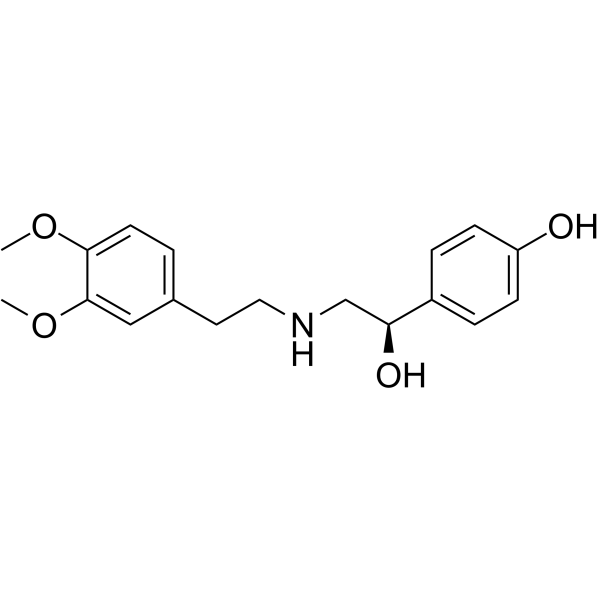
    Denopamine ((R)-(-)-Denopamine) is an orally active, selective β1-adrenergic agonist. Denopamine prolongs survival in a murine model of congestive heart failure induced by viral myocarditis: suppression of tumor necrosis factor-α production in the heart. Cardiovascular effects .
    Denopamine
  • HY-109121
    Reldesemtiv
    2 Publications Verification

    CK-2127107

    Calcium Channel Cardiovascular Disease
    Reldesemtiv (CK-2127107) is a selective, orally active and next-generation fast skeletal muscle troponin activator (FSTA). Reldesemtiv selectively activates fast skeletal myofibrils with an EC50 of 3.4 μM. Reldesemtiv increases exercise performance in a heart failure model .
    Reldesemtiv
  • HY-119850

    ARM036; S44121

    Calcium Channel Cardiovascular Disease
    Aladorian (ARM036; S44121) is a non-peptidic ryanodine receptor 2 (RyR2) stabilizer. Aladorian stabilizes RyR2 channels and rectifies abnormal Ca²⁺ handling in cardiomyocytes. Aladorian improves cardiomyocyte Ca²⁺ homeostasis independent of dystrophin restoration. Aladorian attenuates early cardiomyopathy and enhances left ventricular function in a canine muscular dystrophy model. Aladorian can be used for the research of heart failure, Duchenne muscular dystrophy-associated cardiomyopathy and muscular dystrophy .
    Aladorian
  • HY-12502A
    Efonidipine hydrochloride monoethanolate
    1 Publications Verification

    NZ-105 hydrochloride monoethanolate; (±)-Efonidipine hydrochloride monoethanolate

    Calcium Channel SARS-CoV Cardiovascular Disease Neurological Disease Cancer
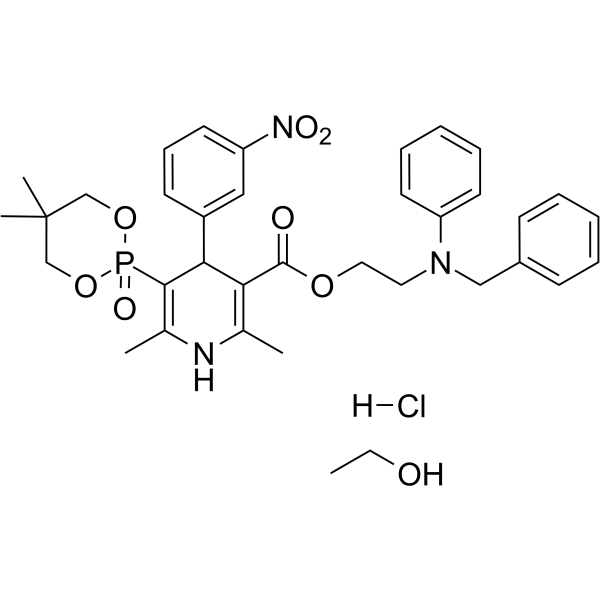
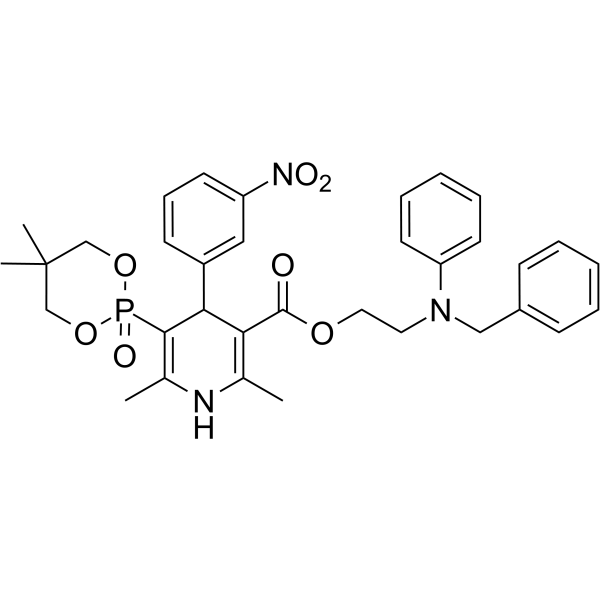
    Efonidipine (NZ-105) hydrochloride monoethanolate is an orally active dual L-type and T-type calcium channel blocker (CCB) with IC50 values of 1.8 and 350 nM, respectively. Efonidipine hydrochloride monoethanolate inhibits SARS-CoV-2 main protease. Efonidipine hydrochloride monoethanolate modulates adrenal steroidogenesis by increasing the expression of steroidogenic acute regulatory protein (StAR), dbcAMP-or angiotensin II-induced StAR mRNA expression and DHEA-S production, while suppressing the biosynthesis of aldosterone and cortisol. Efonidipine hydrochloride monoethanolate reduces plasma aldosterone levels in vivo. Efonidipine hydrochloride monoethanolate improves cardiac function in heart failure models by inhibiting T-type calcium channels (via both tonic and use-dependent blockade), independently of blood pressure reduction. Efonidipine hydrochloride monoethanolate can be used for research in hypertension, heart failure, and disorders involving dysregulated steroid hormone synthesis .
    Efonidipine hydrochloride monoethanolate
  • HY-149662

    Calcium Channel ATP Synthase Myosin Cardiovascular Disease
    TMDJ-035 is a high-affinity, selective RyR2 inhibitor with an EC50 of 0.0130 μM. TMDJ-035 reduces RyR2 protein expression without affecting action potential-induced Ca 2+ transients. TMDJ-035 decreases ATP content and intracellular Ca 2+ levels. TMDJ-035 inhibits arrhythmias in a CPVT mouse model carrying mutant RyR2s. TMDJ-035 has no effect on electrocardiogram parameters or cardiac systolic function. TMDJ-035 exacerbates heart failure in mouse myocardial infarction models and hypoxic cardiomyocytes by altering cardiac function, causing tissue damage, promoting inflammatory infiltration, collagen deposition, and changes in Myosin heavy chain/actin expression. TMDJ-035 can be used in studies related to heart failure, catecholaminergic polymorphic ventricular tachycardia, and arrhythmias .
    TMDJ-035
  • HY-P1181A
    Pam2CSK4 TFA
    1 Publications Verification

    Toll-like Receptor (TLR) NO Synthase IKK Akt PKC NF-κB p38 MAPK Interleukin Related Cardiovascular Disease Infection Inflammation/Immunology Cancer
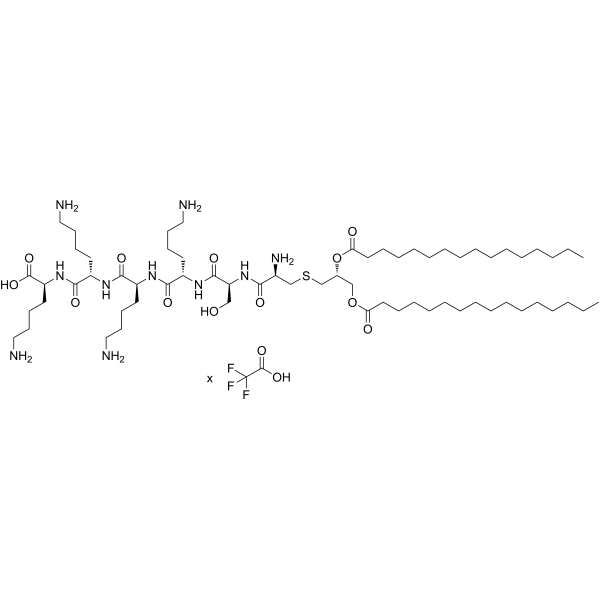
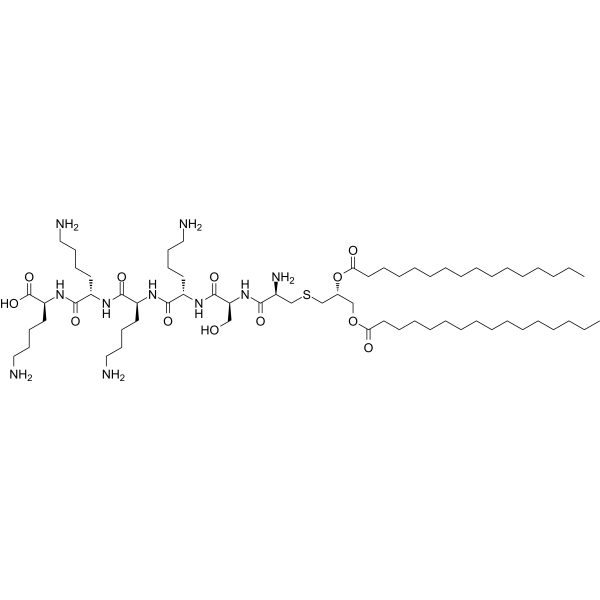
    Pam2CSK4 TFA is a TLR2 agonist. Pam2CSK4 TFA induces the expression of iNOS and NO in macrophage cell lines via TBK1 and MyD88 molecules. Pam2CSK4 TFA activates the NF-κB and Bruton's tyrosine kinase signaling pathways in platelets, and promotes platelet-endothelial cell interactions. TLR2 activation triggered by Pam2CSK4 TFA expands myeloid-derived suppressor cells (MDSCs) and suppresses anti-tumor immune responses in the tumor microenvironment. Pam2CSK4 TFA acts as a Th2-polarizing adjuvant in mouse vaccine models against Leishmania major and Brugia malayi. Pam2CSK4 TFA can be used in the research of various diseases, including thromboinflammatory diseases, sepsis, atherosclerosis, heart failure, influenza, lymphoma, melanoma, cutaneous leishmaniasis and lymphatic filariasis .
    Pam2CSK4 TFA
  • HY-12502
    Efonidipine
    1 Publications Verification

    NZ-105; (±)-Efonidipine

    Calcium Channel SARS-CoV Cardiovascular Disease Neurological Disease Cancer
    Efonidipine (NZ-105) is an orally active dual L-type and T-type calcium channel blocker (CCB) with IC50 values of 1.8 and 350 nM, respectively. Efonidipine inhibits SARS-CoV-2 main protease. Efonidipine modulates adrenal steroidogenesis by increasing the expression of steroidogenic acute regulatory protein (StAR), dbcAMP-or angiotensin II-induced StAR mRNA expression and DHEA-S production, while suppressing the biosynthesis of aldosterone and cortisol. Efonidipine reduces plasma aldosterone levels in vivo. Efonidipine improves cardiac function in heart failure models by inhibiting T-type calcium channels (via both tonic and use-dependent blockade), independently of blood pressure reduction. Efonidipine can be used for research in hypertension, heart failure, and disorders involving dysregulated steroid hormone synthesis .
    Efonidipine
  • HY-107428

    MMP Cardiovascular Disease
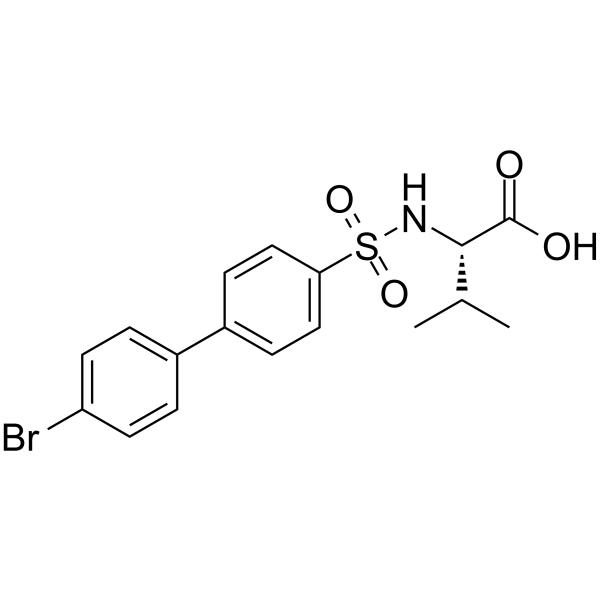
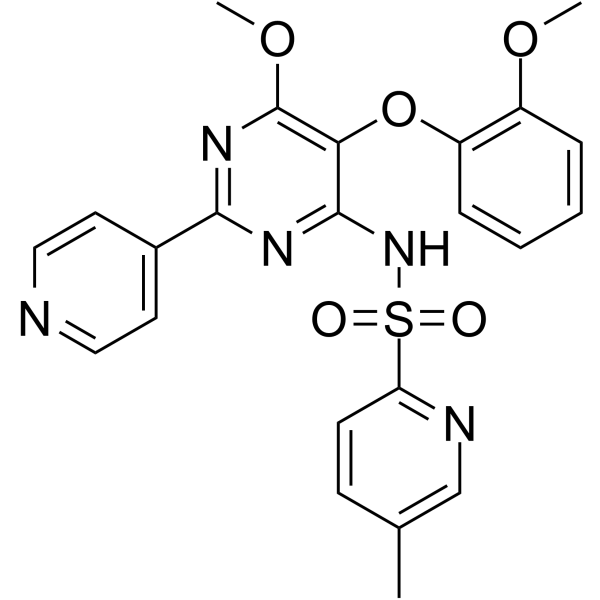
    PD-166793 is a potent, selective, orally active and wide-broad spectrum inhibitor of MMP, exhibiting nanomolar potency against MMP-2, MMP-3 and MMP-13 (IC50=4, 7, and 8 nM, respectively) and micromolar potency vs MMP-1, -7 and -9 (IC50=6.0, 7.2, and 7.9 μM, respectively). PD-166793 can attenuate left ventricular remodeling and dysfunction in a rat model of progressive heart failure .
    PD-166793
  • HY-15195

    Ro 67-0565; SPP-301

    Endothelin Receptor Cardiovascular Disease Endocrinology
    Avosentan (Ro 67-0565; SPP-301) is an orally active endothelin (ETA) receptor antagonist. Avosentan can block the ETA receptor, thereby reducing vascular contraction and exerting a renal protective effect. Avosentan inhibits vascular contraction caused by ET-1 and alleviates the reduction in retinal and optic nerve head blood flow induced by it, lowering intraocular pressure in the glaucoma monkey model. Avosentan non-specifically blocks ETB receptors at high doses, inhibiting ETB-mediated diuresis and natriuresis, and may cause fluid retention. Avosentan can be used to reduce proteinuria with diabetic nephropathy, but induces significant fluid overload and congestive heart failure .
    Avosentan
  • HY-P1181

    Toll-like Receptor (TLR) NO Synthase IKK Akt PKC NF-κB p38 MAPK Interleukin Related Cardiovascular Disease Infection Inflammation/Immunology Cancer
    Pam2CSK4 is a TLR2 agonist. Pam2CSK4 induces the expression of iNOS and NO in macrophage cell lines via TBK1 and MyD88 molecules. Pam2CSK4 activates the NF-κB and Bruton's tyrosine kinase signaling pathways in platelets, and promotes platelet-endothelial cell interactions. TLR2 activation triggered by Pam2CSK4 expands myeloid-derived suppressor cells (MDSCs) and suppresses anti-tumor immune responses in the tumor microenvironment. Pam2CSK4 acts as a Th2-polarizing adjuvant in mouse vaccine models against Leishmania major and Brugia malayi. Pam2CSK4 can be used in the research of various diseases, including thromboinflammatory diseases, sepsis, atherosclerosis, heart failure, influenza, lymphoma, melanoma, cutaneous leishmaniasis and lymphatic filariasis .
    Pam2CSK4
  • HY-112817

    8-Oxo-Deoxyguanosine triphosphate

    Apoptosis Cardiovascular Disease Neurological Disease Cancer
    8-Oxo-dGTP (8-Oxo-Deoxyguanosine triphosphate) is an oxidized guanine nucleotide formed by ROS-mediated oxidative modification of dGTP, and it also serves as a key substrate for 8-oxo-dGTP pyrophosphohydrolases (such as hMTH1 and E. coli MutT). 8-Oxo-dGTP acts as a DNA mutagen, inserts into nascent DNA and pairs with adenine and cytosine, inducing A:T to C:G transversion mutations. Furthermore, 8-Oxo-dGTP causes oxidative DNA base modification, strand breakage and S-phase arrest, and ultimately triggers AIF-mediated apoptosis and promotes spontaneous carcinogenesis in mth1-deficient mice. Accumulation of 8-Oxo-dGTP in cells induces genomic instability, but it exhibits a tumor-suppressive effect that reduces tumor incidence in mouse models instead. 8-Oxo-dGTP is widely used in studies related to spontaneous carcinogenesis, Parkinson's disease, Alzheimer's disease, heart failure and tumor mechanisms .
    8-Oxo-dGTP
  • HY-173517

    Na+/H+ Exchanger (NHE) Neurological Disease
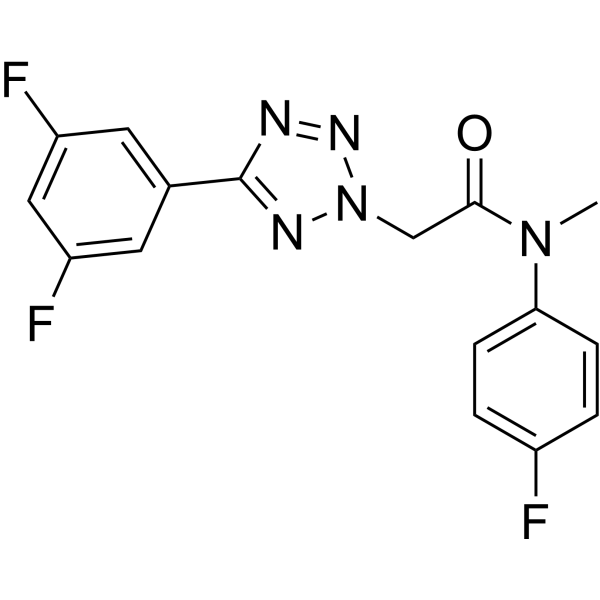
    NHE-1-IN-2 (compound 7g) is a potent NHE-1 inhibitor with an IC50 of 0.78 μM. NHE-1-IN-2 alleviates left ventricular systolic dysfunction in mice model of heart failure .
    NHE-1-IN-2
  • HY-165439

    LY195115

    Phosphodiesterase (PDE) Cardiovascular Disease
    Indolidan (LY195115) is an orally active cardiotonic agent and a selective cyclic nucleotide phosphodiesterase inhibitor. Indolidan has a Ki of 80 nM for sarcoplasmic reticulum phosphodiesterase (SR-PDE). Indolidan exhibits positive inotropic and vasodilator effects. Indolidan can be used in the research of diseases such as congestive heart failure .
    Indolidan
  • HY-19020

    Leukotriene Receptor Cardiovascular Disease
    FK-664 is a leukotriene inhibitor. FK-664 enhances ventricular contractility and shortens the time to peak tension in cardiac cells. FK-664 reduces mean circulating pressure (MCP) in a canine model of heart failure. FK-664 can be used in research on cardiovascular diseases such as heart failure .
    FK-664
  • HY-147384

    Calcium Channel Cardiovascular Disease
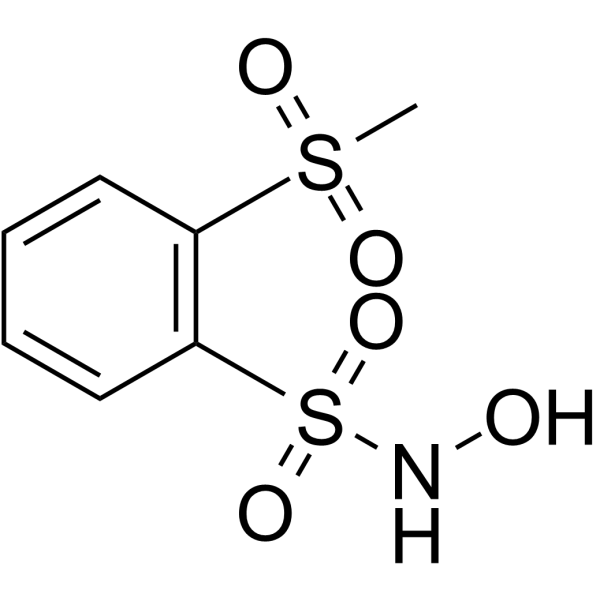
    CXL-1020 is a hydroxylamine-based nitroxyl (HNO) donor. CXL-1020 improves cardiac inotropy/lusitropy and Ca 2+ cycling in rats with abnormal relaxation. CXL-1020 induces vasorelaxation and improves cardiac function in canine models. CXL-1020 has been used to research systolic heart failure and stable heart failure .
    CXL-1020
  • HY-112072

    SB 7505 hydrochloride; SKF 100168 hydrochloride

    Dopamine Receptor Adrenergic Receptor Cardiovascular Disease
    Ibopamine (SB 7505) hydrochloride is an orally active dopamine derivative. Ibopamine hydrochloride exerts agonistic effects on α, β adrenergic receptors and dopaminergic receptors. Ibopamine hydrochloride can be hydrolyzed to produce the active metabolite Epinine. Ibopamine hydrochloride possesses positive inotropic and vasodilatory effects, which can improve hemodynamics and renal function in heart failure models. Ibopamine hydrochloride has good safety profile and can be used in the research of diseases such as congestive heart failure .
    Ibopamine hydrochloride
  • HY-147357

    TRP Channel Cardiovascular Disease
    TRPC3/6-IN-1 is a potent selectivity blocker of the canonical transient receptor channels (TRPC3/6), has block potency for hTRPC3 and hTRPC6 with IC50 values of 1260 nM and 500 nM, respectively. TRPC3/6-IN-1 can be used for the research of chronic models of heart failure .
    TRPC3/6-IN-1
  • HY-120321

    Mineralocorticoid Receptor Carbonic Anhydrase Cardiovascular Disease
    DSR-71167 is an orally active mineralocorticoid receptor (MR) antagonist with an IC50 of 0.26 μM. DSR-71167 exhibits weak carbonic anhydrase (CA) inhibitory activity with an IC50 of 19 μM. DSR-71167 can dose-dependently increase urinary sodium excretion in rat models and has a very low risk of hyperkalemia in potassium-loading rat models. DSR-71167 lowers systolic blood pressure in hypertensive rat models. DSR-71167 can be used for research on hypertension and heart failure .
    DSR-71167
  • HY-12502B

    NZ-105 hydrochloride; (±)-Efonidipine hydrochloride

    Calcium Channel SARS-CoV Cardiovascular Disease Cancer
    Efonidipine (NZ-105) hydrochloride is an orally active dual L-type and T-type calcium channel blocker (CCB) with IC50 values of 1.8 and 350 nM, respectively. Efonidipine hydrochloride inhibits SARS-CoV-2 main protease. Efonidipine hydrochloride modulates adrenal steroidogenesis by increasing the expression of steroidogenic acute regulatory protein (StAR), dbcAMP-or angiotensin II-induced StAR mRNA expression and DHEA-S production, while suppressing the biosynthesis of aldosterone and cortisol. Efonidipine hydrochloride reduces plasma aldosterone levels in vivo. Efonidipine hydrochloride improves cardiac function in heart failure models by inhibiting T-type calcium channels (via both tonic and use-dependent blockade), independently of blood pressure reduction. Efonidipine hydrochloride can be used for research in hypertension, heart failure, and disorders involving dysregulated steroid hormone synthesis .
    Efonidipine hydrochloride
  • HY-145285

    Apelin Receptor (APJ) Cardiovascular Disease
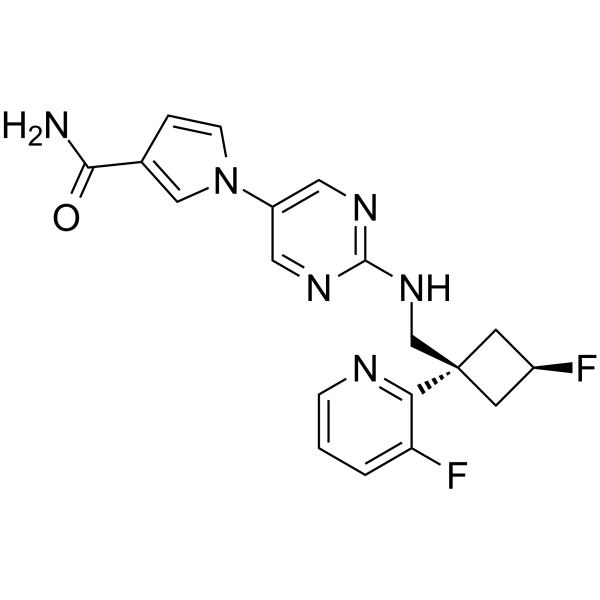
    APJ receptor agonist 5 (compound 3) is a potent and orally active agonist of apelin receptor (APJ) with an EC50 of 0.4 nM. APJ receptor agonist 5 displays excellent pharmacokinetic profiles in the rodent heart failure (HF) model. APJ receptor agonist 5 also shows an acceptable safety profile in preclinical toxicology studies. APJ receptor agonist 5 leads to improved cardiac function and can be used for researching the HF disease .
    APJ receptor agonist 5
  • HY-106973A

    CHF 1035

    Dopamine Receptor Adrenergic Receptor Cardiovascular Disease
    Nolomirole (CHF 1035) hydrochloride is an orally active and selective DA2 dopaminergic receptor/α2-adrenoceptor agonist. Nolomirole attenuates the heart failure signs in the Monocrotaline (HY-N0750)-induced congestive heart failure model. Nolomirole increases cardiac output .
    Nolomirole hydrochloride
  • HY-106973

    CHF 1035 free base

    Dopamine Receptor Adrenergic Receptor Cardiovascular Disease
    Nolomirole (CHF 1035) is an orally active and selective DA2 dopaminergic receptor/α2-adrenoceptor agonist. Nolomirole attenuates the heart failure signs in the Monocrotaline (HY-N0750)-induced congestive heart failure model. Nolomirole increases cardiac output .
    Nolomirole
  • HY-138947

    Na+/Ca2+ Exchanger Cardiovascular Disease
    KB-R7943 (compound 1) is an inhibitor of sodium-calcium exchanger with an IC50 value of 5.1 μM. KB-R7943 can be used as a tool in heart and renal failure models .
    KB-R7943
  • HY-119515R

    (R)-(-)-Denopamine (Standard); TA-064 (Standard)

    Adrenergic Receptor Reference Standards Cardiovascular Disease Cancer
    Denopamine (Standard) is the analytical standard of Denopamine. This product is intended for research and analytical applications. Denopamine ((R)-(-)-Denopamine) is an orally active, selective β1-adrenergic agonist. Denopamine prolongs survival in a murine model of congestive heart failure induced by viral myocarditis: suppression of tumor necrosis factor-α production in the heart. Cardiovascular effects .
    Denopamine (Standard)
  • HY-19089

    Phosphodiesterase (PDE) Cardiovascular Disease
    DPN-205-734 is an orally administered cGMP-PDE inhibitor. DPN-205-734 exhibits positive inotropic effects in various animal cardiomyocytes. DPN-205-734 reduces blood pressure and total peripheral resistance in multiple animal models, demonstrating a debulking effect. DPN-205-734 can be used in research on cardiovascular and cerebrovascular diseases such as heart failure .
    DPN-205-734
  • HY-145284

    Apelin Receptor (APJ) Cardiovascular Disease
    APJ receptor agonist 4 is a potent and orally active agonist of apelin receptor (APJ) with EC50 and Ki of 0.06 nM and 0.07 nM respectively. APJ receptor agonist 4 displays excellent pharmacokinetic profiles in the rodent heart failure (HF) model. APJ receptor agonist 4 also shows an acceptable safety profile in preclinical toxicology studies. APJ receptor agonist 4 leads to improved cardiac function and can be used for researching the HF disease .
    APJ receptor agonist 4
  • HY-119850A

    ARM036 sodium; S44121 sodium

    Calcium Channel Cardiovascular Disease
    Aladorian (ARM036; S44121) sodium is a non-peptidic ryanodine receptor 2 (RyR2) stabilizer. Aladorian sodium stabilizes RyR2 channels and rectifies abnormal Ca²⁺ handling in cardiomyocytes. Aladorian sodium improves cardiomyocyte Ca 2+ homeostasis independent of dystrophin restoration. Aladorian sodium attenuates early cardiomyopathy and enhances left ventricular function in a canine muscular dystrophy model. Aladorian sodium can be used for the research of heart failure, Duchenne muscular dystrophy-associated cardiomyopathy and muscular dystrophy .
    Aladorian sodium
  • HY-173005

    PI3K Akt GSK-3 Apoptosis Cardiovascular Disease
    JZ19 reduces the LDH and ROS levels, and exhibits antioxidant activity against oxygen-glucose deprivation (OGD)-induced cardiomyocyte injury. JZ19 reverses Isoproterenol (HY-B0468)-induced cardiomyocyte hypertrophy and apoptosis through PI3K-AKT-GSK3β signaling pathway. JZ19 alleviates Isoproterenol (HY-B0468)-induced heart failure in mouse models .
    JZ19
  • HY-148625

    Phosphodiesterase (PDE) Cardiovascular Disease
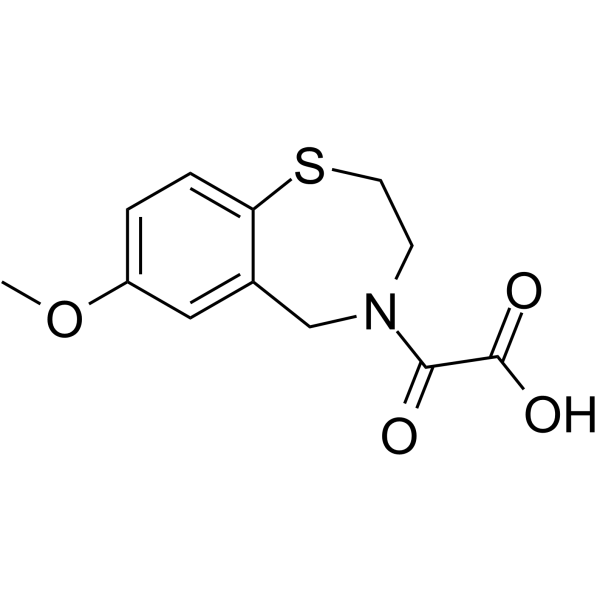
    PDE9-IN-2 (compound 6) is a PDE9 inhibitor that improves heart failure.
    PDE9-IN-2
  • HY-12502AR

    NZ-105 hydrochloride monoethanolate (Standard); (±)-Efonidipine hydrochloride monoethanolate (Standard)

    Reference Standards Calcium Channel SARS-CoV Cardiovascular Disease
    Efonidipine (NZ-105) hydrochloride monoethanolate (Standard) is the analytical standard of Efonidipine hydrochloride monoethanolate (HY-12502AR). This product is intended for research and analytical applications. Efonidipine (NZ-105) hydrochloride monoethanolate is an orally active dual L-type and T-type calcium channel blocker (CCB) with IC50 values of 1.8 and 350 nM, respectively. Efonidipine hydrochloride monoethanolate inhibits SARS-CoV-2 main protease. Efonidipine hydrochloride monoethanolate modulates adrenal steroidogenesis by increasing the expression of steroidogenic acute regulatory protein (StAR), dbcAMP-or angiotensin II-induced StAR mRNA expression and DHEA-S production, while suppressing the biosynthesis of aldosterone and cortisol. Efonidipine hydrochloride monoethanolate reduces plasma aldosterone levels in vivo. Efonidipine hydrochloride monoethanolate improves cardiac function in heart failure models by inhibiting T-type calcium channels (via both tonic and use-dependent blockade), independently of blood pressure reduction. Efonidipine hydrochloride monoethanolate can be used for research in hypertension, heart failure, and disorders involving dysregulated steroid hormone synthesis .
    Efonidipine hydrochloride monoethanolate (Standard)
  • HY-15195R

    Ro 67-0565 (Standard); SPP-301 (Standard)

    Reference Standards Endothelin Receptor Cardiovascular Disease Endocrinology
    Avosentan (Standard) is the analytical standard of Avosentan (HY-15195). This product is intended for research and analytical applications. Avosentan is an orally active endothelin (ETA) receptor antagonist. Avosentan can block the ETA receptor, thereby reducing vascular contraction, and exerting a renal protective effect. Avosentan inhibits vascular contraction caused by ET-1 and alleviates the reduction in retinal and optic nerve head blood flow induced by it, lowering intraocular pressure in the glaucoma monkey model. Avosentan non-specifically blocks ETB receptors at high doses, inhibiting ETB-mediated diuresis and natriuresis, and may cause fluid retention. Avosentan can be used to reduce proteinuria with diabetic nephropathy, but induces significant fluid overload and congestive heart failure.
    Avosentan (Standard)
  • HY-B0592R

    RU44570 (Standard)

    Reference Standards Angiotensin-converting Enzyme (ACE) Cardiovascular Disease
    Trandolapril (Standard) is the analytical standard of Trandolapril. This product is intended for research and analytical applications. Trandolapril (RU44570) is a nonsulfhydryl proagent that is hydrolysed to the active diacid Trandolaprilat. Trandolapril is an orally administered angiotensin converting enzyme (ACE) inhibitor that has been used in the treatment of hypertension and congestive heart failure (CHF), and after myocardial infarction (MI) .
    Trandolapril (Standard)
  • HY-B0592A

    RU44570 hydrochloride

    Angiotensin-converting Enzyme (ACE) Cardiovascular Disease
    Trandolapril (RU44570) hydrochloride is a nonsulfhydryl proagent that is hydrolysed to the active diacid Trandolapril hydrochlorideat. Trandolapril hydrochloride is an orally active angiotensin converting enzyme (ACE) inhibitor that has been used in the treatment of hypertension and congestive heart failure (CHF), and after myocardial infarction (MI) .
    Trandolapril hydrochloride
  • HY-19091

    Adrenergic Receptor Cardiovascular Disease
    ICI-170777 is an orally active cardiotonic agent. ICI-170777 enhances cardiac contractility and induces arteriovenous dilation in animal models of congestive heart failure. ICI-170777 can be used in research on cardiovascular and cerebrovascular diseases such as heart failure .
    ICI-170777
  • HY-124470

    Others Cardiovascular Disease
    Amisometradine is an orally active aminouracil diuretic with a diuretic potency approximately 40% that of Mersalyl (HY-108868) (when administered intramuscularly). Amisometradine exerts its effects by promoting the excretion of sodium, chloride and a small amount of potassium, exhibits significant therapeutic effects in heart failure models, and has good tolerance with long-term administration. Compared with drugs of the same class, Amisometradine causes fewer gastrointestinal reactions; its minor side effects mainly include nausea, vomiting, diarrhea, tinnitus and deafness, and are usually not accompanied by proteinuria or abnormalities in blood and urine indicators. Amisometradine is an important tool for the study of heart failure and related diuretic mechanisms .
    Amisometradine
  • HY-181822

    Formyl Peptide Receptor (FPR) Arrestin PKA Interleukin Related Cardiovascular Disease
    BMS-986331 is an orally active selective N-Formyl Peptide Receptor 2 (FPR2) agonist with an EC50 of 0.5 nM in humans and 1 nM in rats. BMS-986331 activates Gαi2, GαoA, Gα12, Gα13 signaling pathways, recruits β-arrestin1 and β-arrestin2, and inhibits downstream cAMP. BMS-986331 induces the expression and release of the pro-resolution cytokine IL-10. BMS-986331 improves cardiac structure and function in a rat model of heart failure induced by permanent coronary artery occlusion. BMS-986331 can be used for the research of heart failure .
    BMS-986331
  • HY-107428R

    Reference Standards MMP Cardiovascular Disease
    PD-166793 (Standard) is the analytical standard of PD-166793 (HY-107428). This product is intended for research and analytical applications. PD-166793 is a potent, selective, orally active and wide-broad spectrum inhibitor of MMP, exhibiting nanomolar potency against MMP-2, MMP-3 and MMP-13 (IC50=4, 7, and 8 nM, respectively) and micromolar potency vs MMP-1, -7 and -9 (IC50=6.0, 7.2, and 7.9 μM, respectively). PD-166793 can attenuate left ventricular remodeling and dysfunction in a rat model of progressive heart failure .
    PD-166793 (Standard)
  • HY-112817A

    8-Oxo-Deoxyguanosine triphosphate trisodium

    Apoptosis Others
    8-Oxo-dGTP (8-Oxo-Deoxyguanosine triphosphate) trisodium solution (100mM) is an oxidized guanine nucleotide formed by ROS-mediated oxidative modification of dGTP, and it also serves as a key substrate for 8-oxo-dGTP pyrophosphohydrolases (such as hMTH1 and E. coli MutT). 8-Oxo-dGTP trisodium solution (100mM) acts as a DNA mutagen, inserts into nascent DNA and pairs with adenine and cytosine, inducing A:T to C:G transversion mutations. Furthermore, 8-Oxo-dGTP trisodium solution (100mM) causes oxidative DNA base modification, strand breakage and S-phase arrest, and ultimately triggers AIF-mediated apoptosis and promotes spontaneous carcinogenesis in mth1-deficient mice. Accumulation of 8-Oxo-dGTP trisodium solution (100mM) in cells induces genomic instability, but it exhibits a tumor-suppressive effect that reduces tumor incidence in mouse models instead. 8-Oxo-dGTP trisodium solution (100mM) is widely used in studies related to spontaneous carcinogenesis, Parkinson's disease, Alzheimer's disease, heart failure and tumor mechanisms .
    8-Oxo-dGTP trisodium solution (100 mM)
  • HY-106830

    Phosphodiesterase (PDE) Cardiovascular Disease
    Pelrinone is an orally active cardiotonic agent and PDE III inhibitor with an IC50 of 36 μM. Pelrinone elevates intracellular cAMP levels. The action of Pelrinone is independent of β-adrenergic receptors, and it does not inhibit Na +/K +-ATPase. Pelrinone exerts positive inotropic and vasodilatory effects. Pelrinone inhibits platelet aggregation, reduces thrombus formation, and exerts weak anticoagulant activity without altering hematocrit or circulating platelet counts. Pelrinone can be used in research related to congestive heart failure and coronary thrombosis .
    Pelrinone

Inquiry Online

Your information is safe with us. * Required Fields.

Salutation


Country or Region *

Applicant Name *


Organization Name *

Department *


Email Address *


Product Name *

Cat. No.


Requested quantity *

Phone Number *


Remarks

Inquiry Online

Inquiry Information

Product Name:
Cat. No.:
Quantity:
MCE Japan Authorized Agent:

