
22 Results for "

hepatotoxic agent

" in MedChemExpress (MCE) Product Catalog:
Products (22)

22 Results for "hepatotoxic agent" in MCE Product Catalog:

8
8 Publications Verification
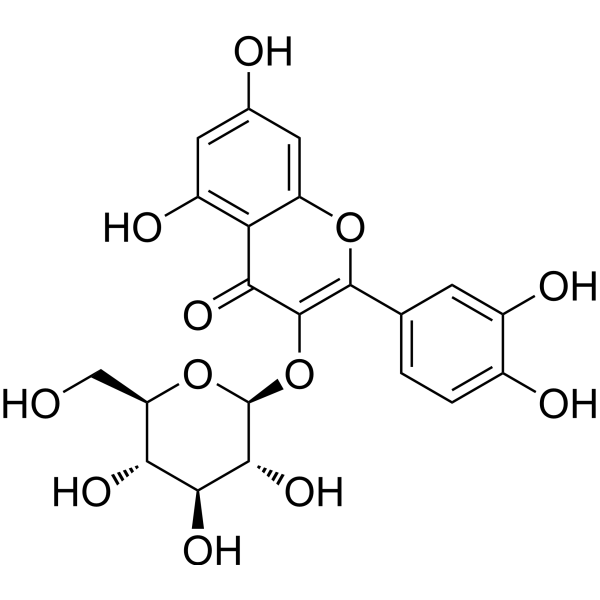
Cat. No.: HY-N1445
CAS No.: 482-35-9
Synonyms: Isoquercetin; Quercetin 3-glucoside
Isoquercetin (Quercetin 3-glucoside) is a naturally occurring polyphenol that has antioxidant, anti-proliferative, and anti-inflammatory properties. Isoquercetin alleviates ethanol-induced hepatotoxicity, oxidative stress, and inflammatory responses via the Nrf2/ARE antioxidant signaling pathway . Isoquercetin regulates the expression of nitric oxide synthase 2 (NO2) via modulating the nuclear factor-κB (NF-κB) transcription regulation system. Isoquercetin has high bioavailability and low toxicity, is a promising candidate agent to prevent birth defects in diabetic pregnancies .
loading...
    loading...
6
6 Cited Publications
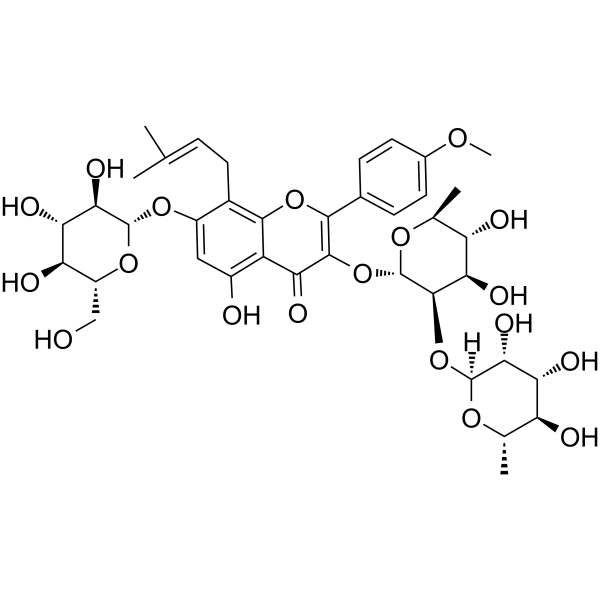
Cat. No.: HY-N0260
CAS No.: 110642-44-9
Synonyms: Epimedin-C; Baohuoside-VI
Epmedin C (Epimedin-C; Baohuoside-VI) is an orally active anti-inflammatory agent and immunomodulator that binds to multiple key proteins including UCP1, Caspase-1, CDK2 and Keap1. Epmedin C inhibits epithelial cell proliferation by disrupting the complex function of CDK2/Cyclin E. Epmedin C also upregulates Nrf2 expression, reduces ROS levels and inhibits pro-inflammatory cytokine secretion, thereby effectively restoring antibody production and alleviating tissue damage. Epmedin C has good safety with no hepatotoxicity or skin sensitization, and it has been used in studies on diseases such as obesity, Deoxynivalenol (HY-N6684)-induced immunotoxicity and mammary hyperplasia .
loading...
    loading...
5
5 Cited Publications
Cat. No.: HY-P2149
CAS No.: 11028-71-0
Concanavalin A can be coupled to agarose to form Concanavalin A (agarose) (HY-P2149A). Concanavalin A (ConA) is a selective, competitive binding agent that targets specific carbohydrate structures containing glucose and mannose; it acts as a mitogen and exhibits varying degrees of cytotoxicity, hepatotoxicity, and teratogenicity. Concanavalin A is also utilized for in vivo blood glucose monitoring in the context of diabetes .
loading...
    loading...
4
4 Cited Publications
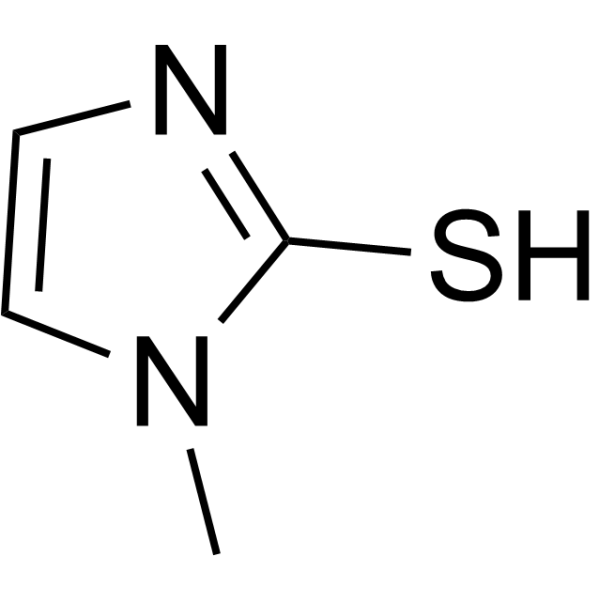
Cat. No.: HY-B0208
CAS No.: 60-56-0
Synonyms: Thiamazole
Category:  

Natural Products

Methimazole (Thiamazole) is an anti-thyroid agent, which blocks thyroid hormone production from the thyroid gland. Metamizol can cause hepatotoxicity .
loading...
    loading...
2
2 Cited Publications
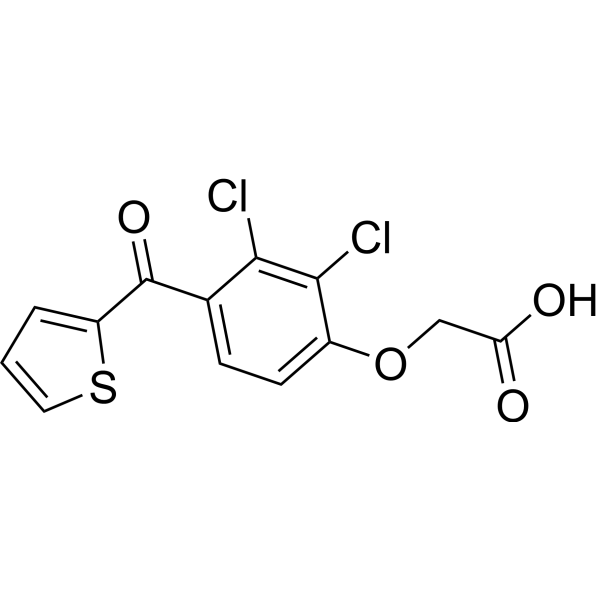
Cat. No.: HY-21065
CAS No.: 40180-04-9
Synonyms: Ticrynafen; ANP 3624
Target:  

Cytochrome P450

Tienilic acid (Ticrynafen; ANP 3624) acts as a diuretic hypotensive agent. However, Tienilic acid induces hepatotoxicity. Tienilic acid is converted into electrophilic metabolites by cytochrome P450 (CYP) in vitro .
loading...
    loading...
2
2 Cited Publications
Cat. No.: HY-N1445R
CAS No.: 482-35-9
Synonyms: Isoquercetin (Standard); Quercetin 3-glucoside (Standard)
Isoquercetin (Standard) is the analytical standard of Isoquercetin. This product is intended for research and analytical applications. Isoquercetin (Quercetin 3-glucoside) is a naturally occurring polyphenol that has antioxidant, anti-proliferative, and anti-inflammatory properties. Isoquercetin alleviates ethanol-induced hepatotoxicity, oxidative stress, and inflammatory responses via the Nrf2/ARE antioxidant signaling pathway . Isoquercetin regulates the expression of nitric oxide synthase 2 (NO2) via modulating the nuclear factor-κB (NF-κB) transcription regulation system. Isoquercetin has high bioavailability and low toxicity, is a promising candidate agent to prevent birth defects in diabetic pregnancies .
loading...
    loading...
1
1 Cited Publications
Cat. No.: HY-W032848
CAS No.: 24237-54-5
Synonyms: Y-3642
Target:  

COX

Research Areas:  

Inflammation/Immunology

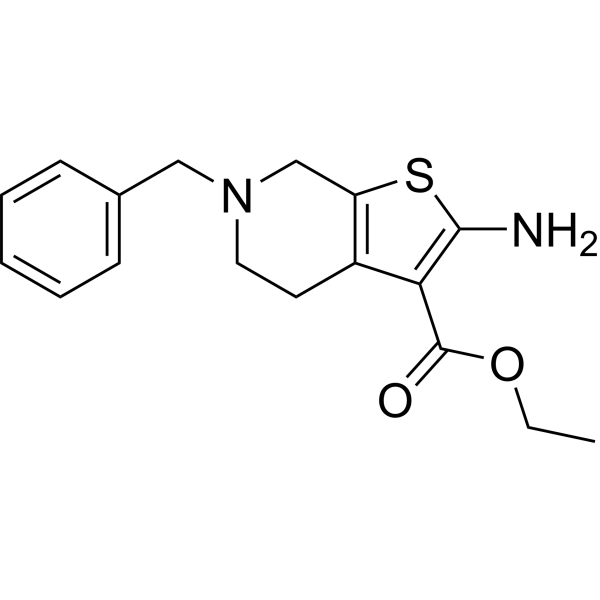
Tinoridine (Y-3642) is an orally active non-steroidal anti-inflammatory agent with potent antiperoxidative ability and radical scavenger activity. Tinoridine acts function by inhibiting COX enzyme, involves in hepatotoxicity inhibition. .
loading...
    loading...
Cat. No.: HY-108292
CAS No.: 66532-86-3
Purity:  99.89%
Target:  

NF-κB

Research Areas:  

Neurological Disease Cancer

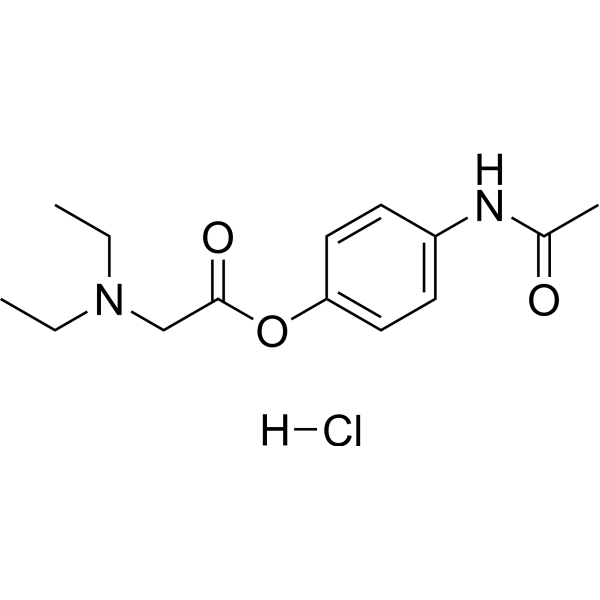
Propacetamol hydrochloride is an orally active prodrug of paracetamol and an inducer of acute liver injury models, with multiple properties including antinociception, antioxidation and gastroprotection. Propacetamol hydrochloride potentiates Tramadol and attenuates Aspirin (HY-14654)-induced gastric mucosal damage and lipid peroxidation. Under specific conditions, Propacetamol hydrochloride also acts as a hepatotoxic inducer, triggering acute liver injury, oxidative stress and apoptosis, with strain differences in toxicity sensitivity. Propacetamol hydrochloride can be used in the research of acute liver injury, drug-induced hepatotoxicity and gastric mucosal damage .
loading...
    loading...
Cat. No.: HY-B1483
CAS No.: 135-23-9
Synonyms: Thenylpyramine hydrochloride
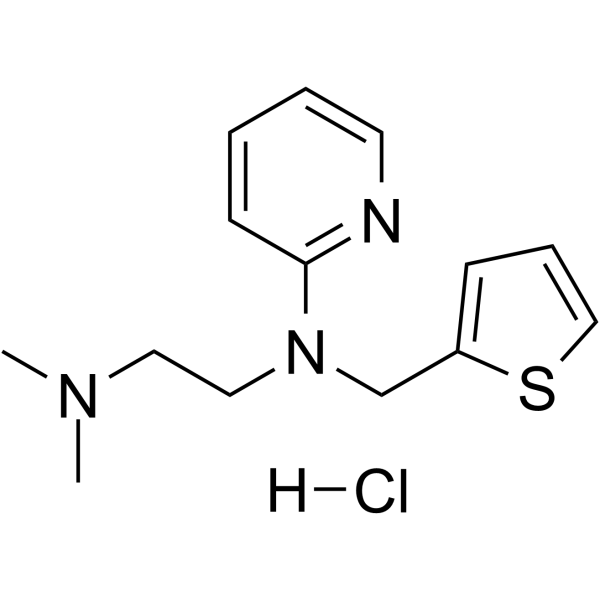
Methapyrilene (Thenylpyramine) hydrochloride is an orally active H1-receptor antihistamine and an anticholinergic agent of the pyridine chemical class. Methapyrilene hydrochloride has hepatotoxicity and can be used as a hepatotoxin that cause periportal hepatic necrosis in vivo
loading...
    loading...
Cat. No.: HY-148147
CAS No.: 50567-35-6
Synonyms: Dipyrone free base; Methamizole
Research Areas:  

Cardiovascular Disease Cancer

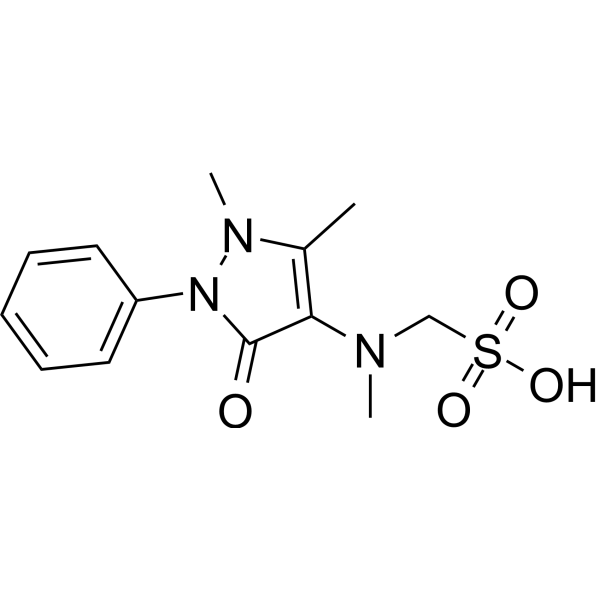
Metamizol (Methamizole) is an anti-thyroid agent, which blocks thyroid hormone production from the thyroid gland. Metamizol can cause hepatotoxicity .
loading...
    loading...
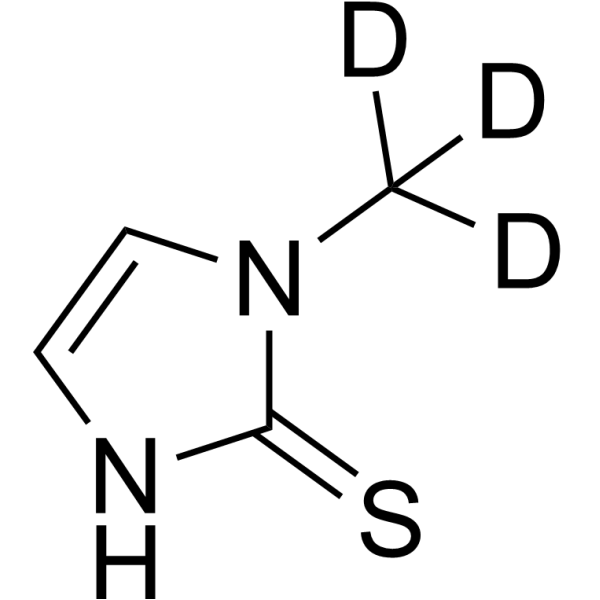
Cat. No.: HY-B0208S
CAS No.: 1160932-07-9
Methimazole-d3 is a deuterium labeled Methimazole (HY-B0208). Methimazole (Thiamazole) is an anti-thyroid agent, which blocks thyroid hormone production from the thyroid gland. Metamizol can cause hepatotoxicity .
loading...
    loading...
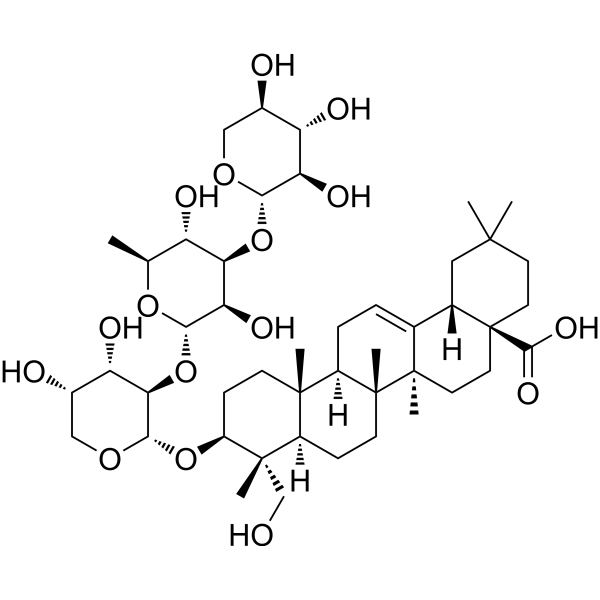
Cat. No.: HY-N11546
CAS No.: 30994-75-3
Sapindoside B is a substance with hepatoprotective activity, and also acts as a cytochrome P-450 (cytochrome P-450) inhibitor, antibacterial agent and membrane-disrupting agent. Sapindoside B reversibly inhibits the content of cytochrome P-450 in liver microsomes, suppresses the phenobarbital-induced increase in enzyme content, reduces the production of active metabolites mediated by cytochrome P-450, and alleviates hepatotoxic injury. Sapindoside B binds to Cutibacterium acnes lipase, reduces lipase activity, inhibits biofilm formation, and decreases bacterial adhesion. Sapindoside B exhibits cytotoxicity against human cancer, liver cancer, leukemia and glioblastoma cells. Sapindoside B inhibits mycelial growth of phytopathogenic fungal strains, possesses antibacterial activity against dermatophytes, and also has hemolytic/membrane-lytic activity. Sapindoside B can be used in research related to liver injury, Cutibacterium acnes biofilm-associated infections, gastric cancer, carcinoma, promyelocytic leukemia, glioblastoma, apple scab and grape gray mold .
loading...
    loading...
Cat. No.: HY-N16468
CAS No.: 75056-11-0
Riddelliine N-oxide is a hepatotoxic agent. Riddelliine N-oxide is promising for research of liver-related diseases .
loading...
    loading...
Cat. No.: HY-21065R
CAS No.: 40180-04-9
Synonyms: Ticrynafen (Standard); ANP 3624 (Standard)
Research Areas:  

Metabolic Disease

Tienilic acid (Standard) is the analytical standard of Tienilic acid. This product is intended for research and analytical applications. Tienilic acid (Ticrynafen; ANP 3624) acts as a diuretic hypotensive agent. However, Tienilic acid induces hepatotoxicity. Tienilic acid is converted into electrophilic metabolites by cytochrome P450 (CYP) in vitro .
loading...
    loading...
Cat. No.: HY-139705
CAS No.: 2832055-89-5
Target:  

Others

Research Areas:  

Cancer

Anticancer agent 12 is unexpectedly devoids of hepatotoxicity while maintaining cytotoxic activity in malignant cells.
loading...
    loading...
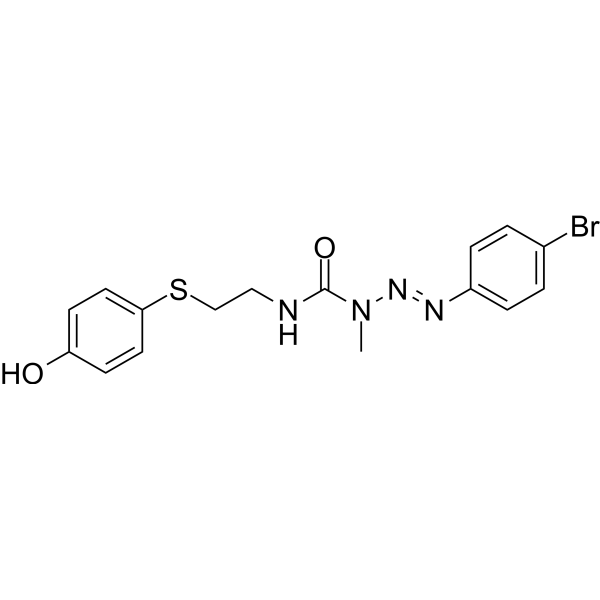
Cat. No.: HY-156436
Target:  

Interleukin Related

Research Areas:  

Inflammation/Immunology

Anti-inflammatory agent 62 is an anti-inflammatory agent. Anti-inflammatory agent 62 alleviate Acetaminophen-induced hepatotoxicity in HepG2 by the regulation of inflammatory and oxidative stress pathways .
loading...
    loading...
Cat. No.: HY-B0208R
CAS No.: 60-56-0
Synonyms: Thiamazole (Standard)
Methimazole (Standard) (Thiamazole (Standard)) is the analytical standard of Methimazole (HY-B0208) . This product is intended for research and analytical applications. Methimazole (Thiamazole) is an anti-thyroid agent, which blocks thyroid hormone production from the thyroid gland. Metamizol can cause hepatotoxicity.
loading...
    loading...
Cat. No.: HY-147810
CAS No.: 2758571-64-9
Target:  

5-HT Receptor

Research Areas:  

Neurological Disease

5-HT7 receptor ligand 1 (Compound 5c) is a 5-HT7 receptor ligand with a Ki of 8 nM. 5-HT7 receptor ligand 1 is not hepatotoxic and exhibit moderate potential interaction with other agents metabolized by CYP3A4 or CYP2D6 .
loading...
    loading...
Cat. No.: HY-N0260R
CAS No.: 110642-44-9
Synonyms: Epimedin-C (Standard); Baohuoside-VI (Standard)
Epmedin C (Standard) is the analytical standard of Epmedin C. This product is intended for research and analytical applications. Epmedin C (Epimedin-C; Baohuoside-VI) is an orally active anti-inflammatory agent and immunomodulator that binds to multiple key proteins including UCP1, Caspase-1, CDK2 and Keap1. Epmedin C inhibits epithelial cell proliferation by disrupting the complex function of CDK2/Cyclin E. Epmedin C also upregulates Nrf2 expression, reduces ROS levels and inhibits pro-inflammatory cytokine secretion, thereby effectively restoring antibody production and alleviating tissue damage. Epmedin C has good safety with no hepatotoxicity or skin sensitization, and it has been used in studies on diseases such as obesity, Deoxynivalenol (HY-N6684)-induced immunotoxicity and mammary hyperplasia .
loading...
    loading...
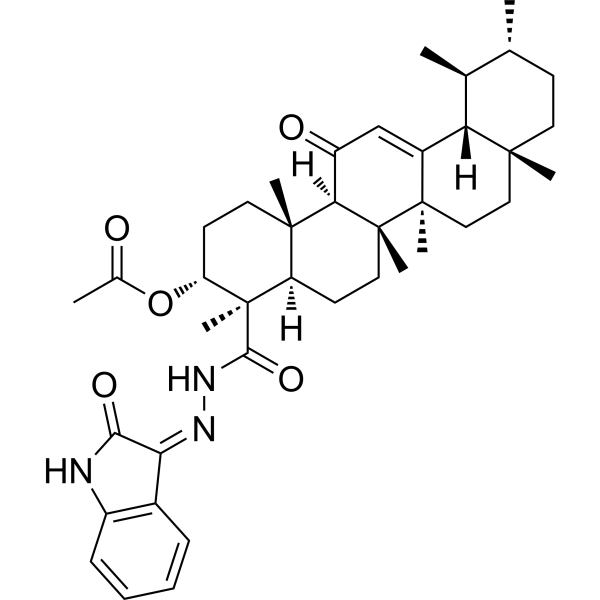
Cat. No.: HY-182780
Target:  

Drug Derivative

Research Areas:  

Cancer

LSPN925 is an anticancer agent. LSPN925 exhibits cytotoxic and antiproliferative activities against tumor cells. LSPN925 has predicted oral bioavailability, low risks of hepatotoxicity and acute toxicity, and no risk of cardiotoxicity. LSPN925 can be used for the research of ovarian cancer, melanoma and breast cancer .
loading...
    loading...

