Search Result
Results for "
human BChE
" in MedChemExpress (MCE) Product Catalog:
| Cat. No. |
Product Name |
Target |
Research Areas |
Chemical Structure |
-
- HY-B1239
-
|
Hexahydroadiphenine hydrochloride
|
Cholinesterase (ChE)
Potassium Channel
Amyloid-β
TRP Channel
Tau Protein
NOD-like Receptor (NLR)
JNK
NF-κB
IKK
|
Neurological Disease
Metabolic Disease
Inflammation/Immunology
|
|
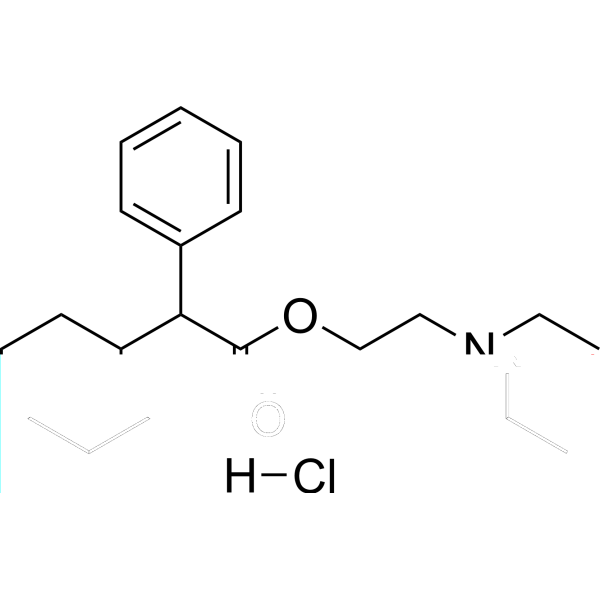
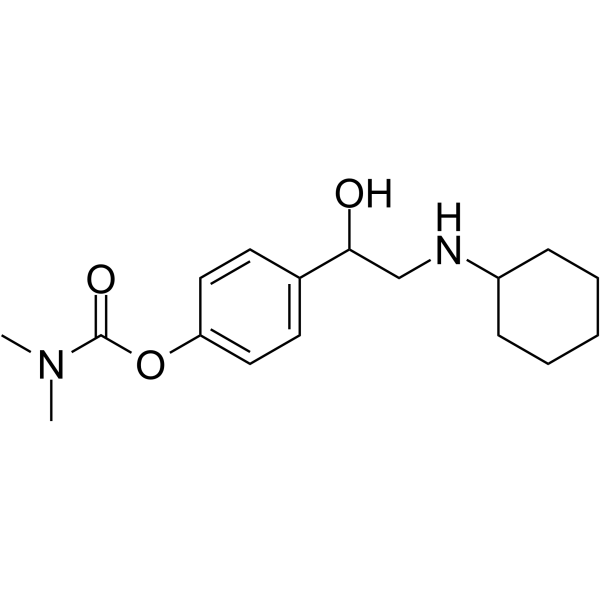
Drofenine (Cycloadiphene; Hexahydroadiphenine) hydrochloride is an brain-penetrant antispasmodic agent. Drofenine hydrochloride is a Kv2.1 channel inhibitor with human IC50 of 9.53 μM. Drofenine hydrochloride is a butyrylcholinesterase (BChE) inhibitor with Ki of 0.003 mM, and is a TRPV3 activator. Drofenine hydrochloride blocks Kv2.1-dependent potassium efflux, inhibits Kv2.1/JNK/NF-κB and IkBa/NF-kB signaling, suppresses Kv2.1 mRNA/protein expression. Drofenine suppresses oligomeric Aβ-induced microglial NLRP3 inflammasome activation and neuronal Tau hyperphosphorylation, improves cognitive impairment, promotes neurite outgrowth. Drofenine hydrochloride induces calcium influx in keratinocytes and exert cytotoxicity against keratinocytes. Drofenine hydrochloride ameliorates diabetic peripheral neuropathy -like pathology. Drofenine hydrochloride can be used for the researches of Alzheimer's disease, diabetic peripheral neuropathy and smooth muscle spasm .
|
-
-
- HY-N3266
-
|
|
Tyrosinase
Phosphatase
Cholinesterase (ChE)
SARS-CoV
PERK
JNK
p38 MAPK
TGF-beta/Smad
Apoptosis
Reactive Oxygen Species (ROS)
AMPK
MMP
|
Cardiovascular Disease
Infection
Neurological Disease
Inflammation/Immunology
Cancer
|
|
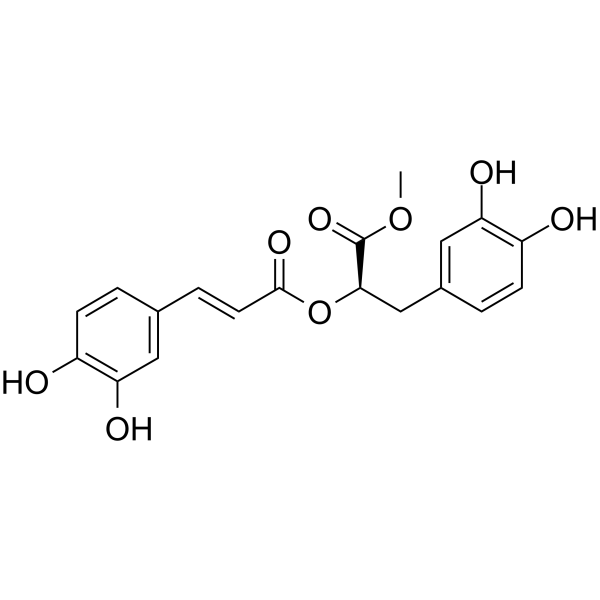
Methyl rosmarinate is an orally active hydroxycinnamic acid. Methyl rosmarinate exhibits an IC50 of 24.70 μM and a Ki of 15.29 μM against PTP1B, an IC50 of 41.46 μg/mL against BChE, a Ki of 0.61 mM against mushroom tyrosinase, and an IC50 of 2.50 μM against SARS-CoV-2 3CLpro. Methyl rosmarinate downregulates the phosphorylation levels of ERK, JNK, p38, Smad2 and Smad3. Methyl rosmarinate activates erythrocyte BPGM and promotes the production of 2,3-BPG. Methyl rosmarinate induces apoptosis of fibroblasts. Methyl rosmarinate prolongs the survival time of hypoxic mice. Methyl rosmarinate improves insulin sensitivity. Methyl rosmarinate binds to SARS-CoV-2 3CLpro and inhibits viral replication. Methyl rosmarinate induces glioblastoma cell death. Methyl rosmarinate activates the TGR5/AMPK axis and reduces the levels of ROS and MDA. Methyl rosmarinate shows inhibitory activity against MMP-1. Methyl rosmarinate can be used in research related to pulmonary fibrosis, hypoxia-induced injury, type 2 diabetes, Alzheimer's disease, hyperpigmentation disorders, COVID-19, glioblastoma and myocardial ischemia-reperfusion injury .
|
-
-
- HY-N2129
-
|
|
Cytochrome P450
Cholinesterase (ChE)
|
Cardiovascular Disease
Metabolic Disease
|
|
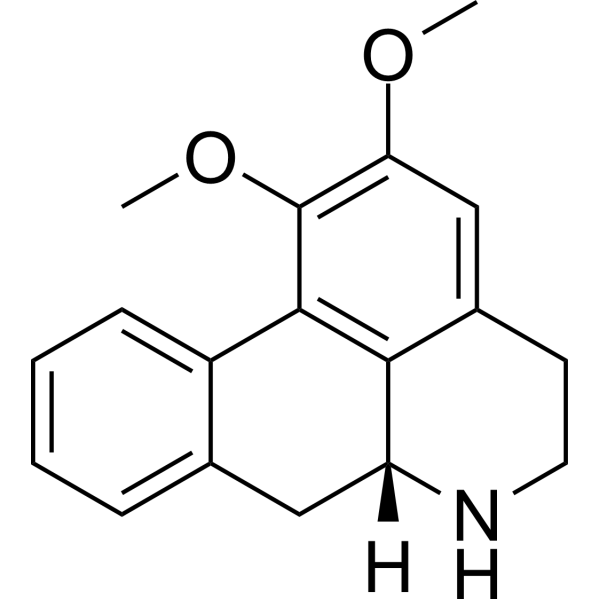
N-Nornuciferine is an orally active, blood-brain barrier-permeable CYP2D6 inhibitor, with an IC50 of 3.76 μM and a Ki of 2.34 μM against human CYP2D6. N-Nornuciferine also acts as a BChE inhibitor, showing an IC50 of 5.6 μM in mice . N-Nornuciferine can be used in the research of neurological-related diseases .
|
-
-
- HY-121382
-
|
|
Cholinesterase (ChE)
Apoptosis
Necroptosis
|
Neurological Disease
Cancer
|
|
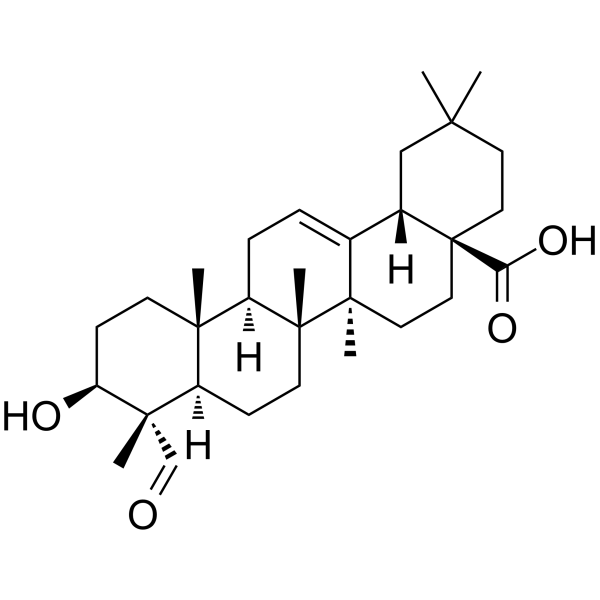
Gypsogenin is a selective mixed-type BChE inhibitor (Ki=19.99 μM) that also exhibits significant cytotoxicity against various human cancer cell lines. Gypsogenin inhibits tumor growth by inducing cell cycle arrest and triggering apoptosis. Gypsogenin displays antibacterial activity against bacteria such as Bacillus subtilis and Bacillus thuringiensis, and often serves as a key parent nucleus for the synthesis of anticancer compounds. Gypsogenin is widely used in research on Alzheimer's disease and various cancers including colon cancer, melanoma, and leukemia .
|
-
-
- HY-W130236
-
|
|
Cholinesterase (ChE)
|
Cancer
|
|
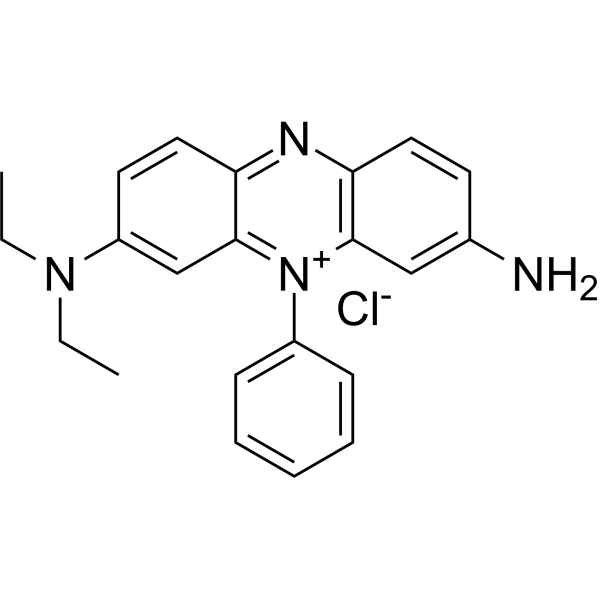
Methylene Violet 3RAX is a phenazine dye to stain the mitochondria of cells. Methylene Violet 3RAX can change the molecular structure of DNA, undermine the module of DNA, and induce the generation of the reactive singlet oxygen. Methylene Violet 3RAX shows inhibition for human erythrocyte AChE and human plasma BChE with an Kis of 1.58, 0.51 μM, respectively. Methylene Violet 3RAX has the potential for the research of potential photosensitizers for mitochondrial targeting action in PDT (photodynamic therapy) .
|
-
-
- HY-178017
-
|
|
Cholinesterase (ChE)
Carbonic Anhydrase
|
Neurological Disease
|
|
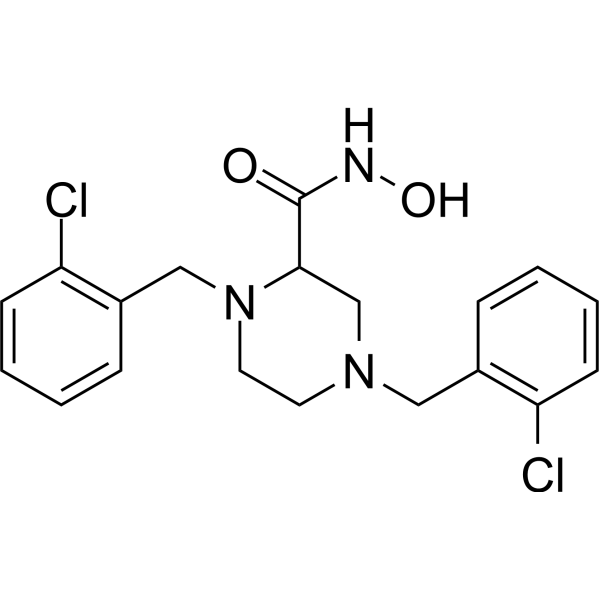
BChE/hCA II-IN-1 (Compound 20) is a dual-functional inhibitor of Butyrylcholinesterase (BChE) and human carbonic anhydrase II (hCA II) with IC50s of 76.50 and 10.69 μM for BChE and hCA II, respectively. BChE/hCA II-IN-1 can be used for neurodegenerative diseases like Alzheimer's and glaucoma research .
|
-
-
- HY-178356
-
|
|
Cholinesterase (ChE)
nAChR
Interleukin Related
TNF Receptor
|
Neurological Disease
Inflammation/Immunology
|
|
BChE-IN-44 is a potent, brain-penetrant, highly selective BChE inhibitor [equine BChE IC50 = 18.00 pM, human BChE IC50 = 1.50 nM]. BChE-IN-44 shows neuroprotective effects against the Aβ1-42-induced injury model and inhibitory effects on Aβ1-42 self-aggregation. BChE-IN-44 reduces the levels of inflammatory factors (NO, IL-6, and TNF-α) in Lipopolysaccharides (HY-D1056)-induced BV2 cells. BChE-IN-44 can significantly ameliorate Scopolamine (HY-N0296)-induced cognition impairment. BChE-IN-44 exhibits capacity in the regulation of BChE and acetylcholine levels in the mouse hippocampus. BChE-IN-44 can be used for the study of Alzheimer’s disease (AD) .
|
-
-
- HY-RS01406
-
|
|
Small Interfering RNA (siRNA)
|
Others
|
|
BCHE Human Pre-designed siRNA Set A contains three designed siRNAs for BCHE gene (Human), as well as a negative control, a positive control, and a FAM-labeled negative control.
|
-
BCHE Human Pre-designed siRNA Set A
-
- HY-146665
-
|
|
Cholinesterase (ChE)
|
Neurological Disease
|
|
AChE/BChE-IN-5 (BMC-16) is a dual AChE and BChE inhibitor with IC50 values of 266 nM and 10.6 nM against human AChE (hAChE) and human BChE (hBChE), respectively. AChE/BChE-IN-5 can cross the BBB .
|
-
-
- HY-161156
-
|
|
Cholinesterase (ChE)
|
Neurological Disease
Cancer
|
|
BChE-IN-26 (Compound 7b) is a selective AChE and BChE inhibitor with Ki value of 35 μM and 1.6 μM. BChE-IN-26 has cytotoxicity to human neuroblastoma (SH-SY5Y) cell line. BChE-IN-26 can be used for the research of Alzheimer’s disease .
|
-
-
- HY-152113
-
|
|
Monoamine Oxidase
Cholinesterase (ChE)
|
Neurological Disease
|
|
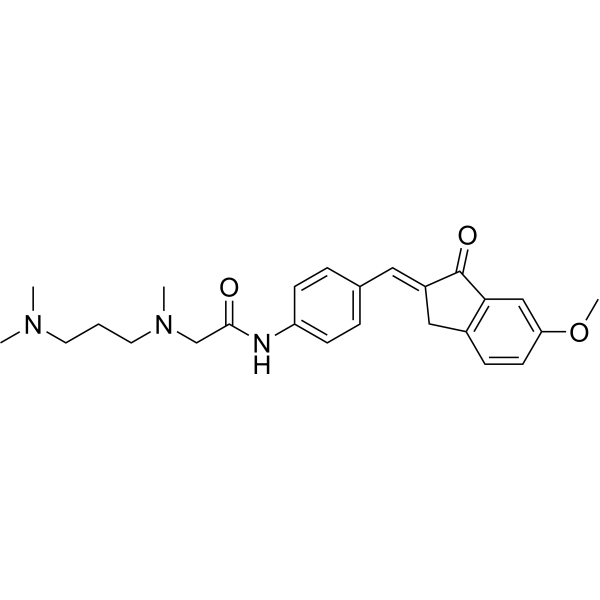
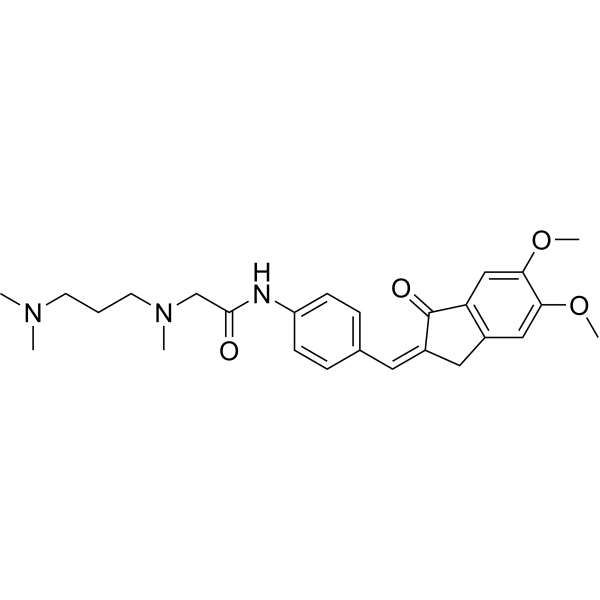
AChE/BChE/MAO-B-IN-3, an indan-1-one derivative, is a potent MAO-B inhibitor with an IC50 of 0.0359 μM for human MAO-B. AChE/BChE/MAO-B-IN-3 is a potent AChE and BChE enzyme inhibitor, with IC50s of 0.0473 μM and 0.0782 μM for human AChE and BChE enzyme, respectively. AChE/BChE/MAO-B-IN-3 shows significant antioxidant activity and has the potential for Alzheimer's disease (AD) research .
|
-
-
- HY-152114
-
|
|
Monoamine Oxidase
Cholinesterase (ChE)
|
Neurological Disease
|
|
AChE/BChE/MAO-B-IN-4, an indan-1-one derivative, is a potent MAO-B inhibitor with an IC50 of 0.0393 μM for human MAO-B. AChE/BChE/MAO-B-IN-4 is a potent AChE and BChE enzyme inhibitor, with IC50s of 0.0458 μM and 0.075 μM for human AChE and BChE enzyme, respectively. AChE/BChE/MAO-B-IN-4 shows significant antioxidant activity and prevent β-amyloid plaque aggregation. AChE/BChE/MAO-B-IN-4 has the potential for Alzheimer's disease (AD) research .
|
-
-
- HY-159898
-
-
-
- HY-157437
-
|
|
Cholinesterase (ChE)
Reactive Oxygen Species (ROS)
|
Neurological Disease
Inflammation/Immunology
|
|
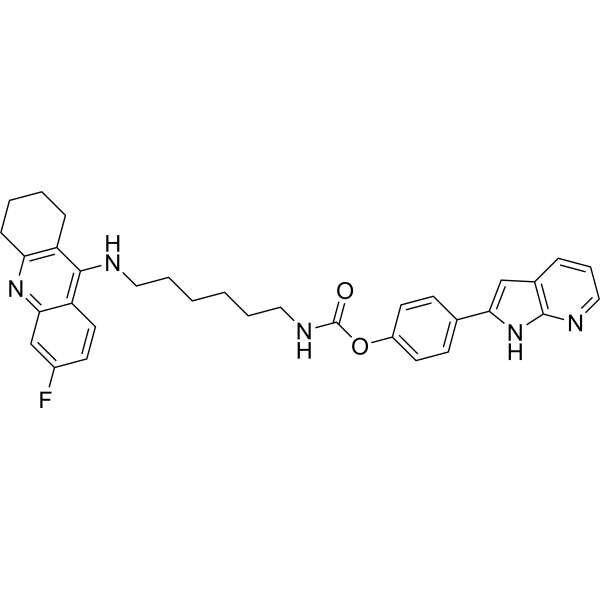
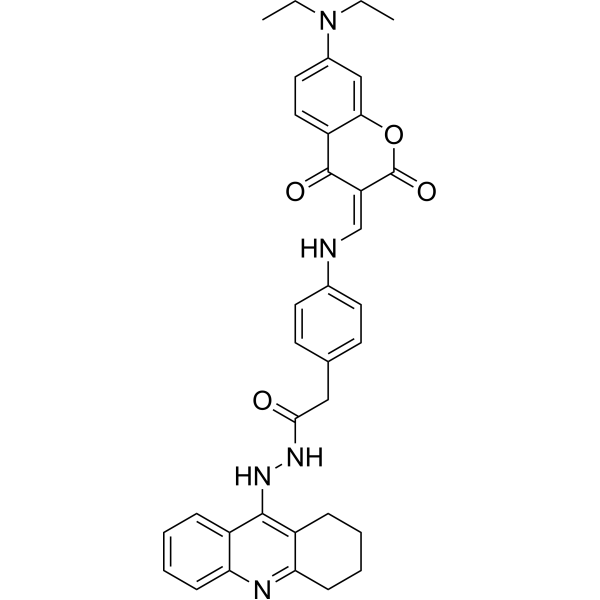
AChE/BChE-IN-16 (compound C7) is a potent cholinesterase (ChE) inhibitor with IC50s of 30 nM and 48 nM for human acetylcholinesterase (hAChE) and human butyrylcholinesterase (hBChE), respectively. AChE/BChE-IN-16 exhibits a remarkable capacity to safeguard PC12 cells against H2O2-induced apoptosis and effectively suppresses the production of reactive oxygen species (ROS) .
|
-
-
- HY-149300
-
|
|
Cholinesterase (ChE)
|
Neurological Disease
|
|
SB-1436 is an Cholinesterase (ChE) inhibitor, inhibits acetylcholinesterase (AChE), butyrylcholinesterase (BChE) and recombinant human acetylcholinesterase (rHuAChE) with IC50s of 0.176, 0.37 and 0.08 μM, respectively. SB-1436 inhibits AChE and BChE in a non-competitive manner with Kis of 0.046 and 0.115 μM, respectively. SB-1436 significantly stops the self-aggregation of Aβ, and can be used for neurological disease research .
|
-
-
- HY-161507
-
|
|
Carbonic Anhydrase
Cholinesterase (ChE)
|
Metabolic Disease
|
|
hCAI/II-IN-8 (Compound 8) is a hydrazide derivative based on 4-hydroxybenzaldehyde. hCAI/II-IN-8 primarily targets human carbonic anhydrase isomerase I (hCA I) and II (hCA II) for inhibition (IC50 = 21.35 ± 0.39 nM (hCA I); 7.12 ± 0.12 nM (hCA II)). hCAI/II-IN-8 inhibits AChE and BChE as well(IC50 = 46.27 ±0.75 nM (AChE); 43.38 ± 0.83 nM (BChE)). . .
|
-
-
- HY-103373
-
|
|
Cholinesterase (ChE)
|
Neurological Disease
|
|
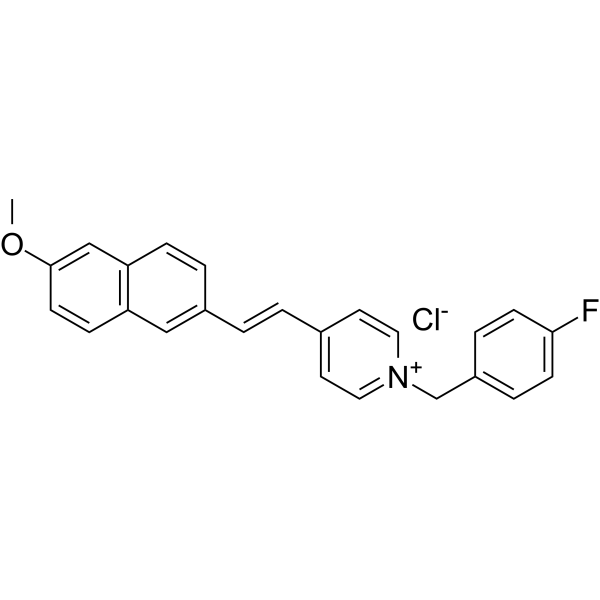
PE154 (Compound 13) is a potent fluorescent inhibitor of human acetylcholinesterase (AChE) and butyrylcholinesterase (BChE) (IC50s=280 pM and 16 nM, respectively) . PE154 can label β-amyloid plaques in histochemical analysis .
|
-
-
- HY-168052
-
|
|
Amyloid-β
Cholinesterase (ChE)
|
Neurological Disease
|
|
hAChE-IN-9 (compound 7i) is a selective inhibitor of human acetylcholinesterase (hAChE) with IC50 of 0.05 μM and 2.85 μM for AChE and BChE, respectively. hAChE-IN-9 modulates toxic Aβ oligomer forms into non-toxic ones and has antioxidant and neuroprotective effects against Aβ-induced toxicity. hAChE-IN-9 can be used for the study of Alzheimer's disease .
|
-
-
- HY-121382R
-
|
|
Reference Standards
Apoptosis
Cholinesterase (ChE)
Necroptosis
|
Cardiovascular Disease
|
|
Cinosulfuron (Standard) is the analytical standard of Cinosulfuron. This product is intended for research and analytical applications. Gypsogenin is a selective mixed-type BChE inhibitor (Ki=19.99 μM) that also exhibits significant cytotoxicity against various human cancer cell lines. Gypsogenin inhibits tumor growth by inducing cell cycle arrest and triggering apoptosis. Gypsogenin displays antibacterial activity against bacteria such as Bacillus subtilis and Bacillus thuringiensis, and often serves as a key parent nucleus for the synthesis of anticancer compounds. Gypsogenin is widely used in research on Alzheimer's disease and various cancers including colon cancer, melanoma, and leukemia .
|
-
-
- HY-B1239A
-
|
Cycloadiphene; Hexahydroadiphenine
|
Potassium Channel
Cholinesterase (ChE)
TRP Channel
NOD-like Receptor (NLR)
Amyloid-β
Tau Protein
JNK
NF-κB
IKK
|
Neurological Disease
Metabolic Disease
Inflammation/Immunology
|
|
Drofenine (Cycloadiphene; Hexahydroadiphenine) is an brain-penetrant antispasmodic agent. Drofenine is a Kv2.1 channel inhibitor with human IC50 of 9.53 μM. Drofenine is a butyrylcholinesterase (BChE) inhibitor with Ki of 0.003 mM, and is a TRPV3 activator. Drofenine blocks Kv2.1-dependent potassium efflux, inhibits Kv2.1/JNK/NF-κB and IkBa/NF-kB signaling, suppresses Kv2.1 mRNA/protein expression. Drofenine suppresses oligomeric Aβ-induced microglial NLRP3 inflammasome activation and neuronal Tau hyperphosphorylation, improves cognitive impairment, promotes neurite outgrowth. Drofenine induces calcium influx in keratinocytes and exert cytotoxicity against keratinocytes. Drofenine ameliorates diabetic peripheral neuropathy -like pathology. Drofenine can be used for the researches of Alzheimer's disease, diabetic peripheral neuropathy and smooth muscle spasm .
|
-
-
- HY-182254
-
|
|
Cholinesterase (ChE)
|
Neurological Disease
|
|
AChE/BChE-IN-35, Tacrine (HY-111338) derivative, is a brain-penetrant dual AChE/BChE inhibitor with an Electric Eel AChE IC50 of 123.66 nM, human AChE IC50 of 122.34 nM, and equine BChE IC50 of 488.00 nM. AChE/BChE-IN-35 undergoes LAT1-mediated active transport across cell membranes. AChE/BChE-IN-35 exhibits enhanced brain exposure with slower brain tissue elimination. AChE/BChE-IN-35 can be used for the research of alzheimer's disease .
|
-
-
- HY-183750
-
|
|
Cholinesterase (ChE)
|
Metabolic Disease
|
|
BChE reactivator-1 is a human butyrylcholinesterase (BChE) activator and antidote, with a Ki value of 0.52 μM against human BChE. BChE reactivator-1 activates BChE inhibited by organophosphorus compounds, binds reversibly to native BChE, and restores cholinesterase activity in human whole blood. BChE reactivator-1 is applicable to research related to organophosphorus poisoning .
|
-
-
- HY-146664
-
|
|
Cholinesterase (ChE)
|
Neurological Disease
|
|
AChE/BChE-IN-4 (BMC-3) is a dual AChE and BChE inhibitor with IC50 values of 792 nM and 2.2 nM against human AChE (hAChE) and human BChE (hBChE), respectively. AChE/BChE-IN-4 can cross the BBB .
|
-
-
- HY-181445
-
|
|
Cholinesterase (ChE)
|
Neurological Disease
|
|
NSC 620023 TFA is a highly selective butyrylcholinesterase (BChE) inhibitor with an IC50 of 32 nM. NSC 620023 TFA acts via π-stacking interactions with dual benzimidazole moieties and hydrophobic interactions within the BChE binding site. NSC 620023 TFA can be used for the research of alzheimer’s disease .
|
-
-
- HY-N2129A
-
|
|
Cytochrome P450
Cholinesterase (ChE)
|
Neurological Disease
|
|
N-Nornuciferine hydrochloride is an orally active, blood-brain barrier-permeable CYP2D6 inhibitor, with an IC50 of 3.76 μM and a Ki of 2.34 μM against human CYP2D6. N-Nornuciferine hydrochloride also acts as a BChE inhibitor, showing an IC50 of 5.6 μM in mice . N-Nornuciferine hydrochloride can be used in the research of neurological-related diseases .
|
-
-
- HY-N16715
-
|
|
Cholinesterase (ChE)
|
Neurological Disease
|
|
Monardic acid A is a selective inhibitor of AChE, with an IC50 of 53.1 μM against AChE from electric eel. Monardic acid A shows weak inhibitory activity against human erythrocyte AChE (IC50 >100 μM) and has no significant inhibitory effect on BChE. Monardic acid A reduces acetylcholine breakdown by inhibiting AChE activity, and also exhibits inhibitory activity against histamine release and hyaluronidase, thus exerting anti-inflammatory and neurotransmitter regulatory effects. Monardic acid A can be isolated from lungwort (Pulmonaria officinalis) and thyme (Thymus gobicus), and is mainly used in the development of anti-inflammatory drugs and drugs related to neurodegenerative diseases .
|
-
-
- HY-P992076
-
|
|
TGF-β Receptor
TGF-beta/Smad
Cholinesterase (ChE)
Fungal
|
Infection
Cancer
|
Anti-Candida auris β-1,3-glucans Antibody (2G8) is an antibody targeting Candida auris β-1,3-glucans, and also acts as an inhibitor of AChE and TGF-β receptor 2. Anti-Candida auris β-1,3-glucans Antibody (2G8) also targets fungal cell wall components, effectively inhibits fungal growth and interferes with capsule formation, thereby significantly reducing the fungal load in mouse tissues. Anti-Candida auris β-1,3-glucans Antibody (2G8) not only blocks TGF-β receptor binding to inhibit the Smad signaling pathway, reduces fibroblast activation and collagen deposition, but also induces epithelial differentiation of tumor cells and reduces pancreatic tumor metastasis. Anti-Candida auris β-1,3-glucans Antibody (2G8) specifically binds to the conserved N-linked glycoepitope on AChE to inhibit its activity without interfering with BChE, and can be used in studies of cryptococcosis and related tumor mechanisms .The isotype control is Human IgG1 kappa, Isotype Control (HY-P99001).
|
-
| Cat. No. |
Product Name |
Type |
-
- HY-103373
-
|
|
Fluorescent Dye
|
|
PE154 (Compound 13) is a potent fluorescent inhibitor of human acetylcholinesterase (AChE) and butyrylcholinesterase (BChE) (IC50s=280 pM and 16 nM, respectively) . PE154 can label β-amyloid plaques in histochemical analysis .
|
| Cat. No. |
Product Name |
Target |
Research Area |
Image |
-
- HY-P992076
-
|
|
TGF-β Receptor
TGF-beta/Smad
Cholinesterase (ChE)
Fungal
|
Infection
Cancer
|
Anti-Candida auris β-1,3-glucans Antibody (2G8) is an antibody targeting Candida auris β-1,3-glucans, and also acts as an inhibitor of AChE and TGF-β receptor 2. Anti-Candida auris β-1,3-glucans Antibody (2G8) also targets fungal cell wall components, effectively inhibits fungal growth and interferes with capsule formation, thereby significantly reducing the fungal load in mouse tissues. Anti-Candida auris β-1,3-glucans Antibody (2G8) not only blocks TGF-β receptor binding to inhibit the Smad signaling pathway, reduces fibroblast activation and collagen deposition, but also induces epithelial differentiation of tumor cells and reduces pancreatic tumor metastasis. Anti-Candida auris β-1,3-glucans Antibody (2G8) specifically binds to the conserved N-linked glycoepitope on AChE to inhibit its activity without interfering with BChE, and can be used in studies of cryptococcosis and related tumor mechanisms .The isotype control is Human IgG1 kappa, Isotype Control (HY-P99001).
|
-
(5)
| Cat. No. |
Product Name |
Category |
Target |
Chemical Structure |
-
- HY-N3266
-
|
|
Structural Classification
Classification of Application Fields
Simple Phenylpropanols
Adenocarpus cincinnatus (Ball) Maire
Labiatae
Phenols
Polyphenols
Phenylpropanoids
Plants
Disease Research Fields
Source Classification
Cancer
|
Tyrosinase
Phosphatase
Cholinesterase (ChE)
SARS-CoV
PERK
JNK
p38 MAPK
TGF-beta/Smad
Apoptosis
Reactive Oxygen Species (ROS)
AMPK
MMP
|
|
Methyl rosmarinate is an orally active hydroxycinnamic acid. Methyl rosmarinate exhibits an IC50 of 24.70 μM and a Ki of 15.29 μM against PTP1B, an IC50 of 41.46 μg/mL against BChE, a Ki of 0.61 mM against mushroom tyrosinase, and an IC50 of 2.50 μM against SARS-CoV-2 3CLpro. Methyl rosmarinate downregulates the phosphorylation levels of ERK, JNK, p38, Smad2 and Smad3. Methyl rosmarinate activates erythrocyte BPGM and promotes the production of 2,3-BPG. Methyl rosmarinate induces apoptosis of fibroblasts. Methyl rosmarinate prolongs the survival time of hypoxic mice. Methyl rosmarinate improves insulin sensitivity. Methyl rosmarinate binds to SARS-CoV-2 3CLpro and inhibits viral replication. Methyl rosmarinate induces glioblastoma cell death. Methyl rosmarinate activates the TGR5/AMPK axis and reduces the levels of ROS and MDA. Methyl rosmarinate shows inhibitory activity against MMP-1. Methyl rosmarinate can be used in research related to pulmonary fibrosis, hypoxia-induced injury, type 2 diabetes, Alzheimer's disease, hyperpigmentation disorders, COVID-19, glioblastoma and myocardial ischemia-reperfusion injury .
|
-
-
- HY-N2129
-
-
-
- HY-121382
-
-
-
- HY-121382R
-
|
|
Triterpenes
Structural Classification
Terpenoids
Plants
Caryophyllaceae
Source Classification
Gypsophila perfoliata Linn.
|
Reference Standards
Apoptosis
Cholinesterase (ChE)
Necroptosis
|
|
Cinosulfuron (Standard) is the analytical standard of Cinosulfuron. This product is intended for research and analytical applications. Gypsogenin is a selective mixed-type BChE inhibitor (Ki=19.99 μM) that also exhibits significant cytotoxicity against various human cancer cell lines. Gypsogenin inhibits tumor growth by inducing cell cycle arrest and triggering apoptosis. Gypsogenin displays antibacterial activity against bacteria such as Bacillus subtilis and Bacillus thuringiensis, and often serves as a key parent nucleus for the synthesis of anticancer compounds. Gypsogenin is widely used in research on Alzheimer's disease and various cancers including colon cancer, melanoma, and leukemia .
|
-
-
- HY-N2129A
-
-
-
- HY-N16715
-
|
|
Structural Classification
Lignans
Phenylpropanoids
Plants
Pulmonaria officinalis L.
Boraginaceae
Source Classification
|
Cholinesterase (ChE)
|
|
Monardic acid A is a selective inhibitor of AChE, with an IC50 of 53.1 μM against AChE from electric eel. Monardic acid A shows weak inhibitory activity against human erythrocyte AChE (IC50 >100 μM) and has no significant inhibitory effect on BChE. Monardic acid A reduces acetylcholine breakdown by inhibiting AChE activity, and also exhibits inhibitory activity against histamine release and hyaluronidase, thus exerting anti-inflammatory and neurotransmitter regulatory effects. Monardic acid A can be isolated from lungwort (Pulmonaria officinalis) and thyme (Thymus gobicus), and is mainly used in the development of anti-inflammatory drugs and drugs related to neurodegenerative diseases .
|
-
| Cat. No. |
Compare |
Product Name |
Species |
Source |
Image |
Compare Products
|
| Products |
|
| Cat. No. |
|
| Species |
|
| Source |
|
| Tag |
|
| Accession |
|
| Gene ID |
|
| Molecular Weight |
|
| Purity |
|
| Endotoxin Level |
|
| Biological Activity |
|
| Appearance |
|
| Formulation |
|
| Storage & Stability |
|
| Shipping |
|
| Free Sample |
Yes
No
|
| Size |
* This product has been "discontinued".
Optimized version of product available:
|
| Cat. No. |
Product Name |
|
Classification |
Your information is safe with us. * Required Fields.
Inquiry Information
- Product Name:
- Cat. No.:
- Quantity:
- MCE Japan Authorized Agent:

