1. Search Result
Search Result
Results for "

human urine

" in MedChemExpress (MCE) Product Catalog:

72

Inhibitors & Agonists

2

Biochemical Assay Reagents

10

Peptides

30

Natural
Products

3

Recombinant Proteins

2

Isotope-Labeled Compounds

1

Antibodies

Cat. No. Product Name Target Research Areas Chemical Structure
  • HY-153169
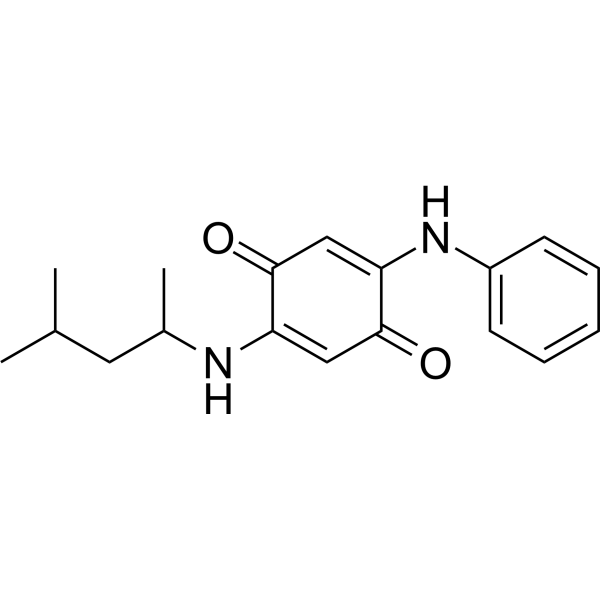
    6PPD-Q
    Maximum Cited Publications
    7 Publications Verification

    6PPD-Quinone

    α-synuclein Environmental Pollutants Others
    6PPD-Q (6PPD-Quinone) is an environmental pollutant that can be detected in human urine and is widely present in the environment. 6PPD-Q targets and binds to CNR2, CNR1, AA2AR, LCAT, and TRPA1, with CNR2 exhibiting the highest binding affinity, potentially acting as a CNR2 receptor agonist to activate cannabinoid receptors. 6PPD-Q induces intestinal inflammation and barrier damage by disrupting mitochondrial function, reducing neuronal glycolysis metabolites and TCA cycle intermediates, and exacerbating α-synuclein (α-syn) aggregation. 6PPD-Q is applicable in research on environmental toxicology, neurodegenerative diseases, and inflammation-related disorders .
    6PPD-Q
  • HY-P0063
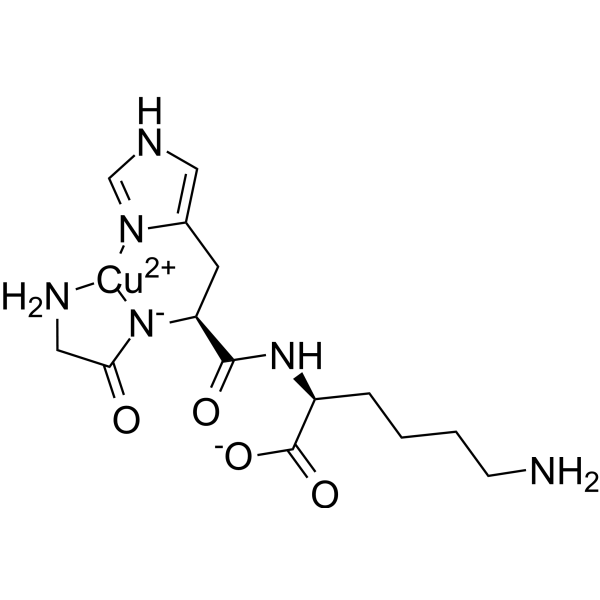
    Copper tripeptide
    1 Publications Verification

    GHK-Cu

    Biochemical Assay Reagents Inflammation/Immunology
    Copper tripeptide (GHK-Cu) is a tripeptide. During wound healing, Copper tripeptide may be freed from existing extracellular proteins via proteolysis and serves as a chemoattractant for inflammatory and endothelial cells. Copper tripeptide has been shown to increase messenger RNA production for collagen, elastin, proteoglycans, and glycosaminoglycans in fibroblasts. Copper tripeptide is a natural modulator of multiple cllular pathways in skin regeneration .
    Copper tripeptide
  • HY-N9457
    Norcholic acid
    1 Publications Verification

    Others Metabolic Disease Endocrinology
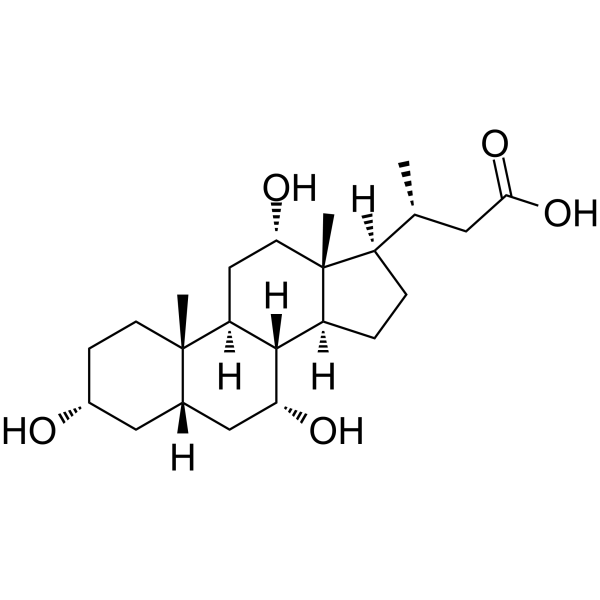
    Norcholic acid is a normal minorbile C23 bile acid having four side chain and exsits in human urine and meconium. Norcholic acid can become prominent under certain pathological conditions. Norcholic acid is efficiently absorbed from intestine and quickly excreted into the bile but not into urine .
    Norcholic acid
  • HY-113114

    Endogenous Metabolite Glucocorticoid Receptor Metabolic Disease Inflammation/Immunology
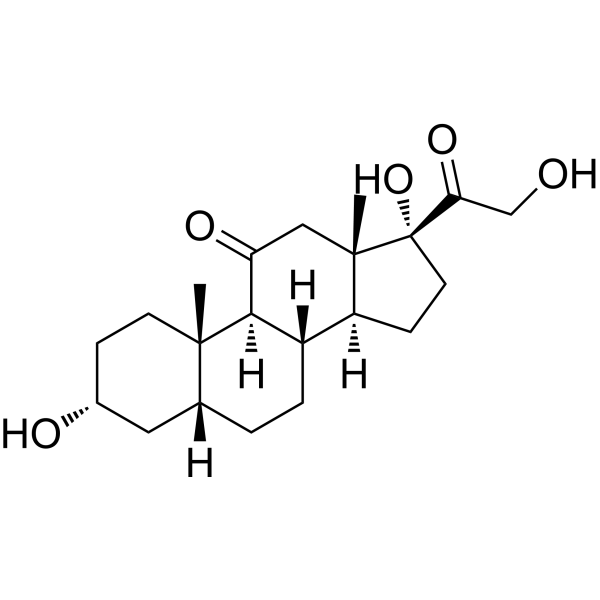
    Tetrahydrocortisone is a corticosteroid catalyzed from endogenous glucocorticoids by AKR1D1 (5β-reductase). Its formation is mediated by AKR1D1 and regulated by the glucocorticoid receptor (GR). As one of the final products of glucocorticoid inactivation metabolism, Tetrahydrocortisone participates in the maintenance of glucocorticoid metabolic homeostasis in vivo. Tetrahydrocortisone can be used for mechanistic studies of metabolic diseases such as non-alcoholic fatty liver disease (NAFLD) and type 2 diabetes, and also serves as a biomarker for in vivo AKR1D1 activity and glucocorticoid metabolic status .
    Tetrahydrocortisone
  • HY-77641

    Endogenous Metabolite Metabolic Disease
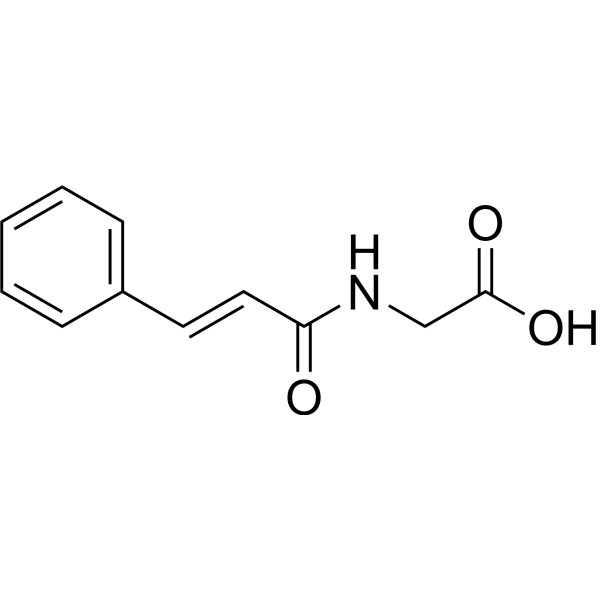
    Cinnamoylglycine is a human urinary metabolite and PPG analog. Cinnamoylglycine is a conjugate of cinnamic acid and glycine. Cinnamoylglycine is used as a urine marker. Cinnamoylglycine can be used in adipogenic differentiation studies .
    Cinnamoylglycine
  • HY-W010981
    Acetyl tributyl citrate
    1 Publications Verification

    Tributyl O-acetylcitrate; ATBC

    Environmental Pollutants Biochemical Assay Reagents Others
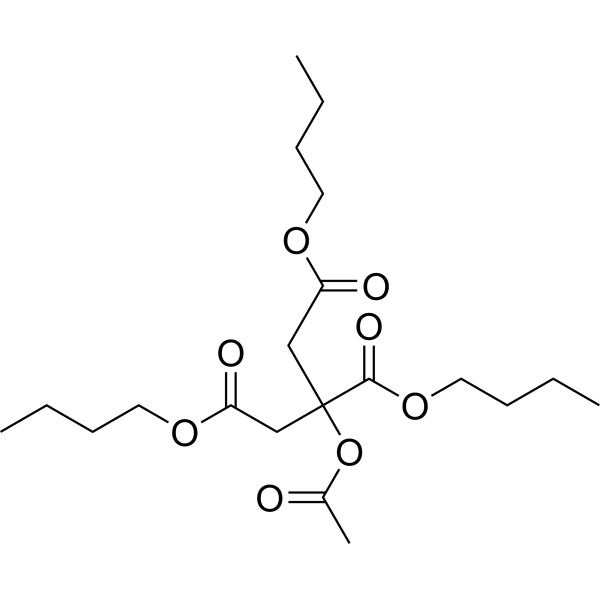
    Acetyl tributyl citrate (Tributyl O-acetylcitrate) is a pharmaceutical excipient and biodegradable hydrophobic plasticizer. Acetyl tributyl citrate can be used in cosmetics, food packaging, and as a flavoring substance for food .
    Acetyl tributyl citrate
  • HY-W002105
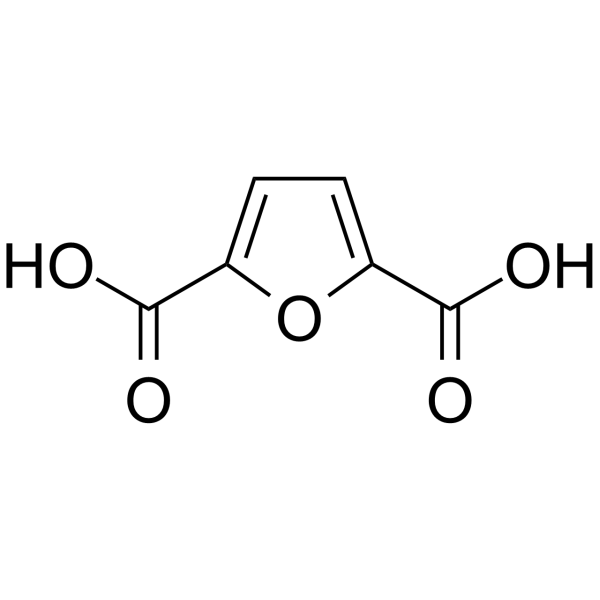
    2,5-Furandicarboxylic acid
    1 Publications Verification

    Endogenous Metabolite Biochemical Assay Reagents Others
    2,5-Furandicarboxylic acid, detected in human urine, is an important renewable biotechnological building block because it serves as an environmentally friendly substitute for terephthalic acid in the production of polyesters. 2,5-Furandicarboxylic acid can be used as the raw material for various chemical intermediates to synthesize polymers, polyurethanes, thermosetting resins, plasticizers, fungicides, macrocyclic ligands and other products .
    2,5-Furandicarboxylic acid
  • HY-N13356

    gamma-Glutamylthreonine; H-γ-Glu-Thr-OH; γ-Glu-Thr

    Bacterial Peptide-Drug Conjugates (PDCs) Drug Metabolite Infection Inflammation/Immunology
    L-gamma-Glutamyl-L-threonine (gamma-Glutamylthreonine; H-γ-Glu-Thr-OH; γ-Glu-Thr) is a dipeptide obtained through the formal condensation of the L-glutamic acid side chain carboxyl group and the L-threonine amino group. L-gamma-Glutamyl-L-threonine is present in high concentrations in human urine and exhibits antibacterial activity against Gram-negative bacterial. L-gamma-Glutamyl-L-threonine is also a flavor compound. Gamma-Glutamylthreonine is a metabolite catalyzed by γ-glutamyl transpeptidase and is associated with immune regulation. Gamma-Glutamylthreonine can be used in research on inflammation and bacterial infections .
    L-gamma-Glutamyl-L-threonine
  • HY-129912

    Endogenous Metabolite Cancer
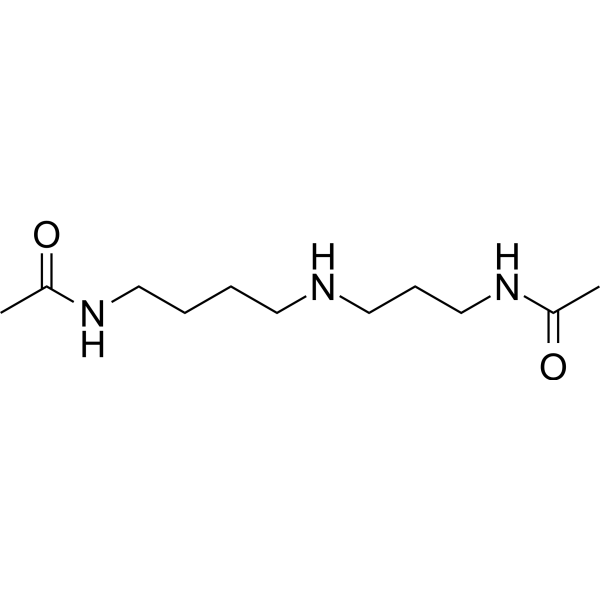
    N1,N8-Diacetylspermidine is a polyamines in the human urine . N1,N8-Diacetylspermidine is useful as prognostic indicators after treatment and during follow-up examination of cancer patients .
    N1,N8-Diacetylspermidine
  • HY-113247

    Drug Metabolite Others
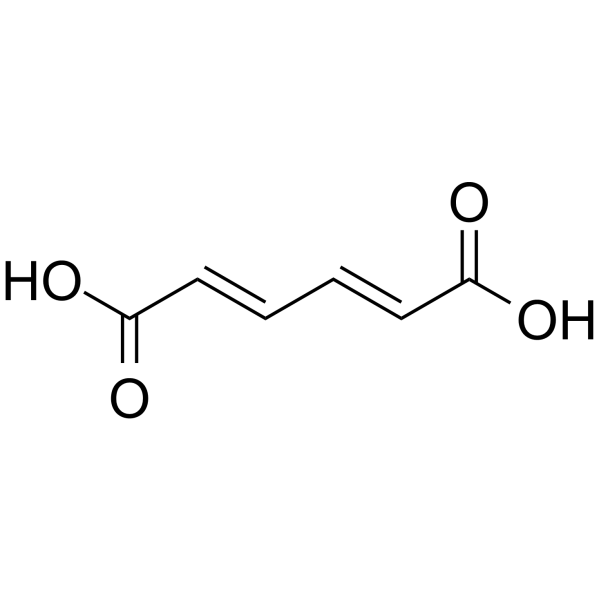
    trans-trans-Muconic acid is a urinary metabolite of Benzene. trans-trans-Muconic acid serves as a urinary biomarker for occupational benzene exposure .
    trans-trans-Muconic acid
  • HY-43470

    Endogenous Metabolite Metabolic Disease
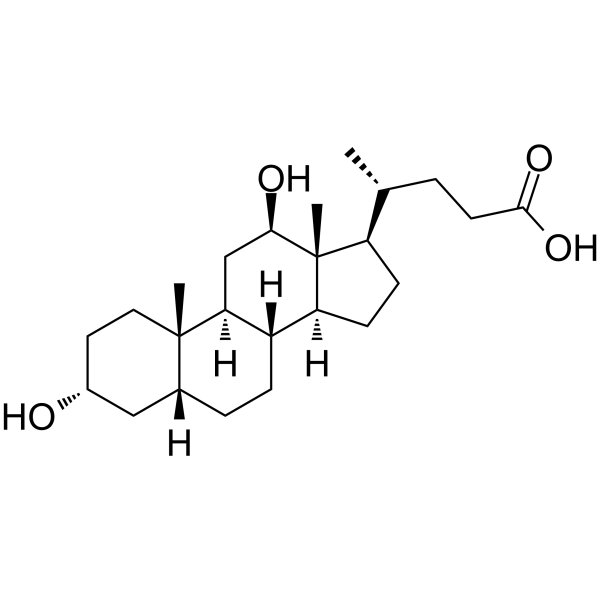
    3α,12β-Dihydroxycholanoic acid is a bile acid that can be isolated from urine specimens of healthy humans .
    3α,12β-Dihydroxycholanoic acid
  • HY-165151

    Urochrome hydrochloride

    Endogenous Metabolite Others
    Urobilin hydrochloride is the metabolite of Hemoglobin (HY-P2995), that can be excreted through urine and feces in many mammals. Urobilin hydrochloride can be used as an indicator of human waste pollution .
    Urobilin hydrochloride
  • HY-W008097

    Endogenous Metabolite Drug Intermediate Metabolic Disease
    3,3-Dimethylglutaric acid, a member of methyl-branched fatty acids, is a endogenous metabolite occasionally found in human urine. 3,3-Dimethylglutaric acid can be used as a ligand to synthesize metal complexes .
    3,3-Dimethylglutaric acid
  • HY-131516

    Drug Derivative Metabolic Disease
    Tiopronin-cysteine disulfide is a soluble disulfide metabolite/derivative of Tiopronin (HY-B0373) formed by reaction of Tiopronin with cystine. Tiopronin-cysteine disulfide reduces cystine crystal formation in cystinuria. Tiopronin-cysteine disulfide can be used for the research of cystinuria .
    Tiopronin-cysteine disulfide
  • HY-W019151

    Endogenous Metabolite Metabolic Disease
    Meconine is an endogenous metabolite of Noscapine (HY-13716). Meconine is the major metabolite in all three species, accounting for about 3, 8 and 2% of the dose in the first 24 h urines of rats, rabbits and humans, respectively. Meconine can be used as a marker to detect illicit opiate use .
    Meconine
  • HY-D0862

    Biochemical Assay Reagents Others
    DIDNTB is a dye. DIDNTB exhibits chemical sensitivity and specificity toward albumin. DIDNTB is much less affected by other proteins. DIDNTB enables the detection of urinary albumin at concentrations ≥10 mg/L .\n
    DIDNTB
  • HY-W042214

    Ritalinate

    Drug Metabolite Environmental Pollutants Neurological Disease
    Ritalinic acid (Ritalinate) is a metabolite of Methylphenidate. Ritalinic acid has no biological activity or only extremely low biological activity. The concentration of Ritalinic acid detected in university campus sewage shows a gradual upward trend in the first semester, while no obvious periodic variation pattern related to academic stress is observed in the second semester. Ritalinic acid can be used in studies related to attention deficit disorder, narcolepsy, depression and attention deficit hyperactivity disorder .
    Ritalinic acid
  • HY-N6678
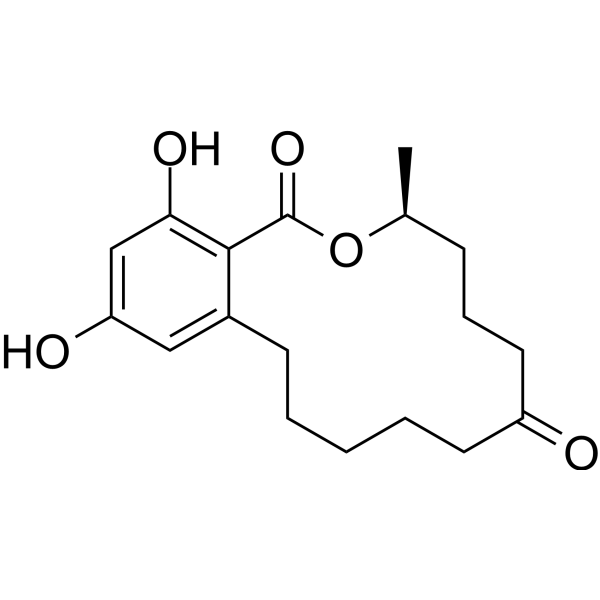
    Zearalanone
    2 Publications Verification

    Drug Metabolite Metabolic Disease
    Zearalanone is a reductive metabolite of Zearalenone (HY-103447). Zearalanone binds to serum albumin across multiple species. Zearalanone enhances the binding affinity of Warfarin (HY-B0687) to serum albumin .
    Zearalanone
  • HY-123377A

    SAL067

    Dipeptidyl Peptidase Metabolic Disease
    Fotagliptin benzoate is a Dipeptidyl Peptidase IV (DPP-4) inhibitor (IC50=2.27 nM). Fotagliptin benzoate displays great security in rat and dog. Fotagliptin benzoate can be used for Type 2 diabetes mellitus research .
    Fotagliptin benzoate
  • HY-P4463

    GnRH Receptor Others
    (Des-Pyr1)-LHRH is a Polypeptide Internal Standard, identical to (Des-Pyr1)-GnRH, which can be identified through peptide screening. Peptide screening is a research tool that mainly collects active polypeptides via immunoassays. It can be applied to protein interaction, functional analysis, epitope screening, especially in the field of active molecule research and development. (Des-Pyr1)-LHRH can serve as an internal standard (ISTD) for mass spectrometry analysis .
    (Des-Pyr1)-LHRH
  • HY-112948

    Endogenous Metabolite Metabolic Disease
    2-Methylbutyrylcarnitine is a fatty acid metabolite. 2-Methylbutyrylcarnitine is found mainly in the blood and urine of humans and animals and is produced through the pyruvate carboxylation pathway. 2-Methylbutyrylcarnitine exhibits high level in the plasma of subjects with steatohepatitis (NASH) and can be used as an indicator for the diagnosis of metabolic diseases .
    2-Methylbutyrylcarnitine
  • HY-137959

    β-glucuronidase Drug Metabolite Metabolic Disease
    Telmisartan acyl-β-D-glucuronide is an acyl-β-D-glucuronide and a metabolite of Telmisartan (HY-13955). Telmisartan acyl-β-D-glucuronide can be converted back to Telmisartan upon incubation with Glucuronidase. Partial acyl migration of Telmisartan acyl-β-D-glucuronide occurs under physiological conditions .
    Telmisartan acyl-β-D-glucuronide
  • HY-113095
    γ-CEHC
    1 Publications Verification

    Drug Metabolite Endogenous Metabolite Others
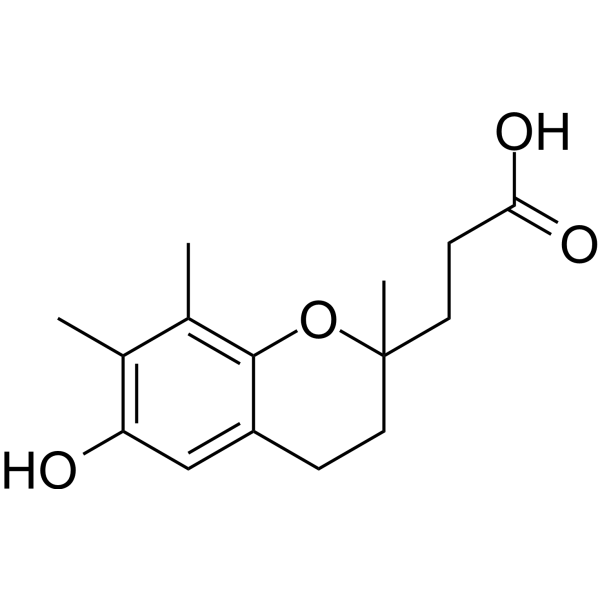
    γ-CEHC is a γ-tocopherol (HY-N7148) metabolite. γ-CEHC is mainly excreted into the urine rather than into the bile. γ-CEHC is present in conjugated form in human urine, mainly as glucuronide .
    γ-CEHC
  • HY-128129
    UT-B-IN-1
    1 Publications Verification

    Urea Transporter Metabolic Disease
    UT-B-IN-1 (UTBINH-14) is a reversible, competitive and selective urea transporter-B (UT-B) inhibitor with IC50 values of 10 and 25 nM for human and mouse UT-B, respectively. UT-B-IN-1 shows low toxicity and high selectivity for UT-B over UT-A isoforms. UT-B-IN-1 increases urine output and reduces urine osmolality of mice. UT-B-IN-1 can be used for diuretic mechanism research .
    UT-B-IN-1
  • HY-113043

    Drug Metabolite Cardiovascular Disease Metabolic Disease
    Galactonic acid is a metabolite of Galactose. Galactose is converted into Galactonic acid in vivo. Galactonic acid can be used in galactosemia research .
    Galactonic acid
  • HY-129912A

    Endogenous Metabolite Cancer
    N1,N8-Diacetylspermidine hydrochloride is a polyamines in the human urine . N1,N8-Diacetylspermidine hydrochloride is useful as prognostic indicators after treatment and during follow-up examination of cancer patients .
    N1,N8-Diacetylspermidine hydrochloride
  • HY-P2281A

    Atrial natriuretic peptide (1-28) TFA

    Endogenous Metabolite Cardiovascular Disease Metabolic Disease
    Atrial natriuretic factor (1-28) (human, porcine) TFA exhibits blood pressure lowering activity by increasing sodium and urine excretion. Atrial natriuretic factor (1-28) (human, porcine) TFA inhibits the release of pituitary adrenocorticotropic hormone (ACTH) and beta-endorphin through inhibition of pro-opiomelanocortin (POMC) expression. Atrial natriuretic factor (1-28) (human, porcine) TFA increases cGMP levels in RMIC cells with an IC50 of 1.2 nM .
    Atrial natriuretic factor (1-28) (human, porcine) TFA
  • HY-W019151R

    Reference Standards Endogenous Metabolite Metabolic Disease
    Meconine (Standard) is the analytical standard of Meconine (HY-W019151). This product is intended for research and analytical applications. Meconine is an endogenous metabolite of Noscapine (HY-13716). Meconine is the major metabolite in all three species, accounting for about 3, 8 and 2% of the dose in the first 24 h urines of rats, rabbits and humans, respectively. Meconine can be used as a marker to detect illicit opiate use.
    Meconine (Standard)
  • HY-117580

    OH-PRED

    Drug Metabolite Inflammation/Immunology
    16α-Hydroxyprednisolone (OH-PRED) is a stereoselective metabolite of the 22(R) epimer of the glucocorticoid Budesonide (HY-13580). 16α-Hydroxyprednisolone formation is catalyzed by isoenzymes within the cytochrome P450 3A (CYP3A) subfamily. 16α-Hydroxyprednisolone formation can be inhibited by antibodies targeting the CYP3A subfamily .
    16α-Hydroxyprednisolone
  • HY-W008343

    Endogenous Metabolite Metabolic Disease
    1,3-Dimethyluracil is a pyrimidone derives from a uracil. 1,3-Dimethyluracil found occasionally in human urine. 1,3-Dimethyluracil shows inhibition activity against hCA I and hCA II (human carbonic anhydrase) with Ki of 316.2 μM and 166.4 μM, respectively .
    1,3-Dimethyluracil
  • HY-107989

    Antibiotic Endocrinology
    Urofollitropin is a protein extract of human menopausal urine. Urofollitropin has the function of promoting follicle development and maturation, but contains very small amounts of urinary proteins .
    Urofollitropin
  • HY-123377

    SAL067 free base

    Dipeptidyl Peptidase Metabolic Disease
    Fotagliptin is a Dipeptidyl Peptidase IV (DPP-4) inhibitor (IC50=2.27 nM). Fotagliptin displays great security in rat and dog. Fotagliptin can be used for Type 2 diabetes mellitus research .
    Fotagliptin
  • HY-113406

    DL-Hexanoylcarnitine

    Others Inflammation/Immunology
    (±)-Hexanoylcarnitine exists in human urine and plasma. (±)-Hexanoylcarnitine can be used as a plasma detection indicator in patients with methylmalonic aciduria, propionic acidemia, and medium-chain acyl-CoA dehydrogenase deficiency .
    (±)-Hexanoylcarnitine
  • HY-W012168

    Carbonic Anhydrase Metabolic Disease
    4-Chloro-3-sulfamoylbenzoic acid is a weak inhibitor of human carbonic anhydrase isoforms hCA I, hCA II, hCA IV, and hCA IX, and a synthesis intermediate for carbonic anhydrase inhibitors. 4-Chloro-3-sulfamoylbenzoic acid is the major metabolite of tripamide detected in tissues, urine, and feces of rats and rabbits following Tripamide (HY-106570) administration. 4-Chloro-3-sulfamoylbenzoic acid can be used for the study of carbonic anhydrase inhibition and species differences in drug metabolism .
    4-Chloro-3-sulfamoylbenzoic acid
  • HY-158161

    Amino acid Transporter Metabolic Disease
    SLC6A19-IN-1 is a potent and highly selective inhibitor and transport corrector of human SLC6A19 (IC50=47 nM). Furthermore, at a concentration of 35 μM, SLC6A19-IN-1 exhibits no activity against SLC1A5, SLC7A5, or SLC6A8. SLC6A19-IN-1 is applicable to research on phenylketonuria (PKU) and hyperphenylalaninemia. SLC6A19-IN-1 is also suitable for studies related to various metabolic disorders, including tyrosinemia, maple syrup urine disease, urea cycle disorders, and hyperammonemia .
    SLC6A19-IN-1
  • HY-113073

    Endogenous Metabolite Others
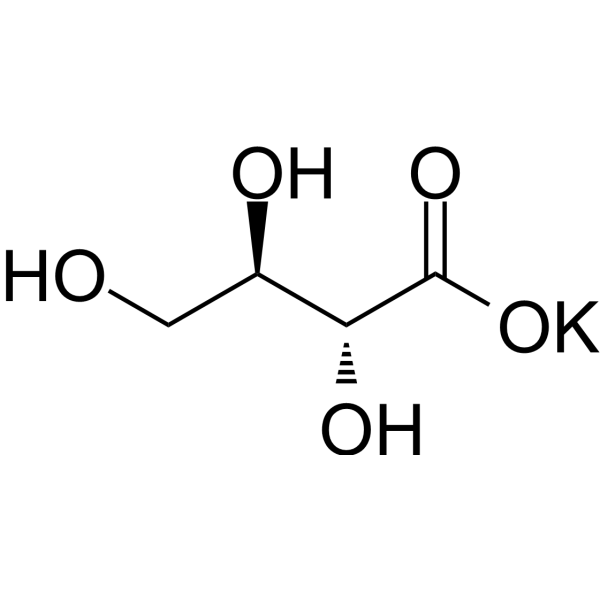
    2,4-Dihydroxybutanoic acid is typically absent in normal human urine extracts and is found only in trace amounts in neonates, while cases of succinic semialdehyde dehydrogenase deficiency consistently exhibit elevated levels of this metabolite.
    2,4-Dihydroxybutanoic acid
  • HY-109133

    BAY 1753011

    Vasopressin Receptor Neurological Disease Metabolic Disease
    Pecavaptan, a chemical probe, is an orally active and dual antagonist of V1a/V2 receptor (Ki=0.5 nM and 0.6 nM for human, respectively). Pecavaptan promotes an increase in urine production, which reduces the associated symptoms of water retention and edema .
    Pecavaptan
  • HY-W019151S

    Isotope-Labeled Compounds Endogenous Metabolite Metabolic Disease
    Meconin-d3 is the deuterium labeled Meconine (HY-W019151). Meconine is an endogenous metabolite of Noscapine (HY-13716). Meconine is the major metabolite in all three species, accounting for about 3, 8 and 2% of the dose in the first 24 h urines of rats, rabbits and humans, respectively. Meconine can be used as a marker to detect illicit opiate use.
    Meconin-d3
  • HY-148002

    Drug Metabolite Others
    1'-Hydroxy Midazolam-β-D-glucuronide is a β-D-glucuronide that acts as a drug metabolite, human urine metabolite, and human serum metabolite .
    1'-Hydroxy Midazolam-β-D-glucuronide
  • HY-136347

    Drug Metabolite Others
    3α-Hydroxy pravastatin sodium is the major metabolite of Pravastatin (HY-B0165A). Pravastatin is a competitive HMG-CoA reductase inhibitor .
    3α-Hydroxy pravastatin sodium
  • HY-113104

    ADT-G

    Endogenous Metabolite Drug Metabolite Metabolic Disease
    Androsterone glucuronide (ADT-G) is one of the main metabolites of oral testosterone in humans and can be found in urine. The level of Androsterone glucuronide can reflect the absorption and hepatic metabolism of testosterone .
    Androsterone glucuronide
  • HY-P0063A

    GHK-Cu acetate

    Biochemical Assay Reagents Inflammation/Immunology
    Copper tripeptide (GHK-Cu) acetate is a tripeptide. During wound healing, Copper tripeptide acetate may be freed from existing extracellular proteins via proteolysis and serves as a chemoattractant for inflammatory and endothelial cells. Copper tripeptide acetate has been shown to increase messenger RNA production for collagen, elastin, proteoglycans, and glycosaminoglycans in fibroblasts. Copper tripeptide acetate is a natural modulator of multiple cllular pathways in skin regeneration .
    Copper tripeptide acetate
  • HY-N15364

    Endogenous Metabolite Metabolic Disease
    Imidazoleacetic acid riboside is a metabolite of histamine, belonging to the riboside conjugates of imidazoleacetic acid. Imidazoleacetic acid riboside is generated by dephosphorylation of imidazoleacetic acid ribonucleotide in rats. Imidazoleacetic acid riboside can be detected in the kidney and brain tissue after administration of labeled histamine or histidine, and exists as a urinary metabolite of histamine in both rats and humans. Imidazoleacetic acid riboside is not only excreted in urine, but also can be used to capture and isolate ribose for studying the metabolic pathways of ribose synthesis from glucose or glucuronolactone via the pentose phosphate pathway or the C-6 oxidation pathway in vivo .
    Imidazoleacetic acid riboside
  • HY-P3544

    Bradykinin Receptor Inflammation/Immunology
    Lys-[Hyp3]-Bradykinin a Bradykinin (HY-P0206) agonist. Lys-[Hyp3]-Bradykinin is a kinin, it can be isolated from human urine. Lys-[Hyp3]-Bradykinin can be used for the research of inflammation .
    Lys-[Hyp3]-Bradykinin
  • HY-W008343R

    Reference Standards Endogenous Metabolite Metabolic Disease
    1,3-Dimethyluracil is a pyrimidone derives from a uracil. 1,3-Dimethyluracil found occasionally in human urine. 1,3-Dimethyluracil shows inhibition activity against hCA I and hCA II (human carbonic anhydrase) with Ki of 316.2 μM and 166.4 μM, respectively .
    1,3-Dimethyluracil (Standard)
  • HY-N11461

    Lacto-N-neo-difucohexaose I

    Others Others
    LNnDFH I is a natural product that can be isolated from human urine .
    LNnDFH I
  • HY-156558

    Endogenous Metabolite Metabolic Disease
    SeGalNac is a selenium metabolite found in human urine. SeGalNac can be used in the study of selenoglucose metabolism .
    SeGalNac
  • HY-129903

    Drug Metabolite Others
    N-Desethyl vardenafil is the major metabolite of Vardenafil (HY-B0442) and can be detected in human urine .
    N-Desethyl vardenafil
  • HY-145534

    CAR 8:1; C8:1 Carnitine; L-Carnitine trans-2-octenoyl ester

    Biochemical Assay Reagents Others
    trans-2-Octenoyl-L-carnitine is a synthetic carnitine. It has been used as a standard for the detection of carnitines in human urine.
    trans-2-Octenoyl-L-carnitine
  • HY-139349

    Endogenous Metabolite Others
    Finasteride carboxaldehyde (Compound M2) is the metabolite of 5α-reductase inhibitor Finasteride (HY-13635) in human bile and urine .
    Finasteride carboxaldehyde

Inquiry Online

Your information is safe with us. * Required Fields.

Salutation


Country or Region *

Applicant Name *


Organization Name *

Department *


Email Address *


Product Name *

Cat. No.


Requested quantity *

Phone Number *


Remarks

Inquiry Online

Inquiry Information

Product Name:
Cat. No.:
Quantity:
MCE Japan Authorized Agent:

