Search Result
Results for "
hypersensitivity
" in MedChemExpress (MCE) Product Catalog:
1
Biochemical Assay Reagents
1
Isotope-Labeled Compounds
| Cat. No. |
Product Name |
Target |
Research Areas |
Chemical Structure |
-
- HY-145191
-
-
-
- HY-N1389
-
|
Carmine red
|
Fluorescent Dye
|
Inflammation/Immunology
Cancer
|
|
Carmine (Carmine red), a natural red dye extracted from the dried females of the insect Dactylopius coccus var. Costa (cochineal). Carmine is a widely used food additive. Carmine provokes both an immediate hypersensitivity and a delayed systemic response with cutaneous expression .
|
-
-
- HY-A0059
-
|
NF 113; SAP 113; Methylmercadone
|
Bacterial
Parasite
Antibiotic
Fungal
Apoptosis
STAT
Interleukin Related
TNF Receptor
|
Infection
Inflammation/Immunology
Cancer
|
|
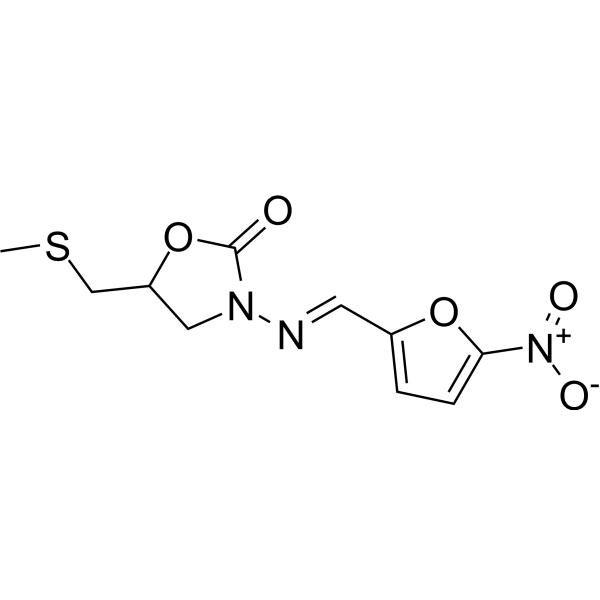
Nifuratel (NF 113) is an orally active broad-spectrum antibiotic with antiprotozoal, antibacterial, anticancer and anti-inflammatory activities, and has good inhibitory effects on Candida and Trichomonas. Nifuratel is also a STAT3 inhibitor, which significantly inhibits the growth and proliferation of human gastric cancer cells and induces apoptosis. In addition, Nifuratel also inhibits mast cell-mediated antigen hypersensitivity reactions and can be used in the study of IgE-mediated allergic diseases .
|
-
-
- HY-14229
-
|
CCDC
|
G protein-coupled Bile Acid Receptor 1
Calcium Channel
|
Metabolic Disease
|
|
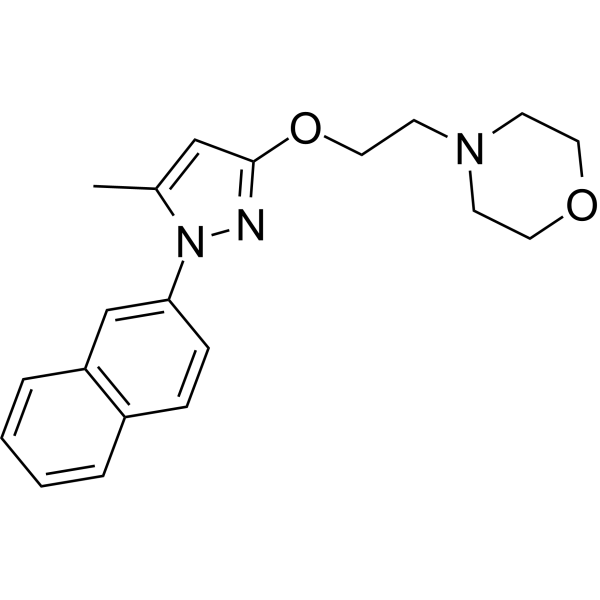
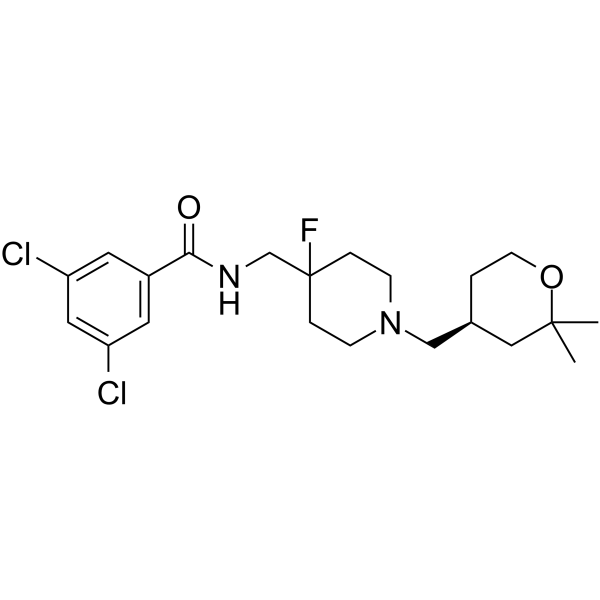
TGR5 Receptor Agonist (CCDC), a potent Takeda G protein-coupled receptor 5 (TGR5; GPCR19) agonist, shows improved potency in the U2-OS cells and melanophore cells with pEC50s of 6.8 and 7.5, respectively. TGR5 Receptor Agonist can induce peripheral and central hypersensitivity to bladder distension in mice, and increase intracellular Ca 2+ concentration. TGR5 Receptor Agonist can also reduces food intake and improves insulin responsiveness, in diet-induced obese mice. TGR5 Receptor Agonist can be used to research diabetes, bladder hypersensitivity and anti-obesity .
|
-
-
- HY-145192
-
-
-
- HY-145193
-
-
-
- HY-114348
-
|
DiNAC; (Ac-Cys-OH)2
|
Amino Acid Derivatives
|
Cardiovascular Disease
|
|
N,N'-diacetyl-L-cystine (DiNAC) is the disulphide dimer of N-acetylcysteine with immunomodulating properties. N,N'-diacetyl-L-cystine is a potent, orally active modulator of contact sensitivity/delayed type hypersensitivity reactions in rodents. N,N'-diacetyl-L-cystine also has antiatherosclerotic effects in Watanabe-heritable hyperlipidemic rabbit (WHHL) rabbits .
|
-
-
- HY-110143
-
|
|
Potassium Channel
|
Neurological Disease
|
|
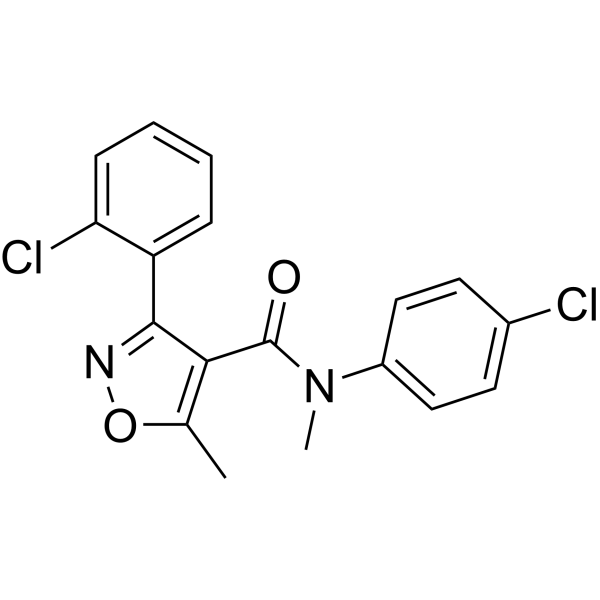
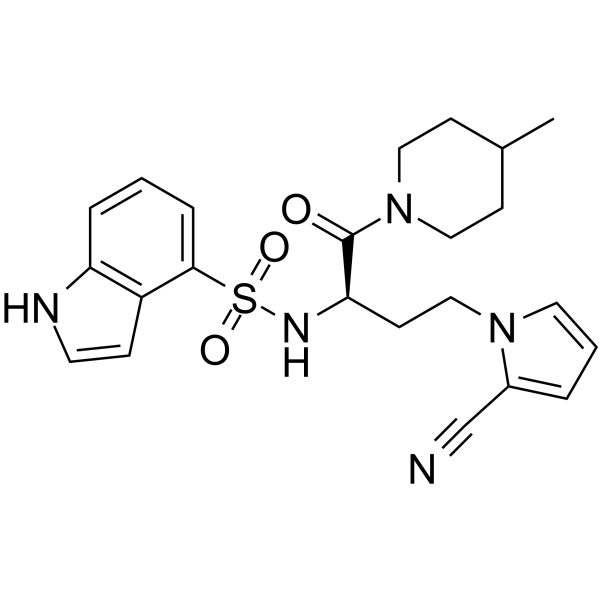
CLP257 is a selective K +-Cl cotransporter KCC2 activator with an EC50 of 616 nM. CLP257 is inactive against NKCC1, GABAA receptors, KCC1, KCC3 or KCC4. CLP257 restores impaired Cl transport in neurons with diminished KCC2 activity. CLP257 alleviates hypersensitivity in rats with neuropathic pain. CLP257 modulates plasmalemmal KCC2 protein turnover post-translationally .
|
-
-
- HY-116835
-
BI-6901
1 Publications Verification
|
CCR
|
Inflammation/Immunology
|
|
BI 6901 is a potent, selective CCR10 antagonist (pIC50=9.0). BI 6901 shows high selectivity over other GPCRs, including a number of other chemokine receptors. BI 6901 is efficacious in the murine DNFB model of contact hypersensitivity and can be used for inflammation research .
|
-
-
- HY-10035
-
TTA-P2
2 Publications Verification
T-Type calcium channel inhibitor
|
Calcium Channel
|
Neurological Disease
|
|
TTA-P2 (T-Type calcium channel inhibitor) is a selective, orally active, and BBB-penetrant T-type calcium channel blocker (IC50 = 22 nM). TTA-P2 reduces mechanical hypersensitivity and alleviates acute as well as chronic pain. TTA-P2 significantly reduces firing rates in temporal lobe epilepsy (TLE) neurons to control levels and suppresses synaptically evoked burst firing. TTA-P2 can be studied in research for neurological diseases such as tremor and absence epilepsy < sup>[4] .
|
-
-
- HY-103368
-
Eact
1 Publications Verification
|
Chloride Channel
|
Neurological Disease
|
|
Eact is a selective and potent activator of TMEM16A, directly activates the TRPV1 channels in sensory nociceptors and produces itch, acute nociception and thermal hypersensitivity .
|
-
-
- HY-145195
-
-
-
- HY-100459
-
|
|
RET
|
Metabolic Disease
Inflammation/Immunology
|
|
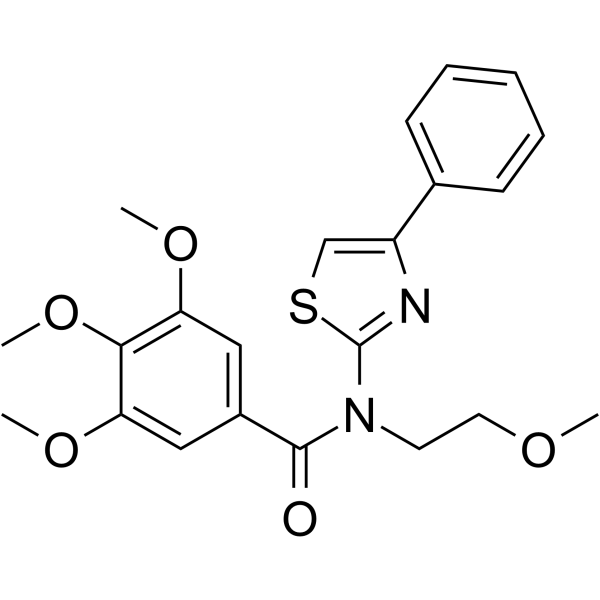
GSK3179106 is an orally active and selective RET kinase inhibitor with IC50s of 0.4 nM, 0.2 nM for human RET and rat RET, respectively. GSK3179106 has the potential for irritable bowel syndrome (IBS) through the attenuation of post-inflammatory and stress-induced visceral hypersensitivity .
|
-
-
- HY-13710A
-
-
-
- HY-B0538A
-
-
-
- HY-145194
-
-
-
- HY-100375
-
|
ALKS 8700; BIIB098
|
Keap1-Nrf2
|
Inflammation/Immunology
|
|
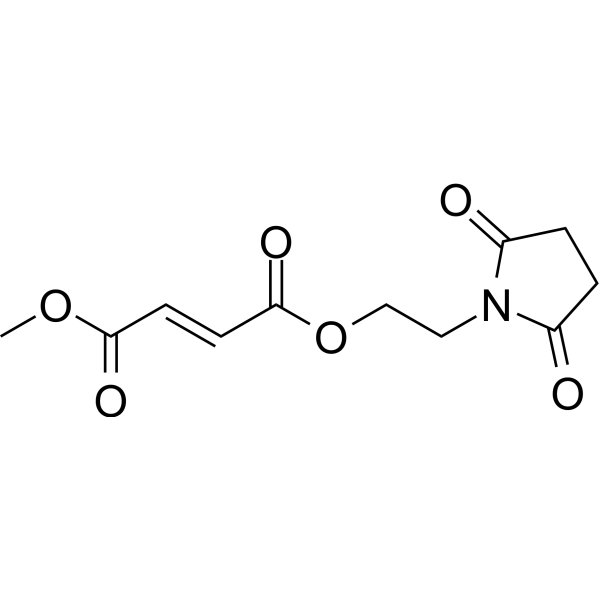
Diroximel fumarate (ALKS 8700) is an orally-active and well-tolerated monomethyl fumarate (MMF) proagent in a controlled-release formulation. Diroximel fumarate is considered as active equivalent to its active metabolite dimethyl fumarate (DMF). Diroximel fumarate has a favorable safety and efficacy profile, has the potential for the study of multiple sclerosis (MS). Diroximel fumarate is a Nrf2 activator that alleviate MGO-induced pain hypersensitivity .
|
-
-
- HY-106199
-
|
|
Adenosine Receptor
|
Neurological Disease
Inflammation/Immunology
|
|
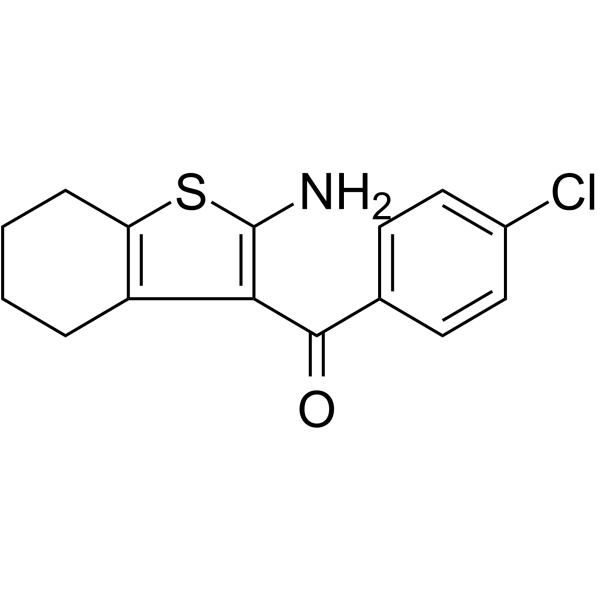
Adenosine A1 receptor activator T62 is an allosteric enhancer of adenosine A1 receptor. Adenosine A1 receptor activator T62 produces antinociception in animal models of acute pain and also reduces hypersensitivity in models of inflammatory and nerve-injury pain .
|
-
-
- HY-P2717
-
|
|
Caspase
|
Infection
|
|
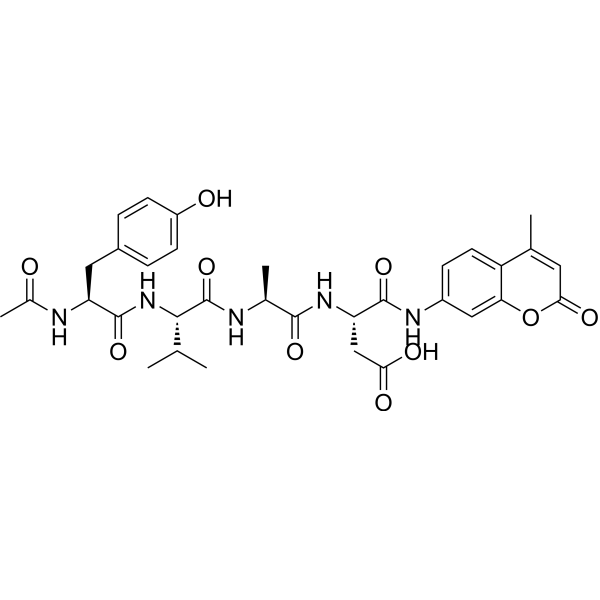
Ac-YVAD-AMC is an inhibitor for caspase. Ac-YVAD-AMC inhibits bacteria-induced cell death of hypersensitive response (HR) cells .
|
-
-
- HY-106841
-
|
R-75231; R88021
|
Adenosine Receptor
Nucleoside Transporters
|
Inflammation/Immunology
|
|
Draflazine (R-75231) is a ENT1 inhibitor. Draflazine (R-75231) completely reverses the hypersensitivity in the complete Freund’s adjuvant (CFA) model of mechanical hyperalgesia and the carrageenan inflammation model of thermal and mechanical hyperalgesia .
|
-
-
- HY-131182
-
|
|
Sodium Channel
|
Neurological Disease
|
|
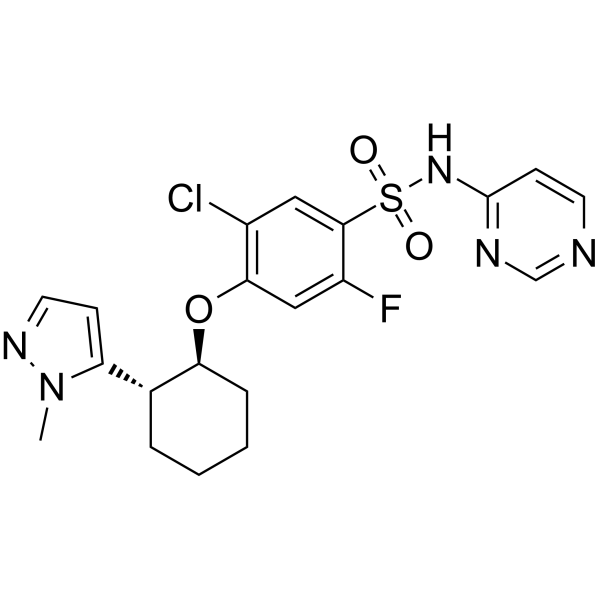
DS-1971a is a potent, selective, and orally active NaV1.7 inhibitor, with IC50s of 22.8 and 59.4 nM for hNaV1.7 and mNaV1.7, respectively. DS-1971a exerts analgesic effects .
|
-
-
- HY-76938
-
|
4-Acetylaminophenylacetic acid; MS-932
|
Carbonic Anhydrase
TNF Receptor
IFNAR
|
Inflammation/Immunology
|
|
Actarit (4-Acetylaminophenylacetic acid) is an orally active Carbonic Anhydrase II (CAII) inhibitor with an IC50 of 422 nM. Actarit shows suppressive effects experimental autoimmune encephalomyelitis in rats. Actarit inhibits the development of type ll collagen (CII)-induced arthritis in mice by suppressing delayed-type hypersensitivity to CII. Actarit can be used for the study of Multiple Sclerosis (MS) and rheumatoid arthritis .
|
-
-
- HY-P1726
-
|
|
Melanocortin Receptor
|
Neurological Disease
Metabolic Disease
Inflammation/Immunology
Cancer
|
|
MSG606 is a selective melanocortin 1 receptor (MC1R) antagonist. MSG606 can abolish the neuroprotective effects of BMS-470539 (HY-15616) (MC1R agonist). MSG606 can inhibit cancer cell proliferation and transition from the G1 to the S phase. MSG606 can delay pain hypersensitivity and reduce cholesterol levels. MSG606 can be used for the researches of cancer, inflammation, neurological and metabolic disease, such as breast cancer and subarachnoid hemorrhage (SAH) .
|
-
-
- HY-148244
-
-
-
- HY-P991252
-
|
AIMab-7195
|
Histamine Receptor
|
Inflammation/Immunology
|
|
XmAb-7195 (AIMab-7195) is a human monoclonal antibody (mAb) targeting IGHE. XmAb-7195 can be used in Food hypersensitivity, Allergic asthma, Allergic rhinitis, Atopic dermatitis and Conjunctivitis research .
|
-
-
- HY-13706A
-
|
TM30089
|
Prostaglandin Receptor
|
Inflammation/Immunology
|
|
CAY10471 (TM30089) is a potent, selective, and orally active prostaglandin D2 receptor CRTH2 antagonist. CAY10471 attenuates the progression of tubulointerstitial fibrosis and chronic contact hypersensitivity (CHS) in animal model .
|
-
-
- HY-106856
-
|
NT-11624
|
iGluR
|
Cancer
|
|
Dimiracetam is an orally active compound, with anti-neuropathic activity. Dimiracetam inhibits hypersensitivity and neurological alterations, and inhibits Sorafenib (HY-10201)-induced neuropathy in cold stimulation rat models .
|
-
-
- HY-P99257
-
|
ASKP 1240
|
TNF Receptor
|
Inflammation/Immunology
|
|
Bleselumab (ASKP 1240) is a human anti-CD40 monoclonal antibody (mAb). Bleselumab binds to human CD40 with high affinity (Kd: 0.24 nM). Bleselumab inhibits immune responses by blocking the interaction of CD40 with its ligand CD40L. Bleselumab prevents organ transplant rejection .
|
-
-
- HY-149854B
-
|
|
Sigma Receptor
|
Neurological Disease
|
|
AB21 hydrochloride is a potent and selective S1R antagonist with Kis of 13, 102 nM for S1R and S2R. AB21 hydrochloride has the effect of reducing mechanical hypersensitivity .
|
-
-
- HY-117731
-
|
|
Sigma Receptor
|
Neurological Disease
|
|
UKH-1114 is a selective TMEM97 (a sigma-2 receptor) agonist with a Ki values of 1279 and 46 nM for σ1R and σ2R/TMEM97, respectively. UKH-1114 exhibits exceptional selectivity with negligible affinity for over 50 other receptors and channels. UKH-1114 effectively relieves spared nerve injury (SNI)-induced mechanical hypersensitivity with a long-lasting duration and without motor impairment. UKH-1114 can be used for neuropathic pain research .
|
-
-
- HY-E70012
-
|
|
Bacterial
|
Infection
Neurological Disease
|
|
Penicillinase is an enzyme capable of hydrolyzing penicillin. Penicillinase converts penicillin into penicilloic acid, which has no antigenicity, and destroys the antibacterial, antigenic and epileptogenic properties of penicillin. Penicillinase shortens the duration of penicillin-induced seizures and neutralizes the ability of penicillin to form epileptogenic foci. Penicillinase can be used in research related to penicillin hypersensitivity and penicillin-induced encephalopathy .
|
-
-
- HY-134116
-
|
|
Glucocorticoid Receptor
|
Infection
Inflammation/Immunology
|
|
Isoflupredone acetate is a corticosteroids with anti-inflammatory activity. Isoflupredone acetate can be used for research ketosis, musculoskeletal disorders, hypersensitivity, infections, inflammatory diseases in cows, horse, pigs, et al. .
|
-
-
- HY-113046R
-
|
5-Methyl THF (Standard); 5-MTHF (Standard)
|
Reference Standards
Endogenous Metabolite
|
Cardiovascular Disease
Metabolic Disease
|
|
Alisol C 23-acetate (Standard) is the analytical standard of Alisol C 23-acetate. This product is intended for research and analytical applications. Alisol C 23-acetate is a natural product extracted from Alisma orientale, which can significantly reduce delayed-type hypersensitivity reactions.
|
-
-
- HY-17484
-
|
CP 65703
|
Drug Derivative
|
Inflammation/Immunology
|
|
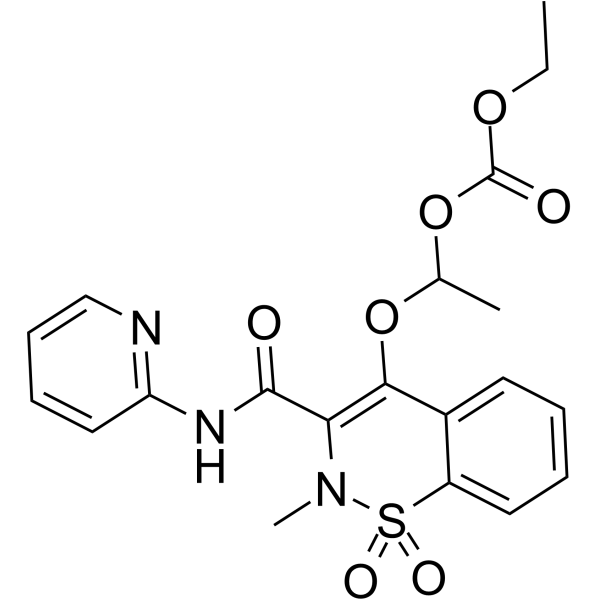
Ampiroxicam is an orally active prodrug of non-steroidal anti-inflammatory drug (NSAID). Ampiroxicam inhibits paw swelling in adjuvant-induced arthritis and acute inflammation models, and suppresses phenylbenzoquinone-induced stretching responses in mice. Ampiroxicam is rapidly and completely converted to Piroxicam (HY-B0253) via non-specific esterases and first-pass metabolism. Ampiroxicam induces contact hypersensitivity and photosensitivity reactions through photoproducts generated by UVA. Ampiroxicam can be used in research related to photosensitivity, adjuvant-induced arthritis, rheumatism, osteoarthritis and other inflammatory diseases .
|
-
-
- HY-B1317
-
|
Neohetramine
|
Histamine Receptor
|
Inflammation/Immunology
|
|
Thonzylamine is an orally active H1 histamine receptor antagonist with good antihistaminic and antianaphylactic properties. Thonzylamine can be used for the research of hypersensitivity diseases, nasal congestion, allergic conjunctivitis and other allergic diseases .
|
-
-
- HY-110099
-
|
|
CXCR
|
Inflammation/Immunology
|
|
(±)-NBI-74330 is a potent and selective CXCR3 antagonist. (±)-NBI-74330 not only reduces tactile and thermal hypersensitivity but also enhances the analgesic properties of morphine. (±)-NBI-74330 can reduce microglial cell activation, increase astroglial cell activation, and downregulate the expression of some CXCR3 ligands in a rat neuropathic pain model .
|
-
-
- HY-149711
-
|
|
ICMT
|
Metabolic Disease
|
|
Farnesylcysteine (FC) is a competitive inhibitor of ICMT. The fcly mutant has quantitatively low farnesylcysteine (FC) lyase activity and an enhanced response to ABA. Farnesylcysteine induces an ABA hypersensitive phenotype in Arabidopsis thaliana .
|
-
-
- HY-175231
-
|
|
5-HT Receptor
|
Neurological Disease
|
|
ST171 is a bitopic 5-HT1AR agonist with an Ki of 0.41 nM. ST171 selectively activates Gi/o signaling pathway and inhibits 5-HT1AR-mediated cAMP accumulation without Gs activation and marginal β-arrestin recruitment. T171 reduces hypersensitivity in chronic neuropathic and inflammatory pain mice model. ST171 can be used for pain research .
|
-
-
- HY-167862A
-
|
|
LPL Receptor
|
Neurological Disease
|
|
UCM-05194 (ammonium) is a lysophosphatidic acid receptor 1 (LPA1) agonist. UCM-05194 (ammonium) induces calcium mobilization in LPA1-expressing RH7777 cells (EC50 = 0.24 µM). UCM-05194 (ammonium) induces neurite retraction and migration in LPA1-overexpressing B103 rat neuroblastoma cells. UCM-05194 (ammonium) attenuates acetic acid-induced writhing and hind paw mechanical hypersensitivity in mice .
|
-
-
- HY-16384
-
|
Antibiotic L 156602; PD 124966
|
Complement System
|
Inflammation/Immunology
|
|
L-156602 is a C5a receptor antagonist. L-156602 inhibits inflammation, and the migration of monocytes and neutrophils to the infiltrating site in mouse inflammatory models. L-156602 suppresses the efferent phase of delayed-type hypersensitivity (DTH) .
|
-
-
- HY-N4171
-
|
|
Apoptosis
|
Inflammation/Immunology
|
|
Dihydrocucurbitacin B, a triterpene isolated from Cayaponia tayuya roots, inhibits nuclear factor of activated T cells (NFAT), induces cell cycle arrested in the G0 phase, and inhibits delayed type hypersensitivity .
|
-
-
- HY-113456S
-
|
|
Drug Metabolite
Endogenous Metabolite
|
Cardiovascular Disease
Inflammation/Immunology
|
|
Leukotriene D4-d5 is the deuterium labeled Leukotriene D4. Leukotriene D4 is one of the constituents of slow-reacting substance of anaphylaxis (SRS-A) produced by the metabolism of LTC4 by γ-glutamyl transpeptidase. Leukotriene D4 is the first cysteinyl-leukotriene metabolite of LTC4. Leukotriene D4-induced bronchoconstriction and enhanced vascular permeability contribute to the pathogenesis of asthma and acute hypersensitivity.
|
-
-
- HY-178926
-
|
|
CCR
TNF Receptor
Interleukin Related
|
Metabolic Disease
Inflammation/Immunology
Endocrinology
|
|
RAGE406R is an orally active RAGE-DIAPH1 interaction antagonist. RAGE406R can bind to ctRAGE and prevent the formation of the RAGE-DIAPH1 complex and inhibit its interaction. RAGE406R can reduce the expression of CCL2, TNF, and IL-6 in THP1 cells. RAGE406R suppresses delayed-type hypersensitivity in T2D mice. RAGE406R can be used for the study of diabetes .
|
-
-
- HY-P10767
-
|
|
Neurotensin Receptor
|
Neurological Disease
|
|
MD01-67 is a selective macrocyclic compound targeting the neurotensin receptor type 2 (NTS2), with Ki of 2.9 nM. MD01-67 exhibits analgesic and tactile hypersensitivity reducing activity in rats acute/persistent/chronic inflammatory pain models .
|
-
-
- HY-154829A
-
|
|
Neuropeptide FF Receptor
|
Inflammation/Immunology
|
|
AC-099 hydrochloride (compound 3) is a selective NPFF2R full agonist (EC50=1189 nM) and NPFF1R partial agonist (EC50=2370 nM). AC-099 hydrochloride attenuates spinal nerve ligation-induced hypersensitivity in rats .
|
-
-
- HY-14229R
-
|
CCDC (Standard)
|
G protein-coupled Bile Acid Receptor 1
Calcium Channel
Reference Standards
|
Metabolic Disease
|
|
TGR5 Receptor Agonist (Standard) is the analytical standard of TGR5 Receptor Agonist. This product is intended for research and analytical applications. TGR5 Receptor Agonist (CCDC), a potent Takeda G protein-coupled receptor 5 (TGR5; GPCR19) agonist, shows improved potency in the U2-OS cells and melanophore cells with pEC50s of 6.8 and 7.5, respectively. TGR5 Receptor Agonist can induce peripheral and central hypersensitivity to bladder distension in mice, and increase intracellular Ca2+ concentration. TGR5 Receptor Agonist can also reduces food intake and improves insulin responsiveness, in diet-induced obese mice. TGR5 Receptor Agonist can be used to research diabetes, bladder hypersensitivity and anti-obesity .
|
-
-
- HY-143880
-
|
|
Mas-related G-protein-coupled Receptor (MRGPR)
|
Neurological Disease
|
|
MRGPRX1 agonist 4 (compound 1t) is a potent and orally active Mas-related G protein-coupled receptor X1 (MRGPRX1) positive allosteric modulator with an EC50 value of 0.1 μM. MRGPRX1 agonist 4 has good metabolic stability and oral bioavailability. MRGPRX1 agonist 4 can reduce behavioral heat hypersensitivity in a neuropathic pain model humanized MRGPRX1 mice. MRGPRX1 agonist 4 can be used for researching neuropathic pain .
|
-
-
- HY-12144
-
|
|
Neurokinin Receptor
p38 MAPK
|
Neurological Disease
|
|
CP-99994 is a Tachykinin neurokinin 1 (NK-1) receptor antagonist with a Ki of 0.25 nM. CP-99994 prevents colorectal sensitization in the context of visceral hypersensitivity. CP-99994 reduces colorectal hypersensitivity induced by acetic acid injections in a model of bladder-colon cross-sensitization. CP-99994 hydrochloride attenuates the neuroglial interactions and MAPK-p38 phosphorylation associated with visceral hypersensitivity .
|
-
-
- HY-P5352
-
|
|
CD44
|
Inflammation/Immunology
Cancer
|
|
Hyaluronan-IN-1 (Pep-1) is a Hyaluronan inhibitor with a Kd value of 1.65 μM. Hyaluronan-IN-1 blocks CD44-dependent cell adhesion. Hyaluronan-IN-1 inhibits cell adhesion to hyaluronan substrates. Hyaluronan-IN-1 suppresses the development of contact hypersensitivity in mice by blocking the homing process of inflammatory cells to the skin. Hyaluronan-IN-1 also inhibits responses during the sensitization phase. Hyaluronan-IN-1 reduces lung metastasis of melanoma and prolongs the survival of mice. Hyaluronan-IN-1 can be used in research related to contact hypersensitivity, chronic skin inflammation, and melanoma .
|
-
-
- HY-120044
-
|
|
Farnesyl Transferase
Ras
|
Cancer
|
|
L-739749 is a farnesyl transferase inhibitor. L-739749 inhibits the selective hypersensitivity of JMML cells to granulocyte-macrophage colony-stimulating factor (GM-CSF) by blocking the prenylation of Ras. L-739749 exhibits a strong inhibitory effect on the growth of primary human JMML cells in vitro .
|
-
- HY-163673
-
|
|
Glucocorticoid Receptor
Drug-Linker Conjugates for ADC
|
Inflammation/Immunology
|
|
Glucocorticoid receptor modulator 4 (Compound DL5) is a conjugate of a linker and a glucocorticoid receptor modulator. Glucocorticoid receptor modulator 4 exhibits GRE Reporter activity in mTNF expressing K562 cell with an EC50 of 40 μM. Glucocorticoid receptor modulator 4 binds with an anti-tumor necrosis factor (TNF) antibody, and exhibits anti-inflammtory activity against arthritis in mouse models .
|
-
- HY-136622
-
|
|
Src
|
|
|
A-420983 is a potent, orally active inhibitor of Lck and can be used in studies involving animal models of delayed-type hypersensitivity and organ transplant rejection .
|
-
- HY-149854
-
|
|
Sigma Receptor
|
Neurological Disease
|
|
AB21 is a potent and selective S1R antagonist with Kis of 13, 102 nM for S1R and S2R. AB21 has the effect of reducing mechanical hypersensitivity .
|
-
- HY-149854A
-
|
|
Sigma Receptor
|
Neurological Disease
|
|
AB21 oxalate is a potent and selective S1R antagonist with Kis of 13, 102 nM for S1R and S2R. AB21 oxalate has the effect of reducing mechanical hypersensitivity .
|
-
- HY-119681
-
|
|
Others
|
Inflammation/Immunology
|
|
YM 11124 is an orally active selective immunosuppressive agent. YM 11124 can inhibit cell-mediated immune responses (type IV allergic reactions, such as delayed-type hypersensitivity and allogenic skin graft rejection) and type III allergic reactions (such as passive Arthus reaction). YM 11124 has no effect on type I, type II allergic reactions or acute inflammation. YM 11124 can be used in research related to organ transplantation and immune hypersensitivity .
|
-
- HY-154829
-
|
|
Neuropeptide FF Receptor
|
Inflammation/Immunology
|
|
AC-099 (compound 3) is a selective NPFF2R full agonist (EC50=1189 nM) and NPFF1R partial agonist (EC50=2370 nM). AC-099 attenuates spinal nerve ligation-induced hypersensitivity in rats .
|
-
- HY-B1317A
-
|
Neohetramine hydrochloride
|
Histamine Receptor
|
Inflammation/Immunology
|
|
Thonzylamine hydrochloride is an orally active H1 histamine receptor antagonist with good antihistaminic and antianaphylactic properties. Thonzylamine hydrochloride can be used for the research of hypersensitivity diseases, nasal congestion, allergic conjunctivitis and other allergic diseases .
|
-
- HY-168333
-
|
|
5-HT Receptor
mTOR
CDK
|
Neurological Disease
|
|
5-HT6 inverse agonist 1 (Compound 33) is an antagonist for 5-HT6 receptor with a Ki of 23 nM and a Kb of 6.62 nM. 5-HT6 inverse agonist 1 inhibits the 5-HT6R mediated Cdk5 and mTOR signaling pathway. 5-HT6 inverse agonist 1 reduces tactile hypersensitivity in spinal nerve ligation (SNL)-induced rat model .
|
-
- HY-121431
-
|
|
Fungal
|
Inflammation/Immunology
|
|
FR-901235 is a new type of immunoactive substance produced by an imperfect fungus, Paecilomyces carneus F-4882. FR-901235 partially restored the impaired delayed-type hypersensitivity to sheep red blood cells in tumor-bearing mice .
|
-
- HY-B1317R
-
|
Neohetramine (Standard)
|
Reference Standards
Histamine Receptor
|
Inflammation/Immunology
|
|
Thonzylamine (Standard) is the analytical standard of Thonzylamine. This product is intended for research and analytical applications. Thonzylamine is an orally active H1 histamine receptor antagonist, exhibits good antihistaminic and antianaphylactic properties. Thonzylamine can be used for the research of hypersensitivity diseases, nasal congestion, allergic conjunctivitis and other allergic diseases .
|
-
- HY-169780
-
|
|
TRP Channel
|
Neurological Disease
Inflammation/Immunology
|
|
(S)-AMG-628 (Compound 16q) is the S-isomer of AMG-628 (HY-123374). (S)-AMG-628 is the orally active antagonist for TRPV1, that inhibits the Capsaicin (HY-10448)- and acid-induced Ca 2+-influx with IC50 of 7 nM and 5 nM in CHO cell. (S)-AMG-628 ameliorates Capsaicin-induced rats flinching, and reverses the thermal hypersensitivity in CFA-(HY-153808) induced inflammatory pain models .
|
-
- HY-161833
-
|
|
Interleukin Related
TNF Receptor
|
Inflammation/Immunology
|
|
HSP90-IN-31 (compound Be01) causes reduction of CD80 and CD86 expression on dendritic cells (DCs). HSP90-IN-31 decreases the production of pro-inflammatory cytokines (IL-6, TNF-α, and IL-1β) in BMDC and peritoneal macrophages stimulated by LPS (HY-D1056). Under the delayed-type hypersensitivity (DTH) mice model, HSP90-IN-31 reduces ear swelling and pro-inflammatory cytokines in the spleen .
|
-
- HY-12145
-
|
|
Endogenous Metabolite
Neurokinin Receptor
p38 MAPK
|
Neurological Disease
|
|
CP-99994 hydrochloride is a Tachykinin neurokinin 1 (NK-1) receptor antagonist with a Ki of 0.25 nM. CP-99994 hydrochloride prevents colorectal sensitization in the context of visceral hypersensitivity. CP-99994 hydrochloride reduces colorectal hypersensitivity induced by acetic acid injections in a model of bladder-colon cross-sensitization. CP-99994 hydrochloride attenuates the neuroglial interactions and MAPK-p38 phosphorylation associated with visceral hypersensitivity .
|
-
- HY-P5874
-
|
|
Calcium Channel
|
Inflammation/Immunology
|
|
Myr-TAT-CBD3 is CRMP2-CaV2.2 interaction inhibitor. Myr-tat-CBD3 can significantly attenuate carrageenan-induced thermal hypersensitivity and reverse thermal hypersensitivity induced in a rat model of postoperative pain. Myr-TAT-CBD3 can be used to study inflammation and postoperative pain .
|
-
- HY-117518A
-
-
- HY-136644
-
|
|
Calcium Channel
|
Others
|
|
PD-217014-methyl ester is an α?δ ligand with visceral analgesic activity and can inhibit visceral hypersensitivity, and its anti-hyperalgesic effect is dose-dependent.
|
-
- HY-136644A
-
|
|
Calcium Channel
|
Others
|
|
PD-217014 is an α2δ ligand with visceral analgesic activity and can inhibit visceral hypersensitivity reactions. Its anti-allodynic effect is dose-dependent.
|
-
- HY-149863
-
|
|
Epigenetic Reader Domain
|
Neurological Disease
|
|
DDO-8926 is a potent and selective BET inhibitor that can significantly reduce mechanical hypersensitivity by inhibiting the expression of pro-inflammatory cytokines and reducing excitability for neuropathic pain research .
|
-
- HY-137863
-
-
- HY-119519
-
-
- HY-116638
-
|
|
Lipoxygenase
|
Endocrinology
|
|
AHR-5333 is a selective human blood neutrophil 5-lipoxygenase inhibitor. AHR-5333 exhibits potent, long-acting activity in rat and guinea pig in vivo models of immediate hypersensitivity .
|
-
- HY-13710AR
-
|
|
Reference Standards
Histamine Receptor
Endogenous Metabolite
|
Inflammation/Immunology
|
|
Dimethindene (maleate) (Standard) is the analytical standard of Dimethindene (maleate). This product is intended for research and analytical applications. Dimethindene maleate is a selective histamine H1 antagonist with antihistamine effects. Dimethindene maleate can be used for the research of hypersensitivity reactions .
|
-
- HY-116638A
-
|
|
Lipoxygenase
|
Endocrinology
|
|
AHR-5333 mandelate is a selective human blood neutrophil 5-lipoxygenase inhibitor. AHR-5333 mandelate exhibits potent, long-acting activity in rat and guinea pig in vivo models of immediate hypersensitivity .
|
-
- HY-151392
-
|
|
LPL Receptor
|
Neurological Disease
Inflammation/Immunology
|
|
LPA5 antagonist 2 (compound 65) is a high aqueous solubility LPA5 (lysophosphatidic acid receptor 5) antagonist. LPA5 antagonist 2 significantly attenuates nociceptive hypersensitivity and it can be used for the research of inflammatory and neuropathic pains .
|
-
- HY-145193A
-
-
- HY-134116R
-
|
|
Glucocorticoid Receptor
Reference Standards
|
Infection
Inflammation/Immunology
|
|
Isoflupredone acetate (Standard) is the analytical standard of Isoflupredone acetate. This product is intended for research and analytical applications. Isoflupredone acetate is a corticosteroids with anti-inflammatory activity. Isoflupredone acetate can be used for research ketosis, musculoskeletal disorders, hypersensitivity, infections, inflammatory diseases in cows, horse, pigs, et al. .
|
-
- HY-N0856R
-
|
23-O-Acetylalisol C (Standard); Alisol C monoacetate (Standard)
|
Reference Standards
Others
|
Cardiovascular Disease
|
|
Alisol C 23-acetate (Standard) is the analytical standard of Alisol C 23-acetate. This product is intended for research and analytical applications. Alisol C 23-acetate is a natural product extracted from Alisma orientale, which can significantly reduce delayed-type hypersensitivity reactions.
|
-
- HY-148925
-
|
|
Glycosidase
|
Inflammation/Immunology
|
|
α-Amyrenone is a triterpenoid that occurs naturally in very low concentrations in several oleoresins from Brazilian Amazon species of Protium (Burseraceae). The mixture of α and β-amyrenone inhibits α-glucosidase, and can reduce mechanical hypersensitivity and paw-oedema induced by carrageenan .
|
-
- HY-P5914
-
|
WaTx
|
TRP Channel
|
Neurological Disease
|
|
Wasabi Receptor Toxin is a cell-penetrating scorpion toxin. Wasabi Receptor Toxin is the activator for TRPA1 ion channel with EC50 in nanomolar level, and prolongs the channel open time, but reduces Ca 2+ permeability. Wasabi Receptor Toxin causes thermal hypersensitivity and mechanical allodynia in rats, without triggering neurogenic inflammation .
|
-
- HY-108492
-
|
|
LPL Receptor
|
Inflammation/Immunology
|
|
TC-SP 14 (compound 14) is an orally active and potent S1P1 agonist (EC50 = 0.042 μM) with minimal activity at S1P3 (EC50 = 3.47 μM). TC-SP 14 significantly reduces blood lymphocyte counts and attenuates a delayed type hypersensitivity (DTH) response to antigen challenge .
|
-
- HY-101440A
-
|
CHF-3381
|
iGluR
Monoamine Oxidase
|
Neurological Disease
|
|
Indantadol hydrochloride (CHF-3381) is an orally active, non-selective NMDA antagonist and MAO inhibitor. Indantadol hydrochloride blocks the binding of [³H]-MK-801 to NMDA receptors in a non-competitive manner, with an IC50 of 8.1 μM. Indantadol hydrochloride completely inhibits dopamine release caused by NMDA. Indantadol hydrochloride protects neurons, with an ED₅₀ of 35 μM. Indantadol hydrochloride has anticonvulsant and anti-high pain hypersensitivity activities .
|
-
- HY-162376
-
|
|
Bacterial
|
Infection
|
|
T3SS-IN-4 (Compound Z-8) is a T3SS inhibitor that can inhibit the expression of Xanthomonas oryzae pv oryzae (Xoo) T3SS-related genes without affecting bacterial growth. T3SS-IN-4 can effectively reduce the hypersensitive response (HR) induced by Xoo in tobacco and lower the pathogenicity of Xoo in rice .
|
-
- HY-P5914A
-
|
WaTx TFA
|
TRP Channel
|
Neurological Disease
|
|
Wasabi Receptor Toxin TFA (WaTx TFA) is the TFA salt form of Wasabi Receptor Toxin (HY-P5914). Wasabi Receptor Toxin TFA is a cell-penetrating scorpion toxin. Wasabi Receptor Toxin TFA is the activator for TRPA1 ion channel with EC50 in nanomolar level, and prolongs the channel open time, but reduces Ca 2+ permeability. Wasabi Receptor Toxin TFA causes thermal hypersensitivity and mechanical allodynia in rats, without triggering neurogenic inflammation .
|
-
- HY-76938R
-
|
4-Acetylaminophenylacetic acid (Standard); MS-932 (Standard)
|
Carbonic Anhydrase
Reference Standards
|
Inflammation/Immunology
|
|
Actarit (Standard) is the analytical standard of Actarit. This product is intended for research and analytical applications. Actarit (4-Acetylaminophenylacetic acid) is an orally active Carbonic Anhydrase II (CAII) inhibitor with an IC50 of 422 nM. Actarit shows suppressive effects experimental autoimmune encephalomyelitis in rats. Actarit inhibits the development of type ll collagen (CII)-induced arthritis in mice by suppressing delayed-type hypersensitivity to CII. Actarit can be used for the study of Multiple Sclerosis (MS) and rheumatoid arthritis .
|
-
- HY-114348R
-
|
DiNAC (Standard); (Ac-Cys-OH)2 (Standard)
|
Amino Acid Derivatives
Reference Standards
|
Cardiovascular Disease
|
|
N,N'-Diacetyl-L-cystine (Standard) is the analytical standard of N,N'-Diacetyl-L-cystine. This product is intended for research and analytical applications. N,N'-diacetyl-L-cystine (DiNAC) is the disulphide dimer of N-acetylcysteine with immunomodulating properties. N,N'-diacetyl-L-cystine is a potent, orally active modulator of contact sensitivity/delayed type hypersensitivity reactions in rodents. N,N'-diacetyl-L-cystine also has antiatherosclerotic effects in Watanabe-heritable hyperlipidemic rabbit (WHHL) rabbits .
|
-
- HY-119167
-
|
F 1686
|
COX
|
Inflammation/Immunology
|
|
Lotifazole (F 1686) is a non-steroidal anti-inflammatory agent. Lotifazole exhibits specific inhibition of delayed-type hypersensitivity and does not rely on the prostaglandin synthesis inhibition pathway at low doses. Lotifazole shows significant efficacy in treating paw edema induced by carrageenan in rats, erythema induced by ultraviolet radiation in guinea pigs, and pleurisy at high doses. Lotifazole can be used for the study of T-cell-mediated diseases .
|
-
- HY-100459R
-
|
|
RET
Reference Standards
|
Metabolic Disease
Inflammation/Immunology
|
|
GSK3179106 (Standard) is the analytical standard of GSK3179106 (HY-100459). This product is intended for research and analytical applications. GSK3179106 is an orally active and selective RET kinase inhibitor with IC50s of 0.4 nM, 0.2 nM for human RET and rat RET, respectively. GSK3179106 has the potential for irritable bowel syndrome (IBS) through the attenuation of post-inflammatory and stress-induced visceral hypersensitivity .
|
-
- HY-165564
-
|
|
Drug Derivative
|
Inflammation/Immunology
|
|
SM-8849 is a thiazole derivative with anti-arthritis activity. SM-8849 specifically targets and inactivates T cells involved in delayed-type hypersensitivity (DTH) reactions, thereby inhibiting the core immunopathological process of arthritis, but has little effect on the humoral immune process such as antibody production. In a mouse arthritis model induced by Type II Collagen (HY-NP003), SM-8849 significantly alleviated clinical symptoms, reduced bone destruction and joint damage. SM-8849 can be used for the study of autoimmune diseases such as rheumatoid arthritis .
|
-
- HY-182515
-
|
|
Leukotriene Receptor
|
Others
Inflammation/Immunology
|
|
U-19052 is a selective competitive peptidoleukotriene D/E receptor antagonist. U-19052 acts as a reversible antagonist that not affecting responses to non-leukotriene agonists. U-19052 does not exhibit agonist activity or induce contraction in guinea pig tracheal or ileal strips. U-19052 is a leukotriene antagonist developed by modifying leukotriene chemical structure. U-19052 can be used for the research of allergic asthma and hypersensitivity diseases .
|
-
- HY-114341
-
|
Kaempferol 5-O-β-D-glucopyranoside
|
Others
|
Inflammation/Immunology
|
|
Kaempferol 5-glucoside (Kaempferol 5-O-β-D-glucopyranoside) is an orally active flavonol glycoside and immunomodulator. Kaempferol 5-glucoside is isolated from the aerial parts of Indigofera aspalathoides Vahl ex DC. Kaempferol 5-glucoside enhances delayed-type hypersensitivity in rats. Kaempferol 5-glucoside increases humoral antibody titers. Kaempferol 5-glucoside is used for the research of autoimmune diseases .
|
-
- HY-10035R
-
|
T-Type calcium channel inhibitor (Standard)
|
Calcium Channel
Reference Standards
|
Neurological Disease
|
|
TTA-P2 (Standard) is the analytical standard of TTA-P2 (HY-10035). This product is intended for research and analytical applications. TTA-P2 (T-Type calcium channel inhibitor) is a selective, orally active, and BBB-penetrant T-type calcium channel blocker (IC50 = 22 nM). TTA-P2 reduces mechanical hypersensitivity and alleviates acute as well as chronic pain. TTA-P2 significantly reduces firing rates in temporal lobe epilepsy (TLE) neurons to control levels and suppresses synaptically evoked burst firing. TTA-P2 can be studied in research for neurological diseases such as tremor and absence epilepsy < sup> .
|
-
- HY-W040536
-
|
Dimethyloldimethyl hydantoin
|
Environmental Pollutants
Bacterial
Fungal
|
Infection
|
|
DMDM hydantoin (Glydant) is an allergen and formaldehyde-releasing preservative. DMDM hydantoin releases formaldehyde under regulation by multiple factors and with enhanced release in alkaline environments. DMDM hydantoin induces allergic contact dermatitis via type-IV delayed hypersensitivity, either directly or through released formaldehyde. DMDM hydantoin is a broad-spectrum preservative that is effective against fungi, yeast, and gram-positive and gram-negative bacteria. DMDM hydantoin can be used in cosmetics industry production research (e.g., shampoos, hairsprays, and skincare products) and can be used for research on allergic contact dermatitis .
|
-
- HY-B0230B
-
|
Phenylbutazone piperazium
|
Drug Derivative
|
Inflammation/Immunology
|
|
Pyrazinobutazone (Phenylbutazone piperazium) is an antipyrene derivative that possesses anti-inflammatory properties and has been associated with hypersensitivity reactions leading to agranulocytosis and liver injury.
|
-
- HY-110268
-
|
|
CXCR
|
Inflammation/Immunology
|
|
NVP CXCR2 20 is a selective CXCR2 inhibitor with analgesic and antinociceptive activities. NVP CXCR2 20 selectively blocks CXCR2 signaling and attenuates mechanical and thermal hypersensitivity in rat chronic constriction injury (CCI) models. NVP CXCR2 20 inhibits CXCL3-induced hypersensitivity in naive mice and reduces elevated CXCL3 protein levels in the spinal cord and dorsal root ganglia (DRG) of CCI-exposed rats. NVP CXCR2 20 can be used for the research of neuropathic pain and chronic obstructive pulmonary disease (COPD) .
|
-
- HY-103368R
-
|
|
Reference Standards
Chloride Channel
|
Neurological Disease
|
|
Eact (Standard) is the analytical standard of Eact (HY-103368). This product is intended for research and analytical applications. Eact is a selective and potent activator of TMEM16A, directly activates the TRPV1 channels in sensory nociceptors and produces itch, acute nociception and thermal hypersensitivity .
|
-
- HY-N18367
-
|
Wgx-50
|
nAChR
Interleukin Related
Akt
|
Neurological Disease
Inflammation/Immunology
|
|
Lemairamin (Wgx-50) is a hydroxylamine compound. Lemairamin can be isolated from the pericarps of the Zanthoxylum plants. Lemairamin activates α7nAChR, stimulates the expression of IL-10 and POMC. Lemairamin shows a decrease in Akt. Lemairamin attenuates DSS-induced intestinal inflammation. Lemairamin alleviates pain hypersensitivity .
|
-
- HY-106856R
-
|
NT-11624 (Standard)
|
iGluR
Reference Standards
|
Cancer
|
|
Dimiracetam (Standard) (NT-11624 (Standard)) is the analytical standard of Dimiracetam (HY-106856). This product is intended for research and analytical applications. Dimiracetam is an orally active compound, with anti-neuropathic activity. Dimiracetam inhibits hypersensitivity and neurological alterations, and inhibits Sorafenib (HY-10201)-induced neuropathy in cold stimulation rat models .
|
-
- HY-101440
-
|
CHF-3381 free base
|
iGluR
Monoamine Oxidase
|
Neurological Disease
|
|
Indantadol (the free base of CHF-3381) is an orally active, non-selective NMDA antagonist and MAO inhibitor. Indantadol blocks the binding of [³H]-MK-801 to NMDA receptors in a non-competitive manner, with an IC50 of 8.1 μM. Indantadol completely inhibits dopamine release caused by NMDA. Indantadol protects neurons, with an ED₅₀ of 35 μM. Indantadol has anticonvulsant and anti-high pain hypersensitivity activities .
|
-
- HY-182777
-
|
|
HDAC
NO Synthase
TNF Receptor
Interleukin Related
|
Neurological Disease
Inflammation/Immunology
|
|
HDAC6-IN-80 is an orally active, selective HDAC6 inhibitor with an IC50 of 8.5 nM. HDAC6-IN-80 inhibits lipopolysaccharide-induced microglial activation, reduces the levels of iNOS, COX-2, TNF-α and IL-6, and alleviates sensory hypersensitivity behaviors. HDAC6-IN-80 can be used for the research of inflammatory pain and chemotherapy-induced peripheral neuropathy .
|
-
- HY-100375R
-
|
ALKS 8700 (Standard); BIIB098 (Standard)
|
Reference Standards
Keap1-Nrf2
|
Inflammation/Immunology
|
|
Diroximel fumarate (Standard) is the analytical standard of Diroximel fumarate (HY-100375). This product is intended for research and analytical applications. Diroximel fumarate (ALKS 8700) is an orally-active and well-tolerated monomethyl fumarate (MMF) proagent in a controlled-release formulation. Diroximel fumarate is considered as active equivalent to its active metabolite dimethyl fumarate (DMF). Diroximel fumarate has a favorable safety and efficacy profile, has the potential for the study of multiple sclerosis (MS). Diroximel fumarate is a Nrf2 activator that alleviate MGO-induced pain hypersensitivity .
|
-
- HY-136026
-
|
BLU-5937
|
P2X Receptor
|
Inflammation/Immunology
|
|
Camlipixant (BLU-5937) a potent, selective, non-competitive and orally active P2X3 homotrimeric receptor antagonist with an IC50 of 25 nM against hP2X3 homotrimeric. Camlipixant shows potent anti-tussive effect and no taste alteration. Camlipixant can be used for the research of unexplained, refractory chronic cough .
|
-
- HY-18099
-
S1RA
3 Publications Verification
E-52862
|
Sigma Receptor
5-HT Receptor
|
Neurological Disease
|
|
S1RA (E-52862) is a highly selective σ1 receptor (σ1R) antagonist with Kis of 17 nM and 23.5 nM for human σ1R and guinea pig σ1R, respectively. S1RA has Moderate antagonistic activity for human 5-HT2B receptor (Ki= 328 nM). S1RA has antinociceptive effects in neuropathic pain models. S1RA prevents mechanical and cold hypersensitivity in Oxaliplatin (HY-17371)-treated mice .
|
-
- HY-P1726A
-
|
|
Melanocortin Receptor
|
Neurological Disease
Metabolic Disease
Inflammation/Immunology
Cancer
|
|
MSG606 TFA is a selective melanocortin 1 receptor (MC1R) antagonist. MSG606 TFA can abolish the neuroprotective effects of BMS-470539 (HY-15616) (MC1R agonist). MSG606 TFA can inhibit cancer cell proliferation and transition from the G1 to the S phase. MSG606 TFA can delay pain hypersensitivity and reduce cholesterol levels. MSG606 TFA can be used for the researches of cancer, inflammation, neurological and metabolic disease, such as breast cancer and subarachnoid hemorrhage (SAH) .
|
-
- HY-107928A
-
|
|
Biochemical Assay Reagents
|
Others
|
|
Iron-Dextran is an injectable complex of iron and dextran, a complex carbohydrate. It is often used to improve iron deficiency anemia, a condition characterized by low levels of iron in the blood due to insufficient dietary intake or malabsorption. Iron-glucan works by providing a source of supplemental iron that the body can use to produce hemoglobin, the protein responsible for carrying oxygen in the blood. However, caution should be exercised when taking iron dextran because it may cause hypersensitivity reactions, including anaphylaxis, and may also increase the risk of infection or other adverse reactions. Therefore, it should only be administered under the supervision of a qualified healthcare provider in a clinical setting.
|
-
- HY-17484R
-
|
CP 65703 (Standard)
|
Reference Standards
|
Inflammation/Immunology
|
|
Ampiroxicam (Standard) is the analytical standard of Ampiroxicam. This product is intended for research and analytical applications. Ampiroxicam is an orally active prodrug of non-steroidal anti-inflammatory drug (NSAID). Ampiroxicam inhibits paw swelling in adjuvant-induced arthritis and acute inflammation models, and suppresses phenylbenzoquinone-induced stretching responses in mice. Ampiroxicam is rapidly and completely converted to Piroxicam (HY-B0253) via non-specific esterases and first-pass metabolism. Ampiroxicam induces contact hypersensitivity and photosensitivity reactions through photoproducts generated by UVA. Ampiroxicam can be used in research related to photosensitivity, adjuvant-induced arthritis, rheumatism, osteoarthritis and other inflammatory diseases.
|
-
- HY-118935
-
|
|
Adrenergic Receptor
|
Inflammation/Immunology
|
|
NGD9002 free base is a new generation of selective corticotropin-releasing factor-1 (CRF-1) receptor antagonist with inhibitory activity on CRF-induced colonic function stimulation. NGD9002 free base can reduce CRF-induced fecal output response and show an inhibitory IC50 value of 4.3 mg/kg. NGD9002 free base can effectively block CRF-induced colonic secretory motility stimulation at the highest dose and reduce acute water avoidance-induced defecation. NGD9002 free base can also prevent the occurrence of pain hypersensitivity reactions to repeated colonic distension .
|
-
- HY-134098
-
|
Adipic acid diisopropyl ester
|
Environmental Pollutants
TRP Channel
|
Others
|
|
Diisopropyl adipate is an alternative plasticizer and a TRPA1 activator. Diisopropyl adipate activates TRPA1 and enhances FITC-induced contact hypersensitivity (CHS).Diisopropyl adipate also serves as an ingredient in cosmetics and drug formulations topically applied to the skin. Diisopropyl adipate can be used as an excipient, such as emollients, plasticizers. Pharmaceutical excipients, or pharmaceutical auxiliaries, refer to other chemical substances used in the pharmaceutical process other than pharmaceutical ingredients. Pharmaceutical excipients generally refer to inactive ingredients in pharmaceutical preparations, which can improve the stability, solubility and processability of pharmaceutical preparations. Pharmaceutical excipients also affect the absorption, distribution, metabolism, and elimination (ADME) processes of co-administered drugs .
|
-
- HY-168166
-
|
|
Endogenous Metabolite
|
Neurological Disease
|
|
CHET3 is a sex-selective activator with potent analgesic activity. CHET3 was discovered to be a highly selective omnidirectional modulator of TASK-3-containing K2P channels, including TASK-3 homologues and TASK-3/TASK-1 heterologues. CHET3 exhibited significant analgesic effects in multiple acute and chronic pain models in mice, which could be abolished by pharmacological means or genetic knockout of TASK-3. CHET3 is able to functionally modulate the membrane excitability of specific small sensory neurons, which supports its analgesic effects on thermal hypersensitivity and mechanical hyperalgesia in chronic pain .
|
-
- HY-124110
-
|
|
nAChR
|
Neurological Disease
|
|
TC299423 is an orally active, brain-penetrant, selective and potent agonist for α6β2 ? and α4β2 ? nicotinic acetylcholine receptors (nAChRs) with anxiolytic and antinociceptive properties. TC299423 acts primarily through α6β2 ? nAChRs that are implicated in the anxiolytic effects of nicotine. TC299423 elicits reward-related behavior mediated through α6β2 ? nAChRs in hypersensitive α6L90’S mice. TC299423 elicits dopamine release and dose not suppress nicotine self-administration in rats. TC299423 is proming for rasearch of addiction and Parkinson’s disease .
|
-
- HY-182513
-
|
|
Prostaglandin Receptor
|
Others
Inflammation/Immunology
|
|
ONO-8539 is an orally active prostanoid EP1 receptor antagonist with competitive, insurmountable binding and slow receptor dissociation for long-duration inhibition. ONO-8539 modulates afferent nerve function related to bladder activity, inhibits detrusor overactivity-related contractions, decreases nonvoiding contractions and voiding duration, and increases uroflow rate with ATP (HY-B2176)-induced detrusor overactivity. ONO-8539 attenuates acid-induced heartburn symptoms, extends time to first heartburn sensation, and prevents primary hypersensitivity after distal esophageal acidification. ONO-8539 can be used for the research of overactive bladder and gastroesophageal reflux disease .
|
-
- HY-N5025
-
|
|
P2X Receptor
Apoptosis
ERK
p38 MAPK
c-Myc
NF-κB
Reactive Oxygen Species (ROS)
|
Neurological Disease
Inflammation/Immunology
Cancer
|
|
Bullatine A, a diterpenoid alkaloid, is a potent P2X7 antagonist. Bullatine A possesses anti-rheumatic, anti-inflammatory and anti-nociceptive effects. Bullatine A inhibits ATP-induced BV-2 cell death/apoptosis and P2X receptor-mediated inflammatory responses. Bullatine A suppresses glioma cell growth by targeting SIRT6. Bullatine A specifically attenuates pain hypersensitivity in rats. Bullatine A attenuates LPS (HY-D1056)-induced systemic inflammatory response by inhibiting the ROS/JNK/NF-κB pathway in mice. Bullatine A improves despair behavior in Chronic chronic social defeat stress (CSDS) mice. Bullatine A can be used for the study of inflammation, glioblastoma (GBM) and depression .
|
-
- HY-B1060
-
|
Methylprednisolone hydrogen succinate sodium
|
Glucocorticoid Receptor
|
Infection
Neurological Disease
Inflammation/Immunology
Cancer
|
|
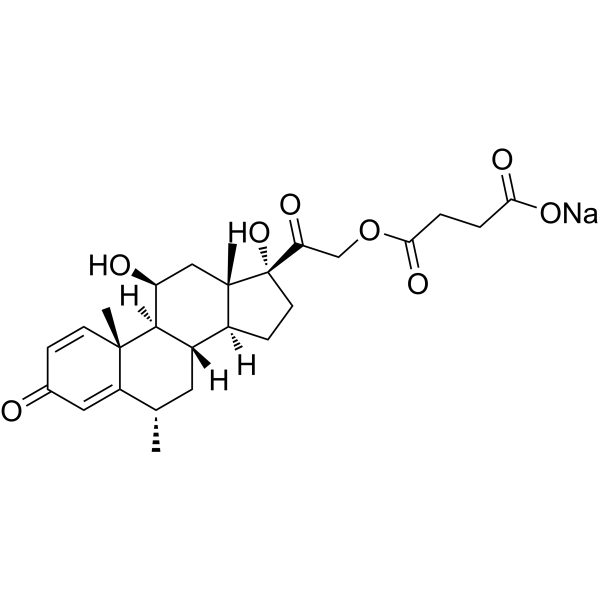
Methylprednisolone succinate (Methylprednisolone hydrogen succinate) sodium is a prodrug of Methylprednisolone (HY-B0260) and glucocorticoid with immunosuppressant and anti-inflammatory activity. Methylprednisolone succinate sodium binds cytosolic glucocorticoid receptors, translocates to nuclei, and modulates target gene transcription. Methylprednisolone succinate sodium alters Bax, Bcl-2, occludin, and ZO-1 expression; attenuates TLR4/NF-κB signaling; suppresses proinflammatory cytokine production and immune cell activation. Methylprednisolone succinate sodium can be used for the research of intracranial haemorrhage, rheumatoid arthritis, multiple sclerosis, preterminal cancer, inflammatory conditions, shock, immediate-type hypersensitivity, acute myocardial ischemia, hypoxic heart muscle damage, and traumatic spinal cord injury .
|
-
- HY-121365
-
|
|
Bacterial
|
Infection
|
|
Forphenicinol is an immunomodulator and a derivative of the bacterial metabolite forphenicine. It increases the phagocytosis of yeast by peritoneal macrophages isolated from thioglycolate-stimulated mice. Forphenicinol (100 μg/animal) prevents cyclophosphamide-induced suppression of delayed-type hypersensitivity (DTH), as well as enhances DTH in response to the hapten oxazolone or sheep red blood cells in mice. It enhances the bactericidal activity of macrophages against P. aeruginosa in mice when administered at a dose of 0.5 mg/kg.2 Forphenicinol (15.6-1,000 μg/animal) increases survival in a mouse model of P. aeruginosa infection. It also inhibits tumor growth in S180 sarcoma and IMC carcinoma mouse xenograft models when administered at doses ranging from 0.05 to 5 mg/kg per day.
|
-
- HY-B1900
-
|
Methylprednisolone hydrogen succinate
|
Glucocorticoid Receptor
Bacterial
Toll-like Receptor (TLR)
NF-κB
|
Infection
Neurological Disease
Metabolic Disease
Inflammation/Immunology
Cancer
|
|
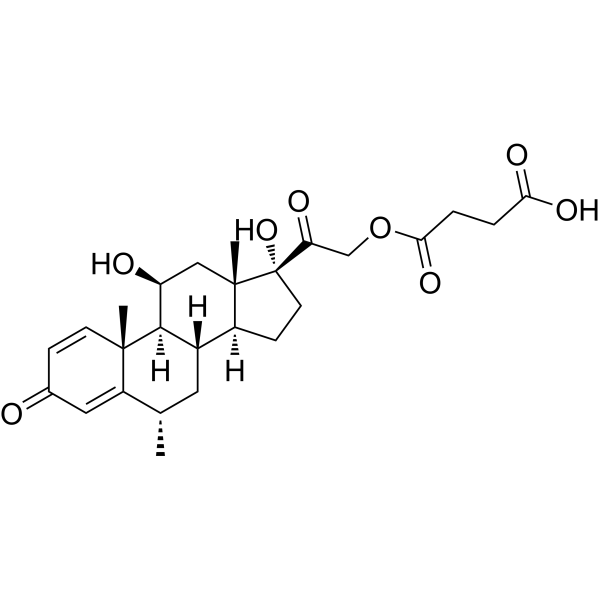
Methylprednisolone succinate (Methylprednisolone hydrogen succinate) is a prodrug of Methylprednisolone (HY-B0260) and glucocorticoid with immunosuppressant and anti-inflammatory activity. Methylprednisolone succinate binds cytosolic glucocorticoid receptors, translocates to nuclei, and modulates target gene transcription. Methylprednisolone succinate alters Bax, Bcl-2, occludin, and ZO-1 expression; attenuates TLR4/NF-κB signaling; suppresses proinflammatory cytokine production and immune cell activation. Methylprednisolone succinate can be used for the research of intracranial haemorrhage, rheumatoid arthritis, multiple sclerosis, preterminal cancer, inflammatory conditions, shock, immediate-type hypersensitivity, acute myocardial ischemia, hypoxic heart muscle damage, and traumatic spinal cord injury .
|
-
- HY-66019
-
|
Fluorescein 5-isothiocyanate
|
Fluorescent Dye
|
Inflammation/Immunology
|
|
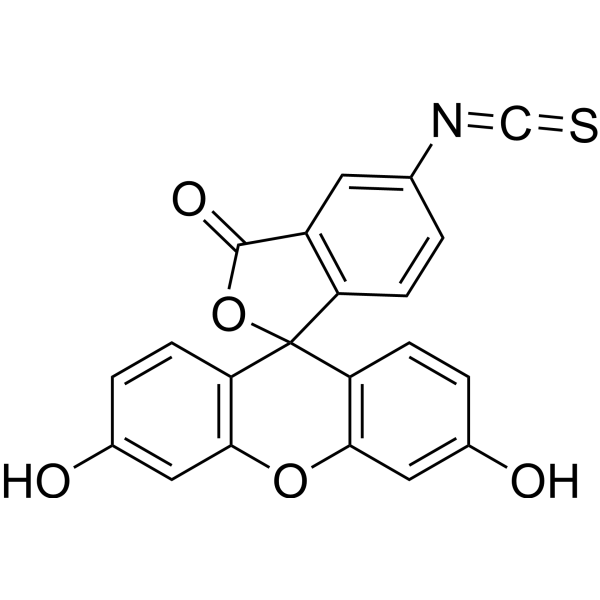
FITC (Fluorescein Isothiocyanate), is one of the green fluorescein derivatives widely used in biology. FITC has the characteristics of high absorptivity and excellent fluorescence quantum yield. The isothiocyanate group of FITC can be combined with amino, sulfhydryl, imidazole, tyrosyl, carbonyl and other groups on the protein, so as to achieve protein labeling including antibodies and lectins. In addition to its use as a protein marker, FITC can also be used as a fluorescent protein tracer to rapidly identify pathogens by labeling antibodies, or for microsequencing of proteins and peptides (HPLC). The maximum excitation wavelength of FITC is 494 nm. Once excited, it fluoresces yellow-green at a maximum emission wavelength of 520 nm. In addition, FITC is also a hapten that can induce contact hypersensitivity (CHS) and induce an atopic dermatitis model .
|
-
- HY-160761
-
|
|
Opioid Receptor
|
Inflammation/Immunology
|
|
K-Opioid receptor agonist-1 (Compound 5a) is an agonist for κ-Opioid receptor with Ki of 0.25 nM and EC50 of 2 nM. K-Opioid receptor agonist-1 is blood brain barrier (BBB) penetrate (brain/plasma ratios of 0.50 to 0.65). K-Opioid receptor agonist-1 exhibits anti-inflammatory activity in dermatitis models induced by Arachidonic acid (HY-109590) or oxazolidinone .
|
-
- HY-182506
-
|
BM 12.531
|
Biochemical Assay Reagents
|
Inflammation/Immunology
Cancer
|
|
Azimexon (BM 12.531) is an orally active immunomodulator with radioprotective and antitumor activities. Azimexon prolongs survival in multiple mouse models, enhances immunity and hematopoiesis, and alleviates radiation injury and tumor metastasis. Azimexon causes reversible hemolytic anemia in rats and dogs, and exerts therapeutic activity against adjuvant-induced arthritis in rats. Azimexon can be used for the research of lung carcinoma, leukemia, multiple myeloma, lung tumor, arthritis, breast cancer and AIDS‑related complex .
|
-
- HY-B1900R
-
|
Methylprednisolone hydrogen succinate (Standard)
|
Reference Standards
Glucocorticoid Receptor
Bacterial
Toll-like Receptor (TLR)
NF-κB
|
Metabolic Disease
Inflammation/Immunology
Cancer
|
|
Methylprednisolone succinate (Standard) is the analytical standard of Methylprednisolone succinate (HY-B1900). This product is intended for research and analytical applications. Methylprednisolone succinate (Methylprednisolone hydrogen succinate) is a prodrug of Methylprednisolone (HY-B0260) and glucocorticoid with immunosuppressant and anti-inflammatory activity. Methylprednisolone succinate binds cytosolic glucocorticoid receptors, translocates to nuclei, and modulates target gene transcription. Methylprednisolone succinate alters Bax, Bcl-2, occludin, and ZO-1 expression; attenuates TLR4/NF-κB signaling; suppresses proinflammatory cytokine production and immune cell activation. Methylprednisolone succinate can be used for the research of intracranial haemorrhage, rheumatoid arthritis, multiple sclerosis, preterminal cancer, inflammatory conditions, shock, immediate-type hypersensitivity, acute myocardial ischemia, hypoxic heart muscle damage, and traumatic spinal cord injury .
|
-
- HY-DY1007
-
|
|
Fluorescent Dye
|
Inflammation/Immunology
|
FITC (Fluorescein Isothiocyanate) (solution) , is one of the green fluorescein derivatives widely used in biology. FITC has the characteristics of high absorptivity and excellent fluorescence quantum yield. The isothiocyanate group of FITC can be combined with amino, sulfhydryl, imidazole, tyrosyl, carbonyl and other groups on the protein, so as to achieve protein labeling including antibodies and lectins. In addition to its use as a protein marker, FITC can also be used as a fluorescent protein tracer to rapidly identify pathogens by labeling antibodies, or for microsequencing of proteins and peptides (HPLC). The maximum excitation wavelength of FITC is 494 nm. Once excited, it fluoresces yellow-green at a maximum emission wavelength of 520 nm. In addition, FITC is also a hapten that can induce contact hypersensitivity (CHS) and induce an atopic dermatitis model . Solvent and concentration: DMSO: 20 mM The 1 mL volume is defined as the base specification. All larger sizes correspond to incremental volumes of this base.
|
-
- HY-15616
-
|
|
Melanocortin Receptor
|
Cancer
|
|
BMS-470539 is a synthetic MC-1R agonist with potent anti-inflammatory properties. BMS-470539 selectively activates human and murine MC-1R with EC50 values ??of 16.8 nM and 11.6 nM, respectively. In vitro studies have shown that BMS-470539 is able to dose-dependently inhibit TNF-alpha-induced NF-kB activation in human melanoma cells expressing MC-1R. In vivo, subcutaneous injection of BMS-470539 into BALB/c mice effectively inhibited LPS-induced TNF-alpha production with an ED50 of approximately 10 μmol/kg and a pharmacodynamic half-life of approximately 8 hours. It also significantly reduced leukocyte infiltration in a lung inflammation model and attenuated paw swelling in a delayed-type hypersensitivity model, highlighting its efficacy as an anti-inflammatory agent through MC-1R modulation .
|
-
- HY-15026
-
|
|
Endogenous Metabolite
|
Inflammation/Immunology
|
|
ATB-429, a novel H2S-releasing derivative of mesalamine, demonstrates significant anti-nociceptive and anti-inflammatory effects in models of irritable bowel syndrome (IBS). By releasing hydrogen sulfide (H2S), ATB-429 modulates colorectal distension-induced hypersensitivity in both healthy and postcolitic rats. It attenuates abdominal withdrawal responses and suppresses spinal c-Fos mRNA expression, indicating its potential to alleviate pain associated with gastrointestinal inflammation. Moreover, ATB-429 down-regulates colonic cyclooxygenase-2 and interleukin-1β mRNA expression, effects not observed with mesalamine alone. The mechanism involves ATP-sensitive K+ (KATP) channels, as evidenced by reversal of ATB-429's effects with glibenclamide. These findings suggest ATB-429 could offer therapeutic benefits for managing painful intestinal disorders linked to inflammation .
|
-
- HY-164894
-
-
- HY-182610
-
|
Isopropyl vanillate
|
COX
Interleukin Related
|
Inflammation/Immunology
|
|
ISP-VT (Isopropyl vanillate) is a COX-2 inhibitor. ISP-VT exhibits anti-inflammatory, antipyretic and immunomodulatory activities. ISP-VT reduces neutrophil migration and the release of inflammatory factors . ISP-VT can be used for the research of inflammatory and immune diseases and other conditions .
|
-
- HY-N19870
-
|
Ilwensisaponin A; Mimengoside A
|
Drug Derivative
|
Inflammation/Immunology
|
|
Verbascosaponin (Ilwensisaponin A) is an orally active oleanane-triterpene saikosaponin found in crophularia auriculata ssp. pseudoauriculata. Verbascosaponin can be used for the research of inflammation .
|
-
- HY-175340
-
|
|
Potassium Channel
TSPO
|
Neurological Disease
|
|
Kv7.2/Kv7.3 activator-3 (GRT-X) is an orally active Kv7.2/Kv7.3 and TSPO activator. Kv7.2/Kv7.3 activator-3 activates Kv7.2/Kv7.3, Kv7.4, and Kv7.5 with EC50 values of 0.37, 2.06, and 0.75 μM, respectively, and binds to TSPO with Ki values of 0.07 μM (rat membrane) and 4.60 μM (human U-118 MG cells). Kv7.2/Kv7.3 activator-3 prevents motor neuron degeneration in mice and humans conditioned by ALS/FTD astrocytes. Kv7.2/Kv7.3 activator-3 stimulates dorsal root ganglion axonal growth through TSPO and Kv7.2/3 activation. Kv7.2/Kv7.3 activator-3 has anti-epileptic effects in epileptic seizure models. Kv7.2/Kv7.3 activator-3 reduces pain hypersensitivity in patients with diabetic neuropathy, promotes neuronal survival and regeneration after cervical neuropathy in rats, and accelerates the recovery of normal function of sensory and motor neurons .
|
-
-
-
HY-L076
-
|
|
641 compounds
|
|
Drug-induced liver injury (DILI; also known as drug-induced hepatotoxicity) is caused by medications (prescription or OTC), herbal and dietary supplements (HDS), or other xenobiotics that result in abnormalities in liver tests or in hepatic dysfunction that cannot be explained by other causes. Drugs are an important cause of liver injury. Drug-induced hepatic injury is the most common reason cited for withdrawal of an approved drug.
DILI is thought to occur via several different mechanisms. Among these are direct impairment of the structural (e.g., mitochondrial dysfunction) and functional integrity of the liver; production of a metabolite that alters hepatocellular structure and function; production of a reactive drug metabolite that binds to hepatic proteins to produce new antigenic drug-protein adducts, which are targeted by hosts’ defenses (the hapten hypothesis); and initiation of a systemic hypersensitivity response (i.e., drug allergy) that damages the liver.
MCE Drug-induced Liver Injury (DILI) Compound Library contains a unique collection of 641 hepatotoxicity causing compounds and is a powerful tool to research DILI and other drug toxicities. This library can be used to understand the mechanisms of DILI, identify biomarkers for early DILI prediction, and allow timely recognition during drug development, thus finally achieving successful DILI prevention and assessment in the pre-marketing phase.
|
| Cat. No. |
Product Name |
Type |
-
- HY-66019
-
|
Fluorescein 5-isothiocyanate
|
Fluorescent Dye
|
|
FITC (Fluorescein Isothiocyanate), is one of the green fluorescein derivatives widely used in biology. FITC has the characteristics of high absorptivity and excellent fluorescence quantum yield. The isothiocyanate group of FITC can be combined with amino, sulfhydryl, imidazole, tyrosyl, carbonyl and other groups on the protein, so as to achieve protein labeling including antibodies and lectins. In addition to its use as a protein marker, FITC can also be used as a fluorescent protein tracer to rapidly identify pathogens by labeling antibodies, or for microsequencing of proteins and peptides (HPLC). The maximum excitation wavelength of FITC is 494 nm. Once excited, it fluoresces yellow-green at a maximum emission wavelength of 520 nm. In addition, FITC is also a hapten that can induce contact hypersensitivity (CHS) and induce an atopic dermatitis model .
|
-
- HY-DY1007
-
|
|
Fluorescent Dye
|
FITC (Fluorescein Isothiocyanate) (solution) , is one of the green fluorescein derivatives widely used in biology. FITC has the characteristics of high absorptivity and excellent fluorescence quantum yield. The isothiocyanate group of FITC can be combined with amino, sulfhydryl, imidazole, tyrosyl, carbonyl and other groups on the protein, so as to achieve protein labeling including antibodies and lectins. In addition to its use as a protein marker, FITC can also be used as a fluorescent protein tracer to rapidly identify pathogens by labeling antibodies, or for microsequencing of proteins and peptides (HPLC). The maximum excitation wavelength of FITC is 494 nm. Once excited, it fluoresces yellow-green at a maximum emission wavelength of 520 nm. In addition, FITC is also a hapten that can induce contact hypersensitivity (CHS) and induce an atopic dermatitis model . Solvent and concentration: DMSO: 20 mM The 1 mL volume is defined as the base specification. All larger sizes correspond to incremental volumes of this base.
|
-
- HY-164894
-
|
|
Fluorescent Dye
|
ABBV-3373 is an anti-TNF antibody-drug conjugate (ADC). ABBV-3373 consists of a humanized TNF antibody Adalimumab (HY-P9908) conjugated to a glucocorticoid receptor agonist (HY-148436). ABBV-3373 can be used for the research of rheumatoid arthritis .
|
| Cat. No. |
Product Name |
Type |
-
- HY-107928A
-
|
|
Biochemical Assay Reagents
|
|
Iron-Dextran is an injectable complex of iron and dextran, a complex carbohydrate. It is often used to improve iron deficiency anemia, a condition characterized by low levels of iron in the blood due to insufficient dietary intake or malabsorption. Iron-glucan works by providing a source of supplemental iron that the body can use to produce hemoglobin, the protein responsible for carrying oxygen in the blood. However, caution should be exercised when taking iron dextran because it may cause hypersensitivity reactions, including anaphylaxis, and may also increase the risk of infection or other adverse reactions. Therefore, it should only be administered under the supervision of a qualified healthcare provider in a clinical setting.
|
| Cat. No. |
Product Name |
Target |
Research Area |
-
- HY-P0286
-
|
|
Peptides
|
Inflammation/Immunology
|
|
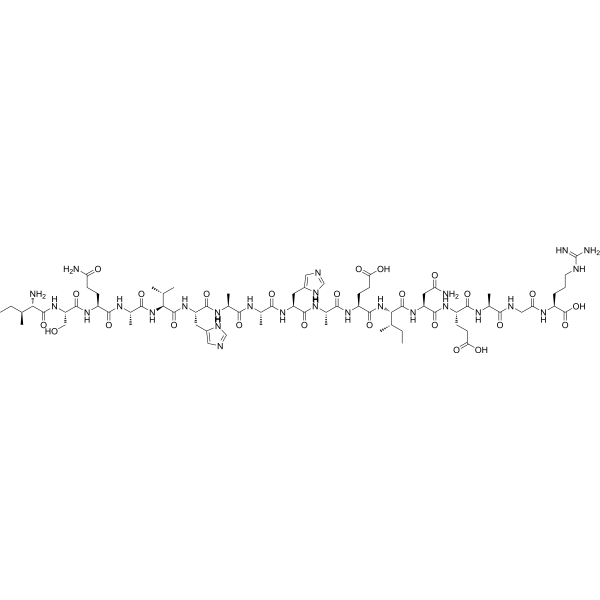
OVA Peptide (323-339) represents a T and B cell epitope of Ovalbumin (Ova), which is important in the generation and development of immediate hypersensitivity responses in BALB/c mice.
|
-
- HY-P2717
-
|
|
Caspase
|
Infection
|
|
Ac-YVAD-AMC is an inhibitor for caspase. Ac-YVAD-AMC inhibits bacteria-induced cell death of hypersensitive response (HR) cells .
|
-
- HY-P1726
-
|
|
Melanocortin Receptor
|
Neurological Disease
Metabolic Disease
Inflammation/Immunology
Cancer
|
|
MSG606 is a selective melanocortin 1 receptor (MC1R) antagonist. MSG606 can abolish the neuroprotective effects of BMS-470539 (HY-15616) (MC1R agonist). MSG606 can inhibit cancer cell proliferation and transition from the G1 to the S phase. MSG606 can delay pain hypersensitivity and reduce cholesterol levels. MSG606 can be used for the researches of cancer, inflammation, neurological and metabolic disease, such as breast cancer and subarachnoid hemorrhage (SAH) .
|
-
- HY-P10767
-
|
|
Neurotensin Receptor
|
Neurological Disease
|
|
MD01-67 is a selective macrocyclic compound targeting the neurotensin receptor type 2 (NTS2), with Ki of 2.9 nM. MD01-67 exhibits analgesic and tactile hypersensitivity reducing activity in rats acute/persistent/chronic inflammatory pain models .
|
-
- HY-P5352
-
|
|
CD44
|
Inflammation/Immunology
Cancer
|
|
Hyaluronan-IN-1 (Pep-1) is a Hyaluronan inhibitor with a Kd value of 1.65 μM. Hyaluronan-IN-1 blocks CD44-dependent cell adhesion. Hyaluronan-IN-1 inhibits cell adhesion to hyaluronan substrates. Hyaluronan-IN-1 suppresses the development of contact hypersensitivity in mice by blocking the homing process of inflammatory cells to the skin. Hyaluronan-IN-1 also inhibits responses during the sensitization phase. Hyaluronan-IN-1 reduces lung metastasis of melanoma and prolongs the survival of mice. Hyaluronan-IN-1 can be used in research related to contact hypersensitivity, chronic skin inflammation, and melanoma .
|
-
- HY-P1726A
-
|
|
Melanocortin Receptor
|
Neurological Disease
Metabolic Disease
Inflammation/Immunology
Cancer
|
|
MSG606 TFA is a selective melanocortin 1 receptor (MC1R) antagonist. MSG606 TFA can abolish the neuroprotective effects of BMS-470539 (HY-15616) (MC1R agonist). MSG606 TFA can inhibit cancer cell proliferation and transition from the G1 to the S phase. MSG606 TFA can delay pain hypersensitivity and reduce cholesterol levels. MSG606 TFA can be used for the researches of cancer, inflammation, neurological and metabolic disease, such as breast cancer and subarachnoid hemorrhage (SAH) .
|
-
- HY-P5874
-
|
|
Calcium Channel
|
Inflammation/Immunology
|
|
Myr-TAT-CBD3 is CRMP2-CaV2.2 interaction inhibitor. Myr-tat-CBD3 can significantly attenuate carrageenan-induced thermal hypersensitivity and reverse thermal hypersensitivity induced in a rat model of postoperative pain. Myr-TAT-CBD3 can be used to study inflammation and postoperative pain .
|
-
- HY-P5914
-
|
WaTx
|
TRP Channel
|
Neurological Disease
|
|
Wasabi Receptor Toxin is a cell-penetrating scorpion toxin. Wasabi Receptor Toxin is the activator for TRPA1 ion channel with EC50 in nanomolar level, and prolongs the channel open time, but reduces Ca 2+ permeability. Wasabi Receptor Toxin causes thermal hypersensitivity and mechanical allodynia in rats, without triggering neurogenic inflammation .
|
-
- HY-P5914A
-
|
WaTx TFA
|
TRP Channel
|
Neurological Disease
|
|
Wasabi Receptor Toxin TFA (WaTx TFA) is the TFA salt form of Wasabi Receptor Toxin (HY-P5914). Wasabi Receptor Toxin TFA is a cell-penetrating scorpion toxin. Wasabi Receptor Toxin TFA is the activator for TRPA1 ion channel with EC50 in nanomolar level, and prolongs the channel open time, but reduces Ca 2+ permeability. Wasabi Receptor Toxin TFA causes thermal hypersensitivity and mechanical allodynia in rats, without triggering neurogenic inflammation .
|
| Cat. No. |
Product Name |
Target |
Research Area |
Image |
-
- HY-P991252
-
|
AIMab-7195
|
Histamine Receptor
|
Inflammation/Immunology
|
|
XmAb-7195 (AIMab-7195) is a human monoclonal antibody (mAb) targeting IGHE. XmAb-7195 can be used in Food hypersensitivity, Allergic asthma, Allergic rhinitis, Atopic dermatitis and Conjunctivitis research .
|
-
(5)
-
- HY-P99257
-
|
ASKP 1240
|
TNF Receptor
|
Inflammation/Immunology
|
|
Bleselumab (ASKP 1240) is a human anti-CD40 monoclonal antibody (mAb). Bleselumab binds to human CD40 with high affinity (Kd: 0.24 nM). Bleselumab inhibits immune responses by blocking the interaction of CD40 with its ligand CD40L. Bleselumab prevents organ transplant rejection .
|
-
(5)
| Cat. No. |
Product Name |
Category |
Target |
Chemical Structure |
| Cat. No. |
Product Name |
Chemical Structure |
-
- HY-113456S
-
|
|
|
Leukotriene D4-d5 is the deuterium labeled Leukotriene D4. Leukotriene D4 is one of the constituents of slow-reacting substance of anaphylaxis (SRS-A) produced by the metabolism of LTC4 by γ-glutamyl transpeptidase. Leukotriene D4 is the first cysteinyl-leukotriene metabolite of LTC4. Leukotriene D4-induced bronchoconstriction and enhanced vascular permeability contribute to the pathogenesis of asthma and acute hypersensitivity.
|
-
Your information is safe with us. * Required Fields.
Inquiry Information
- Product Name:
- Cat. No.:
- Quantity:
- MCE Japan Authorized Agent:

