

1. Search Result
Search Result
Results for "

imaging detection

" in MedChemExpress (MCE) Product Catalog:

79

Inhibitors & Agonists

44

Fluorescent Dyes

3

Biochemical Assay Reagents

11

Peptides

2

MCE Kits

2

Inhibitory Antibodies

3

Click Chemistry

1

Oligonucleotides

Cat. No. Product Name Target Research Areas Chemical Structure
  • HY-128890
    DOTA-​NHS-ester
    1 Publications Verification

    ADC Linker Cancer
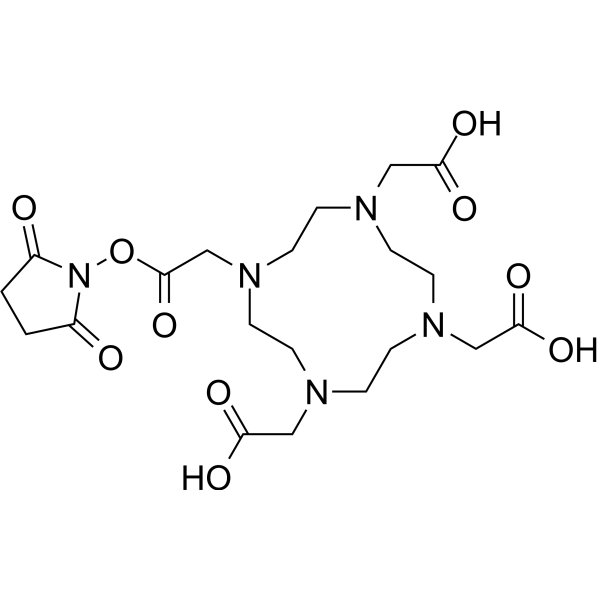
    DOTA-NHS-ester is a linker for affibody molecules and is applied in small animals PET, SPECT, and CT. DOTA-NHS-ester can be used to label radiotherapeutic agents or imaging probes for the detection of tumors .
    DOTA-​NHS-ester
  • HY-141511
    Coppersensor 1
    25+ Cited Publications

    Fluorescent Dye Neurological Disease Cancer
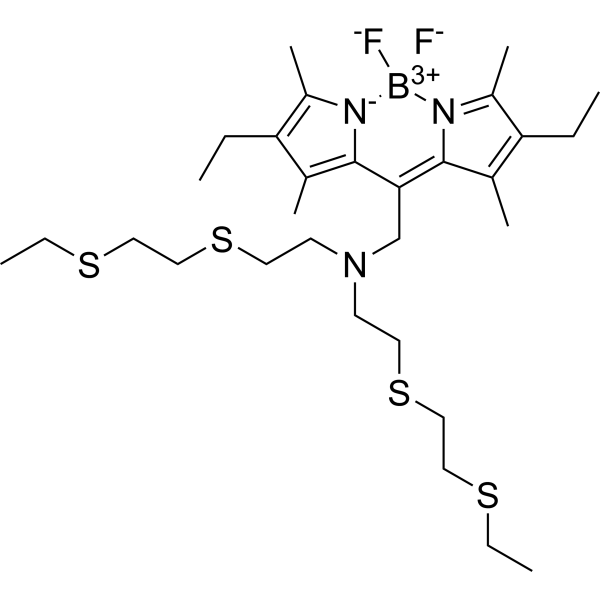
    Coppersensor-1 (CS1) is a membrane-permeable fluorescent dye. Coppersensor-1 has a picomolar affinity for Cu + with high selectivity over competing cellular metalions. Coppersensor-1 as a probe, can selective and sensitive detection of copper(I) ions (Cu +) in biological samples, including live cells. Coppersensor-1 can be used for the research of imaging of severe diseases such as cancer, cardiovascular disorders and neurogenerative diseases .
    Coppersensor 1
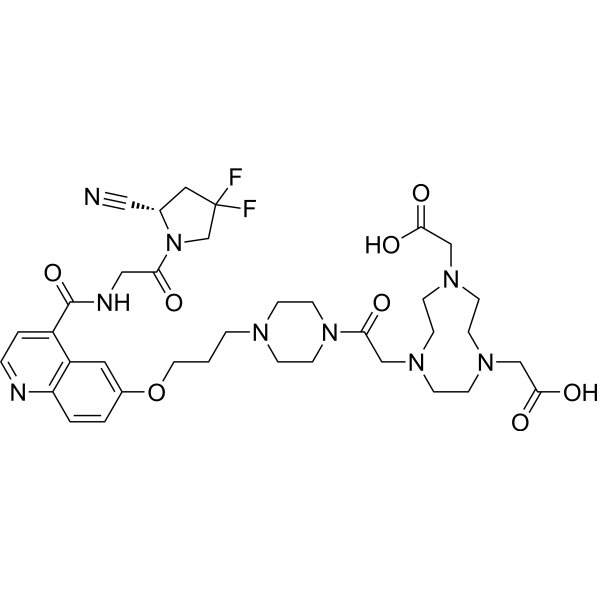
  • HY-136641

    Radionuclide-Drug Conjugates (RDCs) FAP Cancer
    NOTA-FAPI is a fibroblast activation protein (FAP) inhibitor. NOTA-FAPI can be used as a probe for FAP-targeted tumour imaging. NOTA-FAPI has good tumour detection efficacy and excellent imaging quality .
    NOTA-FAPI
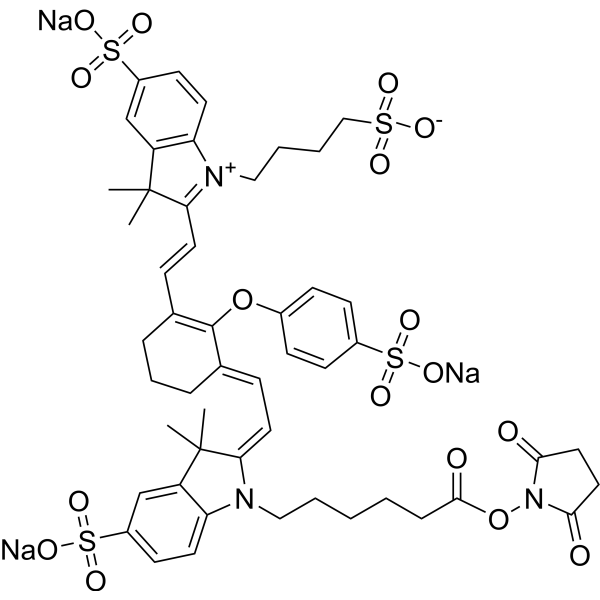
  • HY-D1872

    Fluorescent Dye Others
    800CW NHS ester is a near-infrared fluorescent dye active ester that can conjugate with amine-containing small molecules, antibodies, peptides, and other substances to form fluorescent conjugates. 800CW NHS ester exhibits high fluorescence quantum yield and low non-specific binding properties. 800CW NHS ester can be used in biomedical research such as microbial infection imaging, tumor imaging, and biochemical detection .
    800CW NHS ester
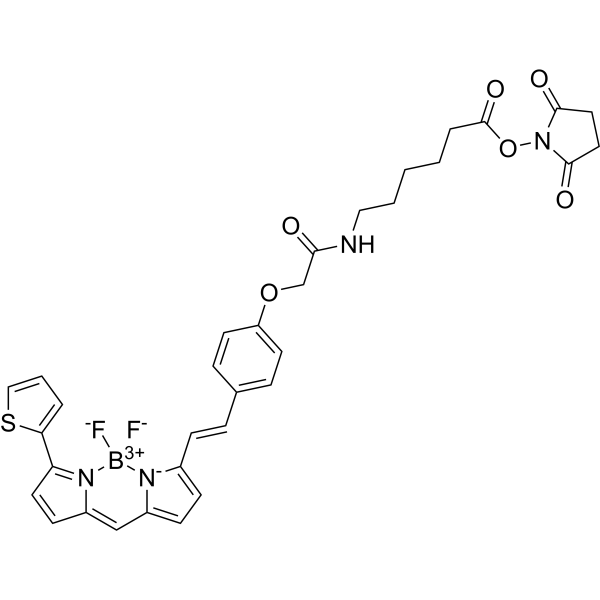
  • HY-110213

    Fluorescent Dye Others
    BODIPY 630/650X is a red fluorescent dye that targets amine groups. BODIPY 630/650X displays excitation/emission maxima of 630/650 nm, respectively. BODIPY 630/650X can be used to covalently label proteins, antibodies, or other amine-containing biomolecules for detection and imaging .
    BODIPY 630/650X
  • HY-160116

    Radionuclide-Drug Conjugates (RDCs) Fluorescent Dye α-synuclein Neurological Disease
    α-Synuclein aggregate binder 1 (Compound C05-05) is a specific binder for α-synuclein aggregates and can inhibit α-synuclein aggregation. α-Synuclein aggregate binder 1 can be used as a fluorescent probe (excitation wavelength 900 nm, detection wavelength 500-550 nm) for optical imaging, and can also inhibit α-synuclein fibril formation by blocking the aggregation process. α-Synuclein aggregate binder 1 can be used for positron emission tomography (PET) imaging after being labeled with 18F. α-Synuclein aggregate binder 1 can be used for visual diagnosis of brain lesions and mechanism research of neurodegenerative diseases such as Parkinson's disease and Lewy body dementia .
    α-Synuclein aggregate binder 1
  • HY-159529

    DBCO-PEG4-Eosin Y

    Fluorescent Dye Others
    DBCO-PEG4-Eosin 5-isothiocyanate (DBCO-PEG4-Eosin Y) is a fluorescent probe. DBCO-PEG4-Eosin 5-isothiocyanate contains a clickable functional group, DBCO, and four PEG units. DBCO-PEG4-Eosin 5-isothiocyanate can be used for various imaging detections.
    DBCO-PEG4-Eosin 5-isothiocyanate
  • HY-19997

    TATM

    Biochemical Assay Reagents Cancer
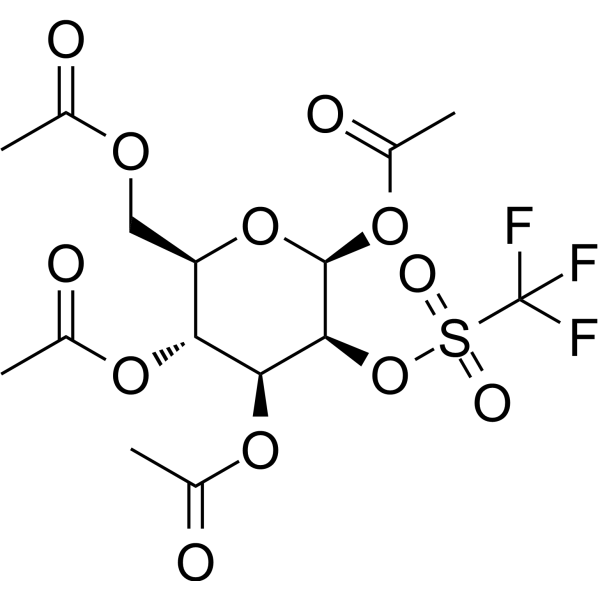
    Mannose triflate is a glucose analog. Mannose triflate is a precursor for 18F-FDG synthesis for PET applications. Mannose triflate binds to 18F via SN2 nucleophilic substitution reaction. Mannose triflate can be used for an imaging technique in detection of cancer .
    Mannose triflate
  • HY-W250149

    Biochemical Assay Reagents Cancer
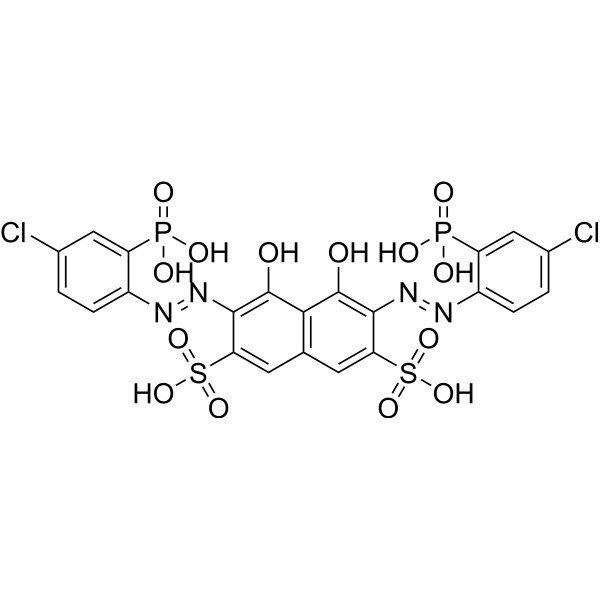
    Chlorophosphonazo III is a cell membrane-permeable contrast agent and spectrophotometric reagent. Chlorophosphonazo III forms stable 1:1 complexes with intracellular calcium, magnesium, uranium, titanium, zirconium, thorium, scandium, equivalent actinides and protactinium. Chlorophosphonazo III generates photoacoustic signals correlated with Ca 2+ concentrations, which is applicable for imaging 3D tumor cell cultures and tumor spheroids. Chlorophosphonazo III exhibits no cytotoxicity, can be used for spectrophotometric detection of target ions, and the absorbance of its complexes remains stable for up to one week within the pH range of 2.2 to 7.0 .
    Chlorophosphonazo III
  • HY-W923198

    Methacryloyloxy fluorescein

    Fluorescent Dye Others
    Fluorescein O-methacrylate (Methacryloyloxy fluorescein) is a pH-responsive fluorescent monomeric dye. Fluorescein O-methacrylate exhibits pH-responsive fluorescence properties: its fluorescence is activated under alkaline conditions and quenched under neutral or acidic conditions; reversible switching of fluorescence is achievable by adjusting the pH of the solution. Fluorescein O-methacrylate can be used as a monomer for the synthesis of amphiphilic fluorescein polymers. These polymers can self-assemble into stable polymer nanoparticles with enhanced aqueous-phase fluorescence, and also enable the conjugation of nanoparticles with amine-containing biomolecules to support sensitive optical detection of biomarkers (Ex/Em = 490/520 nm) .
    Fluorescein O-methacrylate
  • HY-120115

    Olaparib-bodipy FL

    PARP Fluorescent Dye Cancer
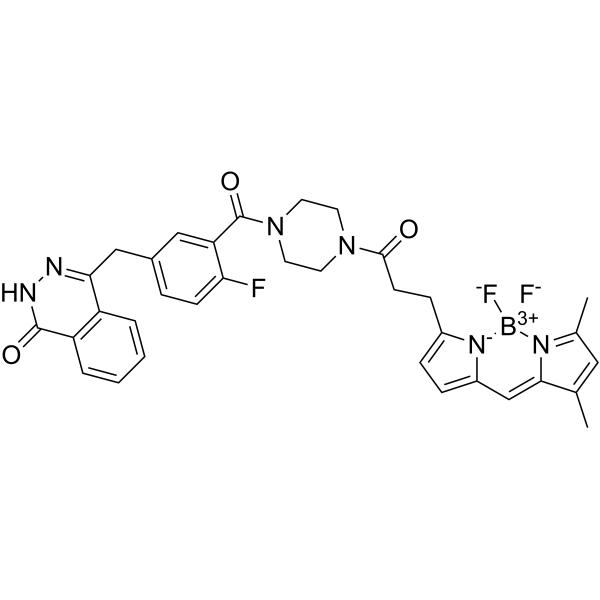
    PARPi-FL (Olaparib-bodipy FL) is a small-molecule fluorescent inhibitor of PARP1 that can specifically bind to PARP1. PARPi-FL can be used as a fluorescent imaging agent for tumor detection, diagnosis, and surgical guidance .
    PARPi-FL
  • HY-D1082

    Fluorescent Dye Others
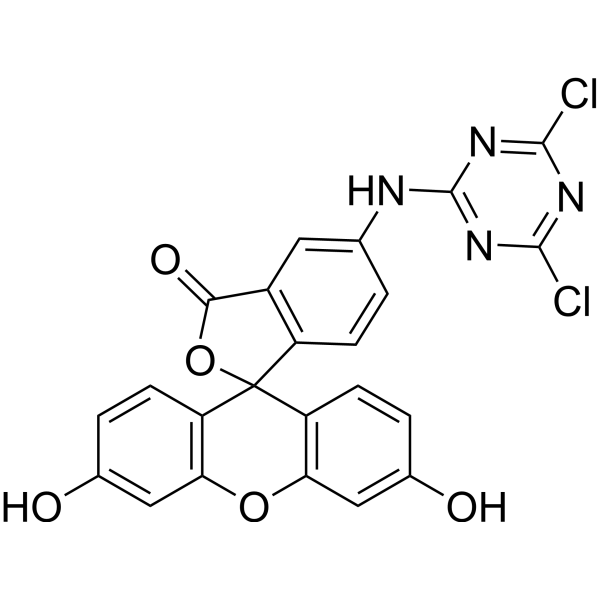
    5-DTAF is a fluorescein dye that directly react with polysaccharides and other alcohols in aqueous solution at pH >9. The maximum of the 5-DTAF emission profile is at a wavelength of 518 nm after excitation at 488 nm. 5-DTAF can be used for biomolecular labeling, protein detection, and cell imaging .
    5-DTAF
  • HY-130015
    HKSOX-1 (5/6-mixture)
    2 Publications Verification

    Reactive Oxygen Species (ROS) Others
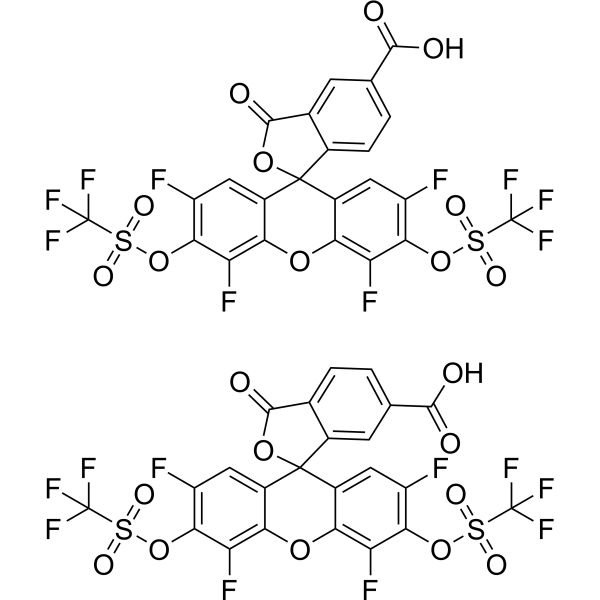
    HKSOX-1 (5/6-mixture) is a fluorescent probe which is used for imaging and detection of endogenous superoxide in live cells and in vivo. HKSOX-1 (5/6-mixture) exhibits excellent selectivity and sensitivity towards superoxide anion radical (Ex/Em = 509/534 nm) .
    HKSOX-1 (5/6-mixture)
  • HY-130017

    Reactive Oxygen Species (ROS) Others
    HKSOX-1r (5/6-mixture) is a fluorescent probe which is used for imaging and detection of endogenous superoxide in live cells and in vivo. HKSOX-1r (5/6-mixture) exhibits excellent selectivity and sensitivity towards superoxide anion radical .
    HKSOX-1r (5/6-mixture)
  • HY-137557

    APN1607; PM-PBB3

    Tau Protein Neurological Disease
    Florzolotau (APN1607) is a positron emission tomography (PET) ligand that can be used for the detection of Alzheimer's disease (AD) and other tau proteinopathies. Its binding sites are located in the β-sheet of paired helical filaments (PHFs) and straight filaments (SFs) of tau protein, as well as in the C-shaped cavity of SFs. In addition, APN-1607 binds to intraneuronal inclusions in Alzheimer's disease (AD), primary age-related tauopathy (PART) and posterior cortical atrophy (PCA). Florzolotau shows promise for PET imaging studies of neurological disorders, particularly tau proteinopathies .
    Florzolotau
  • HY-160066

    Transmembrane Glycoprotein Cancer
    SYL3C aptamer sodium is a DNA aptamer that targets epithelial cell adhesion molecule (EpCAM) on the surface of cancer cells. SYL3C aptamer sodium targets a variety of human cancer cell lines including MDA-MB-231, Kato III, HT-29, T47D and SW480. The Kd values of SYL3C aptamer sodium against breast cancer cell line MDA-MB-231 and gastric cancer cell line Kato III are 38 nM and 67 nM, respectively. SYL3C aptamer sodium possesses stability, high binding affinity and selectivity, and can be used for targeted cancer cell imaging and circulating tumor cell detection .
    SYL3C aptamer sodium
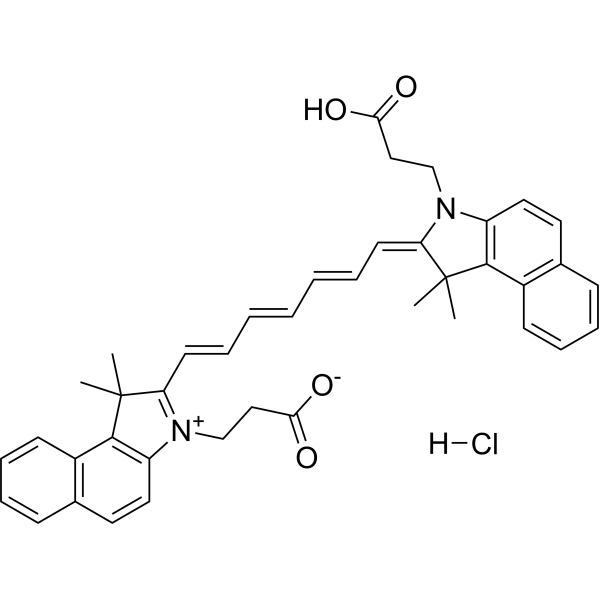
  • HY-D1719A
    Cypate hydrochloride
    1 Publications Verification

    Fluorescent Dye Cancer
    Cypate is a near-infrared fluorescent dye that belongs to the family of photosensitizers. Cypate has high photostability and optical properties, and is often used in near-infrared optical imaging, as well as optical imaging, tumor marking, and drug delivery. In addition, Cypate is also used as a molecular probe and combined with targeting molecules (such as CBT or small interfering RNA) to achieve efficient detection and imaging of specific cells or tissues .
    Cypate hydrochloride
  • HY-D1456

    Pyruvate Kinase Cancer
    TEPC466 is a novel TEPP-46-based aggregation-induced emission (AIE) probe. TEPC466 shows a high degree of selectivity and sensitivity for the detection of PKM2 protein via the AIE effect. EPC466 can be used for the detection of PKM2. TEPC466 is successfully applied in imaging the PKM2 protein in colorectal cancer cells with low toxicity. TEPC466 is a useful tool for cancer diagnosis and research .
    TEPC466
  • HY-W753658

    Fluorescent Dye Others
    Coppersensor-3 (CS3) is a bright small-molecule fluorescent probe for selective Cu(I) detection. Coppersensor-3 is selective and sensitive enough to image labile copper pools in living cells at endogenous, basal levels. Coppersensor-3 can be used for the cell biology of copper research .
    Coppersensor-3
  • HY-D2443

    Fluorescent Dye Cancer
    AF594 DBCO is an AlexaFluor 594-conjugated DBCO click chemistry probe for fluorescent labeling of azido-modified cholesterol probes. DBCO is a commonly used chemical biomarker group. AF594 DBCO (Excitation wavelength about 590 nm, emission wavelength about 617 nm) can be used to label proteins, cells and other biomolecules for fluorescence imaging and flow cytometry detection .
    AF594 DBCO
  • HY-136201

    Biochemical Assay Reagents Cancer
    Sodium Glucoheptonate is used as a kit for radio-labeling with Tc-99m. Tc-99m glucoheptonate is kidney- and brain-imaging agent, and can be used in brain-tumor detection .
    Sodium Glucoheptonate
  • HY-128890B
    DOTA-​NHS-ester TFA
    1 Publications Verification

    ADC Linker Biochemical Assay Reagents Cancer
    DOTA-​NHS-ester (TFA) is used as a linker for affibody molecules, and it can be employed in small animal positron emission tomography (PET), single photon emission computed tomography (SPECT), and CT scanning. DOTA-​NHS-ester can be used to label radiotracers or imaging probes for tumor detection .
    DOTA-​NHS-ester TFA
  • HY-P11057

    Fluorescent Dye Others
    FGGH is a water-soluble peptide-based probe. FGGH performs the sequential detection of Cu 2+ and S 2- by fluorescence and colorimetry with high sensitivity (LOD: 1.42 and 22.2 nM for Cu 2+ and S 2-, respectively) (Ex=488 nm, Em=525 nm), and images both two ions in living cells and zebrafish models with low cytotoxicity. FGGH can be used for in vivo imaging and environmental pollution monitoring research .
    FGGH
  • HY-D2062

    Fluorescent Dye Integrin Cancer
    ATTO 740 NHS ester is a near-infrared fluorescent dye and a multimodal fluorescence/photoacoustic contrast agent with excellent near-infrared emission properties and extremely high photostability. The photoacoustic signal of ATTO 740 NHS ester shows no significant decrease after continuous irradiation with a 750 nm laser for 30 min, making it suitable for in vivo fluorescence imaging and photoacoustic contrast imaging. When conjugated with the cystine knot peptide R01, ATTO 740 NHS ester enables precise detection of integrin αvβ6-positive cells and tumors in nude mouse xenograft models .
    ATTO 740 NHS ester
  • HY-P10913

    Bacterial Infection
    HYNIC-UBI29-41 is composed of a bifunctional chelator HYNIC and an antimicrobial peptide UBI 29-41 (HY-P10364) (HY-P10364). HYNIC-UBI29-41 retains the antibacterial properties of UBI 29-41, and exhibits good affinity to Gram-positive and Gram-negative bacteria. HYNIC-UBI29-41 can be used as an imaging agent for bacterial infection detection in mouse models, when labeled with the radioactive element technetium (99mTc) .
    HYNIC-UBI29-41
  • HY-D2315

    Fluorescent Dye Cancer
    Probe-Cys is a water-soluble and selective near-infrared fluorescent probe for Cysteine (Cys) (λex= 680 nm, λem=710 nm) that is not interfered by Hcy, GSH, and HS-. Probe-Cys can react with the stimulant DTT (HY-15917) and the NEM (HY-D0843) in HepG2 cells and zebrafish for the detection of endogenous Cys. Probe-Cys can also be used for imaging Cys in Arabidopsis thaliana. Probe-Cys provides a method for cancer diagnosis and exploration of plant sulfur metabolism .
    Probe-Cys
  • HY-D2853

    Fluorescent Dye Others
    FITC-PEG2000-PBA is a fluorescent dye composed of FITC (HY-66019), PEG and phenylboronic acid (PBA). FITC-PEG2000-PBA can be used for cell imaging and tracking, as well as sugar molecule detection (Ex/Em=488/525 nm).
    FITC-PEG2000-PBA
  • HY-D1275

    Fluorescent Dye Others
    CAY10731 (compound 3) is a highly selective fluorescent probe for detection of hydrogen sulfide (H2S). CAY10731 is used to monitor exo- and endogenous H2S in both cancer and normal cells. CAY10731 is applied for imaging of H2S in living tissues at variable depths and in nematodes .
    CAY10731
  • HY-125385

    Endogenous Metabolite Metabolic Disease
    Sulforhodamine 101 DHPE is a fluorescent probe made from the conjugation of the phospholipid 1,2-dipalmitoyl-sn-glycero-3-PE to sulforhodamine 101, a red fluorescent dye that displays excitation/emission spectra of 586/605 nm, respectively. It integrates into phospholipid bilayers and has been used for imaging of solid supported lipid bilayers, detection of protein-ligand binding on bilayers, and to monitor colocalization of lipid probes in liposomes via resonance energy transfer (RET).
    Sulforhodamine 101 DHPE
  • HY-150175

    Fluorescent Dye Inflammation/Immunology
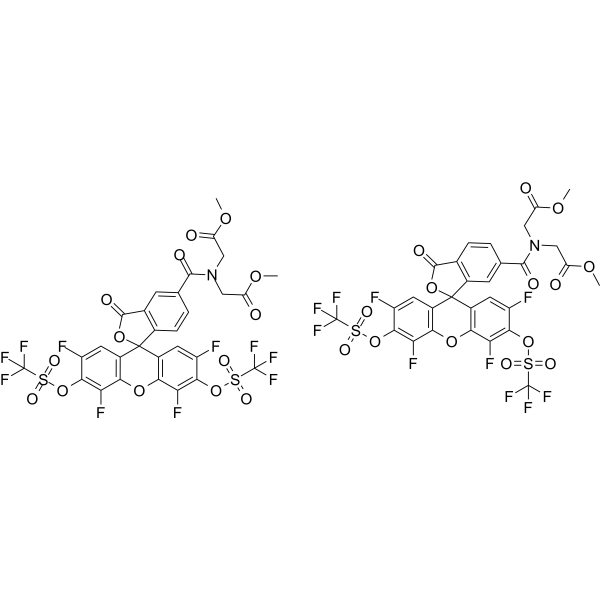
    HKSOX-1 and its derivatives (HKSOX-1r and HKSOX-1m) are novel fluorescent probes designed for highly sensitive and selective detection of the superoxide anion radical (O2 •−) in cellular environments. These probes utilize an aryl trifluoromethanesulfonate group that undergoes O2 •−-mediated cleavage, releasing a free phenol and emitting fluorescence. They demonstrate excellent specificity and sensitivity across various pH ranges, withstand interference from strong oxidants and reductants typical in cellular contexts. HKSOX-1r, optimized for cellular retention, has been effectively employed in diverse assays including confocal imaging, flow cytometry, and zebrafish embryo studies, highlighting its utility in investigating O2 •− roles in inflammation, mitochondrial stress, and other physiological processes .
    HKSOX-1
  • HY-149836

    Fluorescent Dye Others
    3-MeOARh-NTR is an activatable imaging probe with high selectivity, and good stability. 3-MeOARh-NTR possesses high selectivity and high signal-to-noise ratio for nitroreductase (NTR) detection, and serves as an efficient molecular tool for endogenous NTR detection .
    3-MeOARh-NTR
  • HY-136213

    Fluorescent Dye Others
    Endoplasmic reticulum dye 1 is a promising live cell imaging agent for the detection of exocytotic events at the plasma membrane. Endoplasmic reticulum dye 1 shows low cytotoxicity, resistance to photobleaching , which is ideal for imaging either short- or long-time courses .
    Endoplasmic reticulum dye 1
  • HY-P10012

    GYK-DTPA

    Biochemical Assay Reagents Radionuclide-Drug Conjugates (RDCs) Cancer
    Pendetide is a chelating agent, can be conjugated with Indium (111In) Capromab for further diagnostic use. Capromab pendetide is a FDA-approved imaging agent for the detection of soft tissue metastases in prostate carcinoma . Pendetide can be used for the synthesis/research of Radionuclide-Drug Conjugates (RDCs).
    Pendetide
  • HY-D2523

    Folate Receptor (FR) Fluorescent Dye
    Cy3-PEG2000-FA is a fluorescent folate-PEG derivative with excitation/emission wavelengths of ~550 nm/~570 nm. Cy3-PEG2000-FA can be readily traced by its intense red fluorescent signal. Cy3-PEG2000-FA can be used for cell imaging, folate receptor targeting and detection.
    Cy3-PEG2000-FA
  • HY-P10913A

    Bacterial Infection
    HYNIC-UBI29-41 TFA is composed of a bifunctional chelator HYNIC and an antimicrobial peptide UBI 29-41 (HY-P10364). HYNIC-UBI29-41 TFA retains the antibacterial properties of UBI 29-41, and exhibits good affinity to Gram-positive and Gram-negative bacteria. HYNIC-UBI29-41 TFA can be used as an imaging agent for bacterial infection detection in mouse models, when labeled with the radioactive element technetium (99mTc) .
    HYNIC-UBI29-41 TFA
  • HY-W112090

    PdTFPP; 5,10,15,20-Tetrakis(pentafluorophenyl)-21H,23H-porphine palladium(II)

    Fluorescent Dye Others
    Palladium meso-tetra(pentafluorophenyl)porphyrin (PdTFPP) derives from palladium(II), acting as a fluorescence-quenched optical probe and high-performance oxygen concentration sensor with outstanding photostability and antioxidant capacity. Palladium meso-tetra(pentafluorophenyl)porphyrin exhibits reduced luminescence intensity as dissolved oxygen concentration rises. Palladium meso-tetra(pentafluorophenyl)porphyrin can be applied for real-time monitoring of live-cell respiration, hypoxic tissue imaging, and nanofibrous organic semiconductors in photodetectors for ambient oxygen detection .
    Palladium meso-tetra(pentafluorophenyl)porphyrin
  • HY-145769

    PD-1/PD-L1 Cancer
    N2S2-CBMBC, an N2S2 bromo-benzyl ether derivative, acts as a ligand and use 99mTc-labelled complexes 99mTc-N2S2-CBMBC can be used as an imaging agent to be applied to the aspect of detecting PD-L1 expression, realize the real-time, comprehensive and convenient detection of the PD-L1 level of tumors, and overcome the defects of an immunohistochemical method .
    N2S2-CBMBC
  • HY-D3000

    Fluorescent Dye Metabolic Disease
    NIR-RED ROS-H2O2 Probe is a near-infrared fluorescent probe used for detecting hydrogen peroxide (H₂O₂) and featuring dual-modal fluorescence/photoacoustic imaging capabilities. NIR-RED ROS-H2O2 Probe successfully detects the upregulated fluorescence signal of H₂O₂ in HepG2 cells and a mouse liver injury model. NIR-RED ROS-H2O2 Probe can be used as a biomarker detection tool for drug-induced liver injury (DILI) .
    NIR-RED ROS-H2O2 Probe
  • HY-D2745

    Fluorescent Dye Others
    BP Fluor 594 NHS ester is the most popular tool for modifying proteins or antibodies through the primary amines (Lys), amine-modified oligonucleotides, and other amine-containing biomolecules with BP Fluor 594 label. The labeling occurs most efficiently at pH 7-9 and forms a stable, covalent amide bond. BP Fluor 594 dye can be used for proteins labeling at high molar ratios without significant self-quenching, enabling brighter conjugates and more sensitive detection. BP Fluor 594 is bright, water-soluble, and pH-insensitive from pH 4 to pH 10 red-fluorescent dye with absorption and emission maxima at 590 and 617 nm, respectively. It can be used with the 561 nm and 594 nm laser lines. BP Fluor 594 dye conjugated to a variety of antibodies, peptides, proteins, tracers, and amplification substrates often used for generation of stable signal in imaging and flow cytometry.
    BP Fluor 594 NHS ester
  • HY-P5228

    Biochemical Assay Reagents Others
    KSDSC is a penta-peptide, correlated positively with hairpin DNA with tetramer loops. Therefore, KSDSC joins hands with hairpin DNA (hpDNA) with improved selectivity as sensing materials in the detection system, used for surface plasmon resonance imaging (SPRi) .
    KSDSC
  • HY-149836A

    Fluorescent Dye Others
    3-MeOARh-NTR chloride is an activatable imaging probe with high selectivity, and good stability. 3-MeOARh-NTR chloride possesses high selectivity and high signal-to-noise ratio for nitroreductase (NTR) detection, and serves as an efficient molecular tool for endogenous NTR detection .
    3-MeOARh-NTR chloride
  • HY-173384

    1,2-distearoyl-sn-glycero-3-phosphoethanolamine-N- tetraazacyclododecane-N-tetraacetic acid, sodium salt

    Biochemical Assay Reagents Neurological Disease Inflammation/Immunology Cancer
    DSPE-DOTA sodium (1,2-distearoyl-sn-glycero-3-phosphoethanolamine-N- tetraazacyclododecane-N-tetraacetic acid, sodium salt) is a chelating lipid used as a key contrast agent in magnetic resonance imaging (MRI). DSPE-DOTA sodium can be used for imaging detection of tumors, neurological and inflammatory diseases .
    DSPE-DOTA sodium
  • HY-136201R

    Biochemical Assay Reagents Reference Standards Cancer
    Sodium Glucoheptonate (Standard) is the analytical standard of Sodium Glucoheptonate. This product is intended for research and analytical applications. Sodium Glucoheptonate is used as a kit for radio-labeling with Tc-99m. Tc-99m glucoheptonate is kidney- and brain-imaging agent, and can be used in brain-tumor detection[1][2].
    Sodium Glucoheptonate (Standard)
  • HY-152103

    Fluorescent Dye Others
    CB2-H is a dual-channel fluorescent probe for the simultaneous detection of HOCl and ONOO -. CB2-H enables the concurrent detection of HOCl and ONOO - at two independent channels without spectral cross-interference and can be applied for dual-channel fluorescence imaging of endogenously produced HOCl and ONOO - in living cells and zebrafish under different stimulants .
    CB2-H
  • HY-D1876

    Fluorescent Dye Cancer
    ZY-2 is a specific fluorescent probe for pyruvate kinase M2 (PKM2). ZY-2 can image in PKM2-positive cells in a time- and concentration-dependent manner. ZY-2 can be used for the detection of cancer cells .
    ZY-2
  • HY-155438

    Fluorescent Dye Others
    Mal-Cz is a maltose-derived fluorescence-on imaging probe for the detection of E. coli and Staphylococcus aureus . It contains an Azide group and can undergo copper-catalyzed azide-alkyne cycloaddition reaction (CuAAc) with molecules containing Alkyne groups. It can also undergo strain-promoted alkyne-azide cycloaddition (SPAAC) reactions with molecules containing DBCO or BCN groups.
    Mal-Cz
  • HY-D2843

    Fluorescent Dye Others
    FITC-PEG1000-FITC is a fluorescent dye composed of two FITC (HY-66019) molecules and one PEG. FITC-PEG-FITC is connected to each end of the two FITC (HY-66019) molecules to form a dual-labeling structure, which is suitable for high-sensitivity fluorescence detection and imaging (Ex/Em=488/525 nm) .
    FITC-PEG1000-FITC
  • HY-D2888A

    Rhodamine B-PEG600-FA

    Fluorescent Dye Others
    RB-PEG600-FA (Rhodamine B-PEG600-FA) is a fluorescent dye composed of Rhodamine B (HY-Y0016), PEG and Folic acid (FA) (HY-16637). RB-PEG600-FA can be used for cell imaging, folate receptor targeting and detection (Ex/Em=546/610 nm) .
    RB-PEG600-FA
  • HY-D2888

    Rhodamine B-PEG400-FA

    Fluorescent Dye Others
    RB-PEG400-FA (Rhodamine B-PEG400-FA) is a fluorescent dye composed of Rhodamine B (HY-Y0016), PEG and Folic acid (FA) (HY-16637). RB-PEG400-FA can be used for cell imaging, folate receptor targeting and detection (Ex/Em=546/610 nm) .
    RB-PEG400-FA
  • HY-D2888D

    Rhodamine B-PEG3400-FA

    Fluorescent Dye Others
    RB-PEG3400-FA (Rhodamine B-PEG3400-FA) is a fluorescent dye composed of Rhodamine B (HY-Y0016), PEG and Folic acid (FA) (HY-16637). RB-PEG3400-FA can be used for cell imaging, folate receptor targeting and detection (Ex/Em=546/610 nm) .
    RB-PEG3400-FA

Inquiry Online

Your information is safe with us. * Required Fields.

Salutation


Country or Region *

Applicant Name *


Organization Name *

Department *


Email Address *


Product Name *

Cat. No.


Requested quantity *

Phone Number *


Remarks

Inquiry Online

Inquiry Information

Product Name:
Cat. No.:
Quantity:
MCE Japan Authorized Agent:

