

1. Search Result
Search Result
Results for "

in vitro model

" in MedChemExpress (MCE) Product Catalog:

222

Inhibitors & Agonists

2

Fluorescent Dyes

4

Biochemical Assay Reagents

18

Peptides

13

Inhibitory Antibodies

20

Natural
Products

3

Isotope-Labeled Compounds

2

Click Chemistry

6

Oligonucleotides

Cat. No. Product Name Target Research Areas Chemical Structure
  • HY-NP013
    Oxidized low density lipoprotein (mouse)
    4 Publications Verification

    Mouse ox-LDL

    LDLR ROR β-catenin Cardiovascular Disease
    Oxidized low density lipoprotein (mouse) (Mouse ox-LDL) is an oxidized low density lipoprotein (LDL). Oxidized low density lipoprotein (mouse) induces atherosclerosis (AS) by facilitating endothelial dysfunction and accelerating the VSMCs growth and migration. Oxidized low density lipoprotein (mouse) can be used to construct an in vitro model of AS .
    Oxidized low density lipoprotein (mouse)
  • HY-113365

    4-Cholesten-3-one

    Endogenous Metabolite Infection Metabolic Disease
    Cholestenone (4-cholesten-3-one) is an orally available antimicrobial agent that is metabolized primarily in the liver as an intermediate oxidation product of cholesterol. Cholestenone inhibits human dermal fibroblast migration and fights Helicobacter pylori infection in vitro and in mouse models by inhibiting cholesterol-α-D-glucopyranoside (CGL). Cholestenone also alleviates metabolic disorders caused by obesity in db/db mice .
    Cholestenone
  • HY-P3212
    Allo-aca
    5+ Cited Publications

    Neuropeptide Y Receptor Others Cancer
    Allo-aca, a leptin peptidomimetic, is a potent, specific leptin receptor antagonist peptide. Allo-aca blocks leptin signaling and action in numerous in vitro and in vivo models .
    Allo-aca
  • HY-D0846

    Biochemical Assay Reagents Neurological Disease
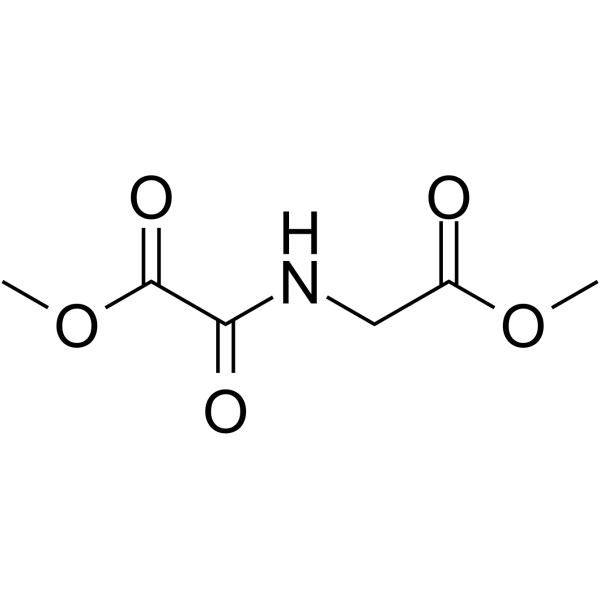
    Diethyl pyrocarbonate is a potent, orally active, non-specific chemical inhibitor of RNase. Diethyl pyrocarbonate has been useful in vitro as an agent relatively specific for binding to imidazole of histidine. Diethyl pyrocarbonate inhibits central chemosensitivity in rabbits. Diethyl pyrocarbonate can modify Ser, Thr, His and Tyr residues. Diethyl pyrocarbonate can be used for modeling .
    Diethyl pyrocarbonate
  • HY-15303
    Pritelivir
    5+ Cited Publications

    AIC316; BAY 57-1293

    DNA/RNA Synthesis HSV Infection
    Pritelivir (AIC316), an inhibitor of the viral helicase-primase complex, exhibits antiviral activity in vitro and in animal models of herpes simplex virus (HSV) infection. Pritelivir is active against herpes simplex virus types 1 and 2 (HSV-1 and HSV-2) with the IC50 of 0.02 μM against HSV1-2 .
    Pritelivir
  • HY-A0148A
    Halofantrine hydrochloride
    2 Publications Verification

    SKF-102886; WR-171669 hydrochloride

    Parasite Fungal Reactive Oxygen Species (ROS) Potassium Channel Infection
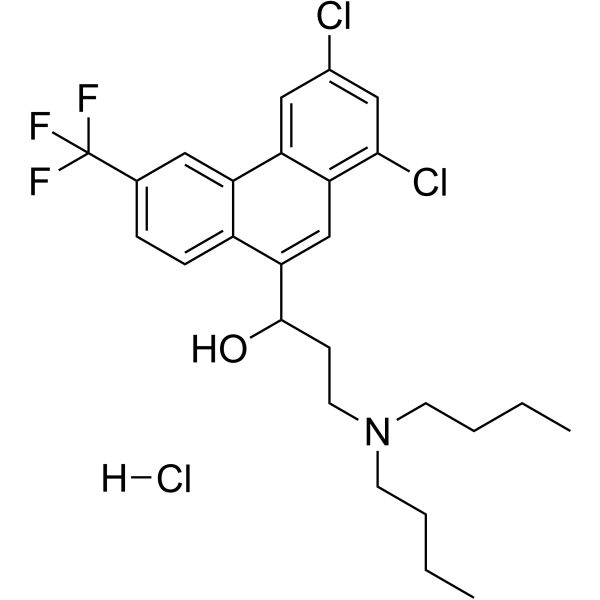
    Halofantrine hydrochloride (SKF-102886 hydrochloride; WR-171669 hydrochloride) is a blocker that delays the delayed rectifier potassium current by inhibiting human ERG channels, and it is a potent antimalarial agent with oral activity. Halofantrine hydrochloride inhibits the Cap1-dependent oxidative stress response of Candida albicans, suppresses ROS responses, and enhances the antifungal (Fungal) activity of oxidative damage agents. Halofantrine hydrochloride exhibits antifungal activity in the Galleria mellonella model, and shows antimalarial activity against Plasmodium strains both in vitro and in animal models. Halofantrine hydrochloride can be used in studies related to invasive candidiasis, falciparum malaria, and vivax malaria .
    Halofantrine hydrochloride
  • HY-P99268

    SAR 256212; MM 121; Anti-Human ERBB3/ErbB 3 Recombinant Antibody

    EGFR Apoptosis Cancer
    Seribantumab (MM 121) is a fully human IgG2 monoclonal antibody that targets HER3. Seribantumab blocks the activation of epidermal growth factor receptor (ErbB) family members and its downstream signal. Seribantumab inhibits neuregulin 1 (NRG1) fusion-dependent tumorigenesis in vitro and in vivo in breast, lung and ovarian patient-derived cancer models .
    Seribantumab
  • HY-12443

    Casein Kinase Neurological Disease
    PF-5006739 is a potent and selective inhibitor of CK1δ/ε with IC50s of 3.9 nM and 17.0 nM, respectively. PF-5006739 is a potential therapeutic agent for a range of psychiatric disorders with low nanomolar in vitro potency for CK1δ/ε and high kinome selectivity. PF-5006739 attenuats opioid agent-seeking behavior in a rodent operant reinstatement model in animals in a dose-dependent manner . PF-5006739 improves glucose tolerance in both diet-induced obesity (DIO) and genetic (ob/ob) mice models of obesity .
    PF-5006739
  • HY-N6069
    Raspberry ketone glucoside
    1 Publications Verification

    Interleukin Related JAK STAT Inflammation/Immunology
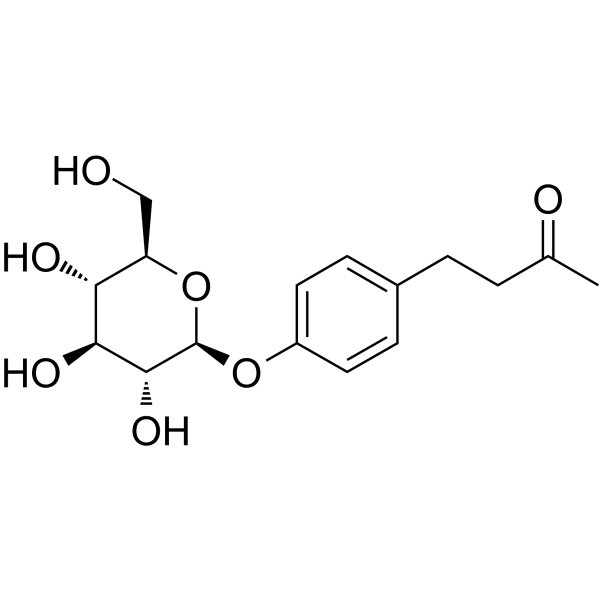
    Raspberry ketone glucoside is a melanogenesis inhibitor. Raspberry ketone glucoside inhibits melanogenesis by activating the IL6/JAK1/STAT3 pathway, inhibiting the transcriptional activity of MITFa, and its downstream expression levels of the TYR and TYRP1a genes. Raspberry ketone glucoside shows remarkable whitening activity on both B16F10 cells in vitro and zebrafish model in vivo .
    Raspberry ketone glucoside
  • HY-124628
    IPI-9119
    2 Publications Verification

    Fatty Acid Synthase (FASN) Cancer
    IPI-9119 is an orally active, selective and irreversible FASN inhibitor with an IC50 of 0.3 nM in vitro biochemical assay. IPI-9119 inhibits tumor growth of castration-resistant prostate cancer (CRPC) xenografts mouse models .
    IPI-9119
  • HY-N7948

    Endogenous Metabolite Others
    Isomaltotetraose is an orally active branched isomaltooligosaccharide with α-(1,6) glycosidic linkages. Isomaltotetraose is a prebiotic oligosaccharide present in honey and also a component of isomaltooligosaccharide mixtures. Isomaltotetraose maintains the growth of Prevotella or sustains the *Prevotella* enterotype in both in vitro systems and mouse models .
    Isomaltotetraose
  • HY-B1864A
    Kasugamycin hydrochloride
    1 Publications Verification

    Ksg hydrochloride

    Environmental Pollutants Antibiotic Bacterial Infection
    Kasugamycin (Ksg) hydrochloride hydrate is an antibiotic that binds to 30s and 70s ribosomes but not to the 50s subunit, and has anti-infective activity. Kasugamycin hydrochloride hydrate mimics mRNA nucleotides, disrupts tRNA binding and inhibits canonical translation initiation. Kasugamycin hydrochloride hydrate increases the sensitivity of mycobacteria to Rifampicin (HY-B0272) in vitro and in mouse infection models .
    Kasugamycin hydrochloride
  • HY-P6028A

    N-myristoyltransferase Others
    GSNKSKPK-NH2 TFA is a synthetic model peptide based on the c-Src N-terminal sequence and model peptide substrate for human NMT1 and NMT2.GSNKSKPK-NH2 TFA facilitates in vitro assays measuring transfer of myristate or X10 fatty acid moieties .
    GSNKSKPK-NH2 TFA
  • HY-B1864B
    Kasugamycin hydrochloride hydrate
    1 Publications Verification

    Ksg hydrochloride hydrate

    Antibiotic Bacterial Infection
    Kasugamycin (Ksg) hydrochloride hydrate is an antibiotic that binds to 30s and 70s ribosomes but not to the 50s subunit, and has anti-infective activity. Kasugamycin hydrochloride hydrate mimics mRNA nucleotides, disrupts tRNA binding and inhibits canonical translation initiation. Kasugamycin hydrochloride hydrate increases the sensitivity of mycobacteria to Rifampicin (HY-B0272) in vitro and in mouse infection models .
    Kasugamycin hydrochloride hydrate
  • HY-125650
    Pseudouridimycin
    1 Publications Verification

    PUM

    Antibiotic DNA/RNA Synthesis Bacterial Nucleoside Antimetabolite/Analog Infection
    Pseudouridimycin (PUM) is an antibiotic that selectively inhibits bacterial RNA polymerase (RNAP), with an IC50 of about 0.1 μM and MICs of 4-6 μg/mL. Pseudouridimycin is a C-nucleoside analogue that's effective against both Gram-negative and Gram-positive bacteria. Pseudouridimycin inhibits bacterial growth in vitro and shows activity in a mouse model of purulent streptococcal peritonitis .
    Pseudouridimycin
  • HY-157442

    Salt-inducible Kinase (SIK) Discoidin Domain Receptor RIP kinase LIM Kinase (LIMK) MAP3K Bcr-Abl Src TGF-β Receptor Inflammation/Immunology
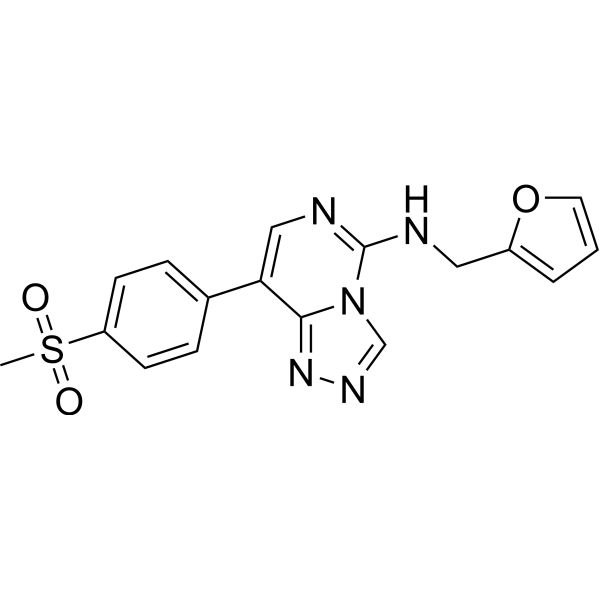
    GLPG3312 (Compound 28) is an orally active SIK inhibitor with IC50 values of 2.0 nM, 0.7 nM and 0.6 nM for SIK1, SIK2 and SIK3, respectively. GLPG3312 exhibits anti-inflammatory and immunomodulatory activity in vitro on human primary myeloid cells and in vivo in mouse models. GLPG3312 has good oral bioavailability and can be used for research on inflammatory and immune diseases .
    GLPG3312
  • HY-148772

    DNA/RNA Synthesis Neurological Disease
    PTC258 is a specific and orally active splicing modulator of Elongator complex protein 1 gene (ELP1). PTC258 increases the expression of ELP1 in vitro and in vivo. PTC258 is well tolerated in mouse model .
    PTC258
  • HY-156111
    ARD-1676
    1 Publications Verification

    PROTACs Androgen Receptor Cancer
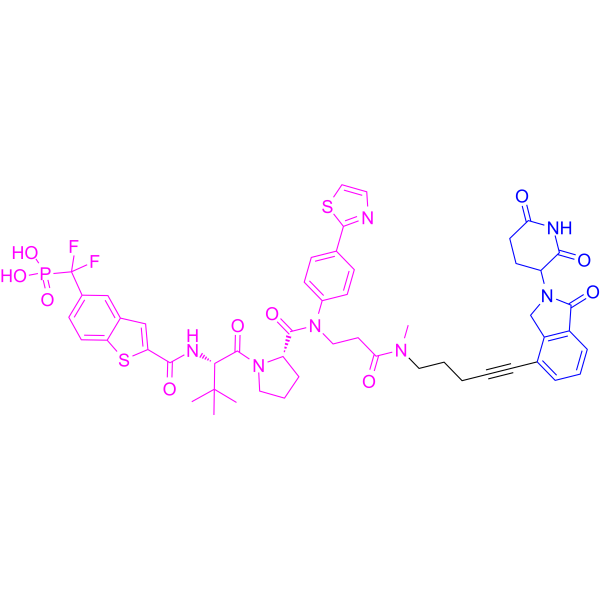
    ARD-1676 is an orally available androgen receptor (AR) PROTAC degrader, consisting of AR ligand and cereblon ligand. ARD-1676 has AR-degrading activity in vitro and in vivo and inhibits VCaP tumor growth in mouse xenograft tumor models .
    ARD-1676
  • HY-161117

    RSV Cancer
    AD-8007 is an acetyl CoA synthase 2 (ACSS2) inhibitor that can cross the blood-brain barrier. AD-8007 can significantly reduce lipid storage and cell colony formation in vitro models, and increase tumor cell death. AD-8007 has anti-cancer activity and can be used in the research of breast cancer .
    AD-8007
  • HY-P991336

    inBRX-106; ES-102

    Orexin Receptor (OX Receptor) Inflammation/Immunology Cancer
    Ordastobart (INBRX-106; ES-102) is a hexavalent OX40 agonist antibody. Ordastobart enhances OX40 receptor clustering, signaling, and downstream activation, thereby increasing the proliferation and activation of CD4 + and CD8 + T cells in vitro and in vivo. Ordastobart exhibits anti-tumor effects and improves survival in mouse models of cancer. Ordastobart is indicated for research in cancers such as fibrosarcoma and colorectal cancer .
    Ordastobart
  • HY-155657

    Src Inflammation/Immunology
    BT424 is a specific HCK inhibitor. BT424 can regulate macrophage activation and autophagy in vitro. BT424 ameliorates inflammation and kidney fibrosis in UUO model .
    BT424
  • HY-153521

    BCL6 Cancer
    CCT374705 is an orally active BCL6 inhibitor (IC50 = 4.8 nM) with potent antiproliferative effects in vitro. CCT374705 effectively inhibits tumor growth in a lymphoma xenograft mouse model .
    CCT374705
  • HY-14948
    Carisbamate
    1 Publications Verification

    RWJ-333369

    Sodium Channel Neurological Disease
    Carisbamate (RWJ-333369) is an orally active neuromodulator. Carisbamate prevents the development and production of epilep-like discharges and has a neuroprotective effect after in vitro epilepticus-like injury. Carisbamate has good antiepileptic activity in genetic models of generalized and nonconvulsive epilepsy .
    Carisbamate
  • HY-125928

    Sodium Channel Neurological Disease
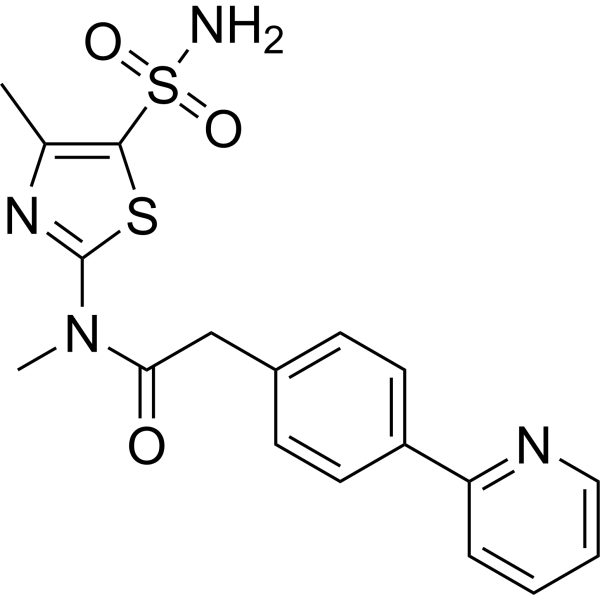
    AA43279 is an in gamma-aminobutyric acid (GABA) fast-firing interneurons located activator for Nav1.1 channel (SCN1A) with an EC50 of 9.5 μM. AA43279 enhances specific neuronal firing activity in vitro, and exhibits anticonvulsant activity in rat MEST model .
    AA43279
  • HY-P3414A
    Proteasome-activating peptide 1 TFA
    3 Publications Verification

    Proteasome Neurological Disease
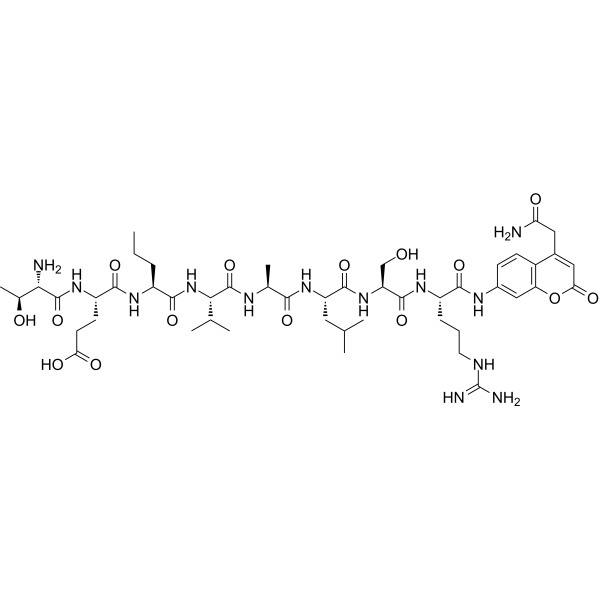
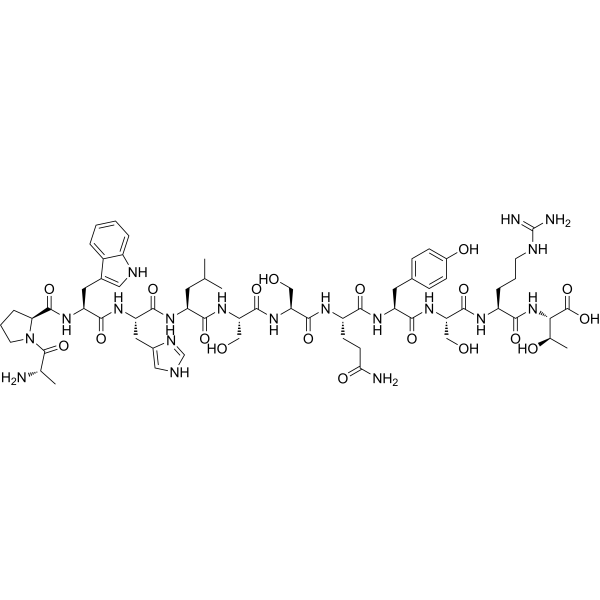
    Proteasome-activating peptide 1 TFA is a peptide and a potent proteasome activator. Proteasome-activating peptide 1 TFA increases the chymotrypsin-like proteasomal catalytic activity and, consequently, proteolytic rates both in vitro and in culture. Proteasome-activating peptide 1 TFA prevents protein aggregation in a cellular model of amyotrophic lateral sclerosis .
    Proteasome-activating peptide 1 TFA
  • HY-12098

    MPC-6827 hydrochloride

    Microtubule/Tubulin Cancer
    Verubulin hydrochloride (MPC-6827 hydrochloride) is a blood brain barrier permeable microtubule-disrupting agent, with potent and broad-spectrum in vitro and in vivo cytotoxic activities. Verubulin hydrochloride (MPC-6827 hydrochloride) exhibits potent anticancer activity in human MX-1 breast and other mouse xenograft cancer models. Verubulin hydrochloride (MPC 6827 hydrochloride) is a promising candidate for the treatment of multiple cancer types .
    Verubulin hydrochloride
  • HY-15996

    VT-464

    Cytochrome P450 Androgen Receptor Cancer
    Seviteronel (VT-464) is a potent CYP17 lyase inhibitor(h-Lyase IC50=69 nM) and an AR antagonist. Seviteronel demonstrates both exceptional in vitro lyase/hydroxylase selectivity (~10-fold) and oral activity in a hamster model of androgen biosynthesis inhibition.
    Seviteronel
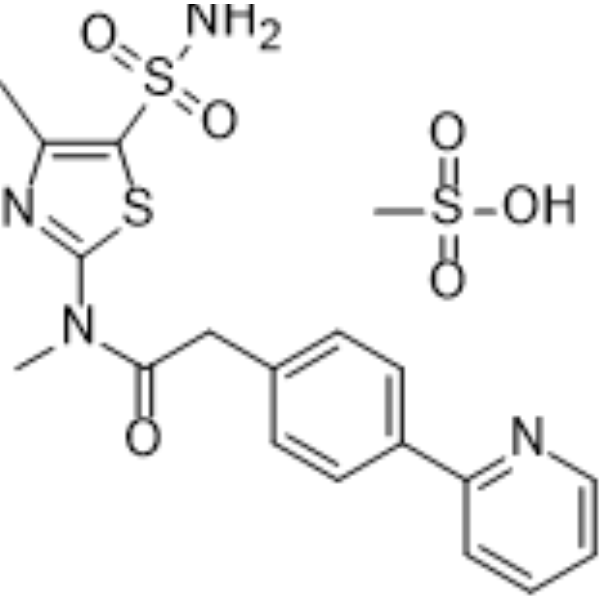
  • HY-15303A
    Pritelivir mesylate
    5+ Cited Publications

    AIC316 mesylate; BAY 57-1293 mesylate

    DNA/RNA Synthesis HSV Infection
    Pritelivir mesylate (BAY 57-1293 mesylate), an inhibitor of the viral helicase-primase complex, exhibits antiviral activity in vitro and in animal models of herpes simplex virus (HSV) infection. Pritelivir mesylate is active against herpes simplex virus types 1 and 2 (HSV-1 and HSV-2) with the IC50 of 0.02 μM against HSV1-2 .
    Pritelivir mesylate
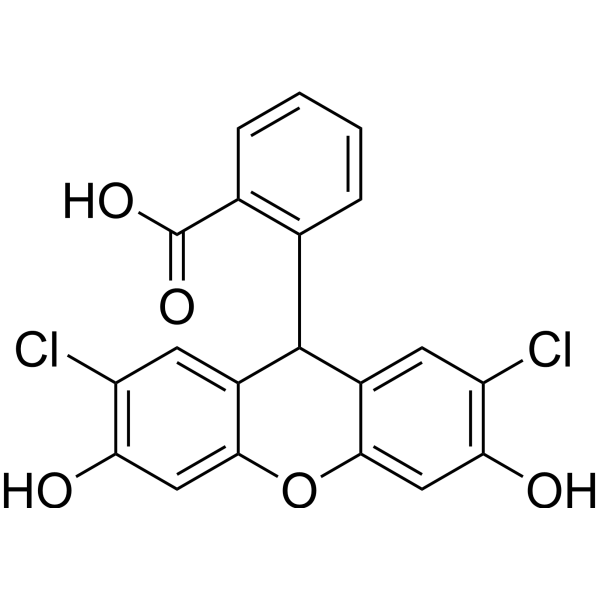
  • HY-139852

    Phosphatase Cancer
    PLAP-IN-1 is a selective PLAP inhibitor with an IC50 of 0.032 μM. PLAP-IN-1 acts as a tumor-targeting agent; its fluorescein-conjugated derivative specifically binds to PLAP-positive tumor cells in vitro and targets cervical cancer in mouse xenograft models. PLAP-IN-1 can be used in the research of cervical cancer and ovarian cancer .
    PLAP-IN-1
  • HY-16680

    Helioxanthin analogue 8-1

    HBV Infection
    Helioxanthin 8-1(Helioxanthin analogue 8-1) is an anti-HBV agent. Helioxanthin 8-1 exhibits anti-hepatitis B virus activity in both in vitro human hepatitis B virus models and animal models. Helioxanthin 8-1 inhibits the synthesis of duck hepatitis B virus (DHBV) DNA, covalently closed circular DNA, RNA and proteins, thereby blocking DHBV replication. Helioxanthin 8-1 shows higher cytotoxicity in virus-induced cells than in non-induced cells. Helioxanthin 8-1 can be used in studies related to hepatitis B virus infection .
    Helioxanthin 8-1
  • HY-111477

    (E/Z)-RPL-554

    Phosphodiesterase (PDE) Neurological Disease
    (E/Z)-Ensifentrine is a dual inhibitor of PDE3/4. (E/Z)-Ensifentrine reduces the inflammatory cells into the airways. (E/Z)-Ensifentrine has bronchodilatory and anti-inflammatory activities in vitro and in vivo model .
    (E/Z)-Ensifentrine
  • HY-155612

    Caspase Neurological Disease
    M826 is a potent, selective and reversible non-peptide caspase-3 inhibitor with an IC50 value of 0.005 μM for enzymatic activity against caspase-3. M826 displays potent anti-apoptotic activity in animal models in vitro and in vivo. M826 can be used for nervous system diseases research .
    M826
  • HY-126850

    EGFR Cancer
    4-Epidoxycycline is a liver metabolite of the antibiotic doxycycline (doxycycline, HY-N0565) and doesn't have antibiotic properties in mice. 4-Epidoxycycline’s ability to regulate HER2 gene expression in vitro and in live mouse models is similar to that of doxycycline, and it shows comparable high efficacy in tumor tissues, achieving over 95% tumor regression rates .
    4-Epidoxycycline
  • HY-A0148

    SKF-102886 free base; WR-171669

    Parasite Fungal Potassium Channel Reactive Oxygen Species (ROS) Infection Cancer
    Halofantrine (SKF-102886 hydrochloride; WR-171669 hydrochloride) is a blocker that delays the delayed rectifier potassium current by inhibiting human ERG channels, and it is a potent antimalarial agent with oral activity. Halofantrine inhibits the Cap1-dependent oxidative stress response of Candida albicans, suppresses ROS responses, and enhances the antifungal (Fungal) activity of oxidative damage agents. Halofantrine exhibits antifungal activity in the Galleria mellonella model, and shows antimalarial activity against Plasmodium strains both in vitro and in animal models. Halofantrine can be used in studies related to invasive candidiasis, falciparum malaria, and vivax malaria .
    Halofantrine
  • HY-120419

    Monoamine Oxidase Neurological Disease
    PF9601N, an monoamine oxidase B (MAO-B) inhibitor, possesses neuroprotective properties in several in vitro and in vivo models of Parkinson's disease (PD). PF9601N can be used for the research of neurodegenerative diseases mediated by excitotoxicity . PF9601N is a click chemistry reagent, it contains an Alkyne group and can undergo copper-catalyzed azide-alkyne cycloaddition (CuAAc) with molecules containing Azide groups.
    PF9601N
  • HY-P11050A

    Apoptosis Cancer
    SP94 is a peptide ligand with high specificity for hepatocellular carcinoma cells. SP94 selectively binds to multiple hepatocellular carcinoma cell lines in vitro. SP94 inhibits tumor growth in a mouse model of hepatocellular carcinoma by promoting apoptosis and reducing angiogenesis. SP94 can be used as a specific probe for hepatocellular carcinoma imaging. SP94 is useful for hepatocellular carcinoma research .
    SP94
  • HY-100167

    Phosphatase MMP TGF-β Receptor IGF-1R Drug Derivative Cancer
    TAK-778 is a derivative of ipriflavone and has been shown to induce bone growth in in vitro and in vivo models.
    TAK-778
  • HY-P6028

    N-myristoyltransferase Others
    GSNKSKPK-NH2 is a synthetic model peptide based on the c-Src N-terminal sequence and model peptide substrate for human NMT1 and NMT2.GSNKSKPK-NH2 facilitates in vitro assays measuring transfer of myristate or X10 fatty acid moieties .
    GSNKSKPK-NH2
  • HY-163149

    HBV Infection
    AB-452, a Dihydroquinolizinone (DHQ) analogue, is a potent and orally active HBV RNA destabilizer. AB-452 inhibits PAPD5/7 proteins in vitro with good in vivo efficacy in a chronic HBV mouse model .
    AB-452
  • HY-P3414

    Proteasome Neurological Disease
    Proteasome-activating peptide 1 is a peptide, which increases the chymotrypsin-like proteasomal catalytic activity and, consequently, proteolytic rates both in vitro and in culture. Proteasome-activating peptide 1 prevents protein aggregation in a cellular model of amyotrophic lateral sclerosis .
    Proteasome-activating peptide 1
  • HY-N6237

    Aminotransferases (Transaminases) Apoptosis Cancer
    Aspulvinone O is a selective inhibitor of glutamate oxaloacetate aminotransferase GOT1. Aspulvinone O inhibits glutamine metabolism and reduces NADPH production, thereby inducing oxidative stress and apoptosis in pancreatic ductal adenocarcinoma (PDAC) cells. Aspulvinone O inhibits PDAC cell proliferation in vitro and tumor growth in xenograft models .
    Aspulvinone O
  • HY-153834

    DNA/RNA Synthesis Cancer
    GTI-2040, a 20-mer phosphorothioate oligonucleotide, was designed to hybridize to the mRNA sequence of human ribonucleotide reductase R2. GTI-2040 has been shown to inhibit human cancer cell proliferation by downregulation of R2 expression in vitro and to significantly inhibit tumor growth in xenograft models of human cancer in mice.
    GTI 2040
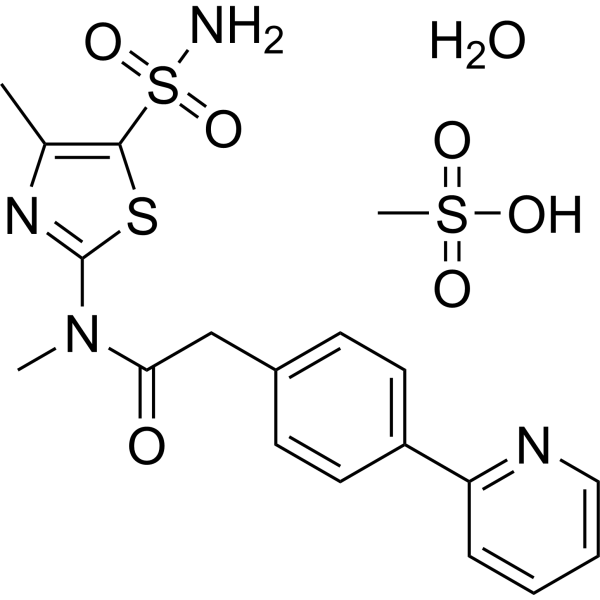
  • HY-15303B
    Pritelivir mesylate hydrate
    5+ Cited Publications

    AIC316 mesylate hydrate; BAY 57-1293 mesylate hydrate

    DNA/RNA Synthesis HSV Infection
    Pritelivir mesylate hydrate (BAY 57-1293 mesylate hydrate), an inhibitor of the viral helicase-primase complex, exhibits antiviral activity in vitro and in animal models of herpes simplex virus (HSV) infection. Pritelivir mesylate hydrate is active against herpes simplex virus types 1 and 2 (HSV-1 and HSV-2) with the IC50 of 0.02 μM against HSV1-2 .
    Pritelivir mesylate hydrate
  • HY-106219

    Microtubule/Tubulin P-glycoprotein Cancer
    BMS 275183 is a potent, orally active analogue of Paclitaxel (HY-B0015). BMS 275183 can stabilize microtubules and exhibits antitumor activity in in vivo tumor models. BMS 275183 is active in vitro against Paclitaxel-resistant tumors including those harboring tubulin mutations or overexpressing P-glycoprotein. BMS 275183 can be used for cancer research, such as non-small cell lung cancer (NSCLC) and prostate carcinoma .
    BMS 275183
  • HY-P3212A

    Neuropeptide Y Receptor Cancer
    Allo-aca TFA, a leptin peptidomimetic, is a potent, specific leptin receptor antagonist peptide. Allo-aca TFA blocks leptin signaling and action in numerous in vitro and in vivo models .
    Allo-aca TFA
  • HY-120924

    Dihydroorotate Dehydrogenase DNA/RNA Synthesis Parasite Infection
    BRD9185 is a Dihydroorotate dehydrogenase (DHODH) inhibitor, with an EC50 of 16 nM against multidrug-resistant blood-stage parasites in vitro and is curative after just three doses in a P. berghei mouse model .
    BRD9185
  • HY-122989

    DYRK Inflammation/Immunology
    Aristolactam BIII is a potent DYRK1A inhibitor and inhibits the kinase activity of DYRK1A in vitro (IC50= 9.67 nM. Aristolactam BIII rescues the proliferative defects of DYRK1A transgenic (TG) mouse-derived fibroblasts and neurological and phenotypic defects of DS-like Drosophila models .
    Aristolactam BIII
  • HY-P991618

    Transmembrane Glycoprotein Cancer
    ST2485 is a monoclonal antitenascin antibody. ST2485 shows additivity in tenascin C binding in vitro as well as in a xenograft model. ST2485 binds human tenascin at an epitope partially shared with BC2. ST2485 cross-reacts with murine tenascin. ST2485 can be studied in antitumor research .
    ST2485
  • HY-178393

    TRP Channel Neurological Disease Metabolic Disease
    TRPM2-IN-2 is a potent and selective TRPM2 inhibitor (IC50 = 0.66 μM) with minimal activity against TRPM8 and TRPV1 (IC50 >10 μM). TRPM2-IN-2 exhibits robust neuroprotective effects in both in vitro oxygen-glucose deprivation/reperfusion (OGD/R) model and in vivo transient middle cerebral artery occlusion (tMCAO) mouse model. TRPM2-IN-2 can be used for ischemic stroke research .
    TRPM2-IN-2
  • HY-164532

    Chloride Channel Metabolic Disease
    NS3736 is an orally effective chloride channel inhibitor that can be used for the research of osteoporosis. NS3736 targets the CIC-7 channel in osteocytes, blocks osteoclast acidification and resorption in vitro, with IC50=30 μM. In a rat model of ovariectomy-induced osteoporosis, NS3736 can enhance bone strength and bone density .
    NS3736

Inquiry Online

Your information is safe with us. * Required Fields.

Salutation


Country or Region *

Applicant Name *


Organization Name *

Department *


Email Address *


Product Name *

Cat. No.


Requested quantity *

Phone Number *


Remarks

Inquiry Online

Inquiry Information

Product Name:
Cat. No.:
Quantity:
MCE Japan Authorized Agent:

