1. Search Result
Search Result
Results for "

lethal

" in MedChemExpress (MCE) Product Catalog:

170

Inhibitors & Agonists

1

Fluorescent Dye

2

Biochemical Assay Reagents

19

Peptides

3

Inhibitory Antibodies

19

Natural
Products

1

Recombinant Proteins

11

Isotope-Labeled Compounds

2

Click Chemistry

1

GMP Molecules

Cat. No. Product Name Target Research Areas Chemical Structure
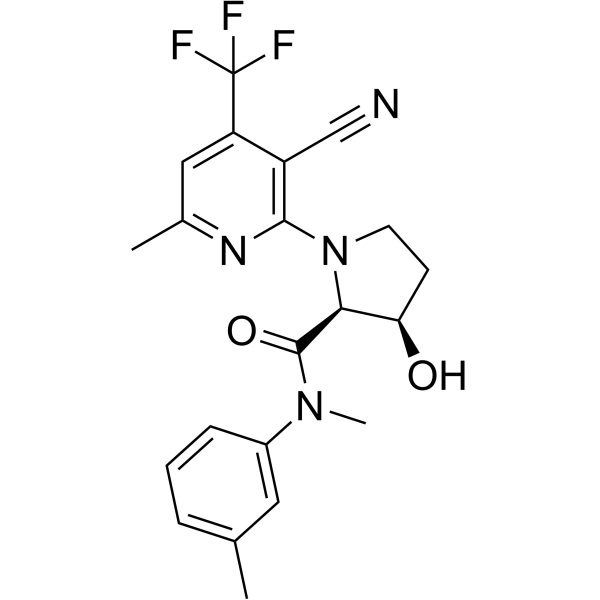
  • HY-132167
    Saruparib
    15+ Cited Publications

    AZD5305

    PARP Cancer
    Saruparib (AZD5305) is a potent, orally active and selective PARP inhibitor and trapper with IC50 values of 3 nM and 1400 nM for PARP1 and PARP2, respectively. Saruparib has anti-proliferative activity and inhibits growth in cells with deficiencies in DNA repair .
    Saruparib
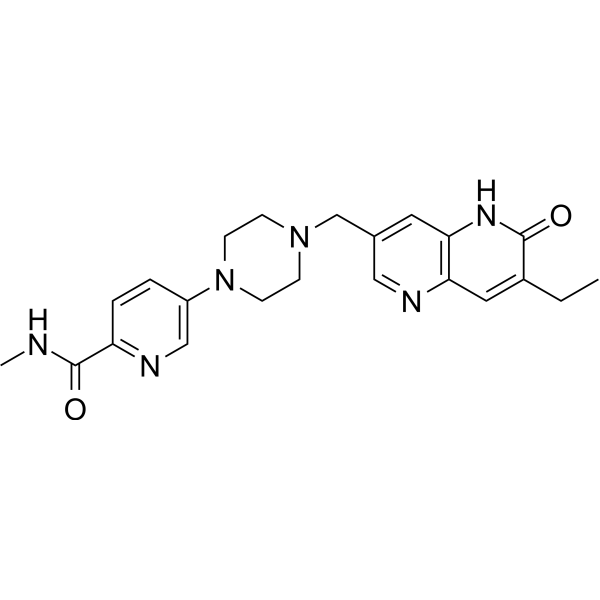
  • HY-141520
    ART558
    Maximum Cited Publications
    49 Publications Verification

    DNA/RNA Synthesis Cancer
    ART558 is a potent, selective and allosteric DNA polymerase theta (Polθ) inhibitor (IC50=7.9 nM). ART558 elicits BRCA-gene synthetic lethality and DNA damage. ART558 can be used for the research of cancer, such as breast cancer .
    ART558
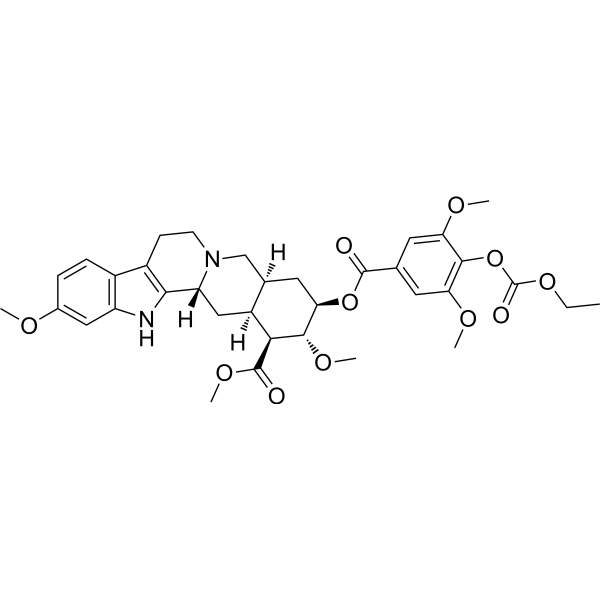
  • HY-N4115
    Syrosingopine
    10+ Cited Publications

    Su 3118

    Monocarboxylate Transporter Cardiovascular Disease Cancer
    Syrosingopine (Su 3118) is an orally active lactate transporters (MCT1/MCT4) dual inhibitor, which can reduce glycolysis and induce synthetic lethality in cancer cells when combine with metformin. Syrosingopine shows anti-hypertensive activity by depleting peripheral stores of norepinephrine .
    Syrosingopine
  • HY-100002
    ML162
    10+ Cited Publications

    Glutathione Peroxidase Ferroptosis Cancer
    ML162 is a covalent glutathione peroxidase 4 (GPX4) inhibitor. ML162 has a selective lethal effect on mutant RAS oncogene-expressing cell lines
    ML162
  • HY-B0401
    Tolbutamide
    5+ Cited Publications

    Na+/K+ ATPase Metabolic Disease Cancer
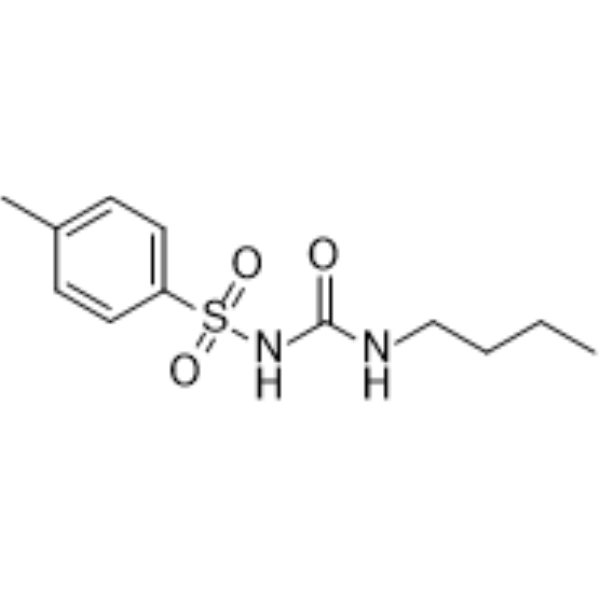
    Tolbutamide is an orally active KATP inhibitor. Tolbutamide inhibits cell proliferation, stimulates exocytosis of glucagon and reduces fetal lethality of mice. Tolbutamide can be used in the research of diabete .
    Tolbutamide
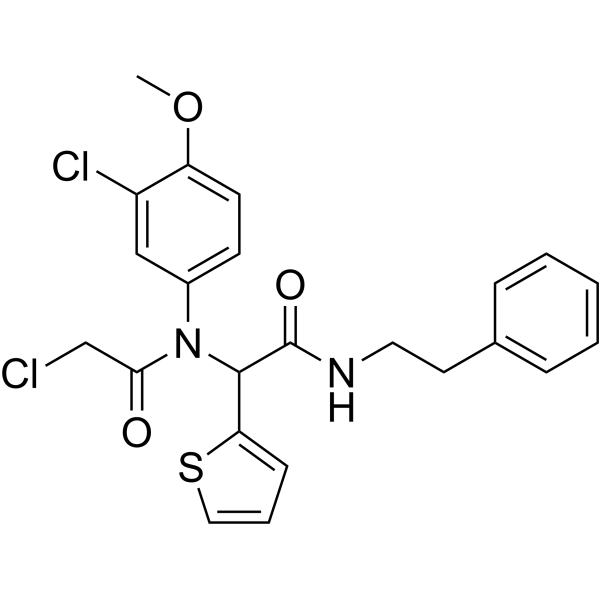
  • HY-158116

    RO7589831; VVD-133214

    DNA/RNA Synthesis Cancer
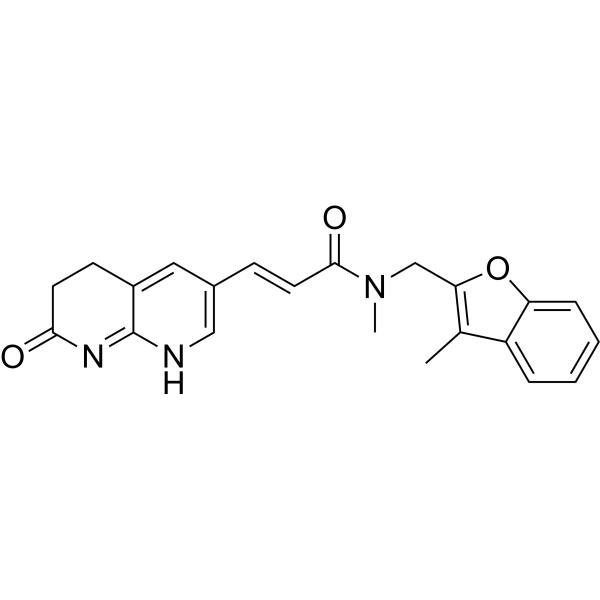
    VVD-214 is a synthetic lethal allosteric inhibitor of WRN helicase with an IC50 of 0.1316 µM. VVD-214 covalently binds to cysteine 727 of WRN and inhibits ATP hydrolysis and helicase activity. VVD-214 is potent in causing double-stranded DNA breaks, nuclear swelling, and cell death in high microsatellite instability (MSI) cancers .
    VVD-214
  • HY-P1010
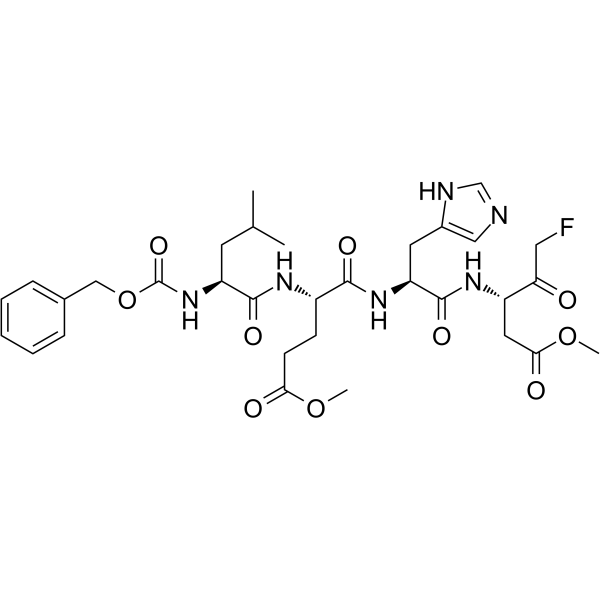
    Z-LEHD-FMK
    10+ Cited Publications

    Caspase Apoptosis Neurological Disease Cancer
    Z-LEHD-FMK is a selective and irreversible inhibitor of caspase-9, protects against lethal reperfusion injury and attenuates apoptosis. Z-LEHD-FMK exhibits the neuroprotective effect in a rat model of spinal cord trauma .
    Z-LEHD-FMK
  • HY-N7091
    Atrazine
    4 Publications Verification

    Environmental Pollutants Herbicide Metabolic Disease Cancer
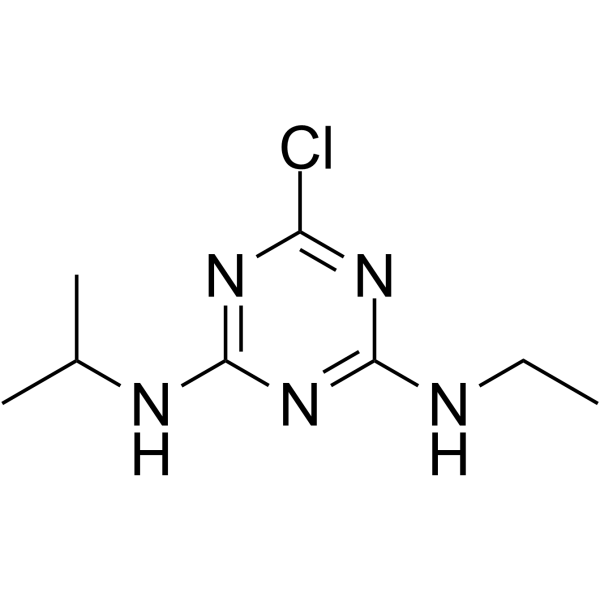
    Atrazine, a triazine herbicide, is principally used for control of certain annual broadleaf and grass weeds. Atrazine inhibits photophosphorylation but typically does not result in lethality or permanent cell damage in the short term .
    Atrazine
  • HY-N1436

    L-Abrine; L-N-Methyltryptophan; N-α-Methyl-L-tryptophan

    Others Inflammation/Immunology
    L-(+)-Abrine, a lethal albumin found in Abrus precatorius seeds, is an acute toxic alkaloid and chemical marker for abrin.
    L-(+)-Abrine
  • HY-153361

    PROTACs Epigenetic Reader Domain Inflammation/Immunology Cancer
    YD23 is a selective SMARCA2 PROTAC degrader with DC50 values of 64 nM and 297 nM in H1792 cells and H1975 cells. YD23 induces degradation of SMARCA2, which is synthetic lethal to SMARCA4. YD23 reduces chromatin accessibility only in SMARCA4 deficient cells, including cell cycle and cell growth regulatory genes. YD23 selectively inhibits growth of SMARCA4 mutant lung cancer cells. YD23 has potent tumor growth inhibitory activity in SMARCA4-mutant xenografts. YD23 can be used for the study of non-small cell lung cancer (NSCLC) .
    YD23
  • HY-W011522

    Bacterial Apoptosis Antibiotic Autophagy Infection Cancer
    Taurolidine is a potent antimicrobial and anticancer agent. Taurolidine inhibits cell proliferation. Taurolidine induces apoptosis and autophagy. Taurolidine rescues mice from sepsis-associated lethality .
    Taurolidine
  • HY-135042
    CAY10614
    1 Publications Verification

    Toll-like Receptor (TLR) Neurological Disease
    CAY10614 is a potent TLR4 antagonist. CAY10614 inhibits the lipid A-induced activation of TLR4, with an IC50 of 1.675 μM. CAY10614 can improve survival of mice in lethal endotoxin shock model .
    CAY10614
  • HY-112626
    CDK12-IN-2
    1 Publications Verification

    CDK Cancer
    CDK12-IN-2 is a potent, selective and nanomolar CDK12 inhibitor (IC50=52 nM) with good physicochemical properties. CDK12-IN-2 is also a strong CDK13 inhibitor due to CDK13 is the closest homologue of CDK12. CDK12-IN-2 shows excellent kinase selectivity for CDK12 over CDK2, 9, 8, and 7. CDK12-IN-2 inhibits the phosphorylation of Ser2 in the C-terminal domain of RNA polymerase II. CDK12-IN-2 can be used an excellent chemical probe for functional studies of CDK12 .
    CDK12-IN-2
  • HY-P99123
    Anti-Mouse CD28 Antibody (37.51)
    2 Publications Verification

    CD28 Inflammation/Immunology
    Anti-Mouse CD28 Antibody (37.51) is an agonistic agonistic CD28-specific antibody derived from the host Syrian Hamster. Anti-Mouse CD28 Antibody (37.51) partially prevents lethal graft-versus-hostdisease (GVHD) by selective depletion of alloreactive T cells in mice .
    Anti-Mouse CD28 Antibody (37.51)
  • HY-B2066

    Environmental Pollutants Parasite Others
    Clofentezine is a growth inhibitor that is highly lethal to mites .
    Clofentezine
  • HY-W011522R

    Reference Standards Bacterial Apoptosis Antibiotic Autophagy Infection Cancer
    Taurolidine (Standard) is the analytical standard of Taurolidine. This product is intended for research and analytical applications. Taurolidine is a potent antimicrobial and anticancer agent. Taurolidine inhibits cell proliferation. Taurolidine induces apoptosis and autophagy. Taurolidine rescues mice from sepsis-associated lethality[1][2].
    Taurolidine (Standard)
  • HY-N7091S2

    Isotope-Labeled Compounds Metabolic Disease
    Atrazine-d5 is deuterium labeled Atrazine. Atrazine is principally used for control of certain annual broadleaf and grass weeds. Atrazine inhibits photophosphorylation but typically does not result in lethality or permanent cell damage in the short term .
    Atrazine-d5
  • HY-148114

    Autophagy Neurological Disease Cancer
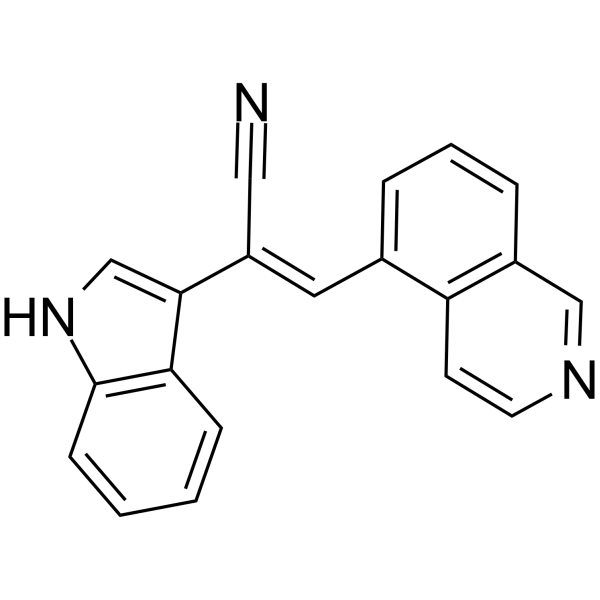
    MOPIPP is a novel indolebased chalcone, and vacuolin-1, is a non-lethal vacuoleinducing 2-propyl analog of MOMIPP (HY-119624). MOPIPP induces cellular vacuolization and increases autophagosomes numbers. MOPIPP can be used for the study of glioblastoma cells .
    MOPIPP
  • HY-B0401R

    Reference Standards Na+/K+ ATPase Metabolic Disease Cancer
    Tolbutamide (Standard) is the analytical standard of Tolbutamide. This product is intended for research and analytical applications. Tolbutamide is an orally active KATP inhibitor. Tolbutamide inhibits cell proliferation, stimulates exocytosis of glucagon and reduces fetal lethality of mice. Tolbutamide can be used in the research of diabete .
    Tolbutamide (Standard)
  • HY-144691

    PROTACs CDK Cancer
    PP-C8 is a potent and selective PROTAC CDK12-Cyclin K degrader. PP-C8 induces CDK12-Cyclin K degradation with DC50s of 416 and 412 nM for CDK12 and Cyclin K, respectively. PP-C8 demonstrates profound synergistic antiproliferative effects with PARP inhibitor in triple-negative breast cancer (TNBC) .
    PP-C8
  • HY-171160

    SARS-CoV Infection
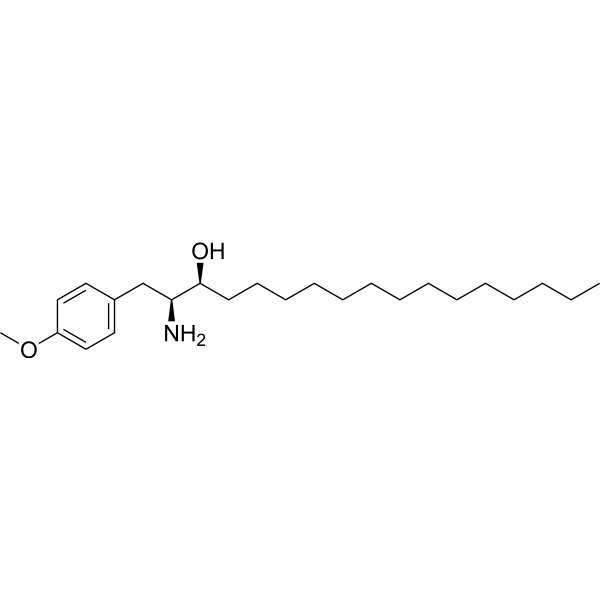
    WYFA-15 is a sphingomyelin synthase 1 (SMS1) inhibitor that protects mice against lethal SFTSV infection and reduce SARS-CoV-2 replication and pathogenesis. WYFA-15 can be utilized in anti-virus research .
    WYFA-15
  • HY-N7091R

    Herbicide Reference Standards Metabolic Disease
    Atrazine (Standard) is the analytical standard of Atrazine. This product is intended for research and analytical applications. Atrazine is principally used for control of certain annual broadleaf and grass weeds. Atrazine inhibits photophosphorylation but typically does not result in lethality or permanent cell damage in the short term .
    Atrazine (Standard)
  • HY-146052
    Autophagy inducer 3
    1 Publications Verification

    Atg8/LC3 Autophagy Cancer
    Autophagy inducer 3 has autophagy induced activity. Autophagy inducer 3 possesses robust autophagic cell death in diverse cancer cells sparing normal counterpart. Autophagy inducer 3 induces lethal autophagy by formation of characteristic autophagic vacuoles, LC3 puncta formation, upregulation of signature autophagy markers like Beclin and Atg family proteins .
    Autophagy inducer 3
  • HY-157901

    2,3-Dihydroxybutyric acid

    Drug Derivative Cancer
    2,3-Dihydroxybutanoic acid is an anticancer agent that can be extracted from the leaves of Corydalis. 2,3-Dihydroxybutanoic acid has anticancer activity both in vitro and in vivo and is lethal to Ehrlich ascites tumor cells .
    2,3-Dihydroxybutanoic acid
  • HY-103639A

    Toll-like Receptor (TLR) Infection
    M62812 is a toll-like receptor 4 (TLR4) signaling inhibitor. M62812 inhibits endothelial and leukocyte activation and prevents lethal septic shock in mice. M62812 can reduces LPS-induced coagulation and inflammatory responses. M62812 can be used for the research of sepsis .
    M62812
  • HY-W011549

    Bacterial Infection
    2'-Amino-2'-deoxyguanosine is a nucleoside antibiotic. 2'-Amino-2'-deoxyguanosine exhibits lethal activity against certain strains of Escherichia coli, with its antibacterial effect reversible by guanosine and other purine nucleosides. 2'-Amino-2'-deoxyguanosine can be used for the study of bacterial infection .
    2'-Amino-2'-deoxyguanosine
  • HY-P1010A

    Caspase Apoptosis Neurological Disease Cancer
    Z-LEHD-FMK TFA is a selective and irreversible inhibitor of caspase-9, protects against lethal reperfusion injury and attenuates apoptosis. Z-LEHD-FMK TFA exhibits the neuroprotective effect in a rat model of spinal cord trauma .
    Z-LEHD-FMK TFA
  • HY-N2351

    Wnt Infection Metabolic Disease Inflammation/Immunology
    Paeonoside is a bioactive compound identified in P. suffruticosa that promotes wound healing and migration in osteoblast differentiation. Paeonoside has also been reported to have some antidiabetic activity and may prevent sepsis-induced lethality .
    Paeonoside
  • HY-W099984

    Environmental Pollutants Others
    2-sec-Butylphenol is a ubiquitous pollutant found in aquatic environments and is highly lethal and accumulative to aquatic organisms .
    2-sec-Butylphenol
  • HY-W067479

    Insecticide Others
    (E)-Cinnamamide, the less active isomer of Cinnamamide. Cinnamamide, a derivative of the plant secondary compound Cinnamic acid. Cinnamamide is effective as a non-lethal chemical repellent suitable for reducing avian pest damage .
    (E)-Cinnamamide
  • HY-121007

    Web2170

    Platelet-activating Factor Receptor (PAFR) Others
    Bepafant (Web2170) is a platelet-activating factor (PAF) antagonist that protects against anaphylactic lethality in active and passive anaphylaxis models in mice and guinea pigs in a dose-dependent manner and attenuates bronchoconstriction and blood pressure changes in anaphylaxis.
    Bepafant
  • HY-153338

    DNA/RNA Synthesis Apoptosis Cancer
    C791-0064 is a RAD52 inhibitor. C791-0064 specifically binds to RAD52 and disrupts its single-strand annealing activity. C791-0064 specifically inhibits the proliferation of cancer cells with BRCA2 deficiency, inducing DNA damage and apoptosis (apoptosis). C791-0064 can be used for the study of BRCA mutation-related cancers (such as breast cancer and ovarian cancer) .
    C791-0064
  • HY-P3912A

    Interleukin Related Infection
    Endotoxin inhibitor TFA is a synthetic peptide that binds lipid A with high affinity, thereby detoxifying LPS (HY-D1056) and preventing LPS-induced cytokine release in vivo. Endotoxin inhibitor TFA inhibits the febrile response to LPS with very low toxicity and lethality .
    Endotoxin inhibitor TFA
  • HY-U00265

    3-Carbethoxypsoralen; 3-Ethoxycarbonylpsoralen

    Bacterial Infection
    3-CPs is a monofunctional furanocoumarin and a photoprotective agent targeting Staphylococcus aureus DNA, possessesing anti-UVB lethal activity. 3-CPs competitively intercalates into DNA, forming exclusively 4',5'-furan-side mono-adducts upon UVB irradiation, and irreversibly inhibits the formation of cyclobutane pyrimidine dimers. 3-CPs prevents UVB-induced DNA damage by preferentially binding to strong (AT)n sites within the DNA, without inducing lethal interstrand DNA cross-links; the limited number of mono-adducts it induces can be efficiently repaired by bacteria. 3-CPs holds potential for use in the development of photoprotective formulations for skin diseases, as well as in studies investigating bacterial DNA photodamage repair mechanisms and the optimization of photochemotherapy safety .
    3-CPs
  • HY-B0999

    Clorindanol; 7-Chloro-4-indanol

    Bacterial Infection
    Chlorindanol (7-Chloro-4-indanol) is a topical antiseptic or sanitizer. Chlorindanol is rapidly lethal to vegetative bacteria, Trichophyton sp., C. albicans, E. histolytica cysts and trophozoites, T. vaginalis, and spermatozoa in vitro. Chlorindanol is klow systemic toxicity, well skin/eyes/genital mucosa tolerance and nonallergenic.
    Chlorindanol
  • HY-136439

    Bacterial Antibiotic Apoptosis Infection
    4-Epianhydrotetracycline hydrochloride is a major intermediate product of Tetracycline (HY-A0107). 4-Epianhydrotetracycline hydrochloride shows lethal effects and induces cell apoptosis of zebrafish embryos. 4-Epianhydrotetracycline hydrochloride inhibits Shewanella, E. coli and P. aeruginosa with MIC values of 2, 1 and 64 mg/L, respectively .
    4-Epianhydrotetracycline hydrochloride
  • HY-N4115R

    Su 3118 (Standard)

    Reference Standards Monocarboxylate Transporter Cardiovascular Disease Cancer
    Syrosingopine (Su 3118) is an orally active lactate transporters (MCT1/MCT4) dual inhibitor, which can reduce glycolysis and induce synthetic lethality in cancer cells when combine with metformin. Syrosingopine shows anti-hypertensive activity by depleting peripheral stores of norepinephrine .
    Syrosingopine (Standard)
  • HY-145268

    Cadherin Cancer
    SLEC-11 is a CDH1/E-cadherin modulator that potently inhibits cell death in E-cadherin-deficient cells (EC50=8.2 μM). SLEC-11 can be used to study potential synthetic lethal therapies for gastric cancer .
    SLEC-11
  • HY-P3912

    COX Interleukin Related Infection
    Endotoxin inhibitor a synthetic peptide that binds lipid A with high affinity, thereby detoxifying LPS (HY-D1056) and preventing LPS-induced cytokine release in vivo. Endotoxin inhibitor inhibits the febrile response to LPS with very low toxicity and lethality .
    Endotoxin inhibitor
  • HY-149952

    ATM/ATR Cancer
    ATR-IN-23 (Compound 34) is a potent and selective ATR inhibitor with an IC50 of 1.5 nM. ATR-IN-23 has potent antiproliferative effects on LoVo cells and synthetic lethality on HT-29 cells, and can be used in the study of DNA damage response (DDR)-deficient cancers .
    ATR-IN-23
  • HY-147014

    CMV Orthopoxvirus Infection
    Cyclic HPMPC is a potent antiviral agent. Cyclic HPMPC can increase arterial oxygen saturation levels in lethal vaccinia virus (IHD strain)-infected mice. Cyclic HPMPC improves the outcome of congenital guinea pig cytomegalovirus (GPCMV) infection and decreases viral replication in guinea pig model .
    Cyclic HPMPC
  • HY-146079

    Fungal Infection
    Antifungal agent 31 (compound 12) is a potent and orally active triazole antifungal agents with a pyrrolotriazinone scaffold. Antifungal agent 31 shows antifungal activity against Candida spp. and filamentous fungi. Antifungal agent 31 significantly reduced mortality rates and kidney fungal burden in two murine models of lethal systemic infections .
    Antifungal agent 31
  • HY-174217

    DNA/RNA Synthesis Cancer
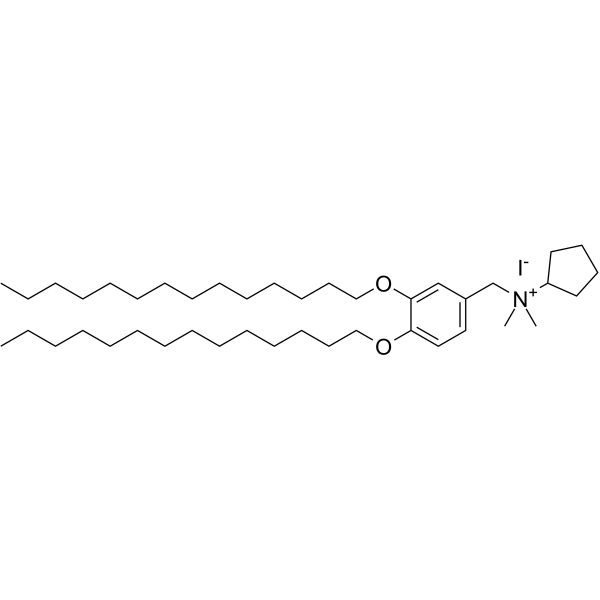
    WRN-IN-19 (Compound (S)-27) is a covalent WRN helicase inhibitor, with pIC50 (0 h/4 h) = 5.4/7.5 in the DNA-unwinding 5 endpoint assays. WRN-IN-19 shows synthetic lethality in MSI-H (high microsatellite instability) cancer cells .
    WRN-IN-19
  • HY-P5550

    Influenza Virus Infection
    Urumin has antiviral activity against the human influenza A virus. Urumin inhibits the growth of PR8 influenza virus (IC50: 3.8 μM). Urumin targets the conserved stalk of H1 hemagglutini, and is effective at neutralizing drug-resistant H1 influenza viruses. Urumin protects naive mice from lethal influenza infection .
    Urumin
  • HY-153141

    RNA MTase Cancer
    MP-1 is a potent Fumarate hydratase-dependent hit. MP-1 engages an array of functional cysteines, including one lying in the Zn-finger domain of the tRNA methyltransferase enzyme TRMT1. MP-1 causes fumarate hydratase-dependent synthetic lethality in a metastatic hereditary leiomyomatosis and renal cell carcinoma cell line .
    MP-1
  • HY-124618

    Flavivirus Dengue Virus HCV HIV Infection
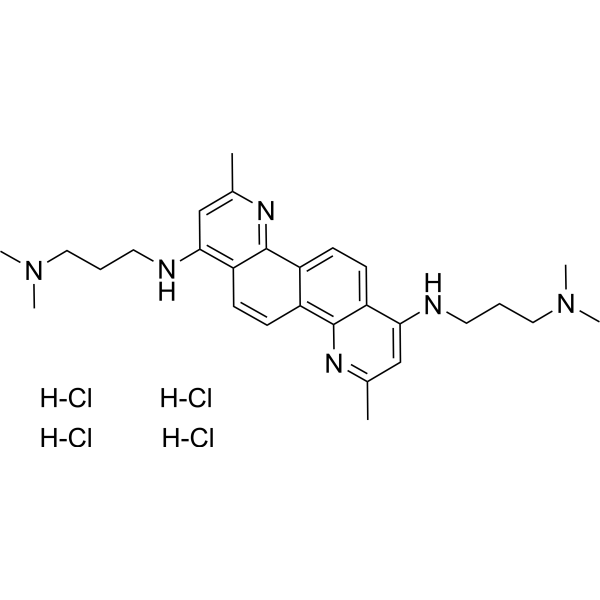
    FGI-106 is a potent and broad-spectrum inhibitor with inhibitory activity against multiple viruses. FGI-106 is active against Ebola, Rift Valley and Dengue Fever viruses with EC50s of 100 nM, 800 nM and 400-900 nM, respectively. FGI-106 also inhibits non-hemorrhagic fever viruses HCV and HIV-1 with EC50s of 200 nM and 150 nM, respectively .
    FGI-106
  • HY-178511

    Kinesin Cancer
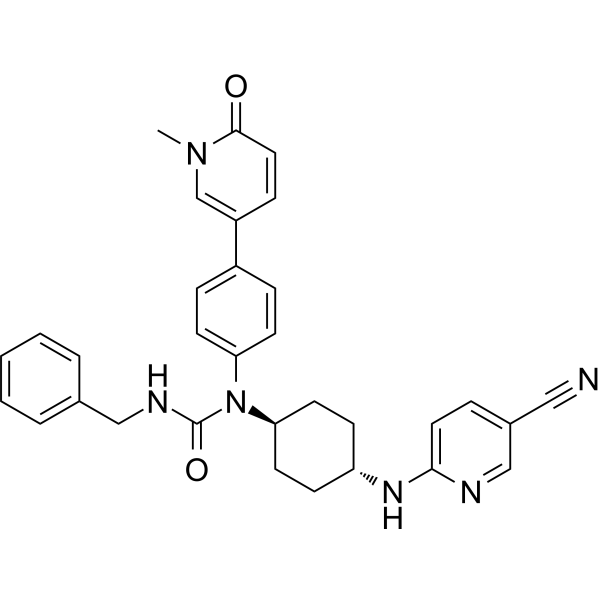
    KIF18A-IN-17 (Example 37A) is a KIF18A inhibitor with racemic form with an IC50 of 48 nM. KIF18A-IN-17 exhibits anti-proliferative activity against HT29 cells. KIF18A-IN-17 can be used for the study of cancers such as breast cancer and ovarian cancer .
    KIF18A-IN-17
  • HY-P10150

    Bacterial Infection
    IN-2-LF is an inhibitor of lethal factor. IN-2-LF also inhibits furin with an IC50 of 2 μM. IN-2-LF enhances protection against anthrax lethal toxin when in combination with D6R .
    IN-2-LF
  • HY-W587689

    Juvenile hormone III bisepoxide; Juvenile hormone bisepoxide; JHB3

    c-Met/HGFR Others
    Juvenile hormone B 3 (Juvenile hormone III bisepoxide)(mixture of diastereomers) is a sesquiterpenoid hormone. Juvenile hormone B 3 can be isolated from corpus allatum (CA) of high dipterans like the fruitfly and Drosophila melanogaster. JHB3 has anti-metamorphic activity and induces Kr-h1 expression by directly interacting with juvenile hormone (JH) receptors (Met and Gce). Juvenile hormone B 3 can be used for insect lethality research .
    Juvenile hormone B 3 (mixture of diastereomers)
  • HY-120407

    ENT-33266

    Insecticide Others
    Looplure (ENT-33266) is an insect attractant with acute toxicity studies in different animal models showing activity at oral and dermal median lethal doses (LD50) and median lethal concentrations (LC50) for fish with some values, and low toxicity in most cases except for some cases.
    Looplure

Inquiry Online

Your information is safe with us. * Required Fields.

Salutation


Country or Region *

Applicant Name *


Organization Name *

Department *


Email Address *


Product Name *

Cat. No.


Requested quantity *

Phone Number *


Remarks

Inquiry Online

Inquiry Information

Product Name:
Cat. No.:
Quantity:
MCE Japan Authorized Agent:

