

Search Result
Results for "
membrane translocation
" in MedChemExpress (MCE) Product Catalog:
1
Biochemical Assay Reagents
| Cat. No. |
Product Name |
Target |
Research Areas |
Chemical Structure |
-
- HY-18749
-
SC79
Maximum Cited Publications
308 Publications Verification
|
Akt
|
Neurological Disease
Inflammation/Immunology
Cancer
|
|
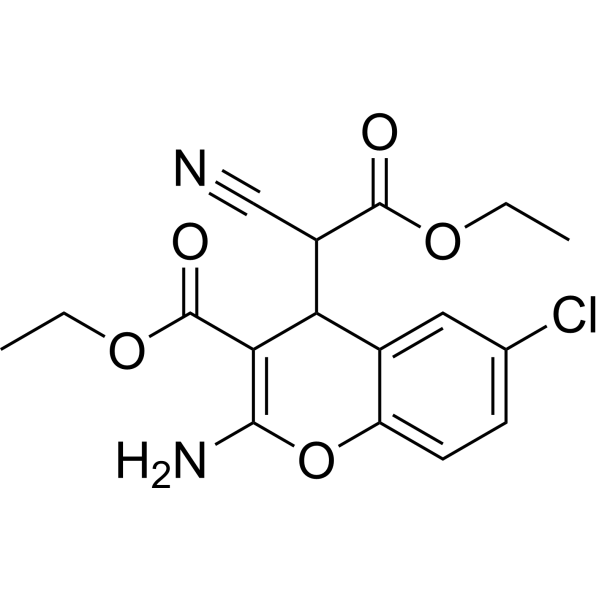
SC79, a unique specific and BBB permeable Akt activator, activates Akt in the cytosol and inhibits Akt membrane translocation. SC79 specifically binds to the PH domain of Akt .
|
-
-
- HY-P2818
-
|
Apase
|
Endogenous Metabolite
Phosphatase
Glutathione Peroxidase
Bacterial
|
Infection
Inflammation/Immunology
|
|
Alkaline phosphatase, Bovine intestine (Apase) is an orally active membrane-bound glycoprotein that catalyzes the hydrolysis of phosphate monoesters at alkaline pH. Alkaline phosphatase, Bovine intestine reduces myeloperoxidase activity and bacterial translocation. Alkaline phosphatase, Bovine intestine improves survival rate of mice infected with E. coli. Alkaline phosphatase, Bovine intestine improves TNBS-induced colon inflammation .
|
-
-
- HY-N9933
-
|
TβMCA
|
FXR
Apoptosis
|
Neurological Disease
Metabolic Disease
Inflammation/Immunology
Cancer
|
|
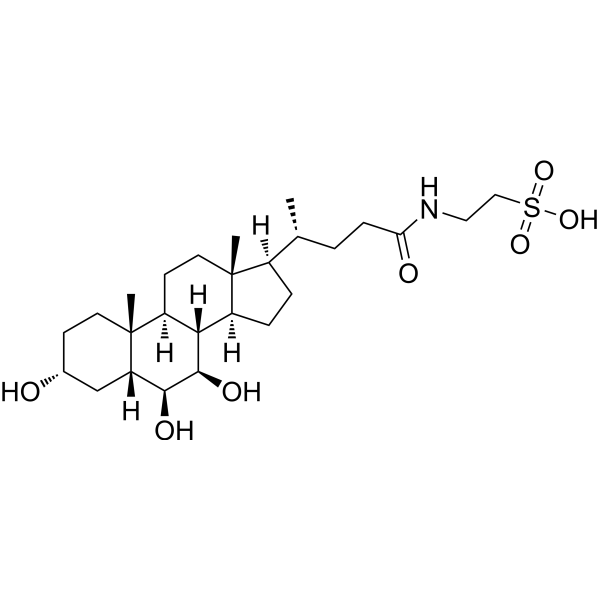
Tauro-β-muricholic acid (TβMCA) is an orally active trihydroxylated bile acid and a competitive, reversible FXR antagonist (IC50=40 μM). Tauro-β-muricholic acid inhibits bile acid-induced hepatocyte apoptosis by maintaining mitochondrial membrane potential, while simultaneously inhibiting intestinal FXR signaling, affecting bile acid synthesis, hepatic lipid metabolism, and insulin sensitivity. Accumulation of tauro-β-muricholic acid disrupts metabolic homeostasis, promoting cancer stem cell proliferation and tumor progression. The mechanisms of tauro-β-muricholic acid involve two aspects: first, inhibiting the translocation of the pro-apoptotic protein Bax to mitochondria and maintaining mitochondrial membrane potential (MMP); and second, blocking the FXR signaling pathway to regulate bile acid metabolism, reduce serum ceramide production, and downregulate the hepatic SREBP1C/CIDEA pathway. Tauro-β-muricholic acid possesses anti-hepatocyte apoptosis, bile acid homeostasis regulation, and liver fat accumulation reduction properties, and also functions as a biomarker, making it useful in the study of diseases such as bile acid metabolism disorders, non-alcoholic fatty liver disease, colorectal cancer, and liver fibrosis .
|
-
-
- HY-P2818E
-
|
Apase, Calf intestinal
|
Endogenous Metabolite
Phosphatase
Glutathione Peroxidase
Bacterial
|
Infection
Inflammation/Immunology
|
|
Alkaline Phosphatase (Apase), Calf intestinal is an alkaline phosphatase from Calf intestinal, and is one of the most active alkaline phosphatases. Alkaline Phosphatase, Calf intestinal is an orally active membrane-bound glycoprotein that catalyzes the hydrolysis of phosphate monoesters at alkaline pH. Alkaline Phosphatase, Calf intestinal reduces myeloperoxidase activity and bacterial translocation. Alkaline Phosphatase, Calf intestinal improves survival rate of mice infected with E. coli. Alkaline Phosphatase, Calf intestinal improves TNBS-induced colon inflammation .
|
-
-
- HY-A0183
-
|
Phospholipids, phosphatidylserines; Serine glycerophosphatides
|
Akt
TGF-β Receptor
|
Inflammation/Immunology
|
|
Phosphatidylserine (Phospholipids) is a well-conserved anti-inflammatory and immunosuppressive signal. Phosphatidylserine is involved in membrane translocation and the activation of protein kinase C, participating in Akt signaling through its interaction with PIP3. The local exposure of Phosphatidylserine can interact with complement and other proteins, promoting microglial phagocytosis during critical periods of synaptic refinement. Phosphatidylserine can promote blood coagulation in the extracellular environment and acts as a "eat me" signal to clear out apoptotic cells. Phosphatidylserine can suppress inflammation in tissues by inducing TGF-β secretion and inhibiting immune responses .
|
-
-
- HY-112292
-
|
|
Mixed Lineage Kinase
VEGFR
|
Others
|
|
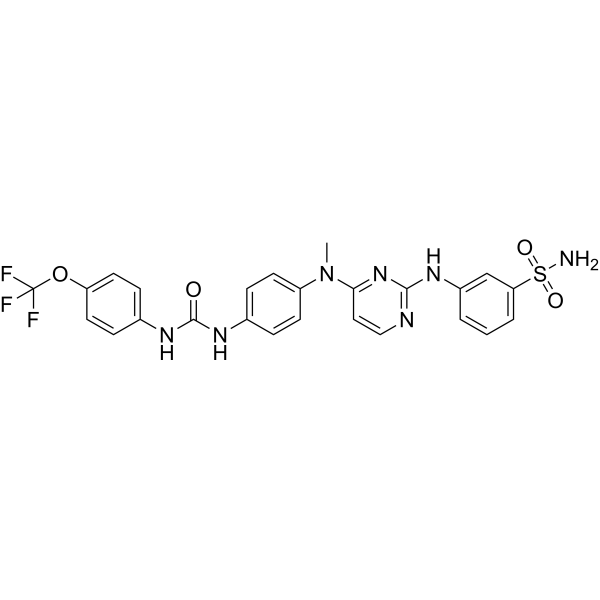
GW806742X, an ATP mimetic and a potent MLKL (Mixed Lineage Kinase Domain-Like protein) inhibitor, binds the MLKL pseudokinase domain with a Kd of 9.3 μM. GW806742X has activity against VEGFR2 (IC50=2 nM). GW806742X retards MLKL membrane translocation and inhibits necroptosis .
|
-
-
- HY-D1612
-
|
|
Fluorescent Dye
|
Others
|
|
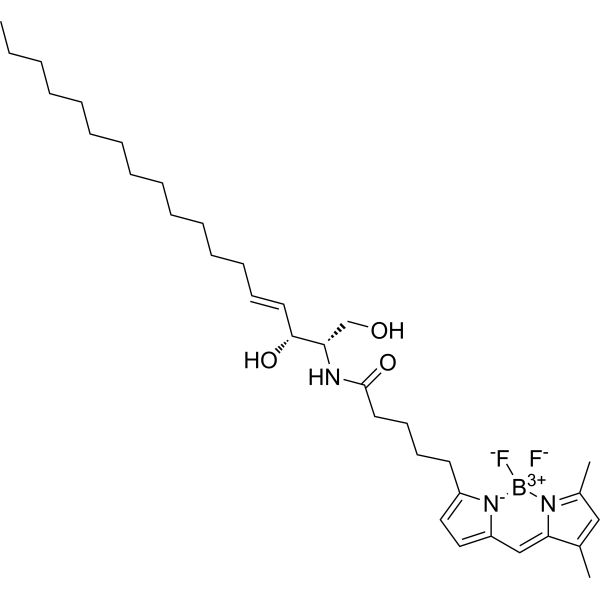
The Golgi apparatus is composed of flattened vesicles superimposed on each other by unit membranes. The flattened vesicles are round with expanded and perforated edges. The Golgi fluorescent probe is a BODIPY-labeled ceramide derivative, the synthesis of which occurs in the endoplasmic reticulum and can then be transported to the Golgi via ceramide transport protein (CERT) or vesicular translocation, allowing specific labeling of the dye . BODIPY Fl C5-Ceramide is a Golgi-specific green fluorescent dye, which can visualise individual cells . Ex/Em= 505 nm/512 nm.
|
-
-
- HY-N10661
-
|
Ipom-F
|
SARS-CoV
|
Infection
Cancer
|
|
Ipomoeassin F is a potent and selective endoplasmic reticulum (ER) protein-translocation inhibitor by targeting the pore-forming subunit of the Sec61 complex (Sec61α) at the ER membrane. Ipomoeassin F selectively inhibits the ER membrane translocation of SARS-CoV-2 proteins. Ipomoeassin F block the ER translocation of secretory proteins and type I transmembrane proteins (TMPs), but not type III TMPs .
|
-
-
- HY-116003
-
|
|
Endogenous Metabolite
|
Metabolic Disease
|
|
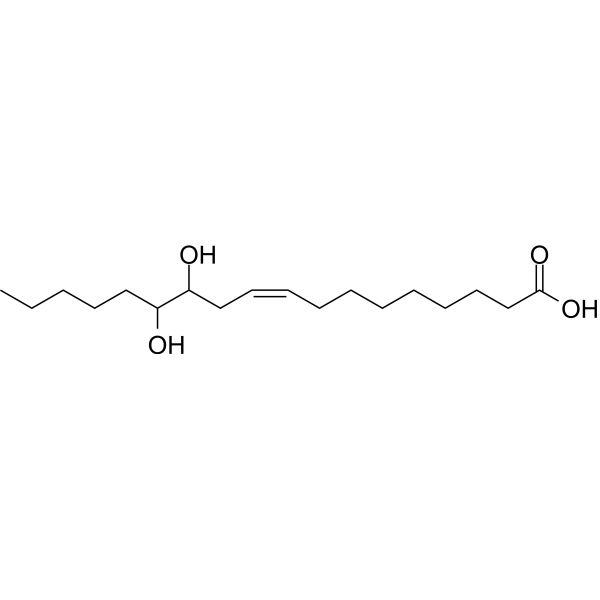
12,13-DiHOME is a stimulator of Brown adipose tissue (BAT), as well as a thermogenic lipokine that activates BAT in response to cold. (±)12,13-DiHOME activates BAT fuel uptake and enhances cold tolerance, via promoting the translocation of the FA transporters FATP1 and CD36 to the cell membrane. (±)12,13-DiHOME can be used for research of metabolic disorders .
|
-
-
- HY-110077
-
API-1
1 Publications Verification
|
Akt
Apoptosis
Caspase
PARP
|
Cancer
|
|
API-1 is a potent selective Akt/PKB inhibitor that reduces the level of phosphorylated Akt (IC50 = 0.8 μM). API-1 binds to the PH domain and inhibits Akt membrane translocation. API-1 induces c-FLIP degradation. API-1 reduces cell proliferation and induces apoptosis. API-1 decreases tumor growth in mouse xenograft model .
|
-
-
- HY-P2818C
-
|
Apase, microorganism
|
Endogenous Metabolite
Phosphatase
Glutathione Peroxidase
Bacterial
|
Infection
Inflammation/Immunology
|
|
Alkaline Phosphatase (Apase), microorganism is an alkaline phosphatase from microorganism, and is one of the most active alkaline phosphatases. Alkaline phosphatase, microorganism is an orally active membrane-bound glycoprotein that catalyzes the hydrolysis of phosphate monoesters at alkaline pH. Alkaline phosphatase, microorganism reduces myeloperoxidase activity and bacterial translocation. Alkaline phosphatase, microorganism improves survival rate of mice infected with E. coli. Alkaline phosphatase, microorganism improves TNBS-induced colon inflammation .
|
-
-
- HY-W1126235
-
|
D223
|
Molecular Glues
Ras
PI3K
GLUT
|
Metabolic Disease
|
|
DS02312223 (D223) is a molecular glue that promotes the binding of RAS to PI3Kα, with a Kd of 0.76 μM for p110α. DS02312223 increases the binding affinity between GTP-bound KRAS (KRAS-GMPPNP) and p110α by nearly three orders of magnitude (KD = 0.017 μM). DS02312223 stimulates the translocation of GLUT4 to the plasma membrane. DS02312223 promotes glucose uptake in the absence of insulin. DS02312223 can be used in diabetes research .
|
-
-
- HY-P2818A
-
|
Apase, Escherichia coli
|
Endogenous Metabolite
Phosphatase
Glutathione Peroxidase
Bacterial
|
Infection
Inflammation/Immunology
|
|
Alkaline Phosphatase (Apase), Escherichia coli is an alkaline phosphatase from Escherichia coli, and is one of the most active alkaline phosphatases. Alkaline phosphatase, Escherichia coli is an orally active membrane-bound glycoprotein that catalyzes the hydrolysis of phosphate monoesters at alkaline pH. Alkaline phosphatase, Escherichia coli reduces myeloperoxidase activity and bacterial translocation. Alkaline phosphatase, Escherichia coli improves survival rate of mice infected with E. coli. Alkaline phosphatase, Escherichia coli improves TNBS-induced colon inflammation .
|
-
-
- HY-139109
-
IR-783
2 Publications Verification
ADS 780WS
|
Fluorescent Dye
Apoptosis
Mitochondrial Metabolism
ATP Synthase
Cytochrome P450
Dynamin
|
Cancer
|
|
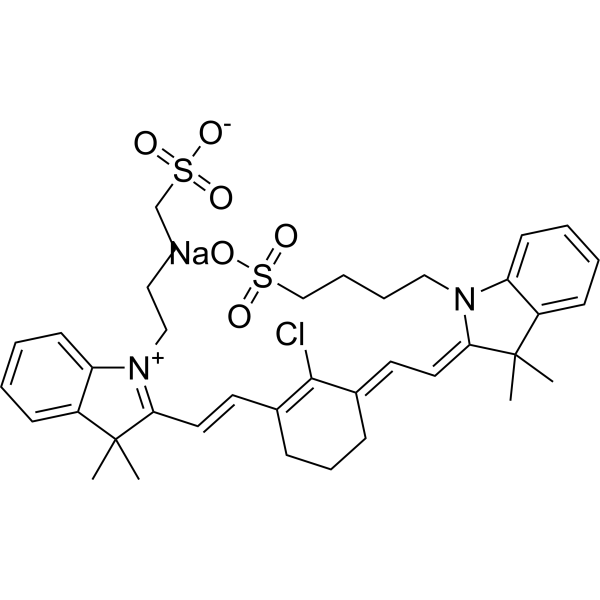
IR-783 (ADS 780WS) is a heptamethine cyanine dye. IR-783 induces Mitochondrial membrane potential loss, ATP depletion, mitochondrial permeability transition pore opening, Cytochrome c release and Apoptosis in breast cancer cells. IR-783 promotes the translocation of Drp1 from the cytosol to mitochondria. IR-783 increases the expression of mitochondrial fission proteins such as MFF and Fission-1. IR-783 possesses imaging, cancer-targeting and anticancer properties. IR-783 exerts anticancer effects against breast cancer. IR-783 can be used in breast cancer-related research .
|
-
-
- HY-116461
-
|
CID2440433
|
GPR55
|
Neurological Disease
|
|
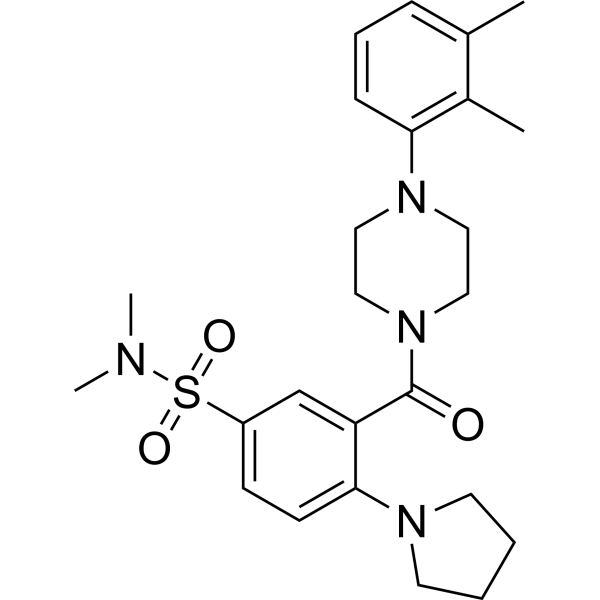
ML-184 (CID244033) is a selective GPR55 agonist with an EC50 of 250 nM, more than 100-fold selectivity for GPR55 over GPR35, CB1, and CB2. ML-184 induces ERK1/2 phosphorylation and PKCβII translocation to the plasma membrane via activation of GPR55. ML-184 (CID2440433) increases the proliferation of neural stem cells and promotes neuronal differentiation in vitro .
|
-
-
- HY-D1735
-
|
Golgi-Red Tracke
|
Fluorescent Dye
|
Others
|
|
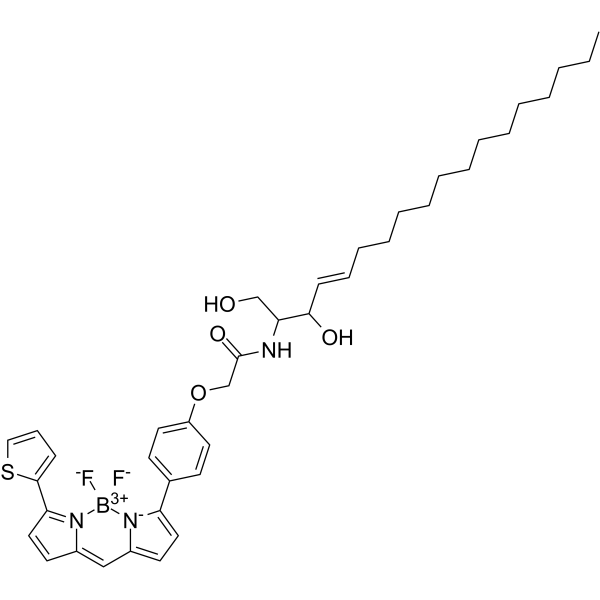
The Golgi apparatus is composed of flattened vesicles superimposed on each other by unit membranes. The flattened vesicles are round with expanded and perforated edges. The Golgi fluorescent probe is a BODIPY-labeled ceramide derivative, the synthesis of which occurs in the endoplasmic reticulum and can then be transported to the Golgi via ceramide transport protein (CERT) or vesicular translocation, allowing specific labeling of the dye. BODIPY TR Ceramide (Golgi-Red Tracke) is a Golgi-specific fluorescent dye, which can visualise individual cells . Ex/Em=589 nm/616 nm.
|
-
-
- HY-N0566
-
|
Anemosapogenin
|
Apoptosis
Autophagy
Bcl-2 Family
Caspase
Survivin
p38 MAPK
MMP
|
Cancer
|
|
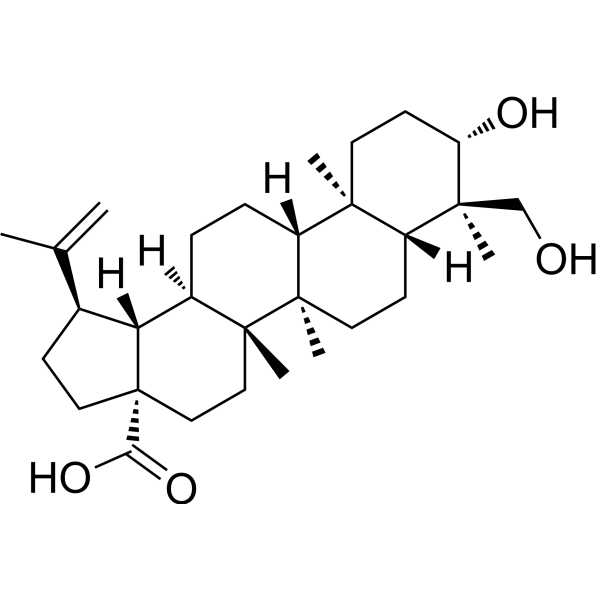
23-Hydroxybetulinic acid (Anemosapogenin) is an orally active triterpenoid with broad-spectrum anticancer activity. 23-Hydroxybetulinic acid reduces the levels of Bcl-2 and survivin, elevates the level of Bax, promotes the cleavage/activation of caspase-3 and caspase-9, and induces apoptosis via the endogenous mitochondrial pathway involving cytochrome C release and mitochondrial membrane potential disruption. 23-Hydroxybetulinic acid arrests the cell cycle at S and G1 phases, inhibits cancer cell proliferation, blocks the MAPK signaling pathway, regulates MMP2, and induces autophagic apoptosis by upregulating beclin-1. 23-Hydroxybetulinic acid inhibits the activity and efflux function of P-gp, increases the intracellular accumulation of chemotherapeutic drugs, and synergistically enhances cytotoxicity with Doxorubicin (HY-15142). 23-Hydroxybetulinic acid inhibits the phosphorylation and nuclear translocation of STAT6, blocks M2 macrophage polarization, and reduces M2 macrophage-mediated apoptosis resistance of colon cancer cells. 23-Hydroxybetulinic acid can be used in related studies on chronic myeloid leukemia, hepatocellular carcinoma, sarcoma 180, multidrug-resistant breast cancer, leukemia, Doxorubicin-induced cardiotoxicity, and colorectal cancer .
|
-
-
- HY-P3012
-
|
|
Cathepsin
ERK
p38 MAPK
PKC
Protease Activated Receptor (PAR)
MMP
|
Inflammation/Immunology
|
|
Cathepsin G is a pH-dependent serine protease. Cathepsin G hydrolyzes diverse synthetic and protein substrates and remodels extracellular matrix. Cathepsin G exerts immunomodulatory effects via recruiting phagocytes, enhancing T cell motility, activating ERK1/2 and p38 MAPK signaling, and mediating PKCζ membrane translocation. Cathepsin G regulates inflammatory responses by cleaving inflammatory mediators. Cathepsin G participates in vascular regulation by converting angiotensin I to angiotensin II. Cathepsin G induces PAR4-dependent platelet activation, facilitates platelet-neutrophil aggregation, and mediates VITT-related NETosis, thrombus formation. Cathepsin G can be used for the research of immune thrombotic thrombocytopenia, cardiovascular disease, and select autoimmune and inflammatory diseases .
|
-
-
- HY-N0857
-
|
|
GLUT
HDAC
Virus Protease
PI3K
AMPK
Akt
Histone Demethylase
MDM-2/p53
IFNAR
Reactive Oxygen Species (ROS)
|
Infection
Metabolic Disease
Inflammation/Immunology
|
|
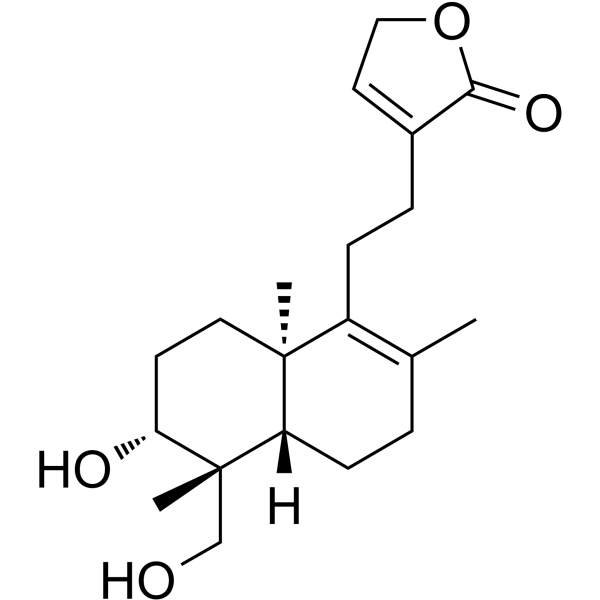
Deoxyandrographolide is an orally active lactone found in the Andrographis paniculata Nees. Deoxyandrographolide shows a KD of 38.4 μM of HDAC1. Deoxyandrographolide enhances GLUT4 plasma membrane translocation, activates PI3K and AMPK-dependent signaling pathways, suppresses fasting blood glucose, serum insulin, triglycerides, and LDL-cholesterol levels. Deoxyandrographolide enhances HDAC1 expression via inhibited ubiquitination degradation, represses H3K4me3, improves chromosome stability, and restrains aging biomarkers p16, p21, γH2A.X, p53 and ROS production. Deoxyandrographolide interacts with Foot-and-Mouth Disease Virus 3Cpro active site, inhibits protease and IFN-antagonist activity, derepresses ISG expression, and inhibits viral replication. Deoxyandrographolide can be used for the researches of type 2 diabetes mellitus, vascular senescence and virus infection .
|
-
-
- HY-112292A
-
|
|
Mixed Lineage Kinase
VEGFR
|
Cancer
|
|
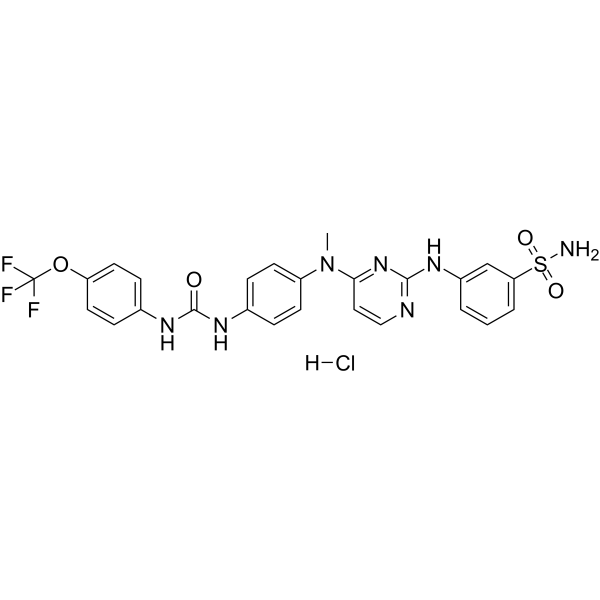
GW806742X hydrochloride, an ATP mimetic and a potent MLKL (Mixed Lineage Kinase Domain-Like protein) inhibitor, binds the MLKL pseudokinase domain with a Kd of 9.3 μM. GW806742X hydrochloride has activity against VEGFR2 (IC50=2 nM). GW806742X hydrochloride retards MLKL membrane translocation and inhibits necroptosis .
|
-
-
- HY-P4119
-
|
|
Biochemical Assay Reagents
|
Others
|
|
Pep-1-Cysteamine is an amphipathic chimeric cell-penetrating peptide. Pep-1-Cysteamine can penetrate biological membranes in an energy-independent manner without forming transmembrane pores, and efficiently deliver active proteins into cells, with its translocation dominated by electrostatic interactions and membrane perturbation .
|
-
-
- HY-N5018
-
|
Musizin
|
Parasite
AMPK
|
Infection
|
|
Nepodin (Musizin) is a quinone oxidoreductase (PfNDH2) inhibitor isolate from Rumex crispus .Nepodin (Musizin) stimulates the translocation of GLUT4 to the plasma membrane by activation of AMPK .Nepodin (Musizin) has antidiabetic and antimalarial activities.
|
-
-
- HY-134963
-
|
|
PKC
|
Cancer
|
|
SBI-0087702 promots the cytoplasmic localization of ATF2 in melanoma cells. SBI-0087702-induced translocation of ATF2 to the mitochondria results in increased apoptosis due to loss of mitochondrial membrane integrity. SBI-0087702 also inhibits growth and motility of melanoma cells. SBI-0087702 was shown to inhibit ATF2 phosphorylation on Thr52 by PKCε .
|
-
-
- HY-P2818B
-
|
Apase, Chicken Intestine
|
Endogenous Metabolite
Phosphatase
Glutathione Peroxidase
Bacterial
|
Infection
Inflammation/Immunology
|
|
Alkaline Phosphatase (Apase), Chicken Intestine is an alkaline phosphatase from Chicken Intestine, and is one of the most active alkaline phosphatases. Alkaline phosphatase, Chicken Intestine is an orally active membrane-bound glycoprotein that catalyzes the hydrolysis of phosphate monoesters at alkaline pH. Alkaline phosphatase, Chicken Intestine reduces myeloperoxidase activity and bacterial translocation. Alkaline phosphatase, Chicken Intestine improves survival rate of mice infected with E. coli. Alkaline phosphatase, Chicken Intestine improves TNBS-induced colon inflammation .
|
-
-
- HY-P4123
-
|
|
MMP
|
Cardiovascular Disease
Inflammation/Immunology
Cancer
|
|
TAT (47-57) GGG-Cys (Npys) is a cell-penetrating peptide and delivery carrier derived from TAT. TAT (47-57) GGG-Cys (Npys) facilitates the translocation of conjugated drug molecules across cell membranes. TAT (47-57) GGG-Cys (Npys) acts as a delivery carrier for MT1-MMP inhibitors. TAT (47-57) GGG-Cys (Npys) is applicable to research on diseases associated with MT1-MMP activity, such as cancer, arthritis, heart disease, and vascular disorders .
|
-
-
- HY-15782
-
|
|
Aminoacyl-tRNA Synthetase
|
Cancer
|
|
YH16899 binds Lysyl-tRNA synthetase (KRS), and inhibits membrane translocation of KRS. YH16899 impares the interaction of KRS with 67LR. YH16899 inhibits tumor metastasis in mouse models .
|
-
-
- HY-D1560
-
|
|
Fluorescent Dye
|
Others
|
|
FG 488 DHPE is a lipid-coupled fluorochrome, has be used as a fluorophore Oregon Green 488. FG 488 DHPE monitors acidification of lipid vesicles with λex/λem=508/534 nm.FG 488 DHPE is also used for Hv1-induced proton translocation quantificatio with λex/λem=508/534 nm as well .
|
-
-
- HY-149490
-
|
|
PKC
|
Neurological Disease
|
|
AJH-836 is an activator of Munc13-1 and PKC ε/α (Kd: 4.5 nM for PKCα) . AJH-836 triggers the translocation of Munc13-1 from the cytoplasm to the plasma membrane. AJH-836 can be used for research of neurodegenerative diseases .
|
-
-
- HY-164521
-
|
|
STAT
|
Cancer
|
|
PMMB-187 is a selective STAT3 inhibitor with an IC50 value of 1.81 μM for MDA-MB-231 cells. PMMB-187 induces apoptosis (Apoptosis) in MDA-MB-231 cells by inhibiting STAT3 transcriptional activity, nuclear translocation, and downstream target gene expression, while also reducing mitochondrial membrane potential, generating reactive oxygen species (ROS), and upregulating the expression levels of apoptosis-related proteins. PMMB-187 has potential applications in cancer research .
|
-
-
- HY-168971
-
|
CP-25
|
IFNAR
STAT
TNF Receptor
Interleukin Related
CXCR
JAK
G Protein-coupled Receptor Kinase (GRK)
|
Inflammation/Immunology
|
|
Paeoniflorin-6′-O-benzene sulfonate (CP-25) is the inhibitor for G protein-coupled receptor kinase 2 (GRK2) that inhibits the translocation of GRK2 to the cell membrane, inhibits JAK1/STAT3 signaling pathway. Paeoniflorin-6′-O-benzene sulfonate inhibits IL-17A/CXCL2-induced proliferation of HaCaT. Paeoniflorin-6′-O-benzene sulfonate reduces the levels of inflammatory factors and chemokines such as IL-17A, IL-17F, IFN-γ, TNF-α, IL-22, IL-23, CXCL2, CXCL3 and CXCL9, alleviates Imiquimod (HY-B0180)-induced psoriasis in mouse model .
|
-
-
- HY-172761
-
|
|
Glutathione Peroxidase
Ferroptosis
|
Cancer
|
|
AX-53802 is a ferroptosis inducer targeting GPX4 with an IC50 of 0.34 µM. AX-53802 forms a covalent bond with GPX4, initiating membrane translocation directly upon binding. AX-53802 and FAK/Src inhibitors promotes cell death. AX-53802 can be used for cancer study .
|
-
-
- HY-P10105
-
|
|
Akt
Apoptosis
|
Cancer
|
|
TCL1(10-24) is a encompassing the betaA strand of human TCL1. TCL1(10-24) is a Akt inhibitor. TCL1(10-24) interacts with the Akt PH domain prevented phosphoinositide binding and hence inhibits membrane translocation and activation of Akt. TCL1(10-24) inhibits cellular proliferation and anti-apoptosis. TCL1(10-24) has tumor growth in vivo .
|
-
-
- HY-P2493
-
|
|
HIV
|
Others
|
|
(Cys47)-HIV-1 tat Protein (47-57) has membrane translocation function and can be used to derivatize the surface of magnetic pharmaceuticals and substantially facilitated their uptake into target cells .
|
-
-
- HY-125452
-
|
|
Fluorescent Dye
|
Others
|
|
DiSBAC10 is a voltage-sensitive fluorescent probe used to study cell membrane electrical activity in FRET assays. In a resting polarized cell, DiSBAC10 resides on the outer leaflet of the membrane where it accepts photons from excited fluorescein-labeled proteins and re-emits the photons at a higher wavelength. Depolarization of the cell causes rapid translocation of DiSBAC10 to the inner leaflet of the membrane, thereby increasing the distance between fluorophores and reducing the FRET signal.
|
-
-
- HY-N7188
-
|
|
Bacterial
|
Infection
|
|
CJ-21,058 is a potent SecA inhibitor with an IC50 value of 15 µg/mL. CJ-21,058 inhibits ATP-dependent translocation of precursor proteins across a bacterial cell membrane. CJ-21,058 shows antibacterial activity against Gram-positive bacteria .
|
-
-
- HY-N5018R
-
|
Musizin (Standard)
|
Reference Standards
Parasite
AMPK
|
Infection
|
|
Nepodin (Standard) is the analytical standard of Nepodin. This product is intended for research and analytical applications. Nepodin (Musizin) is a quinone oxidoreductase (PfNDH2) inhibitor isolate from Rumex crispus .Nepodin (Musizin) stimulates the translocation of GLUT4 to the plasma membrane by activation of AMPK .Nepodin (Musizin) has antidiabetic and antimalarial activities.
|
-
-
- HY-173503
-
|
|
GLUT
|
Metabolic Disease
|
|
DS-1150b is an orally active GLUT4 activator. DS-1150b has the activity of activating GLUT4 transport and can promote the translocation of GLUT4 to the cell membrane in skeletal muscle cells. DS-1150b has shown hypoglycemic effects in the Zucker obese rat model and can be used in the study of type 2 diabetes mellitus (T2DM) .
|
-
-
- HY-123541
-
|
|
FGFR
Tyrosinase
|
Cancer
|
|
Tec-IN-6 (compound 6) is a FGF2 binding to Tec kinase inhibitor, with an IC50 of 8.9 μM (His-FGF2/GST-NΔ173 Tec) .
|
-
-
- HY-N0566R
-
|
Anemosapogenin (Standard)
|
Reference Standards
Apoptosis
Autophagy
Bcl-2 Family
Caspase
Survivin
p38 MAPK
MMP
|
Cancer
|
|
23-Hydroxybetulinic acid (Standard) is the analytical standard of 23-Hydroxybetulinic acid (HY-N0566). This product is intended for research and analytical applications. 23-Hydroxybetulinic acid (Anemosapogenin) is an orally active triterpenoid with broad-spectrum anticancer activity. 23-Hydroxybetulinic acid reduces the levels of Bcl-2 and survivin, elevates the level of Bax, promotes the cleavage/activation of caspase-3 and caspase-9, and induces apoptosis via the endogenous mitochondrial pathway involving cytochrome C release and mitochondrial membrane potential disruption. 23-Hydroxybetulinic acid arrests the cell cycle at S and G1 phases, inhibits cancer cell proliferation, blocks the MAPK signaling pathway, regulates MMP2, and induces autophagic apoptosis by upregulating beclin-1. 23-Hydroxybetulinic acid inhibits the activity and efflux function of P-gp, increases the intracellular accumulation of chemotherapeutic drugs, and synergistically enhances cytotoxicity with Doxorubicin (HY-15142). 23-Hydroxybetulinic acid inhibits the phosphorylation and nuclear translocation of STAT6, blocks M2 macrophage polarization, and reduces M2 macrophage-mediated apoptosis resistance of colon cancer cells. 23-Hydroxybetulinic acid can be used in related studies on chronic myeloid leukemia, hepatocellular carcinoma, sarcoma 180, multidrug-resistant breast cancer, leukemia, Doxorubicin-induced cardiotoxicity, and colorectal cancer.
|
-
-
- HY-P3987A
-
|
|
Sec61
|
Cancer
|
|
Cotransin TFA is a cyclic ester peptide and a Sec61 translocator binder with signal sequence-selective activity to inhibit co-translational protein translocation. Cotransin TFA inhibits the biogenesis of a subset of secretory and membrane proteins in a signal peptide-dependent manner. Cotransin TFA is applicable for cancer-related research .
|
-
-
- HY-W015787
-
|
|
Chloride Channel
|
Neurological Disease
|
|
2-Hydroxyphenylethanol is a molecular chaperone that rescues misfolded P123S mutant pendrin, promoting translocation from the cytoplasm to the plasma membrane. 2-Hydroxyphenylethanol can be used for the research of pendred syndrome .
|
-
-
- HY-182690
-
|
|
HIV
|
Infection
|
|
CK147 is a Sec61α translocase inhibitor that blocks the co-translational translocation of proteins by binding to and inhibiting the Sec61 protein translocation channel on the endoplasmic reticulum membrane. CK147 exhibits potent CD4 downregulation activity with an IC50 of 0.04 µM. CK147 prevents HIV entry into host cells and shows significant cytotoxicity. CK147 can be used in studies related to HIV infection .
|
-
-
- HY-P2818F
-
|
Apase, Human (HEK293)
|
Endogenous Metabolite
Phosphatase
Glutathione Peroxidase
Bacterial
|
Infection
Inflammation/Immunology
|
|
Alkaline phosphatase (Apase), Human (HEK293) is an orally active membrane-bound glycoprotein that catalyzes the hydrolysis of phosphate monoesters at alkaline pH. Alkaline phosphatase reduces myeloperoxidase activity and bacterial translocation. Alkaline phosphatase improves survival rate of mice infected with E. coli. Alkaline phosphatase improves TNBS-induced colon inflammation .
|
-
-
- HY-182303
-
|
CATR
|
Methionine Adenosyltransferase (MAT)
|
Neurological Disease
|
|
Carboxyatractyloside (CATR) is a tight-binding inhibitor of adenine nucleotide translocase, and represents the major toxic component of Xanthium sibiricum. Carboxyatractyloside competes with ADP for binding to the translocase, blocks the translocation of ADP/ATP across the inner mitochondrial membrane, and thereby inhibits ADP-stimulated respiration. In the presence of Cyclosporin A (HY-B0579), Carboxyatractyloside still induces permeability transition in liver mitochondria of aged rats, exhibiting significant hepatotoxicity and nephrotoxicity. Carboxyatractyloside is widely used in studies related to hepatotoxicity, nephrotoxicity and Alzheimer's disease .
|
-
-
- HY-181836
-
|
|
IKK
Topoisomerase
Apoptosis
NF-κB
Reactive Oxygen Species (ROS)
Bcl-2 Family
|
Cancer
|
|
IKKβ-IN-6 is an antitumor agent. IKKβ-IN-6 inhibits IKKβ (IC50: 18.24 μM), thereby suppressing the phosphorylation of p65 and IκBα, blocking the nuclear translocation of p65, and subsequently regulating genes controlled by NF-κB. IKKβ-IN-6 also targets topoisomerase I (Topo I), induces DNA damage, ROS accumulation, loss of mitochondrial membrane potential, and S-phase arrest. IKKβ-IN-6 is applicable to related research on colorectal cancer .
|
-
-
- HY-P991954
-
|
|
Complement System
Syk
|
Inflammation/Immunology
Cancer
|
|
GT103 is a human-derived monoclonal antibody targeting complement factor H (CFH). GT103 binds to a conformationally distinct epitope of CFH on tumor cells. GT103 activates the classical complement pathway, induces complement-dependent cytotoxicity, and triggers antibody-dependent cellular phagocytosis (ADCP) of tumor cells. GT103 increases calreticulin translocation to tumor cell plasma membranes. GT103 mediates B-cell activation via Syk kinase phosphorylation. GT103 inhibits tumor growth and metastasis in animal models. GT103 can be used for the research of non-small cell lung cancer .
|
-
-
- HY-181837
-
|
|
IKK
NF-κB
Bcl-2 Family
Reactive Oxygen Species (ROS)
Apoptosis
|
Cancer
|
|
IKKβ-IN-7 is an IKKβ inhibitor with an IC50 value of 9.44 μM. IKKβ-IN-7 induces DNA damage, S-phase cell cycle arrest, ROS accumulation, mitochondrial membrane potential loss, and apoptosis. IKKβ-IN-7 inhibits phosphorylation of p65 and IκBα, suppresses p65 nuclear translocation, and regulates NF-κB-controlled genes. IKKβ-IN-7 suppresses tumor growth in xenograft models and shows activity against colorectal cancer with low normal cell cytotoxicity. IKKβ-IN-7 can be used for the research of colorectal cancer .
|
-
-
- HY-179554
-
|
PI(4,5)P2-fluorescein triethylammonium
|
Fluorescent Dye
|
Others
|
|
PtdIns-(4,5)-P2-fluorescein (PI(4,5)P2-fluorescein) triethylammonium is a fluorescently labeled phosphatidylinositol-4,5-bisphosphate, which is a marked form of an important phospholipid signaling molecule (PIP2) on the cell membrane. PtdIns-(4,5)-P2-fluorescein triethylammonium can be used to detect proteins that interact with phosphatidylinositol-4,5-bisphosphate, such as PI3K, PTEN, and PH domain proteins, etc .
|
-
| Cat. No. |
Product Name |
Type |
-
- HY-D1612
-
|
|
Fluorescent Dyes
|
|
The Golgi apparatus is composed of flattened vesicles superimposed on each other by unit membranes. The flattened vesicles are round with expanded and perforated edges. The Golgi fluorescent probe is a BODIPY-labeled ceramide derivative, the synthesis of which occurs in the endoplasmic reticulum and can then be transported to the Golgi via ceramide transport protein (CERT) or vesicular translocation, allowing specific labeling of the dye . BODIPY Fl C5-Ceramide is a Golgi-specific green fluorescent dye, which can visualise individual cells . Ex/Em= 505 nm/512 nm.
|
-
- HY-D1735
-
|
Golgi-Red Tracke
|
Fluorescent Dyes
|
|
The Golgi apparatus is composed of flattened vesicles superimposed on each other by unit membranes. The flattened vesicles are round with expanded and perforated edges. The Golgi fluorescent probe is a BODIPY-labeled ceramide derivative, the synthesis of which occurs in the endoplasmic reticulum and can then be transported to the Golgi via ceramide transport protein (CERT) or vesicular translocation, allowing specific labeling of the dye. BODIPY TR Ceramide (Golgi-Red Tracke) is a Golgi-specific fluorescent dye, which can visualise individual cells . Ex/Em=589 nm/616 nm.
|
-
- HY-D1560
-
|
|
Fluorescent Dyes
|
|
FG 488 DHPE is a lipid-coupled fluorochrome, has be used as a fluorophore Oregon Green 488. FG 488 DHPE monitors acidification of lipid vesicles with λex/λem=508/534 nm.FG 488 DHPE is also used for Hv1-induced proton translocation quantificatio with λex/λem=508/534 nm as well .
|
-
- HY-125452
-
|
|
Fluorescent Dyes
|
|
DiSBAC10 is a voltage-sensitive fluorescent probe used to study cell membrane electrical activity in FRET assays. In a resting polarized cell, DiSBAC10 resides on the outer leaflet of the membrane where it accepts photons from excited fluorescein-labeled proteins and re-emits the photons at a higher wavelength. Depolarization of the cell causes rapid translocation of DiSBAC10 to the inner leaflet of the membrane, thereby increasing the distance between fluorophores and reducing the FRET signal.
|
| Cat. No. |
Product Name |
Type |
-
- HY-139109
-
IR-783
2 Publications Verification
ADS 780WS
|
Biochemical Assay Reagents
|
|
IR-783 (ADS 780WS) is a heptamethine cyanine dye. IR-783 induces Mitochondrial membrane potential loss, ATP depletion, mitochondrial permeability transition pore opening, Cytochrome c release and Apoptosis in breast cancer cells. IR-783 promotes the translocation of Drp1 from the cytosol to mitochondria. IR-783 increases the expression of mitochondrial fission proteins such as MFF and Fission-1. IR-783 possesses imaging, cancer-targeting and anticancer properties. IR-783 exerts anticancer effects against breast cancer. IR-783 can be used in breast cancer-related research .
|
| Cat. No. |
Product Name |
Target |
Research Area |
-
- HY-P3012
-
|
|
Cathepsin
ERK
p38 MAPK
PKC
Protease Activated Receptor (PAR)
MMP
|
Inflammation/Immunology
|
|
Cathepsin G is a pH-dependent serine protease. Cathepsin G hydrolyzes diverse synthetic and protein substrates and remodels extracellular matrix. Cathepsin G exerts immunomodulatory effects via recruiting phagocytes, enhancing T cell motility, activating ERK1/2 and p38 MAPK signaling, and mediating PKCζ membrane translocation. Cathepsin G regulates inflammatory responses by cleaving inflammatory mediators. Cathepsin G participates in vascular regulation by converting angiotensin I to angiotensin II. Cathepsin G induces PAR4-dependent platelet activation, facilitates platelet-neutrophil aggregation, and mediates VITT-related NETosis, thrombus formation. Cathepsin G can be used for the research of immune thrombotic thrombocytopenia, cardiovascular disease, and select autoimmune and inflammatory diseases .
|
-
- HY-P4119
-
|
|
Biochemical Assay Reagents
|
Others
|
|
Pep-1-Cysteamine is an amphipathic chimeric cell-penetrating peptide. Pep-1-Cysteamine can penetrate biological membranes in an energy-independent manner without forming transmembrane pores, and efficiently deliver active proteins into cells, with its translocation dominated by electrostatic interactions and membrane perturbation .
|
-
- HY-P4123
-
|
|
MMP
|
Cardiovascular Disease
Inflammation/Immunology
Cancer
|
|
TAT (47-57) GGG-Cys (Npys) is a cell-penetrating peptide and delivery carrier derived from TAT. TAT (47-57) GGG-Cys (Npys) facilitates the translocation of conjugated drug molecules across cell membranes. TAT (47-57) GGG-Cys (Npys) acts as a delivery carrier for MT1-MMP inhibitors. TAT (47-57) GGG-Cys (Npys) is applicable to research on diseases associated with MT1-MMP activity, such as cancer, arthritis, heart disease, and vascular disorders .
|
-
- HY-P10105
-
|
|
Akt
Apoptosis
|
Cancer
|
|
TCL1(10-24) is a encompassing the betaA strand of human TCL1. TCL1(10-24) is a Akt inhibitor. TCL1(10-24) interacts with the Akt PH domain prevented phosphoinositide binding and hence inhibits membrane translocation and activation of Akt. TCL1(10-24) inhibits cellular proliferation and anti-apoptosis. TCL1(10-24) has tumor growth in vivo .
|
-
- HY-P2493
-
|
|
HIV
|
Others
|
|
(Cys47)-HIV-1 tat Protein (47-57) has membrane translocation function and can be used to derivatize the surface of magnetic pharmaceuticals and substantially facilitated their uptake into target cells .
|
-
- HY-P3987A
-
|
|
Sec61
|
Cancer
|
|
Cotransin TFA is a cyclic ester peptide and a Sec61 translocator binder with signal sequence-selective activity to inhibit co-translational protein translocation. Cotransin TFA inhibits the biogenesis of a subset of secretory and membrane proteins in a signal peptide-dependent manner. Cotransin TFA is applicable for cancer-related research .
|
| Cat. No. |
Product Name |
Target |
Research Area |
Image |
-
- HY-P991954
-
|
|
Complement System
Syk
|
Inflammation/Immunology
Cancer
|
|
GT103 is a human-derived monoclonal antibody targeting complement factor H (CFH). GT103 binds to a conformationally distinct epitope of CFH on tumor cells. GT103 activates the classical complement pathway, induces complement-dependent cytotoxicity, and triggers antibody-dependent cellular phagocytosis (ADCP) of tumor cells. GT103 increases calreticulin translocation to tumor cell plasma membranes. GT103 mediates B-cell activation via Syk kinase phosphorylation. GT103 inhibits tumor growth and metastasis in animal models. GT103 can be used for the research of non-small cell lung cancer .
|
-
(5)
| Cat. No. |
Product Name |
Category |
Target |
Chemical Structure |
-
- HY-P2818
-
-
-
- HY-N9933
-
|
TβMCA
|
Structural Classification
Human Gut Microbiota Metabolites
Animals
Endogenous metabolite
Steroids
Source Classification
|
FXR
Apoptosis
|
|
Tauro-β-muricholic acid (TβMCA) is an orally active trihydroxylated bile acid and a competitive, reversible FXR antagonist (IC50=40 μM). Tauro-β-muricholic acid inhibits bile acid-induced hepatocyte apoptosis by maintaining mitochondrial membrane potential, while simultaneously inhibiting intestinal FXR signaling, affecting bile acid synthesis, hepatic lipid metabolism, and insulin sensitivity. Accumulation of tauro-β-muricholic acid disrupts metabolic homeostasis, promoting cancer stem cell proliferation and tumor progression. The mechanisms of tauro-β-muricholic acid involve two aspects: first, inhibiting the translocation of the pro-apoptotic protein Bax to mitochondria and maintaining mitochondrial membrane potential (MMP); and second, blocking the FXR signaling pathway to regulate bile acid metabolism, reduce serum ceramide production, and downregulate the hepatic SREBP1C/CIDEA pathway. Tauro-β-muricholic acid possesses anti-hepatocyte apoptosis, bile acid homeostasis regulation, and liver fat accumulation reduction properties, and also functions as a biomarker, making it useful in the study of diseases such as bile acid metabolism disorders, non-alcoholic fatty liver disease, colorectal cancer, and liver fibrosis .
|
-
-
- HY-A0183
-
|
Phospholipids, phosphatidylserines; Serine glycerophosphatides
|
Animals
Source Classification
|
Akt
TGF-β Receptor
|
|
Phosphatidylserine (Phospholipids) is a well-conserved anti-inflammatory and immunosuppressive signal. Phosphatidylserine is involved in membrane translocation and the activation of protein kinase C, participating in Akt signaling through its interaction with PIP3. The local exposure of Phosphatidylserine can interact with complement and other proteins, promoting microglial phagocytosis during critical periods of synaptic refinement. Phosphatidylserine can promote blood coagulation in the extracellular environment and acts as a "eat me" signal to clear out apoptotic cells. Phosphatidylserine can suppress inflammation in tissues by inducing TGF-β secretion and inhibiting immune responses .
|
-
-
- HY-N10661
-
|
Ipom-F
|
Natural Products
Ipomoea squamosa Choisy
Plants
Convolvulaceae
|
SARS-CoV
|
|
Ipomoeassin F is a potent and selective endoplasmic reticulum (ER) protein-translocation inhibitor by targeting the pore-forming subunit of the Sec61 complex (Sec61α) at the ER membrane. Ipomoeassin F selectively inhibits the ER membrane translocation of SARS-CoV-2 proteins. Ipomoeassin F block the ER translocation of secretory proteins and type I transmembrane proteins (TMPs), but not type III TMPs .
|
-
-
- HY-116003
-
-
-
- HY-N0566
-
|
Anemosapogenin
|
Triterpenes
Structural Classification
other families
Classification of Application Fields
Terpenoids
Plants
Disease Research Fields
Source Classification
Cancer
|
Apoptosis
Autophagy
Bcl-2 Family
Caspase
Survivin
p38 MAPK
MMP
|
|
23-Hydroxybetulinic acid (Anemosapogenin) is an orally active triterpenoid with broad-spectrum anticancer activity. 23-Hydroxybetulinic acid reduces the levels of Bcl-2 and survivin, elevates the level of Bax, promotes the cleavage/activation of caspase-3 and caspase-9, and induces apoptosis via the endogenous mitochondrial pathway involving cytochrome C release and mitochondrial membrane potential disruption. 23-Hydroxybetulinic acid arrests the cell cycle at S and G1 phases, inhibits cancer cell proliferation, blocks the MAPK signaling pathway, regulates MMP2, and induces autophagic apoptosis by upregulating beclin-1. 23-Hydroxybetulinic acid inhibits the activity and efflux function of P-gp, increases the intracellular accumulation of chemotherapeutic drugs, and synergistically enhances cytotoxicity with Doxorubicin (HY-15142). 23-Hydroxybetulinic acid inhibits the phosphorylation and nuclear translocation of STAT6, blocks M2 macrophage polarization, and reduces M2 macrophage-mediated apoptosis resistance of colon cancer cells. 23-Hydroxybetulinic acid can be used in related studies on chronic myeloid leukemia, hepatocellular carcinoma, sarcoma 180, multidrug-resistant breast cancer, leukemia, Doxorubicin-induced cardiotoxicity, and colorectal cancer .
|
-
-
- HY-N0857
-
|
|
Structural Classification
Acanthaceae
Simsia foetida (Cav.) S.F.Blake
Terpenoids
Diterpenoids
Plants
Source Classification
|
GLUT
HDAC
Virus Protease
PI3K
AMPK
Akt
Histone Demethylase
MDM-2/p53
IFNAR
Reactive Oxygen Species (ROS)
|
|
Deoxyandrographolide is an orally active lactone found in the Andrographis paniculata Nees. Deoxyandrographolide shows a KD of 38.4 μM of HDAC1. Deoxyandrographolide enhances GLUT4 plasma membrane translocation, activates PI3K and AMPK-dependent signaling pathways, suppresses fasting blood glucose, serum insulin, triglycerides, and LDL-cholesterol levels. Deoxyandrographolide enhances HDAC1 expression via inhibited ubiquitination degradation, represses H3K4me3, improves chromosome stability, and restrains aging biomarkers p16, p21, γH2A.X, p53 and ROS production. Deoxyandrographolide interacts with Foot-and-Mouth Disease Virus 3Cpro active site, inhibits protease and IFN-antagonist activity, derepresses ISG expression, and inhibits viral replication. Deoxyandrographolide can be used for the researches of type 2 diabetes mellitus, vascular senescence and virus infection .
|
-
-
- HY-N5018
-
-
-
- HY-N7188
-
|
|
Natural Products
Microorganisms
Source Classification
|
Bacterial
|
|
CJ-21,058 is a potent SecA inhibitor with an IC50 value of 15 µg/mL. CJ-21,058 inhibits ATP-dependent translocation of precursor proteins across a bacterial cell membrane. CJ-21,058 shows antibacterial activity against Gram-positive bacteria .
|
-
-
- HY-N5018R
-
-
-
- HY-N0566R
-
|
Anemosapogenin (Standard)
|
Triterpenes
Structural Classification
other families
Terpenoids
Plants
Source Classification
|
Reference Standards
Apoptosis
Autophagy
Bcl-2 Family
Caspase
Survivin
p38 MAPK
MMP
|
|
23-Hydroxybetulinic acid (Standard) is the analytical standard of 23-Hydroxybetulinic acid (HY-N0566). This product is intended for research and analytical applications. 23-Hydroxybetulinic acid (Anemosapogenin) is an orally active triterpenoid with broad-spectrum anticancer activity. 23-Hydroxybetulinic acid reduces the levels of Bcl-2 and survivin, elevates the level of Bax, promotes the cleavage/activation of caspase-3 and caspase-9, and induces apoptosis via the endogenous mitochondrial pathway involving cytochrome C release and mitochondrial membrane potential disruption. 23-Hydroxybetulinic acid arrests the cell cycle at S and G1 phases, inhibits cancer cell proliferation, blocks the MAPK signaling pathway, regulates MMP2, and induces autophagic apoptosis by upregulating beclin-1. 23-Hydroxybetulinic acid inhibits the activity and efflux function of P-gp, increases the intracellular accumulation of chemotherapeutic drugs, and synergistically enhances cytotoxicity with Doxorubicin (HY-15142). 23-Hydroxybetulinic acid inhibits the phosphorylation and nuclear translocation of STAT6, blocks M2 macrophage polarization, and reduces M2 macrophage-mediated apoptosis resistance of colon cancer cells. 23-Hydroxybetulinic acid can be used in related studies on chronic myeloid leukemia, hepatocellular carcinoma, sarcoma 180, multidrug-resistant breast cancer, leukemia, Doxorubicin-induced cardiotoxicity, and colorectal cancer.
|
-
-
- HY-W015787
-
-
| Cat. No. |
Product Name |
|
Classification |
-
- HY-172761
-
|
|
|
Alkynes
|
|
AX-53802 is a ferroptosis inducer targeting GPX4 with an IC50 of 0.34 µM. AX-53802 forms a covalent bond with GPX4, initiating membrane translocation directly upon binding. AX-53802 and FAK/Src inhibitors promotes cell death. AX-53802 can be used for cancer study .
|
Your information is safe with us. * Required Fields.
Inquiry Information
- Product Name:
- Cat. No.:
- Quantity:
- MCE Japan Authorized Agent:

