1. Search Result
Search Result
Results for "

microbial communities

" in MedChemExpress (MCE) Product Catalog:

10

Inhibitors & Agonists

1

Peptides

1

Natural
Products

Cat. No. Product Name Target Research Areas Chemical Structure
  • HY-113270

    γ-Butyrobetaine; Deoxycarnitine

    Endogenous Metabolite Metabolic Disease
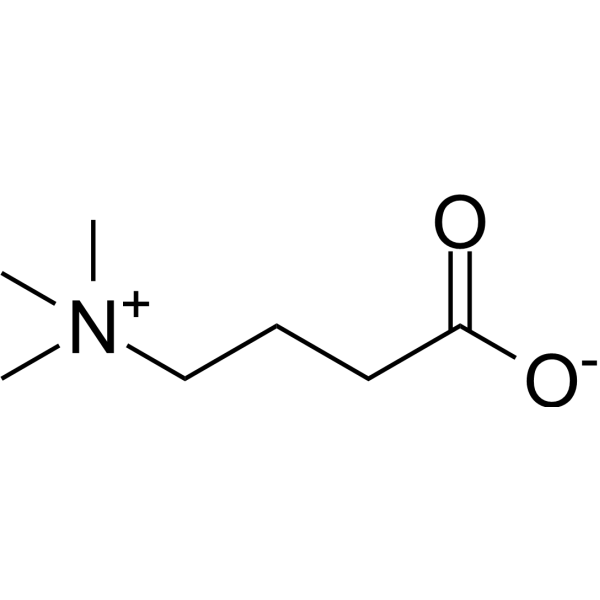
    Actinine is a metabolic and pro-atherogenic intermediate with oral activity. Actinine acts as a substrate for the yeaW/X microbial enzyme complex to generate trimethylamine (TMA). Actinine accelerates atherosclerosis development in a gut microbe-dependent manner. Actinine can be used for the research of atherosclerosis .
    Actinine
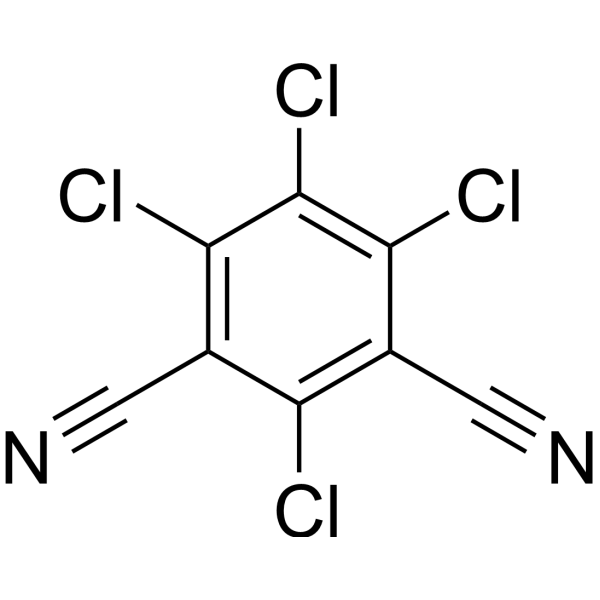
  • HY-N6625
    Chlorothalonil
    1 Publications Verification

    Environmental Pollutants Estrogen Receptor/ERR Fungal Infection
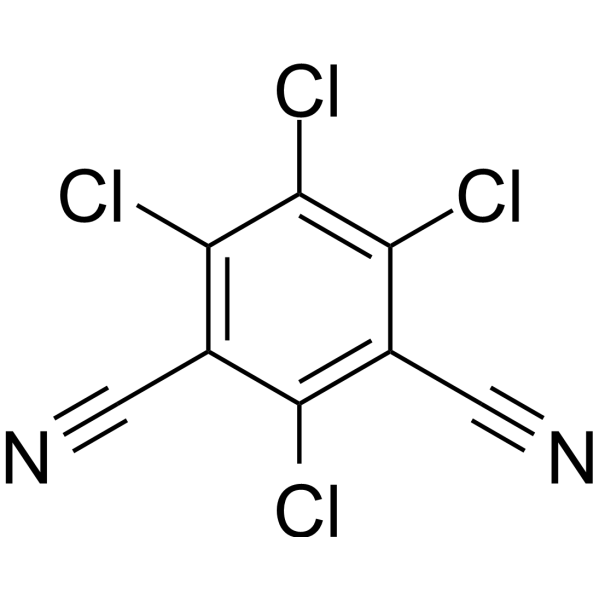
    Chlorothalonil is a broad-spectrum foliar fungicide with oral activity. Chlorothalonil can be used to combat fungal diseases in vegetable and crop leaves. Chlorothalonil can alter the microbial community in the soil. Chlorothalonil inhibits spermatogenesis. Chlorothalonil can cause intestinal epithelial barrier dysfunction and fetal toxicity .
    Chlorothalonil
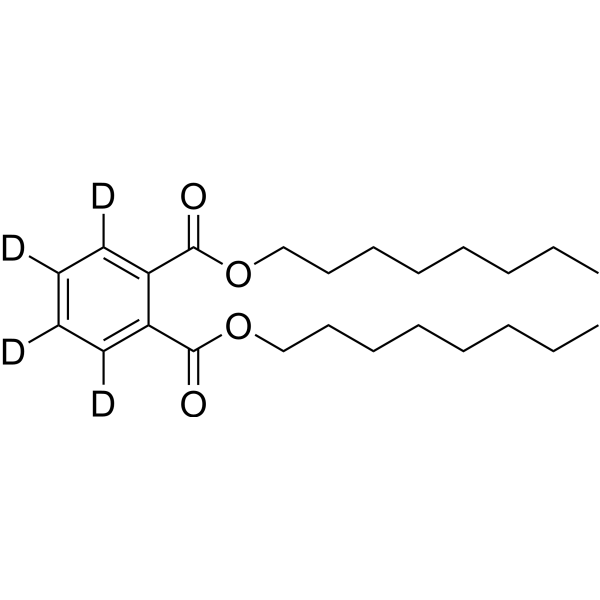
  • HY-W013755
    Dioctyl phthalate
    2 Publications Verification

    DNOP; Di-n-octyl phthalate; Phthalic acid dioctyl ester

    Biochemical Assay Reagents Aminotransferases (Transaminases) Phosphatase Bacterial Inflammation/Immunology
    Dioctyl phthalate (DNOP) is a plasticizer. Dioctyl phthalate increases the activities of alanine aminotransferase (ALT) and alkaline phosphatase (ALP) in the liver, as well as the levels of creatinine and urea in the kidney. Exposure to Dioctyl phthalate disrupts the homeostasis of the intestinal microbial community, increases the abundance of pathogenic bacteria, and reduces the abundance of beneficial bacteria such as Lactobacillus. Dioctyl phthalate induces significant and dose-dependent inflammatory responses in the liver, spleen and kidney of mice .
    Dioctyl phthalate
  • HY-B1953
    Thiacloprid
    1 Publications Verification

    Environmental Pollutants Insecticide nAChR Infection
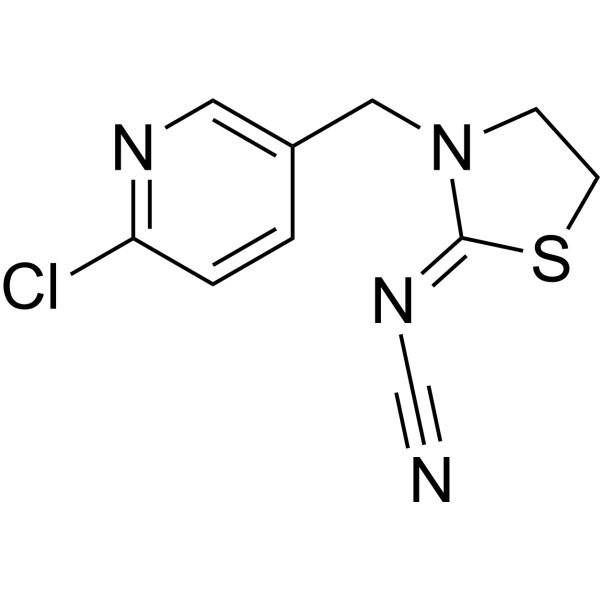
    Thiacloprid is an orally active neurotoxic insecticide and also a nAChR agonist. Thiacloprid reduces the viability of healthy cells, depletes reduced glutathione, and increases MDA levels, thereby inducing cytotoxicity and oxidative stress damage. In practical applications, Thiacloprid has lower acute toxicity to honeybees than other compounds of the same class such as Imidacloprid (HY-B0838), but it still significantly impairs the learning and memory function, immune capacity and survival status of honeybees. Thiacloprid induces intestinal microbial dysbiosis and reduces survival rate in middle-aged honeybees, increases the risk of premature collapse in bumblebee colonies, and significantly decreases the final colony weight and reproductive output. Thiacloprid is used in broad-spectrum agricultural pest control, often alone or in combination with Deltamethrin (HY-B1971), and meets the pest management needs of various crops including potatoes, cabbages, various fruits and vegetables, and nuts .
    Thiacloprid
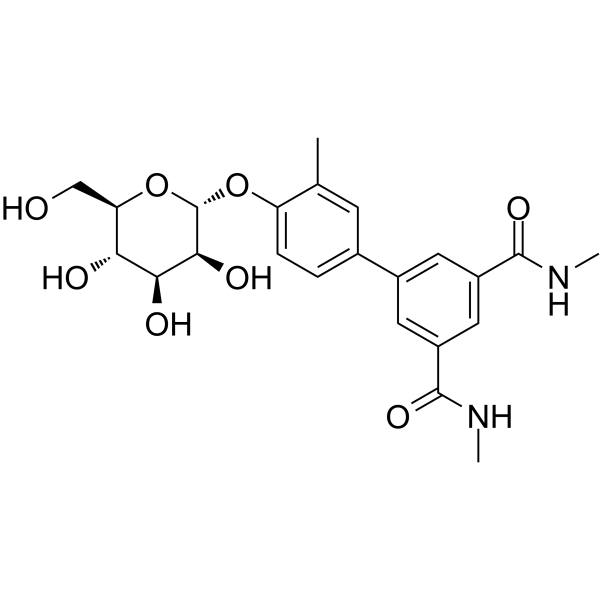
  • HY-120568

    Bacterial Infection Inflammation/Immunology
    M4284 is a selective and orally active biphenyl mannoside FimH antagonist. M4284 has activities against different UPEC (Urinary tract infections (UTI) caused by uropathogenic E. coli) strains in different host genetic backgrounds and gut microbial community contexts .
    M4284
  • HY-N6625R

    Reference Standards Fungal Estrogen Receptor/ERR Infection
    Chlorothalonil (Standard) is the analytical standard of Chlorothalonil. This product is intended for research and analytical applications. Chlorothalonil is a broad-spectrum foliar fungicide with oral activity. Chlorothalonil can be used to combat fungal diseases in vegetable and crop leaves. Chlorothalonil can alter the microbial community in the soil. Chlorothalonil inhibits spermatogenesis. Chlorothalonil can cause intestinal epithelial barrier dysfunction and fetal toxicity .
    Chlorothalonil (Standard)
  • HY-W016758

    1-Butyl-3-methylimidazolium chloride

    Bacterial Infection
    [BMIM]Cl (1-butyl-3-methylimidazolium chloride) is an alkyl-imidazolium chloride compound and a persistent aquatic pollutant. [BMIM]Cl exhibits antimicrobial activity against S. aureus (MIC = 25 mM), E. coli (MIC = 50 mM), and P. aeruginosa (MIC = 100 mM). It possesses moderate membrane permeability and cytotoxicity, directly affecting microorganisms and mammalian cells at high concentrations, but can inhibit the function of complex ecosystems (e.g., anaerobic digestion) even at environmentally relevant low concentrations by disrupting microbial community structures. [BMIM]Cl can be used in research related to bacterial infections .
    [BMIM]Cl
  • HY-W141788

    Bacterial Infection
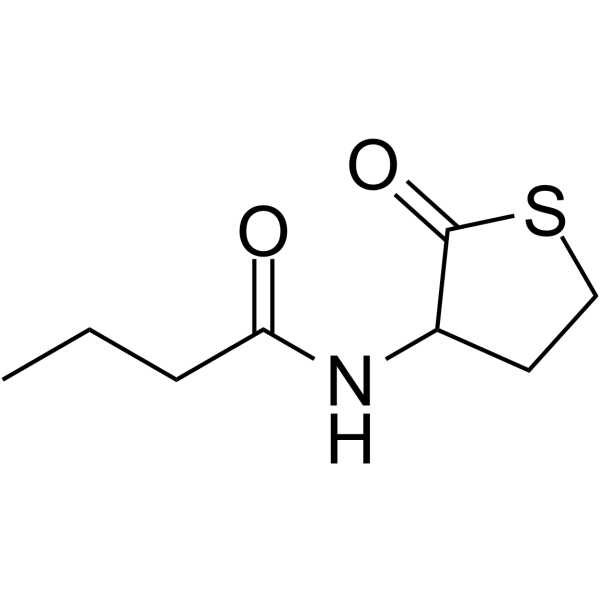
    N-Butyryl-DL-homocysteine thiolactone is an N-acyl homoserine lactone (AHL) analogue. AHLs are potent inhibitors of biofilm formation and virulence factors, and has been used for degrading microbial communities, reducing bacterial pathogenicity .
    N-Butyryl-DL-homocysteine thiolactone
  • HY-W042298

    Environmental Pollutants Others
    Triisobutyl phosphate is an environmental pollutant that undergoes biodegradation. TiBP can be degraded in activated sludge via hydrolysis, dehydrogenation and hydroxylation, a process mediated by an acclimated microbial community with Pseudomonas as the key strain, and enhanced by TiBP-induced enzymatic activity. TiBP exerts toxic effects on zebrafish embryos .
    Triisobutyl phosphate
  • HY-W040279

    Herbicide Acetolactate Synthase (ALS) Others
    Prosulfuron is a fluorinated sulfonylurea herbicide with a reported acute oral LD50 of 546 mg/kg in female rats. Prosulfuron acts by inhibiting acetolactate synthase (ALS) to block the biosynthesis of branched-chain amino acids (valine, leucine and isoleucine) in plants, thereby suppressing weed growth. Prosulfuron may disrupt the soil microbial community balance in alkaline soils with minimal chemical degradation. Prosulfuron has low toxicity to humans and mammals, and can be used for the research of broadleaf weed control in maize and sweet corn .
    Prosulfuron

Inquiry Online

Your information is safe with us. * Required Fields.

Salutation


Country or Region *

Applicant Name *


Organization Name *

Department *


Email Address *


Product Name *

Cat. No.


Requested quantity *

Phone Number *


Remarks

Inquiry Online

Inquiry Information

Product Name:
Cat. No.:
Quantity:
MCE Japan Authorized Agent: