1. Search Result
Search Result
Results for "

mitochondrial content

" in MedChemExpress (MCE) Product Catalog:

20

Inhibitors & Agonists

6

Screening Libraries

1

Peptides

5

Natural
Products

2

Isotope-Labeled Compounds

Cat. No. Product Name Target Research Areas Chemical Structure
  • HY-100900
    ML364
    20+ Cited Publications

    Deubiquitinase Cancer
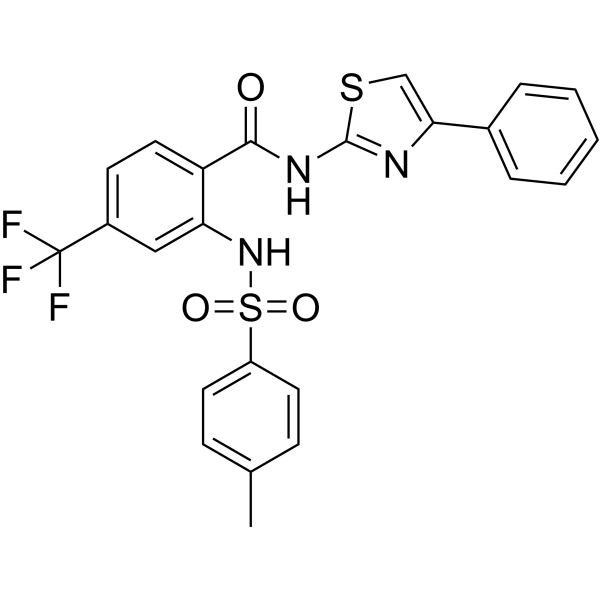
    ML364 is a selective ubiquitin specific peptidase 2 (USP2) inhibitor (IC50=1.1 μM) with anti-proliferative activity, which direct binds to USP2 (Kd=5.2 μM), induces an increase in cellular cyclin D1 degradation and causes cell cycle arrest. ML364 increases the levels of mitochondrial ROS and decreases in the intracellular content of ATP .
    ML364
  • HY-175747

    AMPK Cardiovascular Disease
    PF-07293893 is an AMPKγ3 activator. PF-07293893 increases glycogen content, improves lipid oxidation, enhances mitochondrial biogenesis and promotes vascular repair. PF-07293893 is applicable to research related to heart failure .
    PF-07293893
  • HY-N0859

    Schizanhenol; Gomisin-K3

    UGT Cholinesterase (ChE) Tau Protein SOD Sirtuin Neurological Disease Inflammation/Immunology Cancer
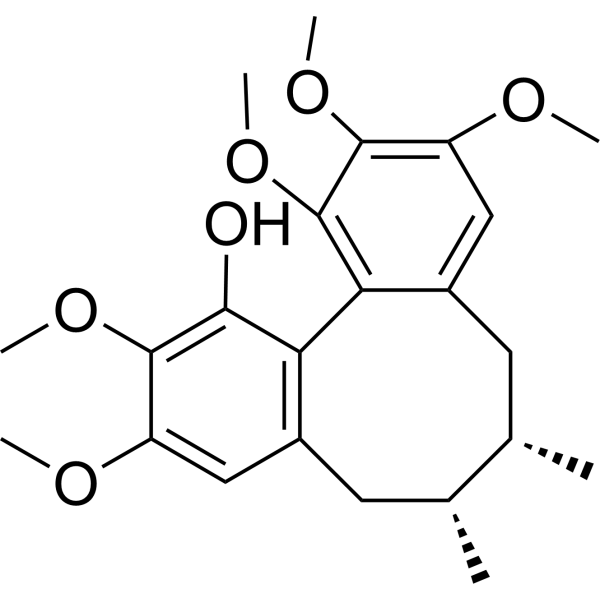
    Schisanhenol (Schizanhenol), a lignan, is an orally active antioxidant. Schisanhenol reduces AChE activity, increases SIRT1 and PGC-1α expression, and decreases phosphorylated Tau (Ser 396) levels. Schisanhenol increases SOD and glutathione peroxidase activity, decreases malondialdehyde (MDA) content, and inhibits UGT2B7 activitY. Schisanhenol attenuates ox-LDL-induced apoptosis, intracellular reactive oxygen species generation, and cytotoxicity in endothelial cells. Schisanhenol inhibits LDL oxidation, brain mitochondrial and membrane peroxidative damage, and brain mitochondrial swelling and disintegration. Schisanhenol can be used for the research of Alzheimer’s disease, atherosclerosis, brain ischemia, and age-related brain deterioration .
    Schisanhenol
  • HY-N6784

    ATP Synthase Bacterial Apoptosis Antibiotic Infection Neurological Disease
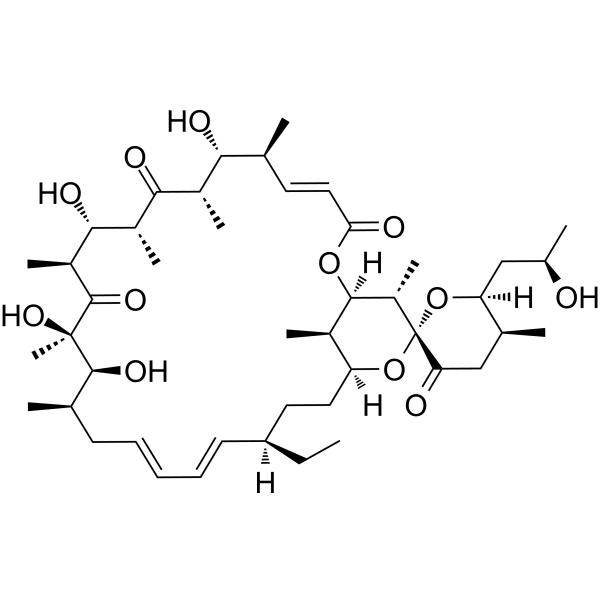
    Oligomycin B is an antibiotic that acts as a non-selective inhibitor of ATP Synthase. Oligomycin B increases mitochondrial membrane potential. Oligomycin B induces apoptosis and necrosis. Oligomycin B impairs the motility of Plasmopara viticola zoospores and induces their lysis. Oligomycin B inhibits Magnaporthe oryzae (wheat blast fungus) and suppresses the development of wheat blast. Oligomycin B reduces hyphal growth and spore germination of Botrytis cinerea, and protects Arabidopsis thaliana against Botrytis cinerea infection. Oligomycin B exacerbates cytotoxic brain edema in rats with cerebral cortical contusion, increases intracranial pressure and brain water content, and aggravates mitochondrial damage in these rats. Oligomycin B is used in studies related to grape downy mildew, traumatic brain injury, wheat blast, and gray mold .
    Oligomycin B
  • HY-N1677

    Akt mTOR Bacterial Fungal AMPK Infection Metabolic Disease Inflammation/Immunology Cancer
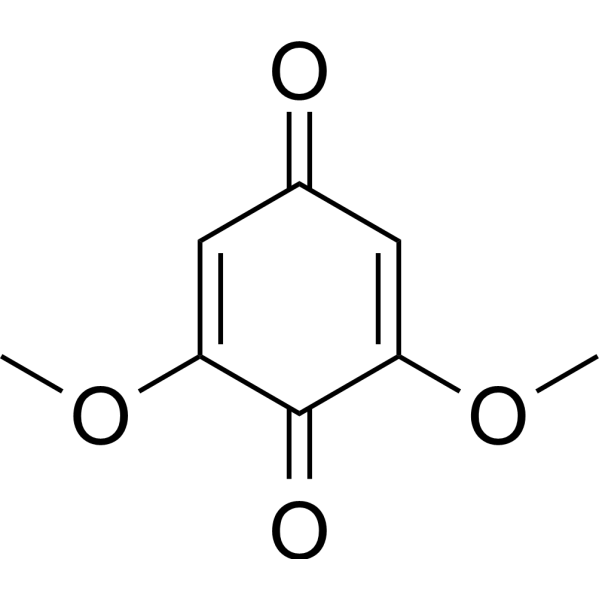
    2,6-Dimethoxy-1,4-benzoquinone is a 1,4-benzoquinone derivative. 2,6-Dimethoxy-1,4-benzoquinone promotes phosphorylation of AKT, S6K, mTOR, 4E-BP1, and AMPK, and attenuates mTORC1 activity as part of the AKT/mTOR pathway. 2,6-Dimethoxy-1,4-benzoquinone stimulates myoblast differentiation, increases myotube size, elevates MHC protein expression, enhances mitochondrial biogenesis, respiration, and DNA content, and increases skeletal muscle weights, fiber size, grip strength, and treadmill performance. 2,6-Dimethoxy-1,4-benzoquinone exerts anti-cancer, anti-inflammatory, anti-adipogenic, antibacterial, and antimutagenic effects, inhibits adipogenic transcription factors, nitric oxide production, skin tumor development, Magnaporthe oryzae growth, spore germination, appressorium formation, and growth of select bacterial species, induces H2O2 generation and rice defense gene expression, and reduces rice blast lesion formation. 2,6-Dimethoxy-1,4-benzoquinone can be used for the research of obesity, skin tumorigenesis, rice blast disease, and food-borne illness .
    2,6-Dimethoxy-1,4-benzoquinone
  • HY-P11358

    Angiotensin-converting Enzyme (ACE) Acetyl-CoA Carboxylase Mitochondrial Metabolism Inflammation/Immunology
    IRW is an orally active tripeptide produced from egg white with angiotensin converting enzyme (ACE) inhibitory properties. IRW can prevent high-fat diet (HFD)-induced Non-alcoholic fatty liver disease (NAFLD) by modulating hepatic lipid metabolism and increasing mitochondrial content. IRW decreases hepatic triglyceride content and lipid droplet size. IRW increases the hepatic mitochondrial complexes and citrate synthase activity, phosphorylation of 5’-AMP-activated protein kinase and microsomal triglyceride transfer protein abundance. IRW increases phosphorylated acetyl CoA carboxylase and mitochondrial complexes, IRW can be used for the research of inflammation .
    IRW
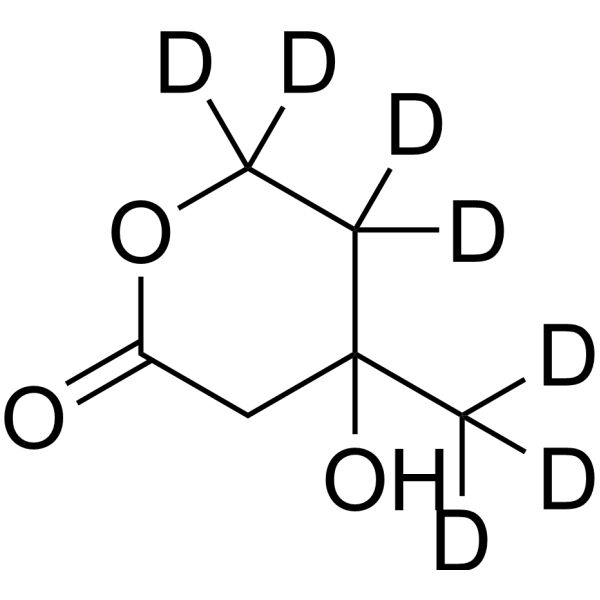
  • HY-107855S

    (±)-Mevalonolactone-d7; Mevalolactone-d7

    Endogenous Metabolite Metabolic Disease
    DL-Mevalonolactone-d7 is the deuterium labeled DL-Mevalonolactone. DL-Mevalonolactone ((±)-Mevalonolactone) is the δ-lactone form of mevalonic acid, a precursor in the mevalonate pathway. DL-Mevalonolactone (Mevalonolactone) decreases mitochondrial membrane potential (?Ψm), NAD(P)H content and the capacity to retain Ca2+ in the brain, besides inducing mitochondrial swelling .
    DL-Mevalonolactone-d7
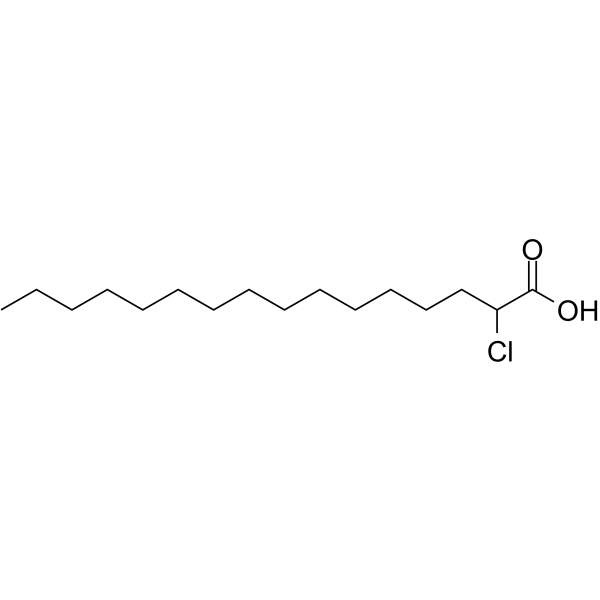
  • HY-131688

    PARP Caspase Inflammation/Immunology
    2-Chlorohexadecanoic acid, an inflammatory lipid mediator, interferes with protein palmitoylation,induces ER-stress markers, reduced the ER ATP content, and activates transcription and secretion of IL-6 as well as IL-8.2-Chlorohexadecanoic acid disrupts the mitochondrial membrane potential and induces procaspase-3 and PARP cleavage.2-Chlorohexadecanoic acid can across blood-brain barrier (BBB) and compromises ER- and mitochondrial functions in the human brain endothelial cell line hCMEC/D3 .
    2-Chlorohexadecanoic acid
  • HY-122029

    Mitochondrial Metabolism Metabolic Disease
    BRD6897 is a mitochondrial content inducer. BRD6897 does not alter the percent of cytoplasmic area occupied by mitochondria, but instead, induces a striking increase in the electron density of existing mitochondria .
    BRD6897
  • HY-156090

    Mitochondrial Metabolism Fungal Infection
    PK-10 is a synergistic antibacterial agent of Fluconazole (HY-B0101) and has strong antifungal activity against a variety of Fluconazole-resistant Candida albicans strains. PK-10 combined with Fluconazole can inhibit hyphae formation and induce the accumulation of reactive oxygen species. It further causes damage to mitochondrial membrane potential, reduces intracellular ATP content, and leads to mitochondrial dysfunction .
    PK-10
  • HY-159518

    Reactive Oxygen Species (ROS) Mitochondrial Metabolism Apoptosis Cancer
    ROS inducer 4 (compound TE3) is a mitochondrial inhibitor. ROS inducer 4 causes a series of mitochondria-related physiological changes in tumors, such as mitochondrial fragmentation, explosive generation and accumulation of ROS, decreased mitochondrial membrane potential, decreased ATP content, and activation of ROS-mediated apoptotic signaling in mitochondria .
    ROS inducer 4
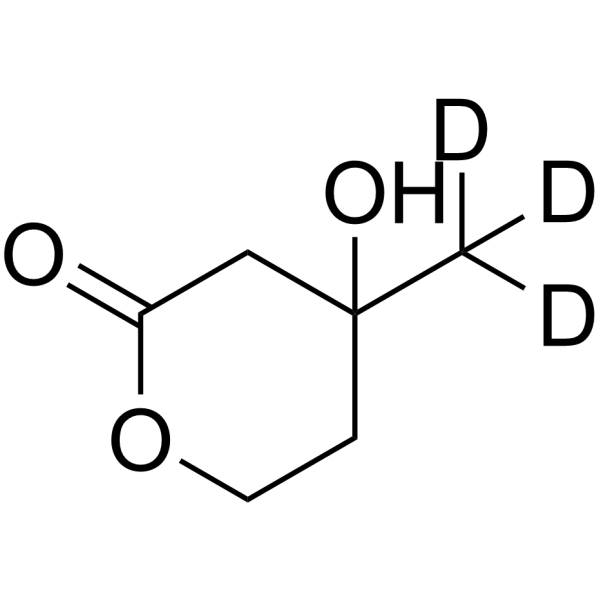
  • HY-107855S1

    (±)-Mevalonolactone-d3; Mevalolactone-d3

    Endogenous Metabolite Metabolic Disease
    DL-Mevalonolactone-d3 is the deuterium labeled DL-Mevalonolactone . DL-Mevalonolactone ((±)-Mevalonolactone;Mevalolactone) is the δ-lactone form of mevalonic acid, a precursor in the mevalonate pathway. DL-Mevalonolactone (Mevalonolactone) decreases mitochondrial membrane potential ( Ψm), NAD(P)H content and the capacity to retain Ca2+ in the brain, besides inducing mitochondrial swelling .
    DL-Mevalonolactone-d3
  • HY-170967

    Apoptosis Caspase PARP Reactive Oxygen Species (ROS) Cancer
    IPH10 is an anti-cancer agent that exhibits a strong anti-tumor effect in vivo without hepatic and renal toxicity. IPH10 can significantly increase the content of ROS, decrease the mitochondrial membrane potential, and induce apoptosis in tumor cells .
    IPH10
  • HY-U00049B

    Calcium Channel Cardiovascular Disease Neurological Disease
    Mioflazine dihydrochloride is a nucleoside transport inhibitor with sleep-improving activity. Mioflazine dihydrochloride significantly improves cardiac survival after global cardiac ischemia. Mioflazine dihydrochloride reduces the mitochondrial calcium content in guinea-pig. Mioflazine dihydrochloride does not exhibit inotropic effects during induction and nursing .
    Mioflazine dihydrochloride
  • HY-U00049A

    Calcium Channel Cardiovascular Disease Neurological Disease
    Mioflazine dihydrochloride hydrate is a nucleoside transport inhibitor with sleep-improving activity. Mioflazine dihydrochloride hydrate helps maintain the mechanical function of the left ventricle and significantly improves the heart's recovery ability after global ischemia at new temperatures. Mioflazine dihydrochloride hydrate reduces the mitochondrial calcium content in guinea-pig .
    Mioflazine (di(hydrochloride) hydrate)
  • HY-161388

    Ferroptosis Mitophagy Cancer
    NSCLC-IN-1 (Compound A10-2) induces mitophagy and ferroptosis through targeting transmembrane BAX inhibitor motif containing 6 (TMBIM6). NSCLC-IN-1 induces mitochondrial Ca 2+ imbalance, leading to mitochondrial damage. NSCLC-IN-1 reduces intracellular glutathione (GSH), increases the accumulation of lipid peroxides (LPO) and malondialdehyde (MDA) content. NSCLC-IN-1 is a potent anti-NSCLC agent .
    NSCLC-IN-1
  • HY-N0859R

    Schizanhenol (Standard); Gomisin-K3 (Standard)

    UGT Reference Standards Cholinesterase (ChE) Tau Protein SOD Sirtuin Neurological Disease Inflammation/Immunology Cancer
    Schisanhenol (Standard) (Schizanhenol (Standard)) is the analytical standard of Schisanhenol (HY-N0859). This product is intended for research and analytical applications. Schisanhenol, a lignan, is an orally active antioxidant. Schisanhenol reduces AChE activity, increases SIRT1 and PGC-1α expression, and decreases phosphorylated Tau (Ser 396) levels. Schisanhenol increases SOD and glutathione peroxidase activity, decreases malondialdehyde (MDA) content, and inhibits UGT2B7 activitY. Schisanhenol attenuates ox-LDL-induced apoptosis, intracellular reactive oxygen species generation, and cytotoxicity in endothelial cells. Schisanhenol inhibits LDL oxidation, brain mitochondrial and membrane peroxidative damage, and brain mitochondrial swelling and disintegration. Schisanhenol can be used for the research of Alzheimer’s disease, atherosclerosis, brain ischemia, and age-related brain deterioration.
    Schisanhenol (Standard)
  • HY-N1677R

    Reference Standards Akt mTOR Bacterial Fungal AMPK Infection Metabolic Disease Inflammation/Immunology Cancer
    2,6-Dimethoxy-1,4-benzoquinone (Standard) is the analytical standard of 2,6-Dimethoxy-1,4-benzoquinone (HY-N1677). This product is intended for research and analytical applications. 2,6-Dimethoxy-1,4-benzoquinone is a 1,4-benzoquinone derivative. 2,6-Dimethoxy-1,4-benzoquinone promotes phosphorylation of AKT, S6K, mTOR, 4E-BP1, and AMPK, and attenuates mTORC1 activity as part of the AKT/mTOR pathway. 2,6-Dimethoxy-1,4-benzoquinone stimulates myoblast differentiation, increases myotube size, elevates MHC protein expression, enhances mitochondrial biogenesis, respiration, and DNA content, and increases skeletal muscle weights, fiber size, grip strength, and treadmill performance. 2,6-Dimethoxy-1,4-benzoquinone exerts anti-cancer, anti-inflammatory, anti-adipogenic, antibacterial, and antimutagenic effects, inhibits adipogenic transcription factors, nitric oxide production, skin tumor development, Magnaporthe oryzae growth, spore germination, appressorium formation, and growth of select bacterial species, induces H2O2 generation and rice defense gene expression, and reduces rice blast lesion formation. 2,6-Dimethoxy-1,4-benzoquinone can be used for the research of obesity, skin tumorigenesis, rice blast disease, and food-borne illness.
    2,6-Dimethoxy-1,4-benzoquinone (Standard)
  • HY-100900R

    Deubiquitinase Reference Standards Cancer
    ML364 (Standard) is the analytical standard of ML364 (HY-100900). This product is intended for research and analytical applications. ML364 is a selective ubiquitin specific peptidase 2 (USP2) inhibitor (IC50=1.1 μM) with anti-proliferative activity, which direct binds to USP2 (Kd=5.2 μM), induces an increase in cellular cyclin D1 degradation and causes cell cycle arrest. ML364 increases the levels of mitochondrial ROS and decreases in the intracellular content of ATP .
    ML364 (Standard)
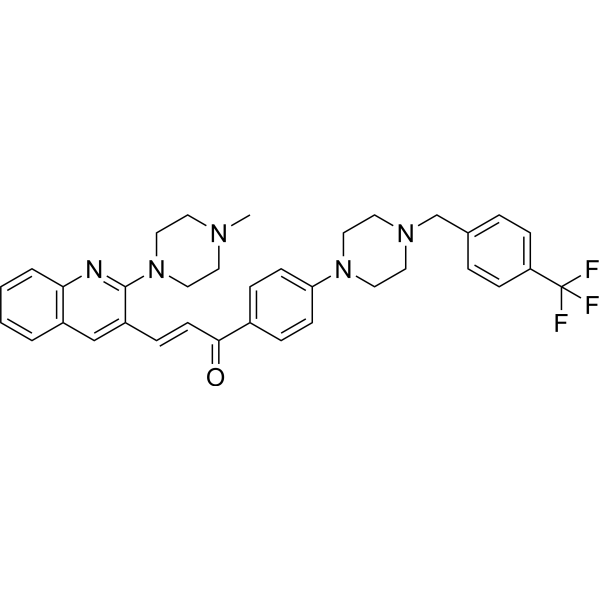
  • HY-138008

    Microtubule/Tubulin Apoptosis Cancer
    WX-132-18B is a tubulin inhibitor with an IC50 of 0.45-0.99 nM. WX-132-18B selectively binds to the colchicine-binding site on tubulin, reduces microtubule content via depolymerization, and inhibits tubulin polymerization. WX-132-18B induces tumor cell cycle arrest, apoptosis and changes in nuclear membrane permeability, and decreases mitochondrial membrane potential. WX-132-18B exhibits antiproliferative activity against endothelial cells and human tumor cells, and inhibits the proliferation and growth of xenograft tumors in mice. WX-132-18B can be used in research related to sarcoma, non-small cell lung cancer, gastric cancer and breast cancer .
    WX-132-18B

Inquiry Online

Your information is safe with us. * Required Fields.

Salutation


Country or Region *

Applicant Name *


Organization Name *

Department *


Email Address *


Product Name *

Cat. No.


Requested quantity *

Phone Number *


Remarks

Inquiry Online

Inquiry Information

Product Name:
Cat. No.:
Quantity:
MCE Japan Authorized Agent:

