1. Search Result
Search Result
Results for "

mouth

" in MedChemExpress (MCE) Product Catalog:

35

Inhibitors & Agonists

1

Biochemical Assay Reagents

1

Peptides

6

Natural
Products

1

Isotope-Labeled Compounds

3

Oligonucleotides

Cat. No. Product Name Target Research Areas Chemical Structure
  • HY-B0608
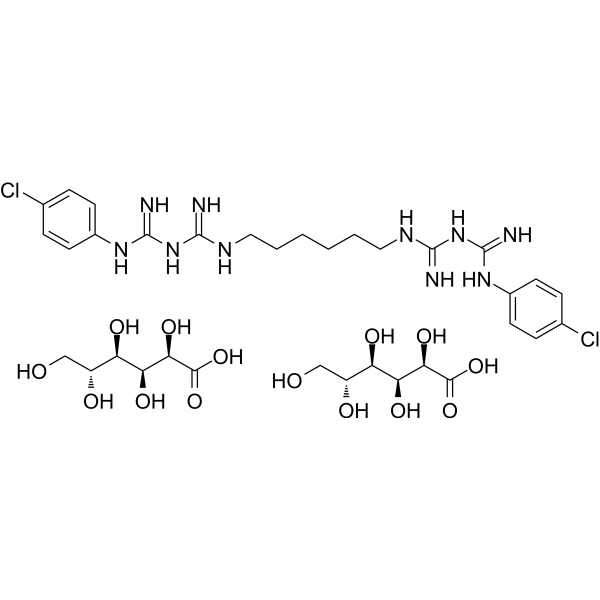
    Chlorhexidine digluconate (20% in water)
    Maximum Cited Publications
    13 Publications Verification

    Environmental Pollutants Antibiotic Bacterial Necroptosis Apoptosis Infection
    Chlorhexidine digluconate (20% in water) is a orally active cationic antimicrobial agent that targets microbial cell membranes. Chlorhexidine digluconate (20% in water) binds to cell membrane phospholipids non-specifically, destroys membrane structure and induces leakage of cell contents. Chlorhexidine digluconate (20% in water) has broad-spectrum bactericidal activity against both Gram-positive and Gram-negative bacteria. Chlorhexidine digluconate (20% in water) can interfere with membrane permeability, cause protein precipitation and energy metabolism disorders, such as rapid inhibition of microbial growth and induction of cell death (necrosis or apoptosis) .
    Chlorhexidine digluconate (20% in water)
  • HY-70020B
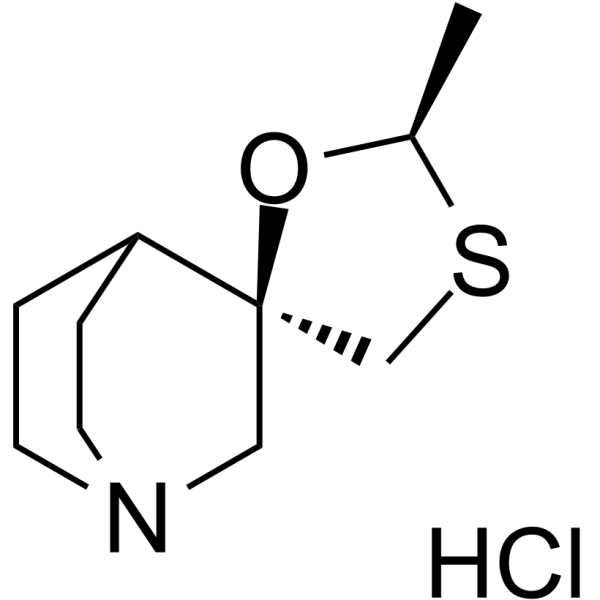
    Cevimeline hydrochloride
    2 Publications Verification

    AF102B hydrochloride

    mAChR Neurological Disease Cancer
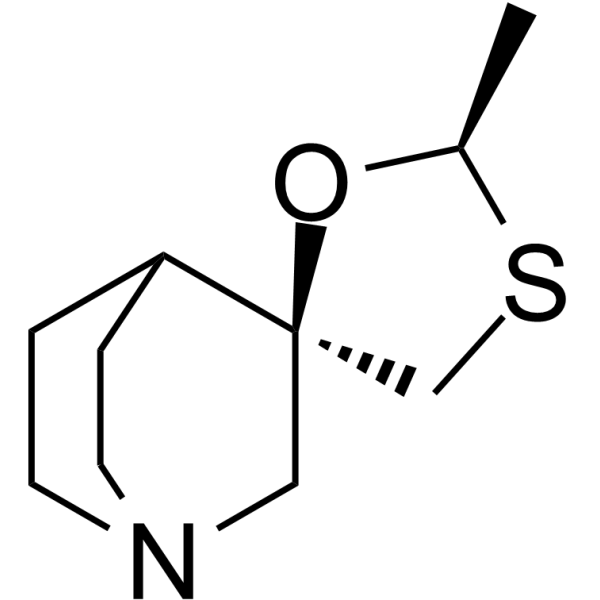
    Cevimeline hydrochloride (AF102B hydrochloride) is a quinuclidine derivative of acetylcholine and a selective and orally active muscarinic M1 and M3 receptor agonist. Cevimeline hydrochloride stimulates secretion by the salivary glands and can be used as a sialogogue for xerostomia . Cevimeline hydrochloride can cross the blood-brain barrier (BBB) .
    Cevimeline hydrochloride
  • HY-15273
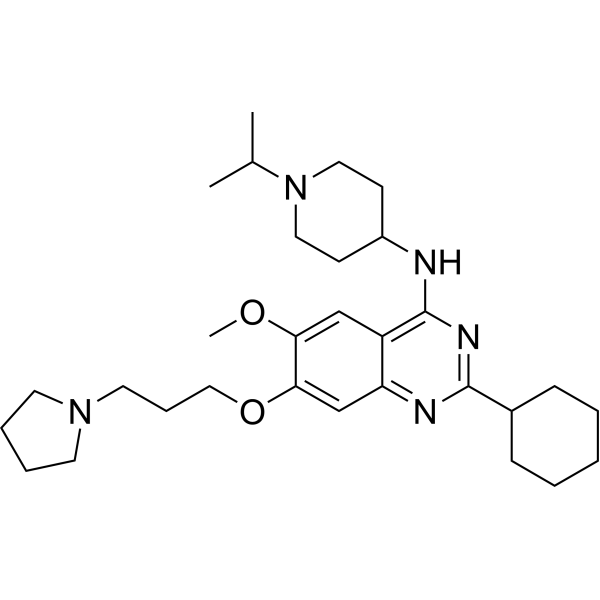
    UNC0638
    10+ Cited Publications

    VSV Histone Methyltransferase Autophagy Influenza Virus Infection Cancer
    UNC0638, a chemical probe, selectively inhibits G9a and GLP histone methyltransferases with IC50 of 15 nM and 19 nM, respectively. UNC0638 inhibits TNBC cell invasion and migration in vitro. UNC0638 is also an inhibitor of EHMT1/2 and induces fetal hemoglobin (HbF) expression in human erythroid progenitor cell culture. In addition, UNC0638 has anti-FMDV (foot-and-mouth disease virus) and anti-VSV (vesicular stomatitis virus) activities, with excellent potency and selectivity against multiple epigenetic and non-epigenetic targets .
    UNC0638
  • HY-B1223
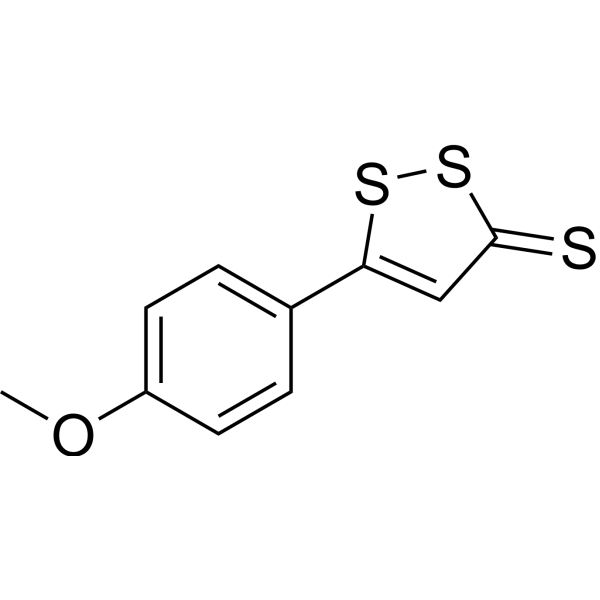
    Anethole trithione
    2 Publications Verification

    mAChR Neurological Disease Cancer
    Anethole trithione, a sulfur heterocyclic choleretic, is a bile secretion-stimulating agent. Anethole trithione enhances salivary secretion and increases mAChRs, and can be used for dry mouth research .
    Anethole trithione
  • HY-B1597

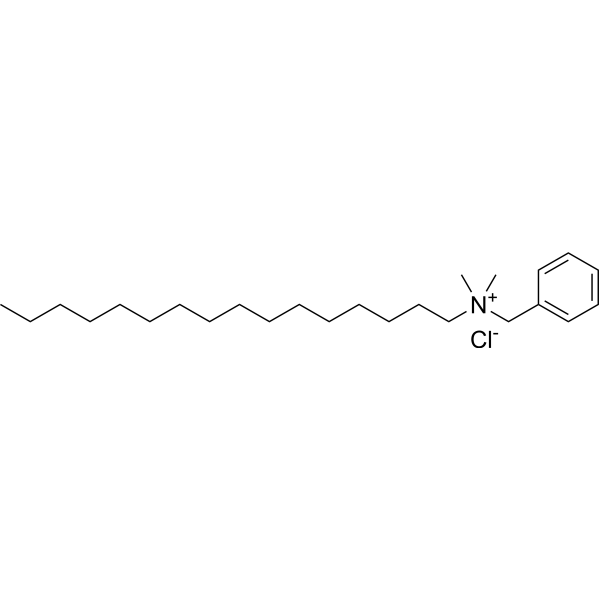
    Benzyldimethylhexadecylammonium chloride

    Bacterial Infection Inflammation/Immunology
    Cetalkonium chloride is an ammonium antiseptic agent used in many topical agents for infections of mouth, throat and eye. Cetalkonium chloride acts as anti-inflammatory amphiphilic agent. Cetalkonium chloride is a cationic surfactant, that improves the precorneal residence time and bioavailability of drugs. Cetalkonium chloride interacts with the negative charges on the bacterial cell membrane, disrupts the integrity of the cell membrane, causes leakage of cell contents and ultimately leading to bacterial death .
    Cetalkonium chloride
  • HY-19767
    GSK 3008348
    2 Publications Verification

    Integrin TGF-β Receptor Infection Inflammation/Immunology Cancer
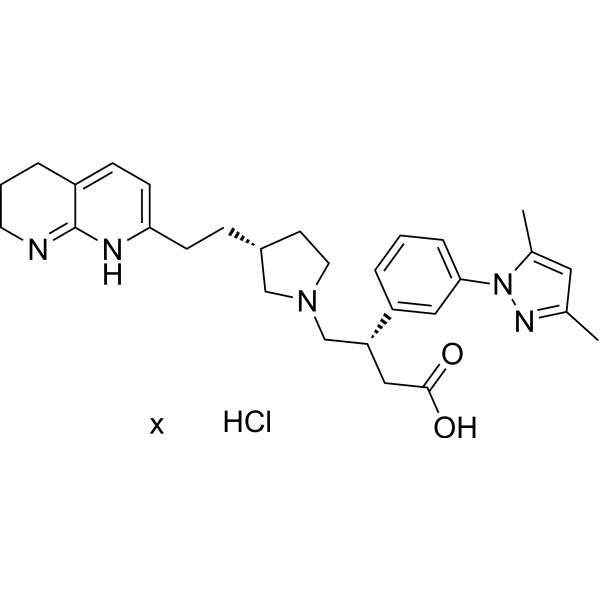
    GSK 3008348 is a small molecule antagonist of integrin αvβ6 with IC50 values for αvβ6, αvβ1, αvβ3, αvβ5, and αvβ8 are 1.50, 2.83, 12.53, 4.00, and 2.26 nM, respectively. GSK 3008348 can target the αvβ6 integrin, inhibit TGF-β activation, and thereby alleviate the fibrotic process. GSK 3008348 prevents the binding of the foot-and-mouth disease virus (FMDV) to the αvβ6 integrin receptor on the surface of host cells, thereby inhibiting the entry of the virus. GSK 3008348 can be used for research on pulmonary fibrosis and various types of cancer .
    GSK 3008348
  • HY-76772
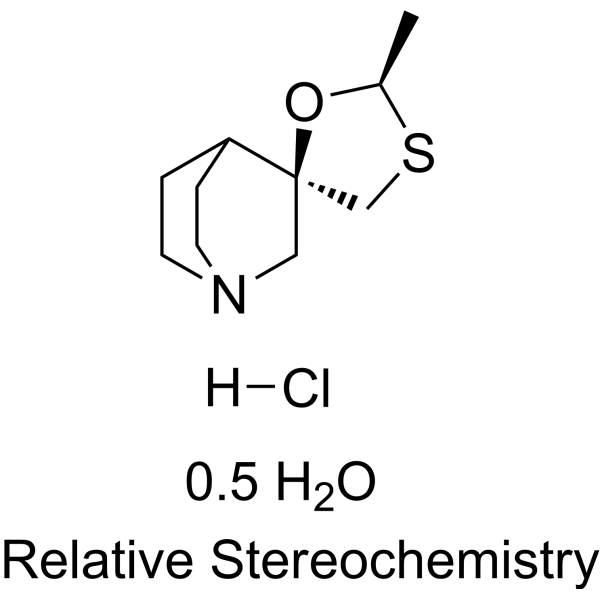
    Cevimeline hydrochloride hemihydrate
    2 Publications Verification

    SNI-2011; AF102B hydrochloride hemihydrate

    mAChR Neurological Disease Cancer
    Cevimeline hydrochloride hemihydrate (SNI-2011) is a quinuclidine derivative of acetylcholine and a selective and orally active muscarinic M1 and M3 receptor agonist. Cevimeline hydrochloride hemihydrate stimulates secretion by the salivary glands and can be used as a sialogogue for xerostomia . Cevimeline hydrochloride hemihydrate can cross the blood-brain barrier (BBB) .
    Cevimeline hydrochloride hemihydrate
  • HY-70020
    Cevimeline
    2 Publications Verification

    AF102B

    mAChR Neurological Disease Cancer
    Cevimeline (AF-102B) is a quinuclidine derivative of acetylcholine and a selective and orally active muscarinic M1 and M3 receptor agonist. Cevimeline stimulates secretion by the salivary glands and can be used as a sialogogue for xerostomia . Cevimeline can cross the blood-brain barrier (BBB) .
    Cevimeline
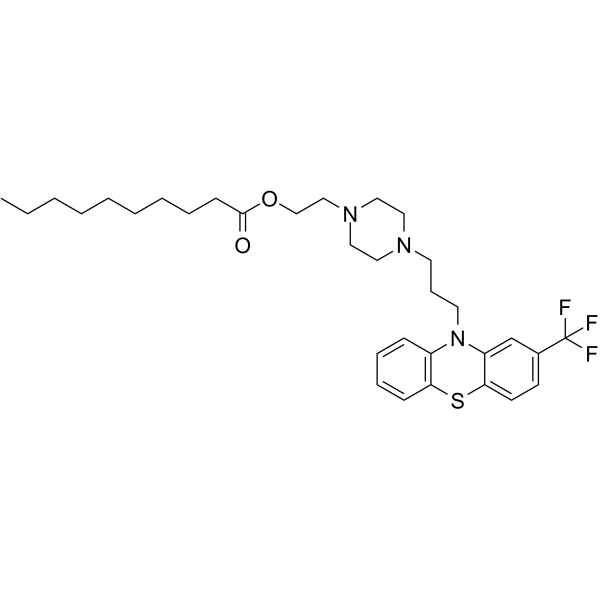
  • HY-B1904

    Dopamine Receptor Neurological Disease
    Fluphenazine decanoate is a CNS-penetrant dopamine D2 receptor inhibitor, is a long-acting phenothiazine neuroleptic. Fluphenazine can be used for schizophrenia research .
    Fluphenazine decanoate
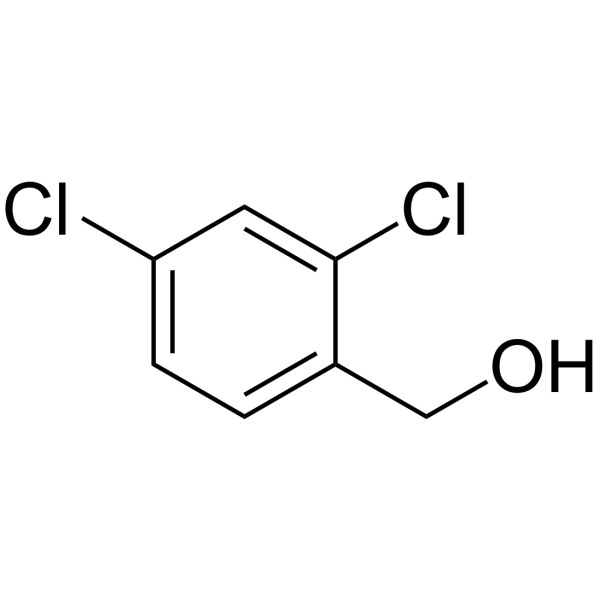
  • HY-W039454

    Environmental Pollutants Bacterial SARS-CoV Infection
    2,4-Dichlorobenzyl alcohol is an orally active mild antiseptic, with a broad spectrum for bacterial and virus associated with mouth and throat infections. 2,4-Dichlorobenzyl alcohol exhibits prenatal developmental toxicity.2,4-Dichlorobenzyl alcohol can be used in the study of SARS-CoV .
    2,4-Dichlorobenzyl alcohol
  • HY-19767A
    GSK 3008348 hydrochloride
    2 Publications Verification

    Integrin TGF-β Receptor Infection Inflammation/Immunology Cancer
    GSK 3008348 hydrochloride is a small molecule antagonist of integrin αvβ6 with IC50 values for αvβ6, αvβ1, αvβ3, αvβ5, and αvβ8 are 1.50, 2.83, 12.53, 4.00, and 2.26 nM, respectively. GSK 3008348 hydrochloride can target the αvβ6 integrin, inhibit TGF-β activation, and thereby alleviate the fibrotic process. GSK 3008348 hydrochloride prevents the binding of the foot-and-mouth disease virus (FMDV) to the αvβ6 integrin receptor on the surface of host cells, thereby inhibiting the entry of the virus. GSK 3008348 hydrochloride can be used for research on pulmonary fibrosis and various types of cancer .
    GSK 3008348 hydrochloride
  • HY-N0857
    Deoxyandrographolide
    1 Publications Verification

    GLUT HDAC Virus Protease PI3K AMPK Akt Histone Demethylase MDM-2/p53 IFNAR Reactive Oxygen Species (ROS) Infection Metabolic Disease Inflammation/Immunology
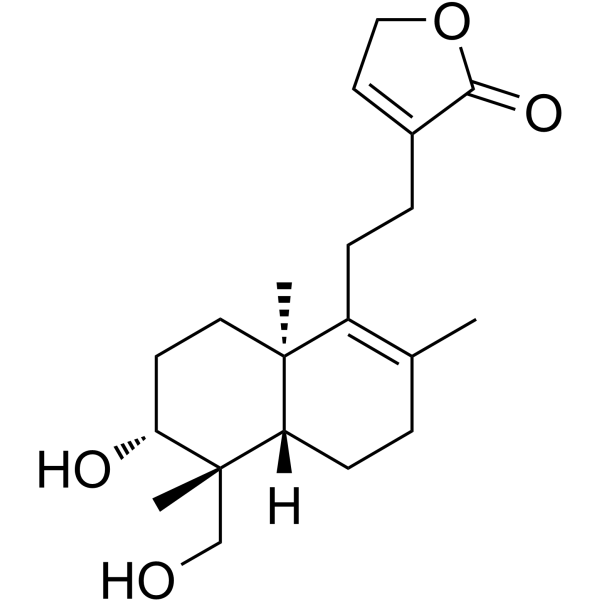
    Deoxyandrographolide is an orally active lactone found in the Andrographis paniculata Nees. Deoxyandrographolide shows a KD of 38.4 μM of HDAC1. Deoxyandrographolide enhances GLUT4 plasma membrane translocation, activates PI3K and AMPK-dependent signaling pathways, suppresses fasting blood glucose, serum insulin, triglycerides, and LDL-cholesterol levels. Deoxyandrographolide enhances HDAC1 expression via inhibited ubiquitination degradation, represses H3K4me3, improves chromosome stability, and restrains aging biomarkers p16, p21, γH2A.X, p53 and ROS production. Deoxyandrographolide interacts with Foot-and-Mouth Disease Virus 3Cpro active site, inhibits protease and IFN-antagonist activity, derepresses ISG expression, and inhibits viral replication. Deoxyandrographolide can be used for the researches of type 2 diabetes mellitus, vascular senescence and virus infection .
    Deoxyandrographolide
  • HY-W145481A

    Carob galactomannan

    Sirtuin Inflammation/Immunology
    D-Galacto-D-mannan (Carob galactomannan) is an orally active Dectin-2 agonist. D-Galacto-D-mannan exerts antioxidant activity against hydroxyl radical generation. D-Galacto-D-mannan activates Dectin-2 to trigger downstream signaling pathways, promote the expression of immunoregulatory molecules, coordinate innate and adaptive immune responses, and inhibit excessive inflammatory responses by upregulating the expression of Sirtuin 1. When used as a vaccine adjuvant, D-Galacto-D-mannan induces cellular and humoral immune responses, promotes IFNγ secretion, increases antibody levels and virus neutralization titers, and elevates the levels of immunoglobulin G and A. D-Galacto-D-mannan can serve as an adjuvant for foot-and-mouth disease vaccines, enhance the vaccine-mediated ability of hosts to defend against viral infection in mice, and reduce local side effects at the inoculation site in pigs. D-Galacto-D-mannan can be used in the research of inflammatory and immune diseases, such as foot-and-mouth disease .
    D-Galacto-D-mannan
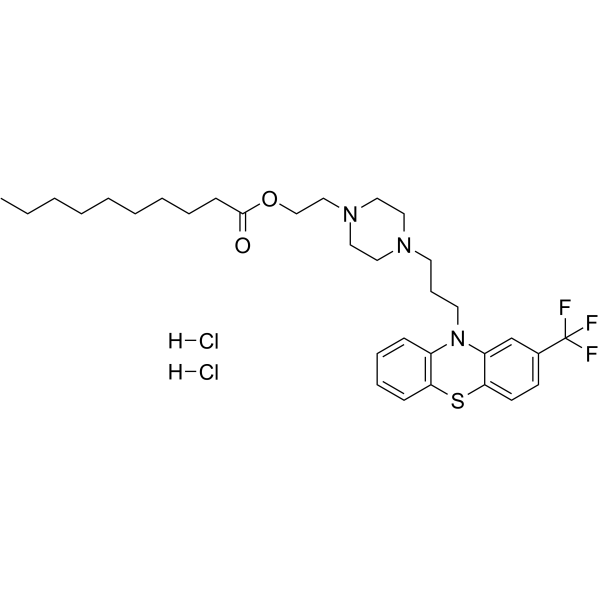
  • HY-B1904A

    Dopamine Receptor Neurological Disease
    Fluphenazine decanoate dihydrochloride is a CNS-penetrant dopamine D2 receptor inhibitor, is a long-acting phenothiazine neuroleptic. Fluphenazine can be used for schizophrenia research .
    Fluphenazine decanoate dihydrochloride
  • HY-131554

    Bacterial Antibiotic Infection
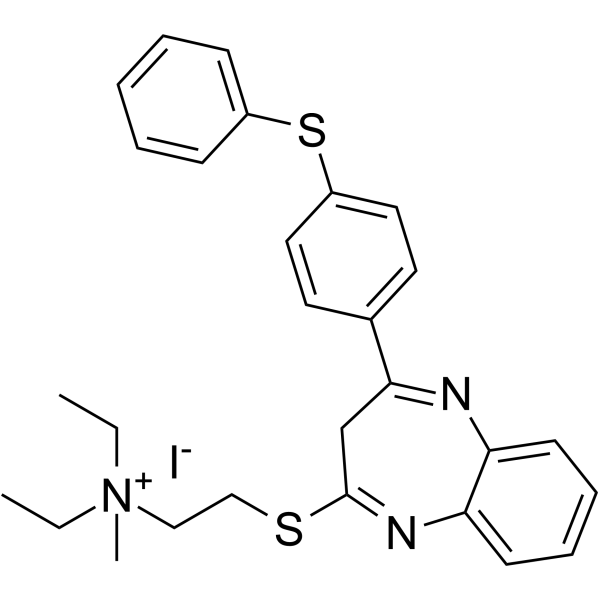
    Tibezonium iodide, an oropharyngeal disinfectant, has antibacterial activity for the prevention of mouth infections .
    Tibezonium iodide
  • HY-174814

    Enterovirus Infection
    Jun15716 is an Enterovirus (EVs) 2C protein (EVs 2C) inhibitor with Kis of 15.9, 44.2 and 17.8 μM for EV-D68, EV-A71 and CVB3, respectively. Jun15716 has a potent antiviral activity against EV-D68 US/MO/14-18947 and CVB3 Nancy cells (EC50s of 1.0 and 0.7 μM, respectively). Jun15716 can be used for viral infections research, such as meningitis, hand, foot and mouth disease (HFMD) and viral myocarditis .
    Jun15716
  • HY-174815

    Enterovirus Infection
    Jun15799 is an Enterovirus (EVs) 2C protein (EVs 2C) inhibitor with Kis of 0.8, 21.1 and 3.0 μM for EV-D68, EV-A71 and CVB3, respectively. Jun15799 has a significant antiviral activity against EV-D68 US/MO/14-18947, EV-A71 Tainan/4643/1998 and CVB3 Nancy cells (EC50s of 0.3, 11.4 and 0.3 μM, respectively). Jun15799 can be used for viral infections research, such as meningitis, hand, foot and mouth disease (HFMD) and viral myocarditis .
    Jun15799
  • HY-161352

    Virus Protease Infection
    NPI52 (Compound E1) is a foot-and-mouth disease virus 3C protease (FMDV 3Cpro) inhibitor, with IC50 values of 0.05 and 0.11 µM in FRET and cell-based assay, respectively .
    NPI52
  • HY-W039454R

    Reference Standards Bacterial SARS-CoV Infection
    2,4-Dichlorobenzyl alcohol (Standard) is the analytical standard of 2,4-Dichlorobenzyl alcohol (HY-W039454). This product is intended for research and analytical applications. 2,4-Dichlorobenzyl alcohol is an orally active mild antiseptic, with a broad spectrum for bacterial and virus associated with mouth and throat infections. 2,4-Dichlorobenzyl alcohol exhibits prenatal developmental toxicity.2,4-Dichlorobenzyl alcohol can be used in the study of SARS-CoV .
    2,4-Dichlorobenzyl alcohol (Standard)
  • HY-B1223R

    mAChR Reference Standards Neurological Disease Cancer
    Anethole trithione (Standard) is the analytical standard of Anethole trithione. This product is intended for research and analytical applications. Anethole trithione, a sulfur heterocyclic choleretic, is a bile secretion-stimulating agent. Anethole trithione enhances salivary secretion and increases mAChRs, and can be used for dry mouth research .
    Anethole trithione (Standard)
  • HY-B1597R

    Benzyldimethylhexadecylammonium chloride (Standard)

    Reference Standards Bacterial Infection Inflammation/Immunology
    Cetalkonium (chloride) (Standard) is the analytical standard of Cetalkonium (chloride). This product is intended for research and analytical applications. Cetalkonium chloride is an ammonium antiseptic agent used in many topical agents for infections of mouth, throat and eye. Cetalkonium chloride acts as anti-inflammatory amphiphilic agent. Cetalkonium chloride is a cationic surfactant, that improves the precorneal residence time and bioavailability of drugs. Cetalkonium chloride interacts with the negative charges on the bacterial cell membrane, disrupts the integrity of the cell membrane, causes leakage of cell contents and ultimately leading to bacterial death .
    Cetalkonium chloride (Standard)
  • HY-P2015A

    BCH 069 hydrochloride

    HIV Infection Inflammation/Immunology
    Diacetylsplenopentin (BCH 069) hydrochloride is an antiviral agent, and protects guinea pigs from foot-and-mouth disease (FMD) infection. Berlopentin has immunostimulatory properties .
    Diacetylsplenopentin hydrochloride
  • HY-P2015

    BCH 069

    HIV Infection Inflammation/Immunology
    Diacetylsplenopentine (BCH 069) is an antiviral agent, and protects guinea pigs from foot-and-mouth disease (FMD) infection. Berlopentin has immunostimulatory properties .
    Diacetylsplenopentine
  • HY-159754

    Toll-like Receptor (TLR) Inflammation/Immunology
    HS201 is a nucleotide extract that can be used as a vaccine adjuvant. HS201 can activate Toll-like receptors and trigger Th1 immune responses. HS201 is mainly used in inactivated vaccines for diseases such as foot-and-mouth disease.
    HS201
  • HY-157082

    Enterovirus Infection
    ZHSI-1 is an EV71 (Enterovirus 71) inhibitor that inhibits EV71/CVA16 replication and virus-induced pyroptosis associated with viral pathogenesis. ZHSI-1 effectively prevents EV71 infection in neonatal and young mice in animal models. ZHSI-1 can be used to study viral infections such as hand, foot and mouth disease (HFMD) .
    ZHSI-1
  • HY-159750

    Toll-like Receptor (TLR) Inflammation/Immunology
    M903 is a new type of mineral oil-based adjuvant, which belongs to water-in-oil-in-water (w/o/w) emulsion. It can enhance both cellular and humoral immunity against non-specific antigens, stimulate specific immunity against the antigens, delay the release of the antigens in the body, and improve the immunity of animals. It is applicable to various veterinary vaccines, including inactivated vaccines and genetically engineered subunit vaccines, such as pig vaccines for foot-and-mouth disease and blue ear disease.
    M903
  • HY-159744

    Toll-like Receptor (TLR) Inflammation/Immunology
    Liposomal adjuvant (M103) is mainly composed of phospholipids and prepared with highly purified immunostimulatory substances (polysaccharides), with a pH value of 6.2-6.8. This adjuvant is safe, non-toxic, and metabolizable. It can induce cellular and humoral immunity, has a sustained-release effect, and can prolong the residence time of antigens in the body. This adjuvant is suitable for various veterinary vaccines, including inactivated vaccines and genetically engineered subunit vaccines. It is recommended for use in rabies, porcine circovirus, , foot-and-mouth disease (FMD), and blue ear disease, etc.
    Liposomal adjuvant (M103)
  • HY-70020BR

    AF102B hydrochloride (Standard)

    mAChR Reference Standards Neurological Disease Cancer
    Cevimeline (hydrochloride) (Standard) is the analytical standard of Cevimeline (hydrochloride). This product is intended for research and analytical applications. Cevimeline hydrochloride (AF102B hydrochloride) is a quinuclidine derivative of acetylcholine and a selective and orally active muscarinic M1 and M3 receptor agonist. Cevimeline hydrochloride stimulates secretion by the salivary glands and can be used as a sialogogue for xerostomia . Cevimeline hydrochloride can cross the blood-brain barrier (BBB) .
    Cevimeline hydrochloride (Standard)
  • HY-110093

    VSV Histone Methyltransferase Autophagy Influenza Virus Infection Cancer
    UNC0638 hydrate selectively inhibits G9a and GLP histone methyltransferases with IC50 of 15 nM and 19 nM, respectively. UNC0638 hydrate inhibits TNBC cell invasion and migration in vitro. UNC0638 hydrate is also an inhibitor of EHMT1/2 and induces fetal hemoglobin (HbF) expression in human erythroid progenitor cell culture. In addition, UNC0638 hydrate has anti-FMDV (foot-and-mouth disease virus) and anti-VSV (vesicular stomatitis virus) activities, with excellent potency and selectivity against multiple epigenetic and non-epigenetic targets .
    UNC0638 hydrate
  • HY-B1904R

    Reference Standards Dopamine Receptor Neurological Disease
    Fluphenazine decanoate (Standard) is the analytical standard of Fluphenazine decanoate. This product is intended for research and analytical applications. Fluphenazine decanoate is a dopamine D2 receptor inhibitor, is a long-acting phenothiazine neuroleptic. Fluphenazine can be used for schizophrenia research .
    Fluphenazine decanoate (Standard)
  • HY-N18081

    22-Dehydro-20-hydroxyecdysone

    Drug Derivative Others
    22-Oxo-20-hydroxyecdysone is a phytoecdysteroid, found in Serratula tinctoria (Asteraceae). 22-Oxo-20-hydroxyecdysone triggers supernumerary moulting and leg, mouth part malformations in Ornithodoros moubata females .
    22-Oxo-20-hydroxyecdysone
  • HY-N18083

    Drug Derivative Cancer
    Gweicurculactone is a sesquiterpene and cytotoxin found in the root tuber of Curcuma wenyujin Y. H. Chen et C. Ling. Gweicurculactone exerts cytotoxic effects against human promyelocytic leukemia, hepatocellular carcinoma, chronic myelogenous leukemia, epidermoid carcinoma, and breast adenocarcinoma cells. Gweicurculactone can be used for the research of leukemia, hepatocellular carcinoma, epidermoid carcinoma of the mouth, breast adenocarcinoma .
    Gweicurculactone
  • HY-N16775

    Enterovirus Infection
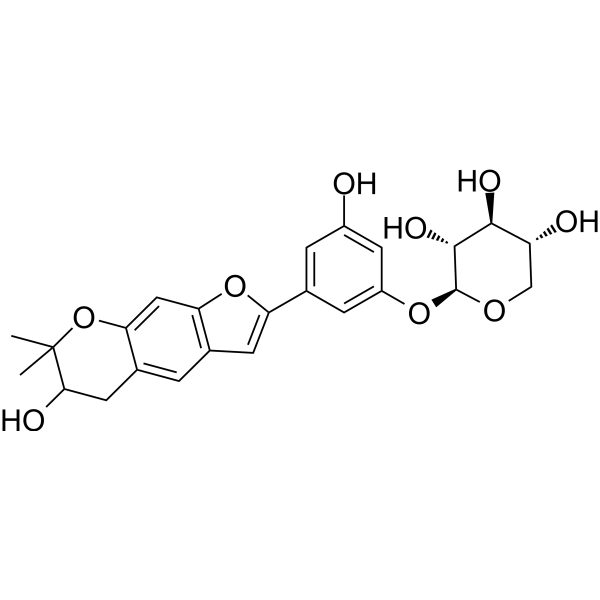
    Gylongiposide I is a selective inhibitor against the enterovirus EV71 with an EC50 of 1.53 μM. Gylongiposide I exerts antiviral activity by reducing viral protein VP1 expression and viral genomic RNA levels. Gylongiposide I can be used in the development of anti-EV71 drugs related to hand, foot and mouth disease .
    Gylongiposide I
  • HY-W724344

    Benzyldimethylhexadecylammonium-d5 chloride

    Isotope-Labeled Compounds Bacterial Infection Inflammation/Immunology
    Cetalkonium-d5 chloride (Benzyldimethylhexadecylammonium-d5 chloride) is the deuterium labeled Cetalkonium chloride (HY-B1597). Cetalkonium chloride is an ammonium antiseptic agent used in many topical agents for infections of mouth, throat and eye. Cetalkonium chloride acts as anti-inflammatory amphiphilic agent. Cetalkonium chloride is a cationic surfactant, that improves the precorneal residence time and bioavailability of drugs. Cetalkonium chloride interacts with the negative charges on the bacterial cell membrane, disrupts the integrity of the cell membrane, causes leakage of cell contents and ultimately leading to bacterial death .
    Cetalkonium-d5 chloride
  • HY-76772R

    SNI-2011 (Standard); AF102B hydrochloride hemihydrate (Standard)

    mAChR Reference Standards Neurological Disease Cancer
    Cevimeline (hydrochloride hemihydrate) (Standard) is the analytical standard of Cevimeline (hydrochloride hemihydrate). This product is intended for research and analytical applications. Cevimeline hydrochloride hemihydrate (SNI-2011) is a quinuclidine derivative of acetylcholine and a selective and orally active muscarinic M1 and M3 receptor agonist. Cevimeline hydrochloride hemihydrate stimulates secretion by the salivary glands and can be used as a sialogogue for xerostomia . Cevimeline hydrochloride hemihydrate can cross the blood-brain barrier (BBB) .
    Cevimeline hydrochloride hemihydrate (Standard)

Inquiry Online

Your information is safe with us. * Required Fields.

Salutation


Country or Region *

Applicant Name *


Organization Name *

Department *


Email Address *


Product Name *

Cat. No.


Requested quantity *

Phone Number *


Remarks

Inquiry Online

Inquiry Information

Product Name:
Cat. No.:
Quantity:
MCE Japan Authorized Agent:

