1. Search Result
Search Result
Results for "

murine brain

" in MedChemExpress (MCE) Product Catalog:

19

Inhibitors & Agonists

3

Peptides

1

Inhibitory Antibodies

2

Natural
Products

Targets Recommended:
Cat. No. Product Name Target Research Areas Chemical Structure
  • HY-P2136
    COG1410
    5 Publications Verification

    Apolipoprotein Apoptosis Neurological Disease Inflammation/Immunology
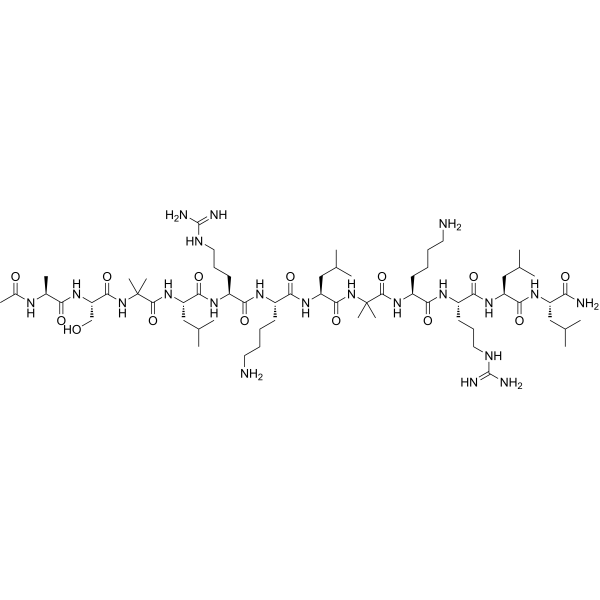
    COG1410 is an apolipoprotein E-derived peptide and an apoptosis inhibitor. COG1410 exerts neuroprotective and antiinflammatory effects in a murine model of traumatic brain injury (TBI). COG1410 can be used for the research of neurological disease .
    COG1410
  • HY-N9480
    Vinaxanthone
    3 Publications Verification

    SM-345431

    Phospholipase Bacterial Infection Cancer
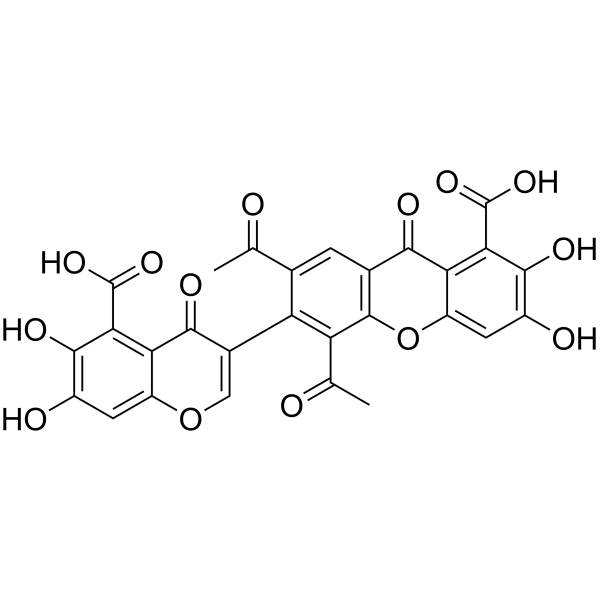
    Vinaxanthone (SM-345431) is a potent and selective semaphorin3A, phospholipase C (PLC) and FabI inhibitor, with IC50s of 0.1-0.2 μM and 0.9 mM for semaphorin3A and FabI. Vinaxanthone inhibits the substrate (t-o-NAC thioester) and the cofactor (NADPH) with Kis of 3.1 μM and 1.0 μM, respectively. Vinaxanthone can be used to handle infections caused by multidrug-resistant pathogens .
    Vinaxanthone
  • HY-103504
    (S)-SNAP5114
    1 Publications Verification

    GABA Receptor Neurological Disease
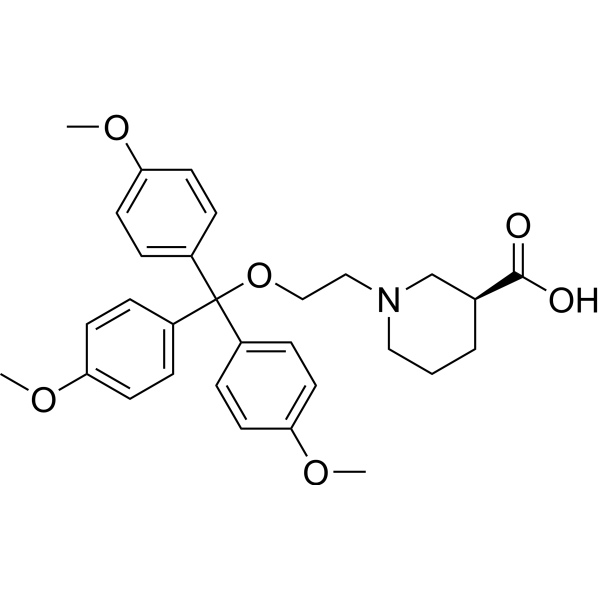
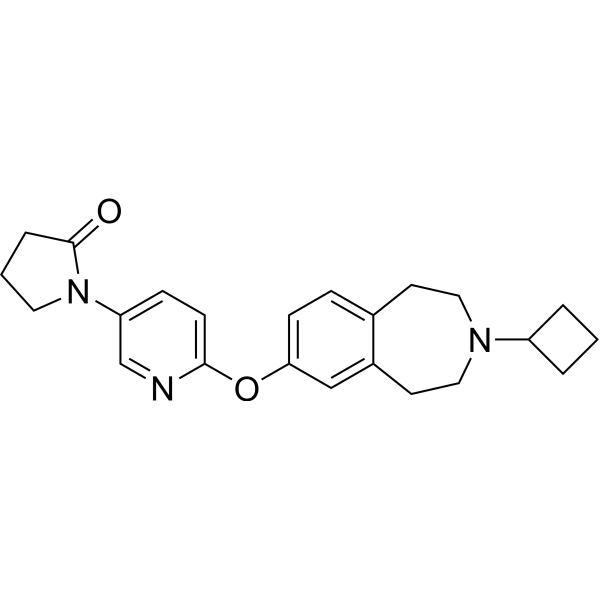
    (S)-SNAP5114 is a non-covalent murine GABA transporter inhibitor with blood-brain barrier penetration ability, which exhibits significant subtype-selective inhibitory activity against mGAT4 (pIC50=5.71, pKi=4.56), much higher than its effects on mGAT1, mGAT2 and mGAT3. (S)-SNAP5114 elevates extracellular GABA concentrations by blocking the GABA reuptake mechanism, thereby enhancing thalamus-specific GABAergic signaling and exerting potential neuromodulatory effects. (S)-SNAP5114 is widely used in studies related to epilepsy, neuropathic pain, anxiety and depression, and various neurodegenerative diseases .
    (S)-SNAP5114
  • HY-164485

    Toll-like Receptor (TLR) SARS-CoV Infection
    INI-4001 is a TLR7/8 agonist and vaccine adjuvant. INI-4001 regulates innate and adaptive immune responses by activating murine TLR7 and human TLR7/TLR8. INI-4001 enhances IgG and neutralizing antibody responses against Powassan virus (POWV), reduces viral loads in the brain, liver and spleen, provides complete protection against lethal POWV challenge, and skews immune responses toward a Th1 phenotype. When INI-4001 is used in combination with Al (OH)3 and SARS-CoV-2 RBD antigen, it efficiently adsorbs to Al (OH)3, promotes Th1 immunity and enhances SARS-CoV-2 neutralizing antibody responses. INI-4001 is applicable to research related to Powassan virus infection and COVID-19 .
    INI-4001
  • HY-135700

    Calcineurin Ras HMG-CoA Reductase (HMGCR) Metabolic Disease Inflammation/Immunology
    Mevalonolactone is an intermediate metabolite in the eukaryotic mevalonate pathway, serving as the stable δ-lactone form of mevalonate with oral activity. Mevalonolactone exhibits binding affinity for ZNF384 (Ka = 12.6 μM) and inhibitory activity against aconitase (aconitase). Mevalonolactone promotes the nuclear localization of ZNF384 and enhances its binding to the GGPPS promoter. Mevalonolactone induces insulin resistance, disrupts glucose and lipid metabolism, enhances the isoprenylation of K-Ras, and inhibits the activation of the insulin signaling pathway. Mevalonolactone inhibits polypeptide synthesis of HMG-CoA reductase in isolated rat hepatocytes, promotes its degradation, and reduces its enzymatic activity. Mevalonolactone impairs mitochondrial function in rat brains. Mevalonolactone promotes the development of metabolically unhealthy obesity. Mevalonolactone can be used in research related to metabolically abnormal obesity, mevalonic aciduria, HMGCR-related limb-girdle myopathy, and statin-induced myopathy .
    Mevalonolactone
  • HY-176438

    Tau Protein Neurological Disease
    DDL-357 is a potent secreted clusterin enhancer. DDL-357 reduces phospho-tau in brain and improves memory in the murine 3xTg-AD model .
    DDL-357
  • HY-149202

    PGE synthase Neurological Disease Inflammation/Immunology
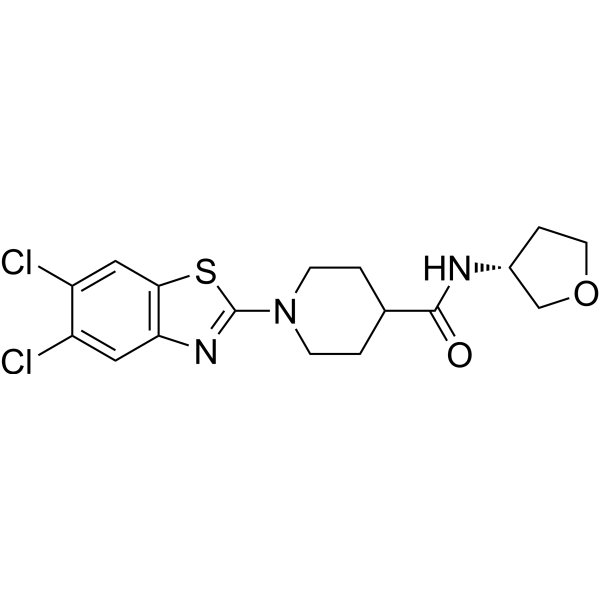
    UT-11 is a potent and blood-brain barrier-permeable microsomal prostaglandin E synthase-1 (mPGES-1) inhibitor with IC50s of 0.10 μM and 2.00 μM for inhibiting PGE2 production in human (SK-N-AS) and murine (BV2) cells, respectively .
    UT-11
  • HY-P2136F

    Apoptosis Neurological Disease Inflammation/Immunology Cancer
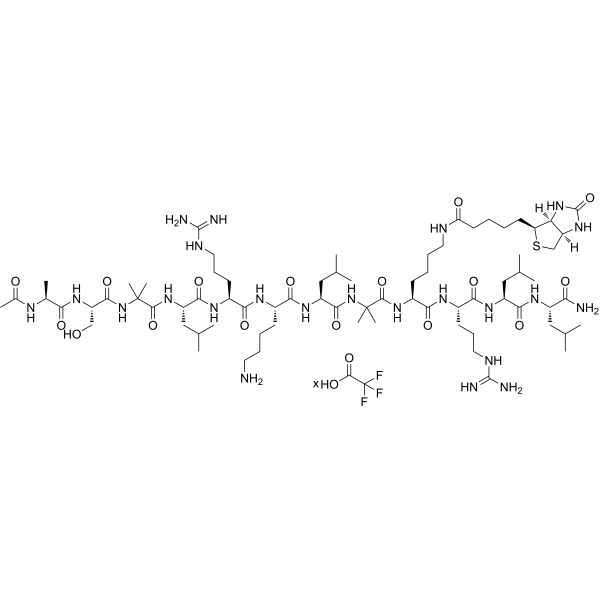
    Biotin-COG1410 TFA is a biotin labled COG1410 (HY-P2136). COG1410 is an apolipoprotein E-derived peptide and an apoptosis inhibitor. COG1410 exerts neuroprotective and antiinflammatory effects in a murine model of traumatic brain injury (TBI). COG1410 can be used for the research of neurological disease .
    Biotin-COG1410 TFA
  • HY-155811

    iGluR Neurological Disease
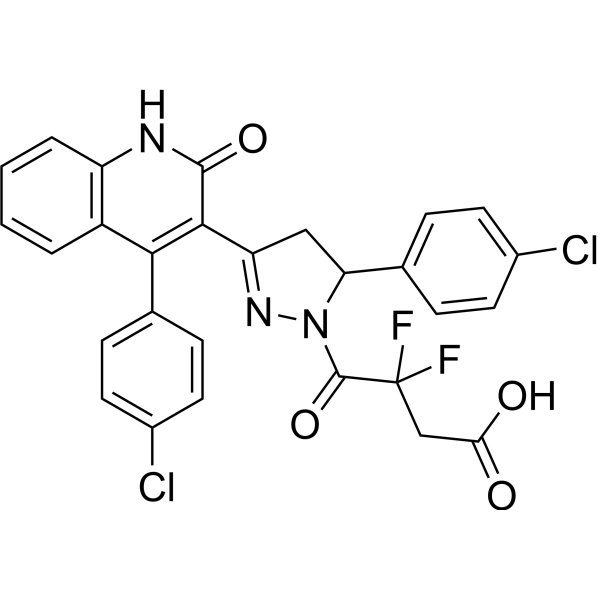
    DQP-997-74 (compound 2i) is a selective negative allosteric modulator of N-methyl-d-aspartate receptor (NMDAR), specifically targeting GluN2C/D (IC50: 0.069 μM and 0.035 μM), with blood-brain barrier penetrability. Where DQP refers to dihydroquinoline-pyrazoline. DQP-997-74 acts synergistically with the agonist glutamate to exhibit time-dependent enhanced potency in inhibiting hypersynchronous activity driven by high-frequency excitatory synaptic transmission. DQP-997-74 reduces the number of epileptogenesis in a murine model of tuberous sclerosis complex (TSC)-induced epilepsy. DQP-997-74 can be used for research on NMDAR-related neurological diseases .
    DQP-997-74
  • HY-119969

    NSC 182986

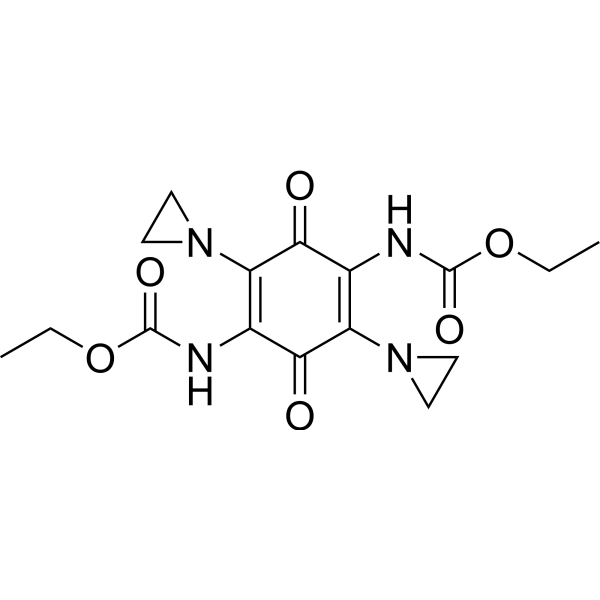
    DNA Alkylator/Crosslinker Cancer
    Diaziquone (NSC 182986), an aziridinylbenzoquinone, is a DNA alkylating agent. Diaziquone shows a broad antitumor activity against numerous transplantable murine tumors including curative activity against several intracerebrally implanted tumors. Diaziquone crosses the blood brain barrier .
    Diaziquone
  • HY-145949

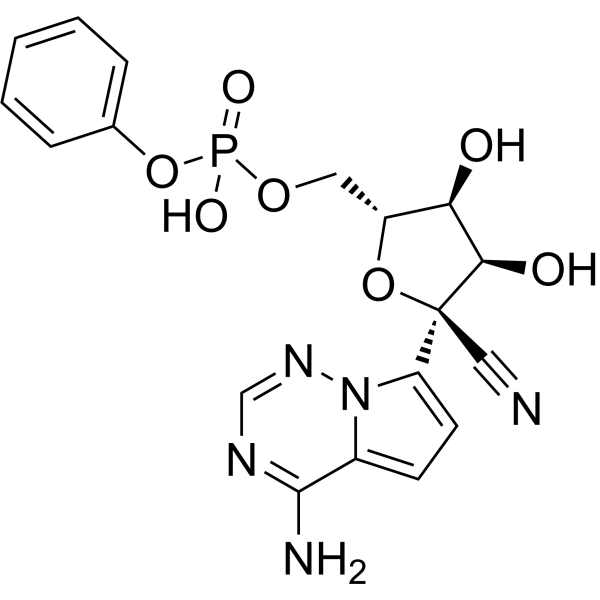
    Drug Metabolite Infection
    Remdesivir de(ethylbutyl 2-aminopropanoate) is an impurity of Remdesivir. Remdesivir, a nucleoside analogue with effective antiviral activity, has EC50s of 74 nM for SARS-CoV and MERS-CoV in HAE cells, and 30 nM for murine hepatitis virus in delayed brain tumor cells. Remdesivir is highly effective in the control of SARS-CoV-2 (COVID-19) infection in vitro .
    Remdesivir de(ethylbutyl 2-aminopropanoate)
  • HY-163327

    Biochemical Assay Reagents Neurological Disease
    pFBC ([ 18F]pEBC) is a covalent CLIP-tag radiotracer for detection of viral reporter gene transfer in the murine brain. pFBC can be used in neurobiological research .
    pFBC
  • HY-151808

    Btk Neurological Disease Inflammation/Immunology Cancer
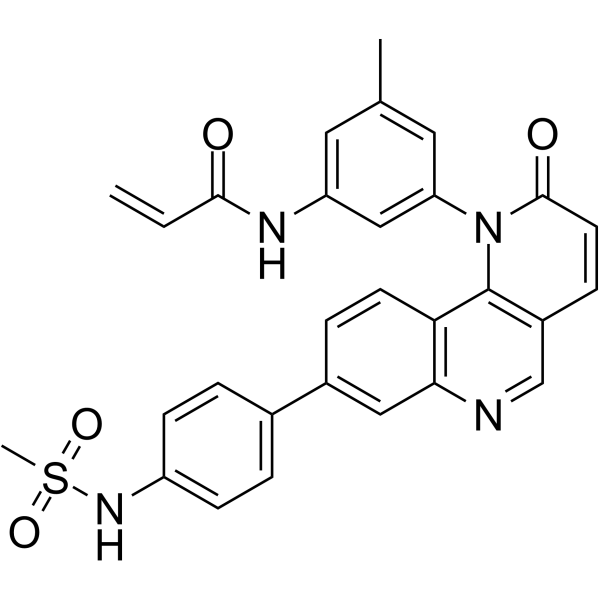
    JS25 is a selective and covalent inhibitor of BTK that inactivates BTK with an IC50 value of 5.8 nM by chelating Tyr551. JS25 inhibits cancer cells proliferation, pronounces cell death, and promotes murine xenograft model of Burkitt’s lymphoma. JS25 effectively crosses the blood-brain barrier .
    JS25
  • HY-155741

    Cannabinoid Receptor Neurological Disease
    CB2 PET Radioligand 1 (compound [18F]9) is a PET Radioligand targeting to hCB2 (Ki=7.7 nM). CB2 PET Radioligand 1 is prepared with Cu-mediated 18F-fluorination. CB2 PET Radioligand 1 shows high brain uptake in a murine model of neuroinflammation .
    CB2 PET Radioligand 1
  • HY-161643

    Cholinesterase (ChE) Keap1-Nrf2 Neurological Disease Inflammation/Immunology
    S21-1011 is a selective inhibitor for butyrylcholinesterase (BChE), with IC50 of 0.059 and 0.162 μM, for eqBChE and hBChE, respectively. S21-1011 exhibits good blood-brain barrier (BBB) permeability and good pharmacokinetic characters. S21-1011 exhibits anti-inflammatory activity through activation of keap1-Nrf2-ARE pathway (EC50 is 23.48 μM for antioxidant element ARE activation), ameliorates cognitive impairment in murine Alzheimer’s disease model .
    S21-1011
  • HY-P992172

    Tau Protein Neurological Disease
    ADEL-Y01 is a humanized and parental murine blood-brain barrier-penetrating monoclonal antibody against tau-acK280. ADEL-Y01 specifically recognizes tau-acK280 and its surrounding residues, mediates the neutralization and phagocytosis of acetylated tau aggregates, and interferes with the activity of pathological tau protein. ADEL-Y01 prevents the progression of tauopathies, increases neuronal survival rate, reduces tau-related pathological changes, and improves memory impairment. ADEL-Y01 can be used in research related to Alzheimer's disease and tauopathies .
    ADEL-Y01
  • HY-183593

    Phosphatase Akt Interleukin Related Neurological Disease
    SHIP1-IN-1 is an orally active, blood-brain barrier-permeable SHIP1 ligand. SHIP1-IN-1 exhibits IC50 values of 384 μM and 177 μM against human SHIP1, and an IC50 value of 379 μM against murine SHIP1. SHIP1-IN-1 alters the binding state of SHIP1 to phosphatidylinositol membranes, and regulates phosphoinositide pools and phosphorylated AKT levels. SHIP1-IN-1 enhances the uptake of myelin/membrane fragments and amyloid proteins by microglia, alters gene expression and reduces IL-1β levels. SHIP1-IN-1 can be used in studies related to Alzheimer's disease .
    SHIP1-IN-1
  • HY-120247

    Vasopressin Receptor P-glycoprotein Others
    TASP0434299 (Compound 10) is a radiolabeled ligand for the vasopressin V1b receptor. TASP0434299 exhibits high binding affinity for human and murine V1B receptors, with IC50 values of 0.526 nM and 0.641 nM, respectively, and shows potent antagonistic activity against the human V1B receptor with an IC50 of 0.639 nM. TASP0434299 is a substrate for human and rhesus monkey P-glycoprotein, resulting in low brain uptake in rhesus monkeys. TASP0434299 binds to V1B receptors in rat and monkey pituitary tissues in a saturable and specific manner both in vitro and in vivo. When radiolabeled with tritium or 11C, TASP0434299 serves as a prototype V1B receptor radiotracer to visualize V1B receptor in the pituitary gland of anesthetized monkeys via positron emission tomography .
    TASP0434299
  • HY-183557

    OGA Neurological Disease
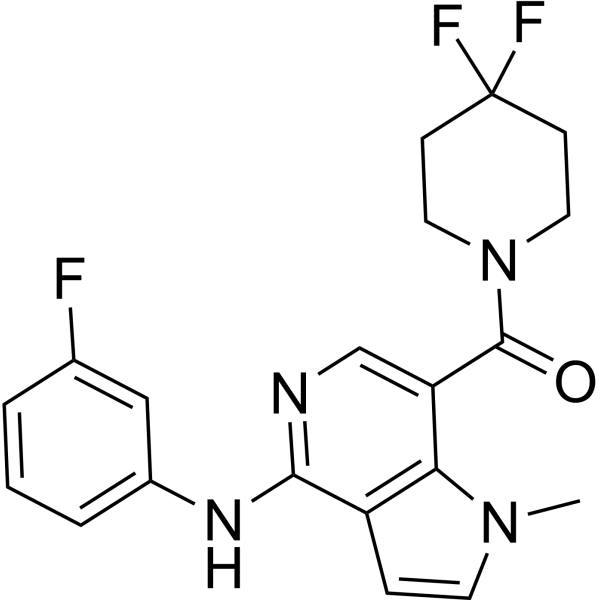
    O-GlcNAcase-IN-6 is an orally active, blood-brain barrier-permeable O-GlcNAcase (OGA) inhibitor with an IC50 of 5.4 nM. O-GlcNAcase-IN-6 inhibits OGA activity, thereby increasing the level of O-GlcNAc glycosylation in brain tissues. O-GlcNAcase-IN-6 can be used for the research of Alzheimer's disease .
    O-GlcNAcase-IN-6

Inquiry Online

Your information is safe with us. * Required Fields.

Salutation


Country or Region *

Applicant Name *


Organization Name *

Department *


Email Address *


Product Name *

Cat. No.


Requested quantity *

Phone Number *


Remarks

Inquiry Online

Inquiry Information

Product Name:
Cat. No.:
Quantity:
MCE Japan Authorized Agent:

