1. Search Result
Search Result
Results for "

mustard

" in MedChemExpress (MCE) Product Catalog:

48

Inhibitors & Agonists

1

Fluorescent Dyes

1

Biochemical Assay Reagents

7

Natural
Products

6

Isotope-Labeled Compounds

Cat. No. Product Name Target Research Areas Chemical Structure
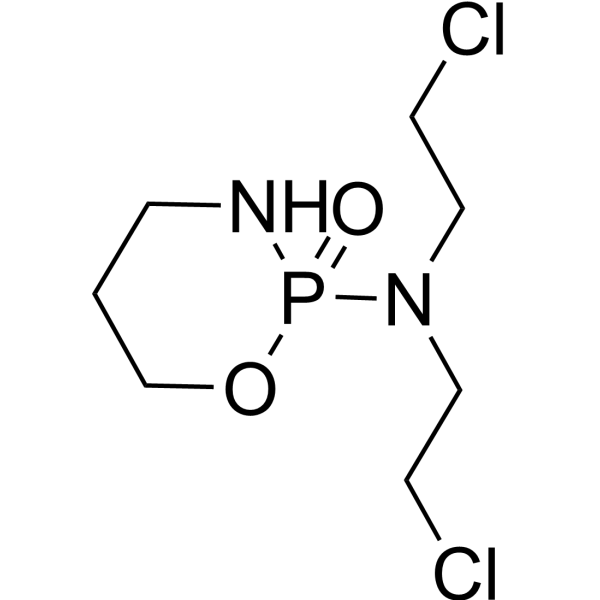
  • HY-17420
    Cyclophosphamide
    Maximum Cited Publications
    69 Publications Verification

    DNA Alkylator/Crosslinker Cancer
    Cyclophosphamide is a synthetic alkylating agent chemically related to the nitrogen mustards with antineoplastic activity, a immunosuppressant.
    Cyclophosphamide
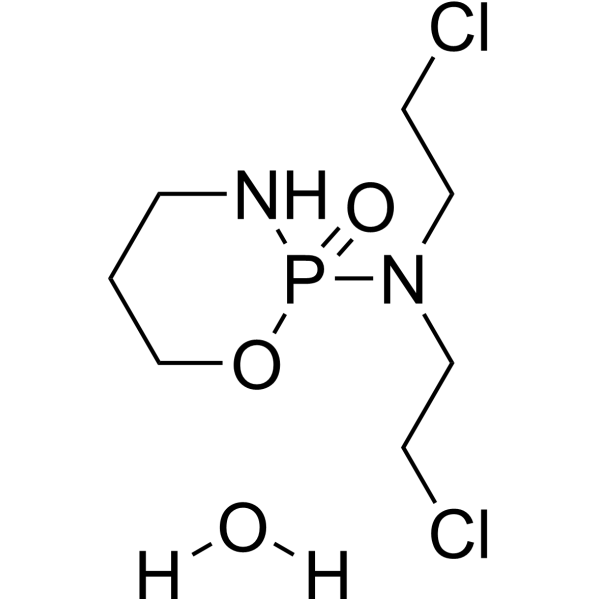
  • HY-17420A
    Cyclophosphamide hydrate
    Maximum Cited Publications
    69 Publications Verification

    Cyclophosphamide monohydrate

    DNA Alkylator/Crosslinker Cancer
    Cyclophosphamide hydrate is a synthetic alkylating agent chemically related to the nitrogen mustards with antineoplastic and immunosuppressive activities.
    Cyclophosphamide hydrate
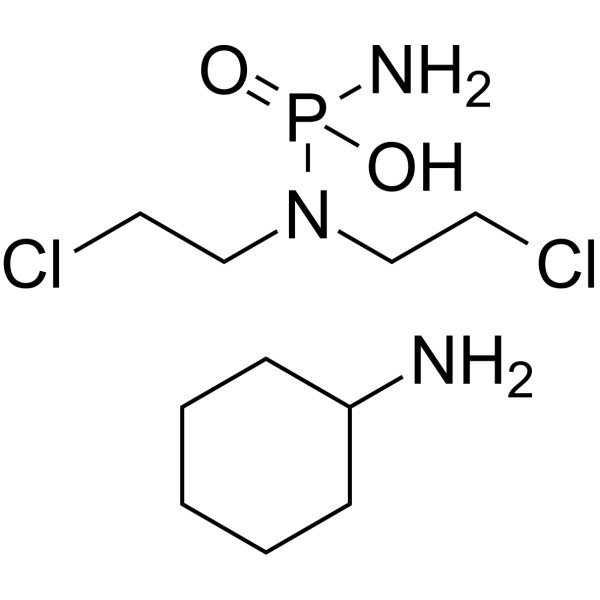
  • HY-137316A

    DNA Alkylator/Crosslinker Drug Metabolite Cancer
    Phosphoramide mustard cyclohexanamine is a biologically active metabolite of Cyclophosphamide (HY-17420), with anticancer activitiy. Phosphoramide mustard cyclohexanamine induces DNA damage .
    Phosphoramide mustard cyclohexanamine
  • HY-14798
    Palifosfamide
    2 Publications Verification

    Isophosphoramide mustard; IPM; ZIO-201

    DNA Alkylator/Crosslinker Drug Metabolite Cancer
    Palifosfamide is a novel DNA alkylator and the active metabolite of ifosfamide, with antitumor activity.
    Palifosfamide
  • HY-113063
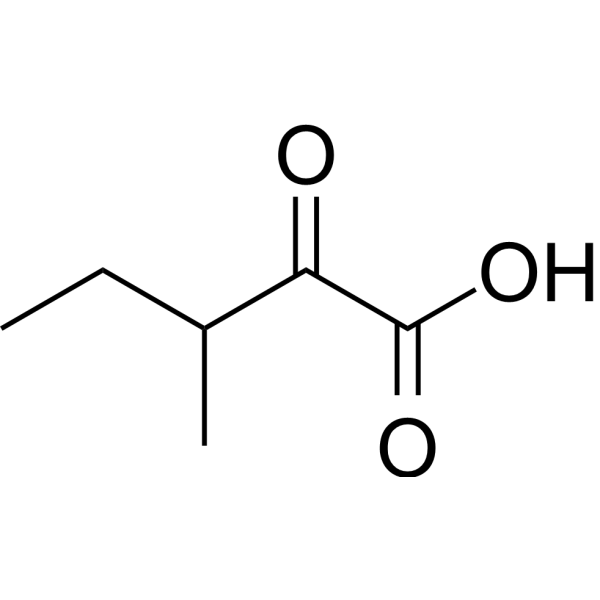
    3-Methyl-2-oxovaleric acid
    3 Publications Verification

    Endogenous Metabolite Metabolic Disease
    3-Methyl-2-oxovaleric acid is a degradation product from Isoleucine. 3-Methyl-2-oxovaleric acid is a biomarker of mustard airway diseases (MADs) and uric acid stone .
    3-Methyl-2-oxovaleric acid
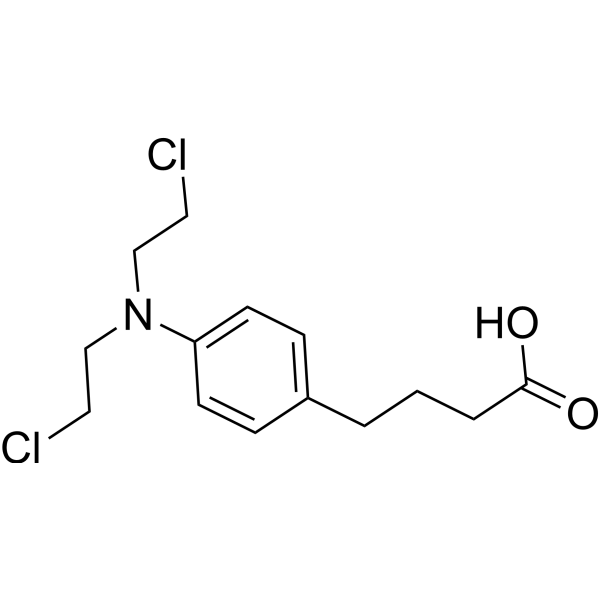
  • HY-13593
    Chlorambucil
    4 Publications Verification

    CB-1348; WR-139013

    DNA Alkylator/Crosslinker Neurological Disease Cancer
    Chlorambucil (CB-1348), an orally active antineoplastic agent, is a CNS-penetrant bifunctional alkylating agent belonging to the nitrogen mustard group. Chlorambucil can be used for the research of lymphocytic leukemia, ovarian and breast carcinomas, and Hodgkin’s disease .
    Chlorambucil
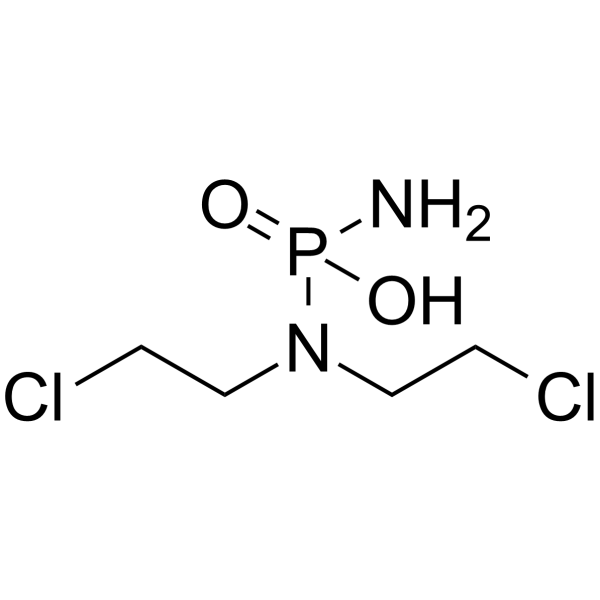
  • HY-137316

    DNA Alkylator/Crosslinker Drug Metabolite Cancer
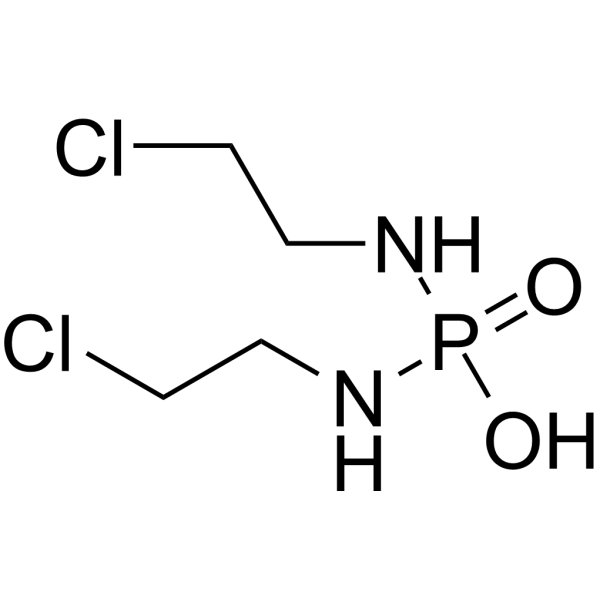
    Phosphoramide mustard is a biologically active metabolite of Cyclophosphamide (HY-17420), with anticancer activitiy. Phosphoramide mustard induces DNA damage .
    Phosphoramide mustard
  • HY-W017386
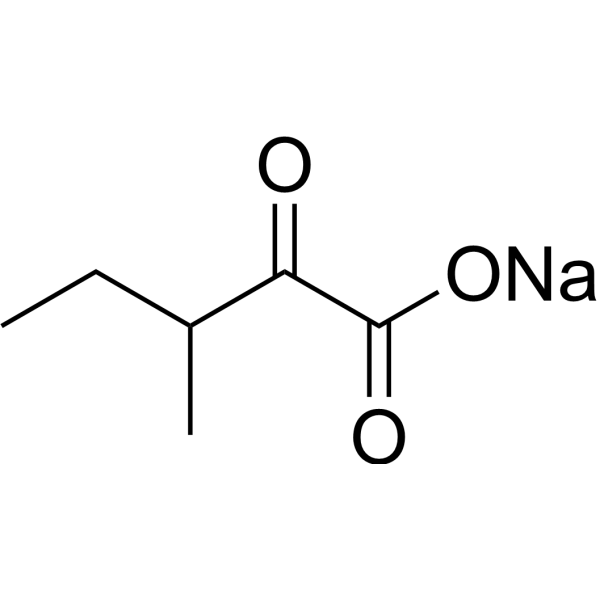
    3-Methyl-2-oxovaleric acid sodium
    3 Publications Verification

    Endogenous Metabolite Metabolic Disease
    3-Methyl-2-oxovaleric acid sodium is a degradation product from Isoleucine. 3-Methyl-2-oxovaleric acid sodium is a biomarker of mustard airway diseases (MADs) and uric acid stone .
    3-Methyl-2-oxovaleric acid sodium
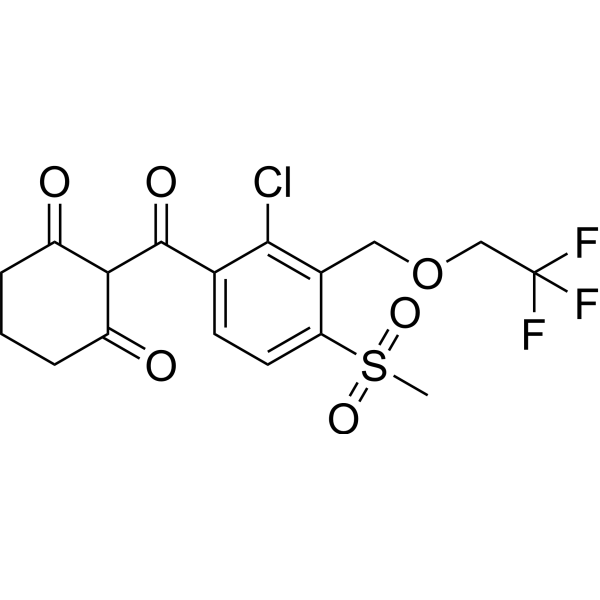
  • HY-137910

    Environmental Pollutants HPPD Herbicide Infection
    Tembotrione is a herbicide belonging to the HPPD (dioxygenase) inhibitor class with crop selectivity. Tembotrione effectively controls a variety of weeds including broadleaf and gramineous species by disrupting carotenoid synthesis, which leads to chlorophyll degradation and leaf whitening. Mixing Tembotrione with isoxaflutole or adding surfactants optimizes its efficacy and reduces phytotoxicity, with no residual impact on subsequent cruciferous crops, thus helping to increase maize grain yield. The activity of Tembotrione decreases under drought conditions, and under specific conditions (such as double-dose treatment), it may cause reversible yellowing and even yield reduction in crops such as poppy .
    Tembotrione
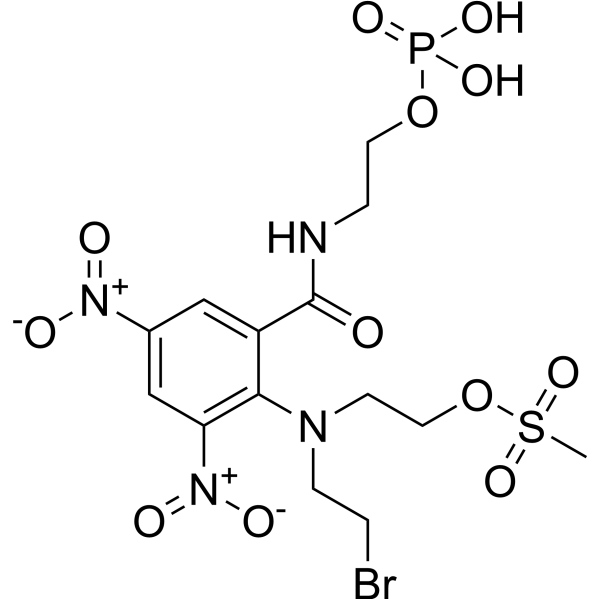
  • HY-16405

    DNA Alkylator/Crosslinker Cancer
    PR-104 is a selective hypoxia-activated DNA cross-linking agent and can be used for the research of multiple tumor xenograft models. PR-104, as a nitrogen mustard pre-proagent, is converted efficiently to the more lipophilic dinitrobenzamide mustards alcohol PR-104A .
    PR-104
  • HY-17420S

    DNA Alkylator/Crosslinker Cancer
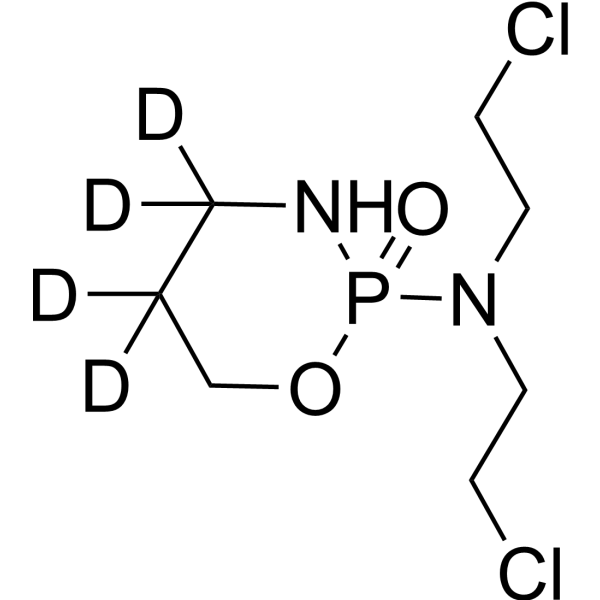
    Cyclophosphamide-d4 is the deuterium labeled Cyclophosphamide. Cyclophosphamide is a synthetic alkylating agent chemically related to the nitrogen mustards with antineoplastic activity, a immunosuppressant .
    Cyclophosphamide-d4
  • HY-113063R

    Reference Standards Endogenous Metabolite Metabolic Disease
    3-Methyl-2-oxovaleric acid (Standard) is the analytical standard of 3-Methyl-2-oxovaleric acid (HY-113063). This product is intended for research and analytical applications. 3-Methyl-2-oxovaleric acid is a degradation product from Isoleucine. 3-Methyl-2-oxovaleric acid is a biomarker of mustard airway diseases (MADs) and uric acid stone.
    3-Methyl-2-oxovaleric acid (Standard)
  • HY-W127705
    Quinacrine mustard dihydrochloride
    1 Publications Verification

    Fluorescent Dye Others
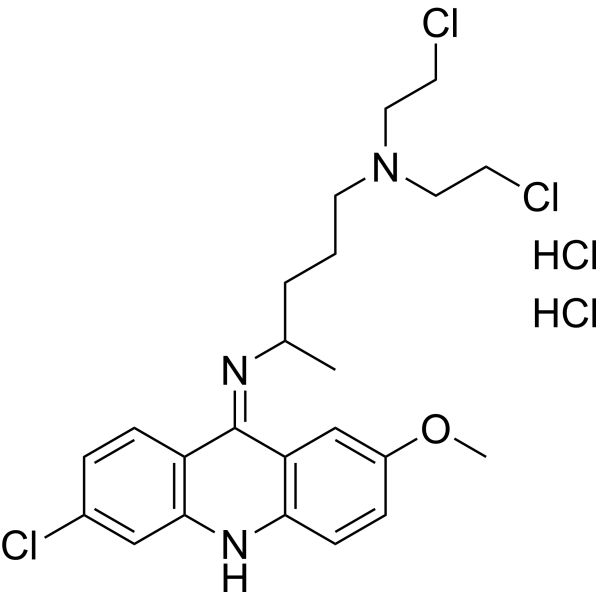
    Quinacrine mustard dihydrochloride is a fluorochrome. Quinacrine mustard dihydrochloride as a polycyclic aromatic agent can be used as mutagenic agent induces the mutants of bacteria. Quinacrine mustard dihydrochloride induces cell cycle arrest at G2/M-phase. Quinacrine mustard dihydrochloride has the potential for the research of plant, animal, or human chromosomes .
    Quinacrine mustard dihydrochloride
  • HY-70003

    CPG2 Inhibitor

    Carboxypeptidase Cancer
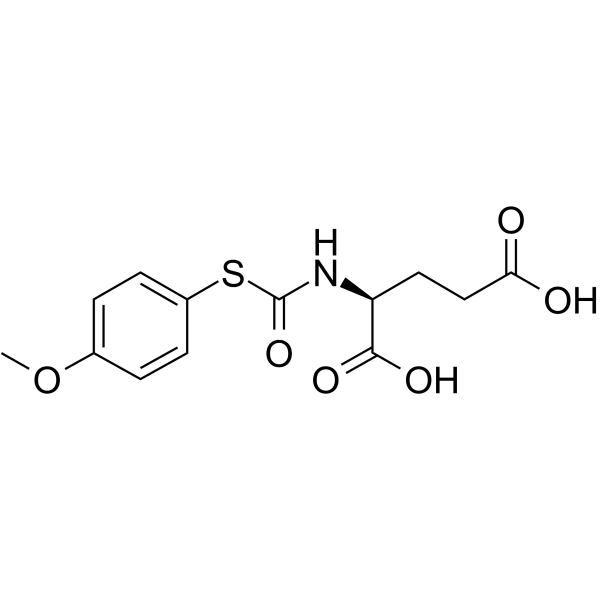
    Carboxypeptidase G2 (CPG2) Inhibitor is a novel CPG2 inhibitor with an Ki of 0.3 μM. Carboxypeptidase G2 (CPG2) Inhibitor effectively neutralizes the CPG2 activity in non-tumor sites, allowing for earlier administration of the drug and forming a complementary strategy with antibody clearance strategies. Carboxypeptidase G2 (CPG2) Inhibitor can be used for the study of antibody-directed enzyme prodrug therapy (ADEPT) .
    Carboxypeptidase G2 (CPG2) Inhibitor
  • HY-172314

    Aldose Reductase Drug Derivative Cancer
    ACHM-025 is a prodrug, which is selectively activated by AKR1C3 to a nitrogen mustard DNA alkylating agent. ACHM-025 can be used for the research of cancer, such as leukemia .
    ACHM-025
  • HY-17420AR

    Cyclophosphamide monohydrate (Standard)

    Reference Standards DNA Alkylator/Crosslinker Cancer
    Cyclophosphamide (hydrate) (Standard) is the analytical standard of Cyclophosphamide (hydrate). This product is intended for research and analytical applications. Cyclophosphamide hydrate is a synthetic alkylating agent chemically related to the nitrogen mustards with antineoplastic and immunosuppressive activities.
    Cyclophosphamide hydrate (Standard)
  • HY-W199190

    DNA/RNA Synthesis Cancer
    2-CEES is a mustard gas analog forms only DNA monoadducts. 2-CEES induces centrosome amplification in human and mouse cells. 2-CEES induces centrosome amplification and chromosome instability .
    2-CEES
  • HY-W275553

    DNA Alkylator/Crosslinker Infection
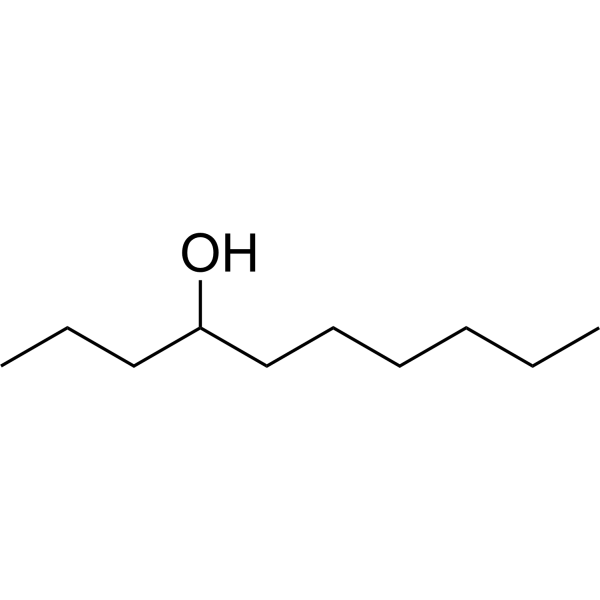
    4-Decanol is an antimutagenic compound, that can be isolated from mustard leaves. 4-Decanol inhibits mutagenic activities of Aflatoxin B1 (HY-N6615) and MNNG (HY-128612) in Salmonella typhimurium TA100 .
    4-Decanol
  • HY-16232

    D 19575; Glucosylifosfamide mustard

    Apoptosis Caspase Bcl-2 Family Cancer
    Glufosfamide is a glucose-conjugated alkylating cytotoxic agent and a derivative of Ifosfamide (HY-17419). Glufosfamide induces apoptosis frequency and increase the expression of caspase-9 and caspase-3 in cancer cells. Glufosfamide shows great anti-tumor activity in MiaPaCa-2-RFP mouse model. Glufosfamide can be used for the study of hepatocellular carcinoma, prostate cancer and pancreatic carcinoma .
    Glufosfamide
  • HY-114577
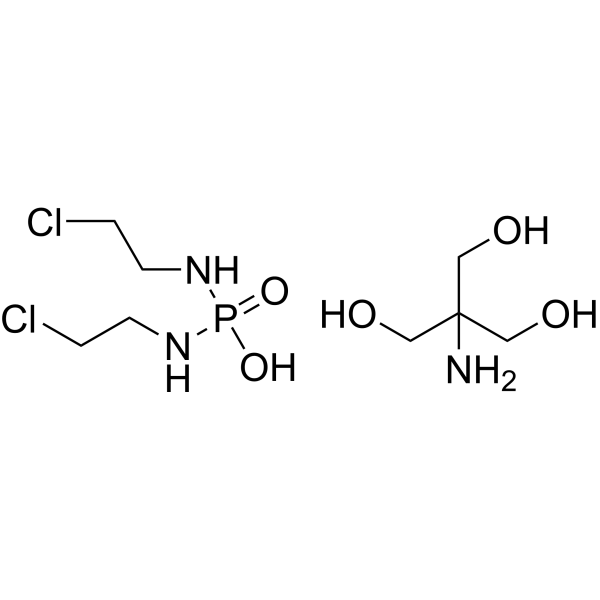
    Palifosfamide tromethamine
    2 Publications Verification

    Isophosphoramide mustard tromethamine; IPM tromethamine; ZIO-201 tromethamine

    DNA Alkylator/Crosslinker Cancer
    Palifosfamide (tromethamine) is a synthetic alkylating agent with potential antineoplastic activity. As the stabilized active metabolite of ifosfamide, palifosfamide (tromethamine) irreversibly alkylates and crosslinks DNA through GC base pairs. This leads to an inhibition of DNA replication and ultimately cell death. Compared to ifosfamide, palifosfamide (tromethamine) is less toxic.
    Palifosfamide tromethamine
  • HY-W017386S

    Isotope-Labeled Compounds Endogenous Metabolite Metabolic Disease
    3-Methyl-2-oxovaleric acid-d8 sodium is the deuterium labeled 3-Methyl-2-oxovaleric acid. 3-Methyl-2-oxovaleric acid is a degradation product from Isoleucine. 3-Methyl-2-oxovaleric acid is a biomarker of mustard airway diseases (MADs) and uric acid stone .
    3-Methyl-2-oxovaleric acid-d8 sodium
  • HY-124892A

    Acetyl-AF64

    Histone Acetyltransferase Neurological Disease
    Acetylethylcholine mustard hydrochloride (Acetyl-AF64) is an inhibitor of choline acetyl-transferase that reduces the contraction frequency of the myotubes by inhibiting the synthesis of acetylethylcholine (Ach) with the half-maximal inhibitory concentration (IC50) of 1.22 mM. Acetylethylcholine mustard hydrochloride is an irreversible ligand for the high affinity choline transport system. Acetylethylcholine mustard hydrochloride is also a cholinotoxin. Acetylethylcholine mustard hydrochloride is a precursor for ethylcholine mustard aziridinium ion .
    Acetylethylcholine mustard hydrochloride
  • HY-136327

    DNA Alkylator/Crosslinker Cancer
    Phenylacetic acid mustard is the major metabolite of the cancer chemotherapeutic agent Chlorambucil (HY-13593). Chlorambucil is an alkylating agent with antitumor activity .
    Phenylacetic acid mustard
  • HY-121713

    N,N-Bis(2-chloroethyl)aniline

    Apoptosis Mitochondrial Metabolism Caspase DNA/RNA Synthesis PARP Reactive Oxygen Species (ROS) Cancer
    Aniline mustard (N, n-BIS (2-chloroethyl) aniline) is an anticancer agent .
    Aniline mustard
  • HY-116948

    Drug Derivative Cancer
    Azo-mustard is a nitrogen mustard derivative with mutagenic effects in Drosophila melanogaster males .
    Azo-mustard
  • HY-137316AR

    Reference Standards DNA Alkylator/Crosslinker Drug Metabolite Cancer
    Phosphoramide mustard (cyclohexanamine) (Standard) is the analytical standard of Phosphoramide mustard (cyclohexanamine). This product is intended for research and analytical applications. Phosphoramide mustard cyclohexanamine is a biologically active metabolite of Cyclophosphamide (HY-17420), with anticancer activitiy. Phosphoramide mustard cyclohexanamine induces DNA damage[1][2].
    Phosphoramide mustard cyclohexanamine (Standard)
  • HY-17420S1

    Isotope-Labeled Compounds DNA Alkylator/Crosslinker Cancer
    Cyclophosphamide-d8 is deuterium labeled Cyclophosphamide. Cyclophosphamide is a synthetic alkylating agent chemically related to the nitrogen mustards with antineoplastic activity, a immunosuppressant.
    Cyclophosphamide-d8
  • HY-W010778

    Drug Derivative Others
    N-[3-chloro-4-[(3-fluorophenyl)methoxy]phenyl]-6-iodo-quinazolin-4-amine is a quinazoline derivative that has also been used in the design, synthesis and biological evaluation of quinazoline-phosphoramidate mustard conjugates as anticancer drugs.
    N-(3-Chloro-4-((3-fluorobenzyl)oxy)phenyl)-6-iodoquinazolin-4-amine
  • HY-179054

    Apoptosis Reactive Oxygen Species (ROS) DNA/RNA Synthesis Cancer
    Apoptosis inducer 51 (Compound 5d) is an apoptosis inducer. Apoptosis inducer 51 exhibits strong inhibitory activity against MDA-MB-231 cells. Apoptosis inducer 51 inhibits cell invasion and migration, induces G2/M phase cell cycle arrest and cell apoptosis. Apoptosis inducer 51 causes DNA damage, ROS burst and mitochondrial membrane potential (MMP) collapse. Apoptosis inducer 51 can be used for the study of triple-negative breast cancer.
    Apoptosis inducer 51
  • HY-16406

    DNA Alkylator/Crosslinker Cancer
    PR-104 (sodium) is a selective hypoxia-activated DNA cross-linking agent and can be used for the research of multiple tumor xenograft models. PR-104 (sodium), as a nitrogen mustard pre-proagent, is converted efficiently to the more lipophilic dinitrobenzamide mustards alcohol PR-104A .
    PR-104 sodium
  • HY-105815

    DNA Alkylator/Crosslinker Cancer
    Chlornaphazine, a nitrogen mustard derivative, is a bifunctional alkylating agent. Chlornaphazine is an antineoplastic agent, which can be used for the study of polycythemia vera and Hodgkin’s disease .
    Chlornaphazine
  • HY-163570

    Protoporphyrinogen IX oxidase Others
    PPO-IN-11 (Compound 10bh) is an inhibitor for protoporphyrinogen IX oxidase (PPO), that inhibits nicotiana tabacum PPO (NtPPO) with Ki of 0.0603 μM. PPO-IN-11 exhibits herbicidal activities against dicot weeds Leaf mustard, Chickweed, Chenopodium serotinum and monocot weeds Alopecurus aequalis, Poa annua, and Polypogon fugax with a dose of 150 g a.i./ha .
    PPO-IN-11
  • HY-N12974

    Others Others
    Glucoconringiin is a mustard oil glucoside that can be isolated from Cruciferae and Tropaeolaceae. Glucoconringiin acts as a feeding stimulant for the larvae of Plutella maculipennis .
    Glucoconringiin
  • HY-17420AS

    Cyclophosphamide-d8 monohydrate

    Isotope-Labeled Compounds DNA Alkylator/Crosslinker Cancer
    Cyclophosphamide-d8 (hydrate) is the deuterium labeled Cyclophosphamide hydrate. Cyclophosphamide hydrate is a synthetic alkylating agent chemically related to the nitrogen mustards with antineoplastic and immunosuppressive activities .
    Cyclophosphamide-d8 hydrate
  • HY-119899

    Drug Derivative Cancer
    BO-0742, a derivative of AHMA and N-mustard, is a potent anti-cancer agent. BO-0742 significantly suppresses the growth of xenografts of human breast and ovarian cancers in mice .
    BO-0742
  • HY-14798R

    Isophosphoramide mustard (Standard); IPM (Standard); ZIO-201 (Standard)

    Reference Standards DNA Alkylator/Crosslinker Drug Metabolite Cancer
    Benzimidazole (Standard) is the analytical standard of Benzimidazole. This product is intended for research and analytical applications. Benzimidazole is a biochemical reagent that can be used as a biological material or organic compound for life science related research.
    Palifosfamide (Standard)
  • HY-13593S

    CB-1348-d8; WR-139013-d8

    Isotope-Labeled Compounds DNA Alkylator/Crosslinker Cancer
    Chlorambucil-d8 is the deuterium labeled Chlorambucil. Chlorambucil (CB-1348), an orally active antineoplastic agent, is a bifunctional alkylating agent belonging to the nitrogen mustard group. Chlorambucil can be used for the research of lymphocytic leukemia, ovarian and breast carcinomas, and Hodgkin’s disease .
    Chlorambucil-d8
  • HY-13593S1

    CB-1348-d8-1; WR-139013-d8-1

    Isotope-Labeled Compounds DNA Alkylator/Crosslinker Cancer
    Chlorambucil-d8-1 is the deuterium labeled Chlorambucil. Chlorambucil (CB-1348), an orally active antineoplastic agent, is a bifunctional alkylating agent belonging to the nitrogen mustard group. Chlorambucil can be used for the research of lymphocytic leukemia, ovarian and breast carcinomas, and Hodgkin’s disease .
    Chlorambucil-d8-1
  • HY-W714171

    BAY MKH 6561

    Herbicide Others
    Propoxycarbazone sodium (BAY MKH 6561) is a herbicide. Propoxycarbazone sodium controls shepherd’s purse (Capsella bursa-pastoris L. Medicus), tumble mustard (Sisymbrium altissimum L.), field pennycress (Thlaspi arvense L.), and several Bromus species. Propoxycarbazone sodium also inhibits the growth of jointed goatgrass, wild oat (Avena fatua L.), and quackgrass (Elytrigia repens L. Nevski) .
    Propoxycarbazone sodium
  • HY-13593R

    CB-1348 (Standard); WR-139013 (Standard)

    Reference Standards DNA Alkylator/Crosslinker Cancer
    Chlorambucil (Standard) is the analytical standard of Chlorambucil. This product is intended for research and analytical applications. Chlorambucil (CB-1348), an orally active antineoplastic agent, is a bifunctional alkylating agent belonging to the nitrogen mustard group. Chlorambucil can be used for the research of lymphocytic leukemia, ovarian and breast carcinomas, and Hodgkin’s disease .
    Chlorambucil (Standard)
  • HY-W714171R

    BAY MKH 6561 (Standard)

    Herbicide Reference Standards Others
    Propoxycarbazone (sodium) (Standard) is the analytical standard of Propoxycarbazone (sodium). This product is intended for research and analytical applications. Propoxycarbazone sodium (BAY MKH 6561) is a herbicide. Propoxycarbazone sodium controls shepherd’s purse (Capsella bursa-pastoris L. Medicus), tumble mustard (Sisymbrium altissimum L.), field pennycress (Thlaspi arvense L.), and several Bromus species. Propoxycarbazone sodium also inhibits the growth of jointed goatgrass, wild oat (Avena fatua L.), and quackgrass (Elytrigia repens L. Nevski) .
    Propoxycarbazone sodium (Standard)
  • HY-127138

    Others Others
    Arctigenin mustard is an active compound.
    Arctigenin mustard
  • HY-186083

    mAChR Cardiovascular Disease
    Propylbenzilylcholine mustard (PrBCM) is an irreversible, covalently binding selective antagonist targeting rat cardiac muscarinic receptors, with a preference for muscarinic receptor subtypes that show low affinity for agonists. Propylbenzilylcholine mustard inactivates such receptors in a dose- and time-dependent manner in vitro, and its receptor selectivity remains stable across different ionic strengths and in GTP-containing buffer systems. Propylbenzilylcholine mustard can be applied to basic pharmacological studies on the structure and function of muscarinic receptors, especially focusing on the heterogeneity of cardiac muscarinic receptors and related cardiovascular pharmacological research .
    Propylbenzilylcholine mustard
  • HY-N18810

    Bacterial Cardiovascular Disease Infection Inflammation/Immunology
    Mustard oil has antibacterial and anti-inflammatory properties and can be used in research on skin diseases, lung diseases, arthritis, and cardiovascular complications.
    Mustard oil
  • HY-P2872A

    Endogenous Metabolite Metabolic Disease
    Thioglucosidase, Sinapis alba (white mustard) seed (EC 3.2.1.147) hydrolyzes the S-glucosidic bond of a glucosinolate substrate to form an unstable aglycone that rearranges with the loss of sulfate primarily to the isothiocyanate, though thiocyanates and nitriles are also formed.
    Thioglucosidase, Sinapis alba (white mustard) seed
  • HY-16232R

    D 19575 (Standard); Glucosylifosfamide mustard (Standard)

    Reference Standards Apoptosis Bcl-2 Family Caspase Cancer
    Glufosfamide (Standard) is the analytical standard of Glufosfamide. This product is intended for research and analytical applications. Glufosfamide is a glucose-conjugated alkylating cytotoxic agent and a derivative of Ifosfamide (HY-17419). Glufosfamide induces apoptosis frequency and increase the expression of caspase-9 and caspase-3 in cancer cells. Glufosfamide shows great anti-tumor activity in MiaPaCa-2-RFP mouse model. Glufosfamide can be used for the study of hepatocellular carcinoma, prostate cancer and pancreatic carcinoma .
    Glufosfamide (Standard)
  • HY-W275553R

    DNA Alkylator/Crosslinker Reference Standards Infection
    4-Decanol (Standard) is the analytical standard of 4-Decanol (HY-W275553). This product is intended for research and analytical applications. 4-Decanol is an antimutagenic compound, that can be isolated from mustard leaves. 4-Decanol inhibits mutagenic activities of Aflatoxin B1 (HY-N6615) and MNNG (HY-128612) in Salmonella typhimurium TA100 .
    4-Decanol (Standard)
  • HY-182682

    NSC-146171

    DNA Alkylator/Crosslinker Cancer
    IOB-82 is a bifunctional alkylating agent. IOB‑82 induces marked nuclear and cytoplasmic alterations, elicits severe chromatid and chromosome aberrations, and remodels chromosome ploidy. IOB-82 exerts dose-dependent radiomimetic effects and preferentially cytotoxic to large A-type rat ascites cells. IOB-82 can be applied in the research of melanoma‑derived tumors and leukemia .
    IOB-82

Inquiry Online

Your information is safe with us. * Required Fields.

Salutation


Country or Region *

Applicant Name *


Organization Name *

Department *


Email Address *


Product Name *

Cat. No.


Requested quantity *

Phone Number *


Remarks

Inquiry Online

Inquiry Information

Product Name:
Cat. No.:
Quantity:
MCE Japan Authorized Agent:

