1. Search Result
Search Result
Results for "

mycelial

" in MedChemExpress (MCE) Product Catalog:

69

Inhibitors & Agonists

1

Peptides

25

Natural
Products

6

Isotope-Labeled Compounds

Cat. No. Product Name Target Research Areas Chemical Structure
  • HY-A0132
    N-Acetyl-D-glucosamine
    2 Publications Verification

    N-Acetyl-2-amino-2-deoxy-D-glucose

    Endogenous Metabolite Drug Derivative Drug Isomer Interleukin Related Metabolic Disease Inflammation/Immunology Cancer
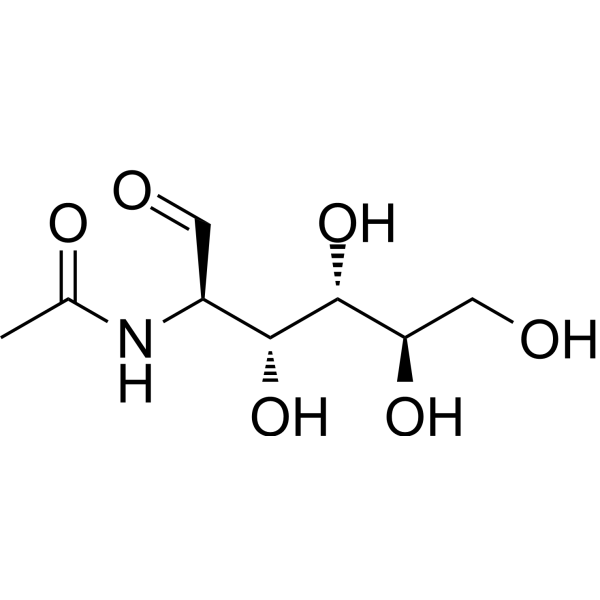
    N-Acetyl-D-Glucosamine (N-Acetyl-2-amino-2-deoxy-D-glucose), the D isomer of N-acetylglucosamine, is an orally active monosaccharide derivative of glucose with anti-tumor and anti-inflammation properties. N-Acetyl-D-Glucosamine is also a bacterial metabolite, which is found in Escherichia coli. N-Acetyl-D-Glucosamine can induce yeast-mycelial conversion in Candida albicans. N-Acetyl-D-Glucosamine also enhances healing of cartilaginous injuries in rabbits .
    N-Acetyl-D-glucosamine
  • HY-N2524

    EGFR Cancer
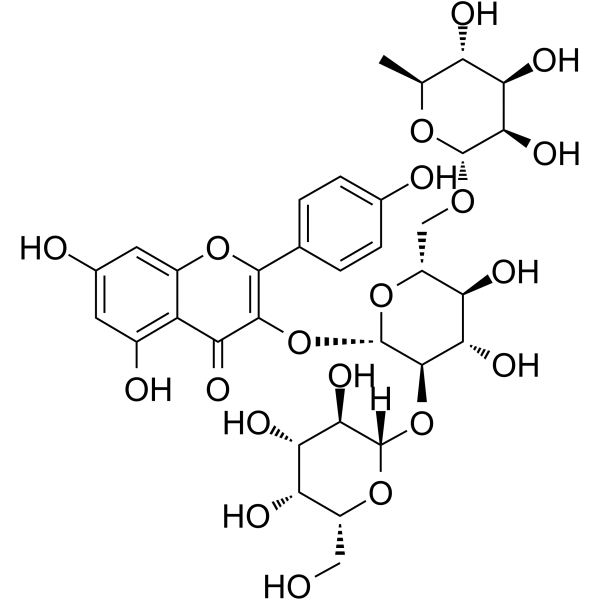
    Camelliaside A is a phytochemical and also a HER2 ligand. Camelliaside A shows no inhibitory effect on mycelial growth of Rhizoctonia solani, indicating no antifungal activity against this pathogen. Camelliaside A is applicable to breast cancer-related research .
    Camelliaside A
  • HY-W004263

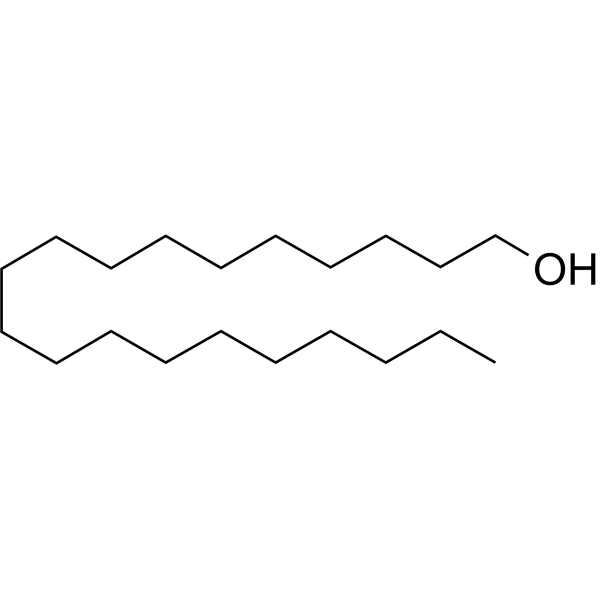
    Arachidyl alcohol

    Environmental Pollutants Fungal Infection
    1-Eicosanol (Arachidyl alcohol) is a long-chain fatty alcohol and volatile organic compound that can be isolated from the leaves of Leea indica and produced by Bacillus velezensis ZJ1. 1-Eicosanol inhibits mycelial growth of Alternaria solani and Botrytis cinerea. 1-Eicosanol is applicable to research related to tomato early blight and tomato gray mold .
    1-Eicosanol
  • HY-B0850
    Difenoconazole
    3 Publications Verification

    Environmental Pollutants Fungal Infection
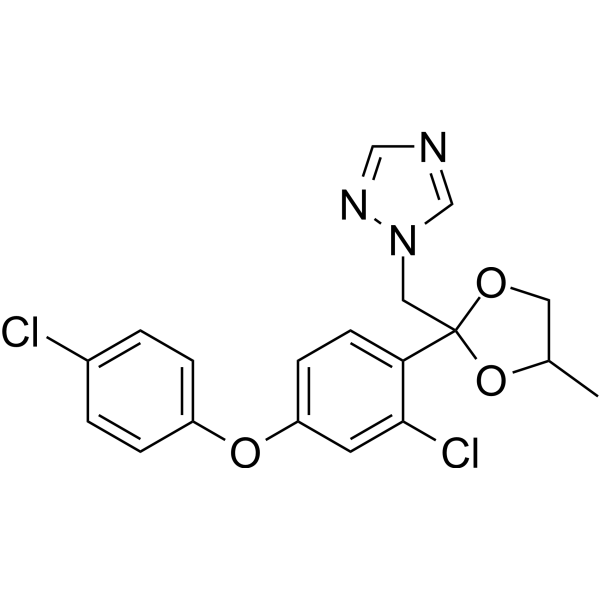
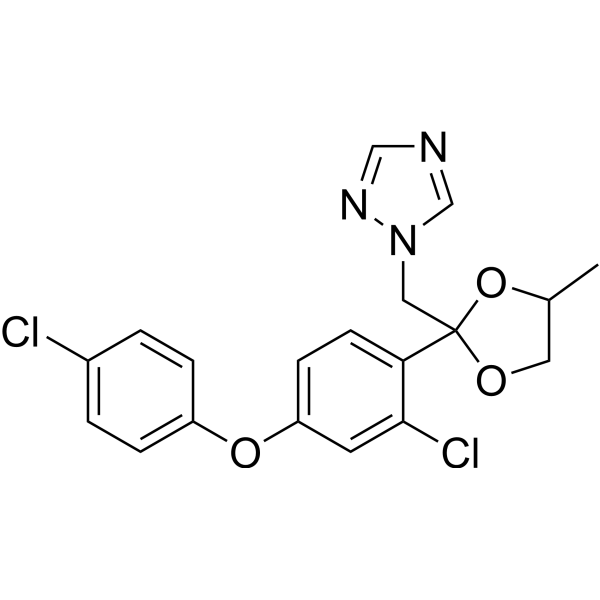
    Difenoconazole is a sterol demethylation inhibitor, as a fungicide. Difenoconazole binds the heme portion of the fungal cytochrome P450 51, interferes the mycelial growth and inhibits the spore germination of pathogens, suppressing fungal growth .
    Difenoconazole
  • HY-B0846

    Environmental Pollutants Fungal Androgen Receptor Parasite Infection
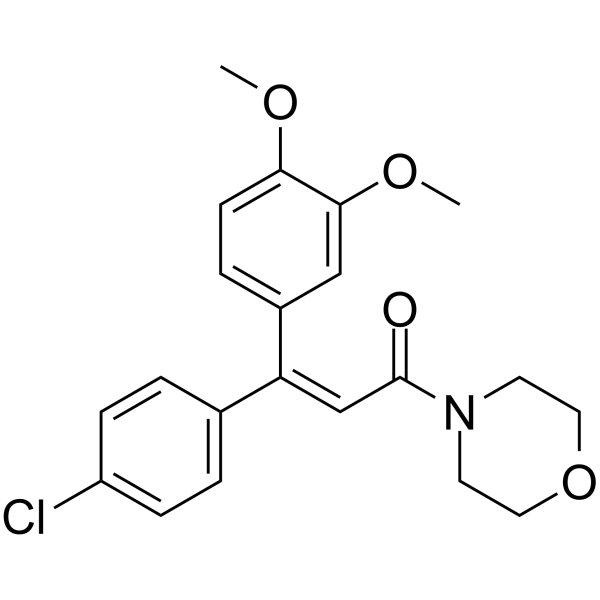
    Dimethomorph is a fungicide belongs to the fungicide group of sterol biosynthesis inhibitor. Dimethomorph can inhibit fungal cell wall formation. Dimethomorph also inhibits androgen receptor (AR) activity in MDA-kb2 cells with an IC20 of 0.263 µM .
    Dimethomorph
  • HY-B2011

    Environmental Pollutants Succinate Dehydrogenase Fungal Mitochondrial Metabolism Infection
    Flutolanil is a succinate dehydrogenase complex inhibitor and fungicide. Flutolanil blocks electron transfer between the redox center of succinate dehydrogenase and coenzyme Q, inhibits mycelial oxygen consumption, and suppresses mycelial growth. Flutolanil induces acute and sublethal toxicity in zebrafish at different life stages. Flutolanil can be used in studies on plant disease control .
    Flutolanil
  • HY-23155
    2-Phenylethyl isothiocyanate
    1 Publications Verification

    2-PE ITC

    Fungal Infection
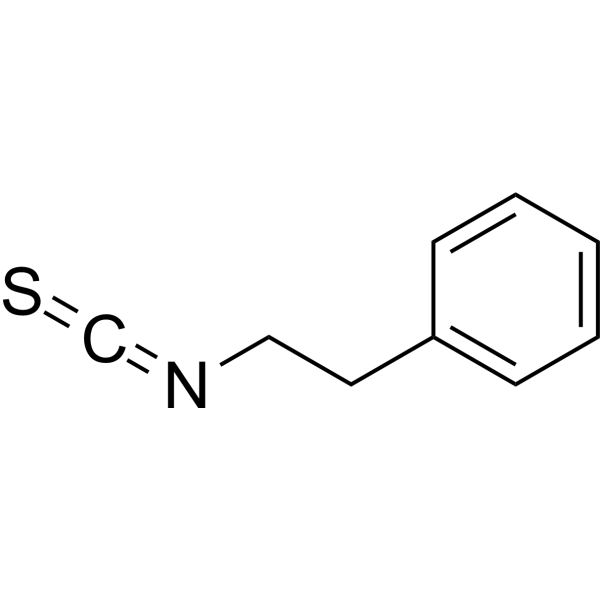
    2-Phenylethyl isothiocyanate is a potent antifungal agent. 2-Phenylethyl isothiocyanate significantly inhibited spore germination and mycelial growth of Alternaria alternata, with a MIC (minimum inhibitory concentration) of 1.22 mM. The antifungal effect of 2-Phenylethyl isothiocyanate against Alternaria alternate might be via reduction in toxin content and breakdown of cell membrane integrity .
    2-Phenylethyl isothiocyanate
  • HY-17520
    Penthiopyrad
    1 Publications Verification

    MTF-753

    Environmental Pollutants Fungal Infection
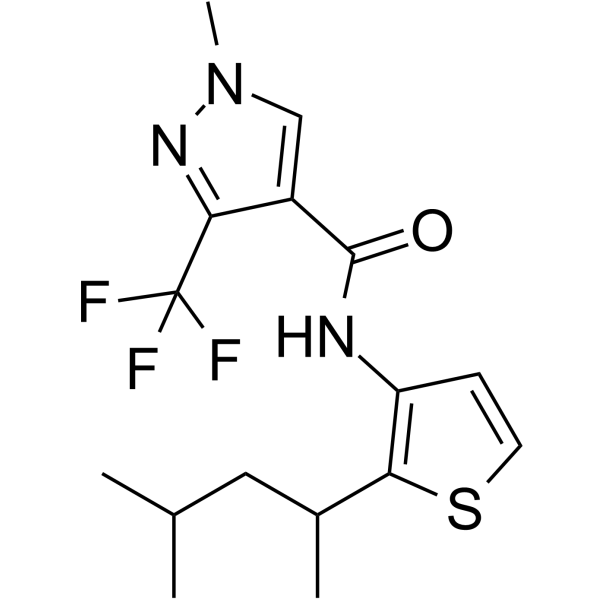
    Penthiopyrad (MTF-753) is a carboxamide Fungicide. Penthiopyrad inhibits SDH. Penthiopyrad exhibits broad-spectrum antifungal activity, being effective not only against Basidiomycetes, but also against Ascomycetes and Deuteromycetes. Penthiopyrad inhibits the mycelial growth of Alternaria mali, Botrytis cinerea, Monilinia mali, Rhizoctonia solani and Sclerotinia sclerotiorum on PDA medium, with EC50 values ranging from <0.4 ppm to 0.34 ppm and MIC values ranging from 6.6 ppm to 47.9 ppm .
    Penthiopyrad
  • HY-W089845
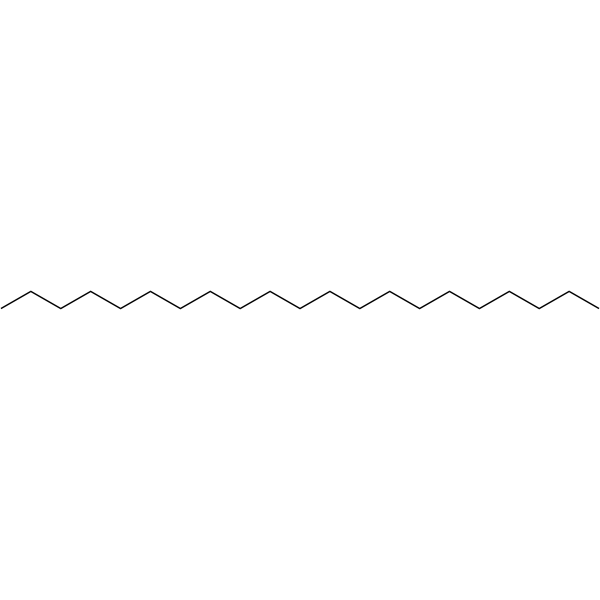
    Heneicosane
    1 Publications Verification

    Environmental Pollutants Fungal Sex Pheromone Infection Endocrinology
    Heneicosane is a royal-specific pheromone of insects (such as subterranean termites) and is an identification signal for queens and kings in termites. Heneicosane mediates royal recognition and the maintenance of social division of labor by being sensed by worker ants and triggering vibrations and antennal behaviors. Heneicosane can exert anti-inflammatory, analgesic and antipyretic activities by inhibiting the release of inflammatory mediators (such as prostaglandins and cytokines). At the same time, Heneicosane can also inhibit the mycelial growth of aflatoxin-producing fungi and inhibit the production of aflatoxin. Heneicosane can be used in insect chemical ecology research to analyze the regulatory mechanism of termite social behavior, and is also a potential target for new anti-inflammatory drugs .
    Heneicosane
  • HY-N10895

    Fungal Infection
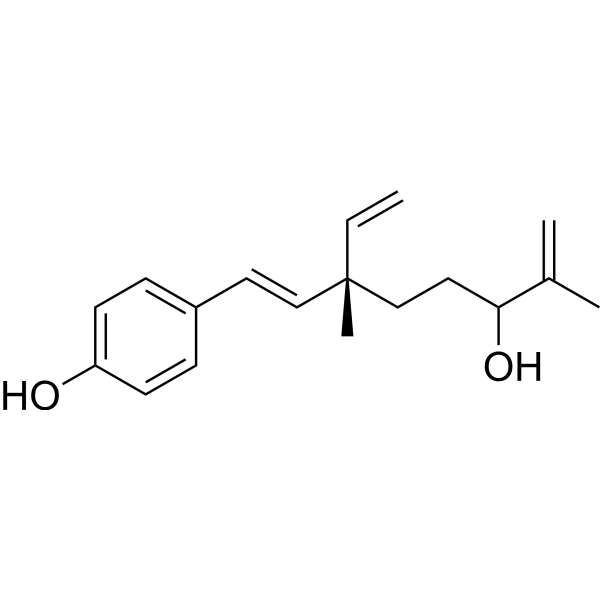
    12-Hydroxyisobakuchiol is a hemiterpenoid compound that can be isolated from the leaves of Psoralea glandulosa. 12-Hydroxyisobakuchiol inhibits mycelial growth of Botrytis cinerea in vitro. 12-Hydroxyisobakuchiol is applicable to research related to phytopathogenic fungal infections .
    12-Hydroxyisobakuchiol
  • HY-N1633

    Fungal Infection
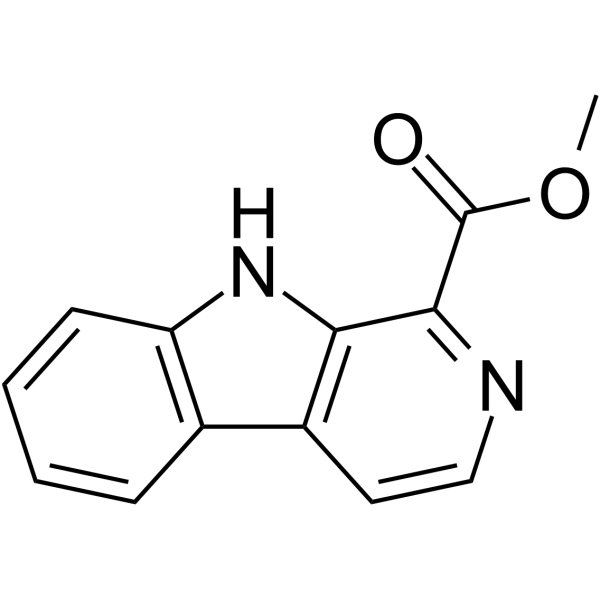
    1-Methoxycarbonyl-β-carboline is a phytopathogenic fungal growth inhibitor with moderate to weak in vitro antifungal activity. 1-Methoxycarbonyl-β-carboline can be used for the research of phytopathogenic fungal infections .
    1-Methoxycarbonyl-β-carboline
  • HY-W115529

    Geranate; NSC 229335; GAGE

    Environmental Pollutants Fungal Tyrosinase Infection Cancer
    Geranic acid (Geranate) acts as a tyrosinase inhibitor and antifungal agent, with an IC50 value of 0.14-2.3 mM against mushroom tyrosinase. Geranic acid reduces the viability of human pancreatic cancer cells and B-lymphoma cells. Geranic acid inhibits mycelial growth of the maize pathogens Colletotrichum graminicola and Fusarium graminearum. Geranic acid is applicable to research related to fungal infections, pancreatic cancer and B-lymphoma .
    Geranic acid
  • HY-B2008

    DPX-JE874

    Environmental Pollutants Fungal Infection
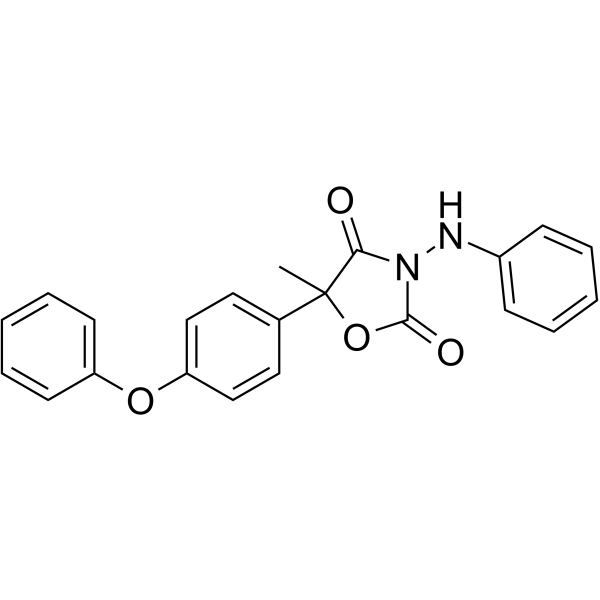
    Famoxadone is a fungicide active against various oomycetes. Famoxadone induces rapid lysis of zoospores of P. viticola and P. infestans, and inhibits sporangial differentiation, zoospore release, sporangial germination and mycelial growth. Famoxadone exerts a preventive control effect on plant diseases. Famoxadone can be used in research related to grape downy mildew, potato late blight, tomato late blight and plant oomycete diseases .
    Famoxadone
  • HY-B0850R

    Reference Standards Fungal Infection
    Difenoconazole (Standard) is the analytical standard of Difenoconazole. This product is intended for research and analytical applications. Difenoconazole is a sterol demethylation inhibitor, as a fungicide. Difenoconazole binds the heme portion of the fungal cytochrome P450 51, interferes the mycelial growth and inhibits the spore germination of pathogens, suppressing fungal growth .
    Difenoconazole (Standard)
  • HY-N8389

    Bacterial Fungal PAK Akt STAT PD-1/PD-L1 Apoptosis CCR Infection Cancer
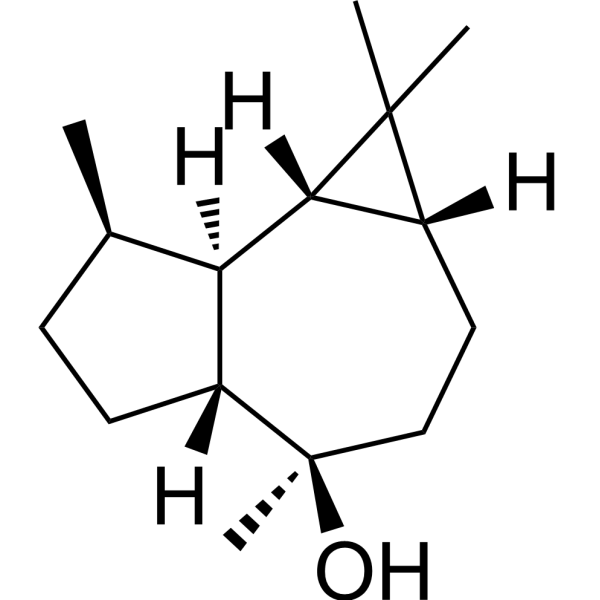
    Globulol is a terpenoid metabolite and Antimicrobial agent. Globulol can be isolated from Alpinia oxyphylla Miq. Globulol binds to PAK4, reduces the expression level of PAK4 in cancer cells, decreases the phosphorylation of AKT, and downregulates the expressions of STAT3, phosphorylated STAT3, and PD-L1. Globulol promotes the secretion of CCL4 by cancer cells. Globulol reduces the viability and proliferation ability of cancer cells, induces G0/G1 cell cycle arrest and Apoptosis in cancer cells, and inhibits cancer cell migration and the integrity of 3D tumor spheres. Globulol enhances the relevant effects of anti-PD-1 agents in the cancer cell microenvironment. Globulol exhibits anticancer activity against liver cancer. Globulol inhibits the mycelial growth of phytopathogenic fungi and the growth of phytopathogenic bacteria. Globulol can be used in studies related to hepatocellular carcinoma .
    Globulol
  • HY-N8744

    (±)-Vestitol

    Fungal Infection
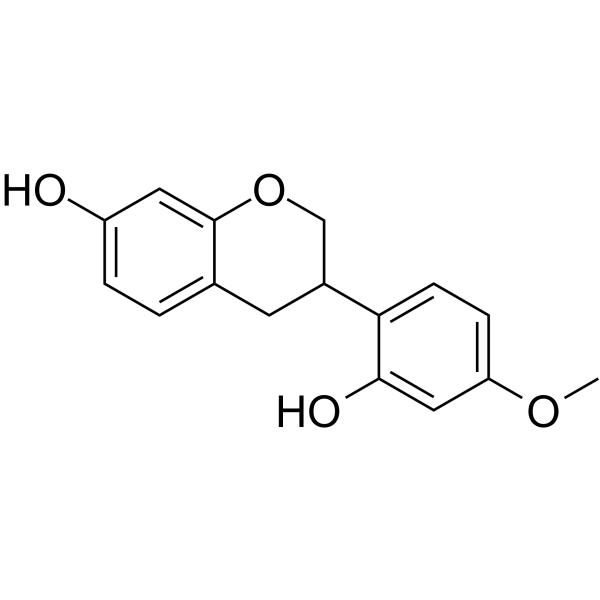
    Vestitol ((±)-Vestitol) is an isoflavonoid phytoalexin and Antifungal agent. Vestitol can be isolated from the leaves of Trifolium arvense. Vestitol inhibits the mycelial growth of Helminthosporium carbonum with a ED50 of 17 μg/mL. Vestitol can be used in the research of fungal infections (Helminthosporium carbonum-induced plant diseases) .
    Vestitol
  • HY-N3706

    Fungal Infection
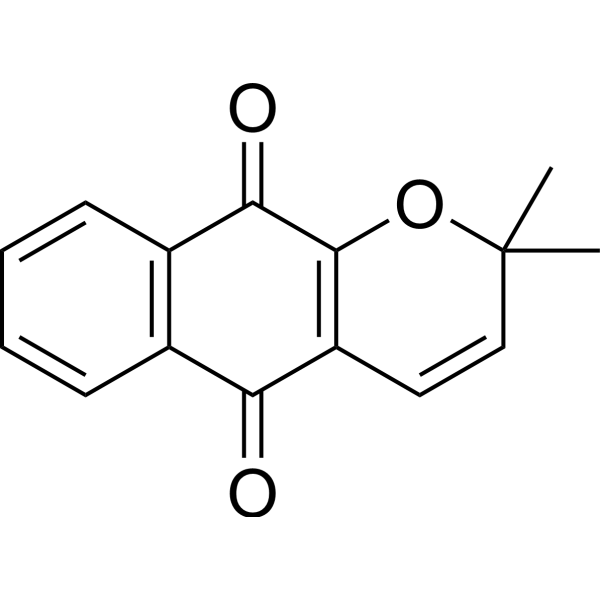
    Dehydro-α-lapachone can be isolated from the methanol extract of stems of Catalpa ovata G Don. Dehydro-α-lapachone inhibits mycelial growth of Botrytis cinerea with IC50 value 0.41 mg/L .
    Dehydro-α-lapachone
  • HY-W047478

    NSC 10154

    Fungal Interleukin Related Infection Inflammation/Immunology Cancer
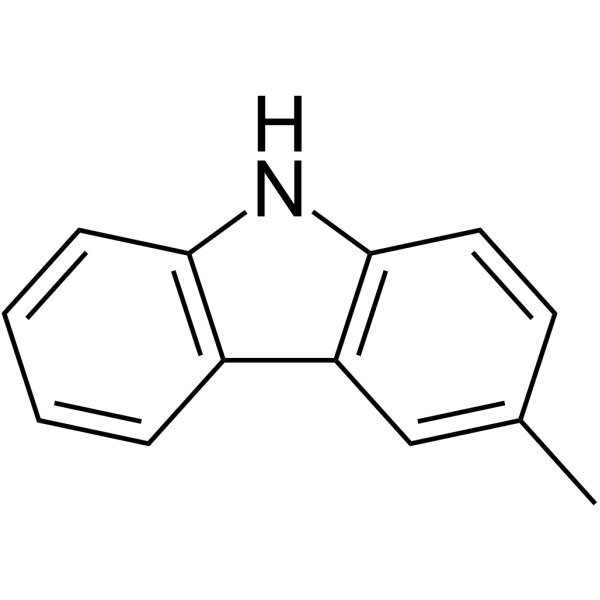
    3-Methylcarbazole (NSC 10154) is a carbazole alkaloid with an IC50 of 25 μg/mL against human fibrosarcoma cells. 3-Methylcarbazole inhibits mycelial growth and conidial germination of a variety of phytopathogenic fungi. 3-Methylcarbazole exhibits anti-inflammatory and antitumor activities. 3-Methylcarbazole can be used in studies related to fibrosarcoma, phytopathogenic fungal infections and inflammatory diseases .
    3-Methylcarbazole
  • HY-17517

    Fungal Biochemical Assay Reagents Infection
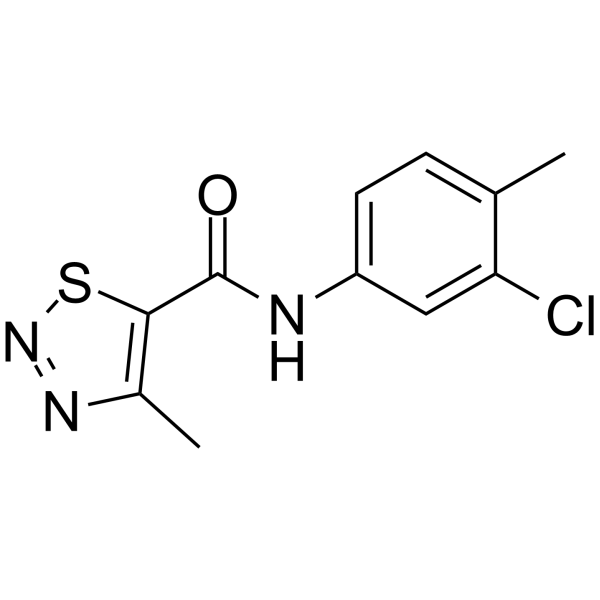
    Tiadinil is a systemic acquired resistance (SAR) inducer, plant elicitor and antifungal agent. Tiadinil promotes the production of herbivore-induced plant volatiles in Camellia sinensis (tea plant). Tiadinil inhibits mycelial growth, spore germination and germ tube elongation of Stagonosporopsis citrulli in vitro. Tiadinil can be used in studies related to vine blight .
    Tiadinil
  • HY-122955

    Fungal Infection
    Xanthobaccin A is a potent antimicrobial agent that can be isolated from the culture fluid of Stenotrophomonas sp. strain SB-K88. Xanthobaccin A exhibits activity against fungi, induces zoospore immobilization and lysis, inhibits mycelial growth. Xanthobaccin A can be used for the research of beet damping-off disease, bacterial and fungal infection .
    Xanthobaccin A
  • HY-Y0729
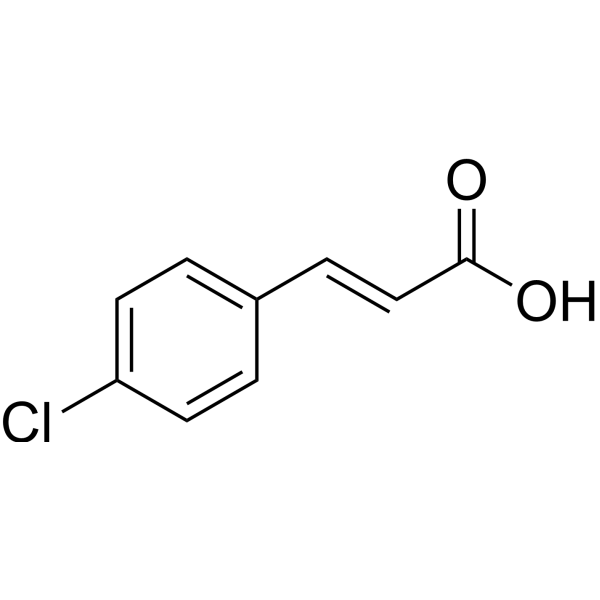
    4-Chlorocinnamic acid
    1 Publications Verification

    Tyrosinase Bacterial Fungal Drug Derivative Infection Neurological Disease
    4-Chlorocinnamic acid is a derivative of Cinnamic acid (HY-N0610A). 4-Chlorocinnamic acid inhibits the monophenolase and diphenolase activities of mushroom tyrosinase with IC50 values of 0.477 mM and 0.229 mM, respectively. 4-Chlorocinnamic acid inhibits the mycelial growth of Colletotrichum gloeosporioides. 4-Chlorocinnamic acid exhibits anticonvulsant activity against acute epilepsy induced by pentylenetetrazol .
    4-Chlorocinnamic acid
  • HY-W010203

    Fungal Infection
    2-Decanone is an antifungal agent. 2-Decanone inhibits pathogen mycelial growth, spore germination, and appressorium formation. 2-Decanone downregulates spore germination-related genes (MfBmp1) and penetration structure formation genes (MfPls1), inducing reactive oxygen species (ROS) accumulation to trigger mitochondrial damage and subsequent spore apoptosis. 2-Decanone is promising for research of postharvest disease control in fruits and vegetables .
    2-Decanone
  • HY-23155S

    2-PE ITC-d5

    Fungal Infection
    2-Phenylethyl isothiocyanate-d5 isothiocyanate-d5 is the deuterium labeled 2-Phenylethyl isothiocyanate[1]. 2-Phenylethyl isothiocyanate is a potent antifungal agent. 2-Phenylethyl isothiocyanate significantly inhibited spore germination and mycelial growth of Alternaria alternata, with a MIC (minimum inhibitory concentration) of 1.22 mM. The antifungal effect of 2-Phenylethyl isothiocyanate against Alternaria alternata might be via reduction in toxin content and breakdown of cell membrane integrity[2][3].
    2-Phenylethyl isothiocyanate-d5
  • HY-N11546

    Cytochrome P450 Bacterial Fungal Infection Cancer
    Sapindoside B is a substance with hepatoprotective activity, and also acts as a cytochrome P-450 (cytochrome P-450) inhibitor, antibacterial agent and membrane-disrupting agent. Sapindoside B reversibly inhibits the content of cytochrome P-450 in liver microsomes, suppresses the phenobarbital-induced increase in enzyme content, reduces the production of active metabolites mediated by cytochrome P-450, and alleviates hepatotoxic injury. Sapindoside B binds to Cutibacterium acnes lipase, reduces lipase activity, inhibits biofilm formation, and decreases bacterial adhesion. Sapindoside B exhibits cytotoxicity against human cancer, liver cancer, leukemia and glioblastoma cells. Sapindoside B inhibits mycelial growth of phytopathogenic fungal strains, possesses antibacterial activity against dermatophytes, and also has hemolytic/membrane-lytic activity. Sapindoside B can be used in research related to liver injury, Cutibacterium acnes biofilm-associated infections, gastric cancer, carcinoma, promyelocytic leukemia, glioblastoma, apple scab and grape gray mold .
    Sapindoside B
  • HY-178778

    Fungal Infection
    SDH-IN-38 (Compound IIIe) is a Succinate dehydrogenase inhibitor. SDH-IN-38 is an antifungal agent, with an EC50 value of 0.009 μg/mL against R. solani mycelia. SDH-IN-38 inhibits mycelial growth by affecting mycelial respiration. SDH-IN-38 induces cellular senescenc and reduces mitochondrial membrane potential in mycelia .
    SDH-IN-38
  • HY-W414596

    Fungal Infection
    Metconazole is a 14α-demethylation inhibitor (DMI) fungicide. Metconazole inhibits fungal ergosterol biosynthesis, inhibits mycelial growth and conidial germ tube elongation. Metconazole reduces antioxidant enzyme activities. Metconazole reduces occurrence of Fusarium crown rot in wheat .
    Metconazole
  • HY-121387

    Fungal Infection
    Furmecyclox is an effective fungicide. Furmecyclox shows great effects against basidiomycetes .
    Furmecyclox
  • HY-N3348

    Fungal Infection Inflammation/Immunology
    Lyoniside is a lignan glycoside with antioxidant, allelopathic and antifungal activities, which can be isolated from the rhizomes and stems of bilberry (Vaccinium myrtillus L.). Lyoniside exhibits radical scavenging properties with an IC50 value of 23 μg/mL in DPPH assay. Lyoniside inhibits the mycelial growth of Fusarium oxysporum and Mucor hiemalis at 50 μg/mL with inhibitory rates of 78% and 80%, respectively .
    Lyoniside
  • HY-N8280

    Fungal Infection
    IKD-8344 is a macrocyclic dilactone originally isolated from an actinomycete species and has diverse biological activities, including anticancer, antimicrobial, and anthelmintic properties. It is cytotoxic to L5178Y murine leukemia cells (IC50=0.54 ng/ml).1 IKD-8344 inhibits growth of the mycelial form of C. albicans (MIC=6.25 μg/mL) and potentiates the activity of polymyxin B against the multidrug-resistant pathogenic bacterium B. cenocepacia.
    IKD-8344
  • HY-23155R

    2-PE ITC (Standard)

    Fungal Reference Standards Infection
    2-Phenylethyl isothiocyanate (Standard) is the analytical standard of 2-Phenylethyl isothiocyanate. This product is intended for research and analytical applications. 2-Phenylethyl isothiocyanate is a potent antifungal agent. 2-Phenylethyl isothiocyanate significantly inhibited spore germination and mycelial growth of Alternaria alternata, with a MIC (minimum inhibitory concentration) of 1.22 mM. The antifungal effect of 2-Phenylethyl isothiocyanate against Alternaria alternate might be via reduction in toxin content and breakdown of cell membrane integrity .
    2-Phenylethyl isothiocyanate (Standard)
  • HY-123155

    Fungal Infection
    Pyrimorph is a fungicide with excellent antifungal activity against oomycetes .
    Pyrimorph
  • HY-136356

    SYP-7017

    Fungal Infection
    Triclopyricarb (SYP-7017) is a strobilurin fungicide that can be used in crops disease control. Triclopyricarb inhibits mycelial growth with EC50 values ranged from 0.006 µg/mL to 0.047 µg/mL .
    Triclopyricarb
  • HY-B0846R

    Reference Standards Fungal Androgen Receptor Parasite Infection
    Dimethomorph (Standard) is the analytical standard of Dimethomorph. This product is intended for research and analytical applications. Dimethomorph is a fungicide belongs to the fungicide group of sterol biosynthesis inhibitor. Dimethomorph can inhibit fungal cell wall formation. Dimethomorph also inhibits androgen receptor (AR) activity in MDA-kb2 cells with an IC20 of 0.263 µM .
    Dimethomorph (Standard)
  • HY-N14247

    Antibiotic Fungal Infection
    Exfoliazone is a phenoxazine antibiotic. Exfoliazone has the activity of resisting Valsa ceratosperma, and the ED50 that inhibits mycelial growth is 70 μg/mL .
    Exfoliazone
  • HY-B2011R

    Reference Standards Fungal Mitochondrial Metabolism Succinate Dehydrogenase Environmental Pollutants Infection
    Flutolanil (Standard) is the analytical standard of Flutolanil (HY-B2011). This product is intended for research and analytical applications. Flutolanil is a succinate dehydrogenase complex inhibitor and fungicide. Flutolanil blocks electron transfer between the redox center of succinate dehydrogenase and coenzyme Q, inhibits mycelial oxygen consumption, and suppresses mycelial growth. Flutolanil induces acute and sublethal toxicity in zebrafish at different life stages. Flutolanil can be used in studies on plant disease control .
    Flutolanil (Standard)
  • HY-162500

    Fungal Infection
    Antifungal agent 99 (Compound E1) is a fungal succinate dehydrogenase (SDH) inhibitor. Antifungal agent 99 reduces mycelial density and significantly increase the mitochondrial number in mycelia cytoplasm .
    Antifungal agent 99
  • HY-N15326

    Fungal Infection
    Phytoalexine (Compound 8) is a phytoalexin found in wasabi with antifungal activity against fungi such as Phoma lingam and Phoma wasabiae. Phytoalexine inhibits spore germination and mycelial growth of fungi. Phytoalexine is promising for research of pesticides against plant fungal diseases .
    Phytoalexine
  • HY-125511

    Fungal Infection
    Chaetoviridin A exhibits antifungal activity against several plants pathogen, inhibits growth of Verticillium dahliae through cell necrosis and mycelial deformation, and thus improves sensitivity of V. dahliae to stress, increases the emergence rate and plant height of cotton .
    Chaetoviridin A
  • HY-B0850S

    Isotope-Labeled Compounds Fungal Infection
    Difenoconazole-d6 (hydrochloride) is deuterium labeled Difenoconazole. Difenoconazole is a sterol demethylation inhibitor, as a fungicide. Difenoconazole binds the heme portion of the fungal cytochrome P450 51, interferes the mycelial growth and inhibits the spore germination of pathogens, suppressing fungal growth .
    Difenoconazole-d6 hydrochloride
  • HY-121407

    Acyltransferase Infection Cancer
    Lateritin is a potent inhibitor of acyl-CoA:cholesterol acyltransferase (ACAT), isolated from the mycelial cake of Gibberella lateritium IFO 7188 . Lateritin also inhibits the growth of a mini-panel of human cancer cell lines, gram-positive bacteria, and Candida albicans .
    Lateritin
  • HY-W743674

    Isotope-Labeled Compounds Fungal Infection
    Difenoconazole-d6 is the deuterium labeled Difenoconazole (HY-B0850). Difenoconazole is a sterol demethylation inhibitor, as a fungicide. Difenoconazole binds the heme portion of the fungal cytochrome P450 51, interferes the mycelial growth and inhibits the spore germination of pathogens, suppressing fungal growth .
    Difenoconazole-d6
  • HY-179287

    Fungal Mitochondrial Metabolism Reactive Oxygen Species (ROS) Infection
    SDH-IN-42 (Compound D28) is a SDH (IC50: 5.38 μg/mL) inhibitor and antifungal agent. SDH-IN-42 exerts antifungal activity against R. solani by disrupting mycelial morphology, increasing cell membrane permeability, inducing the production and accumulation of ROS, and impairing mitochondrial function .
    SDH-IN-42
  • HY-N10269

    Fungal Endogenous Metabolite Infection
    Phomalactone, produced by the fungus Nigrospora sphaerica, specifically inhibits the mycelial growth of Phytophthora infestans, with an MIC value of 2.5 mg/L . Phomalactone is phytotoxic to Z. elegans and other plant species by inhibition of seedling growth and by causing electrolyte leakage from photosynthetic tissues of both Z. elegans leaves and cucumber cotyledons .
    Phomalactone
  • HY-N16445

    (-)-Strevertene A

    Endogenous Metabolite Antibiotic Fungal Infection
    Strevertene A ((-)-Strevertene A) (Compound 1), a pentaene macrolide, is a microbial secondary metabolite. Strevertene A is an antibiotic and has a potent antifungal activity. Strevertene A significantly inhibits the mycelial growth of phytopathogenic fungi (such as Alternaria mali, Aspergillus oryzae and Cylindrocarpon destructans) with IC50s of 4-16 μg/mL. Strevertenes A can strongly prevent Fusarium wilt development on tomato plants .
    Strevertene A
  • HY-149614

    Endogenous Metabolite Fungal Infection
    Laccase-IN-1 (compound 4b) is an orally active inhibitor of laccase, with the IC50 of 11.3 μM. Laccase-IN-1 displays protective and curative effects on apple fruits infected by B. dothidea. Laccase-IN-1 enhances the cell membrane permeability, destroys the mycelial surface morphology and the cell ultrastructure, and reduces the ergosterol and exopolysaccharide contents of B. dothidea .
    Laccase-IN-1
  • HY-176552

    Fungal Microtubule/Tubulin Infection
    Tubulin polymerization-IN-83 (Compound A23) is a flavonol derivative. Tubulin polymerization-IN-83 exhibits antifungal activity against various phytopathogenic fungi, with an EC50 of 0.338 μg/mL against Botrytis cinerea. Tubulin polymerization-IN-83 exerts its effects by targeting β-tubulin, disrupting mycelial morphology, and increasing cell membrane permeability, with relatively low ecological and environmental risks .
    Tubulin polymerization-IN-83
  • HY-176413

    Fungal Infection
    SDH-IN-27 (Compound Q18) is a succinate dehydrogenase inhibitor (SDHI) (IC50: 9.7 mg/L). SDH-IN-27 induces mycelial morphology changes and lipid peroxidation, and exhibits antifungal activity against C. camelliae (EC50: 6.0 mg/L). SDH-IN-27 is an ergosterol biosynthesis inhibitor (EBI) that binds to the active site of CYP51, ultimately leading to cell death of pathogenic fungi .
    SDH-IN-27
  • HY-N12475

    Fungal Cytochrome P450 Infection
    Solavetivone is a Sesquiterpenoid phytoalexin and Antifungal agent. Solavetivone is isolated from stress-challenged potato plants. Solavetivone is hydroxylated by sesquiterpenoid phytoalexin hydroxylase (SPH/CYP76A2L). Solavetivone helps solanaceous plants defend against pathogens, damages plant cells after pathogen threat, and inhibits mycelial growth of Rhizoctonia solani. Solavetivone is applicable to studies related to Rhizoctonia solani infection .
    Solavetivone
  • HY-178051

    Succinate Dehydrogenase Fungal Infection
    Antifungal agent 135 (Compound C2), an antifungal agent, is a Succinate dehydrogenase (SDH) inhibitor with an IC50 of 1.99 μM. Antifungal agent 135 has potent antifungal activities against Valsa mali, Sclerotinia sclerotiorum and Phytophthora capsici with EC50 s of 0.280, 1.11 and 0.130 mg/L, respectively. Antifungal agent 135 shows protective and curative activities against Phytophthora capsici and Valsa mali by effectively disrupting hyphal structural integrity and inhibiting mycelial growth .
    Antifungal agent 135
  • HY-B2008R

    DPX-JE874 (Standard)

    Reference Standards Fungal Infection
    Famoxadone (Standard) is the analytical standard of Famoxadone. This product is intended for research and analytical applications. Famoxadone is a fungicide active against various oomycetes. Famoxadone induces rapid lysis of zoospores of P. viticola and P. infestans, and inhibits sporangial differentiation, zoospore release, sporangial germination and mycelial growth. Famoxadone exerts a preventive control effect on plant diseases. Famoxadone can be used in research related to grape downy mildew, potato late blight, tomato late blight and plant oomycete diseases .
    Famoxadone (Standard)

Inquiry Online

Your information is safe with us. * Required Fields.

Salutation


Country or Region *

Applicant Name *


Organization Name *

Department *


Email Address *


Product Name *

Cat. No.


Requested quantity *

Phone Number *


Remarks

Inquiry Online

Inquiry Information

Product Name:
Cat. No.:
Quantity:
MCE Japan Authorized Agent:

