Search Result
Results for "
noncytotoxic
" in MedChemExpress (MCE) Product Catalog:
2
Biochemical Assay Reagents
| Cat. No. |
Product Name |
Target |
Research Areas |
Chemical Structure |
-
- HY-P1028
-
|
Furin Inhibitor II
|
Bacterial
|
Infection
|
|
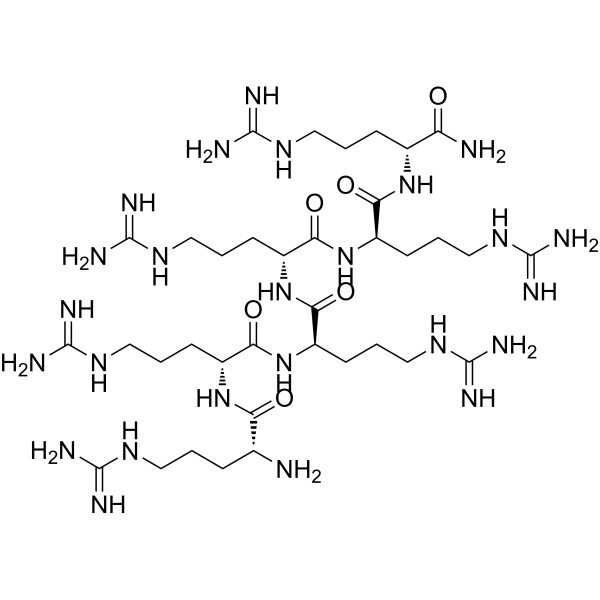
Hexa-D-arginine (Furin Inhibitor II) is a stable furin inhibitor with Ki values 106 nM, 580 nM and 13.2 μM for furin, PACE4 and prohormone convertase-1 (PC1), respectively. Hexa-D-arginine blocks Pseudomonas exotoxin A and anthrax toxins toxicity in vitro and in vivo .
|
-
-
- HY-120870
-
|
|
Myosin
|
Metabolic Disease
|
|
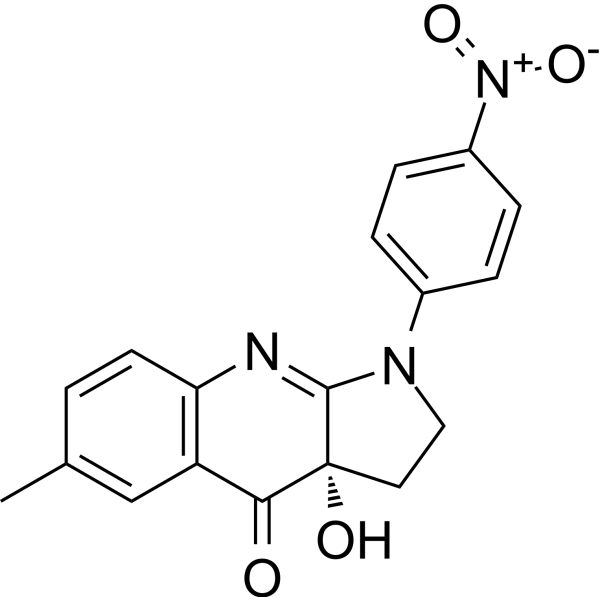
para-Nitroblebbistatin is a derivative of Blebbistatin (HY-13813) and an inhibitor of myosin II. para-Nitroblebbistatin is photostable, non-cytotoxic, and non-phototoxic. para-Nitroblebbistatin can serve as an ideal substitute for Blebbistatin (HY-13813) to study the role of myosin II in physiology, development, and cell biology .
|
-
-
- HY-101868
-
-
-
- HY-157131
-
|
|
TRP Channel
|
Neurological Disease
|
|
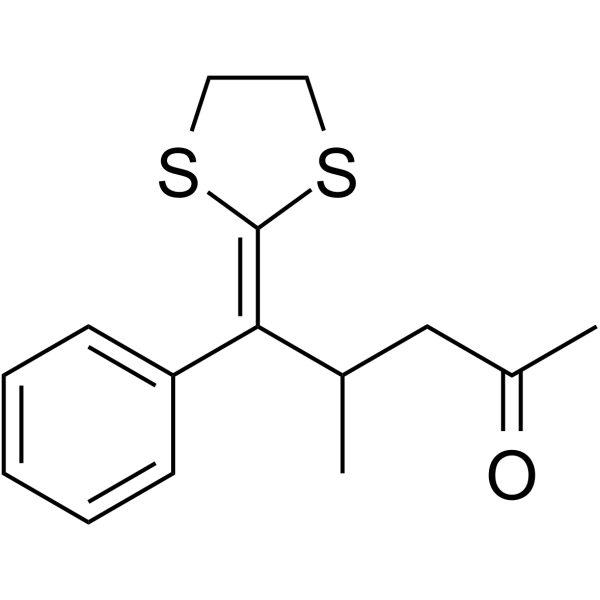
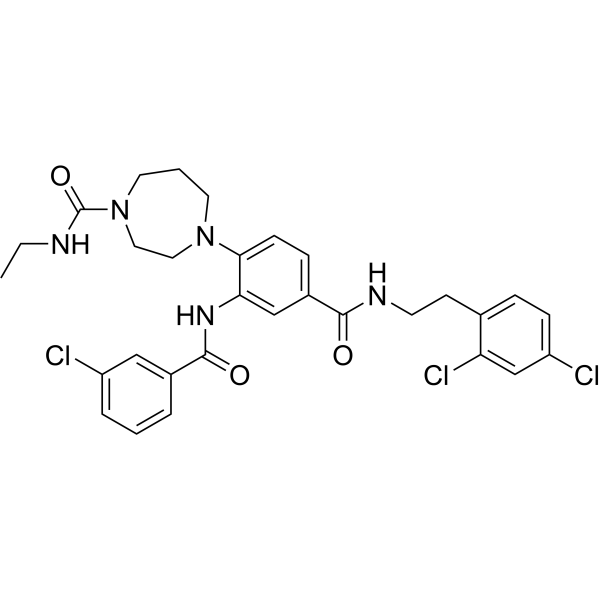
TRPV2-selective blocker 1 is a TRPV2-selective blocker that inhibits calcium influx and ionic currents. TRPV2-selective blocker 1 exhibits an IC50 of 6.3 μM against rat TRPV2, and shows no activity against TRPV1, TRPV3 or TRPV4 channels. TRPV2-selective blocker 1 attenuates macrophage phagocytosis, LPS-induced macrophage migration, and calcium microdomains generated by peripheral TRPV2. TRPV2-selective blocker 1 is non-cytotoxic and can be used to investigate the function of TRPV2 during immune processes .
|
-
-
- HY-144012
-
|
16:0 PEG2000 PE ammonium; 1,2-Dipalmitoyl-sn-glycero-3-phosphoethanolamine-N-[methoxy(polyethylene glycol)-2000] ammonium
|
Liposome
|
Others
|
|
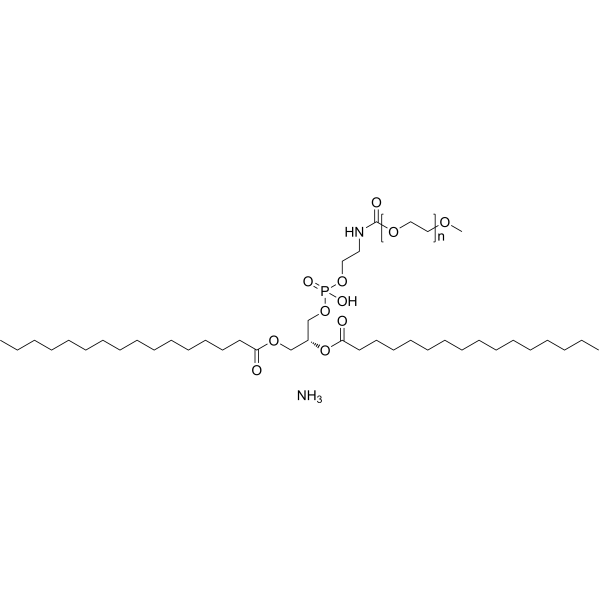
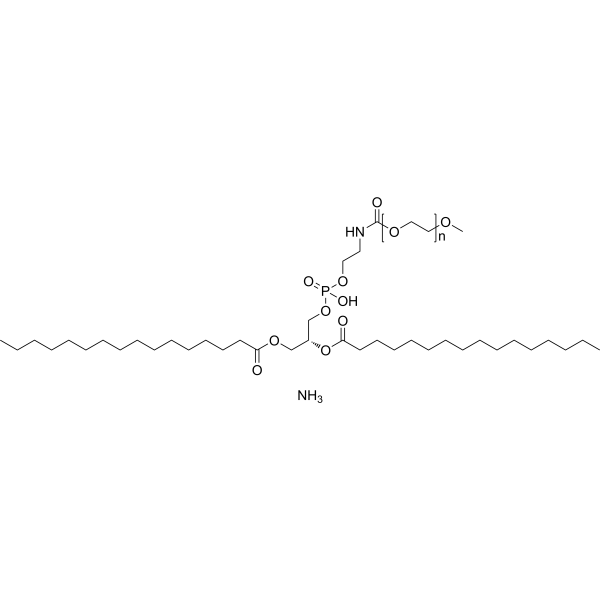
DPPE-PEG2000 ammonium (16:0 PEG5000 PE) is a polymer-lipid conjugate and LipoParticle stabilizer with a PEG chain of 5,000 g/mol molecular weight attached to its polar head, and it can be internalized by biological membranes. DPPE-PEG2000 ammonium enables LipoParticle to maintain colloidal stability after 20-fold dilution in PBS or cell culture medium, and prevents aggregate formation during lyophilization and rehydration. DPPE-PEG2000 ammonium helps enhance the non-cytotoxic property of LipoParticle formulations against human osteoblasts. DPPE-PEG2000 ammonium serves as a PEG lipid functional end group for synthesizing liposomes (LPs), is used in the design of conjugated polymer nanoparticles, and applies to research related to bone and joint infections .
|
-
-
- HY-173496
-
|
|
Sialyltransferase
Integrin
VEGFR
Akt
|
Cancer
|
|
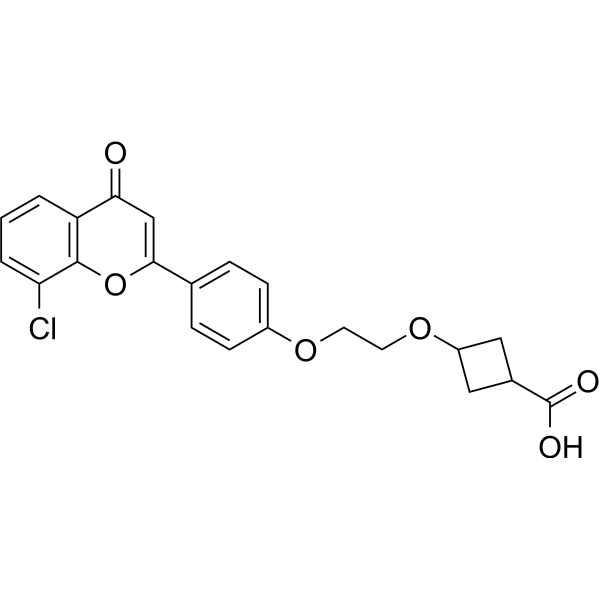
ST6GAL1-IN-1 is an orally active selective ST6GAL1 inhibitor (IC50 = 20 μM). ST6GAL1-IN-1 exhibits high antimetastatic potential, effectively inhibiting the migration of MDA-MB-231 cells at noncytotoxic concentrations. ST6GAL1-IN-1 can disrupt integrin sialylation in MDA-MB-231 cells. ST6GAL1-IN-1 inhibits tumor angiogenesis and cancer metastasis via the Integrin/VEGFR2-mediated signaling pathway. ST6GAL1-IN-1 effectively suppresses both tumor growth and cancer metastasis on the MDA-MB-231 xenograft model. ST6GAL1-IN-1 can be used for the study of Triple-negative breast cancer (TNBC) .
|
-
-
- HY-148560
-
ccc_R08
1 Publications Verification
|
HBV
DNA/RNA Synthesis
|
Infection
|
|
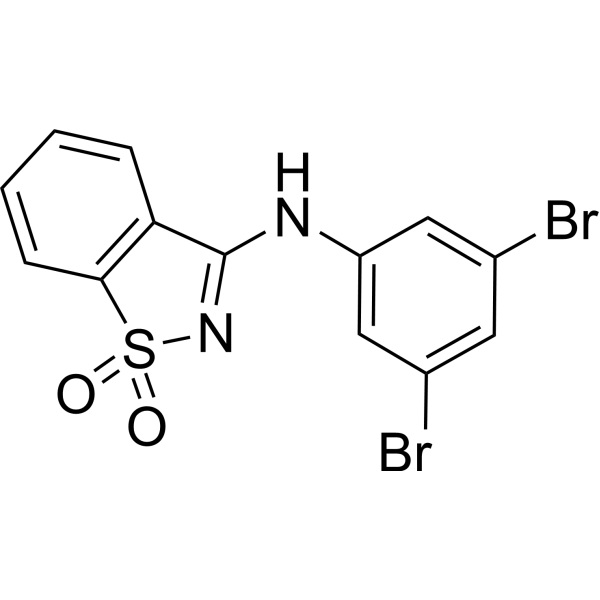
ccc_R08 is a non-cytotoxic and orally active cccDNA inhibitor that reduces cccDNA levels in the liver of HBV-infected mice. ccc_R08 can be used in the study of HBV virus (hepatitis B virus) infection .
|
-
-
- HY-128062
-
|
|
LIM Kinase (LIMK)
|
Cancer
|
|
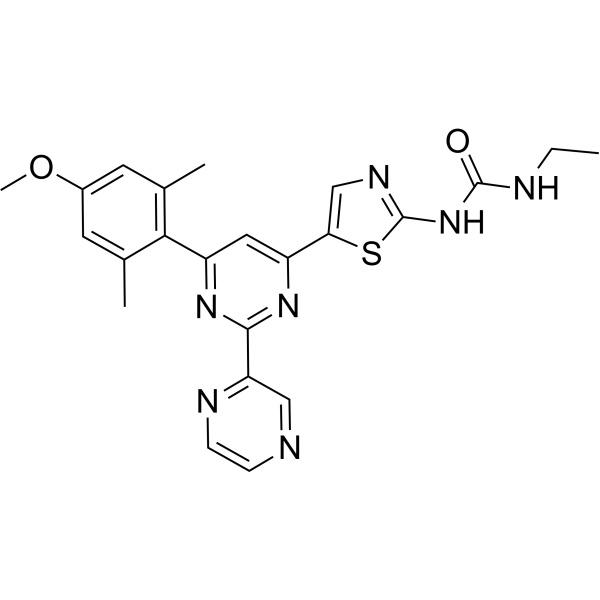
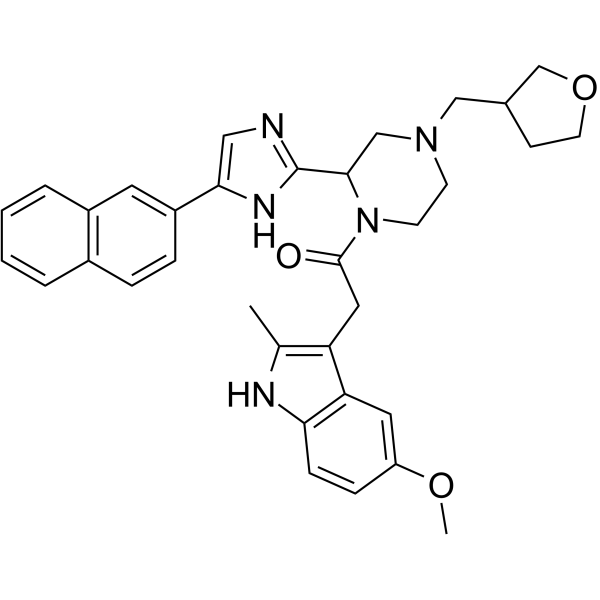
LIMK1 inhibitor BMS-4 is a LIM Kinase (LIMK) inhibitor targeting to LIMK1/2. LIMK1 inhibitor BMS-4 inhibits phosphorylation of cofilin, the LIMK substrate. However, LIMK1 inhibitor BMS-4 is noncytotoxic on A549 cells .
|
-
-
- HY-144012H
-
|
16:0 PEG5000 PE; 1,2-Dipalmitoyl-sn-glycero-3-phosphoethanolamine-N-[methoxy(polyethylene glycol)-5000] ammonium
|
Liposome
|
Others
|
|
DPPE-PEG5000 (16:0 PEG5000 PE) is a polymer-lipid conjugate and LipoParticle stabilizer with a PEG chain of 5,000 g/mol molecular weight attached to its polar head, and it can be internalized by biological membranes. DPPE-PEG5000 enables LipoParticle to maintain colloidal stability after 20-fold dilution in PBS or cell culture medium, and prevents aggregate formation during lyophilization and rehydration. DPPE-PEG5000 helps enhance the non-cytotoxic property of LipoParticle formulations against human osteoblasts. DPPE-PEG5000 serves as a PEG lipid functional end group for synthesizing liposomes (LPs), is used in the design of conjugated polymer nanoparticles, and applies to research related to bone and joint infections .
|
-
-
- HY-145668
-
|
|
UGT
|
Cancer
|
|
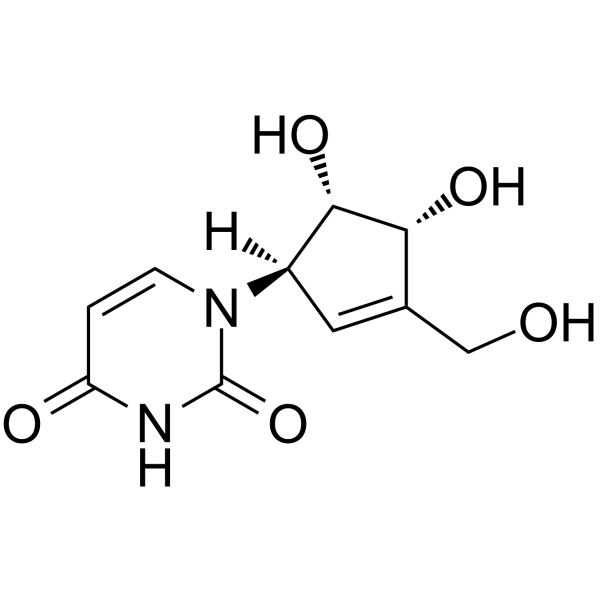
Cyclopentenyl uracil, a non-cytotoxic inhibitor of uridine kinase, effectively blocks the salvage of circulating uridine by host and tumor tissues in the intact mouse .
|
-
-
- HY-153016
-
|
|
HIF/HIF Prolyl-Hydroxylase
|
Inflammation/Immunology
|
|
HIF-2α agonist 2 (compound 10) is a HIF-2α agonist with an EC50 value of 1.68 μM at the dose of 20 μM. HIF-2α agonist 2 is non-cytotoxic against 786-O-HRE-Luc cells. HIF-2α agonist 2 can be used for oxygen metabolism research .
|
-
-
- HY-151369
-
|
|
RIP kinase
|
Cardiovascular Disease
Neurological Disease
Metabolic Disease
Inflammation/Immunology
|
|
AV123 (compound 12) is a non-cytotoxic RIPK1 inhibitor (IC50=12.12 µM). AV123 blocks the TNF-α-induced necroptotic (EC50=1.7 μM) but not the apoptotic cell death. AV123 can be used in the study of necrotic chronic conditions such as ischemia-reperfusion injury of the brain, heart and kidney, inflammatory diseases, neurodegenerative diseases and infectious diseases .
|
-
-
- HY-128063
-
|
|
CXCR
|
Inflammation/Immunology
|
|
CXCR3 antagonist 1 (compound 6c) is a selective and non-cytotoxic CXCR3 antagonist (IC50=0.06 µM). CXCR3 antagonist 1 has potential in researching inflammatory diseases (including inflammatory bowel disease, multiple sclerosis, rheumatoid arthritis, and diabetes) .
|
-
-
- HY-P1028A
-
|
Furin Inhibitor II TFA
|
Bacterial
|
Infection
|
|
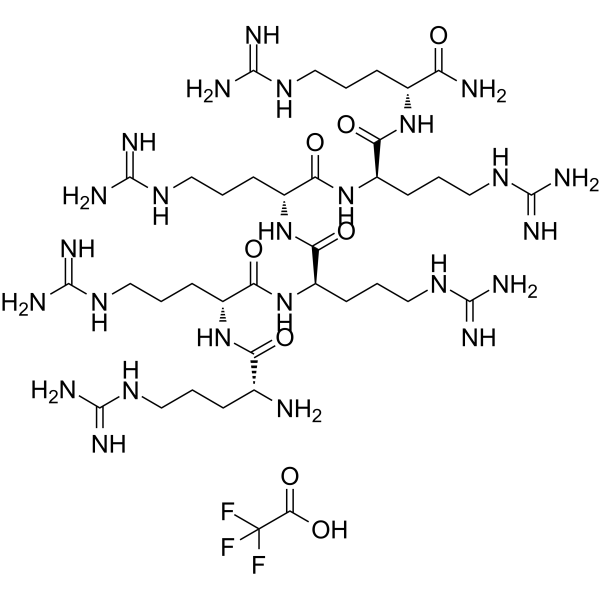
Hexa-D-arginine TFA (Furin Inhibitor II TFA) is a stable furin inhibitor with Ki values 106 nM, 580 nM and 13.2 μM for furin, PACE4 and prohormone convertase-1 (PC1), respectively. Hexa-D-arginine TFA blocks Pseudomonas exotoxin A and anthrax toxins toxicity in vitro and in vivo .
|
-
-
- HY-W075353
-
-
-
- HY-146727
-
|
|
JAK
|
Inflammation/Immunology
|
|
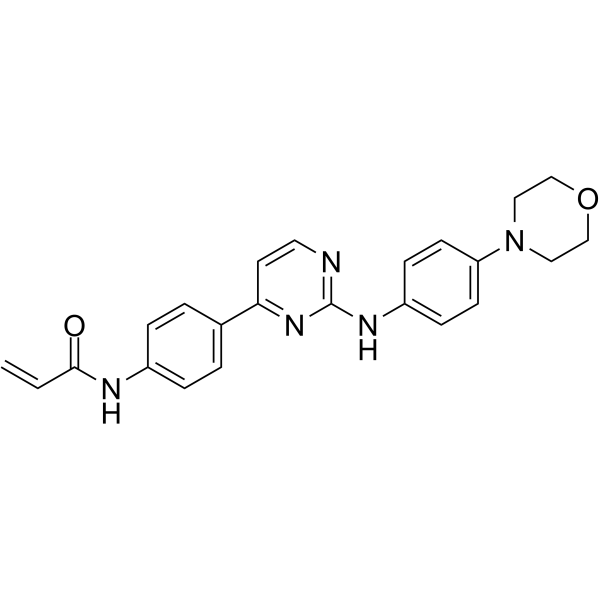
JAK3-IN-11 (Compound 12), a potent, noncytotoxic, irreversible, orally active JAK3 inhibitor with IC50 value of 1.7 nM, has excellent selectivity (>588-fold compared to other JAK isoforms), covalently bind to the ATP-binding pocket in JAK3. JAK3-IN-11 strongly inhibits JAK3-dependent signaling and T cell proliferation, is a promising tool for study autoimmune diseases .
|
-
-
- HY-144655
-
|
|
Phosphatase
|
Cancer
|
|
IP2 is an immunomodulatory agent. IP2 increases PTP (Pioneer Translation Product)-derived antigen presentation in cancer cells. IP2 shows non-cytotoxic for cancer cells. IP2 induces tumor growth defects in mouse .
|
-
-
- HY-157892
-
|
|
Parasite
|
Infection
|
|
Antimalarial agent 38 is an orally active antimalarial agent, which inhibits Plasmodium falciparum D6 strain, Chloroquine (HY-17589A)-sensitive Thai strain and Chloroquine-resistant FcB1 strain and K1 strain, with IC50s of 0.5, 13, 1 and 13 μM, respectively. Antimalarial agent 38 is non-cytotoxic for mammalian cells MCR58 (IC50 >140 μM). Antimalarial agent 38 improves the survival rate of Plasmodium yoelii nigeriensis infected mouse model .
|
-
-
- HY-119938
-
|
|
Bacterial
|
Infection
|
|
Tuberculosis inhibitor 1 is a potent and non-cytotoxic trypanosoma brucei growth inhibitor with an EC50 of 5 nM .
|
-
-
- HY-123228
-
|
|
Amyloid-β
|
Neurological Disease
|
|
CHF5022 is an inhibitor of Aβ42 secretion (IC50=92 μM). CHF5022 retains a modest activity on Aβ40 at non-cytotoxic concentrations (−22.2±4.8% at 100 μM) .
|
-
-
- HY-N10437
-
|
6-O-Acetylnimbandiol
|
Tyrosinase
|
Cancer
|
|
6-Acetylnimbandiol (6-O-Acetylnimbandiol) is a non-cytotoxic tyrosinase inhibitor (IC50=69.85 μM) that effectively inhibits melanin production and MITF expression. 6-Acetylnimbandiol can be used in melanoma research .
|
-
-
- HY-149698
-
|
|
Tyrosinase
|
Cancer
|
|
Tyrosinase-IN-17 (Compound 5b) is a lipophilic, skin-permeable, and non-cytotoxic Tyrosinase inhibitor (pIC50=4.99). Tyrosinase-IN-17 can be used for research on melanin-related diseases, such as melanoma, melanogenesis, etc .
|
-
-
- HY-176401
-
|
|
Cholinesterase (ChE)
|
Neurological Disease
|
|
AChE-IN-87 (Compound 8j) is an AChE inhibitor (IC50: 0.05 μM; Ki: 16.93 nM). AChE-IN-87 is non-cytotoxic to 3T3 cells. AChE-IN-87 can be used in the study of Alzheimer's disease (AD) .
|
-
-
- HY-170777
-
|
|
Parasite
|
Infection
|
|
SLU-10906 (Compound 63) is an orally active and potent Cryptosporidium inhibitor. SLU-10906 is active against the parasite in a cell-based infection model (EC50= 0.19 μM) and non-cytotoxic. SLU-10906 is promising for research of cryptosporidiosis .
|
-
-
- HY-163630
-
|
|
Bacterial
|
Infection
|
|
Antibacterial agent 217 (Compound 24) is a non-cytotoxic, non-hemolytic, moderately active antibacterial agent that inhibits the growth of Staphylococcus aureus strains with a minimum inhibitory concentration (MIC) of 32 μg/mL. Antibacterial agent 217 also moderately inhibits the growth of Staphylococcus epidermidis .
|
-
-
- HY-159582
-
|
|
CXCR
|
Cardiovascular Disease
|
|
ACKR3 agonist 1 (compound 27) is a selective ACKR3 agonist (EC50=69 nM, Emax=82%) that inhibits platelet aggregation. ACKR3 agonist 1 is metabolically stable and non-cytotoxic, and has the potential to inhibit platelet-mediated thrombosis .
|
-
-
- HY-P10860
-
|
|
Factor Xa
|
Cardiovascular Disease
|
|
cMCoFx1 is a potent and selective FXIIa cyclic peptide inhibitor. cMCoFx1 has high binding affinity (KD: 900 pM) and inhibitory activity (Ki: 370 pM) for FXIIa. cMCoFx1 can effectively inhibit endogenous clotting pathways, and cMCoFx1 is stable in serum and non-cytotoxic .
|
-
-
- HY-155105
-
|
|
Glycosidase
|
Metabolic Disease
|
|
α-Glucosidase-IN-30 (compound 8c) is a potent, orally active, competitive inhibitor against α-glucosidase, with Ki of 40.0 µM and IC50 value of 49.0 µM. α-Glucosidase-IN-30 is non-cytotoxic against the cancer and normal cell lines MCF-7 and HDF, and can be used for Type 2 diabetes study .
|
-
-
- HY-117512
-
|
|
Dopamine Transporter
Serotonin Transporter
|
Neurological Disease
|
|
UWA-101 hydrochloride is a selective and non-cytotoxic DAT/SERT inhibitor, with EC50 values of 3.6 µM and 2.3 µM for inhibiting DAT and SERT, respectively. UWA-101 hydrochloride can alleviate the side effects of dopaminergic agents (such as L-DOPA), such as motor disorders, and lacks psychotropic activity. UWA-101 hydrochloride can be used for research on neurodegenerative diseases such as Parkinson's disease .
|
-
-
- HY-155679
-
|
|
SARS-CoV
|
Infection
|
|
SARS-CoV-2 nsp14-IN-4 (Compound 12q) is an inhibitor of SARS-CoV-2 nsp14 methyltransferase (IC50=19 nM). SARS-CoV-2 nsp14-IN-4 is non-cytotoxic and cell-permeable. SARS-CoV-2 nsp14-IN-4 is used in COVID-19 research .
|
-
-
- HY-161240
-
|
|
Monoamine Oxidase
|
Neurological Disease
Inflammation/Immunology
|
|
MAO-B-IN-30 (compound IS7) is a potent, selective and cross the blood-brain barrier MAO-B inhibitor with IC50 values of 19.176, 0.082 µM for MAO-A and MAO-B, respectively. MAO-B-IN-30 shows antiproliferative activity and non-cytotoxic. MAO-B-IN-30 reduces TNF-alpha, IL-6, NF-kB levels. MAO-B-IN-30 has the potential for the research of Parkinson's disease .
|
-
-
- HY-P11019
-
|
|
CXCR
Calcium Channel
|
Cancer
|
|
IS4 is a selective CXCR4 competitive antagonist, with an IC50 of 0.65 nM in THP-1 cells and 38.75 nM in Jurkat cells. IS4 is stable in serum and non-cytotoxic. IS4 competitively binds to CXCR4 with CXCL12, thereby inhibiting CXCL12-induced intracellular Ca 2+ release and cancer cell migration. IS4 can be used in the research on the prevention of metastasis of breast cancer, prostate cancer, leukemia, and other diseases .
|
-
-
- HY-170606
-
|
|
Glycosidase
|
Metabolic Disease
|
|
α-Glucosidase-IN-79 (Compound 4d9) is a non-competitive α-Glucosidase inhibitor with an IC50 of 2.11 μM, which is more potent than existing α-Glucosidase inhibitors such as Acarbose (HY-B0089) (IC50 of 327.0 μM) and HXH8r (IC50 of 15.32 μM). α-Glucosidase-IN-79 is non-cytotoxic to human normal hepatocyte (LO2) cells and shows good metabolic stability in rat plasma. α-Glucosidase-IN-79 holds promise for research into type 2 diabetes .
|
-
-
- HY-117740
-
|
|
Others
|
Others
|
|
Heronamide C is a polyketide macrolactam isolated from marine Streptomyces that has the activity of producing reversible non-cytotoxic effects on mammalian cell morphology.
|
-
-
- HY-101868R
-
-
-
- HY-186203
-
|
|
HSV
|
Infection
|
|
8-Bromo-harmane is a β-carboline derivative with anti-HSV-1 activity. 8-Bromo-harmane is non-cytotoxic. 8-Bromo-harmane can be used for the research of herpes simplex virus 1 (HSV-1) infection .
|
-
-
- HY-126773
-
|
|
Biochemical Assay Reagents
|
Infection
|
|
Dp2mT is a non-cytotoxic control compound, with an IC50 of >3 μM for HIV-1 transcription inhibition and an IC50 of >10 μM for cytotoxicity. Dp2mT does not bind to intracellular iron pools. Dp2mT does not inhibit CDK9 activity .
|
-
-
- HY-180275
-
|
|
Glycosidase
|
Inflammation/Immunology
|
|
α-Glucosidase-IN-107 (Compound 1) is an α-glucosidase inhibitor with an IC50 of 1.01 μM. α-Glucosidase-IN-107 binds to the allosteric site of α-glucosidase. α-Glucosidase-IN-107 shows non-cytotoxic to normal lung fibrolast cells .
|
-
-
- HY-N17854
-
|
|
Drug Derivative
|
Others
|
|
3β-O-α-L-Arabinopyranosylsiaresinolic acid 28-O-β-D-glucopyranosyl ester is a triterpene glycoside found in the roots of Sanguisorba officinalis. 3β-O-α-L-Arabinopyranosylsiaresinolic acid 28-O-β-D-glucopyranosyl ester is non-cytotoxic and does not exhibit cytotoxic activity against human oral squamous cell carcinoma cells or normal human gingival fibroblasts .
|
-
-
- HY-N17942
-
|
|
Others
|
Cancer
|
|
3a-3,29-Dihydroxy-7-oxomultiflor-8-ene-3,29-diyldibenzoate is a multiflorane triterpene ester found in the seeds of Trichosanthes kirilowii and non-cytotoxic agent.3a-3,29-Dihydroxy-7-oxomultiflor-8-ene-3,29-diyldibenzoate lacks marked cytotoxic activity against cancer cells .
|
-
-
- HY-W035144
-
|
|
HSV
Drug Intermediate
|
Infection
|
|
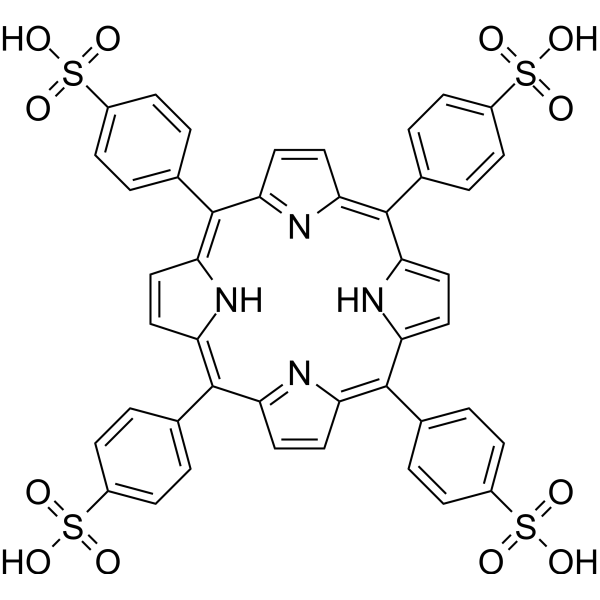
5-(4-Carboxyphenyl)-10,15,20-triphenylporphyrin is a porphyrin compound. 5-(4-Carboxyphenyl)-10,15,20-triphenylporphyrin exhibits virucidal effects of 85% and 60% against HSV-1 and HSV-2, respectively. 5-(4-Carboxyphenyl)-10,15,20-triphenylporphyrin has a maximum noncytotoxic studied concentration of 5 μg/mL on Vero cells. 5-(4-Carboxyphenyl)-10,15,20-triphenylporphyrin can be used for the synthesis of compounds with stronger antiviral activity .
|
-
| Cat. No. |
Product Name |
Type |
-
- HY-144012
-
|
16:0 PEG2000 PE ammonium; 1,2-Dipalmitoyl-sn-glycero-3-phosphoethanolamine-N-[methoxy(polyethylene glycol)-2000] ammonium
|
Biochemical Assay Reagents
|
|
DPPE-PEG2000 ammonium (16:0 PEG5000 PE) is a polymer-lipid conjugate and LipoParticle stabilizer with a PEG chain of 5,000 g/mol molecular weight attached to its polar head, and it can be internalized by biological membranes. DPPE-PEG2000 ammonium enables LipoParticle to maintain colloidal stability after 20-fold dilution in PBS or cell culture medium, and prevents aggregate formation during lyophilization and rehydration. DPPE-PEG2000 ammonium helps enhance the non-cytotoxic property of LipoParticle formulations against human osteoblasts. DPPE-PEG2000 ammonium serves as a PEG lipid functional end group for synthesizing liposomes (LPs), is used in the design of conjugated polymer nanoparticles, and applies to research related to bone and joint infections .
|
-
- HY-144012H
-
|
16:0 PEG5000 PE; 1,2-Dipalmitoyl-sn-glycero-3-phosphoethanolamine-N-[methoxy(polyethylene glycol)-5000] ammonium
|
Biochemical Assay Reagents
|
|
DPPE-PEG5000 (16:0 PEG5000 PE) is a polymer-lipid conjugate and LipoParticle stabilizer with a PEG chain of 5,000 g/mol molecular weight attached to its polar head, and it can be internalized by biological membranes. DPPE-PEG5000 enables LipoParticle to maintain colloidal stability after 20-fold dilution in PBS or cell culture medium, and prevents aggregate formation during lyophilization and rehydration. DPPE-PEG5000 helps enhance the non-cytotoxic property of LipoParticle formulations against human osteoblasts. DPPE-PEG5000 serves as a PEG lipid functional end group for synthesizing liposomes (LPs), is used in the design of conjugated polymer nanoparticles, and applies to research related to bone and joint infections .
|
| Cat. No. |
Product Name |
Target |
Research Area |
-
- HY-P1028
-
|
Furin Inhibitor II
|
Bacterial
|
Infection
|
|
Hexa-D-arginine (Furin Inhibitor II) is a stable furin inhibitor with Ki values 106 nM, 580 nM and 13.2 μM for furin, PACE4 and prohormone convertase-1 (PC1), respectively. Hexa-D-arginine blocks Pseudomonas exotoxin A and anthrax toxins toxicity in vitro and in vivo .
|
-
- HY-P1028A
-
|
Furin Inhibitor II TFA
|
Bacterial
|
Infection
|
|
Hexa-D-arginine TFA (Furin Inhibitor II TFA) is a stable furin inhibitor with Ki values 106 nM, 580 nM and 13.2 μM for furin, PACE4 and prohormone convertase-1 (PC1), respectively. Hexa-D-arginine TFA blocks Pseudomonas exotoxin A and anthrax toxins toxicity in vitro and in vivo .
|
-
- HY-P10860
-
|
|
Factor Xa
|
Cardiovascular Disease
|
|
cMCoFx1 is a potent and selective FXIIa cyclic peptide inhibitor. cMCoFx1 has high binding affinity (KD: 900 pM) and inhibitory activity (Ki: 370 pM) for FXIIa. cMCoFx1 can effectively inhibit endogenous clotting pathways, and cMCoFx1 is stable in serum and non-cytotoxic .
|
-
- HY-P11019
-
|
|
CXCR
Calcium Channel
|
Cancer
|
|
IS4 is a selective CXCR4 competitive antagonist, with an IC50 of 0.65 nM in THP-1 cells and 38.75 nM in Jurkat cells. IS4 is stable in serum and non-cytotoxic. IS4 competitively binds to CXCR4 with CXCL12, thereby inhibiting CXCL12-induced intracellular Ca 2+ release and cancer cell migration. IS4 can be used in the research on the prevention of metastasis of breast cancer, prostate cancer, leukemia, and other diseases .
|
-
- HY-P5514
-
|
Amylin (22-27) [NMeG24, NMeI26], human (IAPP)
|
Peptides
|
Others
|
|
NF(N-Me)GA(N-Me)IL is a biological active peptide. (This amino acids 22 to 27 fragment is a modification of the human islet amyloid polypeptide hIAPP (NFGAIL) with N-methylation of the amide bonds at G24 and I26. The introduction of two N-methyl rests in the amyloid-core-containing sequence NFGAIL converts this amyloidogenic and cytotoxic sequence into non-amyloidogenic and non-cytotoxic peptide. The peptide is able to bind with high-affinity full-length hIAPP and to inhibit its fibrillogenesis.)
|
| Cat. No. |
Product Name |
Category |
Target |
Chemical Structure |
| Cat. No. |
Product Name |
|
Classification |
-
- HY-144012
-
|
16:0 PEG2000 PE ammonium; 1,2-Dipalmitoyl-sn-glycero-3-phosphoethanolamine-N-[methoxy(polyethylene glycol)-2000] ammonium
|
|
Pegylated Lipids
|
|
DPPE-PEG2000 ammonium (16:0 PEG5000 PE) is a polymer-lipid conjugate and LipoParticle stabilizer with a PEG chain of 5,000 g/mol molecular weight attached to its polar head, and it can be internalized by biological membranes. DPPE-PEG2000 ammonium enables LipoParticle to maintain colloidal stability after 20-fold dilution in PBS or cell culture medium, and prevents aggregate formation during lyophilization and rehydration. DPPE-PEG2000 ammonium helps enhance the non-cytotoxic property of LipoParticle formulations against human osteoblasts. DPPE-PEG2000 ammonium serves as a PEG lipid functional end group for synthesizing liposomes (LPs), is used in the design of conjugated polymer nanoparticles, and applies to research related to bone and joint infections .
|
-
- HY-144012H
-
|
16:0 PEG5000 PE; 1,2-Dipalmitoyl-sn-glycero-3-phosphoethanolamine-N-[methoxy(polyethylene glycol)-5000] ammonium
|
|
Pegylated Lipids
|
|
DPPE-PEG5000 (16:0 PEG5000 PE) is a polymer-lipid conjugate and LipoParticle stabilizer with a PEG chain of 5,000 g/mol molecular weight attached to its polar head, and it can be internalized by biological membranes. DPPE-PEG5000 enables LipoParticle to maintain colloidal stability after 20-fold dilution in PBS or cell culture medium, and prevents aggregate formation during lyophilization and rehydration. DPPE-PEG5000 helps enhance the non-cytotoxic property of LipoParticle formulations against human osteoblasts. DPPE-PEG5000 serves as a PEG lipid functional end group for synthesizing liposomes (LPs), is used in the design of conjugated polymer nanoparticles, and applies to research related to bone and joint infections .
|
Your information is safe with us. * Required Fields.
Inquiry Information
- Product Name:
- Cat. No.:
- Quantity:
- MCE Japan Authorized Agent:

