
166 Results for "

nuclear-factor-

" in MedChemExpress (MCE) Product Catalog:
Products (166)

166 Results for "nuclear-factor-" in MCE Product Catalog:

580
580 Publications Verification
Cat. No.: HY-100523
CAS No.: 846557-71-9
Purity:  99.96%
Target:  

Keap1-Nrf2 Ferroptosis

Research Areas:  

Cancer

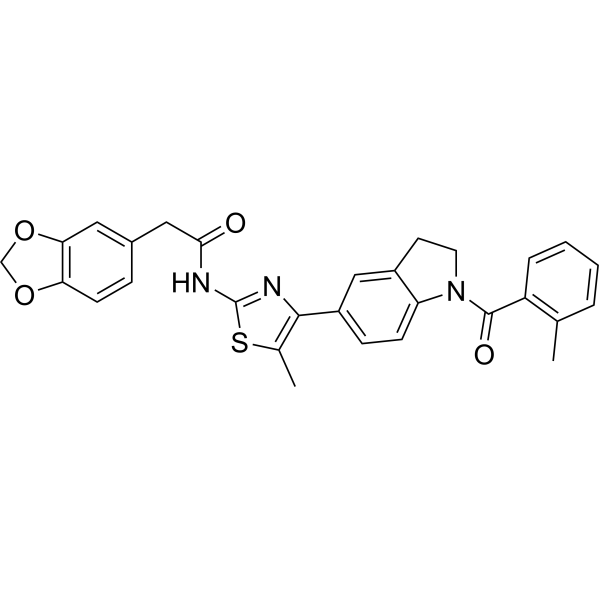
ML385 is a specific nuclear factor erythroid 2-related factor 2 (NRF2) inhibitor with an IC50 of 1.9 μM.
193
193 Cited Publications
Cat. No.: HY-B0579
CAS No.: 59865-13-3
Synonyms: Cyclosporine A; Ciclosporin A; CsA
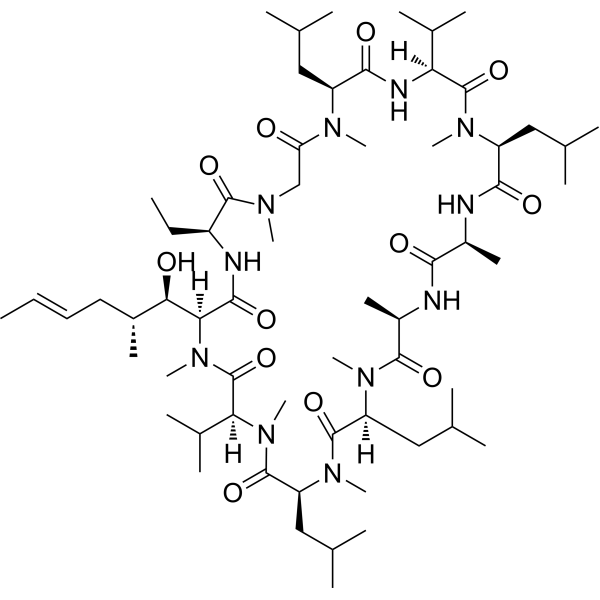
Cyclosporin A (Cyclosporine A) is an immunosuppressant which binds to the cyclophilin and inhibits phosphatase activity of protein phosphatase 2B (PP2B/calcineurin) with an IC50 of 5 nM . Cyclosporin A is a molecular glue, binds to cyclophilin and calcineurin, leading to inactivation of nuclear Factor of activated T Cells (NFAT) and a subsequent decrease in the immune response. Cyclosporin A also inhibits CD11a/CD18 adhesion .
15
15 Cited Publications
Cat. No.: HY-P1026
CAS No.: 249537-73-3
Synonyms: VIVIT peptide
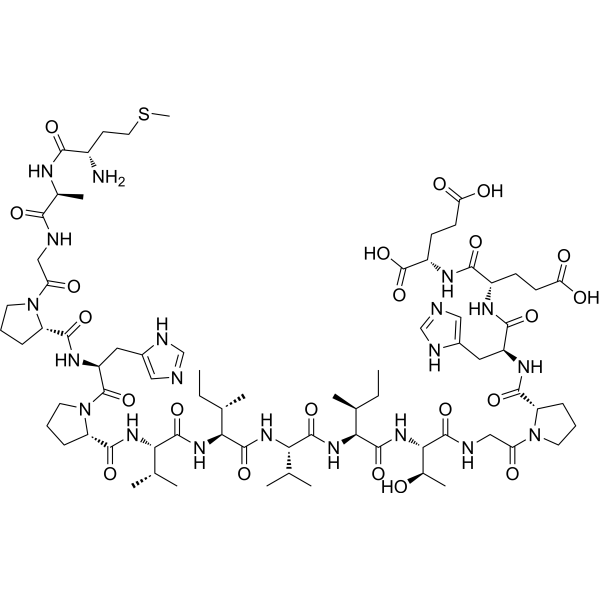
NFAT Inhibitor (VIVIT peptide) is an inhibitor of nuclear factor of activated Tcells (NFAT) that selectively inhibits calcineurin-mediated dephosphorylation of NFAT .
10
10 Cited Publications
Cat. No.: HY-101025
CAS No.: 1610022-76-8
Purity:  99.88%
Target:  

Keap1-Nrf2

Research Areas:  

Cancer

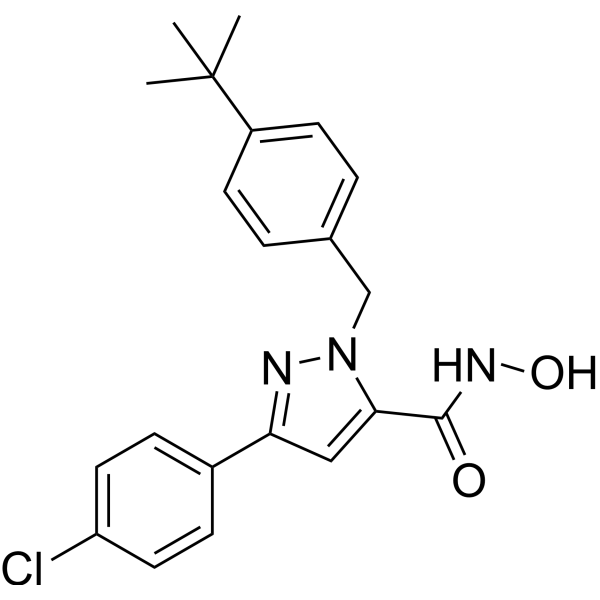
Nrf2-IN-1 is an inhibitor of nuclear factor-erythroid 2-related factor 2 (Nrf2). Nrf2-IN-1 is developed for the research of acute myeloid leukemia (AML) .
8
8 Cited Publications
Cat. No.: HY-P1430
CAS No.: 592517-80-1
Synonyms: Cell permeable NFAT inhibitor
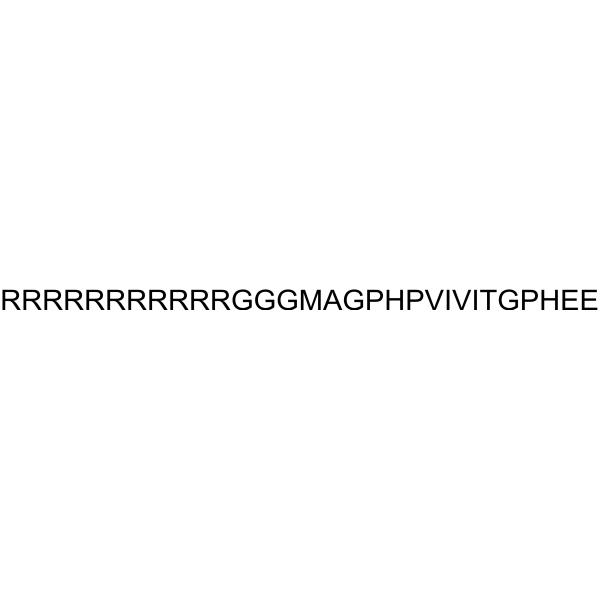
11R-VIVIT is a cell-permeable nuclear factor of activated T cells (NFAT) inhibitor. 11R-VIVIT can be used for the research of podocyte and diabetic nephropathy .
8
8 Cited Publications
Cat. No.: HY-P1430A
Synonyms: Cell permeable NFAT inhibitor TFA
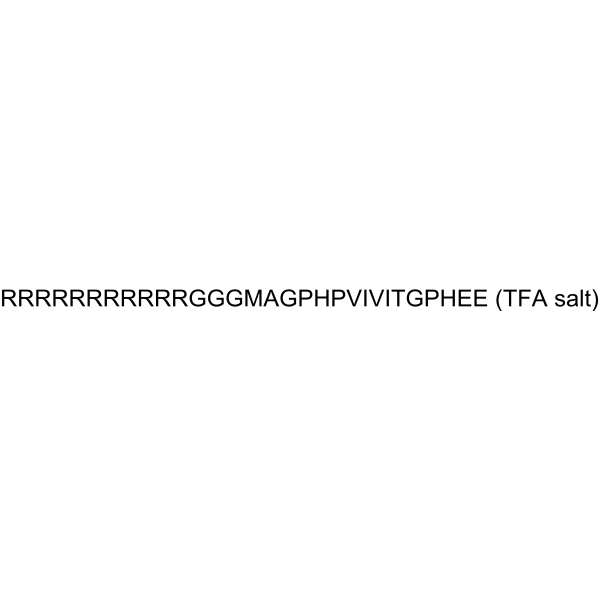
11R-VIVIT TFA is a cell-permeable nuclear factor of activated T cells (NFAT) inhibitor. 11R-VIVIT TFA can be used for the research of podocyte and diabetic nephropathy .
7
7 Cited Publications
Cat. No.: HY-N1445
CAS No.: 482-35-9
Synonyms: Isoquercetin; Quercetin 3-glucoside
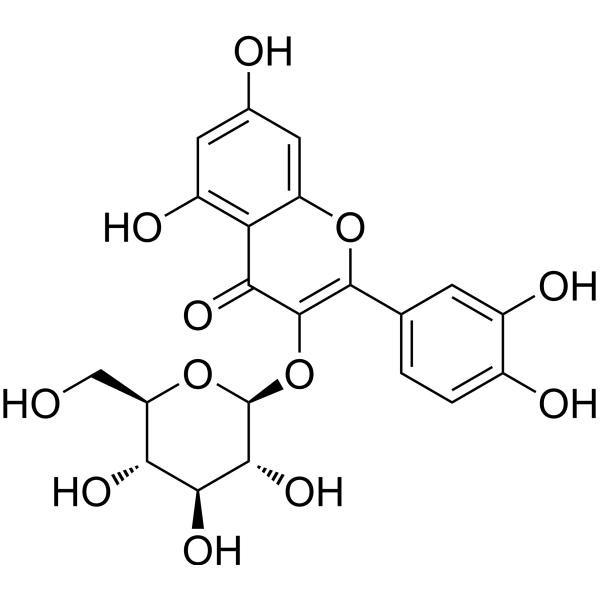
Isoquercetin (Quercetin 3-glucoside) is a naturally occurring polyphenol that has antioxidant, anti-proliferative, and anti-inflammatory properties. Isoquercetin alleviates ethanol-induced hepatotoxicity, oxidative stress, and inflammatory responses via the Nrf2/ARE antioxidant signaling pathway . Isoquercetin regulates the expression of nitric oxide synthase 2 (NO2) via modulating the nuclear factor-κB (NF-κB) transcription regulation system. Isoquercetin has high bioavailability and low toxicity, is a promising candidate agent to prevent birth defects in diabetic pregnancies .
5
5 Cited Publications
Cat. No.: HY-B1058
CAS No.: 23642-66-2
Synonyms: JP-992 hydrochloride
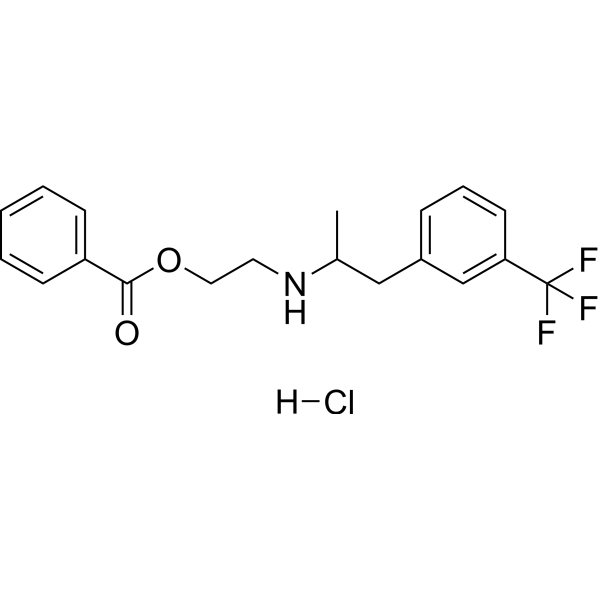
Benfluorex hydrochloride (JP-992 hydrochloride) is a hepatic nuclear factor 4 alpha (HNF4α) activator.
5
5 Cited Publications
Cat. No.: HY-108469
CAS No.: 93987-29-2
Research Areas:  

Metabolic Disease Cancer

BI-6015 is a hepatocyte nuclear factor 4α (HNF4α) antagonist that can inhibit the expression of known HNF4α target genes. BI6015 represses insulin promoter activity through HNF4α antagonism. BI-6015 can be used for the research of cancer and diabetes .
5
5 Cited Publications
Cat. No.: HY-P81051
Synonyms: NFE2L2; NRF2; nuclear factor erythroid 2-related factor 2; NF-E2-related factor 2; NFE2-related factor 2; HEBP1; nuclear factor; erythroid derived 2; like 2

Host:  

Rabbit

Application:  

WB, IHC-P, ICC/IF, IP, ChIP

Reactivity:  

Human, Mouse

4
4 Cited Publications
Cat. No.: HY-112125A
CAS No.: 1390654-28-0
Purity:  98.81%
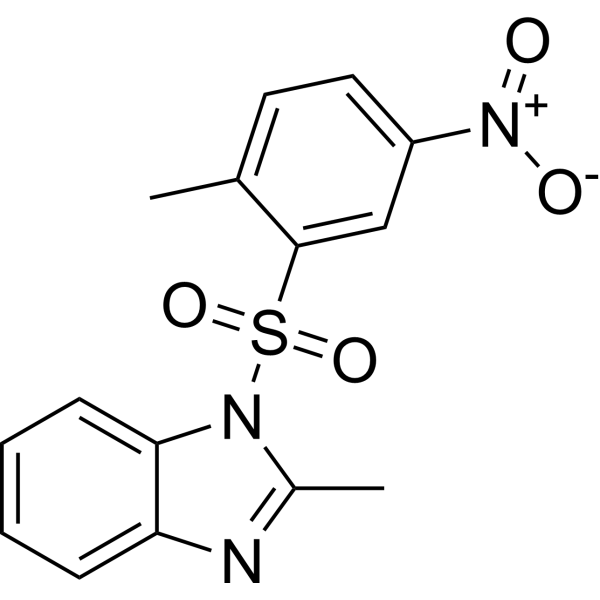
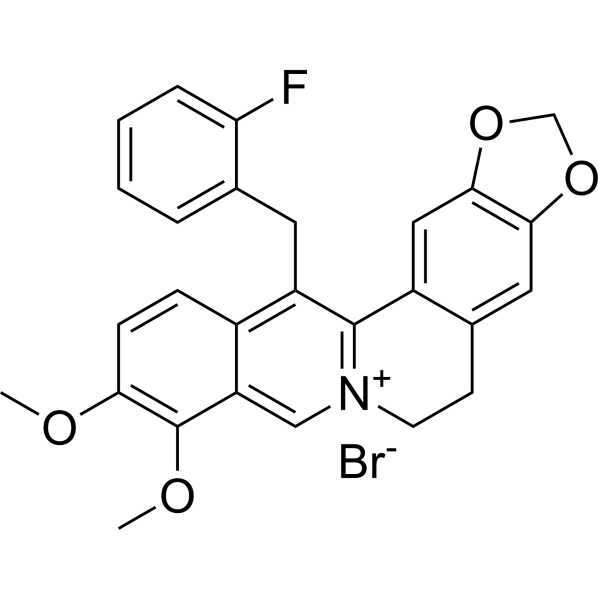
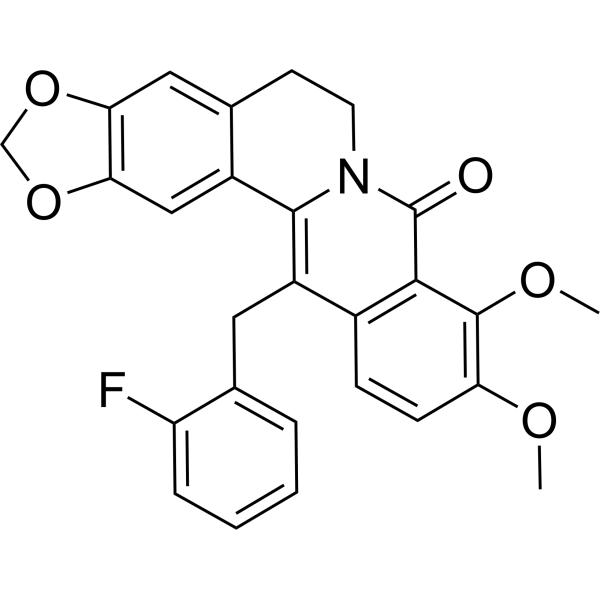
KRN2 (bromide) is a selective inhibitor of nuclear factor of activated T cells (NFAT5), with an IC50 of 0.1 μM.
4
4 Cited Publications
Cat. No.: HY-112125
CAS No.: 248260-75-5
Purity:  98.04%
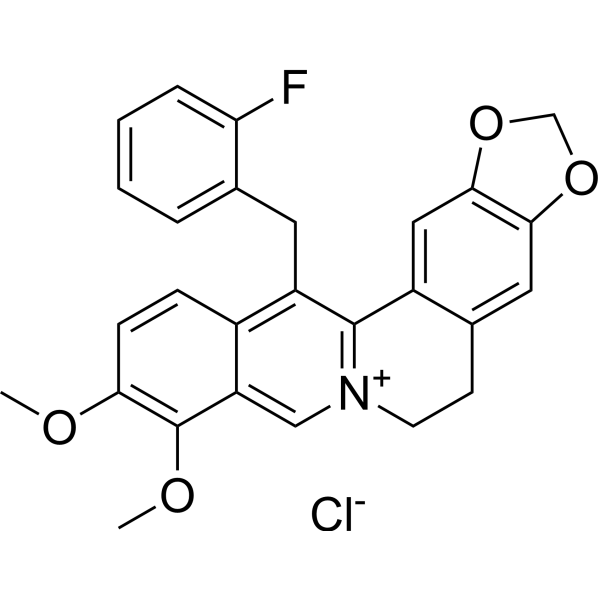
KRN2 is a selective inhibitor of nuclear factor of activated T cells (NFAT5), with an IC50 of 100 nM. KRN2 has potential to treat NFAT5-mediated Chronic Arthritis .
3
3 Cited Publications
Cat. No.: HY-P81238
Synonyms: Phospho-NF-KB p65 (Ser536) ; NF-kB p65 (phospho S536); p-NF-κB p65(Phospho-Ser536); RELA(phospho S536); NF kB P65; NF-kB p65; NFKBp65; NF-κBp65; p65 NF kappaB; p65 NFkB; NFKBp65; RELA; Transcription factor p65; v rel avian reticuloendotheliosis viral oncogene homolog A (nuclear factor of kappa light polypeptide gene enhancer in B cells 3 (p65)); V Rel Avian Reticuloendotheliosis Viral Oncogene Homolog A; v rel reticuloendotheliosis viral oncogene homolog A (avian); v-rel reticuloendotheliosis viral oncogene homolog A; p65NFKB; Avian reticuloendotheliosis viral (v rel) oncogene homolog A; MGC131774; NFKB 3; NFKB3; nuclear factor NF Kappa B p65 Subunit; nuclear factor of kappa light polypeptide gene enhancer in B cells 3; nuclear factor Of Kappa Light Polypeptide Gene Enhancer In B Cells; TF65_HUMAN. NFκB-p65; NFκB p65; NF κB-p65; NFκBp65;

Host:  

Rabbit

Application:  

WB, IHC-P, ICC/IF, IP, ELISA

Reactivity:  

Human, Mouse, Rat, Monkey

3
3 Cited Publications
Cat. No.: HY-N6871
CAS No.: 514-10-3
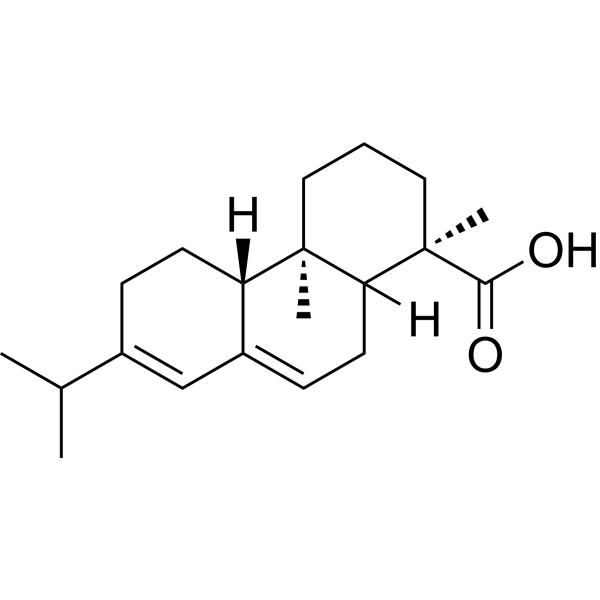
Abietic acid, an orally active diterpene isolated from Colophony, displays significant anti-proliferative, anti-inflammatory, anti-obesity effect, bacteriostatic, cell cycle arresting and pro-apoptotic activities. Abietic acid inhibits lipoxygenase activity for allergy. Abietic acid enhances cell migration and tube formation in HUVECs. Abietic acid induces significant angiogenic potential, which is associated with upregulation of extracellular signal-regulated kinase (ERK) and p38 expression. Abietic acid attenuates sepsis-induced lung injury by inhibiting nuclear factor kappa-light-chain-enhancer of activated B cells (NF-κB) pathway to inhibit M1 macrophage polarization. Abietic acid exhibits a positive effect against liver injury by attenuating inflammation and ferroptosis. Abietic acid shows accelerated wound closure in a mouse model of cutaneous wounds. Abietic acid significantly reduces the proliferation and growth of NSCLC cells by IKKβ inhibition.Additionally, Abietic acid ameliorates psoriasis-like inflammation and modulates gut microbiota in mice. Abietic acid is promising for research in non-small-cell lung cancer (NSCLC), liver injury-related deseases and psoriasis .
2
2 Cited Publications
Cat. No.: HY-P9958
CAS No.: 615258-40-7
Synonyms: AMG-162

Research Areas:  

Endocrinology Cancer

Denosumab is a human monoclonal antibody that targets the protein RANKL. Denosumab binds to the receptor activator of nuclear factor kappa-B ligand (RANKL) and prevents its binding to the RANK receptor (KD of 0.003 nM for human RANKL). Denosumab promotes proliferation and spermatogenesis. Denosumab prevents bone resorption through inhibition of the NF-κB pathway. Denosumab can be used in bone-related studies .
2
2 Cited Publications
Cat. No.: HY-N0632
CAS No.: 65497-07-6
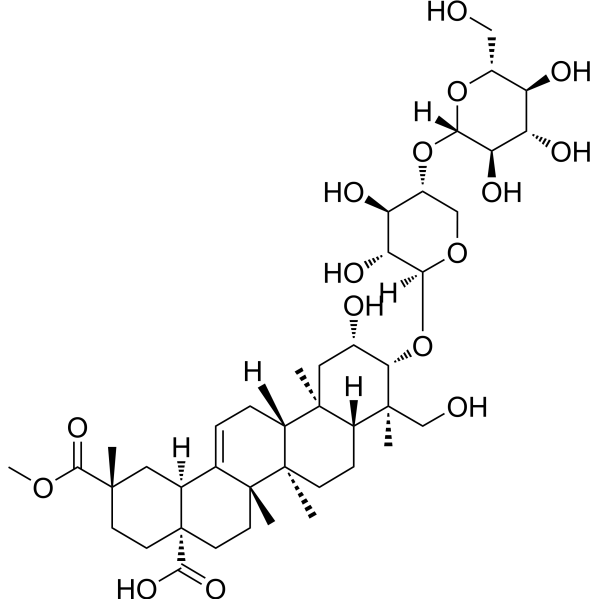
Esculentoside A (EsA), a kind of triterpene saponin isolated from roots of Phytolacca esculenta . Esculentoside A (EsA) possesses anti-inflammatory activity in acute and chronic experimental models , has selective inhibitory activity towards cyclooxygenase-2 (COX-2) . Esculentoside A (EsA) suppresses inflammatory responses in LPS-induced acute lung injury (ALI) through inhibition of the nuclear factor kappa B (NF-ΚB) and mitogen activated protein kinase (MAPK) signaling pathways .
2
2 Cited Publications
Cat. No.: HY-N0277
CAS No.: 509-20-6
Synonyms: Jesaconine
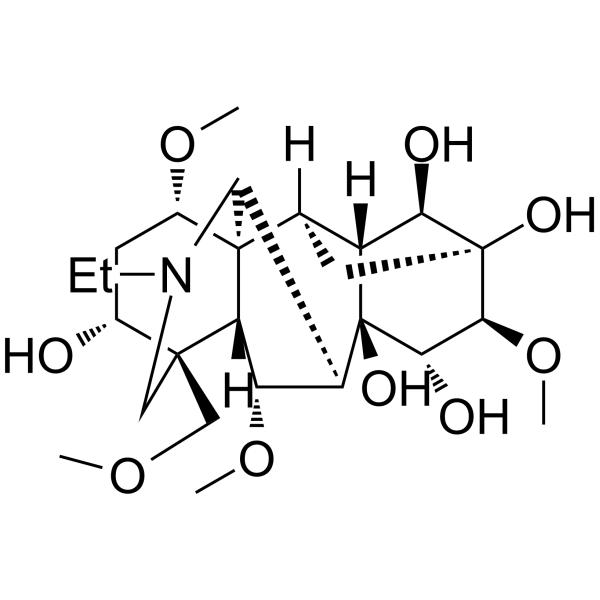
Aconine inhibits receptor activator of nuclear factor (NF)-κB ligand (RANKL)-induced NF-κB activation.
2
2 Cited Publications
Cat. No.: HY-P9958A
CAS No.: 615258-40-7
Denosumab (anti-TNFSF11) is a human monoclonal antibody that targets the protein RANKL. Denosumab binds to the receptor activator of nuclear factor kappa-B ligand (RANKL) and prevents its binding to the RANK receptor (KD of 0.003 nM for human RANKL). Denosumab promotes proliferation and spermatogenesis. Denosumab prevents bone resorption through inhibition of the NF-κB pathway. Denosumab can be used in bone-related studies .
2
2 Cited Publications
Cat. No.: HY-136741
CAS No.: 113760-29-5
Purity:  99.77%
Target:  

IKK

Research Areas:  

Inflammation/Immunology

BOT-64 is an inhibitory κB (IκB) kinase β (IKKβ) inhibitor with an IC50 of 1 µM. BOT-64 blocks lipopolysaccharide-induced nuclear factor-κB activation and nuclear factor-κB-regulated inflammatory gene transcription .
2
2 Cited Publications
Cat. No.: HY-112126
CAS No.: 1800465-47-7
Purity:  98.76%
KRN5, a derivative of KRN2, is an oral active Nuclear factor of activated T cells 5 (NFAT5) suppressor, with an IC50 of 750 nM. KRN5 has potential to treat NFAT5-mediated Chronic Arthritis .

