Search Result
Results for "
oral administration
" in MedChemExpress (MCE) Product Catalog:
3
Biochemical Assay Reagents
6
Isotope-Labeled Compounds
| Cat. No. |
Product Name |
Target |
Research Areas |
Chemical Structure |
-
- HY-100897
-
|
|
Thrombin
|
Cardiovascular Disease
|
|
Sulodexide is a mixture of glycosaminoglycans available in soft capsule form for oral administration. It is composed of low molecular weight heparin (80%) and dermatan sulfate (20%). Sulodexide exhibits antithrombotic activity through interaction with antithrombin III (AT III) and heparin cofactor II (HC II), and inhibition of thrombin formation. Sulodexide exhibits profibrinolytic activity through release of tissue plasminogen activator (tPA). Sulodexide exhibits endothelial protective and anti-inflammatory effect, ameliorates chronic venous disease .
Sulodexide is a glycosaminoglycan mixture available in soft gelatin capsule form for oral administration.
|
-
-
- HY-114452
-
|
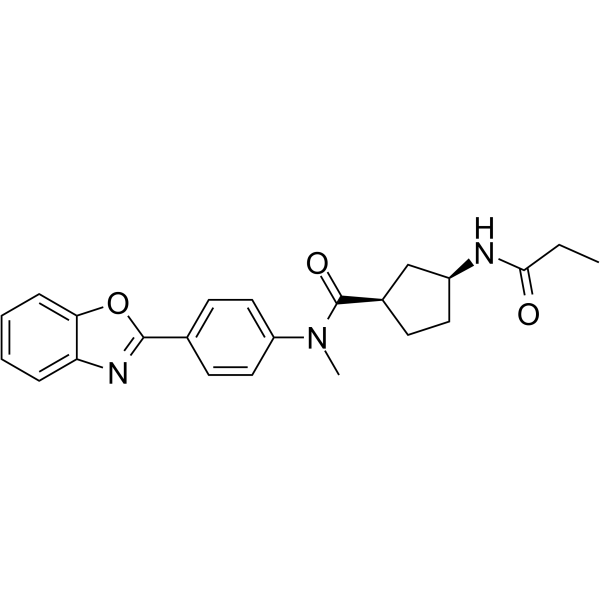
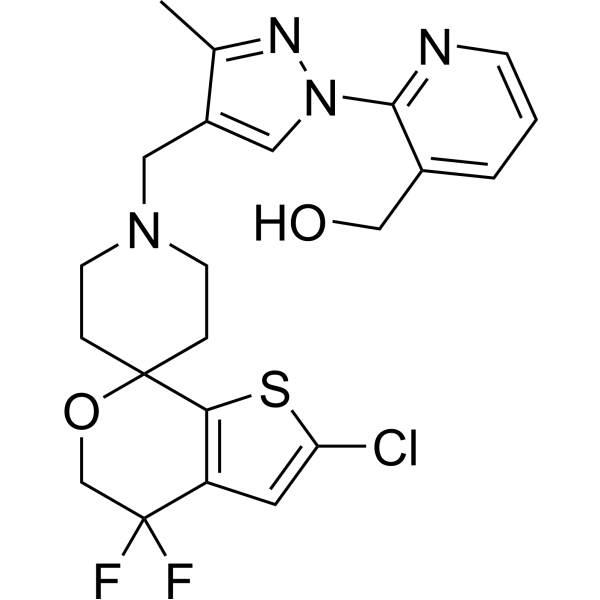
BTRX-246040
|
Opioid Receptor
|
Neurological Disease
|
|
LY2940094 (BTRX-246040) is a potent, selective and orally available nociceptin receptor (NOP receptor) antagonist with high affinity (Ki=0.105 nM) and antagonist potency (Kb=0.166 nM). LY2940094 reduces ethanol self-administration in animal models .
|
-
-
- HY-N6641
-
|
|
Keap1-Nrf2
PPAR
|
Inflammation/Immunology
Cancer
|
|
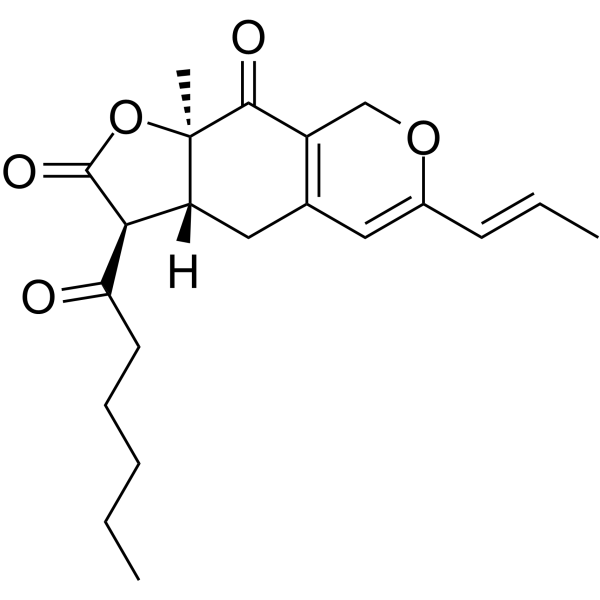
Monascin is a kind of azaphilonoid pigments extracted from Monascus pilosus-fermented rice (red-mold rice). Monascin also exhibits anti-tumor-initiating activity and anti-inflammatory activity with oral administration. Monascin inhibits the activation of NOR 1 (an NO donor). Monascin is a Nrf2 activator and PPARγ agonist .
|
-
-
- HY-19929
-
-
-
- HY-118189
-
|
|
Prostaglandin Receptor
|
Inflammation/Immunology
|
|
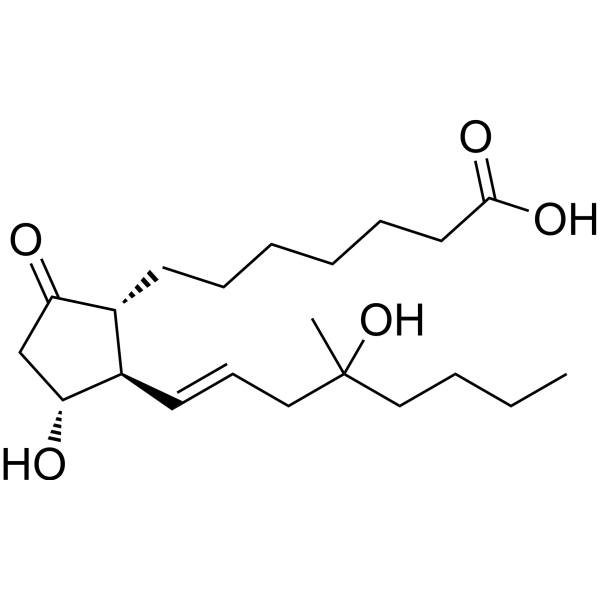
Misoprostol acid is an active metabolite of Misoprostol. Misoprostol is a synthetic analogue of prostaglandin E1 (PGE1), extensively absorbed, and undergoes rapid de-esterification to Misoprostol acid in the gastrointestinal tract after oral administration. Misoprostol can be used for non-steroidal anti-inflammatory drug-induced (NSAID) gastric ulcers . Misoprostol is an oral agent used to induce labor .
|
-
-
- HY-16100
-
|
|
Fatty Acid Synthase (FASN)
|
Metabolic Disease
Cancer
|
|
BI 99179, a chemical probe, is a potent and selective type I fatty acid synthase (FAS) inhibitor with an IC50 of 79 nM. BI 99179 is a tool compound suitable for the in vivo validation of FAS as a target for lipid metabolism related diseases. BI 99179 exhibits significant exposure (both peripheral and central) upon oral administration in rats .
|
-
-
- HY-164782
-
|
|
HDAC
|
Neurological Disease
Metabolic Disease
Cancer
|
|
PT3 is a selective inhibitor of HDAC3 with an IC50 value of 0.25 μM. PT3 exhibits good brain penetration ability and bioavailability upon oral administration. PT3 can be used in the research of Alzheimer’s disease .
|
-
-
- HY-114452A
-
|
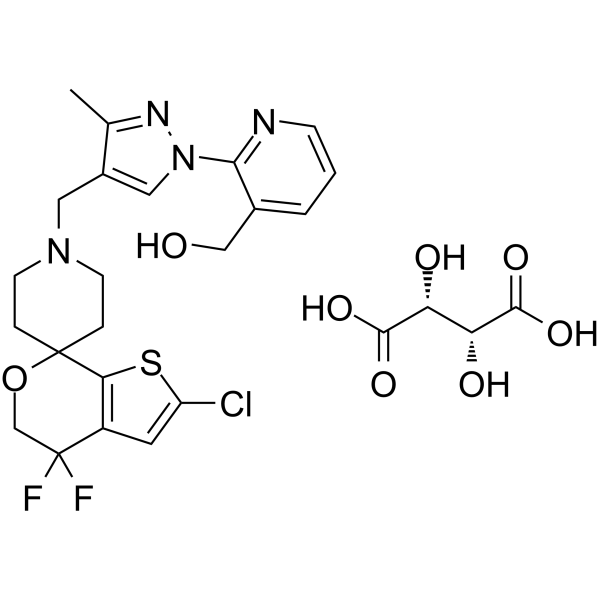
BTRX-246040 tartrate
|
Opioid Receptor
|
Neurological Disease
|
|
LY2940094 (BTRX-246040) tartrate is a potent, brain penetrant, selective and orally available N/OFQ peptide (NOP) receptor antagonist with high affinity (Ki=0.105 nM) and antagonist potency (Kb=0.166 nM). LY2940094 tartrate reduces Ethanol self-administration and Ethanol seeking in animal models .
|
-
-
- HY-101478
-
|
|
mGluR
Apoptosis
|
Neurological Disease
Cancer
|
|
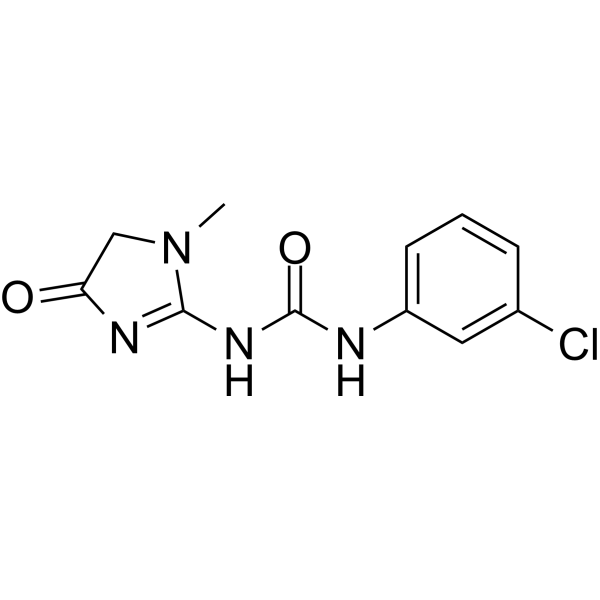
Fenobam is a selective and orally active mGluR5 antagonist (IC50=84 nM) that can penetrate the blood-brain barrier. Fenobam shows the Kd values of 54 nM and 31 nM on rat and human recombinant mGlu5 receptors, respectively. Fenobam has anxiolytic activity, inhibits self-administration behavior in mice, and induces apoptosis in cancer cells. Fenobam can be used for research on neurological diseases, cancer and drug addiction .
|
-
-
- HY-W013762
-
|
|
Environmental Pollutants
Biochemical Assay Reagents
|
Others
|
|
Tributyl citrate is a low-toxicity and orally active citrate ester with no genotoxicity or skin sensitizing activity. Tributyl citrate also acts as a plasticizer, solvent, FDA-approved indirect food additive, and topical anesthetic, among other uses. Tributyl citrate induces a needle-prick insensitivity response that lasts for more than 2 hours, and a 5% suspension of it temporarily eliminates the corneal reflex in rabbits. Tributyl citrate causes no significant systemic toxicity in rats and cats at most tested doses, and only may cause growth retardation and gastrointestinal reactions such as diarrhea and nausea at high doses or with repeated oral administration .
|
-
-
- HY-18060
-
|
TC-5619
|
nAChR
|
Neurological Disease
|
|
Bradanicline (TC-5619) is an orally active agonist of α7 nAChR with moderate blood-brain barrier penetration. Bradanicline exhibits high affinity and subtype selectivity for human α7 nAChR. Bradanicline possesses antitussive activity that depends on sustained receptor binding and activation. Bradanicline requires systemic administration to dose-dependently inhibit cough induced by citric acid, bradykinin and inhaled nicotine. Bradanicline is well tolerated in preclinical studies and is widely used in research related to chronic refractory cough .
|
-
-
- HY-108288
-
|
Pivsulbactam; CP 47904
|
Beta-lactamase
Antibiotic
Bacterial
|
Infection
|
|
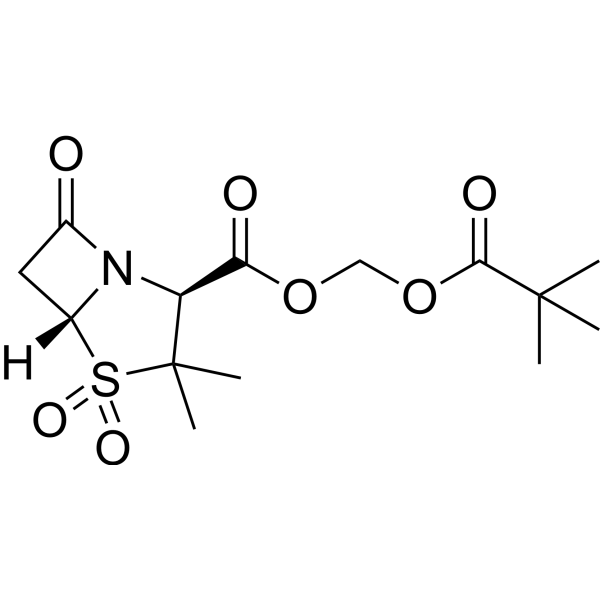
Sulbactam pivoxil (Pivsulbactam) is a prodrug of Sulbactam (HY-B0334) with oral activity. Sulbactam is a β-lactamase inhibitor with antibacterial activity. Sulbactam pivoxil is better absorbed than Sulbactam and results in higher serum levels after oral administration .
|
-
-
- HY-A0234
-
|
Prostenoglycine; TTPG; Tiase
|
Chloride Channel
|
Endocrinology
|
|
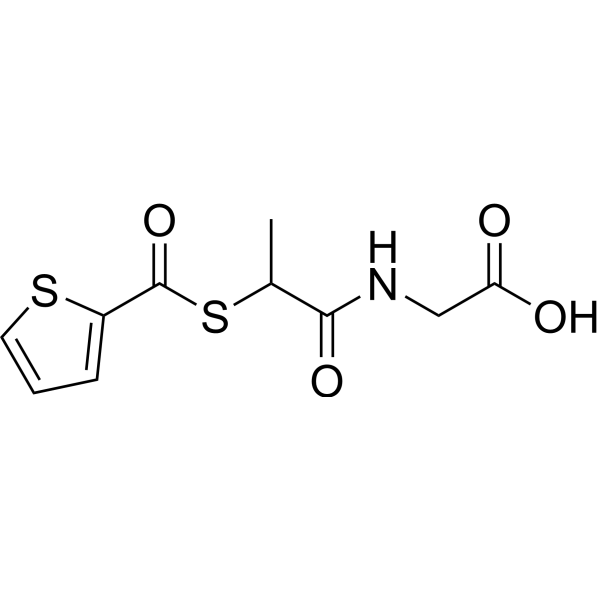
Stepronin (Prostenoglycine) is an orally active expectorant (inhalation administration is preferable to oral administration). Stepronin inhibits airway secretion in vitro by reducing Cl - secretion from epithelial cells and mucus glycoprotein secretion from submucosal glands .
|
-
-
- HY-N0856
-
|
23-O-Acetylalisol C; Alisol C monoacetate
|
Others
|
Cardiovascular Disease
|
|
Alisol C 23-acetate, a natural product extracted from Alisma orinentale, can significantly and strongly inhibit DTH response after oral administration.
|
-
-
- HY-W011309
-
|
1-O-HDG; HXDG
|
PPAR
PGE synthase
|
Inflammation/Immunology
|
|
1-O-Hexadecylglycerol can up-regulate PPAR-γ expression, inhibit pGE2, and exhibit anti-inflammatory properties . 1-O-Hexadecylglycerol is effective in oral administration .
|
-
-
- HY-14826
-
|
AVE8112
|
Phosphodiesterase (PDE)
|
Neurological Disease
|
|
Tilivapram (AVE8112) is an orally active PDE4 inhibitor with procognitive effects. Tilivapram exhibits in vivo efficacy and improves processing speed and psychomotor speed. Oral administration of tilivapram may induce dose-related adverse reactions such as nausea and dizziness, but transdermal delivery enables slow, controlled elevation of plasma concentrations, thereby significantly reducing gastrointestinal discomfort and dizziness. Tilivapram is applicable to research related to neuropsychiatric disorders .
|
-
-
- HY-15883
-
|
|
Checkpoint Kinase (Chk)
Apoptosis
|
Cancer
|
|
GNE-900 is a an ATP-competitive, selective, and orally active ChK1 inhibitor with IC50s of 0.0011, 1.5 μM for ChKl, ChK2, respectively. GNE-900 abrogates the G2-M checkpoint, enhances DNA damage, and induces Apoptosis. Gemcitabine (HY-17026) and GNE-900 administration shows anti-tumor activity .
|
-
-
- HY-N10225
-
|
|
Prostaglandin Receptor
|
Cardiovascular Disease
Endocrinology
|
|
Thielavin A is an inhibitor of prostaglandin biosynthesis produced by Thielavia terricola. Thielavin A specifically inhibits the conversion of arachidonic acid into prostaglandin H2. Thielavin A has no anti-inflammatory activity on intravenous injection or on oral administration .
|
-
-
- HY-135578
-
|
|
Parasite
|
Infection
|
|
Artelinic acid, a derivative of Artemisinin, is an antimalarial agent for the treatment of multidrug resistant strains of Plasmodium falciparum. Artelinic acid can be administered by various routes of administration, including intravenous, intramuscular and oral routes .
|
-
-
- HY-165529
-
Camostat
Maximum Cited Publications
43 Publications Verification
|
Ser/Thr Protease
|
Inflammation/Immunology
|
Camostat is an orally active trypsin inhibitor. Camostat can reduce pancreatic fibrosis induced by repeated administration of superoxide dismutase inhibitors in rats, and decrease the proliferation and activation of pancreatic stellate cells (PSCs) .
|
-
-
- HY-103442
-
|
DAPH
|
EGFR
Amyloid-β
|
Neurological Disease
Cancer
|
|
CGP52411 (DAPH) is a high selective, potent, orally active and ATP-competitive EGFR inhibitor with an IC50 of 0.3 μM. CGP52411 blocks the toxic influx of Ca 2+ ions into neuronal cells, and dramatic inhibits and reverses the formation of β-amyloid (Aβ42) fibril aggregates associated with Alzheimer's disease .
|
-
-
- HY-100085
-
|
21-desDFZ
|
Drug Metabolite
|
Inflammation/Immunology
|
|
21-Desacetyldeflazacort (21-desDFZ) is the active metabolite of Deflazacort (HY-13609). Deflazacort is an anti-inflammatory and immunosuppressant. Deflazacort is an inactive pro-drug which can be rapidly converted by esterases to the active metabolite 21-desacetyldeflazacort after oral administration .
|
-
-
- HY-167840
-
|
|
PD-1/PD-L1
|
Neurological Disease
Cancer
|
|
IMMH-010 maleate is a prodrug that serves as a novel PD-L1 inhibitor, exhibiting potential antitumor activity for the treatment of neurological disorders and advanced malignant solid tumors. IMMH-010 maleate is rapidly converted to its active form, YPD-29B, following oral administration. IMMH-010 maleate is poised for advancing research in the field of PD-L1 inhibitors and related therapeutic applications.
|
-
-
- HY-B0967
-
|
|
Bacterial
|
Infection
|
|
Phthalylsulfacetamide is a sulfa drug, after oral administration, slowly decompose in the intestine,and release sulfacetamide ,generating antibacterial effect.
|
-
-
- HY-145461
-
|
5-Hydroxy lenalidomide
|
Drug Metabolite
|
Others
|
|
Hydroxy lenalidomide (5-Hydroxy lenalidomide) is a metabolite of lenalidomide that is present as a minor component in plasma and excreta, accounting for less than 5% of the total radioactivity, following oral administration of lenalidomide in healthy male subjects.
|
-
-
- HY-N4173
-
|
|
Drug Metabolite
|
Metabolic Disease
|
|
8-Oxoepiberberine is an alkaloid metabolite in the plasma after oral administration of Zuojin formula, a traditional chinese medicine used to treat gastrointestinal disease .
|
-
-
- HY-118426
-
|
(Rac)-IND 58359; (Rac)-R115777
|
Farnesyl Transferase
Ras
|
Cancer
|
|
(Rac)-Tipifarnib ((Rac)-IND 58359; (Rac)-R115777) is a potent farnesyl protein transferase inhibitor that specifically targets the pro-tailation process of Ras proteins. (Rac)-Tipifarnib showed significant in vivo antitumor effects after oral administration to mice .
|
-
-
- HY-108288R
-
|
Pivsulbactam (Standard); CP 47904 (Standard)
|
Beta-lactamase
Reference Standards
Antibiotic
Bacterial
|
Infection
|
|
Sulbactam pivoxil (Standard) (Pivsulbactam (Standard)) is the analytical standard of Sulbactam pivoxil (HY-108288). This product is intended for research and analytical applications. Sulbactam pivoxil (Pivsulbactam) is a prodrug of Sulbactam (HY-B0334) with oral activity. Sulbactam is a β-lactamase inhibitor with antibacterial activity. Sulbactam pivoxil is better absorbed than Sulbactam and results in higher serum levels after oral administration .
|
-
-
- HY-U00122
-
-
-
- HY-N14880
-
|
|
Antibiotic
Bacterial
|
Infection
Cardiovascular Disease
|
|
Oudenone is an oxygen-containing heterocyclic antibiotic. Oudenone has weak antibacterial and fungal activity. Oudenone has antihypertensive effect on spontaneous hypertension in rats by intraperitoneal injection or oral administration .
|
-
-
- HY-123186
-
|
RG-7348
|
HCV
|
Infection
|
|
MB-11362 is an orally active, selective HCV NS5B polymerase inhibitor and 4′-azidouridine triphosphate prodrug. MB-11362 can be converted to 4′-azidouridine triphosphate after oral administration. MB-11362 can be used in the research of HCV infection .
|
-
-
- HY-12096
-
|
|
GnRH Receptor
|
Endocrinology
|
|
WAY-207024 is an orally active gonadotropin releasing hormone receptor (GnRH-R) antagonist (human GnRH: IC50 of 12 nM, rat GnRH: IC50 of 71 nM). WAY-207024 inhibits rat LH release with an IC50 of 350 nM. WAY-207024 lowers rat plasma leuteinizing hormone (LH) levels after oral administration .
|
-
-
- HY-122968
-
|
NSD-1065
|
Endogenous Metabolite
|
Neurological Disease
|
|
Brocresine (NSD-1065) is an orally active histidine decarboxylase inhibitor and inhibits the formation of histamine from histidine. Brocresine is also a L-amino acid decarboxylase inhibitor with both a peripheral and central action. Brocresine inhibits gastric secretory response to administration of exogenous gastrin .
|
-
-
- HY-111073
-
|
Y101
|
HBV
|
Infection
Inflammation/Immunology
|
|
Bentysrepinine (Y101) is an orally active HBV inhibitor with anti-hepatitis B virus infection activity. Bentysrepinine exhibits favorable pharmacokinetic characteristics, with absolute bioavailability of 44.9%, 43.1%, and 19.2% in rats, dogs, and monkeys, respectively, and it does not accumulate in monkeys after 90 days of oral administration. Bentysrepinine is under research in the antiviral and hepatitis fields .
|
-
-
- HY-145427
-
|
|
DNA-PK
|
Cancer
|
|
NU5455 is a potent, selective, and orally active inhibitor of DNA-PKcs. NU5455 administration increases both the efficacy and the toxicity of a parenterally administered topoisomerase inhibitor. NU5455 enhances the activity of Doxorubicin released locally in liver tumor xenografts without inducing any adverse effect .
|
-
-
- HY-105215
-
|
|
Neurokinin Receptor
|
Inflammation/Immunology
|
|
FK888 is a potent, selective, and high affinity dipeptide NK1 receptor antagonist. FK888 displaces [3H]-SP binding with a Ki value of 0.69 nM and 0.45 microM. FK888 also inhibits SP-induced airway oedema in guinea-pig after both intravenous and oral administration .
|
-
-
- HY-159489
-
|
|
SHP2
|
Cancer
|
|
SDUY038 is a SHP2 allosteric inhibitor, with an IC50 of 1.2 μM and KD of 0.29 μM, respectively. SDUY038 exhibits pan-antitumor activity (IC50 = 7-24 μM) by suppressing pERK expression. SDUY038 exhibits t1/2 of 3.95 h by oral administration .
|
-
-
- HY-107129
-
|
|
GCGR
|
Metabolic Disease
|
|
MK-3577 is an orally effective glucagon receptor (GCGR) antagonist that reduces hepatic glucose production and lowers blood glucose levels by blocking glucagon receptors on target organs, primarily the liver. Pharmacokinetic analysis in domestic cats indicates that MK-3577 reaches peak levels 3 to 4 hours after oral administration, with a half-life of approximately 15 hours. MK-3577 can be used in diabetes research .
|
-
-
- HY-162423
-
|
|
5-HT Receptor
Androgen Receptor
|
Neurological Disease
|
|
CYB210010 is an orally bioavailable, long-acting serotonin 5-HT2 receptor agonist that selectively targets 5-HT2A and 5-HT2C receptors (EC50: 4.1 n, 7.3 nM). CYB210010 can enter the central nervous system, cause a head twitch response (HTR), and is not prone to behavioral tolerance during chronic administration .
|
-
-
- HY-146012
-
|
|
HIV
|
Infection
|
|
HIV-1 protease-IN-4 (Compound II-22) is a potent HIV-1 protease inhibitor. HIV-1 protease-IN-4 is a proagent of atazanavir. HIV-1 protease-IN-4 as a proagent that delivers the parent 1 to rat plasma with a 5-fold higher AUC and 67-fold higher C24 when compared to oral administration of the parent agent .
|
-
-
- HY-126835
-
|
|
Amino Acid Derivatives
|
Cancer
|
|
A 924 is an amino acid derivative-based, orally active antitumor agent. A 924 is effective in inhibiting ascites tumors in rat models by intraperitoneal injection or oral administration. The LD50 of A 924 in mice is >1.5 g/kg and >4.5 g/kg by intraperitoneal injection or oral administration, respectively. A 924 does not cause teratogenicity or adverse reactions in normal or pregnant mice .
|
-
-
- HY-A0234R
-
|
Prostenoglycine (Standard); TTPG (Standard); Tiase (Standard)
|
Chloride Channel
Reference Standards
|
Endocrinology
|
|
Stepronin (Standard) is the analytical standard of Stepronin. This product is intended for research and analytical applications. Stepronin (Prostenoglycine) is an orally active expectorant (inhalation administration is preferable to oral administration). Stepronin inhibits airway secretion in vitro by reducing Cl - secretion from epithelial cells and mucus glycoprotein secretion from submucosal glands .
|
-
-
- HY-W031110
-
-
-
- HY-W740380
-
|
|
Drug Metabolite
|
Others
|
|
21-Carboxylic acid triamcinolone acetonide is a metabolite produced in the body after oral administration of [14C]-triamcinolone acetonide .
|
-
-
- HY-W758934
-
|
Prostenoglycine-d5; TTPG-d5; Tiase-d5
|
Isotope-Labeled Compounds
Chloride Channel
|
Endocrinology
|
|
Stepronin-d5 (Prostenoglycine-d5; TTPG-d5; Tiase-d5) is the deuterium labeled Stepronin (HY-A0234). Stepronin (Prostenoglycine) is an orally active expectorant (inhalation administration is preferable to oral administration). Stepronin inhibits airway secretion in vitro by reducing Cl- secretion from epithelial cells and mucus glycoprotein secretion from submucosal glands .
|
-
-
- HY-122307
-
|
DAN-603
|
Bacterial
|
Metabolic Disease
|
|
Sulisatin (DAN-603) is an anionic laxative that is hydrolyzed to diphenolic derivatives by bacterial aryl sulfate sulfohydrolases in the colon during oral administration .
|
-
-
- HY-120639
-
|
|
HIV
|
Others
|
|
BMS-663749 lysine is a prodrug of an HIV-1 attachment inhibitor with the potential to enhance the delivery of the parent compound following oral administration.
|
-
-
- HY-118543
-
|
|
HIF/HIF Prolyl-Hydroxylase
|
Cardiovascular Disease
|
|
TM6089 is a unique Prolyl Hydroxylase (PHD) inhibitor which stimulates HIF activity without iron chelation and induces angiogenesis and exerts organ protection against ischemia. Local administration of TM6089 enhances angiogenesis, and oral administration stimulates HIF activity in transgenic rats expressing a hypoxia-responsive reporter vector .
|
-
-
- HY-135245
-
|
SCH 488128; Ezetimibe hydroxy β-D-Glucuronide
|
Drug Metabolite
|
Cardiovascular Disease
|
|
Ezetimibe hydroxy glucuronide (SCH 488128) is a trace metabolite detected in dog and human plasma samples after oral administration of Ezetimibe (HY-17376) .
|
-
-
- HY-105919
-
|
|
Factor Xa
|
Cardiovascular Disease
|
|
Naroparcil is an orally active antithrombotic agent. Naroparcil exhibits antithrombotic effects in rabbit Wessler stasis model with EC50s of 21.9 mg/kg and 36.0 mg/kg after respectively intravenous injection and oral administration .
|
-
- HY-129579
-
|
|
Histamine Receptor
|
Others
|
|
Linadryl is a compound with antihistamine and other effects. It has a variable effect on gastric acid secretion after oral administration, and its effect is about half that of Diphenhydramine (HY-B0303).
|
-
- HY-122307A
-
|
DAN-603 disodium
|
Bacterial
|
Metabolic Disease
|
|
Sulisatin (DAN-603) disodium is an anionic diarrhea-promoting compound. During oral administration, Sulisatin disodium is hydrolyzed to diphenolic derivatives by bacterial aryl sulfate sulfohydrolases in the colon .
|
-
- HY-169199
-
|
|
MAP4K
|
Cancer
|
|
BAY-405 (compund 38) is a MAP4K1 inhibitor that exhibits nanomolar potency in biochemical and cellular assays and achieves in vivo exposure after oral administration .
|
-
- HY-24238
-
|
|
Cytochrome P450
|
Others
|
|
DLCI-1 is a potent and selective oral inhibitor of cytochrome P450 2A6 (CYP2A6) that markedly reduces nicotine self-administration in both male and female mice.
|
-
- HY-N6910
-
|
|
Others
|
Metabolic Disease
|
|
Pseudolaric Acid C2, a diterpenoid isolated from Pseudolarix kaempferi, is identified as the specific metabolite of Pseudolaric acid B in plasma, urine, bile and feces after both oral and intravenous administration to rats .
|
-
- HY-102061
-
|
ATI 7505 dihydrochloride
|
Others
|
Others
|
|
Naronapride (dihydrochloride) (ATI 7505 (dihydrochloride)) is a compound that regulates gastrointestinal motility. It is a 5-HT receptor agonist. It is extensively metabolized after oral administration and is mainly excreted through feces. It has certain pharmacokinetic properties.
|
-
- HY-105498
-
|
|
Sodium Channel
|
Neurological Disease
|
|
ADD-196022 is an orally active antiepileptic and anticonvulsant agent. ADD-196022 shows ED50 values of 26.2 mg/kg and 5.79 mg/kg for intraperitoneal injection in mice and orally administration in rats. ADD-196022 can be used for the research of neurological disease .
|
-
- HY-162893
-
|
|
Glycosidase
|
Metabolic Disease
|
|
SX29 is an orally active non-competitive α-glucosidase inhibitor with an IC50 value of 2.12 μM. SX29 exhibits hypoglycemic activity, and oral administration of SX29 can reduce blood glucose levels and improve glucose tolerance in diabetic mice .
|
-
- HY-14795
-
|
ZT-1
|
Cholinesterase (ChE)
|
Neurological Disease
|
|
Mimopezil (ZT-1) is an cholinesterase (ChE) inhibitor that rapidly degrades into the active metabolite Huperzine A (HY-17388) in water or aqueous organic solvents. After oral administration, Mimopezil is rapidly absorbed but has low bioavailability (0.37%) in rats. However, after metabolism, it is converted into Huperzine A, which accumulates in the blood and exhibits strong activity. Following intravenous administration, Mimopezil reaches higher blood concentrations and is also rapidly metabolized into Huperzine A .
|
-
- HY-19899
-
|
|
Histamine Receptor
|
Neurological Disease
|
|
APD-916 is an H3 receptor antagonist. APD-916 shows good pharmacokinetic properties, and oral administration of APD-916 has been shown to enhance wakefulness in various animal models .
|
-
- HY-122309
-
|
|
Antibiotic
|
Infection
|
|
A-71497 is the 3-formyl derivative of the antibiotic Tosufloxacin (HY-B1802). A-71497 can produce high plasma levels of tosufloxacin upon both oral and subcutaneous administration to mice .
|
-
- HY-19222
-
|
|
Thrombin
|
Cardiovascular Disease
|
|
CVS-1123 is an orally active direct thrombin inhibitor. CVS-1123 inhibits in vitro platelet aggregation of γ-thrombin and prolongs activated partial thromboplastin time. CVS-1123 alters the thrombotic response to deep vessel wall damage in arterial and venous circulation. CVS-1123 can be used in antithrombotic studies
|
-
- HY-144110
-
|
|
HCV
|
Infection
|
|
HCV-IN-37 (Compound 3d) is a potent inhibitor of HCV. HCV-IN-37 is orally available and long-lasting in rat plasma after oral administration to rats by a single dose of 15 mg/kg. The high potency of active derivative HCV-IN-37 is primarily driven by the inhibitory effect on the virus entry stage .
|
-
- HY-12096A
-
|
|
GnRH Receptor
|
Cardiovascular Disease
|
|
WAY-207024 dihydrochloride is an orally active gonadotropin releasing hormone receptor (GnRH-R) antagonist (human GnRH: IC50 of 12 nM, rat GnRH: IC50 of 71 nM). WAY-207024 dihydrochloride inhibits rat LH release with an IC50 of 350 nM. WAY-207024 dihydrochloride lowers rat plasma leuteinizing hormone (LH) levels after oral administration .
|
-
- HY-149900
-
|
|
Biochemical Assay Reagents
|
Infection
|
|
Antiviral agent 33 (compound 1c) is a double-stranded DNA (dsDNA) virus inhibitor with IC50 values of 0.0790 and 0.1572 µM for VACV and AdV5, respectively. Antiviral agent 33 also has potential for oral administration .
|
-
- HY-170961
-
|
|
Aminopeptidase
Neprilysin
|
Neurological Disease
|
|
SDUY816 is an oral active dual APN/NEP inhibitor, with IC50 values of 0.68 μM for APN and 6.9 μM for NEP. SDUY816 exhibits analgesic effects and demonstrates good safety and pharmacokinetic profiles, with an oral bioavailability of 27% and a half-life of 4.02 hours in rats (oral administration, 10 mg/kg). SDUY816 has potential applications in the research of neuropathic pain disorders .
|
-
- HY-147152
-
|
|
Biochemical Assay Reagents
|
Others
|
|
1-Myristoyl-3-chloropropanediol is a 3-monochloropropanediol (3-MCPD) fatty acid ester. 3-MPCD causes nephropathy and tubular hyperplasia and adenomas by chronic oral administration; also reduces fertility, or provokes infertility in rats and suppresses the immune function .
|
-
- HY-103459
-
|
PD156707
|
Endothelin Receptor
|
Cardiovascular Disease
|
|
CI-1020 (PD156707) is an orally active and selective antagonist targeting endothelin (ETA) with an IC50 value of 0.3 nM. CI-1020 blocks intimal hyperplasia in human saphenous veins completely in organ culture. CI 1020 inhibits hypoxic pulmonary hypertension and blocks ET-1-induced pressor responses following oral administration .
|
-
- HY-118189S
-
|
|
Isotope-Labeled Compounds
Prostaglandin Receptor
|
Inflammation/Immunology
|
|
Misoprostol acid-d5 is deuterium labeled Misoprostol acid. Misoprostol acid is an active metabolite of Misoprostol. Misoprostol is a synthetic analogue of prostaglandin E1 (PGE1), extensively absorbed, and undergoes rapid de-esterification to Misoprostol acid in the gastrointestinal tract after oral administration. Misoprostol can be used for non-steroidal anti-inflammatory drug-induced (NSAID) gastric ulcers . Misoprostol is an oral agent used to induce labor .
|
-
- HY-126230
-
|
|
Endogenous Metabolite
|
Others
|
|
PAT-494 is an ATX inhibitor with significant activity in biochemical and plasma assays. PAT-494 can reduce LPA levels in rat plasma through oral administration. The structure-activity relationship study of PAT-494 shows that its binding mode with ATX is novel and it can effectively occupy the hydrophobic pockets and channels of ATX .
|
-
- HY-163483
-
|
|
Parasite
|
Others
|
|
ELQ-598, as a prodrug, is converted into the active drug ELQ-596 upon oral administration. ELQ-598 demonstrates potent parasitic growth inhibition capabilities (IC50= 37 nM). ELQ-598 also shows low toxicity towards human cells (IC50= 19 μM). ELQ-598 can be used for research into babesiosis .
|
-
- HY-116790B
-
|
(Rac)-Penbutolol; (±)-Isopenbutolol
|
Adrenergic Receptor
|
Cardiovascular Disease
|
|
(±)-Penbutolol ((Rac)-Penbutolol) is the racemic mixture of Penbutolol. (±)-Penbutolol is an orally active β-adrenergic receptor antagonist. (±)-Penbutolol antagonizes exercise-induced tachycardia, reduces the increase in peak expiratory flow rate (PEFR) caused by exercise, and decreases resting plasma renin activity (PRA). (±)-Penbutolol reaches peak plasma concentration 1 hour after oral administration, with a half-life of 4.5 hours, and is converted into an active metabolite in the body. (±)-Penbutolol can be used in cardiovascular-related disease research .
|
-
- HY-172148
-
|
|
Interleukin Related
|
Inflammation/Immunology
|
|
Itaconic acid prodrug-1 (Compound P2) is an orally active prodrug of Itaconic acid (HY-Y0520) that efficiently delivers the active ingredient Itaconic acid to skin tissue following oral administration. Itaconic acid prodrug-1 possesses immunomodulatory properties, significantly inhibiting Poly(I:C)/IFNγ-induced inflammatory cytokines in human epidermal keratinocytes. Itaconic acid prodrug-1 can be utilized for the research of alopecia areata and other inflammatory skin diseases .
|
-
- HY-114452R
-
|
BTRX-246040 (Standard)
|
Opioid Receptor
Reference Standards
|
Neurological Disease
|
|
LY2940094 (Standard) is the analytical standard of LY2940094. This product is intended for research and analytical applications. LY2940094 (BTRX-246040) is a potent, selective and orally available nociceptin receptor (NOP receptor) antagonist with high affinity (Ki=0.105 nM) and antagonist potency (Kb=0.166 nM). LY2940094 reduces ethanol self-administration in animal models .
|
-
- HY-100085R
-
|
21-desDFZ (Standard)
|
Drug Metabolite
Reference Standards
|
Inflammation/Immunology
|
|
21-Desacetyldeflazacort (Standard) is the analytical standard of 21-Desacetyldeflazacort. This product is intended for research and analytical applications. 21-Desacetyldeflazacort (21-desDFZ) is the active metabolite of Deflazacort (HY-13609). Deflazacort is an anti-inflammatory and immunosuppressant. Deflazacort is an inactive pro-drug which can be rapidly converted by esterases to the active metabolite 21-desacetyldeflazacort after oral administration .
|
-
- HY-N6641R
-
|
|
Reference Standards
Keap1-Nrf2
PPAR
|
Inflammation/Immunology
Cancer
|
|
Monascin (Standard) is the analytical standard of Monascin. This product is intended for research and analytical applications. Monascin is a kind of azaphilonoid pigments extracted from Monascus pilosus-fermented rice (red-mold rice). Monascin also exhibits anti-tumor-initiating activity and anti-inflammatory activity with oral administration. Monascin inhibits the activation of NOR 1 (an NO donor). Monascin is a Nrf2 activator and PPARγ agonist .
|
-
- HY-101478A
-
|
|
mGluR
Apoptosis
|
Neurological Disease
Cancer
|
|
Fenobam hydrate is a selective and orally active mGluR5 antagonist (IC50=84 nM) that can penetrate the blood-brain barrier. Fenobam hydrate shows the Kd values of 54 nM and 31 nM on rat and human recombinant mGlu5 receptors, respectively. Fenobam hydrate has anxiolytic activity, inhibits self-administration behavior in rat, and induces apoptosis in cancer cells. Fenobam hydrate can be used for research on neurological diseases, cancer and drug addiction .
|
-
- HY-117913
-
|
|
Renin
|
Cardiovascular Disease
|
|
ES-8891 is a renin inhibitor. Oral administration of ES-8891 to normotensive sodium-depleted macaques for one week significantly reduced plasma renin activity, immunoreactive renin concentrations, and plasma angiotensin I concentrations, while mean blood pressure decreased significantly, without significant changes in heart rate. ES-8891 regulates blood pressure by inhibiting plasma renin levels and renal renin synthesis .
|
-
- HY-167679
-
|
|
Endogenous Metabolite
|
Inflammation/Immunology
|
|
Scio-323 is an orally available p38 mitogen-activated protein kinase (MAPK) inhibitor with the potential to inhibit chronic inflammatory responses associated with polyethylene particles. Scio-323's oral inhibition pattern had a minimal effect on bone formation. Scio-323 administration inhibited net bone formation after the establishment of a chronic inflammatory response to polyethylene particles. Osteoblast-like activity remained low in all cases of Scio-323 inhibition. Scio-323 failed to improve bone growth in the presence of polyethylene particles .
|
-
- HY-W759719
-
|
21-desDFZ-d4
|
Isotope-Labeled Compounds
Drug Metabolite
|
Inflammation/Immunology
|
|
21-Desacetyldeflazacort-d4 (21-desDFZ-d4) is the deuterium labeled 21-Desacetyldeflazacort (HY-100085). 21-Desacetyldeflazacort (21-desDFZ) is the active metabolite of Deflazacort (HY-13609). Deflazacort is an anti-inflammatory and immunosuppressant. Deflazacort is an inactive pro-drug which can be rapidly converted by esterases to the active metabolite 21-desacetyldeflazacort after oral administration .
|
-
- HY-W339484
-
|
|
Biochemical Assay Reagents
|
Others
|
|
1-Ethyl-2-methyl-3-hydroxypyrid-4-one is an α-ketohydroxypyridinium iron chelator with high specificity for iron and no specific activity against other metal ions such as copper, zinc, calcium and magnesium. In rabbits with iron overload, 1-Ethyl-2-methyl-3-hydroxypyrid-4-one increased iron excretion after oral or parenteral administration.
|
-
- HY-101478R
-
|
|
Reference Standards
mGluR
Apoptosis
|
Neurological Disease
Cancer
|
|
Fenobam (Standard) is the analytical standard of Fenobam. This product is intended for research and analytical applications. Fenobam is a selective and orally active mGluR5 antagonist (IC50=84 nM) that can penetrate the blood-brain barrier. Fenobam shows the Kd values of 54 nM and 31 nM on rat and human recombinant mGlu5 receptors, respectively. Fenobam has anxiolytic activity, inhibits self-administration behavior in mice, and induces apoptosis in cancer cells. Fenobam can be used for research on neurological diseases, cancer and drug addiction .
|
-
- HY-18060A
-
|
TC-5619 hydrochloride
|
nAChR
|
Neurological Disease
|
|
Bradanicline (TC-5619) tosylate is an orally active agonist of α7 nAChR with moderate blood-brain barrier penetration. Bradanicline hydrochloride exhibits high affinity and subtype selectivity for human α7 nAChR. Bradanicline hydrochloride possesses antitussive activity that depends on sustained receptor binding and activation. Bradanicline hydrochloride requires systemic administration to dose-dependently inhibit cough induced by citric acid, bradykinin and inhaled nicotine. Bradanicline hydrochloride is well tolerated in preclinical studies and is widely used in research related to chronic refractory cough .
|
-
- HY-118683
-
|
|
Potassium Channel
|
Others
|
|
KR-31378 is a neuroprotectant with dose-dependent pharmacokinetic properties and relevant activity in rats. After intravenous and oral administration of KR-31378 in rats, its pharmacokinetic parameters showed dose-dependent changes, such as decreased clearance with increasing doses, good oral absorption, and comparable AUCs for intravenous and oral administration at different doses.
|
-
- HY-W721612
-
|
|
Drug Metabolite
|
Cancer
|
|
Bromobric acid is a derivative of bromoacrylic acid with cytostatic and antineoplastic activity that can form ionic complexes with glucosamine to achieve controlled-release oral administration
|
-
- HY-N16165
-
|
18:3 PC; Dilinolenoylphosphatidylcholine
|
Liposome
|
Others
|
|
1,2-Dilinolenoyl-sn-Glycero-3-Phosphatidylcholine (18:3 PC; Dilinolenoylphosphatidylcholine) is a phosphatidylcholine derivative and zwitterionic phospholipid. 1,2-Dilinolenoyl-sn-Glycero-3-Phosphatidylcholine serves as a component of oral liposomal compositions .
|
-
- HY-W026747
-
|
|
Drug Derivative
|
Others
|
|
Isobutyl salicylate is an irritant substance, an ester formed from salicylic acid and isobutanol, which serves as a flavor and fragrance additive. The median lethal dose (LD50) of Isobutyl salicylate via oral administration in rats is 1560 mg/kg.
|
-
- HY-19220
-
|
|
Thrombin
|
Cardiovascular Disease
|
|
S-18326 is an orally active direct thrombin inhibitor. S-18326 inhibits thrombus formation by reversibly and with high affinity binding to the active site of thrombin, directly preventing the conversion of fibrinogen to fibrin. S-18326 effectively prolongs various clotting times in human plasma. S-18326 has demonstrated antithrombotic efficacy in multiple animal models without causing thrombocytopenia. S-18326 can be used in research on thromboembolic diseases .
|
-
- HY-103442R
-
|
DAPH (Standard)
|
Reference Standards
EGFR
Amyloid-β
|
Neurological Disease
Cancer
|
|
CGP52411 (Standard) is the analytical standard of CGP52411 (HY-103442). This product is intended for research and analytical applications. CGP52411 (DAPH) is a high selective, potent, orally active and ATP-competitive EGFR inhibitor with an IC50 of 0.3 μM. CGP52411 blocks the toxic influx of Ca2+ ions into neuronal cells, and dramatic inhibits and reverses the formation of β-amyloid (Aβ42) fibril aggregates associated with Alzheimer's disease .
|
-
- HY-182365
-
|
|
Histone Demethylase
|
Neurological Disease
Inflammation/Immunology
|
|
EED-IN-4 is an orally active, EZH2-selective immunomodulator and EED-H3K27me3 inhibitor (EED, IC50=28.21 nM) with anti-inflammatory activity. In mouse models, EED-IN-4 preferentially and persistently accumulates in lymph nodes after oral administration. By reducing the H3K27me3 level of dendritic cells and inhibiting their migration, EED-IN-4 reduces the infiltration of immune cells into the central nervous system and effectively alleviates spinal cord inflammation. EED-IN-4 shows weak inhibitory activity against hERG channels and is non-mutagenic, with no obvious toxicity observed upon long-term oral administration. EED-IN-4 can be used for the research of multiple sclerosis .
|
-
- HY-N18296
-
|
|
Drug Derivative
|
Others
|
|
Karelinine is a steroidal alkaloid found in the bulbs of Fritillaria ussuriensis Maxim and Fritillaria karelinii. Karelinine shows accelerated absorption and elimination rates, and increased area under the curve (AUC0-t) when administered as part of the nanodispersion preparation (FUN) in rat plasma following oral administration .
|
-
- HY-16622B
-
|
|
Endogenous Metabolite
|
Endocrinology
|
|
GSK 1842799 hydrochloride is a selective S1P1 receptor agonist with potent agonist activity and exceptional selectivity over S1P3. GSK 1842799 hydrochloride demonstrates good oral bioavailability and rapid conversion to its active phosphorylated form. GSK 1842799 hydrochloride significantly reduces blood lymphocyte counts in vivo following oral administration. GSK 1842799 hydrochloride has shown efficacy comparable to FTY720 in the mouse EAE model of multiple sclerosis.
|
-
- HY-181558
-
|
|
Others
|
Cancer
|
|
Anticancer agent 303 is a selective, orally active anticancer agent belonging to the pyrazolopyridine derivatives. Anticancer agent 303 exhibits low cytotoxicity to healthy cells, with a selective window of approximately 2-fold between cancer cells and healthy cells. Anticancer agent 303 produces detectable systemic exposure in mice following intraperitoneal or oral administration. Anticancer agent 303 effectively inhibits the proliferation of prostate cancer and breast cancer cells .
|
-
- HY-124185
-
|
|
Others
|
Others
|
|
LC 6 is an anti-allergic compound that has the activity of inhibiting passive cutaneous allergic reactions in rats. Its half effective dose (ED50) is 35 mg/kg body weight. Oral administration is effective and long-lasting, and the effect is obviously dose-dependent. Its long-term binding to mast cells makes it a valuable tool for studying allergic reaction receptors.
|
-
- HY-N18029
-
|
|
Drug Derivative
|
Inflammation/Immunology
Cancer
|
|
(24S)-Ginsenoside V is a monooxygenated derivative of Ginsenoside Rb1 (HY-N0039). (24S)-Ginsenoside V is the major circulating metabolite of Ginsenoside Rb1 in rat plasma. (24S)-Ginsenoside V appears in rat urine after intravenous and oral administration of Ginsenoside Rb1 to rats .
|
-
- HY-182366
-
|
|
Histone Methyltransferase
|
Neurological Disease
Inflammation/Immunology
|
|
EED-IN-5 is an orally active, EZH2-selective trisubstituted pyridine-based EED-H3K27me3 inhibitor and immunomodulator with anti-inflammatory activity. The IC50 value of EED-IN-5 against EED is 28.21 nM. In mouse models, EED-IN-5 preferentially and persistently accumulates in lymph nodes after oral administration. By reducing the H3K27me3 level of dendritic cells and inhibiting their migration, EED-IN-5 decreases the infiltration of specific dendritic cells, macrophages and T cells into the spinal cord and brain. EED-IN-5 exhibits hERG inhibitory activity, shows negative results in the Mini-Ames test, and causes no obvious toxicity upon long-term high-dose administration. EED-IN-5 can be used for the research of multiple sclerosis .
|
-
- HY-182407
-
|
|
Angiotensin-converting Enzyme (ACE)
|
Cardiovascular Disease
|
|
CV 5975 is an orally active angiotensin converting enzyme (ACE) competitive inhibitor with a rabbit lung ACE IC50 of 3.1 nM and Ki values of 2.6 nM. CV 5975 inhibits ACE in plasma, aorta, kidney, and brain, intensifying inhibition with repeated administration. CV 5975 inhibits Angiotensin I (HY-P1032)-induced pressor responses and ileum contraction, and augments bradykinin-induced ileum contraction and depressor responses. CV 5975 reduces blood pressure via ACE-independent mechanisms, with sustained action across multiple hypertensive and normotensive animal models, intensified by repeated dosing or Hydrochlorothiazide (HY-B0252) co-administration. CV 5975 can be used for the research of hypertension .
|
-
- HY-110197A
-
|
|
IDE
|
Metabolic Disease
|
|
6bK formate is a potent and selective insulin degrading enzyme (IDE) inhibitor with an IC50 value of 50 nM. 6bK formate increases circulating insulin in high-fat-fed mice. Acute administration of 6bK formate enhances glucose tolerance to oral glucose, notably to a greater extent in high-fat-fed mice. 6bK formate can be used for type 2 diabetes research .
|
-
- HY-126230A
-
|
|
Endogenous Metabolite
|
Cancer
|
|
(Rac)-PAT-494 is a type II autotaxin inhibitor with the activity of inhibiting the production of lysophosphatidic acid (LPA) in the blood. (Rac)-PAT-494 can participate in the inhibition of diseases related to cancer, fibrosis and inflammation by antagonizing the function of autotaxin. (Rac)-PAT-494 shows high activity in biochemical and plasma tests. (Rac)-PAT-494 can reduce plasma LPA levels after oral administration to rats .
|
-
- HY-18157
-
|
|
Amyloid-β
|
Neurological Disease
|
|
SCH 900229 is a potent γ-secretase inhibitor with selective activity against PS1. The Aβ40 IC50 value of SCH 900229 is 1.3 nM, showing its excellent ability in reducing Aβ. SCH 900229 has shown good Aβ-lowering effects after oral administration in preclinical animal models. SCH 900229 has been advanced to human clinical trials for further development of compounds for the inhibition of Alzheimer's disease .
|
-
- HY-119221A
-
|
|
LPL Receptor
|
Neurological Disease
|
|
AUY 954 hydrochloride is a potent and selective sphingosine-1-phosphate (S1P(1)) receptor agonist, exhibiting significant immunomodulatory activity. AUY 954 hydrochloride induces a profound and reversible reduction of circulating lymphocytes upon oral administration. AUY 954 hydrochloride has demonstrated efficacy in prolonging cardiac allograft survival when used in combination with RAD001 in a stringent transplantation model. AUY 954 hydrochloride effectively prevents experimental autoimmune neuritis in rats, showcasing its therapeutic potential in autoimmune conditions.
|
-
- HY-165395
-
|
|
Phosphodiesterase (PDE)
|
Inflammation/Immunology
|
|
AY 25674 is an orally active antiallergic agent and a PDE inhibitor. AY 25674 inhibits the release of allergic histamine from mast cells. AY 25674 suppresses passive anaphylaxis induced by reaginic (IgE) antibodies. AY 25674 does not inhibit the increased vascular permeability caused by non-reaginic antibodies, serotonin or histamine. AY 25674 reaches its peak activity shortly after administration; rapid tolerance occurs at high doses. AY 25674 can be used in research related to passive anaphylaxis .
|
-
- HY-18060B
-
|
TC-5619 tosylate
|
nAChR
|
Inflammation/Immunology
|
|
Bradanicline (TC-5619) tosylate is an orally active agonist of α7 nAChR with moderate blood-brain barrier penetration. Bradanicline tosylate exhibits high affinity and subtype selectivity for human α7 nAChR. Bradanicline tosylate possesses antitussive activity that depends on sustained receptor binding and activation. Bradanicline tosylate requires systemic administration to dose-dependently inhibit cough induced by citric acid, bradykinin and inhaled nicotine. Bradanicline tosylate is well tolerated in preclinical studies and is widely used in research related to chronic refractory cough .
|
-
- HY-163983
-
|
|
Microtubule/Tubulin
Apoptosis
PARP
Caspase
|
Cancer
|
|
Tubulin polymerization-IN-68 (compound 32) is a tubulin inhibitor that can inhibit tubulin polymerization and destroy the cellular microtubule network. Tubulin polymerization-IN-68 can upregulate the expression of PARP-1 and caspase-3 and induce cell apoptosis, and has anticancer activity. Tubulin polymerization-IN-68 can effectively inhibit HepG2 (IC50=93 nM) and significantly inhibit the growth of HepG2 xenograft tumors in nude mice by oral administration .
|
-
- HY-W013762R
-
|
|
Reference Standards
Biochemical Assay Reagents
|
Others
|
|
Tributyl citrate (Standard) is the analytical standard of Tributyl citrate. This product is intended for research and analytical applications. Tributyl citrate is a low-toxicity and orally active citrate ester with no genotoxicity or skin sensitizing activity. Tributyl citrate also acts as a plasticizer, solvent, FDA-approved indirect food additive, and topical anesthetic, among other uses. Tributyl citrate induces a needle-prick insensitivity response that lasts for more than 2 hours, and a 5% suspension of it temporarily eliminates the corneal reflex in rabbits. Tributyl citrate causes no significant systemic toxicity in rats and cats at most tested doses, and only may cause growth retardation and gastrointestinal reactions such as diarrhea and nausea at high doses or with repeated oral administration .
|
-
- HY-129756
-
|
N-Phenylthioacetamide
|
Biochemical Assay Reagents
|
Metabolic Disease
|
|
Thioacetanilide (N-Phenylthioacetamide) is a sulfur-containing thioamide derivative of acetanilide. Thioacetanilide displays a solvent‑dependent Z/E isomeric distribution, preferring the E conformation in polar hydrogen‑bonding solvents and the Z conformation in halogenated solvents. Thioacetanilide serves as a substrate for metabolic desulfurization and aromatic hydroxylation. Thioacetanilide is mainly metabolized via desulfurization and 4‑hydroxylation of the aromatic ring in Rattus norvegicus, and the released sulfur integrates into the total body sulfur pool. Thioacetanilide is well absorbed in rats, and more than 90% of the dose is excreted in urine as conjugated metabolites after oral administration .
|
-
- HY-150306A
-
|
(Rac)-IM-250
|
HSV
DNA/RNA Synthesis
|
Infection
|
|
(Rac)-Adibelivir ((Rac)-IM-250) is a blood-brain barrier-penetrant HSV helicase-primase inhibitor and metabolic stabilizer with antiviral activity. (Rac)-Adibelivir is also effective against Acyclovir (HY-17422)-resistant strains, and its deuterated structure exhibits enhanced metabolic stability, reducing the formation of hydroxylated metabolites. (Rac)-Adibelivir prolongs in vivo half-life, reduces administration dosage, improves oral bioavailability, and achieves higher brain exposure in mice. (Rac)-Adibelivir can be used in the research of herpes simplex infection, herpes encephalitis and Alzheimer's disease .
|
-
- HY-W328882
-
|
|
Endogenous Metabolite
|
Cardiovascular Disease
|
|
3-(2-Aminopropyl)phenol is a biologically active compound with significant blood pressure-raising activity. 3-(2-Aminopropyl)phenol can effectively improve the symptoms of orthostatic hypotension in patients. 3-(2-Aminopropyl)phenol can significantly increase blood pressure at rest and when standing after oral administration. 3-(2-Aminopropyl)phenol can help reduce pathological orthostatic adjustment disorders. 3-(2-Aminopropyl)phenol has a relatively small effect on heart rate, and no significant side effects have been observed .
|
-
- HY-139792
-
|
SHR117887
|
Endogenous Metabolite
|
Metabolic Disease
|
|
Besigliptin tosylate (SHR117887) is a DPP-4 inhibitor with activity to improve metabolic control and β-cell function. Besigliptin tosylate can effectively reduce serum DPP-4 activity and improve oral glucose tolerance. Besigliptin tosylate significantly reduces fasting blood glucose levels and improves lipid profiles in a diabetic mouse model. The effect of besigliptin tosylate is comparable to that of the known compound vildagliptin (HY-14291) at the same concentration. Besigliptin tosylate increases insulin staining of pancreatic islet cells in chronic administration, indicating improved β-cell function .
|
-
- HY-162351
-
|
|
Emopamil Binding Protein
|
Metabolic Disease
|
|
EBP-IN-1 is an orally active, blood-brain barrier-permeable inhibitor of emopamil binding protein (EBP). EBP-IN-1 has an IC50 of 8.2 μM against human ERG potassium channels (in CHO background). By inhibiting the sterol isomerase activity of EBP, EBP-IN-1 causes the accumulation of Zymostenol (HY-113345), and exhibits strong target binding in the brain after repeated administration in rodents. EBP-IN-1 also promotes oligodendrocyte formation in human cortical organoids and can be used in research related to multiple sclerosis .
|
-
- HY-101122
-
|
|
SGLT
GLP Receptor
|
Metabolic Disease
|
|
LX2761 is an orally active, dual SGLT1/SGLT2 inhibitor with IC50 values of 2.2 nM and 2.7 nM against human SGLT1 and SGLT2, respectively. LX2761 locks human SGLT1 in an outward-open conformation and blocks its putative water permeation pathway. After oral administration, LX2761 is confined exclusively to the intestinal lumen, delays intestinal glucose absorption, regulates intestinal glucose metabolism, increases cecal glucose levels, reduces cecal pH, improves glycemic control and elevates plasma total GLP-1 levels. However, LX2761 induces diarrhea in a dose-dependent manner. LX2761 can be used in diabetes-related research .
|
-
- HY-182774
-
|
|
CXCR
|
Cancer
|
|
YU241279 is an orally active CXCR5 inhibitor. YU241279 inhibits CXCL13-mediated Gαq-dependent calcium influx and Gαi2-dependent cAMP reduction in CXCR5-expressing cells. YU241279 inhibits the proliferation of CXCR5-expressing lymphoma cells. YU241279 reduces tumor burden in the peripheral blood and bone marrow of mice implanted with lymphoma tissues. YU241279 is well tolerated during oral administration in mice, maintains stable plasma drug concentrations, and shows no metabolic changes. YU241279 can be used in the research of angioimmunoblastic T-cell lymphoma and Burkitt B-cell lymphoma .
|
-
- HY-159922
-
|
|
Androgen Receptor
|
Cancer
|
|
AR antagonist 9 is an orally bioavailable selective androgen receptor (AR) antagonist that exerts anticancer effects by disrupting the dimerization of AR ligand-binding domains, showing potential for overcoming drug resistance in prostate cancer (PCa). Its AR antagonistic activity has an IC50 value of 0.051 μM, comparable to Enzalutamide (HY-70002) (IC50 = 0.060 μM). AR antagonist 9 demonstrated superior efficacy against ARF876L/T877A and ARW741C mutants compared to Enzalutamide (HY-70002). Furthermore, AR antagonist 9 exhibited favorable pharmacokinetic properties, with an oral bioavailability of F = 66.24% in rats. In the LNCaP xenograft mouse model, oral administration of AR antagonist 9 significantly inhibited tumor growth. AR antagonist 9 holds promise for research into overcoming PCa drug resistance .
|
-
- HY-B1325
-
|
|
Bacterial
Antibiotic
|
Infection
Inflammation/Immunology
|
|
Cefuroxime axetil is an orally effective broad-spectrum β-lactam antibiotic that targets bacterial penicillin-binding proteins (PBPs, such as PBP3 and PBP1). Cefuroxime axetil inhibits cell wall synthesis, leading to bacterial lysis and death, with a minimum inhibitory concentration (MIC) of 0.12-4 mg/L for non-typeable Haemophilus influenzae (NTHi). Cefuroxime axetil is hydrolyzed by esterase to the active ingredient Cefuroxime (HY-B1256A) after oral absorption. Topical administration of Cefuroxime via bioadhesive nanoparticles (BNPs) can prolong the drug's retention time in the middle ear (≥7 days). Cefuroxime axetil can be used in the study of otitis media (especially NTHi infection). Cefuroxime axetil can achieve precise antibacterial effects through oral or topical nano-delivery systems, reducing systemic exposure and the risk of antibiotic resistance .
|
-
- HY-12783
-
|
|
GABA Receptor
|
Neurological Disease
|
|
SCH 50911 dihydrochloride is a selective, orally active, blood-brain barrier permeable GABA-B receptor (GABA-B Receptor) antagonist with an IC50 of 1.1 μM in rats. SCH 50911 dihydrochloride blocks baclofen-induced antitussive effects, regulates neuronal firing and GABA release. SCH 50911 dihydrochloride promotes spontaneous seizures during withdrawal in ethanol-dependent rats, alters reward-related neurotransmission, and reduces or suppresses lever responding and self-administration behaviors of alcohol and sucrose in rats. SCH 50911 dihydrochloride is applicable to research related to ethanol withdrawal syndrome, absence epilepsy and alcohol use disorder .
|
-
- HY-12783A
-
|
|
GABA Receptor
|
Neurological Disease
|
|
SCH 50911 is a selective, orally active, blood-brain barrier permeable GABA-B receptor (GABA-B Receptor) antagonist with an IC50 of 1.1 μM in rats. SCH 50911 blocks baclofen-induced antitussive effects, regulates neuronal firing and GABA release. SCH 50911 promotes spontaneous seizures during withdrawal in ethanol-dependent rats, alters reward-related neurotransmission, and reduces or suppresses lever responding and self-administration behaviors of alcohol and sucrose in rats. SCH 50911 is applicable to research related to ethanol withdrawal syndrome, absence epilepsy and alcohol use disorder .
|
-
- HY-124470
-
|
|
Others
|
Cardiovascular Disease
|
|
Amisometradine is an orally active aminouracil diuretic with a diuretic potency approximately 40% that of Mersalyl (HY-108868) (when administered intramuscularly). Amisometradine exerts its effects by promoting the excretion of sodium, chloride and a small amount of potassium, exhibits significant therapeutic effects in heart failure models, and has good tolerance with long-term administration. Compared with drugs of the same class, Amisometradine causes fewer gastrointestinal reactions; its minor side effects mainly include nausea, vomiting, diarrhea, tinnitus and deafness, and are usually not accompanied by proteinuria or abnormalities in blood and urine indicators. Amisometradine is an important tool for the study of heart failure and related diuretic mechanisms .
|
-
- HY-181960
-
|
|
Histamine Receptor
|
Neurological Disease
|
|
BP1.3656B is a selective, orally active, blood-brain barrier-permeable histamine H3 receptor (histamine H3 receptor) inverse agonist/antagonist, with a KB value of 0.08 nM for antagonizing agonist-induced activity and an IC50 value of 0.38 nM for directly inhibiting the basal activity of the receptor. BP1.3656B reduces alcohol consumption, alcohol-seeking behavior, alcohol self-administration, motivation to drink, alcohol relapse, alcohol-induced hyperlocomotion, and binge alcohol intake. BP1.3656B is applicable for the research of alcohol use disorder .
|
-
- HY-W145486
-
|
|
Environmental Pollutants
Biochemical Assay Reagents
|
Neurological Disease
Metabolic Disease
Inflammation/Immunology
|
|
Calcium gluconate is an orally effective calcium salt supplement . Calcium gluconate reduces elevated serum potassium, decreased serum calcium, and postoperative myalgia associated with succinylcholine administration. Calcium gluconate restores calcium homeostasis, skeletal integrity, bone mineralization and bone density, and maintains levels of parathyroid hormone, bone resorption markers and osteoclasts. Calcium gluconate reverses LPS (HY-D1056)-induced ERK phosphorylation, inflammatory cytokine release and acute lung injury, alleviates airway inflammatory damage and suppresses immune responses. Calcium gluconate can be used in research related to postoperative myalgia, osteoporosis/osteomalacia and acute lung injury .
|
-
- HY-135783
-
AT 1001
1 Publications Verification
|
nAChR
|
Neurological Disease
Metabolic Disease
Inflammation/Immunology
|
|
AT 1001 is an orally effective α3β4 nicotinic acetylcholine receptor (α3β4 nAChR) antagonist with a Ki value of 2.64 nM. AT 1001 reversibly blocks Epibatidine (HY-101078)-induced inward currents in HEK cells transfected with α3β4 nAChR. AT 1001 dose-dependently blocks nicotine self-administration behavior in rats, alleviates gluten-induced gastrointestinal symptoms, blocks tight junction toxin-induced immune responses, and reduces the incidence of type 1 diabetes in rats. AT 1001 can be used in the research of nicotine addiction and celiac disease .
|
-
- HY-15042
-
|
|
Bradykinin Receptor
|
Metabolic Disease
|
|
MK 0686, a potent bradykinin B1 receptor antagonist, demonstrates autoinduction of metabolism in rhesus monkeys after oral administration. It undergoes significant biotransformation primarily via oxidation pathways, leading to the formation of metabolites like M11 and M13 in rhesus liver microsomes. This metabolic induction is mediated by CYP2C75, as evidenced by increased mRNA expression, protein levels, and catalytic activity of this enzyme in hepatocytes and liver microsomes from MK 0686-treated animals. The autoinduction phenomenon suggests that MK 0686 enhances its own metabolism by upregulating CYP2C75, potentially influencing its systemic exposure and pharmacokinetics over time .
|
-
- HY-100634
-
|
(±)-4-hydroxy Propranolol hydrochloride
|
Adrenergic Receptor
|
Cardiovascular Disease
|
|
4-Hydroxypropranolol hydrochloride is a non-cardiac selective β-adrenergic receptor antagonist and a metabolite produced after oral administration of Propranolol (HY-B0573B). 4-Hydroxypropranolol hydrochloride also acts as a membrane stabilizer and possesses intrinsic sympathomimetic inhibitory activity. 4-Hydroxypropranolol hydrochloride blocks β-adrenergic receptors to antagonize the effects of catecholamines, acts as a partial β-adrenergic receptor agonist, and induces membrane stabilization. 4-Hydroxypropranolol hydrochloride alters heart rate, left ventricular contractility, and atrioventricular conduction time. 4-Hydroxypropranolol hydrochloride can be used in research related to cardiovascular and cerebrovascular diseases .
|
-
- HY-76711
-
|
|
Opioid Receptor
|
Neurological Disease
Metabolic Disease
Inflammation/Immunology
Cancer
|
Naltrexone is an orally active, long-acting opioid receptor (opioid receptor) antagonist. Naltrexone blocks the euphoric effects of exogenous opioids and reduces alcohol craving by blocking opioid receptors (μ, κ, and δ) as well as opioid growth factor receptors. Low doses of Naltrexone are used to relieve chronic pain, treat inflammatory diseases and inhibit tumor growth, while high doses or continuous administration exert pro-inflammatory or pro-proliferative effects. Naltrexone relieves intractable pruritus caused by psoriasis, atopic dermatitis and other conditions, and its combination with Bupropion (HY-B0403) inhibits food craving, thereby reducing body weight .
|
-
- HY-118392
-
|
Xanthaline
|
Histamine Receptor
|
Inflammation/Immunology
|
|
Papaveraldine (Xanthaline) is a benzylisoquinoline alkaloid that shows antispasmodic and protective activity against histamine-induced bronchospasm in rats. Papaveraldine is an active ingredient of a hair tonic preparation that promotes melanin formation for grey hair .
|
-
- HY-13590
-
|
|
VEGFR
|
Cancer
|
|
CEP-7055 (compound 21) is a novel vascular endothelial growth factor R2 (VEGF-R2) tyrosine kinase inhibitor with potent inhibitory activity. Studies have found that the inhibitor activity can be significantly improved by optimizing the R9 substituent. Compound 21 has potent low nanomolar inhibition of human VEGF-R tyrosine kinase and shows good selectivity against multiple tyrosine and serine/threonine kinases. N,N-dimethylglycine ester 40 was prepared to improve its water solubility and oral bioavailability. In animal pharmacokinetic studies, a significant increase in the plasma level of 21 was observed after oral administration of 40. Compound 21 showed significant in vivo antitumor activity in multiple tumor models and has entered phase I clinical trials as a water-soluble N,N-dimethylglycine ester proagent of 40 (CEP-7055).
|
-
- HY-124110
-
|
|
nAChR
|
Neurological Disease
|
|
TC299423 is an orally active, brain-penetrant, selective and potent agonist for α6β2 ? and α4β2 ? nicotinic acetylcholine receptors (nAChRs) with anxiolytic and antinociceptive properties. TC299423 acts primarily through α6β2 ? nAChRs that are implicated in the anxiolytic effects of nicotine. TC299423 elicits reward-related behavior mediated through α6β2 ? nAChRs in hypersensitive α6L90’S mice. TC299423 elicits dopamine release and dose not suppress nicotine self-administration in rats. TC299423 is proming for rasearch of addiction and Parkinson’s disease .
|
-
- HY-N0469R
-
|
|
Reference Standards
Endogenous Metabolite
Virus Protease
HSV
|
Infection
Metabolic Disease
Inflammation/Immunology
|
L-Lysine (Standard) is the analytical standard of L-Lysine. This product is intended for research and analytical applications. L-lysine is an essential amino acid for humans with orally activity. L-lysine can inhibit the occurrence of HSV infections and is used in herpes research. L-lysine increases calcium absorption, reduces diabetes-related diseases, improves gut health, and alleviates pancreatic inflammation. L-lysine can be used in research on metabolism, infection, and inflammation .
IC50 & Target:L-lysine (150 mg/kg) promotes, but not initiates, bladder cancer. The administration of L-lysine to rats submitted to colovesical cystoplasty accelerates the development of transitional metaplasia of the intestinal epithelium .
L-lysine (10 mg/kg) treatment attenuates pancreatic tissue injury induced by L-arginine by inhibiting the release of the inflammatory cytokine IL-6 and enhance antioxidant activity .
In Vivo:L-lysine (10?mg/kg, p.o., pre-treated or post-treated, administration duration 15 days) treatment attenuates pancreatic tissue injury induced by L-arginine by inhibiting the release of the inflammatory cytokine IL-6 and enhance antioxidant activity in acute pancreatitis mice model .
L-lysine (5 or 10?mg/kg, p.o., 45 days) ameliorates sepsis-induced acute lung injury in a lipopolysaccharide (HY-D1056)-induced mouse model .
|
-
- HY-76711R
-
|
|
Reference Standards
Opioid Receptor
|
Neurological Disease
Metabolic Disease
Inflammation/Immunology
Cancer
|
Naltrexone (Standard) is the analytical standard of Naltrexone (HY-76711). This product is intended for research and analytical applications. Naltrexone is an orally active, long-acting opioid receptor (opioid receptor) antagonist. Naltrexone blocks the euphoric effects of exogenous opioids and reduces alcohol craving by blocking opioid receptors (μ, κ, and δ) as well as opioid growth factor receptors. Low doses of Naltrexone are used to relieve chronic pain, treat inflammatory diseases and inhibit tumor growth, while high doses or continuous administration exert pro-inflammatory or pro-proliferative effects. Naltrexone relieves intractable pruritus caused by psoriasis, atopic dermatitis and other conditions, and its combination with Bupropion (HY-B0403) inhibits food craving, thereby reducing body weight.
|
-
- HY-154636
-
|
|
Biochemical Assay Reagents
|
Endocrinology
|
Liquid Paraffin is a petroleum-derived mixture of saturated hydrocarbons and an orally active fecal lubricant. Liquid Paraffin is widely used in studies of constipation and fecal incontinence in children through its lubricating effect and the osmotic effect generated by its conversion to hydroxy fatty acids. Liquid Paraffin has high safety, is non-carcinogenic, and does not affect fat-soluble vitamin levels with long-term use. Liquid Paraffin does not cause abdominal pain or electrolyte disorders, but may lead to lipoid pneumonia and granulomas caused by rectal administration. Liquid Paraffin can also be used as a phase change material for thermal energy storage, or combined with nanoparticles to form a protective boundary film to reduce mechanical wear .
|
-
- HY-118243
-
|
|
Amyloid-β
|
Others
|
|
KMS88009 is a potent small molecule that directly interferes with the formation of amyloid-β oligomers, thereby preserving cognitive behavior when used preventively and reversing cognitive behavior decline when used therapeutically. Oral administration of KMS88009 around the onset of Alzheimer's disease symptoms significantly reduced the assembly of amyloid-β oligomers and improved cognitive behavior in the APP/PS1 double transgenic mouse model. This unique dual mode of action suggests that KMS88009 may be a powerful therapeutic candidate for the treatment of Alzheimer's disease. In an evaluation, the physicochemical properties, pharmacokinetics and toxicity of this anti-amyloidogenic small molecule KMS88009 were studied, as well as post-mortem analysis of APP/PS1 TG mice after behavioral testing.
|
-
- HY-139124
-
|
15(R)-Carboprost; 15(R)-15-methyl PGF2α
|
Prostaglandin Receptor
|
Metabolic Disease
|
|
15(R)-15-Methyl Prostaglandin F2α (15(R)-Carboprost; 15(R)-15-methyl PGF2α) is a metabolically stable analog of PGF2α. 15(R)-15-Methyl Prostaglandin F2α is an inactive, prodrug PGF agonist designed for activation by gastric acid after oral administration. Acid-catalyzed epimerization of 15(R)-15-Methyl Prostaglandin F2α converts it into the active 15(S)-isomer. The 15(S)-isomer induces luteolysis when injected in rhesus monkeys at a dose of about 12 mg/animal, while the 15(R)-isomer does not.
|
-
- HY-N1976
-
|
(3R,8S)-Falcarindiol; 3(R),8(S),9(Z)-Falcarindiol
|
|
Infection
Cancer
|
|
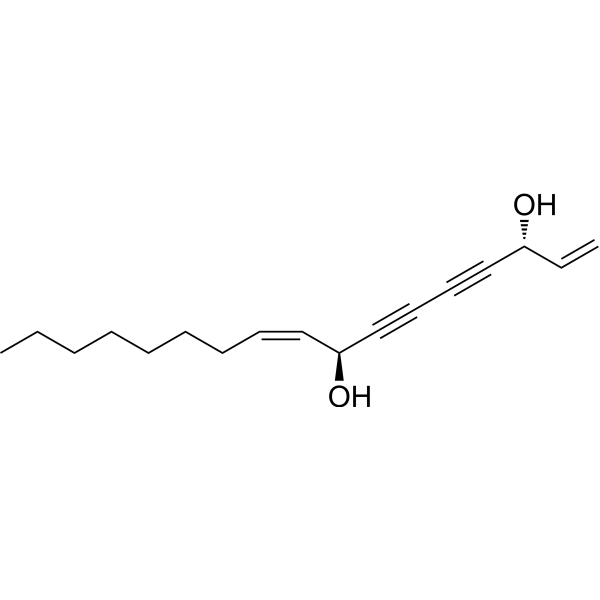
(+)-(3R,8S)-Falcarindiol ((3R,8S)-Falcarindiol; 3 (R),8 (S),9 (Z)-Falcarindiol) is an orally active polyacetylene anti-mycobacterial agent. (+)-(3R,8S)-Falcarindiol exhibits antibacterial activity against Gram-positive bacteria, Gram-negative bacteria and mycobacteria. Co-administration of (+)-(3R,8S)-Falcarindiol with (3R)-falcarinol alters the composition of gut microbiota, reduces colonic tumor lesions and slows down polyp growth. (+)-(3R,8S)-Falcarindiol can be used in research related to tuberculosis and colorectal cancer .
|
-
- HY-76711S
-
|
|
Isotope-Labeled Compounds
Opioid Receptor
|
Neurological Disease
Metabolic Disease
Inflammation/Immunology
Cancer
|
Naltrexone-d4 is deuterium labeled Naltrexone (HY-76711). Naltrexone is an orally active, long-acting opioid receptor (opioid receptor) antagonist. Naltrexone blocks the euphoric effects of exogenous opioids and reduces alcohol craving by blocking opioid receptors (μ, κ, and δ) as well as opioid growth factor receptors. Low doses of Naltrexone are used to relieve chronic pain, treat inflammatory diseases and inhibit tumor growth, while high doses or continuous administration exert pro-inflammatory or pro-proliferative effects. Naltrexone relieves intractable pruritus caused by psoriasis, atopic dermatitis and other conditions, and its combination with Bupropion (HY-B0403) inhibits food craving, thereby reducing body weight.
|
-
- HY-180382
-
|
|
Cholinesterase (ChE)
|
Cardiovascular Disease
|
|
Trimethidinium methosulfate is an orally active ganglionic blocker with central antihypertensive activity. Trimethidinium methosulfate inhibits the conduction of sympathetic ganglia and reduces vascular contraction. Trimethidinium methosulfate acts on the cerebrovascular motor center and lowers peripheral vascular resistance. Trimethidinium methosulfate has cholinergic nerve inhibitory side effects, but they are relatively mild. Trimethidinium methosulfate can be used in hypertension research .
|
-
- HY-163403
-
|
|
VEGFR
|
Cardiovascular Disease
Cancer
|
|
VEGFR-2-IN-43 (compound 16) is an orally active inhibitor of VEGFR2, with an IC50 of 39.91 μM. VEGFR-2-IN-43 can be used for wet age-related macular degeneration (w-AMD) disease research .
|
-
- HY-W018475
-
|
MK 462 free base
|
5-HT Receptor
|
Neurological Disease
|
|
Rizatriptan (MK 462 free base) is an orally active 5-HT1B/5-HT1D receptor agonist, with BBB permeability. Rizatriptan exerts significant anti-migraine effects by constricting intracranial and extracranial blood vessels and inhibiting neuropeptide release. Rizatriptan exhibits species- and tissue-specific metabolic characteristics; for example, it undergoes oxidative deamination mainly by MAO-A in the liver of brown rats, so co-administration with MAO-A inhibitors is prohibited. Rizatriptan may also exacerbate nitroglycerin-induced cutaneous allodynia, prolong the duration of central sensitization, and increase anxiety-like behavior and active drug-seeking behavior in mice. Rizatriptan has been widely used in studies related to migraine and medication-overuse headache .
|
-
- HY-178738
-
|
|
Antibiotic
Bacterial
Topoisomerase
DNA/RNA Synthesis
|
Infection
|
|
GC-072 is an orally active, 4-oxoquinolizine antibiotic that selectively inhibits bacterial DNA gyrase and Topo IV enzymes. GC-072 does not inhibit human topoisomerases I and II. GC-072 demonstrates strong antimicrobial activity against various bacterial strains, including Gram-positive, Gram-negative, and resistant bacteria. GC-072 also exhibits bactericidal activity against Burkholderia pseudomallei both extracellularly and intracellularly, leading to dose-dependent survival in mice exposed to lethal inhalational models of B. pseudomallei infection. GC-072 can be used for the research of melioidosis .
|
-
- HY-W276164
-
|
Sodium stearyl sulfate
|
Biochemical Assay Reagents
|
Others
|
|
Sodium octadecyl sulfate (Sodium stearyl sulfate) is a long-chain alkyl sodium sulfate that functions as an emulsifier, crosslinking agent, and regulator. Sodium octadecyl sulfate has high safety, with a LD50 greater than 3.00 Gm./Kg for both intraperitoneal injection in mice and oral administration in rats. Sodium octadecyl sulfate enhances continuous contraction of the gastrocnemius muscle in frogs and boosts intestinal smooth muscle activity in albino rats. However, Sodium octadecyl sulfate exerts no significant effect on isolated tortoise myocardium and does not alter the conduction function of frog sciatic nerves. Sodium octadecyl sulfate can also be used to coat the surface of starch aggregates, promote crosslinking and increase aggregate size through hydrophobic and electrostatic interactions, and further form a coexistent B-V type crystalline structure with acid-hydrolyzed gelatinized starch, thereby effectively modifying the structure and surface properties of high-starch systems .
|
-
- HY-14977
-
|
|
LPL Receptor
|
Inflammation/Immunology
|
|
CS-0777-P, the phosphorylated form of CS-0777, acts as a potent and selective modulator of the S1P receptor-1 (S1P1). It exhibits approximately 320-fold higher agonist activity for human S1P1 compared to S1P3, with an EC50 of 1.1 nM. In pharmacological studies, CS-0777-P demonstrated significant effects in vitro as an S1P1 and S1P3 agonist, leading to lowered peripheral blood lymphocyte counts and suppressive effects on experimental autoimmune encephalomyelitis (EAE) in rats. Pharmacokinetic studies in rats revealed rapid lymphocyte count reductions following oral administration, making CS-0777 a promising candidate currently undergoing clinical trials for the treatment of multiple sclerosis (MS) .
|
-
- HY-14744
-
|
(S)-Amlodipine; Levoamlodipine
|
Calcium Channel
MMP
|
Cardiovascular Disease
Neurological Disease
|
Levamlodipine ((S)-Amlodipine; Levoamlodipin) is an orally active L-type calcium channel blocker and MMP-9 modulator with high permeability and retention properties. Levamlodipine significantly enhances plaque stability and improves lipid profiles by reducing blood pressure, decreasing systolic blood pressure variability, and inhibiting MMP-9 expression in atherosclerotic plaques. Levamlodipine not only alleviates cardiac and aortic hypertrophy and prevents renal atrophy, but also produces synergistic effects in blood pressure reduction and organ protection when combined with bisoprolol (HY-129029). Levamlodipine exerts no significant inhibitory effect on abdominal aortic intimal hyperplasia. When excessively accumulated in the epidermis, Levamlodipine may induce changes in keratin structure, impair the skin barrier and trigger inflammation; long-term use further exacerbates skin irritation caused by local administration. Levamlodipine can be used in research related to hypertension and atherosclerosis .
|
-
- HY-14744B
-
|
(S)-Amlodipine hydrochloride; Levoamlodipine hydrochloride
|
Calcium Channel
MMP
|
Cardiovascular Disease
|
Levamlodipine ((S)-Amlodipine; Levoamlodipin) hydrochloride is an orally active L-type calcium channel blocker and MMP-9 modulator with high permeability and retention properties. Levamlodipine hydrochloride significantly enhances plaque stability and improves lipid profiles by reducing blood pressure, decreasing systolic blood pressure variability, and inhibiting MMP-9 expression in atherosclerotic plaques. Levamlodipine hydrochloride not only alleviates cardiac and aortic hypertrophy and prevents renal atrophy, but also produces synergistic effects in blood pressure reduction and organ protection when combined with bisoprolol (HY-129029). Levamlodipine hydrochloride exerts no significant inhibitory effect on abdominal aortic intimal hyperplasia. When excessively accumulated in the epidermis, Levamlodipine hydrochloride may induce changes in keratin structure, impair the skin barrier and trigger inflammation; long-term use further exacerbates skin irritation caused by local administration. Levamlodipine hydrochloride can be used in research related to hypertension and atherosclerosis .
|
-
- HY-118185
-
|
|
Renin
|
Others
|
|
SQ 31844 is a novel renin inhibitor belonging to the imidazolidinol class. This compound, which contains an imidazole ring in its active site binding group, has potent in vitro inhibition of primate renin, but not rat, pig, or dog renin. In conscious, sodium-deprived cynomolgus monkeys, both compounds produced dose-related inhibition of plasma renin activity (PRA) over a dose range of 0.001 to 1.0 μmol/kg, administered intravenously, with complete inhibition observed at the highest dose. However, a reduction in blood pressure was only observed when 10 μmol/kg was administered intravenously or by infusion. In sodium-replete monkeys, SQ 30774 inhibited the increase in arterial blood pressure and PRA following administration of exogenous monkey renin. When the compounds were administered orally at 50 μmol/kg, only SQ 31844 significantly inhibited PRA (80%). In summary, the imidazolidinol renin inhibitors have potent inhibitory effects on renin in vitro and inhibit PRA and reduce arterial blood pressure in vivo.
|
-
- HY-14744D
-
|
|
Calcium Channel
MMP
|
Cardiovascular Disease
Neurological Disease
|
Levamlodipine besylate Hemipentahydrate is an orally active L-type calcium channel blocker and MMP-9 modulator with high permeability and retention properties. Levamlodipine besylate Hemipentahydrate significantly enhances plaque stability and improves lipid profiles by reducing blood pressure, decreasing systolic blood pressure variability, and inhibiting MMP-9 expression in atherosclerotic plaques. Levamlodipine besylate Hemipentahydrate not only alleviates cardiac and aortic hypertrophy and prevents renal atrophy, but also produces synergistic effects in blood pressure reduction and organ protection when combined with bisoprolol (HY-129029). Levamlodipine besylate Hemipentahydrate exerts no significant inhibitory effect on abdominal aortic intimal hyperplasia. When excessively accumulated in the epidermis, Levamlodipine besylate Hemipentahydrate may induce changes in keratin structure, impair the skin barrier and trigger inflammation; long-term use further exacerbates skin irritation caused by local administration. Levamlodipine besylate Hemipentahydrate can be used in research related to hypertension and atherosclerosis .
|
-
- HY-14744S
-
|
(S)-Amlodipine-d4; Levoamlodipine-d4
|
Isotope-Labeled Compounds
Calcium Channel
MMP
|
Others
|
|
Levamlodipine-d4 is the deuterium labeled Levamlodipine. Levamlodipine ((S)-Amlodipine; Levoamlodipin) is an orally active L-type calcium channel blocker and MMP-9 modulator with high permeability and retention properties. Levamlodipine significantly enhances plaque stability and improves lipid profiles by reducing blood pressure, decreasing systolic blood pressure variability, and inhibiting MMP-9 expression in atherosclerotic plaques. Levamlodipine not only alleviates cardiac and aortic hypertrophy and prevents renal atrophy, but also produces synergistic effects in blood pressure reduction and organ protection when combined with bisoprolol (HY-129029). Levamlodipine exerts no significant inhibitory effect on abdominal aortic intimal hyperplasia. When excessively accumulated in the epidermis, Levamlodipine may induce changes in keratin structure, impair the skin barrier and trigger inflammation; long-term use further exacerbates skin irritation caused by local administration. Levamlodipine can be used in research related to hypertension and atherosclerosis .
|
-
- HY-14744C
-
|
(S)-Amlodipine hydrobromide; Levoamlodipine hydrobromide
|
Calcium Channel
MMP
|
Cardiovascular Disease
Others
|
Levamlodipine ((S)-Amlodipine; Levoamlodipin) hydrobromide is an orally active L-type calcium channel blocker and MMP-9 modulator with high permeability and retention properties. Levamlodipine hydrobromide significantly enhances plaque stability and improves lipid profiles by reducing blood pressure, decreasing systolic blood pressure variability, and inhibiting MMP-9 expression in atherosclerotic plaques. Levamlodipine hydrobromide not only alleviates cardiac and aortic hypertrophy and prevents renal atrophy, but also produces synergistic effects in blood pressure reduction and organ protection when combined with bisoprolol (HY-129029). Levamlodipine hydrobromide exerts no significant inhibitory effect on abdominal aortic intimal hyperplasia. When excessively accumulated in the epidermis, Levamlodipine hydrobromide may induce changes in keratin structure, impair the skin barrier and trigger inflammation; long-term use further exacerbates skin irritation caused by local administration. Levamlodipine hydrobromide can be used in research related to hypertension and atherosclerosis .
|
-
- HY-14744A
-
|
(S)-Amlodipine besylate; Levoamlodipine besylate
|
Calcium Channel
MMP
|
Cardiovascular Disease
|
Levamlodipine ((S)-Amlodipine; Levoamlodipin) besylate is an orally active L-type calcium channel blocker and MMP-9 modulator with high permeability and retention properties. Levamlodipine besylate significantly enhances plaque stability and improves lipid profiles by reducing blood pressure, decreasing systolic blood pressure variability, and inhibiting MMP-9 expression in atherosclerotic plaques. Levamlodipine besylate not only alleviates cardiac and aortic hypertrophy and prevents renal atrophy, but also produces synergistic effects in blood pressure reduction and organ protection when combined with bisoprolol (HY-129029). Levamlodipine besylate exerts no significant inhibitory effect on abdominal aortic intimal hyperplasia. When excessively accumulated in the epidermis, Levamlodipine besylate may induce changes in keratin structure, impair the skin barrier and trigger inflammation; long-term use further exacerbates skin irritation caused by local administration. Levamlodipine besylate can be used in research related to hypertension and atherosclerosis .
|
-
- HY-175991S
-
|
Sodium stearyl sulfate sulfate-d37
|
Isotope-Labeled Compounds
Biochemical Assay Reagents
|
Others
|
|
Sodium octadecyl sulfate-d37 (Sodium stearyl sulfate-d37) is the deuterium labeled Sodium octadecyl sulfate (HY-W276164). Sodium octadecyl sulfate (Sodium stearyl sulfate) is a long-chain alkyl sodium sulfate that functions as an emulsifier, crosslinking agent, and regulator. Sodium octadecyl sulfate has high safety, with a LD50 greater than 3.00 Gm./Kg for both intraperitoneal injection in mice and oral administration in rats. Sodium octadecyl sulfate enhances continuous contraction of the gastrocnemius muscle in frogs and boosts intestinal smooth muscle activity in albino rats. However, Sodium octadecyl sulfate exerts no significant effect on isolated tortoise myocardium and does not alter the conduction function of frog sciatic nerves. Sodium octadecyl sulfate can also be used to coat the surface of starch aggregates, promote crosslinking and increase aggregate size through hydrophobic and electrostatic interactions, and further form a coexistent B-V type crystalline structure with acid-hydrolyzed gelatinized starch, thereby effectively modifying the structure and surface properties of high-starch systems .
|
-
- HY-Y0850U3
-
|
Polyvinyl alcohol (Mw 125000, 98-99% hydrolyzed, ~2800 polymerization); Poly(Ethenol) (Mw 125000, 98-99% hydrolyzed, ~2800 polymerization)
|
Biochemical Assay Reagents
|
Others
|
|
PVA (Polyvinyl alcohol) (Mw 125000, 98-99% hydrolyzed, ~2800 polymerization) is a water-soluble, biodegradable, biocompatible and non-immunogenic polymer. PVA (Mw 125000, 98-99% hydrolyzed, ~2800 polymerization) causes no irritation to rabbit eyes, no skin sensitization in guinea pigs, promotes the proliferation of human skin keratinocytes, and reduces the loss of corneal endothelial cells. The LD50 of PVA (Mw 125000, 98-99% hydrolyzed, ~2800 polymerization) in rats and dogs is greater than 10 g/kg. PVA (Mw 125000, 98-99% hydrolyzed, ~2800 polymerization) is hardly absorbed by the digestive system, causes no adverse effects upon long-term oral administration, and shows no mutagenicity or carcinogenicity. However, repeated intravenous or portal vein injection of PVA (Mw 125000, 98-99% hydrolyzed, ~2800 polymerization) may induce pathological changes such as glomerular lesions, anemia, hypertension or liver fibrosis in rats or dogs. Crosslinked nanofibers prepared by modifying PVA (Mw 125000, 98-99% hydrolyzed, ~2800 polymerization) can be used in studies related to wound dressings and other applications .
|
-
-
-
HY-L061
-
|
|
5,259 compounds
|
|
Most of the drugs that are available in the marketplace are administered via the oral route, which is a convenient and cost effective route of administration. Thus, oral bioavailability is one of the key considerations in drug design and development. A high oral bioavailability reduces the amount of an administered drug necessary to achieve a desired pharmacological effect and therefore could reduce the risk of side-effects and toxicity. A poor oral bioavailability can result in low efficacy and higher inter-individual variability and therefore can lead to unpredictable response to a drug. Low oral bioavailability in clinical trials is a major reason for drug candidates failing to reach the market.
MCE offers a unique collection of 5,259 compounds with confirmed high oral bioavailability. MCE Orally Active Compound Library is a useful tool for discovering new drugs with oral bioavailability.
|
| Cat. No. |
Product Name |
Type |
-
- HY-Y0850U3
-
|
Polyvinyl alcohol (Mw 125000, 98-99% hydrolyzed, ~2800 polymerization); Poly(Ethenol) (Mw 125000, 98-99% hydrolyzed, ~2800 polymerization)
|
Biochemical Assay Reagents
|
|
PVA (Polyvinyl alcohol) (Mw 125000, 98-99% hydrolyzed, ~2800 polymerization) is a water-soluble, biodegradable, biocompatible and non-immunogenic polymer. PVA (Mw 125000, 98-99% hydrolyzed, ~2800 polymerization) causes no irritation to rabbit eyes, no skin sensitization in guinea pigs, promotes the proliferation of human skin keratinocytes, and reduces the loss of corneal endothelial cells. The LD50 of PVA (Mw 125000, 98-99% hydrolyzed, ~2800 polymerization) in rats and dogs is greater than 10 g/kg. PVA (Mw 125000, 98-99% hydrolyzed, ~2800 polymerization) is hardly absorbed by the digestive system, causes no adverse effects upon long-term oral administration, and shows no mutagenicity or carcinogenicity. However, repeated intravenous or portal vein injection of PVA (Mw 125000, 98-99% hydrolyzed, ~2800 polymerization) may induce pathological changes such as glomerular lesions, anemia, hypertension or liver fibrosis in rats or dogs. Crosslinked nanofibers prepared by modifying PVA (Mw 125000, 98-99% hydrolyzed, ~2800 polymerization) can be used in studies related to wound dressings and other applications .
|
-
- HY-W145486
-
|
|
Biochemical Assay Reagents
|
|
Calcium gluconate is an orally effective calcium salt supplement . Calcium gluconate reduces elevated serum potassium, decreased serum calcium, and postoperative myalgia associated with succinylcholine administration. Calcium gluconate restores calcium homeostasis, skeletal integrity, bone mineralization and bone density, and maintains levels of parathyroid hormone, bone resorption markers and osteoclasts. Calcium gluconate reverses LPS (HY-D1056)-induced ERK phosphorylation, inflammatory cytokine release and acute lung injury, alleviates airway inflammatory damage and suppresses immune responses. Calcium gluconate can be used in research related to postoperative myalgia, osteoporosis/osteomalacia and acute lung injury .
|
-
- HY-W276164
-
|
Sodium stearyl sulfate
|
Biochemical Assay Reagents
|
|
Sodium octadecyl sulfate (Sodium stearyl sulfate) is a long-chain alkyl sodium sulfate that functions as an emulsifier, crosslinking agent, and regulator. Sodium octadecyl sulfate has high safety, with a LD50 greater than 3.00 Gm./Kg for both intraperitoneal injection in mice and oral administration in rats. Sodium octadecyl sulfate enhances continuous contraction of the gastrocnemius muscle in frogs and boosts intestinal smooth muscle activity in albino rats. However, Sodium octadecyl sulfate exerts no significant effect on isolated tortoise myocardium and does not alter the conduction function of frog sciatic nerves. Sodium octadecyl sulfate can also be used to coat the surface of starch aggregates, promote crosslinking and increase aggregate size through hydrophobic and electrostatic interactions, and further form a coexistent B-V type crystalline structure with acid-hydrolyzed gelatinized starch, thereby effectively modifying the structure and surface properties of high-starch systems .
|
| Cat. No. |
Product Name |
Category |
Target |
Chemical Structure |
-
- HY-N6641
-
-
-
- HY-N1976
-
|
(3R,8S)-Falcarindiol; 3(R),8(S),9(Z)-Falcarindiol
|
Infection
Structural Classification
Natural Products
Classification of Application Fields
Decachaeta ovatifolia (DC.) R.M.King & H.Rob.
Umbelliferae
Plants
Inflammation/Immunology
Disease Research Fields
Source Classification
|
|
|
(+)-(3R,8S)-Falcarindiol ((3R,8S)-Falcarindiol; 3 (R),8 (S),9 (Z)-Falcarindiol) is an orally active polyacetylene anti-mycobacterial agent. (+)-(3R,8S)-Falcarindiol exhibits antibacterial activity against Gram-positive bacteria, Gram-negative bacteria and mycobacteria. Co-administration of (+)-(3R,8S)-Falcarindiol with (3R)-falcarinol alters the composition of gut microbiota, reduces colonic tumor lesions and slows down polyp growth. (+)-(3R,8S)-Falcarindiol can be used in research related to tuberculosis and colorectal cancer .
|
-
-
- HY-N0856
-
-
-
- HY-N0469R
-
|
|
Structural Classification
Microorganisms
Disease markers
Endocrine diseases
Amino acids
Nervous System Disorder
Endogenous metabolite
Source Classification
|
Reference Standards
Endogenous Metabolite
Virus Protease
HSV
|
L-Lysine (Standard) is the analytical standard of L-Lysine. This product is intended for research and analytical applications. L-lysine is an essential amino acid for humans with orally activity. L-lysine can inhibit the occurrence of HSV infections and is used in herpes research. L-lysine increases calcium absorption, reduces diabetes-related diseases, improves gut health, and alleviates pancreatic inflammation. L-lysine can be used in research on metabolism, infection, and inflammation .
IC50 & Target:L-lysine (150 mg/kg) promotes, but not initiates, bladder cancer. The administration of L-lysine to rats submitted to colovesical cystoplasty accelerates the development of transitional metaplasia of the intestinal epithelium .
L-lysine (10 mg/kg) treatment attenuates pancreatic tissue injury induced by L-arginine by inhibiting the release of the inflammatory cytokine IL-6 and enhance antioxidant activity .
In Vivo:L-lysine (10?mg/kg, p.o., pre-treated or post-treated, administration duration 15 days) treatment attenuates pancreatic tissue injury induced by L-arginine by inhibiting the release of the inflammatory cytokine IL-6 and enhance antioxidant activity in acute pancreatitis mice model .
L-lysine (5 or 10?mg/kg, p.o., 45 days) ameliorates sepsis-induced acute lung injury in a lipopolysaccharide (HY-D1056)-induced mouse model .
|
-
-
- HY-N10225
-
-
-
- HY-N4173
-
-
-
- HY-N14880
-
-
-
- HY-N6910
-
-
-
- HY-N6641R
-
-
-
- HY-N18296
-
-
-
- HY-N18029
-
-
| Cat. No. |
Product Name |
Chemical Structure |
-
- HY-76711S
-
|
|
Naltrexone-d4 is deuterium labeled Naltrexone (HY-76711). Naltrexone is an orally active, long-acting opioid receptor (opioid receptor) antagonist. Naltrexone blocks the euphoric effects of exogenous opioids and reduces alcohol craving by blocking opioid receptors (μ, κ, and δ) as well as opioid growth factor receptors. Low doses of Naltrexone are used to relieve chronic pain, treat inflammatory diseases and inhibit tumor growth, while high doses or continuous administration exert pro-inflammatory or pro-proliferative effects. Naltrexone relieves intractable pruritus caused by psoriasis, atopic dermatitis and other conditions, and its combination with Bupropion (HY-B0403) inhibits food craving, thereby reducing body weight.
|
-
-
- HY-W758934
-
|
|
|
Stepronin-d5 (Prostenoglycine-d5; TTPG-d5; Tiase-d5) is the deuterium labeled Stepronin (HY-A0234). Stepronin (Prostenoglycine) is an orally active expectorant (inhalation administration is preferable to oral administration). Stepronin inhibits airway secretion in vitro by reducing Cl- secretion from epithelial cells and mucus glycoprotein secretion from submucosal glands .
|
-
-
- HY-118189S
-
|
|
|
Misoprostol acid-d5 is deuterium labeled Misoprostol acid. Misoprostol acid is an active metabolite of Misoprostol. Misoprostol is a synthetic analogue of prostaglandin E1 (PGE1), extensively absorbed, and undergoes rapid de-esterification to Misoprostol acid in the gastrointestinal tract after oral administration. Misoprostol can be used for non-steroidal anti-inflammatory drug-induced (NSAID) gastric ulcers . Misoprostol is an oral agent used to induce labor .
|
-
-
- HY-W759719
-
|
|
|
21-Desacetyldeflazacort-d4 (21-desDFZ-d4) is the deuterium labeled 21-Desacetyldeflazacort (HY-100085). 21-Desacetyldeflazacort (21-desDFZ) is the active metabolite of Deflazacort (HY-13609). Deflazacort is an anti-inflammatory and immunosuppressant. Deflazacort is an inactive pro-drug which can be rapidly converted by esterases to the active metabolite 21-desacetyldeflazacort after oral administration .
|
-
-
- HY-14744S
-
|
|
|
Levamlodipine-d4 is the deuterium labeled Levamlodipine. Levamlodipine ((S)-Amlodipine; Levoamlodipin) is an orally active L-type calcium channel blocker and MMP-9 modulator with high permeability and retention properties. Levamlodipine significantly enhances plaque stability and improves lipid profiles by reducing blood pressure, decreasing systolic blood pressure variability, and inhibiting MMP-9 expression in atherosclerotic plaques. Levamlodipine not only alleviates cardiac and aortic hypertrophy and prevents renal atrophy, but also produces synergistic effects in blood pressure reduction and organ protection when combined with bisoprolol (HY-129029). Levamlodipine exerts no significant inhibitory effect on abdominal aortic intimal hyperplasia. When excessively accumulated in the epidermis, Levamlodipine may induce changes in keratin structure, impair the skin barrier and trigger inflammation; long-term use further exacerbates skin irritation caused by local administration. Levamlodipine can be used in research related to hypertension and atherosclerosis .
|
-
-
- HY-175991S
-
|
|
|
Sodium octadecyl sulfate-d37 (Sodium stearyl sulfate-d37) is the deuterium labeled Sodium octadecyl sulfate (HY-W276164). Sodium octadecyl sulfate (Sodium stearyl sulfate) is a long-chain alkyl sodium sulfate that functions as an emulsifier, crosslinking agent, and regulator. Sodium octadecyl sulfate has high safety, with a LD50 greater than 3.00 Gm./Kg for both intraperitoneal injection in mice and oral administration in rats. Sodium octadecyl sulfate enhances continuous contraction of the gastrocnemius muscle in frogs and boosts intestinal smooth muscle activity in albino rats. However, Sodium octadecyl sulfate exerts no significant effect on isolated tortoise myocardium and does not alter the conduction function of frog sciatic nerves. Sodium octadecyl sulfate can also be used to coat the surface of starch aggregates, promote crosslinking and increase aggregate size through hydrophobic and electrostatic interactions, and further form a coexistent B-V type crystalline structure with acid-hydrolyzed gelatinized starch, thereby effectively modifying the structure and surface properties of high-starch systems .
|
-
| Cat. No. |
Product Name |
|
Classification |
-
- HY-154636
-
|
|
|
Others
|
Liquid Paraffin is a petroleum-derived mixture of saturated hydrocarbons and an orally active fecal lubricant. Liquid Paraffin is widely used in studies of constipation and fecal incontinence in children through its lubricating effect and the osmotic effect generated by its conversion to hydroxy fatty acids. Liquid Paraffin has high safety, is non-carcinogenic, and does not affect fat-soluble vitamin levels with long-term use. Liquid Paraffin does not cause abdominal pain or electrolyte disorders, but may lead to lipoid pneumonia and granulomas caused by rectal administration. Liquid Paraffin can also be used as a phase change material for thermal energy storage, or combined with nanoparticles to form a protective boundary film to reduce mechanical wear .
|
Your information is safe with us. * Required Fields.
Inquiry Information
- Product Name:
- Cat. No.:
- Quantity:
- MCE Japan Authorized Agent:

