


Search Result
Results for "
outer cell membrane
" in MedChemExpress (MCE) Product Catalog:
2
Biochemical Assay Reagents
1
Isotope-Labeled Compounds
| Cat. No. |
Product Name |
Target |
Research Areas |
Chemical Structure |
-
- HY-B0764
-
|
Dibutyryl cAMP sodium; DBcAMP sodium
|
PKA
Reactive Oxygen Species (ROS)
Apoptosis
|
Neurological Disease
Inflammation/Immunology
Cancer
|
|
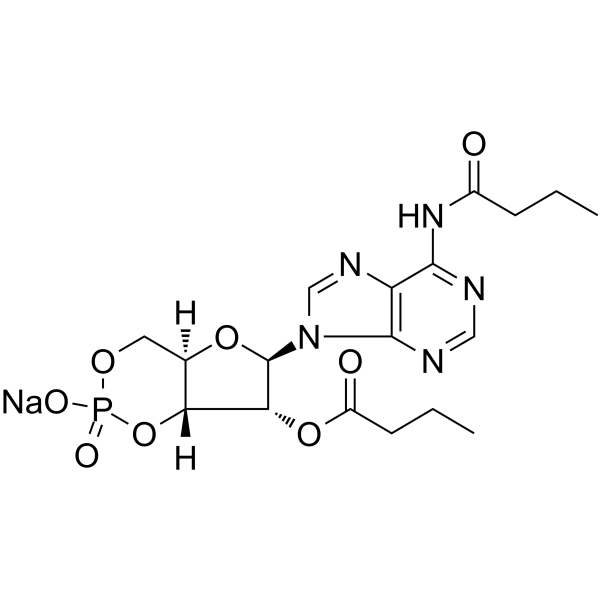
Bucladesine (Dibutyryl cAMP; DBcAMP) sodium is a membrane-permeable 3′, 5′-cyclic adenosine monophosphate (cAMP) analog. Bucladesine selectively activates cAMP dependent protein kinase (PKA) by increasing the intracellular level of cAMP. Bucladesine significantly attenuates MDMA-induced increases in hippocampal mitochondrial ROS formation, mitochondrial outer membrane damage, cytochrome c release, and hippocampal ADP/ATP ratio, thereby improving spatial learning and memory impairments. Bucladesine exhibit anti-nociceptive and anti-inflammation effect. Bucladesine can inhibit cancer cells proliferation, induce apoptosis. Bucladesine can be used for the researches of neurological disease, cancer, inflammation .
|
-
-
- HY-A0089
-
|
Polymyxin E sulfate
|
Bacterial
Autophagy
Antibiotic
|
Infection
|
|
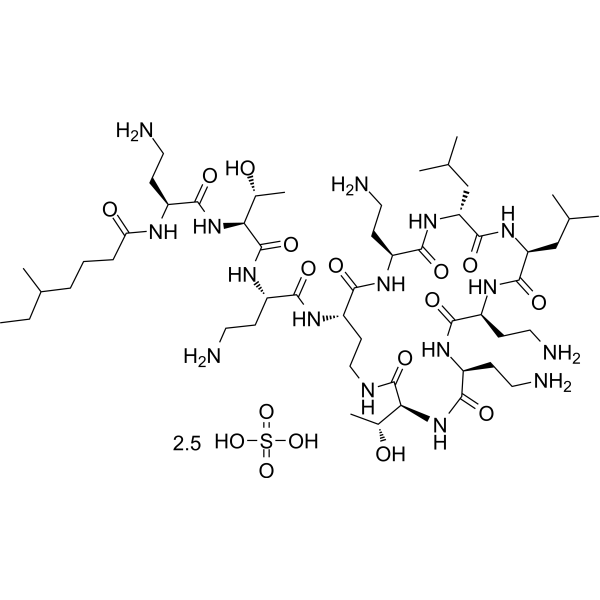
Colistin sulfate is a polypeptide antibiotic which inhibits gram-negative bacteria by binding to lipopolysaccharides and phospholipids in the outer cell membrane of gram-negative bacteria.
|
-
-
- HY-129065
-
|
Streptothricin sulfate
|
Fungal
Bacterial
Antibiotic
|
Infection
|
|
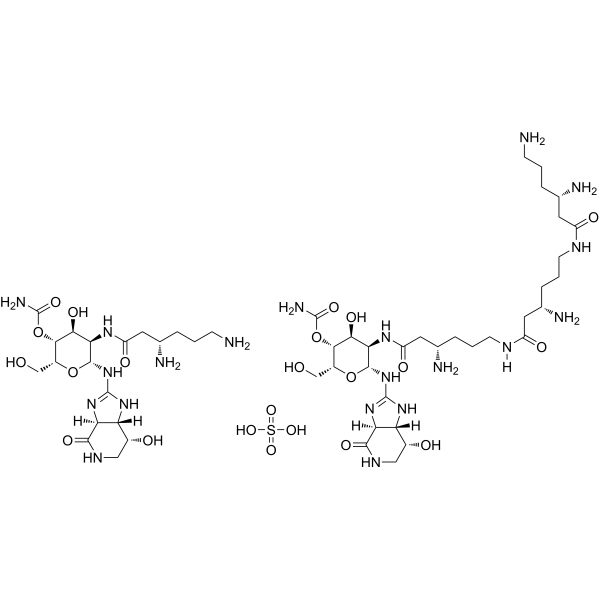
Nourseothricin sulfate (Streptothricin sulfate) is a broad-spectrum antibiotic that destroys the outer membrane of Gram-negative bacteria and is a dominant selective marker for Fonsecaea pedrosoi . Nourseothricin sulfate inhibits protein biosynthesis in prokaryotic cells and strongly inhibits the growth of eukaryotes like fungi and can also be used as a elective marker for a wide range of organisms including bacteria, yeast, filamentous fungi, and plant cells .
|
-
-
- HY-164036
-
|
|
Antibiotic
Bacterial
|
Infection
|
|
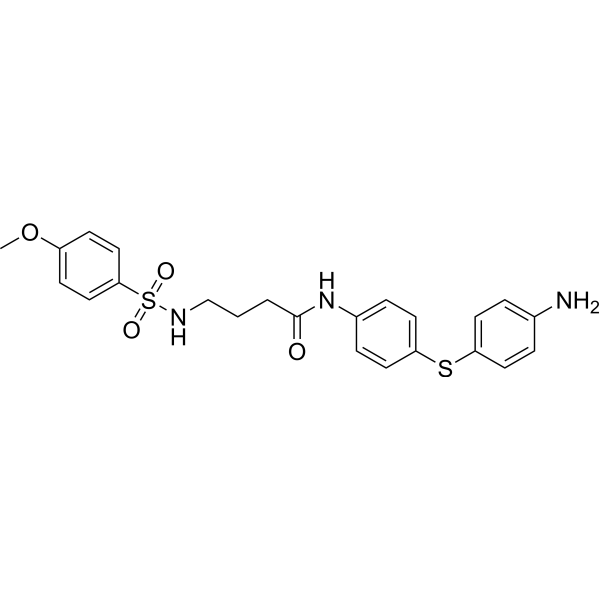
Lolamicin is an orally effective inhibitor that specifically targets the Gram-negative bacteria lipoprotein transport system LolCDE complex. It selectively inhibits the transmembrane transport of outer membrane lipoproteins by competitively binding to lipoprotein binding sites. Lolamicin destroys the integrity of the bacterial outer membrane, leading to cell death, and has both bactericidal and antibacterial activity. It has significant effects on multidrug-resistant Enterobacteriaceae pathogens (such as Escherichia coli and Klebsiella pneumoniae). Lolamicin can be used to inhibit the study of acute pneumonia, sepsis and other infections caused by Gram-negative bacteria .
|
-
-
- HY-W012669
-
|
Phthaldialdehyde
|
Environmental Pollutants
Biochemical Assay Reagents
|
Infection
|
|
Phthalaldehyde (Phthaldialdehyde) reacts with proteins containing primary amines and blocked amino-terminal peptides of amino acids. Phthalaldehyde stabilizes bacterial outer membranes and cell walls, increases the optical density of bacterial cell suspensions, and inhibits bacterial lysis induced by ethylenediaminetetraacetic acid and sodium dodecyl sulfate. Phthalaldehyde exhibits bactericidal activity against Gram-negative vegetative bacteria .
|
-
-
- HY-B0764A
-
|
Dibutyryl cAMP hemicalcium; DBcAMP hemicalcium
|
PKA
Apoptosis
Reactive Oxygen Species (ROS)
|
Neurological Disease
Cancer
|
|
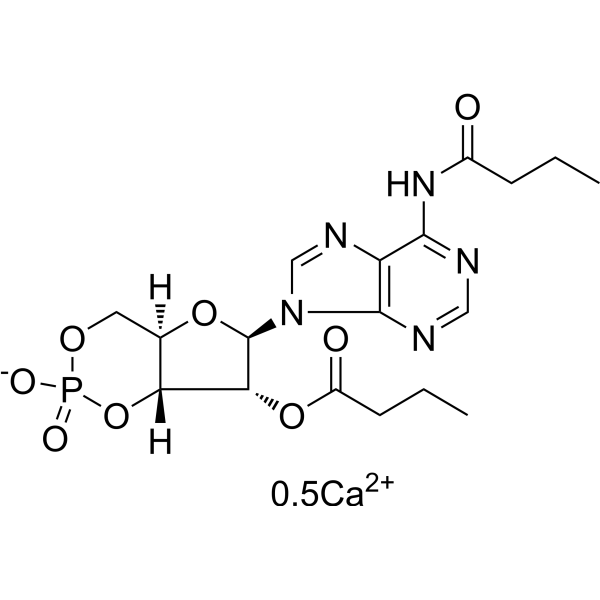
Bucladesine (Dibutyryl cAMP; DBcAMP) hemicalcium is a membrane-permeable 3′, 5′-cyclic adenosine monophosphate (cAMP) analog. Bucladesine selectively activates cAMP dependent protein kinase (PKA) by increasing the intracellular level of cAMP. Bucladesine significantly attenuates MDMA-induced increases in hippocampal mitochondrial ROS formation, mitochondrial outer membrane damage, cytochrome c release, and hippocampal ADP/ATP ratio, thereby improving spatial learning and memory impairments. Bucladesine exhibit anti-nociceptive and anti-inflammation effect. Bucladesine can inhibit cancer cells proliferation, induce apoptosis. Bucladesine can be used for the researches of neurological disease, cancer, inflammation .
|
-
-
- HY-P0311
-
|
|
Bacterial
|
Infection
|
|
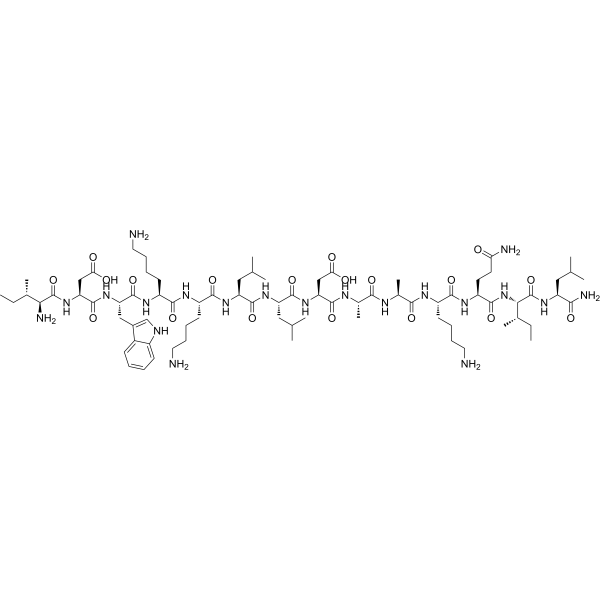
LAH4, an alpha-helix of the designed amphipathic peptide antibiotic, exhibits potent antimicrobial, nucleic acid transfection and cell penetration activities. LAH4 possesses high plasmid DNA delivery capacities. LAH4 has a strong affinity for anionic lipids found in the outer membrane of bacterial membranes .
|
-
-
- HY-103661
-
BI-6C9
3 Publications Verification
|
Mitochondrial Metabolism
Apoptosis
|
Neurological Disease
|
|
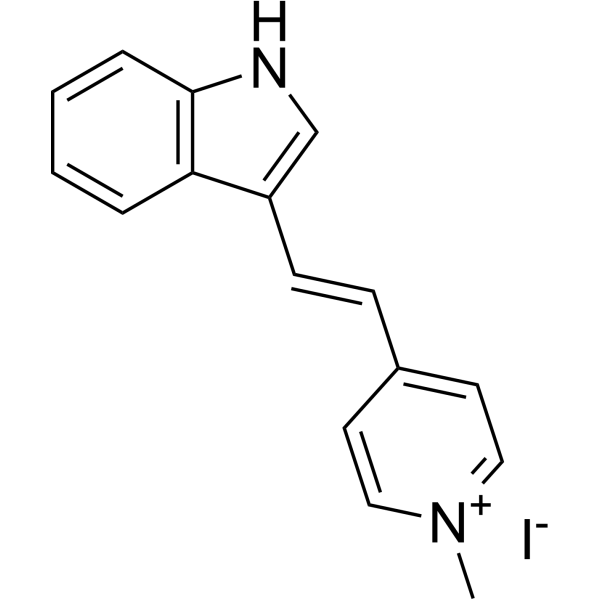
BI-6C9 is a highly specific BH3 interacting domain (Bid) inhibitor, which prevents mitochondrial outer membrane potential (MOMP) and mitochondrial fission, and protects the cells from mitochondrial apoptosis inducing factor (AIF) release and caspase-independent cell death in neurons .
|
-
-
- HY-A0089R
-
|
Polymyxin E sulfate (Standard)
|
Reference Standards
Bacterial
Autophagy
Antibiotic
|
Infection
|
|
Colistin (sulfate) (Standard) is the analytical standard of Colistin (sulfate). This product is intended for research and analytical applications. Colistin sulfate is a polypeptide antibiotic which inhibits gram-negative bacteria by binding to lipopolysaccharides and phospholipids in the outer cell membrane of gram-negative bacteria.
|
-
-
- HY-P4809
-
|
|
Bacterial
Fungal
|
Infection
Cancer
|
|
Polybia-MP1 is an antimicrobial peptide with antibacterial, antifungal and anticancer activities. Polybia-MP1 selectively targets cancer cells by interacting with PS and PE in the outer leaflet of cell membranes, and induces necrosis via pore formation. Polybia-MP1 exhibits antibacterial activity against Pseudomonas aeruginosa. Polybia-MP1 can be used in research related to bacterial infections, fungal infections and cancers .
|
-
-
- HY-P1632
-
|
|
Bacterial
|
Infection
Cancer
|
|
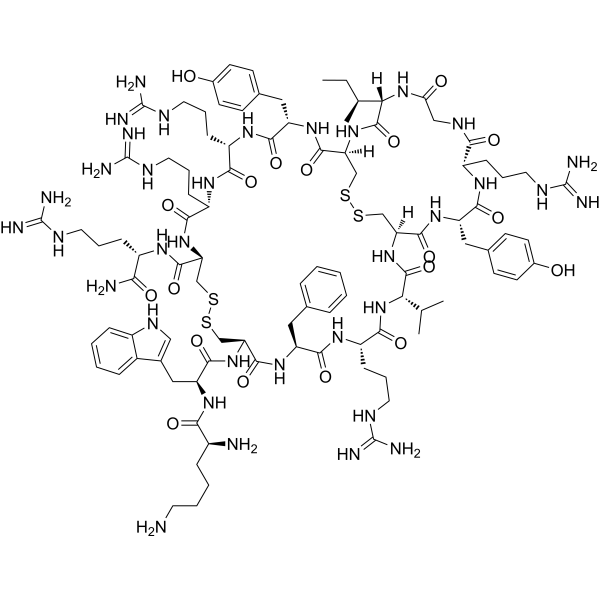
Tachyplesin I is a β-hairpin antimicrobial peptide that contains 17 amino acid residues. Tachyplesin I exhibits cytotoxic properties against various human tumor cell lines acting primarily by impairing the integrity of the outer cell membrane .
|
-
-
- HY-P0311A
-
|
|
Bacterial
|
Infection
|
|
LAH4 TFA, an alpha-helix of the designed amphipathic peptide antibiotic, exhibits potent antimicrobial, nucleic acid transfection and cell penetration activities. LAH4 TFA possesses high plasmid DNA delivery capacities. LAH4 TFA has a strong affinity for anionic lipids found in the outer membrane of bacterial membranes .
|
-
-
- HY-P2997
-
|
GGT, Porcine kidney
|
Endogenous Metabolite
|
Cancer
|
|
γ-glutamyltransferase, Porcine kidney (GGT, Porcine kidney) is an enzyme located on the outer surface of the cell membrane. γ-glutamyltransferase, Porcine kidney maintains the physiological concentration of cytoplasmic glutathione and the cell's defense against oxidative stress by cleaving extracellular glutathione and increasing the availability of amino acids. γ-glutamyltransferase, Porcine kidney is used for pancreatic cancer research .
|
-
-
- HY-N10534
-
|
Lewis X
|
Parasite
|
Infection
Inflammation/Immunology
Cancer
|
|
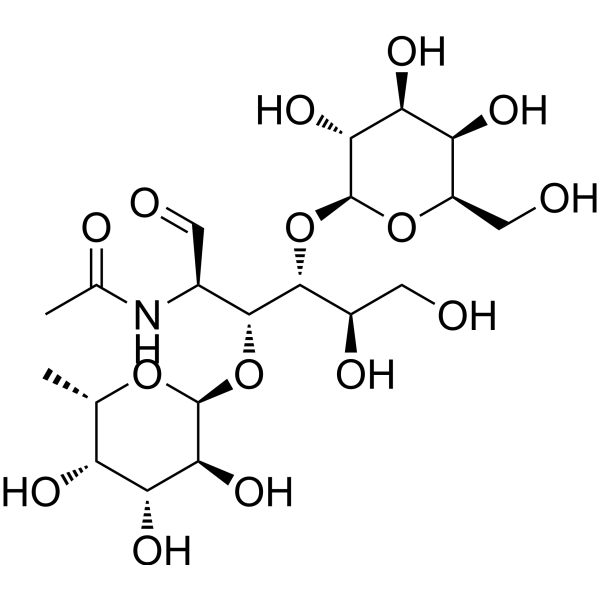
Lewis X trisaccharide (Lewis X, Le x) is a potent TH2 regulator, antagonizes LPS-induced IL-12 immune expression. Lewis X trisaccharide is a human histo-blood group antigen, plays an key role in cell-cell adhesion, and servers as a tumor marker. Lewis X trisaccharide is highly expressed in the outer membrane of the parasite, can be used for the immunology research of schistosomiasis .
|
-
-
- HY-B0764B
-
|
Dibutyryl cAMP; DBcAMP
|
PKA
Reactive Oxygen Species (ROS)
Apoptosis
|
Neurological Disease
Inflammation/Immunology
Cancer
|
|
Bucladesine (Dibutyryl cAMP; DBcAMP) is a membrane-permeable 3′, 5′-cyclic adenosine monophosphate (cAMP) analog. Bucladesine selectively activates cAMP dependent protein kinase (PKA) by increasing the intracellular level of cAMP. Bucladesine significantly attenuates MDMA-induced increases in hippocampal mitochondrial ROS formation, mitochondrial outer membrane damage, cytochrome c release, and hippocampal ADP/ATP ratio, thereby improving spatial learning and memory impairments. Bucladesine exhibit anti-nociceptive and anti-inflammation effect. Bucladesine can inhibit cancer cells proliferation, induce apoptosis. Bucladesine can be used for the researches of neurological disease, cancer, inflammation .
|
-
-
- HY-120079
-
MSN-125
4 Publications Verification
|
Bcl-2 Family
Apoptosis
|
Cancer
|
|
MSN-125 is a potent Bax and Bak oligomerization inhibitor. MSN-125 prevents mitochondrial outer membrane permeabilization (MOMP) with an IC50 of 4 μM. MSN-125 potently inhibits Bax/Bak-mediated apoptosis in HCT-116, BMK Cells, and primary cortical neurons, protects primary neurons against glutamate excitotoxicity .
|
-
-
- HY-B0764G
-
|
Dibutyryl cAMP sodium; DBcAMP sodium
|
PKA
Reactive Oxygen Species (ROS)
Apoptosis
|
Neurological Disease
Inflammation/Immunology
Cancer
|
|
Bucladesine (Dibutyryl cAMP; DBcAMP) sodium (GMP) is a Bucladesine sodium (HY-B0764) produced by using GMP guidelines. Bucladesine (Dibutyryl cAMP; DBcAMP) is a membrane-permeable 3′, 5′-cyclic adenosine monophosphate (cAMP) analog. Bucladesine selectively activates cAMP dependent protein kinase (PKA) by increasing the intracellular level of cAMP. Bucladesine significantly attenuates MDMA-induced increases in hippocampal mitochondrial ROS formation, mitochondrial outer membrane damage, cytochrome c release, and hippocampal ADP/ATP ratio, thereby improving spatial learning and memory impairments. Bucladesine exhibit anti-nociceptive and anti-inflammation effect. Bucladesine can inhibit cancer cells proliferation, induce apoptosis. Bucladesine can be used for the researches of neurological disease, cancer, inflammation .
|
-
-
- HY-B0764R
-
|
Dibutyryl cAMP sodium (Standard); DBcAMP sodium (Standard)
|
Reference Standards
PKA
Reactive Oxygen Species (ROS)
Apoptosis
|
Neurological Disease
Inflammation/Immunology
Cancer
|
|
Bucladesine (Dibutyryl cAMP; DBcAMP) sodium (Standard) is the analytical standard of Bucladesine sodiumn (HY-B0764). This product is intended for research and analytical applications. Bucladesine is a membrane-permeable 3′, 5′-cyclic adenosine monophosphate (cAMP) analog. Bucladesine selectively activates cAMP dependent protein kinase (PKA) by increasing the intracellular level of cAMP. Bucladesine significantly attenuates MDMA-induced increases in hippocampal mitochondrial ROS formation, mitochondrial outer membrane damage, cytochrome c release, and hippocampal ADP/ATP ratio, thereby improving spatial learning and memory impairments. Bucladesine exhibit anti-nociceptive and anti-inflammation effect. Bucladesine can inhibit cancer cells proliferation, induce apoptosis. Bucladesine can be used for the researches of neurological disease, cancer, inflammation .
|
-
-
- HY-P10519
-
|
|
Bacterial
Reactive Oxygen Species (ROS)
|
Infection
|
|
Brevicidine is an antimicrobial peptide with selective bactericidal activity against Gram-negative pathogens. Brevicidine disrupts bacterial morphology by binding to lipopolysaccharide (LPS) on the bacterial cell membrane to form pores. Brevicidine causes dissipation of intracellular proton motive force, outer membrane damage, inhibition of ATP biosynthesis and reactive oxygen species accumulation in bacterial cells. As a sensitizer, Brevicidine exerts synergistic activity when combined with a variety of conventional antibiotics .
|
-
-
- HY-179396
-
|
|
Bacterial
|
Infection
|
|
T-1228 is a highly selective LpxC inhibitor. T-1228 can effectively block the synthesis of LPS (HY-D1056), causing defects in the bacterial outer membrane structure, increasing membrane permeability, and ultimately leading to bacterial cell death. T-1228 can be used for the study of Gram-negative bacterial infections .
|
-
-
- HY-P10556
-
|
|
Bacterial
|
Infection
|
|
(KFF)3K is a cell penetrating peptide that can promote the absorption of other antibiotics by disrupting the outer membrane of bacteria. (KFF)3K can be introduced into a hydrocarbon scaffold to induce its antibacterial properties, making it an effective antimicrobial peptide. (KFF)3K can be used in the development of new antimicrobial agents .
|
-
-
- HY-P1632A
-
|
|
Bacterial
|
Infection
Cancer
|
|
Tachyplesin I TFA is a β-hairpin antimicrobial peptide that contains 17 amino acid residues. Tachyplesin I TFA exhibits cytotoxic properties against various human tumor cell lines acting primarily by impairing the integrity of the outer cell membrane .
|
-
-
- HY-125452
-
|
|
Fluorescent Dye
|
Others
|
|
DiSBAC10 is a voltage-sensitive fluorescent probe used to study cell membrane electrical activity in FRET assays. In a resting polarized cell, DiSBAC10 resides on the outer leaflet of the membrane where it accepts photons from excited fluorescein-labeled proteins and re-emits the photons at a higher wavelength. Depolarization of the cell causes rapid translocation of DiSBAC10 to the inner leaflet of the membrane, thereby increasing the distance between fluorophores and reducing the FRET signal.
|
-
-
- HY-N15117
-
|
|
Antibiotic
Bacterial
|
Infection
|
|
Polymyxin P1 is a lipopeptide antibiotic belonging to the Polymyxin family, and it is a secondary metabolite produced by the rhizosphere bacterium Paenibacillus polymyxa M-1. Polymyxin P1 binds to bacterial outer membrane lipopolysaccharides, permeabilizes cell membranes, and induces dense protrusions on the cell surface of phytopathogenic Erwinia strains. Polymyxin P1 inhibits the growth of phytopathogenic Erwinia amylovora and E. carotovora. Polymyxin P1 can be used for the research of fire blight and soft rot .
|
-
-
- HY-P10548
-
|
|
Bacterial
|
Infection
|
|
Cyclic L27-11 is a cyclic peptide-like antibiotic with strong antibacterial activity against specific bacteria such as Pseudomonas sp. Cyclic L27-11 shows nanomolar antibacterial activity against Pseudomonas sp., especially Pseudomonas aeruginosa. Cyclic L27-11 interferes with the function of bacterial outer membrane protein LptD, preventing the normal transport of lipopolysaccharide (LPS), leading to the accumulation of membrane-like substances in bacterial cells, which in turn affects the survival of bacteria. Cyclic L27-11 can be used in the development of antibacterial agents .
|
-
-
- HY-17662
-
|
AK-918/41759663
|
Bcl-2 Family
|
Cancer
|
|
Mol4 (AK-918/41759663) is a highly selective BCL-2 protein inhibitor (IC50=153.3 μM). Mol4 induces mitochondrial outer membrane permeabilization (MOMP) and cytochrome c release, showing significant antiproliferative activity against glioblastoma (U87-MG) cell lines. Mol4 is promising for research of BCL-2-dependent tumors (e.g., chronic lymphocytic leukemia) .
|
-
-
- HY-W127487
-
|
|
Biochemical Assay Reagents
|
Others
|
|
Quorum sensing is a regulatory system used by bacteria to control gene expression in response to increased cell density. This regulatory process manifests itself in a variety of phenotypes, including biofilm formation and virulence factor production. Coordinated gene expression is achieved through the production, release and detection of small diffusible signaling molecules called autoinducers. N-acylated homoserine lactones (AHLs) comprise a class of such autoinducers, each of which generally consists of a fatty acid coupled to a homoserine lactone (HSL). Modulation of bacterial quorum-sensing signaling systems to suppress pathogenesis represents a new approach to antimicrobial research for infectious diseases. AHLs differ in acyl length (C4-C18), C3 substitution (hydrogen, hydroxyl, or oxo group), and the presence or absence of one or more carbon-carbon double bonds in the fatty acid chain. These differences confer signaling specificity through the affinity of the LuxR family of transcriptional regulators. C18-HSL, one of four lipophilic long acyl side chain AHLs produced by the LuxI AHL synthase homolog SinI, is involved in quorum-sensing signaling in strains of Rhizobium meliloti (a nitrogen-fixing bacterial symbiont of the legume M. sativa) . C18-HSL and other hydrophobic AHLs tend to localize in the relatively lipophilic environment of bacterial cells and cannot diffuse freely across the cell membrane. Long-chain N-acyl homoserine lactones can be exported from cells by efflux pumps, or can be transported between communicating cells by extracellular outer membrane vesicles.
|
-
-
- HY-182784
-
|
|
Bacterial
|
Infection
|
|
Antibacterial agent 336 is an antibacterical agent with broad-spectrum inhibitory activity against Gram-negative and Gram-positive bacteria. Antibacterial agent 336 binds tightly via its pyridine group to the carboxyl group, Lys-465 residue, and Leu-480 residue of the MsbA protein, interfering with bacterial outer membrane synthesis, and exerts concentration-dependent bactericidal activity against bacterial. Antibacterial agent 336 has low cytotoxicity to normal human liver cells. Antibacterial agent 336 can be used for the research of bacterial infections .
|
-
-
- HY-P10519A
-
|
|
Bacterial
Reactive Oxygen Species (ROS)
|
Infection
|
|
Brevicidine TFA is an antimicrobial peptide with selective bactericidal activity against Gram-negative pathogens. Brevicidine TFA disrupts bacterial morphology by binding to lipopolysaccharide (LPS) on the bacterial cell membrane to form pores. Brevicidine TFA causes dissipation of intracellular proton motive force, outer membrane damage, inhibition of ATP biosynthesis and reactive oxygen species accumulation in bacterial cells. As a sensitizer, Brevicidine TFA exerts synergistic activity when combined with a variety of conventional antibiotics .
|
-
-
- HY-N15117A
-
|
|
Antibiotic
Bacterial
|
Infection
|
|
Polymyxin P1 TFA is a lipopeptide antibiotic belonging to the Polymyxin family, and it is a secondary metabolite produced by the rhizosphere bacterium Paenibacillus polymyxa M-1. Polymyxin P1 TFA binds to bacterial outer membrane lipopolysaccharides, permeabilizes cell membranes, and induces dense protrusions on the cell surface of phytopathogenic Erwinia strains. Polymyxin P1 TFA inhibits the growth of phytopathogenic Erwinia amylovora and E. carotovora. Polymyxin P1 TFA can be used for the research of fire blight and soft rot .
|
-
-
- HY-186106
-
|
|
Bacterial
|
Infection
|
|
3-Deoxyanguibactin is a siderophore and Fe(III) chelator/iron delivery agent. 3-Deoxyanguibactin binds Fe(III) with 2:1 stoichiometry in liquid phase, delivers iron into Acinetobacter baumannii cells, and relies on the BauA outer membrane receptor and bau transport system for cellular entry. 3-Deoxyanguibactin can be used for the research of acinetobacter baumannii infection .
|
-
-
- HY-W012669S
-
|
Phthaldialdehyde-d4
|
Isotope-Labeled Compounds
Bacterial
|
Infection
|
|
Phthalaldehyde-d4 (Phthaldialdehyde-d4) is the deuterium labeled Phthalaldehyde (HY-W012669). Phthalaldehyde reacts with proteins containing primary amines and blocked amino-terminal peptides of amino acids. Phthalaldehyde stabilizes bacterial outer membranes and cell walls, increases the optical density of bacterial cell suspensions, and inhibits bacterial lysis induced by ethylenediaminetetraacetic acid and sodium dodecyl sulfate. Phthalaldehyde exhibits bactericidal activity against Gram-negative vegetative bacteria.
|
-
-
- HY-P11582
-
|
|
Bacterial
|
Infection
|
|
CyLip-20 is a cyclic lipopeptide antimicrobial peptide that targets Gram-positive and Gram-negative bacteria. CyLip-20 exhibits low hemolytic activity and mild in vivo toxicity. CyLip-20 disrupts the integrity of bacterial outer membrane, inner membrane and cytoplasmic membrane by binding to bacterial lipopolysaccharide (LPS), triggering membrane permeabilization, depolarization and leakage of intracellular contents, and inhibits bacterial biofilm formation. In animal models, CyLip-20 reduces the bacterial load in skin wounds of mice infected with MRSA, promotes wound healing, decreases the levels of inflammatory cytokines and reduces inflammatory cell infiltration. CyLip-20 can be used in research related to MRSA skin wound infections .
|
-
-
- HY-103661R
-
|
|
Reference Standards
Mitochondrial Metabolism
Apoptosis
|
Neurological Disease
|
|
BI-6C9 (Standard) is the analytical standard of BI-6C9 (HY-103661). This product is intended for research and analytical applications. BI-6C9 is a highly specific BH3 interacting domain (Bid) inhibitor, which prevents mitochondrial outer membrane potential (MOMP) and mitochondrial fission, and protects the cells from mitochondrial apoptosis inducing factor (AIF) release and caspase-independent cell death in neurons .
|
-
-
- HY-P11615
-
|
|
Bacterial
|
Infection
|
|
FuK is a WK2-analog antimicrobial peptide modified with fluorinated unnatural amino acids. FuK has an LD50 of 72.34 mg/kg in mice, shows no hemolytic activity, with high stability against trypsin, chymotrypsin, and saline environments. FuK exerts bactericidal effects by enhancing the permeability of bacterial outer membranes, inducing depolarization of cytoplasmic membranes, and disrupting membrane potential balance against bacterias such as Staphylococcus aureus, Escherichia coli, Klebsiella pneumoniae, and MRSA. FuK exhibits synergistic antimicrobial activity with polymyxin B (HY-149179), vancomycin (HY-B0671), and ciprofloxacin (HY-B0356), and also inhibits Ciprofloxacin-induced bacterial drug resistance. FuK has in vivo safety, effectively reduces bacterial load and inflammatory cell infiltration in a mouse MRSA model, and promotes collagen fiber formation in skin wounds .
|
-
-
- HY-P11733
-
|
|
Bacterial
|
Infection
|
(KFF)3K-acpP is an antibacterial agent conjugating of cell penetrating peptide (KFF)3K (HY-P10556) and acpP peptide nucleic acid. (KFF)3K-acpP binds to the translation start site region of acpP mRNA, sterically blocking ribosome binding and inhibiting translation of the acyl carrier protein. (KFF)3K-acpP induces bacterial envelope stress response pathways, and triggers depletion of outer membrane protein F (ompF) transcript. (KFF)3K-acpP can be used for the research of infections .
|
-
-
- HY-D1737
-
|
|
Bacterial
|
Infection
|
|
RADA is a fluorescent D-amino acid (FDAA) with high photostability and thermostability, which emits yellow-to-orange fluorescence. RADA shows low outer membrane permeability in wild-type Gram-negative Escherichia coli, but it targets penicillin-binding proteins and L,D-transpeptidases, mimics the interaction between acyl acceptors and enzyme intermediates, and integrates into peptidoglycan during biosynthesis. As a peptidoglycan labeling reagent, RADA metabolically integrates into the nascent peptidoglycan of live bacterial cells, labels the peptidoglycan at the poles and lateral walls of mycobacteria, and enables visualization of peptidoglycan synthesis and remodeling processes. RADA serves as a non-specific stain for fixed cells, is non-toxic to bacterial cells, and its red-shifted excitation/emission spectra reduce phototoxicity. RADA also supports virtual pulse-chase labeling experiments and stochastic optical reconstruction microscopy for sub-diffraction-limited imaging of bacterial cell walls .
|
-
-
- HY-D3446
-
|
|
Fluorescent Dye
|
Others
|
|
PA-SiR-Halo is a photoactivatable fluorophore targeting HaloTag. When bound to HaloTag, PA-SiR-Halo stabilizes its fluorescent form under physiological pH. After conjugation and photoactivation, it exhibits enhanced resistance to nucleophiles, and enables live-cell confocal imaging, fixed-cell single-molecule localization microscopy imaging, live-cell single-particle tracking, as well as live-cell single-molecule localization microscopy imaging of dynamic mitochondrial structures without the need for washing .
|
-
-
-
HY-L029
-
|
|
1,956 compounds
|
|
Autophagy is a lysosomal degradation pathway that is essential for cell survival, differentiation, development, and homeostasis. The process of autophagy in mammalian cells is as follows: a portion of cytoplasm, including organelles, is enclosed by a phagophore or isolation membrane to form an autophagosome. The outer membrane of the autophagosome subsequently fuses with the endosome and then the lysosome, and the internal material is degraded. Autophagy plays a wide variety of physiological and pathophysiological roles. Defective autophagy contributes to various pathologies, including infections, cancer, neurodegeneration, aging, and heart disease.
MCE provides a unique collection of 1,956 autophagy pathway-related compounds that is a useful tool for the research of autophagy-related regulation and diseases.
|
-
-
HY-L144
-
|
|
1,014 compounds
|
|
Normal mitochondrial function is critical for maintaining cellular homeostasis because mitochondria produce ATP and are the major intracellular source of free radicals. Cellular dysfunctions induced by intracellular or extracellular insults converge on mitochondria and induce a sudden increase in permeability on the inner mitochondrial membrane, the so-called mitochondrial membrane permeability transition (MMPT). MMPT is caused by the opening of pores in the inner mitochondrial membrane, matrix swelling, and outer membrane rupture. The MMPT is an endpoint to initiate cell death because the pore opening together with the release of mitochondrial cytochrome c activates the apoptotic pathway of caspases.
The normal operation of mitochondrial function is important for maintaining normal cell death and treatment of mitochondrial diseases. MCE offers a unique collection of 1,014 compounds with identified and potential mitochondrial protective activity. MCE Mitochondrial Protection Compound Library is critical for drug discovery and development.
|
| Cat. No. |
Product Name |
Type |
-
- HY-125452
-
|
|
Fluorescent Dyes
|
|
DiSBAC10 is a voltage-sensitive fluorescent probe used to study cell membrane electrical activity in FRET assays. In a resting polarized cell, DiSBAC10 resides on the outer leaflet of the membrane where it accepts photons from excited fluorescein-labeled proteins and re-emits the photons at a higher wavelength. Depolarization of the cell causes rapid translocation of DiSBAC10 to the inner leaflet of the membrane, thereby increasing the distance between fluorophores and reducing the FRET signal.
|
-
- HY-D1737
-
|
|
Fluorescent Dyes
|
|
RADA is a fluorescent D-amino acid (FDAA) with high photostability and thermostability, which emits yellow-to-orange fluorescence. RADA shows low outer membrane permeability in wild-type Gram-negative Escherichia coli, but it targets penicillin-binding proteins and L,D-transpeptidases, mimics the interaction between acyl acceptors and enzyme intermediates, and integrates into peptidoglycan during biosynthesis. As a peptidoglycan labeling reagent, RADA metabolically integrates into the nascent peptidoglycan of live bacterial cells, labels the peptidoglycan at the poles and lateral walls of mycobacteria, and enables visualization of peptidoglycan synthesis and remodeling processes. RADA serves as a non-specific stain for fixed cells, is non-toxic to bacterial cells, and its red-shifted excitation/emission spectra reduce phototoxicity. RADA also supports virtual pulse-chase labeling experiments and stochastic optical reconstruction microscopy for sub-diffraction-limited imaging of bacterial cell walls .
|
-
- HY-D3446
-
|
|
Fluorescent Dyes
|
|
PA-SiR-Halo is a photoactivatable fluorophore targeting HaloTag. When bound to HaloTag, PA-SiR-Halo stabilizes its fluorescent form under physiological pH. After conjugation and photoactivation, it exhibits enhanced resistance to nucleophiles, and enables live-cell confocal imaging, fixed-cell single-molecule localization microscopy imaging, live-cell single-particle tracking, as well as live-cell single-molecule localization microscopy imaging of dynamic mitochondrial structures without the need for washing .
|
| Cat. No. |
Product Name |
Type |
-
- HY-W012669
-
|
Phthaldialdehyde
|
Biochemical Assay Reagents
|
|
Phthalaldehyde (Phthaldialdehyde) reacts with proteins containing primary amines and blocked amino-terminal peptides of amino acids. Phthalaldehyde stabilizes bacterial outer membranes and cell walls, increases the optical density of bacterial cell suspensions, and inhibits bacterial lysis induced by ethylenediaminetetraacetic acid and sodium dodecyl sulfate. Phthalaldehyde exhibits bactericidal activity against Gram-negative vegetative bacteria .
|
-
- HY-W127487
-
|
|
Biochemical Assay Reagents
|
|
Quorum sensing is a regulatory system used by bacteria to control gene expression in response to increased cell density. This regulatory process manifests itself in a variety of phenotypes, including biofilm formation and virulence factor production. Coordinated gene expression is achieved through the production, release and detection of small diffusible signaling molecules called autoinducers. N-acylated homoserine lactones (AHLs) comprise a class of such autoinducers, each of which generally consists of a fatty acid coupled to a homoserine lactone (HSL). Modulation of bacterial quorum-sensing signaling systems to suppress pathogenesis represents a new approach to antimicrobial research for infectious diseases. AHLs differ in acyl length (C4-C18), C3 substitution (hydrogen, hydroxyl, or oxo group), and the presence or absence of one or more carbon-carbon double bonds in the fatty acid chain. These differences confer signaling specificity through the affinity of the LuxR family of transcriptional regulators. C18-HSL, one of four lipophilic long acyl side chain AHLs produced by the LuxI AHL synthase homolog SinI, is involved in quorum-sensing signaling in strains of Rhizobium meliloti (a nitrogen-fixing bacterial symbiont of the legume M. sativa) . C18-HSL and other hydrophobic AHLs tend to localize in the relatively lipophilic environment of bacterial cells and cannot diffuse freely across the cell membrane. Long-chain N-acyl homoserine lactones can be exported from cells by efflux pumps, or can be transported between communicating cells by extracellular outer membrane vesicles.
|
| Cat. No. |
Product Name |
Target |
Research Area |
-
- HY-P0311
-
|
|
Bacterial
|
Infection
|
|
LAH4, an alpha-helix of the designed amphipathic peptide antibiotic, exhibits potent antimicrobial, nucleic acid transfection and cell penetration activities. LAH4 possesses high plasmid DNA delivery capacities. LAH4 has a strong affinity for anionic lipids found in the outer membrane of bacterial membranes .
|
-
- HY-P4809
-
|
|
Bacterial
Fungal
|
Infection
Cancer
|
|
Polybia-MP1 is an antimicrobial peptide with antibacterial, antifungal and anticancer activities. Polybia-MP1 selectively targets cancer cells by interacting with PS and PE in the outer leaflet of cell membranes, and induces necrosis via pore formation. Polybia-MP1 exhibits antibacterial activity against Pseudomonas aeruginosa. Polybia-MP1 can be used in research related to bacterial infections, fungal infections and cancers .
|
-
- HY-P1632
-
|
|
Bacterial
|
Infection
Cancer
|
|
Tachyplesin I is a β-hairpin antimicrobial peptide that contains 17 amino acid residues. Tachyplesin I exhibits cytotoxic properties against various human tumor cell lines acting primarily by impairing the integrity of the outer cell membrane .
|
-
- HY-P0311A
-
|
|
Bacterial
|
Infection
|
|
LAH4 TFA, an alpha-helix of the designed amphipathic peptide antibiotic, exhibits potent antimicrobial, nucleic acid transfection and cell penetration activities. LAH4 TFA possesses high plasmid DNA delivery capacities. LAH4 TFA has a strong affinity for anionic lipids found in the outer membrane of bacterial membranes .
|
-
- HY-P10519
-
|
|
Bacterial
Reactive Oxygen Species (ROS)
|
Infection
|
|
Brevicidine is an antimicrobial peptide with selective bactericidal activity against Gram-negative pathogens. Brevicidine disrupts bacterial morphology by binding to lipopolysaccharide (LPS) on the bacterial cell membrane to form pores. Brevicidine causes dissipation of intracellular proton motive force, outer membrane damage, inhibition of ATP biosynthesis and reactive oxygen species accumulation in bacterial cells. As a sensitizer, Brevicidine exerts synergistic activity when combined with a variety of conventional antibiotics .
|
-
- HY-P10556
-
|
|
Bacterial
|
Infection
|
|
(KFF)3K is a cell penetrating peptide that can promote the absorption of other antibiotics by disrupting the outer membrane of bacteria. (KFF)3K can be introduced into a hydrocarbon scaffold to induce its antibacterial properties, making it an effective antimicrobial peptide. (KFF)3K can be used in the development of new antimicrobial agents .
|
-
- HY-P1632A
-
|
|
Bacterial
|
Infection
Cancer
|
|
Tachyplesin I TFA is a β-hairpin antimicrobial peptide that contains 17 amino acid residues. Tachyplesin I TFA exhibits cytotoxic properties against various human tumor cell lines acting primarily by impairing the integrity of the outer cell membrane .
|
-
- HY-N15117
-
|
|
Antibiotic
Bacterial
|
Infection
|
|
Polymyxin P1 is a lipopeptide antibiotic belonging to the Polymyxin family, and it is a secondary metabolite produced by the rhizosphere bacterium Paenibacillus polymyxa M-1. Polymyxin P1 binds to bacterial outer membrane lipopolysaccharides, permeabilizes cell membranes, and induces dense protrusions on the cell surface of phytopathogenic Erwinia strains. Polymyxin P1 inhibits the growth of phytopathogenic Erwinia amylovora and E. carotovora. Polymyxin P1 can be used for the research of fire blight and soft rot .
|
-
- HY-P10548
-
|
|
Bacterial
|
Infection
|
|
Cyclic L27-11 is a cyclic peptide-like antibiotic with strong antibacterial activity against specific bacteria such as Pseudomonas sp. Cyclic L27-11 shows nanomolar antibacterial activity against Pseudomonas sp., especially Pseudomonas aeruginosa. Cyclic L27-11 interferes with the function of bacterial outer membrane protein LptD, preventing the normal transport of lipopolysaccharide (LPS), leading to the accumulation of membrane-like substances in bacterial cells, which in turn affects the survival of bacteria. Cyclic L27-11 can be used in the development of antibacterial agents .
|
-
- HY-P10519A
-
|
|
Bacterial
Reactive Oxygen Species (ROS)
|
Infection
|
|
Brevicidine TFA is an antimicrobial peptide with selective bactericidal activity against Gram-negative pathogens. Brevicidine TFA disrupts bacterial morphology by binding to lipopolysaccharide (LPS) on the bacterial cell membrane to form pores. Brevicidine TFA causes dissipation of intracellular proton motive force, outer membrane damage, inhibition of ATP biosynthesis and reactive oxygen species accumulation in bacterial cells. As a sensitizer, Brevicidine TFA exerts synergistic activity when combined with a variety of conventional antibiotics .
|
-
- HY-N15117A
-
|
|
Antibiotic
Bacterial
|
Infection
|
|
Polymyxin P1 TFA is a lipopeptide antibiotic belonging to the Polymyxin family, and it is a secondary metabolite produced by the rhizosphere bacterium Paenibacillus polymyxa M-1. Polymyxin P1 TFA binds to bacterial outer membrane lipopolysaccharides, permeabilizes cell membranes, and induces dense protrusions on the cell surface of phytopathogenic Erwinia strains. Polymyxin P1 TFA inhibits the growth of phytopathogenic Erwinia amylovora and E. carotovora. Polymyxin P1 TFA can be used for the research of fire blight and soft rot .
|
-
- HY-P11582
-
|
|
Bacterial
|
Infection
|
|
CyLip-20 is a cyclic lipopeptide antimicrobial peptide that targets Gram-positive and Gram-negative bacteria. CyLip-20 exhibits low hemolytic activity and mild in vivo toxicity. CyLip-20 disrupts the integrity of bacterial outer membrane, inner membrane and cytoplasmic membrane by binding to bacterial lipopolysaccharide (LPS), triggering membrane permeabilization, depolarization and leakage of intracellular contents, and inhibits bacterial biofilm formation. In animal models, CyLip-20 reduces the bacterial load in skin wounds of mice infected with MRSA, promotes wound healing, decreases the levels of inflammatory cytokines and reduces inflammatory cell infiltration. CyLip-20 can be used in research related to MRSA skin wound infections .
|
-
- HY-P11615
-
|
|
Bacterial
|
Infection
|
|
FuK is a WK2-analog antimicrobial peptide modified with fluorinated unnatural amino acids. FuK has an LD50 of 72.34 mg/kg in mice, shows no hemolytic activity, with high stability against trypsin, chymotrypsin, and saline environments. FuK exerts bactericidal effects by enhancing the permeability of bacterial outer membranes, inducing depolarization of cytoplasmic membranes, and disrupting membrane potential balance against bacterias such as Staphylococcus aureus, Escherichia coli, Klebsiella pneumoniae, and MRSA. FuK exhibits synergistic antimicrobial activity with polymyxin B (HY-149179), vancomycin (HY-B0671), and ciprofloxacin (HY-B0356), and also inhibits Ciprofloxacin-induced bacterial drug resistance. FuK has in vivo safety, effectively reduces bacterial load and inflammatory cell infiltration in a mouse MRSA model, and promotes collagen fiber formation in skin wounds .
|
-
- HY-P11733
-
|
|
Bacterial
|
Infection
|
(KFF)3K-acpP is an antibacterial agent conjugating of cell penetrating peptide (KFF)3K (HY-P10556) and acpP peptide nucleic acid. (KFF)3K-acpP binds to the translation start site region of acpP mRNA, sterically blocking ribosome binding and inhibiting translation of the acyl carrier protein. (KFF)3K-acpP induces bacterial envelope stress response pathways, and triggers depletion of outer membrane protein F (ompF) transcript. (KFF)3K-acpP can be used for the research of infections .
|
| Cat. No. |
Product Name |
Category |
Target |
Chemical Structure |
| Cat. No. |
Product Name |
Chemical Structure |
-
- HY-W012669S
-
|
|
|
Phthalaldehyde-d4 (Phthaldialdehyde-d4) is the deuterium labeled Phthalaldehyde (HY-W012669). Phthalaldehyde reacts with proteins containing primary amines and blocked amino-terminal peptides of amino acids. Phthalaldehyde stabilizes bacterial outer membranes and cell walls, increases the optical density of bacterial cell suspensions, and inhibits bacterial lysis induced by ethylenediaminetetraacetic acid and sodium dodecyl sulfate. Phthalaldehyde exhibits bactericidal activity against Gram-negative vegetative bacteria.
|
-
| Cat. No. |
Product Name |
Target |
Research Areas |
Chemical Structure |
-
- HY-B0764G
-
|
Dibutyryl cAMP sodium; DBcAMP sodium
|
PKA
Reactive Oxygen Species (ROS)
Apoptosis
|
Neurological Disease
Inflammation/Immunology
Cancer
|
|
Bucladesine (Dibutyryl cAMP; DBcAMP) sodium (GMP) is a Bucladesine sodium (HY-B0764) produced by using GMP guidelines. Bucladesine (Dibutyryl cAMP; DBcAMP) is a membrane-permeable 3′, 5′-cyclic adenosine monophosphate (cAMP) analog. Bucladesine selectively activates cAMP dependent protein kinase (PKA) by increasing the intracellular level of cAMP. Bucladesine significantly attenuates MDMA-induced increases in hippocampal mitochondrial ROS formation, mitochondrial outer membrane damage, cytochrome c release, and hippocampal ADP/ATP ratio, thereby improving spatial learning and memory impairments. Bucladesine exhibit anti-nociceptive and anti-inflammation effect. Bucladesine can inhibit cancer cells proliferation, induce apoptosis. Bucladesine can be used for the researches of neurological disease, cancer, inflammation .
|
-
Your information is safe with us. * Required Fields.
Inquiry Information
- Product Name:
- Cat. No.:
- Quantity:
- MCE Japan Authorized Agent:

