
899 Results for "

ovarian

" in MedChemExpress (MCE) Product Catalog:
Products (899)

899 Results for "ovarian" in MCE Product Catalog:

307
307 Publications Verification
Cat. No.: HY-10201
CAS No.: 284461-73-0
Purity:  99.92%
Synonyms: Bay 43-9006
Sorafenib (Bay 43-9006) is a potent oral active multikinase inhibitor. Sorafenib blocks autophosphorylation and activity of receptor tyrosine kinases (VEGFR-2, VEGFR-3) and RAF family kinases, thereby suppressing the RAF/MEK/ERK and PI3K/Akt pathways, inhibiting STAT3 phosphorylation, and selectively inhibiting the MAPK pathway in cancer cells. Sorafenib induces cell cycle arrest, autophagy, apoptosis, and PARP cleavage, reduces Bcl-2, Bcl-XL, cyclin D1 levels, and activates Bak and Bax. Sorafenib inhibits tumor growth and metastasis in mouse and rat models. Sorafenib can be used for cancer research, such as colon, breast, non-small-cell lung cancer (NSCLC), ovarian, pancreatic, melanoma, colorectal and hepatocellular carcinoma .
loading...
    loading...
307
307 Publications Verification
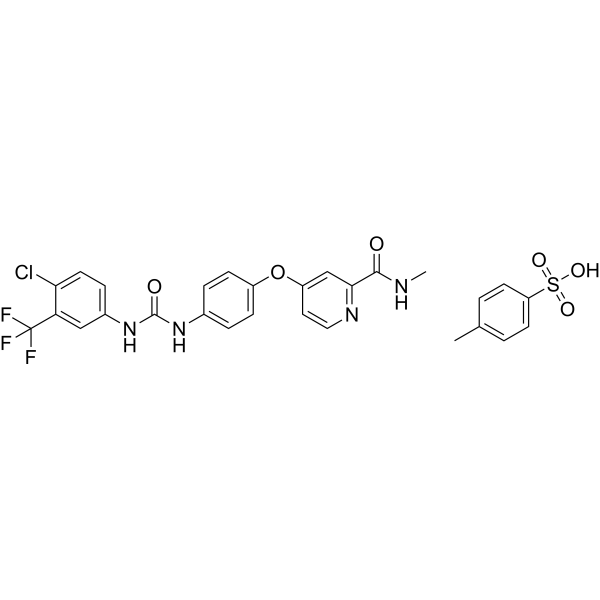
Cat. No.: HY-10201A
CAS No.: 475207-59-1
Purity:  99.75%
Synonyms: Bay 43-9006 tosylate
Sorafenib (Bay 43-9006) tosylate is a potent oral active multikinase inhibitor. Sorafenib blocks autophosphorylation and activity of receptor tyrosine kinases (VEGFR-2, VEGFR-3) and RAF family kinases, thereby suppressing the RAF/MEK/ERK and PI3K/Akt pathways, inhibiting STAT3 phosphorylation, and selectively inhibiting the MAPK pathway in cancer cells. Sorafenib tosylate induces cell cycle arrest, autophagy, apoptosis, and PARP cleavage, reduces Bcl-2, Bcl-XL, cyclin D1 levels, and activates Bak and Bax. Sorafenib tosylate inhibits tumor growth and metastasis in mouse and rat models. Sorafenib tosylate can be used for cancer research, such as colon, breast, non-small-cell lung cancer (NSCLC), ovarian, pancreatic, melanoma, colorectal and hepatocellular carcinoma .
loading...
    loading...
189
189 Cited Publications
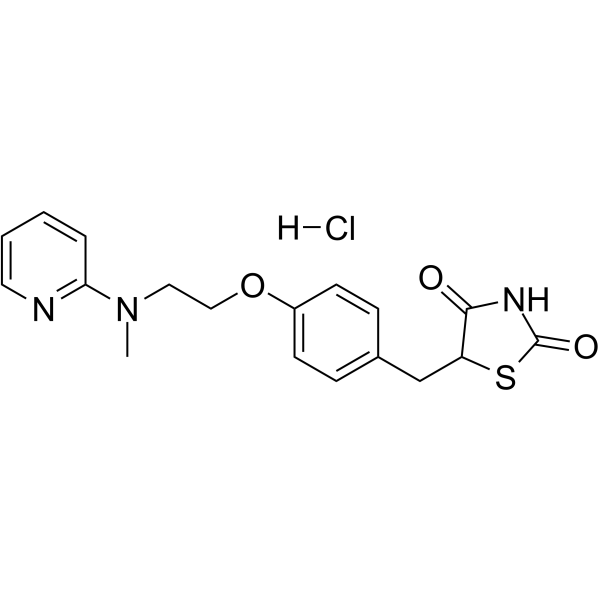
Cat. No.: HY-17386A
CAS No.: 302543-62-0
Synonyms: BRL 49653 hydrochloride
Rosiglitazone (BRL 49653) hydrochloride is an orally active selective PPARγ agonist (EC50: 60 nM, Kd: 40 nM). Rosiglitazone hydrochloride is a TRPC5 activator (EC50: 30 μM) and TRPM3 inhibitor. Rosiglitazone hydrochloride can be used in the research of obesity and diabetes, senescence, ovarian cancer .
loading...
    loading...
189
189 Cited Publications
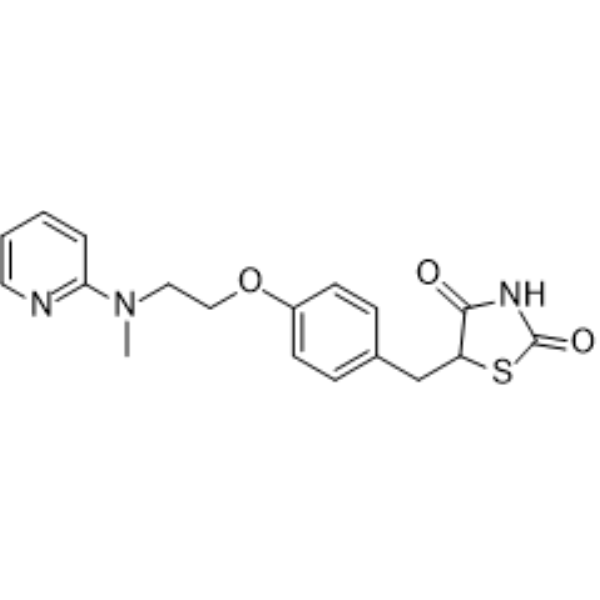
Cat. No.: HY-17386
CAS No.: 122320-73-4
Synonyms: BRL 49653
Rosiglitazone (BRL 49653) is an orally active selective PPARγ agonist (EC50: 60 nM, Kd: 40 nM), with blood-brain barrier permeability. Rosiglitazone is an TRPC5 activator (EC50: 30 μM) and TRPM3 inhibitor. Rosiglitazone can be used in the research of obesity and diabetes, senescence, ovarian cancer .
loading...
    loading...
186
186 Cited Publications
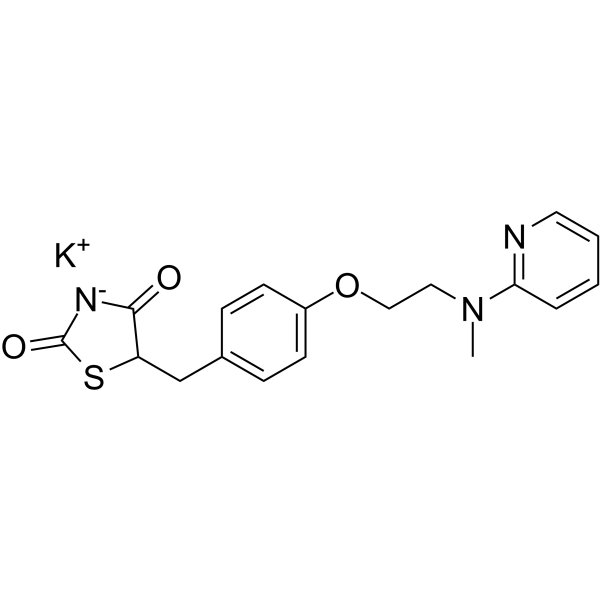
Cat. No.: HY-17386B
CAS No.: 316371-84-3
Synonyms: BRL 49653 potassium
Rosiglitazone (BRL 49653) potassium is an orally active selective PPARγ agonist (EC50: 60 nM, Kd: 40 nM). Rosiglitazone potassium is a TRPC5 activator (EC50: 30 μM) and TRPM3 inhibitor. Rosiglitazone potassium can be used in the research of obesity and diabetes, senescence, ovarian cancer .
loading...
    loading...
158
158 Cited Publications
Cat. No.: HY-10087A1
CAS No.: 1093851-28-5
Synonyms: ABT-263 dihydrochloride
Navitoclax dihydrochloride (ABT-263 dihydrochloride) is an orally active BH3 mimetic and an inhibitor of Bcl-2, Bcl-xL, and Bcl-w, with a Ki value of <1 nM for each target. Navitoclax dihydrochloride triggers endogenous Apoptosis and downregulates the expression of Survivin and TGFβ2. Navitoclax dihydrochloride alleviates fibrosis and induces thrombocytopenia. Navitoclax dihydrochloride exhibits anticancer activity against a variety of tumors and enhances the efficacy of chemotherapy and radiotherapy. Navitoclax dihydrochloride can be used in the research of acute lymphoblastic leukemia, ovarian cancer, and fibrotic diseases .
loading...
    loading...
87
87 Cited Publications
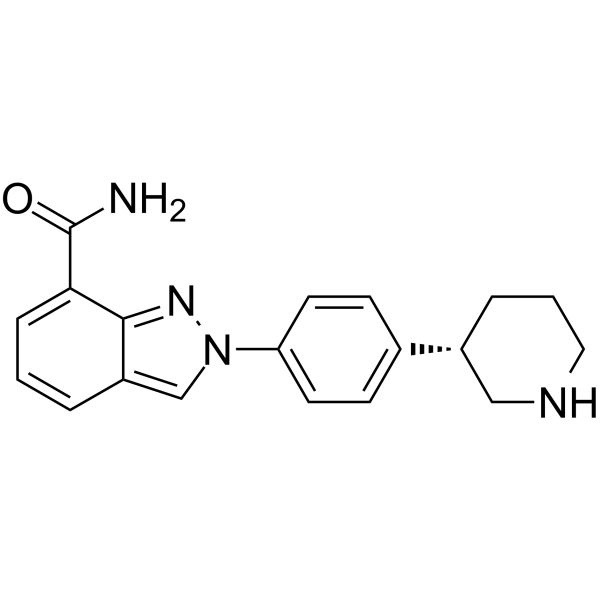
Cat. No.: HY-10619
CAS No.: 1038915-60-4
Purity:  99.96%
Synonyms: MK-4827
Target:  

PARP Apoptosis

Research Areas:  

Cancer

Niraparib (MK-4827) is a highly potent and orally bioavailable PARP1 and PARP2 inhibitor with IC50s of 3.8 and 2.1 nM, respectively. Niraparib leads to inhibition of repair of DNA damage, activates apoptosis and shows anti-tumor activity .
loading...
    loading...
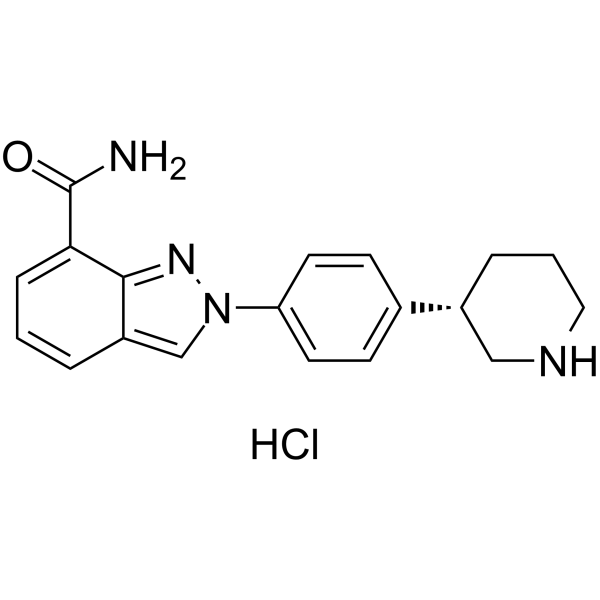
87
87 Cited Publications
Cat. No.: HY-10619A
CAS No.: 1038915-64-8
Purity:  99.41%
Synonyms: MK-4827 hydrochloride
Target:  

PARP Apoptosis

Research Areas:  

Cancer

Niraparib hydrochloride (MK-4827 hydrochloride) is a highly potent and orally bioavailable PARP1 and PARP2 inhibitor with IC50s of 3.8 and 2.1 nM, respectively. Niraparib hydrochloride leads to inhibition of repair of DNA damage, activates apoptosis and shows anti-tumor activity .
loading...
    loading...
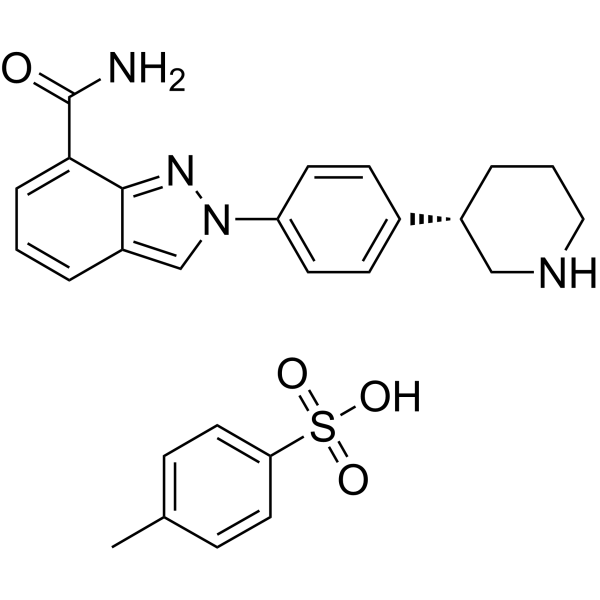
87
87 Cited Publications
Cat. No.: HY-10619B
CAS No.: 1038915-73-9
Purity:  99.99%
Synonyms: MK-4827 tosylate
Target:  

PARP Apoptosis

Research Areas:  

Cancer

Niraparib tosylate (MK-4827 tosylate) is a highly potent and orally bioavailable PARP1 and PARP2 inhibitor with an IC50 of 3.8 and 2.1 nM, respectively. Niraparib tosylate leads to inhibition of repair of DNA damage, activates apoptosis and shows anti-tumor activity .
loading...
    loading...
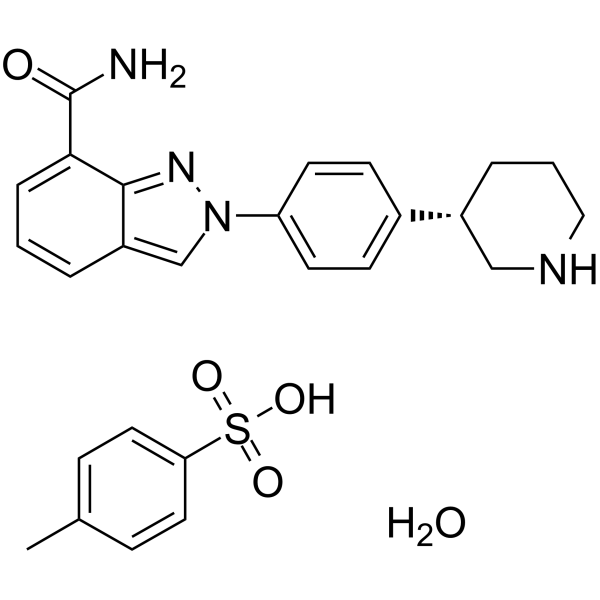
86
86 Cited Publications
Cat. No.: HY-10619E
CAS No.: 1613220-15-7
Purity:  99.97%
Synonyms: MK-4827 tosylate hydrate
Target:  

PARP Apoptosis

Research Areas:  

Cancer

Niraparib (MK-4827) tosylate hydrate is a highly potent and orally bioavailable PARP1 and PARP2 inhibitor with IC50s of 3.8 and 2.1 nM, respectively. Niraparib tosylate hydrate leads to inhibition of repair of DNA damage, activates apoptosis and shows anti-tumor activity .
loading...
    loading...
74
74 Cited Publications
Cat. No.: HY-10029
CAS No.: 675576-98-4
Purity:  99.00%
Synonyms: Rebemadlin
Research Areas:  

Cancer

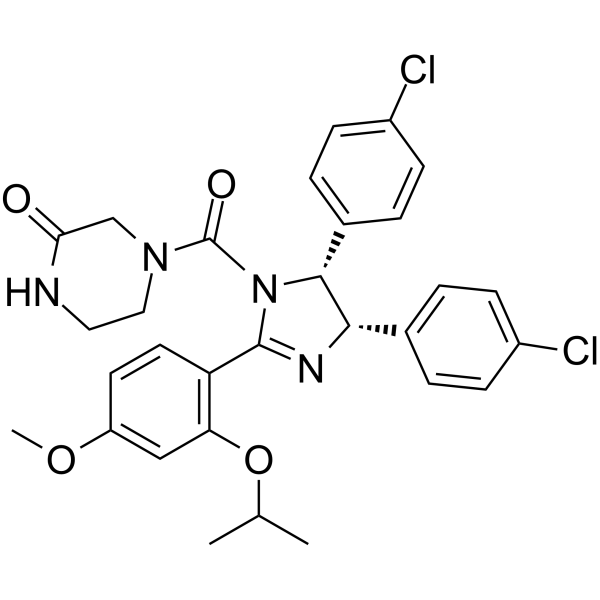
Nutlin-3a (Rebemadlin), an active enantiomer of Nutlin-3, is a potent murine double minute (MDM2) inhibitor (IC50=90 nM). Nutlin-3a inhibits MDM2-p53 interactions and stabilizes the p53 protein, and induces cell autophagy and apoptosis. Nutlin-3a has the potential for the study of TP53 wild-type ovarian carcinomas .
loading...
    loading...
72
72 Cited Publications
Cat. No.: HY-17412
CAS No.: 13614-98-7
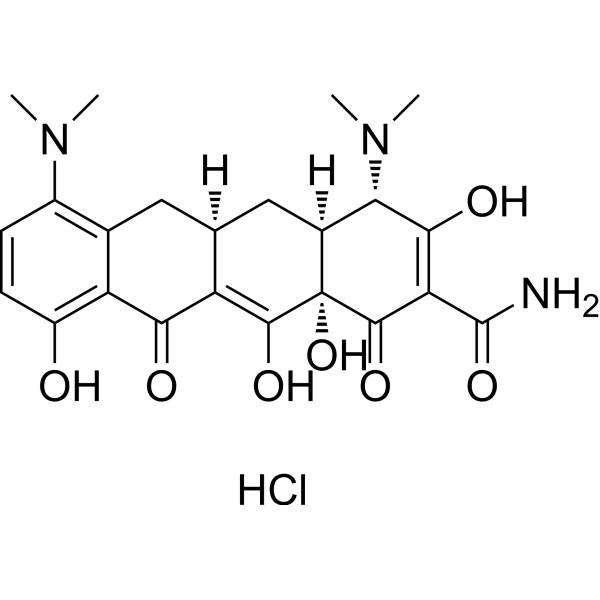
Minocycline hydrochloride is an orally active, potent and BBB-penetrated semi-synthetic tetracycline antibiotic. Minocycline hydrochloride is a hypoxia-inducible factor (HIF)-1α inhibitor. Minocycline hydrochloride shows anti-cancer, anti-inflammatory, and glutamate antagonist effects. Minocycline hydrochloride reduces glutamate neurotransmission and shows neuroprotective properties and antidepressant effects. Minocycline hydrochloride inhibits bacterial protein synthesis through binding with the 30S subunit of the bacterial ribosome, resulting in a bacteriostatic effect .
loading...
    loading...
72
72 Cited Publications
Cat. No.: HY-17412A
CAS No.: 10118-90-8
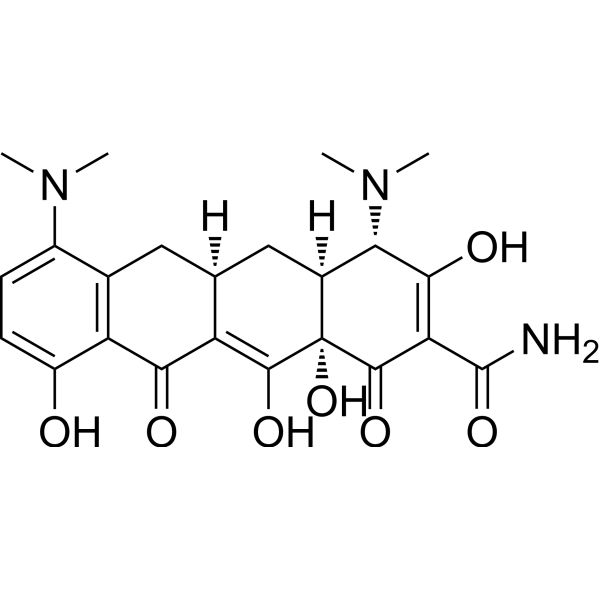
Minocycline is an orally active, potent and BBB-penetrated semi-synthetic tetracycline antibiotic. Minocycline is a hypoxia-inducible factor (HIF)-1α inhibitor. Minocycline shows anti-cancer, anti-inflammatory, and glutamate antagonist effects. Minocycline reduces glutamate neurotransmission and shows neuroprotective properties and antidepressant effects. Minocycline inhibits bacterial protein synthesis through binding with the 30S subunit of the bacterial ribosome, resulting in a bacteriostatic effect .
loading...
    loading...
70
70 Cited Publications
Cat. No.: HY-16560
CAS No.: 7689-03-4
Synonyms: Campathecin; (S)-(+)-Camptothecin; CPT
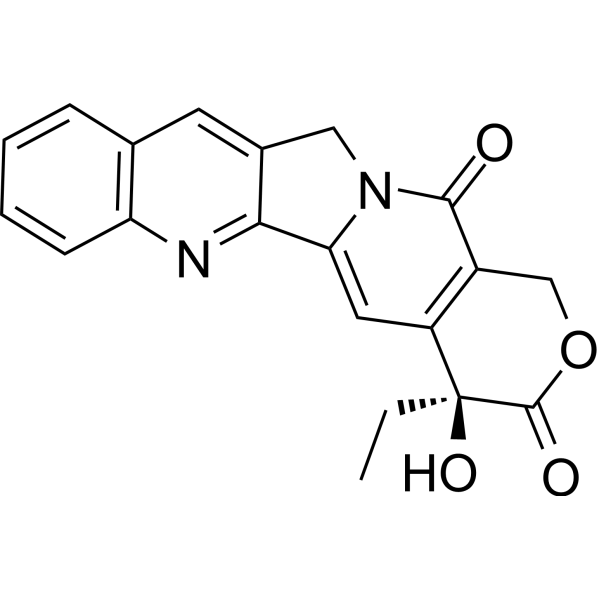
Camptothecin (CPT), a kind of alkaloid, is a DNA topoisomerase I (Topo I) inhibitor with an IC50 of 679 nM . Camptothecin (CPT) exhibits powerful antineoplastic activity against colorectal, breast, lung and ovarian cancers, modulates hypoxia-inducible factor-1α (HIF-1α) activity by changing microRNAs (miRNA) expression patterns in human cancer cells .
loading...
    loading...
59
59 Cited Publications
Cat. No.: HY-100017
CAS No.: 1799753-84-6
Purity:  99.67%
Target:  

GLUT Disulfidptosis

Research Areas:  

Cancer

BAY-876, a chemical probe, is an orally active and selective glucose transporter 1 (GLUT1) inhibitor with an IC50 of 2 nM. BAY-876 is >130-fold more selective for GLUT1 than GLUT2, GLUT3, and GLUT4. BAY-876 is also a potent blocker of glycolytic metabolism and ovarian cancer growth. In addition, BAY-876 can induce the formation of disulfide bonds in actin cytoskeletal proteins, leading to the occurrence of cellular disulfidptosis .
loading...
    loading...
49
49 Cited Publications
Cat. No.: HY-10626
CAS No.: 293754-55-9
Purity:  99.93%
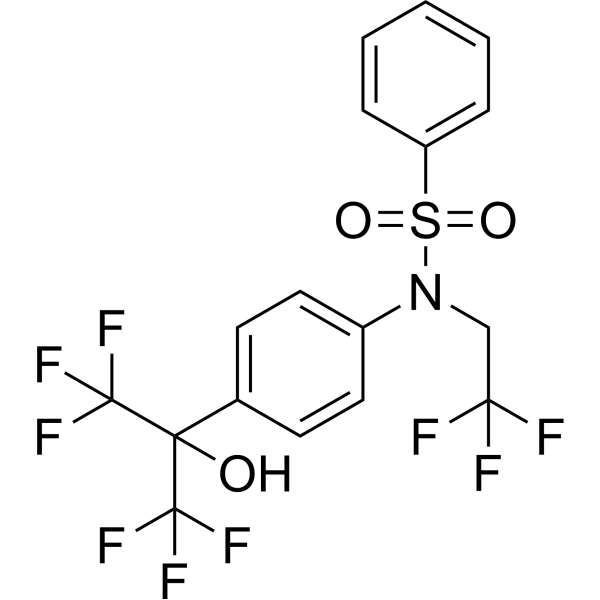
T0901317 is an orally active and highly selective LXR agonist with an EC50 of 20 nM for LXRα . T0901317 activates FXR with an EC50 of 5 μM . T0901317 is RORα and RORγ dual inverse agonist with Ki values of 132 nM and 51 nM, respectively . T0901317 induces apoptosis and inhibits the development of atherosclerosis in low-density lipoprotein (LDL) receptor-deficient mice .
loading...
    loading...
35
35 Cited Publications
Cat. No.: HY-12755
CAS No.: 71203-35-5
Purity:  99.96%
Synonyms: CID-2950007
Target:  

Ras Apoptosis

Research Areas:  

Cancer

ML141 (CID-2950007) is a potent, allosteric, selective and reversible non-competitive inhibitor of Cdc42 GTPase. ML141 inhibits Cdc42 wild type and Cdc42 Q61L mutant with EC50s of 2.1 and 2.6 μM, respectively. ML141 shows low micromolar potency and selectivity against other members of the Rho family of GTPases (Rac1, Rab2, Rab7). ML141 do not show cytotoxicity in multiple cell lines .
loading...
    loading...
23
23 Cited Publications
Cat. No.: HY-N0171
CAS No.: 83-46-5
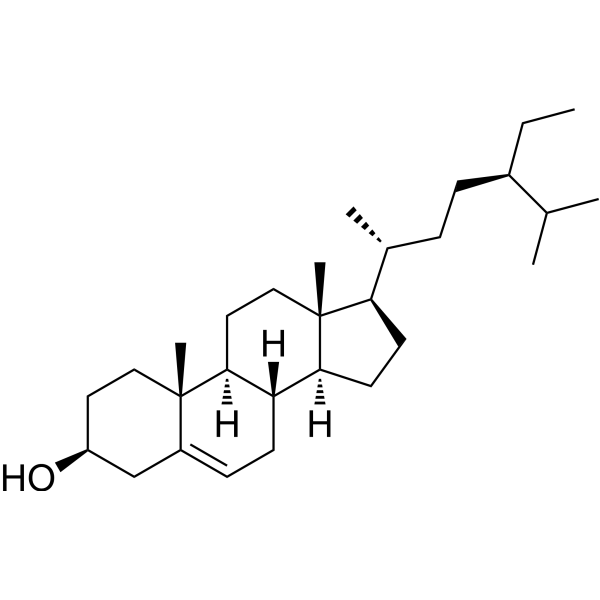
Beta-Sitosterol (purity≥80%) is orally active. Beta-Sitosterol exhibits multiple activities, including anti-inflammatory, anticancer, antioxidant, antimicrobial, antidiabetic, antioxidant enzyme, and analgesic. Beta-Sitosterol inhibits inflammation and impaired adipogenesis in bovine mammary epithelial cells by reducing levels of ROS, TNF-α, IL-1β, and NF-κB p65 and restoring the activity of the HIF-1α/mTOR signaling pathway. Beta-Sitosterol induces apoptosis in cancer cells through ROS-mediated mitochondrial dysregulation and p53 activation. Beta-Sitosterol exerts its anticancer effects in cancer cells by activating caspase-3, caspase-8, and caspase-9, mediating PARP inactivation, MMP loss, altered Bcl-2-Bax ratio, and cytochrome c release. Beta-Sitosterol modulates macrophage polarization and reduces rheumatoid inflammation in mice. Beta-Sitosterol inhibits tumor growth in multiple mouse cancer models. Beta-Sitosterol can be used in the research of arthritis, lung cancer, breast cancer and other cancers, diabetes, etc .
loading...
    loading...
22
22 Cited Publications
Cat. No.: HY-N0519
CAS No.: 20575-57-9
Synonyms: Cyclosin
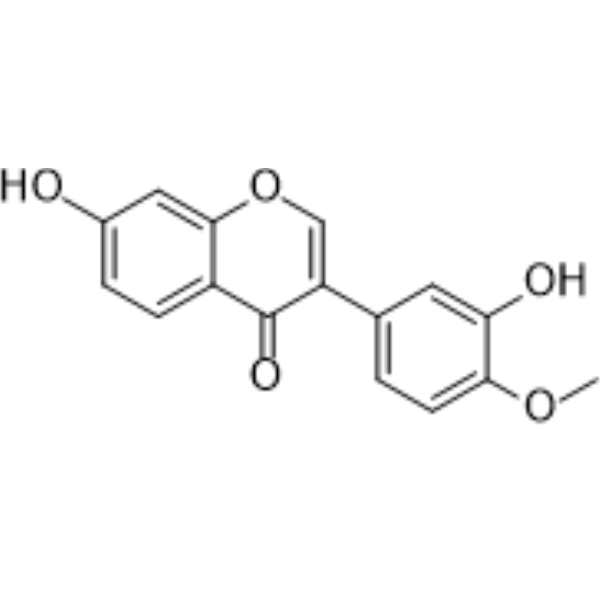
Calycosin is a compound that can be isolated from Radix Astragali. Calycosin has strong antioxidant, anti-inflammatory and apoptosis-modulating effects. Calycosin can be used for the research of ovarian cancer and breast cancer .
loading...
    loading...
20
20 Cited Publications
Cat. No.: HY-76201
CAS No.: 149003-01-0
Synonyms: ICRF-187 hydrochloride; ADR-529 hydrochloride; NSC-169780 hydrochloride
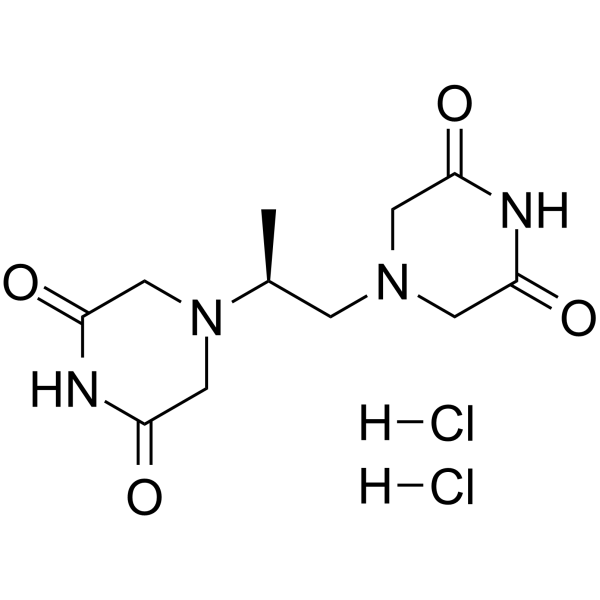
Dexrazoxane hydrochloride (ICRF-187 hydrochloride) is a heart protectant that can help preserve ovarian function and fertility. Dexrazoxane hydrochloride has antioxidant and anti-inflammatory properties, can cross the blood-brain barrier, improves motor function disorders, and offers neuroprotective effects, making it useful in the study of neurodegenerative diseases .
loading...
    loading...

