
1. Search Result
Search Result
Results for "

pathogen inhibitor

" in MedChemExpress (MCE) Product Catalog:

158

Inhibitors & Agonists

4

Screening Libraries

6

Biochemical Assay Reagents

11

Peptides

33

Natural
Products

11

Isotope-Labeled Compounds

1

Oligonucleotides

Cat. No. Product Name Target Research Areas Chemical Structure
  • HY-N11420

    Bacterial Phytohormone Others
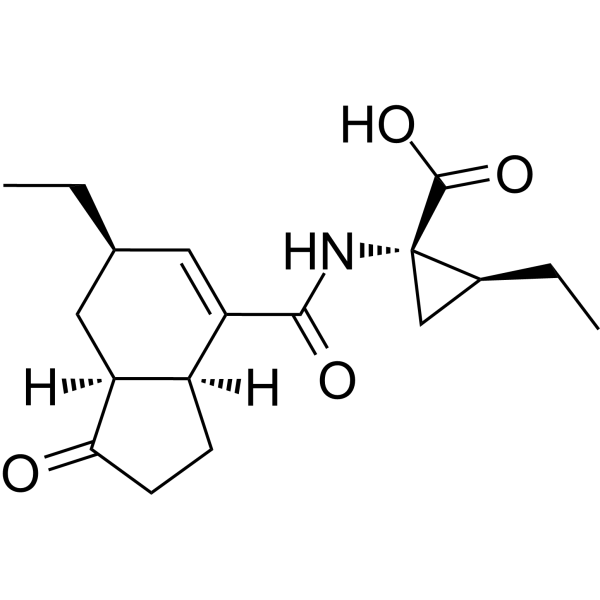
    Coronatine is a plant growth regulator that mimicks the jasmonic acid-isoleucine conjugate (JA-Ile), targets the jasmonic acid receptor COI1, activates the jasmonic acid signaling pathway, thereby inhibiting salicylic acid (SA)-dependent defense responses. Coronatine antagonizes the stomatal closure, induces plant cell necrosis and chlorosis, interfers with plant hormone balance, thereby promoting pathogen infection .
    Coronatine
  • HY-103095
    Enmetazobactam
    5 Publications Verification

    AAI101

    Beta-lactamase Bacterial Infection
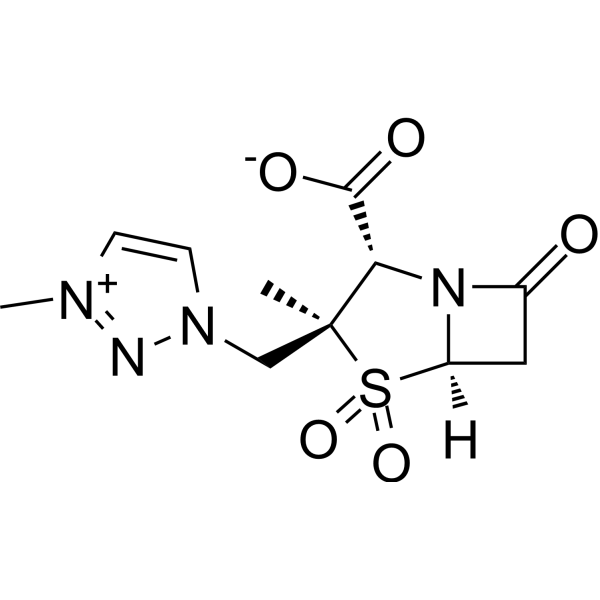
    Enmetazobactam (AAI101) is an extended-spectrum β-lactamase inhibitor, against many resistant Gram-negative pathogens .
    Enmetazobactam
  • HY-103251

    LpxC-4

    Antibiotic Bacterial Infection
    PF-5081090 (LpxC-4) is a potent LpxC inhibitor, is a rapidly bactericidal with broad-spectrum activity. PF-5081090 serves as a regulator of lipid A biosynthesis in Gram-negative pathogens .
    PF-5081090
  • HY-164036

    Antibiotic Bacterial Infection
    Lolamicin is an orally effective inhibitor that specifically targets the Gram-negative bacteria lipoprotein transport system LolCDE complex. It selectively inhibits the transmembrane transport of outer membrane lipoproteins by competitively binding to lipoprotein binding sites. Lolamicin destroys the integrity of the bacterial outer membrane, leading to cell death, and has both bactericidal and antibacterial activity. It has significant effects on multidrug-resistant Enterobacteriaceae pathogens (such as Escherichia coli and Klebsiella pneumoniae). Lolamicin can be used to inhibit the study of acute pneumonia, sepsis and other infections caused by Gram-negative bacteria .
    Lolamicin
  • HY-12479A
    Epetraborole hydrochloride
    2 Publications Verification

    GSK2251052 hydrochloride

    Bacterial Aminoacyl-tRNA Synthetase Infection
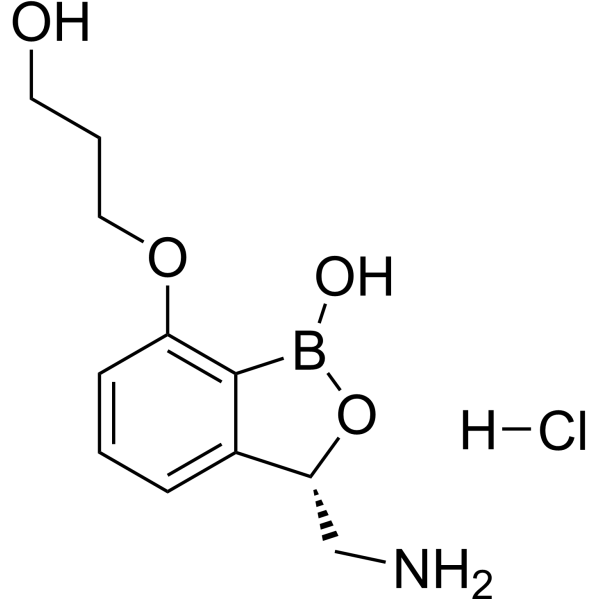
    Epetraborole (GSK2251052) hydrochloride is a novel leucyl-tRNA synthetase (LeuRS) inhibitor (IC50=0.31 μM), thereby inhibiting protein synthesis. Epetraborole hydrochloride can be used in multidrug-resistant gram-negative pathogens infection research .
    Epetraborole hydrochloride
  • HY-N8332

    Ox bile extract

    Bacterial DNA/RNA Synthesis Infection
    Bile extract (Ox bile extract) is a complex mixture of substances, containing bile acids, cholesterol, and bilirubin. Bile extract has antimicrobial activity and can induce DNA damage and degrade viral and bacterial membranes. Bile extract can be used in bacterial culture media as a selective inhibitor for the isolation and identification of pathogens .
    Bile extract
  • HY-106574A

    BAL5788 sodium

    Bacterial Infection Inflammation/Immunology
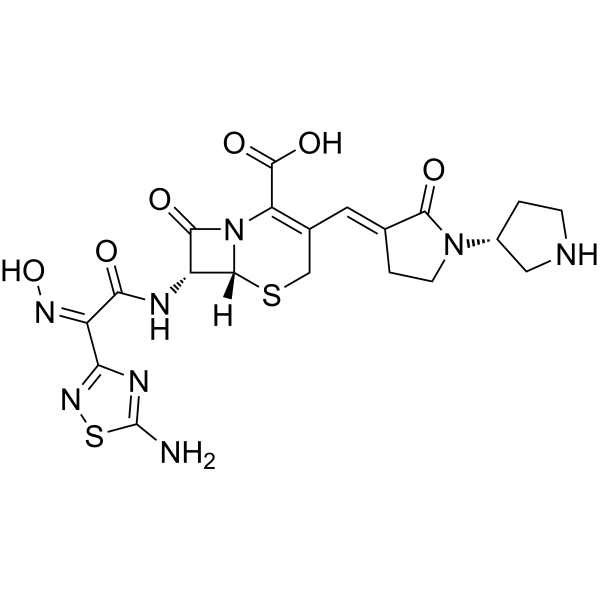
    Ceftobiprole medocaril (BAL5788) sodium is the parenteral proagent of Ceftobiprole (HY-112579). Ceftobiprole is a parenteral pyrrolidinone cephalosporin. Ceftobiprole is a broad-spectrum cephalosporin with high levels of in vitro activity against methicillin- (MRSA) and vancomycin-resistant staphylococci (VRSA) and penicillin-resistant streptococci. Ceftobiprole also inhibits gram-positive and gram-negative pathogens .
    Ceftobiprole medocaril sodium
  • HY-N9480
    Vinaxanthone
    3 Publications Verification

    SM-345431

    Phospholipase Bacterial Infection Cancer
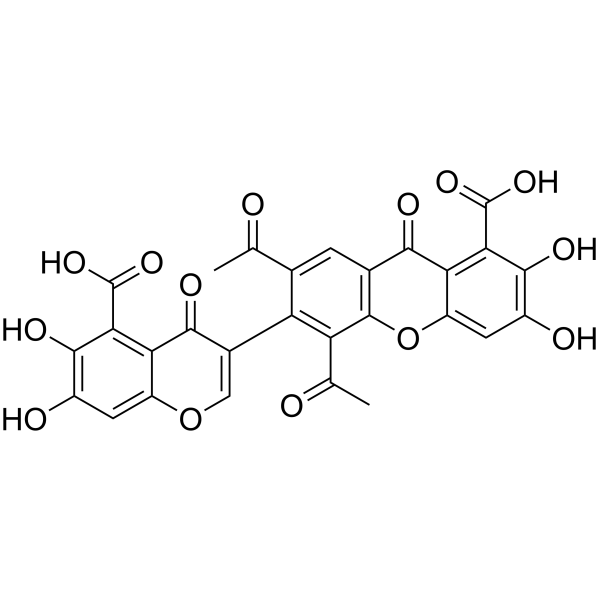
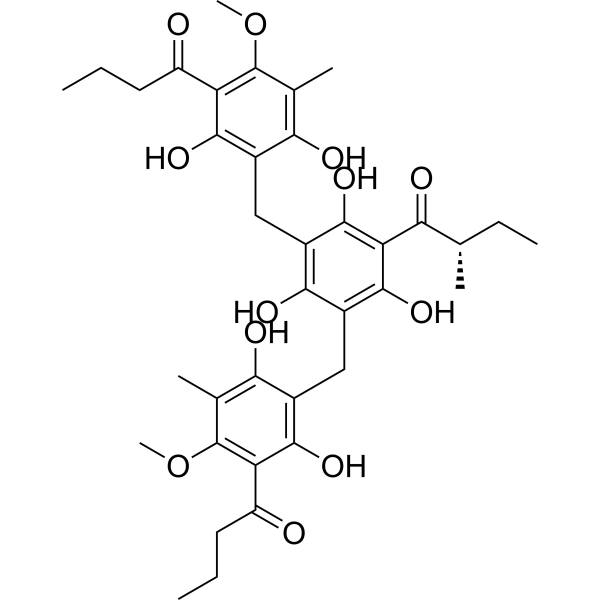
    Vinaxanthone (SM-345431) is a potent and selective semaphorin3A, phospholipase C (PLC) and FabI inhibitor, with IC50s of 0.1-0.2 μM and 0.9 mM for semaphorin3A and FabI. Vinaxanthone inhibits the substrate (t-o-NAC thioester) and the cofactor (NADPH) with Kis of 3.1 μM and 1.0 μM, respectively. Vinaxanthone can be used to handle infections caused by multidrug-resistant pathogens .
    Vinaxanthone
  • HY-B0850
    Difenoconazole
    3 Publications Verification

    Environmental Pollutants Fungal Infection
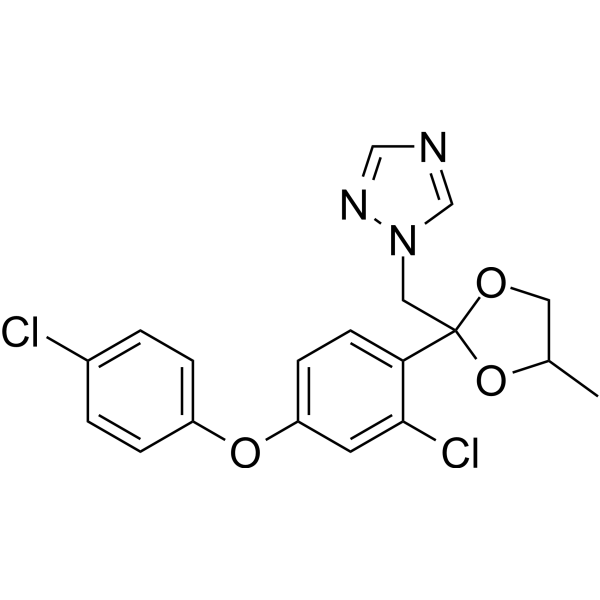
    Difenoconazole is a sterol demethylation inhibitor, as a fungicide. Difenoconazole binds the heme portion of the fungal cytochrome P450 51, interferes the mycelial growth and inhibits the spore germination of pathogens, suppressing fungal growth .
    Difenoconazole
  • HY-77036
    Furagin
    1 Publications Verification

    Furazidine; Furazidin

    Antibiotic Bacterial Carbonic Anhydrase Infection Cancer
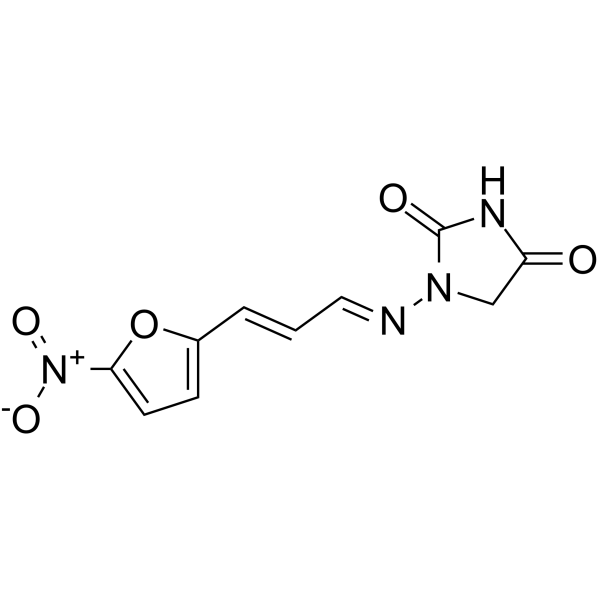
    Furagin (Furazidine), an analogue of Nitrofurantoin (HY-A0090), is an antibiotic with antibacterial activity against ESKAPE pathogens with MIC values of 0-32 µg/mL. Furagin inhibits human Carbonic anhydrases . Furagin is promising for research of cancer and urinary tract infections (UTIs) .
    Furagin
  • HY-N4247

    Bombesin Receptor Bacterial Apoptosis Reactive Oxygen Species (ROS) PI3K Akt GSK-3 MMP mTOR NF-κB LXR Infection Cardiovascular Disease Neurological Disease Inflammation/Immunology Cancer
    Kuwanon G is a flavonoid compound and an antagonist of the bombesin receptor. Kuwanon G has multiple activities such as bactericidal, anti-tumor, anti-inflammatory, antioxidant, anti-atherosclerotic, and neuroprotective effects. Kuwanon G exhibits strong antibacterial activity against oral pathogens, especially cariogenic bacteria and periodontal pathogens. Kuwanon G can induce apoptosis and inhibit proliferation, migration, and invasion of tumor cells. Kuwanon G can be used in the research of diseases such as gastric cancer and atherosclerosis .
    Kuwanon G
  • HY-W011117

    Bacterial DNA/RNA Synthesis Antibiotic Infection
    Danofloxacin is an orally active quinolone antibiotic. Danofloxacin targets bacterial DNA gyrase and inhibits bacterial DNA replication, transcription and growth. Danofloxacin can be used for various bacterial infections caused by Escherichia coli, Mycoplasma and other pathogens .
    Danofloxacin
  • HY-N6051

    Fungal NOD-like Receptor (NLR) NF-κB Infection Inflammation/Immunology
    (-)-Maackiain is a pterocarpan phytoalexin produced from Sophora flavescens. (-)-Maackiain is toxic to several genera of fungal pathogens of legume and non legume hosts. (-)-Maackiain enhances the activation of NLRP3 inflammasome, inhibits the activation of NF-κB pathway, exhibiting thereby immunostimulatory and anti-inflammatory activities. (-)-Maackiain is orally active .
    (-​)​-Maackiain
  • HY-111023
    Nemonoxacin malate
    1 Publications Verification

    TG-873870 malate

    Antibiotic Bacterial Infection
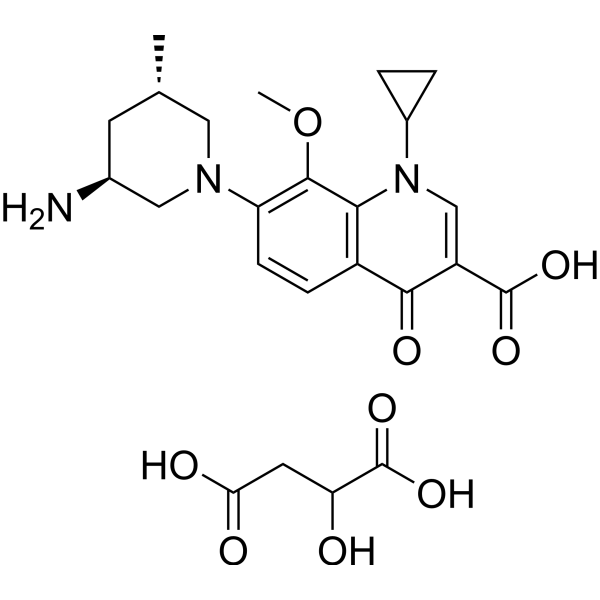
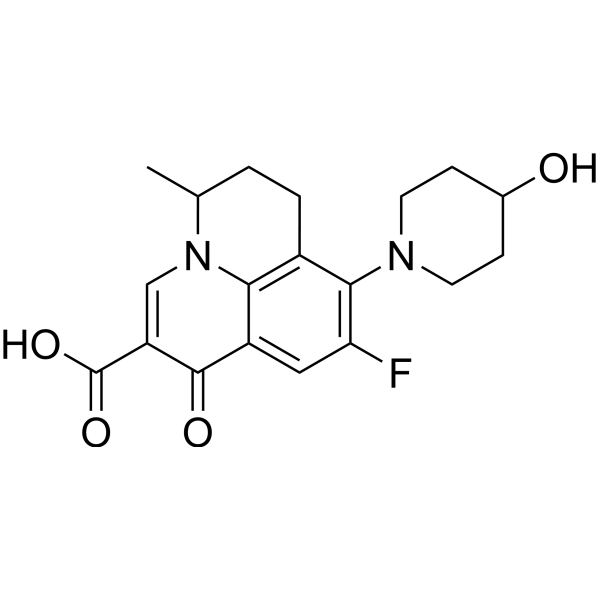
    Nemonoxacin (TG-873870) malate is a nonfluorinated quinolone antibiotic. Nemonoxacin malate has broad-spectrum activity against Gram-positive, Gram-negative and atypical pathogens. Nemonoxacin malate can inhibit drug-resistant Streptococcus pneumoniae and Methicillin-resistant Staphylococcus aureus. Nemonoxacin malate can be used for the research of community-acquired pneumonia .
    Nemonoxacin malate
  • HY-107426
    Verrucarin A
    1 Publications Verification

    Muconomycin A

    Apoptosis Reactive Oxygen Species (ROS) Cancer
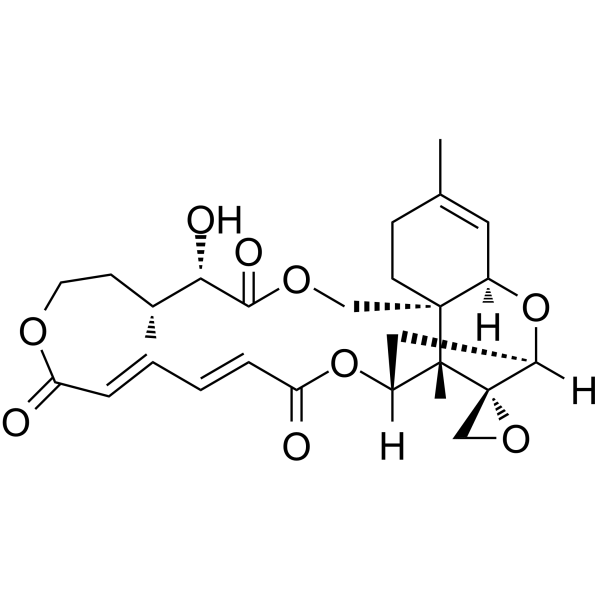
    Verrucarin A (Muconomycin A), a Type D macrocyclic mycotoxin derived from the pathogen fungus Myrothecium verrucaria, is an inhibitor of protein synthesis. Verrucarin A inhibits growth of leukemia cell lines and activates caspases and apoptosis and inflammatory signaling in macrophages. Verrucarin A effectively increased the phosphorylation of p38 MAPK and diminished the phosphorylation of ERK/Akt. Verrucarin A caused cell cycle deregulation through the induction of p21 and p53 .
    Verrucarin A
  • HY-124801
    ABMA
    1 Publications Verification

    Flavivirus Dengue Virus Bacterial Parasite Infection
    ABMA is a broad-spectrum inhibitor of intracellular toxins and pathogens. ABMA efficiently protects cells against various toxins and pathogens including viruses, intracellular bacteria and parasite. ABMA selectively acts at host cell late endosomes rather than targeting toxin or pathogen itself. ABMA has broad-spectrum anti-infection activity .
    ABMA
  • HY-116214

    CGA-219417

    Environmental Pollutants Aryl Hydrocarbon Receptor Androgen Receptor Fungal PERK Cytochrome P450 Infection Endocrinology
    Cyprodinil (CGA-219417) is a broad-spectrum anilinopyrimidine fungicide and an activator of the aryl hydrocarbon receptor. Cyprodinil also has anti-androgenic and androgenic activities. Cyprodinil can inhibit the biosynthesis of methionine in plant-pathogenic fungi and protect fruits and vegetables from a variety of pathogens .
    Cyprodinil
  • HY-19717

    S-[(1E)-1,2-Dichloroethenyl]-L-cysteine

    TNF Receptor Inflammation/Immunology
    DCVC (S-[(1E)-1,2-Dichloroethenyl]-L-cysteine) is a bioactive metabolite of trichloroethylene (TCE). DCVC inhibits pathogen-stimulated pro-inflammatory cytokines IL-1β, IL-8, and TNF-α release from tissue cultures .
    DCVC
  • HY-N1434

    Methyl 4-hydroxycinnamate

    Fungal Infection Cancer
    Methyl p-coumarate (Methyl 4-hydroxycinnamate), an orally active esterified derivative of p-Coumaric acid (pCA), can be isolated from the flower of Trixis michuacana var longifolia. Methyl p-coumarate could inhibit the melanin formation in B16 mouse melanoma cells. Methyl p-coumarate also has strong in vitro inhibitory effect on A. alternata and other pathogens .
    Methyl p-coumarate
  • HY-144093

    MAP4K Infection
    HPK1/GLK-IN-1 is a HPK1 and GLK inhibitor. HPK1/GLK-IN-1 (compound 38) potently inhibits GLK with an IC50 of  33 nM . HPK1-IN-26 can be used for the research of animal pathogen infection .
    HPK1/GLK-IN-1
  • HY-16745

    KRP-AM1977

    Beta-lactamase Bacterial Antibiotic Infection
    Lascufloxacin (KRP-AM1977X) is a potent and orally active fluoroquinolone antibacterial agent. Lascufloxacin potently inhibits infections caused by various pathogens, including quinolone-resistant strains. Lascufloxacin has the potential for various infectious diseases treatment, including lower respiratory tract infections .
    Lascufloxacin
  • HY-114979

    Antibiotic Fungal Apoptosis Infection Cancer
    Pyoluteorin is an antibiotic that inhibits Oomycete fungi, including the plant pathogen Pythium ultimum, and suppresses plant diseases caused by this fungus . Pyoluteorin induces human triple-negative breast cancer MDA-MB-231 cells apoptosis in vitro. Pyoluteorin can be used for the research of human triple-negative breast cancer .
    Pyoluteorin
  • HY-W115529

    Geranate; NSC 229335; GAGE

    Environmental Pollutants Fungal Tyrosinase Infection Cancer
    Geranic acid (Geranate) acts as a tyrosinase inhibitor and antifungal agent, with an IC50 value of 0.14-2.3 mM against mushroom tyrosinase. Geranic acid reduces the viability of human pancreatic cancer cells and B-lymphoma cells. Geranic acid inhibits mycelial growth of the maize pathogens Colletotrichum graminicola and Fusarium graminearum. Geranic acid is applicable to research related to fungal infections, pancreatic cancer and B-lymphoma .
    Geranic acid
  • HY-B0850R

    Reference Standards Fungal Infection
    Difenoconazole (Standard) is the analytical standard of Difenoconazole. This product is intended for research and analytical applications. Difenoconazole is a sterol demethylation inhibitor, as a fungicide. Difenoconazole binds the heme portion of the fungal cytochrome P450 51, interferes the mycelial growth and inhibits the spore germination of pathogens, suppressing fungal growth .
    Difenoconazole (Standard)
  • HY-W031471A

    Bacterial Fungal Infection
    Pyrazine-2-amidoxime is a structural analogue of pyrazine-2-carboxamide with antimicrobial activity. Pyrazine-2-amidoxime shows killing and inhibiting properties against Candida albicans, fungal pathogen and Gram-positive bacteria .
    Pyrazine-2-amidoxime
  • HY-N6243

    Fungal Cardiovascular Disease Others
    Veratrosine is a Trihydroxynapthalene reductase (THR) inhibitor and fungal plant pathogen inhibitor with activity against Curvularia lunata THR. Veratrosine interacts with THR, an enzyme in the DHN melanin biosynthesis pathway of Curvularia lunata. Veratrosine can be used for the research of leaf blight of rice, brown spot of rice, and blast disease of foxtail millet .
    Veratrosine
  • HY-118448

    Antibiotic Bacterial Fungal Parasite Infection
    2,4-Diacetylphloroglucinol is a polyketide antibiotic produced by Pseudomonas fluorescens. 2,4-Diacetylphloroglucinol exhibits broad-spectrum toxicity against various organisms such as bacteria, fungi, oomycetes, and nematodes. 2,4-Diacetylphloroglucinol can also inhibit plant pathogens and affect the root development of tomato seedlings .
    2,4-Diacetylphloroglucinol
  • HY-106410A

    DW-224a

    Bacterial Topoisomerase Antibiotic Infection
    Zabofloxacin hydrochloride (DW-224a) is a potent and seletive inhibitor of the bacterial type II and IV topoisomerases. Zabofloxacin hydrochloride has excellent activity against gram-positive pathogens including Steptococcus aureus, Streptococcus pyogenes and S.pneumonia. Zabofloxacin hydrochloride is a novel fluoronaphthyridone quinolone that is considered as an alternative antibiotic for treatment of quinolone-susceptible (QSSP) and quinolone-resistant gonorrhea (QRSP) .
    Zabofloxacin hydrochloride
  • HY-108062A

    Beta-lactamase Bacterial Infection
    BLI-489 hydrate, a penem β-lactamase inhibitor, is active against class A and class C as well as some class D β-lactamases. The combination of Piperacillin and BLI-489 hydrate is efficacious against murine infections caused by class A (including extended-spectrum β-lactamases), class C (AmpC), and class D β-lactamase-expressing pathogens .
    BLI-489 hydrate
  • HY-125604

    Beta-lactamase Bacterial Infection Inflammation/Immunology
    WCK-4234 is a diazabicyclooctane β-lactamase inhibitor and susceptibility restorer. WCK-4234 lacks direct antibacterial activity. WCK-4234 inhibits class A, C, D β-lactamases and extended-spectrum β-lactamases to potentiate Imipenem (HY-B1369A) and Meropenem (HY-13678) activity against Gram-negative pathogens. WCK-4234 can be used for the research of gram-negative bacterial infections and β-lactamase-mediated carbapenem-resistant bacterial infections .
    WCK-4234
  • HY-133726

    Bacterial Infection
    Bixafen, a member of the pyrazole class of fungicides, serves as a broad-spectrum agent for controlling pathogens in cereal crops by functioning as a succinate dehydrogenase inhibitor.
    Bixafen
  • HY-106410

    DW-224a Free base

    Bacterial Topoisomerase Antibiotic Infection
    Zabofloxacin (DW-224a Free base) is a potent and seletive inhibitor of the bacterial type II and IV topoisomerases. Zabofloxacin has excellent activity against gram-positive pathogens including Steptococcus aureus, Streptococcus pyogenes and S.pneumonia. Zabofloxacin is a novel fluoronaphthyridone quinolone that is considered as an alternative antibiotic for treatment of quinolone-susceptible (QSSP) and quinolone-resistant gonorrhea (QRSP) .
    Zabofloxacin
  • HY-N6051R

    Reference Standards Fungal NOD-like Receptor (NLR) NF-κB Infection Inflammation/Immunology
    (-​)​-Maackiain (Standard) is the analytical standard of (-​)​-Maackiain. This product is intended for research and analytical applications. (-)-Maackiain is a pterocarpan phytoalexin produced from Sophora flavescens. (-)-Maackiain is toxic to several genera of fungal pathogens of legume and non legume hosts. (-)-Maackiain enhances the activation of NLRP3 inflammasome, inhibits the activation of NF-κB pathway, exhibiting thereby immunostimulatory and anti-inflammatory activities. (-)-Maackiain is orally active .
    (-)-Maackiain (Standard)
  • HY-W099632

    Biochemical Assay Reagents Infection Inflammation/Immunology
    2-Hexyldecanoic acid is a lipid containing one carboxylic acid group and two non-polar tails. In the presence of EDC, HATU and DCC, carboxylic acid groups can undergo continuous amide coupling reactions with amine-containing biomolecules to form stable amide bonds. 2-Hexyldecanoic acid can be used as an aerolysin inhibitor to prevent bacterial pathogens. 2-Hexyldecanoic acid can cause contact dermatitis .
    2-Hexyldecanoic acid
  • HY-116214R

    CGA-219417 (Standard)

    Reference Standards Fungal Androgen Receptor Aryl Hydrocarbon Receptor PERK Cytochrome P450 Infection Endocrinology
    Cyprodinil (Standard) (CGA-219417 (Standard)) is the analytical standard of Cyprodinil (HY-116214). This product is intended for research and analytical applications. Cyprodinil (CGA-219417) is a broad-spectrum anilinopyrimidine fungicide and an activator of the aryl hydrocarbon receptor. Cyprodinil also has anti-androgenic and androgenic activities. Cyprodinil can inhibit the biosynthesis of methionine in plant-pathogenic fungi and protect fruits and vegetables from a variety of pathogens.
    Cyprodinil (Standard)
  • HY-N0916

    Danmelittoside

    Bacterial Inflammation/Immunology
    Monomelittoside is a iridoid glycoside with antibacterial activity. Monomelittoside inhibits dental caries pathogen Streptococcus.
    Monomelittoside
  • HY-P1720

    Antibiotic Bacterial Infection
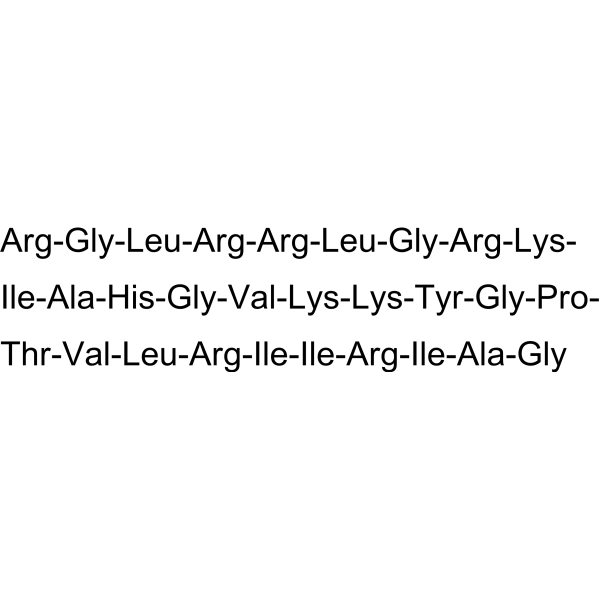
    Telomycin is a calcium-dependent antibiotic, which can be produced by Streptomyces. Telomycin inhibits gram-positive bacteria, including multidrug-resistant (MDR) pathogens .
    Telomycin
  • HY-B2170

    Bacterial Infection
    Octenidine is a potent antibacterial agent, possessing activity against multidrug-resistant Gram-negative pathogens. Octenidine can inhibit the expression of biofilm genes and destroy the formation of biofilms .
    Octenidine
  • HY-P11547

    Bacterial Infection
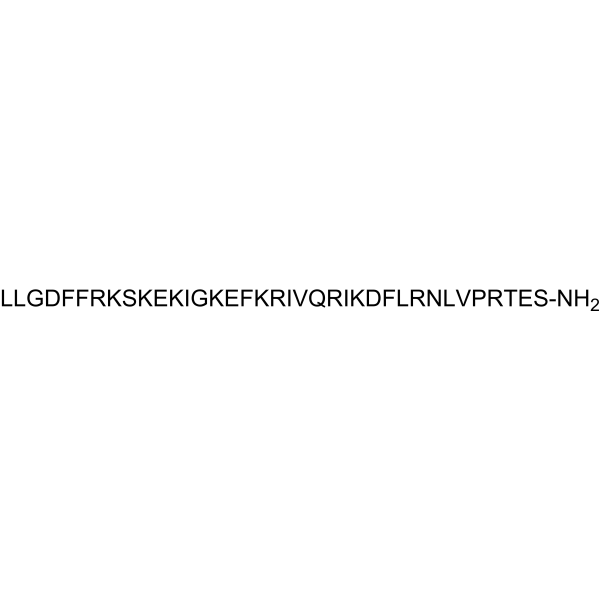
    Plantaricin F is an antibacterial peptide. Plantaricin F strongly inhibits several gram-negative bacteria including the foodbome pathogens Salmonella enteritidis and Pseudomonas aeruginosa. Plantaricin F inhibits several Lactobacillus, Pediococcus and Leuconostoc species .
    Plantaricin F
  • HY-12479

    GSK-2251052; AN 3365

    Bacterial Aminoacyl-tRNA Synthetase Infection
    Epetraborole (GSK2251052) is a leucyl-tRNA synthetase (LeuRS) inhibitor (IC50=0.31 μM), thereby inhibiting protein synthesis. Epetraborole can be used in multidrug-resistant gram-negative pathogens infection research .
    Epetraborole
  • HY-12824

    Antibiotic Bacterial Infection
    RNPA1000, an antibiotic, is a potent RnpA inhibitor and inhibits RnpA-mediated cellular RNA degradation. RNPA1000 inhibits tRNA maturation with an IC50 of 175 μM. RNPA1000 displays broad-spectrum antimicrobial activities and inhibits staphylococcal and all Gram-positive bacterial pathogens activity .
    RNPA1000
  • HY-108062

    Beta-lactamase Bacterial Infection
    BLI-489 is a beta-lactamase inhibitor. BLI-489 combined with Piperacillin (HY-B1923) inhibits infection caused by class A (including ultra-broad spectrum β-lactamase), Class C (AmpC) and Class D β-lactamase expressing pathogens .
    BLI-489
  • HY-N4247R

    Reference Standards Bombesin Receptor Bacterial Apoptosis Reactive Oxygen Species (ROS) PI3K Akt GSK-3 MMP mTOR NF-κB LXR Infection Cardiovascular Disease Neurological Disease Inflammation/Immunology Cancer
    Kuwanon G (Standard) is the analytical standard of Kuwanon G (HY-N4247). This product is intended for research and analytical applications. Kuwanon G is a flavonoid compound and an antagonist of the bombesin receptor. Kuwanon G has multiple activities such as bactericidal, anti-tumor, anti-inflammatory, antioxidant, anti-atherosclerotic, and neuroprotective effects. Kuwanon G exhibits strong antibacterial activity against oral pathogens, especially cariogenic bacteria and periodontal pathogens. Kuwanon G can induce apoptosis and inhibit proliferation, migration, and invasion of tumor cells. Kuwanon G can be used in the research of diseases such as gastric cancer and atherosclerosis .
    Kuwanon G (Standard)
  • HY-120366

    Penicillin-binding protein (PBP) Beta-lactamase Bacterial Infection
    WCK-5153 is a Penicillin-Binding Protein 2 (PBP2) inhibitor with an IC50 of 0.14 μg/ml (for P. aeruginosa PBP2) and acts as a β-lactam enhancer against Pseudomonas aeruginosa. WCK-5153 can be used in studies of multidrug-resistant (MDR) pathogens .
    WCK-5153
  • HY-179415

    Dihydrofolate reductase (DHFR) Bacterial Infection
    DHFR-IN-24, a benzothiazole derivative, is a dihydrofolate reductase (DHFR) inhibitor. DHFR-IN-24 has intrinsic antibacterial activity against both Gram-positive and Gram-negative strains. DHFR-IN-24 synergistically combines DHFR inhibition with photodynamic therapy (PDT) for enhanced antibacterial activity against multidrug-resistant pathogens .
    DHFR-IN-24
  • HY-106574

    BAL5788

    Bacterial Infection Inflammation/Immunology
    Ceftobiprole medocaril (BAL5788) is the parenteral proagent of Ceftobiprole (HY-112579). Ceftobiprole is a parenteral pyrrolidinone cephalosporin. Ceftobiprole is a broad-spectrum cephalosporin with high levels of in vitro activity against methicillin- (MRSA) and vancomycin-resistant staphylococci (VRSA) and penicillin-resistant streptococci. Ceftobiprole also inhibits gram-positive and gram-negative pathogens .
    Ceftobiprole medocaril
  • HY-149492

    Phosphatase Fungal Infection
    Phosphatase-IN-1 (compound II-8), a propranolol (HY-B0573B) derivative, is a phosphatidate phosphatase (Pah) inhibitor. Phosphatase-IN-1 can binds to MoPah1, with an affinity constant of 19.8 μM. Phosphatase-IN-1 inhibits growth of plant pathogens and shows anti-fungal ability. Phosphatase-IN-1 is not toxic to rice seedlings and wheat heads .
    Phosphatase-IN-1
  • HY-179565

    Bacterial Infection
    NM102 is an ATP competitive mutation frequency decline (Mfd) protein inhibitor (IC50 = 29 μM, Ki = 27 μM) with potent antimicrobial activity. NM102 protects against infections with antimicrobial resistant ESKAPE pathogens. NM102 exhibits activity in insects and mice. NM102 can be used for research of infections caused by Gram-negative bacteria .
    NM102
  • HY-126869

    Bacterial Parasite Infection
    Pseudomonic acid D is a microbial inhibitor. Pseudomonic acid D potently inhibits mycoplasmas and bacterial pathogens. Pseudomonic acid D can be produced by fermentation with Pseudomonas fluorescens .
    Pseudomonic acid D
  • HY-N12808

    Fungal Infection
    (E)-4-Methyl-5-styrylbenzene-1,3-diol (Compound III) is an antifungal agent and can be extracted from Dracaena cochinchinensis (Lour.) S. C. Chen .
    (E)-4-Methyl-5-styrylbenzene-1,3-diol

Inquiry Online

Your information is safe with us. * Required Fields.

Salutation


Country or Region *

Applicant Name *


Organization Name *

Department *


Email Address *


Product Name *

Cat. No.


Requested quantity *

Phone Number *


Remarks

Inquiry Online

Inquiry Information

Product Name:
Cat. No.:
Quantity:
MCE Japan Authorized Agent:

