

1. Search Result
Search Result
Results for "

pathological activation

" in MedChemExpress (MCE) Product Catalog:

45

Inhibitors & Agonists

4

Screening Libraries

1

Fluorescent Dyes

2

Biochemical Assay Reagents

1

Peptides

2

Inhibitory Antibodies

3

Natural
Products

1

Isotope-Labeled Compounds

1

Oligonucleotides

Targets Recommended:
Cat. No. Product Name Target Research Areas Chemical Structure
  • HY-107614
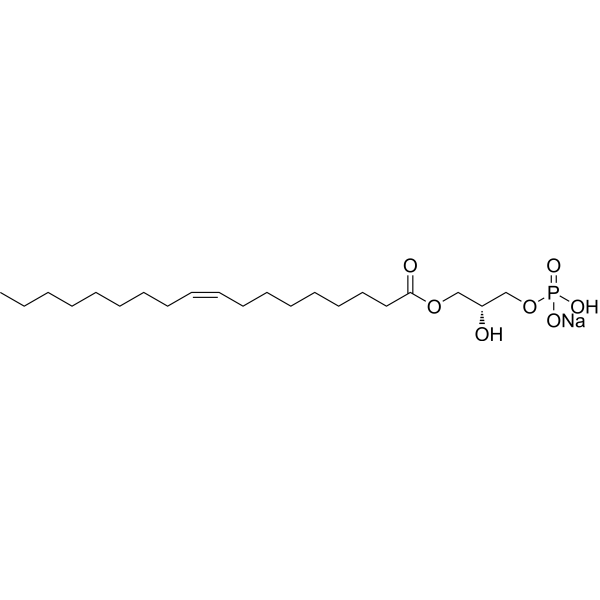
    1-Oleoyl lysophosphatidic acid sodium
    3 Publications Verification

    1-Oleoyl-sn-glycero-3-phosphate sodium; 1-Oleoyl-LPA sodium

    LPL Receptor Mitosis Neurological Disease
    1-Oleoyl lysophosphatidic acid (1-Oleoyl-sn-glycero-3-phosphate) sodium, a potent bioactive phospholipid, is a LPA receptor activator. 1-Oleoyl lysophosphatidic acid sodium can promote mitosis by inducing DNA synthesis. 1-Oleoyl lysophosphatidic acid sodium is also involved in normal and pathological emotional responses, including anxiety and depression .
    1-Oleoyl lysophosphatidic acid sodium
  • HY-125864
    Fibrinogen (Bovine)
    2 Publications Verification

    Interleukin Related NF-κB Inflammation/Immunology
    Fibrinogen (Bovine) is a selective proteolytic molecule that can be activated by thrombin to assemble fibrin clots. Fibrinogen can regulate the activation of NF-KB in endothelial cells and upregulate the expression of inflammatory chemokines MCP-1 and MCP-1. Fibrinogen plays a key role in blood clotting, thrombosis, atherosclerosis and the pathological development of venous grafts, and can be used in the study of blood clotting and vascular diseases .
    Fibrinogen (Bovine)
  • HY-108434
    Ceapin-A7
    Maximum Cited Publications
    23 Publications Verification

    ATF6 Neurological Disease Metabolic Disease
    Ceapin-A7 is a selective blocker of ATF6α signaling in response to ER stress, with an IC50 of 0.59 μM. Ceapin-A7 can be used to explore both the mechanism of activation of ATF6α and its role in pathological settings .
    Ceapin-A7
  • HY-107543
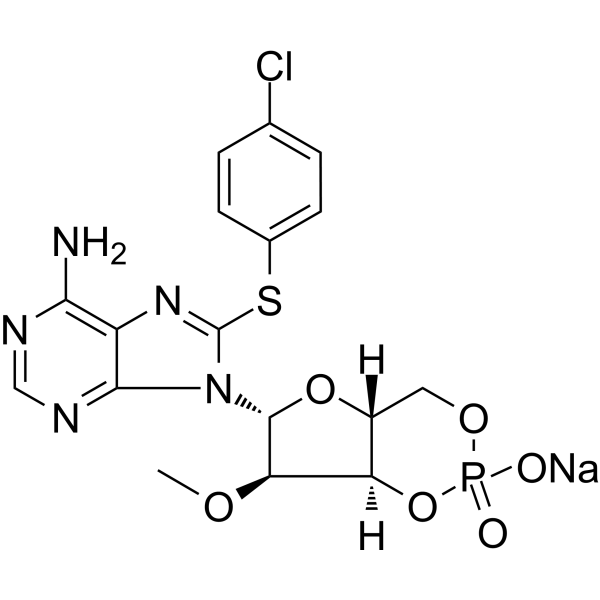
    8-pCPT-2′-O-Me-cAMP sodium
    1 Publications Verification

    8-CPT-2'-O-Me-cAMP sodium

    Ras Cardiovascular Disease
    8-pCPT-2′-O-Me-cAMP (8-CPT-2'-O-Me-cAMP) sodium, an analog of cAMP, is an activator of exchange proteins activated by cAMP (Epac). 8-pCPT-2′-O-Me-cAMP sodium activates Epac1 (EC50 = 2.2 μM), but not PKA (EC50 >10 μM). 8-pCPT-2′-O-Me-cAMP sodium stimulates Epac-mediated Ca 2+ release in pancreatic β-cells in vitro. 8-pCPT-2′-O-Me-cAMP sodium is a Rap1 activator. 8-pCPT-2′-O-Me-cAMP sodium enhances the retinal pigment epithelium barrier against the pathological choroidal endothelial cell invasion that occurs in macular degeneration .
    8-pCPT-2′-O-Me-cAMP sodium
  • HY-108652
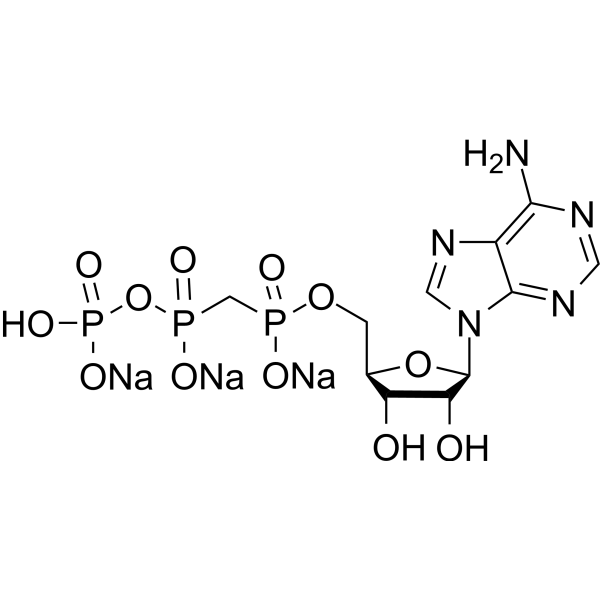
    α,β-Methylene-ATP trisodium
    1 Publications Verification

    P2X Receptor Inflammation/Immunology
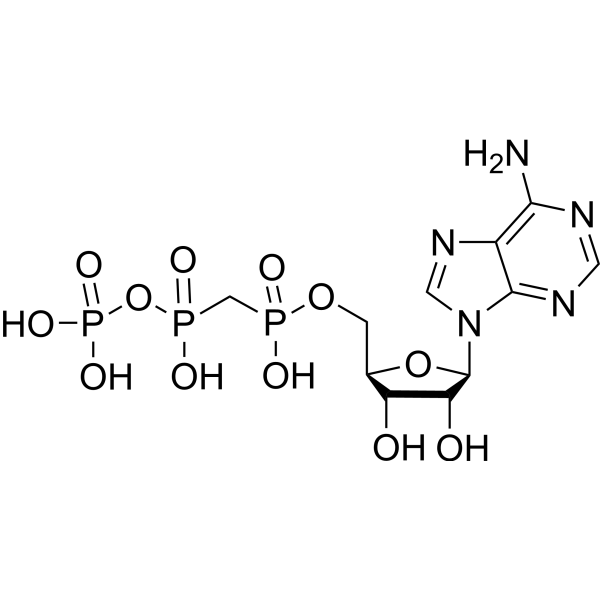
    α,β-Methylene-ATP trisodium is an agonist of P2X1 and P2X3 receptors and can cross the blood-brain barrier. α,β-Methylene-ATP trisodium can trigger a reflex pressor response by activating P2X receptors in peripheral muscles and the central locus coeruleus (LC); this effect can be blocked by the P2X antagonist PPADS (HY-108960). α,β-Methylene-ATP trisodium also activates noradrenergic neurons in the central locus coeruleus, mediating antinociceptive effects; this effect can be attenuated by the locus coeruleus damaging agent DSP-4 (HY-103210/HY-121602). α,β-Methylene-ATP trisodium can be used to study the pathological mechanisms of neuropathic pain, cardiovascular reflex regulation, and antinociceptive effects of the central nervous system .
    α,β-Methylene-ATP trisodium
  • HY-P991488

    Interleukin Related Inflammation/Immunology
    BI-765423 is a selective monoclonal antibody inhibitor targeting IL-11. BI-765423 blocks IL-11-mediated signaling, inhibits fibroblast activation, and can extend the healthy lifespan of mammals, counteract cellular senescence in human cells, and alleviate inflammatory aging-related pathological processes. BI-765423 is primarily used in research on fibrotic diseases such as idiopathic pulmonary fibrosis (IPF) .
    BI-765423
  • HY-NP004

    CVF

    Complement System Inflammation/Immunology
    Cobra Venom Factor (CVF) is a selective activator targeting complement components C3, C5, and factor B in the complement system. After binding to factor B, Cobra Venom Factor is cleaved by factor D, forming a stable C3/C5 convertase resistant to regulatory proteins H and I. This continuously hydrolyzes C3 and C5, depleting serum complement while inducing neutrophil migration, vascular leakage, and increased TNF-α levels. Cobra Venom Factor can be used to deplete complement and mimic complement activation-related pathological states, and is applied in animal models of complement-mediated diseases such as acute respiratory distress syndrome (ARDS), sepsis, and shock. Cobra Venom Factor can be isolated from the venom of cobras (e.g., Naja atra, Naja melanoleuca, Naja kaouthia, etc.) .
    Cobra Venom Factor
  • HY-124500
    AC-4-130
    5+ Cited Publications

    STAT Apoptosis Cancer
    AC-4-130 is a potent STAT5 SH2 domain inhibitor. AC-4-130 directly binds to STAT5 and disrupts STAT5 activation, dimerization, nuclear translocation, and STAT5-dependent gene transcription. AC-4-130 induces cell cycle arrest and apoptosis in FLT3-ITD-driven leukemic cells. AC-4-130 has anti-cancer activity and can efficiently block pathological levels of STAT5 activity in acute myeloid leukemia (AML) .
    AC-4-130
  • HY-B0531

    COX Phosphodiesterase (PDE) NF-κB NO Synthase Prostaglandin Receptor Infection Neurological Disease Inflammation/Immunology Cancer
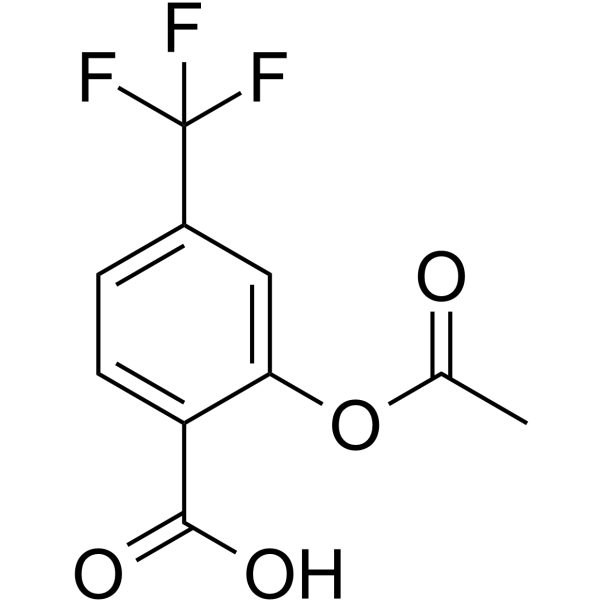
    Triflusal is an orally bioavailable, blood-brain barrier-permeable dual Cyclooxygenase-1 (COX-1)/cAMP phosphodiesterase inhibitor. Triflusal inhibits platelet aggregation, NF-κB activation, iNOS activity, and prostaglandin synthesis in ischaemic tissue. Triflusal stimulates neutrophil nitric oxide production, eNOS protein expression, and cNOS activity. Triflusal alleviates cerebral ischemic injury in rats and ameliorates pathological lesions and related gene expression in transgenic Alzheimer’s disease models. Triflusal can be used for the research of thromboembolic/ischemic cardiovascular and cerebrovascular diseases, and Alzheimer’s disease .
    Triflusal
  • HY-149136

    Integrin TGF-beta/Smad Inflammation/Immunology
    MORF-627 is a highly selective, orally active integrin αvβ6 inhibitor. By blocking TGF-β1 activation and pSMAD2 signaling, MORF-627 significantly reduces collagen deposition, epithelial-mesenchymal transition markers, and structural changes in fibrotic cells. MORF-627 exhibits significant antifibrotic efficacy without genotoxicity in idiopathic pulmonary fibrosis models. However, MORF-627 induces bladder epithelial proliferation and early invasive urothelial carcinoma in cynomolgus monkeys and human cells, and this toxic effect can be reversed by exogenous TGF-β. MORF-627 can be used for studying the pathological mechanisms of pulmonary fibrosis and evaluating drug safety .
    MORF-627
  • HY-N7368

    Adenosine Deaminase Bacterial Caspase Infection Neurological Disease Inflammation/Immunology Cancer
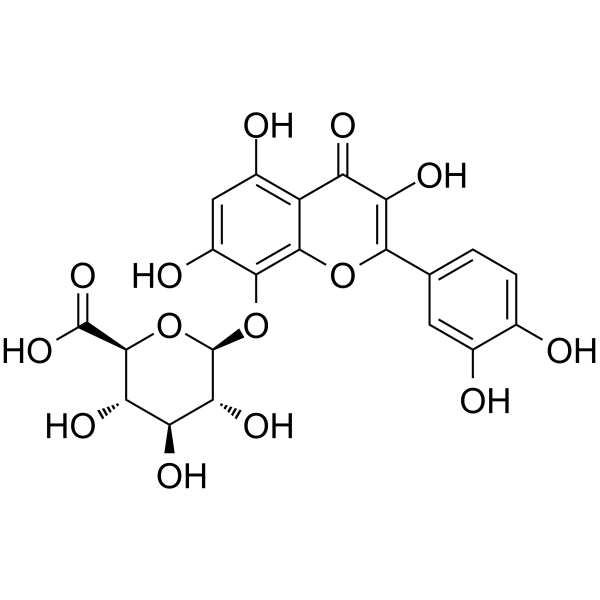
    Hibifolin is a flavonol glycoside that can be isolated from Helicteres isora. Hibifolin is an inhibitor of adenosine deaminase (ADA) (Ki = 49.92 μM). Hibifolin protects neurons against β-amyloid-induced neurotoxicity. Hibifolin possesses a potent protective activity against cell death induced by aggregated Aβ. Hibifolin can abolish Aβ-induced caspase-3 and caspase-7 activation. Hibifolin induces Akt phosphorylation in cortical neurons. Hibifolin is also a natural sortase A (SrtA) inhibitor (IC50 = 31.2 μM) through direct binding to SrtA protein. Hibifolin attenuates the pathogenic behavior of Staphylococcus aureus including adhesion, invasion, and biofilm formation. Hibifolin improves the survival of pneumonia induced by Staphylococcus aureus in mouse model and alleviates pathological damage. Hibifolin shows a synergistic antibacterial effect with Cefotaxime (HY-A0088A) .
    Hibifolin
  • HY-19393

    Phosphodiesterase (PDE) Cardiovascular Disease Inflammation/Immunology Cancer
    SCH 351591 is a highly selective, orally active PDE4 inhibitor, with IC50 values of 58 nM and 153 nM in humans and rats, respectively. SCH 351591 effectively inhibits pathological processes such as cytokine production, eosinophilia, airway hyperresponsiveness and bronchospasm. SCH 351591 also induces microvascular injury, activates mast cells and endothelial cells, and causes increases in serum histamine and various inflammatory factors, leading to early vascular damage. SCH 351591 has been widely used in studies related to asthma, chronic obstructive pulmonary disease and drug-induced vascular injury .
    SCH 351591
  • HY-W324435

    Sodium 2,4-dinitrobenzenesulfonate; DNBS sodium salt; DNBSO sodium salt

    NF-κB p38 MAPK COX Inflammation/Immunology
    2,4-Dinitrobenzenesulfonic acid (DNBS; DNBSO) sodium salt (Sodium 2,4-dinitrobenzenesulfonate) is a classic colitis inducer that relies on activation of the NF-κB p65/COX-2/p38 pathway. As a hapten, 2,4-Dinitrobenzenesulfonic acid sodium salt stimulates the production of immune responses in colonic tissues, triggers oxidative stress and inflammatory reactions, and thereby leads to colonic injury. 2,4-Dinitrobenzenesulfonic acid sodium salt successfully induces models of colitis and ulcerative colitis in rats, causing pathological changes such as ulcers, edema, stenosis, shortening and organ adhesion in the distal colon, along with significant increases in the levels of inflammatory indicators and endoplasmic reticulum stress marker proteins. 2,4-Dinitrobenzenesulfonic acid sodium salt is widely used in studies on the mechanisms related to colitis and ulcerative colitis .
    2,4-Dinitrobenzenesulfonic acid sodium salt
  • HY-173189A

    2′,5′-ApApA pentasodium; 2′,5′-trioligoadenylate pentasodium; 5'-O-Triphosphoryladenylyl-(2'→5')-adenylyl-(2'→5')-adenosine pentasodium

    RSV DNA/RNA Synthesis Infection Cancer
    2-5A (2′,5′-ApApA) pentasodium solution 100 mM is a high-affinity (Ka=0.04 nM) RNase L binder. 2-5A pentasodium solution 100 mM activates the nuclease activity of latent RNase L to cleave single-stranded RNA by inducing conformational changes and dimerization of latent RNase L, thereby mediating critical antiviral responses and enhancing interferon effects. 2-5A pentasodium solution 100 mM not only effectively inhibits Rauscher murine leukemia virus replication, reduces viremia and splenomegaly, but also enhances antileukemic efficacy when combined with amphotericin B and exhibits favorable high-dose tolerance. 2-5A pentasodium solution 100 mM is an important tool molecule for investigating the pathological mechanisms of viral infection, hereditary prostate cancer and leukemia .
    2-5A pentasodium solution (100 mM)
  • HY-122974

    TSH Receptor Endocrinology
    VA-K-14 hydrochloride is a specific thyroid-stimulating hormone receptor (TSHR) antagonist (IC50= 12.3 μM) .
    VA-K-14 hydrochloride
  • HY-173178

    Estrogen Receptor/ERR Cancer
    LNS8801 is an orally active agonist of the G protein-coupled estrogen receptor (GPER). By activating GPER, LNS8801 mediates downstream signaling pathways, such as promoting the production of cyclic adenosine monophosphate (cAMP) and activating the cAMP response element-binding protein (CREB) signaling, thereby exerting anti-tumor activities including inhibiting tumor cell proliferation, inducing cell differentiation, and enhancing tumor immunogenicity. LNS8801 can be used in the research of various cancers (e.g., melanoma, pancreatic cancer, colorectal cancer, lung cancer, etc.) and relevant studies exploring the roles of GPER in normal physiological and pathological processes .
    LNS8801
  • HY-134440A

    P2X Receptor Inflammation/Immunology
    α,β-Methylene-ATP is an agonist of P2X1 and P2X3 receptors and can cross the blood-brain barrier. α,β-Methylene-ATP can trigger a reflex pressor response by activating P2X receptors in peripheral muscles and the central locus coeruleus (LC); this effect can be blocked by the P2X antagonist PPADS (HY-108960). α,β-Methylene-ATP also activates noradrenergic neurons in the central locus coeruleus, mediating antinociceptive effects; this effect can be attenuated by the locus coeruleus damaging agent DSP-4 (HY-103210/HY-121602). α,β-Methylene-ATP can be used to study the pathological mechanisms of neuropathic pain, cardiovascular reflex regulation, and antinociceptive effects of the central nervous system .
    α,β-Methylene-ATP
  • HY-103435
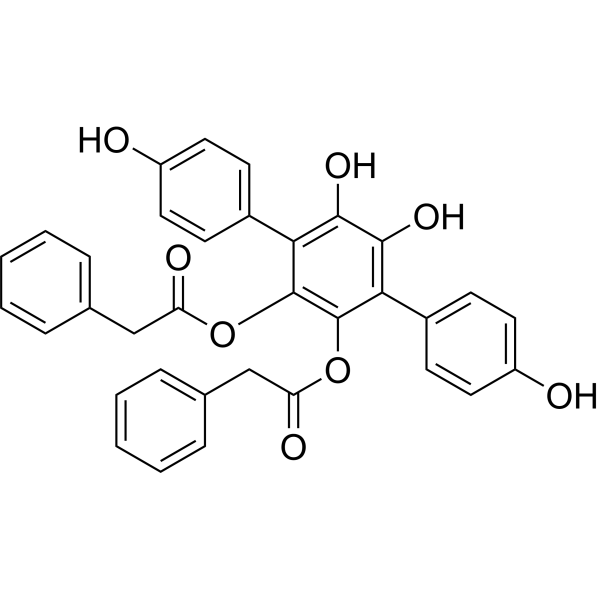
    Vialinin A
    2 Publications Verification

    Terrestrin A

    Deubiquitinase TNF Receptor E1/E2/E3 Enzyme Keap1-Nrf2 Inflammation/Immunology Cancer
    Vialinin A (Terrestrin A) is a p-terphenyl compound that can be derived from a Chinese edible mushroom. Vialinin A is an inhibitor of ubiquitin-specific peptidase 4 (USP4) and has anti-inflammatory and antioxidant properties. Vialinin A can alleviate cerebral ischaemia-reperfusion injury-induced neurological deficits and neuronal apoptosis. Vialinin A promotes activation of Keap1-Nrf2-ARE signaling pathway and increases the protein degradation of Keap1. Vialinin A possesses various pharmacological activities in cancer, Kawasaki disease, asthma, and pathological scarring. Vialinin A is a potent inhibitor of TNF-α, USP4, USP5, and sentrin/SUMO-specific protease 1 (SENP1). Vialinin A can be studied in reseach for autoimmune diseases, cancer and ischaemic stroke .
    Vialinin A
  • HY-116586

    Sigma Receptor mAChR ERK Amyloid-β Tau Protein Neurological Disease
    AF710B is an orally effective allosteric agonist for the M1 muscarinic receptor and σ1 receptor. AF710B activates the downstream phosphorylated ERK1/2 and phosphorylated CREB signaling pathways. AF710B simultaneously improves cognitive function and alleviates the core pathological features of Alzheimer's disease, including deposition, excessive Tau phosphorylation and neuroinflammation. AF710B is applicable to the research of Alzheimer's disease .
    AF710B
  • HY-131879

    Sodium Channel Neurological Disease
    NS383 is a potent and uniquely selective inhibitor of rat ASICs containing 1a and/or 3 subunits. NS383 inhibits H(+)-activated currents recorded from rat homomeric ASIC1a, ASIC3, and heteromeric ASIC1a+3 with IC50 values ranging from 0.61 to 2.2 μM. NS383 is well tolerated and capable of reversing pathological painlike behaviors, presumably via peripheral actions, but possibly also via actions within central pain circuits .
    NS383
  • HY-125864D

    Interleukin Related NF-κB Cardiovascular Disease
    Rabbit Fibrinogen is a native fibrinogen from rabbit plasma. Fibrinogen is a selective proteolytic molecule that can be activated by thrombin to assemble fibrin clots. Fibrinogen can regulate the activation of NF-KB in endothelial cells and upregulate the expression of inflammatory chemokines MCP-1 and MCP-1. Fibrinogen plays a key role in blood clotting, thrombosis, atherosclerosis and the pathological development of venous grafts, and can be used in the study of blood clotting and vascular diseases .
    Rabbit Fibrinogen
  • HY-116312

    8-CPT-2'-O-Me-cAMP

    Ras Cardiovascular Disease
    8-pCPT-2′-O-Me-cAMP (8-CPT-2'-O-Me-cAMP), an analog of cAMP, is an activator of exchange proteins activated by cAMP (Epac). 8-pCPT-2′-O-Me-cAMP activates Epac1 (EC50 = 2.2 μM), but not PKA (EC50 >10 μM). 8-pCPT-2′-O-Me-cAMP stimulates Epac-mediated Ca 2+ release in pancreatic β-cells in vitro. 8-pCPT-2′-O-Me-cAMP is a Rap1 activator. 8-pCPT-2′-O-Me-cAMP enhances the retinal pigment epithelium barrier against the pathological choroidal endothelial cell invasion that occurs in macular degeneration .
    8-pCPT-2′-O-Me-cAMP
  • HY-W414548

    Others Neurological Disease Metabolic Disease
    7α,27-Dihydroxycholesterol is an oxysterol characterized by its oxidized side chains and is produced through the hydroxylation of 27-Hydroxycholesterol (27-OHC); it serves as a metabolite of interest in lipidomic analyses of various pathological conditions, including neurological diseases, Smith-Lemli-Opitz syndrome, obesity metabolic syndrome, and diabetes. Notably, levels of 7α,27-di-OHC decrease following lipopolysaccharide activation, and it also functions as a ligand for Epstein-Barr virus-induced gene 2 (EBI2). Additionally, 7α,27-di-OHC exists as a structural isomer of 7α,25-dihydroxycholesterol (7α25-OHC).
    7α,27-Dihydroxycholesterol
  • HY-117738

    Aminopeptidase Endogenous Metabolite GSK-3 β-catenin Apoptosis Metabolic Disease
    Benarthin is an orally active Pyroglutamyl peptidase inhibitor, THY1 inhibitor (with a Kd value of 5.13e-08 M) and competitive PGP-1 inhibitor (Ki = 1.2 µM). Benarthin is isolated from the culture broth of Streptomyces xanthophaeus MJ244-SF1. Benarthin disrupts the THY1-SFRP1 interaction, inhibits the activation of the GSK3α/β-β-catenin pathway, and reduces the upregulation of FASLG. Benarthin attenuates urothelial anoikis and reduces cell Apoptosis. Benarthin possesses iron-chelating activity. Benarthin maintains urothelial barrier integrity and blocks the pathological cascade of renal interstitial fibroblasts induced by HAP stimulation. Benarthin can be used in studies related to kidney stones .
    Benarthin
  • HY-P990180

    C-type Lectin-like Receptors (CTLRs) Inflammation/Immunology Cancer
    Anti-Mouse NKG2A/C/E Antibody (20D5) is an anti-mouse NKG2A/C/E IgG2a monoclonal antibody. Anti-Mouse NKG2A/C/E Antibody (20D5) can activate natural killer (NK) and CD8 + T cells. Anti-Mouse NKG2A/C/E Antibody (20D5) can exacerbate liver pathological damage by enhancing the activation of iNKT cells. Anti-Mouse NKG2A/C/E Antibody (20D5) can be used for researches on cancer and immunology such as lymphoma .
    Anti-Mouse NKG2A/C/E Antibody (20D5)
  • HY-134268

    8-Bromo-7-deazaadenosine-5'-O-diphosphoribose

    TRP Channel Cardiovascular Disease Neurological Disease Metabolic Disease
    8-Br-7-CH-ADPR (8-Bromo-7-deazaadenosine-5'-O-diphosphoribose) is a specific TRPM2 antagonist that inhibits TRPM2 activation by binding to the NUDT9 homology domain of the TRPM2 channel, thereby controlling the influx of cations through the cell membrane channel. 8-Br-7-CH-ADPR can be used to study the role of TRPM2 in pathological processes such as cell death, neurodegenerative diseases, myocardial infarction, and diabetes .
    8-Br-7-CH-ADPR
  • HY-179133

    P2Y Receptor PKA Raf MEK ERK Inflammation/Immunology
    HDB-1 is a selective inhibitor of the P2Y14 receptor (P2Y14R) with an IC50 of 26 pM. HDB-1 shows no significant inhibition on P2Y1R, P2Y2R, P2Y4R, P2Y6R, and P2Y12R. HDB-1 blocks the activation of hepatic stellate cells (HSC) by inhibiting the PKA/Raf1/MEK/ERK signaling pathway mediated by P2Y14R, thereby alleviating the core pathological process of liver fibrosis. HDB-1 can be used for the study of liver fibrosis .
    HDB-1
  • HY-19125

    Platelet-activating Factor Receptor (PAFR) Cardiovascular Disease Inflammation/Immunology
    BN-50726 is a potent platelet-activating factor (PAF) receptor antagonist. BN-50726 inhibits PAF-induced effects (e.g., [3H]-serotonin release and hypotension) (IC50=5.40 nM). BN-50726 is promising for research of PAF-mediated pathological processes (e.g., inflammation, anaphylaxis, hypotension) .
    BN-50726
  • HY-177739

    Drug Derivative Collagen Inflammation/Immunology
    Antifibrotic agent 2 (Compound 636) is a polycyclic pyridinone derivative with antifibrotic activity. Antifibrotic agent 2 reduces the pathological accumulation of fibrosis-related proteins such as fibronectin and collagen, prevents excessive fibrous connective tissue from depositing in organs or tissues, and reverses or delays the remodeling of tissue fibrosisby regulating the abnormal proliferation and activation of fibroblasts. Antifibrotic agent 2 can be used for research on pulmonary fibrosis .
    Antifibrotic agent 2
  • HY-134440

    P2X Receptor Inflammation/Immunology
    α,β-Methylene-ATP dilithium is an agonist of P2X1 and P2X3 receptors and can cross the blood-brain barrier. α,β-Methylene-ATP dilithium can trigger a reflex pressor response by activating P2X receptors in peripheral muscles and the central locus coeruleus (LC); this effect can be blocked by the P2X antagonist PPADS (HY-108960). α,β-Methylene-ATP dilithium also activates noradrenergic neurons in the central locus coeruleus, mediating antinociceptive effects; this effect can be attenuated by the locus coeruleus damaging agent DSP-4 (HY-103210/HY-121602). α,β-Methylene-ATP dilithium can be used to study the pathological mechanisms of neuropathic pain, cardiovascular reflex regulation, and antinociceptive effects of the central nervous system .
    α,β-Methylene-ATP dilithium
  • HY-124445

    NF-κB Inflammation/Immunology
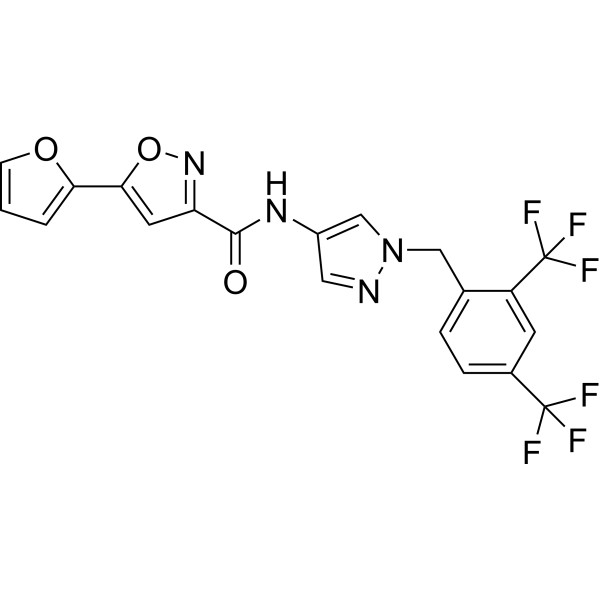
    APC0576 is an inhibitor for the activation of NF-κB signaling pathway, and inhibits the activation of NF-κB depedent gene (IC50 is 1.0 μM for β-gal). APC0576 inhibits IL-1-induced chemokines release, and can be used in research about pathological endothelial cell activation releted diseases .
    APC0576
  • HY-163859

    Histone Demethylase Cardiovascular Disease
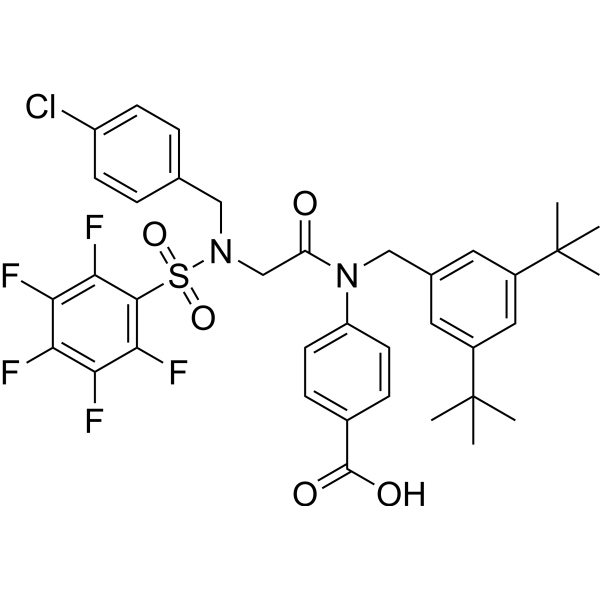
    LSD1-IN-33 (7d), an orally active LSD1 inhibitor with an IC50 of 4.51 nM, alleviates Ang II-induced NRCFs activation in vitro and reducing pathological myocardial remodeling in TAC-induced cardiac remodeling and heart failure in vivo .
    LSD1-IN-33
  • HY-150971

    Pyroptosis Cancer
    ICy-Q is a quinone oxidoreductase 1 (NQO-1)-activated near-infrared (NIR) reagent which can react with NQO-1 to release the reduction product ICy-OH. ICy-OH selectively induces pancreatic cancer cell death through the pyroptosis pathway. ICy-Q can be used as an effective tool for rapid and accurate diagnosis of intraoperative pathological sections .
    ICy-Q
  • HY-B0531S

    Isotope-Labeled Compounds COX NF-κB Phosphodiesterase (PDE) NO Synthase Prostaglandin Receptor Infection Neurological Disease Inflammation/Immunology Cancer
    Triflusal-d3 is deuterium labeled Triflusal (HY-B0531). Triflusal is an orally bioavailable, blood-brain barrier-permeable dual Cyclooxygenase-1 (COX-1)/cAMP phosphodiesterase inhibitor. Triflusal inhibits platelet aggregation, NF-κB activation, iNOS activity, and prostaglandin synthesis in ischaemic tissue. Triflusal stimulates neutrophil nitric oxide production, eNOS protein expression, and cNOS activity. Triflusal alleviates cerebral ischemic injury in rats and ameliorates pathological lesions and related gene expression in transgenic Alzheimer’s disease models. Triflusal can be used for the research of thromboembolic/ischemic cardiovascular and cerebrovascular diseases, and Alzheimer’s disease .
    Triflusal-d3
  • HY-B0531R

    Reference Standards COX Phosphodiesterase (PDE) NF-κB NO Synthase Prostaglandin Receptor Infection Neurological Disease Inflammation/Immunology Cancer
    Triflusal (Standard) is the analytical standard of Triflusal (HY-B0531). This product is intended for research and analytical applications. Triflusal is an orally bioavailable, blood-brain barrier-permeable dual Cyclooxygenase-1 (COX-1)/cAMP phosphodiesterase inhibitor. Triflusal inhibits platelet aggregation, NF-κB activation, iNOS activity, and prostaglandin synthesis in ischaemic tissue. Triflusal stimulates neutrophil nitric oxide production, eNOS protein expression, and cNOS activity. Triflusal alleviates cerebral ischemic injury in rats and ameliorates pathological lesions and related gene expression in transgenic Alzheimer’s disease models. Triflusal can be used for the research of thromboembolic/ischemic cardiovascular and cerebrovascular diseases, and Alzheimer’s disease .
    Triflusal (Standard)
  • HY-N7368R

    Reference Standards Adenosine Deaminase Bacterial Caspase Neurological Disease Inflammation/Immunology Cancer
    Hibifolin (Standard) is the analytical standard of Hibifolin. This product is intended for research and analytical applications. Hibifolin is a flavonol glycoside that can be isolated from Helicteres isora. Hibifolin is an inhibitor of adenosine deaminase (ADA) (Ki = 49.92 μM). Hibifolin protects neurons against β-amyloid-induced neurotoxicity. Hibifolin possesses a potent protective activity against cell death induced by aggregated Aβ. Hibifolin can abolish Aβ-induced caspase-3 and caspase-7 activation. Hibifolin induces Akt phosphorylation in cortical neurons. Hibifolin is also a natural sortase A (SrtA) inhibitor (IC50 = 31.2 μM) through direct binding to SrtA protein. Hibifolin attenuates the pathogenic behavior of Staphylococcus aureus including adhesion, invasion, and biofilm formation. Hibifolin improves the survival of pneumonia induced by Staphylococcus aureus in mouse model and alleviates pathological damage. Hibifolin shows a synergistic antibacterial effect with Cefotaxime (HY-A0088A) .
    Hibifolin (Standard)
  • HY-W653777

    Tau Protein Neurological Disease
    Dopegal is a metabolite od Norepinephrine. Dopegal activates asparagine endopeptidase and pathological Tau aggregation in locus coeruleus.
    Dopegal
  • HY-D3319

    Biochemical Assay Reagents MMP Inflammation/Immunology Cancer
    BHQ‑3 carboxylic acid is an azo‑containing dark fluorescence quencher. BHQ‑3 carboxylic acid is conjugated to an MMP‑cleavable peptide and paired with a fluorophore to form an activatable probe for MMP activity detection in vitro. BHQ‑3 carboxylic acid shows maximal absorption in the 620 to 730 nm range. BHQ‑3 carboxylic acid–based fluorescent probes can be used in the research of arthritis and tumor‑related pathological processes. .
    BHQ-3 carboxylic acid chloride
  • HY-W720917

    CaMK PKC Amyloid-β Apoptosis Neurological Disease
    Junicedric acid is a diterpenoid compound that can be isolated from the resin of the Araucaria araucana tree. Junicedric acid exerts neuroprotective activity by increasing intracellular calcium levels in hippocampal neurons, activating PKC and calcium/calmodulin-dependent protein kinase (CaMKII), and preventing Amyloid-β oligomer-induced synaptic protein loss, apoptosis, and long-term potentiation (LTP) inhibition. Junicedric acid can be used in the study of the pathological mechanisms of neurodegenerative diseases such as Alzheimer's disease .
    Junicedric acid
  • HY-108434R

    Reference Standards ATF6 Neurological Disease Metabolic Disease
    Ceapin-A7 (Standard) is the analytical standard of Ceapin-A7 (HY-108434). This product is intended for research and analytical applications. Ceapin-A7 is a selective blocker of ATF6α signaling in response to ER stress, with an IC50 of 0.59 μM. Ceapin-A7 can be used to explore both the mechanism of activation of ATF6α and its role in pathological settings .
    Ceapin-A7 (Standard)
  • HY-107614R

    1-Oleoyl-sn-glycero-3-phosphate sodium (Standard); 1-Oleoyl-LPA sodium (Standard)

    LPL Receptor Mitosis Reference Standards Neurological Disease
    1-Oleoyl lysophosphatidic acid sodium (Standard) is the analytical standard of 1-Oleoyl lysophosphatidic acid (sodium) (HY-107614). This product is intended for research and analytical applications. 1-Oleoyl lysophosphatidic acid (1-Oleoyl-sn-glycero-3-phosphate) sodium, a potent bioactive phospholipid, is a LPA receptor activator. 1-Oleoyl lysophosphatidic acid sodium can promote mitosis by inducing DNA synthesis. 1-Oleoyl lysophosphatidic acid sodium is also involved in normal and pathological emotional responses, including anxiety and depression .
    1-Oleoyl lysophosphatidic acid sodium (Standard)
  • HY-180112

    Keap1-Nrf2 Reactive Oxygen Species (ROS) PI3K Akt p38 MAPK Metabolic Disease
    SH543 is a potent anti-osteoporosis agent. SH543 inhibits nuclear factor κB ligand (RANKL)-induced osteoclastogenesis with an IC50 of 3.3 nM. SH543 directly binds to KEAP1, activates the Nrf2-HO-1 antioxidant pathway, reduces ROS levels, and inhibits PI3K-AKT and MAPK signaling pathways. SH543 attenuates pathological bone loss in ovariectomized mice. SH543 can be used for osteoporosis research .
    SH543
  • HY-107543R

    8-CPT-2'-O-Me-cAMP sodium (Standard)

    Reference Standards Ras Cardiovascular Disease
    8-pCPT-2′-O-Me-cAMP sodium (Standard) is the analytical standard of 8-pCPT-2′-O-Me-cAMP (sodium) (HY-107543). This product is intended for research and analytical applications. 8-pCPT-2′-O-Me-cAMP (8-CPT-2'-O-Me-cAMP) sodium, an analog of cAMP, is an activator of exchange proteins activated by cAMP (Epac). 8-pCPT-2′-O-Me-cAMP sodium activates Epac1 (EC50 = 2.2 μM), but not PKA (EC50 >10 μM). 8-pCPT-2′-O-Me-cAMP sodium stimulates Epac-mediated Ca2+ release in pancreatic β-cells in vitro. 8-pCPT-2′-O-Me-cAMP sodium is a Rap1 activator. 8-pCPT-2′-O-Me-cAMP sodium enhances the retinal pigment epithelium barrier against the pathological choroidal endothelial cell invasion that occurs in macular degeneration .
    8-pCPT-2′-O-Me-cAMP sodium (Standard)
  • HY-108652R

    Reference Standards P2X Receptor Inflammation/Immunology
    α,β-Methylene-ATP trisodium (Standard) is the analytical standard of α,β-Methylene-ATP (trisodium) (HY-108652). This product is intended for research and analytical applications. α,β-Methylene-ATP trisodium is an agonist of P2X1 and P2X3 receptors and can cross the blood-brain barrier. α,β-Methylene-ATP trisodium can trigger a reflex pressor response by activating P2X receptors in peripheral muscles and the central locus coeruleus (LC); this effect can be blocked by the P2X antagonist PPADS (HY-108960). α,β-Methylene-ATP trisodium also activates noradrenergic neurons in the central locus coeruleus, mediating antinociceptive effects; this effect can be attenuated by the locus coeruleus damaging agent DSP-4 (HY-103210/HY-121602). α,β-Methylene-ATP trisodium can be used to study the pathological mechanisms of neuropathic pain, cardiovascular reflex regulation, and antinociceptive effects of the central nervous system .
    α,β-Methylene-ATP trisodium (Standard)
  • HY-46286

    N-(4-tert-butyl-1,3-thiazol-2-yl)-3-fluorobenzamide

    5-HT Receptor nAChR GABA Receptor Glycine Receptor (GlyR) Neurological Disease
    TTFB (N-(4-tert-butyl-1,3-thiazol-2-yl)-3-fluorobenzamide) is a selective, non-competitive zinc-activated channel (ZAC) antagonist. TTFB inhibits Zn 2+- and H +-induced ZAC currents with IC50 values of 3 μM and 8.5 μM, respectively, and has an IC50 of 4.7 μM against spontaneous activity. TTFB shows no significant agonistic, antagonistic or modulatory activity towards representative classical Cys-loop receptors including m5-HT3AR, hα3β4 nAChR, hα1β2γ2S GABAAR and hα1 GlyR. TTFB can be used to investigate the physiological and pathological functions of ZAC.
    TTFB

Inquiry Online

Your information is safe with us. * Required Fields.

Salutation


Country or Region *

Applicant Name *


Organization Name *

Department *


Email Address *


Product Name *

Cat. No.


Requested quantity *

Phone Number *


Remarks

Inquiry Online

Inquiry Information

Product Name:
Cat. No.:
Quantity:
MCE Japan Authorized Agent:

