





1. Search Result
Search Result
Results for "

peptide toxin

" in MedChemExpress (MCE) Product Catalog:

182

Inhibitors & Agonists

1

Screening Libraries

2

Fluorescent Dyes

1

Biochemical Assay Reagents

183

Peptides

10

Natural
Products

Cat. No. Product Name Target Research Areas Chemical Structure
  • HY-138298
    Trastuzumab deruxtecan (solution)
    5 Publications Verification

    T-DXd (solution); DS-8201 (solution); DS-8201a (solution)

    Antibody-Drug Conjugates (ADCs) EGFR Cancer
    Trastuzumab deruxtecan (T-DXd; DS-8201a) (solution) is an anti-human epidermal growth factor receptor 2 (HER2) antibody-drug conjugate (ADC). Trastuzumab deruxtecan is composed of a humanized anti-HER2 antibody, an enzymatically cleavable peptide-linker, a topoisomerase I inhibitor (a toxin component of Dxd), and the drug-linker conjugate for ADC is Deruxtecan (HY-13631E). Trastuzumab deruxtecan can be used for the research of HER2-positive breast cancer and gastric cancer .
    Trastuzumab deruxtecan (solution)
  • HY-138298A
    Trastuzumab deruxtecan
    5 Publications Verification

    T-DXd; DS-8201; DS-8201a

    Antibody-Drug Conjugates (ADCs) EGFR Cancer
    Trastuzumab deruxtecan (DS-8201a) is an anti-human epidermal growth factor receptor 2 (HER2) antibody-drug conjugate (ADC). Trastuzumab deruxtecan is composed of a humanized anti-HER2 antibody, an enzymatically cleavable peptide-linker, a topoisomerase I inhibitor (a toxin component of Dxd), and the drug-linker conjugate for ADC is Deruxtecan (HY-13631E). Trastuzumab deruxtecan can be used for the research of HER2-positive breast cancer and gastric cancer .
    Trastuzumab deruxtecan
  • HY-P0256
    Apamin
    5+ Cited Publications

    Apamine

    Potassium Channel Neurological Disease Inflammation/Immunology
    Apamin (Apamine) is an 18 amino acid peptide neurotoxin found in apitoxin (bee venom), is known as a specifically selective blocker of Ca 2+-activated K + (SK) channels and exhibits anti-inflammatory and anti-fibrotic activity .
    Apamin
  • HY-P1410B
    D-GsMTx4
    3 Publications Verification

    Piezo Channel Calcium Channel mTOR PI3K Akt Cardiovascular Disease Neurological Disease Inflammation/Immunology
    D-GsMTx4 is a spider peptide and the D enantiomer of GsMTx4 (HY-P1410). D-GsMTx4 inhibits the mechanosensitive ion channel Piezo2. D-GsMTx4 inhibits [Ca 2+]i elevation. D-GsMTx4 inhibits mTOR and PI3K-Akt signaling pathways. D-GsMTx4 inhibits mechanical allodynia and thermal hyperalgesia. D-GsMTx4 can be used in researches of mechanical stress, chronic pain and idiopathic pulmonary fibrosis .
    D-GsMTx4
  • HY-125586

    DNA/RNA Synthesis ADC Payload Cancer
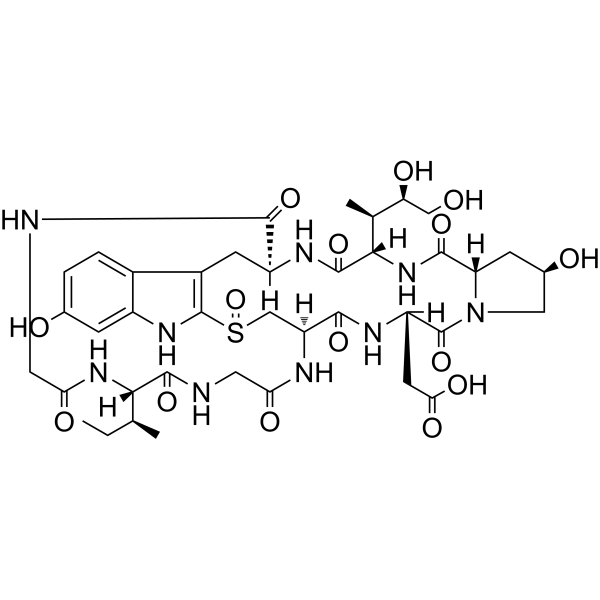
    β-Amanitin is a cyclic peptide toxin in the poisonous Amanita phalloides mushroom. β-Amanitin inhibits inhibits eukaryotic RNA polymerase II and III. β-Amanitin inhibits protein synthesis. β-Amanitin can be used as a cytotoxic component of antibody-drug conjugates (ADCs) .
    β-Amanitin
  • HY-W012479
    H-D-Trp-OH
    1 Publications Verification

    D-Tryptophan

    Endogenous Metabolite Ligands for E3 Ligase Metabolic Disease
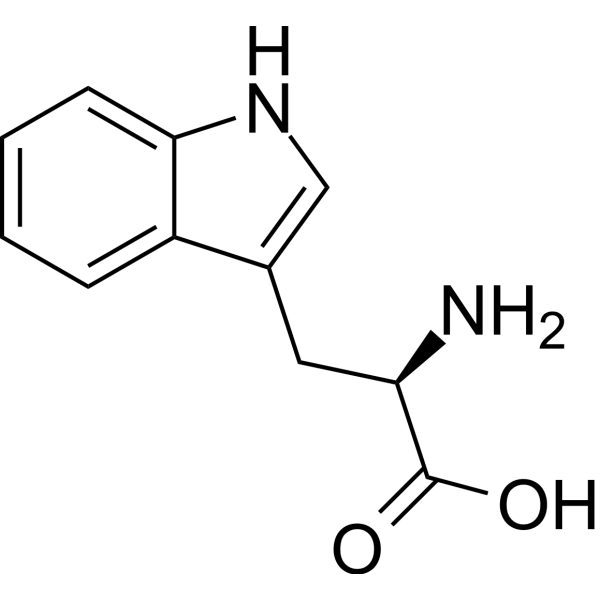
    H-D-Trp-OH (D-Tryptophan) is the D-isomer of tryptophan, which is occasionally found in natural peptides, such as marine toxin peptides. H-D-Trp-OH can increase intestinal microbial diversity and counteract the inhibitory effect of allergic airway inflammation on intestinal microbial diversity .
    H-D-Trp-OH
  • HY-P10408

    EGFR MMP Calcium Channel NOD-like Receptor (NLR) ERK p38 MAPK Infection Inflammation/Immunology
    Candidalysin is a cytolytic peptide toxin secreted by the fungus Candida albicans. Candidalysin drives epithelial immune responses by activating the EGFR-MAPK signaling pathway, inducing MMP expression and calcium influx, and regulating the c-Fos transcription factor and MKP1 via p38 MAPK and ERK1/2 respectively. Candidalysin is essential for mucosal and systemic infections, activating NLRP3 to promote inflammatory responses, neutrophil recruitment, and Th17 immunity. Candidalysin activates LDH causing membrane damage and exhibiting cytotoxicity
    Candidalysin
  • HY-P1264F

    nAChR Neurological Disease
    FITC-labeled α-Bungarotoxin is FITC-conjugated α-Bungarotoxin (HY-P1264). α-Bungarotoxin acts as a competitive antagonist of nicotinic acetylcholine receptors (nAChRs) .
    α-Bungarotoxin, FITC labeled
  • HY-160807

    Drug-Linker Conjugates for ADC Cancer
    DBM-GGFG-NH-O-CO-Exatecan (Example 4, Compound 14) is a conjugate of an ADC drug toxin molecule and a linker. DBM-GGFG-NH-O-CO-Exatecan is a complete antibody-drug conjugate intermediate that integrates a potent camptothecin-based toxin, a cleavable peptide linker (GGFG), and a reactive terminus that can directly conjugate to antibodies .
    DBM-GGFG-NH-O-CO-Exatecan
  • HY-P1117
    MMK1
    1 Publications Verification

    Formyl Peptide Receptor (FPR) Calcium Channel Neurological Disease Inflammation/Immunology
    MMK1 is a potent and selective human formyl peptide receptor like-1 (FPRL-1/FPR2) agonist with EC50s of <2 nM and >10000 nM for FPRL-1 and FPR1, respectively. MMK1 is a potent chemotactic and calcium-mobilizing agonist. MMK1 potently activates phagocytic leukocytes and enhances Pertussis Toxin-sensitive production by human monocytes of proinflammatory cytokines IL-1b and IL-6. MMK1 exerts anxiolytic-like activity .
    MMK1
  • HY-P1411
    Psalmotoxin 1
    5+ Cited Publications

    PcTx1; Psalmopoeus cambridgei toxin-1

    Sodium Channel Apoptosis Neurological Disease Cancer
    Psalmotoxin 1 (PcTx1) is a protein toxin that can bind at subunit-subunit interfaces of acid-sensing ion channel 1a (ASIC1a). Psalmotoxin 1 is a potent and slective ASIC1a inhibitor (IC50: 0.9 nM) by increasing the apparent affinity for H + of ASIC1a. Psalmotoxin 1 can induce cell apoptosis, also inhibits cell migration, proferliration and invasion of cancer cells. Psalmotoxin 1 can be used in the research of cancers, or neurological disease .
    Psalmotoxin 1
  • HY-P1189

    Integrin Metabolic Disease Inflammation/Immunology
    Echistatin, the smallest active RGD protein belonging to the family of disintegrins that are derived from snake venoms, is a potent inhibitor of platelet aggregation. Echistatin is a potent inhibitor of bone resorption in culture. Echistatin is a potent antagonist of αIIbβ3, αvβ3 and α5β1 .
    Echistatin
  • HY-P1280
    Margatoxin
    1 Publications Verification

    Potassium Channel Neurological Disease
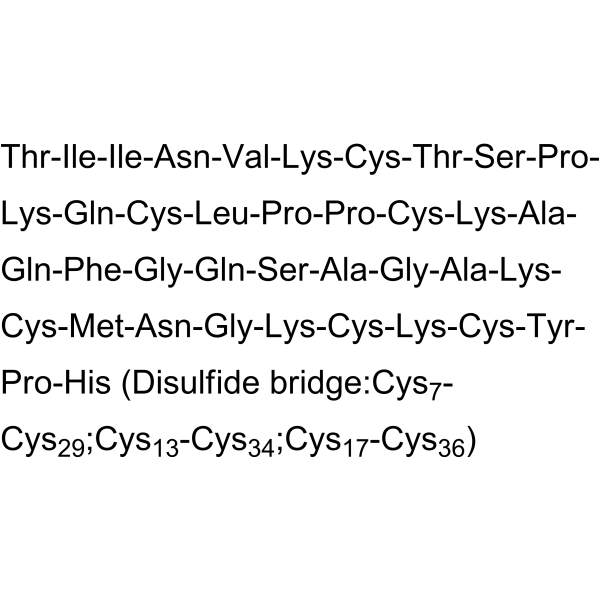
    Margatoxin, an alpha-KTx scorpion toxin, is a high affinity inhibitor of Kv1.3 (Kd=11.7 pM). Margatoxin inhibits the Kv1.2 (Kd=6.4 pM) and Kv1.1 (Kd=4.2 nM). Margatoxin, a 39 amino-acid-long peptide, is isolated from the venom of the scorpion Centruroides margaritatus and widely used in ion channel research .
    Margatoxin
  • HY-P1073

    Calcium Channel Potassium Channel Sodium Channel TRP Channel Neurological Disease Cancer
    ProTx-I is a toxin derived from Thrixopelma pruriens and a peptide inhibitor targeting TTX-resistant sodium channels. ProTx-I interacts with voltage sensors of multiple domains such as NaV1.7, reduces neuronal excitability through allosteric modulation of channel gating and alteration of voltage dependence. The IC50 values of ProTx-I against human NaV1.7, NaV1.2, NaV1.6, and NaV1.5 are 95 nM, 104 nM, 21 nM, and 358 nM, respectively; ProTx-I also potently inhibits Ba 2+ currents of hCav3.1, while its inhibitory potency against hCav3.2 is approximately 160-fold lower. ProTx-I is applicable to the research of chronic pain .
    ProTx-I
  • HY-P10998

    TET Protein Neurological Disease
    Tet1 peptide is a peptide that specifically binds to neurons. Tet1 peptide binds to GT1B ganglioside and trisialoganglioside clostridial toxin receptor on the surface of neuronal cells, and can be used in peptide conjugation and drug delivery research .
    Tet1 peptide
  • HY-P5425A

    Transmembrane Glycoprotein Cancer
    Tetanus Toxin (830–844) TFA is a biological active peptide. (tetanus toxin-derived peptide TT830–844 CD4 + T-cell epitope. This promiscuous CD4 + T-cell epitope can bind to a wide range of HLA–DRB molecules and is thus expected to activate CD4 + T-cell responses in a large part of the human population) .
    Tetanus Toxin (830–844) TFA
  • HY-P4211

    Bacterial Infection
    PSM-β is a active peptide , which can be isolated from Staphylococcus epidermidis. PSM-β is an analog of staphylococcal toxins, as well as a termed phenol-soluble modulin. PSM-β has bacteriostatic and poorly hemolytic properties .
    PSM-β
  • HY-P1105

    Chloride Channel Neurological Disease
    GaTx2 is a seletive and a high affinity inhibitor of ClC-2 channels with a voltage-dependent apparent KD of ∼20 pM. GaTx2 is a peptide toxin inhibitor from Leiurus quinquestriatus hebraeus venom. GaTx2 is useful in determining the role and the membrane localization of ClC-2 in specific cell types .
    GaTx2
  • HY-P5174

    Sodium Channel Neurological Disease
    MitTx is a complex formed by MitTx-α and MitTx-β. MitTx is an ASIC1 channel activator with EC50 values of 9.4 and 23 nM for ASIC1a and ASIC1b isoforms, respectively. MitTx is highly selective for ASIC1 isoforms at neutral pH. Under acidic conditions, MitTx greatly enhances proton-evoked ASIC2a channel activation .
    MitTx
  • HY-P1346A

    Sodium Channel Neurological Disease Inflammation/Immunology
    APETx2 TFA, a sea anemone peptide from Anthopleura elegantissima, is a selective and reversible ASIC3 inhibitor, with an IC50 of 63 nM. APETx2 directly inhibits the ASIC3 channel by acting at its external side. APETx2 could reverses acid‐induced and inflammatory pain .
    APETx2 TFA
  • HY-P5786

    HpTx1

    Potassium Channel Sodium Channel Neurological Disease
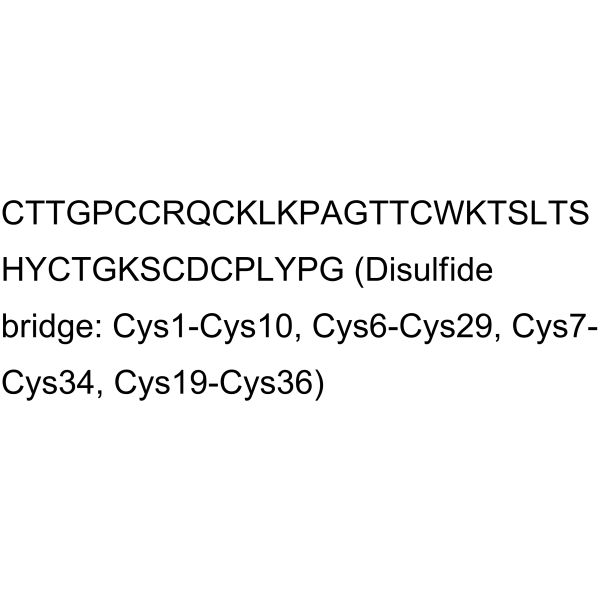
    Heteropodatoxin-1 (HpTx1), a spider peptide toxin, is a Kv4.2 current inhibitor. Heteropodatoxin-1 also inhibits Nav1.7 and activates Nav1.9 but does not affect Nav1.8 .
    Heteropodatoxin-1
  • HY-P5156

    Potassium Channel Neurological Disease
    BDS-I known as blood depressing substance, is a marine toxin which can be extracted from Anemonia sulcata. BDS-I is a specific inhibitor of Potassium Channel, targeting to Kv3.4. BDS-I inhibits Aβ1-42-induced enhancement of KV3.4 activity, caspase-3 activation, and abnormal nuclear morphology of NGF-differentiated PC-12 cells. BDS-I reverts the Aβ peptide-induced cell death .
    BDS-I
  • HY-P5807A

    β-Mammal toxin Cn2 TFA

    Sodium Channel Neurological Disease
    Cn2 toxin TFA (β-Mammal toxin Cn2 TFA) is a single-chain β-scorpion neurotoxic peptide that is the main toxin in scorpion venom. Cn2 toxin (TFA) specifically targets mammalian voltage-gated sodium channels (VGSC) Nav1.6 .
    Cn2 toxin TFA
  • HY-P10529

    Trk Receptor Infection
    Ganglioside GM1-binding peptide p3 is a synthetic peptide that can specifically bind to the pentasaccharide part of GM1 ganglioside. The dynamic transformation of Ganglioside GM1-binding peptide p3 may play an important role in the function of GM1 as a multiple receptor, such as in the classical pathway of cholera toxin infection. Ganglioside GM1-binding peptide p3 can be used to study the interaction between GM1 and its ligands .
    Ganglioside GM1-binding peptide p3
  • HY-P3037A

    Calcium Channel Neurological Disease
    Imperatoxin A TFA is a peptide toxin derived from the venom of the African scorpion Pandinus imperator. Imperatoxin A TFA is a Ca 2+-release channels/ryanodine receptors (RyRs) activator. Imperatoxin A TFA enhances the influx of Ca 2+ from the sarcoplasmatic reticulum into the cell .
    Imperatoxin A TFA
  • HY-P5818

    Sodium Channel Neurological Disease
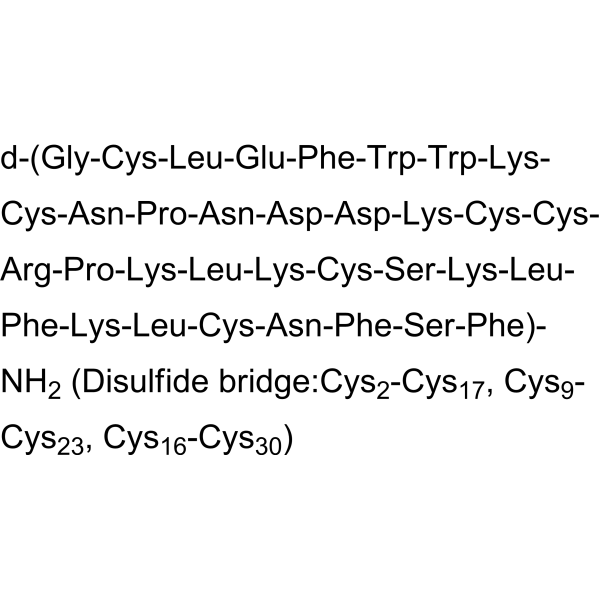
    BDS-II is a peptide toxin, and is composed of 43 amino acids. BDS-II is a selective Kv3.4 channel inhibitor .
    BDS-II
  • HY-P1427A

    Potassium Channel Neurological Disease
    Guangxitoxin 1E TFA is the TFA salt form of Guangxitoxin 1E (HY-P1427). Guangxitoxin 1E TFA is a peptide toxin and a selective inhibitor for voltage-gated potassium channel KV2.1 and KV2.2 with IC50 of 1-3 nM. Guangxitoxin 1E TFA enhances glucose-stimulated intracellular calcium ion oscillations and increases insulin secretion in a glucose-dependent manner .
    Guangxitoxin 1E TFA
  • HY-P5917A

    Vaejovis mexicanus peptide 24 TFA

    Potassium Channel Inflammation/Immunology Cancer
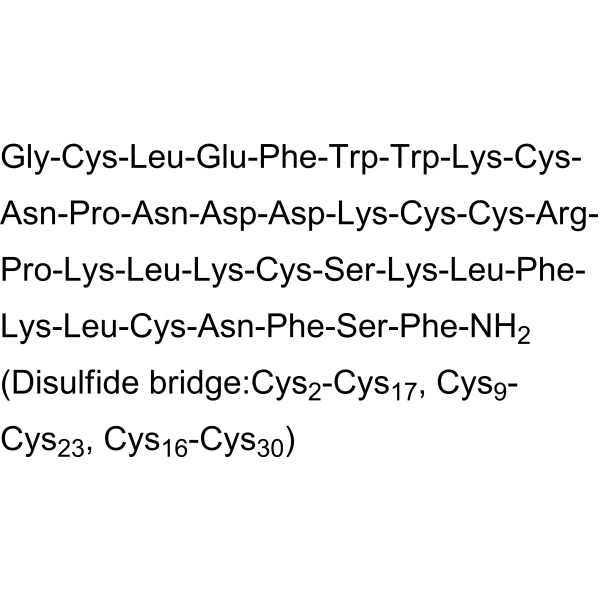
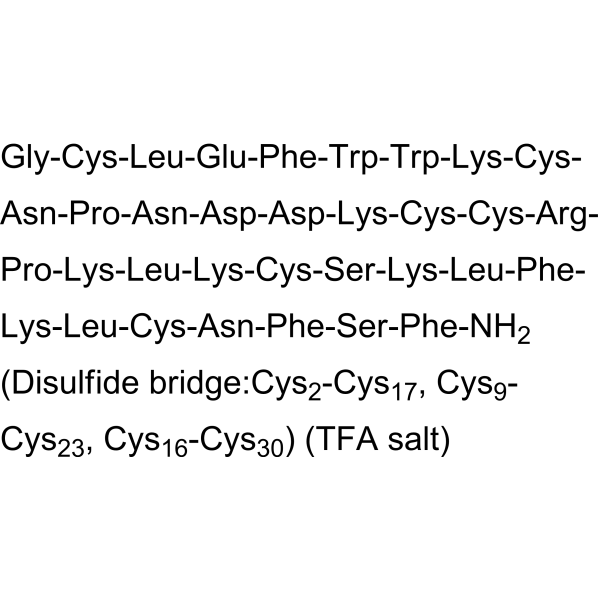
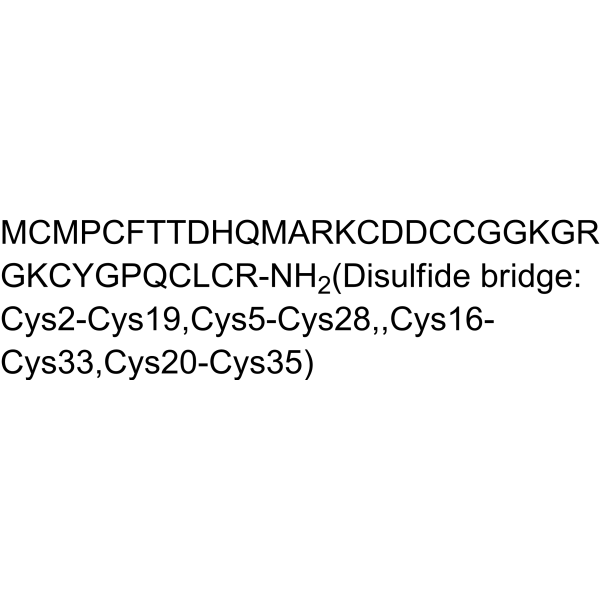
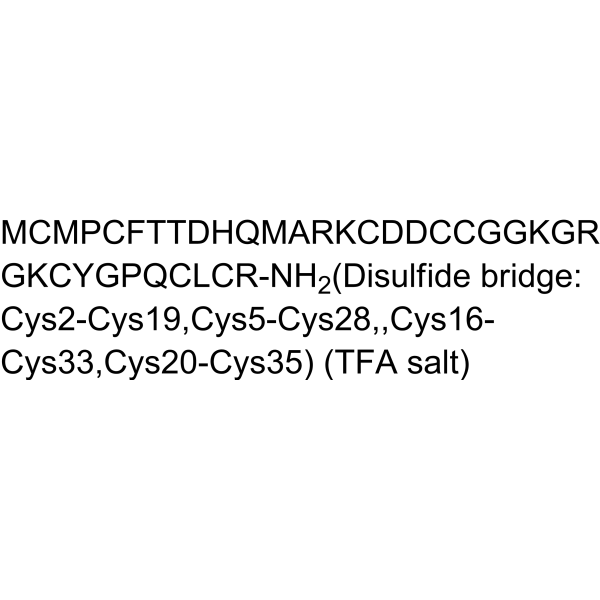
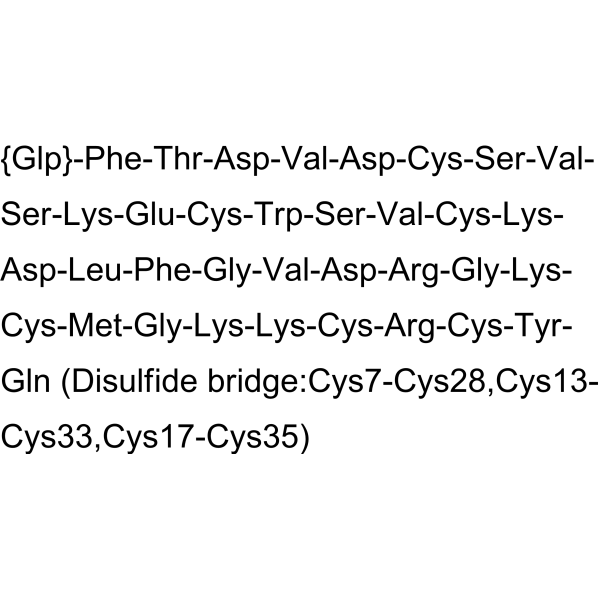
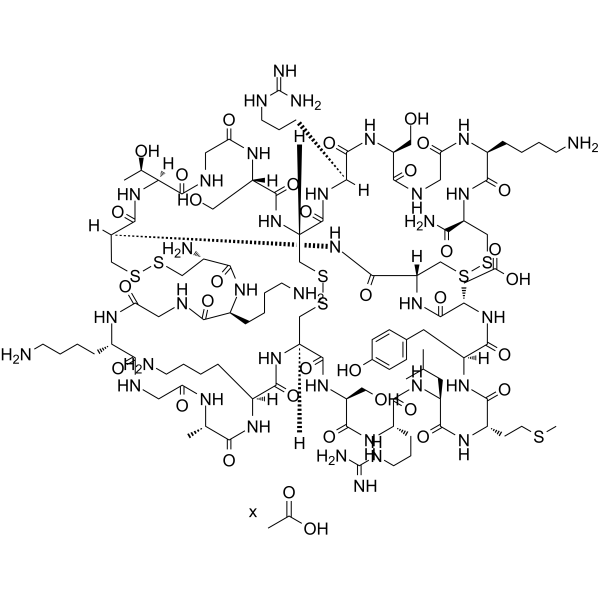
    Vm24-toxin (Vaejovis mexicanus peptide 24) TFA, a 36-residue peptide, is a potent and selective Kv1.3 blocker with a Kd of ~3 pM in lymphocytes. Vm24-toxin TFA shows >1500-fold affinity for Kv1.3 over other assayed potassium channels. Vm24-toxin TFA folds into a distorted cystine-stabilized α/β motif consisting of a single-turn α-helix and a three-stranded antiparallel β-sheet, stabilized by four disulfide bridges. Vm24-toxin TFA attenuates the CD4 + effector memory T cell response to T cell receptor (TCR) stimulation .
    Vm24-toxin TFA
  • HY-P3269

    Calcium Channel Cardiovascular Disease
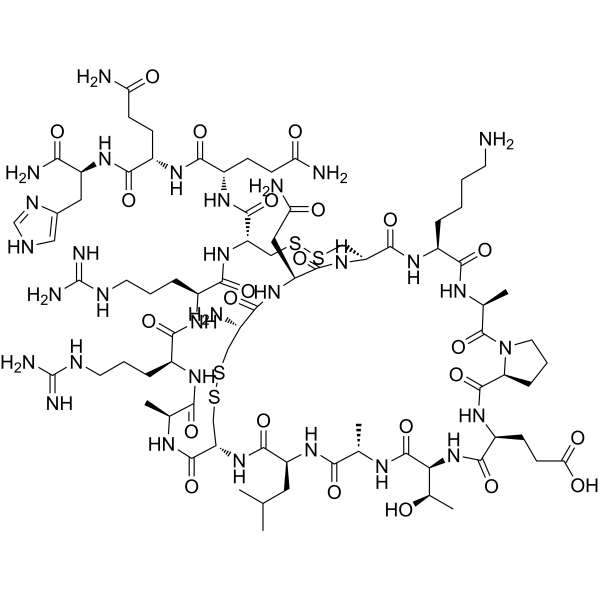
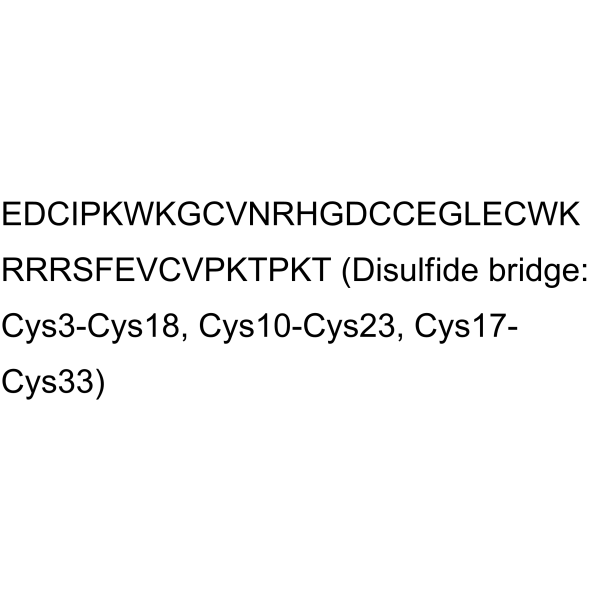
    Calciseptine is a natural polypeptide toxin found in the venom of the black mamba snake (Dendroaspis p. polylepis). Calciseptine is a highly effective and selective blocker of the L-type channel of the Cav1.2 subtype, with an IC50 value of 92 nM. Calciseptine has no effect on Cav3.1, Cav2.2, Cav2.1, Cav1.1, voltage-sensitive sodium channels and potassium channels. Calciseptine exhibits negative inotropic and negative relaxant effects on mice, and does not affect heart rate or the action potential of sinoatrial node pacemaker cells. Calciseptine can be used for research on cardiovascular diseases[1].
    Calciseptine
  • HY-P5183

    Sodium Channel Neurological Disease
    Hm1a is a venom peptide and a selective hNaV1.1 activator with an EC50 of 7.5 nM. Hm1a enhances hNaV1.1 and hNaV1.3 channel currents via delayed inactivation. Hm1a restores action potential firing in Dravet syndrome GABAergic inhibitory interneurons, reduces interictal epileptiform discharges and whole-brain hyperexcitability, lowers seizure frequency, and rescues premature death in Dravet syndrome mice. Hm1a can be used for the research of neurological disease, such as Dravet syndrome .
    Hm1a
  • HY-P1282

    Potassium Channel Neurological Disease
    Agitoxin-2 is a K+ channel inhibitor, with IC50 values of 201 pM and 144 pM for mKV1.3 and mKV1.1, respectively) .
    Agitoxin-2
  • HY-P5182A

    Potassium Channel Inflammation/Immunology
    HsTX1 (TFA) toxin, from the scorpion Heterometrus spinnifer, is a 34-residue, C-terminally amidated peptide cross-linked by four disulfide bridges. HsTX1 (TFA) is an the inhibitor of potassium channel, with IC50 for Kv1.3 of 12 pM and inhibits TEM cell activation and attenuates inflammation in autoimmunity .
    HsTX1 TFA
  • HY-P11114

    Bacterial p38 MAPK Reactive Oxygen Species (ROS) Apoptosis Caspase Infection Inflammation/Immunology
    Periplanetasin-4 is an antimicrobial peptide that can be derived from the American cockroach (Periplaneta americana). Periplanetasin-4 reduces cell rounding and apoptosis. Periplanetasin-4 blocks Clostridium difficile toxin A-induced ROS production and the activation of downstream p38 MAPK and p21. Periplanetasin-4 significantly increases mitochondrial calcium level, reduces DPH fluorescence intensity and vacuolar dysfunction in Candida albicans ATCC 90028 cells. Periplanetasin-4 significantly ameliorates toxin A-induced mucosal damage in the mouse gut. Periplanetasin-4 can be used for the study of colitis .
    Periplanetasin-4
  • HY-P10360

    α-synuclein Neurological Disease
    Tat-βsyn-degron is an α-synuclein knockdown peptide that effectively degrades α-synuclein protein via the proteasome pathway. Tat-βsyn-degron effectively reduces α-synuclein protein levels in primary rat cortical neuron cultures. In a Parkinson's mouse toxicity model, Tat-βsyn-degron can alleviate parkinsonian toxin-induced neuronal damage and movement disorders .
    Tat-βsyn-degron
  • HY-P3444

    PECAM-1

    SHP2 Bacterial Metabolic Disease Inflammation/Immunology
    CD31 (PECAM-1) is platelet endothelial cell adhesion molecule-1, serves as the endothelial cell-specific receptor of clostridium perfringens b-Toxin (CPB). CD31 is also an ER-MP12 antigen, acts as a linker between mechanical stress, metabolism and inflammation. CD31 peptide is able to sustain phosphorylation of the CD31 ITIM686 and of SHP2 and to inhibit TCR-induced T-cell activation - .
    CD31
  • HY-178489

    Nectin-4 Cancer
    BGC1614 is a Nectin-4-targeting bicyclic toxin conjugate (BTC) belonging to the category of peptide-drug conjugates (PDCs). BGC1614 exhibits strong targeted binding ability to Nectin-4, with an KD of 3.859 × 10 -7 M. BGC1614 exhibits superior antitumor efficacy in nude mice bearing PC-3 and N87 tumor xenografts. BGC1614 can be used for research related to Nectin-4-overexpressing tumors (such as prostate cancer, gastric cancer) .
    BGC1614
  • HY-P5925A

    SsTx toxin TFA

    Potassium Channel Neurological Disease Inflammation/Immunology
    Ssm Spooky Toxin TFA is found in Scolopendra mutilans that potently inhibits KCNQ (voltage-gated potassium channel family 7) channels, with IC50s of 2.8 μM, 5.26 μM and 0.1-0.3 M for Kv7.4, Kv1.3, and Shal channel, respectivily. Ssm Spooky Toxin TFA inhibits cytokine generation by specifically acting on the KV1.3 channel in T cells. Ssm Spooky Toxin TFA plays an essential role in the centipede’s circulatory system .
    Ssm spooky toxin TFA
  • HY-P1441

    Sodium Channel Others
    Mambalgin-1 is a toxin isolated from black mamba venom. Mambalgin-1 is a disulfide-rich polypeptide consisting of 57 amino acids and belongs to the family of three-finger toxins. Mambalgin-1 can bind to and stabilize ASICs (acid-sensing ion channels) in a physiologically relevant closed-channel conformation .
    Mambalgin 1
  • HY-P5807

    β-Mammal toxin Cn2

    Sodium Channel Neurological Disease
    Cn2 toxin is aβ- toxoins. Cn2 toxin can bind to the voltage sensing domain of voltage gated sodium channels (Nav) .
    Cn2 toxin
  • HY-P5917

    Vaejovis mexicanus peptide 24

    Potassium Channel Inflammation/Immunology Cancer
    Vm24-toxin (Vaejovis mexicanus peptide 24), a 36-residue peptide, is a potent and selective Kv1.3 blocker with a Kd of ~3 pM in lymphocytes. Vm24-toxin shows >1500-fold affinity for Kv1.3 over other assayed potassium channels. Vm24-toxin folds into a distorted cystine-stabilized α/β motif consisting of a single-turn α-helix and a three-stranded antiparallel β-sheet, stabilized by four disulfide bridges. Vm24-toxin attenuates the CD4 + effector memory T cell response to T cell receptor (TCR) stimulation .
    Vm24-toxin
  • HY-P10612

    Bacterial Metabolic Disease
    Tetanus toxin peptide is a specific peptide isolated from the toxin produced by Clostridium tetani. Tetanus toxin peptide can be used as an immunogen to induce diabetes in mice. Tetanus toxin peptide can be used in the study of type 1 diabetes .
    Tetanus toxin peptide
  • HY-P5811

    CcoTx1; β-TRTX-cm1a

    Sodium Channel Neurological Disease
    Ceratotoxin-1 (CcoTx1), a peptide toxin, is an voltage-gated sodium channel subtypes inhibitor. Ceratotoxin-1 inhibits Nav1.1/β1, Nav1.2/β1, Nav1.4/β1, and Nav1.5/β1 with IC50 of 523 nM, 3 nM, 888 nM, and 323 nM, respectively. Ceratotoxin-1 also inhibits Nav1.8/β1 .
    Ceratotoxin-1
  • HY-P5175

    mAChR Neurological Disease
    Muscarinic toxin 7 is a peptide toxin with selective and noncompetitive antagonism at the muscarinic M1 receptor .
    Muscarinic toxin 7
  • HY-P5916

    κ-Theraphotoxin-Gr4a; Kappa-TRTX-Gr4a; Voltage sensor toxin 3; peptide F

    Others Potassium Channel Neurological Disease
    VSTx-3 is a KV channel blocker. VSTx-3 is demonstrated to be a potent, TTX-sensitive sodium channel blocker and especially, a potent blocker of NaV1.8 channels (IC50 0.19 μM for hNaV1.3, 0.43 μM for hNaV1.7 and 0.77 μM for hNaV1.8 channels).
    VSTx-3
  • HY-P10593

    Transmembrane Glycoprotein Influenza Virus Cancer
    Influenza A NP (383-391) (HLA-B27) is a peptide sequence derived from tetanus toxin. Influenza A NP (383-391) (HLA-B27) is a broadly immunogenic CD4+ T helper cell epitope that enhances CD8+ cytotoxic T lymphocyte (CTL) responses. Influenza A NP (383-391) (HLA-B27) can be used in breast cancer research .
    Influenza A NP (383-391) (HLA-B27)
  • HY-P10988

    Apoptosis MDM-2/p53 Integrin Cancer
    LVTX-8 is a peptide toxin, exacted from Lycosa vittata. LVTX-8 has potent anticancer and and anti-metastasis activities towards lung cancer with strong cytotoxicity. LVTX-8 significantly induces apoptosis and inhibits the proliferation, invasion and migration of lung cancer cells through P53 hypoxia pathways and integrin signaling. LVTX-8 significantly inhibits the tumor growth and metastasis in A549/H460 xenograft mice model .
    LVTX-8
  • HY-P1426

    Potassium Channel Neurological Disease
    AmmTX3 is a peptide toxin identified from the venom of the scorpion Androctonus mauretanicus. AmmTX3 is a highly specific blocker of Kv4 channels, which selectively and almost completely blocks transient A-type K + currents with a Ki of 131 nM. AmmTX3 induces epileptiform behaviors and causes death in mice receiving intracerebroventricular injection. AmmTX3 increases the excitability of dentate gyrus granule cells, reduces GABAergic inhibition, enhances and stabilizes the EPSP-spike component of long-term potentiation, and impairs reference memory. AmmTX3 can be used in research related to pain, epilepsy, and autism spectrum disorder .
    AmmTX3
  • HY-P10612A

    Bacterial Infection Inflammation/Immunology
    Tetanus toxin (1301-1315) (C. tetani) is a C-terminal peptide fragment of tetanus toxin heavy chain from C. tetani. Tetanus toxin (1301-1315) (C. tetani) can be used for the researches of infection and immunology .
    Tetanus toxin (1301-1315) (C. tetani)
  • HY-P11454

    Bacterial Infection
    PSM-mec peptide is a peptide toxin belonging to the phenol-soluble modulin (PSM) superfamily. PSM-mec peptide is encoded by the psm-mec gene and associated with the methicillin resistance gene element (SCCmec). PSM-mec peptide has pro-inflammatory, cytolytic functions and the role of regulating the structure of biofilms. PSM-mec peptide can be mainly used for the pathogenic mechanism and drug resistance research of canine pseudo-intermediate Staphylococcus (S. pseudintermedius) related infections and zoonotic diseases .
    PSM-mec peptide
  • HY-P10775

    Peptide-Drug Conjugates (PDCs) MMP Cancer
    BT1769 is a MT1-MMP-targeted (KD = 3.35 nM) Bicycle toxin conjugate. BT1769 can be used in the study for osteosarcoma. BT1769 consists of a novel bicyclic targeting peptide that selectively binds MT1-MMP; a cytotoxin MMAE; and an enzymatically cleavable dipeptide linker .
    BT1769

Inquiry Online

Your information is safe with us. * Required Fields.

Salutation


Country or Region *

Applicant Name *


Organization Name *

Department *


Email Address *


Product Name *

Cat. No.


Requested quantity *

Phone Number *


Remarks

Inquiry Online

Inquiry Information

Product Name:
Cat. No.:
Quantity:
MCE Japan Authorized Agent:

