
1. Search Result
Search Result
Results for "

perturbation

" in MedChemExpress (MCE) Product Catalog:

26

Inhibitors & Agonists

1

Screening Libraries

3

Fluorescent Dyes

4

Peptides

1

Natural
Products

1

Isotope-Labeled Compounds

1

Oligonucleotides

Cat. No. Product Name Target Research Areas Chemical Structure
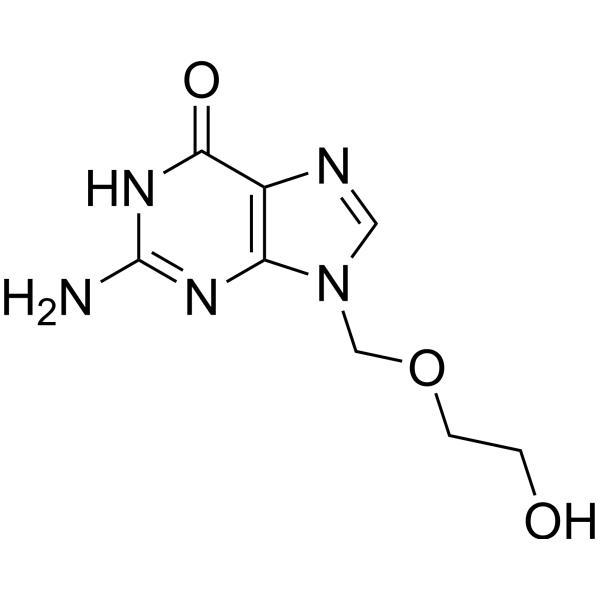
  • HY-17422
    Acyclovir
    Maximum Cited Publications
    21 Publications Verification

    Aciclovir; Acycloguanosine

    HSV Apoptosis Antibiotic Bacterial Infection Cancer
    Acyclovir (Aciclovir) is a potent, orally active antiviral agent. Acyclovir has antiherpetic activity with IC50 values of 0.85 μM and 0.86 μM for HSV-1 and HSV-2, respectively. Acyclovir induces cell cycle perturbation and apoptosis. Acyclovir prevents bacterial infections during induction therapy for acute leukaemia .
    Acyclovir
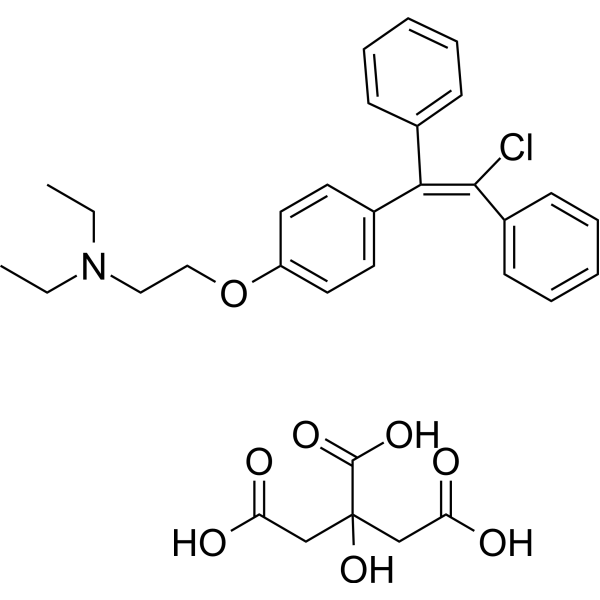
  • HY-B0463
    Clomiphene citrate
    5 Publications Verification

    Clomifene citrate

    Estrogen Receptor/ERR Neurological Disease Endocrinology Cancer
    Clomiphene citrate (Clomifene citrate) is an orally active estrogen-receptor modulator. Clomiphene citrate has anti-cancer actixity, induces perturbations during meiotic maturation and cytogenetic abnormalities and ameliorates in managing psychiatric and cognitive impairment .
    Clomiphene citrate
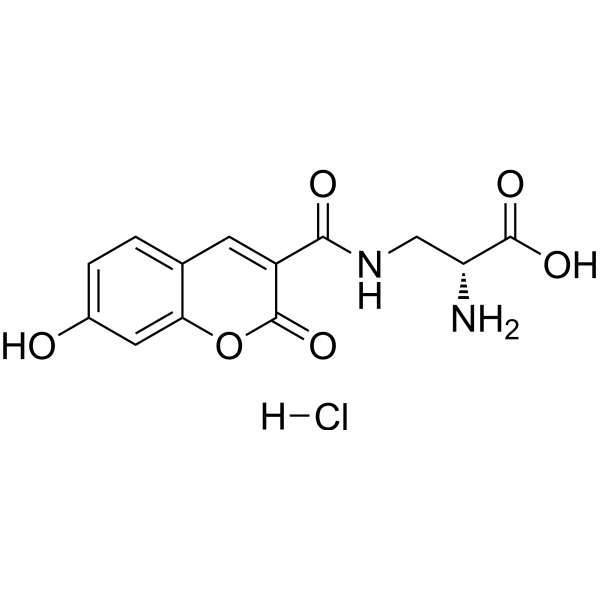
  • HY-131045
    HADA hydrochloride
    5+ Cited Publications

    HCC-Amino-D-alanine hydrochloride

    Bacterial Infection
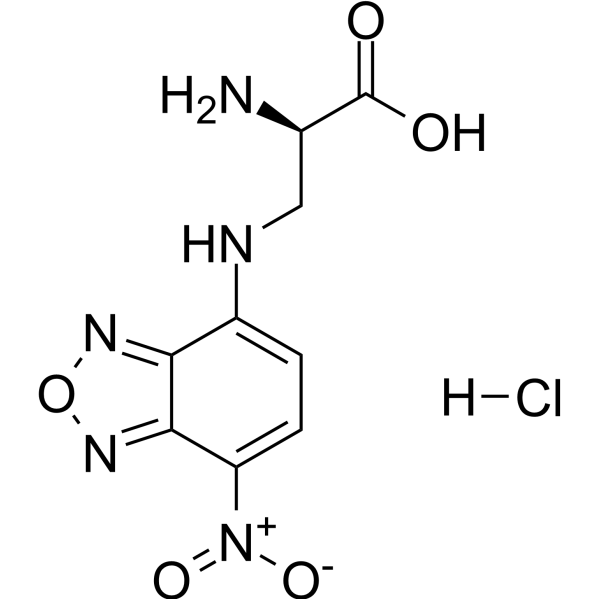
    HADA hydrochloride (HCC-Amino-D-alanine hydrochloride) is a blue (λem~450 nm) fluorescent D-amino acid (FDAA). FDAAs are efficiently incorporated into the peptidoglycans (PGs) of diverse bacterial species at the sites of PG biosynthesis, allowing specific and covalent probing of bacterial growth with minimal perturbation .
    HADA hydrochloride
  • HY-100490

    Imidazoline Receptor Adrenergic Receptor Apoptosis Autophagy Cardiovascular Disease Cancer
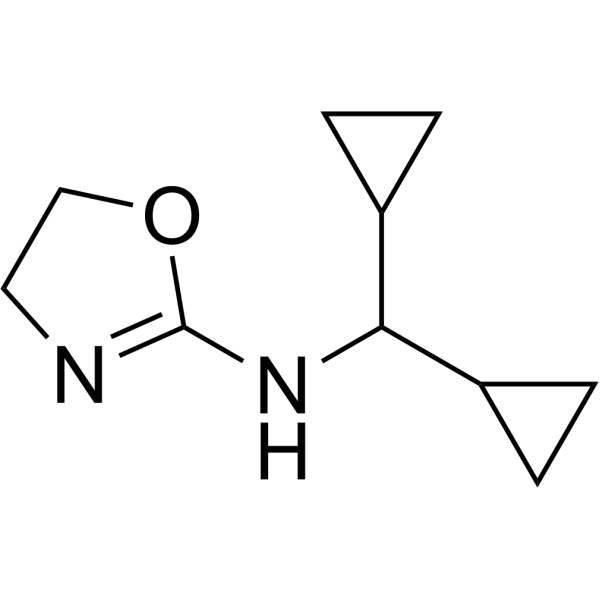
    Rilmenidine, an innovative antihypertensive agent, is an orally active, selective I1 imidazoline receptor agonist. Rilmenidine is an alpha 2-adrenoceptor agonist. Rilmenidine induces autophagy. Rilmenidine acts both centrally by reducing sympathetic overactivity and in the kidney by inhibiting the Na +/H + antiport. Rilmenidine modulates proliferation and stimulates the proapoptotic protein Bax thus inducing the perturbation of the mitochondrial pathway and apoptosis in human leukemic K562 cells .
    Rilmenidine
  • HY-100490B

    Imidazoline Receptor Adrenergic Receptor Apoptosis Autophagy Cardiovascular Disease Cancer
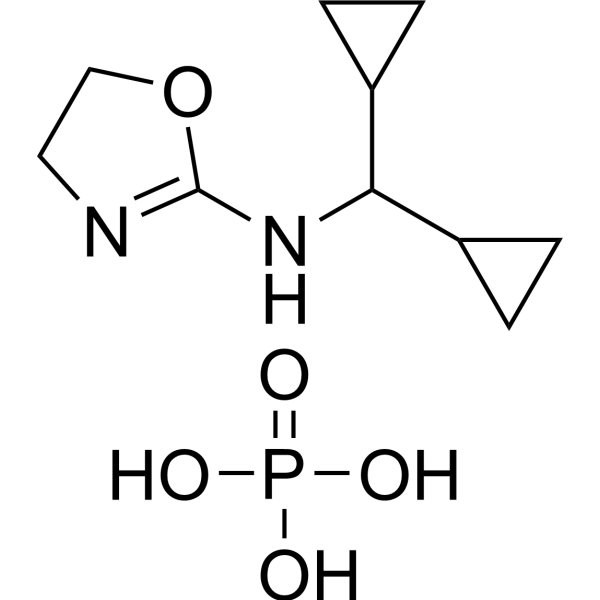
    Rilmenidine phosphate, an innovative antihypertensive agent, is an orally active, selective I1 imidazoline receptor agonist. Rilmenidine phosphate is an alpha 2-adrenoceptor agonist. Rilmenidine phosphate induces autophagy. Rilmenidine phosphate acts both centrally by reducing sympathetic overactivity and in the kidney by inhibiting the Na +/H + antiport. Rilmenidine phosphate modulates proliferation and stimulates the proapoptotic protein Bax thus inducing the perturbation of the mitochondrial pathway and apoptosis in human leukemic K562 cells .
    Rilmenidine phosphate
  • HY-DY1044

    Bacterial Infection
    HADA hydrochloride (HCC-Amino-D-alanine hydrochloride) is a blue (λem~450 nm) fluorescent D-amino acid (FDAA). FDAAs are efficiently incorporated into the peptidoglycans (PGs) of diverse bacterial species at the sites of PG biosynthesis, allowing specific and covalent probing of bacterial growth with minimal perturbation .
    Solvent and concentration: DMSO: 50 mM
    HADA hydrochloride (solution)
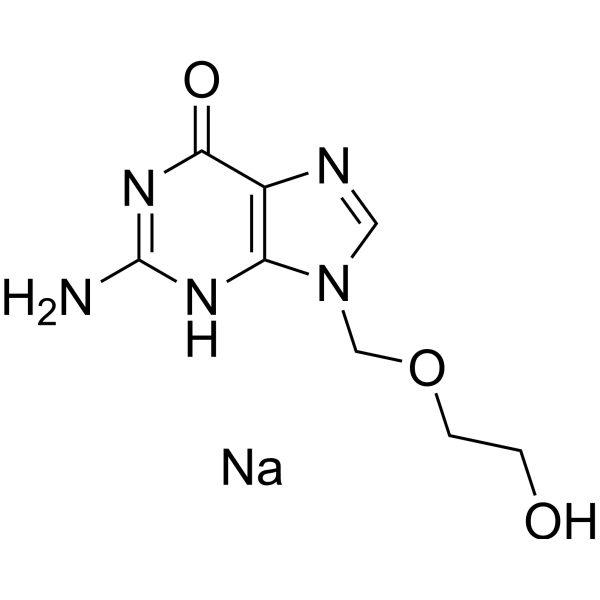
  • HY-17422A
    Acyclovir sodium
    Maximum Cited Publications
    21 Publications Verification

    Aciclovir sodium; Acycloguanosine sodium

    HSV Apoptosis Antibiotic Bacterial Infection Cancer
    Acyclovir (Aciclovir) sodium is a potent, orally active antiviral agent. Acyclovir sodium has antiherpetic activity with IC50 values of 0.85 μM and 0.86 μM for HSV-1 and HSV-2, respectively. Acyclovir sodium induces cell cycle perturbation and apoptosis. Acyclovir sodium prevents bacterial infections during induction therapy for acute leukaemia .
    Acyclovir sodium
  • HY-W590549

    DODAC

    Liposome Cancer
    Dioleyldimethylammonium chloride (DODAC) is a positively charged lipid promoter with membrane-disrupting activity, which is often formulated into cationic liposomes with dioleoylphosphatidylethanolamine. Dioleyldimethylammonium chloride is used in gene transfection research; through electrostatic interactions, it effectively promotes the binding of programmable fusion vesicles to cells and induces membrane disruption. Dioleyldimethylammonium chloride is also applied in studies on L1210 leukemia and LS180 human colon cancer .
    Dioleyldimethylammonium chloride
  • HY-119546

    PNLA

    Free Fatty Acid Receptor Inflammation/Immunology
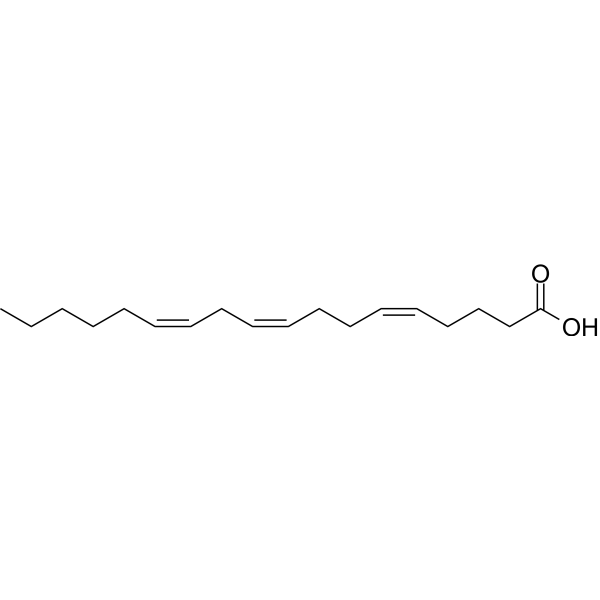
    Pinolenic acid (PNLA) is a polyunsaturated fatty acid that can be isolated from Pinus orientalis and Pinus pinaster seed oil. Pinolenic acid has anti-inflammatory and lipid-lowering activities .
    Pinolenic acid
  • HY-D1117

    NADA hydrochloride

    Fluorescent Dye Infection
    NADA-green is a fluorescent D-amino acid probe. NADA-green is efficiently incorporated into the peptidoglycan of diverse bacterial species peptidoglycan biosynthesis. NADA-green allows probing of bacterial growth with minimal perturbation .
    NADA-green
  • HY-126810A

    Fungal Infection
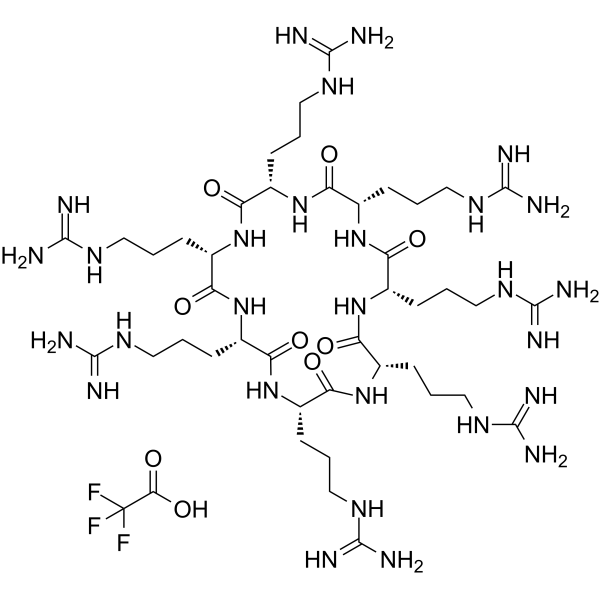
    NP213 TFA is a rapidly acting, novel, first-in-class synthetic antimicrobial peptide (AMP), has anti-fungal activities. NP213 TFA targets the fungal cytoplasmic membrane and plays it role via membrane perturbation and disruption. NP213 TFA is effective and well-tolerated in resolving nail fungal infections .
    NP213 TFA
  • HY-17422R

    Aciclovir (Standard); Acycloguanosine (Standard)

    Reference Standards HSV Apoptosis Antibiotic Bacterial Infection Cancer
    Acyclovir (Standard) is the analytical standard of Acyclovir. This product is intended for research and analytical applications. Acyclovir (Aciclovir) is a potent, orally active antiviral agent. Acyclovir has antiherpetic activity with IC50 values of 0.85 μM and 0.86 μM for HSV-1 and HSV-2, respectively. Acyclovir induces cell cycle perturbation and apoptosis. Acyclovir prevents bacterial infections during induction therapy for acute leukaemia .
    Acyclovir (Standard)
  • HY-100490A

    Imidazoline Receptor Adrenergic Receptor Apoptosis Autophagy Cardiovascular Disease Cancer
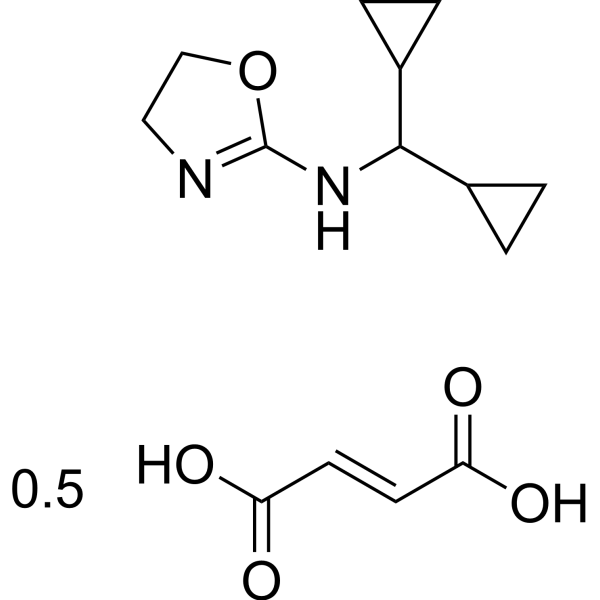
    Rilmenidine hemifumarate, an innovative antihypertensive agent, is an orally active, selective I1 imidazoline receptor agonist. Rilmenidine hemifumarate is an alpha 2-adrenoceptor agonist. Rilmenidine hemifumarate induces autophagy. Rilmenidine hemifumarate acts both centrally by reducing sympathetic overactivity and in the kidney by inhibiting the Na +/H + antiport. Rilmenidine hemifumarate modulates proliferation and stimulates the proapoptotic protein Bax thus inducing the perturbation of the mitochondrial pathway and apoptosis in human leukemic K562 cells .
    Rilmenidine hemifumarate
  • HY-126810

    Fungal Infection
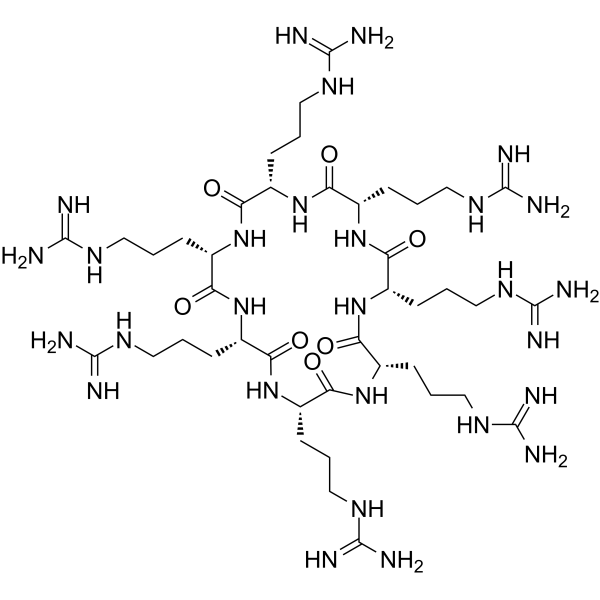
    NP213 is a rapidly acting, novel, first-in-class synthetic antimicrobial peptide (AMP), has anti-fungal activities. NP213 targets the fungal cytoplasmic membrane and plays it role via membrane perturbation and disruption. NP213 is effective and well-tolerated in resolving nail fungal infections .
    NP213
  • HY-P4119

    Biochemical Assay Reagents Others
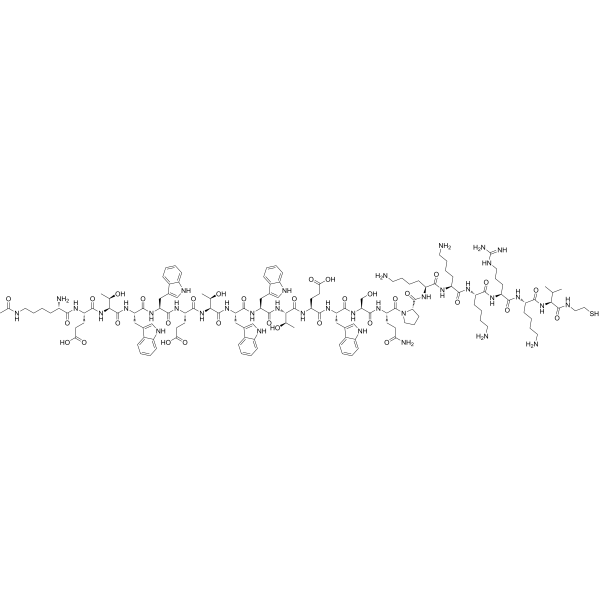
    Pep-1-Cysteamine is an amphipathic chimeric cell-penetrating peptide. Pep-1-Cysteamine can penetrate biological membranes in an energy-independent manner without forming transmembrane pores, and efficiently deliver active proteins into cells, with its translocation dominated by electrostatic interactions and membrane perturbation .
    Pep-1-Cysteamine
  • HY-B0463R

    Clomifene citrate (Standard)

    Reference Standards Estrogen Receptor/ERR Neurological Disease Endocrinology Cancer
    Clomiphene (citrate) (Standard) is the analytical standard of Clomiphene (citrate). This product is intended for research and analytical applications. Clomiphene citrate (Clomifene citrate) is an orally active estrogen-receptor modulator. Clomiphene citrate has anti-cancer actixity, induces perturbations during meiotic maturation and cytogenetic abnormalities and ameliorates in managing psychiatric and cognitive impairment .
    Clomiphene citrate (Standard)
  • HY-178154

    PINK1/Parkin Mitochondrial Metabolism Neurological Disease
    FB231 is a Parkin activator. FB231 can induce mild mitochondrial stress, resulting in impaired mitochondrial function and activation of the integrated stress response. FB231 can lower the threshold for mitochondrial toxins to induce PINK1/Parkin-mediated mitophagy. FB231 can cause activation of the integrated stress response (ISR) and perturbation to iron-dependent pathways. FB231 can be used for the research of neurological disease, such as Parkinson’s disease .
    FB231
  • HY-136607

    Biochemical Assay Reagents Others
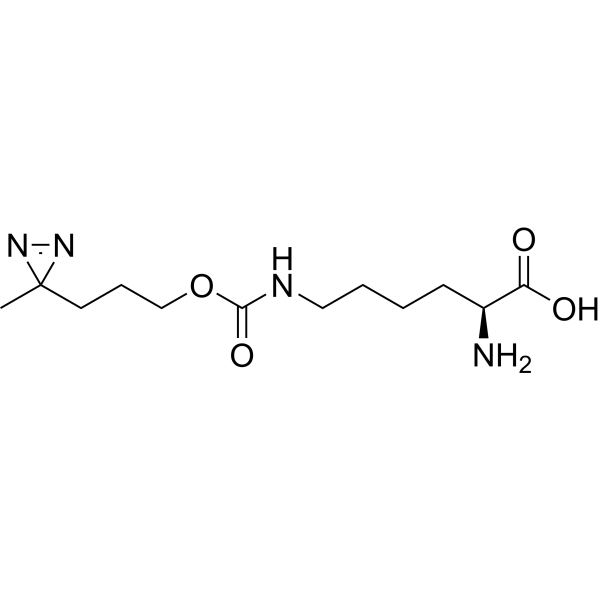
    DiAzK is a bifunctional amino acid. DiAzK can be inserted into almost any protein interface with minimal structural perturbation using genetic code expansion .
    DiAzK
  • HY-151503

    Autophagy Cancer
    MPM-1, a marine Eusynstyelamides mimic, is a potent anticancer agent. MPM-1 can rapidly kill cancer cells in vitro by inducing a necrosis-like death. MPM-1 has the ability to induce immunogenic cell death. MPM-1 causes perturbation of autophagy and lysosomal swelling in cancer cells .
    MPM-1
  • HY-17422D

    Aciclovir hydrochloride; Acycloguanosine hydrochloride

    HSV Apoptosis Antibiotic Bacterial Infection Cancer
    Acyclovir (Aciclovir) hydrochloride is a potent, orally active antiviral agent. Acyclovir hydrochloride has antiherpetic activity with IC50 values of 0.85 μM and 0.86 μM for HSV-1 and HSV-2, respectively. Acyclovir hydrochloride induces cell cycle perturbation and apoptosis. Acyclovir hydrochloride prevents bacterial infections during induction therapy for acute leukaemia .
    Acyclovir hydrochloride
  • HY-100490S

    Isotope-Labeled Compounds Imidazoline Receptor Adrenergic Receptor Apoptosis Autophagy Cardiovascular Disease Cancer
    Rilmenidine-d4 is the deuterium labeled Rilmenidine. Rilmenidine, an innovative antihypertensive agent, is an orally active, selective I1 imidazoline receptor agonist. Rilmenidine is an alpha 2-adrenoceptor agonist. Rilmenidine induces autophagy. Rilmenidine acts both centrally by reducing sympathetic overactivity and in the kidney by inhibiting the Na+/H+ antiport. Rilmenidine modulates proliferation and stimulates the proapoptotic protein Bax thus inducing the perturbation of the mitochondrial pathway and apoptosis in human leukemic K562 cells .
    Rilmenidine-d4
  • HY-136498AR

    Reference Standards Drug Metabolite Infection
    Rilmenidine (phosphate) (Standard) is the analytical standard of Rilmenidine (phosphate). This product is intended for research and analytical applications. Rilmenidine phosphate, an innovative antihypertensive agent, is an orally active, selective I1 imidazoline receptor agonist. Rilmenidine phosphate is an alpha 2-adrenoceptor agonist. Rilmenidine phosphate induces autophagy. Rilmenidine phosphate acts both centrally by reducing sympathetic overactivity and in the kidney by inhibiting the Na+/H+ antiport. Rilmenidine phosphate modulates proliferation and stimulates the proapoptotic protein Bax thus inducing the perturbation of the mitochondrial pathway and apoptosis in human leukemic K562 cells .
    T-705RMP ammonium (Standard)
  • HY-100490BR

    Reference Standards Imidazoline Receptor Adrenergic Receptor Apoptosis Autophagy Cardiovascular Disease Cancer
    Rilmenidine (phosphate) (Standard) is the analytical standard of Rilmenidine (phosphate). This product is intended for research and analytical applications. Rilmenidine phosphate, an innovative antihypertensive agent, is an orally active, selective I1 imidazoline receptor agonist. Rilmenidine phosphate is an alpha 2-adrenoceptor agonist. Rilmenidine phosphate induces autophagy. Rilmenidine phosphate acts both centrally by reducing sympathetic overactivity and in the kidney by inhibiting the Na+/H+ antiport. Rilmenidine phosphate modulates proliferation and stimulates the proapoptotic protein Bax thus inducing the perturbation of the mitochondrial pathway and apoptosis in human leukemic K562 cells .
    Rilmenidine phosphate (Standard)
  • HY-100490R

    Reference Standards Imidazoline Receptor Adrenergic Receptor Apoptosis Autophagy Cardiovascular Disease Cancer
    Rilmenidine (Standard) is the analytical standard of Rilmenidine. This product is intended for research and analytical applications. Rilmenidine, an innovative antihypertensive agent, is an orally active, selective I1 imidazoline receptor agonist. Rilmenidine is an alpha 2-adrenoceptor agonist. Rilmenidine induces autophagy. Rilmenidine acts both centrally by reducing sympathetic overactivity and in the kidney by inhibiting the Na+/H+ antiport. Rilmenidine modulates proliferation and stimulates the proapoptotic protein Bax thus inducing the perturbation of the mitochondrial pathway and apoptosis in human leukemic K562 cells .
    Rilmenidine (Standard)
  • HY-100490AR

    Reference Standards Imidazoline Receptor Adrenergic Receptor Apoptosis Autophagy Cardiovascular Disease Cancer
    Rilmenidine (hemifumarate) (Standard) is the analytical standard of Rilmenidine (hemifumarate). This product is intended for research and analytical applications. Rilmenidine hemifumarate, an innovative antihypertensive agent, is an orally active, selective I1 imidazoline receptor agonist. Rilmenidine hemifumarate is an alpha 2-adrenoceptor agonist. Rilmenidine hemifumarate induces autophagy. Rilmenidine hemifumarate acts both centrally by reducing sympathetic overactivity and in the kidney by inhibiting the Na+/H+ antiport. Rilmenidine hemifumarate modulates proliferation and stimulates the proapoptotic protein Bax thus inducing the perturbation of the mitochondrial pathway and apoptosis in human leukemic K562 cells .
    Rilmenidine hemifumarate (Standard)
  • HY-183583

    HIF/HIF Prolyl-Hydroxylase Cancer
    HIF-2α-IN-18 is a selective HIF-2α inhibitor with a human IC50 of 8.1 nM. HIF-2α-IN-18 binds to the HIF-2α PAS-B domain, induces conformational perturbations at the HIF-2α/ARNT dimerization interface, destabilizes the HIF-2α/ARNT heterodimer, and blocks HIF-2α-mediated transcriptional activity. HIF-2α-IN-18 inhibits hypoxia-induced expression of HIF-2α target genes EPO and SERPINE1, without inhibiting HIF-1α target genes PGK1 and PDK1. HIF-2α-IN-18 can be used for the research of clear cell renal cell carcinoma, hepatocellular carcinoma[1].
    HIF-2α-IN-18

Inquiry Online

Your information is safe with us. * Required Fields.

Salutation


Country or Region *

Applicant Name *


Organization Name *

Department *


Email Address *


Product Name *

Cat. No.


Requested quantity *

Phone Number *


Remarks

Inquiry Online

Inquiry Information

Product Name:
Cat. No.:
Quantity:
MCE Japan Authorized Agent:

