Search Result
Results for "
phytoalexin
" in MedChemExpress (MCE) Product Catalog:
1
Biochemical Assay Reagents
5
Isotope-Labeled Compounds
| Cat. No. |
Product Name |
Target |
Research Areas |
Chemical Structure |
-
- HY-16561
-
-
-
- HY-W007376
-
|
3-Formylindole
|
Endogenous Metabolite
|
Others
|
|
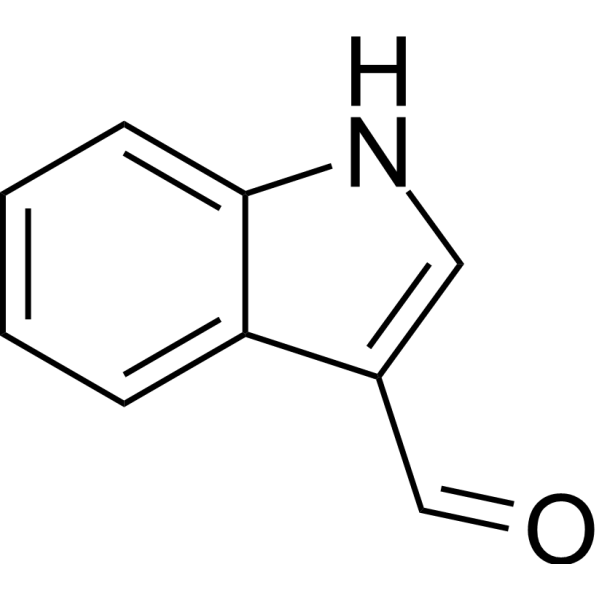
Indole-3-carboxaldehyde (3-Formylindole), a banlangen extract, is the product of the oxidative degradation of indole-3-acetic acid (IAA) by crude enzyme preparations from etiolated pea seedlings. Indole-3-carboxaldehyde is a biochemical used to prepare analogs of the indole phytoalexin cyclobrassinin. Indole-3-carboxaldehyde also enhances the epithelial barrier and anti-inflammatory activity in the intestinal tract .
|
-
-
- HY-N3006
-
|
|
Fungal
|
Infection
Inflammation/Immunology
|
|
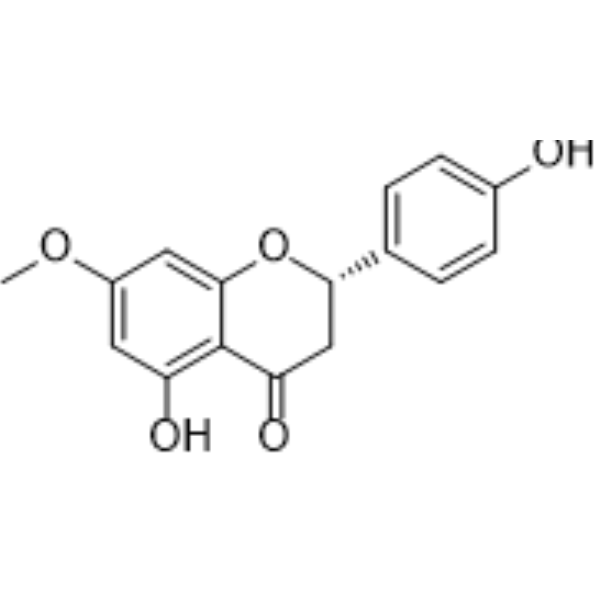
Sakuranetin is a cherry flavonoid phytoalexin, shows strong antifungal activity . Sakuranetin has anti-inflammatory and antioxidative activities. Sakuranetin ameliorates LPS-induced acute lung injury .
|
-
-
- HY-16561R
-
|
trans-Resveratrol (Standard); SRT501 (Standard)
|
Reference Standards
IKK
Autophagy
Mitophagy
Sirtuin
Apoptosis
Bacterial
Fungal
Antibiotic
Keap1-Nrf2
|
Infection
Inflammation/Immunology
Cancer
|
|
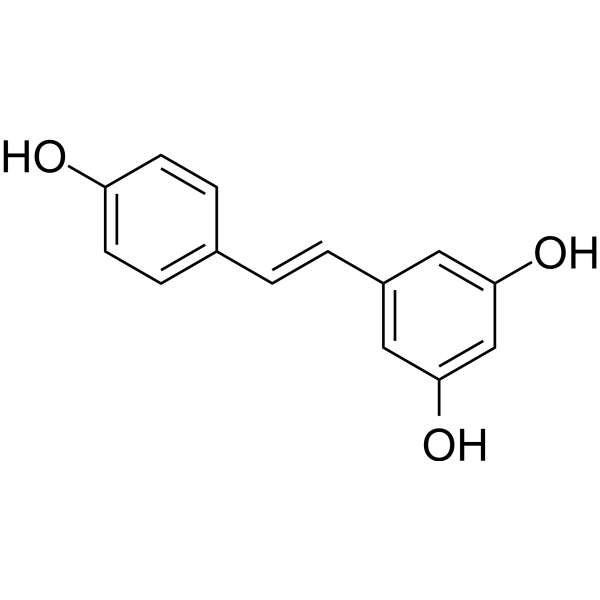
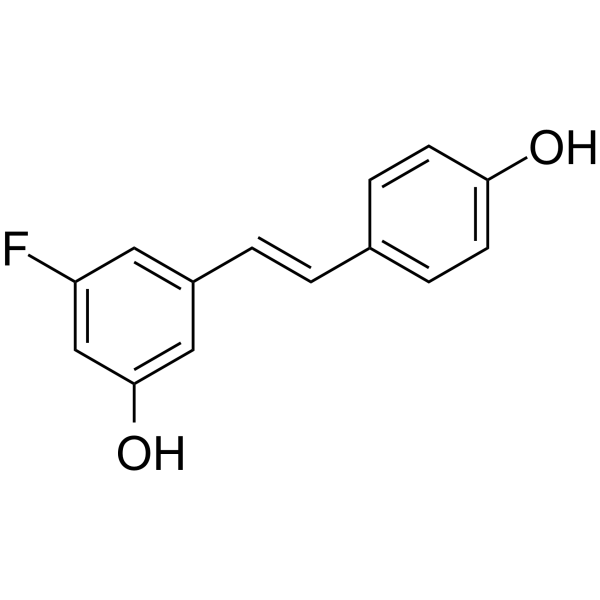
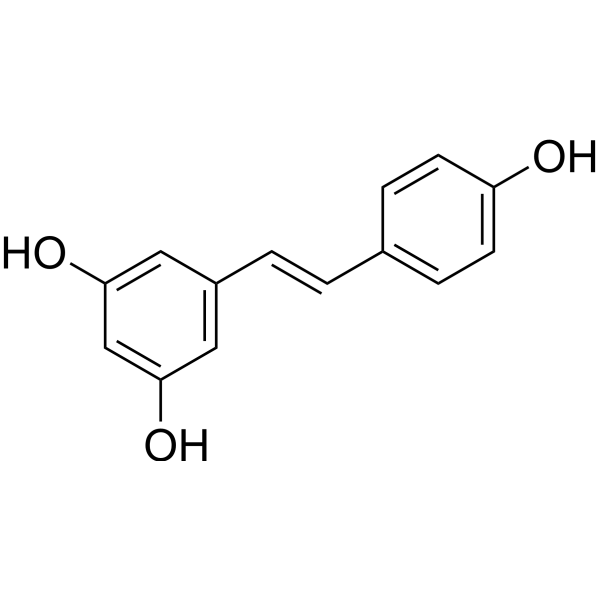
Resveratrol (Standard) is the analytical standard of Resveratrol. This product is intended for research and analytical applications. Resveratrol (trans-Resveratrol; SRT501), a natural polyphenolic phytoalexin that possesses anti-oxidant, anti-inflammatory, cardioprotective, and anti-cancer properties. Resveratrol (SRT 501) has a wide spectrum of targets including mTOR, JAK, β-amyloid, Adenylyl cyclase, IKKβ, DNA polymerase. Resveratrol also is a specific SIRT1 activator . Resveratrol is a potent pregnane X receptor (PXR) inhibitor . Resveratrol is an Nrf2 activator, ameliorates aging-related progressive renal injury in mice model . Resveratrol increases production of NO in endothelial cells .
|
-
-
- HY-119502
-
-
-
- HY-N6051
-
|
|
Fungal
NOD-like Receptor (NLR)
NF-κB
|
Infection
Inflammation/Immunology
|
|
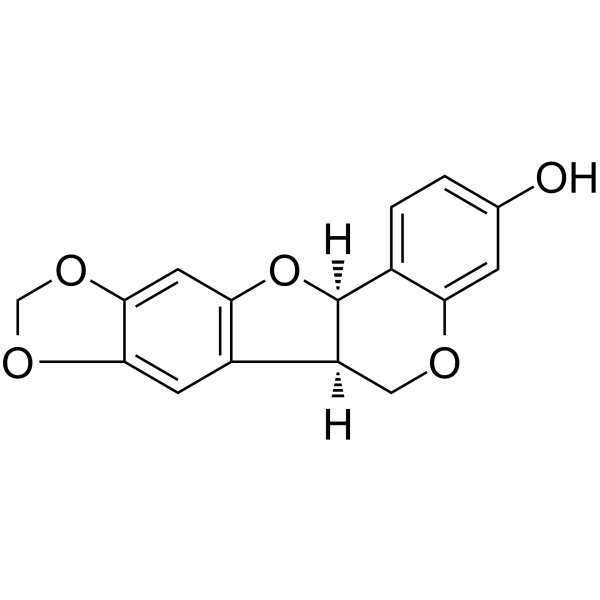
(-)-Maackiain is a pterocarpan phytoalexin produced from Sophora flavescens. (-)-Maackiain is toxic to several genera of fungal pathogens of legume and non legume hosts. (-)-Maackiain enhances the activation of NLRP3 inflammasome, inhibits the activation of NF-κB pathway, exhibiting thereby immunostimulatory and anti-inflammatory activities. (-)-Maackiain is orally active .
|
-
-
- HY-16561S
-
|
trans-Resveratrol-d4; SRT501-d4
|
Isotope-Labeled Compounds
DNA/RNA Synthesis
IKK
Autophagy
Mitophagy
Sirtuin
Apoptosis
Bacterial
Fungal
Antibiotic
Keap1-Nrf2
|
Infection
Inflammation/Immunology
Cancer
|
|
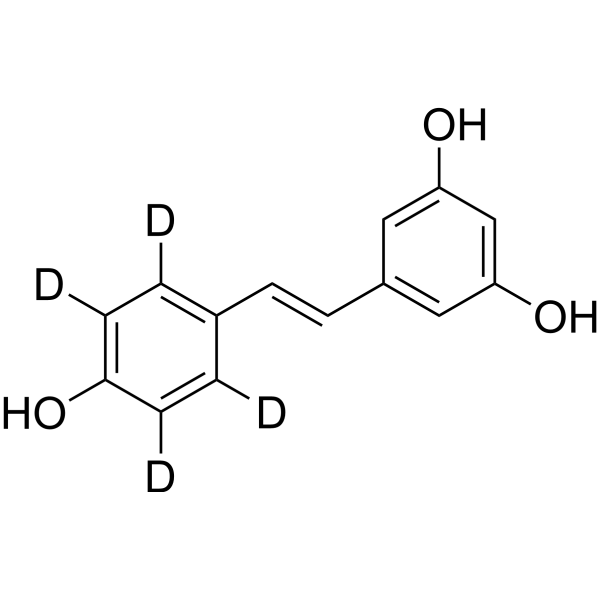
Resveratrol-d4 is the deuterium labeled Resveratrol. Resveratrol (trans-Resveratrol; SRT501), a natural polyphenolic phytoalexin that possesses anti-oxidant, anti-inflammatory, cardioprotective, and anti-cancer properties. Resveratrol (SRT 501) has a wide spectrum of targets including mTOR, JAK, β-amyloid, Adenylyl cyclase, IKKβ, DNA polymerase. Resveratrol also is a specific SIRT1 activator . Resveratrol is a potent pregnane X receptor (PXR) inhibitor . Resveratrol is an Nrf2 activator, ameliorates aging-related progressive renal injury in mice model . Resveratrol increases production of NO in endothelial cells .
|
-
-
- HY-114977
-
|
|
DNA/RNA Synthesis
Apoptosis
Reactive Oxygen Species (ROS)
|
Inflammation/Immunology
Cancer
|
|
Avenanthramide A is an orally active phytoalexin that targets the RNA helicase DDX3 with a KD of 8.8 μM. Avenanthramide A induces mitochondrial swelling and increased ROS production, and triggers apoptosis in CRC cells. Avenanthramide A inhibits smooth muscle cell proliferation and enhances nitric oxide production. Avenanthramide A can be used in research on colorectal cancer and atherosclerosis .
|
-
-
- HY-111334
-
-
-
- HY-136203
-
-
-
- HY-N3045
-
|
|
Drug Isomer
|
Others
|
|
(S,S)-Pisatin is a dimeric pterocarpan derivative. (S,S)-Pisatin can inhibit plant growth .
|
-
-
- HY-W007376R
-
|
3-Formylindole (Standard)
|
Reference Standards
Endogenous Metabolite
|
Others
|
|
Indole-3-carboxaldehyde (Standard) is the analytical standard of Indole-3-carboxaldehyde. This product is intended for research and analytical applications. Indole-3-carboxaldehyde (3-Formylindole), a banlangen extract, is the product of the oxidative degradation of indole-3-acetic acid (IAA) by crude enzyme preparations from etiolated pea seedlings. Indole-3-carboxaldehyde is a biochemical used to prepare analogs of the indole phytoalexin cyclobrassinin. Indole-3-carboxaldehyde also enhances the epithelial barrier and anti-inflammatory activity in the intestinal tract[1][2].
|
-
-
- HY-N0363A
-
|
(S)-Columbianetin acetate
|
Fungal
|
Infection
Inflammation/Immunology
|
|
(S)-Columbianetin acetate is an isomer of Columbianetin. Columbianetin is a phytoalexin associated with celery (Apium graveolens) resistance to pathogens during storage. Columbianetin exhibits excellent anti-fungal and anti-inflammatory activity .
|
-
-
- HY-W007376S
-
|
3-Formylindole-13C3
|
Isotope-Labeled Compounds
Endogenous Metabolite
|
Others
|
|
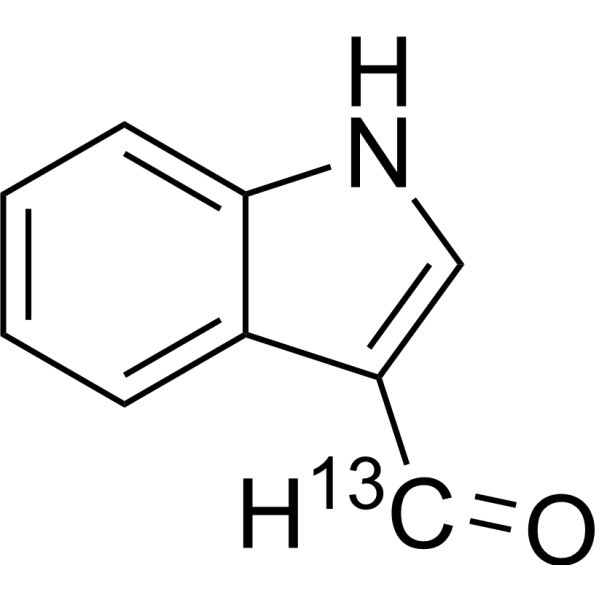
Indole-3-carboxaldehyde- 13C (3-Formylindole- 13C) is a 13C labeled Indole-3-carboxaldehyde (HY-W007376). Indole-3-carboxaldehyde (3-Formylindole), a banlangen extract, is the product of the oxidative degradation of indole-3-acetic acid (IAA) by crude enzyme preparations from etiolated pea seedlings. Indole-3-carboxaldehyde (3-Formylindole) is a biochemical used to prepare analogs of the indole phytoalexin cyclobrassinin .
|
-
-
- HY-N8744
-
|
(±)-Vestitol
|
Fungal
|
Infection
|
|
Vestitol ((±)-Vestitol) is an isoflavonoid phytoalexin and Antifungal agent. Vestitol can be isolated from the leaves of Trifolium arvense. Vestitol inhibits the mycelial growth of Helminthosporium carbonum with a ED50 of 17 μg/mL. Vestitol can be used in the research of fungal infections (Helminthosporium carbonum-induced plant diseases) .
|
-
-
- HY-N9128
-
|
|
Others
|
Others
|
|
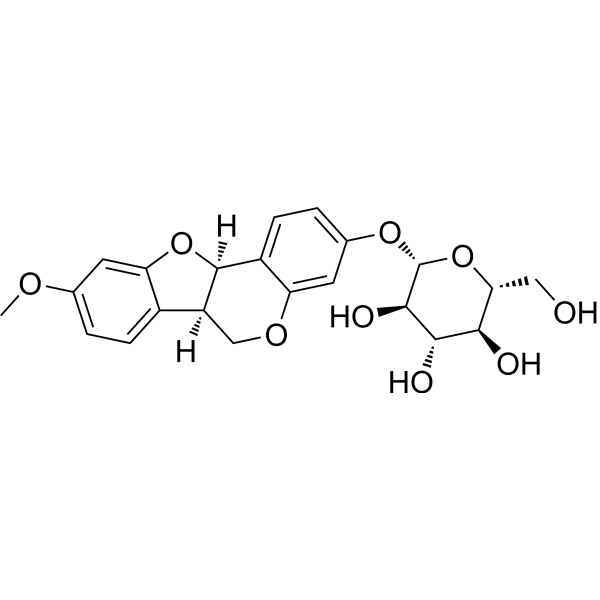
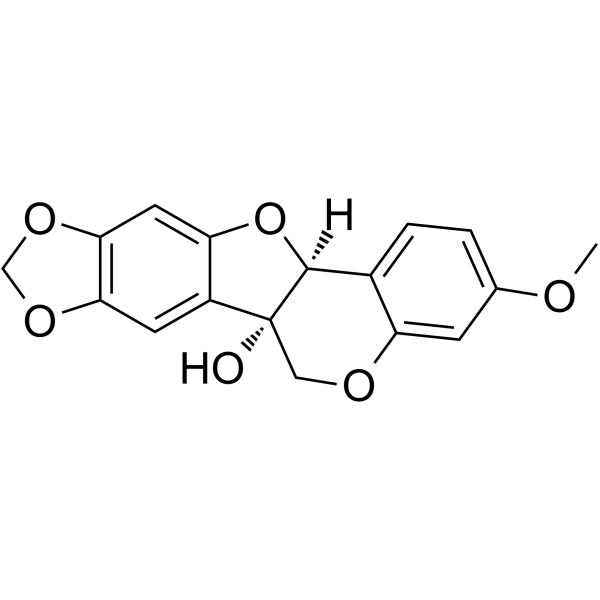
Medicarpin 3-O-glucoside a phytoalexin, shows inhibition against the germination of G. intraradices spores and hyphal elongation .
|
-
-
- HY-16561G
-
|
trans-Resveratrol; SRT501
|
DNA/RNA Synthesis
IKK
Autophagy
Mitophagy
Sirtuin
Apoptosis
Bacterial
Fungal
Keap1-Nrf2
|
Infection
Inflammation/Immunology
Cancer
|
|
Resveratrol (GMP) is Resveratrol (HY-16561) produced by using GMP guidelines. GMP small molecules work appropriately as an auxiliary reagent for cell therapy manufacture. Resveratrol (trans-Resveratrol; SRT501), a natural polyphenolic phytoalexin that possesses anti-oxidant, anti-inflammatory, cardioprotective, and anti-cancer properties. Resveratrol (SRT 501) has a wide spectrum of targets including mTOR, JAK, β-amyloid, Adenylyl cyclase, IKKβ, DNA polymerase. Resveratrol also is a specific SIRT1 activator . Resveratrol is a potent pregnane X receptor (PXR) inhibitor . Resveratrol is an Nrf2 activator, ameliorates aging-related progressive renal injury in mice model . Resveratrol increases production of NO in endothelial cells .
|
-
-
- HY-N12683
-
|
|
Fungal
|
Infection
|
|
Phaseollinisoflavan, an antifungal isoflavonoid, is a phytoalexin .
|
-
-
- HY-N3087
-
|
|
Others
|
Others
|
|
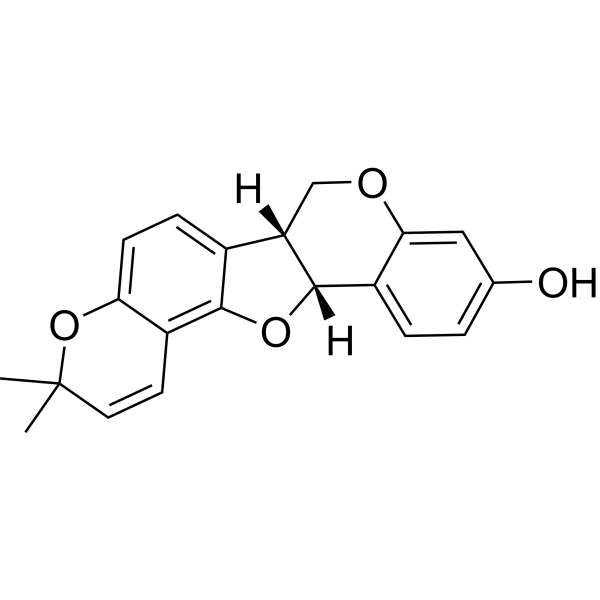
Phaseollin is an isoflavonoid phytoalexin that can be isolated from Phaseolus vulgaris . Phaseollin is toxic to bean hypocotyl and endocarp cells, and causes a complete lysis of sheep erythrocytes .
|
-
-
- HY-N1650
-
|
2α,3α,24-Trihydroxyurs-12-en-28-oic acid
|
Fungal
|
Infection
|
|
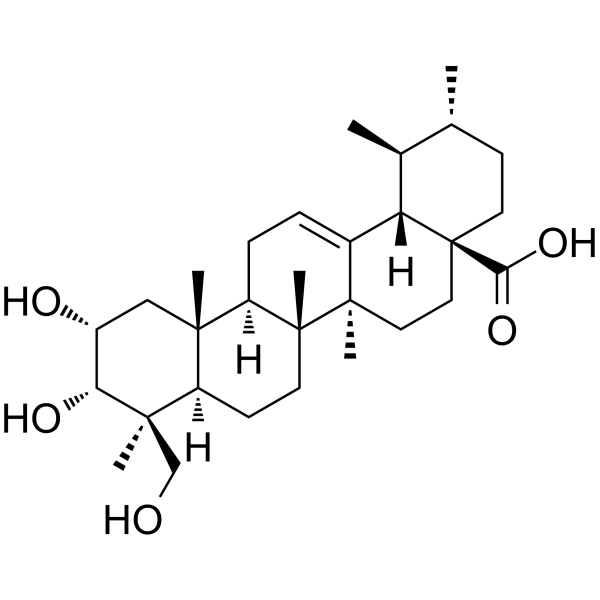
Pygenic acid B is a triterpenoid that can be isolated from the leaves of Glochidion obliquum. Pygenic acid B shows antifungal activity against C. musae. Pygenic acid B shows ONOO- scavenging activity .
|
-
-
- HY-N6051R
-
|
|
Reference Standards
Fungal
NOD-like Receptor (NLR)
NF-κB
|
Infection
Inflammation/Immunology
|
|
(-)-Maackiain (Standard) is the analytical standard of (-)-Maackiain. This product is intended for research and analytical applications. (-)-Maackiain is a pterocarpan phytoalexin produced from Sophora flavescens. (-)-Maackiain is toxic to several genera of fungal pathogens of legume and non legume hosts. (-)-Maackiain enhances the activation of NLRP3 inflammasome, inhibits the activation of NF-κB pathway, exhibiting thereby immunostimulatory and anti-inflammatory activities. (-)-Maackiain is orally active .
|
-
-
- HY-N3556
-
|
|
Fungal
|
Infection
|
|
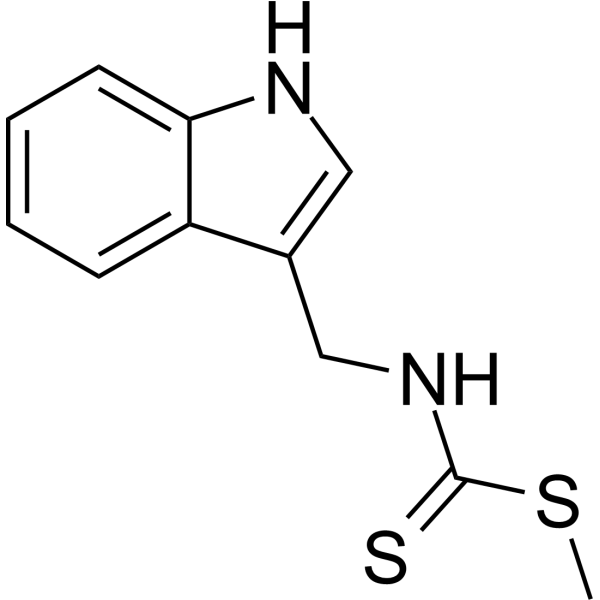
Caulilexin C is a phytoalexin from crucifers with antifungal activity .
|
-
-
- HY-116128
-
|
|
Fungal
|
Others
|
|
Brassilexin is a sulphur-containing phytoalexin, that can be isolated from Brassica juncea L., (cruciferae) .
|
-
-
- HY-119502R
-
|
|
Reference Standards
Reactive Oxygen Species (ROS)
Fungal
Bacterial
|
Infection
Cancer
|
|
Camalexin (Standard) is the analytical standard of Camalexin. This product is intended for research and analytical applications. Camalexin is a phytoalexin isolated from Camelina sativa (Cruciferae) with antibacterial, antifungal, antiproliferative and anticancer activities. Camalexin can induce reactive oxygen species (ROS) production[1][2][3].
|
-
-
- HY-N3006R
-
-
-
- HY-136204
-
-
-
- HY-114977R
-
|
|
Reference Standards
Apoptosis
DNA/RNA Synthesis
Reactive Oxygen Species (ROS)
|
Inflammation/Immunology
Cancer
|
|
Avenanthramide A (Standard) is the analytical standard of Avenanthramide A. This product is intended for research and analytical applications. Avenanthramide A is an orally active phytoalexin that targets the RNA helicase DDX3 with a KD of 8.8 μM. Avenanthramide A induces mitochondrial swelling and increased ROS production, and triggers apoptosis in CRC cells. Avenanthramide A inhibits smooth muscle cell proliferation and enhances nitric oxide production. Avenanthramide A can be used in research on colorectal cancer and atherosclerosis .
|
-
-
- HY-W750674
-
|
3-Formylindole-C13C8
|
Isotope-Labeled Compounds
|
Inflammation/Immunology
|
|
Indole-3-carboxaldehyde- 13C8 (3-Formylindole- 13C8) is the 13C-labeled Indole-3-carboxaldehyde (HY-W007376). Indole-3-carboxaldehyde, a banlangen extract, is the product of the oxidative degradation of indole-3-acetic acid (IAA) by crude enzyme preparations from etiolated pea seedlings. Indole-3-carboxaldehyde is a biochemical used to prepare analogs of the indole phytoalexin cyclobrassinin. Indole-3-carboxaldehyde also enhances the epithelial barrier and anti-inflammatory activity in the intestinal tract .
|
-
-
- HY-16561S1
-
|
trans-Resveratrol-13C6; SRT501-13C6
|
Isotope-Labeled Compounds
DNA/RNA Synthesis
IKK
Autophagy
Mitophagy
Sirtuin
Apoptosis
Bacterial
Fungal
Antibiotic
Keap1-Nrf2
|
Infection
Inflammation/Immunology
Cancer
|
|
Resveratrol- 13C6 is the 13C-labeled Resveratrol. Resveratrol (trans-Resveratrol; SRT501), a natural polyphenolic phytoalexin that possesses anti-oxidant, anti-inflammatory, cardioprotective, and anti-cancer properties. Resveratrol (SRT 501) has a wide spectrum of targets including mTOR, JAK, β-amyloid, Adenylyl cyclase, IKKβ, DNA polymerase. Resveratrol also is a specific SIRT1 activator . Resveratrol is a potent pregnane X receptor (PXR) inhibitor . Resveratrol is an Nrf2 activator, ameliorates aging-related progressive renal injury in mice model . Resveratrol increases production of NO in endothelial cells .
|
-
-
- HY-N3088
-
|
|
Fungal
|
Infection
|
|
Phaseollidin hydrate is the hydrate form of the antimicrobial phytoalexin Phaseollidin, which has lower antifungal activity than the original Phaseollidin .
|
-
-
- HY-N11759
-
|
|
Others
|
Inflammation/Immunology
|
|
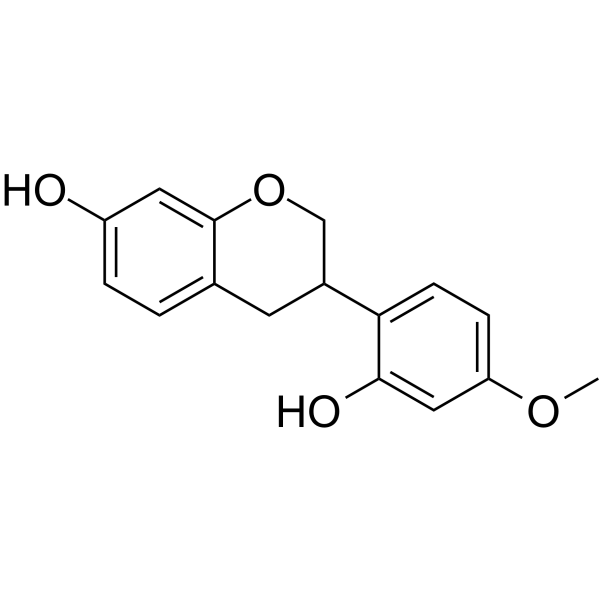
2′-Hydroxydihydrodaidzein is an isoflavonoid phytoalexin that can be extacted from the Fungus-inoculated Leaflets of Erythrina Species. 2′-Hydroxydihydrodaidzein has antioxidant acitivity .
|
-
-
- HY-171795
-
|
|
Bacterial
Fungal
|
Infection
|
|
Isolubimin is a sesquiterpenoid phytoalexin found in Datura stramonium fruits with antibacterial activity. Isolubimin is promising for research of plant disease caused by fungal infections .
|
-
-
- HY-N10971
-
|
|
Fungal
|
Infection
|
|
Noraucuparin is a biphenyl-type phytoalexin. Noraucuparin has antifungal effect. Noraucuparin can be isolated from the leaves of Sorbus pohuashanensis .
|
-
-
- HY-N15326
-
|
|
Fungal
|
Infection
|
|
Phytoalexine (Compound 8) is a phytoalexin found in wasabi with antifungal activity against fungi such as Phoma lingam and Phoma wasabiae. Phytoalexine inhibits spore germination and mycelial growth of fungi. Phytoalexine is promising for research of pesticides against plant fungal diseases .
|
-
-
- HY-N9695
-
|
|
Fungal
|
Infection
|
|
2,6-Dihydroxy-4-methoxyacetophenone is a phytoalexin, that can be isolated from the root tissue of Sanguisorba minor. 2,6-Dihydroxy-4-methoxyacetophenone exhibits antifungal activity. 2,6-Dihydroxy-4-methoxyacetophenone is a strong germination inhibitor on B. cinerea .
|
-
-
- HY-N12475
-
|
|
Fungal
Cytochrome P450
|
Infection
|
|
Solavetivone is a Sesquiterpenoid phytoalexin and Antifungal agent. Solavetivone is isolated from stress-challenged potato plants. Solavetivone is hydroxylated by sesquiterpenoid phytoalexin hydroxylase (SPH/CYP76A2L). Solavetivone helps solanaceous plants defend against pathogens, damages plant cells after pathogen threat, and inhibits mycelial growth of Rhizoctonia solani. Solavetivone is applicable to studies related to Rhizoctonia solani infection .
|
-
-
- HY-N8750
-
|
|
Others
|
Others
|
|
5-Acetyl-2-(1-hydroxy-1-methylethyl)benzofuran serves as a phytoalexin.
|
-
-
- HY-N1635
-
|
|
Others
|
Others
|
|
1-Methoxyindole-3-carboxylic acid (compound 5) is synthetic from a phytoalexin nucleophilic substitution reaction selectively at the 2-position .
|
-
-
- HY-N13287
-
|
|
Bacterial
|
Infection
|
|
Ayapin is a major phytoalexin found in sunflower. Ayapin inhibits the growth of S. scerorotiorum (IC50 of 0.16 mM for 50% inhibition). Ayapin can be used in anti-sclerotinia research .
|
-
-
- HY-N12144
-
|
4-Prenylresveratrol
|
Others
|
Others
|
|
Arachidin 2 is a antitoxins of plant origin .
|
-
-
- HY-N9075
-
|
|
Glycosidase
|
Cancer
|
|
9-(4′-Hydroxyphenyl)-2-methoxyphenalen-1-one is a phytoalexin and mixed competitive α-glucosidase inhibitor of Bacillus stearothermophilus (IC50: 3.86 mg/L) .
|
-
-
- HY-N0363R
-
|
(S)-Columbianetin (Standard)
|
Reference Standards
Fungal
|
Infection
Inflammation/Immunology
|
|
(+)-Columbianetin (Standard) is the analytical standard of (+)-Columbianetin. This product is intended for research and analytical applications. (+)-Columbianetin is an isomer of Columbianetin. Columbianetin is a phytoalexin associated with celery (Apium graveolens) resistance to pathogens during storage. Columbianetin exhibits excellent anti-fungal and anti-inflammatory activity .
|
-
-
- HY-N0363AR
-
|
(S)-Columbianetin acetate (Standard)
|
Reference Standards
Fungal
|
Infection
Inflammation/Immunology
|
|
(+)-Columbianetin acetate (Standard) is the analytical standard of (+)-Columbianetin acetate. This product is intended for research and analytical applications. (S)-Columbianetin acetate is an isomer of Columbianetin. Columbianetin is a phytoalexin associated with celery (Apium graveolens) resistance to pathogens during storage. Columbianetin exhibits excellent anti-fungal and anti-inflammatory activity .
|
-
-
- HY-N12497
-
|
|
Fungal
|
Infection
|
|
Moracin B is a phytoalexin with antifungal activity. Moracin B can be isolated from the cortex and phloem tissues of mulberry (Morus alba Linne) infected with Fusarium solani f. sp. mori. Moracin B can be used to study plant disease resistance mechanisms against microbial infections, particularly showing potential application value in the field of plant disease control .
|
-
-
- HY-114977S
-
|
|
Isotope-Labeled Compounds
Apoptosis
DNA/RNA Synthesis
Reactive Oxygen Species (ROS)
|
Inflammation/Immunology
Cancer
|
|
Avenanthramide A-d4 is the deuterium labeled Avenanthramide A (HY-114977). Avenanthramide A is an orally active phytoalexin that targets the RNA helicase DDX3 with a KD of 8.8 μM. Avenanthramide A induces mitochondrial swelling and increased ROS production, and triggers apoptosis in CRC cells. Avenanthramide A inhibits smooth muscle cell proliferation and enhances nitric oxide production. Avenanthramide A can be used in research on colorectal cancer and atherosclerosis .
|
-
-
- HY-N9564
-
|
|
Fungal
|
Infection
|
|
Pisatin is a phytoalexin found in pea (Pisum sativum L.) and an anti-fungal agent. Pisatin can be used for the research of pea plant disease caused by Nectria haematococca .
|
-
-
- HY-N18069
-
|
|
Fungal
Endogenous Metabolite
|
Infection
|
|
Avenanthramide L is a phytoalexin that can inhibit the spore germination of Puccinia coronata f. sp. avenae. Avenanthramide L is found in the leaves of inoculated oats, but not in the leaves of healthy oat seedlings, and at a concentration of 200-300 μg/mL. Avenanthramide L inhibits fungal spore germination by up to 50%. Avenanthramide L is absent from the leaves of healthy oat seedlings. Avenanthramide L can be used for the research of oat crown rust .
|
-
-
- HY-N15410
-
|
|
Endogenous Metabolite
|
Others
|
|
β-Cotonefuran is a dibenzofuran phytoalexin produced by plants in response to biotic and abiotic stresses. β-Cotonefuran can be used in the study of Arabidopsis thaliana's response to salt stress .
|
-
-
- HY-171664
-
|
ent-CPP
|
Endogenous Metabolite
|
Others
|
|
ent-Copalyl diphosphate (ent-CPP) is a terpenoid precursor and metabolite involved in plant biosynthetic pathways. ent-Copalyl diphosphate participates in metabolism of natural products including phytoalexins in rice and maize, and steviol glycoside in Stevia rebaudiana .
|
-
-
- HY-W748453
-
|
|
Others
|
Others
|
|
Cyclokievitone is an isoflavanone found in cuprous chloride-treated seedlings of Phaseolus lunatus (lima bean) .
|
-
- HY-N13282
-
|
|
Bacterial
Fungal
|
Infection
|
|
Glyceocarpin is a phytoalexin and antibacterial agent naturally occurring in Glycine max, with weak antifungal activity. Glyceocarpin serves as the biosynthetic precursor of Glyceollins II (HY-N18032) and Glyceollins III. Glyceocarpin can be biosynthesized by the prenyltransferase and subsequent modification by cytochrome P450 enzymes. Glyceocarpin can be used for the study of soybean root and stem rot caused by Phytophthora sojae .
|
-
- HY-N19791
-
|
|
NF-κB
Fungal
Interleukin Related
|
Infection
Cancer
|
|
6-Methoxymellein, a phytoalexin, is a NF-κB inhibitor. 6-Methoxymellein reduces nuclear localization and DNA binding activity of NF-κB p65 and p50 subunits. 6-Methoxymellein decreases mRNA transcription and secretion of IL-6 and IL-8. 6-Methoxymellein reduces the proportion of CD44 +/CD24 − breast cancer cells, decreases expression of c-Myc, Sox-2 and Oct4, inhibits proliferation and migration of breast cancer cells, and reduces mammosphere growth. 6-Methoxymellein inhibits fungal growth of Trichophyton rubrum and Botrytis cinerea, and inhibits Trichophyton rubrum biofilm formation via hyphal disintegration. 6-Methoxymellein can be used for the research of breast cancer, tinea corporis, and carrot post-harvest storage rot .
|
-
- HY-N13283
-
|
|
Drug Intermediate
|
Others
|
|
Glyceollidin I is an isoflavonoid derivative present in soybean (Glycine max) tissues. Glyceollidin I is produced in soybean tissues in response to biotic or abiotic factors, and serves as a biosynthetic precursor of Glyceollin I (HY-N11785) .
|
-
- HY-N18032
-
|
|
Others
|
Infection
|
|
Glyceollin II is a glyceollin found in soybean cotyledons (CY. Harosoy 63) inoculated with Phytophthora megaspenna f.sp. glycinea race 1. Glyceollin II inhibits the radial mycelial growth of P. megasperma f.sp. gbcinea race 1. Glyceollin II inhbiits zoospore germination (ED50 = 7 μg/mL) and causes zoospores to burst. Glyceollin II can be used for the research of Phytophthora megasperma f.sp. glycinea infection in soybeans .
|
-
| Cat. No. |
Product Name |
Type |
-
- HY-16561G
-
|
trans-Resveratrol; SRT501
|
Fluorescent Dyes
|
|
Resveratrol (GMP) is Resveratrol (HY-16561) produced by using GMP guidelines. GMP small molecules work appropriately as an auxiliary reagent for cell therapy manufacture. Resveratrol (trans-Resveratrol; SRT501), a natural polyphenolic phytoalexin that possesses anti-oxidant, anti-inflammatory, cardioprotective, and anti-cancer properties. Resveratrol (SRT 501) has a wide spectrum of targets including mTOR, JAK, β-amyloid, Adenylyl cyclase, IKKβ, DNA polymerase. Resveratrol also is a specific SIRT1 activator . Resveratrol is a potent pregnane X receptor (PXR) inhibitor . Resveratrol is an Nrf2 activator, ameliorates aging-related progressive renal injury in mice model . Resveratrol increases production of NO in endothelial cells .
|
| Cat. No. |
Product Name |
Type |
-
- HY-16561G
-
|
trans-Resveratrol; SRT501
|
Biochemical Assay Reagents
|
|
Resveratrol (GMP) is Resveratrol (HY-16561) produced by using GMP guidelines. GMP small molecules work appropriately as an auxiliary reagent for cell therapy manufacture. Resveratrol (trans-Resveratrol; SRT501), a natural polyphenolic phytoalexin that possesses anti-oxidant, anti-inflammatory, cardioprotective, and anti-cancer properties. Resveratrol (SRT 501) has a wide spectrum of targets including mTOR, JAK, β-amyloid, Adenylyl cyclase, IKKβ, DNA polymerase. Resveratrol also is a specific SIRT1 activator . Resveratrol is a potent pregnane X receptor (PXR) inhibitor . Resveratrol is an Nrf2 activator, ameliorates aging-related progressive renal injury in mice model . Resveratrol increases production of NO in endothelial cells .
|
| Cat. No. |
Product Name |
Category |
Target |
Chemical Structure |
-
- HY-16561
-
-
-
- HY-W007376
-
-
-
- HY-N3006
-
-
-
- HY-16561R
-
|
trans-Resveratrol (Standard); SRT501 (Standard)
|
Infection
Functional Molecules
Classification of Application Fields
Sunscreen
Anti-aging
Research of Health Products
Cosmetic Research
Plants
Inflammation/Immunology
Disease Research Fields
Source Classification
Cancer
|
Reference Standards
IKK
Autophagy
Mitophagy
Sirtuin
Apoptosis
Bacterial
Fungal
Antibiotic
Keap1-Nrf2
|
|
Resveratrol (Standard) is the analytical standard of Resveratrol. This product is intended for research and analytical applications. Resveratrol (trans-Resveratrol; SRT501), a natural polyphenolic phytoalexin that possesses anti-oxidant, anti-inflammatory, cardioprotective, and anti-cancer properties. Resveratrol (SRT 501) has a wide spectrum of targets including mTOR, JAK, β-amyloid, Adenylyl cyclase, IKKβ, DNA polymerase. Resveratrol also is a specific SIRT1 activator . Resveratrol is a potent pregnane X receptor (PXR) inhibitor . Resveratrol is an Nrf2 activator, ameliorates aging-related progressive renal injury in mice model . Resveratrol increases production of NO in endothelial cells .
|
-
-
- HY-119502
-
-
-
- HY-N6051
-
-
-
- HY-114977
-
-
-
- HY-111334
-
-
-
- HY-N3045
-
-
-
- HY-W007376R
-
-
-
- HY-N0363A
-
-
-
- HY-N8744
-
-
-
- HY-N9128
-
-
-
- HY-N12683
-
-
-
- HY-N3087
-
-
-
- HY-N1650
-
-
-
- HY-N6051R
-
-
-
- HY-N3556
-
-
-
- HY-116128
-
-
-
- HY-119502R
-
-
-
- HY-N3006R
-
-
-
- HY-114977R
-
-
-
- HY-N3088
-
-
-
- HY-N11759
-
-
-
- HY-N10971
-
-
-
- HY-N15326
-
-
-
- HY-N12475
-
-
-
- HY-N8750
-
-
-
- HY-N1635
-
-
-
- HY-N13287
-
-
-
- HY-N12144
-
-
-
- HY-N9075
-
-
-
- HY-N0363R
-
-
-
- HY-N0363AR
-
-
-
- HY-N12497
-
|
|
Phenols
Polyphenols
Morus alba L.
Plants
Moraceae
Source Classification
|
Fungal
|
|
Moracin B is a phytoalexin with antifungal activity. Moracin B can be isolated from the cortex and phloem tissues of mulberry (Morus alba Linne) infected with Fusarium solani f. sp. mori. Moracin B can be used to study plant disease resistance mechanisms against microbial infections, particularly showing potential application value in the field of plant disease control .
|
-
-
- HY-N9564
-
-
-
- HY-N18069
-
|
|
Structural Classification
Alkaloids
Microorganisms
Other Alkaloids
Source Classification
|
Fungal
Endogenous Metabolite
|
|
Avenanthramide L is a phytoalexin that can inhibit the spore germination of Puccinia coronata f. sp. avenae. Avenanthramide L is found in the leaves of inoculated oats, but not in the leaves of healthy oat seedlings, and at a concentration of 200-300 μg/mL. Avenanthramide L inhibits fungal spore germination by up to 50%. Avenanthramide L is absent from the leaves of healthy oat seedlings. Avenanthramide L can be used for the research of oat crown rust .
|
-
-
- HY-N15410
-
-
-
- HY-171664
-
-
-
- HY-W748453
-
-
-
- HY-N13282
-
-
-
- HY-N19791
-
|
|
Structural Classification
Monophenols
Coumarins
Phenols
Phenylpropanoids
Decachaeta ovatifolia (DC.) R.M.King & H.Rob.
Umbelliferae
Plants
Source Classification
|
NF-κB
Fungal
Interleukin Related
|
|
6-Methoxymellein, a phytoalexin, is a NF-κB inhibitor. 6-Methoxymellein reduces nuclear localization and DNA binding activity of NF-κB p65 and p50 subunits. 6-Methoxymellein decreases mRNA transcription and secretion of IL-6 and IL-8. 6-Methoxymellein reduces the proportion of CD44 +/CD24 − breast cancer cells, decreases expression of c-Myc, Sox-2 and Oct4, inhibits proliferation and migration of breast cancer cells, and reduces mammosphere growth. 6-Methoxymellein inhibits fungal growth of Trichophyton rubrum and Botrytis cinerea, and inhibits Trichophyton rubrum biofilm formation via hyphal disintegration. 6-Methoxymellein can be used for the research of breast cancer, tinea corporis, and carrot post-harvest storage rot .
|
-
-
- HY-N13283
-
-
-
- HY-N18032
-
|
|
Structural Classification
Monophenols
Leguminosae
Glycine max (L.) merr
Phenols
Plants
Source Classification
|
Others
|
|
Glyceollin II is a glyceollin found in soybean cotyledons (CY. Harosoy 63) inoculated with Phytophthora megaspenna f.sp. glycinea race 1. Glyceollin II inhibits the radial mycelial growth of P. megasperma f.sp. gbcinea race 1. Glyceollin II inhbiits zoospore germination (ED50 = 7 μg/mL) and causes zoospores to burst. Glyceollin II can be used for the research of Phytophthora megasperma f.sp. glycinea infection in soybeans .
|
-
| Cat. No. |
Product Name |
Chemical Structure |
-
- HY-16561S
-
|
|
|
Resveratrol-d4 is the deuterium labeled Resveratrol. Resveratrol (trans-Resveratrol; SRT501), a natural polyphenolic phytoalexin that possesses anti-oxidant, anti-inflammatory, cardioprotective, and anti-cancer properties. Resveratrol (SRT 501) has a wide spectrum of targets including mTOR, JAK, β-amyloid, Adenylyl cyclase, IKKβ, DNA polymerase. Resveratrol also is a specific SIRT1 activator . Resveratrol is a potent pregnane X receptor (PXR) inhibitor . Resveratrol is an Nrf2 activator, ameliorates aging-related progressive renal injury in mice model . Resveratrol increases production of NO in endothelial cells .
|
-
-
- HY-W007376S
-
|
|
|
Indole-3-carboxaldehyde- 13C (3-Formylindole- 13C) is a 13C labeled Indole-3-carboxaldehyde (HY-W007376). Indole-3-carboxaldehyde (3-Formylindole), a banlangen extract, is the product of the oxidative degradation of indole-3-acetic acid (IAA) by crude enzyme preparations from etiolated pea seedlings. Indole-3-carboxaldehyde (3-Formylindole) is a biochemical used to prepare analogs of the indole phytoalexin cyclobrassinin .
|
-
-
- HY-W750674
-
|
|
|
Indole-3-carboxaldehyde- 13C8 (3-Formylindole- 13C8) is the 13C-labeled Indole-3-carboxaldehyde (HY-W007376). Indole-3-carboxaldehyde, a banlangen extract, is the product of the oxidative degradation of indole-3-acetic acid (IAA) by crude enzyme preparations from etiolated pea seedlings. Indole-3-carboxaldehyde is a biochemical used to prepare analogs of the indole phytoalexin cyclobrassinin. Indole-3-carboxaldehyde also enhances the epithelial barrier and anti-inflammatory activity in the intestinal tract .
|
-
-
- HY-16561S1
-
|
|
|
Resveratrol- 13C6 is the 13C-labeled Resveratrol. Resveratrol (trans-Resveratrol; SRT501), a natural polyphenolic phytoalexin that possesses anti-oxidant, anti-inflammatory, cardioprotective, and anti-cancer properties. Resveratrol (SRT 501) has a wide spectrum of targets including mTOR, JAK, β-amyloid, Adenylyl cyclase, IKKβ, DNA polymerase. Resveratrol also is a specific SIRT1 activator . Resveratrol is a potent pregnane X receptor (PXR) inhibitor . Resveratrol is an Nrf2 activator, ameliorates aging-related progressive renal injury in mice model . Resveratrol increases production of NO in endothelial cells .
|
-
-
- HY-114977S
-
|
|
|
Avenanthramide A-d4 is the deuterium labeled Avenanthramide A (HY-114977). Avenanthramide A is an orally active phytoalexin that targets the RNA helicase DDX3 with a KD of 8.8 μM. Avenanthramide A induces mitochondrial swelling and increased ROS production, and triggers apoptosis in CRC cells. Avenanthramide A inhibits smooth muscle cell proliferation and enhances nitric oxide production. Avenanthramide A can be used in research on colorectal cancer and atherosclerosis .
|
-
| Cat. No. |
Product Name |
Target |
Research Areas |
Chemical Structure |
-
- HY-16561G
-
|
trans-Resveratrol; SRT501
|
DNA/RNA Synthesis
IKK
Autophagy
Mitophagy
Sirtuin
Apoptosis
Bacterial
Fungal
Keap1-Nrf2
|
Infection
Inflammation/Immunology
Cancer
|
|
Resveratrol (GMP) is Resveratrol (HY-16561) produced by using GMP guidelines. GMP small molecules work appropriately as an auxiliary reagent for cell therapy manufacture. Resveratrol (trans-Resveratrol; SRT501), a natural polyphenolic phytoalexin that possesses anti-oxidant, anti-inflammatory, cardioprotective, and anti-cancer properties. Resveratrol (SRT 501) has a wide spectrum of targets including mTOR, JAK, β-amyloid, Adenylyl cyclase, IKKβ, DNA polymerase. Resveratrol also is a specific SIRT1 activator . Resveratrol is a potent pregnane X receptor (PXR) inhibitor . Resveratrol is an Nrf2 activator, ameliorates aging-related progressive renal injury in mice model . Resveratrol increases production of NO in endothelial cells .
|
-
Your information is safe with us. * Required Fields.
Inquiry Information
- Product Name:
- Cat. No.:
- Quantity:
- MCE Japan Authorized Agent:

